Feeling uncertain about what to expect in your upcoming interview? We’ve got you covered! This blog highlights the most important Knowledge of Sewing Equipment and Tools interview questions and provides actionable advice to help you stand out as the ideal candidate. Let’s pave the way for your success.
Questions Asked in Knowledge of Sewing Equipment and Tools Interview
Q 1. What are the different types of sewing machine needles and their applications?
Sewing machine needles come in a wide variety of types, each designed for a specific fabric and sewing application. The key differences lie in the point type, shaft size, and system (e.g., 130/705H, 15×1). Choosing the right needle is crucial for preventing skipped stitches, broken needles, and fabric damage.
- Universal Needles: These are all-purpose needles suitable for a range of fabrics, including cotton, linen, and lightweight wools. They are a great starting point for most sewing projects.
- Ballpoint Needles: Designed for knit fabrics, their rounded point slides between the fibers instead of piercing them, preventing runs and snags. Think stretchy t-shirts or jersey fabric.
- Sharp Needles: These needles have a sharp point ideal for weaving, denim, canvas, and other tightly woven fabrics. They easily penetrate thicker materials.
- Embroidery Needles: These needles feature a slightly larger eye to accommodate embroidery threads, and often a slightly shorter shaft to help navigate intricate designs. They are essential for machine embroidery projects.
- Jeans Needles: Specifically designed for heavier fabrics like denim and canvas, these needles have a strong shaft to withstand the stress of sewing through tough materials.
- Leather Needles: With a thick, strong shaft and a sharp point, they are vital for sewing leather, vinyl and other thick materials.
For example, using a ballpoint needle on denim will likely result in bent needles, while using a sharp needle on a delicate silk would result in holes.
Q 2. Describe the function of a walking foot.
A walking foot is a specialized sewing machine presser foot with multiple feed dogs, both on the foot itself and integrated with the machine’s feed dogs. Its primary function is to feed multiple layers of fabric evenly through the machine, preventing slippage and ensuring consistent stitching, particularly useful for bulky fabrics or difficult projects.
Imagine trying to sew several layers of thick quilting fabric together. Without a walking foot, the top layers may shift and bunch, resulting in uneven stitching. The walking foot grips and moves all layers at the same pace, ensuring a smooth, even result. It’s indispensable for projects like quilting, sewing leather, or working with pleats and ruffles.
Q 3. How do you troubleshoot a skipped stitch on a sewing machine?
Skipped stitches are a common sewing machine problem, but usually easily solved. Here’s a step-by-step troubleshooting guide:
- Check the needle: Is it the correct type for your fabric? Is it bent or dull? Replace it with a new needle of the appropriate size and type.
- Inspect the thread: Is the thread tangled or knotted? Is it the correct type and weight for your machine and fabric? Use a new spool of thread. Ensure the thread is correctly threaded through the machine, following the machine’s manual.
- Examine the bobbin: Is the bobbin properly wound and inserted? Is the bobbin thread tangled or too tight? Rewind the bobbin if necessary, and ensure the bobbin case is correctly placed and the tension is adjusted properly.
- Adjust tension: Incorrect tension can cause skipped stitches. Consult your machine’s manual to adjust the upper and lower tension dials. Test with a scrap fabric.
- Clean the machine: Lint and dust can build up and interfere with the machine’s mechanics. Clean the bobbin area, feed dogs, and underneath the needle plate using a brush.
- Check the feed dogs: Ensure the feed dogs are moving freely and not obstructed.
If the problem persists after these steps, consult your sewing machine’s manual or a qualified repair technician.
Q 4. Explain the differences between sergers and overlock machines.
While both sergers and overlock machines create a finished seam edge by interlocking loops of thread, there are key differences:
- Overlock Machines: Primarily designed for finishing seams and preventing fraying. They typically use two or three threads to create a neat, overlocked edge. They are simpler and often more affordable.
- Sergers: Offer more versatility. Besides overlocking, they can often sew seams, create decorative stitches, and even cut the fabric edges simultaneously. They generally use four threads (or more on some models) for a more durable, professional finish. They’re generally more complex and expensive.
Think of it this way: an overlock machine is like a specialized tool for finishing edges, while a serger is a multi-tool for both seaming and finishing, offering more control and options.
Q 5. What safety precautions should be followed when operating industrial sewing machines?
Industrial sewing machines are powerful tools that require strict adherence to safety protocols:
- Never operate the machine without proper training.
- Always use appropriate guards and safety devices. These prevent accidental injury from moving parts.
- Keep hands and loose clothing away from moving parts. Long hair should be tied back.
- Use the correct needles and thread for the fabric. Using incorrect materials could cause the needle to break or the machine to malfunction.
- Regularly inspect the machine for damage or wear and tear. Report any issues immediately to avoid accidents.
- Never attempt to repair the machine yourself unless you are qualified. Only authorized personnel should undertake repairs.
- Maintain a clean and organized workspace. Clutter can cause accidents.
- Always turn off the machine and unplug it before cleaning or performing maintenance.
Following these precautions reduces the risk of serious injury and ensures a safe working environment.
Q 6. How do you maintain and clean a sewing machine?
Regular maintenance is key to a sewing machine’s longevity and smooth operation. Here’s how to maintain and clean your machine:
- Regular Cleaning: After each sewing session, remove lint and dust from the bobbin area, feed dogs, and around the needle plate using a brush or compressed air.
- Lubrication: Refer to your machine’s manual for lubrication points and the type of oil recommended. Proper lubrication reduces friction and prevents wear.
- Bobbin Case Cleaning: Clean the bobbin case thoroughly. Lint buildup can affect the bobbin’s movement and cause tension issues.
- Needle Replacement: Replace your needle regularly, even if it doesn’t seem damaged. A dull needle can result in skipped stitches and fabric damage.
- Professional Servicing: Schedule annual professional servicing to thoroughly clean and inspect the machine. This ensures optimal performance and prevents potential problems.
Think of it like regular car maintenance – preventative care saves you headaches (and money!) in the long run.
Q 7. What are the different types of sewing machine bobbins and how do you load them?
Bobbins vary in size and type, depending on the sewing machine model. Common types include:
- Class 15 bobbins: These are common in many household sewing machines.
- Class 66 bobbins: Often used in industrial machines or high-end household machines.
- Other specialized bobbins: Some machines use specific types, so check your machine’s manual.
Loading a bobbin usually involves winding the bobbin with thread (often using a built-in winder on the machine), then inserting it into the bobbin case. The bobbin case is then placed into the machine’s bobbin area, under the needle plate. Your sewing machine’s manual will have detailed instructions specific to your machine and bobbin type. Incorrect loading can lead to tension problems and jammed stitches. Pay careful attention to the diagrams in your instruction manual for the correct placement.
Q 8. Explain the process of threading a sewing machine.
Threading a sewing machine might seem daunting, but it’s a straightforward process once you understand the steps. Think of it like guiding a tiny thread through a series of carefully designed pathways. The exact process varies slightly depending on the machine’s model, but the general principles remain the same. Always refer to your machine’s manual for specific instructions.
- Raise the presser foot: This prevents the needle from hitting the fabric and ensures smooth thread passage.
- Wind the bobbin: Ensure the bobbin is correctly wound and placed in the bobbin case.
- Thread the upper tension discs: Guide the thread through the designated tension discs – these control how tightly the thread is held. Incorrect threading here leads to skipped stitches. Look for the small notches and guides; it’s like a mini obstacle course for the thread.
- Thread the take-up lever: This lever regulates the movement of the thread from the spool to the needle. It’s usually a small, curved lever near the top of the machine.
- Thread the needle: Insert the thread through the needle eye from front to back, pulling a sufficient length. Using a threader can make this step easier, especially with fine needles.
- Engage the needle: Ensure the needle is fully inserted and tightened.
- Test the threading: Lower the needle, turn the handwheel to move the needle up and down, and check that the thread feeds smoothly.
Once you’ve completed these steps, you’re ready to begin sewing! Remember, consistent practice makes perfect. I’ve personally found that threading my antique Singer is a meditative process now, but it certainly wasn’t always so!
Q 9. What are the different types of seams used in garment construction?
Seams are the foundation of garment construction, joining fabric pieces together. The choice of seam depends on the garment’s style, fabric weight, and desired durability. Some popular seam types include:
- Straight Seam: The simplest, formed by stitching two fabric edges together in a straight line. Ideal for basic garments.
- French Seam: Encloses raw edges completely, creating a very neat and durable finish. Perfect for fine fabrics and garments needing a high-quality finish.
- Overlocked Seam (Serged Seam): Uses a serger to stitch and cut raw edges simultaneously, preventing fraying and creating a decorative finish. Excellent for stretchy fabrics and active wear.
- Flat-Felled Seam: Known for its durability and clean finish, it’s commonly used in jeans and other heavy-duty garments. One seam allowance is enclosed within the other.
- Zigzag Seam: Uses a zigzag stitch to secure raw edges. Suitable for preventing fraying in lightweight fabrics.
- Double-Needle Seam: Creates a decorative double row of stitching, often used for hems and decorative seams.
Choosing the appropriate seam is critical; using a French seam for a sturdy workwear garment would be unnecessarily time-consuming, whereas a straight seam on a delicate silk blouse would be inappropriate. Each seam type serves a purpose, and understanding these nuances elevates your sewing prowess.
Q 10. How do you adjust the tension on a sewing machine?
Sewing machine tension is the balance between the upper and lower thread tensions. Correct tension is crucial for creating even, neat stitches. Think of it like a tug-of-war – the threads need to pull equally to avoid problems. Improper tension leads to puckering, skipped stitches, or broken threads.
Most machines have upper tension dials, usually numbered. Adjusting them requires careful observation. Begin by sewing a test swatch to establish a baseline.
- Upper tension too tight: Stitches will be puckered on the top of the fabric.
- Upper tension too loose: Stitches will be loose on the top, potentially showing the bobbin thread.
- Lower tension too tight: Stitches will be puckered on the bottom.
- Lower tension too loose: Stitches will be loose on the bottom.
If adjustments to the upper tension are insufficient, you might need to adjust the bobbin tension. Consult your machine manual for instructions on adjusting the bobbin case tension. This often involves small screws or adjustments within the bobbin case.
The process is iterative; making small adjustments and testing often is key to finding the perfect balance. I remember spending hours once trying to get the tension right on a particularly fine silk – patience is your best friend here!
Q 11. How do you identify and repair a broken needle?
A broken needle can be frustrating, but identifying and replacing it is a simple fix. A bent or broken needle causes skipped stitches, jammed fabric, and even damage to the machine. Inspect the needle carefully, looking for any bending, breakage, or burrs (tiny metal imperfections).
- Remove the broken needle: Use needle nose pliers or tweezers to gently remove the broken needle, ensuring no fragments remain in the machine.
- Identify the needle type: Note the needle size and type. This information is usually stamped on the needle shaft. Using the wrong needle type for your fabric can easily lead to breakage.
- Insert a new needle: Insert a new needle of the correct size and type into the needle clamp, ensuring it’s firmly secured. Tighten the screw securely, but avoid over-tightening.
- Test the new needle: Before starting a project, sew a test swatch to confirm that the new needle is working correctly. This avoids wasting time and fabric on a larger project.
Needle breakage is common, especially with heavier fabrics or when using incorrect needle types. Regular needle replacements help prevent this from becoming a recurring problem. It’s good practice to change needles regularly as a preventative measure.
Q 12. What are the different types of presser feet and their uses?
Presser feet are essential attachments that control the fabric’s interaction with the needle and feed dogs. Various presser feet are available to adapt to different sewing tasks:
- General-purpose foot: The standard foot, suitable for most sewing tasks.
- Zipper foot: Allows stitching close to the zipper teeth.
- Buttonhole foot: Guides the fabric for creating buttonholes.
- Blind hem foot: Creates virtually invisible hems.
- Walking foot: Feeds multiple layers of fabric evenly, ideal for quilting and thick fabrics.
- Rolled hem foot: Creates a neat rolled hem on delicate fabrics.
- Cording foot: Guides cording or other decorative elements when stitching.
Each foot has a specific design to perform its task effectively. Choosing the wrong presser foot can lead to poor stitch quality or even damage to the fabric. For example, using a general-purpose foot for a blind hem would result in a messy, visible seam. Learning to use different feet expands your sewing capabilities dramatically.
Q 13. How do you troubleshoot a machine that is jamming?
A jammed sewing machine can be frustrating, but systematic troubleshooting can usually identify the cause. Start by systematically checking these possibilities:
- Check the needle: Is it bent, broken, or incorrectly inserted? Replace if necessary.
- Inspect the bobbin: Is it correctly wound and inserted? Is the bobbin case properly seated? A poorly wound bobbin is a common culprit.
- Clear the thread: Remove any tangled thread from around the needle, bobbin case, or feed dogs.
- Examine the fabric: Are too many layers of thick fabric being fed simultaneously? Reduce the number of layers if needed, or use a walking foot for thicker projects.
- Check the tension: Incorrect tension can cause jams. Adjust as needed.
- Clean the machine: Lint, dust, and debris can build up and interfere with the machine’s operation. Regular cleaning helps prevent this issue.
- Check the feed dogs: Ensure the feed dogs are clean and not obstructed.
If the problem persists after checking these, you might need professional assistance. However, in most cases, simple troubleshooting steps are sufficient to resolve the issue.
Q 14. What is the purpose of a differential feed?
A differential feed is a special feature found on some sewing machines that independently adjusts the feed rate of the fabric layers. It affects the fabric’s feed from the front and the back, creating interesting effects. Imagine a conveyor belt with two independently controlled speeds – that’s essentially what a differential feed does.
Its primary purpose is to control fabric feed during sewing, especially helpful with stretchy or uneven fabrics. It prevents stretching and puckering of knits or bias-cut fabrics. By adjusting the feed ratios, you can:
- Reduce fabric feed: This helps to prevent stretching in stretchy fabrics. Think of making a fitted garment using a knit fabric – it needs to be controlled carefully.
- Increase fabric feed: This creates gathers or ruching, adding texture and dimension to the fabric.
- Create even feeding: Ensures consistent stitching with complex layers and different fabric types.
The differential feed is invaluable for projects involving bias-cut fabrics or those requiring precision control. I often use it when working with stretchy fabrics for garments, as it dramatically reduces unwanted stretching and puckering.
Q 15. Describe the process of setting up a sewing machine for a specific fabric type.
Setting up your sewing machine for a specific fabric depends heavily on the fabric’s weight and texture. Think of it like choosing the right tool for the job – you wouldn’t use a hammer to screw in a screw! For instance, delicate silk needs a much gentler approach than heavy denim.
- Needle Selection: This is paramount. A fine needle for silk (size 70/10 or smaller) will prevent snags and holes, while a heavier needle (size 14/90 or larger) is needed for denim to penetrate the thick fabric. The wrong needle size will lead to broken needles or skipped stitches.
- Stitch Length: Adjust the stitch length to match the fabric. Shorter stitches (around 1.5-2 mm) are ideal for stretchy fabrics and curved seams to prevent them from stretching out. Longer stitches (around 3-4 mm) work well for heavier fabrics where shorter stitches might cause puckering or breakage.
- Stitch Type: The stitch type should complement the fabric. A straight stitch is suitable for most fabrics, while a zigzag stitch is best for preventing fraying on woven fabrics. A stretch stitch is specifically designed for stretchy materials.
- Tension Adjustment: Tension refers to how tightly the upper and lower threads are pulled together. Improper tension can lead to puckering, loose stitches, or broken threads. You might need to experiment to find the right tension for your specific fabric and needle combination. Always test on a scrap piece first.
- Presser Foot Pressure: The presser foot holds the fabric in place. Too much pressure on delicate fabrics can cause wrinkles or damage. Loosen the presser foot pressure slightly for finer fabrics.
Example: Sewing a chiffon blouse requires a size 70/10 needle, a short stitch length (around 1.5mm), and a slightly looser presser foot pressure compared to sewing heavy canvas, which needs a much sturdier needle (size 14/90), a longer stitch length, and potentially a heavier presser foot pressure.
Career Expert Tips:
- Ace those interviews! Prepare effectively by reviewing the Top 50 Most Common Interview Questions on ResumeGemini.
- Navigate your job search with confidence! Explore a wide range of Career Tips on ResumeGemini. Learn about common challenges and recommendations to overcome them.
- Craft the perfect resume! Master the Art of Resume Writing with ResumeGemini’s guide. Showcase your unique qualifications and achievements effectively.
- Don’t miss out on holiday savings! Build your dream resume with ResumeGemini’s ATS optimized templates.
Q 16. What are the common causes of poor stitch quality?
Poor stitch quality is often the result of several interconnected factors. It’s like a recipe – if one ingredient is off, the whole dish is affected.
- Incorrect Needle: Using a dull or incorrectly sized needle for the fabric is a leading cause of skipped stitches, broken threads, or damaged fabric.
- Improper Thread Tension: Uneven tension between the upper and lower threads results in puckering, loose stitches on the top or bottom, or broken threads.
- Incorrect Stitch Length: A stitch length that’s too long for the fabric can create loose seams, while one that’s too short might cause puckering or breakage, especially with stretchy materials.
- Dirty or Damaged Machine: Lint, dust, and oil buildup can interfere with the machine’s mechanisms, leading to inconsistent stitching. Damaged parts also need to be replaced.
- Incorrect Fabric Handling: Pulling or tugging on the fabric while sewing can cause uneven stitching or skipped stitches. Keep your hands steady and let the feed dogs move the fabric.
- Wrong Presser Foot: Using the wrong presser foot (e.g., a standard presser foot for very thick fabric) can lead to irregular stitch formation.
Troubleshooting Tip: Start by checking the needle and thread. Then, inspect the tension settings. If the problem persists, try cleaning and oiling the machine.
Q 17. How do you perform preventative maintenance on a sewing machine?
Preventative maintenance is crucial for keeping your sewing machine running smoothly. Just like regular car maintenance, it prevents bigger, more costly problems down the line. Think of it as an investment in your equipment’s longevity and your own efficiency.
- Regular Cleaning: Brush away lint and dust from the bobbin area, feed dogs, and other moving parts after each project. Use a soft brush or compressed air.
- Lubrication: Apply a drop or two of high-quality sewing machine oil to designated lubrication points. Consult your machine’s manual for specific locations.
- Bobbin Case Cleaning: Regularly clean the bobbin case and check for any damage or loose parts.
- Needle Inspection: Replace needles regularly, even if they seem fine. A slightly bent or dull needle is a common cause of sewing problems.
- Timing Check (Advanced): For advanced users, periodically check the timing of the machine, ensuring the needle and hook are properly synchronized.
- Professional Servicing: Consider professional servicing once or twice a year for a thorough inspection and cleaning. This is particularly important for heavy-duty use.
Example: A quick cleaning after every sewing project prevents lint buildup that can lead to skipped stitches. Regular lubrication ensures smooth operation and reduces wear on moving parts.
Q 18. What is the difference between a straight stitch and a zigzag stitch?
The straight stitch and zigzag stitch are fundamental stitch types with distinct purposes. Think of them as the building blocks of sewing.
- Straight Stitch: This is a simple stitch that creates a straight line of stitches. It’s the workhorse of sewing, used for seams, basting, and top stitching. Its strength and versatility make it suitable for a wide range of fabrics and applications.
- Zigzag Stitch: This stitch forms a series of zigzags, back-and-forth stitches. It is primarily used for overlocking or finishing seams to prevent fraying and to add elasticity for stretchy materials. It is also widely used to secure buttonholes. The width and length are adjustable depending on the needs.
In essence: A straight stitch joins fabric pieces, while a zigzag stitch finishes and reinforces edges, improving durability and aesthetics.
Q 19. How do you use a pattern to cut fabric accurately?
Accurately cutting fabric from a pattern is essential for a well-fitting garment. Precision is key here – a slight error can significantly impact the final product.
- Prepare Your Pattern Pieces: Make sure your pattern pieces are properly cut out and assembled if necessary. Note the grainlines and notches. These are crucial to maintaining the proper shape and drape.
- Choose the Right Fabric: Ensure your fabric is pre-washed to prevent shrinkage. Carefully lay out your fabric, smoothing out wrinkles.
- Pinning: Pin your pattern pieces onto the fabric, ensuring they are properly aligned with the grainlines. Use plenty of pins to hold the pattern in place.
- Cutting: Use sharp fabric shears to cut along the pattern edges. Keep your cuts smooth and precise. Avoid using blunt scissors that can tear the fabric.
- Notch and Markings: Transfer all markings from the pattern to the fabric using a marking tool (chalk, tailor’s pencil, or fabric marker) before cutting. These markings will be vital for seam matching and fitting.
- Cutting Multiple Layers: When cutting several layers of fabric, use weights or pins to keep them aligned. Be extra careful not to shift layers while cutting.
Example: When working with plaid or striped fabrics, be sure to align the pattern pieces with the stripes to ensure a matching and neat final product.
Q 20. What are the different types of fabric finishes and their impact on sewing?
Fabric finishes significantly affect how a fabric sews and behaves. They are treatments applied to the fabric that change its properties – think of them as enhancements for the sewing process.
- Pre-shrunk: Fabrics labeled as pre-shrunk have undergone a process to minimize shrinkage after washing, preventing the garment from shrinking after completion.
- Mercerized: This treatment gives cotton fabric a higher luster and improved dye uptake, resulting in brighter colors and a smoother surface which reduces friction and improves sewing ease.
- Sanforized: A process used to minimize shrinkage in cotton fabrics, similar to pre-shrinking but often more effective.
- Calico: A plain woven fabric typically used for testing purposes due to its stable nature and ease of stitching. This makes it ideal for pattern making.
- Finished Edges: Some fabrics come with finished edges (serged or pinked), which reduces fraying and makes sewing easier.
Impact on Sewing: Pre-shrunk fabrics prevent alterations after sewing. Mercerized cotton sews beautifully due to its smoothness, while fabrics with finished edges reduce the need for additional seam finishing. The type of finish impacts the sewing ease and overall durability of the finished product.
Q 21. Explain the process of using a serger to finish a seam.
A serger, or overlock machine, finishes seams by creating a neat, professional-looking edge that prevents fraying. It’s like adding a finishing touch to your work, enhancing both durability and aesthetics.
- Thread the Serger: Thread the serger according to the manufacturer’s instructions. Each thread serves a specific purpose – some form the overlock stitch, and others stitch the seam together.
- Adjust Stitch Settings: Adjust the stitch width and length based on your fabric type and desired look. Heavier fabrics might require a wider stitch.
- Seam Allowance: Set your seam allowance on the machine or use a guide to maintain a consistent seam width.
- Sewing the Seam: Carefully guide the fabric through the serger, maintaining a steady pace. Keep your hands away from the blades to prevent accidents.
- Trim the Seam: Some sergers trim the seam allowances while sewing, leaving a clean and compact seam.
- Using a Differential Feed: Some sergers have differential feed settings that adjust the fabric feed to prevent stretching or puckering. This feature is essential for stretchy fabrics.
Example: When finishing a neckline on a knit top, a serger creates a clean, professional finish that prevents the neckline from stretching out and fraying.
Q 22. What are some common sewing machine malfunctions and their solutions?
Sewing machine malfunctions are frustrating, but often solvable with a systematic approach. Common issues include skipped stitches, inconsistent stitch length, thread breakage, and noisy operation. Let’s explore some solutions.
Skipped Stitches: This often indicates incorrect tension, a bent needle, or a damaged bobbin. Check your needle for bends, replace if necessary. Ensure the bobbin is correctly wound and inserted, and adjust the upper and lower tension dials until you achieve a balanced stitch. Sometimes, a slightly dull needle can also cause skipping.
Inconsistent Stitch Length: A faulty stitch length regulator is the usual culprit. Inspect and clean this mechanism, following your machine’s manual. Improper threading can also contribute; double-check your threading path.
Thread Breakage: This can stem from improper threading, a damaged needle, or excessive tension. Carefully trace your threading path, ensuring the thread is not caught or frayed. Examine the needle; even minor burrs can cause breakage. Reduce tension if necessary.
Noisy Operation: Excessive noise often signals a need for lubrication. Consult your machine’s manual for recommended lubricants and lubrication points. Loose screws or parts should be tightened. If the noise persists, it may require professional servicing.
Remember, preventative maintenance, such as regular cleaning and oiling, significantly reduces the frequency of malfunctions. Always consult your machine’s manual for specific troubleshooting advice.
Q 23. How do you identify and correct fabric puckering?
Fabric puckering, that dreaded unevenness, is often caused by inconsistent tension. The tension between the top thread and bobbin thread needs to be balanced. If the top thread is too tight, the fabric will be pulled up and pucker. If the bobbin thread is too tight, it will pull down.
To correct it:
Adjust your sewing machine tension: Start by checking your machine’s tension settings. Slightly loosen the upper tension if the puckering is on the top, or tighten it if the puckering is on the bottom. Experiment slightly until you find the right balance.
Check your needle: A bent or dull needle can also cause puckering. Replace it with a sharp, new needle of the correct size and type for your fabric.
Use the correct stitch length and width: A stitch length that’s too long or too short can contribute to puckering. Experiment with different stitch lengths to find what works best for your fabric.
Use a walking foot: For fabrics prone to shifting or slipping (such as slippery silks or knits), a walking foot ensures even feed and prevents puckering.
Use the correct needle type: Different fabrics require different needles. Using the wrong needle can lead to puckering.
Pre-wash your fabric: Fabric shrinkage after washing can cause puckering. Always pre-wash your fabric to prevent this.
Addressing the root cause, whether it’s the tension or the needle, is key to eliminating puckering and achieving smooth, professional-looking seams.
Q 24. Describe your experience with different types of industrial sewing machines (e.g., lockstitch, chainstitch).
My experience with industrial sewing machines encompasses both lockstitch and chainstitch machines, used extensively in various apparel and upholstery production settings. Lockstitch machines, known for their strong and durable stitches, are ideal for heavier fabrics and applications requiring high tensile strength. I’ve worked with machines like the Juki DDL-8700, known for its speed and reliability, constructing durable seams for denim garments. I’m proficient in their maintenance and troubleshooting, from needle changes to tension adjustments. Chainstitch machines, characterized by their decorative and flexible stitches, are perfect for applications where elasticity and a flatter seam are desired. I’ve used them in sportswear production, using their ability to produce a neat, flexible seam on stretch fabrics. My expertise lies not just in operating these machines, but also in recognizing their specific capabilities and limitations – for instance understanding the nuances of adjusting stitch density on a chainstitch machine to match the elasticity of the fabric.
Q 25. What is your experience with computerized sewing machines?
I have extensive experience with computerized sewing machines, both in design and operation. These machines offer a level of precision and customization that’s unmatched by mechanical machines. I’ve used them to create intricate embroidery designs, and to program specific stitch patterns for a variety of fabrics. My experience extends to managing and troubleshooting their digital interfaces, including navigating programming software, diagnosing electronic issues, and handling software updates. Furthermore, I understand the importance of regular maintenance to ensure accurate functioning, including the cleaning of sensors and keeping the digital components dust-free. One project particularly highlighted the benefits – creating custom-designed patches for a client, requiring intricate designs and high precision, something that was only possible with the advanced capabilities of computerized machines.
Q 26. How do you manage fabric feed issues on high-speed sewing machines?
Fabric feed issues on high-speed sewing machines are critical, as they directly impact productivity. The root cause often lies in the interaction of several factors: improper fabric handling, machine settings, and machine maintenance.
Consistent fabric feeding: Ensuring proper fabric alignment and consistent feeding is vital. This often requires utilizing techniques like appropriate guides and using multiple layers of fabric to prevent slippage.
Adjusting feed dogs: The feed dogs, responsible for pulling the fabric through, are crucial for even feed. Their height and condition need to be checked; raising them slightly might help feed heavy fabrics while lowering them might help lighter ones. Regular cleaning of the feed dogs from lint and thread buildup is crucial.
Differential feed adjustments: Many high-speed machines feature differential feed, allowing for varying rates of feed between the layers. Understanding its optimal setting for the specific fabric type is crucial; experimentation may be necessary.
Needle and presser foot pressure: The right needle and presser foot pressure ensures proper engagement with the fabric, preventing slippage and puckering, both of which disrupt feed.
Lubrication: Maintaining proper lubrication is crucial for smooth and consistent operation of the feed mechanism.
Addressing these factors systematically often solves feed issues, keeping the high-speed machine productive.
Q 27. Describe your experience with troubleshooting complex sewing machine problems.
Troubleshooting complex sewing machine problems requires a systematic and methodical approach. I start with careful observation, noting the specific symptoms and conditions under which the problem occurs. This involves listening to the machine’s sounds, observing the stitch quality, and examining the fabric feed. Then, I utilize a process of elimination, working through potential causes in a logical order. For example, if a machine sews poorly only on thick fabrics, I would examine needle size, stitch length, presser foot pressure, and feed dog engagement, systematically checking each component and making adjustments as needed. In more complex cases, where the cause isn’t immediately obvious, I might use a combination of diagnostic tools, such as multimeters to check electrical connections, or consult manuals and technical documentation for the specific machine model. My experience includes diagnosing and repairing issues ranging from broken gears and faulty motors to sophisticated electronic control problems. Documentation of findings and repairs is always crucial, maintaining a detailed log for future reference.
Q 28. How would you handle a production line stoppage due to a sewing machine malfunction?
A production line stoppage due to a sewing machine malfunction is a serious issue. My immediate response involves assessing the situation to ensure operator safety and minimizing disruption.
Initial assessment and safety: I would first assess the nature of the malfunction. If it poses any safety risk, immediate power disconnection is necessary. Once safe, I would determine the extent of the problem and the potential impact on production.
Rapid troubleshooting: I’d begin by employing the troubleshooting skills mentioned earlier, attempting to identify and address the problem quickly. I’d use a combination of practical experience, machine manuals, and if necessary, consult with more experienced technicians or engineers.
Communication and prioritization: Open communication with supervisors and other team members is paramount to ensure efficient workflow. We would prioritize repairs based on the severity and impact of the malfunction, deciding if a temporary workaround is feasible while the main repair is in progress.
Preventative measures: After resolving the immediate issue, I would review the circumstances surrounding the malfunction to identify any preventative measures that could be implemented to prevent similar issues from happening in the future. This may involve updating maintenance schedules, improving operator training, or reviewing quality control protocols.
My experience in handling such situations emphasizes both swift problem-solving and proactive prevention.
Key Topics to Learn for a Knowledge of Sewing Equipment and Tools Interview
- Sewing Machine Mechanics: Understanding the internal workings of various sewing machine types (e.g., industrial, domestic, serger), including needle systems, feed dogs, tension mechanisms, and bobbin systems. Practical application: Troubleshooting common sewing machine malfunctions and performing basic maintenance.
- Fabric Handling and Selection: Knowledge of different fabric types (e.g., woven, knit, non-woven), their properties, and appropriate needle and thread selection for optimal stitching. Practical application: Choosing the right materials and tools for a specific project, ensuring quality and efficiency.
- Industrial Sewing Equipment: Familiarity with specialized industrial machines like button sewers, embroidery machines, and pattern-making equipment. Practical application: Operating and maintaining industrial machines effectively and safely.
- Safety Procedures and Maintenance: Understanding and implementing safety protocols for operating sewing equipment, performing routine maintenance (e.g., cleaning, lubrication), and identifying potential hazards. Practical application: Maintaining a safe and productive work environment.
- Hand Sewing Tools and Techniques: Proficiency in using various hand sewing tools (e.g., needles, thimbles, shears) and techniques (e.g., basting, backstitching, different stitches). Practical application: Performing hand-sewing tasks efficiently and accurately.
- Pattern Making and Cutting Tools: Understanding the use of pattern-making tools (e.g., rulers, French curves, shears) and techniques for accurate pattern cutting and fabric manipulation. Practical application: Creating accurate patterns and cutting fabric to specifications.
- Troubleshooting and Repair: Ability to identify and diagnose common sewing machine problems and perform minor repairs. Practical application: Minimizing downtime and maximizing productivity.
Next Steps
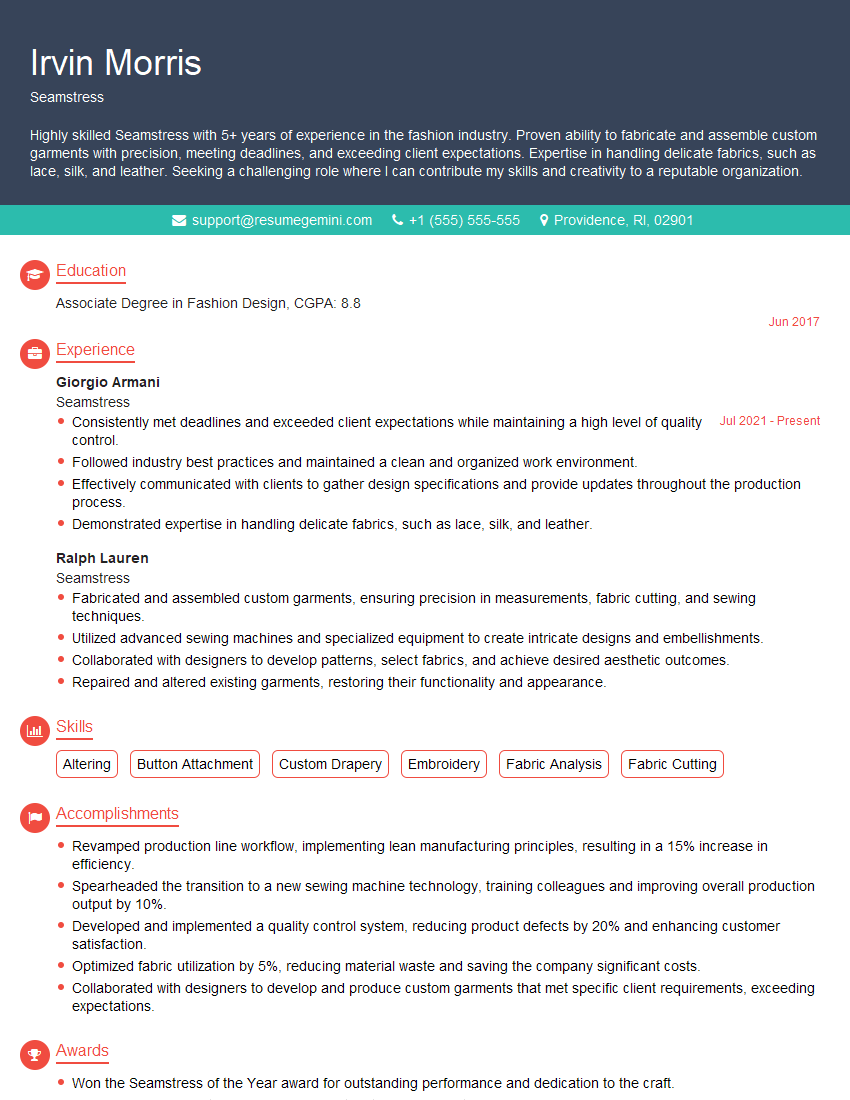
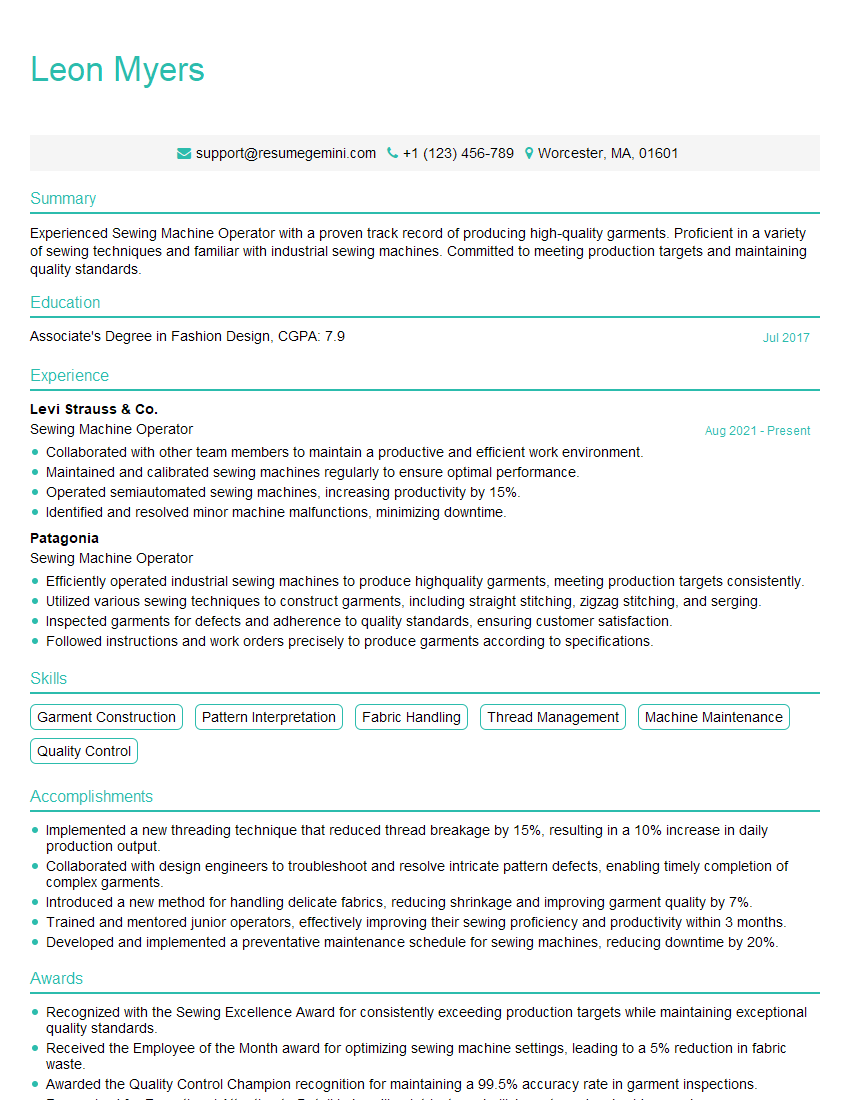
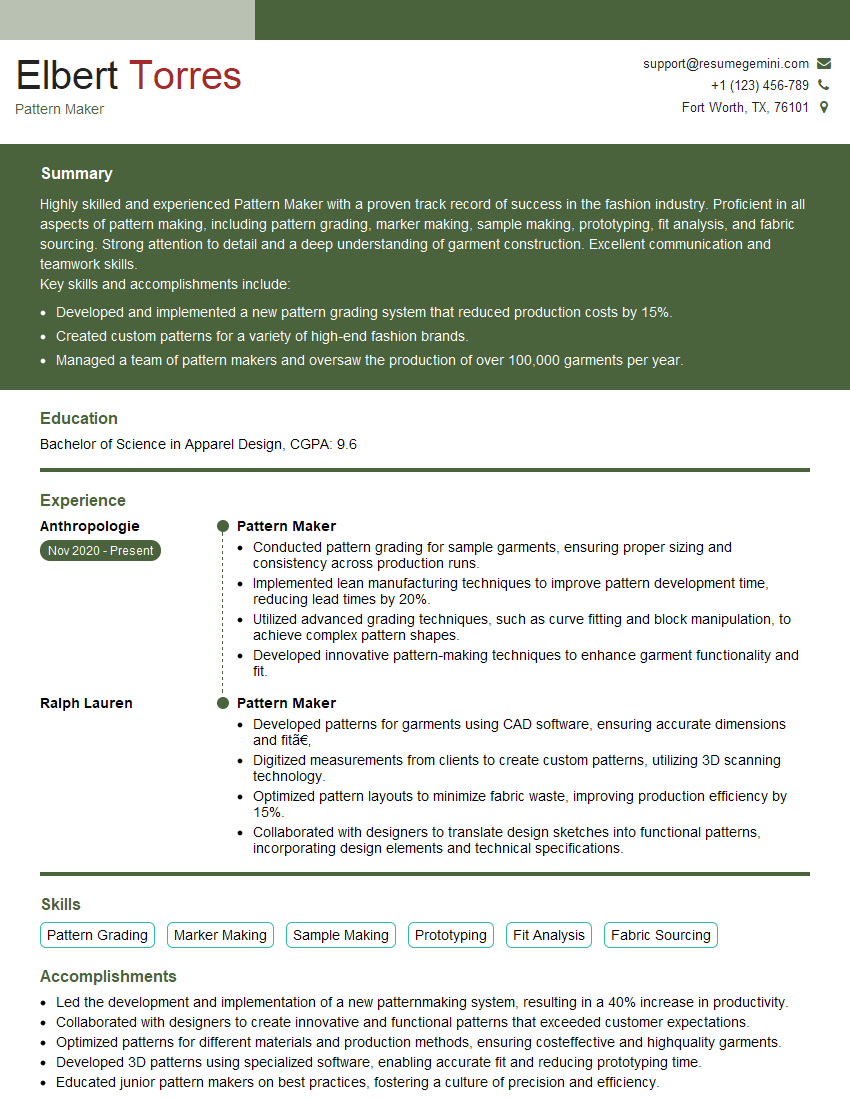
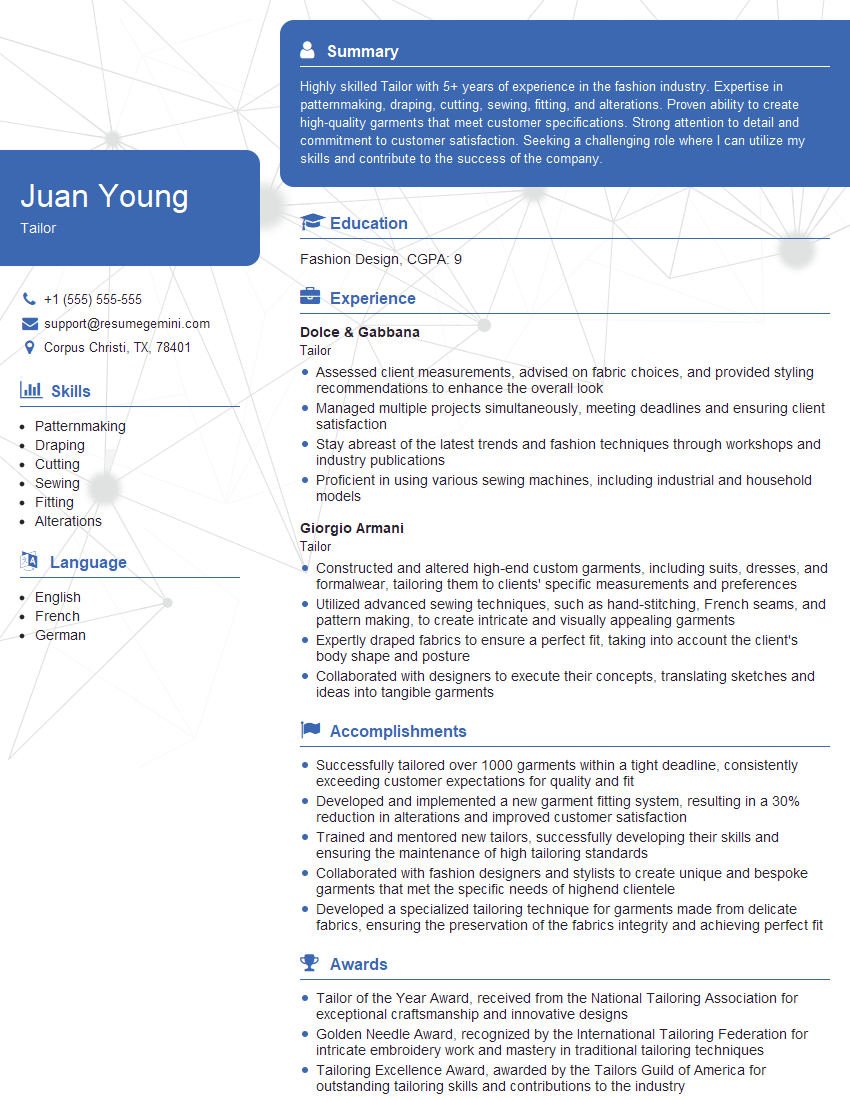
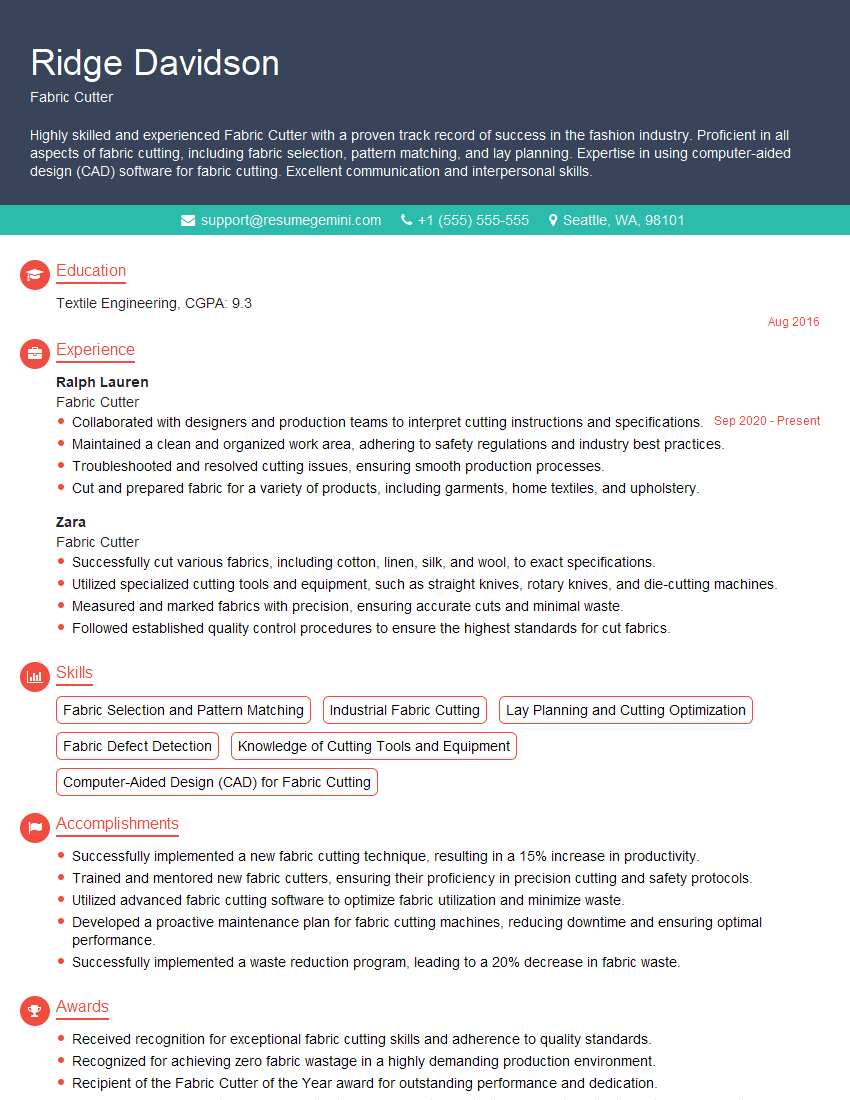
Mastering knowledge of sewing equipment and tools is crucial for career advancement in the fashion, textile, and garment industries. A strong understanding of these tools demonstrates practical skills and problem-solving abilities, making you a highly valuable asset to any team. To significantly boost your job prospects, focus on crafting a well-structured, ATS-friendly resume that highlights your expertise. ResumeGemini is a trusted resource to help you build a professional resume that showcases your skills effectively. We provide examples of resumes tailored to the Knowledge of Sewing Equipment and Tools field to guide you through the process. Invest the time to create a compelling resume – it’s your key to unlocking exciting career opportunities!

Explore more articles
Users Rating of Our Blogs
Share Your Experience
We value your feedback! Please rate our content and share your thoughts (optional).
What Readers Say About Our Blog
Very informative content, great job.
good