Preparation is the key to success in any interview. In this post, we’ll explore crucial Ethics and Sustainability in Uniform Manufacturing interview questions and equip you with strategies to craft impactful answers. Whether you’re a beginner or a pro, these tips will elevate your preparation.
Questions Asked in Ethics and Sustainability in Uniform Manufacturing Interview
Q 1. What are the key ethical considerations in the sourcing of raw materials for uniform manufacturing?
Ethical sourcing of raw materials for uniform manufacturing is paramount. It involves ensuring the entire supply chain, from fiber production to fabric manufacturing, adheres to ethical standards. This goes beyond simply obtaining materials at the lowest cost.
Traceability and Transparency: Knowing the origin of materials is crucial. We need to be able to track the journey of the raw materials, ensuring there’s no exploitation or environmental damage along the way. For example, we should know exactly where our cotton comes from, verifying that it wasn’t grown using excessive pesticides or exploiting workers.
Fair Labor Practices: Workers involved in raw material production (e.g., cotton farmers, textile workers) must receive fair wages, work reasonable hours, and operate in safe conditions. This requires thorough audits and close collaboration with suppliers.
Environmental Sustainability: The environmental footprint of raw material production must be considered. We should prioritize materials with lower environmental impact, such as organically grown cotton (GOTS certified) or recycled fibers. We should also minimize water consumption and waste generation during the production process.
Animal Welfare: If using animal-derived materials (e.g., wool), ensuring humane treatment of animals is essential. This means sourcing from suppliers committed to responsible animal husbandry practices.
Failing to consider these ethical factors can lead to reputational damage, legal issues, and undermine the brand’s commitment to sustainability.
Q 2. Describe your experience with implementing sustainable practices in a manufacturing environment.
In my previous role at a large uniform manufacturer, I spearheaded the implementation of several key sustainable practices. We started by switching to a more sustainable supply chain.
Material Selection: We transitioned from conventional cotton to organically grown cotton (GOTS certified) and recycled polyester for many of our uniform lines. This significantly reduced our environmental impact by lowering pesticide use and reducing reliance on virgin resources.
Waste Reduction: We implemented a robust waste management system within our factory, including recycling programs for fabric scraps and other waste materials. We also minimized fabric waste during the cutting process through improved pattern design and efficient cutting techniques. This involved investing in new CAD (Computer-Aided Design) software and training our staff.
Energy Efficiency: We upgraded our factory’s equipment to more energy-efficient models, and implemented energy-saving measures like LED lighting and improved insulation. These measures lowered our energy consumption and our carbon footprint.
Water Conservation: We implemented water-saving technologies in our dyeing and finishing processes, reducing water usage significantly. This involved investing in closed-loop water recycling systems.
The results were positive. We saw a significant reduction in our carbon footprint, improved our brand image, and increased employee engagement through their participation in the sustainability initiatives. It wasn’t easy, requiring significant investment and a company-wide cultural shift, but the long-term benefits were substantial.
Q 3. How would you assess the environmental impact of a new uniform design?
Assessing the environmental impact of a new uniform design requires a Life Cycle Assessment (LCA). This holistic approach evaluates the environmental burdens associated with the entire lifecycle of the product, from raw material extraction to disposal.
Material Selection: The environmental impact of different materials needs careful consideration. For example, organic cotton has a lower impact than conventional cotton, while recycled polyester has a lower impact than virgin polyester. We use tools and databases to assess the carbon footprint and water usage of each material.
Manufacturing Processes: The energy consumption, water usage, and waste generation during manufacturing are assessed. We need to look at the efficiency of the production processes.
Transportation: The distances materials and finished products travel contribute to carbon emissions. Optimizing transportation routes and using more sustainable modes of transport is crucial.
Use Phase: The product’s lifespan and potential for reuse or recycling must be considered. Durability and washability are important factors that influence a garment’s lifespan.
Disposal: The end-of-life management of the uniform, including its potential for recycling or biodegradation, needs careful consideration. We analyze the feasibility of different end-of-life scenarios.
By combining this data, a comprehensive environmental profile of the new design can be created, helping inform design choices and identify areas for improvement.
Q 4. What certifications (e.g., GOTS, OEKO-TEX) are relevant to ethical and sustainable uniform manufacturing?
Several certifications are relevant to ethical and sustainable uniform manufacturing, providing independent verification of a product’s compliance with specific standards. Key certifications include:
Global Organic Textile Standard (GOTS): This certifies that organic fibers are used throughout the supply chain, from farming to manufacturing. It ensures environmentally friendly and socially responsible production practices.
OEKO-TEX Standard 100: This tests textiles for harmful substances, ensuring they are safe for human health and the environment. It covers a wide range of substances, including heavy metals and harmful dyes.
Fair Trade Certified: This certification ensures that farmers and workers in the supply chain receive fair prices and work in decent conditions.
Bluesign® Standard: This standard aims to minimize environmental impact and ensure safe and responsible manufacturing processes. It addresses aspects from raw material selection to resource efficiency and waste management.
GRS (Global Recycled Standard): This certification ensures that recycled materials are used and verified throughout the production process. This helps promote circularity within the textile industry.
These certifications provide assurance to consumers and businesses that the uniforms are produced ethically and sustainably. Looking for these certifications is an excellent starting point for making informed decisions.
Q 5. Explain your understanding of fair labor practices and how to ensure compliance.
Fair labor practices are fundamental to ethical manufacturing. They encompass various aspects of worker treatment and rights, ensuring dignity and respect throughout the supply chain.
Fair Wages: Workers must receive a living wage, allowing them to meet their basic needs and support their families. This means wages should be sufficient to cover essential living expenses, including food, housing, and healthcare.
Safe Working Conditions: The workplace must be safe and free from hazards. This includes proper ventilation, adequate safety equipment, and adherence to health and safety regulations.
Reasonable Working Hours: Workers should not be forced to work excessive overtime, ensuring compliance with legal limits on working hours. Rest breaks and days off are essential.
Freedom of Association: Workers must have the right to join trade unions and collectively bargain for better wages and working conditions.
No Child Labor: Absolutely no children should be employed in the production process. All workers should be of legal working age.
No Discrimination: Equal opportunities and treatment should be provided to all workers, regardless of gender, race, religion, or any other protected characteristic.
Ensuring compliance involves regular audits of factories, transparent communication with suppliers, and strong relationships with labor organizations. Collaboration with ethical sourcing specialists and third-party certification bodies is also vital.
Q 6. How do you measure the success of a sustainability initiative in uniform production?
Measuring the success of a sustainability initiative requires a multifaceted approach. We can’t rely on just one metric; a balanced scorecard is needed.
Environmental Indicators: Track key metrics like water and energy consumption, waste generation, carbon emissions, and material usage. These can be compared against baseline data to measure progress. For example, we may track a reduction in water usage per garment produced.
Social Indicators: Measure improvements in worker well-being, including fair wages, safe working conditions, and employee satisfaction. Surveys and interviews with workers can provide valuable insights.
Economic Indicators: Monitor the cost savings associated with improved efficiency and reduced waste. This helps demonstrate the financial viability of the sustainability initiatives.
Stakeholder Engagement: Assess the level of engagement from employees, suppliers, customers, and other stakeholders. Feedback surveys and stakeholder consultations are crucial for gauging impact.
Certifications and Audits: Obtaining relevant certifications (e.g., GOTS, OEKO-TEX) and undergoing regular audits provide independent verification of the effectiveness of the initiative.
Regular reporting and transparent communication of progress are crucial to maintain accountability and demonstrate the success of the initiative. This could involve creating a sustainability report to share with stakeholders.
Q 7. What are the main environmental challenges associated with uniform disposal?
The main environmental challenges associated with uniform disposal stem from the large volumes of textile waste generated. Many uniforms are composed of synthetic materials (like polyester) that are not easily biodegradable, leading to long-term environmental impacts.
Landfill Waste: Uniforms that end up in landfills contribute to greenhouse gas emissions and soil and water pollution due to the slow decomposition of synthetic materials.
Microplastic Pollution: Synthetic fibers can shed microplastics during washing, leading to pollution of waterways and the marine environment. These tiny particles can be ingested by marine life, causing significant harm to the ecosystem.
Resource Depletion: The production of new uniforms requires significant amounts of energy, water, and raw materials, exacerbating resource depletion issues. In contrast, recycling textiles reduces reliance on virgin materials.
Addressing these challenges requires a multi-pronged approach. This includes promoting longer uniform lifespans through durable designs, encouraging textile recycling programs, and supporting the development of biodegradable and recycled materials for uniform production.
Q 8. How can lifecycle assessment be used to improve the sustainability of uniforms?
Lifecycle assessment (LCA) is a crucial tool for evaluating the environmental impacts of a product throughout its entire lifespan – from raw material extraction to disposal. In uniform manufacturing, an LCA helps identify hotspots of environmental damage, such as water pollution from dyeing or greenhouse gas emissions from transportation. By quantifying these impacts, we can pinpoint areas for improvement.
For example, an LCA might reveal that a significant portion of a uniform’s carbon footprint comes from the production of synthetic fabrics. This data could then inform decisions to switch to more sustainable materials like organic cotton or recycled polyester. We can also optimize logistics by analyzing transportation routes to minimize fuel consumption. Ultimately, a comprehensive LCA guides the creation of more environmentally responsible uniforms.
Imagine a scenario where an LCA identifies high water usage in the dyeing process. The data can be used to negotiate with suppliers to implement water-efficient technologies, like closed-loop dyeing systems that recycle and reuse water. This is a practical application of LCA that directly improves sustainability.
Q 9. Describe your experience with supplier audits and ethical sourcing verification.
My experience with supplier audits and ethical sourcing verification spans over 10 years, encompassing numerous audits across various manufacturing facilities in different countries. I’ve conducted both announced and unannounced audits, utilizing established ethical sourcing standards such as the Fair Labor Association (FLA) Workplace Code of Conduct and the SA8000 standard. These audits cover a range of criteria, including working conditions, fair wages, safe working environments, and freedom of association.
During audits, I assess compliance through factory inspections, worker interviews (ensuring anonymity and confidentiality), and reviewing documentation such as payroll records and environmental permits. I’ve personally witnessed best practices like robust worker grievance mechanisms and supplier investment in employee training and development, as well as instances requiring corrective actions, such as improving workplace safety measures or addressing wage discrepancies. I meticulously document all findings, creating detailed reports that provide recommendations for improvement and corrective actions.
For instance, in one audit, we discovered a supplier was not fully compliant with local minimum wage laws. Through collaborative engagement, we worked with the supplier to develop a remediation plan, involving a phased increase in wages to reach full compliance within a specific timeframe. This highlights the importance of not just identifying issues but also providing support for remediation and long-term improvements.
Q 10. What are the key regulatory requirements related to environmental compliance in uniform manufacturing?
Regulatory requirements for environmental compliance in uniform manufacturing vary by location and are continually evolving. However, key areas typically include:
- Water discharge permits: These regulate the amount and quality of wastewater released into waterways, controlling pollutants like dyes and chemicals.
- Air emissions permits: These manage emissions from manufacturing processes, focusing on pollutants such as volatile organic compounds (VOCs) from printing or dyeing.
- Waste management regulations: These address the proper handling, treatment, and disposal of hazardous and non-hazardous waste generated during production.
- Chemical substance restrictions: Many countries have regulations limiting or banning the use of certain harmful chemicals in textiles, such as certain azo dyes or heavy metals.
- Energy efficiency standards: Regulations may encourage or mandate the use of energy-efficient equipment and processes.
Compliance involves obtaining necessary permits, maintaining detailed records of emissions and waste, and regularly monitoring environmental performance. Ignoring these regulations can result in significant penalties, including fines and even facility closure.
Q 11. How would you address a situation where a supplier is violating ethical labor standards?
Addressing a supplier violating ethical labor standards requires a multi-step approach emphasizing collaboration and transparency.
- Immediate investigation: Conduct a thorough investigation to verify the violation and gather evidence. This may involve site visits, worker interviews, and review of documentation.
- Communication with the supplier: Communicate the findings to the supplier, clearly outlining the violations and their severity. This should be a collaborative discussion focused on remediation, not punishment.
- Development of a corrective action plan (CAP): Work with the supplier to develop a detailed CAP addressing the identified violations. This should include specific timelines, measurable goals, and accountability mechanisms.
- Monitoring and verification: Regularly monitor the supplier’s progress in implementing the CAP. This may involve follow-up audits and regular communication.
- Termination (if necessary): If the supplier fails to adequately address the violations or demonstrates a lack of commitment to ethical labor practices, termination of the relationship may be necessary.
Throughout this process, it is crucial to maintain open communication and strive for a collaborative solution. The goal is not simply to punish the supplier but to improve their practices and ensure fair treatment of their workers.
Q 12. How can you reduce water consumption in the manufacturing process of uniforms?
Reducing water consumption in uniform manufacturing requires a holistic approach targeting various stages of the process:
- Efficient dyeing techniques: Implementing closed-loop dyeing systems that recycle and reuse water significantly reduces overall water usage. Advanced dyeing technologies, like supercritical CO2 dyeing, offer even greater efficiency.
- Water-efficient finishing processes: Optimizing finishing processes, such as washing and rinsing, by using less water and employing more efficient equipment.
- Fabric selection: Choosing fabrics that require less water during processing, such as those made from sustainable materials with inherent water resistance.
- Wastewater treatment: Investing in advanced wastewater treatment systems to purify and recycle water used in the manufacturing process.
- Employee training: Educating employees about water conservation best practices, encouraging responsible water usage throughout the facility.
For instance, transitioning from traditional open-bath dyeing to a closed-loop system can reduce water consumption by up to 90%, significantly impacting a factory’s environmental footprint.
Q 13. Explain your understanding of circular economy principles in the context of uniform manufacturing.
Circular economy principles aim to minimize waste and maximize the use of resources. In uniform manufacturing, this involves designing uniforms for durability and longevity, facilitating reuse and recycling, and exploring innovative materials.
- Durable and repairable designs: Designing uniforms with reinforced seams, high-quality materials, and modular components allows for extended lifespan and easy repair, reducing the need for frequent replacements.
- Rental and leasing models: Shifting from a model of ownership to rental or leasing can significantly extend the life cycle of uniforms and reduce overall consumption.
- Recycling and upcycling: Developing systems for collecting and recycling worn-out uniforms into new products, potentially using recycled fibers as raw material for new uniforms.
- Bio-based and biodegradable materials: Using materials derived from renewable resources and designing uniforms that can biodegrade at the end of their life, reducing landfill waste.
Imagine a scenario where a company implements a uniform take-back program, collecting used uniforms, sorting them by material type, and then using the collected textiles to create new products, such as insulation materials or non-woven fabrics, closing the loop and reducing waste.
Q 14. How do you incorporate sustainability considerations into the design and development of new uniforms?
Incorporating sustainability into the design and development of new uniforms requires a holistic approach considering the entire lifecycle of the product. This includes:
- Material selection: Prioritizing sustainable and ethically sourced materials such as organic cotton, recycled polyester, or innovative bio-based materials with lower environmental impacts.
- Design for durability: Designing uniforms to be robust and long-lasting, reducing the need for frequent replacements. This may involve reinforcement of stress points and the use of durable, fade-resistant dyes.
- Design for repairability: Incorporating features that allow for easy repair and replacement of components, extending the usable lifespan of the uniform.
- Design for recyclability: Designing uniforms with easy-to-separate components and considering material compatibility for efficient recycling at end-of-life.
- Lifecycle assessment integration: Conducting LCAs throughout the design process to assess the environmental impact of different material choices and design iterations.
For example, we might design a uniform with modular components, allowing for individual parts to be replaced rather than discarding the entire garment when only one part is damaged. This approach extends the uniform’s lifespan and reduces waste.
Q 15. What strategies can be used to reduce textile waste in uniform manufacturing?
Reducing textile waste in uniform manufacturing requires a holistic approach targeting waste generation at every stage. Think of it like minimizing spills in a kitchen – you need to address each step, from initial ingredient selection to final dishwashing.
Improved Design & Pattern Cutting: Minimizing fabric waste during the cutting process is crucial. Computer-aided design (CAD) software allows for optimized pattern layouts, reducing fabric scraps. For example, nesting patterns efficiently can reduce waste by up to 15%.
Zero-Waste Pattern Cutting Techniques: Techniques like zero-waste pattern design can revolutionize the cutting process by creating patterns that fully utilize the fabric, drastically reducing scraps. This requires innovative design thinking.
Fabric Selection: Choosing fabrics with less inherent waste, like those with minimal shrinkage or stretch, helps reduce rework and disposal. Using fabrics with wider widths also increases yield per cut.
Recycling and Upcycling Programs: Implementing robust recycling and upcycling programs for fabric scraps is vital. Scraps can be used for creating other products, such as cleaning cloths or insulation, giving them a second life.
Inventory Management: Effective inventory management prevents overstocking and reduces the risk of obsolete fabrics that may end up as waste. This can be done via data analytics, forecasting demand and minimizing unnecessary purchasing.
Career Expert Tips:
- Ace those interviews! Prepare effectively by reviewing the Top 50 Most Common Interview Questions on ResumeGemini.
- Navigate your job search with confidence! Explore a wide range of Career Tips on ResumeGemini. Learn about common challenges and recommendations to overcome them.
- Craft the perfect resume! Master the Art of Resume Writing with ResumeGemini’s guide. Showcase your unique qualifications and achievements effectively.
- Don’t miss out on holiday savings! Build your dream resume with ResumeGemini’s ATS optimized templates.
Q 16. How do you ensure transparency and traceability throughout the uniform supply chain?
Transparency and traceability in the uniform supply chain are paramount for ethical and sustainable practices. It’s like having a detailed recipe for your uniform – you know exactly where each ingredient comes from and how it’s processed.
Blockchain Technology: Blockchain technology can provide an immutable record of the uniform’s journey, from raw material sourcing to final delivery. Each step, including ethical audits and environmental impact data, can be recorded transparently.
RFID Tagging: Radio-frequency identification (RFID) tags can track garments throughout the supply chain, providing real-time visibility into their location and status. This assists in preventing counterfeiting as well.
Ethical Audits and Certifications: Regular third-party ethical audits and certifications, like Fairtrade or GOTS (Global Organic Textile Standard), verify compliance with social and environmental standards at every stage. These reports are publicly available, showcasing a commitment to transparency.
Supplier Codes of Conduct: Implementing strict supplier codes of conduct that address labor practices, environmental protection, and fair wages is fundamental. These codes must be enforced with regular monitoring and reporting.
Open Communication and Collaboration: Open communication between all supply chain partners is crucial. This builds trust and facilitates collaboration on sustainability initiatives, fostering a shared commitment to transparency.
Q 17. What are the benefits of using recycled or sustainable materials in uniform production?
Using recycled or sustainable materials in uniform production offers numerous benefits, both environmentally and socially. Think of it as building a house with reclaimed wood – it’s better for the environment and often just as durable.
Reduced Environmental Impact: Sustainable materials like organic cotton, recycled polyester, or Tencel reduce the environmental footprint of uniform production by minimizing water and energy consumption, and reducing greenhouse gas emissions compared to conventionally produced materials.
Conservation of Resources: Recycled materials conserve natural resources by diverting waste from landfills and reducing the demand for virgin resources, such as cotton crops.
Improved Brand Image and Consumer Appeal: Consumers are increasingly conscious of ethical and sustainable choices. Using sustainable materials enhances a brand’s image and appeals to environmentally aware customers.
Potential Cost Savings: In some cases, recycled or sustainable materials can be more cost-effective than conventional options, particularly in the long run, considering potential savings on waste disposal and resource consumption.
Social Responsibility: Sourcing sustainable materials often supports fair labor practices and empowers local communities, improving livelihoods and reducing social inequalities.
Q 18. Describe your experience with carbon footprint reduction strategies in manufacturing.
Carbon footprint reduction in manufacturing requires a multi-pronged approach. Imagine a car – reducing its emissions requires addressing its engine, fuel efficiency and the materials used in its production.
Energy Efficiency Improvements: Implementing energy-efficient machinery and processes, such as LED lighting and optimized heating/cooling systems, directly reduces energy consumption and emissions.
Renewable Energy Sourcing: Transitioning to renewable energy sources, such as solar or wind power, significantly reduces reliance on fossil fuels. This includes sourcing energy from green energy providers.
Supply Chain Optimization: Optimizing the supply chain, reducing transportation distances and utilizing efficient logistics, minimizes transportation-related emissions. This includes exploring regional sourcing options.
Waste Reduction and Recycling: Implementing comprehensive waste management strategies, including recycling programs and waste reduction initiatives, minimizes waste-related emissions.
Carbon Offset Programs: Investing in credible carbon offset programs to compensate for unavoidable emissions can help achieve carbon neutrality, as long as these efforts are certified and transparent.
In my previous role, we reduced our carbon footprint by 20% in two years by implementing energy efficiency upgrades and switching to a renewable energy provider. This involved thorough data analysis and implementation of practical solutions.
Q 19. How would you communicate the importance of sustainability to stakeholders (e.g., employees, customers)?
Communicating the importance of sustainability requires a multi-faceted approach that resonates with different stakeholders. It’s like teaching a group of students – you need to use different teaching methods to reach everyone effectively.
Employee Engagement: Involve employees in sustainability initiatives, providing training and opportunities to contribute to environmental goals. This could include internal sustainability committees, rewards for eco-friendly practices, and transparent reporting of progress.
Customer Education: Communicate the sustainability story through marketing materials, product labeling, and social media campaigns, highlighting the environmental and social benefits of your practices.
Transparency and Reporting: Publish regular sustainability reports detailing progress towards environmental and social goals. This demonstrates commitment and builds trust.
Collaboration with Stakeholders: Engage with suppliers, customers, and industry partners to collaborate on sustainability initiatives and share best practices.
Storytelling: Use compelling storytelling to connect with stakeholders on an emotional level, highlighting the human impact of sustainability efforts.
Q 20. What are the potential risks associated with unethical sourcing practices?
Unethical sourcing practices pose significant risks to businesses and society. It’s like building a house on a faulty foundation – it will eventually collapse.
Reputational Damage: Exposure of unethical sourcing can severely damage a company’s reputation, leading to loss of consumer trust and decreased sales.
Legal and Financial Penalties: Non-compliance with labor laws, environmental regulations, and trade agreements can result in significant fines and legal action.
Supply Chain Disruptions: Ethical violations in the supply chain can disrupt operations, causing delays and increased costs.
Social and Environmental Harm: Unethical practices often involve exploitation of workers, unsafe working conditions, environmental pollution, and resource depletion, causing significant social and environmental harm.
Increased Risk Management Costs: Addressing ethical concerns and implementing compliance programs require significant investment in resources and expertise, leading to increased costs.
Q 21. What innovative technologies can enhance sustainability in uniform manufacturing?
Innovative technologies are revolutionizing sustainability in uniform manufacturing. Think of it as upgrading your tools for a more efficient and eco-friendly workshop.
3D Printing: 3D printing allows for on-demand manufacturing, reducing inventory and transportation needs, resulting in less waste and emissions.
AI-Powered Design and Optimization: AI can optimize fabric usage, pattern design, and production processes, minimizing waste and improving efficiency.
Bio-Based Materials: Research and development of bio-based and biodegradable materials offer sustainable alternatives to conventional fabrics, reducing reliance on petrochemicals and lessening environmental impact.
Smart Manufacturing Technologies: Implementing technologies like IoT (Internet of Things) sensors and data analytics provide real-time insights into production processes, enabling better resource management and waste reduction.
Closed-Loop Recycling Systems: Developing advanced closed-loop recycling systems enables the complete recycling of textile waste, creating a circular economy for uniforms.
Q 22. How do you manage and mitigate the risks associated with chemical use in manufacturing?
Managing chemical risks in uniform manufacturing requires a multi-pronged approach focusing on prevention, control, and remediation. It starts with hazard identification: understanding the inherent dangers of every chemical used, from dyes and finishes to cleaning agents. This involves meticulously reviewing Safety Data Sheets (SDS) for each substance and understanding potential health impacts (acute and chronic), environmental effects, and flammability risks.
Next is substitution: actively seeking safer alternatives. For example, transitioning from azo dyes (known carcinogens) to eco-friendly alternatives like natural dyes or low-impact synthetic dyes. We should prioritize chemicals with better biodegradability and lower toxicity profiles.
Control measures are crucial. This includes engineering controls like enclosed mixing systems, local exhaust ventilation, and proper waste handling procedures. Administrative controls involve stringent training programs for workers on proper handling, storage, and disposal protocols; personal protective equipment (PPE) like gloves, respirators, and eye protection must be provided and utilized consistently. Regular monitoring of air and water quality ensures compliance with regulations and identifies potential leaks or spills early.
Finally, emergency preparedness is essential. This involves having established procedures for spills, accidents, and medical emergencies, as well as readily available emergency equipment like spill kits and safety showers. Regular drills and training ensure staff know how to react effectively in an emergency.
For example, in a previous role, we successfully reduced our reliance on harmful formaldehyde-based resins by substituting with bio-based alternatives. This resulted in improved worker safety and a reduced environmental footprint, demonstrably proving the effectiveness of proactive chemical management.
Q 23. Explain your understanding of different sustainable textile certifications.
Sustainable textile certifications provide assurance that products meet specific environmental and social criteria. These certifications are crucial for building consumer trust and demonstrating a commitment to ethical and responsible manufacturing.
- Global Organic Textile Standard (GOTS): This is a leading standard for organic fibers, verifying that products are made with organically produced materials and processed using environmentally friendly methods. It covers the entire supply chain, from farming to manufacturing.
- OEKO-TEX Standard 100: This certification focuses on the absence of harmful substances in textiles. It tests for a wide range of chemicals, ensuring products are safe for human health and the environment.
- Bluesign® Standard: Bluesign® is a comprehensive system for reducing negative environmental and health impacts throughout the entire production process. It addresses resource consumption, waste generation, emissions, and worker safety.
- Fairtrade: This certification focuses on fair labor practices and ensures that farmers and workers receive fair prices and work in safe conditions.
- Fair Wear Foundation (FWF): FWF focuses on improving working conditions in garment factories, ensuring fair wages, reasonable working hours, and freedom of association for workers.
Each certification has its specific requirements and focus. Choosing the right certifications depends on the specific sustainability goals of the organization. Ideally, a combination of certifications offers a more holistic view of sustainability in the supply chain. For example, a company aiming for a truly sustainable product line might seek both GOTS and OEKO-TEX certifications to cover both the organic fiber sourcing and the absence of harmful chemicals.
Q 24. How can you improve energy efficiency in a uniform manufacturing facility?
Improving energy efficiency in a uniform manufacturing facility is essential for both environmental responsibility and cost reduction. This can be achieved through a variety of strategies.
- Energy audits: A comprehensive energy audit identifies areas of high energy consumption, providing a baseline for improvement efforts. This analysis pinpoints where improvements can provide the greatest impact.
- Efficient equipment: Upgrading to high-efficiency machinery, such as energy-efficient sewing machines and heat recovery systems, significantly reduces energy demand. This represents a considerable long-term investment, but often provides substantial paybacks over time.
- Lighting upgrades: Switching to LED lighting reduces energy consumption and operational costs. LED lighting not only uses less energy but also lasts longer, reducing replacement frequency.
- HVAC optimization: Optimizing heating, ventilation, and air conditioning (HVAC) systems through regular maintenance, programmable thermostats, and improved insulation minimizes energy waste. Regular maintenance prevents system breakdowns, which can waste significant energy.
- Process optimization: Analyzing production processes and identifying opportunities for streamlining operations minimizes energy consumption. For example, optimizing the layout of the facility to reduce material handling distances can lower energy consumption from material movement.
- Renewable energy sources: Investing in renewable energy sources such as solar panels or wind turbines can significantly reduce reliance on fossil fuels and lessen the environmental impact.
For instance, in a previous project, we implemented an energy management system that included real-time monitoring and analysis. This allowed us to identify and address energy inefficiencies in real-time, reducing energy consumption by 15% within a year. The data-driven approach is key to making sustainable improvements.
Q 25. What are the key metrics for tracking progress towards sustainability goals?
Tracking progress towards sustainability goals requires establishing key performance indicators (KPIs) that accurately reflect the impact of initiatives. These metrics should be specific, measurable, achievable, relevant, and time-bound (SMART).
- Energy consumption (kWh/unit produced): This tracks the amount of energy used per unit of output, highlighting efficiency improvements.
- Water consumption (liters/unit produced): Measures water use efficiency in the manufacturing process.
- Waste generation (kg/unit produced): Tracks the amount of waste generated per unit produced, reflecting the effectiveness of waste reduction strategies.
- Greenhouse gas emissions (kg CO2e/unit produced): Quantifies the carbon footprint of production.
- Chemical usage (kg/unit produced): Monitors the consumption of harmful chemicals.
- Employee safety incidents: Tracks workplace accidents and injuries, highlighting the success of safety programs.
- Supplier sustainability ratings: Monitors the sustainability performance of suppliers.
- Percentage of sustainable materials used: Tracks the proportion of sustainable materials incorporated into products.
Regular reporting and analysis of these KPIs are critical for identifying areas needing improvement and demonstrating progress to stakeholders. Data visualization tools can effectively communicate these achievements and highlight areas for ongoing efforts.
Q 26. How do you prioritize sustainability initiatives within a budget-constrained environment?
Prioritizing sustainability initiatives within budget constraints necessitates a strategic approach that focuses on maximizing impact while minimizing costs. A cost-benefit analysis is critical for identifying the most effective investments.
Prioritization Framework:
- Quick Wins: Focus first on low-cost, high-impact initiatives like switching to LED lighting or implementing energy-efficient practices. These demonstrate early progress and build momentum.
- Strategic Investments: Identify initiatives with larger upfront costs but significant long-term benefits, such as investing in new equipment or renewable energy sources. Consider phased implementation or securing external funding (grants, loans).
- Collaboration & Partnerships: Collaborate with suppliers and other stakeholders to share best practices and potentially reduce costs. Joint initiatives often provide leverage and cost reductions.
- Lifecycle Cost Analysis: Conduct a lifecycle cost analysis for major investments, considering both initial costs and long-term savings (energy, waste disposal). This provides a comprehensive picture of the financial implications.
- Incremental Improvement: Set achievable targets and gradually implement improvements. This allows for continuous progress within financial constraints.
For example, we prioritized switching to LED lighting and optimizing our HVAC systems before investing in more significant capital equipment. This phased approach allowed us to demonstrate progress and secure further funding for more substantial improvements.
Q 27. Describe your experience with developing and implementing a sustainability policy.
Developing and implementing a sustainability policy requires a structured and collaborative approach. It begins with a thorough assessment of the current environmental and social impact of the organization’s operations.
Development Stages:
- Stakeholder Engagement: Involve key stakeholders, including employees, management, suppliers, and customers, in the policy development process. This ensures buy-in and promotes ownership.
- Materiality Assessment: Identify the most significant environmental and social issues relevant to the organization. This assessment focuses on the aspects most important to stakeholders.
- Goal Setting: Set specific, measurable, achievable, relevant, and time-bound (SMART) sustainability goals that align with the organization’s overall strategy. The goals should align with the materiality assessment.
- Policy Drafting: Draft a clear, concise, and comprehensive sustainability policy document that outlines the organization’s commitment to sustainability and the specific actions it will take to achieve its goals. The document should be easily understood by all stakeholders.
- Implementation Plan: Develop an implementation plan with clear timelines, responsibilities, and performance indicators. This defines how the policy will be enacted.
- Monitoring & Evaluation: Establish a system for monitoring progress towards sustainability goals and regularly evaluating the effectiveness of the policy. This ensures the policy’s efficacy.
- Communication & Reporting: Communicate the sustainability policy and progress to stakeholders through regular reports and updates. Transparency builds confidence.
In a previous role, we spearheaded the development of a comprehensive sustainability policy that included measurable targets for reducing energy consumption, water usage, and waste generation. This involved extensive engagement with all stakeholders and the implementation of a robust monitoring system to track progress.
Q 28. What are some best practices for waste management in a uniform manufacturing setting?
Effective waste management in uniform manufacturing involves a hierarchy of strategies focusing on prevention, reduction, reuse, recycling, and disposal. It requires a holistic approach throughout the entire production process.
- Waste Reduction: Minimizing waste at the source is paramount. This includes optimizing cutting patterns to reduce fabric scraps, implementing lean manufacturing principles, and utilizing efficient production techniques.
- Reuse: Finding alternative uses for fabric scraps, such as creating cleaning rags or filling materials, reduces waste and saves resources.
- Recycling: Recycling programs for fabric scraps, buttons, packaging, and other materials should be established. Exploring partnerships with textile recycling facilities can aid in efficient processing.
- Waste Segregation: Implementing a robust waste segregation system helps ensure materials are appropriately sorted for recycling or disposal. Clear labeling and training are key for successful segregation.
- Hazardous Waste Management: Proper handling, storage, and disposal of hazardous waste such as chemical residues and sharp objects are crucial for worker safety and environmental protection. This involves compliance with all relevant regulations.
- Waste Audits: Regular waste audits help identify areas for improvement in waste generation and management. This provides crucial information for adjustments in operations.
For example, we implemented a comprehensive waste management program that included a fabric scrap recycling partnership, resulting in a significant reduction in landfill waste and resource costs. The program also improved worker safety by reducing the risk of injuries from sharp objects.
Key Topics to Learn for Ethics and Sustainability in Uniform Manufacturing Interview
- Ethical Sourcing of Materials: Understanding fair labor practices, responsible sourcing of raw materials (e.g., organic cotton, recycled fabrics), and traceability throughout the supply chain. Practical application: Analyzing a supplier’s ethical compliance certifications and reporting mechanisms.
- Environmental Impact Assessment: Evaluating the environmental footprint of uniform production, including water usage, energy consumption, waste generation, and carbon emissions. Practical application: Developing and implementing strategies to reduce environmental impact through lifecycle assessments and sustainable manufacturing processes.
- Waste Management and Circular Economy Principles: Exploring methods for minimizing textile waste through design, production, and end-of-life management. Practical application: Designing uniforms for durability and recyclability, implementing textile recycling programs, and exploring upcycling opportunities.
- Sustainable Packaging and Transportation: Reducing the environmental impact associated with packaging and distribution of uniforms. Practical application: Choosing eco-friendly packaging materials and optimizing transportation routes to minimize carbon emissions.
- Transparency and Traceability: Implementing systems to track materials and processes throughout the supply chain to ensure ethical and sustainable practices. Practical application: Utilizing blockchain technology or other tracking systems to enhance transparency and accountability.
- Compliance and Legislation: Staying abreast of relevant ethical and environmental regulations and standards related to uniform manufacturing. Practical application: Ensuring compliance with relevant laws and industry best practices.
- Stakeholder Engagement: Understanding the perspectives of various stakeholders (workers, consumers, communities, etc.) and incorporating their needs into sustainability strategies. Practical application: Collaborating with stakeholders to develop ethical and sustainable sourcing and manufacturing practices.
Next Steps
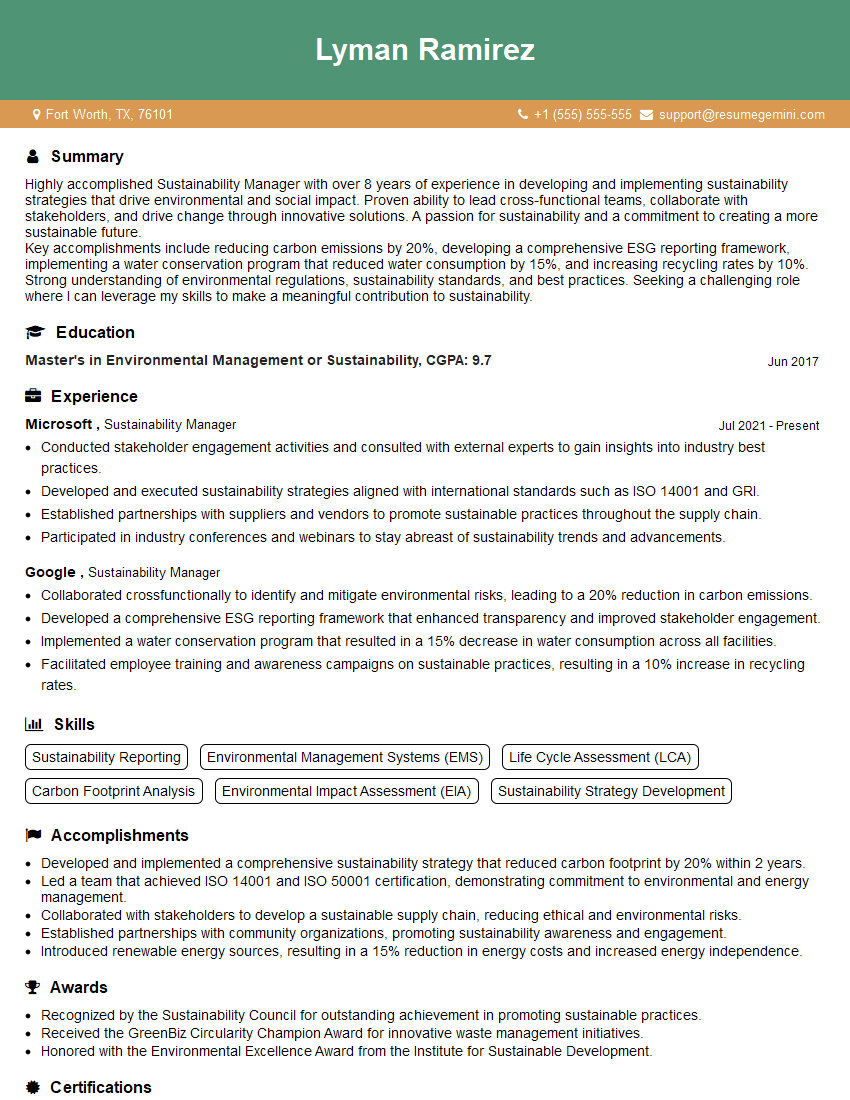
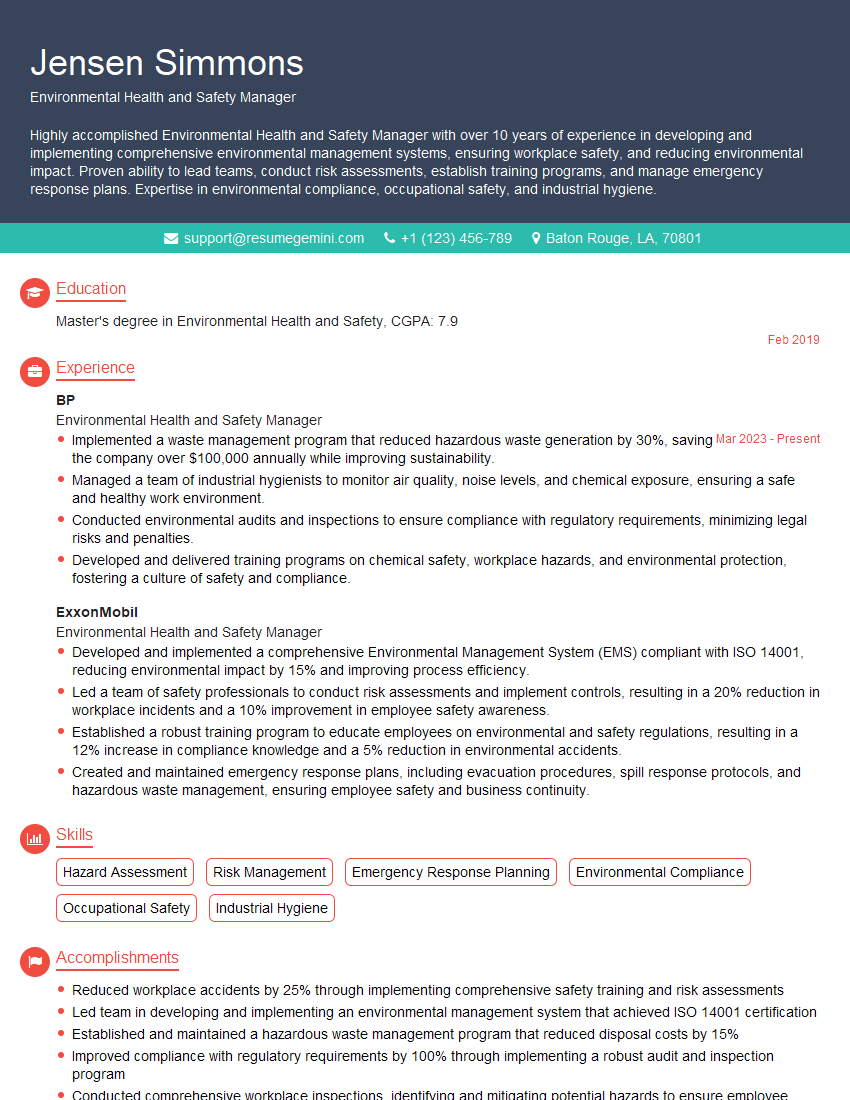
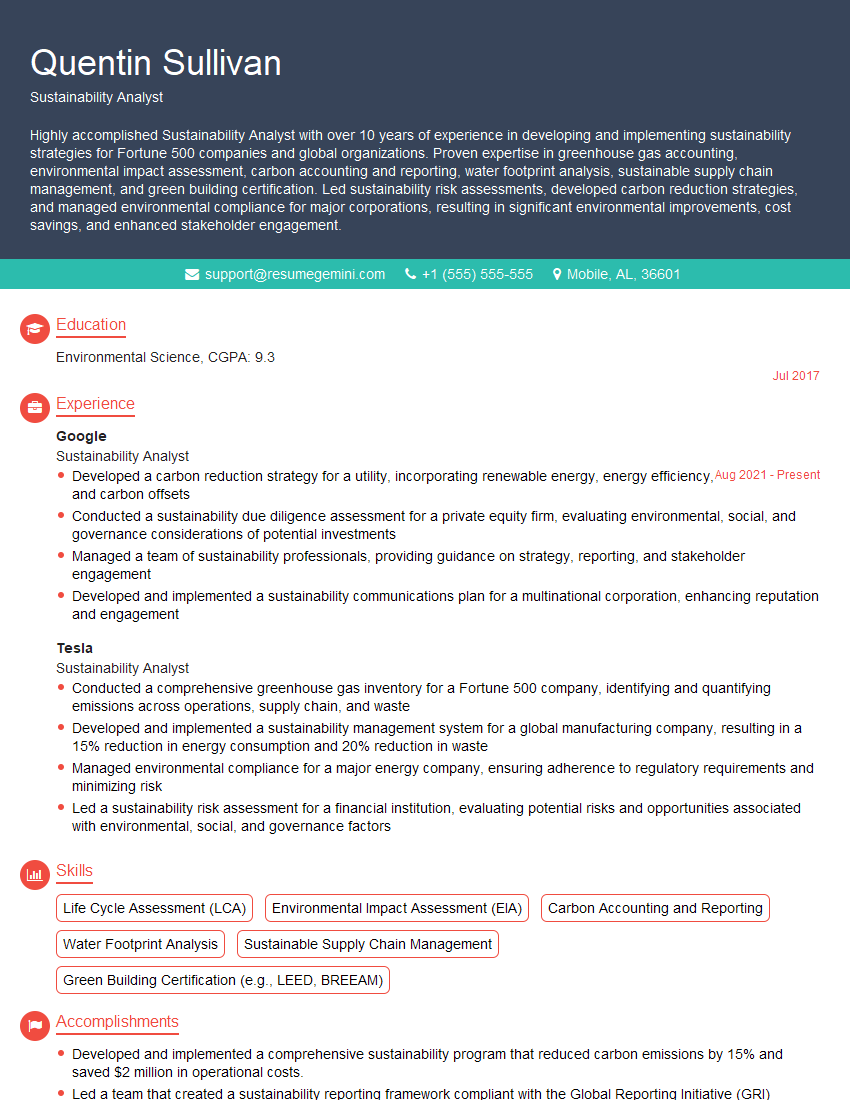
Mastering Ethics and Sustainability in Uniform Manufacturing demonstrates a commitment to responsible business practices, significantly enhancing your career prospects in this evolving industry. A strong, ATS-friendly resume is crucial for showcasing your skills and experience effectively. To build a compelling resume that highlights your qualifications, we recommend using ResumeGemini, a trusted resource for creating professional resumes. ResumeGemini provides examples of resumes tailored to Ethics and Sustainability in Uniform Manufacturing, helping you present your unique value proposition to potential employers. Take the next step towards a rewarding career – craft a standout resume today!
Explore more articles
Users Rating of Our Blogs
Share Your Experience
We value your feedback! Please rate our content and share your thoughts (optional).
What Readers Say About Our Blog
Very informative content, great job.
good