Cracking a skill-specific interview, like one for Exceptional Patient Care and Handling, requires understanding the nuances of the role. In this blog, we present the questions you’re most likely to encounter, along with insights into how to answer them effectively. Let’s ensure you’re ready to make a strong impression.
Questions Asked in Exceptional Patient Care and Handling Interview
Q 1. Describe your experience prioritizing patient needs in a fast-paced environment.
Prioritizing patient needs in a fast-paced environment requires a systematic approach combining clinical acuity with efficient resource management. I utilize a triage system, mentally prioritizing patients based on urgency and severity of their needs. This involves quickly assessing the situation, identifying life-threatening conditions or those requiring immediate attention, and delegating tasks effectively to other members of the healthcare team when appropriate. For instance, in an emergency room setting, a patient experiencing respiratory distress would take precedence over a patient with a minor laceration. I constantly reassess patient conditions, adjusting priorities as needed. This often involves clear communication with the team and documenting all actions and rationale to maintain patient safety and transparency.
My experience in a busy ICU further honed these skills. Learning to anticipate needs and proactively address potential issues proved critical. For example, anticipating medication administration times to avoid delays and proactively managing pain control measures ensured patient comfort and overall better outcomes.
Q 2. Explain your approach to managing patient anxiety and concerns.
Managing patient anxiety and concerns is paramount to providing exceptional care. My approach begins with active listening and empathetic communication. I create a safe space for patients to express their fears and concerns without judgment. I use simple, clear language, avoiding medical jargon whenever possible. I validate their feelings, acknowledging their anxieties are legitimate. Then, I provide clear, concise explanations about their condition, treatment plan, and expected outcomes. If appropriate, I offer relaxation techniques such as deep breathing exercises or guided imagery.
For example, I once cared for a patient scheduled for a complex procedure who was highly anxious. Instead of rushing through explanations, I took the time to explain the procedure step-by-step, using analogies and visual aids to make it easier to understand. I also ensured he had opportunities to ask questions and addressed each one patiently. This approach significantly reduced his anxiety and fostered a trusting relationship.
Q 3. How do you ensure effective communication with patients and their families?
Effective communication with patients and their families is the cornerstone of exceptional patient care. I prioritize clear, concise, and empathetic communication, tailoring my approach to the individual’s communication style and understanding. This includes actively listening, using plain language, and ensuring that information is understood. I use a combination of verbal and non-verbal communication techniques, paying close attention to body language and facial expressions. I make sure to maintain eye contact, and use a calm and reassuring tone.
When communicating with families, I ensure I have the patient’s consent before sharing information. I involve them in the decision-making process whenever possible, acknowledging their important role in the patient’s recovery. I also provide regular updates on the patient’s progress, using readily understandable language. I always make myself available to answer questions and address concerns. Using patient portals and secure messaging systems enhances this communication and provides a record of interactions.
Q 4. Describe a situation where you had to adapt your communication style to meet a patient’s needs.
I had a patient who was deaf and relied on sign language. My usual communication style wasn’t effective. I immediately recognized the need to adapt. I arranged for a qualified sign language interpreter to ensure clear and effective communication. Before the interpreter arrived, I demonstrated respect for the patient’s communication needs by ensuring a quiet and comfortable environment, using visual aids like diagrams and written notes. This experience highlighted the importance of being flexible and resourceful to meet diverse patient needs and access support services effectively. The successful interaction resulted in a positive and trusting relationship with the patient leading to improved care and satisfaction.
Q 5. How do you handle difficult or demanding patients?
Handling difficult or demanding patients requires a calm, empathetic, and professional approach. I start by listening actively and validating their feelings, even if their behavior is challenging. I try to understand the root cause of their frustration, which may stem from fear, pain, or unmet needs. I set clear boundaries while maintaining respect and professionalism. This often involves explaining hospital policies and procedures clearly and calmly. If necessary, I seek support from supervisors or other members of the healthcare team. My goal is always de-escalation and finding a solution that addresses the patient’s concerns while maintaining a safe and therapeutic environment.
For example, I once dealt with a patient who was verbally abusive due to prolonged pain and frustration. By acknowledging his pain and discomfort, and validating his feelings, I was able to calm him down. I then worked with the pain management team to adjust his medication and provided additional comfort measures. The combination of empathy and effective pain management significantly reduced his agitation and led to a more positive experience.
Q 6. Explain your process for obtaining and documenting patient consent.
Obtaining and documenting patient consent is a crucial step in ensuring ethical and legal compliance. I begin by ensuring the patient has the capacity to understand the procedure or treatment. I explain the proposed intervention in clear, concise, and easy-to-understand language, avoiding medical jargon. I thoroughly explain the potential benefits, risks, and alternatives. This includes discussing any potential complications or side effects. I answer all of the patient’s questions completely and honestly. I then document the consent process meticulously. This includes the date, time, the specific procedure or treatment discussed, the risks and benefits explained, any questions asked and answered, and the patient’s signature or mark (with a witness if required). This detailed documentation helps ensure transparency and protects both the patient and the healthcare provider.
Q 7. Describe your experience with patient education and discharge planning.
Patient education and discharge planning are integral parts of comprehensive care. I initiate patient education early in their hospital stay, ensuring they understand their diagnosis, treatment plan, and medication regimen. I use a variety of teaching methods, adapting my approach to the individual’s learning style and health literacy. I provide written materials, visual aids, and verbal explanations, ensuring they understand the information before discharge. Discharge planning involves collaborating with the healthcare team, including social workers, therapists, and family members, to ensure a smooth transition home. This includes arranging for home healthcare, medication delivery, and follow-up appointments. I provide patients with clear instructions on wound care, medication management, and any necessary lifestyle changes. I also ensure they have access to support resources and answer any post-discharge questions proactively.
For example, I once helped a patient with newly diagnosed diabetes learn how to manage their blood sugar levels, providing detailed instructions on diet, exercise, and medication. I also connected him with a diabetes educator and support group, ensuring his successful transition back home.
Q 8. How do you maintain patient confidentiality and adhere to HIPAA regulations?
Maintaining patient confidentiality is paramount and a cornerstone of ethical healthcare practice. Adherence to HIPAA (Health Insurance Portability and Accountability Act) regulations is not just a legal requirement, but a fundamental commitment to protecting sensitive patient information. This involves multiple layers of protection.
- Strict Access Control: I only access patient records when necessary for direct patient care or authorized administrative tasks. I never share information with anyone not directly involved in the patient’s care unless legally obligated or the patient explicitly grants permission. This includes using secure passwords and logging out of all systems promptly.
- Secure Communication: All electronic communication about patients utilizes secure, HIPAA-compliant platforms. I never discuss patient details in public spaces or on unsecured networks. Even casual conversations about patients are avoided in non-secure areas.
- Physical Security: Paper records are stored in locked cabinets and secured areas. Access is restricted to authorized personnel only.
- Data Breach Protocols: I’m familiar with our institution’s procedures for handling potential data breaches and reporting them as required. This includes reporting any suspected or actual violations to the appropriate authorities immediately.
- Patient Education: I always explain to patients how their information will be used and protected, ensuring they understand their rights under HIPAA.
For example, if a colleague casually asks about a patient I’ve cared for, I’ll politely decline to discuss specific details, redirecting the conversation or stating that I cannot disclose patient information due to HIPAA regulations.
Q 9. Explain your experience with electronic health records (EHRs).
My experience with Electronic Health Records (EHRs) spans several years, encompassing various systems and functionalities. I’m proficient in using EHRs to document patient care, access medical histories, order tests, and communicate with other healthcare professionals. My skills extend beyond basic data entry; I leverage EHR features for efficient workflow management.
- Data Entry and Documentation: I meticulously document all patient interactions, assessments, interventions, and treatment plans. Accuracy and completeness of the documentation are my top priorities.
- Medication Reconciliation: I use the EHR to verify medication lists, identify potential drug interactions, and ensure the patient is receiving the correct medications. This minimizes the risk of adverse events.
- Order Entry: I’m skilled in placing orders for lab tests, imaging studies, and consultations through the EHR, minimizing errors and ensuring timely completion.
- Communication: I utilize the EHR’s messaging system to communicate efficiently with physicians, other nurses, and specialists, ensuring seamless coordination of care.
- Reporting and Analytics: I’m comfortable utilizing the EHR’s reporting features to identify trends and improve patient care. For instance, reviewing data on fall rates to inform fall prevention strategies.
Imagine a scenario where a patient presents with symptoms suggesting a particular diagnosis. Using the EHR, I can quickly review their medical history, allergies, and previous lab results to support a timely and accurate assessment and inform collaborative discussions with physicians.
Q 10. How do you manage conflicting patient requests or priorities?
Managing conflicting patient requests or priorities requires a thoughtful and systematic approach prioritizing patient safety and well-being. It’s crucial to remember that all patients deserve individualized care, and their wishes should be respected whenever possible.
- Prioritization: Using a framework like Maslow’s Hierarchy of Needs, I assess which requests are most critical to the patient’s immediate safety and well-being. Life-threatening situations always take precedence.
- Open Communication: I openly and honestly discuss the competing requests or priorities with the patient, explaining the clinical rationale and any potential risks or limitations. This ensures they are informed participants in their care.
- Collaboration: I involve other members of the healthcare team, such as physicians and other nurses, in the decision-making process. This ensures a multidisciplinary perspective and the best possible outcome.
- Documentation: Every decision and rationale behind it is meticulously documented in the patient’s chart. This provides a clear record of the process and justifies actions taken.
- Compromise and Negotiation: When feasible, I explore options for compromise or negotiation, finding solutions that meet as many of the patient’s needs as possible while ensuring safety.
For instance, if a patient requests a certain type of food that conflicts with their dietary restrictions, I would explain the potential health consequences and collaboratively explore alternative options that meet their preferences while adhering to their dietary plan.
Q 11. Describe your approach to conflict resolution with patients or their families.
Conflict resolution involves active listening, empathy, and clear communication. My approach focuses on de-escalation and finding mutually agreeable solutions.
- Active Listening: I attentively listen to the patient or family’s concerns, demonstrating empathy and understanding. I avoid interrupting and allow them to fully express their perspectives.
- Empathetic Communication: I use language that is clear, respectful, and avoids judgment. I validate their emotions, even if I don’t agree with their perspective.
- Identify the Root Cause: I work to understand the underlying reasons for the conflict. Is it a misunderstanding, unmet expectations, or a difference in values?
- Collaborative Problem Solving: I work collaboratively with the patient or family to identify solutions that meet their needs while respecting the constraints of the healthcare setting.
- Mediation if Necessary: If the conflict cannot be resolved directly, I may involve a mediator or supervisor to help facilitate a resolution.
For example, if a family member disagrees with a treatment plan, I would listen carefully, explain the rationale behind the plan, and invite them to participate in the discussion to address their concerns and find a mutually acceptable solution.
Q 12. How do you identify and respond to potential patient safety risks?
Identifying and responding to potential patient safety risks is a proactive and continuous process. It’s an essential component of providing safe and effective care.
- Risk Assessment: I regularly assess patients for potential risks, considering factors such as age, medical conditions, medications, mobility, and cognitive function. This often starts with a comprehensive nursing assessment.
- Fall Risk Assessment: Using validated tools, I assess fall risks and implement appropriate interventions, such as bedside rails, assistance with ambulation, and environmental modifications.
- Medication Safety: I meticulously check medication orders and administer medications accurately, monitoring patients for any adverse reactions. I verify allergies and pay close attention to potential drug interactions.
- Infection Control: I adhere to strict infection control protocols, using appropriate personal protective equipment and following hand hygiene guidelines. I monitor patients for signs of infection.
- Communication: I report any potential safety concerns promptly to the appropriate healthcare professionals, ensuring timely interventions. This can involve reporting unexpected changes in a patient’s condition or a near-miss event.
For example, if a patient is at risk for falls, I would implement precautions such as placing a call bell within easy reach, ensuring adequate lighting, and providing assistance with ambulation. I’d also inform the healthcare team and document the interventions taken.
Q 13. Explain your experience with fall prevention and patient safety protocols.
Fall prevention is a high priority in patient care. My experience involves implementing and adhering to established protocols and employing proactive strategies.
- Risk Assessment Tools: I’m proficient in using validated fall risk assessment tools, such as the Morse Fall Scale, to identify patients at high risk. These tools consider various factors, contributing to the patient’s fall risk.
- Environmental Modifications: I ensure the patient’s environment is safe, removing obstacles, providing adequate lighting, and using non-slip mats. Bedside rails are utilized when appropriate, and the call bell is placed within easy reach.
- Assistive Devices: Patients who require assistance with ambulation are provided with appropriate assistive devices, such as walkers or canes, and are closely supervised during ambulation.
- Medication Review: Medications that might increase the risk of falls, such as sedatives or hypnotics, are reviewed and adjusted as needed under physician orders.
- Patient and Family Education: I educate patients and their families about fall prevention strategies, emphasizing the importance of calling for assistance and using assistive devices.
- Incident Reporting: All falls and near-miss events are thoroughly documented, analyzed, and used to improve fall prevention strategies. This forms the basis for creating a safer environment.
For instance, I’ve worked in units where we implemented a comprehensive fall prevention program, which includes regular staff training, proactive risk assessment, and the use of standardized protocols. This led to a significant reduction in fall rates.
Q 14. Describe a situation where you had to advocate for a patient.
I had a situation where I had to advocate for a patient who was experiencing significant pain but was hesitant to report it due to fear of receiving more medication and becoming dependent. This patient had a history of substance abuse, leading to a natural hesitancy from the medical team to prescribe more pain medication.
I recognized the patient’s discomfort and understood their fear. I didn’t dismiss their concerns but rather validated their feelings while explaining the importance of managing pain effectively. Instead of simply prescribing more opioids, I collaborated with the pain management team to explore alternative pain management strategies, including physical therapy, non-pharmacological approaches like relaxation techniques, and a different type of pain medication that carried a lower risk of addiction. I communicated extensively with the physician, ensuring they understood the patient’s concerns and the need for a comprehensive approach. Through persistent advocacy, we were able to develop a plan that provided effective pain management while addressing the patient’s concerns about addiction.
This situation highlighted the importance of considering the whole person—their physical, emotional, and psychological needs—and advocating for their best interests, even when faced with complex challenges.
Q 15. How do you handle unexpected patient emergencies?
Handling unexpected patient emergencies requires a calm, swift, and systematic approach. My priority is always the patient’s safety and well-being. This involves immediately assessing the situation to determine the severity of the emergency and the immediate needs of the patient.
For instance, if a patient experiences a sudden cardiac arrest, my actions would follow a well-rehearsed protocol: Initiate CPR immediately, call for emergency medical assistance, and ensure the airway is clear. Simultaneously, I would communicate the situation clearly and efficiently to the team, providing them with critical information about the patient’s condition and any known allergies or medical history. After the emergency is stabilized, I would thoroughly document the entire incident, including the steps taken, the patient’s response, and any subsequent interventions.
In less critical emergencies, such as a severe allergic reaction, my approach would involve a similar assessment, followed by administering appropriate first aid (e.g., epinephrine if authorized and trained to do so), monitoring vital signs, and seeking medical assistance as necessary. The core principle remains prioritizing patient safety, accurate assessment, effective communication, and detailed documentation.
Career Expert Tips:
- Ace those interviews! Prepare effectively by reviewing the Top 50 Most Common Interview Questions on ResumeGemini.
- Navigate your job search with confidence! Explore a wide range of Career Tips on ResumeGemini. Learn about common challenges and recommendations to overcome them.
- Craft the perfect resume! Master the Art of Resume Writing with ResumeGemini’s guide. Showcase your unique qualifications and achievements effectively.
- Don’t miss out on holiday savings! Build your dream resume with ResumeGemini’s ATS optimized templates.
Q 16. How do you maintain a professional demeanor under pressure?
Maintaining a professional demeanor under pressure is crucial in patient care. It’s about controlling my emotions, focusing on clear communication, and demonstrating empathy, even in stressful situations. Imagine a scenario where a patient is exhibiting aggressive behavior due to pain or fear. Instead of reacting emotionally, I would employ active listening techniques, validate their feelings, and speak calmly and reassuringly, focusing on de-escalation. I would also prioritize safety for both the patient and myself, seeking assistance from colleagues if necessary.
My approach includes deep breathing exercises to manage stress, prioritizing systematic problem-solving, and remembering the importance of my role in providing comfort and reassurance to patients during difficult times. Regular self-reflection and seeking support from colleagues also helps me maintain resilience and emotional stability.
Q 17. Explain your understanding of different patient populations and their specific needs.
Understanding different patient populations and their specific needs is paramount. This involves recognizing that patients vary widely based on age, physical and cognitive abilities, emotional state, and cultural background.
- Pediatric patients require age-appropriate communication, a comforting environment, and consideration for their developmental stage.
- Geriatric patients may have multiple comorbidities and require careful monitoring, a slower pace of communication, and attention to their physical limitations.
- Patients with cognitive impairments might need simplified explanations, visual aids, and extra patience and understanding.
- Patients with disabilities require adaptations to ensure accessibility and equitable care. This might include providing written materials, utilizing assistive technology, or modifying procedures.
Adapting my communication style and approach to each patient’s unique needs ensures effective and compassionate care. It’s not just about delivering treatment but building rapport and providing a safe and supportive environment for optimal healing.
Q 18. Describe your experience working with diverse cultural backgrounds.
Working with diverse cultural backgrounds has enriched my experience and broadened my understanding of patient care. Cultural competence is not just about knowing facts; it’s about developing sensitivity and respecting individual beliefs and practices.
For example, I’ve learned the importance of understanding non-verbal cues, which can differ greatly across cultures. I also strive to be mindful of dietary restrictions, religious observances, and family dynamics, which significantly influence a patient’s experience and recovery. I’ve encountered situations where family involvement in decision-making is crucial, and I’ve adapted my communication style to include family members respectfully, ensuring their participation in a culturally sensitive manner. I actively seek opportunities to learn about different cultures through continuing education and engaging with colleagues from diverse backgrounds.
Q 19. How do you maintain a positive and supportive patient care environment?
Maintaining a positive and supportive patient care environment is foundational to exceptional care. This involves creating a space where patients feel safe, respected, and comfortable. This begins with active listening and empathetic communication, showing genuine concern for their well-being.
Small gestures, such as a warm smile, gentle touch (when appropriate), and offering a comforting word, can significantly impact a patient’s experience. I also believe in fostering a collaborative approach, involving patients in their care plan as much as possible, empowering them to take an active role in their recovery. Creating a visually appealing and clean environment, ensuring privacy, and addressing patient concerns promptly contribute to the overall positive experience.
Q 20. How do you manage your time effectively to provide optimal patient care?
Effective time management in patient care is crucial for providing optimal service without compromising quality. My approach combines prioritization, planning, and efficient execution. I start by assessing the urgency and complexity of each patient’s needs, prioritizing those requiring immediate attention. I utilize tools like scheduling software to manage appointments and tasks efficiently.
Batching similar tasks, like reviewing medication lists or making phone calls, reduces wasted time. I also practice efficient documentation, avoiding unnecessary delays. Importantly, I learn to delegate tasks when appropriate and collaborate with the team to ensure the smooth flow of patient care. Regularly reviewing my workflow and identifying areas for improvement helps me maintain optimal efficiency while delivering high-quality care.
Q 21. Describe your experience with medication administration (if applicable).
During my previous role, I gained significant experience in medication administration, adhering strictly to hospital protocols and procedures. This included the five rights of medication administration: right patient, right drug, right dose, right route, and right time. Before administering any medication, I carefully verified the patient’s identity, checked the medication order against the patient’s chart, and ensured the proper dosage and route.
I meticulously documented each medication administration, noting the time, route, and patient’s response. I am proficient in various methods of medication administration, including oral, intravenous, intramuscular, and subcutaneous routes, and have undergone regular training and competency assessments to maintain my skills and knowledge. Patient safety and accuracy are paramount in medication administration, and I approach this task with the utmost care and attention to detail.
Q 22. Explain your understanding of infection control protocols.
Infection control protocols are a cornerstone of patient safety, aiming to prevent the spread of harmful microorganisms. These protocols encompass a wide range of practices, all designed to minimize the risk of infection transmission.
- Hand Hygiene: This is the single most effective method. It involves frequent and thorough handwashing with soap and water or the use of an alcohol-based hand rub. For example, I always perform hand hygiene before and after patient contact, and after contact with contaminated surfaces.
- Personal Protective Equipment (PPE): Appropriate PPE, such as gloves, gowns, masks, and eye protection, is crucial when dealing with patients with known or suspected infections. The selection of PPE depends on the type of contact anticipated – for instance, contact precautions for C. difficile require gowns and gloves, while airborne precautions for tuberculosis necessitate N95 respirators.
- Environmental Cleaning and Disinfection: Regular cleaning and disinfection of patient care areas and equipment are paramount. This includes proper cleaning of surfaces with appropriate disinfectants, following manufacturer instructions meticulously. For example, I ensure the meticulous cleaning of all surfaces in a patient’s room after discharge.
- Waste Management: Proper disposal of contaminated waste, including sharps and infectious materials, is essential to prevent accidental exposure and environmental contamination. This follows strict guidelines determined by local health regulations and the facility’s protocols.
- Isolation Precautions: Implementing appropriate isolation precautions, like contact, droplet, or airborne precautions, based on the patient’s infection, protects both patients and healthcare workers. For example, I carefully screen patients for infectious diseases to determine the appropriate isolation precautions.
My experience consistently involves adhering to these protocols rigorously, participating in regular infection control training, and actively contributing to the ongoing monitoring and improvement of our infection control program. I view infection control not merely as a set of rules, but as a proactive approach to ensuring patient safety and well-being.
Q 23. How do you ensure accurate and timely documentation of patient care?
Accurate and timely documentation is crucial for continuity of care, legal protection, and effective communication among healthcare professionals. I ensure this through a multi-faceted approach.
- Real-time charting: I believe in documenting patient information as soon as possible after an event or assessment. This minimizes the risk of forgetting details and ensures the information is fresh and accurate.
- Use of standardized language: Following the facility’s prescribed documentation guidelines and terminology reduces ambiguity and ensures clarity for all healthcare providers who may access the record. For example, I consistently use the facility’s approved abbreviations and terminology in all my documentation.
- Comprehensive and objective recording: I strive to record all relevant information objectively, including assessments, interventions, and patient responses. I avoid subjective opinions and instead focus on observable facts. For instance, I document vital signs numerically and avoid subjective comments like “patient appeared anxious”.
- Prompt correction of errors: Any errors are corrected promptly, using the facility’s established procedure. Corrections are documented clearly, never obliterating original entries.
- Electronic health records (EHRs): I am proficient in utilizing EHR systems to streamline documentation, improve access to patient information, and reduce paperwork. The EHR system ensures better communication and data management.
By adhering to these practices, I ensure that the patient’s medical record is a complete, accurate, and reliable reflection of their care journey.
Q 24. Describe your experience with pain management and assessment.
Pain management is a critical component of holistic patient care. My approach combines thorough assessment with individualized treatment plans.
- Assessment: Pain assessment involves understanding the patient’s experience using validated tools such as the numerical rating scale (NRS) or visual analog scale (VAS). It also includes understanding the location, intensity, quality, duration, and aggravating/relieving factors of the pain. For example, I always ask my patients about the location, type, and severity of their pain, while also considering any contributing factors such as recent surgery, injury or existing conditions.
- Individualized plan: Once the pain is assessed, I collaborate with the patient and the healthcare team to develop an individualized plan. This might involve pharmacological interventions (analgesics, opioids etc.), non-pharmacological interventions (heat/cold therapy, massage, relaxation techniques, distraction), and/or physical therapy. I always involve patients in decision-making regarding their pain management strategy.
- Regular reassessment: Pain management is not a one-time intervention. Regular reassessment and adjustment of the plan are essential to ensure that the patient’s pain is effectively managed and to minimize side effects. For example, I regularly monitor my patient’s response to medication, noting both effectiveness and side effects, and adjusting the treatment plan accordingly.
- Communication: Effective communication with the patient and the healthcare team is paramount. This includes accurately documenting the patient’s pain levels, responses to treatment, and any changes in their condition.
I approach pain management with empathy and a commitment to improving the patient’s quality of life. I see my role as an advocate for the patient, ensuring their pain is adequately addressed.
Q 25. Explain your approach to providing culturally sensitive patient care.
Culturally sensitive patient care requires understanding and respecting the diverse backgrounds, beliefs, and values of individuals. My approach emphasizes building rapport and tailoring care to meet individual needs.
- Cultural awareness training: I have actively participated in cultural awareness training programs to gain a better understanding of diverse cultures, beliefs, and healthcare practices. This helps me to appreciate the unique perspectives of my patients.
- Active listening and open communication: I listen attentively to understand my patients’ concerns, beliefs, and preferences. I use open-ended questions to encourage them to share information freely. I pay special attention to verbal and non-verbal communication to understand how they are feeling.
- Respect for beliefs and values: I respect patient choices regarding their healthcare, even when these choices differ from my personal beliefs or preferences. For example, if a patient has religious or cultural beliefs that influence their healthcare choices, I always respect their decision and adapt care plans to honor their beliefs.
- Language access: I ensure access to qualified interpreters for patients who have limited English proficiency. I always make every effort to involve family members or other trusted individuals who can act as cultural brokers.
- Use of appropriate communication strategies: I adapt my communication style to accommodate different cultural preferences. For instance, I may use simpler language and avoid medical jargon when communicating with patients from diverse backgrounds. Some patients might prefer direct communication while others might prefer a more indirect, less confrontational approach.
By actively integrating these principles, I strive to create a safe, comfortable, and respectful environment for all patients, ensuring that their cultural backgrounds are valued and honored.
Q 26. How do you utilize technology to improve patient care?
Technology plays a vital role in enhancing patient care, improving efficiency, and promoting better outcomes. I leverage technology in several ways:
- Electronic Health Records (EHRs): I am proficient in using EHRs to access patient information quickly, track progress, and facilitate communication among healthcare providers. EHRs also support improved record-keeping and reduce the risks associated with lost or misplaced paper charts.
- Telehealth: I use telehealth platforms to conduct virtual consultations, remotely monitor patients’ progress, and provide convenient access to care, particularly beneficial for patients in remote areas or with mobility challenges.
- Patient portals: I encourage patients to use patient portals to access their medical records, schedule appointments, communicate with their healthcare team, and receive test results. This empowers patients to take a more active role in their care.
- Monitoring devices: I utilize various remote monitoring devices to track vital signs, activity levels, and other relevant data. This allows for proactive interventions and prevents hospital readmissions. For example, I’ve successfully used remote monitoring to detect early signs of deterioration in a patient’s condition and intervene before a serious event occured.
- Decision support systems: I utilize clinical decision support systems to access evidence-based guidelines and best practices, ensuring that I provide the most appropriate and effective care for my patients.
By embracing technological advancements, I aim to improve the quality, efficiency, and accessibility of patient care.
Q 27. Describe your experience with patient discharge planning and follow-up.
Patient discharge planning and follow-up are critical to ensuring a smooth transition from hospital to home and preventing readmissions. My approach involves a multifaceted strategy.
- Early assessment: I start planning for discharge from the moment the patient is admitted. This includes assessing the patient’s physical, cognitive, and social needs, as well as their support system at home.
- Collaboration with multidisciplinary team: I work closely with the physician, social worker, physical therapist, occupational therapist, and other members of the healthcare team to create a comprehensive discharge plan. This involves setting realistic goals and developing strategies to address the patient’s needs.
- Patient and family education: I provide clear and concise instructions to patients and their families on medication management, wound care, dietary needs, and any other necessary aspects of post-discharge care. I make sure to address any questions or concerns they might have.
- Referral to community services: I arrange referrals to home healthcare agencies, rehabilitation facilities, or other community-based services as needed. This ensures that patients receive the support they need to recover at home.
- Post-discharge follow-up: I schedule follow-up appointments, either in person or via telehealth, to monitor patient progress and address any concerns that may arise after discharge.
I view discharge planning not as an end point, but rather as a critical phase of ongoing care, aimed at helping patients achieve optimal health and well-being at home.
Q 28. How do you ensure continuity of care during patient transitions?
Continuity of care during patient transitions is essential to prevent errors, improve outcomes, and enhance the overall patient experience. My strategy focuses on clear communication and collaboration.
- Comprehensive handover reports: I provide detailed and accurate handover reports to the next provider, clearly outlining the patient’s medical history, current condition, treatment plan, and any relevant concerns. This ensures that information is transferred seamlessly.
- Effective communication: I maintain open communication with other healthcare professionals involved in the patient’s care, such as referring physicians, specialists, and community health workers. This facilitates a unified approach to care.
- Use of technology: I leverage technology like EHRs and telehealth platforms to facilitate the exchange of information during transitions. This ensures that all providers have access to up-to-date information.
- Patient involvement: I actively involve patients and their families in the transition process, ensuring that they understand what to expect and have their questions answered. Empowering patients promotes their active participation in their own care.
- Follow-up and monitoring: I schedule appropriate follow-up appointments or utilize telehealth to monitor patient progress and address any emerging issues after a transition. This ensures that patients receive ongoing support and minimize the risk of adverse events.
My aim is to ensure a seamless and safe transition for every patient, regardless of the setting or provider, leading to a consistent and high-quality care experience.
Key Topics to Learn for Exceptional Patient Care and Handling Interview
- Empathy and Communication: Understanding and responding to diverse patient needs and emotional states; active listening techniques; effective verbal and non-verbal communication strategies.
- Patient Assessment and Prioritization: Accurately assessing patient conditions, identifying priorities, and effectively managing competing demands; applying critical thinking to prioritize care.
- Conflict Resolution and De-escalation: Identifying and addressing potential conflicts calmly and professionally; employing de-escalation techniques to manage challenging patient interactions.
- Adherence to Protocols and Regulations: Demonstrating a thorough understanding of relevant healthcare protocols, regulations, and safety procedures; ensuring compliance in all patient interactions.
- Teamwork and Collaboration: Effectively collaborating with colleagues across different healthcare disciplines; contributing to a positive and supportive team environment; demonstrating clear and concise communication within a team.
- Patient Education and Advocacy: Providing clear and concise explanations of treatment plans; empowering patients to actively participate in their care; advocating for patient rights and needs.
- Documentation and Record Keeping: Maintaining accurate and comprehensive patient records; adhering to established documentation standards; ensuring confidentiality and data security.
- Ethical Considerations and Professional Boundaries: Understanding and applying ethical principles in patient care; maintaining appropriate professional boundaries; demonstrating integrity and accountability.
- Problem-Solving and Critical Thinking: Applying critical thinking skills to identify and resolve patient care challenges; demonstrating resourcefulness and adaptability in complex situations.
Next Steps
Mastering Exceptional Patient Care and Handling is crucial for career advancement in healthcare. It demonstrates your commitment to patient well-being and your ability to thrive in demanding environments. To significantly boost your job prospects, creating a strong, ATS-friendly resume is essential. ResumeGemini is a trusted resource to help you build a professional and impactful resume that highlights your skills and experience. Examples of resumes tailored to Exceptional Patient Care and Handling are available through ResumeGemini to guide you.
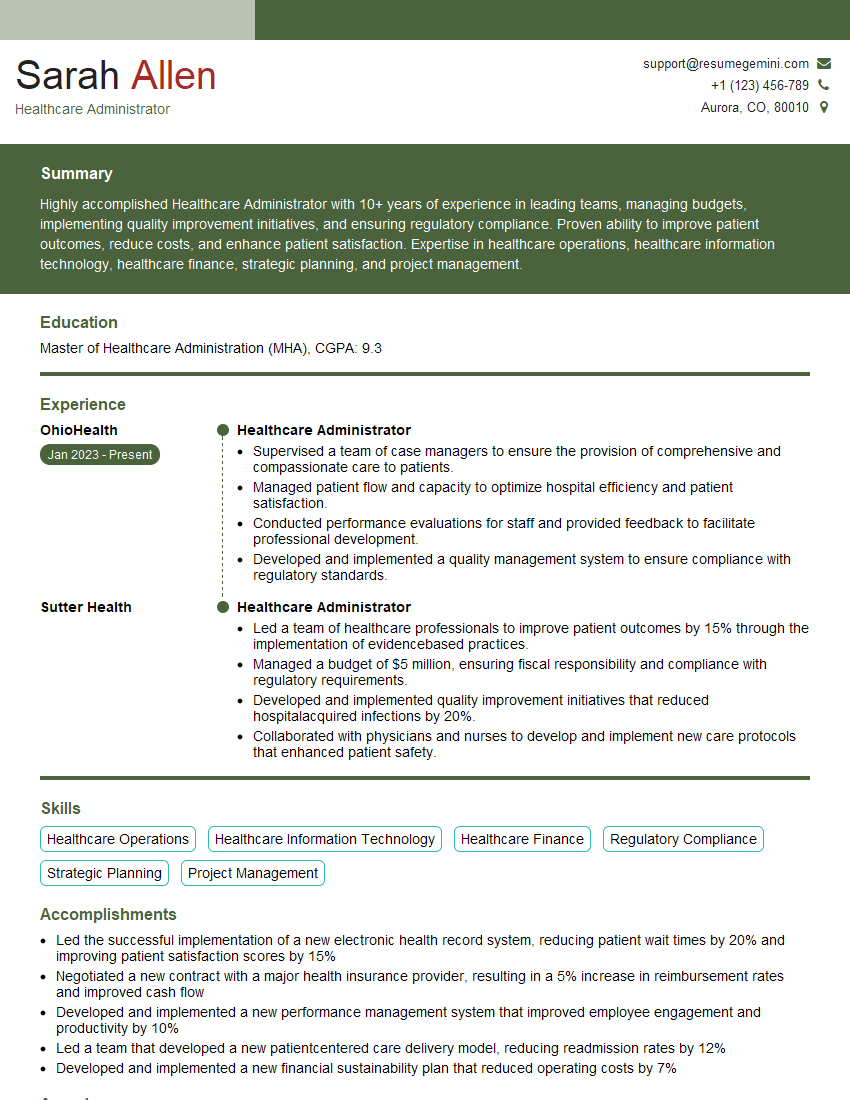
Healthcare Administrator Resume Sample
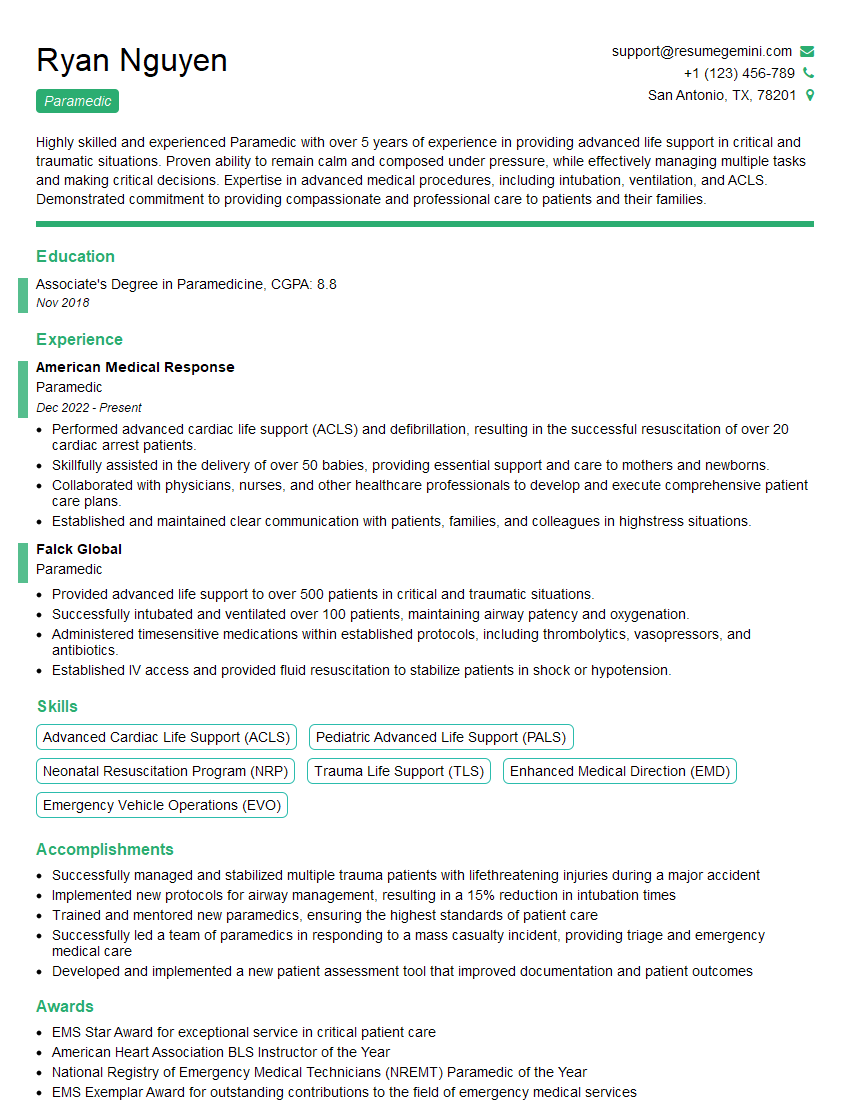
Paramedic Resume Sample
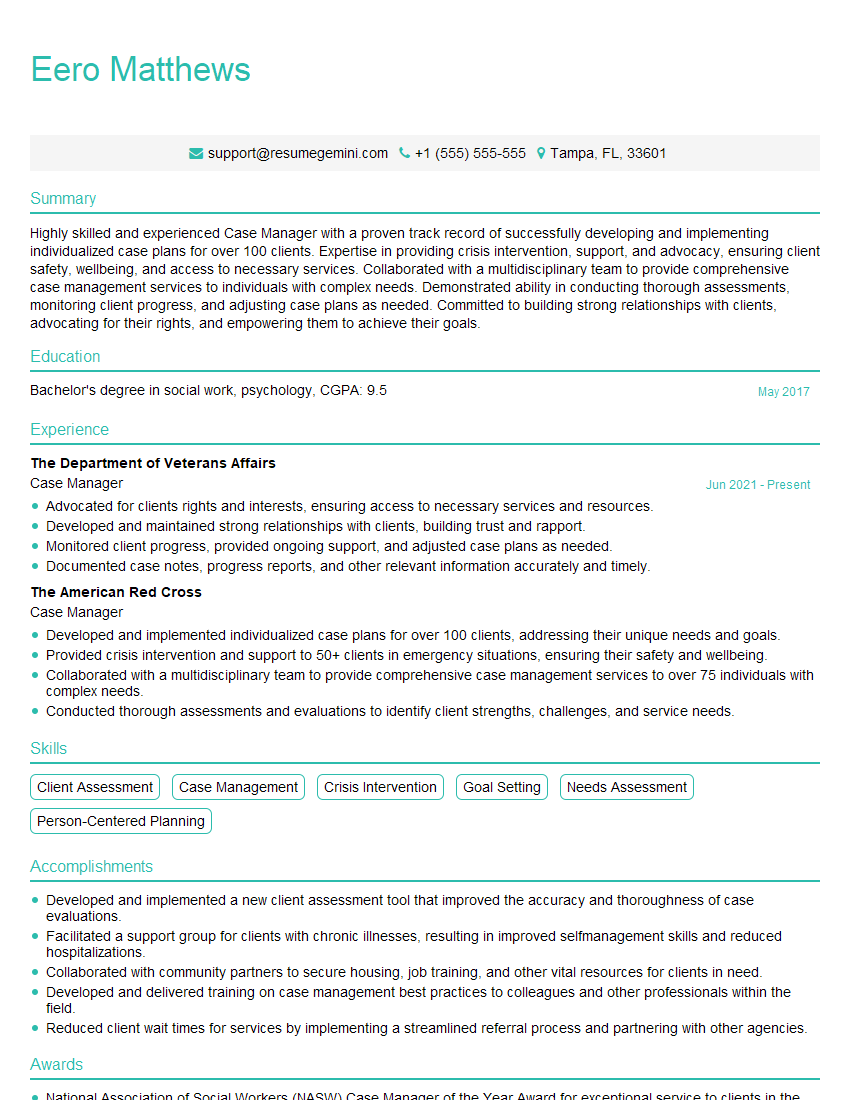
Case Manager Resume Sample
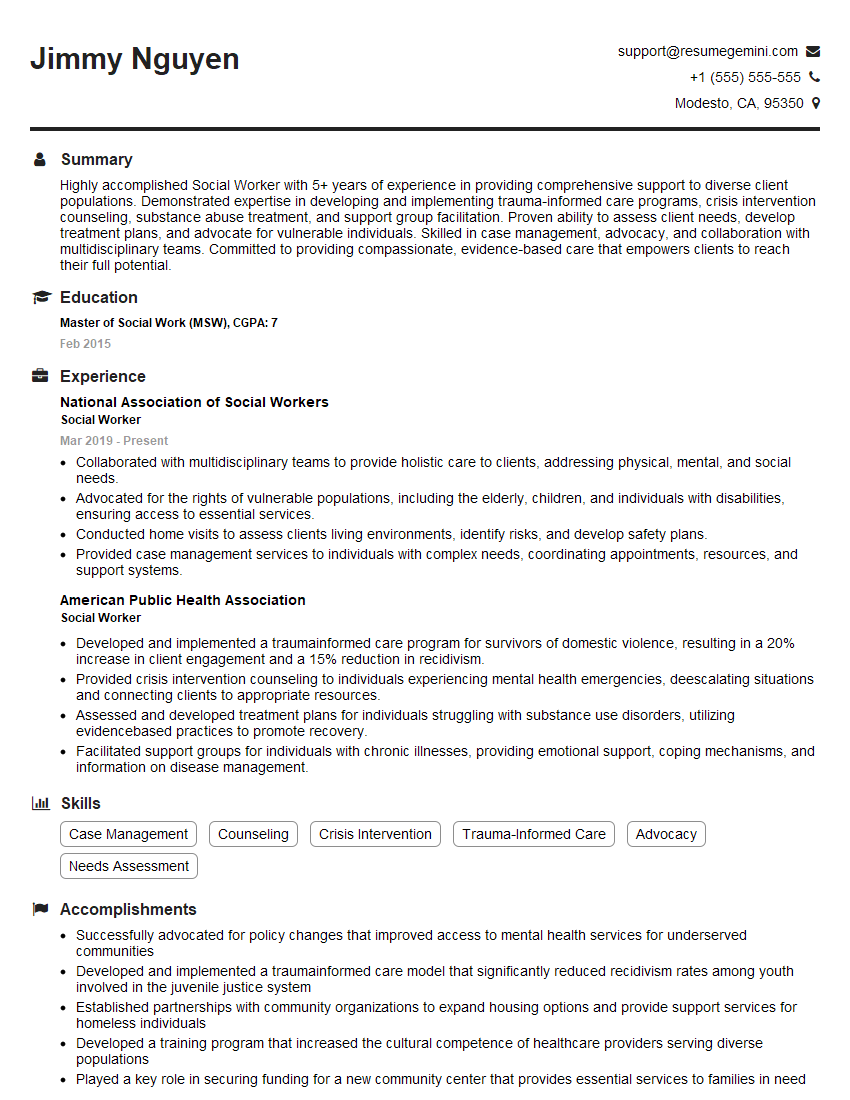
Social Worker Resume Sample
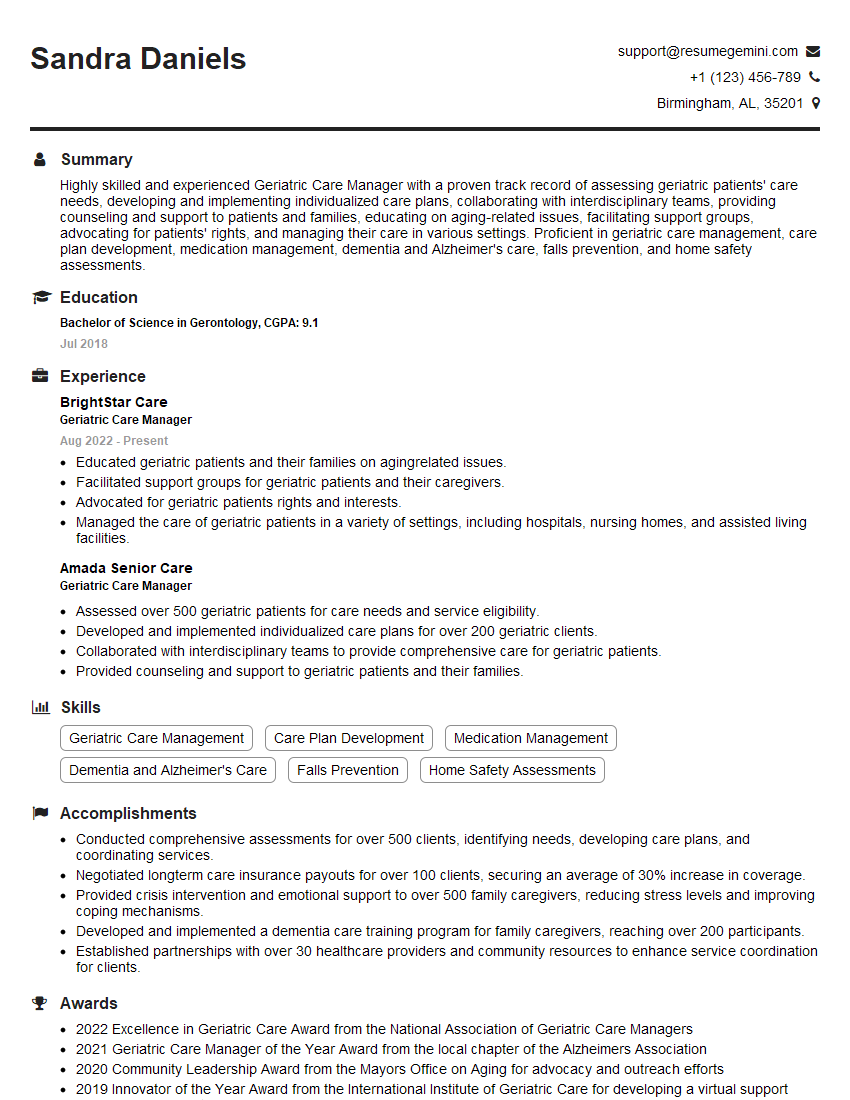
Geriatric Care Manager Resume Sample
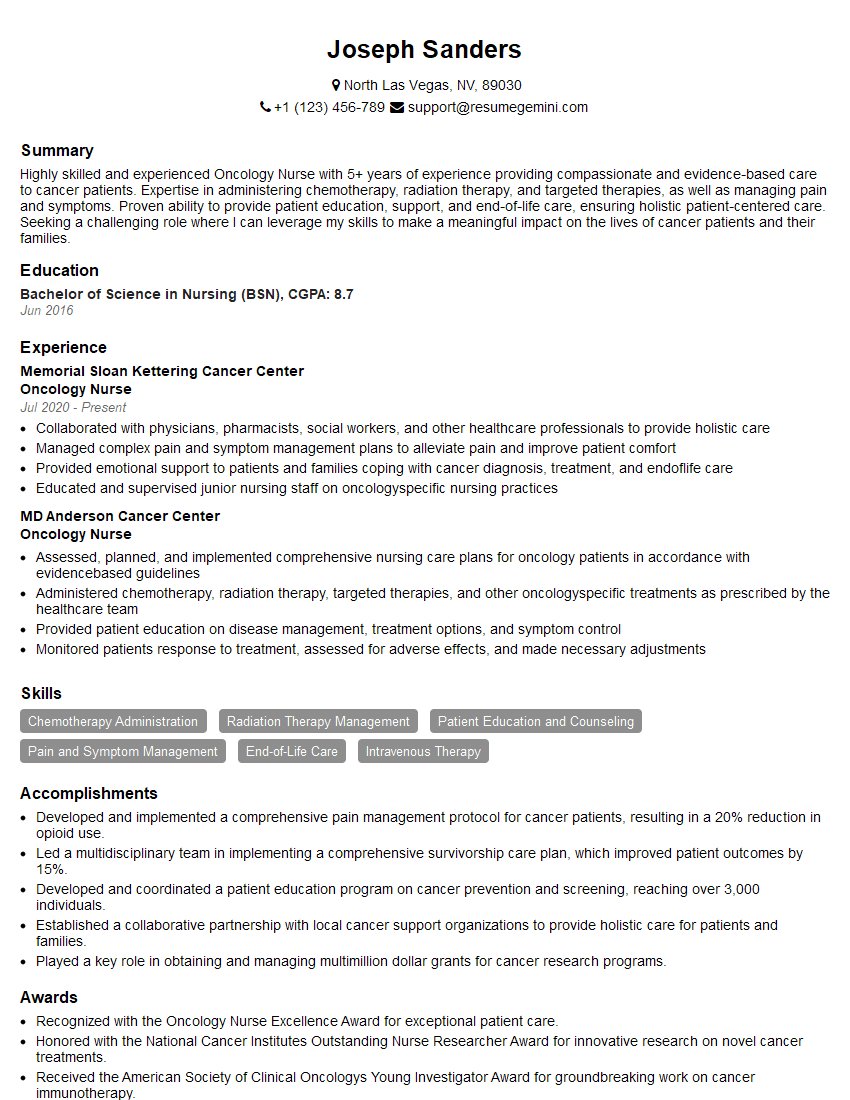
Oncology Nurse Resume Sample
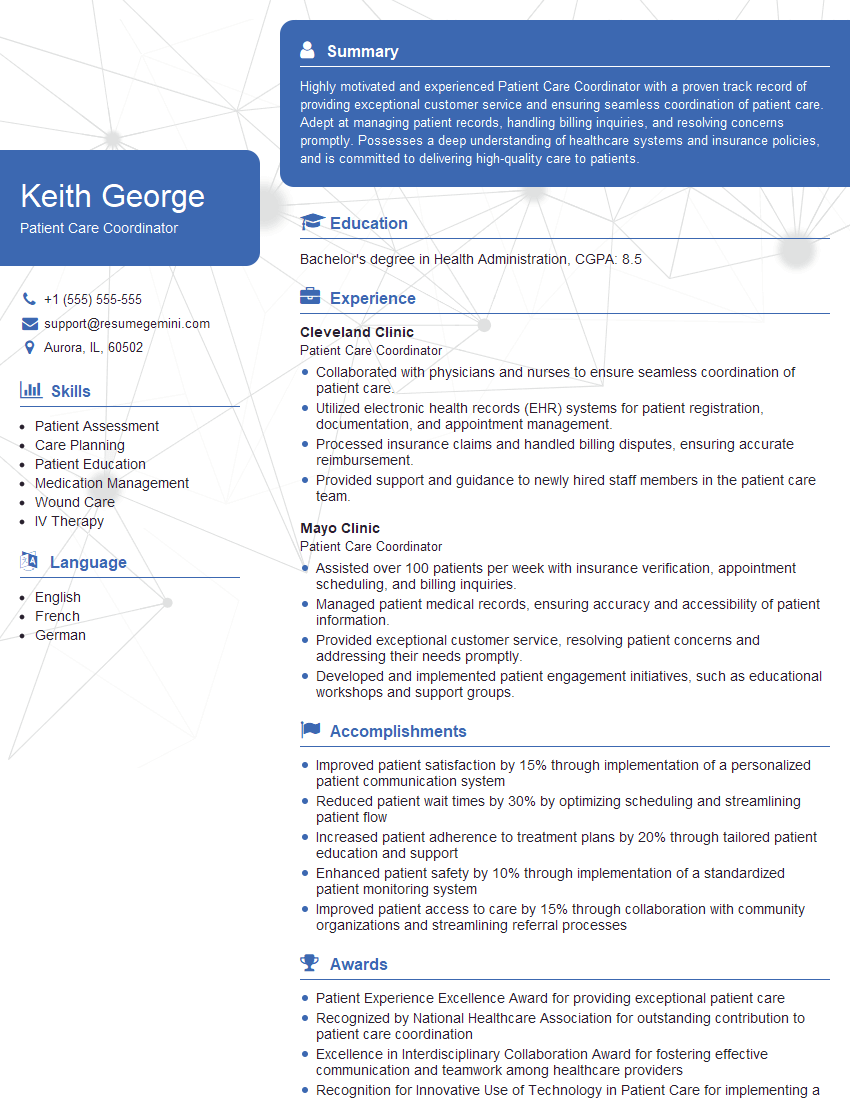
Patient Care Coordinator Resume Sample
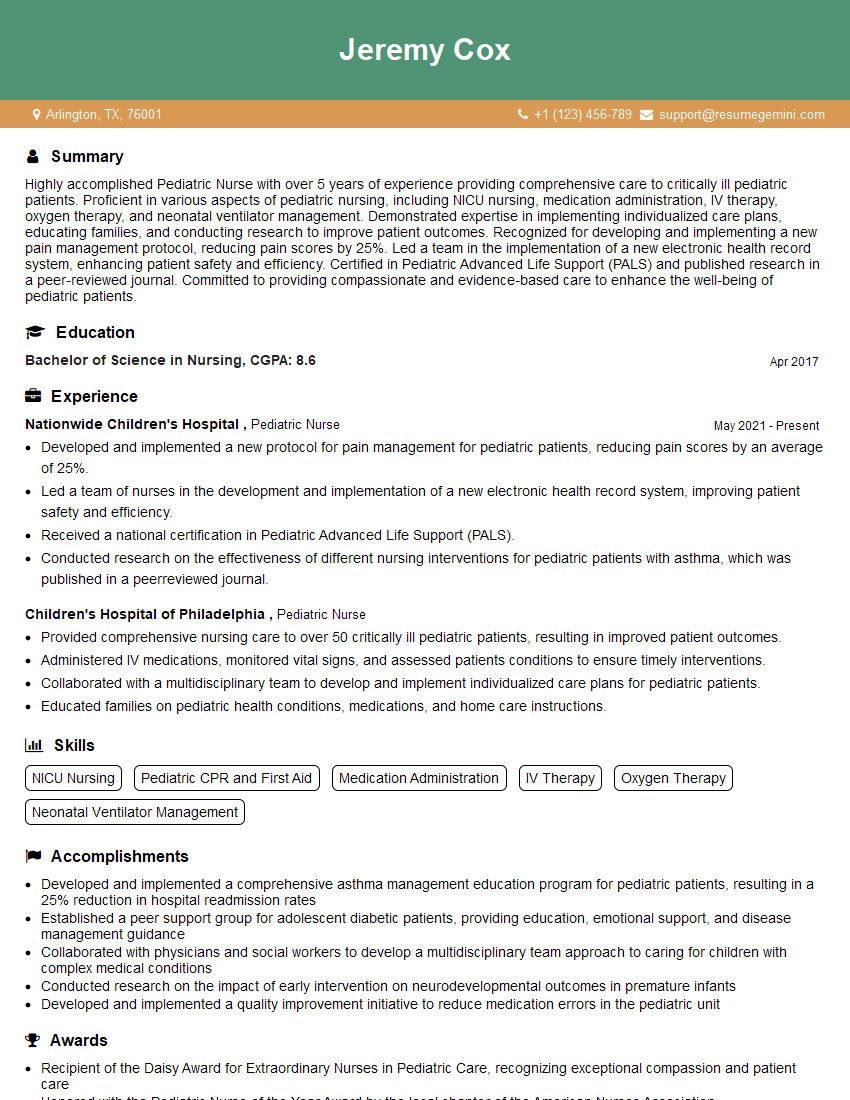
Pediatric Nurse Resume Sample
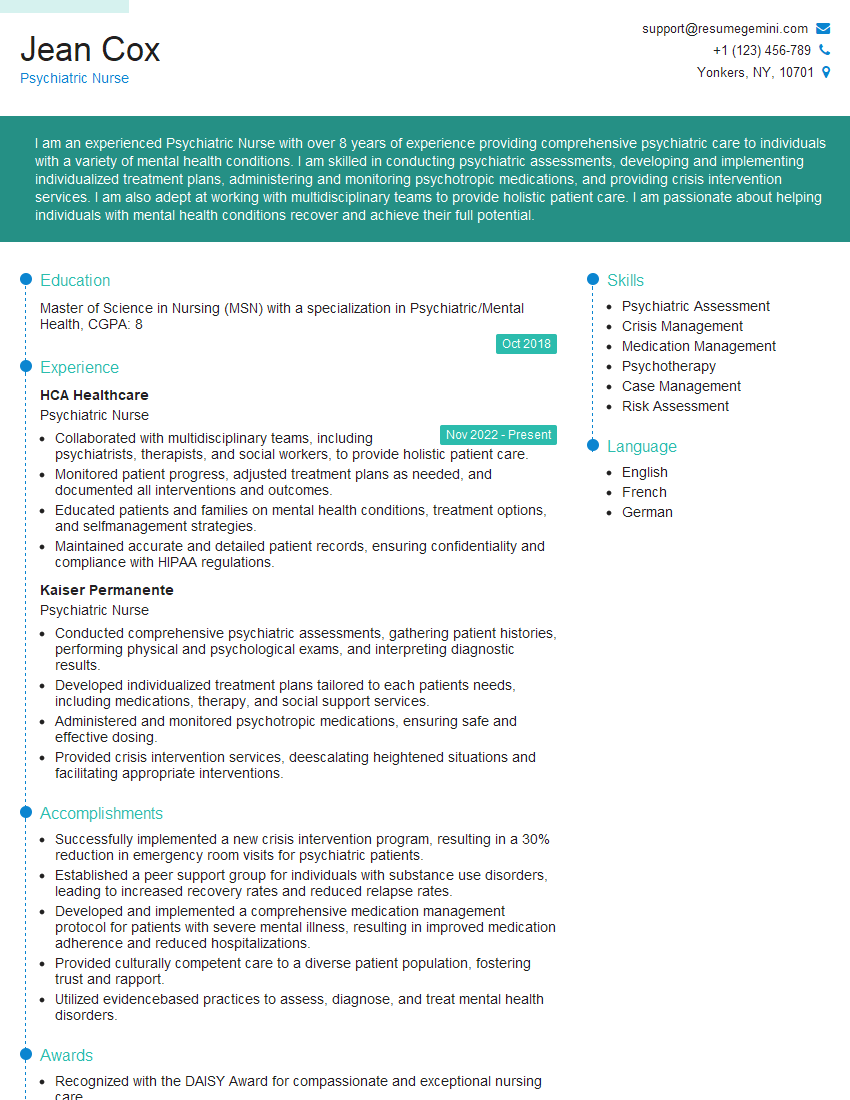
Psychiatric Nurse Resume Sample
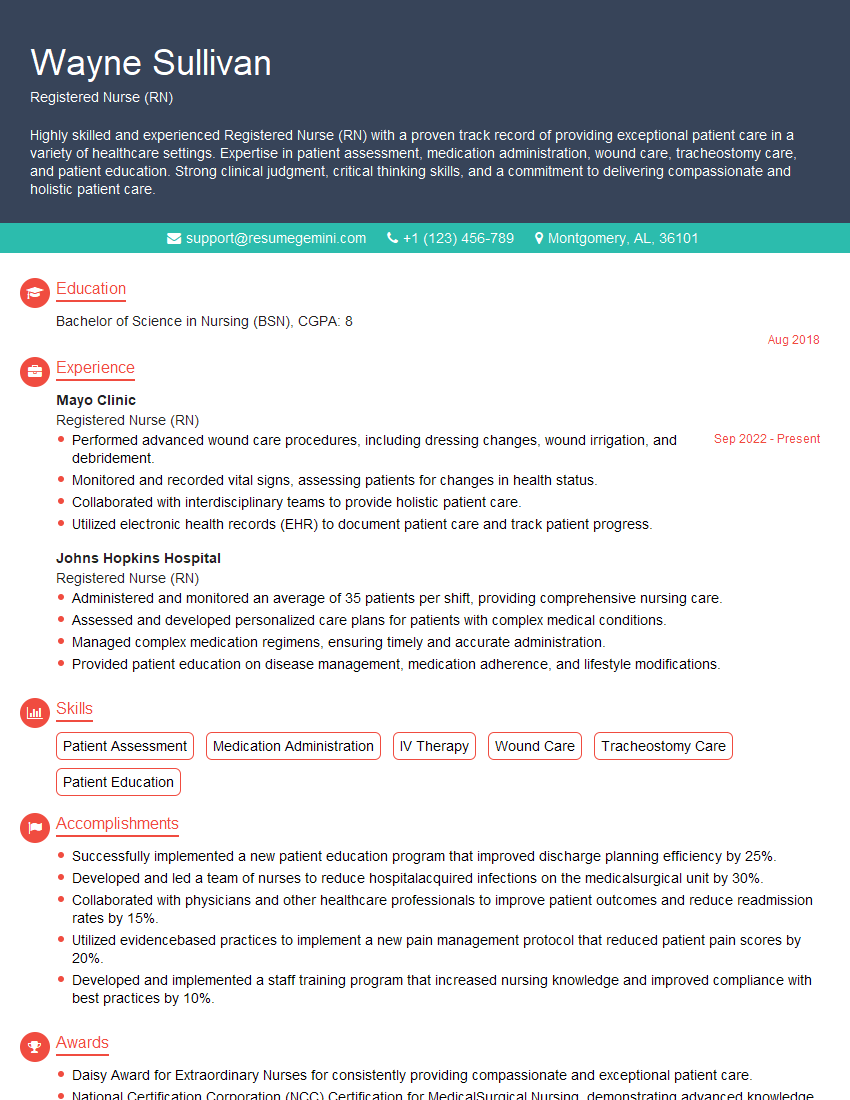
Registered Nurse (RN) Resume Sample
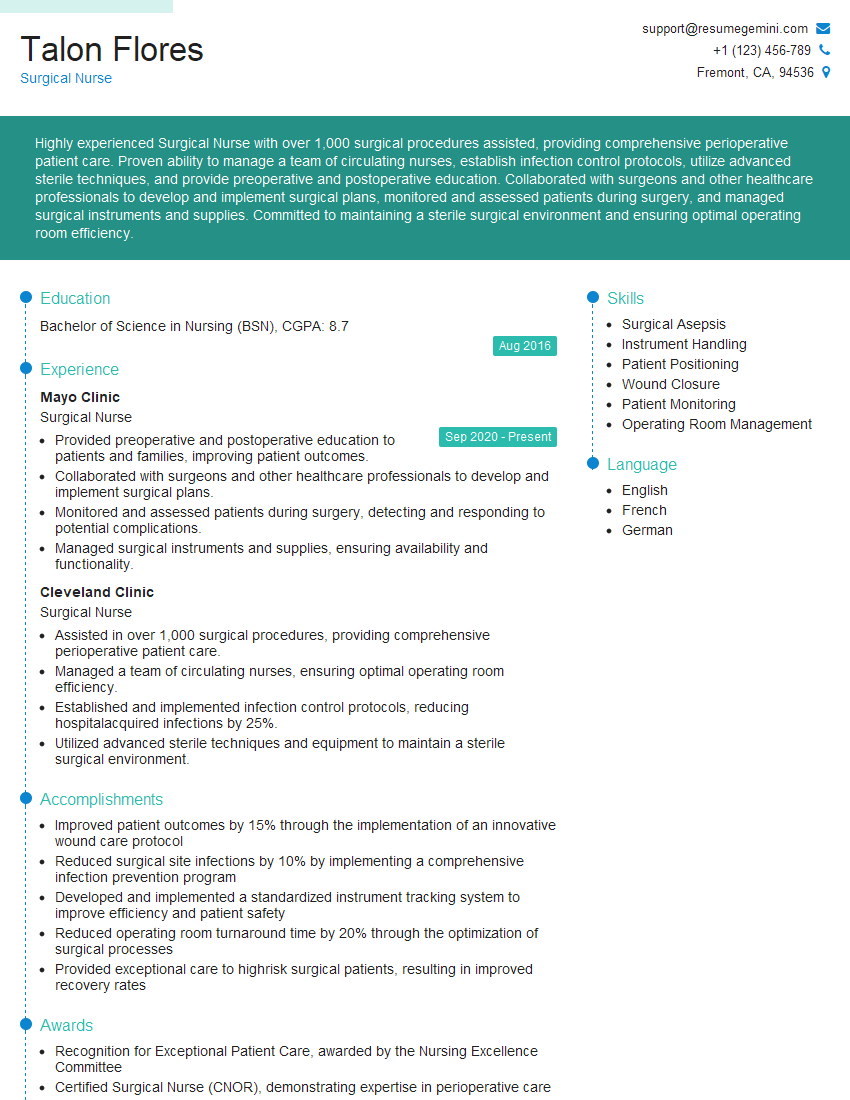
Surgical Nurse Resume Sample
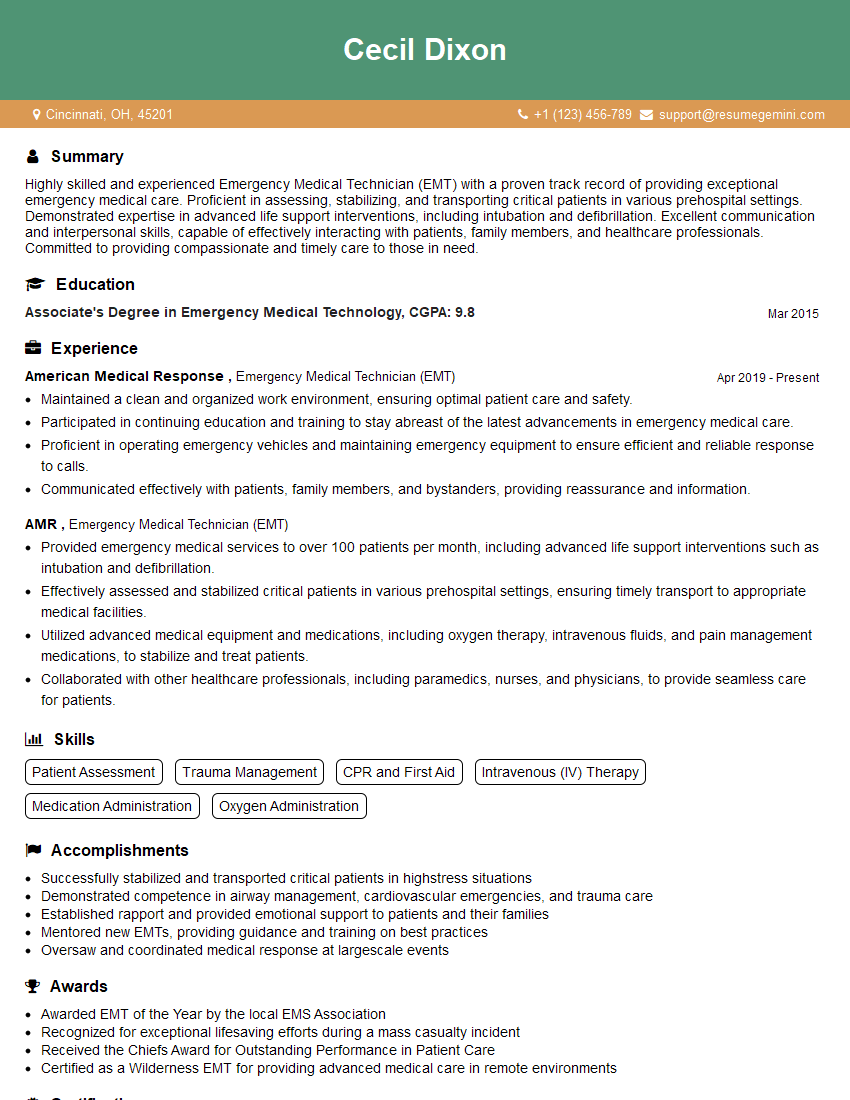
Emergency Medical Technician (EMT) Resume Sample
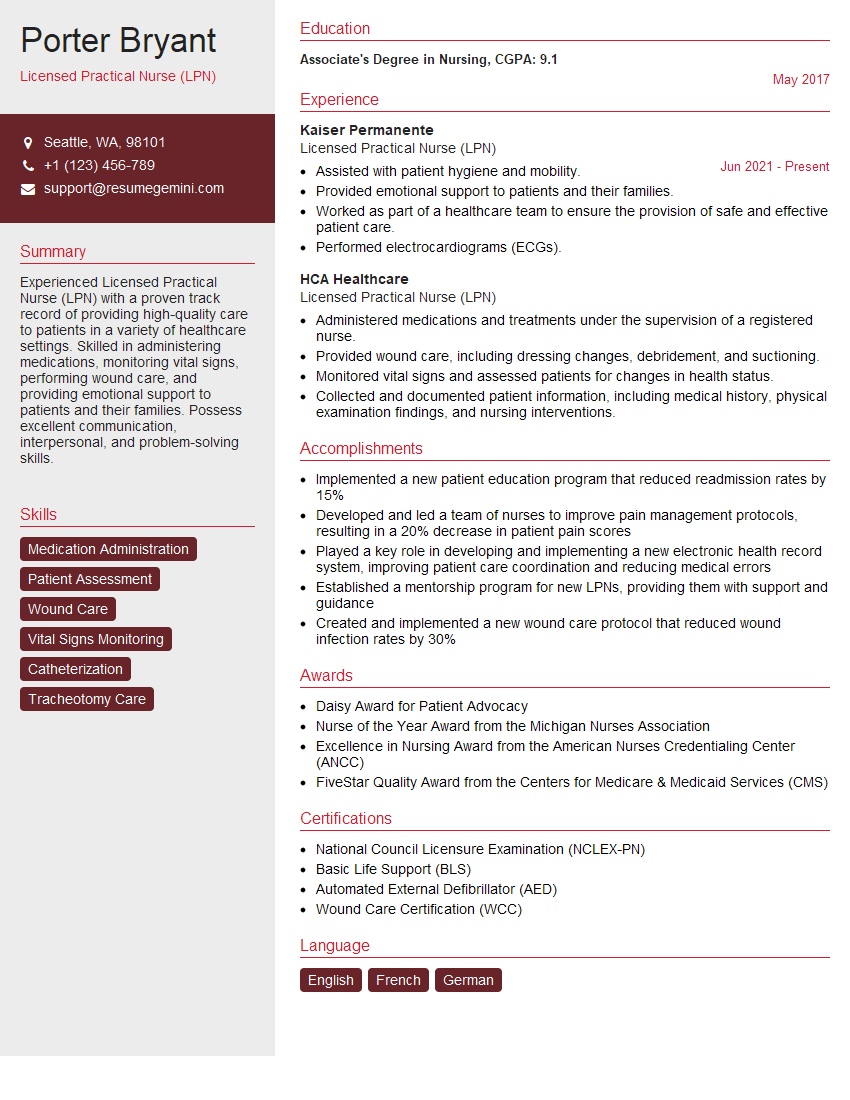
Licensed Practical Nurse (LPN) Resume Sample
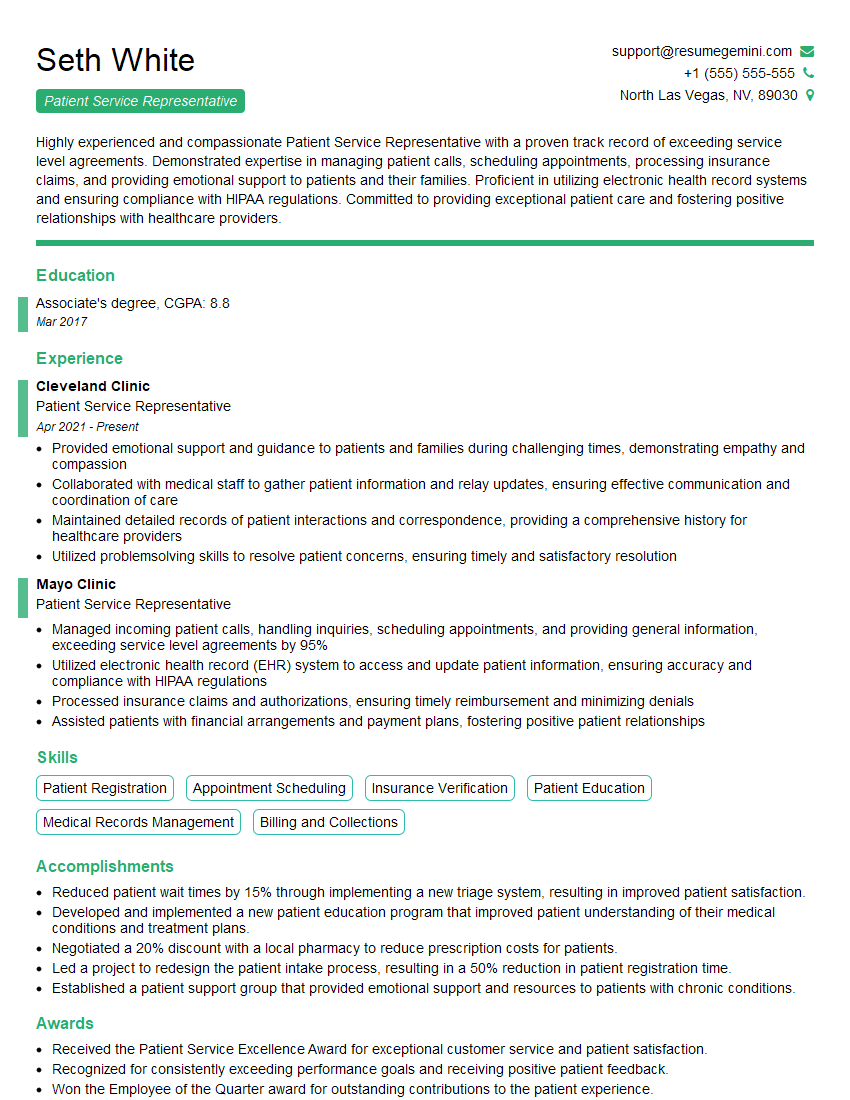
Patient Service Representative Resume Sample
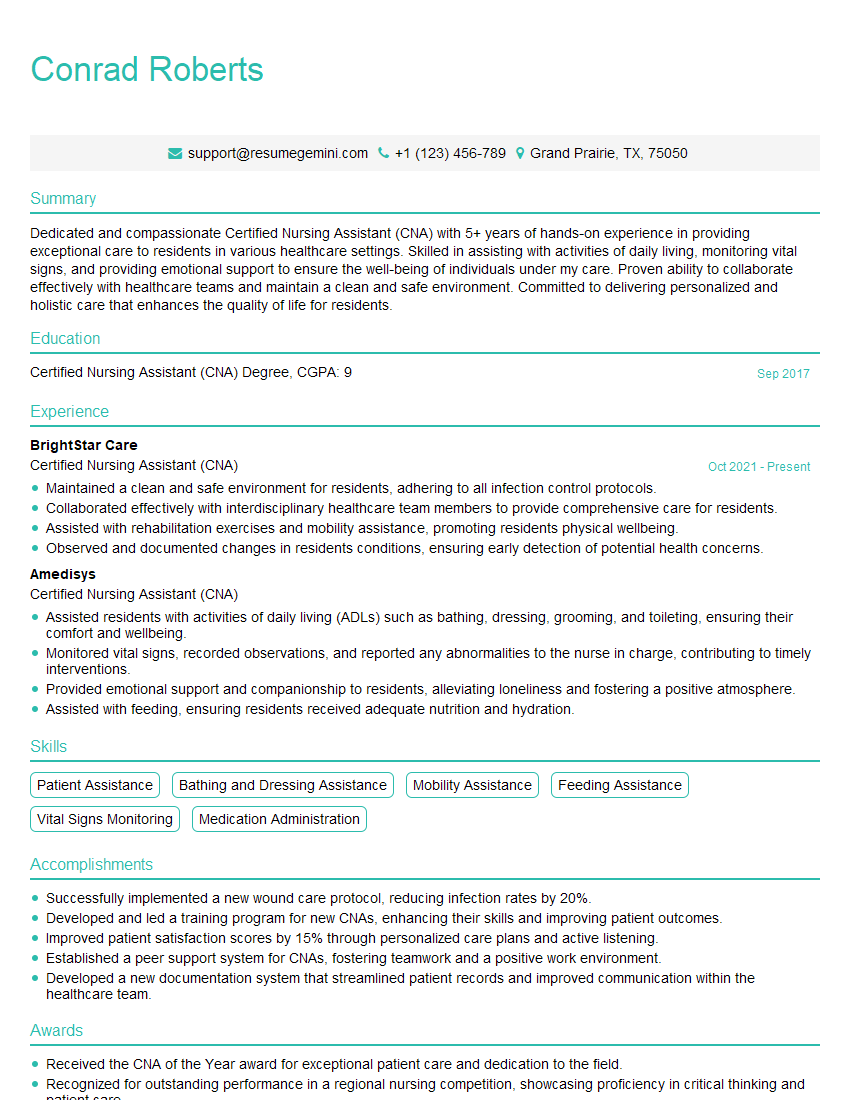
Certified Nursing Assistant (CNA) Resume Sample
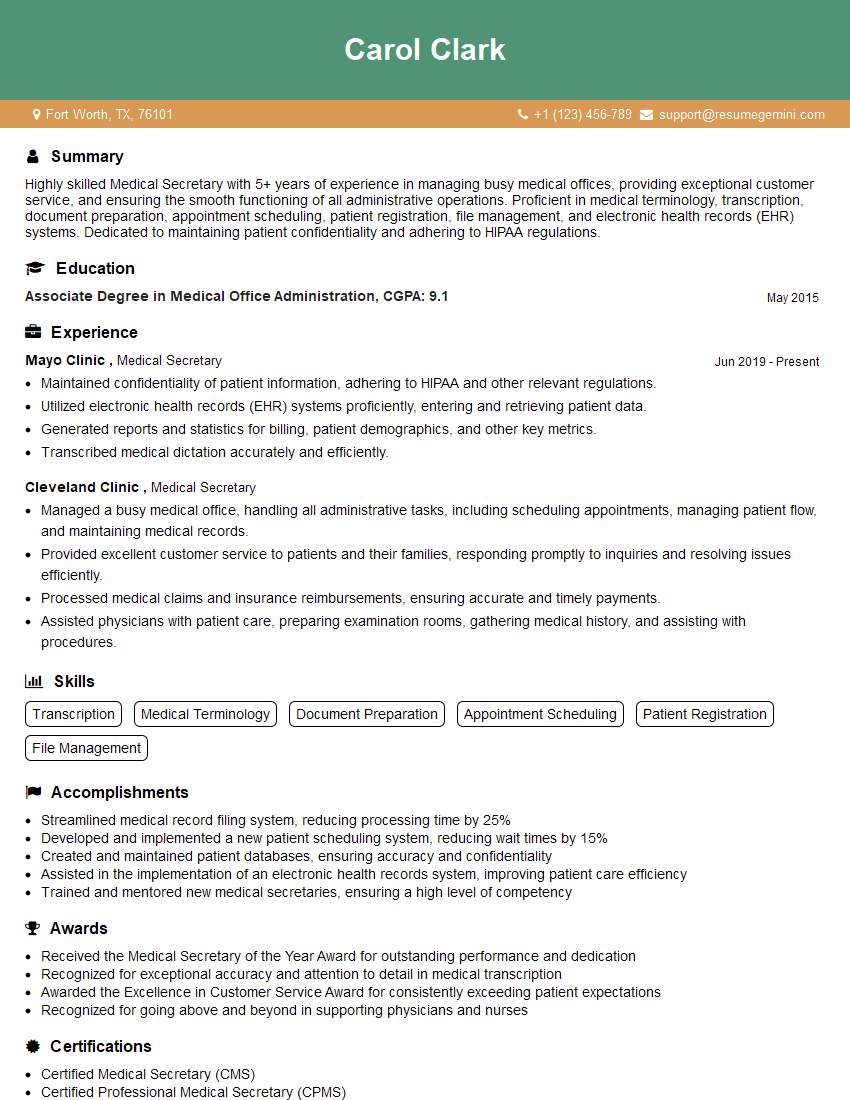
Medical Secretary Resume Sample

Patient Advocate Resume Sample
- Healthcare Administrator
- Paramedic
- Case Manager
- Social Worker
- Geriatric Care Manager
- Oncology Nurse
- Patient Care Coordinator
- Pediatric Nurse
- Psychiatric Nurse
- Registered Nurse (RN)
- Surgical Nurse
- Emergency Medical Technician (EMT)
- Licensed Practical Nurse (LPN)
- Patient Service Representative
- Certified Nursing Assistant (CNA)
- Medical Secretary
- Patient Advocate
Explore more articles
Users Rating of Our Blogs
Share Your Experience
We value your feedback! Please rate our content and share your thoughts (optional).
What Readers Say About Our Blog
Very informative content, great job.
good