Are you ready to stand out in your next interview? Understanding and preparing for EU 2006/42/EC Machinery Directive interview questions is a game-changer. In this blog, we’ve compiled key questions and expert advice to help you showcase your skills with confidence and precision. Let’s get started on your journey to acing the interview.
Questions Asked in EU 2006/42/EC Machinery Directive Interview
Q 1. Explain the scope of EU 2006/42/EC.
The EU Machinery Directive 2006/42/EC covers the placing on the market of machinery and its associated safety. It aims to ensure a high level of health and safety protection for workers and other persons using or potentially affected by machinery. Essentially, any machine, defined as an assembly of linked parts or components, at least one of which is mobile, intended for industrial or other purposes, falls under its scope – if it is intended to perform a particular task and is considered a complete entity. This is a broad definition encompassing a wide range of equipment, from simple tools to complex industrial robots. It does, however, exclude certain items, such as machinery specifically designed for military use or certain medical equipment.
Think of it like this: if it’s something you plug in, turn on, or otherwise operate to perform a task and is largely self-contained, it’s likely covered by the Directive. Examples include lathes, conveyors, packaging machines, and even simple hand-held power tools, depending on their complexity and function.
Q 2. What are the essential health and safety requirements of the Machinery Directive?
The essential health and safety requirements (EHSRs) are the core principles that all machines must meet. They are detailed in Annex I of the Directive and cover a wide range of aspects, focusing on eliminating or mitigating hazards associated with the machinery. These requirements cover everything from mechanical hazards (e.g., crushing, shearing, entanglement) to electrical hazards, risks from hazardous substances and emissions, and ergonomic hazards. They also cover aspects like information for use, maintenance, and safe disposal. Think of them as fundamental rules to make machinery safe. The EHSRs are quite broad, deliberately leaving room for interpretation based on the specific machine. Manufacturers must interpret and apply the requirements based on a robust risk assessment.
- Mechanical Hazards
- Electrical Hazards
- Risks from Hazardous Substances
- Ergonomic Hazards
- Other Hazards
Q 3. Describe the process of CE marking a machine.
CE marking a machine is the process of demonstrating conformity with all applicable EU directives, including the Machinery Directive. It’s not just a sticker; it’s a declaration that your machine meets all the required safety standards. The process involves several key steps:
- Risk Assessment: Identify all potential hazards and determine the necessary safeguards.
- Design for Safety: Incoporate safety measures into the machine’s design to mitigate identified risks.
- Technical File Creation: Compile all documentation related to the design, manufacturing, and testing of the machine, demonstrating its conformity.
- Conformity Assessment: Depending on the complexity of the machine, and associated risks, this might involve internal production control, type-examination by a Notified Body, or a combination of both.
- Declaration of Conformity (DoC): The manufacturer makes a formal declaration that the machine meets all requirements.
- CE Marking: The CE marking is affixed to the machine, indicating conformity.
Failure to properly CE mark a machine can result in significant legal and financial penalties.
Q 4. What is a technical file, and what information must it contain?
The technical file is the cornerstone of demonstrating compliance. It’s a comprehensive collection of documents that proves the machine meets the essential health and safety requirements. It acts as a permanent record of the design and manufacturing process. Think of it as a detailed history of your machine from concept to completion.
The information it must contain includes but is not limited to:
- General information about the machine (description, intended use)
- Results of risk assessment
- Design and manufacturing drawings
- Circuit diagrams (if applicable)
- Test reports
- Standards applied
- Instructions for use and maintenance
- EC Declaration of Conformity
The technical file is crucial for audits and investigations and must be retained by the manufacturer for a minimum of 10 years after the last machine is placed on the market.
Q 5. How do you perform a risk assessment according to ISO 12100?
A risk assessment according to ISO 12100 is a systematic process of identifying hazards related to a machine and evaluating the risks associated with those hazards. It’s a crucial step in ensuring safety. The process generally follows these steps:
- Hazard Identification: Identify all potential hazards associated with the machine, considering various scenarios and operational conditions. Use checklists, brainstorming, and failure modes and effects analysis (FMEA).
- Risk Estimation: Assess the likelihood and severity of each hazard. This often involves a qualitative or quantitative approach, assigning risk levels based on predefined criteria.
- Risk Evaluation: Determine whether the identified risks are acceptable. Consider the current standards and regulatory requirements.
- Risk Reduction: Implement measures to reduce risks. This could involve incorporating safety devices, modifying the design, providing adequate training, or adding warning signs.
- Residual Risk Evaluation: After implementing risk reduction measures, reassess the risks. If residual risks remain too high, further measures may be needed.
- Documentation: Thoroughly document all stages of the risk assessment, including methodology, findings, and implemented safety measures.
A well-executed risk assessment is critical for compliance with the Machinery Directive, informing the design and safeguarding of the machine.
Q 6. What are the different categories of machinery according to the Directive?
The Machinery Directive doesn’t explicitly categorize machinery in distinct categories. Instead, it focuses on the specific hazards associated with each machine. The classification of machinery is not a formal categorization within the Directive itself. However, the level of complexity, and thus the required conformity assessment procedure, depends on the level of hazard associated with the machine. This means that simple machines might only require an internal production control system while very complex or potentially dangerous machines may require involvement of a notified body for type examination.
The level of risk associated with a machine determines the depth of the conformity assessment and the involvement (or not) of a Notified Body. More complex and hazardous machinery requires more rigorous evaluation, including external audits.
Q 7. Explain the role of notified bodies in the certification process.
Notified bodies play a crucial role in the CE marking process, particularly for more complex machines. They are independent organizations designated by a member state to assess the conformity of products to EU directives. Their involvement varies depending on the selected conformity assessment procedure in relation to the determined level of risk associated with the machinery.
The role of a notified body might include:
- Type Examination: Examining the machine’s design and ensuring it meets the essential safety requirements.
- Module B + C1 or D: They conduct audits of the manufacturer’s quality assurance system, and manufacturing processes.
- Product Verification: Verifying samples of machines during the production process to ensure consistency and compliance.
Choosing a notified body requires careful consideration of their expertise and accreditation. Their involvement adds an extra layer of scrutiny and assurance to the process, enhancing the reliability of the CE marking.
Q 8. What are the implications of non-compliance with the Machinery Directive?
Non-compliance with the Machinery Directive 2006/42/EC carries significant implications. Firstly, it’s illegal to place a non-compliant machine on the EU market. This means you cannot sell, rent, or even use the machine commercially within the EU.
Secondly, you face potential penalties. These can range from warnings and fines to product recalls and legal action, leading to substantial financial losses and reputational damage. The severity of the penalties depends on factors such as the nature of the non-compliance, the risks posed, and the manufacturer’s cooperation with regulatory authorities.
Finally, a lack of conformity significantly increases the risk of accidents. Machines that don’t meet essential safety requirements can cause injuries or even fatalities, resulting in compensation claims and further legal consequences. Think of it like building a house without adhering to building codes – it’s a serious risk.
Q 9. How do you ensure conformity with essential safety requirements?
Ensuring conformity with the essential safety requirements (ESRs) of the Machinery Directive is a multifaceted process. It starts with a thorough risk assessment, identifying all potential hazards associated with the machine throughout its lifecycle. This is crucial because it dictates the safety measures required.
Next, you need to implement appropriate measures to mitigate those risks. This might involve inherent safety design (designing out hazards), incorporating safety devices (like emergency stops or guards), providing adequate information for safe use (instruction manuals), and implementing appropriate maintenance procedures. Remember, the goal is to achieve a sufficiently low level of risk for intended use.
Finally, you must create technical documentation demonstrating compliance. This includes risk assessments, design calculations, test reports, and the EU Declaration of Conformity. This documentation is essential for audits and demonstrating your commitment to safety.
Q 10. Describe the process of selecting appropriate safety devices for a machine.
Selecting appropriate safety devices requires a systematic approach. It begins with the risk assessment identifying the hazards. For example, if a rotating part poses a crushing hazard, you’d need a guard to prevent access. The choice of the guard’s type depends on the risk level and factors like the machine’s size, operation, and environment.
Next, you consider the performance levels of the safety devices. Standards like ISO 13849 define performance levels based on risk, influencing the choice of components (sensors, control systems, etc.). A higher risk requires a higher performance level, implying more robust and reliable devices.
You also need to account for factors such as maintainability, ease of use, and integration with the overall machine design. The selected devices must not impede the machine’s function unduly and should be easily accessible for maintenance. Finally, always ensure compatibility with relevant standards. Using certified components simplifies conformity demonstration. Consider this like choosing the right lock for your door; you wouldn’t use a flimsy latch on a high-security vault.
Q 11. Explain the concept of ‘intended use’ and its relevance to the Directive.
The ‘intended use’ is the specific purpose for which the machine is designed and manufactured. It’s crucial because it defines the scope of the risk assessment and the relevant safety requirements. A machine intended for use by trained professionals may have different safety requirements than one intended for use by untrained consumers.
For example, a high-powered industrial lathe intended for skilled machinists can have different safety features than a simple wood-cutting saw for DIY enthusiasts. The risk assessment would be tailored to the respective user groups and the expected operating conditions, impacting design and required safety devices.
Defining intended use clearly is vital to ensure that the machine is safe for its designated application. Going outside the intended use often voids the manufacturer’s safety assurances and may expose users to unacceptable levels of risk.
Q 12. How do you handle changes to a machine after CE marking?
Changes to a machine after CE marking require careful consideration. Minor changes, such as replacing a component with an equivalent part from the same manufacturer, usually don’t require re-certification. However, any modifications that could significantly alter the machine’s safety profile necessitate a reassessment.
Significant changes include modifications that affect the machine’s function, its hazards, or the risk mitigation measures in place. For example, adding a new feature, changing the power source, or altering a safety device. Such changes necessitate a new risk assessment, potentially requiring modifications to the design and documentation. In some cases, a new CE marking procedure might be required.
The manufacturer bears the responsibility for ensuring that any modifications maintain the machine’s conformity with the Machinery Directive. Failing to do so can lead to legal implications and safety hazards.
Q 13. What are the responsibilities of a manufacturer under the Machinery Directive?
Manufacturers have primary responsibility for ensuring their machines comply with the Machinery Directive. This includes conducting a thorough risk assessment, designing and manufacturing the machine to meet the essential safety requirements, creating the technical file, drawing up the EU Declaration of Conformity, and ensuring the machine is correctly labeled and accompanied by appropriate instructions.
They are also responsible for addressing any identified safety deficiencies and cooperating with regulatory authorities during audits. They must keep technical documentation for at least 10 years after the last machine is manufactured. Failure to meet these responsibilities can lead to significant penalties.
The manufacturer can delegate some tasks (like testing), but ultimate responsibility for compliance remains with them. Think of it like a general contractor; they can subcontract work but are ultimately accountable for the finished product.
Q 14. What is the difference between inherent safety and safety devices?
Inherent safety and safety devices are both crucial aspects of machine safety but differ significantly in their approach.
Inherent safety involves designing hazards out of the machine from the outset. It prioritizes design choices that minimize or eliminate risks before any safety devices are even considered. For example, using low-voltage components instead of high-voltage ones, or designing a machine with enclosed moving parts to prevent access.
Safety devices are supplementary measures put in place to reduce risks when inherent safety alone isn’t enough. These include things like emergency stops, guards, interlocks, and pressure switches. They act as a secondary line of defense, protecting users from hazards that could not be entirely eliminated during the design process.
Ideally, both approaches should be combined. Inherent safety should always be prioritized, followed by appropriate safety devices to further mitigate remaining risks. This layered approach creates the most robust and effective safety system.
Q 15. How do you manage risks related to hazardous energy sources in machinery?
Managing risks associated with hazardous energy sources in machinery, under the EU Machinery Directive 2006/42/EC, requires a systematic approach. It’s all about preventing accidents and injuries by controlling the release of hazardous energy. This involves identifying potential energy sources (e.g., electrical, hydraulic, pneumatic, thermal, kinetic), assessing their risks, and implementing appropriate safety measures.
- Identification: Thoroughly examine the machinery to pinpoint all potential energy sources. For example, a robotic arm might have both electrical energy (powering the motors) and kinetic energy (its movement).
- Risk Assessment: Evaluate the likelihood and severity of harm from each energy source. A high-voltage electrical system poses a greater risk than a low-voltage one. Consider scenarios like accidental contact, uncontrolled release, or failure of safety devices.
- Risk Reduction: Implement suitable safeguards. This might include:
- Lockout/Tagout Procedures: Ensure that energy sources are isolated and prevented from being inadvertently restarted during maintenance or repair.
- Emergency Stops: Provide readily accessible emergency stop buttons to quickly shut down the machine in case of danger.
- Protective Guards: Install guards or barriers to prevent access to hazardous parts while the machine is operating.
- Interlocks: Use interlocks to prevent operation if safety devices are not in place (e.g., a door must be closed before the machine starts).
- Reduced Energy Levels: Where feasible, reduce the energy levels of the system to minimize harm in the event of an accident.
- Verification and Validation: After implementing safeguards, rigorously test them to ensure their effectiveness. This could involve simulated scenarios or practical testing.
- Documentation: Meticulously document the risk assessment, implemented safeguards, testing procedures, and results. This forms a vital part of the technical file.
For example, in a woodworking machine, the rotating blades present a significant kinetic energy hazard. Effective risk reduction might involve enclosing the blades with a safety guard, incorporating an emergency stop button, and providing clear warnings about the dangers.
Career Expert Tips:
- Ace those interviews! Prepare effectively by reviewing the Top 50 Most Common Interview Questions on ResumeGemini.
- Navigate your job search with confidence! Explore a wide range of Career Tips on ResumeGemini. Learn about common challenges and recommendations to overcome them.
- Craft the perfect resume! Master the Art of Resume Writing with ResumeGemini’s guide. Showcase your unique qualifications and achievements effectively.
- Don’t miss out on holiday savings! Build your dream resume with ResumeGemini’s ATS optimized templates.
Q 16. Describe the process of verifying conformity with the Machinery Directive.
Verifying conformity with the Machinery Directive 2006/42/EC involves demonstrating that your machinery meets all the essential health and safety requirements. The process depends on the machinery’s complexity and the manufacturer’s capabilities. There are two primary routes:
- Internal Production Control (IPC): This is suited for manufacturers with a robust quality management system. They take full responsibility for ensuring conformity, implementing their own procedures to verify each stage of design and production. This requires detailed documentation and regular internal audits.
- Conformity Assessment Procedure: This involves using a Notified Body, a third-party organization designated by an EU member state to assess conformity. Several procedures exist (e.g., type examination, quality assurance, product verification), each with specific requirements. The choice depends on the machinery’s risk class. This is often required for more complex or higher-risk machinery.
Regardless of the chosen route, the process usually includes:
- Technical File: Compiling a comprehensive technical file documenting the design, manufacturing process, risk assessment, and conformity evidence.
- EU Declaration of Conformity: Issuing a formal declaration that the machinery complies with the Directive. This is crucial for placing the machinery on the market.
- CE Marking: Affixing the CE marking on the machinery, signifying its compliance and allowing it to be sold within the European Economic Area.
Think of it like building a house. IPC is like a homeowner overseeing every aspect of the construction, whereas using a Notified Body is like having a building inspector verify that construction adheres to regulations.
Q 17. Explain the importance of documentation in maintaining compliance.
Documentation is paramount for maintaining compliance with the Machinery Directive. It serves as evidence that all essential health and safety requirements have been addressed, enabling manufacturers to demonstrate conformity throughout the machinery’s lifecycle. Inadequate documentation can lead to non-compliance and significant penalties.
- Technical File: This is the core document, containing all the necessary information on the machine’s design, manufacturing, risk assessment, and compliance procedures. This needs to be kept up-to-date throughout the product’s lifespan.
- Risk Assessment Reports: These document the identified hazards, risk levels, and implemented safety measures, showcasing a proactive approach to safety.
- Test Reports and Certificates: Evidence of testing and verification, confirming the effectiveness of safety measures.
- Manufacturing Records: Traceability information on materials, components, and production processes.
- Maintenance Records: Detailed records of scheduled and corrective maintenance, demonstrating continued compliance.
- EU Declaration of Conformity: This is a formal declaration stating the machinery conforms to the Directive.
Imagine a detective investigating a crime scene. Proper documentation acts as the vital evidence that allows for a complete understanding of the situation and the ability to present a strong case for compliance.
Q 18. How do you manage the safety aspects of imported machinery?
Importing machinery into the EU requires the same level of compliance as machinery manufactured within the EU. The importer is legally responsible for ensuring that the imported machinery meets all the essential health and safety requirements of the Machinery Directive. This responsibility extends to all aspects of compliance, from risk assessment to CE marking.
- Due Diligence: Importers must thoroughly verify that the machinery complies with the Directive. This includes reviewing the manufacturer’s documentation, such as the technical file and the EU Declaration of Conformity.
- Technical File Review: The importer needs to assess the completeness and accuracy of the technical file. Gaps or inconsistencies need to be addressed.
- Supplier Audits: It might be necessary to conduct audits of the manufacturer’s facilities to verify their production processes and quality control systems.
- CE Marking Verification: Ensure the machinery bears the correct CE marking, indicating compliance with the Directive.
- Post-Market Surveillance: The importer must actively monitor the machinery after it has been placed on the market to address any safety issues or non-conformities.
Essentially, the importer acts as a gatekeeper, ensuring that only compliant machinery enters the EU market. This safeguards the health and safety of EU citizens.
Q 19. What are the key differences between the 2006/42/EC and previous Machinery Directives?
The 2006/42/EC Machinery Directive significantly updated previous directives, aiming for greater clarity and harmonization across the EU. Key differences include:
- Simplified Structure: The 2006/42/EC Directive streamlined the previous directives’ complex structure, making it easier to understand and implement.
- Enhanced Risk Assessment: The 2006/42/EC Directive places greater emphasis on a systematic and comprehensive risk assessment process, which is essential to identify hazards and apply appropriate safety measures.
- Modular Approach: The Directive allows for a more modular approach to machine design, facilitating the integration of safety components and systems.
- Expanded Scope: The scope of the Directive was expanded to include a wider range of machinery, ensuring that a greater number of machines are covered.
- Improved Clarity: The 2006/42/EC Directive offers clearer definitions and explanations, reducing ambiguity in interpretation.
The main shift was from a largely prescriptive approach to a more performance-based one, focusing on achieving a safe end product rather than adhering to rigid specifications.
Q 20. How do you handle conflicting safety requirements?
Conflicting safety requirements can arise when different standards or regulations apply to various aspects of a machine. Resolving these conflicts requires a careful and methodical approach.
- Prioritization: Identify which requirements are more stringent or critical for safety. Often, the most stringent requirement will prevail.
- Harmonization: Explore ways to harmonize conflicting requirements. This might involve finding a solution that meets both standards or adapting one standard to accommodate the other.
- Justification: If harmonization isn’t feasible, clearly document the rationale for choosing one requirement over another. This needs to be based on a thorough risk assessment and justified in the technical file.
- Notified Body Consultation: In complex cases, consulting with a Notified Body can provide expert guidance on navigating conflicting requirements.
- Documentation: All decisions and justifications must be carefully documented in the technical file.
Think of it as navigating a busy intersection with conflicting traffic signals. A careful assessment is needed to determine the safest course of action.
Q 21. How do you determine the appropriate level of risk reduction for a particular hazard?
Determining the appropriate level of risk reduction is crucial to ensure machinery safety while avoiding unnecessary costs or overly stringent measures. This is achieved through a risk assessment process that uses a hierarchical approach.
- Hazard Identification: First, systematically identify all potential hazards related to the machinery.
- Risk Assessment: Evaluate the likelihood and severity of each hazard occurring. This could involve using a risk matrix.
- Risk Reduction Measures: Based on the risk assessment, implement appropriate risk reduction measures. This follows a hierarchy of controls, prioritizing elimination, substitution, engineering controls, administrative controls, and finally, personal protective equipment (PPE).
- Residual Risk Evaluation: After implementing controls, reassess the residual risk. This iterative process continues until the risk is reduced to an acceptable level, usually ‘as low as reasonably practicable’ (ALARP).
- Documentation: The entire risk assessment process, including the chosen risk reduction measures and their justification, must be meticulously documented in the technical file.
For example, a sharp blade poses a high risk of cutting injury. Elimination (removing the blade entirely) might not be practical, so safer substitution (using a blunt tool) could be considered. If not possible, safety guards are employed as an engineering control, significantly reducing risk.
Q 22. Describe your experience with different types of safety guarding.
My experience encompasses a wide range of safety guarding types, dictated by the specific hazards presented by different machinery. I’ve worked extensively with fixed guards, which are permanently attached to the machine and offer robust protection. These are ideal for preventing access to rotating parts or pinch points. For example, a large metal enclosure around a milling machine’s cutting head. Interlocked guards are another common type; these prevent the machine from operating unless the guard is securely in place. Imagine a safety gate on a robotic welding cell – the robot won’t function unless the gate is closed and locked. I’ve also utilized presence-sensing protective equipment (PSPE), such as light curtains and pressure mats, which detect the presence of a person in a hazardous zone and automatically stop the machine. These are particularly useful where access needs to be frequent, like on a conveyor belt. Finally, I have experience with adjustable guards, which provide flexibility in adapting to varying workpiece sizes while maintaining safety. This requires careful consideration of the adjustment mechanisms to ensure they don’t compromise the safety function.
Beyond these main types, I’m also familiar with hand-feeding devices, two-hand control systems and various other safeguarding measures, always choosing the most appropriate option based on a thorough risk assessment.
Q 23. How do you handle complaints related to machinery safety?
Handling machinery safety complaints involves a systematic approach. First, I acknowledge the complaint promptly and ensure the machine is rendered safe pending investigation. Then, a thorough investigation is conducted to determine the root cause. This involves examining the machine’s design, operational procedures, and any relevant maintenance records. We interview operators and witnesses, carefully reviewing any available evidence, such as photos or video footage. Once the cause is identified, corrective actions are implemented, which might include repairing the machine, revising operating procedures, providing additional training to operators or redesigning a component. Finally, we follow up with the complainant, keeping them informed throughout the process and explaining the corrective actions taken. Transparency and clear communication are key to maintaining trust and ensuring future safety.
For instance, if a complaint arises regarding a malfunctioning interlocked guard, we would investigate the guard’s integrity, the interlock system’s functionality, and the operator’s adherence to the operating procedures. The outcome might involve replacing the guard, repairing a broken sensor in the interlock system, or retraining the operator on proper procedures.
Q 24. How do you stay updated on changes and amendments to the Machinery Directive?
Staying current with the Machinery Directive requires a multi-faceted approach. I subscribe to official EU publications and regularly monitor the websites of relevant standards organizations like CEN and CENELEC. I also attend industry conferences, webinars, and training courses focusing on machinery safety and regulatory updates. This allows me to network with other experts and gain insights into emerging challenges. Furthermore, I maintain contact with regulatory bodies and actively participate in industry discussions to stay informed about potential changes and best practices. It’s crucial to be proactive; the landscape of machinery safety is constantly evolving with technological advancements.
Q 25. Explain the role of ergonomics in machinery design.
Ergonomics plays a vital role in machinery design, ensuring that the machine is comfortable and efficient for the operator to use. This directly impacts safety by reducing operator fatigue and strain, which can lead to mistakes and accidents. Poor ergonomics can result in musculoskeletal disorders (MSDs), repetitive strain injuries (RSIs), and decreased productivity. Key considerations include the proper positioning of controls, displays, and work surfaces to minimize awkward postures and repetitive movements. The design should account for the physical dimensions and capabilities of the intended operators, ensuring appropriate reach, visibility, and force requirements. For example, controls should be easily accessible and positioned to avoid awkward arm or wrist movements. The use of adjustable work surfaces and seating allows for customization to individual operator needs. Ultimately, ergonomic design prioritizes operator well-being, leading to a safer and more productive work environment.
Q 26. What are the key considerations when designing a machine for accessibility?
Designing machinery for accessibility involves considering the needs of all potential users, including those with disabilities. This goes beyond simple compliance and aims for inclusive design. Key considerations include ensuring that all controls and displays are accessible to individuals with visual, auditory, or motor impairments. This might involve using large, clear labels, audible warnings, and controls that are easy to operate with limited dexterity. The physical layout of the machine should allow for wheelchair access and maneuverability, with sufficient space for operators to move freely around the machine. Furthermore, considerations for individuals with cognitive impairments are important; clear instructions and visual aids can significantly improve usability. The principles of universal design, focusing on creating products and environments usable by all people to the greatest extent possible, without the need for adaptation or specialized design, should underpin the approach.
Q 27. Describe your experience with different testing methods for machinery safety.
My experience with machinery safety testing methods is extensive. I’ve been involved in various types of testing, from straightforward visual inspections to complex simulations. Visual inspections are fundamental, checking for any obvious defects or damage to safety components. Functional testing verifies that safety devices operate correctly, such as interlocks, emergency stops, and pressure sensors. More advanced techniques include performance testing to validate the efficacy of safety systems under different operating conditions. This can involve simulating various fault scenarios to ensure the machine responds appropriately. Finite Element Analysis (FEA) is employed to assess the structural integrity of machine components under stress, ensuring they can withstand potential impacts or overloading. Furthermore, simulations, like virtual prototyping and digital twinning, allow us to test designs before physical prototyping, reducing costs and accelerating development. The choice of testing method depends on the complexity of the machine and the specific safety risks involved.
Q 28. Explain your understanding of the legal implications of non-compliance.
Non-compliance with the Machinery Directive carries significant legal implications. Manufacturers and importers are held accountable for ensuring their machines meet the essential health and safety requirements. Failure to do so can lead to fines, product recalls, and legal action from injured parties. The penalties can be substantial, depending on the severity of the non-compliance and any resulting injuries or damages. Furthermore, a company’s reputation can be severely damaged, leading to loss of market share and customer trust. In severe cases, criminal charges can even be brought against individuals responsible for the non-compliance. Therefore, thorough risk assessments, rigorous testing, and comprehensive documentation are paramount to ensuring compliance and mitigating legal risks. Proactive compliance is significantly less costly and disruptive than dealing with the repercussions of non-compliance.
Key Topics to Learn for EU 2006/42/EC Machinery Directive Interview
Mastering the EU 2006/42/EC Machinery Directive is crucial for success in many engineering and compliance roles. This guide highlights key areas to focus on for your upcoming interview.
- Essential Health and Safety Requirements (EHSRs): Understanding the core principles and how they apply to different machinery types. Be prepared to discuss specific examples.
- Risk Assessment Methodology: Demonstrate your understanding of conducting thorough risk assessments, identifying hazards, and implementing appropriate safeguards. Practice explaining your approach to problem-solving in this area.
- CE Marking and Declaration of Conformity: Know the process of obtaining CE marking, the responsibilities of manufacturers, and the content of a Declaration of Conformity. Be ready to discuss practical examples.
- Technical Files: Understand the requirements for creating and maintaining a compliant technical file, including the types of documentation it should contain.
- Harmonized Standards: Explain the role of harmonized standards in demonstrating conformity and the implications of using or not using them.
- Specific Machinery Directives and their Application: Be prepared to discuss how the Machinery Directive interacts with other relevant EU directives, depending on the specific machinery involved (e.g., pressure equipment, low voltage).
- Practical Application of Risk Reduction Measures: Be ready to discuss different risk reduction strategies – inherent safety, protective measures, information for use – and how they are applied in real-world scenarios.
- Legal Implications of Non-Compliance: Demonstrate an understanding of the potential consequences of non-compliance with the Machinery Directive.
Next Steps
A strong understanding of the EU 2006/42/EC Machinery Directive significantly enhances your marketability and opens doors to exciting career opportunities in compliance, engineering, and manufacturing. To maximize your chances of landing your dream role, crafting a compelling and ATS-friendly resume is essential.
ResumeGemini is a trusted resource that can help you build a professional resume that highlights your skills and experience effectively. Using ResumeGemini, you can create a document that showcases your expertise in EU 2006/42/EC and increases your visibility to recruiters. Examples of resumes tailored to the EU 2006/42/EC Machinery Directive are available to help guide you.
Operations Manager Resume Sample

Quality Assurance Manager Resume Sample
Supply Chain Manager Resume Sample
Engineering Manager Resume Sample
Regulatory Affairs Director Resume Sample
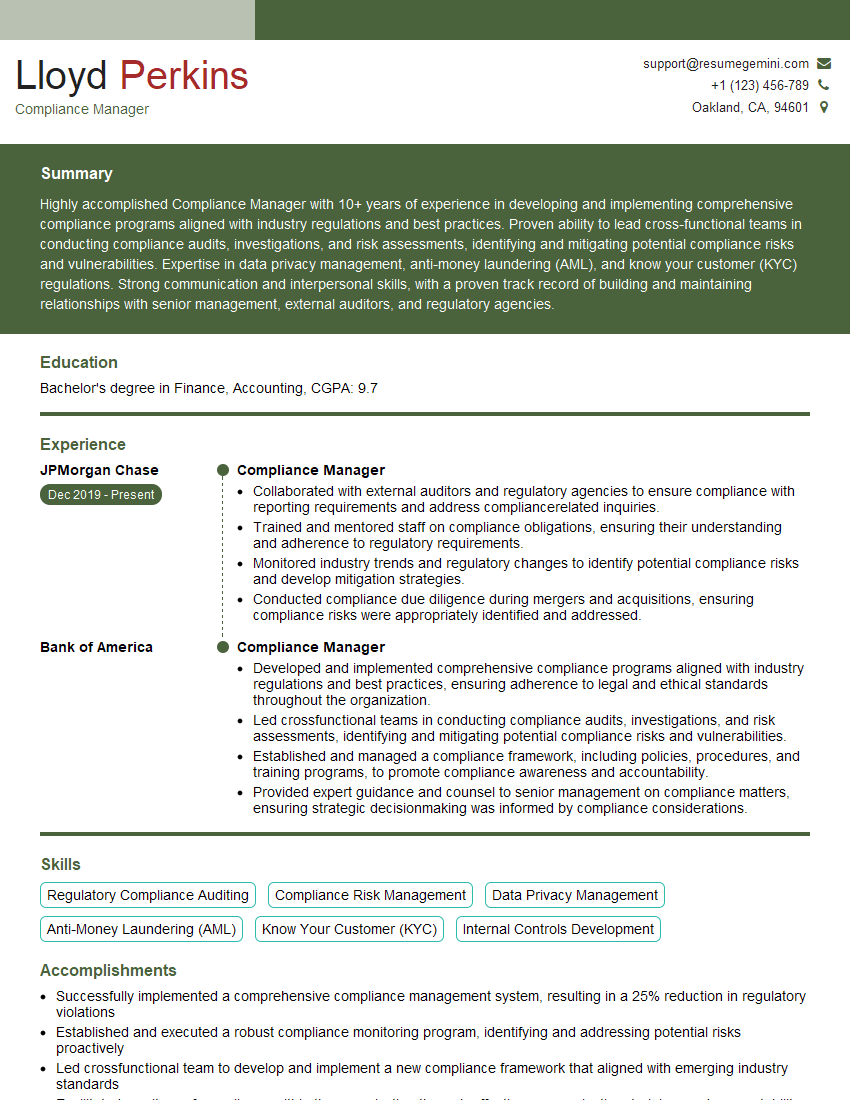
Compliance Manager Resume Sample
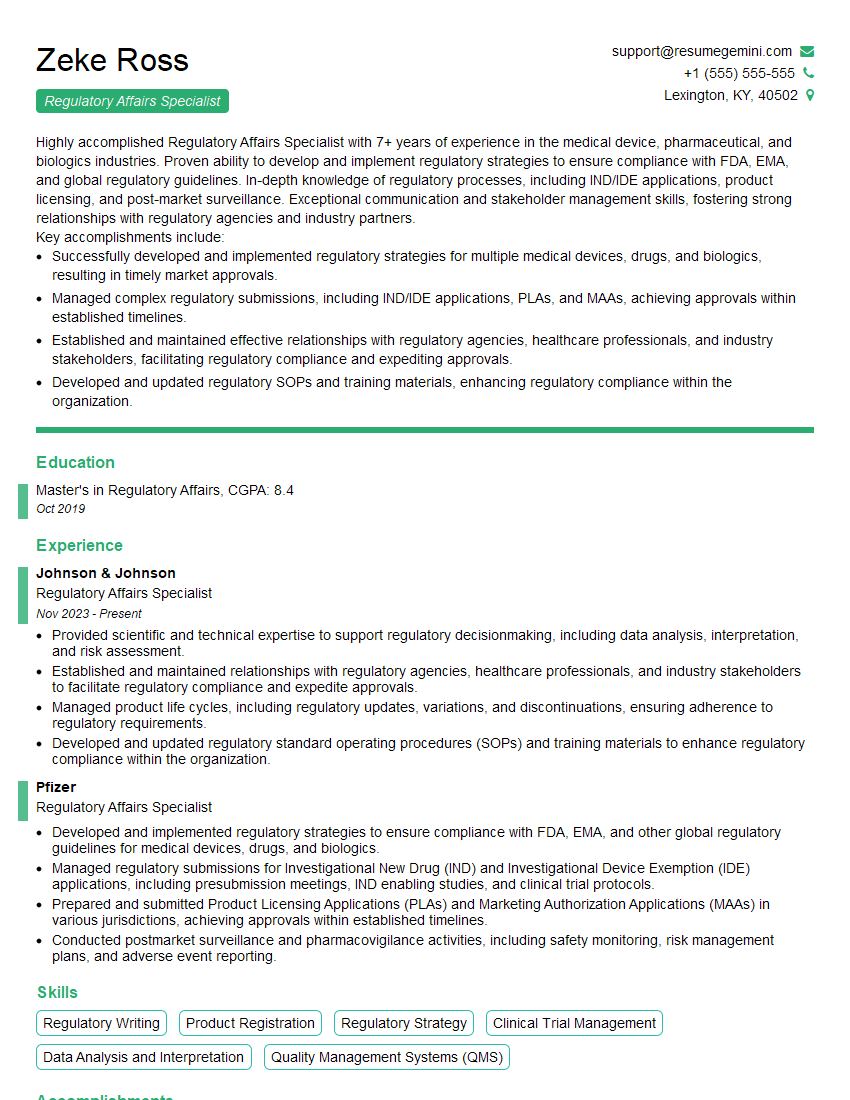
Regulatory Affairs Specialist Resume Sample
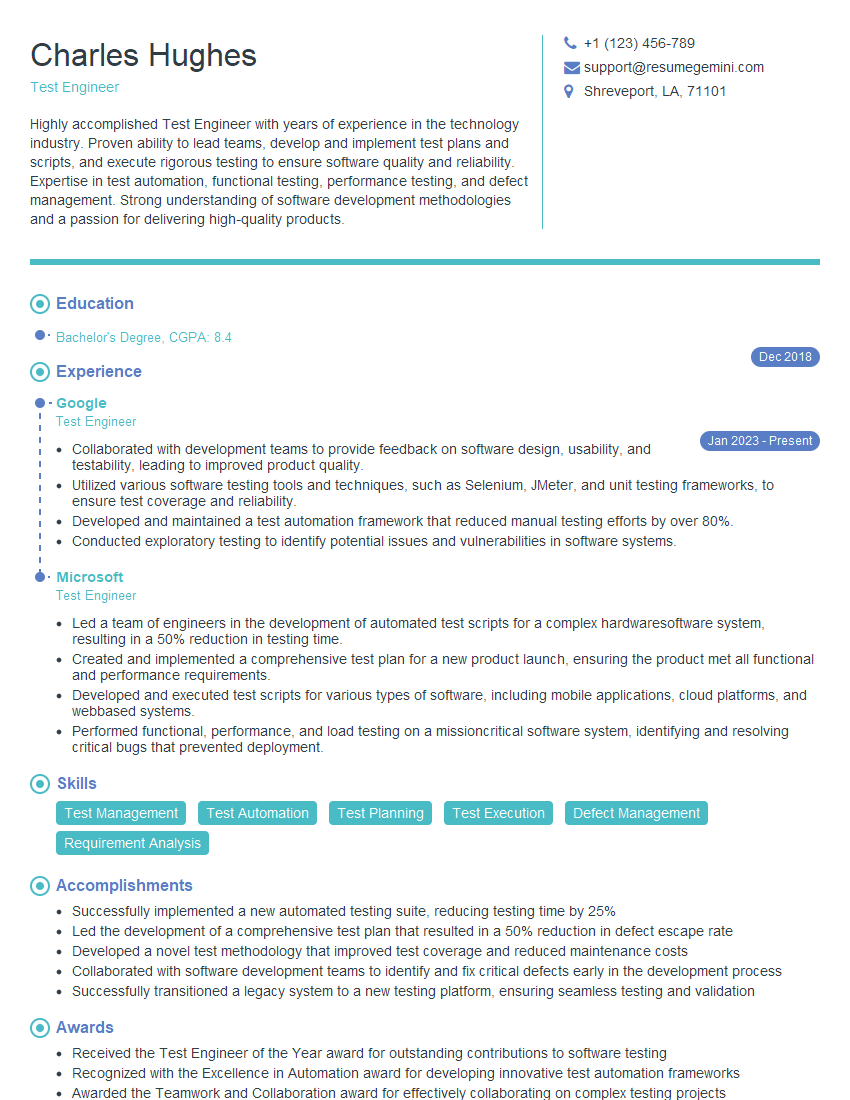
Test Engineer Resume Sample
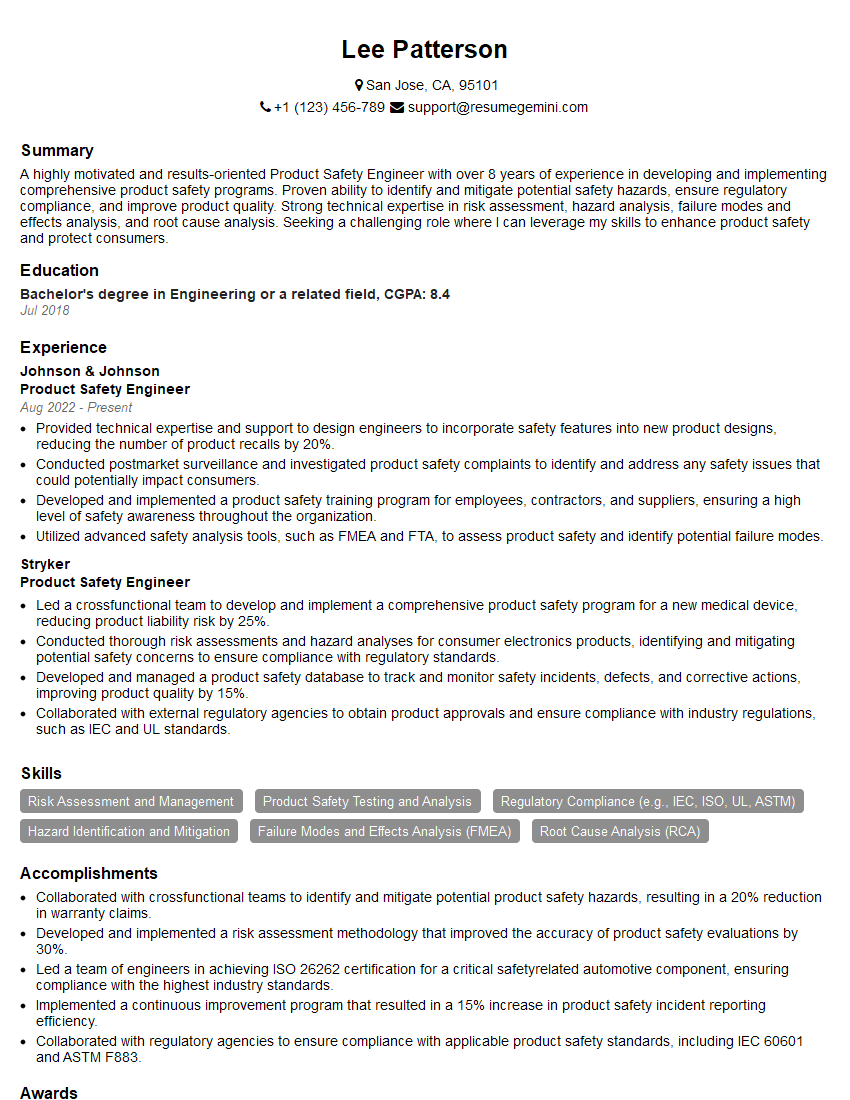
Product Safety Engineer Resume Sample
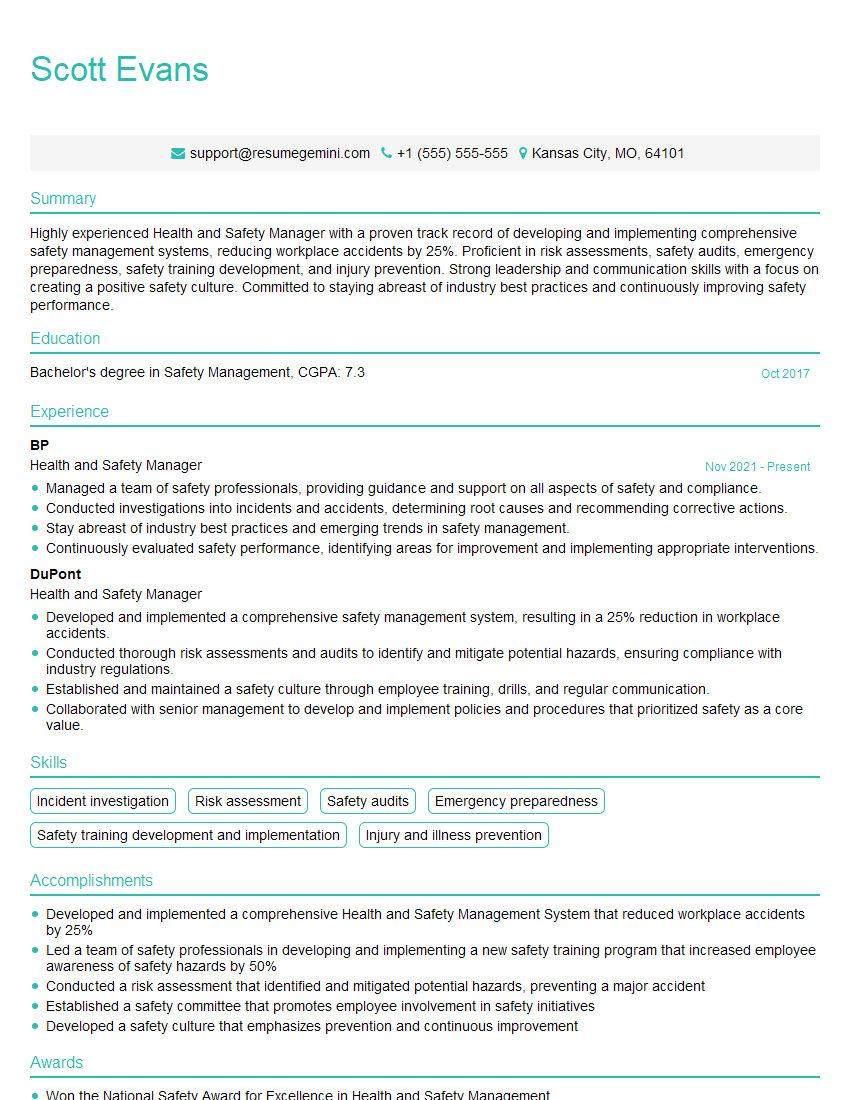
Health and Safety Manager Resume Sample
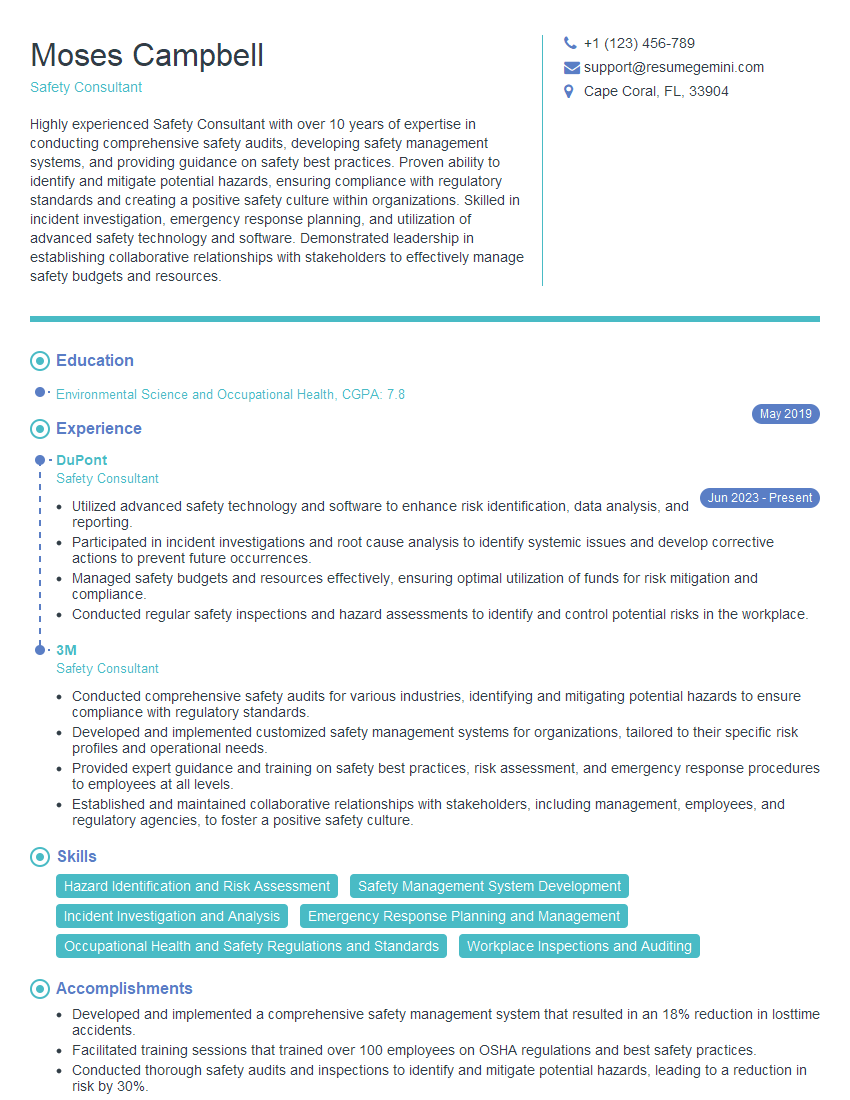
Safety Consultant Resume Sample
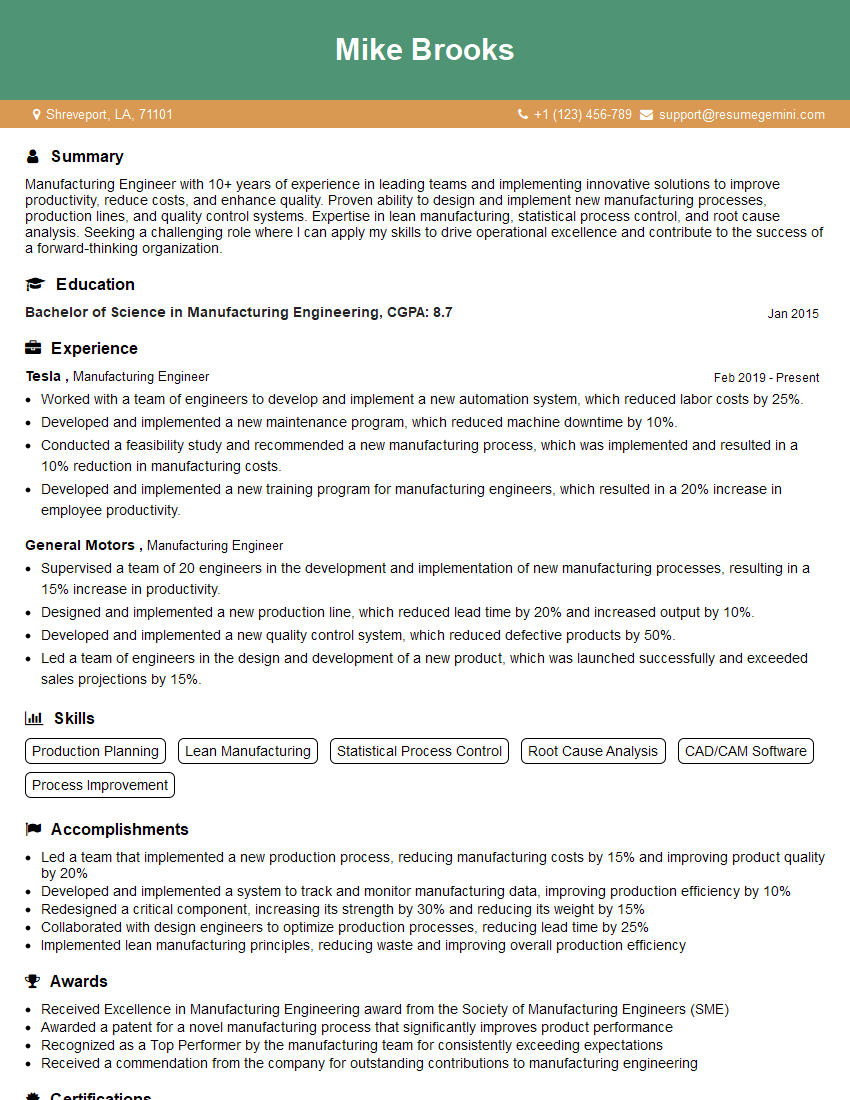
Manufacturing Engineer Resume Sample
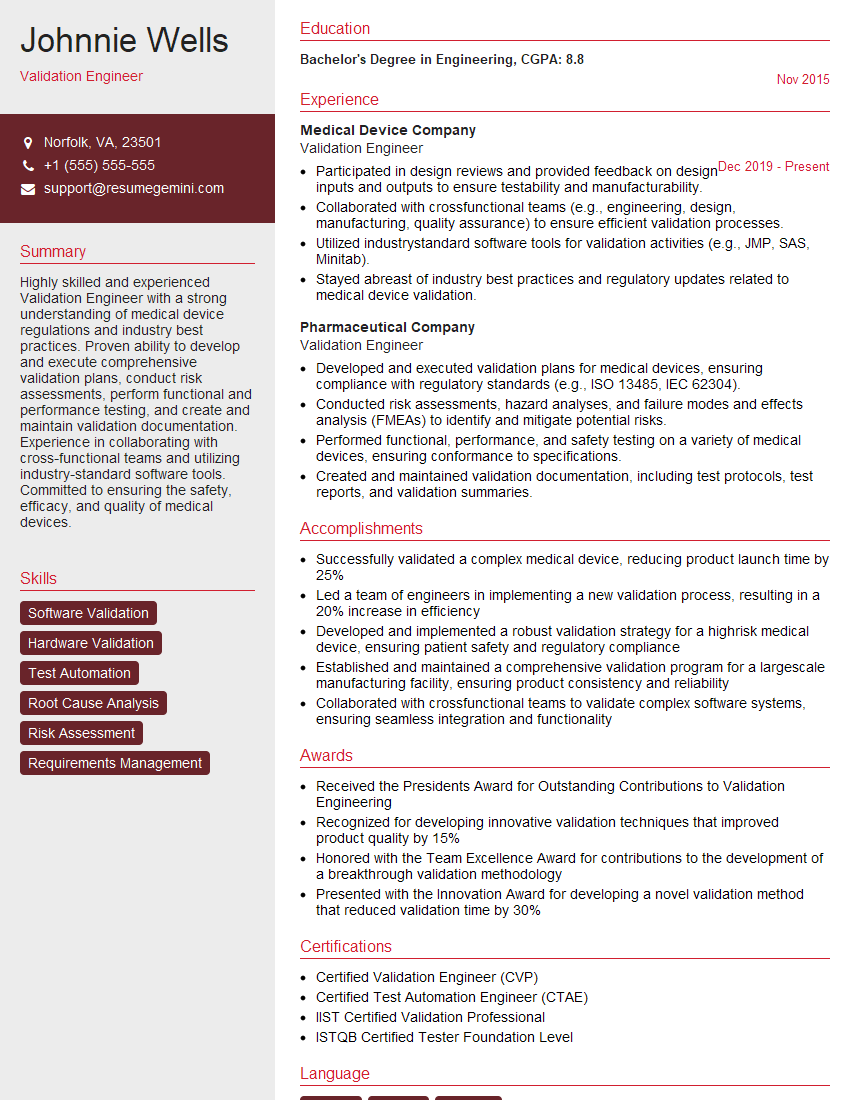
Validation Engineer Resume Sample
Quality Control Inspector Resume Sample
- Operations Manager
- Quality Assurance Manager
- Supply Chain Manager
- Engineering Manager
- Regulatory Affairs Director
- Compliance Manager
- Regulatory Affairs Specialist
- Test Engineer
- Product Safety Engineer
- Health and Safety Manager
- Safety Consultant
- Manufacturing Engineer
- Validation Engineer
- Quality Control Inspector
Explore more articles
Users Rating of Our Blogs
Share Your Experience
We value your feedback! Please rate our content and share your thoughts (optional).
What Readers Say About Our Blog
Very informative content, great job.
good