Interviews are more than just a Q&A session—they’re a chance to prove your worth. This blog dives into essential European Chemicals Agency (ECHA) interview questions and expert tips to help you align your answers with what hiring managers are looking for. Start preparing to shine!
Questions Asked in European Chemicals Agency (ECHA) Interview
Q 1. Explain the core principles of REACH.
REACH, the Registration, Evaluation, Authorisation and Restriction of Chemicals regulation, is the cornerstone of the European Union’s chemicals policy. Its core principle is to ensure a high level of protection of human health and the environment from the risks that can be posed by chemicals, while enhancing the competitiveness of the EU chemicals industry. This is achieved through a system where manufacturers and importers are responsible for registering the substances they produce or import above a certain tonnage. The more information available, the safer the chemical is deemed. It’s a bit like a chemical passport system, where manufacturers provide comprehensive information about their chemicals to ensure responsible use.
Three key tenets underpin REACH:
- Registration: Manufacturers and importers must register their substances with the ECHA if they use or place on the market above specific quantities.
- Evaluation: ECHA evaluates the registered substances to assess risks and ensure compliance.
- Authorisation and Restriction: ECHA can authorise the use of particularly hazardous substances under strict conditions or restrict their use altogether if deemed necessary.
Q 2. Describe the process of substance registration under REACH.
The REACH registration process can be complex, varying depending on the tonnage of the substance and its inherent hazards. It begins with a pre-registration phase, allowing companies to collect information and prepare for the full registration. This is followed by the full submission of a registration dossier, containing extensive data on the substance’s identity, hazards, and uses.
- Data Collection: This involves generating new data through testing or retrieving existing data from reliable sources. This is often the most resource-intensive part.
- Dossier Preparation: The data is compiled into a dossier using a specific format and submitted electronically via the REACH-IT portal.
- Submission and Evaluation: ECHA checks the completeness and consistency of the dossier and evaluates the data to assess the risks posed by the substance.
- Registration Number: Once the dossier is approved, a registration number is assigned, allowing the substance to be legally placed on the EU market.
For high-volume substances, the process is more involved and may require collaboration between companies using the same substance. Imagine it like a collaborative project with shared responsibilities to manage the data.
Q 3. What are the key differences between REACH and CLP?
While both REACH and CLP (Classification, Labelling and Packaging) are crucial EU regulations concerning chemicals, they serve distinct purposes.
- REACH focuses on the registration, evaluation, authorization, and restriction of chemicals throughout their life cycle, placing responsibility on manufacturers and importers to assess and manage the risks associated with the substances they handle. Think of it as managing the entire lifecycle of a chemical.
- CLP harmonizes the classification and labelling of chemicals based on their inherent hazards. It aims to ensure consistent hazard communication across the EU. This focuses on clear and uniform hazard communication on the chemical itself.
In essence, REACH deals with the bigger picture – managing chemicals throughout their entire lifecycle – while CLP is concerned with ensuring consistent and clear hazard communication on individual substances. A substance registered under REACH will also be classified and labelled according to CLP.
Q 4. Explain the classification and labelling requirements under CLP.
CLP requires the classification and labelling of chemicals according to their hazardous properties. This involves assigning hazard statements, pictograms, signal words, and precautionary statements. The goal is to ensure consistent and clear communication of chemical hazards to protect workers, consumers, and the environment.
- Hazard Classification: This involves determining the hazardous properties of a substance, such as flammability, toxicity, or corrosiveness. It’s like giving the chemical a hazard profile.
- Hazard Communication Elements: Once classified, each chemical receives specific labels, including pictograms (hazard symbols), signal words (danger or warning), hazard statements, and precautionary statements. This helps in easy recognition of the chemical hazards.
For example, a corrosive substance might have a corrosion pictogram, the signal word ‘Danger’, and a hazard statement such as ‘Causes severe skin burns and eye damage’. The precautionary statement might say, ‘Wear protective gloves/protective clothing/eye protection/face protection’. This ensures everyone handling the chemical knows how dangerous it is and how to handle it safely.
Q 5. How are hazardous substances identified and assessed under REACH?
Hazardous substances are identified and assessed under REACH through a multi-step process, starting with the inherent properties of the substance itself and progressing to an evaluation of the risks it poses under realistic conditions of use. This risk assessment focuses on potential harm to human health and the environment.
- Hazard Identification: This involves determining the intrinsic properties of the substance that can cause harm. This may involve laboratory testing or using existing data from literature.
- Exposure Assessment: This involves determining how much of the substance humans or the environment may be exposed to. It considers factors like manufacturing, use and disposal.
- Risk Characterisation: This combines hazard and exposure information to estimate the likelihood and severity of harm. This informs regulatory action.
- Risk Management: This involves implementing measures to control the risks identified, such as limiting exposure or substituting the substance with a safer alternative. This could result in restrictions on use or other measures.
Imagine a risk assessment like a detective investigation; you collect evidence (data on the substance’s properties and use patterns), analyze the evidence (hazard and exposure assessments), and then formulate a conclusion (risk characterization) that may result in protective measures (risk management).
Q 6. What are the roles and responsibilities of a REACH registrant?
A REACH registrant, typically the manufacturer or importer of a substance, bears significant responsibilities. They are the gatekeepers ensuring the safe use of chemicals within the EU.
- Data Generation and Submission: Registrants must generate or obtain the necessary data to prepare a comprehensive registration dossier, a truly detailed chemical profile.
- Compliance with Regulations: They must ensure their substance meets all REACH requirements throughout its entire life cycle.
- Risk Management: They are responsible for identifying, assessing, and managing the risks associated with their substance.
- Communication and Reporting: They must provide information to downstream users, and report any new information about the substance’s hazards or risks to ECHA.
- Cooperation with other Registrants: For high-volume substances, registrants often work together to share data and costs, essentially becoming part of a joint team.
Think of a registrant as a responsible chemical steward, ensuring the substance is safely handled from its creation to its final disposal.
Q 7. What is the role of the ECHA in enforcing REACH and CLP regulations?
The ECHA plays a central role in enforcing REACH and CLP regulations. It’s the central hub of chemical regulation in the EU.
- Evaluation and Assessment: ECHA evaluates registration dossiers submitted by companies, conducts risk assessments, and decides on authorisation and restriction measures.
- Database Management: ECHA manages the information contained in the REACH registration dossiers, making this critical data accessible to authorities and other stakeholders. The database facilitates transparent chemical safety information.
- Enforcement and Compliance: ECHA works with Member States to ensure companies comply with REACH and CLP regulations, investigating potential violations and taking appropriate enforcement actions.
- Communication and Awareness: ECHA provides information and guidance to stakeholders on REACH and CLP, raising awareness and promoting best practices.
In essence, ECHA acts as the regulatory authority, the information hub, and the enforcement arm of the EU chemicals policy, ensuring both chemical safety and the smooth operation of the regulations.
Q 8. Describe the different types of chemical safety reports required under REACH.
REACH (Registration, Evaluation, Authorisation and Restriction of Chemicals) mandates various chemical safety reports depending on the tonnage of a substance manufactured or imported and its hazard profile. These reports aim to provide comprehensive information on a substance’s properties and potential risks to human health and the environment.
- Chemical Safety Report (CSR): This is the core document, required for substances manufactured or imported in quantities of 1 tonne or more per year. It details the physicochemical, toxicological, and ecotoxicological properties of the substance, and proposes risk management measures. Think of it as a detailed safety manual for the chemical.
- Chemical Safety Assessment (CSA): This is a part of the CSR, a scientific evaluation of the risks associated with a substance. It’s crucial for determining if a substance needs further regulatory action.
- Exposure Scenario (ES): An ES describes how a substance is used and the conditions of that use, focusing on how to minimize risks. Imagine it as a user manual outlining safe handling practices for the chemical. It’s crucial for downstream users.
- Technical dossier: Contains all information required for registration, including the CSR, ESs, and other supporting data. This is the complete package submitted to ECHA.
For substances manufactured or imported in lower quantities, simplified versions or exemptions may apply. The complexity of the required reporting increases with the tonnage and hazard classification of the substance.
Q 9. Explain the concept of substance equivalence under REACH.
Substance equivalence under REACH means that two or more substances are considered the same for regulatory purposes, even if their chemical composition isn’t identical. This is important because it avoids duplication of testing and reporting. Two substances are deemed equivalent if they have the same qualitative and quantitative composition of constituents, along with the same physical and chemical properties and similar uses, which in turn result in similar exposure scenarios.
For example, two different batches of the same pigment produced by two different manufacturers might be considered equivalent if their composition and properties are essentially the same. This simplifies the regulatory burden and allows manufacturers to rely on existing data from equivalent substances. The evaluation of equivalence is based on a robust scientific assessment to ensure that using one substance’s data for another is safe and justified.
Q 10. How are substances prioritised for evaluation under REACH?
ECHA prioritizes substances for evaluation under REACH based on several criteria, aiming to address the most significant risks first. A complex system is used to score substances, placing higher priority on those that:
- Pose a high risk to human health or the environment: Substances classified as carcinogenic, mutagenic, or toxic to reproduction (CMR) are usually prioritized.
- Have high production and/or import volumes: Higher-volume substances have a greater potential for exposure and wider environmental impact.
- Are used in applications with high exposure potential: Substances used in ways that result in significant human or environmental exposure are prioritised.
- Lack sufficient safety data: Substances with limited or inadequate data pose a greater level of uncertainty.
ECHA uses a systematic approach combining data analysis and expert judgment to establish a prioritized list of substances for evaluation, ensuring resources are focused on the most pressing concerns.
Q 11. What is the importance of the ECHA’s website and its databases?
The ECHA website and its databases are essential resources for anyone involved in the chemical industry and regulatory compliance. They provide access to critical information, fostering transparency and supporting informed decision-making.
- Access to registered substances: The website allows users to search for registered substances, their properties, and associated risk management measures. This supports supply chain transparency and informed purchasing decisions.
- Information on regulations and guidance documents: The site offers comprehensive information on REACH, CLP, and other relevant regulations, including guidance documents and FAQs.
- Databases of classified substances: ECHA databases store hazard classifications of various substances, aiding in the proper labeling and handling of chemicals. This data is vital for downstream users to ensure proper safety practices.
- Communication and stakeholder engagement: The website serves as a platform for communication between ECHA, industry, and other stakeholders.
In essence, the ECHA website is the central hub for information related to chemicals regulation in Europe, acting as a cornerstone of the system’s effective operation.
Q 12. Describe the process of submitting a dossier to ECHA.
Submitting a dossier to ECHA involves a multi-step process, requiring careful planning and preparation. The process broadly involves:
- Preparation of the dossier: This is the most demanding stage. It involves collating all the necessary data, including the CSR, ESs, and other supporting documents, making sure to meet ECHA’s specific requirements for format and content.
- Validation of the dossier: Before submission, the dossier needs to be checked against ECHA’s validation rules. This often requires using specific software tools.
- Submission of the dossier through REACH-IT: The dossier is submitted electronically using ECHA’s online submission portal, REACH-IT. This involves following strict procedures to ensure successful submission.
- Acknowledgement of receipt and potential request for additional information: Once submitted, ECHA acknowledges receipt and may request clarifications or additional information, requiring a timely and effective response.
- Evaluation of the dossier by ECHA: ECHA’s experts review the submitted data and may conduct further assessments or testing.
The entire process can be complex and time-consuming, requiring expertise in chemical safety assessment and REACH regulations. Many companies utilize specialized consultants to navigate this intricate process.
Q 13. What are the penalties for non-compliance with REACH and CLP?
Penalties for non-compliance with REACH and CLP (Classification, Labeling, and Packaging) regulations can be severe, varying depending on the nature and severity of the infraction. Penalties can include:
- Warnings and administrative fines: For minor infringements, ECHA might issue warnings or impose administrative fines.
- Prohibition orders: In more serious cases, ECHA might issue prohibition orders, preventing the manufacture, import, or placing on the market of non-compliant substances.
- Criminal prosecution: Severe cases of deliberate non-compliance could result in criminal prosecution, leading to substantial fines and even imprisonment.
- Product recalls: Non-compliant products may need to be recalled from the market, imposing significant financial burdens.
- Reputational damage: Non-compliance can significantly damage a company’s reputation and credibility.
The financial implications of non-compliance can be substantial, often exceeding the cost of ensuring full regulatory compliance from the outset. Therefore, proactive compliance is crucial for businesses operating within the European Union.
Q 14. Explain the concept of downstream users’ responsibilities under REACH.
Downstream users, those who receive substances from suppliers after the initial registration process, have specific responsibilities under REACH. Their responsibilities are primarily focused on safe handling and use of the substance, ensuring that the risks identified in the Exposure Scenarios (ESs) are managed effectively.
- Obtaining and reviewing safety data sheets (SDS): Downstream users must obtain and review the SDS provided by the supplier, understanding the hazards and necessary safety precautions.
- Following the recommended safe use conditions: They must adhere to the safe use instructions and risk management measures outlined in the ESs, ensuring that the substance is handled and used safely.
- Communicating relevant information: They need to communicate relevant safety information to their own customers and employees.
- Implementing necessary control measures: Downstream users should implement appropriate control measures, such as personal protective equipment (PPE), to mitigate potential risks.
Failure to comply with these responsibilities can lead to legal consequences. It is crucial for downstream users to engage actively with their suppliers to ensure they receive the necessary information and support for safe use and compliance.
Q 15. How are confidential business information (CBI) handled by ECHA?
ECHA rigorously protects Confidential Business Information (CBI) submitted by companies registering chemicals. CBI is defined as information whose disclosure would harm the competitive position of a company. This protection is enshrined in REACH (Registration, Evaluation, Authorisation and Restriction of Chemicals) and ECHA’s internal procedures. ECHA employs a multi-layered approach:
- Strict Access Control: Only authorized personnel with a legitimate need to know have access to CBI. This includes data masking and restricted access databases.
- Data Anonymization: Where possible, ECHA anonymizes data before making it publicly available, ensuring that sensitive business information remains protected.
- Confidentiality Claims: Companies must clearly identify CBI when submitting data, using specific marking procedures. Incorrect or insufficient claims may lead to the release of information.
- Transparency and Accountability: ECHA maintains strict protocols and audit trails to ensure transparency and accountability in its handling of CBI. Any potential breaches are thoroughly investigated.
- Legal Framework: The legal framework for CBI protection is robust and supports ECHA’s ability to defend against disclosure requests.
For example, a company’s unique manufacturing process might be considered CBI, and ECHA would ensure that this information is not disclosed publicly while still allowing for a proper assessment of the chemical’s safety.
Career Expert Tips:
- Ace those interviews! Prepare effectively by reviewing the Top 50 Most Common Interview Questions on ResumeGemini.
- Navigate your job search with confidence! Explore a wide range of Career Tips on ResumeGemini. Learn about common challenges and recommendations to overcome them.
- Craft the perfect resume! Master the Art of Resume Writing with ResumeGemini’s guide. Showcase your unique qualifications and achievements effectively.
- Don’t miss out on holiday savings! Build your dream resume with ResumeGemini’s ATS optimized templates.
Q 16. What are the key considerations for managing chemical safety data?
Managing chemical safety data requires a multifaceted approach, encompassing:
- Data Quality: Accuracy, completeness, and reliability are paramount. Data should be validated and traceable to its source. Inaccurate data can lead to incorrect hazard assessments and risk management decisions.
- Data Integrity: Data must be maintained consistently and free from alteration or corruption throughout its lifecycle. This requires robust data management systems and processes.
- Data Security: Protection of sensitive data from unauthorized access, use, disclosure, disruption, modification, or destruction is critical, particularly CBI. Strong security measures are necessary.
- Data Accessibility: Relevant data should be easily accessible to authorized personnel for timely and effective decision-making. This includes effective data retrieval and reporting capabilities.
- Regulatory Compliance: Data management practices must comply with all applicable regulations, including REACH and CLP (Classification, Labelling and Packaging). Failure to comply can result in penalties.
Imagine a scenario where a company fails to properly manage its data, leading to an inaccurate risk assessment. This could have serious consequences, ranging from product recalls to environmental damage and even health risks.
Q 17. What are the different types of chemical hazards and how are they assessed?
Chemical hazards can be categorized in various ways, but common types include:
- Acute Toxicity: Immediate harmful effects after a single exposure. Assessed through tests like the LD50 (lethal dose for 50% of a population).
- Chronic Toxicity: Harmful effects from repeated exposure over time. Assessment involves long-term studies and epidemiological data.
- Carcinogenicity: Ability to cause cancer. Assessed using in vitro and in vivo studies, often employing sophisticated statistical analysis.
- Mutagenicity: Ability to alter genetic material (DNA). Ames test is a common assay for detecting mutagenicity.
- Reproductive Toxicity: Adverse effects on reproductive organs or function. Assessment considers various endpoints, including fertility and developmental toxicity.
- Respiratory Sensitization: Causing allergic reactions in the respiratory system. Guinea pig maximization test is commonly used.
- Skin Sensitization: Causing allergic reactions on the skin. Local Lymph Node Assay (LLNA) is a popular method.
- Corrosivity/Irritancy: Causing damage to skin, eyes, or mucous membranes. Assessed through direct contact tests.
- Environmental Hazards: Toxicity to aquatic organisms, bioaccumulation, and persistence in the environment. Various ecotoxicological tests are employed.
Hazard assessment involves combining data from various sources, applying different methodologies depending on the type of hazard, and ultimately classifying the substance according to CLP criteria.
Q 18. Explain your understanding of the IUCLID data submission system.
IUCLID (International Uniform Chemical Information Database) is ECHA’s data submission system for registering substances under REACH. It’s a complex software application that allows companies to:
- Structure Chemical Information: IUCLID helps organize various data related to a substance, including its identity, properties, hazards, and uses.
- Manage Data: The system facilitates efficient data management, enabling companies to track progress and identify any gaps in data.
- Submit Data to ECHA: IUCLID allows for the electronic submission of registration dossiers to ECHA, streamlining the process.
- Generate Reports: IUCLID can generate various reports on the substance’s characteristics and safety.
It’s essentially a standardized format for data submission, ensuring consistency and allowing ECHA to efficiently process the massive amount of information received for chemical registration. Think of it as a highly sophisticated form with validation checks and data management tools specifically designed for the complexities of chemical regulations.
Q 19. How familiar are you with the different ECHA guidance documents?
I’m very familiar with ECHA’s guidance documents. They are essential tools for understanding and complying with REACH and other regulations. I regularly consult guidance on various aspects of chemical safety assessment, including:
- Guidance on data requirements for registration: This helps determine the specific data needed for different types of substances.
- Guidance on the preparation of chemical safety reports (CSRs): This explains the requirements for comprehensive risk assessments.
- Guidance on the classification and labelling of substances: This explains how to correctly classify a chemical according to its hazards.
- Guidance on the use of IUCLID: This document supports the efficient use of the data submission software.
- Guidance on specific hazard classes: There are numerous guidance documents focusing on individual types of hazards (e.g., endocrine disruptors, nanomaterials).
Staying current with these documents is crucial for ensuring compliance and making informed decisions. These documents are constantly updated to reflect scientific advancements and regulatory changes.
Q 20. Describe your experience with interpreting SDSs (Safety Data Sheets).
Interpreting Safety Data Sheets (SDSs) is a fundamental skill for anyone working with chemicals. My experience encompasses identifying key information, including:
- Substance Identification: Confirming the chemical name, CAS number, and other identifiers.
- Hazard Identification: Understanding the chemical’s hazards, including classifications according to CLP regulations.
- Precautionary Measures: Identifying safe handling procedures, personal protective equipment (PPE) required, and emergency response measures.
- First-Aid Measures: Understanding the correct first-aid procedures in case of exposure.
- Toxicity Data: Evaluating the potential health effects of exposure based on toxicological data included in the SDS.
For example, I recently reviewed an SDS for a cleaning solvent. Based on the information provided, I identified the need for specific respiratory protection and highlighted the risk of eye irritation to ensure appropriate safety protocols were implemented.
Q 21. How would you handle a situation where a substance registration is delayed?
A delayed substance registration under REACH can have significant consequences. My approach would involve:
- Identifying the Cause of Delay: First, determine the reason for the delay—is it due to data gaps, testing issues, internal processes, or external factors?
- Developing a Mitigation Strategy: Once the cause is understood, develop a plan to address the issue. This may involve prioritizing testing, securing additional resources, and proactively communicating with ECHA.
- Communication with ECHA: Open and transparent communication with ECHA is crucial. Proactively notifying them of the delay and explaining the corrective actions being taken is vital.
- Prioritization of Tasks: Prioritize tasks based on urgency and importance, focusing on overcoming the bottlenecks leading to the delay.
- Documentation: Maintain thorough documentation of all actions taken to address the delay and the reasons behind it. This is crucial if any enforcement actions occur.
In a real-world situation, I might need to escalate the issue to senior management, engage external experts if needed, and ensure all communication with ECHA is formal and adheres to their guidelines.
Q 22. Explain your understanding of the principles of risk management.
Risk management, in the context of chemicals, is a systematic process of identifying, evaluating, and controlling potential hazards associated with the manufacture, use, and disposal of chemicals. It’s about balancing the benefits of using a chemical against the potential risks it poses to human health and the environment. This involves a proactive approach, not just reacting to incidents.
The core principles involve:
- Hazard Identification: Determining the inherent properties of a chemical that could cause harm.
- Risk Assessment: Estimating the likelihood and severity of harm resulting from exposure to the identified hazard. This usually involves considering exposure pathways, the amount of exposure, and the inherent toxicity of the chemical.
- Risk Evaluation: Comparing the assessed risk with acceptable risk levels, often based on societal values and regulatory requirements.
- Risk Control: Implementing measures to reduce or eliminate the identified risks. This can include things like substituting with a less hazardous chemical, engineering controls, administrative controls (e.g., training), or personal protective equipment (PPE).
- Risk Communication: Effectively conveying information about the risks associated with a chemical to relevant stakeholders, including workers, consumers, and regulatory authorities.
- Risk Monitoring and Review: Regularly assessing the effectiveness of implemented risk control measures and updating the risk management plan as needed.
For example, a manufacturer might identify that a solvent used in their process is flammable (hazard). They then assess the risk by considering the quantity used, storage conditions, and the potential for ignition sources. Based on the risk assessment, they might implement control measures like installing a sprinkler system or providing fire-resistant storage cabinets.
Q 23. How would you identify potential chemical hazards in a product?
Identifying potential chemical hazards in a product requires a multi-faceted approach leveraging various sources of information. It starts with a thorough understanding of the product’s composition, which often necessitates reviewing the Safety Data Sheet (SDS) and performing a chemical analysis if necessary.
Here’s a structured approach:
- Chemical Inventory: Create a complete list of all chemical substances present in the product, including both intentional and unintentional components.
- SDS Review: Examine the SDS for each chemical substance to identify any classified hazards (e.g., flammability, toxicity, corrosivity) and safety precautions. This provides key information on the inherent hazards.
- Literature Review: Research the toxicological and ecotoxicological properties of the substances via scientific databases (like those provided by ECHA) and peer-reviewed literature to assess potential health and environmental effects.
- Expert Consultation: If complex chemical mixtures or uncertainties exist, consult with a chemical safety expert to conduct a thorough hazard identification.
- Consideration of Exposure Pathways: Determine how individuals or the environment may be exposed to the chemical substances through inhalation, skin contact, ingestion, or release into the environment.
For instance, if a product contains a certain phthalate, a review of its SDS and relevant ECHA databases would reveal its endocrine-disrupting potential, indicating a potential hazard for humans and the environment. This would then trigger further risk assessment steps.
Q 24. Describe your experience with conducting chemical risk assessments.
Throughout my career, I’ve been extensively involved in conducting chemical risk assessments across a wide range of industrial sectors. My experience includes evaluating the risks associated with various chemical substances, ranging from simple solvents to complex formulations found in paints, cosmetics, and industrial chemicals.
My approach always adheres to internationally recognized methodologies, such as those outlined by ECHA and OECD. I’ve been actively involved in:
- Developing exposure scenarios: I’ve created detailed exposure scenarios defining the conditions under which a chemical is used, including the amount, frequency, and duration of exposure, allowing for a realistic risk estimation.
- Assessing toxicity data: I’m skilled in evaluating available toxicological and ecotoxicological data for determining the potential health and environmental effects of chemical substances. I’m adept at identifying data gaps and applying appropriate techniques for data extrapolation and assessment.
- Calculating risk characterization: I’ve used various models and software to calculate risk quotients (RQs) or margins of exposure (MOEs), providing a quantitative estimate of the overall risk.
- Preparing and reviewing risk assessment reports: I have extensive experience preparing reports that clearly and concisely communicate the findings of the risk assessment, including potential risks, control measures, and uncertainties.
For example, I worked on a project assessing the risk of a newly developed pesticide. This involved analysing its toxicity data, modeling its environmental fate, and calculating the risk to non-target organisms. The assessment informed the development of mitigation strategies to ensure its safe use.
Q 25. How familiar are you with the different chemical risk assessment methodologies?
I’m highly familiar with various chemical risk assessment methodologies, including both qualitative and quantitative approaches. My expertise encompasses:
- Quantitative Risk Assessment (QRA): This approach uses mathematical models to estimate the probability and magnitude of risk. This often involves calculating exposure and hazard parameters to derive risk characterization metrics like RQs or MOEs.
- Qualitative Risk Assessment (QRA): A more descriptive approach employing expert judgment and available data to characterize the likelihood and severity of risks. This is particularly useful when quantitative data are limited.
- Read-across approaches: These methods use data from structurally similar chemicals to estimate the properties of a poorly studied chemical. This is vital for chemicals with limited toxicity data.
- Weight-of-Evidence approach: This is an integrative method which considers multiple lines of evidence, such as data from in-vitro studies, in-vivo studies, and structural activity relationships to provide a comprehensive risk assessment. This approach is crucial when dealing with complex mixtures and ambiguous data.
The choice of methodology depends on the available data, the complexity of the chemical, and the regulatory requirements. For example, a QRA might be suitable for a well-characterized chemical used in high volumes, while a qualitative approach might be more appropriate for a novel substance with limited toxicological information.
Q 26. What strategies would you use to ensure REACH and CLP compliance within an organization?
Ensuring REACH and CLP compliance within an organization requires a structured and proactive approach. It’s not just about meeting minimum legal requirements; it’s about embedding chemical safety into the company’s culture.
My strategies would involve:
- Establishing a Chemical Management System (CMS): A well-defined CMS is essential for tracking and managing all chemicals used in the organization. This system should incorporate processes for registering substances under REACH, classifying and labeling substances according to CLP, and managing SDSs.
- Substance Identification and Prioritization: Identify all substances used within the organization and prioritize those requiring the most attention based on their volume, hazard classification, and potential for exposure. Focus first on the substances that pose the greatest risk.
- REACH Registration: Ensure timely registration of all substances manufactured or imported in quantities exceeding one tonne per year, complying with all data requirements. This requires a strong understanding of REACH Annexes and the appropriate testing strategies.
- CLP Classification and Labeling: Accurately classify and label all substances and mixtures according to CLP regulations, ensuring all packaging and SDSs meet the requirements. This involves a thorough understanding of hazard classifications and communication of hazards through labels and SDSs.
- SDS Management: Implement a robust SDS management system to ensure that up-to-date SDSs are readily accessible to all relevant personnel and that updates are promptly implemented.
- Training and Awareness: Provide comprehensive training for employees on REACH, CLP, and chemical safety best practices. Regular refresher courses are important to maintain compliance and awareness.
- Internal Audits and Compliance Checks: Regularly audit internal processes to ensure continued compliance with REACH and CLP regulations. This helps identify any gaps and improve processes.
For example, implementing a robust CMS with an integrated database allows for efficient tracking of substances, automating many aspects of REACH and CLP compliance, significantly reducing the risk of non-compliance.
Q 27. How would you communicate complex chemical safety information to non-experts?
Communicating complex chemical safety information to non-experts requires clear, concise, and relatable language. Avoiding technical jargon is key. I would employ several strategies:
- Use simple language and analogies: Explain concepts using simple terms and relatable analogies. For example, instead of saying “acute toxicity,” I would explain the potential for immediate harm, like “this chemical can cause immediate health problems if you breathe it in”.
- Visual aids: Utilize infographics, diagrams, and videos to enhance understanding. Visual information is often more accessible than lengthy text.
- Focus on key messages: Highlight the most critical safety information. Avoid overwhelming the audience with excessive detail. Prioritize the information most relevant to their needs and potential exposure.
- Interactive sessions: Engage the audience through interactive sessions, question-and-answer periods, and hands-on activities. This ensures understanding and allows for clarification.
- Tailor information to the audience: Adapt the communication style and level of detail to the specific audience’s knowledge and needs. Communication to workers will differ from communication targeted at consumers.
For example, when explaining the hazards of a chemical to factory workers, I would use clear visual aids showing proper handling procedures and PPE requirements, emphasizing the immediate and potential long-term health risks in simple language.
Q 28. Describe your experience with using relevant ECHA databases and tools.
I have extensive experience utilizing various ECHA databases and tools to support my work in chemical risk assessment and compliance. My proficiency includes:
- The ECHA website: I regularly access the ECHA website to obtain information on registered substances, classified and labeled chemicals, and the latest regulatory updates.
- REACH-IT: I’m proficient in using REACH-IT for registering substances under REACH, submitting information requirements, and managing the registration process.
- IUCLID: I have experience preparing and submitting chemical safety reports using IUCLID software, ensuring accurate and complete data submission.
- C&L Inventory: I frequently utilize the C&L inventory to check the classification and labeling of substances, ensuring consistent approach with ECHA’s recommendations.
- ECHA’s guidance documents: I rely on ECHA’s guidance documents to stay updated on regulatory requirements and best practices for risk assessment and compliance.
For example, during a REACH registration process, I used IUCLID to compile and submit all the necessary data, including toxicological data, physicochemical properties, and environmental fate information, ensuring compliance with all regulatory requirements.
Key Topics to Learn for European Chemicals Agency (ECHA) Interview
Preparing for an ECHA interview requires a well-rounded understanding of its mission and activities. Focus your preparation on these key areas:
- REACH Regulation: Understand its core principles, registration, authorisation, and restriction processes. Consider practical applications like evaluating chemical safety reports and understanding substance classification.
- CLP Regulation (Classification, Labelling and Packaging): Master the hazard communication aspects, including GHS classifications and the creation of safety data sheets (SDS). Think about how you would apply this knowledge in a practical scenario, such as assessing the compliance of a chemical product.
- Biocidal Products Regulation (BPR): Familiarize yourself with the authorization process for biocidal products and the associated risk assessments. Consider case studies to understand the challenges and complexities involved.
- ECHA’s Role in Enforcement and Compliance: Explore ECHA’s enforcement activities, including inspections and market surveillance. Understand the consequences of non-compliance and how ECHA contributes to a safer chemical environment.
- Data Management and Information Systems: ECHA relies heavily on robust data management. Familiarize yourself with the Agency’s databases and information systems, and consider how data analysis and interpretation play a role in regulatory decision-making.
- Stakeholder Engagement and Communication: Understand ECHA’s communication strategies and its interactions with industry, Member States, and the public. Consider how effective communication is crucial for regulatory success.
- Chemical Risk Assessment and Management: Develop a strong understanding of the methodologies used to assess and manage chemical risks, including exposure assessment and risk characterization. Practice applying these concepts to hypothetical scenarios.
Next Steps
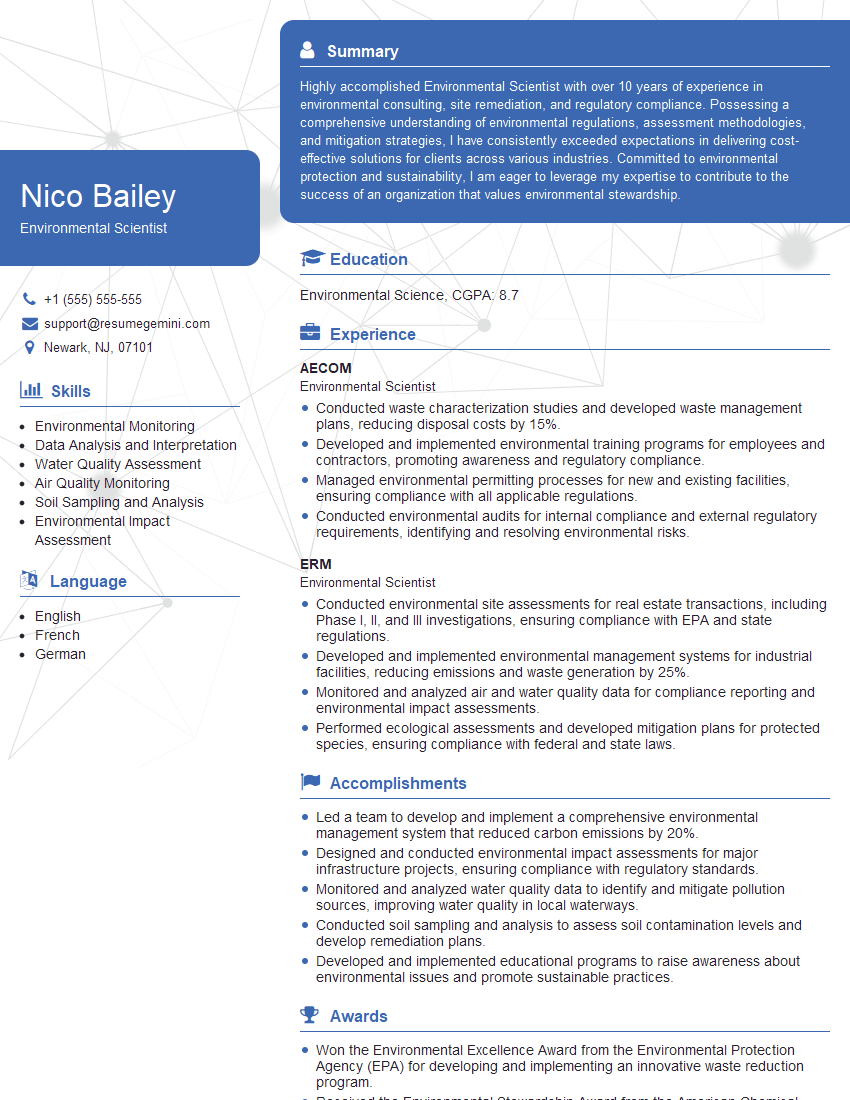
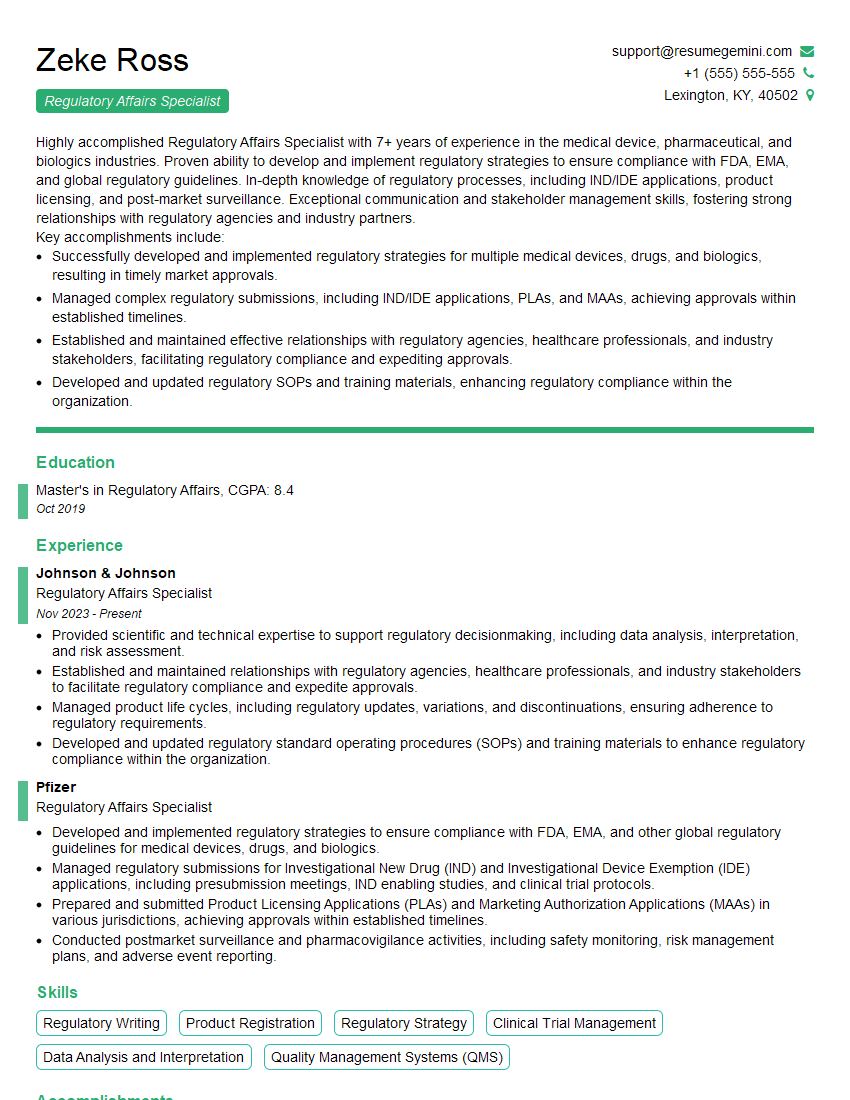
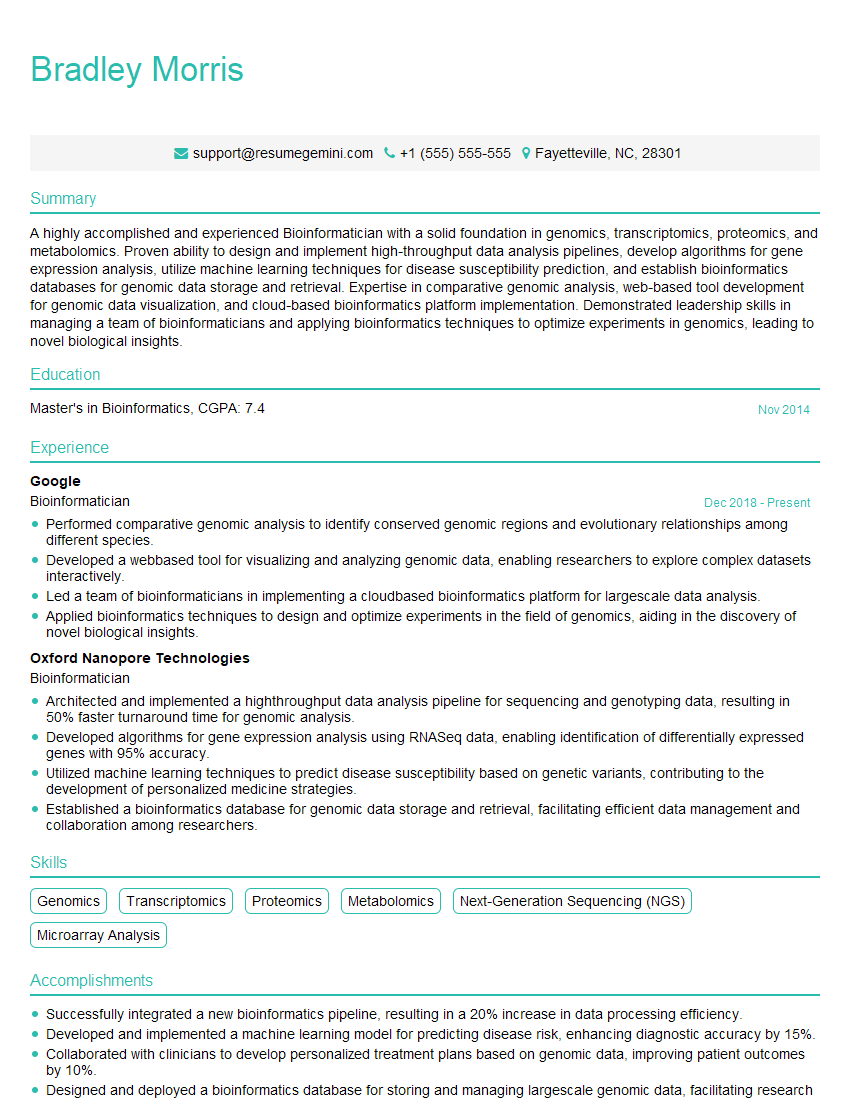
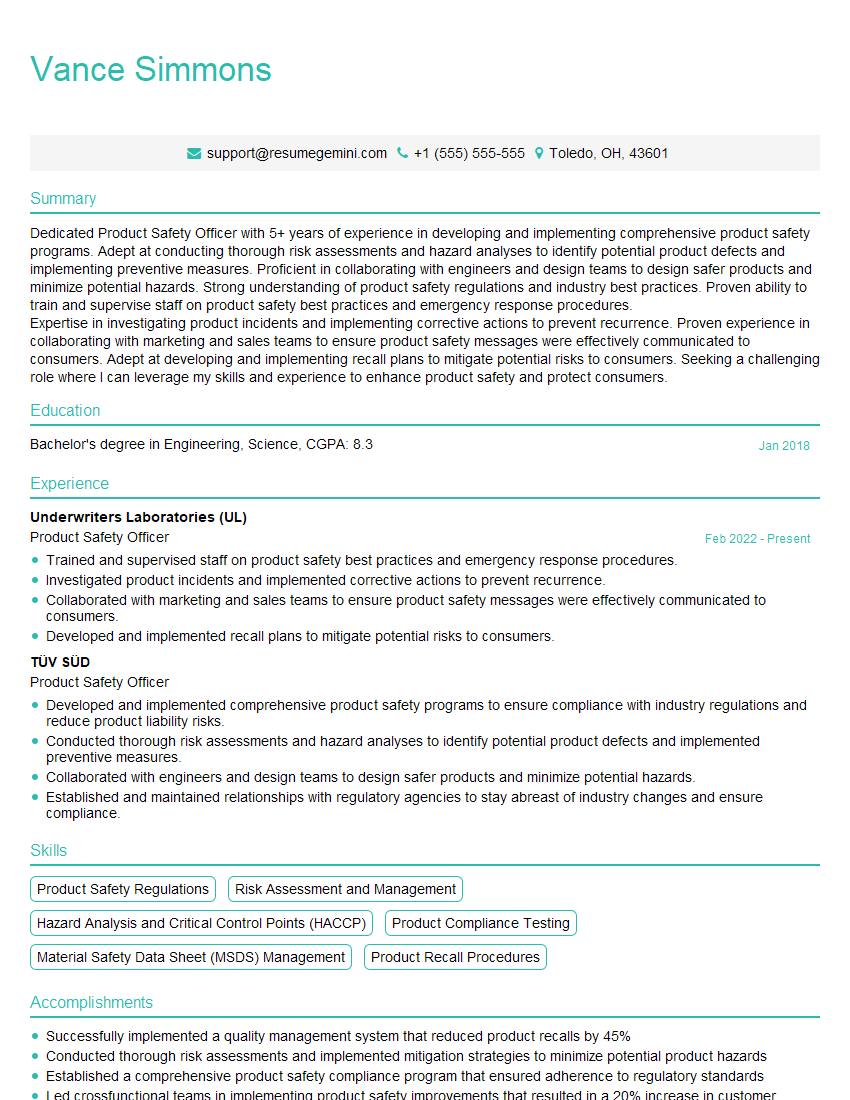
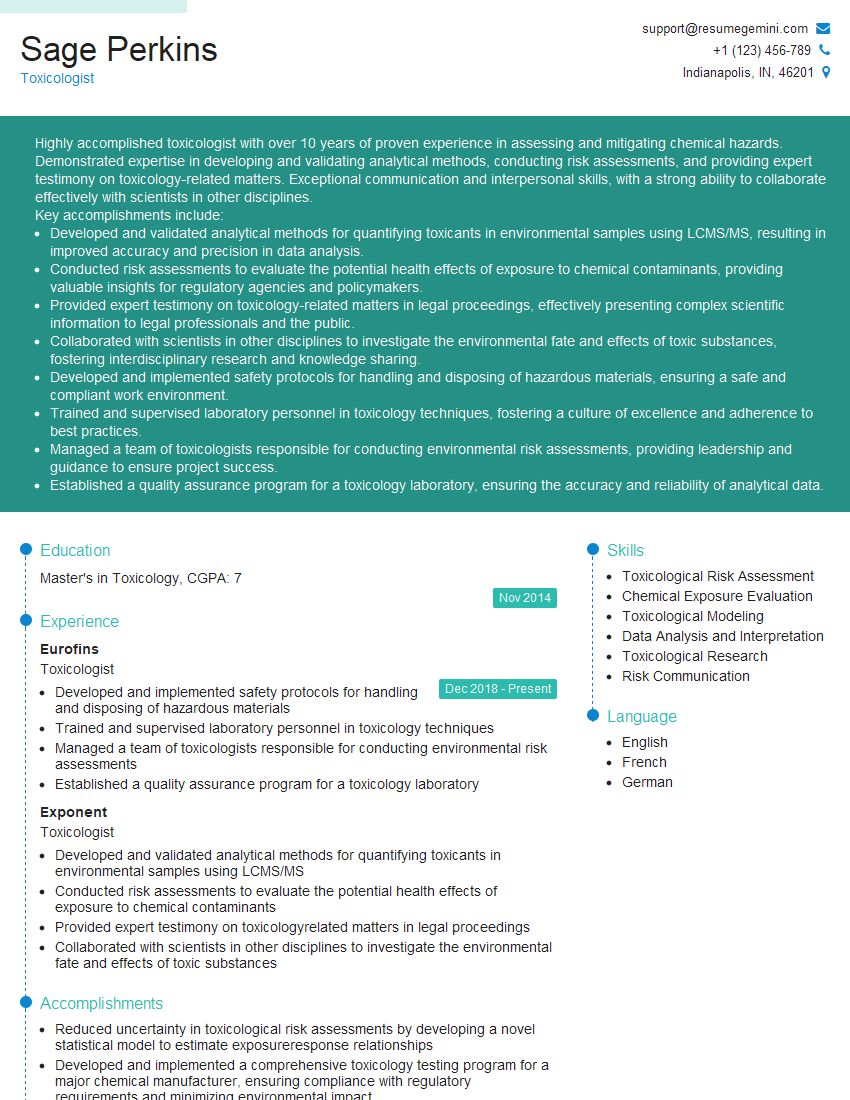
A strong understanding of the ECHA’s regulations and activities is crucial for a successful career in the chemical safety field. It demonstrates your commitment to a safer environment and positions you as a valuable asset to any team. To maximize your chances of securing an interview, crafting a compelling and ATS-friendly resume is essential. ResumeGemini is a trusted resource that can help you build a professional resume tailored to the specific requirements of the ECHA. Examples of resumes optimized for ECHA applications are available to guide your process. Investing time in creating a strong resume is an investment in your future career.
Explore more articles
Users Rating of Our Blogs
Share Your Experience
We value your feedback! Please rate our content and share your thoughts (optional).
What Readers Say About Our Blog
Very informative content, great job.
good