Preparation is the key to success in any interview. In this post, we’ll explore crucial Lock Installation and Repair interview questions and equip you with strategies to craft impactful answers. Whether you’re a beginner or a pro, these tips will elevate your preparation.
Questions Asked in Lock Installation and Repair Interview
Q 1. What types of locks are you experienced in installing and repairing?
My experience encompasses a wide range of lock types, including:
- Deadbolt locks: These are the most common type for exterior doors, offering high security. I’m proficient with both single-cylinder (key from outside only) and double-cylinder (key from both sides) deadbolts.
- Doorknob locks: These combine a latchbolt (for everyday use) and a deadbolt (for enhanced security). I work with various styles, including passage knobs (no locking mechanism), privacy knobs (locking from inside only), and keyed entry knobs.
- Mortise locks: These are high-security locks embedded into the door, offering superior strength and protection against forceful entry. I’m experienced in installing and repairing various mortise lock styles.
- Rim locks: Mounted on the door’s surface, these are often used in applications where a mortise lock isn’t feasible. I can handle installations and repairs of various rim lock configurations.
- Padlocks: While simpler than other locks, padlocks require expertise in different locking mechanisms and material types. I’m experienced in repairing and replacing a variety of padlocks, including those used in high-security applications.
- Electronic locks: I have experience installing and repairing smart locks, keyless entry systems, and other electronic locking mechanisms. This includes troubleshooting power issues and programming access codes.
Essentially, if it locks, I can probably install or repair it.
Q 2. Describe your experience with different lock mechanisms (e.g., pin tumbler, lever, disc detainer).
Understanding lock mechanisms is crucial for effective repair and installation. My experience includes:
- Pin tumbler locks: These are the most common type. They utilize pins that must be aligned precisely by the key to allow the lock to operate. I’m adept at identifying and resolving issues like worn or broken pins, binding mechanisms, and key binding.
- Lever locks: These use levers that lift when the correct key is inserted, disengaging the locking mechanism. Troubleshooting involves checking for lever alignment, spring tension, and internal component wear.
- Disc detainer locks: These employ rotating discs with notches that align with the key’s profile. I’m skilled at repairing issues like disc misalignment or binding, often found in older or less common locks.
My experience with these mechanisms gives me the ability to diagnose problems quickly and efficiently, choosing the best repair method for each situation.
Q 3. How do you troubleshoot a malfunctioning lock?
Troubleshooting a malfunctioning lock is a systematic process. I typically follow these steps:
- Visual inspection: Carefully examine the lock for any obvious damage, like broken parts, misalignment, or obstruction.
- Operation test: Try operating the lock to identify the specific problem. Is the key turning smoothly? Is the latch engaging correctly? Does the deadbolt extend fully?
- Mechanism analysis: Depending on the lock type, I’ll disassemble it to inspect the internal components. This allows me to identify worn or broken parts, debris, or alignment problems.
- Component testing: I’ll test individual components to pinpoint the exact source of the problem. For example, I might test the springs in a pin tumbler lock to ensure proper tension.
- Repair or replacement: Once the problem is identified, I’ll either repair the lock by replacing damaged components or recommend a full replacement if the damage is extensive.
Remember, safety is paramount. If you are uncomfortable working on a lock, always call a professional.
Q 4. What are the common causes of lock failure?
Lock failure can stem from several factors:
- Wear and tear: Regular use leads to wear on internal components, such as springs, pins, and levers.
- Forced entry attempts: Attempts to break into the lock can damage the mechanism beyond repair.
- Environmental factors: Exposure to moisture, extreme temperatures, or dirt can compromise the lock’s performance.
- Improper installation: Incorrect installation can lead to misalignment and premature failure.
- Poor maintenance: Lack of lubrication and cleaning can cause parts to bind and wear out prematurely.
- Key damage: A damaged or worn key can damage the lock’s internal components over time.
Regular maintenance, like lubricating the lock mechanism periodically, can significantly extend its lifespan and prevent many common causes of failure.
Q 5. Explain the process of installing a mortise lock.
Installing a mortise lock is a more involved process than installing a simpler lock. It requires precision and careful measurements. Here’s a general overview:
- Measure and mark: Carefully measure the door’s thickness and the lock’s dimensions to determine the correct placement. Mark the location for the lock body and the strike plate.
- Cut the mortise: Use a chisel and mallet or a specialized mortise machine to carefully cut the recess in the door to accommodate the lock body. This requires precision to avoid damaging the door.
- Install the lock body: Fit the lock body into the mortise, ensuring it’s flush with the door’s surface. Secure it with screws.
- Cut the strike plate hole: Drill a hole in the door jamb to accommodate the strike plate.
- Install the strike plate: Position the strike plate and secure it with screws.
- Install the knobs or handles: Attach the knobs or handles to the lock body.
- Test the lock: Test the lock to ensure it operates smoothly and securely.
Improper installation can lead to security vulnerabilities, so precision and attention to detail are crucial.
Q 6. How do you re-key a lock cylinder?
Re-keying a lock cylinder involves replacing the pins inside the cylinder to change the lock’s keyway, allowing only the new key to operate it. This avoids the need to replace the entire lock mechanism.
The process typically involves:
- Disassembling the cylinder: Carefully remove the cylinder from the door.
- Removing the pins: Use specialized tools to carefully remove the old pins and springs.
- Installing new pins: Insert the new pins and springs according to the key’s bitting code. The bitting code specifies the height of each pin, determining the unique key profile.
- Reassembling the cylinder: Carefully reassemble the cylinder, ensuring all components are correctly aligned.
- Testing the lock: Test the lock with the new key to verify it operates correctly.
Re-keying a lock is a precise task, requiring specialized tools and knowledge. Attempting this without the proper tools and skills can result in damage to the lock.
Q 7. What safety precautions do you take when working with locks?
Safety is my top priority when working with locks. I always adhere to these precautions:
- Proper tools: Use only the appropriate tools for the job, ensuring they are in good condition.
- Eye protection: Wear safety glasses to protect my eyes from flying debris.
- Hand protection: Wear gloves to protect my hands from cuts and splinters.
- Work area safety: Maintain a clean and organized work area to prevent accidents.
- Power tools caution: When using power tools, ensure they are operated correctly and safely.
- Avoiding damage: Take precautions to avoid damaging the door or surrounding areas during installation or repair.
- Proper disposal: Dispose of old locks and components responsibly.
By following these safety measures, I ensure both my safety and the safety of my clients and their property.
Q 8. Describe your experience with high-security locks.
High-security locks are designed to offer superior protection against unauthorized entry compared to standard locks. They incorporate features that make picking, bumping, or drilling significantly more difficult. My experience encompasses installation and repair of various high-security lock mechanisms, including Medeco, Mul-T-Lock, and Abloy. I’ve worked with both residential and commercial applications, understanding the unique security needs of each. For example, I recently installed a Medeco Biaxial lock system in a high-value jewelry store, which requires a specific key and resists almost all forms of manipulation. This involved precise alignment and installation to ensure optimal performance and security.
My expertise also extends to understanding the vulnerabilities of different high-security lock models and recommending appropriate solutions based on client needs and risk assessments. This includes advising on the selection of appropriate key control systems to prevent unauthorized key duplication.
Q 9. What is your experience with electronic locks and access control systems?
Electronic locks and access control systems are rapidly becoming standard in many settings, offering enhanced security and management capabilities. My experience includes installing and maintaining various electronic lock types, such as keypad locks, card readers, biometric systems, and networked access control systems. I’m proficient in troubleshooting malfunctions, programming access codes and cards, and integrating these systems with existing security infrastructure. For instance, I recently integrated a new fingerprint scanner system into an office building’s existing security network, allowing for remote management of access permissions and creating detailed audit trails.
I understand the importance of data security and privacy associated with electronic access control and ensure all installations and configurations are compliant with relevant industry standards and regulations. This includes understanding the potential vulnerabilities of electronic systems and implementing measures to mitigate risks.
Q 10. How do you handle emergency lockout situations?
Emergency lockout situations demand swift and efficient action. My approach starts with assessing the situation: identifying the type of lock, the level of security, and any potential hazards. I always prioritize safety, and if I suspect forced entry could cause damage, I’ll advise the client accordingly. I utilize various non-destructive methods whenever possible, such as tension wrenches and picks for standard locks. For more complex electronic locks, I use specialized tools and my knowledge of the system’s programming to gain access safely.
In cases where non-destructive entry isn’t feasible, I will explain the options to the client, always being transparent about the potential costs and damage. Documentation and photographs are crucial in these instances, helping prevent disputes and ensuring clear communication.
Q 11. What tools and equipment are essential for your work?
My toolbox is essential to my work. It includes a wide range of tools categorized for efficiency and safety. These include:
- Hand Tools: Screwdrivers (various sizes and types), pliers (needle-nose, slip-joint), wrenches, hammers, chisels, punches.
- Specialized Lock Tools: Tension wrenches, picks (various types), bump keys, lock cylinders, key extractors.
- Power Tools: Drill with various bits, reciprocating saw, impact driver.
- Measuring & Testing Equipment: Tape measure, level, voltage tester (for electronic locks).
- Safety Equipment: Safety glasses, gloves, work boots.
The selection and condition of my tools are critical for efficient and safe operation. I regularly inspect and maintain them to ensure optimal performance.
Q 12. How do you maintain your tools and equipment?
Proper tool maintenance is paramount for safety and efficiency. After each job, I clean my tools thoroughly, removing debris and lubricating moving parts. I regularly inspect for damage and replace worn or broken tools immediately. Sharp tools, like chisels and picks, are honed periodically to ensure precise operation and prevent damage to locks. Power tools are maintained according to manufacturer’s recommendations, with regular inspections and replacement of worn parts. This prevents unexpected failures on the job site and ensures the quality of my work.
Q 13. What are your methods for key duplication?
Key duplication is a service I offer with the utmost care and security. I utilize professional key-cutting machines, ensuring precision and accuracy. I never duplicate keys without proper authorization. For high-security locks, I use specialized machines and techniques to prevent unauthorized replication. For standard keys, I use a code-cutting machine to create a precise duplicate from the original. My commitment to security ensures the integrity of the client’s locks.
I understand the implications of key duplication and always emphasize the importance of secure key control practices to the clients. This includes advising on strategies for managing keys and controlling access.
Q 14. Describe your experience with different types of keys (e.g., standard, dimpled, laser-cut).
My experience encompasses a wide range of key types. Standard keys are the most common, relying on a simple bitting pattern. Dimpled keys feature a series of dimples that create a more complex profile, offering enhanced security compared to standard keys. Laser-cut keys have incredibly precise cuts, further increasing security and making them more difficult to duplicate. I’m proficient in identifying and working with each of these key types, including understanding their specific mechanisms and potential vulnerabilities. This knowledge is crucial for accurate key duplication, lock repair, and providing recommendations on improving home security.
I also have experience with specialized keys, such as those used in high-security locks and automotive systems, requiring specialized tools and techniques for duplication or repair. Understanding the intricacies of different key types allows me to offer clients the best possible service, tailored to their specific needs.
Q 15. What is your understanding of lock picking?
Lock picking is the art and skill of opening a lock without a key. It involves manipulating the internal mechanisms of the lock to align the pins or wafers correctly, allowing the lock to open. It’s a complex process requiring specialized tools and a deep understanding of lock mechanics. Think of it like solving a very intricate puzzle where each pin represents a piece. Improper lock picking can damage the lock, making it even more difficult to open.
Professionally, I understand lock picking from a security perspective. I know how various lock picking techniques work, allowing me to assess vulnerabilities in locks and recommend upgrades for enhanced security. I use this knowledge to install locks that are highly resistant to picking, such as those with anti-picking pins or specialized designs.
Career Expert Tips:
- Ace those interviews! Prepare effectively by reviewing the Top 50 Most Common Interview Questions on ResumeGemini.
- Navigate your job search with confidence! Explore a wide range of Career Tips on ResumeGemini. Learn about common challenges and recommendations to overcome them.
- Craft the perfect resume! Master the Art of Resume Writing with ResumeGemini’s guide. Showcase your unique qualifications and achievements effectively.
- Don’t miss out on holiday savings! Build your dream resume with ResumeGemini’s ATS optimized templates.
Q 16. How do you ensure the security of a client’s property?
Ensuring a client’s property security involves a multi-faceted approach. It begins with a thorough assessment of their needs and vulnerabilities. This includes analyzing the existing locks, the door frames, and even the surrounding environment. For instance, a poorly installed strike plate is just as much a vulnerability as a weak lock.
- Recommendation of appropriate locks: This depends on factors like budget, desired security level, and aesthetic preferences. I explain the pros and cons of each option, such as deadbolt locks, keypad locks, or high-security locks.
- Professional installation: Improper installation can negate the effectiveness of even the best lock. I ensure all locks are installed to manufacturers’ specifications, using proper tools and techniques. This includes reinforcing strike plates for increased resistance to forceful entry.
- Security consultation: I provide guidance on overall home security, such as advising on window security, lighting, and landscaping.
For example, I once worked with a client who felt unsafe after a break-in in their neighborhood. We upgraded their locks to high-security models and reinforced their doors, providing them with peace of mind.
Q 17. How do you handle difficult or challenging lock installations?
Challenging lock installations often involve unique circumstances, such as misaligned door frames, damaged door hardware, or unusual door materials. I approach these situations systematically.
- Thorough assessment: First, I carefully examine the situation to identify the specific challenges and potential obstacles. This might involve checking for warped frames or measuring the door thickness.
- Problem-solving: Based on the assessment, I determine the best course of action. This might involve shimming the door frame, using specialized tools, or employing alternative installation techniques.
- Adaptability: I’m comfortable working with various tools and materials to achieve a secure and functional installation. I always prioritize safety and proper installation practices.
For example, I recently installed a high-security lock on a very old, uneven door. I had to use special shims to align the strike plate correctly and ensure a snug fit. The result was a secure and functioning lock, even on a challenging door.
Q 18. What is your experience with installing and repairing deadbolt locks?
I have extensive experience with deadbolt locks, covering installation and repair across various brands and styles. Deadbolts offer superior security compared to standard door knobs, as they provide a significant barrier against forced entry.
Installation: This includes drilling the appropriate holes, fitting the latchbolt and deadbolt, and securing them to the door and door frame. I ensure the correct backset is used for optimal functionality and security.
Repair: Common repairs include fixing broken latches, replacing damaged cylinders, and addressing issues with alignment or sticking. I often troubleshoot issues related to key operation and jammed mechanisms. I always test the functionality thoroughly after any repair or installation.
Q 19. What is your experience with installing and repairing keypad locks?
Keypad locks, or electronic locks, offer a convenient keyless entry solution. My experience encompasses a wide range of keypad lock types, from basic models to advanced systems with features like programmable codes, keypads, and remote access.
Installation: This process involves wiring, if necessary, setting up the keypad, programming access codes, and testing the lock’s functionality. Proper installation is crucial to ensure weather resistance and battery life.
Repair: Common issues include battery replacement, troubleshooting malfunctioning keypads or locking mechanisms, and addressing code programming problems. I’m skilled in diagnosing and resolving these issues efficiently.
Q 20. How do you deal with customers who are frustrated or upset?
Dealing with frustrated or upset customers requires patience, empathy, and effective communication. I always listen actively to their concerns and validate their feelings. I explain the situation clearly, using simple language and avoiding technical jargon.
- Active listening: I let the customer fully explain their problem before offering solutions.
- Clear communication: I explain the steps I’ll take to resolve the issue, and if delays are unavoidable, I manage expectations effectively.
- Professional demeanor: I remain calm and respectful, even in challenging situations.
For example, I once had a client who was incredibly frustrated because their new lock was malfunctioning. By actively listening and thoroughly explaining the problem and the steps to fix it, I was able to turn their frustration into satisfaction.
Q 21. What is your experience with different types of door hardware?
My experience encompasses a broad range of door hardware, including various types of locks, handles, knobs, hinges, and viewers. I’m familiar with different materials (brass, stainless steel, etc.), styles, and security features.
This knowledge allows me to provide informed recommendations based on individual client needs, considering factors such as budget, security requirements, and aesthetic preferences. For example, I can differentiate between various types of deadbolts, levers, and handles, explaining their strengths and weaknesses in terms of security and durability. I also understand the importance of proper hinge placement and maintenance to ensure optimal door operation.
Q 22. How do you assess the security needs of a client?
Assessing a client’s security needs is a crucial first step. It’s not just about the type of lock; it’s about understanding their overall vulnerability and risk tolerance. I begin with a thorough consultation, asking questions to understand their property’s specifics and their concerns. This includes factors like the location – a high-crime area demands stronger security measures than a quiet residential street – and the value of the property and its contents. I consider the types of access required – key access only, keyless entry, or more sophisticated systems – and any existing security measures in place. For instance, a business might require robust access control systems with employee key cards, while a homeowner might prioritize simple, reliable deadbolt locks. I also assess the physical structure – are there weak points in the doors or frames that could be exploited? Ultimately, I tailor my recommendations to match their specific security needs and budget, balancing functionality with cost-effectiveness.
For example, I recently worked with a small business owner who was concerned about break-ins. After evaluating the premises, I recommended upgrading their existing locks to high-security models with enhanced pick-resistance and installing a monitored alarm system. This offered a layered security approach, addressing both the physical security of the doors and the broader risk of theft.
Q 23. What is your experience with installing and maintaining access control systems?
I have extensive experience installing and maintaining various access control systems, ranging from simple keypad locks to sophisticated biometric systems and networked access control panels. My experience encompasses a wide variety of technologies, including key card systems, proximity readers, and fingerprint scanners. I’m proficient in installing the hardware, configuring the software, and providing ongoing maintenance and troubleshooting. I understand the importance of proper system integration with existing security systems – for example, integrating access control with a central alarm system for increased security and monitoring. I’m also experienced in programming access levels and user permissions, ensuring that only authorized personnel can access specific areas.
In one instance, I installed a keyless entry system for a large apartment building. This involved coordinating with the building manager to determine the best system for their needs, installing the readers at each entrance, programming individual access codes for each tenant, and setting up a master control panel for management oversight. This project demanded meticulous planning and execution to ensure seamless operation and minimize disruption to the tenants.
Q 24. Describe a time you had to troubleshoot a complex lock issue.
One particularly challenging case involved an antique lock on a historic building. The lock was incredibly intricate and the internal mechanism was severely corroded. Standard lockpicking techniques weren’t effective, and replacing the lock would have been aesthetically unacceptable due to its historical significance. I began by carefully disassembling the lock, documenting each step with photographs. Then, I used specialized tools and techniques to meticulously clean and lubricate the internal components. This required patience and a deep understanding of antique lock mechanisms. Finally, using a combination of precision tools and a degree of improvisation, I managed to restore the lock’s functionality. The solution wasn’t immediately obvious, requiring a systematic approach of elimination, careful analysis, and skillful manipulation of the components. The success was hugely rewarding, demonstrating the value of experience and meticulous attention to detail.
Q 25. What are the latest advancements in lock technology?
The field of lock technology is constantly evolving. Some significant advancements include the rise of smart locks, which offer keyless entry via smartphones or other smart devices, enhancing convenience and security. Biometric locks, using fingerprint or facial recognition, are also becoming increasingly popular, offering a high level of security and eliminating the need for physical keys. We also see improved materials and mechanisms in traditional locks, offering enhanced resistance to picking and other forms of attack. Furthermore, advancements in access control systems have led to more integrated and sophisticated security solutions that are not only more secure but also offer enhanced management and monitoring capabilities. The integration of locks with home automation systems is another trend. This offers the convenience of remotely controlling and monitoring locks through a central control panel or smartphone app.
Q 26. How do you stay up-to-date with industry best practices?
Staying current in this field requires continuous learning. I actively participate in industry conferences and workshops, attending seminars and webinars presented by leading lock manufacturers and security experts. I also subscribe to industry publications and journals and actively engage with online forums and communities of locksmiths and security professionals. This helps me stay abreast of new technologies, techniques, and regulations. I also regularly update my tool collection with the latest equipment and engage in continuous practical application of new methods through ongoing projects and continuous improvement of my skillset. This ensures that I always use the most current and efficient procedures.
Q 27. What are your salary expectations?
My salary expectations are commensurate with my experience and expertise in the field. Considering my extensive background in lock installation, repair, and access control systems, and my commitment to ongoing professional development, my desired salary range is between [Insert Salary Range]. However, I’m open to discussing this further based on the specifics of the role and benefits package.
Q 28. What are your long-term career goals?
My long-term career goals involve leveraging my skills and experience to take on increasing responsibility within the security industry. I’m interested in exploring opportunities for management or leadership roles, potentially mentoring and training other professionals. I also envision expanding my knowledge and skills into specialized areas, such as high-security lock systems or forensic locksmithing. Ultimately, I aim to establish myself as a trusted and respected authority in the field of lock installation and repair, providing top-tier security solutions to clients.
Key Topics to Learn for Lock Installation and Repair Interview
- Understanding Different Lock Types: Explore various lock mechanisms (e.g., pin tumbler, lever, deadbolt), their strengths, weaknesses, and applications in different security contexts. Be prepared to discuss the intricacies of each type.
- Installation Techniques: Master the practical skills of installing various lock types, including door preparation, mortise cutting (if applicable), and proper alignment for optimal security and functionality. Practice explaining your approach to different installation scenarios.
- Repair and Troubleshooting: Develop expertise in diagnosing and resolving common lock malfunctions, such as jammed mechanisms, broken keys, or damaged components. Be ready to discuss your problem-solving methodology and troubleshooting techniques.
- Security Best Practices: Demonstrate your understanding of security principles relevant to lock installation and repair. This includes knowledge of relevant building codes, security standards, and techniques to enhance overall security.
- Tools and Equipment: Familiarize yourself with the various tools and equipment used in lock installation and repair, demonstrating your ability to select the right tools for specific tasks and maintain them properly.
- Customer Service and Communication: Highlight your ability to effectively communicate with clients, explain technical details clearly, and handle difficult situations with professionalism and composure. This is crucial for building rapport and ensuring customer satisfaction.
- Safety Procedures: Emphasize your understanding and adherence to safety regulations and procedures during lock installation and repair work, ensuring both your own safety and the safety of others.
Next Steps
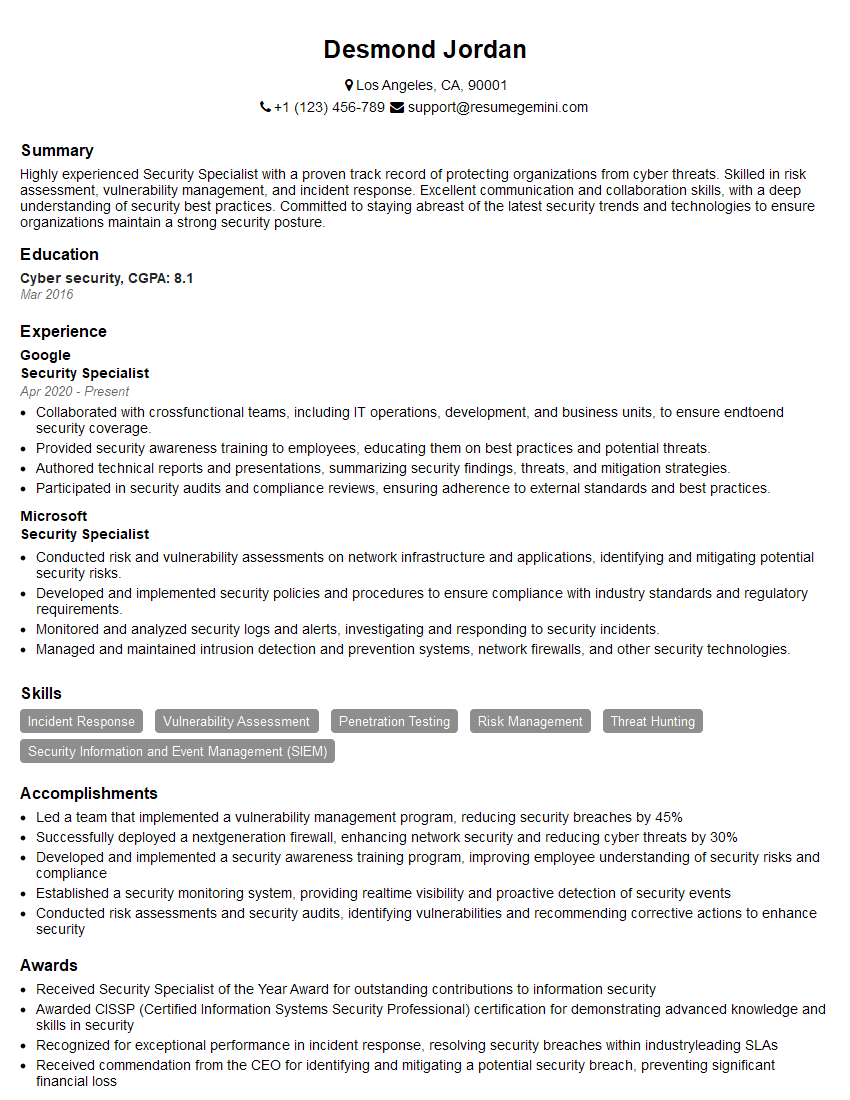
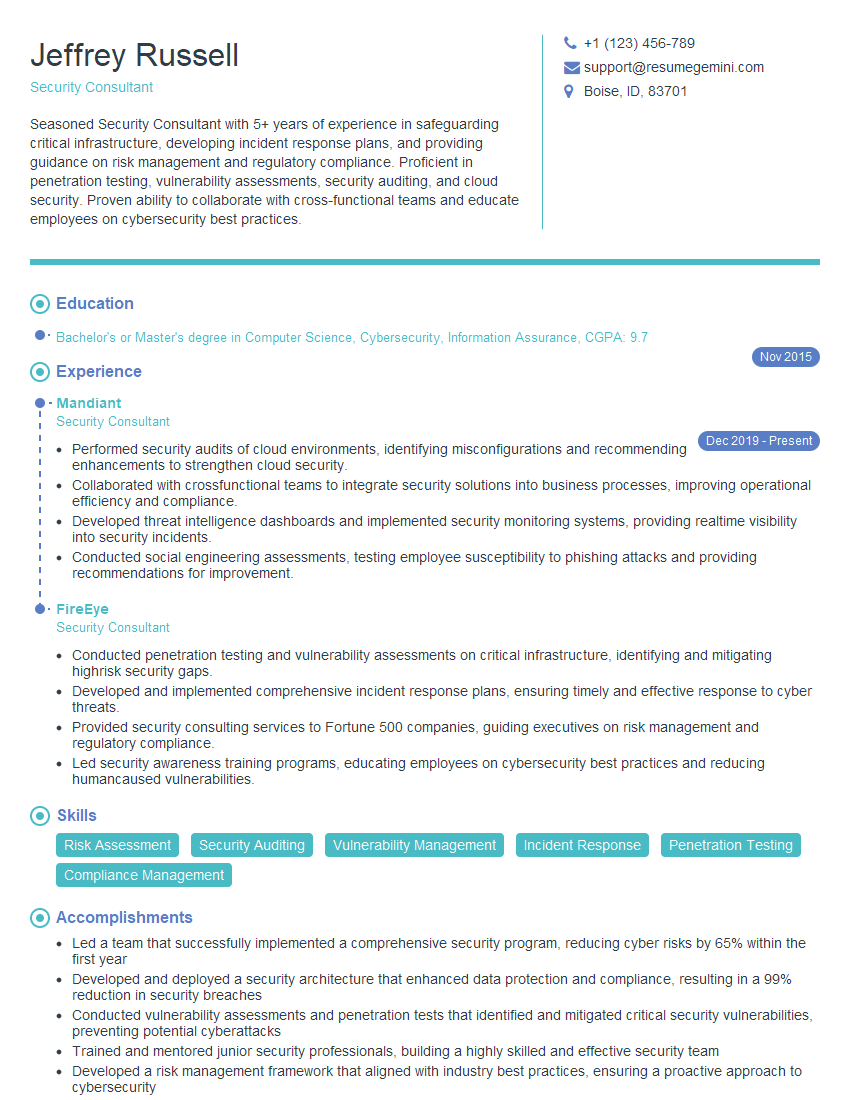
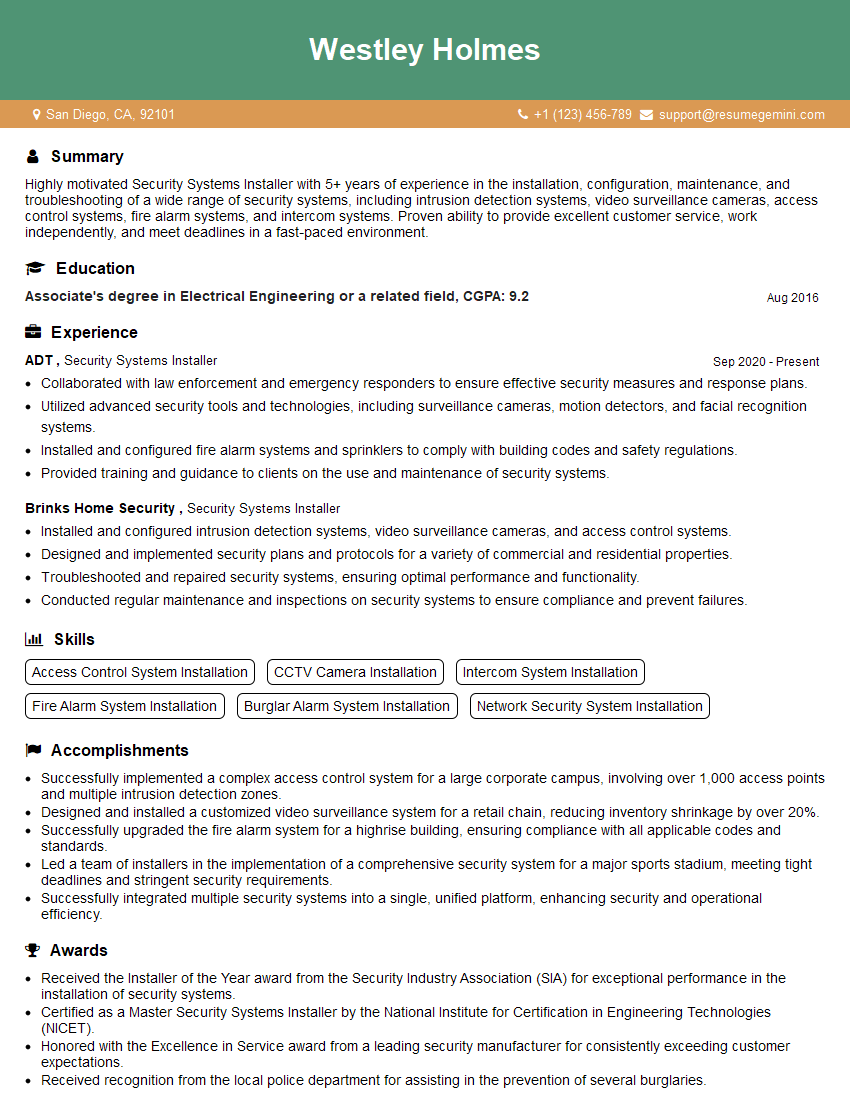
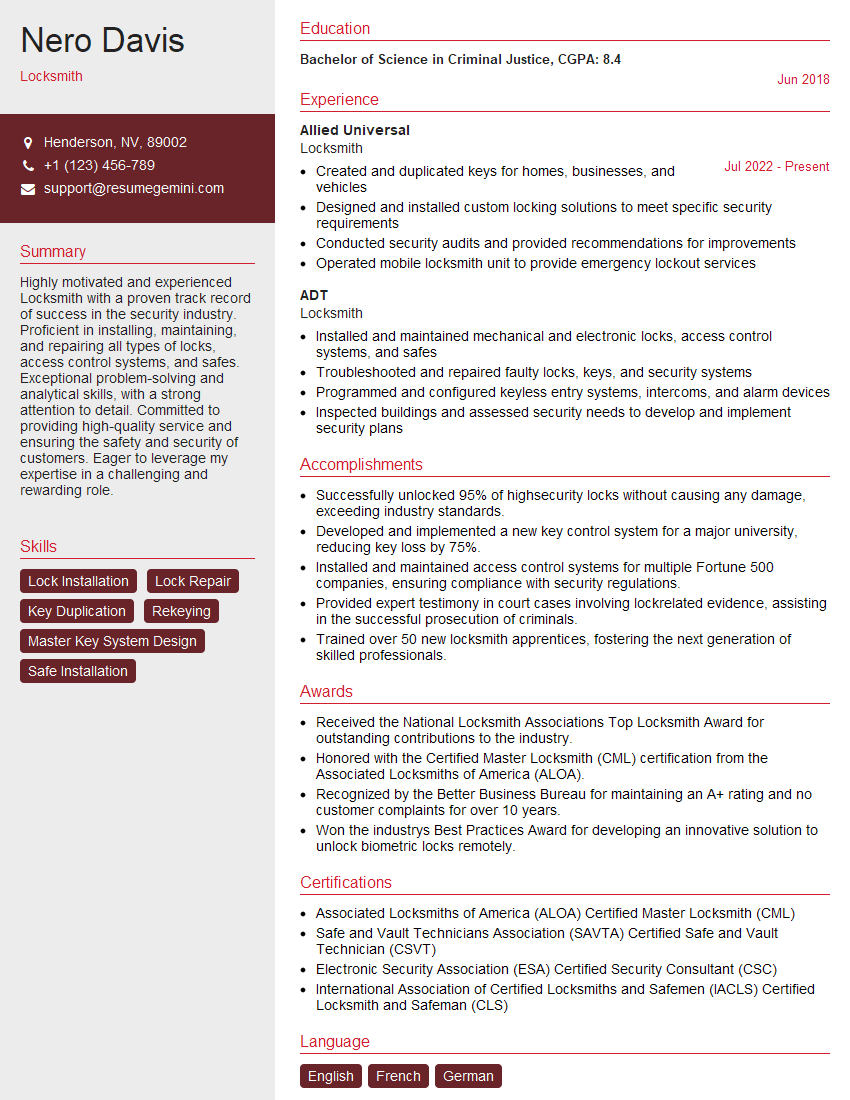
Mastering Lock Installation and Repair opens doors to a rewarding career with excellent growth potential. This specialized skillset is highly valued, offering opportunities for advancement and higher earning potential. To maximize your job prospects, creating a strong, ATS-friendly resume is critical. ResumeGemini is a trusted resource that can help you build a professional resume showcasing your skills and experience effectively. Examples of resumes tailored specifically to Lock Installation and Repair are available to guide you through the process. Invest time in crafting a compelling resume to make a lasting impression on potential employers.

Explore more articles
Users Rating of Our Blogs
Share Your Experience
We value your feedback! Please rate our content and share your thoughts (optional).
What Readers Say About Our Blog
Very informative content, great job.
good