Preparation is the key to success in any interview. In this post, we’ll explore crucial European Union (EU) Product Safety Directives interview questions and equip you with strategies to craft impactful answers. Whether you’re a beginner or a pro, these tips will elevate your preparation.
Questions Asked in European Union (EU) Product Safety Directives Interview
Q 1. Explain the key differences between the General Product Safety Directive (GPSD) and specific product directives.
The General Product Safety Directive (GPSD) acts as a safety net, applying to all products placed on the EU market that aren’t covered by specific product directives. Think of it as the overarching rulebook. Specific product directives, on the other hand, address particular product categories, like toys (Toy Safety Directive), or machinery (Machinery Directive). These offer more detailed and tailored safety requirements than the GPSD. The key difference lies in specificity; the GPSD is general, while specific directives are focused on particular product risks.
For example, a children’s toy would need to comply with both the GPSD and the Toy Safety Directive. The GPSD ensures basic safety requirements are met, while the Toy Safety Directive covers specific hazards related to toys, such as choking hazards or small parts.
Q 2. Describe the process of conformity assessment for a new product under EU regulations.
Conformity assessment is the process of demonstrating that your product meets all the relevant EU safety requirements. It varies depending on the product and the directives involved. The process often includes several stages:
- Risk assessment: Identify potential hazards and risks associated with your product.
- Design and manufacturing: Develop a safe design and implement manufacturing processes that ensure consistency and quality.
- Testing and verification: Conduct tests to prove your product meets the requirements. This may involve internal testing or using an accredited testing laboratory.
- Technical documentation: Compile a comprehensive file that includes all design specifications, test results, and declarations of conformity. This documents your compliance journey.
- Conformity assessment procedure: Choose the appropriate conformity assessment procedure based on the directive. Options include internal production control, type examination, and full quality assurance, often involving a Notified Body.
- CE marking: Once conformity is demonstrated, affix the CE marking to the product and its packaging. This signifies compliance and allows you to legally market your product within the EU.
For example, a manufacturer of a new type of power tool might need to involve a Notified Body for type examination, while a simpler product might only require internal production control. Each product’s risk profile and the relevant directive determine the complexity of this procedure.
Q 3. What is the role of notified bodies in ensuring product safety compliance?
Notified Bodies are independent organizations designated by a Member State to assess the conformity of products to specific EU directives. They play a crucial role in ensuring consumer safety. They’re not simply rubber-stamping; they act as impartial third-party experts. Their involvement adds an extra layer of verification to ensure compliance.
Their tasks can range from verifying product designs (type examination) to overseeing a manufacturer’s quality management system. They audit the processes and provide certifications which give considerable confidence to consumers and market surveillance authorities that the product is safe.
Imagine a Notified Body as a trusted referee in a product safety game; they ensure fair play and compliance with the rules.
Q 4. How does the EU’s Market Surveillance system work to ensure product safety?
The EU’s Market Surveillance system is a network of national authorities responsible for monitoring products on the market and taking action against unsafe products. It’s a collaborative effort, with member states sharing information about non-compliant products through the RAPEX system (Rapid Alert System for dangerous non-food products). This allows for swift action across the EU.
If a national authority identifies a dangerous product, it can take various actions, including issuing warnings, imposing recalls, or banning the product. The information is then disseminated across the EU, allowing other member states to take similar action to protect their citizens. It’s a proactive system that aims to prevent unsafe products from reaching consumers.
Q 5. Explain the concept of ‘economic operator’ under EU product safety legislation.
The term ‘economic operator’ encompasses all actors involved in the supply chain of a product placed on the EU market. This includes manufacturers, importers, distributors, and even those who make significant modifications to the product before placing it on the market. Each economic operator has specific responsibilities regarding product safety and compliance. This shared responsibility makes the whole system more accountable.
For instance, a manufacturer is responsible for designing and manufacturing a safe product, while an importer is responsible for verifying compliance before importing it. Distributors play a role in verifying the product’s safety before putting it on the market. This shared responsibility throughout the supply chain strengthens product safety.
Q 6. What are the legal responsibilities of manufacturers, importers, and distributors regarding product safety?
The legal responsibilities of economic operators are clearly defined. Manufacturers bear the primary responsibility for ensuring their products meet all relevant safety requirements. They must conduct risk assessments, design safe products, and maintain appropriate technical documentation. Importers are responsible for verifying that products from outside the EU meet EU safety standards before placing them on the market.
Distributors are responsible for ensuring that products they handle are safe. While their responsibilities are less extensive than those of manufacturers and importers, they must act diligently to identify potential safety issues and report them to the appropriate authorities. Failing to comply with these responsibilities can lead to significant penalties.
Think of it as a team effort, each player (manufacturer, importer, distributor) having a crucial role in ensuring the safety of the final product.
Q 7. How do you determine which EU directives apply to a specific product?
Determining which EU directives apply to a specific product requires a careful examination of the product’s characteristics and intended use. The first step is to consult the official EU publications, like the Official Journal of the European Union. There are also databases that can help classify products and identify the applicable directives. The classification often involves considering the product’s function, materials, intended use and potential hazards.
For example, a smart toy would likely fall under both the GPSD and the Toy Safety Directive, possibly also others depending on its features (e.g., a directive relating to electromagnetic compatibility if it uses radio waves). A thorough assessment is critical to ensure complete compliance.
Q 8. Describe the process of creating and maintaining a technical file for a product.
Creating and maintaining a technical file is crucial for demonstrating compliance with EU product safety directives. Think of it as a product’s detailed passport, containing all the evidence needed to prove its safety. It’s a living document, updated throughout the product’s lifecycle.
- Design and Development Documentation: This includes initial design concepts, risk assessments (hazard analysis!), calculations, simulations, and test results demonstrating compliance with relevant standards.
- Manufacturing Information: Details on the manufacturing process, including quality control procedures, supplier information, and traceability of components.
- Testing and Certification Reports: Results from any tests performed to verify the product meets safety requirements, including reports from notified bodies if applicable.
- Instructions for Use: Clear and comprehensive instructions explaining safe operation and maintenance of the product.
- Declaration of Conformity (DoC): A formal statement by the manufacturer declaring that the product complies with all relevant EU directives.
Maintaining the technical file involves regularly reviewing and updating it with any changes to the product design, manufacturing process, or relevant legislation. For example, if a component supplier changes, the updated supplier information and associated test results must be added.
Q 9. Explain the importance of CE marking and its implications.
The CE marking is a manufacturer’s declaration that their product meets the essential safety requirements of all applicable EU directives. It’s not a certificate issued by an external body, but rather a self-declaration of compliance. Think of it as a passport stamp allowing your product entry into the EU market.
Implications of CE Marking:
- Market Access: A crucial prerequisite for placing a product on the EU market.
- Consumer Confidence: Provides consumers with assurance that the product has been assessed for safety.
- Legal Compliance: Failure to comply can lead to serious legal and financial penalties.
- Enforcement Actions: Market surveillance authorities can conduct inspections and take action against products lacking a valid CE marking or failing to meet safety requirements.
Incorrectly affixing the CE mark is a serious offense and can be considered fraud.
Q 10. What are the penalties for non-compliance with EU product safety directives?
Penalties for non-compliance with EU product safety directives are severe and can vary depending on the severity of the non-compliance, the member state, and the specific directive involved. Penalties can include:
- Fines: Significant financial penalties can be levied against manufacturers.
- Product Recall: Mandatory recall of non-compliant products from the market.
- Product Seizure: Confiscation of non-compliant products by authorities.
- Import/Export Bans: Restrictions on importing or exporting products.
- Criminal Prosecution: In some cases, serious non-compliance can lead to criminal charges.
- Reputational Damage: Negative publicity can severely damage a company’s reputation and market share.
The financial impact alone – including fines, recall costs, and lost sales – can be devastating for businesses.
Q 11. Describe your experience with different conformity assessment procedures (e.g., internal production control, type examination).
My experience encompasses a range of conformity assessment procedures. The choice of procedure depends on the product’s risk profile and the relevant directive.
- Internal Production Control (IPC): This involves the manufacturer implementing their own quality management system (QMS), often based on ISO 9001, to ensure consistent product quality and safety. It’s suitable for lower-risk products. I’ve worked with numerous clients using IPC, emphasizing the importance of meticulous documentation and internal audits.
- Type Examination: This is a more rigorous procedure where a Notified Body assesses the product’s design and verifies its compliance with essential safety requirements. It often involves prototype testing and factory inspections. I’ve been directly involved in several projects requiring type examination, particularly for products with a higher risk profile, such as medical devices.
- Module B+C (EU Type Examination + Conformity to Type): This combines type examination with production quality assurance to offer a high level of assurance. This is frequently used where ongoing conformity is required for production.
- Module D (Production Quality Assurance): This involves regular audits by a Notified Body to verify the manufacturer’s production processes and product quality. I’ve managed several clients through this process, highlighting the importance of robust quality control throughout the manufacturing process.
Choosing the right procedure is critical, and selecting an inappropriate one can lead to significant consequences.
Q 12. How would you handle a situation where a safety defect is discovered in a product already on the market?
Discovering a safety defect in a product already on the market requires immediate and decisive action. Speed and transparency are critical to mitigate potential harm to consumers and minimize reputational damage. My approach would be:
- Immediate Internal Investigation: Thoroughly investigate the root cause of the defect.
- Risk Assessment: Assess the severity of the defect and the potential risks to consumers.
- Corrective Actions: Develop and implement effective corrective actions to address the defect, which may include design changes, improved manufacturing processes or improved labelling.
- Notification of Authorities: Report the defect to the relevant market surveillance authorities in all affected member states.
- Recall Strategy: If necessary, develop and implement a comprehensive product recall strategy, communicating clearly with consumers about the issue and the actions they should take.
- Communication Plan: Communicate transparently and proactively with consumers, retailers, and distributors.
- Post-Recall Monitoring: Monitor the effectiveness of the recall and implement additional measures as needed.
The speed and transparency with which these steps are undertaken is crucial to minimizing the impact of the defect.
Q 13. What are the key elements of a robust product safety management system?
A robust product safety management system (PSMS) is a structured approach to managing all aspects of product safety, from initial design to post-market surveillance. It’s not just a checklist but a continuous improvement process.
- Hazard Analysis: Systematically identifying and evaluating potential hazards associated with the product.
- Risk Assessment: Evaluating the likelihood and severity of each hazard to determine the level of risk.
- Risk Control Measures: Implementing appropriate measures to mitigate identified risks.
- Design for Safety: Incorporating safety considerations throughout the product’s design and development phase.
- Quality Management System (QMS): A well-defined QMS ensures consistent product quality and compliance with safety requirements. (Often ISO 9001 based).
- Supplier Management: Careful selection and monitoring of suppliers to ensure the quality and safety of components.
- Testing and Verification: Rigorous testing and verification to ensure the product meets safety requirements.
- Post-Market Surveillance: Monitoring the product’s performance and safety after it has been placed on the market, allowing for prompt response to potential problems.
- Documentation and Record-Keeping: Maintaining detailed documentation to demonstrate compliance with regulations and support traceability.
A well-implemented PSMS provides a framework for continuous improvement and helps prevent safety incidents.
Q 14. Explain the concept of ‘hazard analysis’ and its importance in product safety.
Hazard analysis is a systematic process of identifying potential hazards associated with a product. It involves analyzing how a product could cause harm to users or the environment. It’s a proactive, preventative measure, not a reactive one. Imagine a thorough ‘what-if’ brainstorming session focusing on potential dangers.
Importance:
- Proactive Risk Management: Identifying potential hazards early in the design process allows for proactive risk mitigation.
- Improved Product Safety: By addressing potential hazards, product safety is improved, reducing the risk of accidents and injuries.
- Compliance with Regulations: Many EU directives require manufacturers to conduct hazard analysis as part of their compliance efforts.
- Reduced Liability: Demonstrating a thorough hazard analysis process can help mitigate legal liability in case of accidents.
Methods such as Failure Mode and Effects Analysis (FMEA) and Fault Tree Analysis (FTA) are commonly used tools in hazard analysis. The outcome provides a critical foundation for a robust risk assessment and risk control planning.
Q 15. How do you stay updated on changes and amendments to EU product safety directives?
Staying updated on EU product safety directives requires a multi-pronged approach. It’s not a one-time task but an ongoing commitment. Think of it like subscribing to multiple vital news sources for your profession.
Official EU Publications: The primary source is the Official Journal of the European Union (OJEU). This is where all new directives, amendments, and regulations are officially published. I regularly check the OJEU website for updates in relevant areas.
Specialized Databases and Subscription Services: Several commercial databases and subscription services provide comprehensive coverage of EU legislation. These services often offer alerts for updates related to specific directives, making it easy to track changes. I use several of these, tailoring the alerts to my specific needs.
Industry Associations and Networks: Joining relevant industry associations allows access to newsletters, webinars, and expert networks. These organizations often provide summaries and analyses of new legislation, making it easier to understand the implications for my work. This peer-to-peer knowledge sharing is invaluable.
Consultants and Specialists: Staying completely abreast of every change is difficult, so I leverage the knowledge of external specialists. Consulting experts helps me understand complex changes and interpret ambiguous language in the regulations.
Combining these approaches ensures I remain informed on all relevant changes and can advise clients accordingly.
Career Expert Tips:
- Ace those interviews! Prepare effectively by reviewing the Top 50 Most Common Interview Questions on ResumeGemini.
- Navigate your job search with confidence! Explore a wide range of Career Tips on ResumeGemini. Learn about common challenges and recommendations to overcome them.
- Craft the perfect resume! Master the Art of Resume Writing with ResumeGemini’s guide. Showcase your unique qualifications and achievements effectively.
- Don’t miss out on holiday savings! Build your dream resume with ResumeGemini’s ATS optimized templates.
Q 16. How do you ensure compliance with RoHS and REACH regulations in relation to product safety?
RoHS (Restriction of Hazardous Substances) and REACH (Registration, Evaluation, Authorisation and Restriction of Chemicals) are crucial for product safety. They’re not just about environmental protection; they directly impact consumer safety. Think of them as the chemical safety net for products.
RoHS Compliance: This requires identifying and managing the restricted substances (lead, mercury, cadmium, etc.) in the materials used in the product. This involves careful selection of components and materials, thorough testing to verify compliance, and maintaining detailed documentation to demonstrate traceability and conformity.
REACH Compliance: This is more complex, focusing on the safe management of chemicals throughout their life cycle. It requires registration of substances, providing safety data sheets, and adhering to usage restrictions. This involves a thorough understanding of the chemical composition of materials used and compliance with any specific restrictions applied.
Compliance with both regulations involves working closely with suppliers, having robust testing processes, and creating detailed documentation for audits. Failure to comply can lead to significant fines and reputational damage. For example, a company that fails to demonstrate RoHS compliance for a children’s toy could face a significant product recall and legal action.
Q 17. Describe your experience working with notified bodies.
Notified bodies are crucial for ensuring compliance with EU product safety directives. Think of them as independent experts who verify that products meet the required standards. I’ve had extensive experience working with various notified bodies for different product categories.
Product Certification: I’ve collaborated with notified bodies to obtain CE marking for various products, undergoing thorough testing and documentation review processes. This involved providing detailed technical files and samples, answering their questions, and addressing any observations or non-conformities.
Factory Inspections: Notified bodies have conducted on-site inspections of our manufacturing facilities to verify our quality management systems and production processes. This provided an opportunity for them to directly assess our compliance with the relevant directives.
Technical Discussions: I’ve engaged in technical discussions with notified bodies regarding the interpretation of directives and standards. This has been invaluable in navigating ambiguous situations and ensuring a clear path to compliance.
The relationship with a notified body is crucial for achieving and maintaining compliance. Open communication and transparency are key to a smooth process.
Q 18. How would you investigate a product safety incident?
Investigating a product safety incident requires a systematic and thorough approach. Imagine it as a detective investigation, but with a focus on safety and legal compliance.
Immediate Action: The first step is to secure the affected product(s) and prevent further incidents. This also includes notifying relevant authorities (depending on the severity and type of incident).
Data Collection: Gather all available information – incident reports, photos, videos, witness statements, etc. The more data, the better.
Root Cause Analysis: Determine the root cause of the incident using techniques like fault tree analysis or 5 Whys. This is essential for preventing future incidents.
Corrective Actions: Develop and implement corrective actions to address the root cause. This could involve design changes, manufacturing process improvements, or enhanced safety warnings.
Reporting and Documentation: Maintain meticulous records of the entire investigation process, including findings and corrective actions. This documentation is essential for potential legal proceedings.
Throughout the investigation, I always prioritize the safety of consumers and aim to prevent similar incidents from happening again. The ultimate goal is not just to fix the immediate problem, but to prevent future harm.
Q 19. Explain your experience with different types of product recalls.
Product recalls are a serious matter, requiring a well-defined process. The type of recall depends on the severity of the risk and the nature of the defect. I’ve been involved in several types of recalls:
Class I Recall (Most Serious): This involves products with a high probability of causing serious injury or death. The recall process is immediate and comprehensive, often involving significant media coverage and close cooperation with authorities.
Class II Recall: This involves products with a moderate risk of causing temporary or medically reversible adverse health consequences. The recall process is more targeted, often focusing on specific regions or batches of products.
Class III Recall (Least Serious): This involves products with a low probability of causing adverse health consequences. The recall strategy focuses on information dissemination and customer cooperation.
Regardless of the recall class, a key aspect is ensuring effective communication with customers and providing a clear process for returning or replacing affected products. Transparency and proactive communication are paramount in minimizing negative impact.
Q 20. How do you manage risk assessment and mitigation strategies?
Risk assessment and mitigation are fundamental to product safety. Think of it as a proactive approach to preventing problems before they arise. My approach is systematic and iterative.
Hazard Identification: The first step is to identify all potential hazards associated with the product throughout its lifecycle, from design to disposal.
Risk Analysis: Assess the likelihood and severity of each hazard. This usually involves assigning risk levels based on probability and consequence.
Risk Evaluation: Determine if the identified risks are acceptable. This will vary depending on industry standards, legal requirements and company policy.
Risk Control: Implement control measures to reduce or eliminate risks. This could include design changes, warnings, instructions, or training programs.
Monitoring and Review: Continuously monitor the effectiveness of risk control measures and review the risk assessment periodically, especially after any incidents or changes in the product design or usage.
This process is documented and regularly updated. A well-managed risk assessment and mitigation strategy is crucial for preventing product-related incidents and ensuring consumer safety.
Q 21. Describe your understanding of the legal requirements related to labelling and instructions for products.
Labelling and instructions are crucial for product safety. They act as the user’s guide to safe operation and disposal. Think of them as the ‘safety manual’ for the product. Legal requirements for labelling and instructions vary depending on the product and applicable directives, but some common elements include:
Manufacturer Information: Name and address of the manufacturer or importer.
Product Identification: Model number, serial number, etc.
Warnings and Cautions: Clear and concise warnings about potential hazards and safe usage instructions.
Instructions for Use: Detailed instructions on how to safely use, maintain, and dispose of the product.
CE Marking (where applicable): Indicates compliance with relevant EU directives.
Language Requirements: Instructions must be provided in the official language(s) of the country where the product is sold.
Failure to provide adequate labelling and instructions can lead to accidents, product liability claims, and legal penalties. The instructions must be easily understandable and accessible to the intended users.
Q 22. How would you communicate effectively with regulatory authorities about product safety issues?
Effective communication with regulatory authorities regarding product safety hinges on proactive engagement, clear and concise reporting, and a demonstrable commitment to compliance. I approach this by first understanding the specific requirements of the relevant EU directive (e.g., General Product Safety Directive 2001/95/EC, or specific directives for toys, medical devices, etc.).
My communication strategy involves:
- Proactive Notification: Reporting potential safety issues promptly, even if preliminary, rather than waiting for a formal request or incident. This demonstrates responsible conduct and allows for collaborative problem-solving.
- Precise and Detailed Reporting: Using a structured format to provide all necessary information, including product identification, hazard description, affected batches, proposed corrective actions, and any supporting documentation (e.g., test reports). Avoid ambiguity.
- Open and Transparent Dialogue: Maintaining consistent communication channels with the authorities, promptly addressing their questions and concerns, and demonstrating a willingness to cooperate fully.
- Documentation: Meticulously documenting all interactions and decisions related to product safety issues, including meeting minutes, correspondence, and internal reports. This is crucial for traceability and accountability.
For example, if a potential defect is identified in a batch of children’s toys, I would immediately notify the relevant national authority, providing them with detailed specifications of the toy, the nature of the defect (e.g., a small part that could be easily detached and swallowed), the affected batch numbers, and our proposed solution (e.g., product recall or corrective action).
Q 23. How would you build and maintain good relationships with stakeholders in relation to product safety?
Building and maintaining strong relationships with stakeholders – including manufacturers, suppliers, distributors, retailers, and regulatory bodies – is paramount for effective product safety management. It’s about fostering trust and collaborative problem-solving. This involves:
- Transparency and Open Communication: Regularly sharing information about product safety performance, compliance activities, and any identified risks. This builds trust and allows stakeholders to proactively contribute to mitigating potential hazards.
- Active Listening and Collaboration: Seriously considering feedback from all stakeholders, acknowledging their concerns, and engaging in constructive dialogue to find mutually acceptable solutions.
- Relationship Building: Engaging in regular communication, attending industry events, and participating in relevant working groups to strengthen relationships and share best practices.
- Conflict Resolution: Establishing clear procedures for addressing disagreements or conflicts, prioritizing finding solutions that safeguard product safety while respecting stakeholders’ legitimate interests.
For instance, I would organize regular meetings with key suppliers to discuss quality control procedures, share safety data, and address any concerns they might have about specific components or materials. This proactive approach helps to prevent problems before they arise.
Q 24. What are the ethical considerations related to product safety compliance?
Ethical considerations in product safety compliance are central to protecting consumers and upholding public trust. These considerations go beyond mere legal compliance; they encompass a moral obligation to prioritize safety. Key ethical principles include:
- Prioritizing Consumer Safety: Making safety a primary concern, even if it involves higher costs or production delays. Profit should never come before safety.
- Transparency and Honesty: Openly disclosing product safety information, even if it reveals weaknesses or risks. Hiding or downplaying risks is unethical.
- Due Diligence: Taking appropriate steps to identify and mitigate safety risks, including rigorous testing, quality control procedures, and regular safety reviews.
- Accountability: Taking responsibility for product safety issues, even if caused by third parties. This includes taking swift corrective action and cooperating fully with investigations.
An example of an ethical dilemma might be discovering a minor flaw in a product that’s unlikely to cause significant harm but is still a violation of regulations. The ethical approach would involve fully disclosing the flaw to the authorities, even though a simple internal fix might resolve the issue, thus ensuring transparency.
Q 25. Describe your experience working on product safety projects in a cross-functional team.
I have extensive experience working on product safety projects within cross-functional teams. These teams typically involve representatives from engineering, quality assurance, legal, marketing, and supply chain. My approach involves:
- Clear Communication and Roles: Establishing clear communication channels, defining roles and responsibilities, and ensuring everyone understands the project goals and timelines.
- Collaborative Problem-Solving: Fostering a collaborative environment where team members feel comfortable sharing ideas, concerns, and potential solutions. This approach leverages the diverse expertise within the team.
- Conflict Resolution: Developing strategies for resolving disagreements and conflicts constructively, focusing on finding solutions that are mutually acceptable and prioritize product safety.
- Regular Monitoring and Reporting: Implementing regular progress monitoring mechanisms, including meetings, reports, and updates, to ensure the project stays on track and all team members are informed.
In one project involving the design of a new electrical appliance, the engineering team initially prioritized cost savings, potentially compromising safety features. Through collaborative discussions and data-driven analysis, I helped the team understand the long-term risks of this approach and find cost-effective solutions that met both safety and budget requirements.
Q 26. How would you manage competing priorities when dealing with product safety compliance?
Managing competing priorities in product safety compliance requires a structured and strategic approach. I utilize a prioritization framework that considers:
- Risk Assessment: Prioritizing compliance actions based on the severity and likelihood of potential harm. High-risk issues always take precedence.
- Regulatory Deadlines: Meeting regulatory deadlines is critical. These deadlines should be clearly identified and factored into the prioritization scheme.
- Resource Allocation: Allocating resources effectively based on the prioritization of compliance actions. This includes both time and financial resources.
- Communication and Transparency: Keeping stakeholders informed about the prioritization process and any potential delays or adjustments.
For example, if faced with a minor compliance issue and a major safety recall, I would immediately focus on the recall, given its significantly higher risk to consumers. I would then work to address the minor issue as efficiently as possible, utilizing available resources effectively while ensuring that it doesn’t detract from the immediate safety concern.
Q 27. Explain your understanding of the implications of Brexit on EU product safety compliance.
Brexit has significantly impacted EU product safety compliance for UK businesses. Prior to Brexit, UK businesses could easily meet EU requirements. Now, UK manufacturers exporting to the EU must meet EU regulations separately from any UK requirements. This means:
- Separate Conformity Assessment: Products intended for the EU market must undergo conformity assessment procedures under the relevant EU directives and regulations, even if they already comply with UK regulations.
- EU Representative: UK businesses may need to appoint an EU-based representative to handle regulatory interactions within the EU.
- CE Marking: Products intended for the EU market must bear the CE marking, demonstrating compliance with EU regulations. The UKCA marking applies solely to the UK market.
- Increased Costs and Complexity: Meeting both UK and EU requirements adds complexity and increases costs for UK businesses exporting to the EU.
The implications are profound, requiring businesses to navigate a more complex regulatory landscape and invest in additional resources to ensure continued access to the EU market. Understanding these changes is crucial for ensuring uninterrupted trade and maintaining consumer safety across the region.
Q 28. Describe a time you had to solve a challenging compliance issue. What was your approach?
I once encountered a challenging compliance issue involving a batch of children’s toys with a potential choking hazard. While initial testing indicated compliance, subsequent, more rigorous testing revealed a flaw not initially detected: small parts could detach under specific conditions, posing a risk. My approach was:
- Immediate Action: We immediately stopped the distribution of the affected batch of toys and initiated a full investigation to determine the root cause of the issue and the extent of the affected products.
- Thorough Analysis: We conducted detailed analysis of the manufacturing process, material properties, and product design to pinpoint the failure point and prevent recurrence.
- Risk Assessment: We conducted a thorough risk assessment to determine the severity of the potential harm and the number of units affected.
- Corrective Action: We devised a corrective action plan, which included implementing improved quality control measures during manufacturing, conducting further product testing to confirm the effectiveness of the improvements, and initiating a product recall to recover the affected toys from the market.
- Transparency and Communication: We worked closely with regulatory authorities, providing regular updates on our investigation, corrective actions, and recall efforts. Transparency was key to minimizing disruption and maintaining public trust.
This case highlighted the importance of a proactive and meticulous approach to product safety. Even with initial compliance data, continuous vigilance and rigorous testing are crucial to identifying and addressing potential hazards effectively.
Key Topics to Learn for European Union (EU) Product Safety Directives Interview
- General Product Safety Directive (GPSD): Understanding its scope, application, and key requirements. Focus on the essential safety obligations for placing products on the EU market.
- Specific Directives & Regulations: Explore relevant directives addressing specific product categories (e.g., toys, machinery, electrical appliances). Understand how they interact with the GPSD.
- Essential Requirements & Conformity Assessment: Grasp the theoretical framework of essential requirements and the various conformity assessment procedures (e.g., self-declaration, notified body involvement). Be prepared to discuss examples.
- Market Surveillance & Enforcement: Familiarize yourself with the role of market surveillance authorities and the potential consequences of non-compliance. Consider case studies of product recalls or enforcement actions.
- Economic Operators’ Responsibilities: Clearly understand the roles and responsibilities of manufacturers, importers, distributors, and authorized representatives within the EU regulatory framework. Practice explaining these roles in practical scenarios.
- Technical Documentation & CE Marking: Master the creation and maintenance of technical documentation, including risk assessments. Understand the significance and implications of the CE marking.
- Harmonized Standards: Explore the role of harmonized standards in demonstrating conformity and how they contribute to product safety. Be ready to discuss their relationship with essential requirements.
- Problem-Solving Scenarios: Prepare to analyze hypothetical scenarios involving product safety issues, non-compliance, and potential solutions. This will demonstrate your practical application of the Directives.
Next Steps
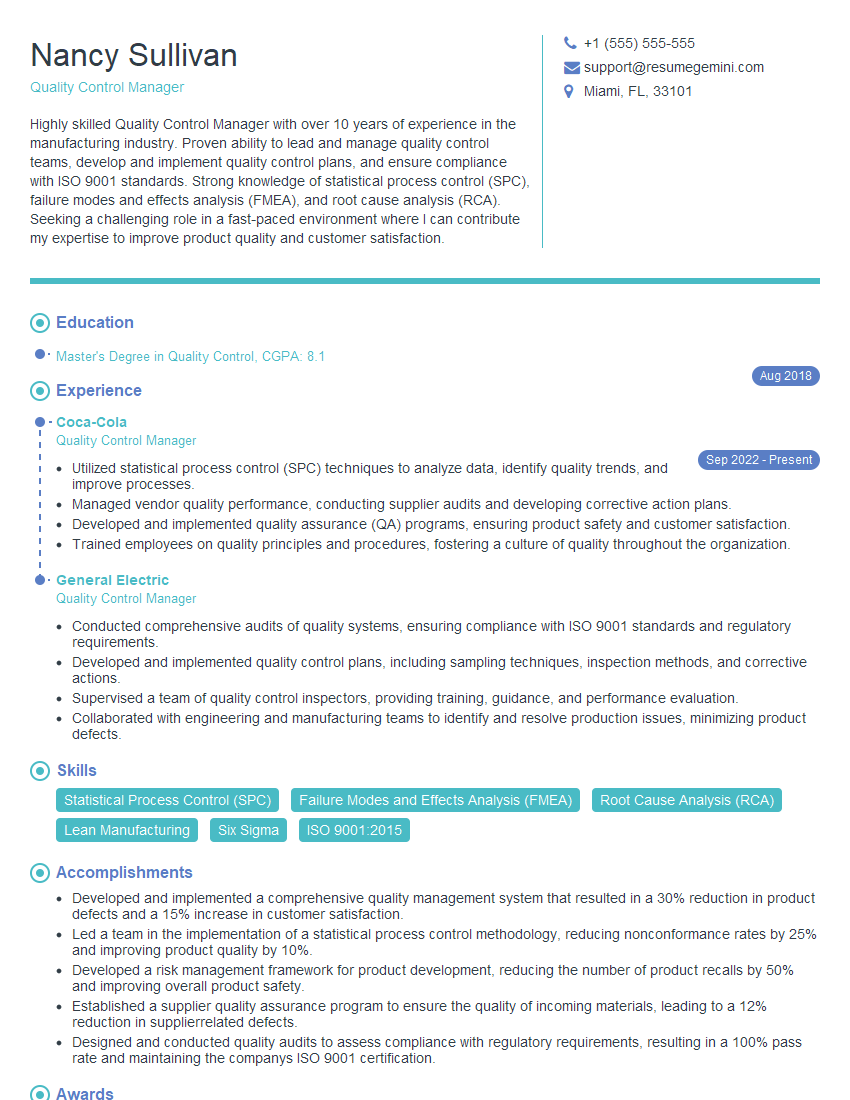
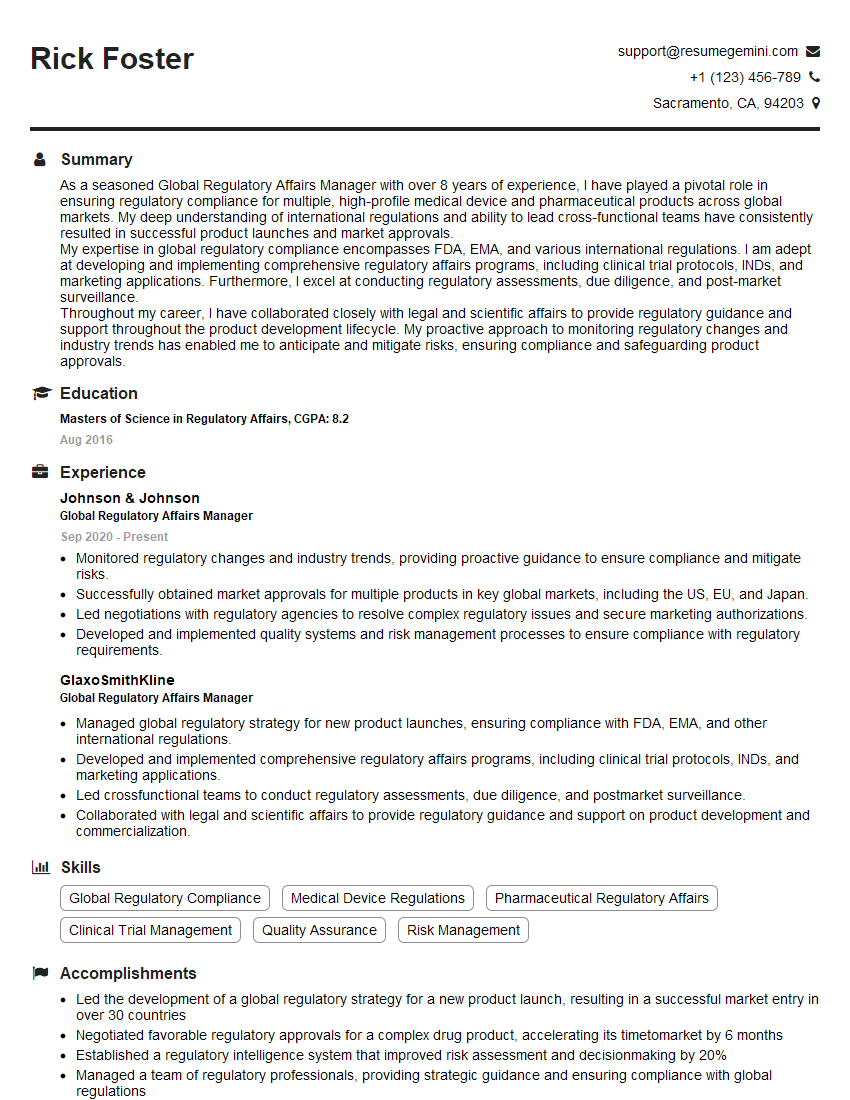
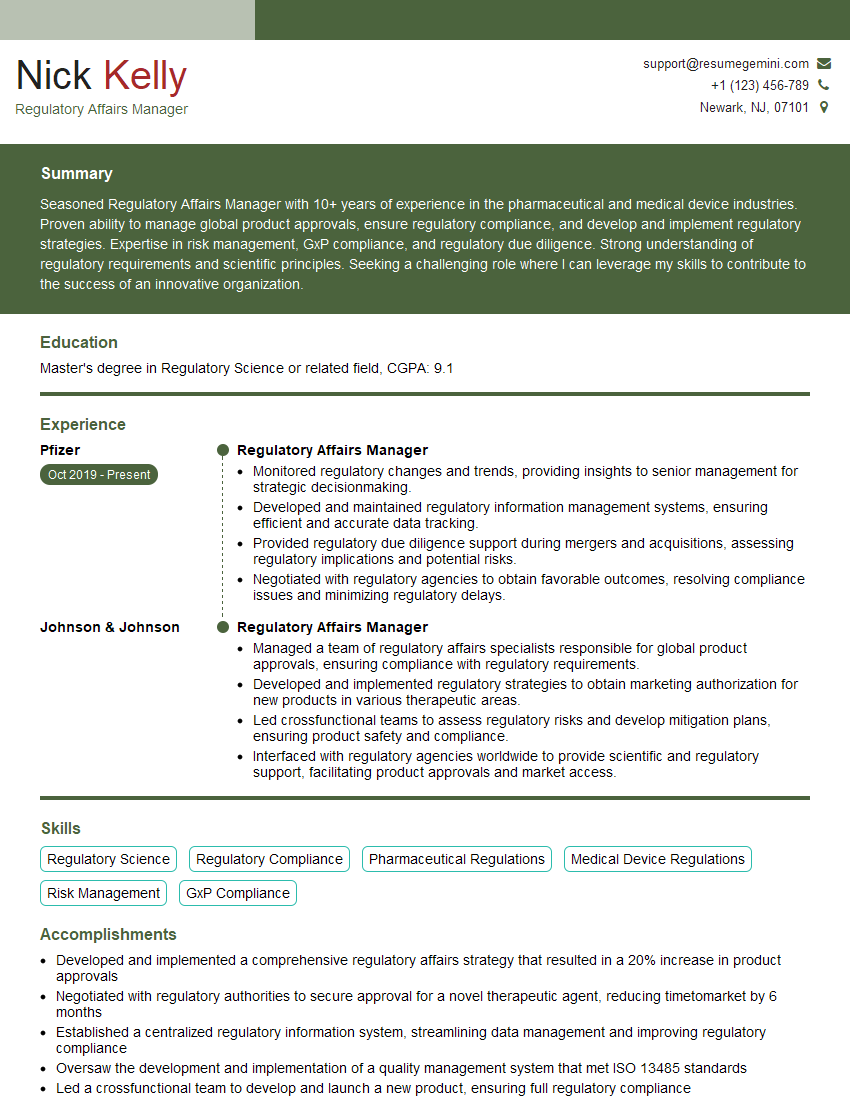
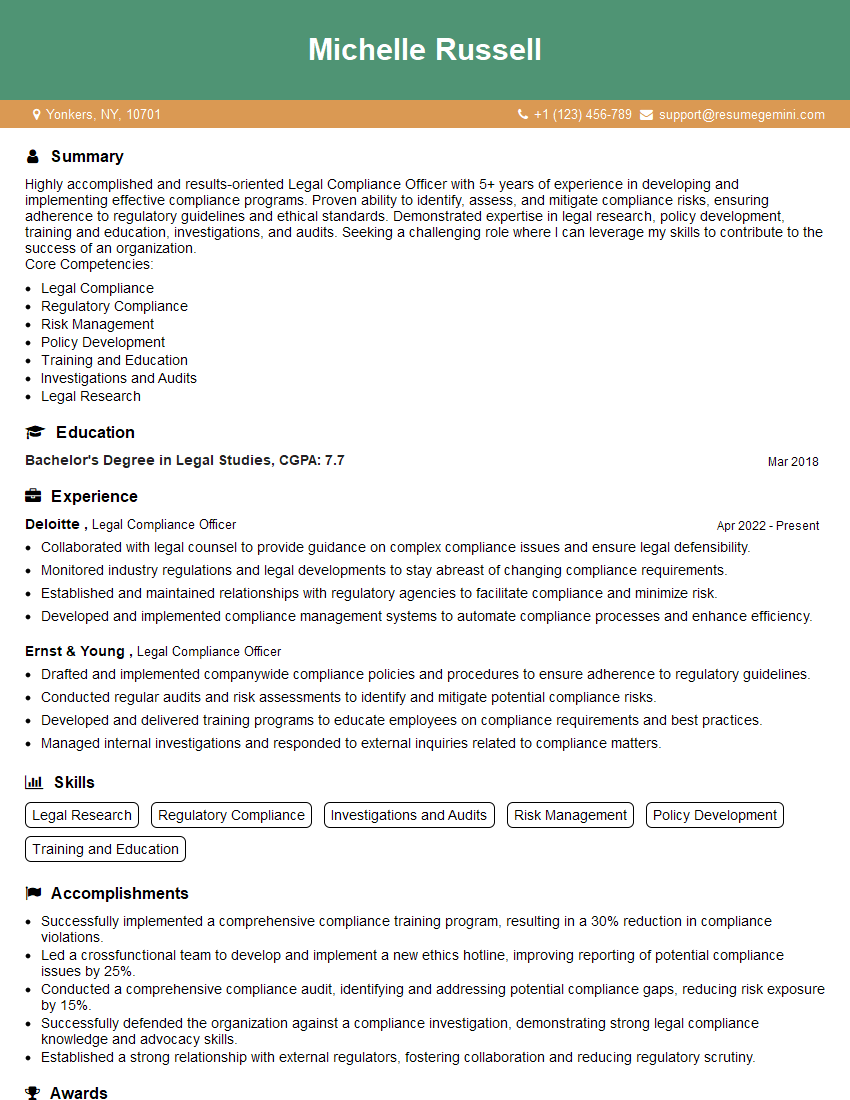
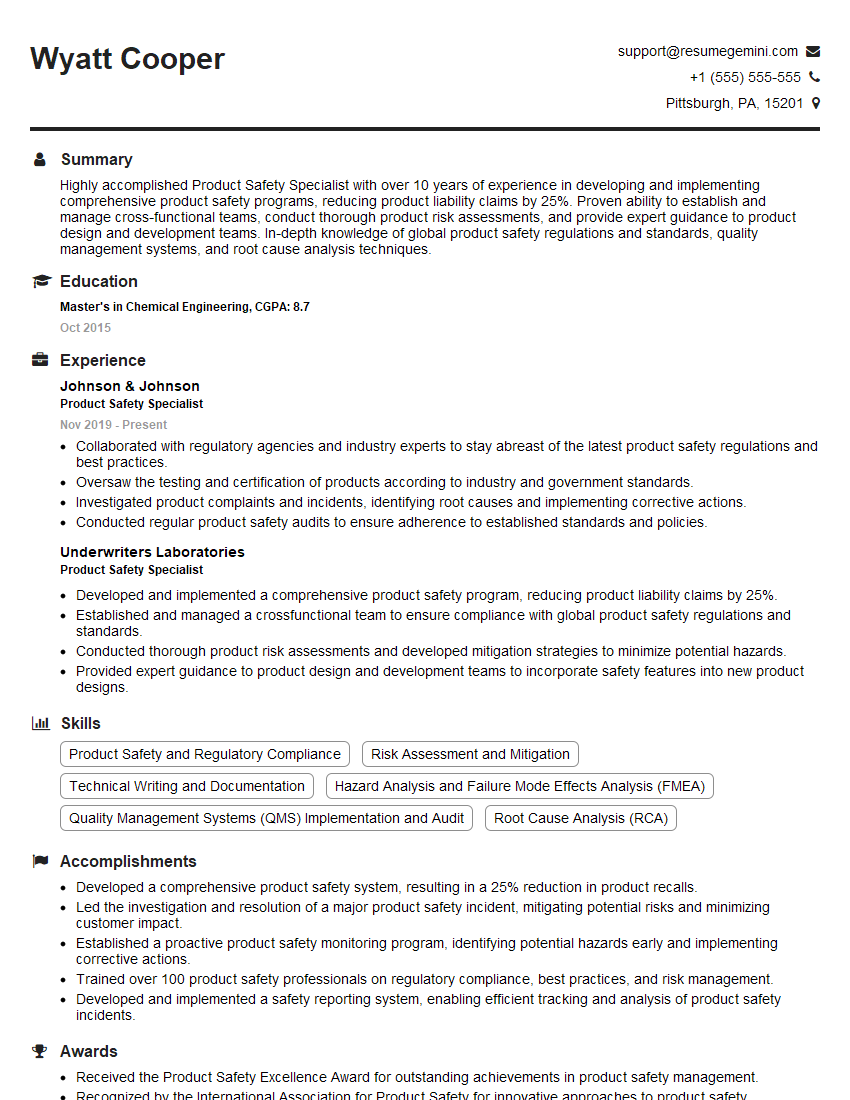
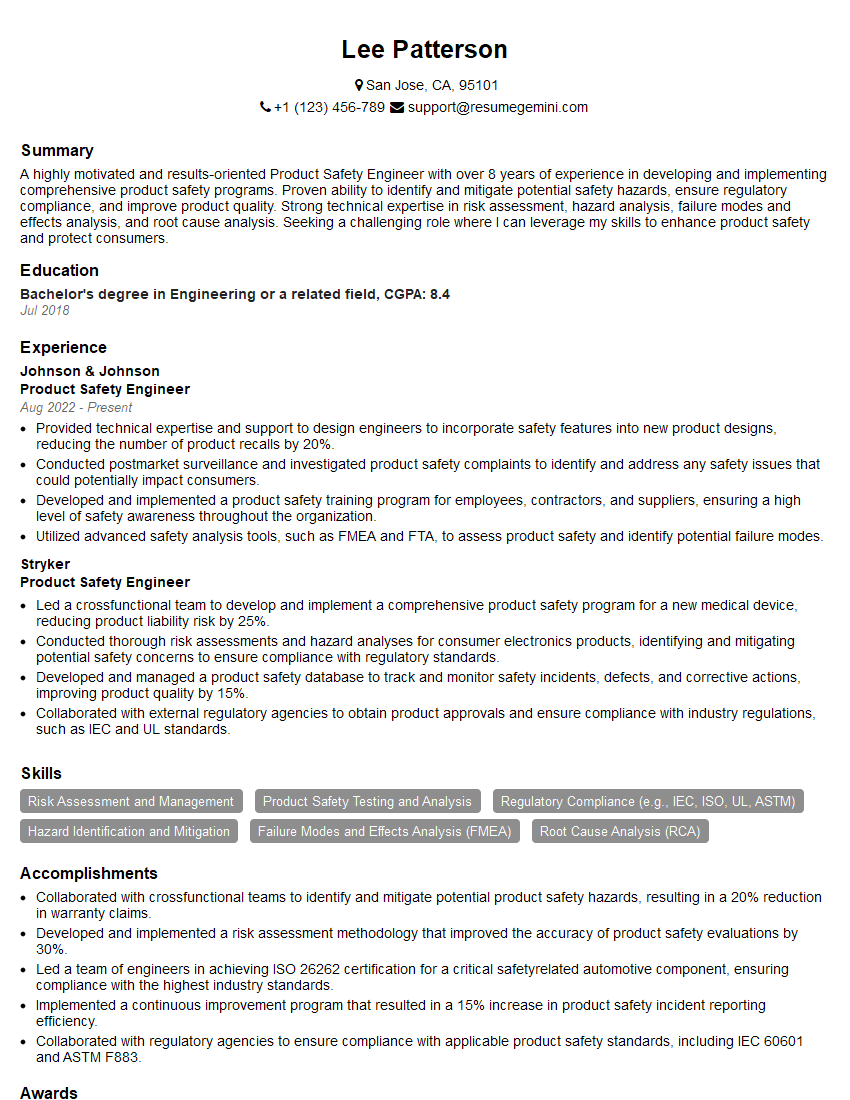
Mastering EU Product Safety Directives significantly enhances your career prospects in areas such as product compliance, quality assurance, and regulatory affairs. A strong understanding of these directives is highly sought after by employers. To maximize your chances, create an ATS-friendly resume that highlights your relevant skills and experience. ResumeGemini is a trusted resource for building professional, impactful resumes. Leverage their expertise and access example resumes tailored to European Union (EU) Product Safety Directives roles to gain a competitive edge in your job search.
Explore more articles
Users Rating of Our Blogs
Share Your Experience
We value your feedback! Please rate our content and share your thoughts (optional).
What Readers Say About Our Blog
Very informative content, great job.
good