Feeling uncertain about what to expect in your upcoming interview? We’ve got you covered! This blog highlights the most important Evacuation and Relocation interview questions and provides actionable advice to help you stand out as the ideal candidate. Let’s pave the way for your success.
Questions Asked in Evacuation and Relocation Interview
Q 1. Describe your experience in developing evacuation plans.
Developing evacuation plans requires a systematic approach, blending technical expertise with an understanding of human behavior under pressure. I begin by conducting a thorough risk assessment of the area, identifying potential hazards and vulnerable populations. This includes analyzing geographical features, infrastructure limitations, and historical weather patterns. Then, I define clear evacuation routes, designating assembly points and shelters. Crucially, the plan incorporates communication protocols, resource allocation strategies, and procedures for accounting for all personnel. For example, in developing a plan for a large manufacturing facility, I’d consider the accessibility of exits for people with disabilities, the potential for equipment malfunction hindering escape, and the capacity of nearby shelters to accommodate the entire workforce.
The plan is never static; it’s regularly reviewed and updated based on drills, technological advancements, and changes in the environment. Regular exercises help identify weaknesses and refine procedures, ensuring the plan remains effective and adaptable. For instance, we recently updated a school’s evacuation plan to incorporate a new emergency exit and refined the communication system to better handle the specific challenges presented by a large number of children.
Q 2. What methods do you use to assess evacuation risks?
Evacuation risk assessment involves a multi-faceted approach. I use a combination of methods, including hazard identification (identifying potential threats like fire, flood, or active shooter situations), vulnerability analysis (determining the susceptibility of individuals and infrastructure to these hazards), and capacity analysis (evaluating the resources available for evacuation and response). This involves detailed mapping, data analysis (e.g., historical weather data, population density), and site surveys. For example, I might use GIS software to model the potential impact of a flood on evacuation routes and determine the most vulnerable areas. Quantitative methods like fault tree analysis can be used to identify the likelihood of different scenarios unfolding.
Qualitative assessments are also important, incorporating interviews with stakeholders and local residents to gather valuable insights and perspectives. This participatory approach ensures the plan addresses the unique needs of the community and realistically accounts for human behavior in crisis. A crucial element is conducting regular vulnerability assessments to identify and address potential weaknesses in the existing infrastructure or processes.
Q 3. Explain your experience in coordinating transportation during evacuations.
Coordinating transportation during evacuations requires meticulous planning and real-time adaptability. I start by identifying available resources, including public transportation, private vehicles, and specialized transport for individuals with disabilities. A key aspect is developing a robust transportation plan that maps out routes, assigns responsibilities, and designates staging areas. This plan must consider the capacity of different transportation modes, potential traffic congestion, and the availability of fuel. For example, during a hurricane evacuation, I would coordinate with local authorities to utilize school buses and deploy a fleet of chartered buses to supplement the available resources. I’d also establish communication channels with transportation providers to monitor progress and adjust the plan as needed.
Efficient communication is paramount. I utilize real-time tracking systems to monitor the movement of vehicles and personnel, and I implement robust communication protocols to ensure that all parties are informed of any changes or delays. Furthermore, the plan must account for the needs of vulnerable populations and ensure that they receive priority transportation.
Q 4. How do you ensure the safety of personnel during an evacuation?
Ensuring personnel safety during an evacuation is my top priority. This begins with comprehensive training. I conduct regular drills and exercises to familiarize personnel with evacuation procedures and emergency response protocols. The training includes practicing specific actions and responses to different scenarios. For example, we might simulate a fire evacuation, including practicing the use of fire extinguishers and escape routes.
Beyond training, clear communication channels are vital. Designated personnel act as guides and assist individuals who may require special assistance. Safety measures, such as clearly marked evacuation routes, illuminated pathways, and the availability of first aid, are essential. Furthermore, post-evacuation procedures ensure personnel are accounted for and receive necessary support. Regular review of these procedures and feedback from personnel helps in refining the safety protocols.
Q 5. What communication strategies do you employ during an evacuation?
Effective communication is the backbone of any successful evacuation. I employ a multi-channel approach, combining various methods to reach the widest possible audience. This typically includes public address systems, text messaging alerts, social media updates, and local media partnerships. The key is to deliver consistent and accurate information, avoiding ambiguity or conflicting messages. For example, during a wildfire evacuation, we would use a combination of text message alerts and radio broadcasts to provide regular updates on the fire’s progress and the recommended evacuation routes.
Establishing clear communication protocols among different teams and agencies is crucial. This involves designating communication leads and establishing clear lines of reporting to ensure information flows smoothly and efficiently. I often use dedicated communication platforms and software to facilitate this, enabling real-time updates and coordination. The feedback mechanisms are integral, ensuring any communication issues are identified and rectified promptly.
Q 6. Describe your experience in managing relocation logistics.
Managing relocation logistics involves a comprehensive approach encompassing various stages, from pre-relocation planning to post-relocation support. The first step involves assessing the needs of the displaced population, determining the required resources (housing, food, medical care, etc.), and identifying suitable relocation sites. This often involves negotiation with landlords, property owners and government agencies.
The next stage focuses on transportation and accommodation. This may involve arranging transport for individuals and families, securing temporary housing, and ensuring the availability of essential services at the relocation site. Post-relocation support is also critical, including providing access to healthcare, employment assistance, and counseling services. A well-structured plan includes provisions for tracking the relocation of individuals and families, ensuring that everyone is accounted for and receives the necessary assistance. For example, when managing the relocation of residents from a flood-affected area, I would liaise with local authorities, charitable organizations, and social services to coordinate the provision of temporary housing, food, and essential supplies.
Q 7. How do you handle unforeseen challenges during an evacuation or relocation?
Unforeseen challenges are inevitable during evacuations and relocations. My approach emphasizes adaptability and proactive risk management. I maintain a flexible plan, incorporating contingency measures for a range of potential problems. These might include unexpected weather changes, transportation delays, or infrastructure failures. For example, having alternate evacuation routes prepared is crucial. Similarly, having a backup plan for housing or resources in case the primary plan fails ensures smooth operations.
A key strategy is establishing a strong incident command system with clearly defined roles and responsibilities. This ensures efficient decision-making and problem-solving during unexpected events. The team’s ability to react calmly and rationally, and their expertise in improvising solutions, minimizes disruptions and maintains personnel safety. Regular debriefings and lessons-learned reviews allow for continuous improvement in handling future unforeseen circumstances.
Q 8. Explain your knowledge of relevant safety regulations and compliance.
My understanding of safety regulations and compliance in evacuation and relocation is extensive. It encompasses a wide range of local, state, and federal laws, including those pertaining to building codes, emergency planning, and disaster response. For instance, I’m familiar with the Americans with Disabilities Act (ADA) requirements for accessible evacuation routes and accommodations for people with disabilities. I also have a solid grasp of OSHA regulations regarding workplace safety during evacuation procedures. Compliance is not just about following rules; it’s about ensuring the safety and well-being of everyone involved. This involves regular audits and inspections, training staff on safety protocols, and maintaining detailed documentation of all procedures. For example, in a previous role, we developed a comprehensive emergency response plan that incorporated all relevant regulations and was regularly updated based on new legislation and best practices.
Furthermore, I am deeply familiar with the International Building Code (IBC) and its requirements for egress planning, fire safety systems, and emergency power systems which are critical during evacuations. I always ensure that any evacuation plan adheres strictly to these standards.
Q 9. How do you prioritize individuals during an evacuation?
Prioritizing individuals during an evacuation is crucial and involves a layered approach. The most vulnerable populations are always prioritized first. This includes:
- People with disabilities: This requires careful assessment of their individual needs and the provision of specialized assistance, such as wheelchairs or other mobility aids.
- Elderly individuals: They often require assistance with mobility and may need extra time to evacuate safely.
- Young children and infants: Their safety is paramount, requiring close supervision and assistance from trained personnel.
- Individuals with medical conditions: Those with respiratory issues, heart conditions, or other health concerns may require additional medical attention and expedited evacuation.
A clear communication system is key. We use color-coded wristbands or other identification methods to quickly identify individuals requiring special assistance. Trained personnel are strategically positioned to assist these groups. We always practice these procedures during drills to ensure smooth and efficient evacuation of vulnerable populations.
Q 10. What is your experience with emergency response procedures?
My experience with emergency response procedures is extensive. I’ve been involved in the development and implementation of emergency response plans for various settings, including large-scale public events and corporate facilities. This includes hands-on experience with various emergency scenarios, such as fire evacuations, natural disasters (hurricanes, floods, wildfires), and even active shooter situations.
My role usually involves:
- Pre-event planning: Identifying potential hazards, establishing communication protocols, and assigning roles and responsibilities.
- Response execution: Coordinating evacuation efforts, managing personnel and resources, and ensuring the safety of evacuees.
- Post-event assessment: Evaluating the effectiveness of the response, identifying areas for improvement, and updating the emergency response plan.
For example, during a recent wildfire evacuation, I coordinated with local authorities, emergency medical services, and the Red Cross to ensure a safe and orderly evacuation of several thousand residents. We established multiple staging areas, managed transportation logistics, and provided support to those affected.
Q 11. How do you coordinate with different agencies during an emergency?
Coordinating with different agencies during an emergency is paramount. It requires clear communication, established protocols, and a shared understanding of roles and responsibilities. Key agencies involved often include:
- Local law enforcement: Maintaining order and security.
- Fire departments: Addressing fire-related hazards and providing medical assistance.
- Emergency Medical Services (EMS): Providing medical treatment and transporting injured individuals.
- Red Cross: Providing shelter, food, and other essential services to evacuees.
- Public Works: Managing infrastructure and transportation logistics.
Effective coordination often involves utilizing a common operating picture (COP), which is a shared real-time understanding of the situation. This might involve using a map-based system or shared communication platform. Regular pre-emergency meetings and joint training exercises help build strong relationships and improve communication effectiveness during actual emergencies.
Q 12. Describe your experience in post-evacuation/relocation assessments.
Post-evacuation/relocation assessments are critical for learning from past events and improving future responses. These assessments involve a thorough review of all aspects of the evacuation process, including:
- Effectiveness of communication: Did everyone receive timely and accurate information?
- Adequacy of resources: Were there enough personnel, transportation, and shelter space?
- Effectiveness of evacuation routes: Were the routes safe and efficient?
- Needs of evacuees: Were the needs of vulnerable populations adequately addressed?
- Coordination among agencies: Did agencies work together effectively?
The assessment process might involve reviewing communication logs, conducting interviews with evacuees and emergency personnel, and analyzing data collected during the evacuation. The findings are used to update the emergency response plan and to identify areas for improvement. For example, following a hurricane evacuation, we discovered that improved signage at key evacuation points could have expedited the process. This feedback was incorporated into the revised plan.
Q 13. How do you manage resource allocation during an evacuation?
Resource allocation during an evacuation is a complex logistical challenge. It requires careful planning and a dynamic approach, adapting to the ever-changing situation. Key resources include:
- Transportation: Buses, ambulances, and other vehicles.
- Shelter space: Schools, community centers, and temporary shelters.
- Food and water: Sufficient supplies for evacuees.
- Medical supplies: First-aid kits, medications, and other medical equipment.
- Personnel: Police officers, firefighters, paramedics, and volunteers.
Effective resource allocation requires a centralized command structure, real-time monitoring of resource availability, and a clear prioritization system. We use a combination of pre-planned allocations and dynamic adjustments based on real-time needs. For instance, if a particular area experiences a surge in evacuees, we might redirect resources to that location to ensure everyone’s needs are met. This requires constant communication and a willingness to adjust the plan as needed.
Q 14. How do you track and monitor evacuees/relocatees?
Tracking and monitoring evacuees/relocatees is vital to ensure their safety and well-being. This usually involves establishing a registration system, either paper-based or digital. The system should record key information such as:
- Name and contact information: For easy communication and updates.
- Location: Knowing where evacuees are housed is critical for providing support.
- Special needs: Identifying individuals who require extra assistance.
- Medical conditions: Ensuring appropriate care is provided.
We often utilize technology, such as mobile apps or web portals, to facilitate registration and tracking. This allows for real-time updates and enables us to quickly identify and respond to any urgent situations. Regular checks are conducted at shelters to ensure everyone is accounted for and has access to essential services. Post-evacuation surveys can also provide valuable data for improving future tracking and monitoring systems.
Q 15. What is your experience with developing communication protocols for emergencies?
Developing effective communication protocols for emergencies is crucial for a successful evacuation or relocation. It involves creating a multi-layered system ensuring timely and accurate information reaches all stakeholders. This includes establishing clear communication channels, defining roles and responsibilities for disseminating information, and utilizing various communication methods to reach diverse populations.
For instance, in my previous role, we developed a tiered system using SMS alerts for initial notifications, radio broadcasts for wider dissemination, and social media for updates and community engagement. We also incorporated a dedicated hotline and email system for specific inquiries, ensuring redundancy and accessibility. We tested the system regularly using simulated scenarios and adapted it based on the feedback received, ensuring it was robust and user-friendly.
- Channel Selection: Identifying the most appropriate channels (SMS, radio, social media, public address systems) based on the target audience and the specific emergency context.
- Message Standardization: Establishing clear, concise, and consistent messaging to avoid confusion and misinformation.
- Multi-Language Support: Catering to the linguistic diversity of the affected population.
- Feedback Mechanisms: Incorporating methods for receiving feedback to continuously improve the communication system.
Career Expert Tips:
- Ace those interviews! Prepare effectively by reviewing the Top 50 Most Common Interview Questions on ResumeGemini.
- Navigate your job search with confidence! Explore a wide range of Career Tips on ResumeGemini. Learn about common challenges and recommendations to overcome them.
- Craft the perfect resume! Master the Art of Resume Writing with ResumeGemini’s guide. Showcase your unique qualifications and achievements effectively.
- Don’t miss out on holiday savings! Build your dream resume with ResumeGemini’s ATS optimized templates.
Q 16. Explain your proficiency in using emergency management software.
My proficiency in emergency management software spans several platforms, including [mention specific software names, e.g., ArcGIS, WebEOC, etc.]. I’m adept at using these systems for various functions, from mapping evacuation routes and identifying vulnerable populations to managing resource allocation and tracking evacuee information. I understand the importance of data accuracy and system integration for real-time monitoring and decision-making.
For example, during a wildfire evacuation, I used ArcGIS to create real-time maps showing the fire’s progression, evacuation zones, shelter locations, and resource deployment. This allowed emergency responders to make informed decisions and the public to understand the situation and follow instructions effectively. I am also experienced in using software for creating and distributing evacuation notices, tracking personnel assignments, and generating reports for post-incident analysis.
Q 17. How do you maintain accurate records during evacuation or relocation operations?
Maintaining accurate records is fundamental to effective evacuation and relocation management. It ensures accountability, facilitates efficient resource allocation, and supports post-incident analysis and improvement. This involves using a combination of electronic and paper-based systems, ensuring data is consistently updated, secure, and readily accessible.
We utilize a comprehensive database system that captures vital information such as evacuee demographics, health conditions, contact information, and relocation details. This is regularly backed up and secured to prevent data loss. Paper records, where necessary, are securely stored and cross-referenced with electronic records. Furthermore, we establish strict data entry protocols and quality control measures to minimize errors. Regular audits and data reconciliation processes ensure the integrity of the information gathered.
This is crucial, for instance, to ensure that individuals with special needs receive appropriate care and support during and after relocation. It is also essential in accounting for resources utilized and for conducting post-disaster assessments.
Q 18. What is your experience with creating and implementing relocation packages?
Creating and implementing relocation packages requires a detailed understanding of the evacuees’ needs and the available resources. It’s not just about providing shelter; it’s about ensuring their immediate well-being and facilitating their eventual return or resettlement. This involves coordinating with various agencies and organizations to provide essentials such as food, water, clothing, medical supplies, and temporary housing.
In one project, we developed relocation packages tailored to different population groups—families with children, elderly individuals, and people with disabilities—anticipating their distinct needs. We included culturally sensitive items, language-appropriate materials, and provisions for dietary restrictions. We also included information on available social services and financial assistance programs. We regularly evaluated the effectiveness of these packages and adapted them based on feedback and changing needs.
A successful relocation package must be comprehensive, well-organized, easily accessible, and adaptable to various contexts.
Q 19. How do you address the psychological needs of evacuees/relocatees?
Addressing the psychological needs of evacuees and relocatees is paramount. The experience of displacement is inherently stressful and can trigger anxiety, depression, and PTSD. Our approach integrates psychological support into all aspects of the evacuation and relocation process. This includes providing access to mental health professionals, offering emotional support services, creating a safe and supportive environment, and promoting community resilience.
We establish dedicated support lines, utilize trained peer support volunteers, and conduct psychosocial assessments to identify individuals requiring specialized care. We also facilitate group counseling sessions and provide information on coping mechanisms and available resources. Open communication, fostering a sense of community, and acknowledging the trauma experienced by individuals are critical components of our strategy. For example, organizing community gatherings and providing opportunities for social interaction can significantly enhance psychological well-being.
Q 20. Explain your experience in developing training materials for emergency response.
Developing effective training materials for emergency response necessitates a clear understanding of the target audience’s knowledge and skills. We utilize a multi-modal approach, incorporating various methods to enhance learning and retention. This includes creating visually appealing presentations, interactive workshops, scenario-based exercises, and online learning modules.
For example, we developed a series of online training modules for community volunteers involved in evacuation support, covering topics such as first aid, communication protocols, and the safe handling of evacuees with specific needs. These modules were designed to be user-friendly, accessible on various devices, and supplemented by interactive quizzes and practical exercises. We conducted post-training evaluations to measure the effectiveness of our materials and made adjustments accordingly. We always ensure that the materials reflect best practices, are updated regularly, and comply with relevant guidelines.
Q 21. How do you ensure the security of evacuees/relocatees during and after an evacuation?
Ensuring the security of evacuees and relocatees during and after evacuation is a top priority. This involves establishing safe and secure shelters, implementing robust security protocols, and collaborating with law enforcement agencies. We work to mitigate potential risks such as theft, violence, and exploitation, by implementing measures like access control, surveillance, and 24/7 security personnel. We also conduct security assessments of shelter locations and implement appropriate mitigation strategies.
We prioritize clear communication with local law enforcement agencies, sharing real-time information on evacuee locations and potential security risks. We also educate evacuees on safety measures and provide them with resources to report any security concerns. In addition, we work to ensure adequate lighting, security patrols, and a supportive community environment at the shelters.
The focus is on creating a safe, secure and supportive environment, so evacuees can focus on their recovery and wellbeing.
Q 22. How do you manage conflicting priorities during an emergency?
Managing conflicting priorities during an emergency requires a structured approach. Think of it like air traffic control – many planes (tasks) need to land safely (achieve objectives) at the same time. My strategy involves a three-step process: Prioritization, Communication, and Resource Allocation.
Prioritization: I use a matrix that weighs the urgency and criticality of each task. High urgency/high criticality tasks (e.g., rescuing trapped individuals) take precedence over low urgency/low criticality tasks (e.g., minor property damage assessment). This is often done through a standardized incident command system (ICS) framework.
Communication: Open and constant communication with all stakeholders – emergency responders, government officials, affected citizens – is vital. Transparent updates ensure everyone understands the evolving priorities and their role. This might involve regular briefings, dedicated communication channels, and updates through various media.
Resource Allocation: Once priorities are established, I allocate resources (personnel, equipment, funds) accordingly. This ensures that the most critical tasks receive the necessary support. This could involve reallocating personnel from less urgent tasks to those that are more critical, or requesting additional resources from higher authorities. For example, during a hurricane evacuation, we might temporarily shift police resources from routine patrols to traffic management at evacuation routes.
Q 23. Describe your experience with budgeting and cost management in emergency situations.
Budgeting and cost management in emergency situations demand a delicate balance between speed and efficiency. We’re often dealing with unpredictable costs and limited timelines. My approach involves a combination of pre-emptive planning, flexible budgeting, and robust tracking.
Pre-emptive Planning: Before an emergency, we develop detailed budgets for various potential scenarios. These include estimates for personnel deployment, equipment rentals, shelter provisions, and potential long-term recovery costs. This helps us secure funding and respond swiftly when an emergency hits.
Flexible Budgeting: Recognizing that emergencies rarely unfold as planned, we use flexible budgets that can adapt to changing circumstances. This could involve creating contingency funds to cover unforeseen expenses, or a system allowing for rapid reallocation of funds based on the evolving needs of the situation.
Robust Tracking: We implement rigorous tracking mechanisms to monitor expenses in real-time. This involves detailed record-keeping, regular financial reports, and independent audits to ensure transparency and accountability. Software solutions can greatly assist in this process.
Q 24. What is your approach to risk mitigation in evacuation and relocation planning?
Risk mitigation in evacuation and relocation planning is a proactive strategy. We aim to identify and minimize potential hazards before they escalate into crises. My approach hinges on hazard identification, vulnerability assessment, and risk reduction strategies.
Hazard Identification: This involves comprehensively identifying potential hazards specific to each location, considering natural disasters (floods, earthquakes), technological failures (power outages), or human-caused events (terrorist attacks). We utilize historical data, risk maps, and expert consultations to build a complete picture.
Vulnerability Assessment: We analyze the vulnerabilities of the population and infrastructure to these identified hazards. This could include assessing the mobility of vulnerable populations (elderly, disabled), the structural integrity of buildings, or the capacity of evacuation routes.
Risk Reduction Strategies: Based on the above, we develop tailored risk reduction strategies. This might include improving early warning systems, strengthening infrastructure, developing robust evacuation routes, and establishing clear communication protocols. For example, in areas prone to flooding, we might establish higher-ground shelters and pre-position emergency supplies.
Q 25. How do you measure the effectiveness of an evacuation or relocation plan?
Measuring the effectiveness of an evacuation or relocation plan is crucial for continuous improvement. We use a multi-faceted approach, encompassing timeliness, safety, efficiency, and stakeholder satisfaction.
Timeliness: We analyze the time taken for evacuation to assess the effectiveness of early warning systems and the speed of the evacuation process. We aim to minimize evacuation time while ensuring safety.
Safety: We assess the number of casualties, injuries, and property damage to evaluate the plan’s success in protecting lives and assets. Post-evacuation surveys can provide critical data in this aspect.
Efficiency: We analyze resource utilization (personnel, vehicles, shelters) to ensure optimal efficiency. Was there over- or under-utilization of resources? This helps optimize resource allocation for future events.
Stakeholder Satisfaction: We conduct post-evacuation surveys and focus groups to gather feedback from evacuees and responders. This allows us to identify areas for improvement and enhance future plans based on real-world experiences. Feedback might be used to improve communication strategies or shelter arrangements.
Q 26. How do you adapt evacuation plans to different scenarios or locations?
Adapting evacuation plans to different scenarios or locations requires flexibility and a modular approach. We avoid creating a ‘one-size-fits-all’ plan. Instead, we develop a framework that can be customized.
This framework includes core elements like communication protocols, resource allocation procedures, and shelter management strategies. However, the specific details (evacuation routes, shelter locations, specific hazards considered) are tailored to the unique characteristics of each location and the specific emergency scenario. For instance, a coastal community’s evacuation plan will differ significantly from that of a mountainous region. We might use GIS mapping software to model different evacuation scenarios and identify potential bottlenecks or areas of vulnerability.
Scenario Planning: We also incorporate scenario planning, which involves developing plans for various potential emergencies (floods, wildfires, pandemics). This ensures we’re prepared for a broad range of events.
Q 27. Describe your experience in working with diverse teams during emergencies.
Working with diverse teams during emergencies requires strong leadership and communication skills. My approach emphasizes inclusivity, clear roles, and mutual respect. I utilize a collaborative leadership style, fostering a sense of shared responsibility.
Inclusivity: I create a safe space where team members from diverse backgrounds (cultural, professional, linguistic) feel comfortable sharing their insights and experiences. Diverse perspectives are crucial for effective emergency response.
Clear Roles and Responsibilities: From the outset, I ensure that each team member understands their role and responsibilities within the overall plan. This reduces confusion and promotes efficient collaboration. We often leverage the Incident Command System (ICS) framework for standardized roles and responsibilities.
Mutual Respect and Trust: Building a team culture based on mutual respect and trust is essential. This involves actively listening to different perspectives, valuing individual contributions, and resolving conflicts constructively. Regular team meetings, debriefings, and training exercises help strengthen team cohesion.
Q 28. How do you ensure continuity of operations during and after an evacuation?
Ensuring continuity of operations during and after an evacuation requires a multi-pronged strategy. It’s about maintaining essential services and minimizing disruption. I focus on pre-evacuation planning, remote work capabilities, and post-evacuation recovery.
Pre-evacuation Planning: Before any evacuation, we identify critical operations that need to remain functional (communication systems, emergency services). We develop plans to transfer these operations to backup locations or utilize remote work capabilities. This might involve establishing a remote command center or ensuring access to essential data and systems remotely.
Remote Work Capabilities: Increasingly, we rely on cloud-based technologies and remote work solutions to ensure operations continue remotely during evacuations. This involves ensuring access to secure networks, providing employees with the necessary tools, and establishing clear communication protocols for remote teams.
Post-evacuation Recovery: Once the evacuation is over, the focus shifts to restoring normal operations. This involves a phased approach, prioritizing essential services (power, water, communications) and gradually restoring other functions. We often utilize established recovery frameworks and collaborate with local authorities and other organizations to expedite the recovery process.
Key Topics to Learn for Evacuation and Relocation Interview
- Emergency Planning & Response: Understanding the phases of emergency management, risk assessment methodologies, and developing comprehensive evacuation plans.
- Logistics & Resource Management: Practical application of logistics principles in evacuations, including transportation planning, resource allocation (shelter, food, medical supplies), and communication strategies.
- Vulnerable Populations: Identifying and addressing the unique needs of vulnerable populations (elderly, disabled, children) during evacuations and relocation processes.
- Communication & Public Information: Effective communication strategies for disseminating critical information to the public before, during, and after evacuations.
- Relocation Strategies & Support: Developing effective relocation strategies, including temporary housing solutions, community support networks, and long-term recovery planning.
- Technology & Data Management: Utilizing technology (GIS, mapping software) for efficient planning, monitoring, and data analysis throughout the process.
- Legal & Ethical Considerations: Understanding relevant laws and regulations related to evacuations and relocations, including considerations for human rights and ethical decision-making.
- Post-Evacuation Assessment & Recovery: Conducting post-evacuation assessments to evaluate the effectiveness of the plan and identify areas for improvement, including damage assessment and long-term recovery strategies.
- Scenario Planning & Exercise Design: Designing and conducting evacuation drills and exercises to test preparedness and identify weaknesses in the plan.
Next Steps
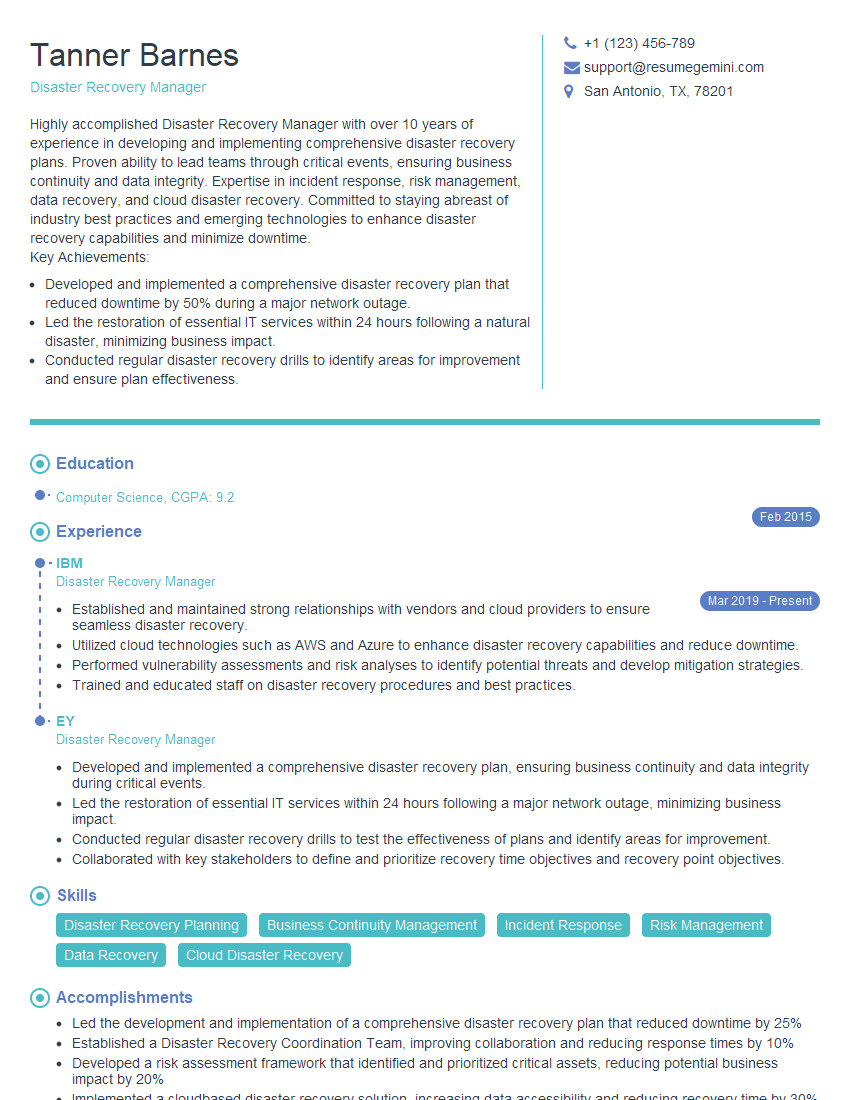
Mastering Evacuation and Relocation principles opens doors to rewarding careers in emergency management, humanitarian aid, and disaster recovery. A strong resume is crucial for showcasing your skills and experience to potential employers. Creating an ATS-friendly resume will significantly increase your chances of getting your application noticed. ResumeGemini is a trusted resource that can help you build a professional and impactful resume tailored to the Evacuation and Relocation field. Examples of resumes optimized for this sector are available to guide you. Invest the time to create a compelling document – it’s an investment in your future!
Explore more articles
Users Rating of Our Blogs
Share Your Experience
We value your feedback! Please rate our content and share your thoughts (optional).
What Readers Say About Our Blog
Very informative content, great job.
good