Cracking a skill-specific interview, like one for Excellent attention to detail and precision, requires understanding the nuances of the role. In this blog, we present the questions you’re most likely to encounter, along with insights into how to answer them effectively. Let’s ensure you’re ready to make a strong impression.
Questions Asked in Excellent attention to detail and precision Interview
Q 1. Describe a time you noticed a critical error others missed. How did you address it?
During a critical project involving the launch of a new software feature, my team overlooked a crucial data validation step. While reviewing the final code deployment checklist, I noticed that the input fields weren’t adequately sanitizing user inputs, leaving the system vulnerable to SQL injection attacks. My colleagues had focused on the functionality and aesthetics, missing this critical security aspect.
To address this, I immediately escalated the issue to the project lead, explaining the potential consequences in detail. I then provided a detailed report outlining the vulnerability, the necessary code modifications, and a testing plan to verify the fix. We implemented the solution prior to the official launch, preventing a significant security breach. This experience underscored the importance of thorough review across all aspects of a project, not just the immediately visible elements.
Q 2. How do you ensure accuracy in your work, especially under pressure?
Accuracy under pressure is paramount. My approach is multifaceted. First, I meticulously plan my tasks, breaking down large projects into smaller, manageable steps. This creates a sense of control and avoids overwhelming myself. Secondly, I utilize checklists and double-checking mechanisms. For example, when working with spreadsheets, I use formulas for cross-validation and visually inspect the data for inconsistencies. Thirdly, I prioritize sleep and manage stress levels effectively. Exhaustion significantly impairs focus and accuracy. Finally, if I encounter a complex problem, I will take a short break to clear my head before tackling it again, approaching it with fresh eyes.
Q 3. Explain your process for proofreading or reviewing documents.
My proofreading process is systematic. I begin by ensuring the document’s formatting is consistent—font styles, headings, margins, etc. This helps maintain visual clarity and reduces errors. Then, I review the document twice: once for overall content and flow, and again focusing specifically on grammar, spelling, punctuation, and stylistic consistency. I use a combination of automated tools (grammar and spell checkers) and manual review. For complex documents, I often use the ‘read-aloud’ feature to catch errors my eyes might miss. After each review, I carefully review my own corrections to ensure I haven’t introduced new problems. Finally, if time allows, I’ll have a colleague conduct a second review for a fresh perspective.
Q 4. What strategies do you use to maintain focus and avoid errors?
Maintaining focus and avoiding errors requires a combination of strategies. First, I create a quiet and organized workspace to minimize distractions. I minimize multitasking and prioritize one task at a time to prevent mental fatigue and reduce the likelihood of errors. I employ the Pomodoro Technique, working in focused bursts with short breaks to maintain concentration. Regular exercise and a healthy diet also contribute significantly to maintaining alertness and cognitive function. If I notice my focus waning, I take a short walk or engage in a brief mindfulness exercise to reset my attention.
Q 5. How do you handle conflicting information or data discrepancies?
Conflicting information requires a methodical approach. First, I identify the source of each piece of information. Then, I assess the credibility and reliability of each source. Factors like the source’s reputation, expertise, and potential biases are considered. I carefully compare the conflicting details, looking for discrepancies or inconsistencies. If the discrepancies are minor, I might choose the most reliable source. However, for significant conflicts, I’ll conduct further research to determine the most accurate information. If reconciliation is impossible, I would clearly document the conflict and its resolution strategy, explaining the rationale behind my choice in the final report or documentation.
Q 6. Describe a time you had to meticulously track many details simultaneously.
During a large-scale data migration project, I was responsible for meticulously tracking hundreds of data points across multiple databases and spreadsheets. The data included client information, product details, and order history. Each item needed to be validated and mapped to the new system accurately. I utilized a combination of tools: a detailed spreadsheet acting as a central control point, automated scripts to perform data validation checks, and a version control system to track changes. I created a detailed checklist and followed it rigorously for each step of the process. Regular backups and progress reports were crucial for maintaining clarity and controlling the complexity. This project highlighted the importance of methodical planning and the use of appropriate tools to manage large-scale detailed tasks.
Q 7. How do you prioritize tasks when faced with multiple deadlines?
Prioritizing tasks with multiple deadlines involves a structured approach. I start by listing all tasks with their associated deadlines. Then, I assess the urgency and importance of each task using a matrix (for example, Eisenhower Matrix—urgent/important). Tasks classified as urgent and important are prioritized first. I then break down larger tasks into smaller, more manageable components. This allows for better time estimation and facilitates progress tracking. I use project management tools to schedule tasks and visually represent my progress. Throughout the process, I regularly review my schedule and adjust priorities as needed to account for unexpected delays or changes.
Q 8. How do you organize your workflow to minimize errors?
My workflow prioritizes a structured approach to minimize errors. I employ a multi-stage process that involves meticulous planning, execution, and verification. Think of it like building a house – you wouldn’t start laying bricks without blueprints and a solid foundation.
- Planning: Before I begin any task, I thoroughly understand the requirements, break down the work into manageable steps, and create a checklist. This ensures I don’t miss any critical details.
- Execution: I focus intensely on each step, taking frequent breaks to maintain concentration and avoid fatigue. I use tools like timers (Pomodoro Technique) to manage my time effectively and prevent rushing, a major source of errors.
- Verification: After completing each step or a significant portion, I conduct a self-check against my checklist and initial plan. This iterative verification prevents small mistakes from accumulating into larger problems.
This systematic approach allows me to proactively identify and address potential issues early in the process, minimizing the need for extensive rework and ensuring a higher quality output.
Q 9. Give an example of how attention to detail prevented a significant problem.
During a data analysis project for a financial institution, I noticed a slight discrepancy in a spreadsheet – a seemingly insignificant difference in a single decimal point within a large dataset. While others might have overlooked it, my attention to detail prompted further investigation.
This seemingly minor error turned out to be a result of an incorrect formula in the original dataset. Had it gone unnoticed, it would have propagated throughout the analysis, potentially leading to millions of dollars in miscalculations for investment projections. By catching this subtle error, I prevented a significant financial loss and maintained the integrity of the data analysis.
Q 10. How do you use technology to improve accuracy and efficiency?
Technology is an indispensable tool for enhancing both accuracy and efficiency. I leverage several technologies to ensure precision and speed in my work.
- Spreadsheet Software (Excel, Google Sheets): I utilize advanced formulas, data validation, and conditional formatting to automate checks and reduce manual entry errors. For instance, data validation rules prevent incorrect data types from being entered into a spreadsheet.
- Programming Languages (Python, R): When dealing with large datasets, I use scripting languages to automate repetitive tasks, perform complex calculations, and generate reports. This reduces the chance of human error and speeds up the entire process.
#Example: Using Python to check for inconsistencies in a dataset - Version Control Systems (Git): I use Git to track changes, collaborate effectively with others, and easily revert to earlier versions if necessary. This is crucial for preventing accidental data loss or the introduction of errors during collaborative projects.
By strategically integrating these technologies into my workflow, I significantly improve the accuracy and efficiency of my work while reducing the overall risk of error.
Q 11. Describe a situation where you had to identify and correct a subtle error.
In a recent project involving the creation of a detailed technical report, I discovered a subtle error in a diagram illustrating a complex system. The error was a misplaced component that, while seemingly minor, could lead to misinterpretation of the system’s functionality.
The correction involved not just repositioning the component but also carefully reviewing the associated text to ensure complete consistency. It required a deep understanding of the system and meticulous attention to detail to ensure that the revised diagram was accurate and unambiguous. This highlights the importance of double-checking not only the visuals but also the accompanying text, particularly when dealing with complex information.
Q 12. How do you verify the accuracy of your work?
Verifying the accuracy of my work is an integral part of my process. I employ a multi-faceted approach to ensure the highest level of accuracy.
- Self-Review and Cross-Checking: I conduct thorough self-reviews, often revisiting my work after a break to ensure objectivity and identify overlooked errors. I cross-check data from multiple sources whenever possible to identify discrepancies.
- Peer Review: When working collaboratively, I actively participate in peer reviews, providing and receiving feedback to ensure accuracy and consistency across the entire project.
- Automated Checks: I leverage automated tools and software whenever possible to validate data, identify inconsistencies, and confirm calculations. This includes using software that performs data integrity checks and syntax validation.
- Double Entry: For crucial calculations or data entries, I employ the double-entry method to independently verify accuracy.
This combination of techniques ensures that my work meets the highest standards of precision and reliability.
Q 13. What measures do you take to prevent mistakes in your work?
Preventing mistakes is proactive, not reactive. My strategies center around minimizing human error and maximizing the reliability of processes.
- Clear Communication: I ensure I have a complete understanding of all requirements before beginning any task. This includes asking clarifying questions to avoid ambiguities and misunderstandings.
- Organized Workspace: I maintain a well-organized digital and physical workspace. This helps me track my progress, locate resources quickly, and prevents the loss of important information.
- Use of Templates and Checklists: To ensure consistency, I use pre-designed templates and checklists whenever possible. This guides my workflow and minimizes the chance of overlooking critical steps.
- Regular Breaks: I schedule regular breaks to prevent fatigue and maintain focus. A tired mind is more prone to errors.
By diligently employing these measures, I significantly reduce the possibility of errors and ensure that my work is consistently accurate and reliable.
Q 14. Have you ever had to work with highly detailed or complex data? How did you manage?
Yes, I have frequently worked with highly detailed and complex data, such as large financial datasets, intricate technical specifications, and extensive legal documents. My approach involves a structured methodology to effectively manage this complexity.
- Data Decomposition: I break down the data into smaller, more manageable chunks. This makes it easier to analyze, validate, and identify potential errors. Think of it like solving a large jigsaw puzzle – you tackle it section by section.
- Data Visualization: I create charts, graphs, and other visual representations to help identify patterns, trends, and anomalies within the data. This provides a much clearer picture than simply looking at raw data.
- Automation: I use scripting languages like Python or R to automate data cleaning, transformation, and analysis tasks. This increases efficiency and reduces the chance of manual errors.
- Version Control: Maintaining thorough version control helps keep track of changes, allows for easy rollback to previous versions if necessary, and facilitates collaboration in team settings.
By strategically using these methods, I can handle extremely detailed and complex information efficiently and accurately, minimizing the chance of errors and maximizing the value extracted from the data.
Q 15. How do you handle feedback that highlights errors in your work?
Receiving feedback highlighting errors is an invaluable opportunity for growth. My approach is always professional and proactive. First, I thank the person providing the feedback for their diligence and attention to detail. Then, I carefully review the feedback, meticulously comparing it to my original work and the underlying data or specifications. I systematically analyze the discrepancy, pinpointing the exact cause of the error. This might involve reviewing my calculations, checking my source materials for inconsistencies, or re-examining my process for any flaws in logic or methodology. Once I understand the root cause, I implement the necessary corrections, documenting all changes made and ensuring complete resolution of the issue. Finally, I communicate my corrective actions clearly, outlining the steps taken and confirming the accuracy of the revised work. For example, if I’ve miscalculated a financial projection, I will not only correct the calculation but also explain my mistake in a way that prevents it from happening again.
Career Expert Tips:
- Ace those interviews! Prepare effectively by reviewing the Top 50 Most Common Interview Questions on ResumeGemini.
- Navigate your job search with confidence! Explore a wide range of Career Tips on ResumeGemini. Learn about common challenges and recommendations to overcome them.
- Craft the perfect resume! Master the Art of Resume Writing with ResumeGemini’s guide. Showcase your unique qualifications and achievements effectively.
- Don’t miss out on holiday savings! Build your dream resume with ResumeGemini’s ATS optimized templates.
Q 16. How do you stay motivated when working on detail-intensive tasks?
Maintaining motivation on detail-intensive tasks requires a strategic approach. I break down large projects into smaller, manageable milestones. This allows me to celebrate small victories along the way, which significantly boosts morale. I also prioritize tasks based on urgency and importance using methods like Eisenhower Matrix (urgent/important). This helps me focus my energy effectively and avoid feeling overwhelmed. Visual aids like progress charts or checklists help track accomplishments and provide a sense of progress. Further, I incorporate short breaks into my workflow to prevent burnout. These breaks might involve a brief walk, some stretching, or simply stepping away from the screen. I also ensure the workspace is conducive to focus—ergonomic and comfortable. Finally, I remind myself of the project’s larger purpose and its positive impact, reinforcing the value of my meticulous efforts.
Q 17. Describe your approach to double-checking your work for accuracy.
My approach to double-checking my work is multifaceted. It begins with a review of the entire process, confirming that all steps have been followed correctly. This often involves referring back to my checklists or documentation. Then, I conduct a detailed line-by-line verification, cross-checking data against multiple sources whenever possible. For example, if I’m analyzing financial data, I’ll check it against multiple reports and databases. Numerical calculations are verified using different methods or software. I also utilize peer review whenever feasible—having a fresh pair of eyes can often catch errors I might miss. Finally, if the task permits, I employ automated checks—like spell checkers, grammar tools, or validation scripts—to identify any inconsistencies or errors. This layered approach, combining manual review with automated checks and peer reviews, dramatically minimizes errors.
Q 18. What are your strategies for staying organized and focused on complex projects?
Staying organized and focused on complex projects necessitates a robust system. I begin by creating a detailed project plan, breaking down the project into smaller, manageable tasks with clearly defined deadlines. I use project management tools, such as Trello or Asana, to visually track progress, assign tasks, and maintain a central repository of all relevant documents and information. I prioritize tasks based on their dependencies and criticality. I utilize time management techniques like the Pomodoro Technique to maintain focus during work sessions, alternating periods of intense concentration with short breaks. Regularly reviewing my project plan and adjusting it as needed ensures I remain on track. Finally, maintaining clear communication with my team, if applicable, is crucial to ensure everyone is aligned and informed of any changes or updates.
Q 19. How do you ensure consistency in your work product?
Consistency in my work product is achieved through a combination of standardized processes and meticulous attention to detail. I develop and follow detailed style guides and templates for all deliverables, ensuring uniformity in formatting, terminology, and presentation. I use pre-defined templates for documents and spreadsheets to maintain consistency. For example, I’d have a template for client reports that ensures consistent section headings, font sizes, and formatting. This reduces variations in the final output. I also make use of automated tools to check for inconsistencies, such as grammar and spell checkers, or customized scripts to validate data formats. Regular self-reviews of completed work help identify areas for improvement in consistency and refine my processes further.
Q 20. How do you handle interruptions that disrupt your focus?
Interruptions are inevitable, but I have strategies to minimize their impact. I communicate my need for focused work periods to colleagues, setting clear expectations. I use notification management tools to minimize distractions from emails, messages, and other apps. When interruptions do occur, I quickly jot down my current task and context to easily resume my work. I schedule specific times for responding to emails and messages rather than reacting instantly to every notification. I also utilize noise-canceling headphones or find a quiet workspace to limit external disruptions. By planning for interruptions and implementing strategies to mitigate their effect, I can maintain productivity and avoid significant delays in my workflow.
Q 21. Can you describe a situation where you had to troubleshoot a complex issue requiring close attention to detail?
In a previous role, we encountered a critical issue where a large dataset used for forecasting had inconsistencies. Initial reports showed significant discrepancies between expected and actual results. My investigation started with verifying the data sources, meticulously checking the accuracy of the data extraction and transformation processes. I discovered inconsistencies in data formatting, specifically missing decimal points in a subset of the data. This seemingly minor detail significantly impacted the overall accuracy of the forecasts. I developed a custom script to identify and correct the formatting errors, documenting each correction and its rationale. Then I re-ran the forecasting model, resulting in a significant improvement in accuracy and reliability. This case highlighted the importance of rigorous data validation and my ability to systematically identify and resolve complex issues requiring a keen eye for detail.
Q 22. How do you balance speed and accuracy in your work?
Balancing speed and accuracy is a crucial skill, particularly in detail-oriented roles. It’s not about choosing one over the other; instead, it’s about finding the optimal workflow that integrates both. Think of it like a tightrope walk – maintaining equilibrium between two vital elements.
My approach involves a few key strategies:
- Prioritization and Planning: I carefully analyze tasks, breaking them down into smaller, manageable steps. This allows for focused attention and reduces the chance of errors.
- Process Optimization: I constantly look for ways to streamline my workflows, eliminating redundant steps and leveraging tools to improve efficiency. For example, using keyboard shortcuts instead of a mouse, or automating repetitive processes.
- Quality Checks at Each Stage: I implement regular checks during each stage of a task, rather than only at the end. This early detection minimizes the cost and time required for corrections. This is far more efficient than catching errors much later in the process.
- Timeboxing: Allocating specific time blocks to tasks helps maintain focus and prevents rushing. Even short breaks help avoid mental fatigue, which frequently leads to errors.
For example, when reviewing a lengthy document, I might focus on a section at a time, ensuring complete accuracy before moving on. This segmented approach helps me maintain both speed and accuracy, preventing overwhelm and errors due to fatigue.
Q 23. What are your preferred tools or techniques for ensuring data accuracy?
Ensuring data accuracy is paramount in my work. I employ a multi-faceted approach involving both technological and procedural methods:
- Data Validation Techniques: I utilize techniques like cross-referencing data from multiple sources, performing checksum calculations, and implementing data constraints (e.g., ensuring a field only accepts numerical input).
- Spreadsheet & Database Functions: I’m proficient in using spreadsheet software (like Excel) and database systems (like SQL) to perform data cleaning, transformation, and validation. Functions like
VLOOKUP,COUNTIF, and data integrity constraints are invaluable tools. - Version Control: Keeping track of changes and having the ability to revert to previous versions is vital. Using version control systems (like Git, though not strictly for spreadsheets, the concept applies) for data files allows for tracking modifications and easy rollback if necessary.
- Regular Backups: This is self-explanatory but crucial. Regular, automated backups protect against data loss, a disaster that could derail even the most carefully crafted workflow.
- Double-checking and Peer Review: When feasible, I utilize peer review – another set of eyes checking for inconsistencies or errors I might have overlooked. It’s a powerful technique, and a second perspective can often reveal subtle mistakes.
Q 24. How do you manage your time when working on multiple tasks requiring high levels of precision?
Managing multiple high-precision tasks requires a structured and organized approach. I use a combination of techniques:
- Prioritization Matrix: I use a prioritization matrix (like Eisenhower Matrix – Urgent/Important) to identify which tasks demand immediate attention and which can be scheduled later. This prevents me from getting bogged down in less critical tasks at the expense of more important, time-sensitive ones.
- Time Blocking: I allocate specific time blocks for each task, based on its complexity and urgency. This structured approach prevents task switching and enhances focus.
- Task Management Software: I use task management software (like Trello or Asana) to track progress, set deadlines, and collaborate with others if needed. This provides a clear overview of my workload and helps prevent overlooking deadlines.
- Regular Breaks: Short, planned breaks are crucial for maintaining focus and preventing burnout. Taking regular breaks prevents errors caused by fatigue.
- Delegation: When appropriate, delegating tasks to others can free up time and resources, allowing me to focus on the most critical aspects requiring my specific expertise.
For instance, if I have a complex data analysis task alongside a document review, I might allocate a morning block for data analysis and an afternoon block for the review, switching only after completing the scheduled block. This prevents context switching, which can significantly decrease efficiency and increase the probability of errors.
Q 25. Describe your experience using spreadsheets or databases for data analysis; how do you maintain accuracy?
I have extensive experience using spreadsheets (Excel, Google Sheets) and databases (SQL, MySQL) for data analysis. Accuracy is maintained through a combination of techniques:
- Data Cleaning: Before analysis, I thoroughly clean the data, removing duplicates, handling missing values, and correcting inconsistencies. This is a fundamental step ensuring reliable results.
- Formula Auditing: In spreadsheets, I use formula auditing tools to check for errors in calculations and ensure formulas are correctly referencing cells. Understanding how formulas work is absolutely critical.
- Data Validation Rules: Implementing data validation rules in spreadsheets or database constraints helps prevent invalid data entry, a common source of errors.
- Query Optimization: In databases, I optimize SQL queries to ensure efficient data retrieval and avoid errors related to data inconsistency or corruption.
- Cross-referencing & Verification: I always cross-reference results from different analyses or data sources to ensure consistency and identify potential discrepancies. This adds another layer of verification.
For example, when using SUMIF or VLOOKUP functions in Excel, I will thoroughly check the formula’s logic and the referenced ranges to ensure accuracy. If working with a database, I’ll use SELECT statements with WHERE clauses to refine data retrieval and reduce errors.
Q 26. How do you approach problem-solving when dealing with ambiguous or incomplete information?
Dealing with ambiguous or incomplete information requires a methodical approach. My strategy involves:
- Information Gathering: I begin by actively seeking additional information from all available sources. This may involve researching relevant documents, consulting with colleagues, or seeking clarification from stakeholders.
- Assumption Documentation: If complete information isn’t available, I clearly document any assumptions made and their potential impact on the outcome. Transparency in this aspect is crucial.
- Scenario Planning: I develop multiple scenarios based on different interpretations of the incomplete information. This allows me to assess the potential range of outcomes and their implications.
- Sensitivity Analysis: Where numerical data is involved, I conduct a sensitivity analysis to determine how the results change with variations in the assumptions. This helps to understand the uncertainty associated with incomplete information.
- Risk Assessment: I assess the risks associated with the decisions based on the incomplete information and outline mitigation strategies to reduce these risks.
For example, if I’m analyzing sales data with missing values, I would document the number and percentage of missing data, explore potential reasons for the missing data, and employ appropriate imputation techniques (like mean/median imputation or more sophisticated methods) while clearly documenting these steps.
Q 27. Explain your understanding of quality control and how it relates to attention to detail.
Quality control (QC) is a systematic process to ensure that a product or service meets specified requirements and quality standards. Attention to detail is an essential component of effective quality control. It’s impossible to have robust quality control without paying meticulous attention to detail.
The relationship is synergistic: Attention to detail identifies potential defects early, preventing them from escalating into larger problems. QC processes provide a framework for systematically identifying and addressing these details. It’s the difference between a casual review and a structured, methodical approach to validation.
In my work, quality control involves:
- Defining Clear Standards: Establishing clear, measurable quality standards for each task before starting work.
- Regular Checks and Audits: Performing regular checks and audits at various stages to identify and correct errors promptly.
- Documentation and Traceability: Maintaining thorough documentation to track changes and ensure traceability of work, facilitating easier debugging and identification of errors.
- Continuous Improvement: Constantly reviewing processes and procedures to identify areas for improvement and refine the quality control system.
Q 28. How do you adapt your approach to attention to detail depending on the task’s complexity?
My approach to attention to detail adapts based on the task’s complexity. It’s not a one-size-fits-all approach.
- Simple Tasks: For simple tasks, a quick review and self-check are often sufficient. The focus is on efficiency and ensuring the task is completed correctly without excessive time spent on minute details.
- Complex Tasks: For complex tasks, a more structured approach is necessary. This might involve creating checklists, using templates, implementing multiple review stages, and involving peer reviews or quality control checks. The more critical the task, the more rigorous the attention to detail becomes.
- High-Risk Tasks: For tasks with high potential consequences, the level of detail is significantly amplified. Multiple layers of verification, including peer reviews, independent audits, and potentially even formal testing, may be necessary to ensure complete accuracy and minimize risk.
The key is to understand the risk and consequence associated with the task and adjust the level of detail accordingly. It’s about proportionality – balancing the effort required with the potential negative impact of errors. A simple typo in an email has different consequences than an error in a financial calculation, requiring a vastly different approach to scrutiny.
Key Topics to Learn for Excellent Attention to Detail and Precision Interviews
- Understanding the Concept: Define what “excellent attention to detail and precision” means in the context of your target role. Consider how it translates into specific tasks and responsibilities.
- Practical Application: Think of examples from your past experiences where you demonstrated exceptional attention to detail. Prepare to articulate how your actions prevented errors, improved quality, or yielded positive results. Quantify your achievements whenever possible.
- Error Detection and Prevention: Explore strategies for proactively identifying potential errors. Discuss methods you employ to review your work thoroughly and implement quality control checks.
- Process Improvement: Discuss instances where you identified inefficiencies or areas for improvement in a process and implemented solutions that enhanced accuracy and precision.
- Data Analysis and Interpretation: Explain how you approach data analysis, ensuring accuracy and precision in your interpretations and conclusions. Highlight your ability to identify discrepancies and inconsistencies.
- Communication & Collaboration: Describe how your attention to detail influences your communication, ensuring clarity and accuracy in conveying information to colleagues and stakeholders.
- Problem-Solving Methodology: Detail your systematic approach to problem-solving, emphasizing how precision and attention to detail are integral to your methodology.
Next Steps
Mastering excellent attention to detail and precision is crucial for career advancement. It demonstrates reliability, competence, and a commitment to quality—highly valued attributes in any profession. To significantly boost your job prospects, create an ATS-friendly resume that showcases these skills effectively. ResumeGemini is a trusted resource to help you build a professional and impactful resume that highlights your strengths. We provide examples of resumes tailored to demonstrate excellent attention to detail and precision to guide you. Use ResumeGemini to craft a resume that captures the attention of recruiters and increases your chances of landing your dream job.

Operations Manager Resume Sample
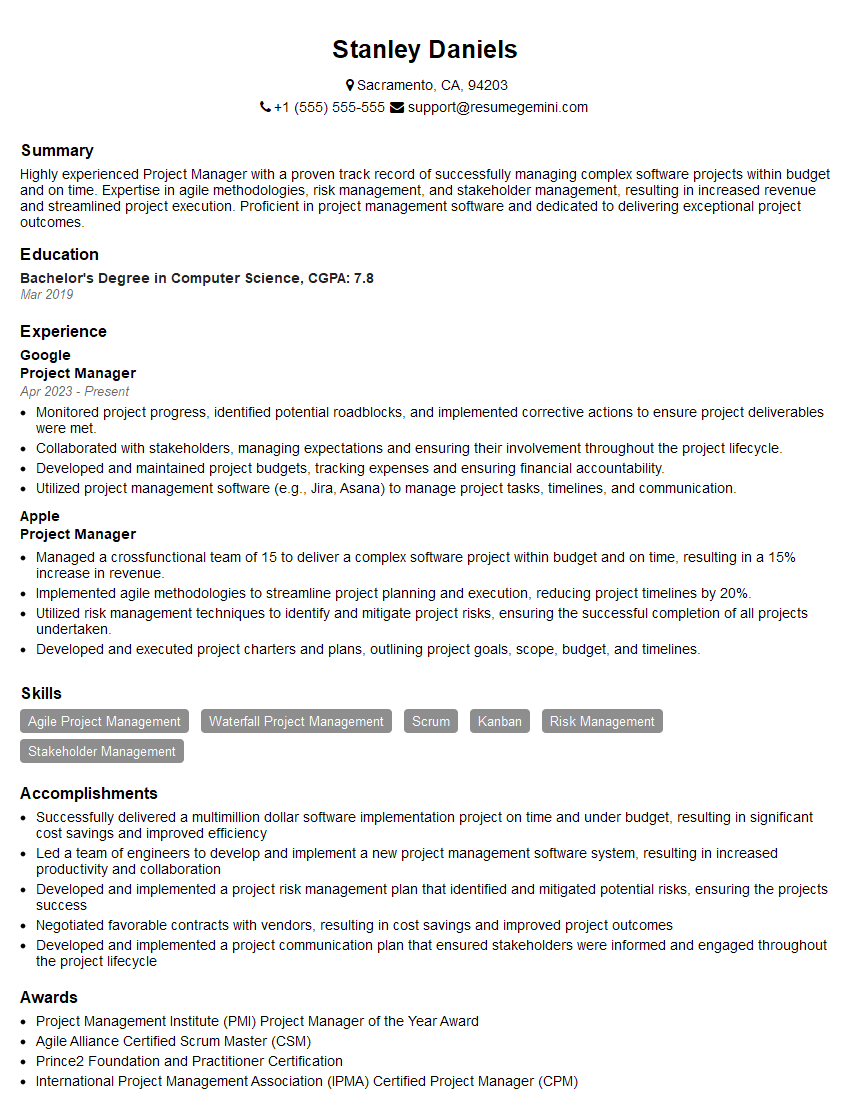
Project Manager Resume Sample

Compliance Officer Resume Sample
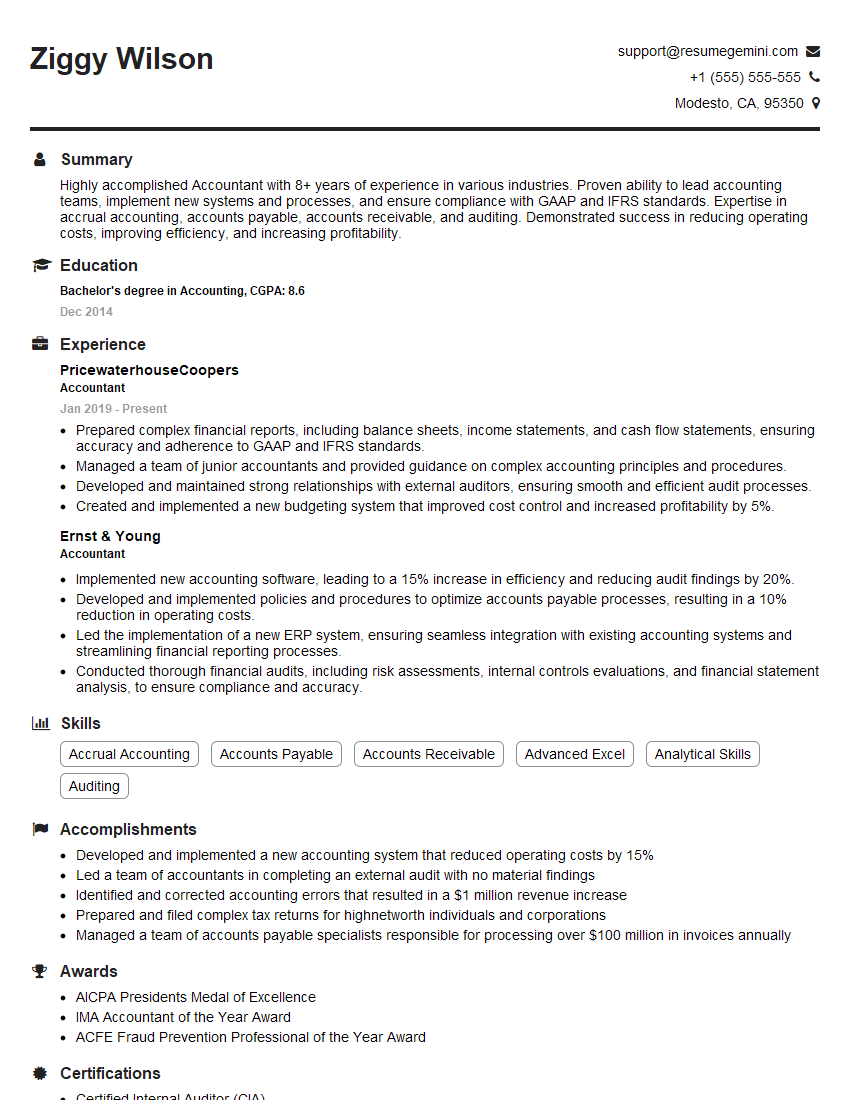
Accountant Resume Sample
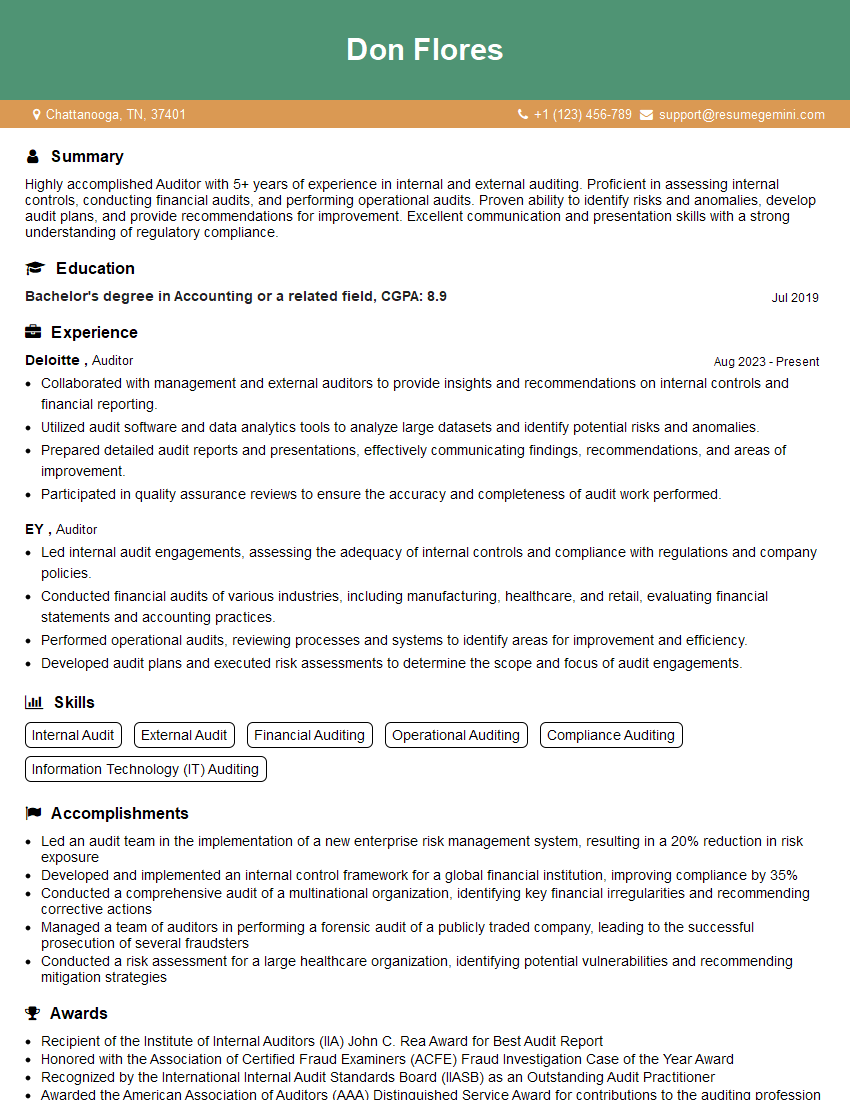
Auditor Resume Sample
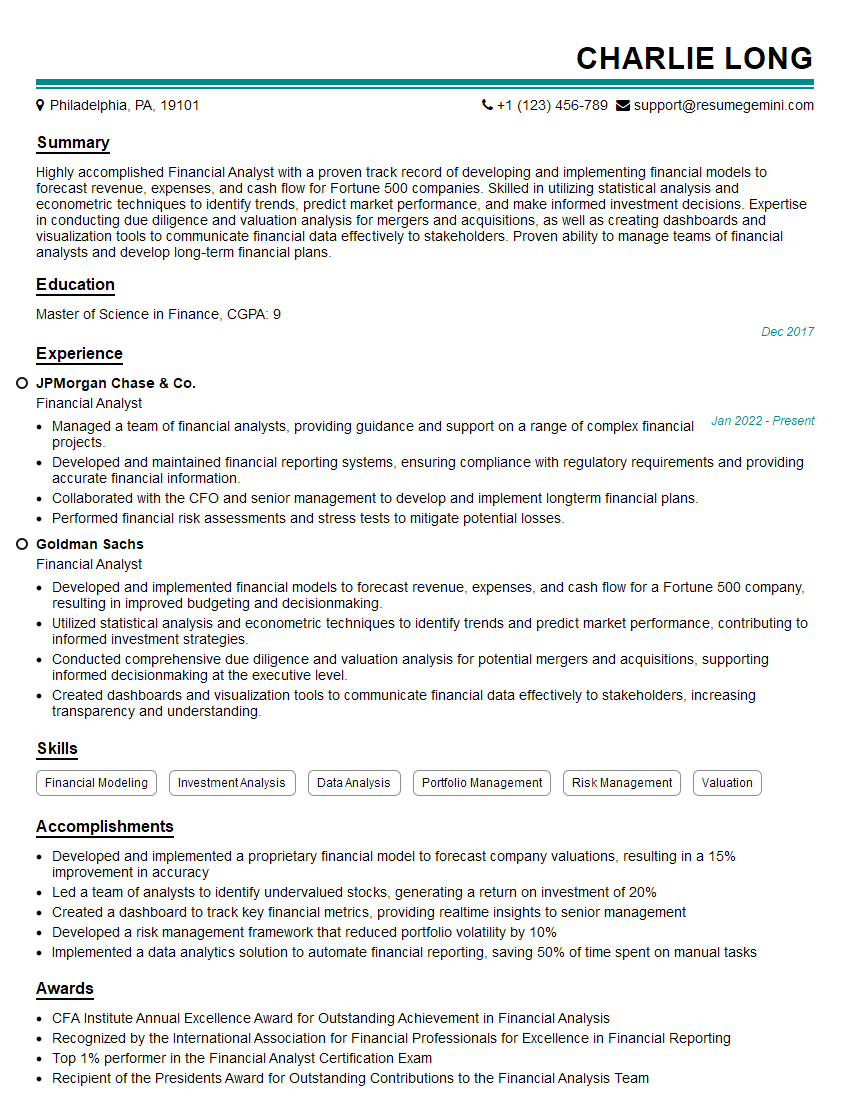
Financial Analyst Resume Sample
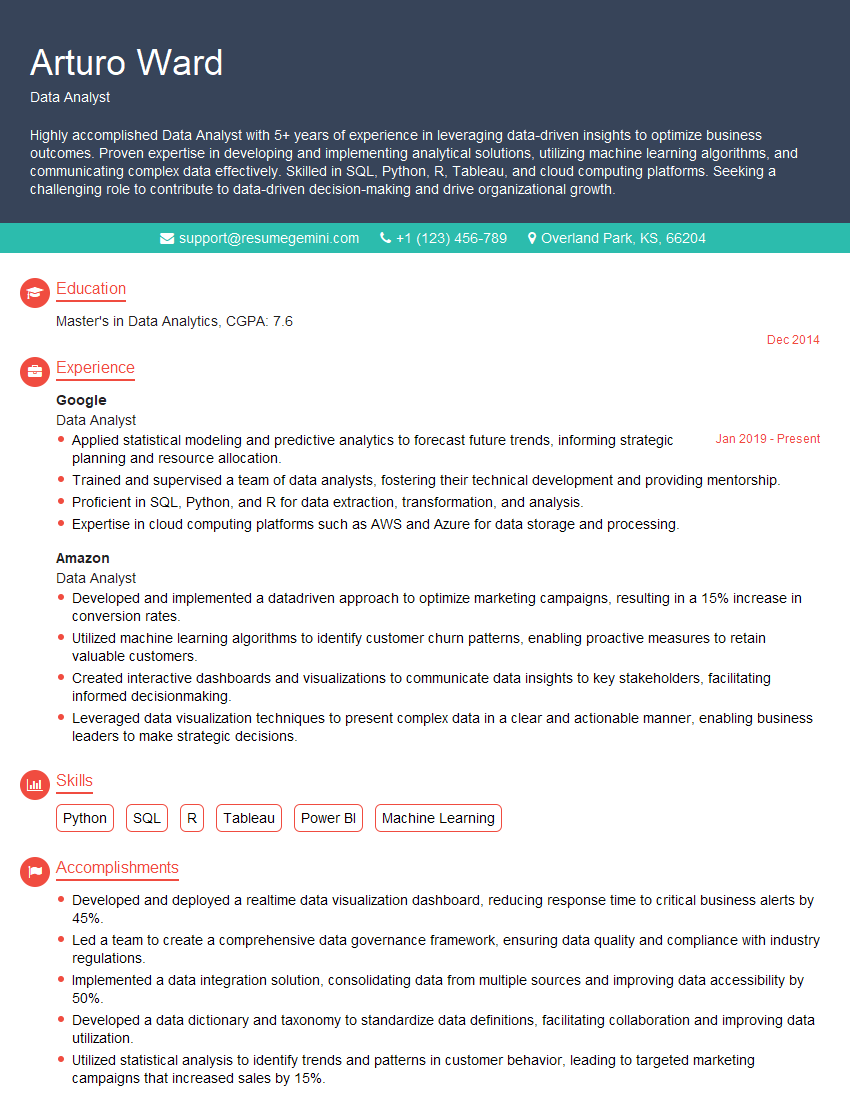
Data Analyst Resume Sample
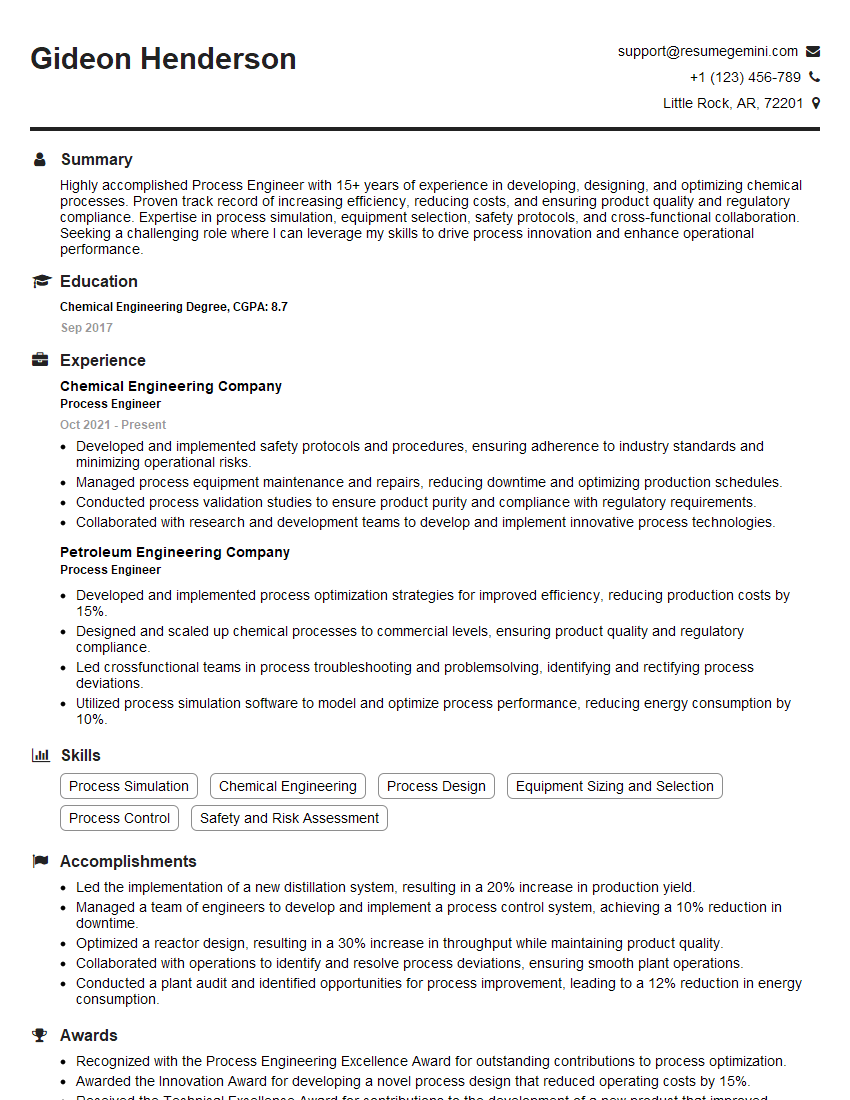
Process Engineer Resume Sample
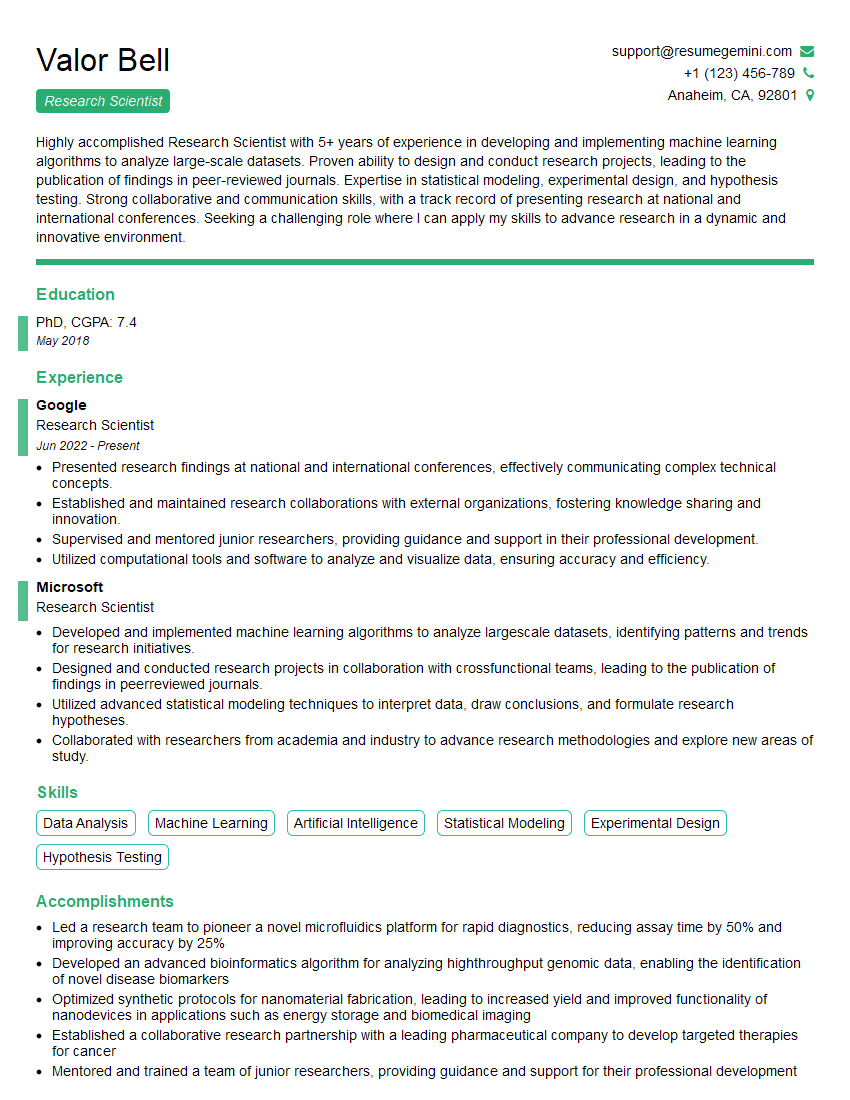
Research Scientist Resume Sample
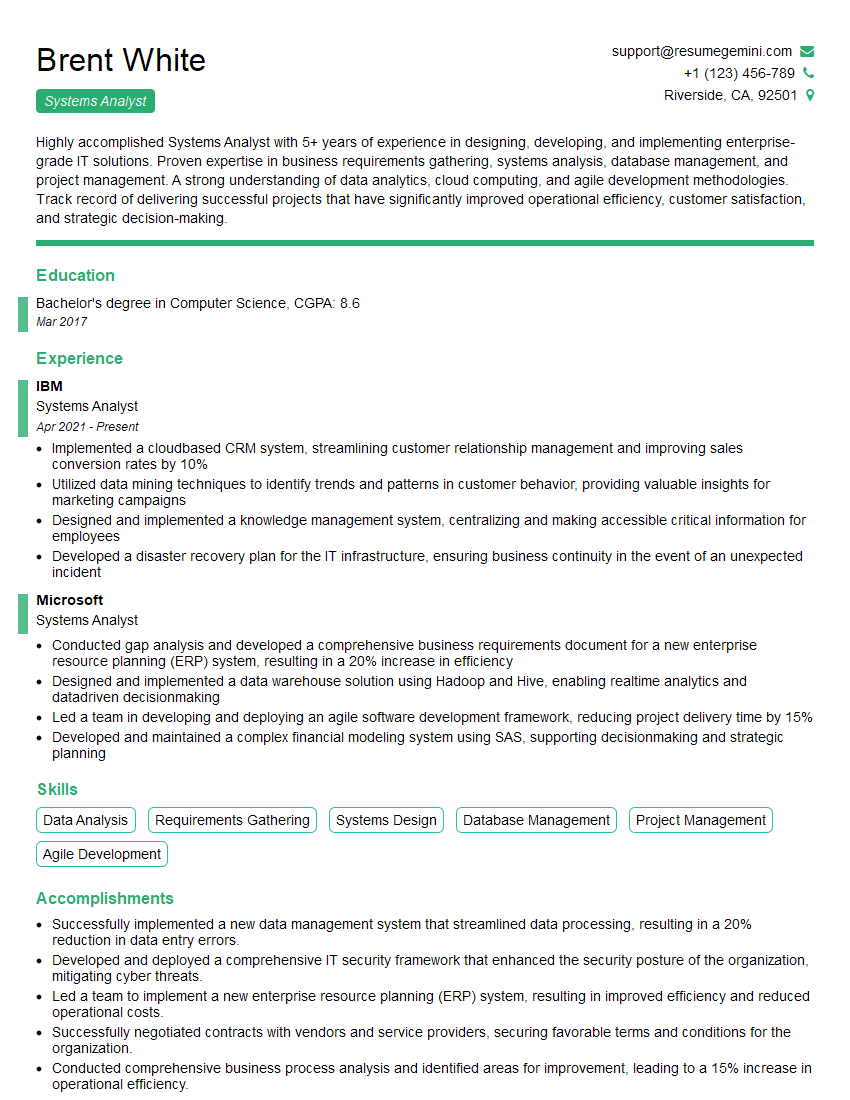
Systems Analyst Resume Sample

Software Tester Resume Sample
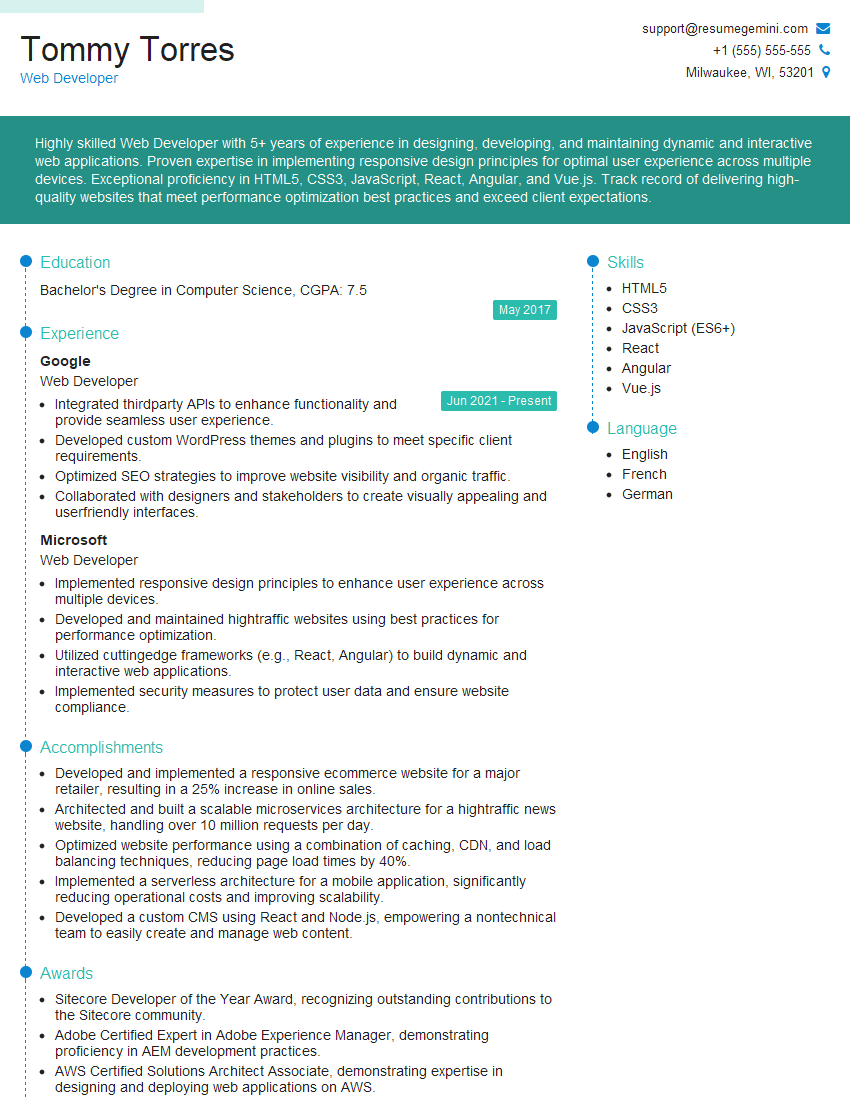
Web Developer Resume Sample
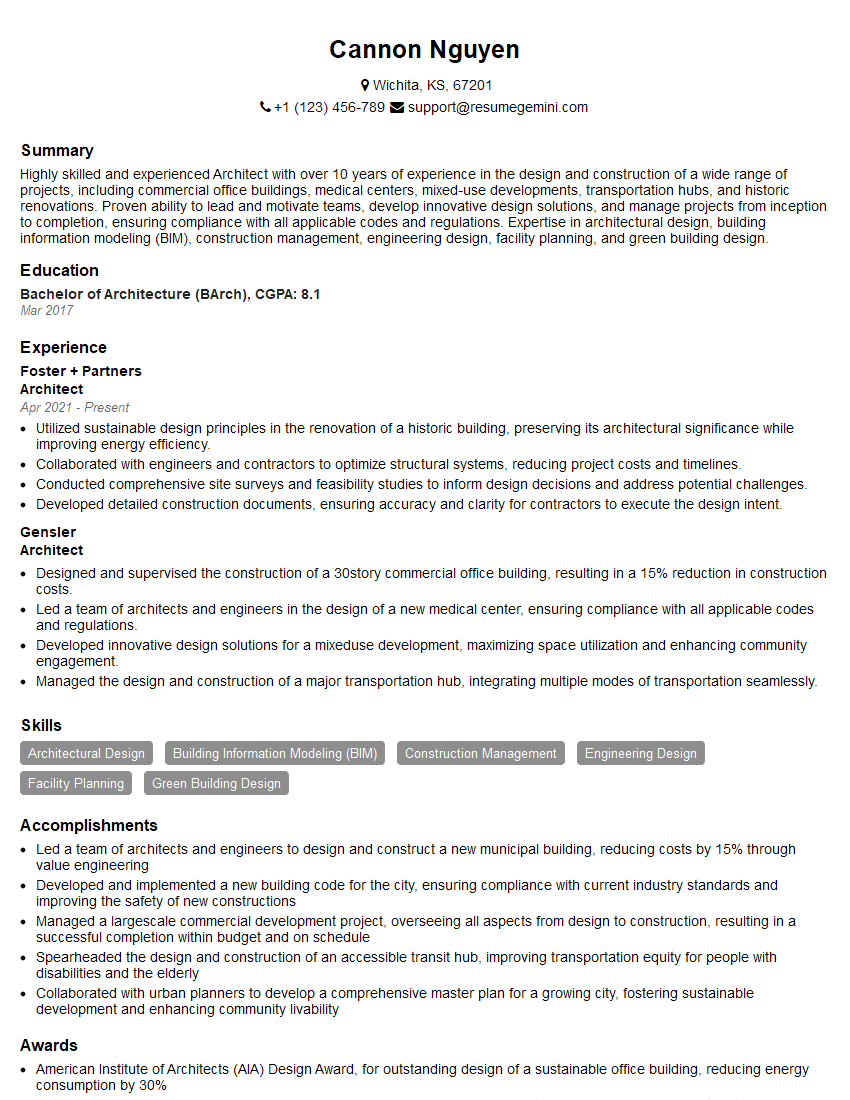
Architect Resume Sample
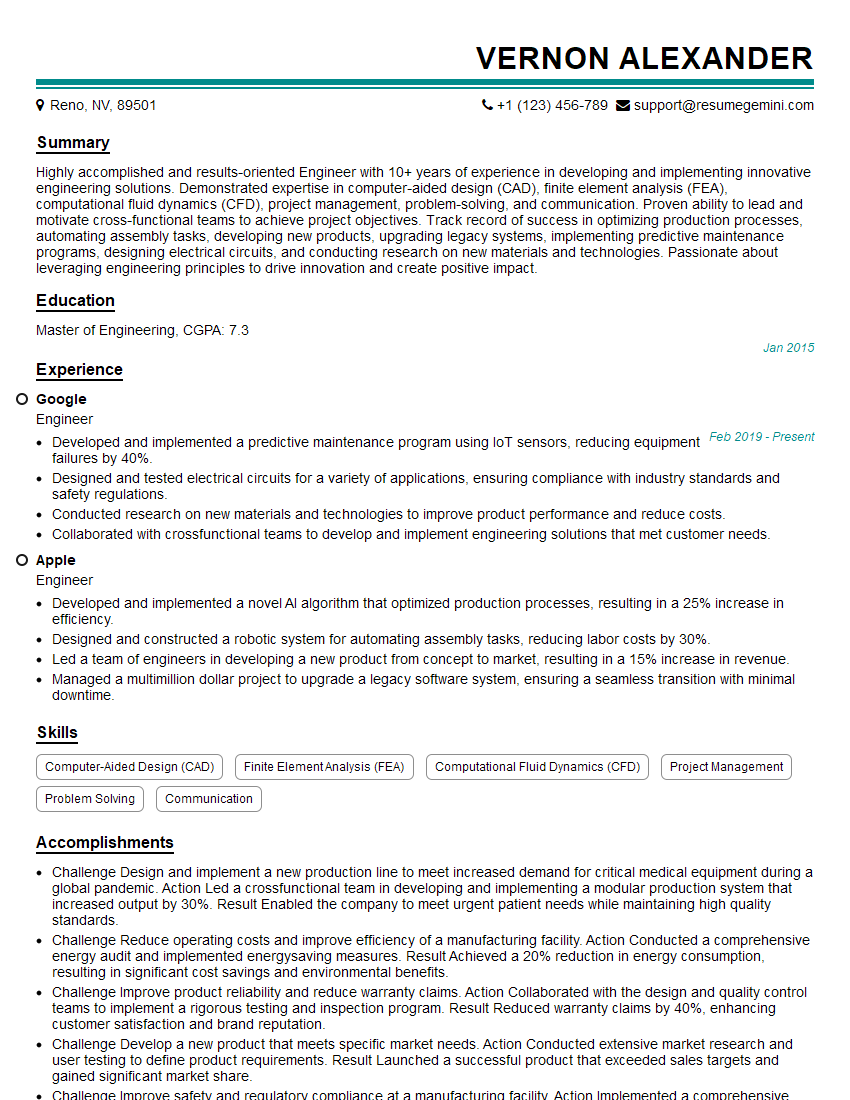
Engineer Resume Sample
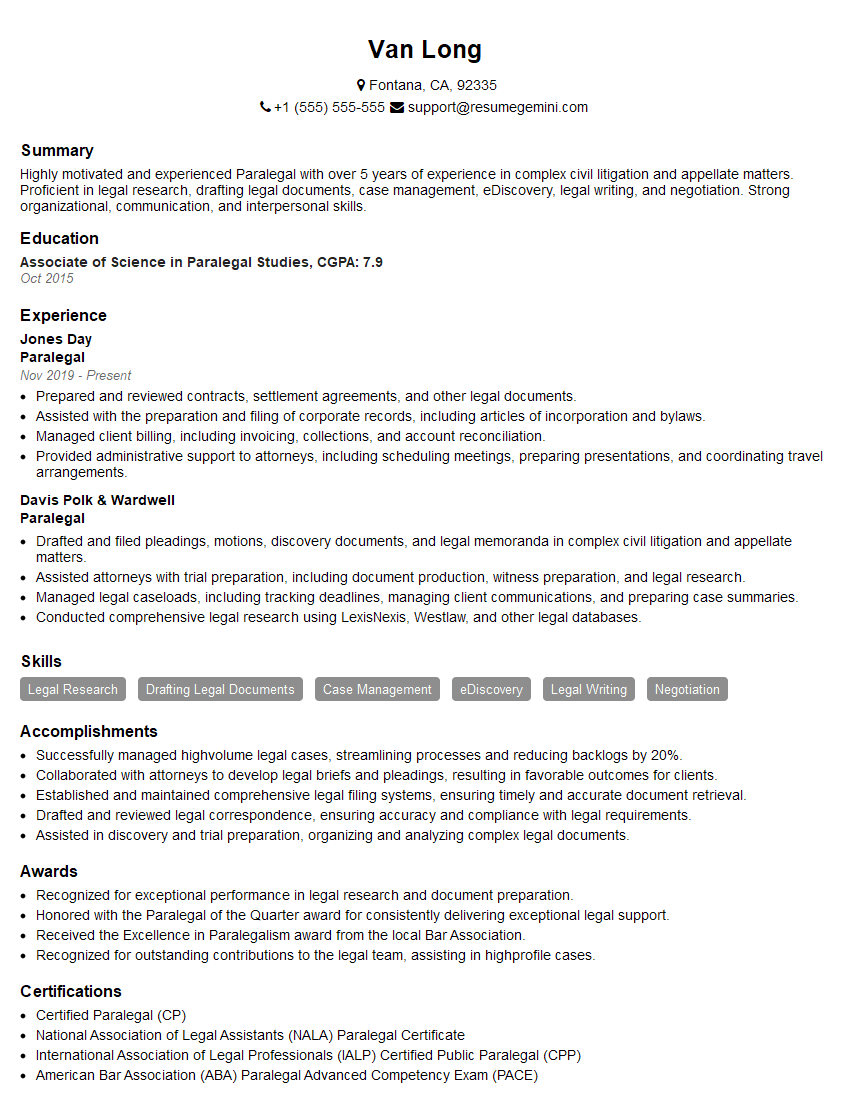
Paralegal Resume Sample
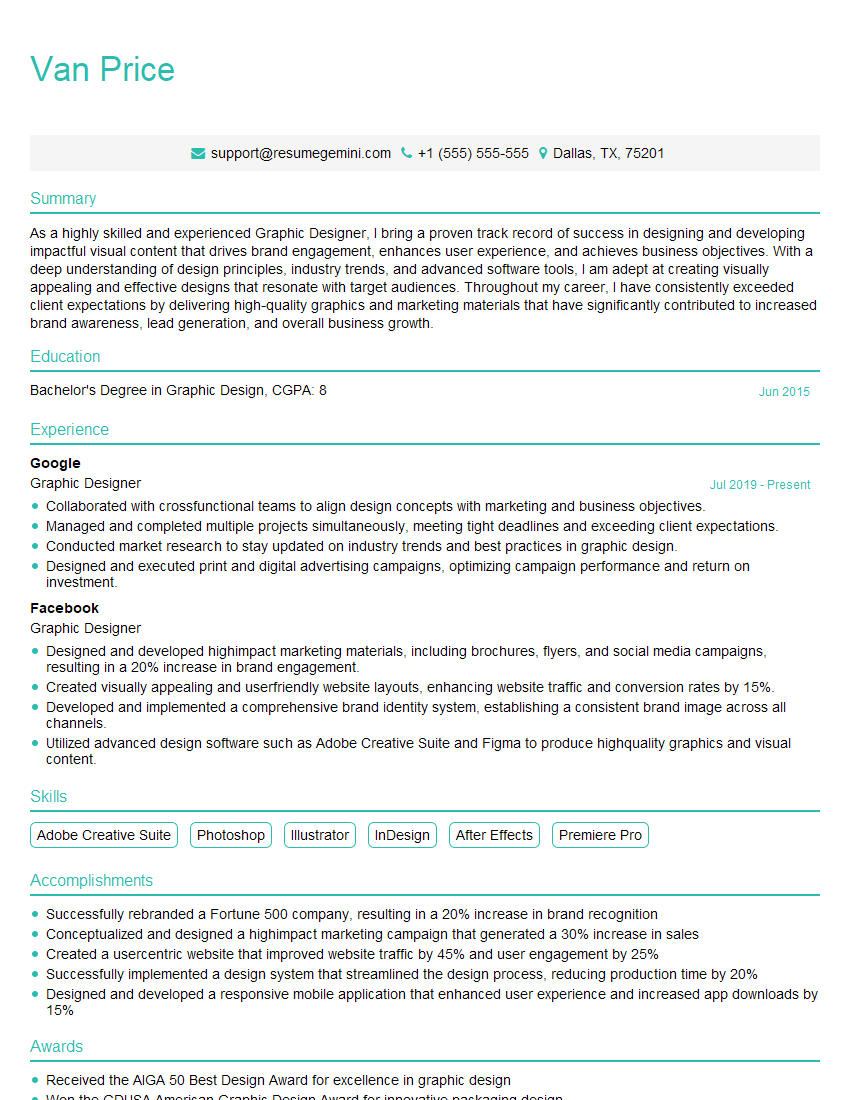
Graphic Designer Resume Sample
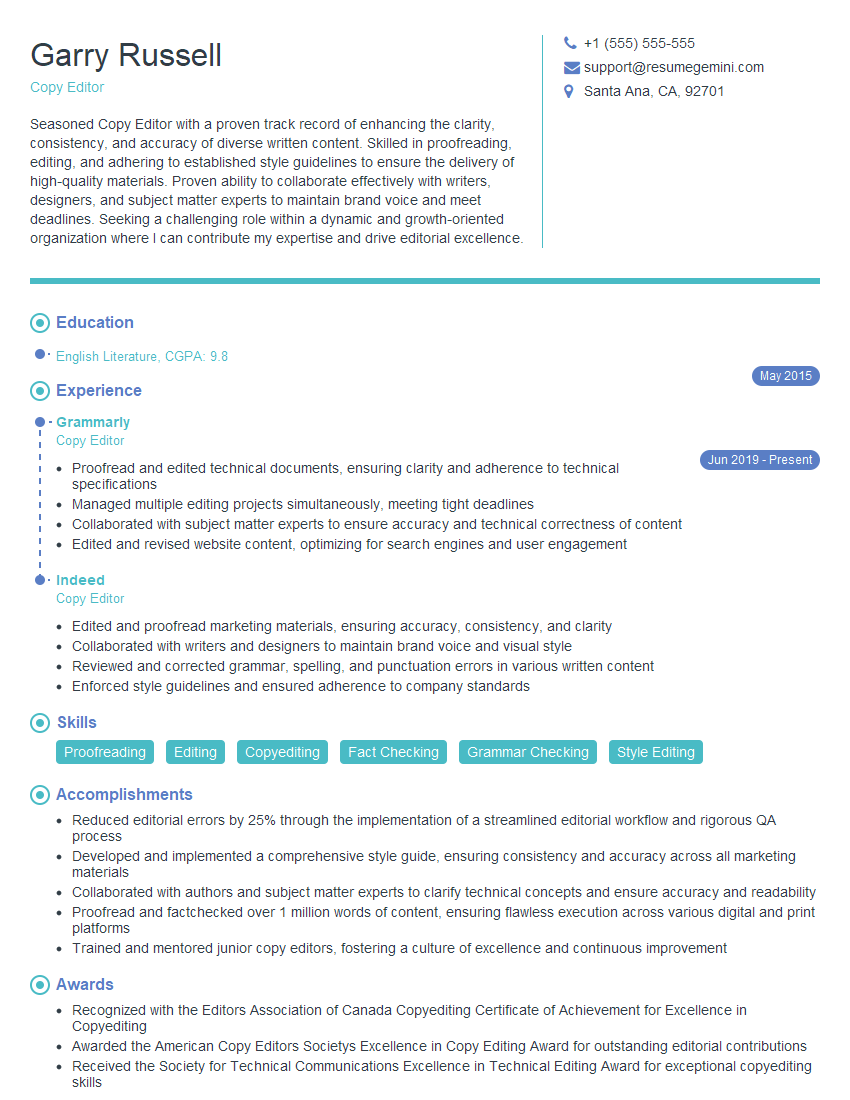
Copy Editor Resume Sample
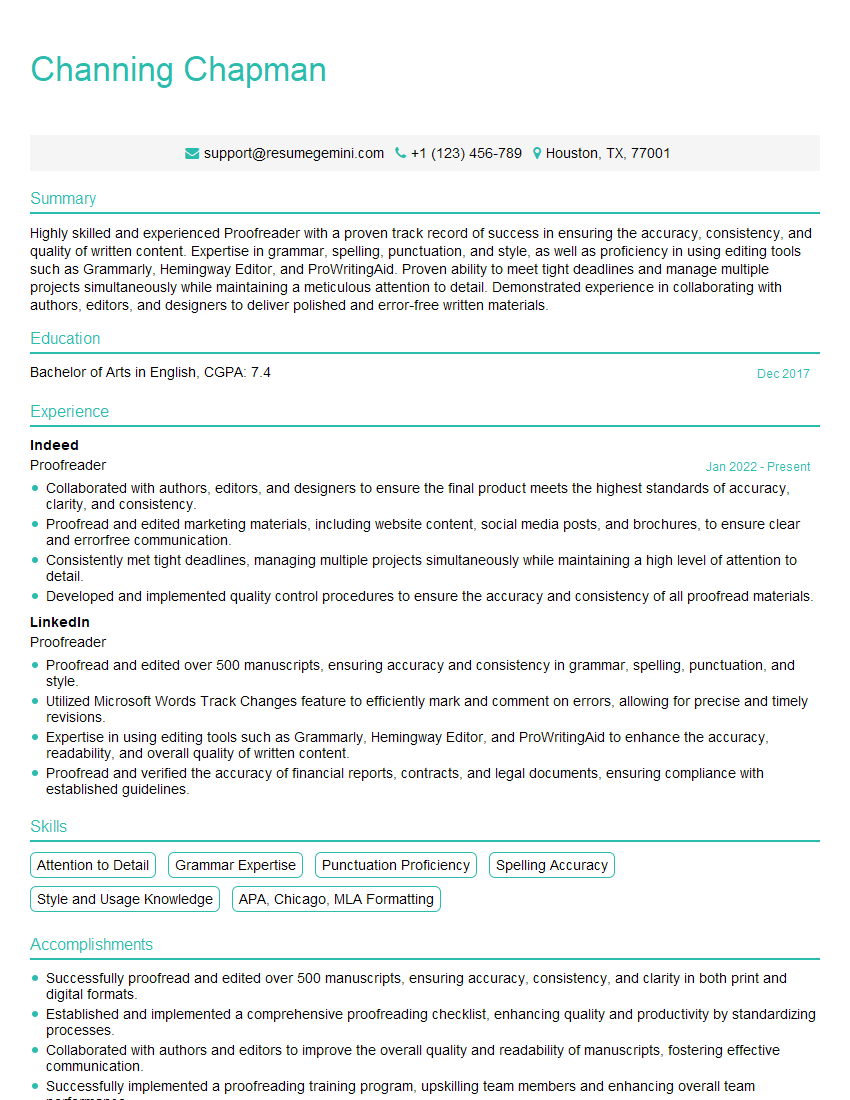
Proofreader Resume Sample

Technical Writer Resume Sample
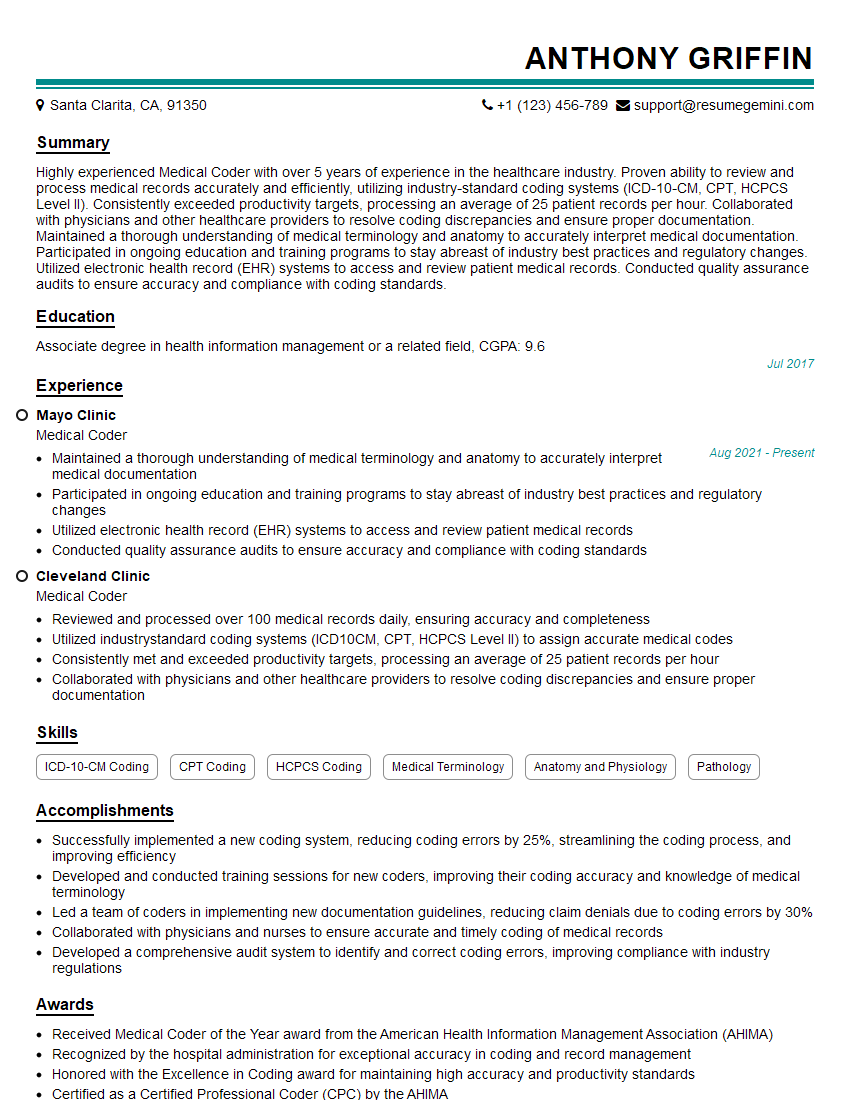
Medical Coder Resume Sample
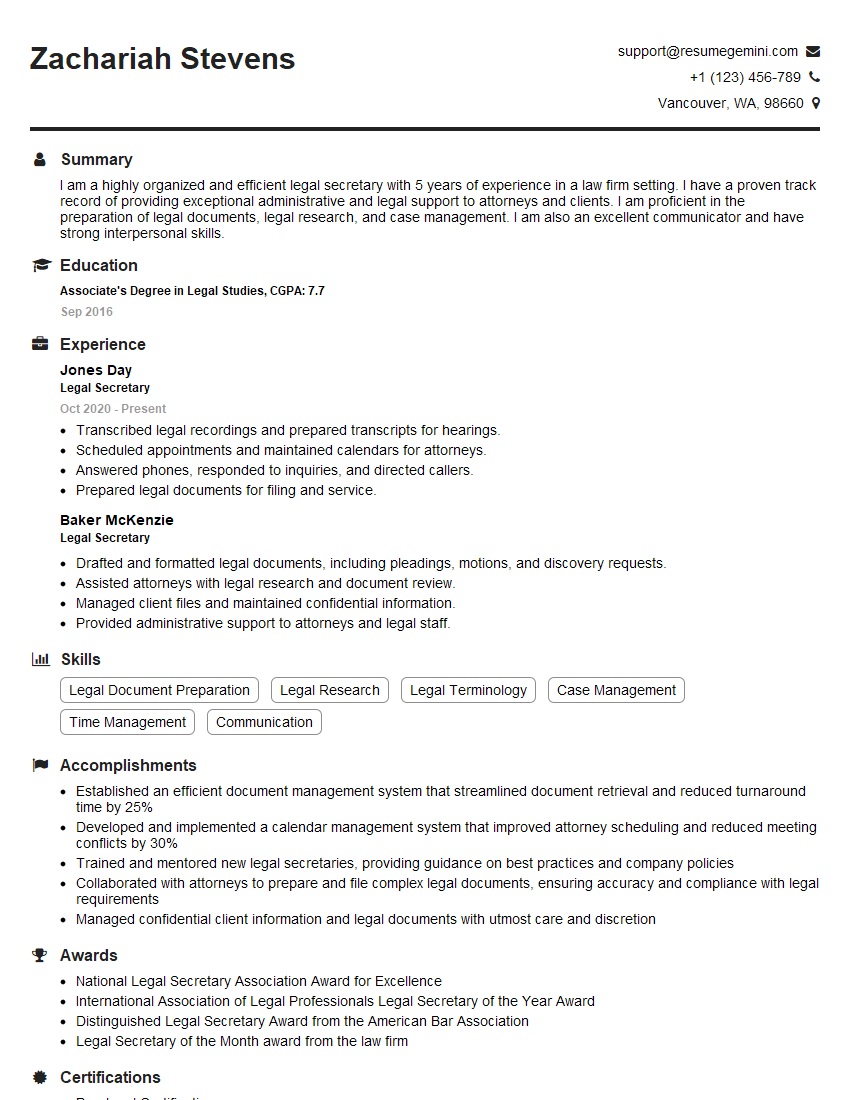
Legal Secretary Resume Sample
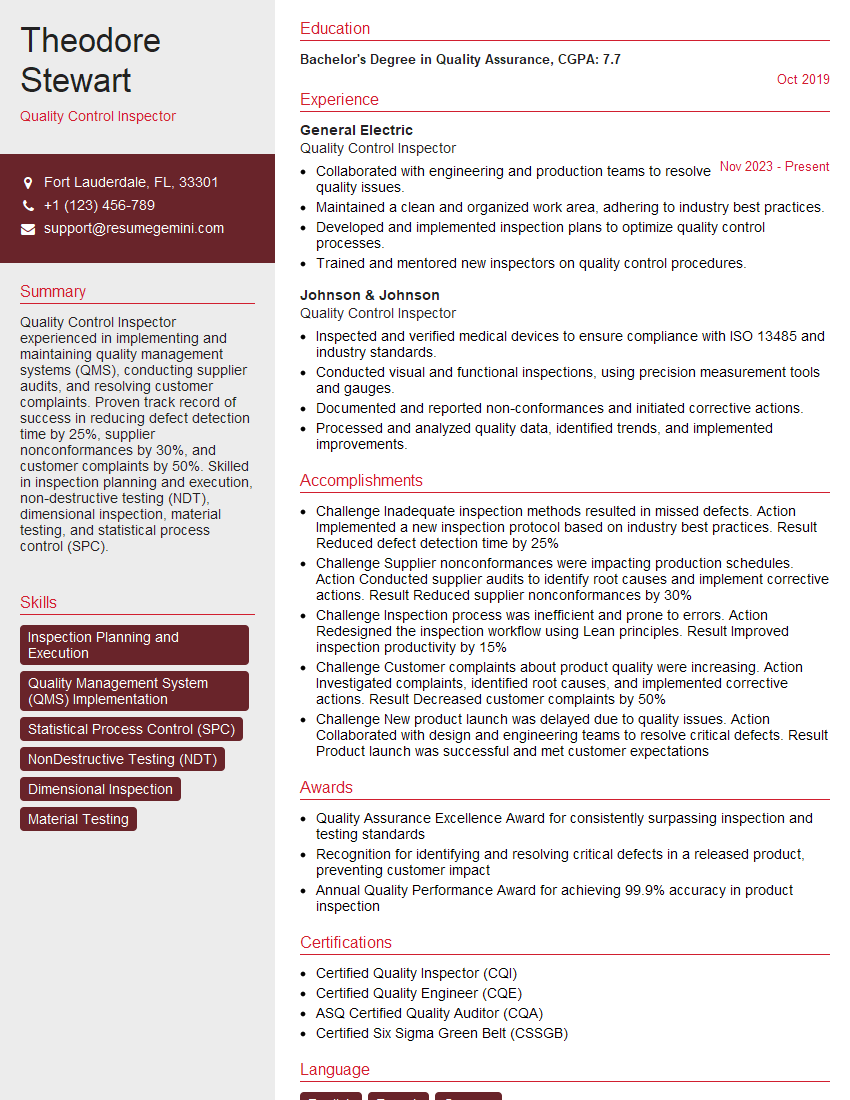
Quality Control Inspector Resume Sample
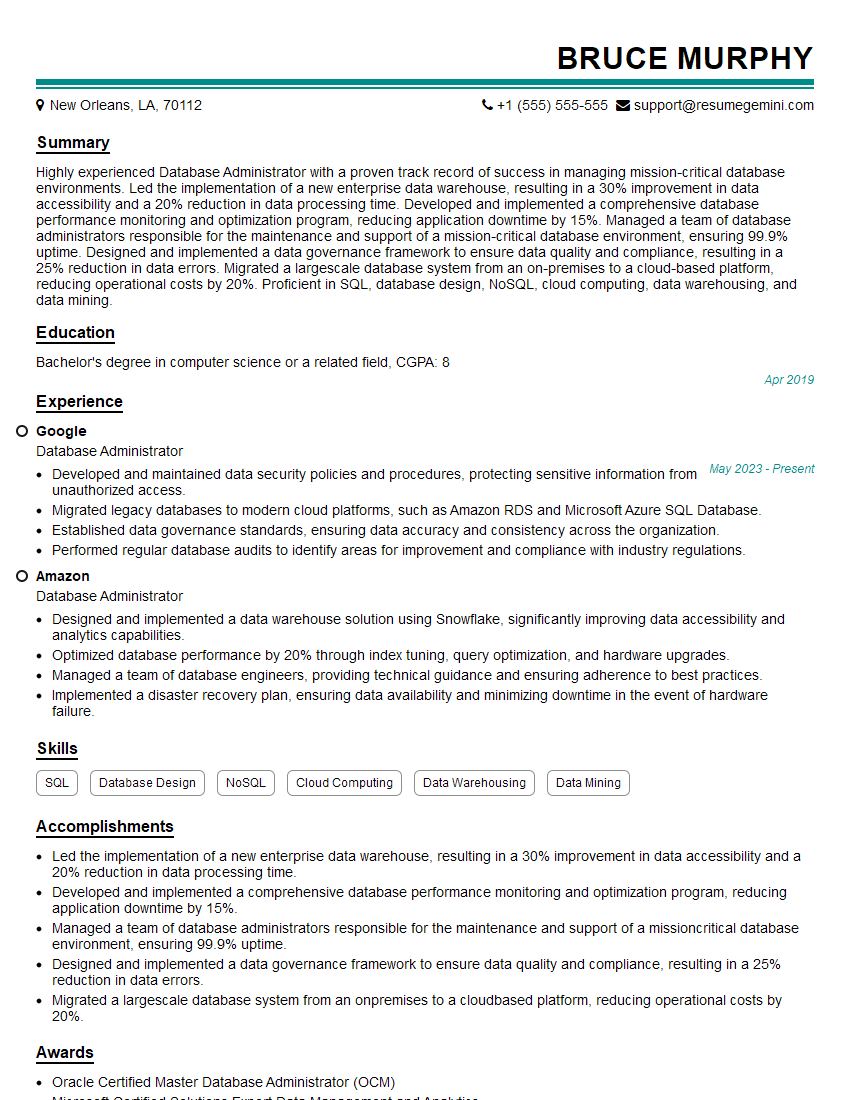
Database Administrator Resume Sample
- Operations Manager
- Project Manager
- Compliance Officer
- Accountant
- Auditor
- Financial Analyst
- Data Analyst
- Process Engineer
- Research Scientist
- Systems Analyst
- Software Tester
- Web Developer
- Architect
- Engineer
- Paralegal
- Graphic Designer
- Copy Editor
- Proofreader
- Technical Writer
- Medical Coder
- Legal Secretary
- Quality Control Inspector
- Database Administrator
Explore more articles
Users Rating of Our Blogs
Share Your Experience
We value your feedback! Please rate our content and share your thoughts (optional).
What Readers Say About Our Blog
Very informative content, great job.
good