Interviews are more than just a Q&A session—they’re a chance to prove your worth. This blog dives into essential Executive and VIP Support interview questions and expert tips to help you align your answers with what hiring managers are looking for. Start preparing to shine!
Questions Asked in Executive and VIP Support Interview
Q 1. Describe your experience managing complex calendars and scheduling meetings.
Managing complex calendars and scheduling meetings for executives requires a meticulous and proactive approach. It’s not just about booking appointments; it’s about optimizing the executive’s time and ensuring seamless workflow. My experience involves using sophisticated scheduling tools, often integrating multiple calendars (personal, team, and shared resources), to identify optimal time slots, considering time zones, travel time, and meeting durations.
For example, I once coordinated a multi-day conference for a CEO involving international travel, speakers from various continents, and multiple high-profile attendees. This required careful consideration of jet lag, visa requirements, and individual schedules, necessitating extensive email communication, phone calls, and potentially even video conferencing to finalize the arrangements. I utilized a shared calendar with color-coded events and reminders to keep everything organized and easily accessible to all parties involved. I also built in buffer time for unexpected delays or changes.
Q 2. How do you prioritize competing demands and manage your workload effectively?
Prioritization in a fast-paced executive support role is crucial. I employ a combination of techniques, including time blocking, task prioritization matrices (like Eisenhower Matrix – urgent/important), and regular review of my to-do list. I start each day by identifying the three most critical tasks that directly impact my executive’s priorities and focus on completing them first.
Competing demands are handled through clear communication. If several urgent tasks arise simultaneously, I communicate proactively with my executive to collaboratively re-prioritize and ensure we’re aligned on the most time-sensitive needs. For instance, if a last-minute travel change conflicts with a pre-scheduled meeting, I promptly inform the executive and stakeholders, suggesting alternatives or rescheduling strategies. Delegation, where possible, is another vital tool; I identify tasks that can be handled by others to free up my time for higher-priority items.
Q 3. Explain your proficiency in Microsoft Office Suite (Word, Excel, PowerPoint, Outlook).
I’m highly proficient in the Microsoft Office Suite, and consider it an essential toolkit for my role. My skills extend beyond basic functionalities; I’m comfortable creating complex spreadsheets in Excel for data analysis and reporting, developing professional presentations in PowerPoint with dynamic visuals and data integration, creating and formatting professional documents in Word, and managing a large volume of emails and appointments efficiently in Outlook.
In Excel, for instance, I’ve created financial models to track project budgets, and automated reports to streamline data analysis. In PowerPoint, I regularly create presentations for executive-level audiences, incorporating data visualization and storytelling techniques to convey complex information clearly and concisely. In Word, I’ve drafted critical correspondence, reports, and presentations ensuring accuracy and formatting that adheres to corporate standards. Outlook allows for efficient communication management, including scheduling, task assignments, and using rules for email organization.
Q 4. What is your experience with international travel arrangements?
I have extensive experience arranging international travel for executives, including booking flights, accommodations, ground transportation, and managing visa requirements. This involves understanding different time zones, currency conversions, and local customs. I utilize online booking tools and travel agencies to secure the best deals while ensuring comfort and efficiency for the executive.
A recent example includes arranging a trip to Asia for a client which involved coordinating flights across multiple airlines, securing suitable hotel accommodations aligned with the client’s preferences, organizing local transportation, and providing detailed travel itineraries including local customs advisories and emergency contact numbers. I meticulously track all booking confirmations and important travel documents, keeping the executive updated every step of the way.
Q 5. How do you handle confidential information and maintain discretion?
Handling confidential information with discretion is paramount. I adhere strictly to company confidentiality policies and understand the sensitivity of the information I manage. This includes securely storing documents, using password-protected systems, and limiting access to sensitive data. I never discuss confidential matters outside of work, and I always ensure that any communication channels used are secure.
For example, I’ve handled highly sensitive financial data, mergers and acquisition documents, and strategic planning materials. My approach prioritizes data encryption, controlled access permissions, and secure disposal of sensitive documents. I understand that a breach of confidentiality can have serious consequences and take all necessary precautions to prevent such occurrences.
Q 6. Describe your experience preparing presentations and reports for executive-level audiences.
Preparing presentations and reports for executive-level audiences demands a clear understanding of their needs and communication preferences. I focus on creating concise, visually appealing, and data-driven presentations that communicate key messages effectively. I tailor the content and style to the specific audience and purpose, ensuring that the information is easily digestible and actionable.
In practice, this means utilizing data visualization tools, presenting key findings succinctly, and incorporating clear, concise language. I always review the presentation with the executive before delivery, incorporating their feedback and ensuring the message aligns with their strategic goals. I have experience preparing presentations for board meetings, investor presentations, and internal strategic reviews. These often involve compiling data from multiple sources, analyzing trends, and developing compelling narratives.
Q 7. How do you proactively anticipate the needs of your executive?
Proactive anticipation is a hallmark of effective executive support. This involves understanding the executive’s priorities, upcoming deadlines, and typical work patterns. I regularly review schedules, anticipate potential conflicts, and proactively suggest solutions. I also monitor news and industry trends relevant to the executive’s area of responsibility, preparing briefings or summaries as necessary.
For example, if I notice a pattern of late-night working, I might proactively suggest changes to their schedule to accommodate personal needs. Or, if an important deadline is approaching, I might proactively check in with relevant parties to ensure progress and address potential roadblocks. I also stay informed about industry news, flagging any relevant articles or events that could impact the executive’s decisions or require preparation.
Q 8. What is your experience with expense reports and financial management?
Expense report management and financial oversight are critical aspects of executive support. My experience encompasses everything from processing expense reports, ensuring compliance with company policies and relevant tax regulations, to proactively managing budgets and identifying potential cost-saving opportunities. I’m proficient in various expense reporting software and utilize them to streamline the process, ensuring accuracy and timely submission. For example, in my previous role, I identified a recurring error in the expense coding system that, once corrected, saved the company over $10,000 annually. I also have experience reconciling accounts and providing financial summaries to executives, enabling them to make informed decisions.
Furthermore, I’m adept at forecasting expenses, preparing budget proposals, and monitoring spending against approved budgets. This includes tracking vendor payments, reconciling bank statements, and preparing monthly or quarterly financial reports. Think of it like being a personal financial advisor for the executive team, ensuring financial transparency and responsible spending.
Q 9. How do you manage relationships with internal and external stakeholders?
Building and maintaining strong relationships with both internal and external stakeholders is fundamental to effective executive support. Internally, I prioritize open communication and collaboration with colleagues across departments, understanding their roles and responsibilities to ensure seamless workflow and efficient problem-solving. I regularly seek feedback and actively participate in team meetings to foster a collaborative environment. For instance, I built a strong working relationship with the IT team, which significantly expedited the resolution of technical issues for the executive team, minimizing disruption.
Externally, I approach relationship management with professionalism, empathy, and a proactive mindset. I understand the importance of building trust and rapport with clients, vendors, and other external contacts. I ensure timely communication, handle inquiries efficiently, and proactively anticipate and address potential issues. A recent example involved successfully navigating a complex negotiation with a key vendor, resulting in a favorable contract renewal for the company. This required proactive communication and collaboration, demonstrating the importance of building positive and lasting relationships.
Q 10. Describe your experience with database management and information organization.
My experience with database management and information organization is extensive and crucial for efficient executive support. I’m proficient in using various database management systems, including relational databases (like SQL) and cloud-based solutions. I can effectively organize, maintain, and retrieve information, ensuring data accuracy and accessibility. I utilize this skill to maintain comprehensive contact lists, track project progress, and manage sensitive executive information, ensuring confidentiality and compliance with data protection regulations.
For instance, I developed a customized database to track all executive travel arrangements, including flight information, hotel bookings, and meeting schedules. This system dramatically improved efficiency and reduced the risk of errors or scheduling conflicts. My approach emphasizes data integrity and efficient information retrieval, enabling executives to access needed information quickly and easily.
Q 11. What software or tools do you use for project management?
I utilize a range of software and tools for project management, adapting my approach depending on the project’s complexity and scope. I’m highly proficient in tools like Asana, Trello, and Monday.com for task management, collaboration, and progress tracking. These tools allow for efficient task delegation, setting deadlines, and monitoring progress toward project completion. In addition, I leverage Microsoft Project for more complex projects requiring detailed scheduling and resource allocation. For smaller projects, I often utilize simpler tools like shared spreadsheets or dedicated project folders for better organization.
My selection of tools is guided by the project requirements and the team’s familiarity with the selected software. The goal is always to optimize efficiency and enhance collaboration, ensuring timely and successful project completion.
Q 12. How do you handle difficult or demanding situations with executives or clients?
Handling difficult or demanding situations with executives or clients requires a blend of professionalism, diplomacy, and problem-solving skills. I approach such situations by first actively listening to understand their concerns and perspectives. Then, I calmly assess the situation, identifying the root cause of the issue and exploring potential solutions. I always prioritize maintaining a calm and professional demeanor, even under pressure.
For example, I once managed a situation where a client was highly dissatisfied with a delay in project delivery. By actively listening to their concerns, empathizing with their frustration, and providing a detailed explanation of the delay along with a revised timeline and plan for mitigation, I was able to de-escalate the situation and restore their confidence. My approach emphasizes clear communication, transparency, and a commitment to finding mutually acceptable solutions.
Q 13. How do you maintain professionalism under pressure?
Maintaining professionalism under pressure is paramount in executive support. My approach involves a combination of preparedness, self-awareness, and effective stress management techniques. Preparation is key; I anticipate potential challenges, plan for contingencies, and prioritize tasks effectively. This proactive approach minimizes surprises and reduces the likelihood of stressful situations arising. Self-awareness helps me recognize my own stress triggers and employ coping mechanisms such as taking short breaks, deep breathing exercises, or stepping back to reassess the situation.
Furthermore, I maintain a calm and composed demeanor, focusing on clear communication and providing solutions rather than reacting emotionally. This controlled approach ensures that I remain professional and effective even in challenging circumstances. Think of it like a captain navigating a storm; calm, clear guidance is essential to ensure a safe arrival.
Q 14. Describe your experience with event planning and coordination.
My experience in event planning and coordination spans various types of events, from intimate executive meetings to large-scale conferences. I am proficient in all stages of event planning, including budgeting, venue selection, vendor management, logistics coordination, and on-site management. I meticulously manage details, ensuring that every aspect of the event runs smoothly and meets the executive’s expectations. This includes coordinating travel arrangements, catering, AV equipment, and other logistical requirements.
For instance, I successfully coordinated a high-profile client conference for over 200 attendees. This required careful planning, meticulous attention to detail, and effective communication with numerous vendors and stakeholders. The event was deemed a great success, largely due to the comprehensive planning and smooth execution of all logistical aspects. My focus is always on ensuring a seamless and memorable experience for both the executive and the attendees.
Q 15. What is your experience with minute-taking and record-keeping?
Minute-taking and record-keeping are crucial for effective executive support. My experience encompasses accurately documenting meetings, calls, and decisions, ensuring all key information is captured and readily accessible. This includes not just verbatim transcription but also summarizing key action items, decisions, and deadlines. I utilize a variety of methods depending on the context: for formal meetings, I prepare a detailed agenda beforehand and create comprehensive minutes afterward, distributing them promptly to attendees. For informal conversations, I employ quick note-taking techniques, ensuring that essential information is captured. My record-keeping involves a structured system, typically using a combination of digital tools (e.g., shared online documents, project management software) and physical filing, maintaining confidentiality and secure storage in line with company policy.
For example, during a recent strategic planning session, I prepared a detailed agenda, distributed it beforehand, and during the meeting, meticulously documented key discussion points, decisions made, action items assigned, and deadlines. Following the meeting, I produced comprehensive minutes that were distributed within 24 hours, ensuring everyone had a clear record of the proceedings. This proactive approach has proven essential in maintaining accountability and ensuring project success.
Career Expert Tips:
- Ace those interviews! Prepare effectively by reviewing the Top 50 Most Common Interview Questions on ResumeGemini.
- Navigate your job search with confidence! Explore a wide range of Career Tips on ResumeGemini. Learn about common challenges and recommendations to overcome them.
- Craft the perfect resume! Master the Art of Resume Writing with ResumeGemini’s guide. Showcase your unique qualifications and achievements effectively.
- Don’t miss out on holiday savings! Build your dream resume with ResumeGemini’s ATS optimized templates.
Q 16. Explain your process for managing emails and communications effectively.
Managing emails and communications effectively is paramount in executive support. My approach involves a multi-pronged strategy focusing on prioritization, organization, and prompt response. I employ a system of labeling, flagging, and filtering emails to categorize them according to urgency and importance. High-priority emails from the executive or other key stakeholders are addressed immediately, while less urgent messages are scheduled for later attention. I leverage features like email rules and filters to automatically sort and categorize incoming messages, significantly reducing the time spent on email management.
I also utilize calendar reminders and scheduling tools to ensure timely follow-ups on communications. My communication style is concise, professional, and tailored to the recipient. For example, emails to the executive are concise and include only essential information. Communications with external parties are professional and maintain a consistent brand voice. This structured approach ensures that all communications are handled efficiently and professionally.
Q 17. How do you handle multiple requests and deadlines simultaneously?
Handling multiple requests and deadlines simultaneously requires a highly organized and adaptable approach. I rely on robust prioritization techniques, such as the Eisenhower Matrix (urgent/important), to identify tasks that demand immediate attention and those that can be delegated or scheduled. I utilize project management tools like Asana or Trello to track progress, assign deadlines, and manage dependencies between tasks. My calendar is my primary tool, not just for scheduling meetings, but also for allocating time blocks for specific projects and tasks.
For instance, if I’m simultaneously preparing for a major presentation, managing travel arrangements, and handling incoming email, I’ll create a detailed schedule that allocates specific time blocks for each activity. This ensures that deadlines are met and all tasks are completed effectively. Regular review of my schedule and task lists ensures I stay on track and proactively address any potential conflicts.
Q 18. What is your experience with CRM software (e.g., Salesforce)?
I possess extensive experience with CRM software, primarily Salesforce. I’m proficient in navigating the system, managing contacts, creating and updating records, and generating reports. My expertise extends to customizing dashboards, configuring workflows, and integrating Salesforce with other business applications. I understand how to leverage Salesforce to streamline communication, track interactions, and manage client relationships effectively.
In my previous role, I used Salesforce to track client interactions, manage project timelines, and generate reports on key performance indicators. This allowed for improved client relationship management and informed strategic decision-making. I’m confident in my ability to quickly learn and adapt to other CRM platforms if needed, leveraging my existing knowledge and transferable skills.
Q 19. Describe a time you had to solve a complex problem for your executive.
In a previous role, a crucial client presentation was jeopardized when our primary data source experienced a significant outage just hours before the event. The executive was understandably concerned about the potential negative impact on the client relationship. I quickly assessed the situation and, instead of panicking, calmly implemented a solution. I immediately contacted the IT department, simultaneously identifying backup data sources and coordinating with the presentation team to adapt the content to the available information. Within an hour, we had a revised presentation using the backup data, minimizing the disruption and allowing for a successful and ultimately well-received presentation.
This experience highlighted my ability to remain calm under pressure, think critically, and leverage resources effectively to solve complex problems in high-stakes situations. My proactive approach and quick thinking averted a potentially disastrous situation and reinforced the executive’s trust in my abilities.
Q 20. How do you stay organized and efficient in a fast-paced environment?
Maintaining organization and efficiency in a fast-paced environment is crucial. My approach involves a combination of meticulous planning, time management techniques, and the use of technology. I prioritize tasks using methods like the Eisenhower Matrix and allocate specific time blocks for each task in my calendar. I utilize digital tools such as task management apps (Asana, Todoist), note-taking software (Evernote, OneNote), and cloud storage (Google Drive, Dropbox) to ensure information is readily accessible and organized.
Regularly reviewing my to-do lists, calendars, and project trackers helps me stay on top of deadlines and anticipate potential bottlenecks. I also proactively communicate updates to the executive and other stakeholders, ensuring everyone is informed and aligned. This proactive and organized approach enables me to handle a high volume of work effectively while minimizing stress and maximizing productivity.
Q 21. What is your approach to learning new technologies and software?
My approach to learning new technologies and software is proactive and results-oriented. I start by identifying the key features and functionalities relevant to my work. I then utilize a combination of online resources (tutorials, documentation, online courses), hands-on practice, and seeking support from colleagues or experts when needed. I believe in a blended learning approach, combining self-directed learning with structured training to achieve rapid proficiency. I also actively seek out opportunities to apply my newly acquired skills in real-world scenarios.
For example, when our company adopted a new project management software, I immediately began exploring its features through online tutorials and documentation. I then proactively applied this knowledge to my daily tasks, seeking feedback from colleagues and refining my approach. This hands-on learning enabled me to quickly become proficient in the new software and contribute effectively to team projects.
Q 22. How do you ensure accurate and timely completion of tasks?
Ensuring accurate and timely task completion is paramount in executive support. My approach is multifaceted, combining meticulous planning with proactive communication and robust follow-up systems.
- Prioritization: I utilize techniques like Eisenhower Matrix (urgent/important) to prioritize tasks, ensuring critical items receive immediate attention while less urgent ones are scheduled effectively. For example, if an urgent travel arrangement conflicts with a less urgent report deadline, I’d prioritize the travel to avoid impacting the executive’s schedule.
- Detailed Planning: I break down complex tasks into smaller, manageable steps with clear deadlines for each. This allows for better tracking of progress and identification of potential roadblocks early on. This might involve creating a detailed checklist for a conference preparation, including booking flights, accommodations, and coordinating meeting schedules.
- Proactive Communication: I regularly update the executive and relevant stakeholders on progress, proactively addressing any challenges that may arise. For instance, if I encounter an issue securing a specific meeting room, I immediately inform the executive of alternative options.
- Utilizing Technology: I leverage project management tools like Asana or Trello to track tasks, deadlines, and progress. These tools facilitate effective collaboration and maintain clear visibility of the workflow.
- Regular Review and Adjustment: I conduct regular reviews of my workflow to identify areas for improvement and adjust my strategies accordingly. This ensures continuous optimization of efficiency and accuracy.
Q 23. What are your salary expectations for this role?
My salary expectations are in line with the market rate for a similar role with my experience and skill set in this region. I’m open to discussing a specific figure once I’ve had the opportunity to learn more about the comprehensive compensation package offered, including benefits and potential for growth.
Q 24. What are your long-term career goals?
My long-term career goals involve progressing into a senior leadership role within executive administration or operations management. I aim to develop my skills in strategic planning and team leadership, eventually overseeing a larger support team and contributing significantly to the overall success of the organization. I envision myself as a highly effective and trusted advisor, adept at anticipating and addressing executive needs proactively.
Q 25. Why are you interested in this specific Executive/VIP Support role?
I’m particularly drawn to this specific Executive/VIP Support role due to [Company Name]’s reputation for excellence and its commitment to [mention company values or mission that resonate with you]. The opportunity to support [Executive’s name/title, if known] in achieving [mention specific goals or projects that excite you] is incredibly appealing. My skills and experience align perfectly with the requirements outlined, and I am confident I can make a significant contribution to your team.
Q 26. What are your strengths and weaknesses in relation to this role?
My strengths lie in my exceptional organizational skills, proactive approach, and ability to anticipate needs before they arise. I’m highly proficient in managing complex schedules, prioritizing tasks effectively, and maintaining confidentiality with utmost discretion. My experience in handling sensitive information and building strong relationships with high-level executives is a significant asset. A potential weakness could be my perfectionism, which sometimes leads to spending more time on tasks than is strictly necessary. However, I’m actively working on delegating when appropriate and prioritizing efficiency without compromising quality.
Q 27. How do you build and maintain positive working relationships?
Building and maintaining positive working relationships are crucial in this role. I believe in fostering open communication, mutual respect, and collaboration. I actively listen to colleagues’ concerns, offer support whenever possible, and always strive to maintain a professional and positive demeanor. I regularly seek feedback and adapt my approach to ensure effective teamwork. For example, I regularly check in with colleagues to ensure smooth workflows and offer assistance where needed, fostering a sense of collaboration and camaraderie.
Q 28. Describe your experience with preparing for and attending executive meetings.
My experience with preparing for and attending executive meetings is extensive. This involves coordinating all logistical aspects, from booking meeting rooms and managing catering to preparing presentation materials and briefing documents. I meticulously review meeting agendas, ensuring all necessary information is readily available. During meetings, I take detailed minutes, manage communications, and handle any unforeseen issues that may arise discreetly and efficiently. For instance, in preparing for a board meeting, I ensured all directors received materials in advance, coordinated with IT for seamless presentation delivery, and managed real-time questions and follow-up requests.
Key Topics to Learn for Executive and VIP Support Interview
- Calendar Management & Scheduling: Mastering complex scheduling, understanding time zones, and proactively managing conflicting appointments. Practical application: Demonstrate your ability to efficiently manage multiple calendars and anticipate potential scheduling conflicts.
- Communication & Correspondence: Handling sensitive information with discretion, composing professional emails and letters, and managing communication flow for executives. Practical application: Provide examples of how you’ve managed high-volume email correspondence and prioritized urgent matters.
- Travel Arrangements: Booking flights, accommodations, and ground transportation, managing itineraries, and ensuring seamless travel experiences for executives. Practical application: Describe your experience handling international travel arrangements, including visa requirements and unforeseen complications.
- Meeting Preparation & Support: Preparing agendas, coordinating participants, managing meeting materials, and taking detailed minutes. Practical application: Explain how you’ve ensured the smooth running of high-level meetings, including technical support and logistical arrangements.
- Confidential Information Management: Handling sensitive and confidential data with utmost discretion and adherence to company policies. Practical application: Discuss your experience with maintaining confidentiality and complying with data protection regulations.
- Proactive Problem Solving: Anticipating potential issues and proactively developing solutions to prevent disruptions to the executive’s schedule and workflow. Practical application: Provide examples of situations where you identified and solved a problem before it impacted the executive.
- Relationship Management: Building and maintaining positive relationships with internal and external stakeholders, including clients, vendors, and colleagues. Practical application: Describe your approach to building rapport and managing relationships with diverse personalities.
Next Steps
Mastering Executive and VIP Support skills significantly enhances your career prospects, opening doors to rewarding roles with high earning potential and excellent advancement opportunities. To maximize your job search success, it’s crucial to create an ATS-friendly resume that highlights your relevant skills and experience. We strongly encourage you to utilize ResumeGemini to build a professional and impactful resume. ResumeGemini offers a user-friendly platform and provides examples of resumes tailored to Executive and VIP Support roles, giving you a head start in showcasing your qualifications effectively.
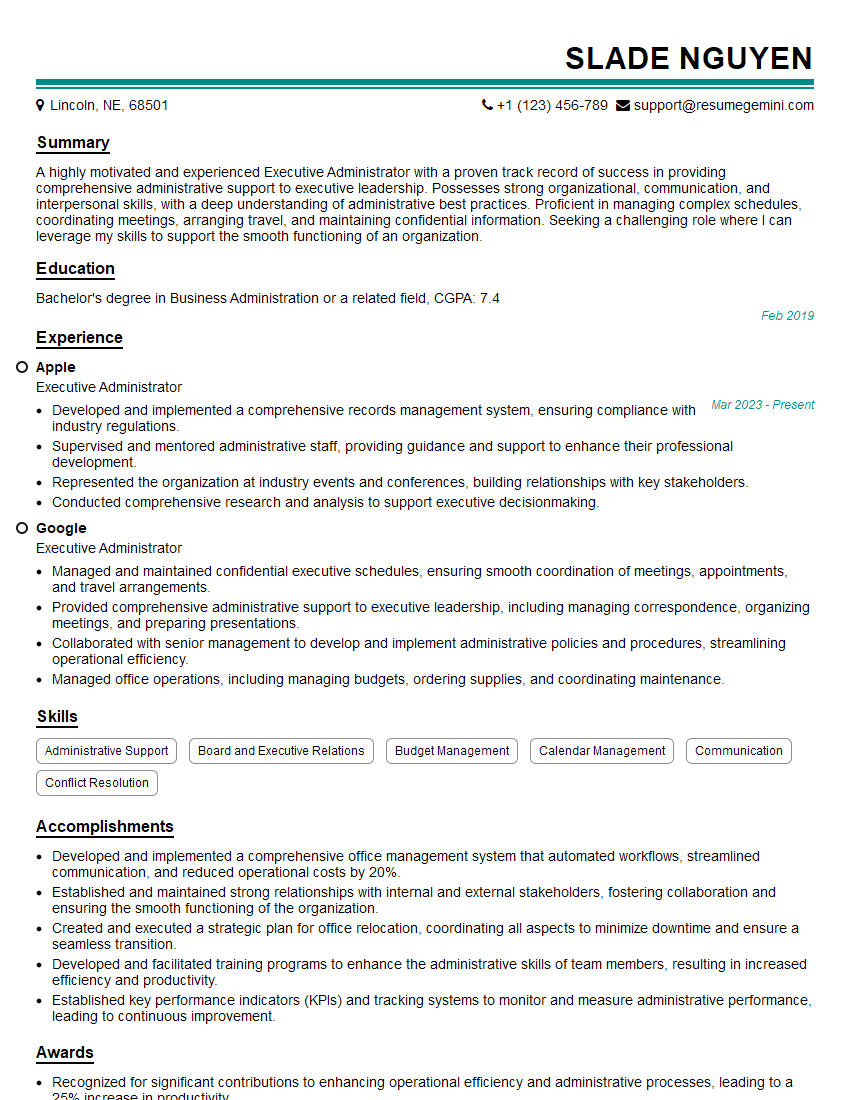
Executive Administrator Resume Sample
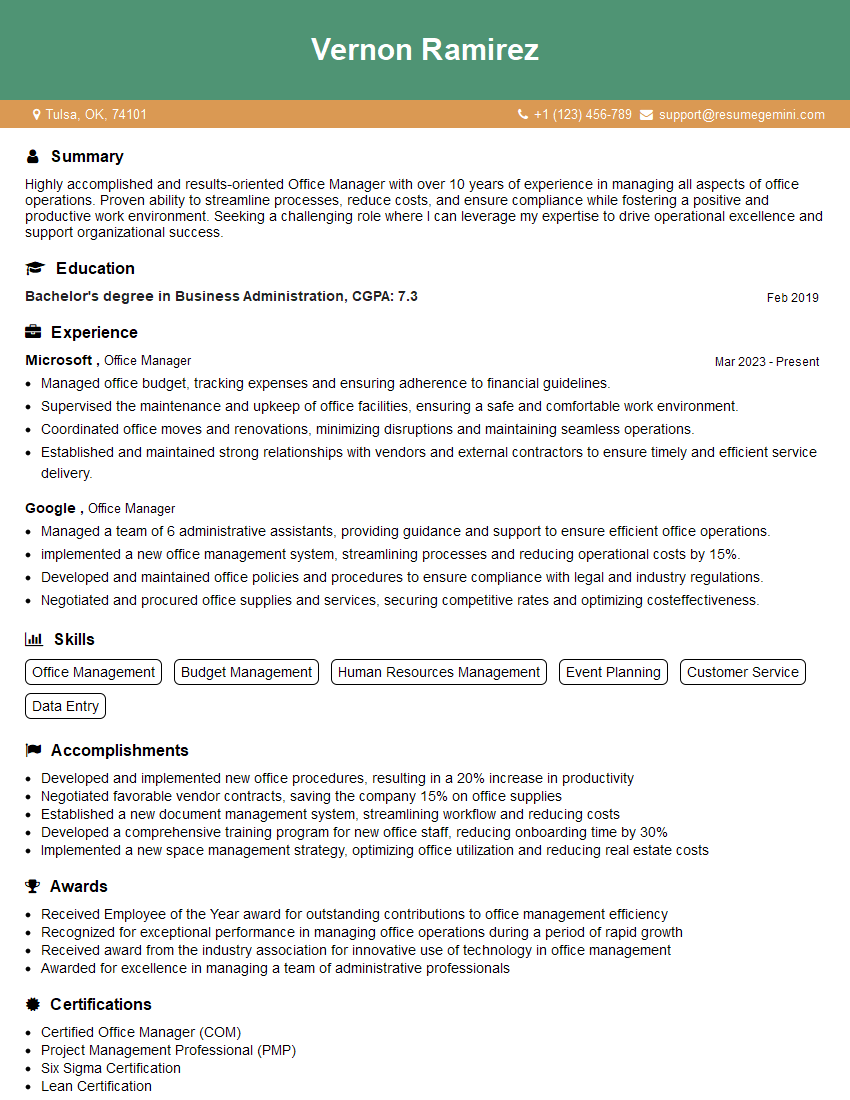
Office Manager Resume Sample
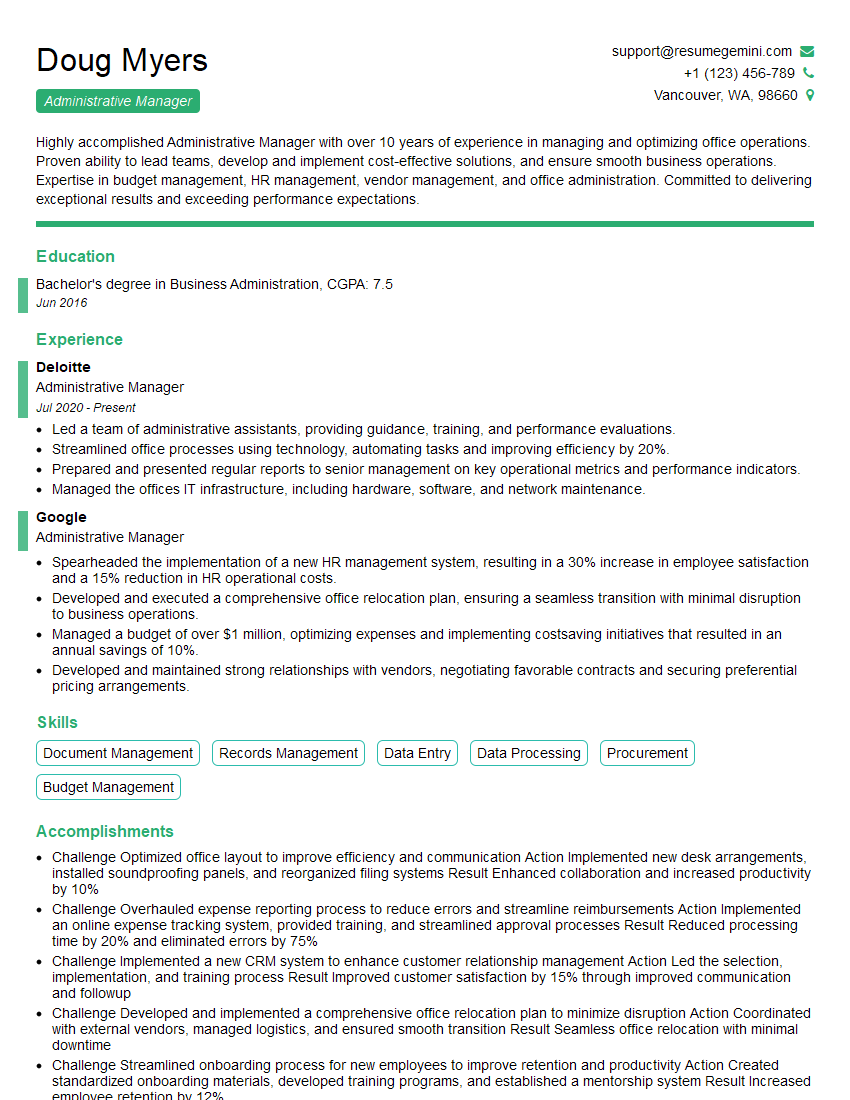
Administrative Manager Resume Sample
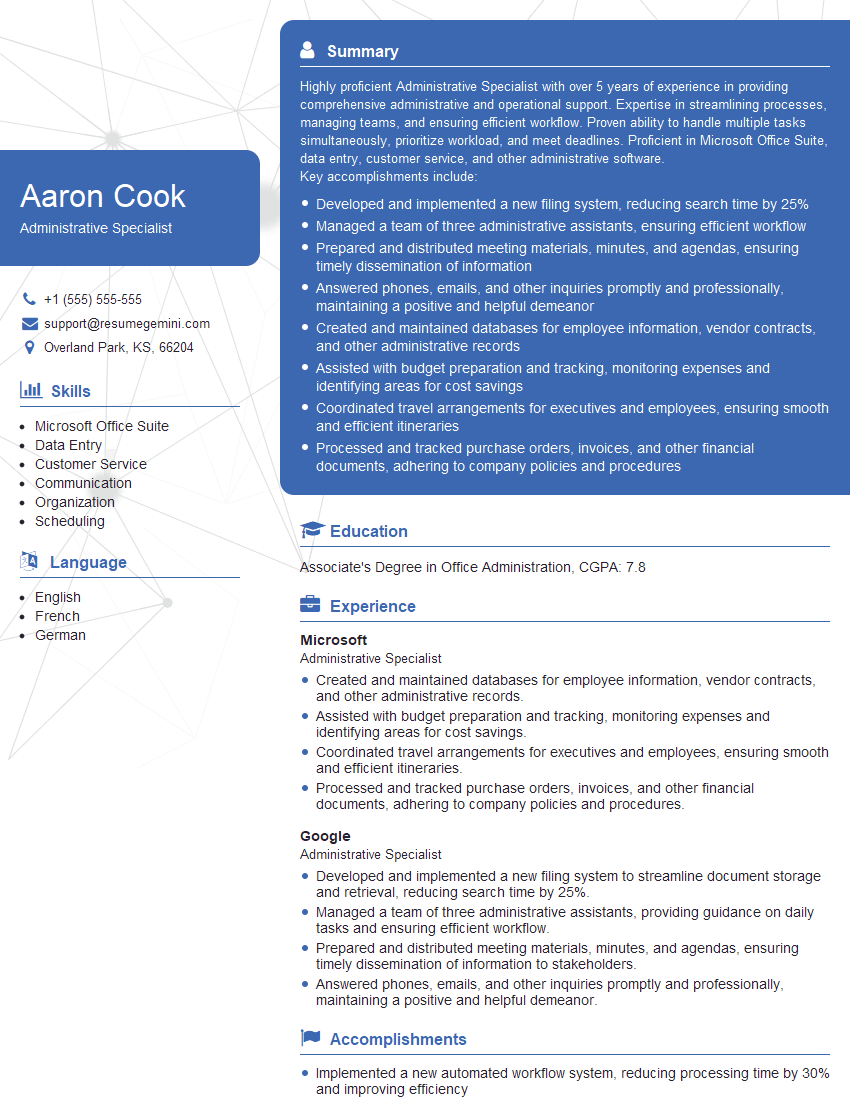
Administrative Specialist Resume Sample
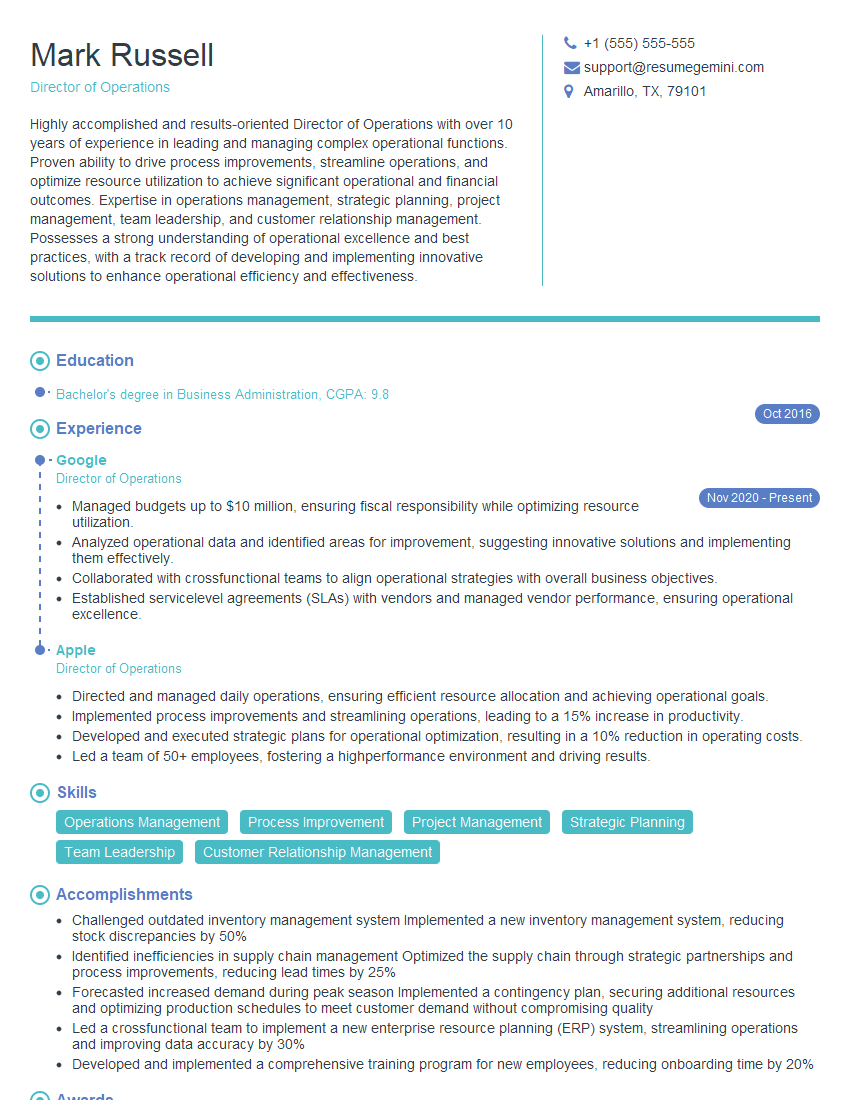
Director of Operations Resume Sample

Chief of Staff Resume Sample
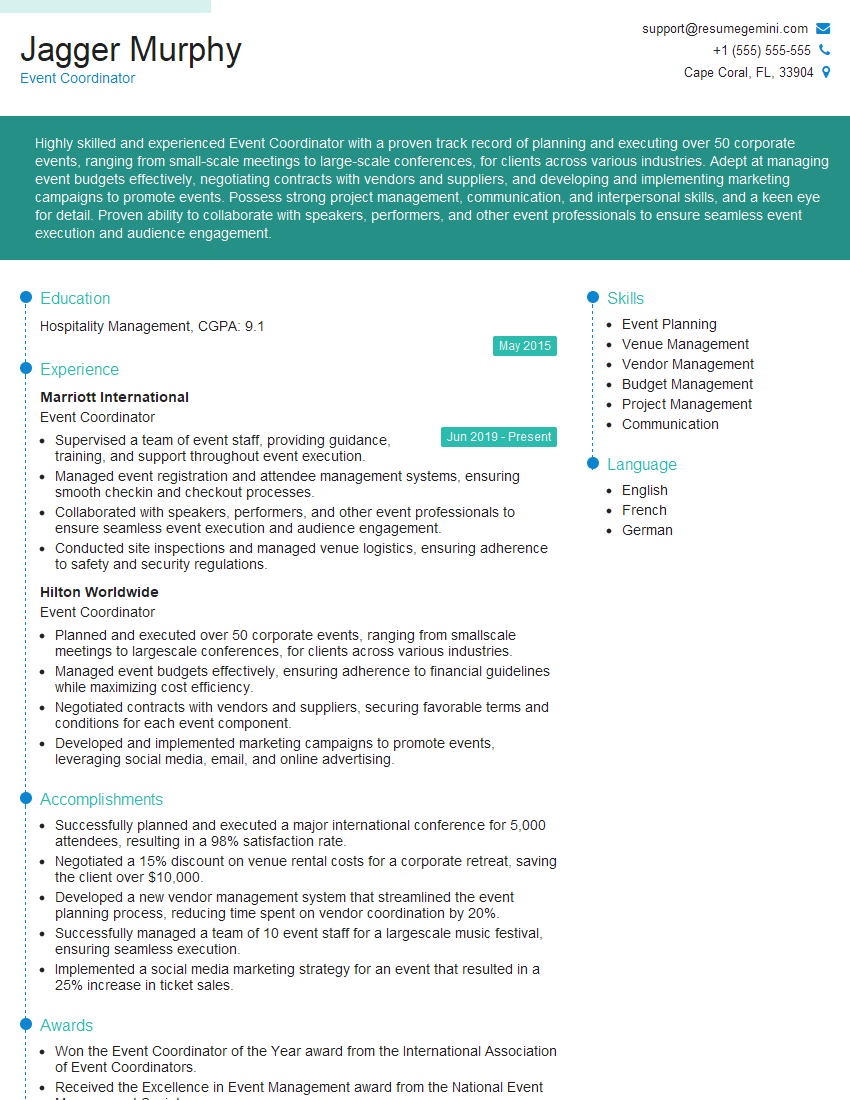
Event Coordinator Resume Sample

Scheduling Coordinator Resume Sample

Personal Assistant Resume Sample
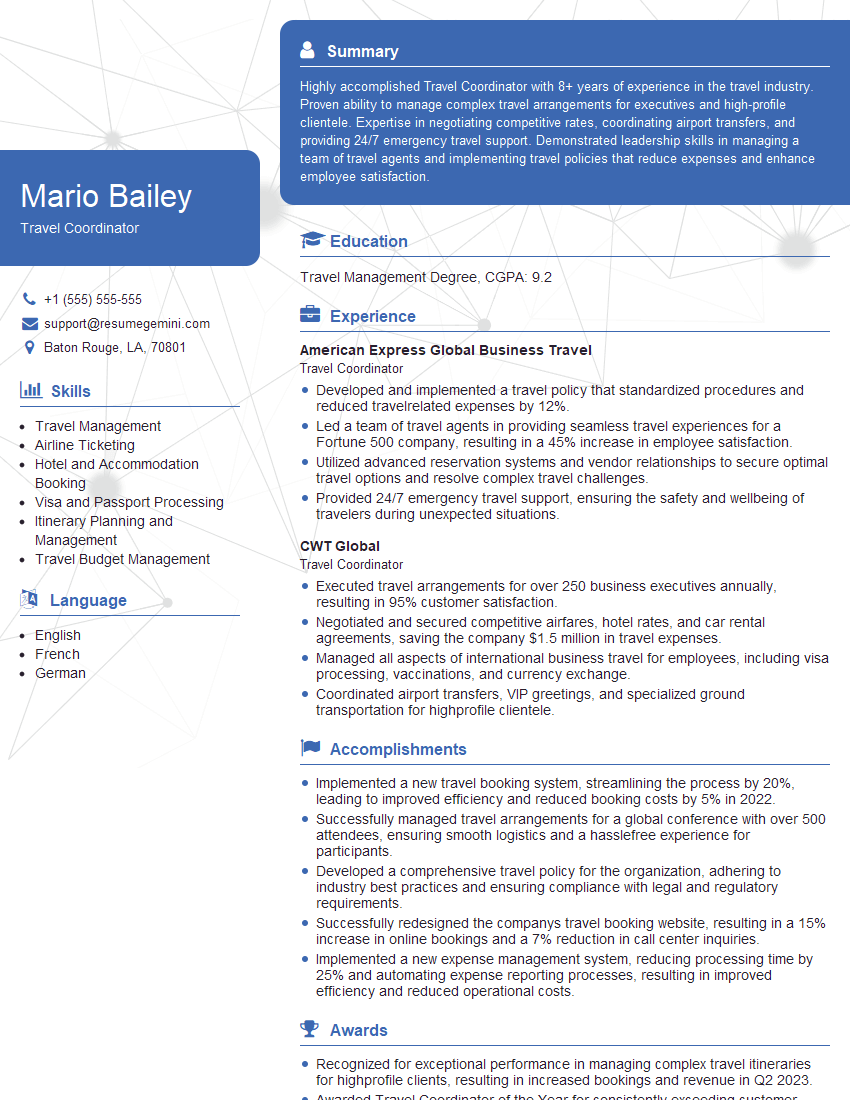
Travel Coordinator Resume Sample
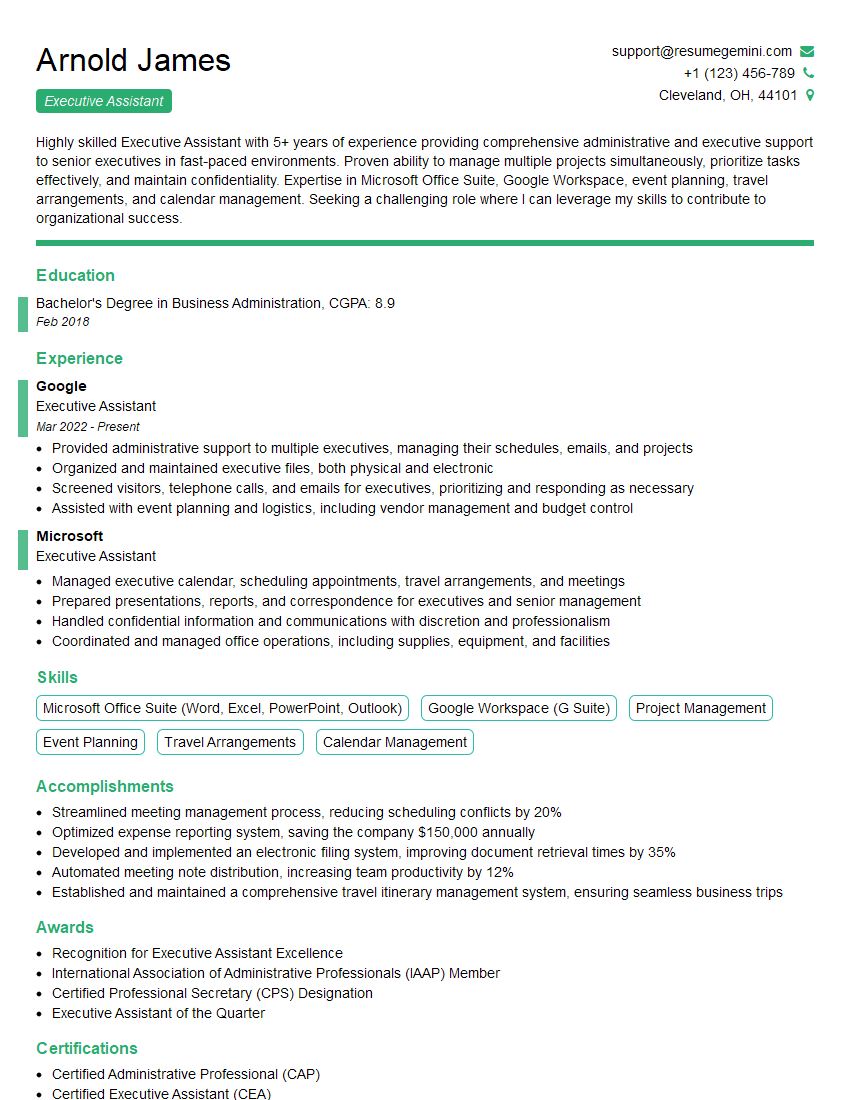
Executive Assistant Resume Sample
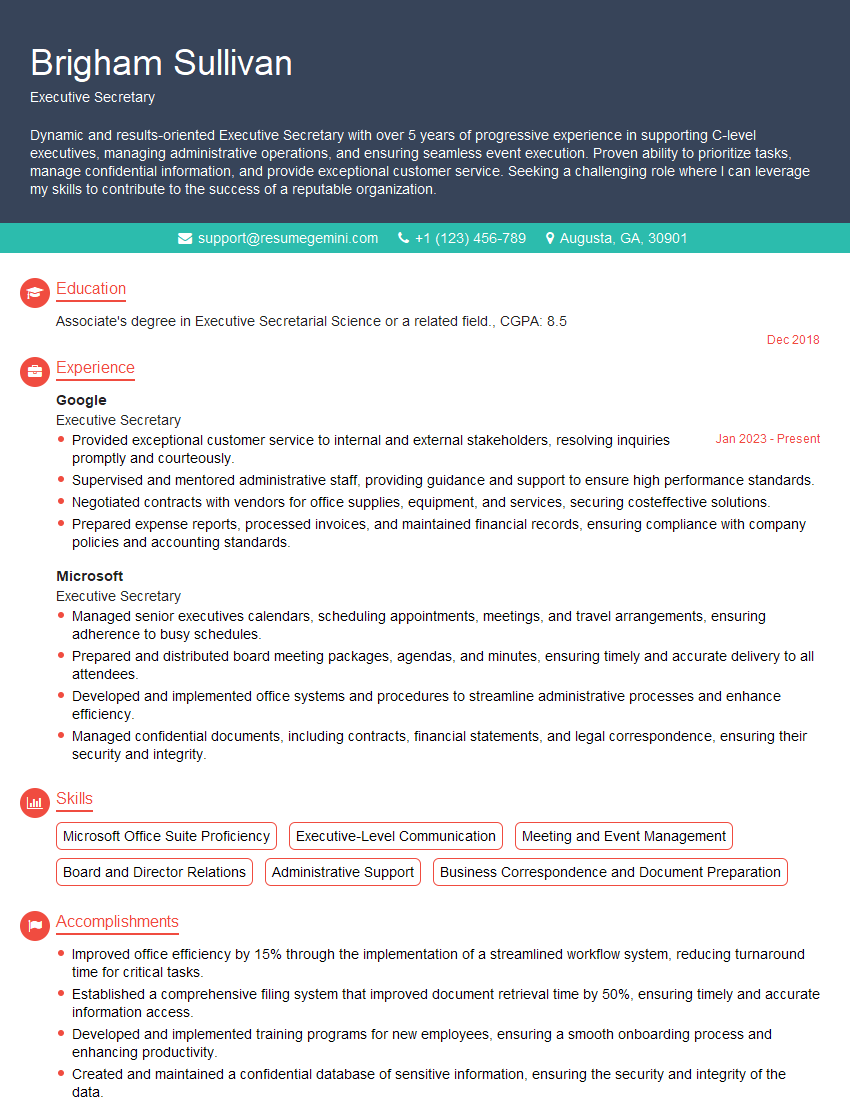
Executive Secretary Resume Sample
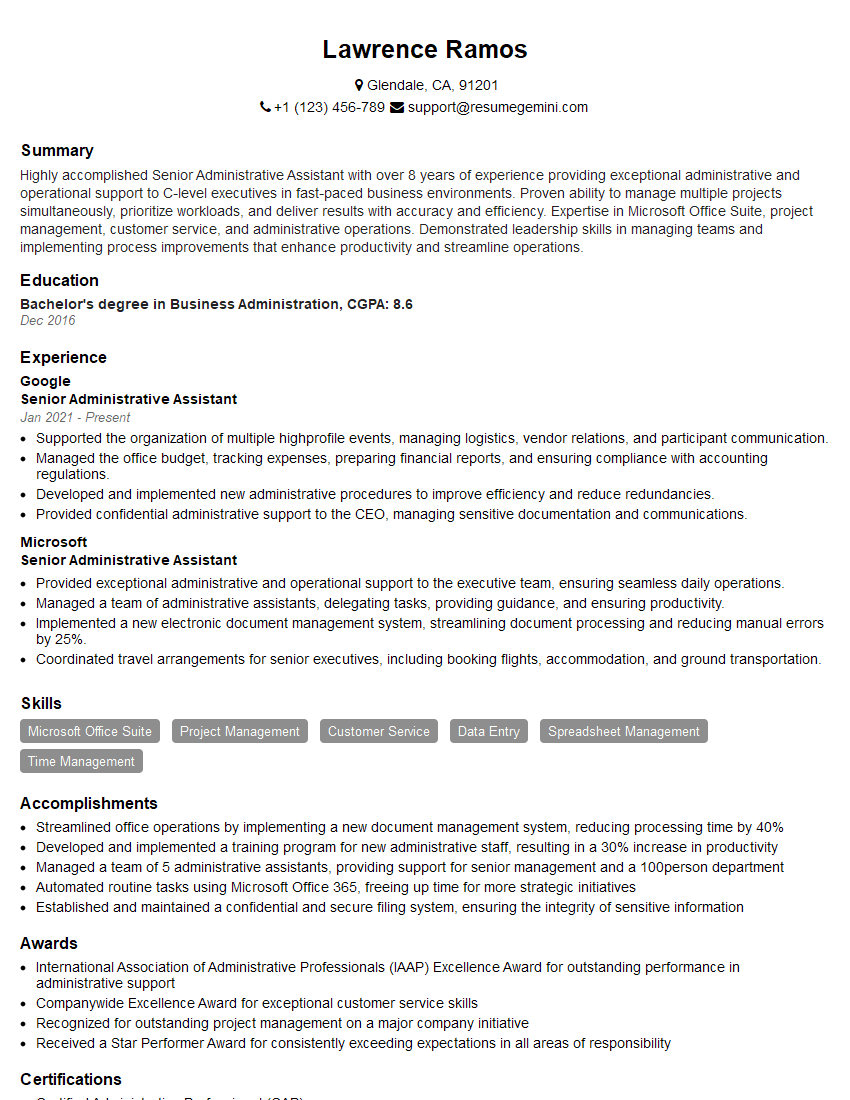
Senior Administrative Assistant Resume Sample
Explore more articles
Users Rating of Our Blogs
Share Your Experience
We value your feedback! Please rate our content and share your thoughts (optional).
What Readers Say About Our Blog
Very informative content, great job.
good