Interviews are opportunities to demonstrate your expertise, and this guide is here to help you shine. Explore the essential Experience in conducting human factors audits interview questions that employers frequently ask, paired with strategies for crafting responses that set you apart from the competition.
Questions Asked in Experience in conducting human factors audits Interview
Q 1. Describe your experience conducting human factors audits.
My experience in conducting human factors audits spans over ten years, encompassing a wide range of industries including aviation, healthcare, and manufacturing. I’ve led audits for both small-scale projects and large-scale systems, focusing on user interface design, safety protocols, and overall usability. For instance, I conducted a comprehensive audit of a new hospital patient monitoring system, identifying several usability issues that could lead to errors in medication administration. This involved observing nurses in their workflow, conducting interviews, and analyzing system logs. Another significant project involved auditing the cockpit design of a new aircraft, where we used eye-tracking technology and simulations to assess pilot workload and identify potential safety hazards.
This hands-on experience has given me a deep understanding of various audit methodologies, risk assessment techniques, and the importance of clear, actionable reporting.
Q 2. What methodologies do you use in human factors audits?
My approach to human factors audits integrates several methodologies. I primarily utilize a combination of heuristic evaluation, cognitive walkthroughs, usability testing, and observational studies.
- Heuristic Evaluation: Expert reviewers evaluate the system against established usability principles (Nielsen’s heuristics, for example) to identify potential problems.
- Cognitive Walkthroughs: We simulate user tasks, step-by-step, to identify potential points of confusion or difficulty.
- Usability Testing: This involves observing real users interacting with the system to identify usability issues in a natural setting. We often use think-aloud protocols to gain insights into the user’s thought processes.
- Observational Studies: This involves observing users performing their tasks in their actual work environment to understand the context of use and identify potential problems that may not be apparent in a controlled setting.
The specific methods employed depend on the context and resources available for the audit. For example, a quick heuristic evaluation might suffice for a simple software application, while a more extensive usability testing and observational study would be necessary for a complex medical device.
Q 3. How do you identify and prioritize human factors risks?
Identifying and prioritizing human factors risks is a critical step in any audit. I typically use a risk matrix, combining the likelihood of an incident occurring with the severity of its potential consequences. For example, a low-likelihood, high-severity risk (like a catastrophic system failure) might require immediate attention, even if it’s less likely to happen. Conversely, a high-likelihood, low-severity risk (like minor user frustration) might be addressed later.
Data from the various methodologies (heuristic evaluation, usability testing, etc.) are analyzed to identify potential hazards. We then consider factors such as the frequency of the task, the number of users affected, and the potential for human error. This information is used to populate the risk matrix, allowing for a systematic and objective prioritization of risks.
For example, in the hospital patient monitoring system audit, a high-risk finding was the poorly designed medication entry screen that increased the chance of dosage errors. This was prioritized as it had a high likelihood of occurrence and high severity of consequences.
Q 4. Explain your approach to documenting audit findings.
My approach to documenting audit findings is thorough and systematic. I use a standardized template to ensure consistency and completeness. The documentation includes detailed descriptions of the identified issues, including their location, severity, and potential impact. Each finding includes:
- Issue Description: A clear and concise description of the problem.
- Severity Level: A rating of the severity (e.g., critical, major, minor).
- Location: The specific location of the issue within the system or process.
- Impact: The potential impact of the issue on user performance, safety, or efficiency.
- Evidence: Screenshots, video recordings, or other evidence supporting the finding.
- Recommendations: Specific and actionable recommendations for improvement.
I also use a standardized numbering system for easy reference and tracking. All findings are meticulously documented to ensure accountability and facilitate subsequent corrective actions.
Q 5. How do you communicate audit findings to stakeholders?
Communicating audit findings effectively is crucial for driving positive change. My approach involves tailoring the communication to the specific audience and context. For senior management, I provide a concise executive summary highlighting key findings and recommendations. For design teams, I provide more detailed reports with specific recommendations and supporting evidence.
I typically employ a combination of methods including formal reports, presentations, and interactive workshops. Workshops are especially useful for engaging stakeholders in collaborative problem-solving. Following the presentation of findings, I am prepared to answer questions and address any concerns.
Throughout the process, I emphasize transparency and open communication to foster collaboration and ensure buy-in from stakeholders. A follow-up meeting is always scheduled to discuss the implementation of recommendations.
Q 6. What are the key elements of a successful human factors audit report?
A successful human factors audit report is more than just a list of problems; it’s a roadmap for improvement. Key elements include:
- Executive Summary: A concise overview of the audit’s purpose, scope, key findings, and recommendations.
- Methodology: A description of the audit methods used, ensuring transparency and reproducibility.
- Findings: Clear, concise, and well-documented descriptions of the identified issues, including severity, location, impact, and evidence.
- Recommendations: Actionable and specific recommendations for improvement, prioritized based on risk.
- Appendices: Supporting documents such as raw data, screen captures, interview transcripts, or survey results.
- Visualizations: Charts, graphs, and other visuals to effectively communicate complex information.
The report should be easy to understand, well-organized, and visually appealing. It should clearly articulate the value of the audit and the potential benefits of implementing the recommendations.
Q 7. How do you ensure the objectivity and impartiality of your audits?
Ensuring objectivity and impartiality is paramount in human factors audits. I adhere to strict ethical guidelines and maintain a transparent and unbiased approach throughout the audit process. This includes:
- Clear Scope Definition: A clearly defined audit scope prevents bias from influencing the findings. The objectives and criteria are established upfront.
- Documented Methodology: Utilizing established methodologies and documenting the process enhances transparency and reduces bias.
- Multiple Perspectives: When possible, I involve multiple auditors with diverse backgrounds and expertise to reduce personal biases.
- Data-Driven Analysis: Conclusions are based on objective data collected through various methods (e.g., usability testing, observation). Subjective opinions are minimized.
- Confidentiality: All findings are handled with the utmost confidentiality, respecting the privacy of users and organizations.
By following these practices, I ensure that the audit remains focused on identifying and addressing human factors risks objectively, irrespective of external pressures or influences.
Q 8. Describe a time you had to overcome a challenge during a human factors audit.
One of the biggest challenges I faced was during an audit of a new air traffic control system. The client, understandably, was very protective of their system and initially resistant to allowing us full access to all aspects of the system and user data. This limited our ability to conduct thorough usability testing and observe real-world operator behavior. To overcome this, I adopted a collaborative approach. Instead of demanding access, I explained the importance of a comprehensive audit for identifying potential human error risks—risks that could have serious real-world consequences. I presented our findings incrementally, focusing on the immediate, readily apparent usability issues we could identify with the limited access. This demonstrated our expertise and value. By showcasing positive early results, we built trust and eventually gained full access, leading to a more complete and impactful audit.
This experience highlighted the importance of building rapport with clients, effectively communicating the value of human factors, and adapting your approach to overcome resistance. It reinforced the need for flexible auditing strategies that can accommodate various levels of client cooperation.
Q 9. How do you stay current with best practices in human factors auditing?
Staying current in human factors is crucial. I actively participate in professional organizations like the Human Factors and Ergonomics Society (HFES) to attend conferences and workshops. These events often feature cutting-edge research and practical application examples. I also subscribe to relevant journals and regularly review industry publications. Staying informed about new standards and technologies—like advancements in eye-tracking software or virtual reality usability testing methods—is vital. Furthermore, I actively participate in online forums and professional networking groups, where I can engage with other human factors professionals, share experiences, and learn from their insights.
Essentially, my approach is multi-faceted, combining formal professional development with continuous, self-directed learning to maintain my expertise.
Q 10. What software or tools do you use for human factors audits?
The software and tools I utilize vary depending on the specific audit requirements. For usability testing, I frequently use eye-tracking systems to capture users’ gaze patterns, revealing areas of difficulty or confusion within the interface. For data analysis, I rely on statistical software packages like SPSS or R to analyze the data gathered through questionnaires, observation protocols, and usability tests. Furthermore, I frequently use video recording and screen capture software to document user behavior and interface interactions. I also utilize mind-mapping software for organizing audit findings and generating reports. Finally, specialized software for conducting cognitive walkthroughs and heuristic evaluations is also part of my toolkit.
Q 11. How familiar are you with relevant human factors standards (e.g., ISO, ANSI)?
I am very familiar with relevant human factors standards, including those published by ISO (International Organization for Standardization) and ANSI (American National Standards Institute). For instance, ISO 9241-171 focuses on usability, providing a framework for evaluating user interface design. Similarly, ANSI standards provide guidelines on various aspects of workplace ergonomics and human-machine interaction. My understanding of these standards ensures that my audits are consistent with best practices and comply with relevant regulations. This knowledge is not merely theoretical; it informs every step of my audit process, from planning to reporting.
Q 12. Explain your understanding of human error and its role in system failures.
Human error plays a significant role in system failures. It’s rarely a single, isolated event but rather a complex interaction of human factors, system design flaws, and environmental conditions. Understanding human error requires a systems approach—the Swiss Cheese model is a helpful framework. This model illustrates how latent failures (e.g., poor design, inadequate training) combine with active failures (e.g., slips, lapses, mistakes) to create the opportunity for an accident. My audits investigate these factors to pinpoint design weaknesses that predispose users to errors, as well as environmental factors that increase the likelihood of errors.
For example, a poorly designed control panel with ambiguous labeling increases the risk of operator error, leading to system malfunction. My analyses look beyond blaming the individual to identify systemic issues. Addressing these underlying causes is crucial to prevent future failures.
Q 13. How do you assess the usability of a system or product during an audit?
Assessing usability involves a multifaceted approach. I employ a combination of methods to ensure a comprehensive evaluation. This includes heuristic evaluation, where experts assess the system against established usability principles. I also conduct cognitive walkthroughs, simulating a user’s interaction to identify potential usability problems. User testing is another critical aspect, where I observe real users interacting with the system, noting their behaviors, difficulties, and overall satisfaction. I use questionnaires and interviews to gather qualitative data on users’ experiences and perceptions. This combination of qualitative and quantitative data provides a complete picture of the system’s usability.
For instance, during an audit of a medical device, we observed users struggling with a specific button sequence during a critical procedure. This led to a redesign of the interface to improve clarity and reduce the likelihood of errors.
Q 14. Describe your experience with different types of human factors audits (e.g., process, product, workplace).
My experience encompasses various types of human factors audits, each with its own unique focus. Process audits examine the efficiency and effectiveness of workflows and procedures, aiming to identify bottlenecks or areas for improvement. I’ve conducted process audits in manufacturing environments, identifying ergonomic risks and streamlining assembly line processes. Product audits concentrate on the design and usability of individual products, assessing aspects like safety, intuitiveness, and overall user experience. I’ve conducted product audits for everything from consumer electronics to medical devices. Workplace audits look at the broader context of work, examining the environment, physical setup, and organizational factors that influence worker safety and productivity. I’ve completed workplace audits in offices, factories, and healthcare settings.
Each audit type demands a specific approach, tailored to the context and objectives. My experience across these types allows me to apply the appropriate methodologies and tools for each situation.
Q 15. What is your experience with human factors analysis and critical incident technique?
Human Factors Analysis and the Critical Incident Technique (CIT) are powerful tools for understanding how human performance impacts system safety and efficiency. Human Factors Analysis examines the interplay between humans and their work environment to identify potential hazards and inefficiencies. CIT, on the other hand, focuses on in-depth investigation of specific critical incidents – events that resulted in or nearly resulted in significant negative consequences. In my experience, I’ve used both methods extensively. For instance, during an audit of a hospital’s medication dispensing system, I used Human Factors Analysis to assess the overall workflow and identify potential points of error. Simultaneously, I applied CIT to analyze specific instances of medication errors, interviewing staff involved in those incidents to understand the contributing factors. This combined approach provided a comprehensive understanding of the system’s weaknesses, leading to targeted recommendations.
In another project involving an aircraft maintenance procedure, we relied heavily on CIT. By systematically examining reports of near-misses and incidents, we identified recurring patterns of human error, pinpointing the steps where improvements in design or training were most needed. For instance, we found that a poorly designed checklist led to technicians overlooking crucial steps, so we redesigned it for better clarity and improved visual cues.
Career Expert Tips:
- Ace those interviews! Prepare effectively by reviewing the Top 50 Most Common Interview Questions on ResumeGemini.
- Navigate your job search with confidence! Explore a wide range of Career Tips on ResumeGemini. Learn about common challenges and recommendations to overcome them.
- Craft the perfect resume! Master the Art of Resume Writing with ResumeGemini’s guide. Showcase your unique qualifications and achievements effectively.
- Don’t miss out on holiday savings! Build your dream resume with ResumeGemini’s ATS optimized templates.
Q 16. How do you measure the effectiveness of your recommendations after an audit?
Measuring the effectiveness of my recommendations is crucial. I employ a multi-faceted approach involving both quantitative and qualitative data. Quantitatively, I look for measurable improvements like reduced error rates, decreased accident frequency, or increased efficiency metrics. For example, after recommending changes to a factory assembly line layout, I track the number of defective products produced and compare it to pre-audit levels. A significant reduction would clearly demonstrate the effectiveness of my ergonomic suggestions.
Qualitative data comes from follow-up observations, surveys, and interviews with the end-users to gauge their perceptions of the changes. Did the changes improve job satisfaction? Are people feeling less stressed or fatigued? This feedback is essential for validating the success of the recommendations and making necessary fine-tuning. Sometimes, changes show immediate positive effects; other times, it may take time for users to adapt. Therefore, post-audit monitoring over a suitable period is vital to get a complete picture.
Q 17. Explain your understanding of cognitive ergonomics and its application in audits.
Cognitive ergonomics focuses on the mental processes involved in human interaction with systems and technology. In audits, understanding cognitive ergonomics is critical because many errors arise from limitations in human cognitive abilities like attention, memory, and decision-making. For example, a poorly designed interface can overload the user’s cognitive resources, leading to errors. During an audit of a control room, I identified a situation where an excessive number of alarms were constantly triggered, leading to alarm fatigue and decreased operator response time. My recommendations included prioritizing alarms, redesigning the visual display, and providing better training to improve operators’ cognitive workload management.
Another area I often address is situation awareness. Through observations and interviews, I assess the extent to which operators have a clear understanding of the system’s status. Poor situation awareness can cause missed opportunities to prevent errors. My strategies often involve redesigning displays to improve information flow, streamlining procedures, and offering customized training focused on improving decision-making under pressure. Cognitive ergonomics, in essence, aims to create systems that are mentally ‘fit’ for purpose.
Q 18. Describe your experience with physical ergonomics assessments in audits.
Physical ergonomics is concerned with the physical aspects of the workplace and how they impact the worker’s body. In my audits, I use standardized assessment tools and methods to evaluate posture, reach, force, and repetition in various tasks. For instance, in an office setting, I’d assess workstation setup, chair adjustability, keyboard and mouse placement, and monitor height. I might use a Rapid Upper Limb Assessment (RULA) or Rapid Entire Body Assessment (REBA) to quantify the risk of musculoskeletal disorders. I then make recommendations, such as adjusting workstation height, providing ergonomic chairs, recommending keyboard trays, and suggesting posture correction exercises.
During an audit of a manufacturing plant, I assessed manual material handling tasks. Using video recordings and direct observation, I documented lifting techniques and identified potential hazards for strains and sprains. Recommendations included implementing mechanical lifting devices, modifying the layout to minimize lifting distances, and providing training on safe lifting techniques. The goal is to minimize physical stress on the workers and reduce the risk of injuries.
Q 19. How do you incorporate user feedback into your human factors audit process?
User feedback is integral to a successful human factors audit. I use various methods to gather this feedback, including structured interviews, focus groups, and surveys. For example, I might conduct semi-structured interviews with employees to gain an in-depth understanding of their experiences and challenges. This helps identify issues that might be missed through observations alone. Surveys allow me to gather data from a larger population, identifying trends and common issues. In a recent audit, a survey revealed widespread dissatisfaction with a new software system. This feedback, while initially concerning, was vital in identifying usability flaws that were then addressed with the development team.
Focus groups provide a more interactive approach, allowing for discussion and collaboration around identified problems. This fosters a sense of collaboration and ownership and allows for the exploration of nuanced perspectives. Feedback is always analyzed carefully to highlight recurring themes and to distinguish between individual preferences and actual usability issues. Ultimately, user feedback significantly improves the quality of my audit and leads to more effective recommendations.
Q 20. How do you handle disagreements or conflicting viewpoints during an audit?
Disagreements and conflicting viewpoints are inevitable in audits, particularly when dealing with complex systems and multiple stakeholders. My approach involves fostering a collaborative environment based on respectful communication and data-driven decision-making. I emphasize that the goal is not to assign blame but to collaboratively identify areas for improvement. I encourage all parties to present their perspectives and supporting evidence.
If a disagreement persists, I use a structured approach, such as a facilitated discussion or a formal conflict resolution process. This might involve documenting the conflicting viewpoints, presenting relevant data, and collaboratively exploring alternative solutions. In some instances, a compromise is necessary; in others, further data collection may be needed to resolve the disagreement. The key is to ensure that all voices are heard, all perspectives are considered, and the final recommendations reflect a balanced and evidence-based approach. Transparency and impartiality are crucial in managing these situations effectively.
Q 21. Explain your experience with different data collection methods used in human factors audits (e.g., observations, interviews, surveys).
My experience encompasses a broad range of data collection methods tailored to the specific audit context. Observations are frequently used to directly observe users interacting with the system, noting behaviors, inefficiencies, and potential hazards. This could include time-motion studies or checklists to assess workflow. Interviews allow for in-depth exploration of user experiences and perspectives, gathering qualitative data. The type of interview (structured, semi-structured, or unstructured) is chosen based on the objectives. Surveys provide quantitative data on user opinions, satisfaction, and experiences on a broader scale.
In addition, I utilize physiological measures such as heart rate variability or electromyography (EMG) to assess workload and muscle fatigue. Reviewing existing documentation like incident reports, operating manuals, and training materials provides valuable contextual information. Data analysis methods vary; for quantitative data, statistical analysis may be used, while qualitative data analysis might involve thematic analysis or content analysis to identify recurring patterns. The choice of methods depends on research questions and the resources available. The goal is always to gather a comprehensive dataset for a robust and actionable audit report.
Q 22. How do you analyze and interpret data collected during a human factors audit?
Analyzing data from a human factors audit involves a multi-step process that moves beyond simply collecting numbers. It’s about understanding the why behind the data, connecting observations to user behavior and system design. I typically begin by organizing the data—be it from questionnaires, observations, interviews, or physiological measurements—into meaningful categories. This often involves creating spreadsheets or databases to facilitate analysis.
Next, I look for patterns and trends. For instance, if a usability test reveals consistently high error rates on a specific screen, that’s a critical finding. I then delve deeper, exploring potential root causes. Is the screen cluttered? Is the wording confusing? Are the controls poorly placed? Statistical analysis might be employed for quantitative data, such as response times or error rates. For qualitative data (interview transcripts, observation notes), I use thematic analysis to identify recurring themes and insights.
Finally, I interpret the findings in the context of the overall system and user needs. A high error rate on a critical task is far more significant than one on a less important function. The analysis culminates in a comprehensive report that clearly communicates the findings, their implications, and actionable recommendations for improvement.
For example, in an audit of a medical device, I might find that users frequently misinterpret a critical warning message. My analysis wouldn’t just report the error rate; it would explore the readability of the message, the prominence of its placement, and even the user’s cognitive workload at the time the message appears, offering specific recommendations like using simpler language, a more visually striking design, or redesigning the workflow to reduce cognitive load.
Q 23. What are some common human factors issues you’ve identified in your audits?
Over the years, I’ve encountered a recurring set of human factors issues across various industries. These commonly include:
- Poor usability of interfaces: This ranges from unclear instructions and poorly designed menus to inconsistent navigation and a lack of feedback to the user.
- Inadequate workplace ergonomics: Poorly designed workstations leading to musculoskeletal disorders, fatigue, and reduced efficiency are frequently observed.
- Cognitive overload: Systems that present users with too much information or require overly complex procedures often lead to errors and frustration.
- Lack of training and support: Users often struggle with systems due to insufficient training or inadequate ongoing support.
- Insufficient safety considerations: This can manifest as poorly designed safety features or a lack of awareness of potential hazards among system designers.
- Inadequate accessibility for users with disabilities: Systems that are not designed to be accessible to users with visual, auditory, or motor impairments exclude a significant portion of the population.
For instance, in an audit of a factory assembly line, I might observe that workers were experiencing repetitive strain injuries due to poorly designed work stations and lack of sufficient breaks. In a hospital setting, I might find that the electronic medical record system is cumbersome and time-consuming, leading to increased physician error and burnout. Each situation requires a tailored approach to address the specific issue.
Q 24. How do you tailor your audit approach to different organizational contexts?
My audit approach is highly adaptable to different organizational contexts. I understand that a software company will have different needs and priorities than, say, a healthcare provider. My flexibility stems from a strong foundational knowledge of human factors principles and a proven ability to apply them across diverse settings.
Before embarking on an audit, I conduct a thorough preliminary assessment, understanding the organization’s size, structure, industry, technology, and the specific systems under review. This involves consultations with stakeholders to define the scope and goals of the audit, prioritizing areas of concern and identifying key performance indicators (KPIs).
For example, when auditing a small startup, the audit might focus on rapid prototyping and iterative testing. A larger enterprise might require a more formal, structured approach with a phased rollout of recommendations. Regardless of the setting, my focus remains on providing practical, actionable recommendations that improve user experience, safety, and efficiency while aligning with the organization’s business goals and constraints.
Q 25. Describe a time you had to modify your audit plan due to unexpected circumstances.
During an audit of a new air traffic control system, we were scheduled to conduct simulated exercises with air traffic controllers. Unexpectedly, a major software bug emerged just days before the scheduled simulations, rendering the system partially inoperable. Instead of canceling, I quickly adapted.
We shifted our focus to observing the controllers’ responses to the bug itself—analyzing how they coped with the unexpected failure and communicated the issue. This provided invaluable data on the system’s resilience and the controllers’ error handling capabilities. We documented their problem-solving strategies and identified areas where improved communication protocols or training could enhance their ability to manage critical situations. The modified plan allowed us to gather even more relevant and valuable information than originally anticipated, offering a more complete picture of the human-system interaction.
Q 26. How do you ensure the confidentiality and security of audit data?
Confidentiality and security of audit data are paramount. I adhere to strict protocols throughout the audit process, beginning with informed consent from participants. All data, including personal identifiers, is anonymized or pseudonymized wherever possible.
Sensitive data is stored securely using encrypted storage solutions and access is restricted to authorized personnel only. My audit reports omit any personally identifiable information unless explicit consent is obtained. I am compliant with all relevant data protection regulations, such as GDPR and HIPAA, depending on the context of the audit.
For instance, if dealing with healthcare data, I ensure that all data handling adheres strictly to HIPAA regulations. Similarly, for projects in the European Union, I ensure compliance with GDPR guidelines. These protocols are part of my standard operating procedure, ensuring the highest level of data protection.
Q 27. How do you balance the need for thoroughness with time constraints in human factors audits?
Balancing thoroughness with time constraints requires careful planning and prioritization. Before the audit, I work closely with stakeholders to establish clear objectives and scope, identifying the most critical areas to investigate. This often involves prioritizing risks and focusing on areas with the highest potential impact.
I utilize efficient data collection methods, such as targeted observations and structured interviews, rather than extensive open-ended surveys. I might also employ sampling techniques to reduce the volume of data collected without compromising the validity of the findings. Finally, clear communication and regular updates with stakeholders are essential to manage expectations and ensure the audit remains focused and on track.
For example, if time is limited, I may focus on critical tasks and workflows rather than attempting a complete audit of an entire system. This targeted approach allows me to identify the most significant human factors issues within the available timeframe, ensuring efficient use of resources and delivering timely, actionable recommendations.
Q 28. What are your salary expectations for this position?
My salary expectations for this position are commensurate with my experience and expertise in human factors auditing, along with the specific requirements and responsibilities of the role. I am open to discussing a competitive compensation package that reflects the value I can bring to your organization.
Key Topics to Learn for Experience in Conducting Human Factors Audits Interview
- Understanding Human Factors Principles: Grasp core concepts like human error, usability, workload, and human-computer interaction (HCI). Prepare to discuss different models and frameworks used in human factors analysis.
- Audit Methodologies: Become familiar with various audit techniques, including heuristic evaluation, cognitive walkthroughs, and usability testing. Practice describing your experience applying these methods in real-world scenarios.
- Data Collection and Analysis: Understand how to collect data during audits (e.g., observations, interviews, questionnaires). Be prepared to discuss different analytical methods for interpreting data and drawing conclusions, including qualitative and quantitative approaches.
- Identifying Usability Issues: Practice identifying and articulating usability problems clearly and concisely. Be ready to provide examples of how you’ve translated user feedback and data into actionable recommendations.
- Reporting and Recommendations: Understand how to structure a comprehensive audit report, presenting findings in a clear and persuasive manner. Develop examples of practical recommendations for improving system design and usability based on your audit findings.
- Regulatory Compliance: If relevant to your target role, review any specific industry regulations or standards impacting human factors design and audits (e.g., ISO standards).
- Tools and Technologies: Familiarize yourself with any software or tools commonly used in human factors audits (e.g., eye-tracking software, usability testing platforms).
Next Steps
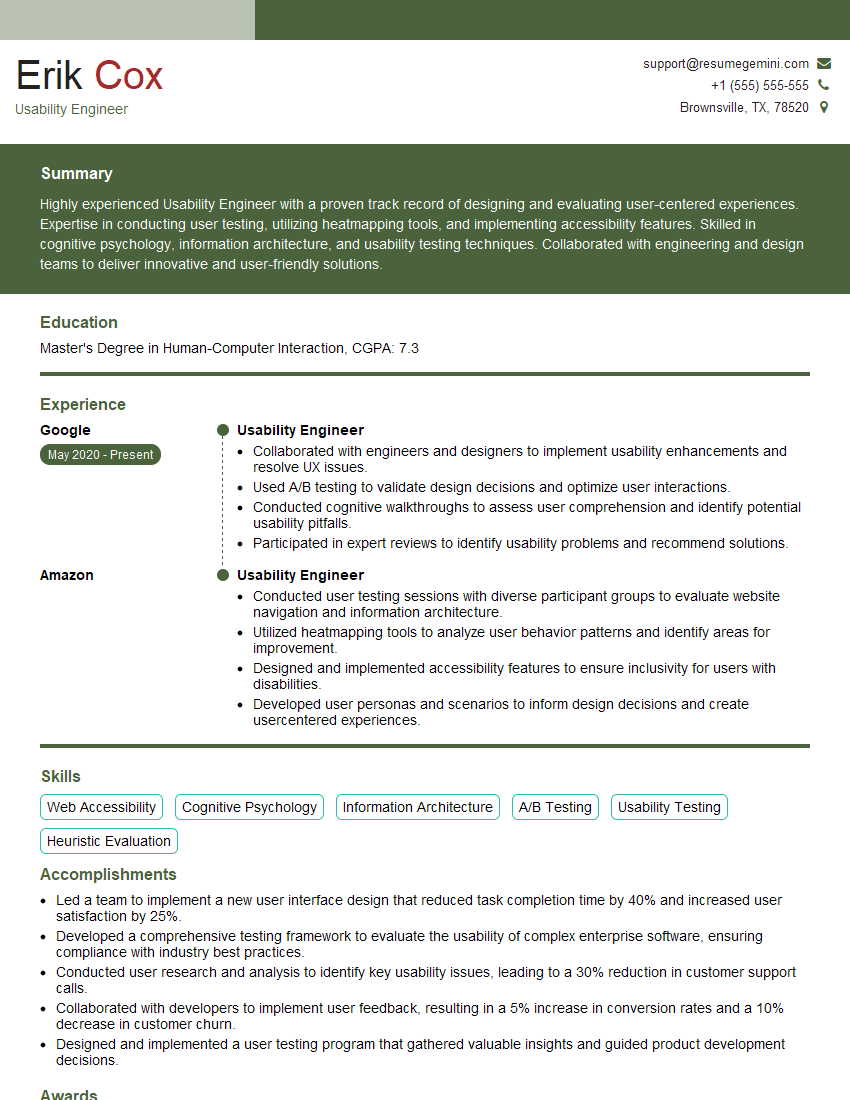
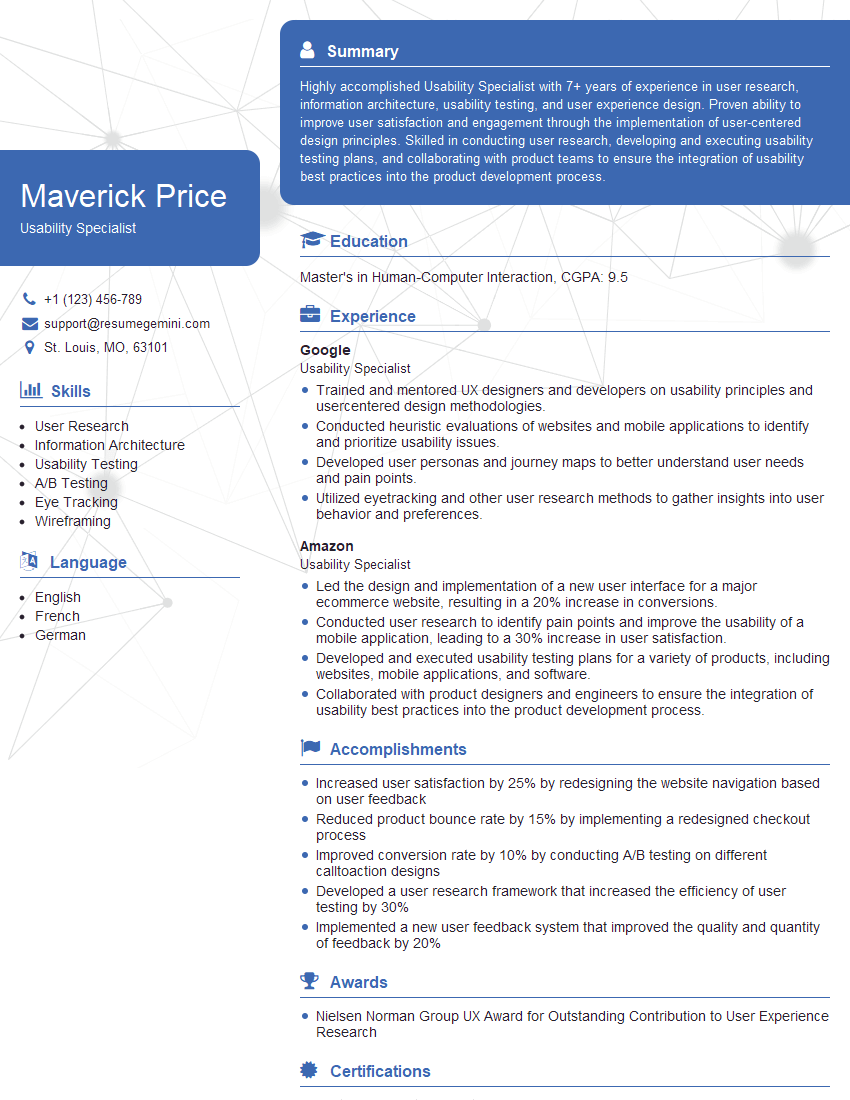
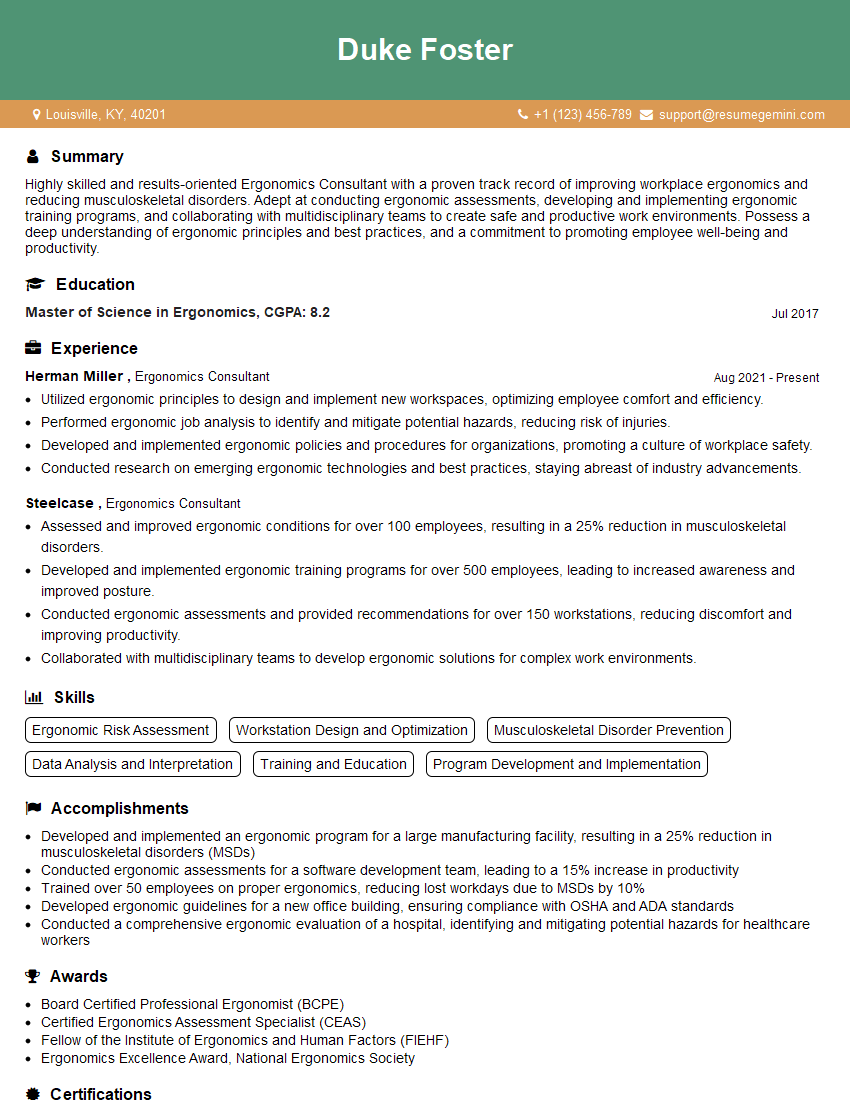
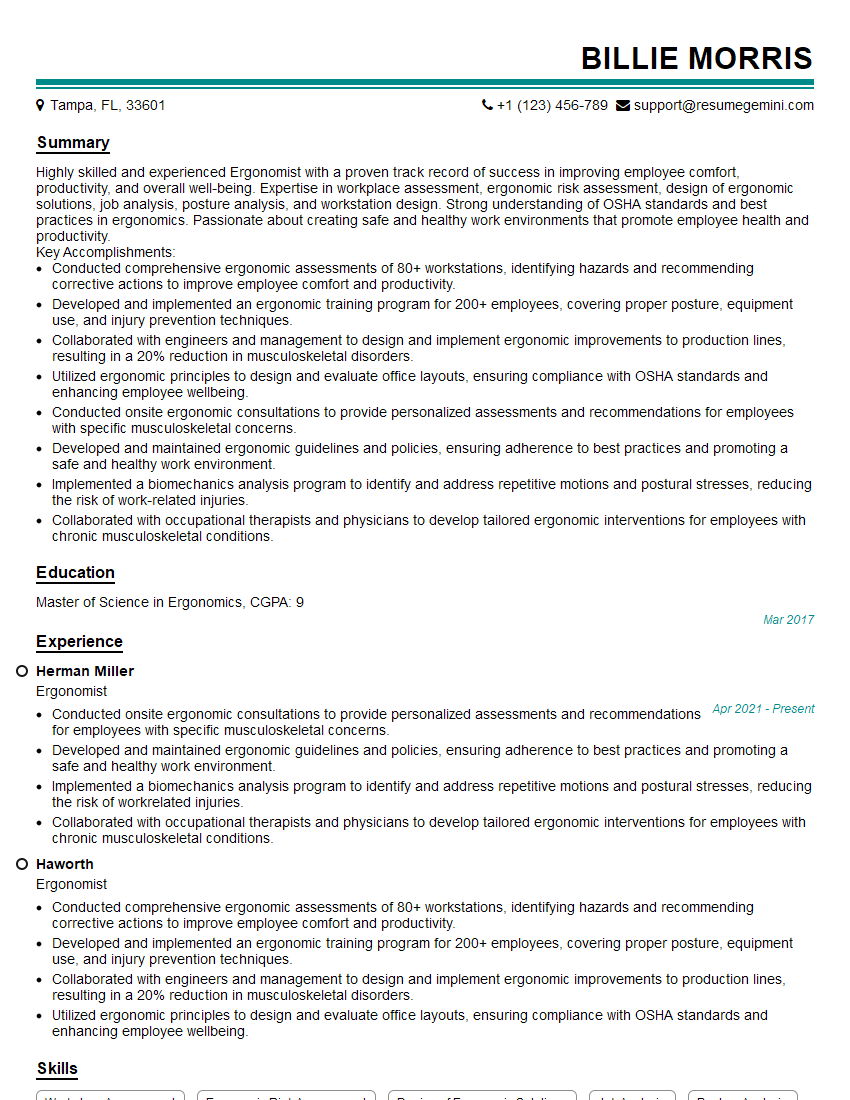
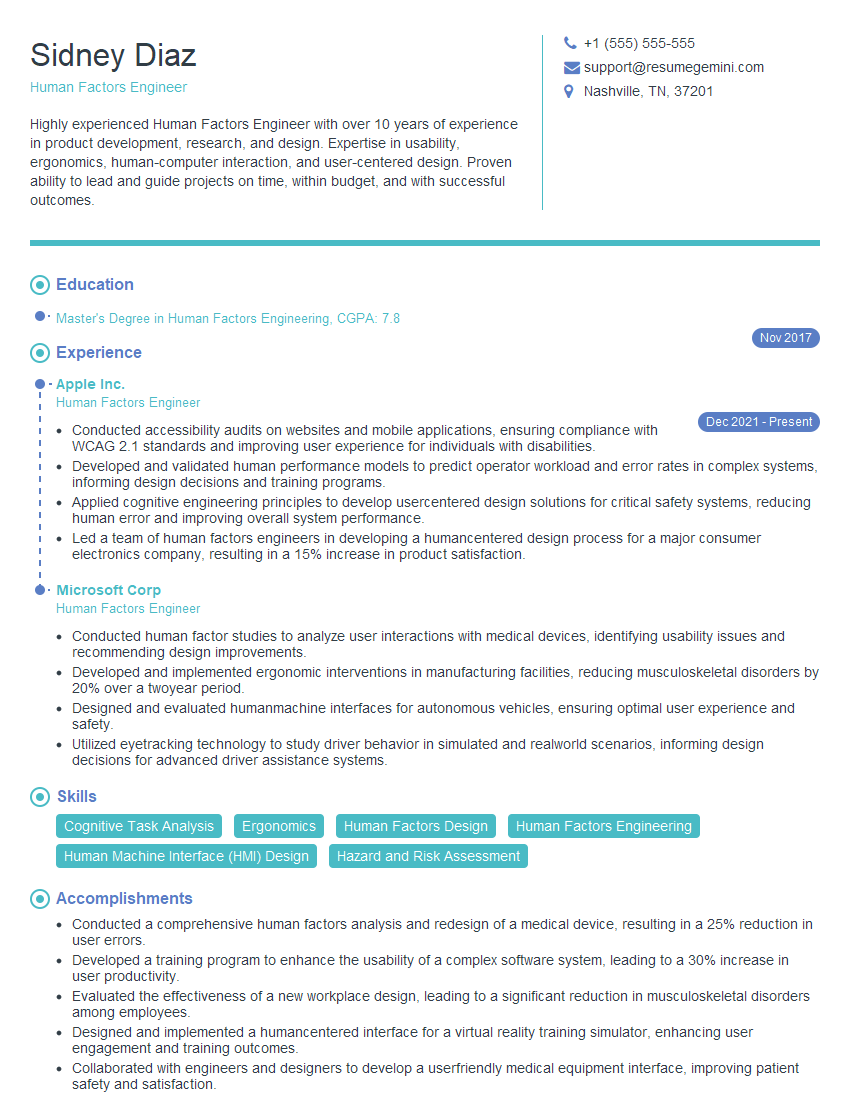
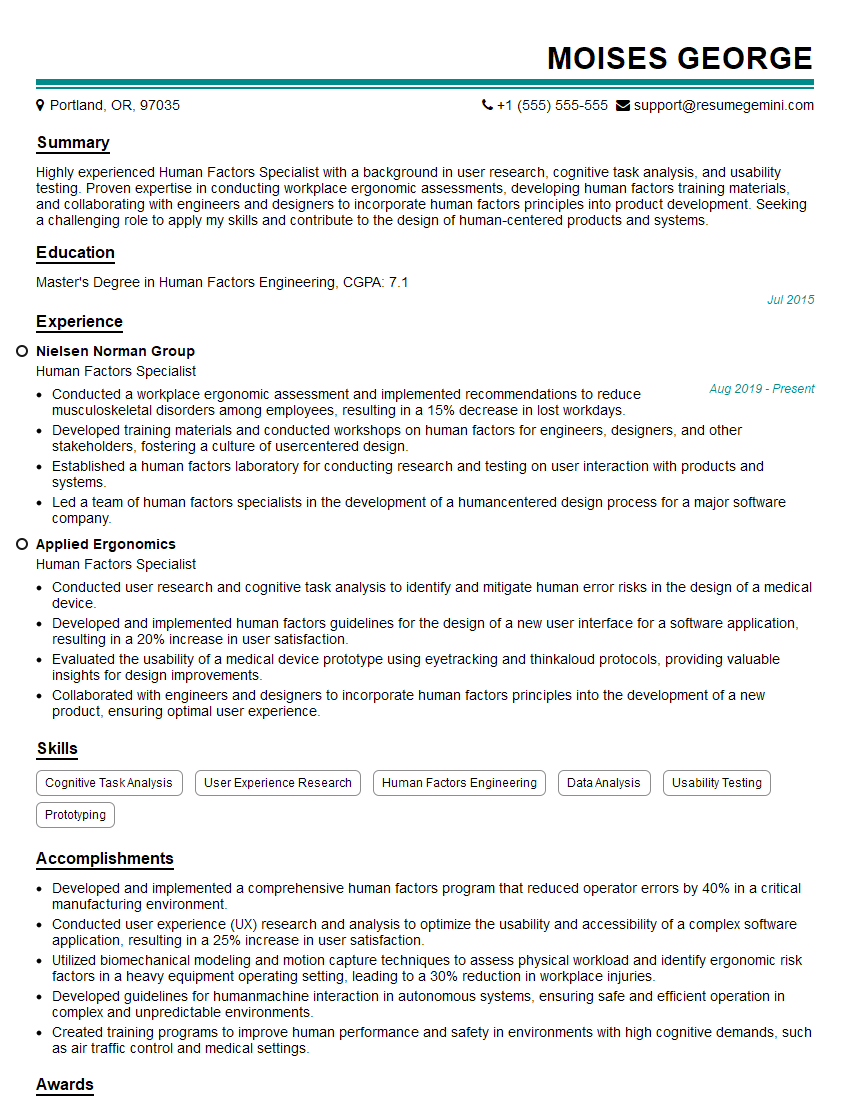
Mastering experience in conducting human factors audits significantly enhances your career prospects, opening doors to rewarding roles in diverse industries. A strong resume is crucial for showcasing your skills and experience to potential employers. Creating an ATS-friendly resume significantly increases your chances of getting noticed by recruiters. ResumeGemini is a trusted resource to help you build a professional and effective resume that highlights your achievements. We provide examples of resumes tailored to experience in conducting human factors audits to help you create a compelling application.

Explore more articles
Users Rating of Our Blogs
Share Your Experience
We value your feedback! Please rate our content and share your thoughts (optional).
What Readers Say About Our Blog
Very informative content, great job.
good