Interviews are opportunities to demonstrate your expertise, and this guide is here to help you shine. Explore the essential Moisture and Temperature Control interview questions that employers frequently ask, paired with strategies for crafting responses that set you apart from the competition.
Questions Asked in Moisture and Temperature Control Interview
Q 1. Explain the difference between relative humidity and absolute humidity.
Relative humidity and absolute humidity both describe the amount of water vapor in the air, but they do so in different ways. Think of it like this: imagine a glass of water. Absolute humidity is like measuring the total amount of water in the glass, regardless of the glass’s size. It’s expressed as the mass of water vapor per unit volume of air (e.g., grams per cubic meter). Relative humidity, on the other hand, is like measuring the percentage of how full the glass is. It expresses the amount of water vapor present relative to the maximum amount the air can hold at a given temperature. A higher temperature allows more water vapor, meaning a glass can hold more water before it spills over. Therefore, the same amount of absolute humidity can result in different relative humidity levels depending on the temperature.
For example, a desert might have low relative humidity but a relatively high absolute humidity due to high temperatures. Conversely, a cool, damp forest could have high relative humidity but relatively low absolute humidity because even though the air is quite saturated it can’t hold that much moisture at its low temperature.
Q 2. Describe various methods for controlling moisture in a building.
Controlling moisture in buildings involves a multi-pronged approach targeting both source and effect. Methods include:
- Ventilation: Proper ventilation removes moisture-laden air from the building, preventing condensation. This can be achieved through natural ventilation (open windows) or mechanical ventilation (exhaust fans, heat recovery ventilators). Properly designed ventilation systems are crucial to preventing mold and mildew.
- Air Sealing: Sealing cracks and gaps in the building envelope prevents outside moisture from entering and inside moisture from escaping. This includes sealing around windows, doors, and pipes.
- Moisture Barriers: Installing vapor barriers and/or air barriers within the building’s construction separates moisture-producing areas from those that need to remain dry. Vapor barriers are specifically designed to impede water vapor movement.
- Dehumidification: Using dehumidifiers to actively remove moisture from the air, particularly in basements and crawl spaces, is effective in reducing humidity levels.
- Proper Drainage: Ensuring proper grading and drainage around the building’s foundation prevents rainwater from accumulating and seeping into the structure.
- Waterproofing: Applying waterproofing materials to foundations, basements, and exterior walls protects the structure from water intrusion.
- Climate Control: HVAC systems with effective humidity control capabilities can actively remove excess moisture from the air.
The most effective strategy often involves a combination of these methods, tailored to the specific building and climate.
Q 3. What are the common causes of excessive moisture in a building?
Excessive moisture in buildings stems from various sources, many of which are interconnected:
- Leaks: Roof leaks, plumbing leaks, and foundation cracks allow water to enter directly into the structure.
- High Occupancy: Increased human occupancy brings in moisture through respiration, perspiration, and showering.
- Poor Ventilation: Inadequate ventilation traps moisture produced by these activities and other sources.
- Cooking and Cleaning: These activities generate significant amounts of water vapor. Kitchens and bathrooms are often hotspots for moisture problems.
- Appliances: Clothes dryers, dishwashers, and other appliances release moisture into the air if not properly vented.
- Condensation: This occurs when warm, moist air comes into contact with a cool surface (e.g., cold windows or pipes), causing moisture to form. This is particularly problematic in poorly insulated structures.
- Ground Moisture: Rising damp from the ground can penetrate through foundation walls and floors.
Identifying the root cause is key to developing effective solutions. A thorough inspection might involve moisture meters, thermal imaging, and/or a detailed review of building design and construction.
Q 4. How does temperature affect humidity levels?
Temperature and humidity have an intricate relationship. Warm air can hold significantly more water vapor than cold air. As temperature increases, the air’s capacity to hold moisture increases. Therefore, a decrease in temperature often leads to an increase in relative humidity (even if the absolute humidity remains constant), which can result in condensation. Conversely, an increase in temperature often leads to a decrease in relative humidity, as the air becomes less saturated.
Consider this: if you have a glass of water and increase the temperature of the air around it, the air can absorb more water, leading to a decrease in the relative humidity. If you cool the air, the opposite happens. This explains why you often see condensation forming on cold surfaces on a humid day, as the cooler surface cannot hold as much moisture in its surrounding air as the warmer air can.
Q 5. Explain the concept of dew point and its significance in moisture control.
The dew point is the temperature at which the air becomes saturated with water vapor, meaning it can no longer hold any more moisture. At this point, condensation begins to form. Dew point is a crucial indicator in moisture control because it tells us how close the air is to saturation. The lower the dew point, the less moisture is in the air. A high dew point indicates a high moisture content, raising the risk of condensation and potential problems like mold growth.
For instance, a dew point of 60°F (15.5°C) indicates significantly more moisture in the air than a dew point of 40°F (4.5°C). Understanding dew point helps in designing building systems and selecting materials that minimize condensation risk, especially in regions with high humidity levels.
Q 6. What are the different types of HVAC systems, and how do they control temperature and humidity?
Various HVAC systems offer different levels of temperature and humidity control. Some common types include:
- Single-Zone Systems: These systems control temperature and humidity in a single area (e.g., a single room). They typically lack sophisticated humidity control but can be supplemented by dehumidifiers or humidifiers.
- Multi-Zone Systems: These systems can independently control temperature and humidity in multiple zones within a building, providing greater flexibility. Some models include features to manage humidity levels.
- Packaged Units: These self-contained units incorporate all components (heating, cooling, and sometimes ventilation) in a single cabinet. Humidity control often depends on the unit’s specifications.
- Split Systems: These systems separate the indoor and outdoor units, allowing for more flexibility in placement. Advanced models can include humidification and dehumidification capabilities.
- Heat Pumps: These systems can both heat and cool, and some newer models feature integrated humidity control. They typically use a refrigerant to move heat, which can have a dehumidifying effect during cooling cycles.
The choice of HVAC system and its ability to control humidity depends on several factors such as building size, climate, and budget. Systems with integrated humidity control usually offer greater efficiency and comfort, especially in climates with high humidity.
Q 7. Describe the principles of psychrometrics.
Psychrometrics is the study of the thermodynamic properties of moist air. It involves understanding the relationships between temperature, humidity, pressure, and other properties of air and water vapor. Psychrometric charts are essential tools that graphically represent these relationships, allowing engineers and technicians to visualize and calculate various parameters.
Key concepts in psychrometrics include:
- Dry-bulb temperature: The temperature of the air measured by a standard thermometer.
- Wet-bulb temperature: The temperature the air would reach if cooled to saturation by evaporation of water.
- Relative humidity: The ratio of the amount of water vapor present in the air to the maximum amount the air can hold at a given temperature.
- Specific humidity: The mass of water vapor per unit mass of dry air.
- Enthalpy: The total heat content of the air.
By understanding psychrometrics, we can design and optimize HVAC systems to achieve desired levels of temperature and humidity while minimizing energy consumption. Psychrometric charts are essential tools in this process.
Q 8. How do you calculate the sensible and latent heat loads in a building?
Calculating sensible and latent heat loads in a building involves understanding the different ways heat is transferred. Sensible heat is the heat we can feel and measure with a thermometer, representing a change in temperature. Latent heat, on the other hand, is the heat absorbed or released during a phase change, like water evaporating or condensing, without a change in temperature. We need to calculate both to design efficient HVAC systems.
Sensible Heat Load Calculation: This is typically determined using the building’s thermal properties (insulation, window type, etc.), internal heat gains (people, lighting, equipment), and the desired indoor temperature setpoint compared to the outside temperature. We might use a formula that considers the heat transfer through walls, roofs, and windows (using U-values) and the heat generated internally. For example, a simplified calculation could be: Sensible Heat Load = (Area × U-value × ΔT) + Internal Gains, where ΔT is the temperature difference.
Latent Heat Load Calculation: This focuses on moisture content. It’s calculated by considering factors like the number of occupants (each person releases moisture through breathing and perspiration), infiltration (outside air bringing in moisture), and any internal moisture generation (showers, cooking). More complex calculations might incorporate psychrometric charts or specialized software that uses climate data and building characteristics to model moisture content changes. A simplified approach might estimate the latent heat load based on the number of occupants and their moisture production rate.
Combining Sensible and Latent Loads: Both sensible and latent heat loads are crucial for accurate HVAC system design. They are typically expressed in units of BTU/hr or kW and used to size the heating, cooling, and dehumidification equipment needed to maintain the desired indoor environment. Ignoring either load can lead to uncomfortable or inefficient systems.
Q 9. Explain the function of a humidifier and a dehumidifier.
Humidifiers and dehumidifiers are used to control the moisture content in the air, crucial for comfort and preventing building damage. They operate on opposite principles.
Humidifiers: These add moisture to the air. There are several types: evaporative humidifiers (using a fan to evaporate water), impeller humidifiers (atomizing water into fine droplets), and steam humidifiers (boiling water to produce steam). The choice depends on the desired level of humidity and the space to be humidified. Humidifiers are vital in dry climates or during winter months when heating systems dry out the air, potentially causing respiratory issues and static electricity.
Dehumidifiers: These remove moisture from the air. They typically use a refrigeration cycle to cool the air below its dew point, causing condensation to form on a cold coil. The condensed water is collected in a reservoir. Dehumidifiers are particularly important in humid climates or spaces prone to moisture problems, such as basements or bathrooms. Excess moisture can lead to mold growth, mildew, and structural damage.
Q 10. What are the common types of sensors used for monitoring temperature and humidity?
A variety of sensors are used for monitoring temperature and humidity, each with its own strengths and weaknesses. The choice depends on accuracy requirements, cost considerations, and the specific application.
- Thermistors: These are resistive temperature detectors; their resistance changes predictably with temperature. They are inexpensive and relatively accurate.
- Thermocouples: These measure temperature based on the voltage produced by the junction of two dissimilar metals. They offer a wide temperature range but can be less accurate than thermistors.
- RTDs (Resistance Temperature Detectors): These provide high accuracy and stability over a wide temperature range but are generally more expensive than thermistors.
- Capacitive Humidity Sensors: These measure humidity by detecting changes in capacitance due to moisture absorbed by a dielectric material. They are commonly used in many applications because of their cost-effectiveness.
- Resistive Humidity Sensors: These use a sensing element whose resistance changes with humidity. They are generally inexpensive but can be less accurate than other types.
- Psychrometers: These use two thermometers – a dry-bulb and a wet-bulb thermometer – to determine humidity based on the evaporation rate of water. While not a direct sensor, it’s a traditional method, especially valuable in less technologically advanced scenarios.
Q 11. How do you calibrate temperature and humidity sensors?
Calibrating temperature and humidity sensors is crucial to ensure accurate measurements. The process typically involves comparing the sensor’s readings to a known standard.
Temperature Sensor Calibration: This often involves using a calibrated thermometer (e.g., a traceable NIST standard) as a reference. The sensor is exposed to several known temperatures, and the readings are compared. Any deviations can be corrected using calibration curves or adjustment settings built into the sensor or its associated data acquisition system. For example, we might place the sensor in a temperature-controlled bath at several specific temperatures (e.g., 0°C, 25°C, 50°C) and record the readings. Then, a calibration curve can be generated to correct for any error.
Humidity Sensor Calibration: This is usually done using a calibrated humidity generator or a psychrometer. The sensor is exposed to known humidity levels, and the readings are compared. Similar to temperature sensors, calibration curves can be developed to correct for any discrepancies. Salt solutions at known humidity levels can be employed for less sophisticated methods.
Calibration Frequency: The frequency of calibration depends on the sensor type, its application, and the required accuracy. Regular calibration, according to manufacturer recommendations and the project’s criticality, is essential for maintaining the reliability of measurements.
Q 12. What are the safety precautions when working with refrigeration systems?
Working with refrigeration systems involves several safety hazards, and proper precautions are essential.
- Refrigerant Handling: Many refrigerants are flammable, toxic, or both. Always follow the manufacturer’s safety data sheets (SDS) and wear appropriate personal protective equipment (PPE), including eye protection, gloves, and respiratory protection.
- High-Pressure Systems: Refrigeration systems operate under high pressure. Never attempt to work on a system unless you are properly trained and have the necessary tools and safety equipment. Improper handling can result in serious injury from leaks or explosions.
- Electrical Hazards: Refrigeration systems contain electrical components. Always disconnect the power before performing any maintenance or repairs.
- Confined Space Entry: Some refrigeration system components are located in confined spaces. Never enter a confined space without proper training, safety equipment, and a confined space entry permit.
- Environmental Concerns: Refrigerants can have detrimental effects on the environment. Proper handling and disposal procedures are essential to prevent leaks and environmental damage.
Remember, if you’re not trained to work with refrigeration systems, leave it to qualified professionals.
Q 13. Describe different types of refrigerants and their properties.
Refrigerants are substances used in refrigeration cycles to absorb and release heat. Different types exist, each with specific properties affecting their performance and environmental impact.
- CFCs (Chlorofluorocarbons): These were widely used but are now phased out due to their ozone depletion potential. Examples include R-11 and R-12.
- HCFCs (Hydrochlorofluorocarbons): These are transitional refrigerants with lower ozone depletion potential than CFCs but still contribute to global warming. R-22 is a common example.
- HFCs (Hydrofluorocarbons): These have no ozone depletion potential but are potent greenhouse gases. R-134a and R-410A are widely used HFCs.
- Natural Refrigerants: These are environmentally friendly alternatives, including ammonia (R-717), carbon dioxide (R-744), and propane (R-290). They have varying properties; for instance, ammonia is highly toxic but very efficient.
- HFOs (Hydrofluoroolefins): These are low global warming potential refrigerants, and examples include R-1234yf and R-1234ze.
The choice of refrigerant depends on factors like efficiency, safety, environmental impact, and compatibility with the refrigeration system.
Q 14. Explain the principles of refrigeration cycles.
Refrigeration cycles rely on the principle of heat transfer to cool a space. Common cycles are vapor-compression and absorption cycles.
Vapor-Compression Cycle: This is the most common type used in air conditioners and refrigerators. It involves four main stages:
- Evaporation: The refrigerant absorbs heat from the space to be cooled, evaporating from a liquid to a gas. This process occurs in the evaporator.
- Compression: The gaseous refrigerant is compressed by a compressor, increasing its temperature and pressure.
- Condensation: The high-pressure, high-temperature refrigerant releases heat to the surrounding environment (e.g., outside air) in the condenser, condensing back into a liquid.
- Expansion: The liquid refrigerant expands through an expansion valve, causing a decrease in temperature and pressure, preparing it to re-enter the evaporator and start the cycle again.
Absorption Cycle: This cycle uses a refrigerant-absorbent solution, typically water and lithium bromide. The absorbent absorbs the refrigerant vapor, allowing for heat release. This cycle is less efficient than the vapor-compression cycle but can be suitable for applications using waste heat sources.
Understanding the principles of these cycles is critical for designing, maintaining, and troubleshooting refrigeration systems.
Q 15. How do you troubleshoot a malfunctioning HVAC system?
Troubleshooting a malfunctioning HVAC system requires a systematic approach. Think of it like diagnosing a car problem – you wouldn’t just start replacing parts randomly! Instead, you need to identify the symptoms, isolate the potential causes, and then test your hypotheses.
Step 1: Identify the Symptoms: Is the system not cooling or heating effectively? Are there strange noises? Are there error codes displayed on the unit’s control panel? Note the specific issues. For example, ‘the air conditioner is blowing warm air, and the compressor is not running’ is far more helpful than ‘the AC isn’t working’.
Step 2: Check the Obvious: Begin with simple checks: Ensure the power is on, the thermostat is set correctly, and air filters are clean. A clogged filter restricts airflow and dramatically impacts performance. Think of it as a clogged artery in your body – the system can’t function properly.
Step 3: Systematic Troubleshooting: This step depends on the type of HVAC system. For example, you might:
- Check refrigerant levels (for AC): Low refrigerant is a common cause of poor cooling. This requires specialized tools and should often be handled by a professional.
- Inspect blower motor and fan: Ensure they’re functioning correctly. A faulty motor or obstructed fan can significantly impact airflow.
- Examine electrical connections: Loose or corroded connections can prevent components from working. Safety precautions are crucial here!
- Check the condenser coils (outdoor unit): Clean coils improve efficiency. Dirt and debris act as insulation, reducing heat transfer.
- Examine the evaporator coils (indoor unit): Similar to condenser coils, clean coils are vital.
Step 4: Use Diagnostic Tools: HVAC systems often have diagnostic codes. Refer to the manufacturer’s manual to understand what these codes mean. Professional-grade tools can help measure refrigerant pressures and temperatures, providing further insights.
Step 5: Seek Professional Help: If you can’t identify the problem after these steps, it’s time to call an HVAC technician. Attempting complex repairs without the proper training and tools can be dangerous and potentially void warranties.
Career Expert Tips:
- Ace those interviews! Prepare effectively by reviewing the Top 50 Most Common Interview Questions on ResumeGemini.
- Navigate your job search with confidence! Explore a wide range of Career Tips on ResumeGemini. Learn about common challenges and recommendations to overcome them.
- Craft the perfect resume! Master the Art of Resume Writing with ResumeGemini’s guide. Showcase your unique qualifications and achievements effectively.
- Don’t miss out on holiday savings! Build your dream resume with ResumeGemini’s ATS optimized templates.
Q 16. What are the common causes of HVAC system failures?
HVAC system failures stem from a variety of causes, broadly categorized into mechanical, electrical, and environmental issues. Think of it as a chain – a weak link anywhere can cause the entire system to fail.
- Mechanical Failures: These include worn-out components such as compressors, motors, fans, and belts. Over time, these parts wear down due to constant operation. It’s like the tires on a car – eventually, they need replacing.
- Electrical Issues: Problems with wiring, circuit breakers, capacitors, and control boards can cause malfunctions. A simple short circuit can disable the entire system. Imagine a power outage in your house – it affects everything connected to it.
- Refrigerant Leaks (in AC systems): Leaks lead to reduced cooling capacity. Refrigerant is essential for the cooling process; without it, the system struggles. This is like losing coolant in a car’s engine – it leads to overheating.
- Clogged Air Filters: Restricted airflow due to dirty filters stresses the system and reduces efficiency. This is akin to breathing through a straw – it’s difficult and inefficient.
- Frozen Coils: Inadequate airflow or low refrigerant can cause ice buildup on coils, hindering heat transfer. Imagine trying to cool something by wrapping it in ice – it slows the process down.
- Environmental Factors: Extreme temperatures, dust, and moisture can damage components. Extreme heat can cause motors to overheat, while excessive moisture can lead to corrosion.
Q 17. Describe different methods for controlling temperature in an industrial process.
Controlling temperature in industrial processes involves a range of methods tailored to the specific application and desired precision. It’s not a one-size-fits-all solution. Imagine controlling the temperature of a furnace versus a chemical reaction – vastly different techniques are required.
- Heating/Cooling Systems: These involve using boilers, furnaces, chillers, or heat exchangers to add or remove heat from the process. This is the most common approach, ranging from simple heating elements to sophisticated climate-control systems.
- Refrigeration: Utilizing refrigeration cycles to achieve low temperatures is crucial in industries like food processing and pharmaceutical manufacturing. Different refrigeration systems – such as vapor-compression or absorption refrigeration – offer varying capacities and efficiency.
- Heat Transfer Fluids: These fluids, such as water, oil, or specialized synthetic liquids, transfer heat between different parts of the process. This is analogous to using a coolant in a car engine to transfer heat away from the engine block.
- Temperature Sensors and Controllers: Precise temperature control relies on accurate sensors (thermocouples, RTDs) and controllers (PID controllers) that adjust heating or cooling based on setpoints and feedback. This is like a thermostat in your home, constantly monitoring and adjusting the temperature.
- Insulation: Minimizing heat loss or gain is crucial for efficiency. Industrial insulation materials – like fiberglass, mineral wool, or specialized coatings – play a vital role in maintaining temperature control.
- Process Integration: Optimizing the process itself can help regulate temperature. For example, modifying reaction rates or using heat exchangers can directly influence temperature.
Q 18. How do you maintain optimal temperature and humidity levels in a cleanroom environment?
Maintaining optimal temperature and humidity in a cleanroom is critical because these parameters directly affect the integrity of sensitive processes and products. Think of a cleanroom as a highly controlled environment where even small variations can have a significant impact.
HVAC System Design: Cleanrooms require specialized HVAC systems designed to provide precise temperature and humidity control. HEPA filtration removes airborne particles, and systems often include features like humidity control through dehumidification or humidification, and temperature control using chilled water or air handling units.
Environmental Monitoring: Continuous monitoring using calibrated sensors is essential. These sensors measure temperature and humidity at multiple locations throughout the cleanroom, providing real-time data. This data is logged and analyzed to ensure compliance with standards and to detect potential problems early.
Regular Maintenance: Preventative maintenance is crucial. This includes regular filter changes, coil cleaning, and equipment inspections to maintain optimal performance and prevent equipment failures. It is like regular car maintenance to keep the engine running smoothly.
Room Design: The cleanroom’s construction plays a crucial role. Proper insulation minimizes heat transfer, and airlocks prevent outside air from entering and disrupting the controlled environment. Think of it like a thermos flask keeping drinks hot or cold.
Validation: Regular validation testing verifies the HVAC system’s ability to consistently maintain the desired parameters. This ensures that the cleanroom operates within established specifications and meets regulatory requirements.
Q 19. Explain the importance of environmental monitoring in pharmaceutical manufacturing.
Environmental monitoring in pharmaceutical manufacturing is paramount for ensuring product quality, safety, and regulatory compliance. Temperature and humidity significantly impact the stability and efficacy of pharmaceutical products. Imagine a drug losing its potency due to improper storage – that’s a major safety concern.
Maintaining Product Stability: Many pharmaceutical products are sensitive to temperature and humidity fluctuations. These variations can degrade active ingredients, affecting potency, efficacy, and safety. Monitoring ensures that products remain within specified ranges during manufacturing, storage, and transportation.
Preventing Microbial Growth: Specific temperature and humidity ranges can prevent or encourage microbial growth. Maintaining appropriate conditions is critical for sterility and preventing contamination. Think of how food spoils in inappropriate temperatures – the same concept applies to pharmaceuticals.
Regulatory Compliance: Stringent regulations (e.g., GMP – Good Manufacturing Practices) mandate detailed environmental monitoring and documentation. This documentation demonstrates compliance and minimizes risk during audits. This is crucial for maintaining a company’s reputation and licensing.
Data Integrity: Accurate and reliable data is crucial. The monitoring system should provide auditable records demonstrating consistent compliance. This is essential for regulatory approvals, investigations, and quality control.
Real-time Alerts: Monitoring systems should provide real-time alerts in case of deviations from set points. This enables immediate corrective actions and minimizes potential losses due to product degradation or contamination.
Q 20. How does temperature and humidity affect product quality and shelf life?
Temperature and humidity have a profound impact on product quality and shelf life across many industries, from food to pharmaceuticals. Think of how a chocolate bar melts in the heat or how bread goes stale in humid conditions.
Product Degradation: Extreme temperatures can accelerate chemical reactions, leading to degradation of products. High temperatures can speed up oxidation, while low temperatures might cause crystallization or other unwanted changes. Humidity also plays a role, as it can accelerate hydrolysis or other reactions, changing product properties.
Microbial Growth: High temperature and humidity create ideal conditions for microbial growth, leading to spoilage and contamination. This is particularly critical for food and pharmaceutical products.
Physical Changes: Temperature and humidity can affect the physical properties of products. For example, changes in moisture content can alter the texture and appearance of food products, while temperature fluctuations can cause expansion or contraction in materials.
Shelf Life: Proper temperature and humidity control extend shelf life by slowing down the rate of degradation and microbial growth. Imagine the difference between keeping milk in the refrigerator versus at room temperature – the refrigerated milk lasts significantly longer.
Examples:
- Food: Fruits and vegetables lose moisture and freshness in dry conditions, while high humidity can promote spoilage.
- Pharmaceuticals: Many drugs are sensitive to moisture and temperature; improper storage can lead to degradation and loss of efficacy.
- Electronics: High humidity can cause corrosion, while extreme temperatures can damage sensitive components.
Q 21. What are the energy efficiency considerations in moisture and temperature control?
Energy efficiency is paramount in moisture and temperature control, as these systems often consume significant amounts of energy. Reducing energy consumption is not only economically beneficial but also environmentally responsible.
Optimizing HVAC Systems: Regular maintenance, proper sizing of equipment, and efficient design are crucial. Think of a well-insulated house – it requires less energy to heat or cool than a poorly insulated one.
Energy-Efficient Equipment: Investing in energy-efficient HVAC equipment, such as high-efficiency chillers, heat pumps, and variable-speed drives, can reduce energy consumption significantly. These systems offer improved performance and energy savings compared to older technologies.
Smart Controls: Implementing smart controls and automation systems allows for optimized operation and demand-based control, reducing energy waste. Think of a smart thermostat that learns your preferences and adjusts the temperature accordingly.
Improved Insulation: Reducing heat loss or gain through proper insulation can greatly reduce the energy needed for heating or cooling. This includes building insulation as well as insulation of pipes and equipment.
Heat Recovery Systems: Utilizing heat recovery systems to recapture waste heat from processes and reuse it for other purposes is an effective strategy for energy saving. This is similar to using a heat exchanger to pre-heat incoming water.
Monitoring and Optimization: Continuous monitoring of energy consumption enables identifying areas for improvement and optimizing system performance. Analyzing energy usage data allows for targeted adjustments and upgrades.
Q 22. Explain the role of insulation in temperature control.
Insulation plays a crucial role in temperature control by reducing the rate of heat transfer between the interior and exterior of a building or space. Think of it as a barrier that slows down heat’s journey, preventing it from escaping in winter and entering in summer. This significantly impacts energy efficiency and comfort. It works by trapping air pockets within its structure, and because still air is a poor conductor of heat, this drastically reduces heat flow.
For example, imagine a house without insulation on a freezing winter day. Heat will rapidly escape through the walls, roof, and floor, forcing your heating system to work overtime to maintain a comfortable temperature, resulting in higher energy bills and discomfort. With proper insulation, this heat loss is significantly reduced, making the space warmer and more energy-efficient.
Q 23. Describe different types of insulation materials and their applications.
Many insulation materials exist, each with unique properties and applications. Here are a few examples:
- Fiberglass: A common and cost-effective option, offering good thermal resistance. It’s versatile and used in batts, rolls, and loose-fill forms for walls, attics, and floors.
- Mineral Wool (Rock Wool & Glass Wool): Excellent for fire resistance and sound absorption, making it suitable for walls, floors, and ceilings in both residential and commercial buildings. It’s also more sustainable than fiberglass in some cases.
- Cellulose: Made from recycled paper, it’s a sustainable and effective insulator often blown into walls and attics. It provides good thermal performance and sound absorption.
- Spray Foam: This type provides an airtight and water-resistant seal, minimizing air infiltration and improving energy efficiency. Ideal for irregular spaces and difficult-to-insulate areas.
- Polyurethane: Another rigid foam insulation, known for its high R-value (a measure of thermal resistance). It is commonly used in roofing, walls, and refrigeration applications.
The choice of insulation depends on factors like budget, desired R-value, environmental concerns, and the specific application. For instance, spray foam is ideal for preventing air leaks in older homes, while fiberglass batts are a more economical solution for new construction.
Q 24. What are the building codes and regulations related to HVAC systems?
Building codes and regulations concerning HVAC (Heating, Ventilation, and Air Conditioning) systems vary by location but generally focus on safety, energy efficiency, and indoor air quality. These regulations often dictate:
- Minimum energy efficiency standards: HVAC systems must meet specific minimum efficiency ratings (e.g., SEER for air conditioners, AFUE for furnaces).
- Installation requirements: Proper installation practices, including ductwork sealing and refrigerant handling, are mandated to ensure safe and effective operation.
- Ventilation requirements: Regulations often specify minimum ventilation rates to maintain adequate indoor air quality and prevent the buildup of pollutants.
- Safety features: Codes address safety aspects such as carbon monoxide detectors, fire dampers, and emergency shutoff switches.
- Accessibility standards: Regulations may also address accessibility for maintenance and repairs.
It’s crucial to consult local building codes and the relevant authorities to ensure compliance. Non-compliance can result in fines, delays in project completion, and potential safety hazards.
Q 25. How do you interpret psychrometric charts?
Psychrometric charts are graphical representations of the thermodynamic properties of moist air. They’re essential tools for understanding and analyzing air conditioning and humidification processes. They show the relationships between temperature, humidity, enthalpy, and other properties of air.
To interpret them, you typically locate a point on the chart using two known properties, like dry-bulb temperature (the temperature measured by a regular thermometer) and wet-bulb temperature (the temperature measured by a thermometer with a wet wick). From this point, you can then determine other properties such as relative humidity, dew point temperature, and specific humidity. For example, you can easily determine if the air is saturated (100% relative humidity), or how much moisture the air can hold before condensation occurs.
Understanding psychrometric charts is crucial for HVAC system design and troubleshooting. They help in designing efficient HVAC systems, determining optimal conditions for thermal comfort, and diagnosing problems such as excessive humidity or condensation.
Q 26. Explain the concept of thermal comfort.
Thermal comfort refers to the condition of mind that expresses satisfaction with the thermal environment. It’s a subjective feeling influenced by several factors including air temperature, humidity, air movement, radiant temperature (the temperature of surrounding surfaces), and clothing level. It’s not simply about the temperature of the air; a warm room with low humidity and good air circulation might feel more comfortable than a slightly cooler room with high humidity and stagnant air.
For example, a room at 72°F might feel perfectly comfortable in dry conditions but uncomfortably warm and stuffy if the humidity is high. Understanding thermal comfort is essential for designing buildings and spaces that are pleasant and productive for occupants. Factors like age, activity level, and personal preferences also influence perceived thermal comfort.
Q 27. Describe different methods for controlling temperature in data centers.
Controlling temperature in data centers is critical for preventing equipment malfunctions and ensuring optimal performance. Several methods are employed:
- Computer Room Air Conditioners (CRACs): These units are specifically designed to provide precise temperature and humidity control in data centers. They often include features like hot aisle/cold aisle containment to improve cooling efficiency.
- Computer Room Air Handlers (CRAHs): These units combine cooling with ventilation and filtration to manage the air quality within the data center.
- In-Row Cooling: This method places cooling units directly within the server racks, allowing for highly targeted cooling and increased efficiency.
- Liquid Cooling: This advanced technique involves using liquids like water to cool server components directly, offering higher cooling capacity and efficiency than air-based systems.
- Free Cooling: Utilizing outside air when temperatures are low enough to reduce reliance on mechanical cooling systems, thus saving energy.
Effective data center temperature control often involves a combination of these methods, carefully chosen based on factors like server density, available space, and energy costs. Effective monitoring and control systems are crucial to ensure optimal conditions.
Q 28. What are the challenges in controlling temperature and humidity in large-scale facilities?
Controlling temperature and humidity in large-scale facilities presents significant challenges:
- Large volumes of air: Moving and conditioning large volumes of air requires substantial energy and sophisticated HVAC systems.
- Uneven heat loads: Heat generation can be unevenly distributed across the facility, demanding precise control and potentially leading to hotspots.
- Air infiltration and leakage: Large facilities often have many entry points for outside air, impacting temperature and humidity control and energy efficiency.
- Maintenance and management: Maintaining and managing large HVAC systems requires specialized expertise and resources.
- Energy costs: Cooling and heating large spaces consumes significant energy, leading to substantial operating costs.
Addressing these challenges typically involves employing advanced control systems, optimizing HVAC system design, implementing energy-efficient technologies, and employing predictive maintenance strategies. Careful planning and expertise are critical to ensure effective and cost-efficient climate control in large-scale facilities.
Key Topics to Learn for Moisture and Temperature Control Interview
- Psychrometrics: Understanding the relationships between temperature, humidity, and air pressure. This forms the foundation of many moisture control calculations and strategies.
- Moisture Migration: Explore the mechanisms by which moisture moves through building materials (diffusion, capillary action, air movement). Practical application: Analyzing and mitigating moisture problems in buildings.
- Building Envelopes: Master the principles of designing and constructing effective building envelopes that prevent moisture intrusion and maintain comfortable temperatures. Practical application: Specifying appropriate materials and construction techniques.
- HVAC Systems: Learn the workings of Heating, Ventilation, and Air Conditioning systems, focusing on how they control both temperature and humidity levels. Practical application: Troubleshooting system malfunctions and optimizing performance.
- Dehumidification Techniques: Explore various dehumidification methods and their applications in different environments. Practical application: Selecting the most appropriate dehumidification technology for a given project.
- Condensation Control: Understanding the causes and consequences of condensation and implementing preventative measures. Practical application: Designing effective insulation and vapor barriers.
- Moisture Measurement and Testing: Familiarize yourself with different methods of measuring moisture content in materials and the interpretation of results. Practical application: Diagnosing and resolving moisture-related problems in existing structures.
- Building Codes and Standards: Understand relevant building codes and standards related to moisture and temperature control. Practical application: Ensuring designs comply with regulations and best practices.
- Case Studies and Problem Solving: Review successful case studies of moisture and temperature control projects and practice solving common problems in the field.
Next Steps
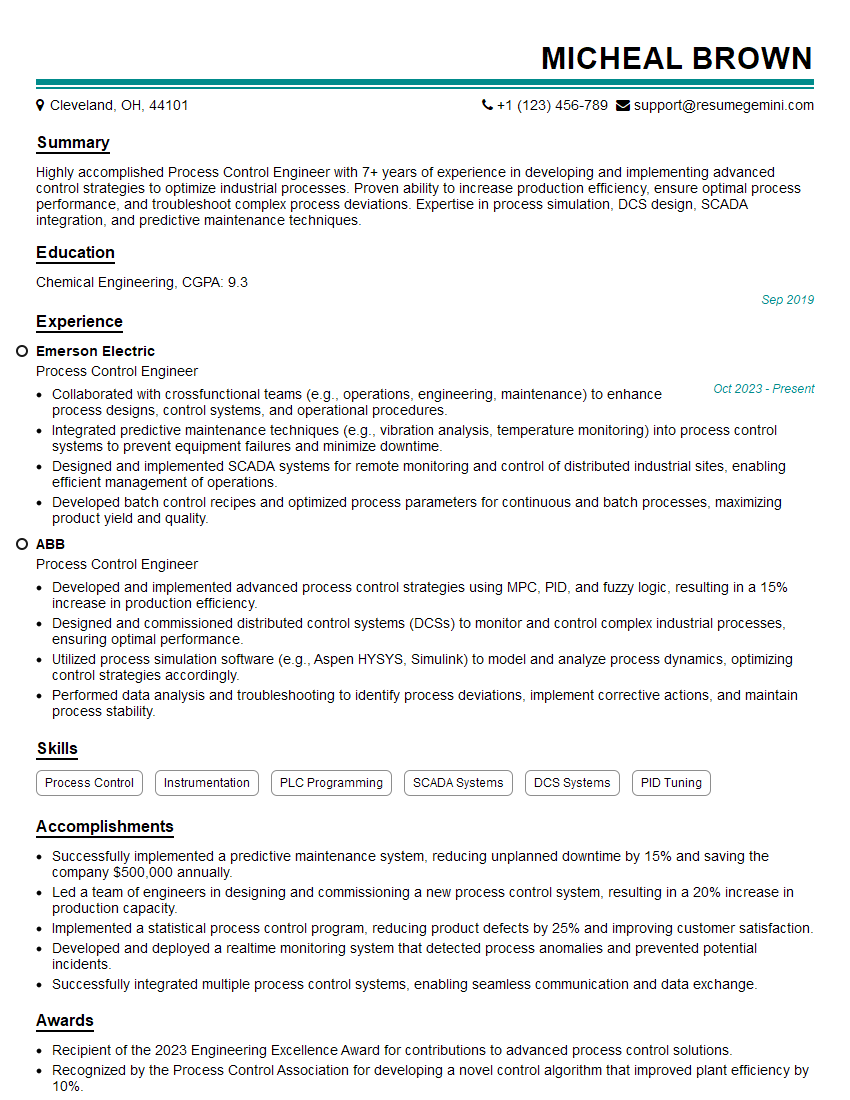
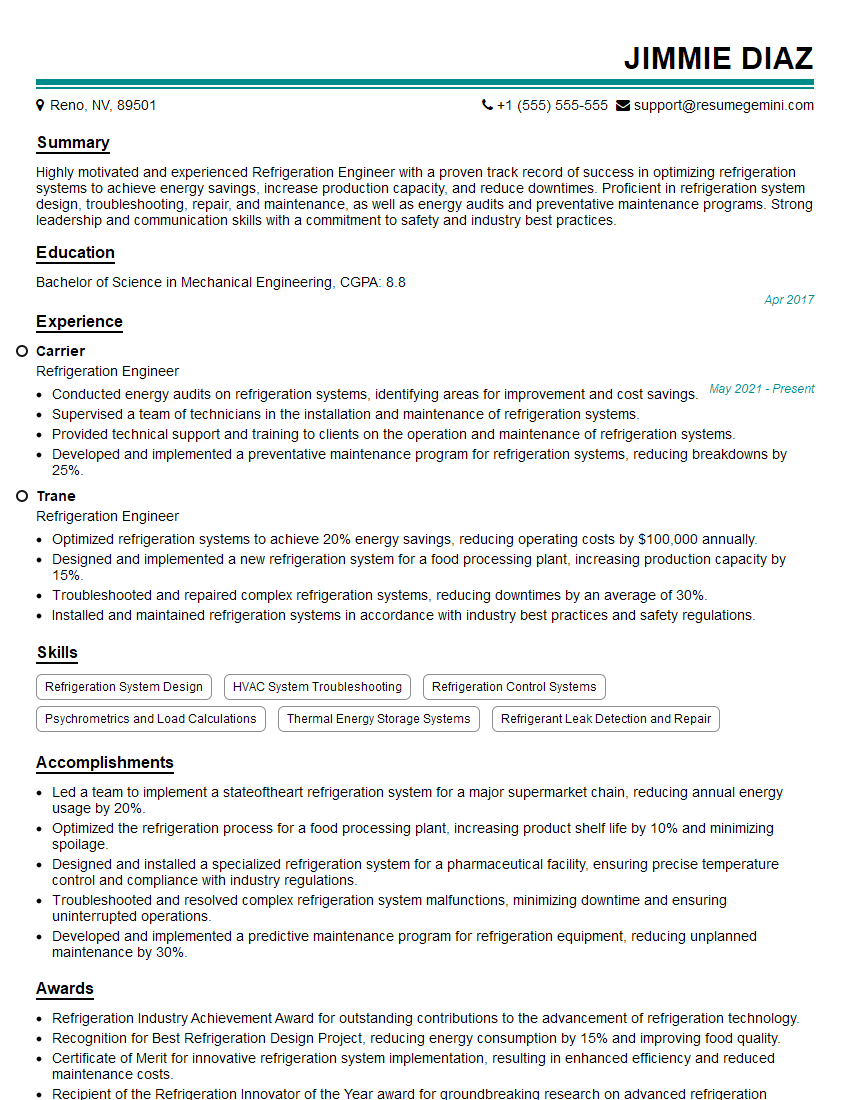
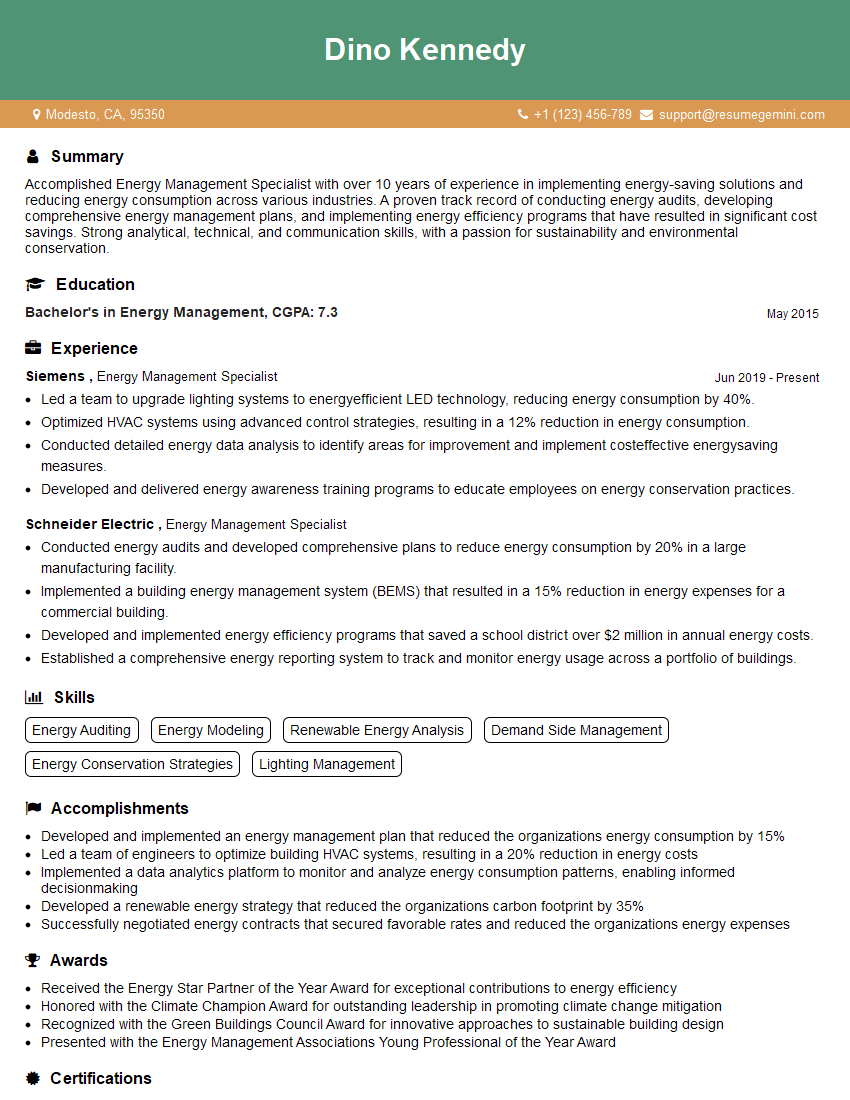
Mastering Moisture and Temperature Control opens doors to exciting career opportunities in building science, construction, and engineering. A strong understanding of these concepts is highly valued by employers. To maximize your chances of landing your dream job, focus on creating an ATS-friendly resume that highlights your skills and experience effectively. ResumeGemini is a trusted resource that can help you build a professional and impactful resume. They even provide examples of resumes tailored specifically to the Moisture and Temperature Control field, giving you a head start in your job search. Take advantage of these resources to present your qualifications compellingly!

Explore more articles
Users Rating of Our Blogs
Share Your Experience
We value your feedback! Please rate our content and share your thoughts (optional).
What Readers Say About Our Blog
Very informative content, great job.
good