The right preparation can turn an interview into an opportunity to showcase your expertise. This guide to Experience in conducting press performance evaluations interview questions is your ultimate resource, providing key insights and tips to help you ace your responses and stand out as a top candidate.
Questions Asked in Experience in conducting press performance evaluations Interview
Q 1. Describe your experience in developing criteria for press performance evaluations.
Developing criteria for press performance evaluations requires a strategic approach that aligns with the overall communication goals. It’s not a one-size-fits-all process; the criteria must be tailored to the specific campaign, target audience, and key performance indicators (KPIs). For instance, a product launch campaign might prioritize media reach and positive sentiment, while a crisis communication strategy would emphasize message control and accurate reporting.
My process typically involves:
- Defining Objectives: Clearly outlining the campaign’s goals – increased brand awareness, lead generation, sales uplift, etc. – is crucial. This dictates the metrics we’ll use later.
- Identifying Key Messages: Determining the core messages we want the media to convey. This helps assess how accurately and effectively those messages were disseminated.
- Target Audience Analysis: Understanding the audience helps tailor evaluation criteria. We’ll consider which publications are most influential with our target audience.
- Metric Selection: Choosing relevant metrics (discussed further in subsequent answers). This could include media mentions, sentiment analysis, reach, and tone of coverage.
- Weighting Criteria: Assigning weights to different criteria based on their importance. For example, during a product launch, the number of positive mentions in key publications might be weighted higher than mentions in less relevant outlets.
For example, in a recent campaign for a sustainable fashion brand, we weighted positive mentions in lifestyle and environmental publications more heavily than in general news outlets, reflecting the brand’s target demographic and values.
Q 2. How do you measure the effectiveness of a press release?
Measuring the effectiveness of a press release is about assessing its impact on achieving the campaign’s goals. It’s not just about the number of placements; it’s about the *quality* and *impact* of those placements.
We measure effectiveness through a combination of metrics, including:
- Media Pick-up Rate: The number of publications that published the press release or a related story. A higher pick-up rate suggests a compelling narrative and strong media relations.
- Reach and Impressions: The total number of people exposed to the coverage. Website analytics, social media monitoring, and media outlet readership data help determine this.
- Tone and Sentiment: Analyzing the overall sentiment (positive, negative, or neutral) expressed in the coverage. This involves both manual review and automated sentiment analysis tools.
- Message Accuracy: Assessing how accurately the key messages were conveyed in the published articles. Inaccuracies can significantly hinder campaign effectiveness.
- Website Traffic and Lead Generation: Tracking website traffic originating from media coverage, and analyzing conversion rates from media-driven leads.
For example, a successful press release might result in numerous positive mentions in relevant publications, increased website traffic, and a significant number of qualified leads.
Q 3. What metrics do you use to assess the overall success of a media campaign?
Assessing the overall success of a media campaign requires a holistic view, going beyond individual press releases. We look at a range of metrics, including:
- Total Media Mentions: The aggregate number of mentions across all platforms.
- Sentiment Analysis: Evaluating the overall positive, negative, and neutral sentiment expressed in media coverage.
- Reach and Impressions: The total number of people exposed to the campaign’s media coverage.
- Share of Voice (SOV): The percentage of media coverage related to our client compared to competitors.
- Website Traffic and Engagement: Analyzing website visits, bounce rate, and time spent on site originating from media coverage.
- Social Media Engagement: Monitoring mentions, shares, and comments on social media platforms.
- Lead Generation and Sales: Tracking leads generated from media coverage and their conversion into sales.
- Brand Awareness and Reputation: Assessing changes in brand perception and reputation through surveys, social listening, and online searches.
We use a combination of quantitative and qualitative data to get a comprehensive picture. For example, a high number of positive mentions might be complemented by case studies demonstrating the impact of the campaign on sales or brand perception.
Q 4. Explain your process for analyzing media coverage, both positive and negative.
Analyzing media coverage, both positive and negative, is crucial for understanding the campaign’s impact and making necessary adjustments. My process involves a multi-step approach:
- Data Collection: Utilizing media monitoring tools (discussed later) to collect all relevant articles and social media mentions.
- Content Categorization: Organizing the collected data by publication, date, sentiment, and key themes.
- Sentiment Analysis: Employing both automated tools and manual review to assess the overall sentiment expressed towards the client or campaign.
- Key Message Tracking: Analyzing how effectively the key messages were communicated and whether there were any misinterpretations or inaccuracies.
- Tone Analysis: Identifying the overall tone of the coverage – supportive, critical, neutral, etc.
- Competitive Analysis: Comparing media coverage of our client to that of competitors to identify opportunities and areas for improvement.
- Qualitative Analysis: Performing a deeper dive into selected articles to understand the context and nuances of the reporting. This helps to identify potential trends and emerging issues.
For example, negative coverage might highlight areas where our messaging needs improvement or where we need to proactively address concerns raised by the media. Positive coverage can inform future communications strategies by highlighting successful themes and messaging.
Q 5. How do you identify and address inconsistencies in media reporting?
Inconsistencies in media reporting can significantly damage a brand’s reputation and credibility. Addressing these inconsistencies requires a prompt and strategic response:
- Identify the Inconsistency: Pinpoint the discrepancies in facts, interpretations, or messaging across different media outlets.
- Investigate the Source: Determine the origin of the inaccurate information or differing interpretations. This may involve contacting journalists or reviewing source materials.
- Develop a Response Strategy: Craft a clear and concise response that addresses the inconsistencies directly, providing accurate information and correcting any misinformation.
- Proactive Communication: Reach out to journalists who published inaccurate information and provide them with the correct facts. This might involve a follow-up press release or individual communication.
- Monitor the Situation: Continue tracking media coverage to assess the impact of the response and identify any further inconsistencies that may arise.
For instance, if multiple articles misrepresent a product’s features, we might issue a clarifying press release, contact the journalists directly, and provide them with accurate information and high-resolution images.
Q 6. How do you track media mentions and sentiment?
Tracking media mentions and sentiment is an essential part of evaluating press performance. We leverage a combination of methods:
- Media Monitoring Tools: Employing specialized software (discussed below) to track mentions across various media sources, including news websites, blogs, social media platforms, and online forums.
- Social Listening: Monitoring social media conversations to gauge public sentiment and identify potential issues.
- Manual Review: Complementing automated tools with manual review of key articles and social media posts to ensure accuracy and gain a deeper understanding of the context.
- Sentiment Analysis Software: Using AI-powered tools to analyze the emotional tone of media coverage, classifying mentions as positive, negative, or neutral.
- Data Visualization: Creating dashboards and reports to visualize media mentions, sentiment trends, and key performance indicators.
For example, a dashboard might display the number of positive and negative mentions over time, highlighting any significant shifts in public opinion.
Q 7. How do you use media monitoring tools to inform your evaluations?
Media monitoring tools are indispensable for efficient and comprehensive press performance evaluations. These tools automate much of the data collection and analysis process, allowing us to focus on strategic interpretation and action.
I’ve used various tools, including Cision, Meltwater, and Brandwatch. These platforms allow us to:
- Track Media Mentions: Identify all mentions of our client across various media outlets, including news articles, blogs, and social media posts.
- Analyze Sentiment: Assess the emotional tone of the media coverage using AI-powered sentiment analysis.
- Measure Reach and Impressions: Estimate the number of people exposed to the media coverage.
- Monitor Competitor Activity: Track the media coverage of competitors to understand the competitive landscape.
- Generate Reports and Dashboards: Create customized reports and dashboards to visualize key performance indicators and track progress.
The data provided by these tools informs our evaluations, allowing us to make data-driven decisions about future communication strategies. For instance, seeing a decline in positive sentiment might prompt us to adjust our messaging or address negative feedback.
Q 8. What strategies do you employ to improve media relations?
Improving media relations is a multifaceted process that hinges on building strong relationships with journalists and proactively shaping the narrative around your organization. It’s about being a reliable source of information and demonstrating genuine value to the media.
- Proactive Outreach: Instead of simply reacting to media inquiries, I proactively pitch story ideas relevant to the media outlet and their audience. This shows initiative and provides journalists with valuable content. For example, I might pitch a feature story on a new sustainability initiative to an environmental publication.
- Relationship Building: I cultivate relationships with key journalists by regularly communicating – not just when I need something. This could involve sharing relevant industry news, inviting them to events, or simply engaging with their work on social media.
- Media Training: I ensure that spokespeople are well-trained in media relations techniques. This includes crafting concise and compelling messages, handling difficult questions, and managing their online presence effectively.
- Monitoring and Analysis: Continuously monitoring media coverage allows me to understand how our message is being received and adjust our strategies accordingly. This includes tracking mentions, sentiment, and reach.
Q 9. Describe a situation where you had to manage negative media coverage. What was your approach?
During a product launch, a competitor launched a smear campaign alleging safety concerns with our product. This resulted in a wave of negative media coverage.
My approach was threefold:
- Swift and Transparent Response: We immediately issued a press release addressing the allegations directly and transparently, providing scientific evidence to refute the claims. We were open and honest about any shortcomings and committed to addressing them.
- Engage with Media Directly: I proactively reached out to key journalists involved in the coverage to provide additional information and context. This allowed us to tell our side of the story and correct any inaccuracies.
- Proactive Reputation Management: We leveraged our social media channels to share accurate information and highlight positive customer experiences. We also engaged in constructive dialogue with concerned individuals online.
The combination of swift action, transparency, and proactive communication helped mitigate the negative impact and ultimately restored public trust.
Q 10. How do you identify key performance indicators (KPIs) for press performance?
Identifying KPIs for press performance involves a balanced approach, measuring both quantitative and qualitative aspects of media coverage. This helps to gain a comprehensive understanding of the impact of our PR efforts.
- Quantitative KPIs: These include metrics like media mentions (total number of articles, mentions in social media), reach (total audience reached), website traffic from media coverage, and share of voice (relative to competitors).
- Qualitative KPIs: These assess the *tone* and *sentiment* of the coverage. Are articles positive, negative, or neutral? Is the messaging aligned with our strategic goals? We also analyze the publication’s prestige and influence.
- Business impact KPIs: This could include measuring lead generation, sales conversions, and changes in brand perception (through surveys or social listening).
The specific KPIs chosen will depend on the overarching PR objectives and the specific campaign.
Q 11. How do you present your findings from a press performance evaluation?
Presenting press performance evaluation findings requires clear, concise communication that avoids jargon and focuses on actionable insights. I typically use a combination of visual aids and narrative storytelling.
- Executive Summary: I start with a concise overview of key findings, highlighting the most significant successes and areas for improvement.
- Data Visualization: Charts and graphs are used to illustrate key KPIs, making the data easily digestible. This might involve showing trends in media mentions, sentiment analysis over time, or comparing performance across different media outlets.
- Case Studies: I highlight specific examples of successful press coverage to illustrate the impact of PR activities and provide concrete evidence of ROI.
- Recommendations: I conclude with clear and actionable recommendations based on the findings, outlining specific strategies to improve future press performance.
The presentation is tailored to the audience – an executive summary might suffice for senior management, while a more detailed report is beneficial for the PR team.
Q 12. How do you collaborate with different departments (e.g., marketing, sales) to improve press performance?
Collaboration is key to maximizing the impact of press performance. I work closely with marketing, sales, and product teams to ensure alignment and leverage synergies.
- Marketing: We collaborate on messaging, targeting, and campaign integration. For instance, a new product launch requires coordinated messaging across all channels, including PR.
- Sales: We share media coverage with the sales team to generate leads and support their efforts. Positive press can be a valuable selling tool.
- Product: I work with product development to understand the features and benefits that are most compelling to the media and help shape the narrative around new products.
Regular meetings and shared communication platforms ensure everyone stays informed and works toward common goals. This collaborative approach ensures that PR efforts are integrated into the overall business strategy.
Q 13. What are some common challenges in evaluating press performance, and how do you overcome them?
Evaluating press performance presents several challenges. One common issue is the difficulty in directly attributing business outcomes to PR efforts. Quantifying the impact of brand awareness or sentiment is also challenging.
- Attribution Challenges: It’s often difficult to definitively prove that a specific media mention directly led to a sale or a lead. To mitigate this, we use a combination of quantitative and qualitative data, looking for correlations rather than direct causation.
- Data Collection: Gathering comprehensive data across various media outlets can be time-consuming and resource-intensive. Using media monitoring tools helps automate this process.
- Subjectivity in Qualitative Analysis: Assessing the tone and sentiment of media coverage can be subjective. Using a combination of automated tools and human review helps mitigate bias.
Overcoming these challenges requires a multi-faceted approach involving robust data collection, sophisticated analytical tools, and a clear understanding of the limitations of the data.
Q 14. How do you adapt your evaluation methods to different industries or company sizes?
My evaluation methods adapt to different industries and company sizes by focusing on the specific goals and resources available. A large multinational corporation will have different needs than a small startup.
- Industry Context: The KPIs used will vary depending on the industry. For example, a tech startup might focus on securing coverage in specialized tech publications, while a consumer goods company might prioritize reach in mainstream media.
- Company Size: Smaller companies might focus on simpler metrics, like media mentions and website traffic, while larger companies might incorporate more sophisticated analyses and business-impact KPIs.
- Resource Allocation: Evaluation methods should be tailored to available resources. Larger companies have more resources for sophisticated media monitoring and analysis tools, while smaller companies might rely on more manual processes.
The core principles of evaluation remain consistent—measuring impact, understanding sentiment, and making data-driven decisions—but the specific approach is adjusted based on the context.
Q 15. What software or tools do you use for press performance evaluations?
For press performance evaluations, I utilize a combination of software and tools tailored to the specific needs of the project and the type of media involved. This often includes:
- Media monitoring platforms: These tools, such as Meltwater or Cision, track media mentions across various channels (print, online, broadcast). They provide data on reach, sentiment, and tone, which are crucial for quantitative analysis.
- Spreadsheet software (Excel, Google Sheets): I use these for organizing data gathered from media monitoring platforms, creating custom metrics, and generating reports. This allows for a structured approach to analyzing both quantitative and qualitative data.
- Qualitative analysis tools: For deeper understanding of the narrative around a client or campaign, I might use qualitative analysis software to categorize and analyze the themes and sentiments expressed in media coverage.
- Presentation software (PowerPoint, Google Slides): These are essential for delivering clear and concise reports to stakeholders, visualizing key findings, and communicating recommendations.
The choice of tools depends heavily on the client’s specific objectives and the available budget. For example, a smaller non-profit might benefit from free or low-cost tools, while a large corporation might necessitate more sophisticated, enterprise-level platforms.
Career Expert Tips:
- Ace those interviews! Prepare effectively by reviewing the Top 50 Most Common Interview Questions on ResumeGemini.
- Navigate your job search with confidence! Explore a wide range of Career Tips on ResumeGemini. Learn about common challenges and recommendations to overcome them.
- Craft the perfect resume! Master the Art of Resume Writing with ResumeGemini’s guide. Showcase your unique qualifications and achievements effectively.
- Don’t miss out on holiday savings! Build your dream resume with ResumeGemini’s ATS optimized templates.
Q 16. Describe your experience in providing feedback to individuals or teams based on press performance evaluations.
Providing feedback based on press performance evaluations requires a delicate balance of constructive criticism and encouragement. My approach is always tailored to the individual or team’s experience level and the context of the situation. I generally follow these steps:
- Start with the positive: I begin by highlighting successes and positive media coverage, acknowledging their hard work and achievements. This sets a positive tone for the conversation.
- Address areas for improvement: I then constructively address areas needing improvement, providing specific examples from the media coverage and offering actionable recommendations. For example, if a spokesperson struggled with a particular question, I might suggest media training focused on that area.
- Collaborate on a plan: Instead of simply issuing directives, I work collaboratively with individuals or teams to develop a plan to address the areas for improvement. This fosters ownership and accountability.
- Follow up and track progress: I schedule follow-up meetings to track progress and provide continued support. This ensures that the feedback is not a one-time event but rather a continuous process of improvement.
For instance, in one project, a team struggled with consistent messaging in their press releases. By identifying this pattern in the media coverage, we worked together to develop a clear communication strategy and messaging framework, leading to significantly more positive and consistent media coverage in subsequent campaigns.
Q 17. How do you ensure the objectivity and fairness of your evaluations?
Objectivity and fairness are paramount in press performance evaluations. I ensure this through several key methods:
- Clearly defined metrics: I establish a clear set of pre-defined metrics before the evaluation begins. This ensures that the assessment is not arbitrary or subjective. These metrics might include reach, sentiment, share of voice, and message accuracy.
- Consistent data collection: I maintain rigorous data collection procedures, using standardized tools and methodologies to ensure consistency across different projects and campaigns. This eliminates bias based on how data is collected and analyzed.
- Multiple data sources: I leverage multiple data sources to avoid relying on a single perspective or source of information. This might include quantitative data from media monitoring platforms and qualitative data from feedback surveys and media analysis reports.
- Peer review (where applicable): In larger projects or when appropriate, I involve other colleagues to review my findings and assessments. This adds another layer of scrutiny and reduces the risk of personal bias.
By using a transparent, data-driven approach, I ensure that evaluations are as objective and fair as possible. This also fosters trust and confidence among those being evaluated.
Q 18. How familiar are you with different types of media (print, broadcast, online)?
I am highly familiar with various media types, including print, broadcast, and online. My experience encompasses:
- Print media: I understand the nuances of newspaper and magazine articles, including their editorial processes, readership demographics, and impact on public perception.
- Broadcast media: I’m experienced in analyzing television and radio news coverage, considering factors such as visual impact, soundbites, and the overall tone and style of presentation.
- Online media: I am proficient in analyzing online news articles, social media posts, blog entries, and other digital media formats, understanding their reach, virality, and potential for both positive and negative impact.
This multi-faceted understanding enables me to conduct comprehensive evaluations, considering the unique strengths and challenges of each media type. For example, a successful story in a local newspaper might have a different impact on a brand than a viral tweet, and understanding these differences is key to accurate evaluation.
Q 19. Explain your understanding of media relations best practices.
Media relations best practices encompass a proactive and strategic approach to interacting with the media. Key aspects include:
- Building strong relationships with journalists: Cultivating genuine relationships with journalists based on trust and mutual respect is essential for effective media relations. This includes understanding their beats, deadlines, and preferences.
- Developing compelling narratives: Crafting clear, concise, and compelling narratives that resonate with target audiences and align with organizational goals is crucial for securing positive media coverage.
- Proactive media outreach: Rather than only reacting to media inquiries, proactively pitching stories and engaging with journalists helps shape the narrative and secure positive placements.
- Crisis communication planning: Developing a comprehensive crisis communication plan allows for a swift and effective response to negative media coverage or unexpected events.
- Consistent messaging: Maintaining consistent messaging across all communication channels ensures clarity and avoids confusion among stakeholders and the media.
For instance, proactively pitching a human interest story about a company’s philanthropic work can yield positive media attention, strengthening public perception and brand reputation. Ignoring such opportunities would be a missed chance to cultivate positive media relationships.
Q 20. How do you handle confidential information related to press performance?
Confidentiality is critical in handling information related to press performance. I strictly adhere to confidentiality agreements and professional ethics. My practices include:
- Secure data storage: All data and evaluations are stored securely using password-protected systems and following data security best practices.
- Limited access: Access to sensitive information is strictly controlled and limited to authorized personnel only.
- Non-disclosure agreements (NDAs): When necessary, I utilize NDAs to further protect confidential information and ensure compliance with legal requirements.
- Ethical considerations: I always consider the ethical implications of any information I handle and ensure that my actions align with professional standards and legal regulations.
Protecting confidential information is non-negotiable. My commitment to confidentiality is paramount, ensuring both the client’s sensitive data and my professional integrity are maintained.
Q 21. Describe your experience with media training.
My experience with media training encompasses both delivering and observing training sessions. I have designed and delivered media training programs for various individuals and teams across different organizations. These programs typically cover:
- Message development: Crafting key messages that are clear, concise, and consistent with the organization’s goals.
- Interview techniques: Developing skills in handling challenging questions, controlling the narrative, and effectively communicating key messages in interviews.
- Handling difficult questions: Strategies for deflecting inappropriate questions, bridging to key messages, and maintaining composure under pressure.
- Nonverbal communication: Understanding the importance of body language, eye contact, and overall presentation in media interviews.
- Social media engagement: Navigating the complexities of social media interactions and managing online reputation.
I’ve also observed media training sessions and provided feedback to improve their effectiveness. Effective media training is crucial for building confidence and expertise in handling media interactions, positively influencing brand image and public perception.
Q 22. What is your experience with crisis communications management?
Crisis communications management is the art and science of navigating a company or individual through a public relations emergency. It involves swift, decisive action to mitigate damage to reputation and minimize negative impact. My experience spans several high-profile crises, including a product recall, a data breach, and a social media controversy.
In each case, my approach followed a structured process: first, assessing the situation, identifying the core issue, and determining the scope of the problem. Next, developing a communication plan that addressed the immediate concerns and crafted consistent messaging across all platforms. Then, executing the plan through timely press releases, social media updates, and proactive engagement with affected stakeholders. Finally, monitoring and evaluating the effectiveness of our communications, adapting the strategy as needed.
For instance, during the product recall, we utilized a multi-pronged approach involving a dedicated hotline, press releases highlighting the proactive nature of the recall, and targeted social media campaigns to address consumer concerns directly. The outcome was a swift resolution with minimal long-term damage to the company’s brand reputation.
Q 23. How do you measure the ROI of media relations efforts?
Measuring the ROI of media relations is crucial for demonstrating its value. It’s not solely about counting media mentions; it’s about understanding the impact on key business objectives. I use a multi-faceted approach, combining quantitative and qualitative metrics.
- Quantitative Metrics: These include things like media mentions (total number, reach, tone), website traffic from media coverage, social media engagement, lead generation, and sales uplift. I leverage media monitoring tools to track these figures accurately.
- Qualitative Metrics: These involve assessing the impact on brand perception, sentiment shifts, improved stakeholder relations, and the overall success in achieving communication objectives. I conduct surveys, analyze social media comments, and monitor the narrative surrounding the company in the media.
For example, I once tracked a campaign’s impact on lead generation by including unique tracking codes in press releases and website links. This allowed us to directly attribute leads to the specific media coverage generated. This approach demonstrated a clear and quantifiable ROI, justifying the investment in media relations.
Q 24. How would you assess the performance of a spokesperson in a press conference?
Assessing a spokesperson’s performance in a press conference requires a holistic view. I look at several key aspects:
- Message Clarity and Consistency: Does the spokesperson communicate the key messages clearly, concisely, and consistently throughout the press conference? Are the messages aligned with the overall communication strategy?
- Handling of Difficult Questions: How does the spokesperson handle tough or unexpected questions? Do they remain calm, composed, and avoid defensiveness? Do they answer directly and honestly, even when the news is negative?
- Body Language and Demeanor: Nonverbal communication is crucial. Does the spokesperson appear confident, credible, and trustworthy? Do their body language and tone of voice support their message?
- Media Engagement: Does the spokesperson engage effectively with journalists, fostering positive relationships and ensuring media coverage is balanced and accurate?
I often use a scoring system to evaluate these elements, allowing for a more objective assessment. For instance, I might assign points for each criterion, giving more weight to critical areas like handling difficult questions. This systematic evaluation ensures a thorough and fair assessment of the spokesperson’s performance.
Q 25. Describe your experience working with different media outlets.
My experience encompasses working with a wide range of media outlets, from national and international news agencies to local newspapers, trade publications, and online blogs. I understand the unique needs and perspectives of each media type.
For example, working with national news agencies requires a strong understanding of their news cycles and editorial preferences, ensuring the story is compelling and newsworthy. With local newspapers, a focus on community impact and localized relevance is essential. Trade publications require specialized knowledge and a focus on industry-specific details. This nuanced approach allows me to tailor my communications to maximize reach and impact across different media landscapes. I’ve built strong working relationships with numerous journalists, ensuring consistent and effective communication.
Q 26. How familiar are you with reputation management strategies?
I am very familiar with reputation management strategies. It’s an ongoing process, not just a reactive response to a crisis. It involves proactively building and protecting a positive brand image.
My approach includes:
- Proactive Reputation Management: Consistently promoting a positive brand image through strategic communication, community engagement, and consistent messaging.
- Reactive Reputation Management: Developing and implementing crisis communication plans to effectively address negative events and minimize reputational damage.
- Online Reputation Management: Actively monitoring online conversations, addressing negative reviews, and promoting positive content to shape the online narrative.
- Stakeholder Engagement: Building strong relationships with key stakeholders (customers, employees, investors, etc.) to foster trust and loyalty.
Reputation management is a marathon, not a sprint. Consistent efforts to build trust and transparency are critical to long-term success. I’ve successfully implemented these strategies across various organizations, mitigating negative impacts and building strong reputations.
Q 27. How do you stay up-to-date on industry trends and best practices in media relations?
Staying current in the dynamic field of media relations requires a multifaceted approach. I regularly engage in:
- Professional Development: Attending conferences, workshops, and seminars focused on media relations, crisis communication, and reputation management. This keeps me abreast of the latest trends and best practices.
- Industry Publications and Research: Subscribing to relevant industry publications, journals, and newsletters. Regularly reading articles and reports helps me understand evolving media landscapes and communication strategies.
- Networking: Actively participating in professional organizations and networking events to connect with peers and learn from their experiences. This fosters collaboration and the exchange of innovative ideas.
- Monitoring Media Trends: Closely observing the evolution of media consumption habits and emerging platforms. This allows me to adapt my communication strategies effectively.
Continuous learning is crucial to success in this fast-paced field. By combining these approaches, I can ensure my knowledge and skills remain relevant and effective.
Key Topics to Learn for Experience in conducting press performance evaluations Interview
- Defining Performance Metrics: Understanding key performance indicators (KPIs) for press releases, media coverage, and overall communication strategies. This includes quantifiable metrics like reach, engagement, and sentiment analysis.
- Data Collection and Analysis: Methods for gathering data on media coverage, including media monitoring tools, social listening, and manual review. Analyzing this data to identify trends, successes, and areas for improvement.
- Developing Evaluation Criteria: Creating a robust framework for assessing press performance based on pre-defined objectives and target audience. This involves aligning evaluation criteria with overall communication goals.
- Qualitative Assessment: Moving beyond numbers to assess the quality and impact of media coverage. This includes considering tone, accuracy, message resonance, and overall narrative.
- Reporting and Communication: Effectively presenting performance evaluations to stakeholders, highlighting key findings, and providing actionable recommendations for future improvements. This requires clear, concise, and persuasive communication skills.
- Addressing Challenges: Problem-solving approaches to overcome obstacles in data collection, analysis, or reporting. This includes dealing with incomplete data, conflicting information, or unexpected results.
- Tools and Technologies: Familiarity with media monitoring software, social listening platforms, and data analysis tools commonly used in press performance evaluation.
Next Steps
Mastering the art of conducting press performance evaluations is crucial for career advancement in communications, public relations, and marketing. A strong understanding of these techniques demonstrates valuable analytical and strategic thinking skills highly sought after by employers. To maximize your job prospects, creating a compelling and ATS-friendly resume is essential. ResumeGemini can help you build a professional and effective resume that highlights your relevant skills and experience. Examples of resumes tailored to showcasing experience in conducting press performance evaluations are available for your review, allowing you to learn from the best and build your own impactful document.
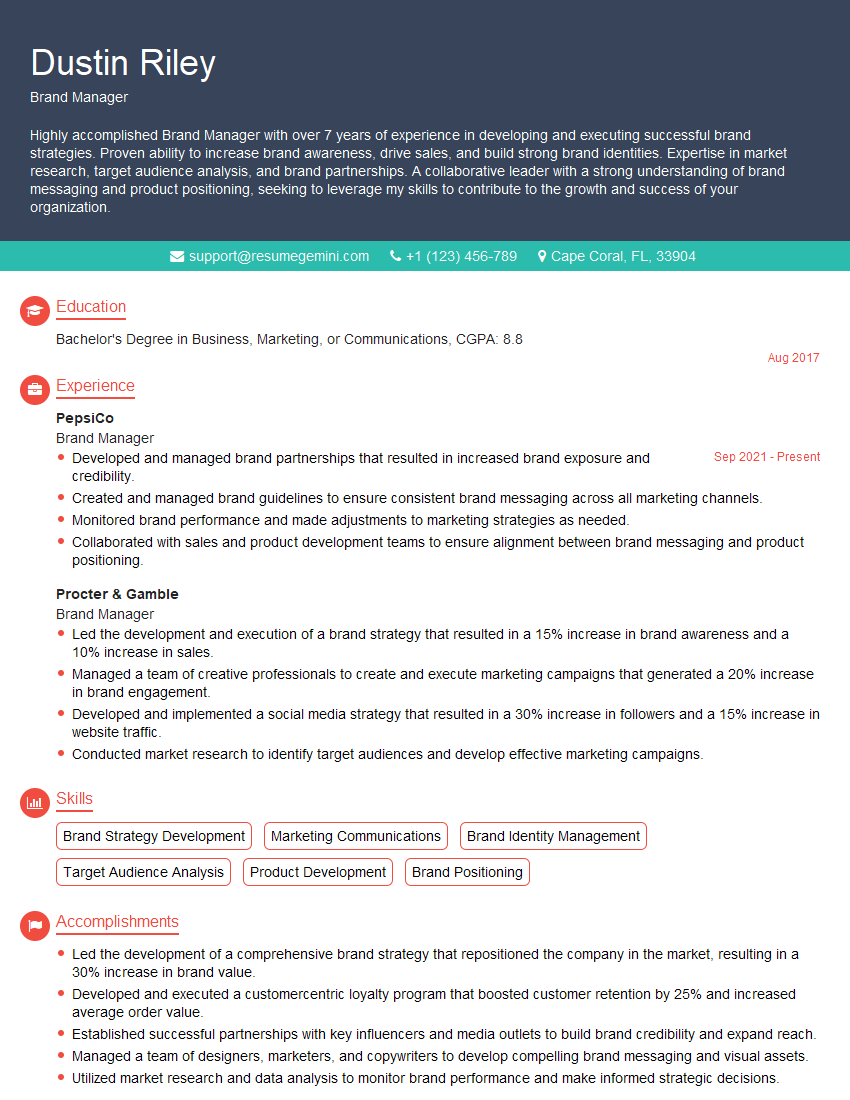
Brand Manager Resume Sample
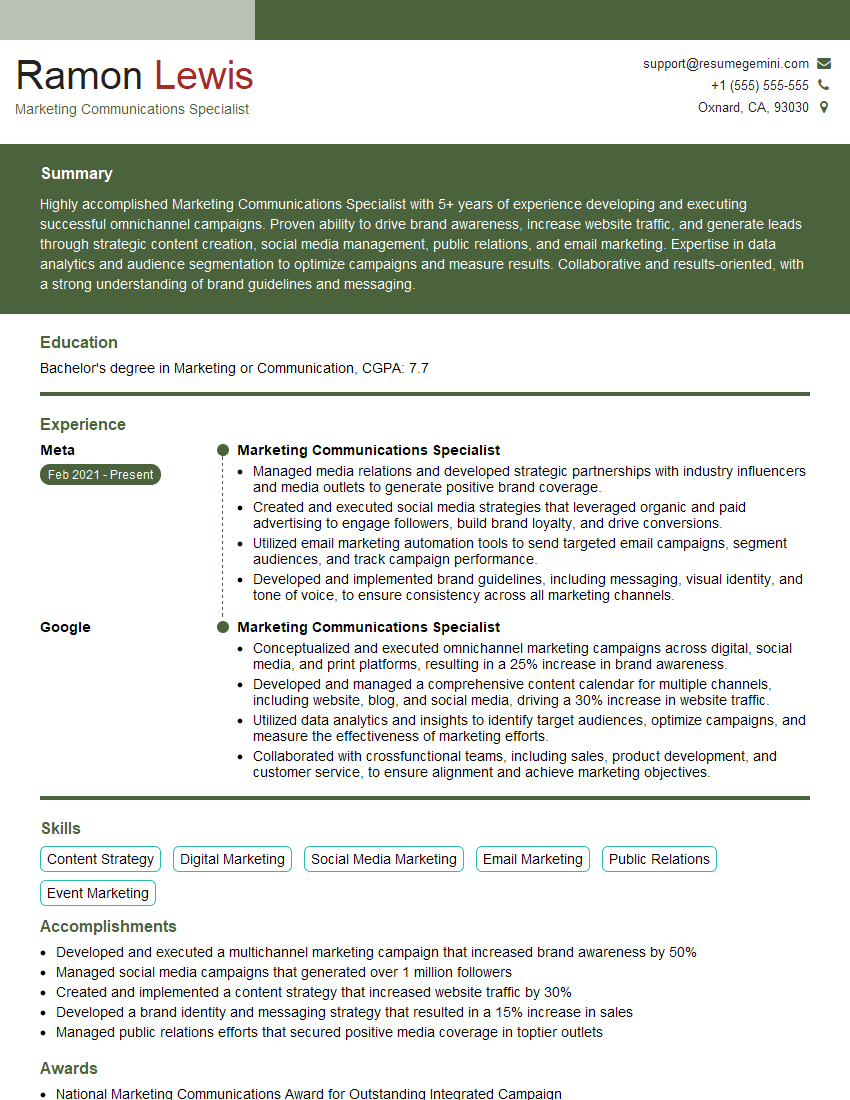
Marketing Communications Specialist Resume Sample
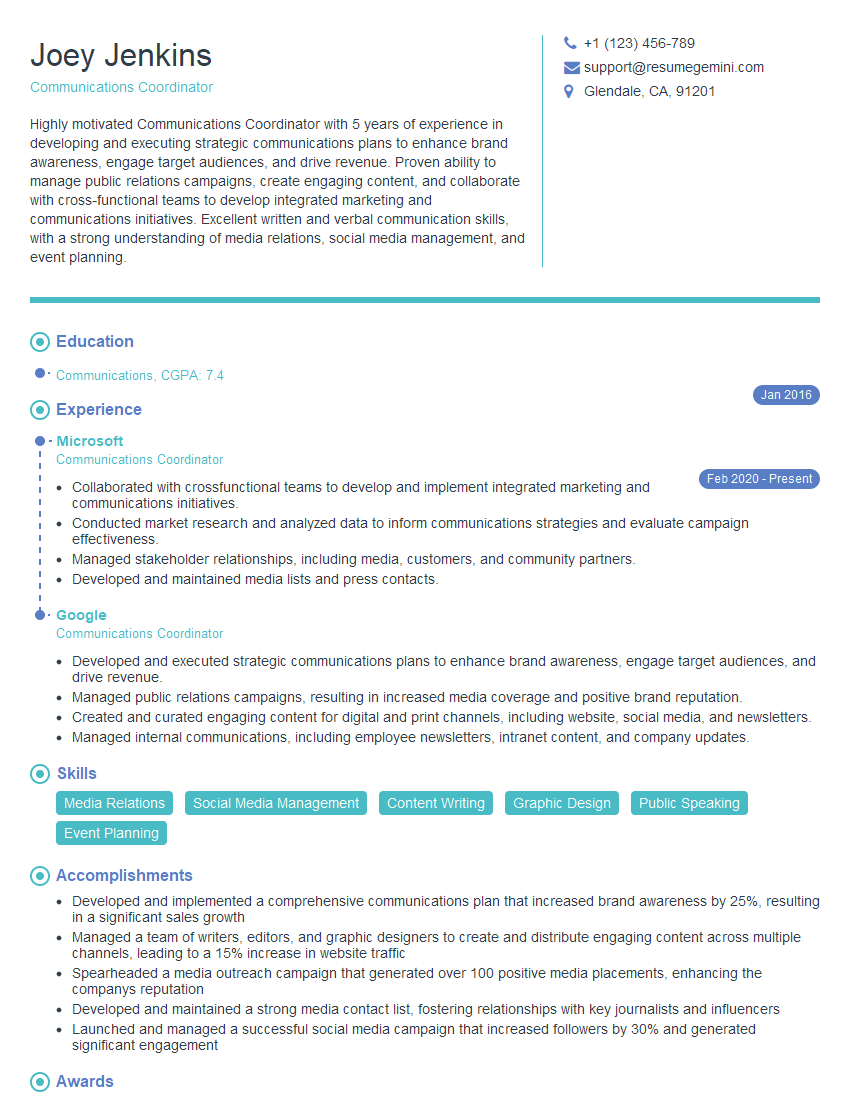
Communications Coordinator Resume Sample

Communications Director Resume Sample

Communications Manager Resume Sample

Marketing Communications Manager Resume Sample

Social Media Manager Resume Sample

Communications Consultant Resume Sample

Content Strategist Resume Sample
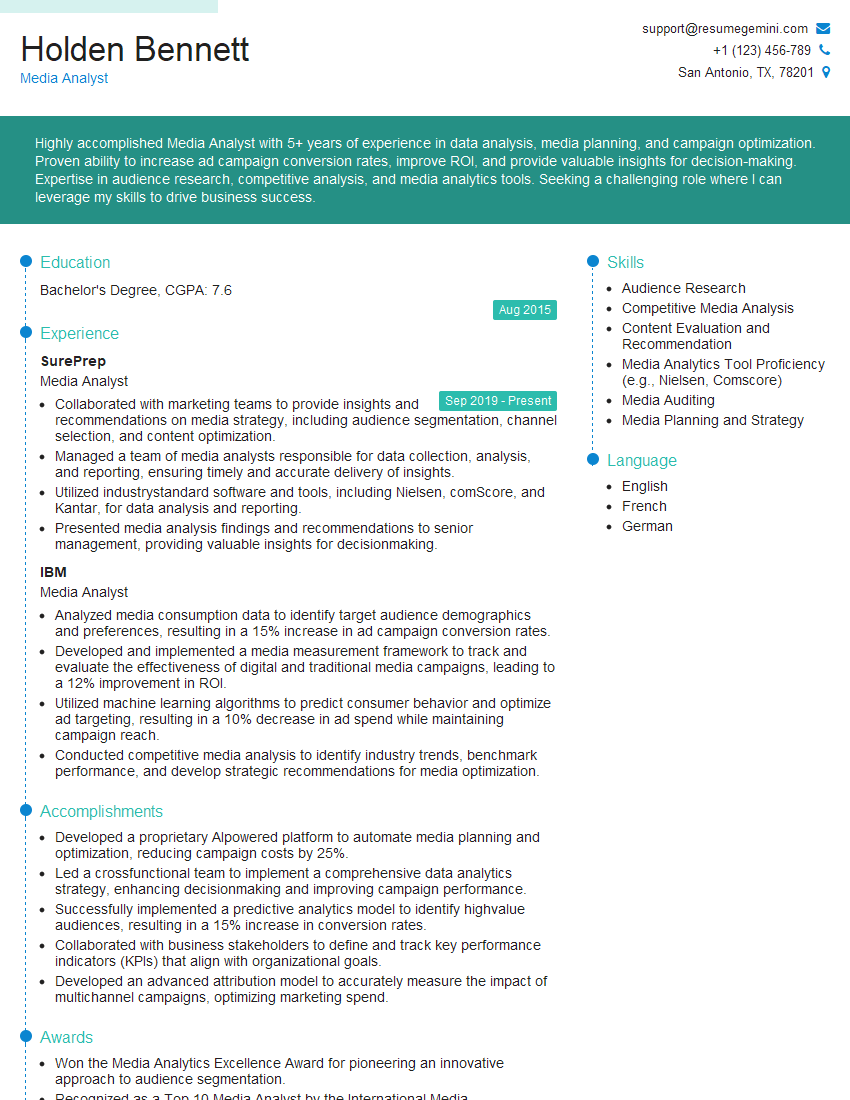
Media Analyst Resume Sample
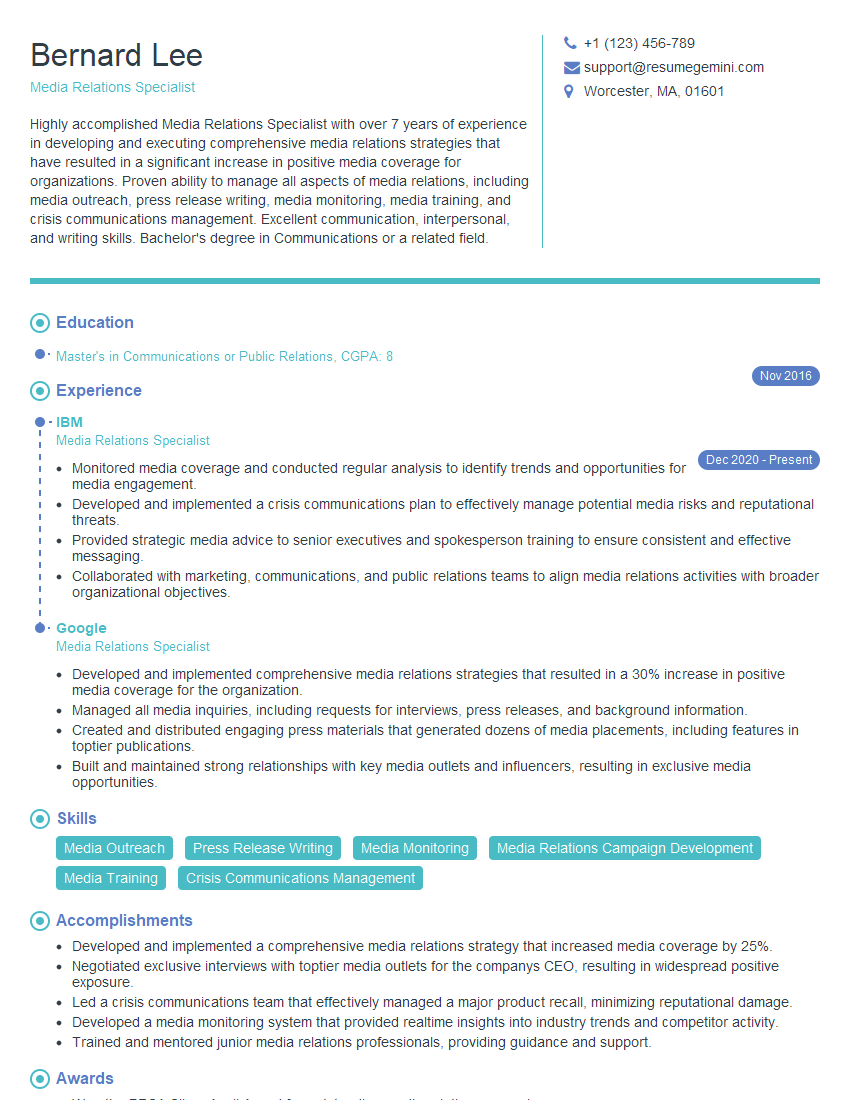
Media Relations Specialist Resume Sample
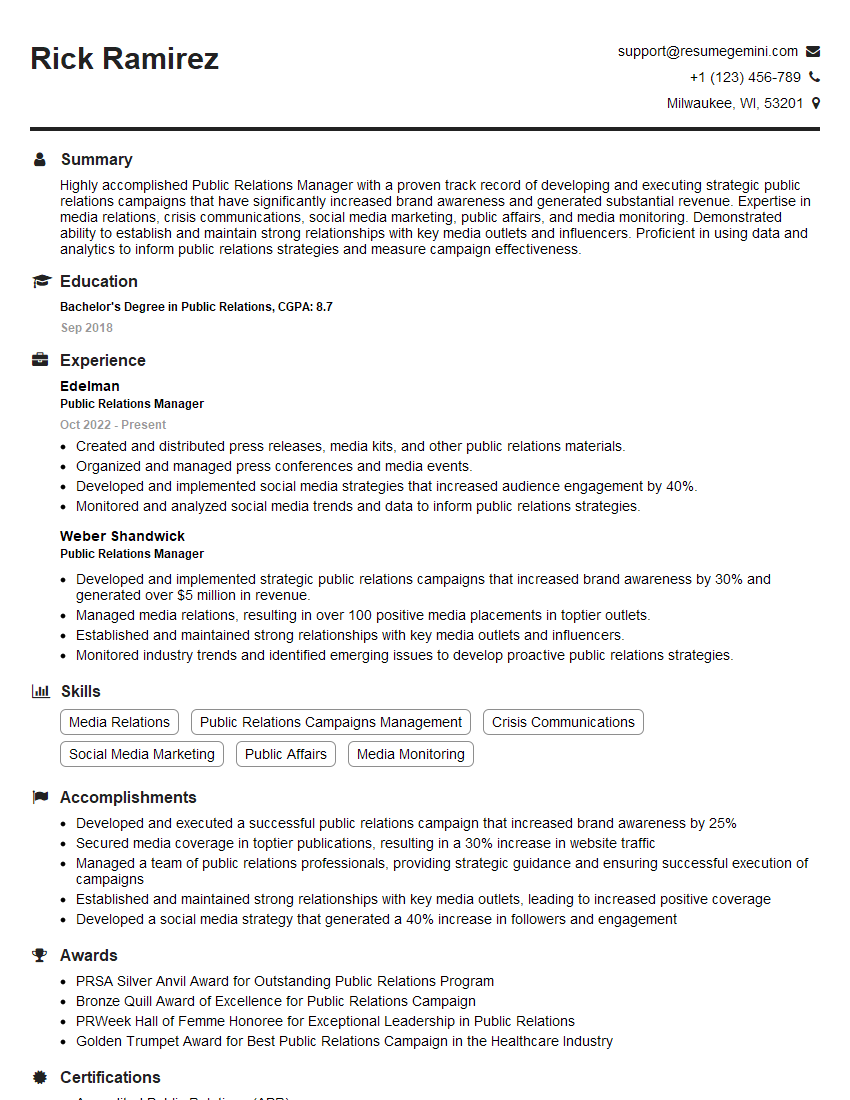
Public Relations Manager Resume Sample
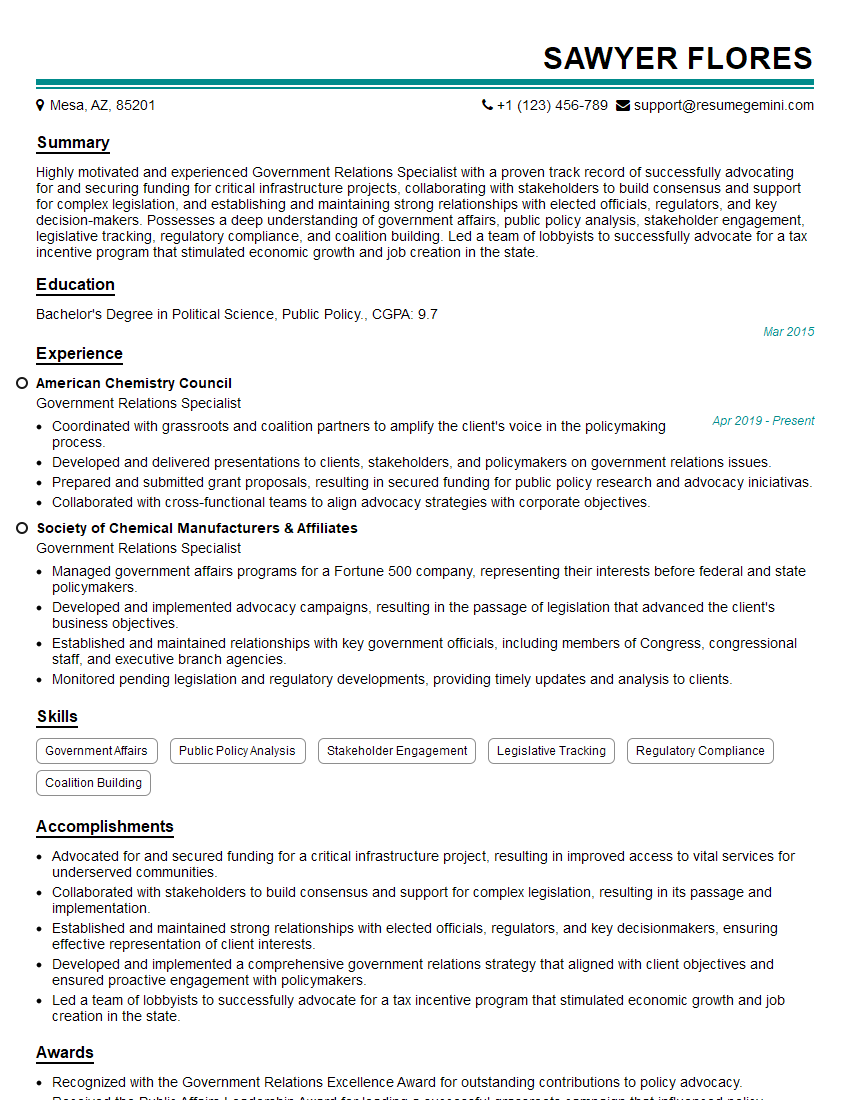
Government Relations Specialist Resume Sample
- Brand Manager
- Marketing Communications Specialist
- Communications Coordinator
- Communications Director
- Communications Manager
- Marketing Communications Manager
- Social Media Manager
- Communications Consultant
- Content Strategist
- Media Analyst
- Media Relations Specialist
- Public Relations Manager
- Government Relations Specialist
Explore more articles
Users Rating of Our Blogs
Share Your Experience
We value your feedback! Please rate our content and share your thoughts (optional).
What Readers Say About Our Blog
Very informative content, great job.
good