Cracking a skill-specific interview, like one for Experience in Different Placing Contexts, requires understanding the nuances of the role. In this blog, we present the questions you’re most likely to encounter, along with insights into how to answer them effectively. Let’s ensure you’re ready to make a strong impression.
Questions Asked in Experience in Different Placing Contexts Interview
Q 1. Describe your experience managing international projects.
Managing international projects requires a multifaceted approach that goes beyond simply coordinating tasks across geographical boundaries. It necessitates a deep understanding of cultural nuances, logistical complexities, and legal frameworks specific to each region. My experience encompasses leading teams across diverse locations, including coordinating software development projects in India, marketing campaigns in Europe, and supply chain optimization in South America. This involved meticulous planning, establishing clear communication channels, and consistently adapting to varying work styles and project management methodologies.
- Detailed Planning & Risk Assessment: Before commencing any international project, I always prioritize a thorough risk assessment, identifying potential challenges related to time zones, language barriers, regulatory differences, and political instability. This analysis informs a detailed project plan that incorporates contingency measures for unforeseen circumstances.
- Establishing Clear Communication Protocols: Effective communication is critical. I establish standardized communication channels, such as regular video conferences, project management software (e.g., Asana, Jira), and shared document repositories, ensuring transparency and consistent information flow.
- Adaptive Project Management Methodologies: Recognizing that rigid methodologies might not always be suitable across cultures, I adapt my approach, blending elements of Agile, Waterfall, or hybrid methods based on the specific project requirements and the team’s familiarity with different methodologies.
Q 2. Explain your approach to mitigating cultural differences in a global team.
Mitigating cultural differences in a global team requires a proactive and empathetic approach. It’s about fostering mutual understanding and respect, appreciating diverse perspectives, and building a collaborative environment where everyone feels valued. My strategy centers around establishing clear communication guidelines, promoting intercultural training, and fostering open dialogue.
- Cultural Sensitivity Training: I make it a priority to provide all team members with training to enhance their understanding of diverse cultural norms and communication styles. This includes awareness of nonverbal cues, differing approaches to conflict resolution, and the importance of respectful communication.
- Open and Inclusive Communication: I encourage open and honest communication, creating a safe space for team members to express their concerns and share their perspectives without fear of judgment. Active listening and empathy are crucial in addressing misunderstandings and resolving conflicts effectively.
- Establishing Clear Communication Guidelines: I define clear guidelines for communication, such as preferred communication methods, response times, and meeting etiquette. This consistency helps to minimize confusion and potential misunderstandings.
- Building Relationships: I focus on building rapport amongst team members by organizing virtual social events or team-building activities that transcend geographical boundaries. These activities can help to break down barriers and foster a sense of camaraderie.
Q 3. How have you addressed logistical challenges related to employee relocation?
Addressing logistical challenges associated with employee relocation requires meticulous planning and attention to detail. It’s not just about arranging flights and finding accommodation; it involves navigating visa processes, handling tax implications, and ensuring a smooth transition for employees and their families. My approach involves collaborating with relocation specialists, providing comprehensive support, and offering ongoing assistance to minimize stress.
- Partnering with Relocation Specialists: I engage experienced relocation companies who handle visa applications, apartment searches, and cultural orientation programs. This streamlines the process and ensures compliance with local regulations.
- Comprehensive Support Package: I offer a comprehensive package including assistance with housing, schooling for children (if applicable), language lessons, and cultural orientation programs. This helps alleviate the stress of relocation and promotes a quicker integration into the new environment.
- Pre-Departure Briefing and Onboarding: I organize detailed pre-departure briefings to address practical matters, such as local customs, transportation, and healthcare systems. Post-arrival, a robust onboarding program helps the employee settle into their new role and workplace culture.
- Regular Check-ins and Support: I schedule regular check-ins with relocated employees to assess their well-being and address any outstanding issues. This demonstrates my commitment to their success and helps prevent potential problems from escalating.
Q 4. What strategies do you employ to ensure successful cross-cultural communication?
Successful cross-cultural communication relies heavily on empathy, active listening, and clear, concise messaging. It requires moving beyond simply translating words to understanding the underlying meaning and context. My strategies encompass using clear and simple language, providing context, and actively seeking clarification.
- Clear and Concise Communication: I prioritize using clear, concise language, avoiding jargon or idioms that might be misinterpreted. I supplement written communication with visual aids where appropriate.
- Active Listening and Empathy: I actively listen to understand the perspectives of my team members, demonstrating empathy and acknowledging their cultural backgrounds. This fosters trust and encourages open dialogue.
- Contextual Understanding: I take the time to understand the cultural context of communication, considering factors such as nonverbal cues, communication styles, and power dynamics. This enables more effective interpretation of messages.
- Regular Feedback and Clarification: I regularly seek feedback from team members to ensure messages are understood correctly and proactively address any misunderstandings.
- Utilizing Technology Effectively: Tools like translation software can aid in bridging language barriers but should be used judiciously and complemented by human interaction.
Q 5. Detail your experience with international compensation and benefits packages.
International compensation and benefits packages require a deep understanding of local laws, tax regulations, and cultural norms. It’s about creating fair and competitive packages that attract and retain top talent while complying with legal requirements. My experience includes designing and implementing compensation structures that account for cost-of-living differences, local tax laws, and employee preferences.
- Research and Benchmarking: I conduct thorough research to benchmark compensation levels against local market standards and competitor offerings. This ensures our packages are competitive and attract qualified candidates.
- Cost-of-Living Adjustments: I incorporate cost-of-living adjustments to reflect the varying expenses in different locations. This ensures fairness and avoids disparities between employees in different regions.
- Tax Implications: I work with tax advisors to understand the implications of various compensation elements on both employer and employee tax burdens. This helps optimize the package for both parties while maintaining legal compliance.
- Benefits Customization: I tailor benefit packages to reflect local preferences and cultural norms. This might involve incorporating additional leave entitlements, health insurance options, or other perks relevant to the specific location.
- Currency Conversion and Exchange Rate Risk: When dealing with multiple currencies, I consider the implications of exchange rate fluctuations and implement strategies to mitigate potential risks.
Q 6. How do you handle legal and compliance issues related to international placements?
Handling legal and compliance issues related to international placements demands vigilance and proactive planning. This involves understanding labor laws, data privacy regulations, and immigration requirements in each location. My approach incorporates continuous monitoring, collaboration with legal counsel, and implementation of robust compliance procedures.
- Proactive Legal Counsel: I work closely with legal experts specializing in international employment law to ensure all our processes comply with local regulations. This includes employment contracts, data privacy policies, and immigration procedures.
- Regular Compliance Audits: I implement a system of regular compliance audits to assess adherence to all relevant laws and regulations. This helps to identify and address any potential risks early on.
- Data Privacy and Security: I ensure strict adherence to data privacy regulations (e.g., GDPR, CCPA) to protect employee information. This involves secure data storage, appropriate access controls, and compliance training for all staff.
- Immigration and Visa Compliance: I work closely with immigration authorities and relocation specialists to navigate visa processes efficiently and ensure all documents are properly processed.
- Keeping Abreast of Changes: International regulations frequently change. I actively monitor updates and ensure our policies and procedures remain compliant.
Q 7. Describe a time you had to adapt your management style to a different cultural context.
During a project in Japan, I initially adopted a more direct, task-oriented management style, typical of my experience in the US. However, I quickly realized this approach was less effective. Japanese business culture emphasizes harmony, consensus-building, and indirect communication. My initial directness was perceived as confrontational. To adapt, I shifted to a more collaborative approach, emphasizing consensus-building and incorporating more informal communication channels.
- Observation and Learning: I spent time observing how my Japanese colleagues interacted and communicated. I paid attention to nonverbal cues and the emphasis placed on building relationships.
- Seeking Feedback: I proactively sought feedback from my team members on my management style, actively soliciting their suggestions for improvement.
- Shifting to a More Collaborative Approach: I transitioned to a more participatory management style, actively involving team members in decision-making processes and ensuring their input was valued.
- Building Relationships: I invested time in building personal relationships with my team members, fostering a sense of trust and camaraderie.
- Positive Outcome: This adjustment resulted in improved team morale, stronger collaboration, and a more successful project outcome. It highlighted the importance of adaptability and cultural sensitivity in effective management.
Q 8. How do you assess the cultural fit of candidates for international roles?
Assessing cultural fit for international roles goes beyond simply reviewing a resume. It’s about understanding how a candidate’s values, communication style, and work ethic align with the local culture and the specific needs of the international team.
My approach involves a multi-faceted strategy. Firstly, I utilize culturally sensitive interview questions, focusing less on rote answers and more on understanding their approach to problem-solving in diverse contexts. For example, I might ask about a time they had to navigate a cross-cultural misunderstanding or how they adapt their communication style depending on the audience.
Secondly, I incorporate cultural assessments, either through validated questionnaires or by leveraging the expertise of local HR representatives. These tools can provide valuable insights into a candidate’s adaptability and potential challenges in integrating into a new cultural environment. Finally, I often conduct reference checks with individuals who have worked with the candidate in international contexts to gauge their experiences firsthand. For instance, a positive reference might highlight a candidate’s ability to build consensus across diverse teams, showcasing their cultural intelligence.
Q 9. What are some common challenges faced when managing teams across different time zones?
Managing teams across different time zones presents unique challenges. Communication breakdowns are frequent, and maintaining team cohesion can be difficult. The most significant challenges often revolve around:
- Communication Barriers: The lack of real-time interaction can lead to misunderstandings and delays in project completion.
- Collaboration Difficulties: Scheduling meetings that accommodate various time zones requires careful planning and consideration.
- Reduced Team Cohesion: The physical distance can hinder the development of strong team relationships and trust.
- Burnout: Working across time zones can lead to long working hours and burnout for team members.
To mitigate these challenges, I prioritize the use of asynchronous communication tools like project management software (e.g., Asana, Jira), where tasks, updates, and discussions are documented clearly. I also schedule regular virtual meetings, using a time zone scheduler to find the most convenient time for the majority. Moreover, I focus on building strong relationships through regular check-ins, both individually and as a team, prioritizing open communication and mutual respect. For example, I might start each meeting with a brief informal catch-up to help bridge the physical distance.
Q 10. Explain your understanding of various visa and immigration processes.
My understanding of visa and immigration processes is comprehensive, encompassing both the intricacies of different visa types and the legal frameworks governing them. I’m familiar with various national immigration laws and regulations and understand the specific requirements for work permits, employment visas, and other relevant documentation. This includes the differences in processes between countries, such as the H-1B visa in the US, the Tier 2 visa in the UK, or the skilled worker visa in Canada.
My experience includes guiding employees through the complexities of visa applications, ensuring timely submission of accurate documentation, and coordinating with immigration lawyers when necessary. I know that each visa type has specific eligibility requirements, and any error can lead to delays or rejection. Therefore, careful planning and adherence to legal requirements are crucial. I also ensure that employees are aware of their visa conditions and comply with local laws throughout their stay. I’ve personally managed cases involving both successful visa applications and those requiring a more careful approach due to specific challenges, learning from both scenarios to optimize future processes.
Q 11. How do you build trust and rapport with employees in different cultures?
Building trust and rapport across cultures requires a deep understanding of cultural nuances and a willingness to adapt one’s approach. It starts with demonstrating genuine respect and interest in different cultures. This involves active listening, showing empathy, and acknowledging the value of diverse perspectives.
In practice, I prioritize building personal connections with employees. This could involve informal conversations to understand their backgrounds, interests, and work styles. I try to learn some basic phrases in their native language, which shows a genuine effort. Importantly, I actively seek feedback and demonstrate a willingness to adapt my management style to suit individual needs and cultural preferences. For example, in some cultures, direct feedback might be perceived negatively, while in others, it’s seen as a sign of respect. I make sure to tailor my approach accordingly. Transparent communication, consistency, and fairness in my actions are also crucial in fostering trust. I find celebrating cultural events and holidays as a team to be a great way to build rapport.
Q 12. How do you manage performance expectations in diverse cultural settings?
Managing performance expectations in diverse cultural settings requires a nuanced understanding of cultural differences in communication styles, work ethics, and values. What constitutes high performance in one culture might differ significantly in another.
My approach involves setting clear, measurable, achievable, relevant, and time-bound (SMART) goals that are mutually agreed upon. This collaborative approach helps to ensure that expectations are aligned with both organizational goals and individual cultural contexts. During performance reviews, I use a culturally sensitive approach, avoiding generalizations and focusing on specific behaviors and outcomes. I ensure that feedback is delivered in a constructive and respectful manner, taking into account the cultural context. If a direct approach is preferred, I will deliver it directly, while indirect feedback would be appropriate for other cultures. Regular check-ins and open communication throughout the performance cycle are critical for addressing concerns and providing support. Furthermore, I ensure that performance evaluations are fair and consistent across all employees, regardless of their cultural background, using consistent metrics and evaluation criteria.
Q 13. Describe your experience with international talent acquisition.
My experience in international talent acquisition spans several years and various industries. I’ve successfully recruited and onboarded employees from diverse cultural backgrounds across multiple continents.
This has involved leveraging various recruitment channels, such as global job boards, networking events, and partnerships with international recruitment agencies. I am proficient in using various applicant tracking systems to manage large volumes of applications efficiently. A key aspect of my approach is developing robust recruitment strategies that consider local labor laws, cultural norms, and candidate preferences. For example, in certain cultures, networking and referrals play a more significant role in the job search process than formal applications. I also have experience managing the entire recruitment lifecycle, from job description creation and screening applications to conducting interviews, extending offers, and handling visa sponsorship.
Q 14. How do you ensure consistency in HR practices across different global locations?
Ensuring consistency in HR practices across global locations is crucial for maintaining a fair and equitable work environment. This requires a standardized set of HR policies and procedures, but also the ability to adapt these policies to comply with local laws and regulations.
My approach involves creating a global HR framework that establishes fundamental standards, while allowing for regional variations where necessary. This framework encompasses areas like compensation and benefits, performance management, employee relations, and training and development. To achieve this, I utilize HR technology, such as HR information systems (HRIS), to centralize data, streamline processes, and facilitate communication. Furthermore, I establish a strong network of local HR professionals to ensure that policies are implemented effectively and adapted to local contexts. Regular audits and compliance checks are conducted to ensure the consistent application of HR policies across all locations. This ensures that all employees receive the same level of support and fair treatment, while complying with local laws and regulations.
Q 15. What are your strategies for managing risk in international operations?
Managing risk in international operations requires a proactive and multifaceted approach. It’s not just about identifying potential problems; it’s about mitigating them before they impact the operation. My strategy centers around a robust risk assessment framework, incorporating political, economic, social, technological, legal, and environmental (PESTLE) analysis. This helps identify potential threats specific to each location.
For example, during a project in Brazil, we anticipated potential currency fluctuations and included clauses in our contracts to address them. We also conducted thorough due diligence on local partners to minimize reputational and financial risks. Beyond this, we implement strong internal controls, including regular reporting and oversight, and maintain comprehensive insurance policies to cover unforeseen circumstances. Regular risk reviews, involving personnel from different departments and locations, allow for continuous monitoring and adaptation to changing conditions.
Finally, fostering a culture of risk awareness is crucial. Empowering employees to identify and report potential issues creates a more resilient and responsive organization. We invest in training programs to equip staff with the knowledge and skills to handle various risks effectively.
Career Expert Tips:
- Ace those interviews! Prepare effectively by reviewing the Top 50 Most Common Interview Questions on ResumeGemini.
- Navigate your job search with confidence! Explore a wide range of Career Tips on ResumeGemini. Learn about common challenges and recommendations to overcome them.
- Craft the perfect resume! Master the Art of Resume Writing with ResumeGemini’s guide. Showcase your unique qualifications and achievements effectively.
- Don’t miss out on holiday savings! Build your dream resume with ResumeGemini’s ATS optimized templates.
Q 16. How do you facilitate knowledge sharing and collaboration between global teams?
Facilitating knowledge sharing and collaboration across global teams is paramount for success in international operations. I leverage a combination of technological tools and strategic initiatives. We utilize project management software, such as Asana or Monday.com, to centralize communication, track progress, and ensure transparency across all teams. This facilitates easy access to relevant information and streamlines collaboration. Regular virtual meetings, incorporating diverse time zones, are crucial for maintaining consistent communication and fostering relationships between teams.
Beyond technology, I promote a culture of knowledge sharing through initiatives like internal wikis and knowledge bases, where best practices and lessons learned can be documented and accessed by all employees. Cross-functional teams working on shared projects are also encouraged, fostering collaborative problem-solving and breaking down departmental silos. Mentorship programs linking experienced professionals with those newer to international work provide crucial practical guidance and knowledge transfer. Regular feedback sessions and cross-cultural training also improve communication and collaboration. The goal is to create a network where information flows freely and effectively across geographical boundaries.
Q 17. Describe your experience with global training and development programs.
My experience with global training and development programs spans various areas, including cultural sensitivity training, language acquisition programs, and technical skills development. I’ve overseen programs that utilized a blended learning approach, combining online modules with in-person workshops and on-the-job training. This approach caters to diverse learning styles and provides a balance between theory and practical application. For example, we implemented a cross-cultural communication workshop series before deploying staff to Asia, focusing on etiquette, communication styles, and negotiation techniques specific to the region.
The success of these programs is measured through pre- and post-training assessments, evaluating participant knowledge and skills. We also collect feedback through surveys and performance reviews, assessing the impact of the training on employee behavior and performance on the ground. The goal is to ensure the training is not only engaging but also directly contributes to improved job performance and better cross-cultural interaction.
Q 18. How do you measure the success of international placements?
Measuring the success of international placements requires a holistic approach, encompassing various key performance indicators (KPIs). These can be categorized into individual performance, project success, and overall impact on the organization. Individual performance is assessed based on predefined goals and objectives, using metrics like project completion rates, budget adherence, and stakeholder satisfaction. Project success is measured against its original goals and objectives and often involves qualitative assessments of the project’s overall impact.
For example, the success of an international marketing campaign could be measured by sales figures, brand awareness metrics, and market share gains. In addition, we regularly assess the impact on team dynamics, evaluating collaboration, knowledge transfer, and overall team morale. We use a combination of quantitative data (e.g., sales figures, project completion rates) and qualitative data (e.g., feedback from stakeholders, employee surveys) to obtain a comprehensive picture of the placement’s success. This approach allows for a more nuanced understanding of the impact of the placement and identifies areas for improvement in future placements.
Q 19. What are some best practices for supporting expatriates?
Supporting expatriates effectively is crucial for their well-being and the success of international assignments. This requires a comprehensive support system addressing various aspects of their lives. We provide pre-departure briefings that cover practical matters like visa applications, housing arrangements, and cultural orientation. We also offer language training and cultural sensitivity workshops to prepare them for their new environment. Once on assignment, we provide ongoing support through regular check-ins, access to mental health resources, and assistance with administrative tasks.
Crucially, we strive to build a strong support network for our expatriates. This includes connecting them with other expatriates in their location and facilitating interaction with local colleagues. We also provide opportunities for regular communication with their home office and family members to maintain a sense of connection. This holistic approach ensures a smooth transition, reduces stress, and increases the likelihood of a successful assignment.
Q 20. How do you navigate cultural nuances in negotiation and conflict resolution?
Navigating cultural nuances in negotiation and conflict resolution is vital for success in international operations. Understanding cultural differences in communication styles, decision-making processes, and conflict resolution approaches is crucial. I approach negotiations with a focus on building rapport and understanding the other party’s perspective. Active listening and clear communication are vital, and I tailor my approach based on the cultural context. For example, in some cultures, direct confrontation is avoided, while in others, it’s a normal part of negotiation. Adapting my style accordingly is essential.
In conflict resolution, I prioritize finding a mutually acceptable solution while respecting cultural sensitivities. Mediation and collaborative approaches are often preferred over confrontational ones. Understanding different cultural views on time, hierarchy, and formality greatly impacts the effectiveness of both negotiation and conflict resolution processes. For instance, understanding the importance of saving face in Asian cultures informs how I might approach sensitive issues.
Q 21. Describe your experience with different global communication styles.
My experience encompasses a wide range of global communication styles. I’ve worked with teams from diverse cultural backgrounds, each with its unique approach to communication. Some cultures prefer direct and explicit communication, while others favor indirect and nuanced communication. Some cultures are highly context-dependent, relying heavily on nonverbal cues, while others focus primarily on verbal communication. For example, a direct, concise email might be perfectly acceptable in a North American context but considered rude or insensitive in certain Asian cultures.
Understanding these differences is crucial for effective communication. I strive to adapt my communication style to the specific cultural context and to actively seek clarification when needed. Active listening, clear articulation, and a willingness to adapt to different communication styles are essential for successful cross-cultural communication. Using visual aids and written documentation can also enhance clarity and reduce misunderstandings, particularly when dealing with language barriers.
Q 22. How do you build relationships with stakeholders in different countries?
Building relationships with international stakeholders requires a nuanced approach that goes beyond simple communication. It’s about understanding cultural contexts, building trust, and demonstrating respect for diverse perspectives.
- Cultural Sensitivity: I begin by researching the cultural norms and business etiquette of each region. This includes understanding communication styles (direct vs. indirect), decision-making processes (hierarchical vs. collaborative), and appropriate levels of formality. For example, in some cultures, building personal relationships is crucial before conducting business, while in others, a more transactional approach is preferred.
- Effective Communication: Clear, concise communication is key, but it must be tailored to the audience. I utilize multiple communication channels, including email, video conferencing, and in-person meetings, to maintain consistent engagement. When necessary, I leverage professional translation services to ensure accurate and culturally appropriate messaging.
- Relationship Building: I invest time in actively listening to stakeholders’ concerns, understanding their needs, and demonstrating a genuine interest in their success. This might involve attending industry events, participating in local community initiatives, or simply taking the time for informal conversations to foster rapport.
- Trust & Transparency: Building trust requires open and honest communication. I am transparent about our company’s goals, challenges, and progress, ensuring stakeholders feel valued and informed. This proactive approach helps mitigate potential misunderstandings and fosters a collaborative working relationship.
For instance, when working with a partner in Japan, I spent time learning about their business practices and cultural nuances before our first meeting. This demonstrated respect and laid the foundation for a strong, mutually beneficial relationship.
Q 23. Explain your understanding of global supply chain management.
Global supply chain management (SCM) is the process of planning, implementing, and controlling the flow of goods and services across international borders. It’s a complex undertaking that requires careful coordination of various activities, from sourcing raw materials to delivering finished products to consumers worldwide.
- Sourcing & Procurement: Identifying reliable and cost-effective suppliers in different countries, negotiating contracts, and managing the procurement process.
- Logistics & Transportation: Planning and executing the movement of goods across borders, including customs clearance, shipping, and warehousing. This often involves using a variety of transportation modes (sea, air, land).
- Inventory Management: Optimizing inventory levels to meet customer demand while minimizing storage costs and preventing stockouts. This requires sophisticated forecasting techniques and real-time tracking systems.
- Risk Management: Identifying and mitigating potential risks, such as political instability, natural disasters, supply disruptions, and geopolitical events. Developing contingency plans is critical.
- Technology & Data Analytics: Leveraging technology, such as ERP systems and supply chain visibility platforms, to enhance efficiency, track shipments, and improve decision-making. Real-time data analytics helps in optimizing processes and identifying areas for improvement.
For example, I’ve worked on projects where we diversified our sourcing to mitigate risks associated with relying on a single supplier in a politically unstable region. This involved identifying alternative suppliers in different countries and implementing robust contingency plans.
Q 24. How do you adapt marketing strategies for different international markets?
Adapting marketing strategies for international markets necessitates a deep understanding of local consumer preferences, cultural nuances, and competitive landscapes. A ‘one-size-fits-all’ approach rarely succeeds.
- Market Research: Thorough market research is crucial to understand local consumer behavior, needs, and preferences. This might include surveys, focus groups, and competitor analysis. For instance, understanding color symbolism in different cultures is critical when designing marketing materials.
- Localization: Adapting marketing messages, visuals, and product features to resonate with local audiences. This involves translating marketing materials, but it goes beyond simple translation. It requires adapting the tone, style, and messaging to suit local preferences. For example, humor that works well in one culture might be offensive in another.
- Distribution Channels: Choosing appropriate distribution channels based on the market’s infrastructure and consumer habits. Online channels might be prominent in some regions, while traditional retail channels might still be dominant in others.
- Cultural Sensitivity: Ensuring that marketing campaigns are culturally appropriate and avoid inadvertently offending or alienating consumers. For example, using imagery or messaging that is inconsistent with local values could backfire.
- Legal & Regulatory Compliance: Adhering to local laws and regulations related to advertising, marketing, and data privacy.
In one instance, we adapted our marketing campaign for a new product launch in Brazil by focusing on family-oriented messaging and using bright, vibrant colors, which resonated with the local culture. In contrast, our campaign in Japan emphasized product quality and reliability.
Q 25. What are your strategies for identifying and entering new international markets?
Identifying and entering new international markets requires a systematic approach involving market research, risk assessment, and strategic planning.
- Market Research & Selection: Analyzing potential markets based on factors such as market size, growth potential, competitive landscape, economic conditions, and political stability. This often involves using secondary data sources (market reports, industry publications) and primary research (surveys, focus groups).
- Market Entry Strategy: Choosing the most appropriate market entry strategy, which might include exporting, licensing, franchising, joint ventures, or establishing wholly-owned subsidiaries. The optimal strategy depends on factors like resource availability, risk tolerance, and market characteristics.
- Regulatory Compliance: Understanding and complying with local laws and regulations, including import/export regulations, product safety standards, and intellectual property laws. This often requires engaging legal and regulatory experts.
- Local Partnerships: Developing relationships with local partners, distributors, and agents to gain market access and navigate local complexities. Local expertise is invaluable for success.
- Financial Planning: Developing a detailed financial plan, including projections of revenue, expenses, and profitability, to assess the viability of the market entry strategy.
For example, when entering the Chinese market, we opted for a joint venture with a local company to leverage their expertise in navigating the complex regulatory environment and building relationships with local distributors.
Q 26. How do you evaluate the financial performance of international operations?
Evaluating the financial performance of international operations requires a comprehensive approach that considers various factors and uses appropriate metrics.
- Key Performance Indicators (KPIs): Tracking key financial metrics, such as revenue, profit margins, return on investment (ROI), market share, and customer acquisition cost, for each international market. These KPIs should be tailored to the specific characteristics of each market.
- Currency Fluctuations: Considering the impact of currency fluctuations on financial results. This might involve using hedging strategies to mitigate exchange rate risks.
- Local Accounting Standards: Understanding and adhering to local accounting standards and reporting requirements. This is critical for accurate financial reporting and compliance.
- Comparative Analysis: Comparing the financial performance of international operations with each other and with industry benchmarks. This helps identify areas of strength and weakness and facilitates informed decision-making.
- Transfer Pricing: Managing transfer pricing policies to optimize tax efficiency and ensure compliance with tax laws in different jurisdictions.
I regularly utilize comparative financial analysis to benchmark the performance of our international subsidiaries against industry averages and best practices. This provides valuable insights into areas for improvement and allows for informed resource allocation.
Q 27. Describe your experience with international sales strategies.
International sales strategies require a combination of global reach and local adaptation to succeed. They should be tailored to the specific characteristics of each target market.
- Direct Sales: Establishing a direct sales presence in key markets through the establishment of regional offices or sales teams. This provides greater control and allows for direct interaction with customers.
- Distribution Networks: Leveraging existing distribution networks, such as distributors, wholesalers, and retailers, to reach customers in different markets. This requires carefully selecting and managing partners.
- E-commerce: Utilizing e-commerce platforms to reach a wider global audience. This requires adapting websites and marketing materials to suit different languages and cultural preferences.
- Pricing Strategies: Developing pricing strategies that consider local market conditions, competitive pressures, and exchange rates. This might include adjusting prices based on local purchasing power or competitive dynamics.
- Sales Training: Providing sales teams with the necessary training and resources to effectively sell products or services in different markets. This includes cultural sensitivity training and product knowledge training.
For example, in one project, we utilized a combination of direct sales and a network of distributors to penetrate a new market. The direct sales team focused on key accounts, while the distributors provided broader market reach. This hybrid approach proved highly effective.
Q 28. How do you ensure data security and privacy across multiple locations?
Ensuring data security and privacy across multiple locations necessitates a multi-layered approach that considers both technical and organizational aspects. It’s a continuous process that requires ongoing monitoring and improvement.
- Data Encryption: Encrypting data both in transit and at rest to protect it from unauthorized access. This includes using strong encryption algorithms and secure protocols.
- Access Control: Implementing robust access control measures, such as role-based access control (RBAC), to restrict access to sensitive data based on user roles and responsibilities.
- Data Loss Prevention (DLP): Implementing DLP tools to prevent sensitive data from leaving the organization’s control. This includes monitoring data transfers and blocking unauthorized access attempts.
- Security Awareness Training: Providing employees with regular security awareness training to educate them about data security risks and best practices. This helps to prevent human error, which is often the weakest link in security.
- Compliance with Data Privacy Regulations: Ensuring compliance with local data privacy regulations, such as GDPR (in Europe) and CCPA (in California). This includes implementing appropriate data governance policies and procedures.
- Regular Security Audits: Conducting regular security audits to identify vulnerabilities and ensure that security measures are effective. This often involves penetration testing and vulnerability assessments.
We utilize a centralized security information and event management (SIEM) system to monitor security events across all our locations. This provides real-time visibility into security threats and allows for rapid response to incidents. We also regularly conduct security awareness training to reinforce best practices among our employees.
Key Topics to Learn for Experience in Different Placing Contexts Interview
- Adaptability and Transferable Skills: Highlight how your skills and experiences translate across various work environments. Consider examples demonstrating your ability to adjust your approach based on team dynamics, company culture, and project needs.
- Problem-Solving in Diverse Settings: Showcase your ability to identify and solve problems within different organizational structures and with varying levels of resources. Focus on your analytical skills and decision-making process.
- Communication and Collaboration Across Teams: Emphasize your experience collaborating effectively with individuals from diverse backgrounds and skill sets. Provide examples of successful teamwork and conflict resolution in different contexts.
- Cultural Sensitivity and Awareness: Discuss your understanding of and experience working within different cultural norms and professional expectations. Illustrate how you adapt your communication style and approach to diverse teams.
- Project Management in Varied Environments: Explain your experience managing projects with varying levels of complexity, timelines, and resources across different organizational structures. Highlight successful project delivery in diverse settings.
- Impact and Results Across Different Roles: Quantify your achievements in different roles and contexts, showcasing the positive impact you made in each environment. Focus on measurable results and key performance indicators.
Next Steps
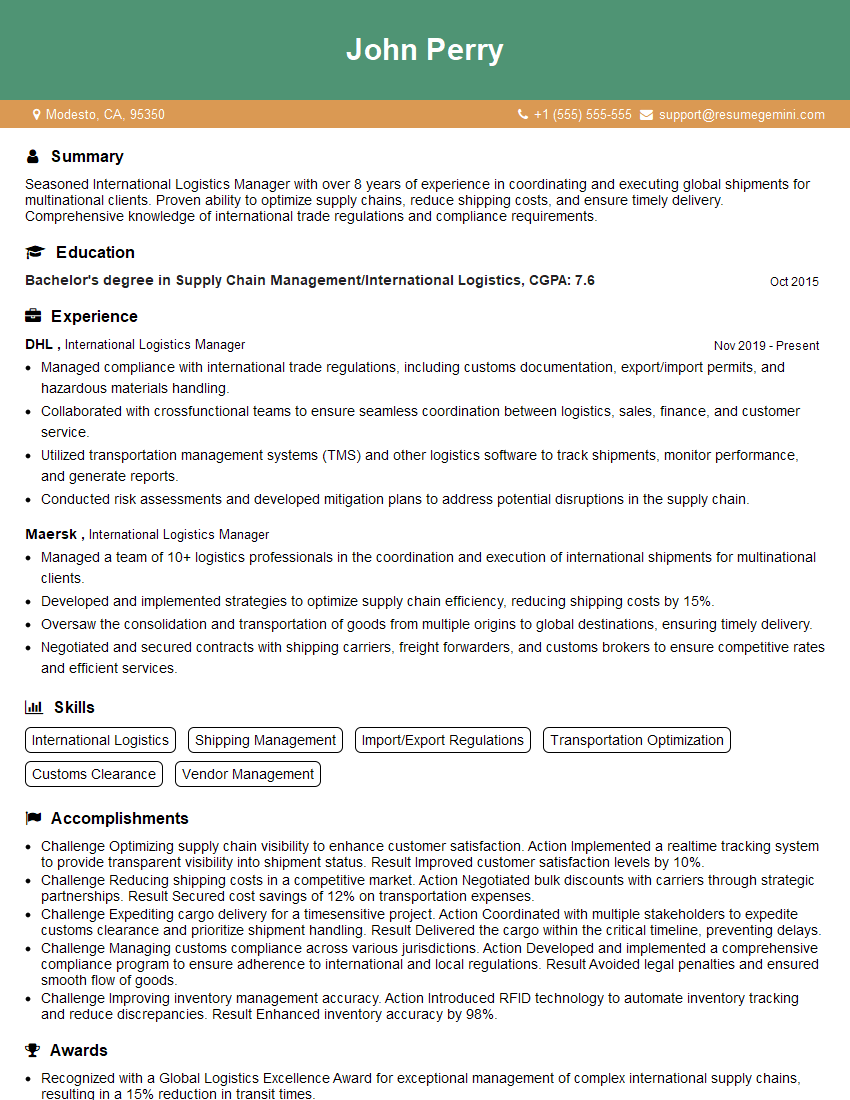
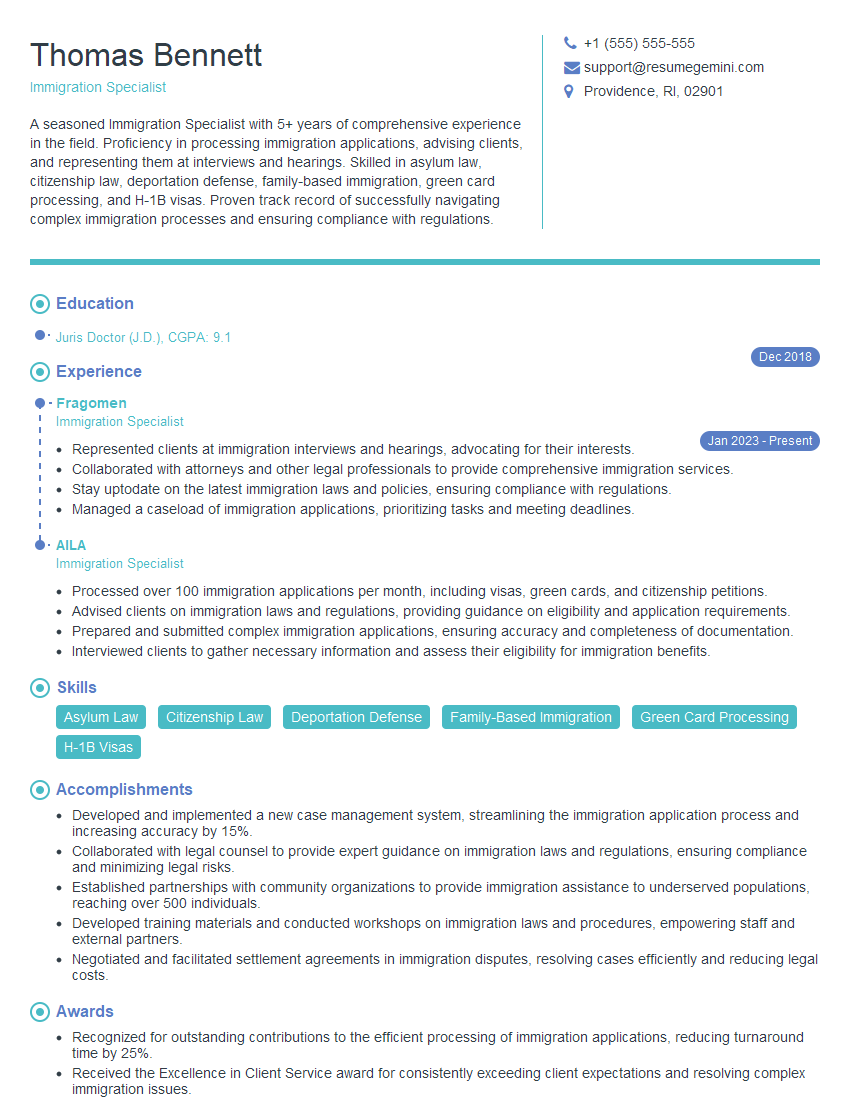
Mastering “Experience in Different Placing Contexts” is crucial for career advancement. It demonstrates your versatility, adaptability, and value to any organization. To significantly boost your job prospects, create an ATS-friendly resume that effectively showcases these transferable skills. ResumeGemini is a trusted resource to help you build a professional and impactful resume that highlights your diverse experiences. Explore our examples of resumes tailored to showcase experience in various placing contexts for inspiration and guidance.
Explore more articles
Users Rating of Our Blogs
Share Your Experience
We value your feedback! Please rate our content and share your thoughts (optional).
What Readers Say About Our Blog
Very informative content, great job.
good