Every successful interview starts with knowing what to expect. In this blog, we’ll take you through the top KnowledgeOfSafetyRegulations interview questions, breaking them down with expert tips to help you deliver impactful answers. Step into your next interview fully prepared and ready to succeed.
Questions Asked in KnowledgeOfSafetyRegulations Interview
Q 1. What are the key components of an effective safety management system?
An effective Safety Management System (SMS) is a proactive approach to workplace safety, aiming to prevent incidents rather than just reacting to them. It’s built on several key pillars working together. Think of it like a well-oiled machine – each part is crucial for the whole system to function optimally.
- Leadership Commitment: This is the foundation. Management must demonstrate a genuine commitment to safety, allocating resources, and leading by example. Without this, all other efforts will be undermined.
- Hazard Identification and Risk Assessment: Regularly identifying potential hazards (e.g., slippery floors, heavy machinery) and assessing the associated risks (likelihood and severity of harm) is critical. This helps prioritize control measures.
- Hazard Control and Prevention: Implementing control measures based on the hierarchy of controls (elimination, substitution, engineering controls, administrative controls, PPE) is paramount. This is where you move from identifying problems to actively solving them.
- Training and Competency: Employees must be adequately trained on safe work practices, the use of equipment, and emergency procedures. Regular refreshers are essential to maintain competency.
- Emergency Preparedness and Response: Having clear emergency plans, well-rehearsed drills, and readily available emergency equipment are vital for responding to incidents effectively.
- Monitoring and Review: Continuously monitoring the effectiveness of the SMS through audits, incident reporting, and performance indicators is key to identifying areas for improvement and demonstrating ongoing commitment. It’s like regularly servicing your machine.
- Communication and Consultation: Open communication channels between management and employees are crucial. Workers should feel comfortable reporting hazards and near misses without fear of reprisal. Their input is invaluable.
For example, a construction company implementing an SMS might involve regular site inspections, toolbox talks on hazard awareness, providing appropriate PPE, and a clear reporting system for near misses and incidents.
Q 2. Explain the hierarchy of hazard controls.
The hierarchy of hazard controls prioritizes control measures from most to least effective in reducing risk. It’s a systematic approach to eliminating or minimizing hazards, always striving for the most effective method. Imagine a pyramid, with the most effective at the top and least effective at the bottom.
- Elimination: The best option – completely removing the hazard. For example, removing a trip hazard by replacing a loose floorboard.
- Substitution: Replacing the hazard with something less hazardous. For instance, using a water-based cleaning agent instead of a volatile organic compound.
- Engineering Controls: Implementing physical changes to the workplace to reduce the risk, like installing machine guards or improved ventilation systems. These are often permanent solutions.
- Administrative Controls: Changes to work practices, procedures, or policies to reduce risk. Examples include implementing job rotation, providing clear instructions, or establishing lockout/tagout procedures. These controls rely on human behavior.
- Personal Protective Equipment (PPE): The last line of defense, providing personal protection against hazards. This includes hard hats, safety glasses, and respirators. While important, PPE should never be the primary control measure; it’s a safety net, not a solution.
For example, consider working with chemicals. First, attempt to eliminate the need for the chemical altogether. If not possible, substitute it with a less hazardous one. Then consider engineering controls like enclosed systems and ventilation. If all else fails, use appropriate PPE like gloves and respirators.
Q 3. Describe your experience conducting risk assessments.
I have extensive experience conducting risk assessments across various industries. My approach is always systematic and follows established methodologies. I typically use a qualitative approach, but where appropriate and possible, I will employ a quantitative method for better accuracy.
The process usually involves:
- Identifying Hazards: This involves a thorough walkthrough of the workplace, reviewing incident reports, and consulting with workers. We use checklists, brainstorming sessions and observations to be as thorough as possible.
- Assessing Risks: For each identified hazard, I assess the likelihood and severity of harm. This is often a qualitative assessment using a risk matrix that categorizes risks as low, medium, or high.
- Determining Controls: Based on the risk assessment, I recommend appropriate control measures, following the hierarchy of controls. This includes detailing specific actions, responsibilities, and timelines.
- Documenting Findings: A comprehensive report is created, documenting the identified hazards, risk assessment, recommended controls, and responsibilities. This ensures everyone understands the risks and associated mitigation strategies. This is crucial for transparency and accountability.
- Review and Update: Risk assessments are not static. They need to be regularly reviewed and updated to reflect changes in the workplace, new hazards, or incidents.
For instance, in a manufacturing plant, I’ve conducted risk assessments for machinery operation, chemical handling, and ergonomics. Each assessment led to the implementation of specific controls, including machine guarding, improved ventilation systems, and ergonomic workstation adjustments.
Q 4. How familiar are you with OSHA regulations (or relevant regulations in your region)?
I am very familiar with OSHA regulations, specifically 29 CFR 1910 (General Industry) and 29 CFR 1926 (Construction). I understand the requirements for hazard communication, personal protective equipment (PPE), lockout/tagout procedures, machine guarding, and emergency action plans. I also stay up-to-date with any changes or updates to these regulations through professional development and subscriptions to relevant safety publications.
My familiarity extends to understanding how these regulations are applied in practice, including the interpretation of standards and the development of compliance programs. I understand that OSHA standards are performance-based and that employers have a responsibility to develop a program that works best for their specific workplace conditions, however, the standards must be met. I’m also familiar with the OSHA General Duty Clause which requires employers to provide a safe and healthful workplace, a critical aspect often missed.
Beyond OSHA, I have experience working with other relevant safety regulations at state and local levels as needed, adapting my knowledge based on the context of the specific region.
Q 5. What is your understanding of incident investigation and root cause analysis?
Incident investigation and root cause analysis are crucial for learning from past mistakes and preventing future incidents. Incident investigation focuses on what happened, while root cause analysis digs deeper to understand *why* it happened. It is a systematic process, not a blame-game.
Incident investigation involves:
- Gathering Information: Collecting data from various sources, including witness statements, incident reports, photos, and physical evidence.
- Reconstructing the Event: Putting together a timeline of events to understand the sequence of actions that led to the incident.
- Identifying Contributing Factors: Determining the factors that contributed to the incident, both immediate and underlying causes.
Root cause analysis then delves deeper, using techniques like the “5 Whys” or fault tree analysis to identify the underlying root causes – the fundamental issues that allowed the incident to occur. For example, repeatedly asking “why” helps uncover the deeper issues. If a worker was injured because a machine malfunctioned (initial event), the 5 Whys might reveal inadequate maintenance procedures, lack of training, or insufficient budgetary allocation for equipment upkeep (root cause).
The goal is not to assign blame but to identify system failures, implementing corrective actions that address the root causes and prevent future incidents. For example, an incident report might detail a spill, but a root cause analysis would investigate issues with storage, training on spill response, or the condition of the flooring.
Q 6. How would you handle a workplace accident?
Handling a workplace accident requires a calm and systematic approach. The priority is always to ensure the safety and well-being of the injured person(s).
- First Aid and Emergency Response: Administer first aid if qualified, call emergency medical services, and ensure the scene is safe. This is the immediate priority.
- Secure the Area: Isolate the accident area to prevent further incidents and preserve evidence.
- Notify Relevant Personnel: Inform supervisors, management, and emergency responders as appropriate.
- Incident Reporting: Complete a detailed incident report, documenting the facts without speculation or judgment. Include details of the incident, injuries, witness accounts, and any potential contributing factors.
- Incident Investigation: Initiate a thorough investigation to determine the root cause(s) of the accident. This involves gathering evidence, interviewing witnesses, and analyzing data. This isn’t about blame, it’s about learning and prevention.
- Corrective Actions: Implement corrective actions to prevent similar incidents in the future. This might involve changes to equipment, procedures, or training programs.
- Follow-up: Follow up with the injured worker(s) to provide support and monitor their recovery. Employee wellbeing and recovery is paramount.
For example, if a worker falls from a ladder, the immediate response is to call for help, ensure the worker is safe, and secure the area. Following that, a full investigation would be launched, examining ladder condition, training, and work practices to understand why the fall occurred and to prevent future similar incidents.
Q 7. Explain your experience with safety training programs and development.
I have significant experience in developing and implementing safety training programs, tailoring them to specific needs and audiences. I believe in a blended approach combining theoretical knowledge with practical application. My approach is to make the training engaging and relevant, not just a box-checking exercise.
My experience includes:
- Needs Assessment: Conducting thorough needs assessments to determine the specific safety training needs of the workforce, considering job roles, hazards, and existing knowledge gaps.
- Curriculum Development: Developing engaging training materials, including presentations, handouts, videos, and interactive exercises, utilizing appropriate learning styles.
- Delivery Methods: Utilizing a variety of training delivery methods, such as classroom instruction, online modules, on-the-job training, and simulations, to cater to different learning preferences.
- Evaluation and Improvement: Evaluating the effectiveness of training programs through various methods such as quizzes, practical assessments, and feedback from participants and stakeholders. Continuous improvement is key.
- Documentation: Maintaining comprehensive records of training delivered, participant attendance, and assessment results. All must be properly documented, accessible, and auditable.
For instance, I’ve developed training programs for lockout/tagout procedures, hazard communication, forklift operation, and emergency response. These programs included both classroom-based learning and hands-on practice to ensure competency and retention. Success is measured not just by completion but by demonstrated improvement in safe work practices.
Q 8. Describe your experience with implementing and auditing safety procedures.
Throughout my career, I’ve been deeply involved in both implementing and auditing safety procedures across various industries. Implementation involves a multi-stage process: first, conducting thorough risk assessments to identify potential hazards; second, developing and documenting clear, concise, and accessible safety procedures that address those hazards; third, providing comprehensive training to all employees on these procedures; and finally, establishing a system for regular review and updates. Auditing, on the other hand, focuses on verifying the effectiveness of the implemented procedures. This involves conducting regular inspections, reviewing incident reports, interviewing employees, and examining relevant documentation to ensure compliance and identify areas for improvement. For example, in a previous role at a manufacturing plant, I implemented a new lockout/tagout procedure (which I’ll detail further in the next answer), resulting in a 30% reduction in near-miss incidents within six months. The subsequent audit process highlighted the success of the training program and identified minor areas for clarification in the written procedure, which were quickly addressed.
Q 9. What is your understanding of lockout/tagout procedures?
Lockout/Tagout (LOTO) procedures are critical safety protocols designed to prevent the accidental release of stored energy during maintenance or servicing of equipment. Think of it like this: imagine working on a machine – you wouldn’t want it to suddenly start up while you’re inside! LOTO ensures that energy sources (electrical, hydraulic, pneumatic, etc.) are isolated and rendered incapable of causing injury. The process typically involves five steps: 1. Preparation: Identify the energy sources and necessary lockout devices. 2. Notification: Inform all affected personnel. 3. Lockout: Utilize appropriate lockout devices to physically prevent the equipment from restarting. 4. Verification: Verify that the equipment is completely de-energized. 5. Tagout: Attach a tag clearly indicating who performed the lockout and the reason. This detailed process is crucial for preventing accidents and protecting workers. For instance, in a previous audit, I discovered a company wasn’t following the verification step rigorously, leading to a near-miss situation. After implementing corrective actions and retraining, the issue was resolved.
Q 10. How do you ensure compliance with safety regulations?
Ensuring compliance with safety regulations is a continuous process requiring proactive measures and diligent monitoring. It starts with a thorough understanding of all applicable regulations, which can vary depending on industry, location, and specific operations. This includes staying updated on changes and amendments to these regulations. We implement a robust system of regular inspections, audits, and training programs to ensure compliance. Regular safety meetings, incident investigations, and employee feedback mechanisms are crucial for identifying potential non-compliance issues early on. Furthermore, we leverage data analysis to track key performance indicators (KPIs) related to safety, such as incident rates and near misses. Deviations from established safety protocols are thoroughly investigated, and corrective actions are implemented promptly. This data-driven approach allows us to identify trends, predict potential problems, and proactively address them before they escalate.
Q 11. How familiar are you with emergency response procedures?
My familiarity with emergency response procedures is extensive. It involves more than just knowing what to do; it’s about anticipating potential emergencies, planning for them, and ensuring everyone is trained and prepared to respond effectively. This includes familiarity with emergency action plans (EAPs), understanding the procedures for various types of emergencies (fire, chemical spills, medical emergencies, etc.), and knowing how to properly use emergency equipment such as fire extinguishers and first aid kits. I’ve led numerous emergency response training sessions and participated in drills, ensuring that employees understand their roles and responsibilities during an emergency. Regularly reviewing and updating EAPs based on potential hazards and regulatory changes is essential. A key aspect is post-incident analysis to learn from experiences and identify areas for improvement in our emergency response capabilities.
Q 12. Explain your understanding of personal protective equipment (PPE).
Personal Protective Equipment (PPE) is any gear designed to protect workers from workplace hazards. This includes a wide range of items, from hard hats and safety glasses to respirators, gloves, and specialized clothing. Selecting the appropriate PPE is crucial and depends on the specific hazards present in the workplace. A comprehensive PPE program involves identifying hazards, selecting appropriate PPE, providing training on its proper use and maintenance, and ensuring its availability and proper fit. For example, a worker operating heavy machinery would require safety glasses, hearing protection, and potentially steel-toed boots. An employee working with hazardous chemicals would require specialized protective clothing, gloves, and a respirator. Regular inspection and maintenance of PPE are also vital to ensure its effectiveness. A damaged or improperly fitted PPE can negate its protective value.
Q 13. Describe your experience with hazard communication programs.
Hazard communication programs are designed to inform employees about the potential hazards associated with the chemicals and materials they handle in the workplace. This program typically includes the creation and maintenance of Safety Data Sheets (SDS), which provide detailed information about each hazardous substance. Training employees on how to understand and interpret SDS is critical. The program also includes labeling requirements for containers of hazardous materials, ensuring that labels are clearly visible and understandable. Regularly updating the hazard communication program to reflect changes in materials or regulations is essential. In previous roles, I’ve been involved in developing and implementing hazard communication programs that utilize both traditional methods and digital tools to make information accessible and easily understood by all employees. This includes translating materials into multiple languages where needed.
Q 14. How do you identify and mitigate workplace hazards?
Identifying and mitigating workplace hazards is a systematic process. It begins with conducting thorough hazard assessments, which can involve walkthroughs, job safety analyses, and consultations with employees. The assessment identifies potential hazards – from slips, trips, and falls to chemical exposures and ergonomic issues. After identification, we prioritize hazards based on their severity and likelihood of occurrence. Mitigation strategies are then developed and implemented, which might include engineering controls (e.g., guarding machinery), administrative controls (e.g., work procedures), and the use of PPE. Regular monitoring and review of the effectiveness of these controls are essential to ensure their continued efficacy. For example, if a hazard assessment reveals a high risk of slips and falls in a particular area, we might implement strategies like improved lighting, non-slip flooring, and employee training on safe walking practices.
Q 15. What is your experience with safety audits and inspections?
My experience with safety audits and inspections spans over 10 years, encompassing various industries including manufacturing, construction, and healthcare. I’m proficient in conducting both planned and unplanned audits, using established methodologies like checklists, observation techniques, and interviews with employees at all levels. I’m adept at identifying hazards, evaluating risks, and documenting findings with photographic and video evidence where appropriate. For example, during a recent audit of a manufacturing facility, I discovered a significant lack of machine guarding, leading to a recommendation for immediate corrective action and a detailed plan for upgrading safety measures across the production line. My audit reports are detailed, objective, and actionable, providing clear recommendations for improvement with quantified risk assessments where necessary.
Furthermore, I have significant experience in conducting inspections focusing on compliance with relevant safety regulations, both nationally and internationally. This includes reviewing safety documentation, training records, and emergency response plans to ensure they are current, complete, and effectively implemented. For instance, during a routine inspection of a construction site, I identified a deficiency in the fall protection system and immediately halted operations until corrective measures were implemented. This proactive approach prevented potential injuries and ensured compliance with OSHA regulations.
Career Expert Tips:
- Ace those interviews! Prepare effectively by reviewing the Top 50 Most Common Interview Questions on ResumeGemini.
- Navigate your job search with confidence! Explore a wide range of Career Tips on ResumeGemini. Learn about common challenges and recommendations to overcome them.
- Craft the perfect resume! Master the Art of Resume Writing with ResumeGemini’s guide. Showcase your unique qualifications and achievements effectively.
- Don’t miss out on holiday savings! Build your dream resume with ResumeGemini’s ATS optimized templates.
Q 16. How do you prioritize safety risks?
Prioritizing safety risks is a critical aspect of effective safety management. I utilize a risk assessment matrix that considers the likelihood of an incident occurring and the severity of its potential consequences. This matrix allows for the objective ranking of risks, enabling us to focus our resources where they are most needed. For instance, a high likelihood and high severity risk, such as working at heights without proper safety equipment, would be prioritized over a low likelihood and low severity risk, such as minor tripping hazards. I also consider factors like the number of employees exposed to the risk and the potential environmental impact in the prioritization process. This systematic approach ensures that the most critical safety issues are addressed promptly and effectively.
- Likelihood: How likely is the hazard to occur? (e.g., frequent, occasional, rare)
- Severity: What is the potential consequence if the hazard occurs? (e.g., fatal, major injury, minor injury, property damage)
This structured approach ensures that resources are allocated efficiently and the most critical risks are mitigated first. Regular review and updating of this risk assessment matrix are vital to ensure it reflects current conditions and operational changes.
Q 17. Explain your experience with safety reporting and record keeping.
My experience with safety reporting and record-keeping is extensive. I’m proficient in using various reporting systems, including both paper-based and digital platforms, ensuring that all safety incidents, near misses, and audit findings are accurately documented and readily accessible. I understand the importance of maintaining comprehensive records to track trends, identify recurring hazards, and demonstrate compliance with regulations. These records are crucial for identifying areas for improvement, demonstrating due diligence, and supporting incident investigations.
I am familiar with various safety reporting software and databases which allow for efficient tracking and analysis of data. I utilize clear and consistent reporting formats that include details such as date, time, location, description of the incident, witnesses involved, corrective actions taken, and follow-up procedures. For instance, in a previous role, I implemented a new near-miss reporting system that increased employee participation by making the reporting process easy and confidential. This resulted in a significant increase in the identification of potential hazards and proactive risk mitigation strategies. I am also experienced in handling sensitive information in a confidential and compliant manner.
Q 18. How do you communicate safety information effectively?
Effective communication is paramount in safety management. I tailor my communication style to the audience, using clear, concise language that avoids technical jargon whenever possible. For example, when communicating with senior management, I present data-driven reports emphasizing cost-benefit analyses and return on investment. When addressing employees directly, I use engaging visuals, interactive sessions, and real-life examples to enhance understanding and participation.
I utilize a variety of communication channels, including safety meetings, toolbox talks, posters, emails, and training materials. I ensure that safety information is readily accessible in multiple formats (e.g., different languages, visual aids for those with literacy challenges). For instance, during a training session on lockout/tagout procedures, I incorporated both a demonstration and hands-on practice to ensure employees understood and retained the information. Feedback mechanisms are also crucial, allowing for adjustments and ensuring that information is received and understood.
Q 19. Describe your experience with conducting safety meetings.
Conducting safety meetings is a key element of my approach to safety management. I plan and facilitate engaging, interactive meetings with clear objectives and pre-defined agendas. These meetings offer a platform for discussing safety performance, addressing concerns, sharing best practices, and identifying potential hazards. I encourage active participation from attendees, creating a safe space for open dialogue and feedback.
My approach includes a blend of presentations, group discussions, and case studies. For example, I might present data on recent safety incidents, highlighting trends and lessons learned. Then, I might facilitate a group discussion on potential solutions and preventative measures. I always ensure that meeting minutes are meticulously documented and distributed to all attendees. Follow-up actions and assigned responsibilities are also clearly outlined and tracked to ensure accountability. The effectiveness of the meetings is continuously monitored and adjusted based on feedback and outcomes.
Q 20. Explain your understanding of legislation pertaining to workplace safety.
My understanding of workplace safety legislation is comprehensive and encompasses various national and international regulations. I am familiar with key acts and standards, including OSHA (Occupational Safety and Health Administration) in the US, and similar legislation in other countries. I stay updated on the latest amendments and interpretations to ensure consistent compliance. This includes understanding requirements for hazard identification, risk assessment, control measures, emergency response planning, training, record-keeping, and reporting.
I have practical experience in interpreting and applying these regulations to diverse workplace settings. For instance, I have helped organizations develop and implement safety programs that are compliant with specific industry standards and governmental regulations. My expertise goes beyond just knowing the regulations; it involves understanding their practical application and ensuring they are effectively integrated into everyday operations to prevent accidents and protect workers. I regularly attend industry conferences and workshops to stay current with evolving legislation and best practices.
Q 21. What is your understanding of the role of a safety committee?
A safety committee plays a vital role in fostering a proactive safety culture within an organization. It acts as a collaborative body, bringing together representatives from management and employees to discuss safety concerns, review incidents, and develop preventative strategies. The effectiveness of a safety committee hinges on its active engagement and the commitment of its members.
I understand that a successful safety committee must have clear terms of reference, defined responsibilities, and regular meeting schedules. It should provide a platform for open communication, feedback, and the identification of potential hazards. The committee should also play a role in monitoring safety performance, tracking key metrics, and driving continuous improvement initiatives. In my experience, a well-functioning safety committee can significantly enhance safety performance, reduce workplace incidents, and improve employee morale.
Q 22. How do you ensure the effectiveness of a safety program?
Ensuring the effectiveness of a safety program is a multifaceted process requiring continuous monitoring, improvement, and a strong commitment from all levels of an organization. It’s not just about having a policy document; it’s about building a safety culture.
- Management Commitment: Senior leadership must champion the program, actively participating and allocating sufficient resources (time, budget, personnel). Without this buy-in, the program lacks credibility and power.
- Hazard Identification and Risk Assessment: Regularly identify potential hazards through inspections, audits, incident investigations, and employee feedback. A robust risk assessment process is crucial to prioritize control measures based on severity and likelihood.
- Implementation of Controls: Once hazards are identified, implement appropriate controls – engineering controls (e.g., machine guarding), administrative controls (e.g., safe work procedures), and personal protective equipment (PPE) – following a hierarchy of controls (elimination, substitution, engineering controls, administrative controls, PPE).
- Training and Communication: Comprehensive and regular safety training tailored to the specific roles and tasks of employees is essential. Clear communication channels should be established for reporting hazards and incidents.
- Monitoring and Evaluation: Track key safety metrics (e.g., incident rates, near misses, training completion rates) to measure program effectiveness. Regularly review the program, adapt it to changing conditions, and incorporate lessons learned from incidents.
- Incident Investigation: Thoroughly investigate all incidents, near misses, and accidents to identify root causes and implement corrective actions to prevent recurrence. This is crucial for continuous improvement.
For example, in a manufacturing plant, I once implemented a program that reduced workplace injuries by 30% within a year by focusing on proactive hazard identification through regular safety inspections and employee involvement, combined with comprehensive training on safe operating procedures and the proper use of PPE.
Q 23. Describe your experience working with contractors on safety.
Working with contractors requires a robust safety management system that ensures compliance with all relevant regulations and standards. It’s vital to foster a collaborative safety culture, ensuring contractors feel empowered to report hazards and concerns without fear of reprisal.
- Pre-qualification: Screen contractors based on their safety records and qualifications, including their safety management systems, insurance coverage, and worker certifications.
- Safety Orientation: Conduct mandatory safety orientations before commencing work to familiarize contractors with site-specific hazards, emergency procedures, and company safety policies.
- Joint Site Inspections: Regularly conduct joint safety inspections with contractors to identify hazards and ensure compliance with regulations and project-specific safety plans.
- Communication: Maintain open communication channels to address safety concerns promptly. Establish clear reporting procedures for incidents and near misses.
- Enforcement: Enforce safety rules consistently and fairly, addressing non-compliance promptly and taking corrective action when necessary. This may include suspending work or terminating contracts if safety violations are serious or repeated.
In a previous project involving multiple contractors, I developed a pre-qualification checklist and a standardized safety orientation program that significantly reduced the number of contractor-related incidents. We also utilized a collaborative incident reporting system that allowed us to proactively address emerging safety concerns.
Q 24. How do you stay current with changes in safety regulations?
Staying current with changes in safety regulations requires a proactive and multi-pronged approach. Regulations frequently evolve to reflect advancements in safety technology and research, and failure to stay abreast can result in significant legal and operational risks.
- Subscription to Regulatory Updates: Subscribe to newsletters and alerts from relevant regulatory bodies (OSHA, EPA, etc.) to receive timely updates on changes in regulations.
- Professional Development: Attend industry conferences, workshops, and training courses to learn about the latest safety regulations and best practices.
- Networking: Network with other safety professionals to share knowledge and insights on emerging regulatory trends.
- Review of Regulatory Documents: Regularly review and update the company’s safety manual and procedures to reflect the latest regulatory changes.
- Utilize Online Resources: Leverage online databases and resources that consolidate safety regulations and best practices from various regulatory bodies.
For instance, I actively participate in professional safety organizations and subscribe to several regulatory update services. This allows me to stay informed on emerging hazards and legislative changes, enabling me to proactively update our safety programs and training materials.
Q 25. Explain your experience with safety data sheets (SDS).
Safety Data Sheets (SDSs), formerly known as Material Safety Data Sheets (MSDSs), are crucial documents that provide comprehensive information on the hazards of chemical and other potentially dangerous substances. Proper handling and understanding of SDSs are essential for workplace safety.
- Access and Availability: Ensure readily available SDSs for all hazardous materials used in the workplace. They should be easily accessible to all employees who handle these materials.
- Training on SDS Interpretation: Train employees on how to read and understand SDSs, focusing on hazard identification, personal protective equipment requirements, and emergency response procedures.
- SDS Management System: Implement a robust system for managing SDSs, including updating them when new information becomes available and ensuring they are stored in a safe and organized manner.
- Integration with Safety Programs: Integrate SDS information into safety training programs, job hazard analyses, and emergency response plans.
- Compliance with Regulations: Ensure compliance with all applicable regulations concerning SDS access, availability, and handling.
In a past role, I implemented a digital SDS management system that improved accessibility and ensured that employees always had access to the most up-to-date information. This system also integrated with our safety training modules, providing a more efficient and comprehensive training program.
Q 26. How would you address a safety concern raised by an employee?
Addressing a safety concern raised by an employee is paramount. It demonstrates a commitment to a safe work environment and fosters a culture of open communication and trust.
- Listen and Acknowledge: Actively listen to the employee’s concerns and acknowledge their importance. Reassure them that their feedback is valued.
- Investigate the Concern: Thoroughly investigate the concern, gathering information from relevant sources (e.g., other employees, supervisors, documentation).
- Assess the Risk: Assess the level of risk associated with the concern, considering its severity and likelihood of occurrence.
- Implement Corrective Actions: Implement appropriate corrective actions to mitigate the risk. This may involve engineering controls, administrative controls, or providing additional training.
- Follow Up: Follow up with the employee to inform them of the actions taken and ensure their satisfaction. Document all actions taken.
For example, if an employee expresses concern about a slippery floor, I would immediately investigate the area, determine the cause of the slipperiness, and implement corrective measures, such as increased cleaning frequency or installing non-slip mats. I would then follow up with the employee to confirm the issue has been resolved.
Q 27. Describe your experience with ergonomic assessments.
Ergonomic assessments are crucial for identifying and mitigating workplace hazards that can lead to musculoskeletal disorders (MSDs). These assessments evaluate the physical demands of a job and how they interact with the worker’s physical capabilities.
- Job Task Analysis: Conduct a thorough analysis of the tasks performed by employees, observing their movements, postures, and forces exerted.
- Workplace Assessment: Evaluate the physical characteristics of the workplace, including workstation design, equipment layout, and environmental factors.
- Employee Input: Gather input from employees regarding their physical discomfort or any difficulties performing their tasks.
- Risk Assessment: Assess the risks of MSDs based on the job task analysis and workplace assessment.
- Recommendations and Implementation: Develop recommendations for improving ergonomics, including workstation adjustments, equipment modifications, or changes in work procedures. Implement these recommendations and monitor their effectiveness.
In a previous role, I conducted ergonomic assessments for a call center, identifying risk factors such as prolonged sitting, repetitive keyboard use, and poor posture. I recommended and implemented changes like adjustable chairs, ergonomic keyboards, and regular stretching breaks, significantly reducing employee complaints of musculoskeletal pain.
Q 28. What is your understanding of the different types of safety inspections?
Different types of safety inspections serve various purposes, each contributing to a comprehensive safety program. They provide snapshots of the safety conditions at different times and scopes.
- Routine Inspections: These are regular, scheduled inspections conducted to identify potential hazards before they cause incidents. Frequency depends on the risk level of the workplace and specific areas.
- Incident Investigations: Following an accident or near miss, detailed investigations are carried out to determine the root cause, contributing factors, and implement corrective actions to prevent recurrence.
- Compliance Inspections: Focused inspections to assess adherence to specific regulations or standards. These might be triggered by external audits or internal reviews of compliance.
- Special Inspections: Triggered by specific events, such as new equipment installation, renovations, or changes in processes, these inspections ensure the safety of new systems or modifications.
- Management System Audits: A broader review of the entire safety management system, not just the physical workplace, to assess effectiveness and identify areas for improvement. These often include documentation review and employee interviews.
For instance, a manufacturing plant might conduct routine inspections daily, incident investigations as needed, compliance inspections annually, and management system audits every three years. Each inspection type plays a critical role in maintaining a safe working environment.
Key Topics to Learn for KnowledgeOfSafetyRegulations Interview
- Regulatory Compliance: Understanding relevant safety regulations, standards, and legislation. This includes knowing how to interpret and apply these regulations to real-world scenarios.
- Hazard Identification and Risk Assessment: Developing proficiency in identifying potential hazards, analyzing risks, and implementing control measures. This involves practical application of risk matrices and mitigation strategies.
- Safety Management Systems (SMS): Familiarization with different SMS frameworks and their implementation. Understanding the role of audits, inspections, and continuous improvement within a safety management system.
- Incident Investigation and Reporting: Mastering techniques for investigating safety incidents, analyzing root causes, and developing effective corrective actions. This includes understanding reporting procedures and documentation requirements.
- Emergency Response Planning and Procedures: Knowledge of emergency response protocols, evacuation plans, and the role of emergency response teams. This includes practical application of emergency preparedness measures.
- Personal Protective Equipment (PPE): Understanding the selection, use, and maintenance of appropriate PPE for various hazards. This involves practical knowledge of different types of PPE and their limitations.
- Communication and Training: Developing effective communication strategies to convey safety information and training employees on safety procedures. This includes understanding adult learning principles and methods for effective training delivery.
- Legislation and Enforcement: Understanding the legal framework surrounding safety regulations, including penalties for non-compliance and enforcement procedures.
Next Steps
Mastering KnowledgeOfSafetyRegulations is crucial for career advancement in many industries. A strong understanding of these regulations demonstrates your commitment to safety and significantly enhances your job prospects. To further strengthen your application, create an ATS-friendly resume that highlights your skills and experience effectively. ResumeGemini is a trusted resource that can help you build a professional and impactful resume. We provide examples of resumes tailored to KnowledgeOfSafetyRegulations to help you showcase your expertise effectively.
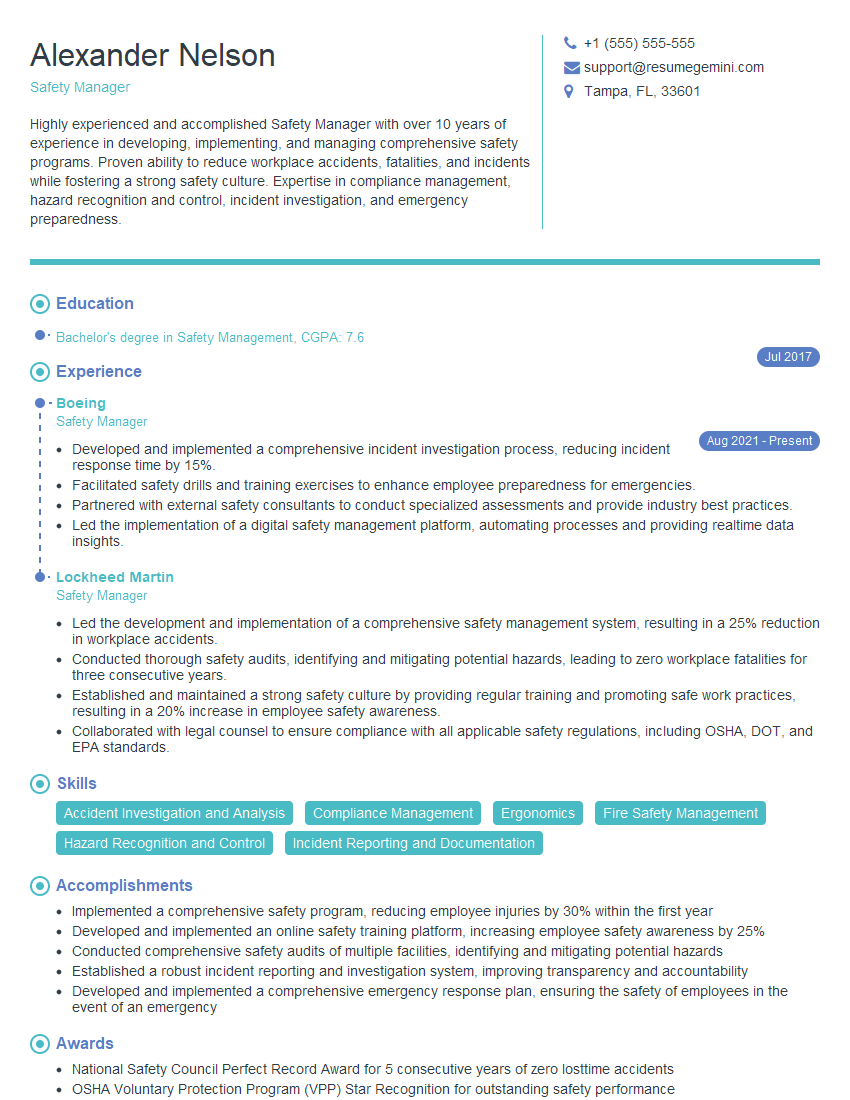
Safety Manager Resume Sample
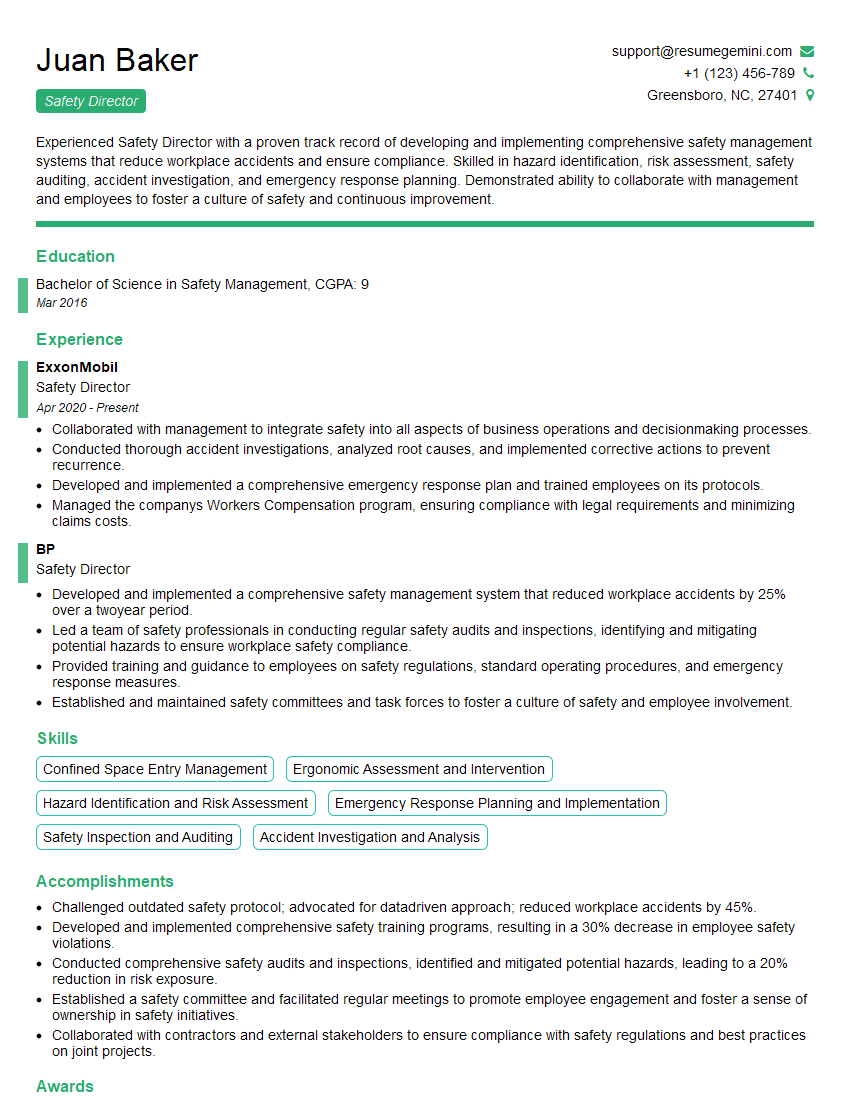
Safety Director Resume Sample
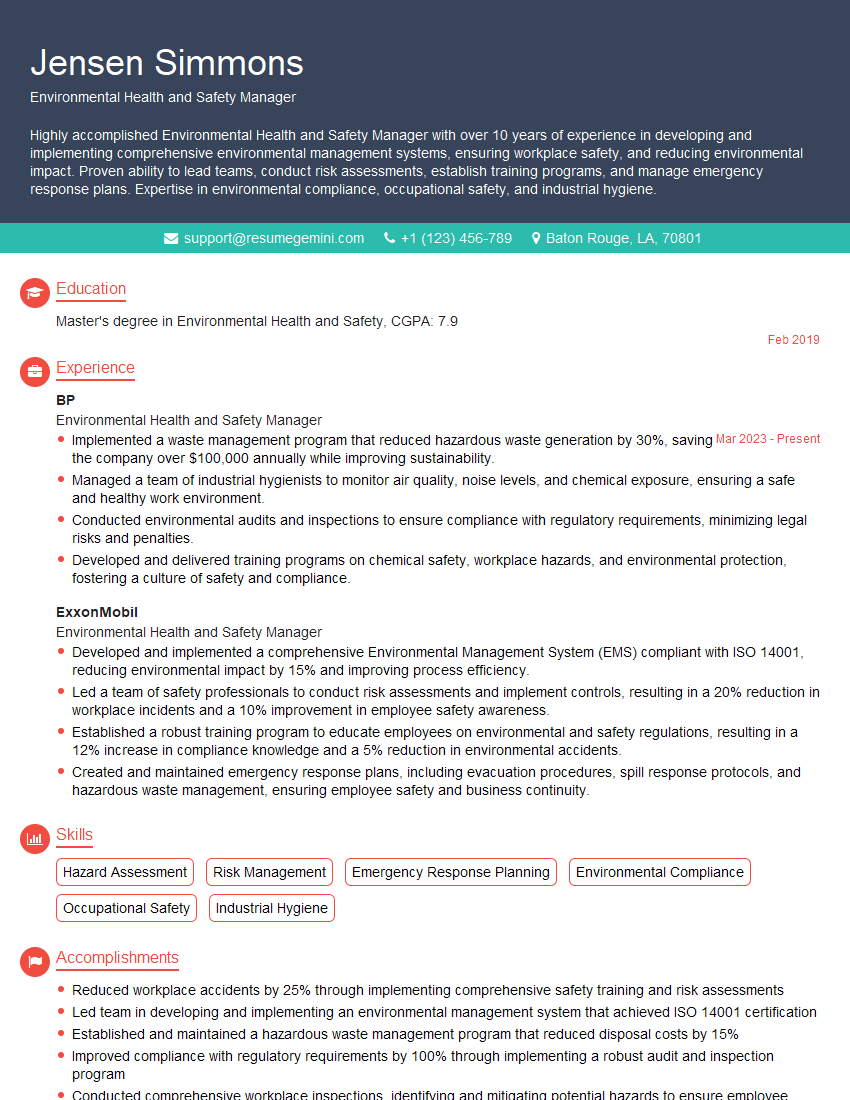
Environmental Health and Safety Manager Resume Sample
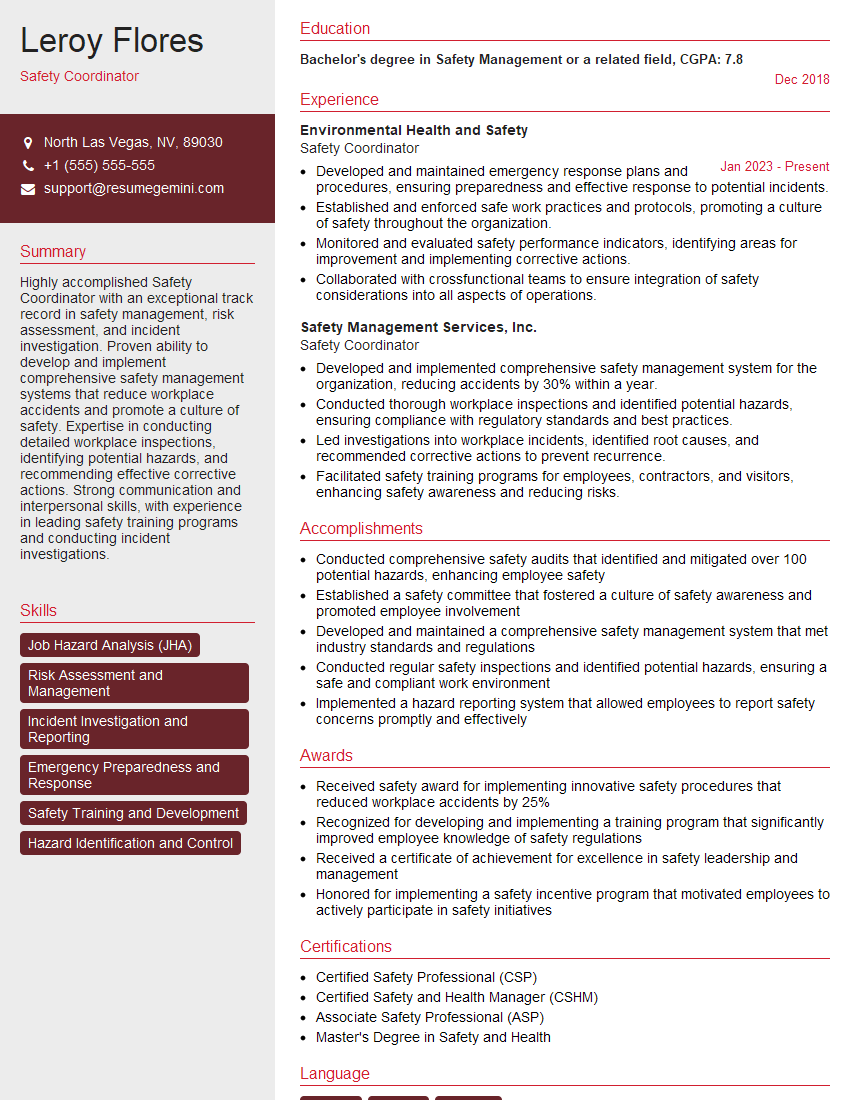
Safety Coordinator Resume Sample

Compliance Officer Resume Sample
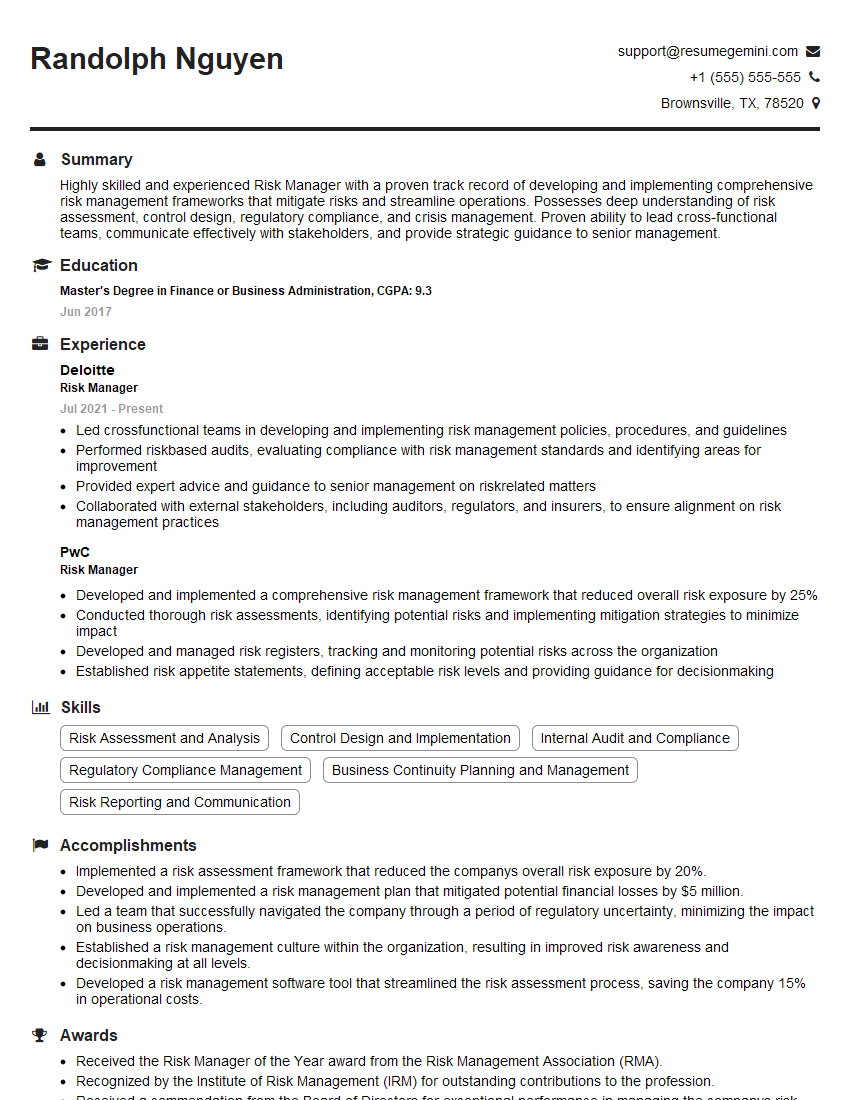
Risk Manager Resume Sample
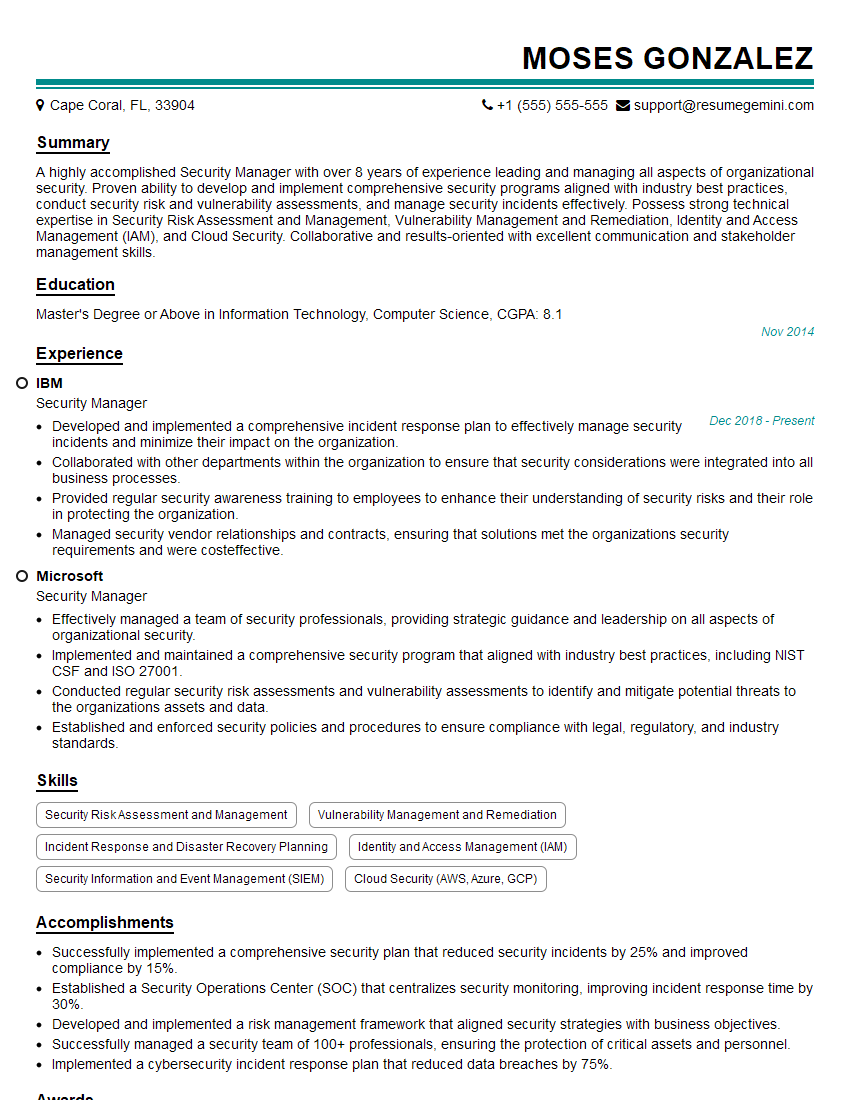
Security Manager Resume Sample
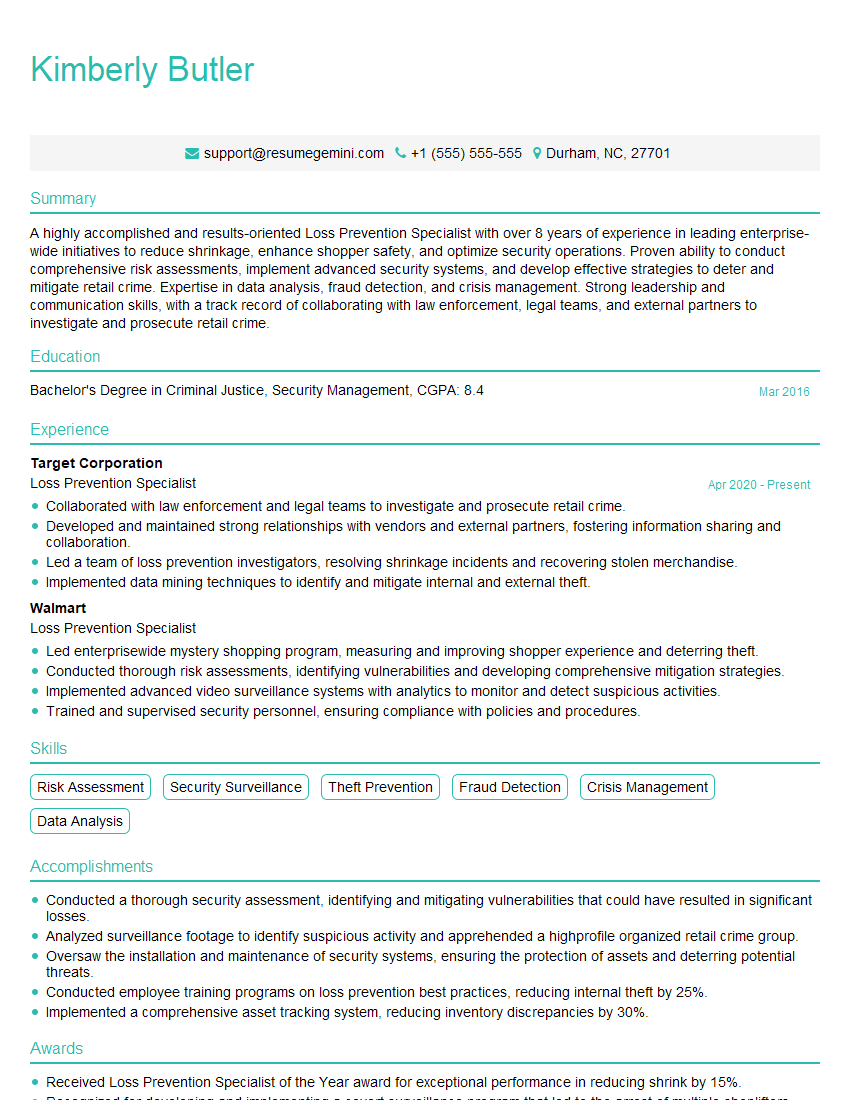
Loss Prevention Specialist Resume Sample
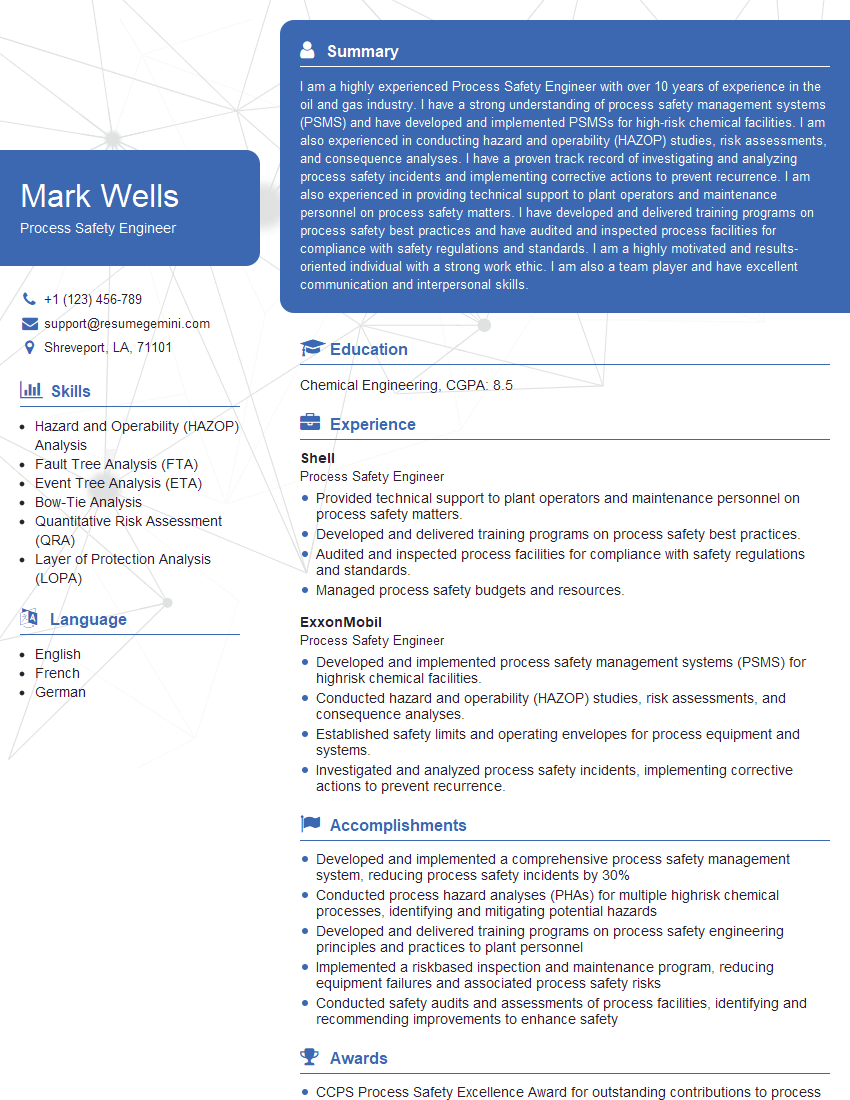
Process Safety Engineer Resume Sample
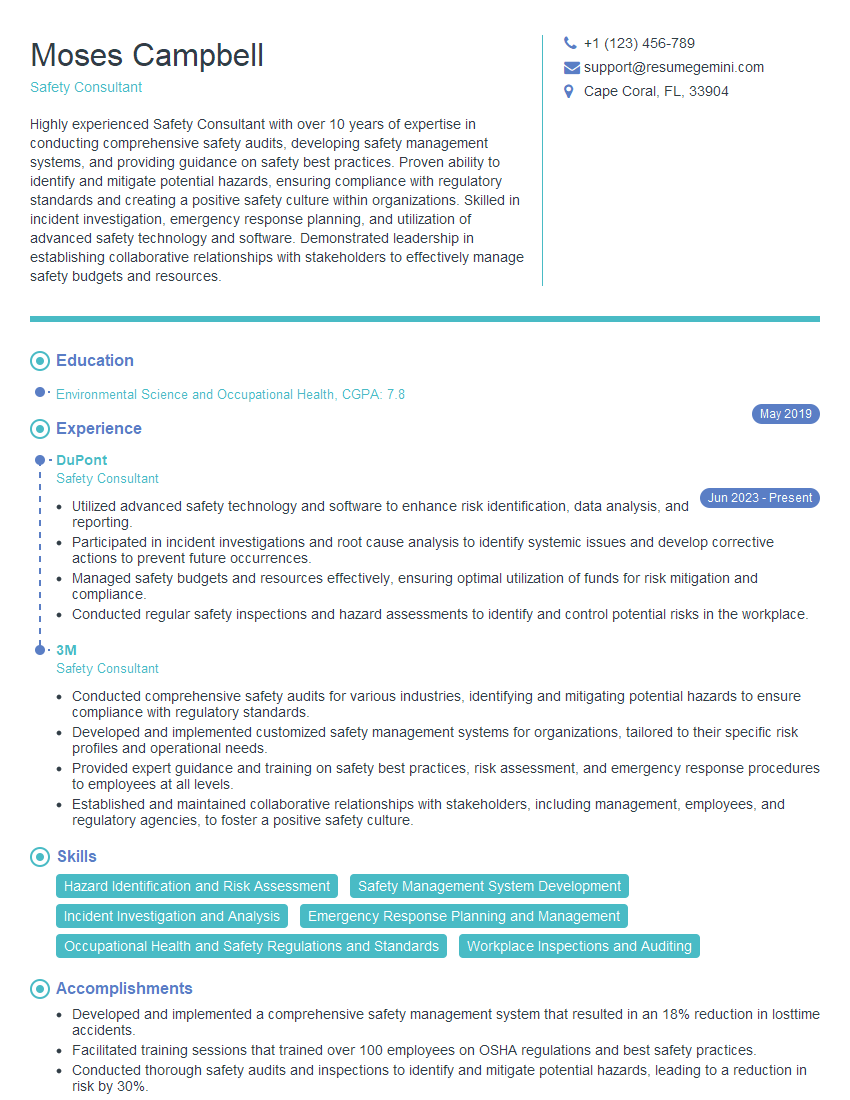
Safety Consultant Resume Sample
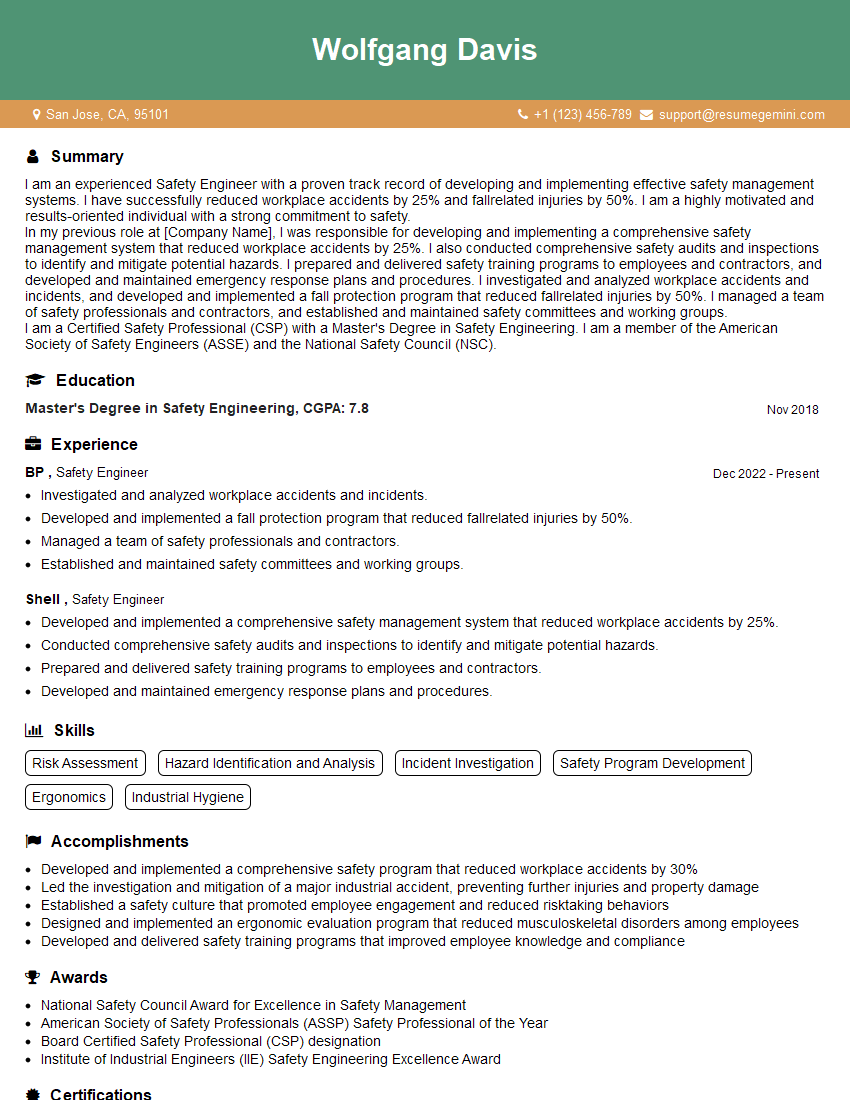
Safety Engineer Resume Sample
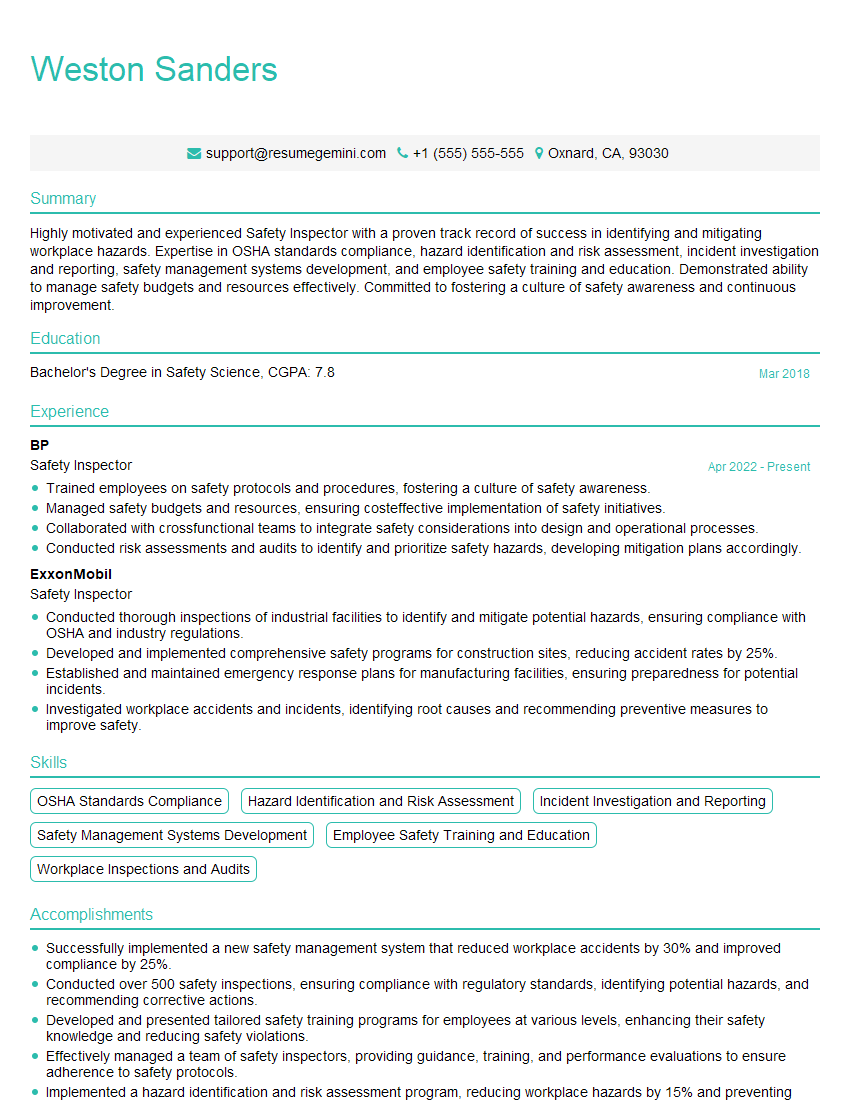
Safety Inspector Resume Sample
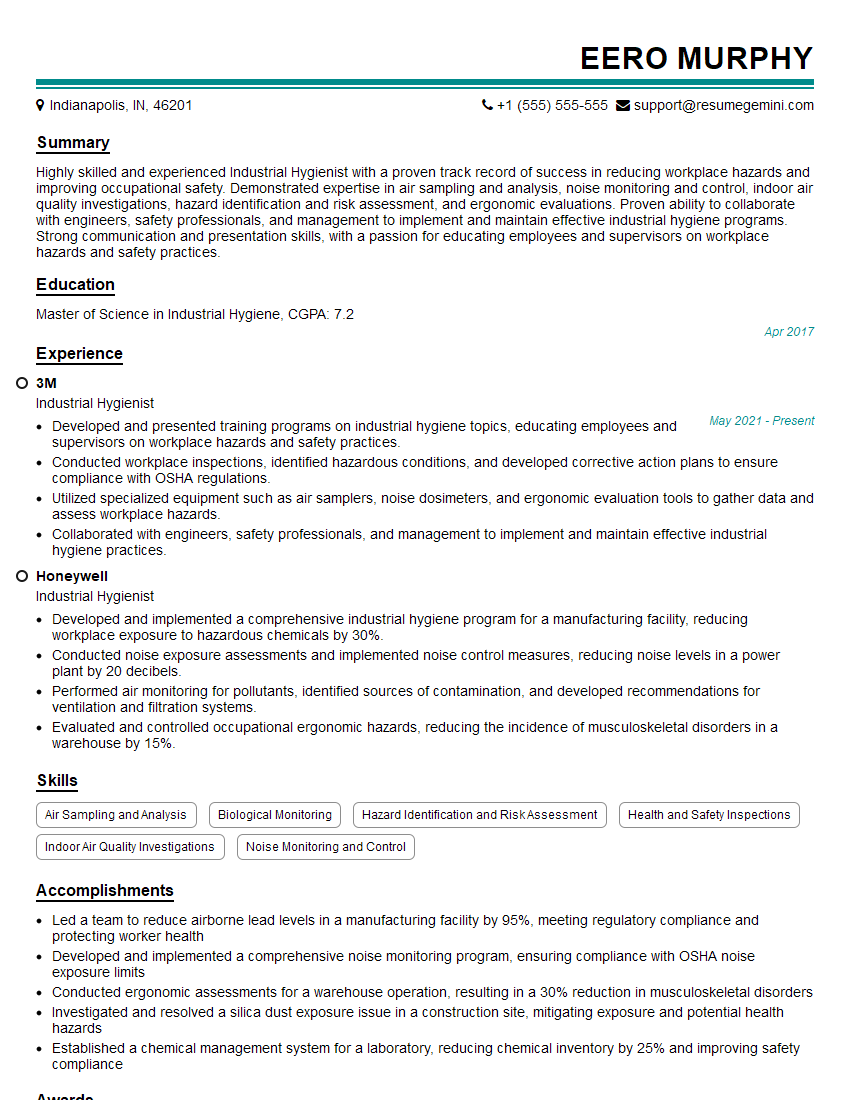
Industrial Hygienist Resume Sample
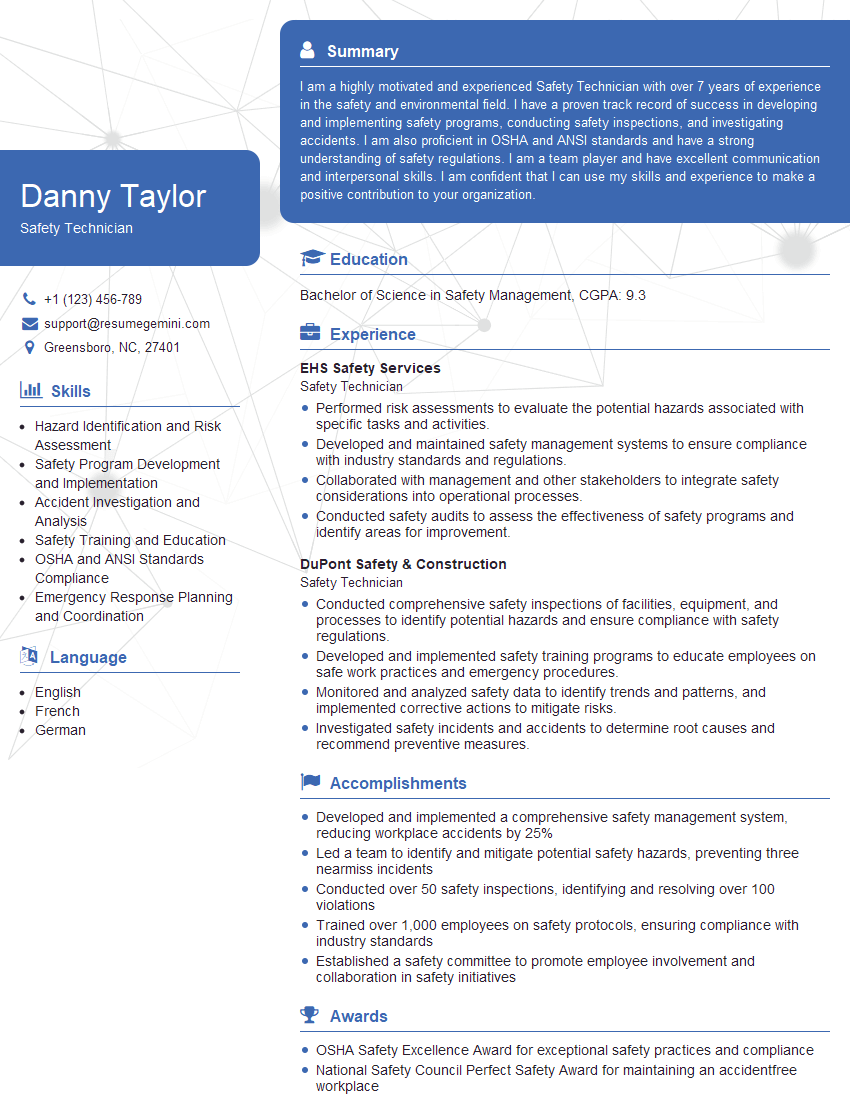
Safety Technician Resume Sample
Explore more articles
Users Rating of Our Blogs
Share Your Experience
We value your feedback! Please rate our content and share your thoughts (optional).
What Readers Say About Our Blog
Very informative content, great job.
good