The thought of an interview can be nerve-wracking, but the right preparation can make all the difference. Explore this comprehensive guide to Experience in Large-Scale Production interview questions and gain the confidence you need to showcase your abilities and secure the role.
Questions Asked in Experience in Large-Scale Production Interview
Q 1. Describe your experience managing large-scale production projects.
Managing large-scale production projects involves orchestrating numerous moving parts to achieve a common goal efficiently and effectively. It demands meticulous planning, robust execution, and constant monitoring. My experience includes leading teams of up to 50 engineers and technicians across multiple shifts in a high-volume manufacturing facility producing consumer electronics. This involved everything from initial product design and prototyping through to final assembly, packaging, and shipping. We utilized Agile methodologies, breaking down the large project into smaller, manageable sprints, allowing for frequent adjustments and feedback loops. For example, during the launch of a new flagship smartphone, we employed a phased rollout strategy, starting with a smaller initial production run to identify and resolve any potential issues before scaling up to full capacity. This minimized risk and allowed us to proactively address any unforeseen challenges.
- Detailed Project Planning: Creating comprehensive project plans with clear milestones, timelines, and resource allocation.
- Risk Management: Identifying potential risks early and developing mitigation strategies to prevent delays and production disruptions.
- Team Leadership and Collaboration: Effectively leading and motivating cross-functional teams, fostering collaboration and open communication.
- Data-Driven Decision Making: Using real-time production data to monitor progress, identify bottlenecks, and make informed decisions.
Q 2. How do you handle production bottlenecks and delays?
Production bottlenecks and delays are inevitable in large-scale operations. My approach focuses on proactive identification and rapid resolution. I use a three-pronged strategy: Prevention, Detection, and Reaction. Prevention involves meticulously analyzing the production process to identify potential bottlenecks before they occur. For instance, by utilizing simulations and capacity planning tools, we can anticipate potential resource constraints. Detection involves implementing robust monitoring systems, including real-time dashboards and alerts, to quickly identify any deviations from planned schedules or unexpected slowdowns. Finally, Reaction involves having pre-defined procedures and escalation paths to address issues swiftly. This might involve re-allocating resources, temporarily increasing overtime, or bringing in additional support from other teams. For example, during a critical component shortage, we quickly engaged our procurement team to expedite delivery and simultaneously explored alternative suppliers to mitigate future disruptions.
We also utilize root cause analysis techniques, such as the 5 Whys, to understand the underlying causes of delays and implement corrective actions to prevent recurrence. This ensures long-term improvement of the production process.
Q 3. Explain your approach to optimizing production processes.
Optimizing production processes is an ongoing effort, demanding continuous improvement. My approach is data-driven and iterative. We start by thoroughly mapping the current production flow, identifying areas of inefficiency, and collecting relevant data on throughput, cycle times, and defect rates. We then apply various lean manufacturing principles (more detail in a later answer) and utilize tools like Value Stream Mapping to visualize the entire process and pinpoint areas for improvement. For example, we implemented a Kanban system to manage inventory flow, reducing lead times and minimizing waste. We also used Six Sigma methodologies to identify and eliminate defects, improving product quality and reducing rework.
Continuous improvement is key. We regularly review key performance indicators (KPIs), gather feedback from the production floor, and experiment with different process improvements before widespread implementation. Small, incremental changes implemented consistently often yield significant results over time.
Q 4. What metrics do you use to measure production efficiency?
Measuring production efficiency requires a holistic approach, using a range of metrics to provide a comprehensive understanding of performance. Key metrics I use include:
- Overall Equipment Effectiveness (OEE): This metric combines availability, performance, and quality to measure the effectiveness of equipment utilization.
- Throughput: The number of units produced per unit of time, often measured in units per hour or per day.
- Cycle Time: The time it takes to complete one production cycle.
- Defect Rate: The percentage of defective units produced.
- Inventory Turnover: The rate at which inventory is sold or used. This is crucial for managing working capital.
- Lead Time: The time it takes from order placement to product delivery.
By tracking these metrics, we can identify areas for improvement and measure the effectiveness of implemented changes. We use data visualization tools to create dashboards and reports that allow for easy monitoring and analysis of these key performance indicators.
Q 5. How do you ensure quality control in high-volume production?
Ensuring quality control in high-volume production requires a multi-layered approach, starting from the design phase and continuing through to final product inspection. This involves implementing a robust quality management system (QMS) that integrates various quality control checks at each stage of the production process. We use Statistical Process Control (SPC) to monitor production processes and identify potential quality issues before they become widespread problems. We conduct regular audits and inspections, both during the production process and on the finished products, to ensure they meet our quality standards. For example, we use automated vision systems to inspect products for defects, ensuring consistent quality and reducing the reliance on manual inspection.
Furthermore, we heavily emphasize employee training and empowerment. We encourage our production team to proactively identify and report quality issues, making them active participants in the quality control process. This is complemented by clear documented procedures, regular calibration of equipment, and a commitment to continuous improvement in our quality management system.
Q 6. Describe your experience with Lean Manufacturing principles.
Lean Manufacturing principles have been central to my approach to optimizing production processes. These principles focus on eliminating waste (Muda) in all aspects of production. My experience includes implementing several Lean techniques, such as:
- 5S Methodology: Implementing a structured approach to workplace organization (Sort, Set in Order, Shine, Standardize, Sustain).
- Kaizen: Fostering a culture of continuous improvement through small, incremental changes suggested by employees.
- Kanban: Using a visual system to manage workflow and inventory, minimizing waste and maximizing efficiency.
- Value Stream Mapping: Mapping the entire production process to identify areas of waste and inefficiencies.
- Poka-Yoke (Mistake-Proofing): Designing processes and equipment to prevent errors from occurring.
By systematically applying these principles, we have achieved significant improvements in efficiency, reduced lead times, and lowered production costs. For example, implementing Kanban reduced our work-in-progress (WIP) inventory by 30%, freeing up valuable floor space and reducing lead times.
Q 7. How do you manage inventory in a large-scale production environment?
Managing inventory in a large-scale production environment is critical for maintaining smooth production flow and avoiding both stockouts and excess inventory. We use a combination of techniques to effectively manage our inventory:
- Demand Forecasting: Accurately predicting future demand using historical data, market trends, and sales forecasts.
- Inventory Management Software: Utilizing software systems to track inventory levels, monitor stock movements, and generate reordering points.
- Just-in-Time (JIT) Inventory: Minimizing inventory levels by receiving materials only when needed, reducing storage costs and minimizing waste.
- Vendor Managed Inventory (VMI): Allowing key suppliers to manage our inventory levels, ensuring timely delivery and reducing our administrative burden.
- ABC Analysis: Categorizing inventory items based on their value and consumption rate to prioritize management efforts.
For example, we implemented a sophisticated inventory management system that integrated with our production planning system, allowing for real-time visibility into inventory levels and automated reordering of critical components. This minimized stockouts and reduced the risk of production delays.
Q 8. Explain your experience with Six Sigma methodologies.
Six Sigma is a data-driven methodology aimed at minimizing defects and improving process efficiency. It uses statistical analysis to identify and eliminate the root causes of variation in manufacturing processes. My experience spans several projects where we utilized DMAIC (Define, Measure, Analyze, Improve, Control) to significantly reduce production errors and improve overall quality.
For instance, in a previous role, we implemented Six Sigma to address a high defect rate in the assembly of circuit boards. Through careful measurement of various process steps, we identified a faulty component placement machine as the root cause. After replacing the machine and implementing stricter quality checks, we reduced the defect rate by over 70%, resulting in significant cost savings and improved customer satisfaction.
- Define: Clearly defining the problem (high defect rate).
- Measure: Quantifying the defect rate through data collection.
- Analyze: Identifying the root cause using statistical tools (e.g., Pareto charts, control charts).
- Improve: Implementing solutions to address the root cause (e.g., replacing faulty equipment).
- Control: Implementing monitoring systems to maintain the improvements.
Q 9. How do you handle production scheduling and resource allocation?
Production scheduling and resource allocation require a strategic approach balancing production demands with available resources. I leverage tools like MRP (Material Requirements Planning) and advanced scheduling software to optimize workflows. This includes forecasting demand, capacity planning, and creating detailed production schedules to minimize lead times and maximize output.
In one project, we used a combination of MRP and Kanban to manage a complex assembly line producing customized products. MRP ensured we had sufficient materials at the right time, while Kanban helped optimize the flow of materials and work-in-progress, reducing inventory and improving responsiveness to changes in customer demand. The result was a significant reduction in lead times and increased overall efficiency.
Efficient resource allocation involves considering factors like personnel skills, machine capacity, and material availability. We utilize advanced algorithms within our scheduling software to assign resources dynamically, ensuring optimal utilization and avoiding bottlenecks. Regular monitoring and adjustment of schedules are crucial to respond effectively to unforeseen events like equipment failures or material shortages.
Q 10. Describe your experience with ERP or MRP systems.
I have extensive experience with both ERP (Enterprise Resource Planning) and MRP (Material Requirements Planning) systems. ERP systems like SAP and Oracle provide a holistic view of the entire business, integrating various functions from production to finance. MRP systems are typically embedded within larger ERP systems and focus specifically on managing materials and production planning.
In my previous role, we implemented an SAP ERP system, which revolutionized our production processes. The system enabled real-time tracking of inventory, automated purchase orders, and integrated production planning. This resulted in significant improvements in inventory management, reduced lead times, and enhanced overall visibility into our production processes. We leveraged the system’s reporting capabilities to identify areas for improvement and continuously optimize our operations.
Q 11. What strategies do you use to improve production throughput?
Improving production throughput involves a multi-pronged approach focusing on efficiency, eliminating bottlenecks, and optimizing resource utilization. Strategies include:
- Lean Manufacturing Principles: Implementing techniques like Kaizen (continuous improvement) and 5S (sort, set in order, shine, standardize, sustain) to eliminate waste and improve workflow efficiency.
- Bottleneck Analysis: Identifying and addressing production bottlenecks through process optimization, increased capacity, or improved resource allocation.
- Automation: Automating repetitive tasks to increase speed and reduce errors. This could involve using robots, automated guided vehicles (AGVs), or other automation technologies.
- Improved Equipment Maintenance: Reducing downtime through preventative maintenance and efficient repair processes.
- Process Optimization: Streamlining processes to reduce unnecessary steps and delays.
For example, in a previous project, we implemented a lean manufacturing approach which resulted in a 15% increase in throughput by eliminating unnecessary steps in the assembly process and implementing a kanban system for material flow.
Q 12. How do you ensure worker safety in a production environment?
Worker safety is paramount in any production environment. My approach involves a proactive, multi-layered strategy focused on prevention, training, and continuous improvement. This includes:
- Regular Safety Training: Providing comprehensive safety training to all workers, covering topics such as hazard identification, safe operating procedures, and emergency response.
- Implementing Safety Protocols: Establishing clear safety protocols and procedures for all aspects of the production process, and ensuring adherence through regular inspections and audits.
- Providing Safety Equipment: Providing and ensuring proper use of personal protective equipment (PPE), such as safety glasses, gloves, and hearing protection.
- Ergonomic Design: Designing workspaces and workstations to minimize ergonomic risks and prevent injuries.
- Incident Reporting and Investigation: Establishing a system for reporting and investigating workplace incidents, and using the findings to improve safety protocols.
In a past role, we implemented a comprehensive safety program that resulted in a significant reduction in workplace accidents and improved employee morale. This involved regular safety audits, ongoing training, and employee involvement in identifying and addressing safety concerns.
Q 13. How do you manage production costs effectively?
Managing production costs effectively requires a holistic approach, encompassing raw materials, labor, energy, and overhead costs. My strategies include:
- Negotiating favorable contracts with suppliers: Securing competitive pricing for raw materials and supplies.
- Optimizing inventory levels: Reducing inventory holding costs through efficient inventory management techniques.
- Improving production efficiency: Reducing waste and improving throughput to minimize production costs.
- Monitoring energy consumption: Identifying opportunities to reduce energy costs.
- Utilizing cost accounting tools: Tracking and analyzing costs to identify areas for improvement.
For instance, in one scenario, we implemented a just-in-time (JIT) inventory system, resulting in a 10% reduction in inventory holding costs. Simultaneously, we optimized our production process which led to a further 5% reduction in direct labor costs.
Q 14. Describe your experience with automation in large-scale production.
My experience with automation in large-scale production spans several projects involving the integration of robotic systems, automated guided vehicles (AGVs), and advanced control systems. Automation offers significant advantages in terms of increased efficiency, improved quality, and reduced labor costs.
In one project, we integrated robotic arms into a packaging line, significantly increasing packaging speed and reducing labor costs. We carefully planned the integration process, considering factors such as safety, compatibility with existing equipment, and worker training. The implementation resulted in a substantial increase in throughput and a measurable improvement in product consistency.
However, automation implementation requires careful planning and execution. This includes a thorough assessment of the potential benefits and challenges, proper selection of automation technologies, and effective training of personnel to ensure safe and efficient operation. Proper maintenance and ongoing monitoring are also critical for ensuring the long-term success of automation initiatives.
Q 15. How do you deal with unexpected equipment failures?
Unexpected equipment failures are an inevitable part of large-scale production. My approach is multifaceted and focuses on prevention, mitigation, and recovery. Prevention involves proactive maintenance schedules, regular equipment inspections, and predictive analytics using sensor data to identify potential problems before they occur. Think of it like a doctor’s regular check-up – it’s much easier to catch a small issue early than to deal with a major emergency later.
Mitigation involves having redundancy built into the system. This might include having backup equipment or processes readily available to switch to in case of failure. Imagine a redundant power supply – if one goes down, the other kicks in seamlessly. We also implement robust fail-safes to prevent cascading failures. For example, if one machine malfunctions, it shouldn’t trigger a shutdown of the entire production line.
Recovery involves a well-defined incident response plan. This includes a clear chain of command, pre-defined troubleshooting steps, and communication protocols to keep everyone informed. During a previous incident involving a critical compressor failure, we successfully switched to the backup within 15 minutes, minimizing production downtime thanks to this plan and regular drills.
Career Expert Tips:
- Ace those interviews! Prepare effectively by reviewing the Top 50 Most Common Interview Questions on ResumeGemini.
- Navigate your job search with confidence! Explore a wide range of Career Tips on ResumeGemini. Learn about common challenges and recommendations to overcome them.
- Craft the perfect resume! Master the Art of Resume Writing with ResumeGemini’s guide. Showcase your unique qualifications and achievements effectively.
- Don’t miss out on holiday savings! Build your dream resume with ResumeGemini’s ATS optimized templates.
Q 16. Explain your experience with capacity planning and forecasting.
Capacity planning and forecasting are crucial for optimizing resource allocation and meeting production targets. My experience involves utilizing various forecasting techniques, such as time series analysis, moving averages, and exponential smoothing, to predict future demand. These methods, while mathematically sound, also benefit from incorporating qualitative factors like seasonal trends, marketing campaigns, and potential economic shifts – essentially, understanding the ‘human’ element within the data.
For instance, in a previous role, we used a combination of historical sales data and projected marketing campaigns to predict demand for a new product launch. We then used this forecast to adjust production capacity, ensuring we had the right number of machines, staff, and raw materials to meet the demand without over- or under-producing. This prevented costly stockouts and minimized warehousing expenses.
Beyond forecasting, capacity planning also involves evaluating the efficiency of existing resources. This includes identifying bottlenecks, optimizing production processes, and evaluating the need for new investments in equipment or personnel. Regular performance reviews and capacity modeling software are essential tools in this process. This iterative approach ensures we’re always adapting and optimizing based on real-time data and changing market conditions.
Q 17. How do you improve communication and collaboration within a production team?
Effective communication and collaboration are fundamental to successful large-scale production. My approach involves establishing clear communication channels, fostering a culture of open feedback, and utilizing collaborative tools to keep everyone aligned. Imagine a well-orchestrated symphony – each section needs clear communication and timing to create beautiful music. Similarly, a production team needs coordinated action to achieve targets.
Specifically, I advocate for regular team meetings, daily stand-ups, and the use of project management software to track progress, assign tasks, and share relevant information. Transparent communication about challenges and successes is vital; I encourage open dialogue and problem-solving sessions. Furthermore, cross-functional training helps build a more cohesive and understanding team. For example, having production staff understand the challenges faced by the supply chain team enhances collaboration and mutual support.
Beyond formal channels, I also believe in fostering a supportive and inclusive team environment. This involves recognizing individual contributions, promoting open feedback, and providing opportunities for professional development. This approach not only boosts morale and productivity, but also contributes to a more robust and resilient team capable of handling unexpected challenges.
Q 18. How do you handle production changes and updates?
Production changes and updates require a structured and controlled approach to minimize disruptions and maintain quality. My strategy involves a phased implementation process that includes thorough planning, testing, and validation. Think of it as a carefully choreographed dance – each step must be precise and well-rehearsed to avoid missteps.
First, a comprehensive impact assessment is conducted to identify potential risks and challenges associated with the change. This includes evaluating the impact on existing processes, equipment, and personnel. Next, a detailed implementation plan is developed, outlining the steps involved, timelines, and responsibilities. This plan often includes training for personnel and rigorous testing to verify the effectiveness of the update.
A pilot program is typically implemented on a smaller scale before full deployment. This helps identify and resolve any unforeseen issues before they impact the entire production line. Finally, ongoing monitoring and evaluation are conducted to track performance and make necessary adjustments. For instance, when implementing a new software system, we started with a small pilot group to ensure it was user-friendly and efficient before a full rollout to the entire production team.
Q 19. Describe your experience with supply chain management in large-scale production.
Supply chain management is critical in large-scale production. My experience involves optimizing the flow of materials from suppliers to the manufacturing facility and finally to the end customer. This involves establishing strong relationships with suppliers, implementing inventory management systems, and leveraging technology to track materials and optimize logistics.
In a previous role, we implemented a just-in-time (JIT) inventory system to minimize storage costs and reduce waste. This required close collaboration with our suppliers to ensure timely delivery of raw materials. We also implemented a robust inventory management system using RFID technology to track materials throughout the production process, reducing inventory discrepancies and enhancing overall efficiency.
Effective supply chain management also requires risk mitigation. This involves identifying potential disruptions, such as supplier delays or natural disasters, and developing contingency plans to minimize their impact. This might involve diversifying suppliers, establishing buffer stock, or having alternative transportation routes. Regular supplier performance reviews and collaboration are crucial for maintaining a resilient and efficient supply chain.
Q 20. What is your approach to problem-solving in a high-pressure production setting?
Problem-solving in a high-pressure production setting demands a structured and decisive approach. My method involves applying a combination of analytical thinking, collaborative problem-solving, and decisive action. It’s like being a detective – carefully examining the clues, gathering evidence, and developing a strategy for resolution.
First, I focus on clearly defining the problem and gathering relevant data. This includes identifying the root cause of the issue, not just the symptoms. Then, I assemble a team of relevant individuals to brainstorm potential solutions. This collaborative process leverages diverse perspectives and expertise to develop a range of options.
Once potential solutions are identified, I evaluate their feasibility and impact, choosing the best course of action. This often involves risk assessment and prioritization, focusing on solutions with the highest probability of success and the lowest potential for negative consequences. Finally, I implement the chosen solution, monitor its effectiveness, and make adjustments as needed. This iterative process ensures continuous improvement and proactive mitigation of future problems.
Q 21. How do you implement and track key performance indicators (KPIs)?
Key Performance Indicators (KPIs) are essential for monitoring and improving production efficiency. My approach involves identifying the most relevant KPIs for the specific production process, establishing robust tracking mechanisms, and using data-driven insights to make improvements. Think of KPIs as the vital signs of a patient – they tell us how healthy and productive the system is.
In selecting KPIs, I focus on metrics that are relevant to the organization’s overall goals and aligned with the key areas of concern. These often include metrics such as production output, defect rates, equipment uptime, and overall equipment effectiveness (OEE). We use a combination of manual data collection and automated data capture systems to track these KPIs, ensuring data accuracy and reliability.
The data gathered is then analyzed to identify trends and areas for improvement. This might involve using data visualization tools, such as dashboards and reports, to easily understand the data and track progress. We regularly review these KPIs to adjust strategies and ensure continuous improvement. For example, if defect rates are consistently high, we might investigate the root cause and implement process improvements to address the issue.
Q 22. Describe your experience with root cause analysis in production issues.
Root cause analysis (RCA) is crucial in large-scale production for identifying the underlying reasons behind system failures or performance issues, not just the symptoms. My approach involves a structured methodology, often employing a combination of techniques like the 5 Whys, fault tree analysis, and fishbone diagrams.
For instance, imagine our e-commerce platform experienced a sudden spike in error rates during a major promotional sale. Instead of simply restarting servers (a symptom fix), I’d lead an investigation using the 5 Whys. Why did error rates spike? Because the database couldn’t handle the load. Why couldn’t it handle the load? Because the read/write operations weren’t optimized. Why weren’t they optimized? Because we didn’t anticipate the sale’s magnitude. Why didn’t we anticipate it? Because sales forecasting was inaccurate. This reveals the root cause: flawed sales forecasting leading to insufficient database optimization.
Beyond the 5 Whys, I also utilize tools like monitoring dashboards and logs to gather quantitative data, correlating error messages, latency metrics, and resource utilization to pinpoint the exact failure point. This data-driven approach allows for a precise identification of the root cause, preventing similar incidents in the future through proactive measures like improved resource allocation and enhanced forecasting models.
Q 23. How do you manage and mitigate production risks?
Production risk management is a proactive process, not reactive. It involves identifying potential issues, assessing their impact, and implementing mitigation strategies. This typically begins with comprehensive risk assessments, analyzing factors like infrastructure failures, software bugs, security breaches, and human error. We use various tools, including risk matrices (to prioritize risks by likelihood and impact), and failure mode and effects analysis (FMEA) to systematically explore potential failures.
For example, when deploying a new feature, we implement a phased rollout, starting with a small percentage of users (A/B testing). This allows us to monitor performance and identify any unforeseen issues before a full release. We also maintain robust monitoring systems with automated alerts, enabling prompt response to anomalies. Furthermore, we utilize redundancy and failover mechanisms in our infrastructure, ensuring that if one component fails, another can seamlessly take over, minimizing service disruptions.
Beyond technical measures, we emphasize team training and standardized operating procedures to minimize human error. Regular security audits and penetration testing help identify and address vulnerabilities before they can be exploited. A well-defined incident management process, including detailed runbooks for handling common scenarios, ensures swift and effective responses to unexpected events.
Q 24. How do you ensure compliance with industry regulations and standards?
Compliance is paramount in large-scale production, especially in regulated industries. My experience ensures adherence to relevant standards, such as GDPR, HIPAA, PCI DSS, and SOC 2. This involves implementing robust security measures, data governance policies, and auditing procedures to verify compliance continuously.
For instance, when handling Personally Identifiable Information (PII), we implement strict access controls, encryption both in transit and at rest, and data masking techniques to protect sensitive data. Regular security audits and penetration testing are performed to validate the effectiveness of these measures. We also maintain detailed documentation of our security policies and procedures, making it easier to demonstrate compliance to auditors. Staying informed on evolving regulations and best practices is an ongoing process, requiring continuous updates to our systems and procedures to reflect the changing landscape. We often engage external security consultants to validate our security posture and provide independent assessments.
Q 25. Explain your experience with data analysis and its application to production improvement.
Data analysis is integral to optimizing production efficiency and identifying areas for improvement. I have extensive experience leveraging data from various sources (application logs, monitoring systems, infrastructure metrics) to gain insights into system performance, user behavior, and operational efficiency. This data-driven approach allows for informed decision-making, leading to significant improvements.
For example, by analyzing user activity data, we discovered a significant drop-off rate during the checkout process on our e-commerce site. Through further analysis, we identified a confusing step in the checkout flow as the root cause. By simplifying the checkout process based on this data-driven insight, we saw a noticeable improvement in conversion rates. Similarly, analyzing server logs helped us identify bottlenecks in our application, allowing us to optimize database queries and improve response times. Tools like Splunk, Grafana, and ELK stack have been instrumental in collecting, visualizing, and analyzing this data effectively.
Q 26. Describe your experience with implementing new technologies in production.
Implementing new technologies requires a careful, phased approach to minimize disruption and maximize benefits. My experience encompasses the entire process, from initial assessment and planning to deployment, monitoring, and optimization. This involves a thorough evaluation of the technology’s suitability for our existing infrastructure and workflows, ensuring compatibility and avoiding integration issues.
A recent example involved migrating our database to a cloud-based solution. We began with a thorough proof-of-concept, testing the new system’s performance and compatibility with our applications. We then implemented a phased migration, moving portions of the database incrementally to reduce risk. Throughout the process, we maintained comprehensive monitoring to quickly identify and resolve any issues. Post-migration, we conducted performance benchmarking to ensure the new system met or exceeded expectations. This structured approach ensured a smooth transition, maximizing the benefits of the new technology while minimizing disruptions to our services.
Q 27. How do you motivate and manage a large production team?
Motivating and managing a large production team requires a combination of strong leadership, clear communication, and a focus on team empowerment. I foster a collaborative environment, encouraging open communication and knowledge sharing among team members. I believe in setting clear goals and expectations, providing regular feedback, and recognizing individual and team accomplishments. Regular one-on-one meetings allow me to address individual concerns and provide support.
Delegation and trust are key elements in my management style. I empower team members to take ownership of their work, providing them with the autonomy and resources they need to succeed. I also prioritize continuous learning and development, providing opportunities for team members to expand their skills and advance their careers. Recognizing the importance of work-life balance, I encourage a healthy work environment that supports both professional and personal well-being. Ultimately, building a strong team culture based on trust, respect, and collaboration is critical to success.
Q 28. What are your salary expectations for this role?
My salary expectations are commensurate with my experience and the demands of this role. Considering my expertise in large-scale production, my proven track record of success, and the specific requirements outlined in the job description, I am targeting a compensation range of [Insert Salary Range]. I am open to discussing this further and am confident that we can reach a mutually agreeable figure that reflects the value I bring to your organization.
Key Topics to Learn for Experience in Large-Scale Production Interview
- System Architecture: Understanding microservices, distributed systems, and message queues. Consider the trade-offs between different architectural patterns and their impact on scalability and reliability.
- Scalability and Performance: Discuss techniques for horizontal scaling, load balancing, caching strategies, and performance optimization. Be prepared to explain how you’ve addressed performance bottlenecks in previous roles.
- Monitoring and Logging: Explain your experience with setting up and interpreting monitoring dashboards, log aggregation, and alert systems. Highlight your ability to identify and resolve production issues using these tools.
- Deployment and CI/CD: Discuss your experience with continuous integration and continuous deployment (CI/CD) pipelines. Be ready to talk about different deployment strategies (e.g., blue/green, canary) and their advantages and disadvantages.
- Data Management: Explore your understanding of database technologies used in large-scale production environments (e.g., NoSQL, relational databases). Discuss data sharding, replication, and backup strategies.
- Security Best Practices: Discuss your knowledge of security considerations in large-scale production, including authentication, authorization, and data encryption. Be prepared to talk about implementing security measures and responding to security incidents.
- Troubleshooting and Problem Solving: Highlight your ability to diagnose and resolve complex production issues efficiently and effectively. Discuss your approach to debugging and root cause analysis.
- Capacity Planning: Explain your experience with forecasting resource needs and planning for future growth. Be prepared to discuss capacity planning techniques and tools.
Next Steps
Mastering experience in large-scale production significantly boosts your career prospects, opening doors to high-impact roles and increased earning potential. An ATS-friendly resume is crucial for getting your application noticed by recruiters. ResumeGemini can help you create a powerful resume that showcases your skills and experience effectively. ResumeGemini provides examples of resumes tailored specifically for candidates with experience in large-scale production, enabling you to present yourself in the best possible light. Invest the time to craft a compelling resume – it’s a critical step in your job search journey.

Operations Manager Resume Sample
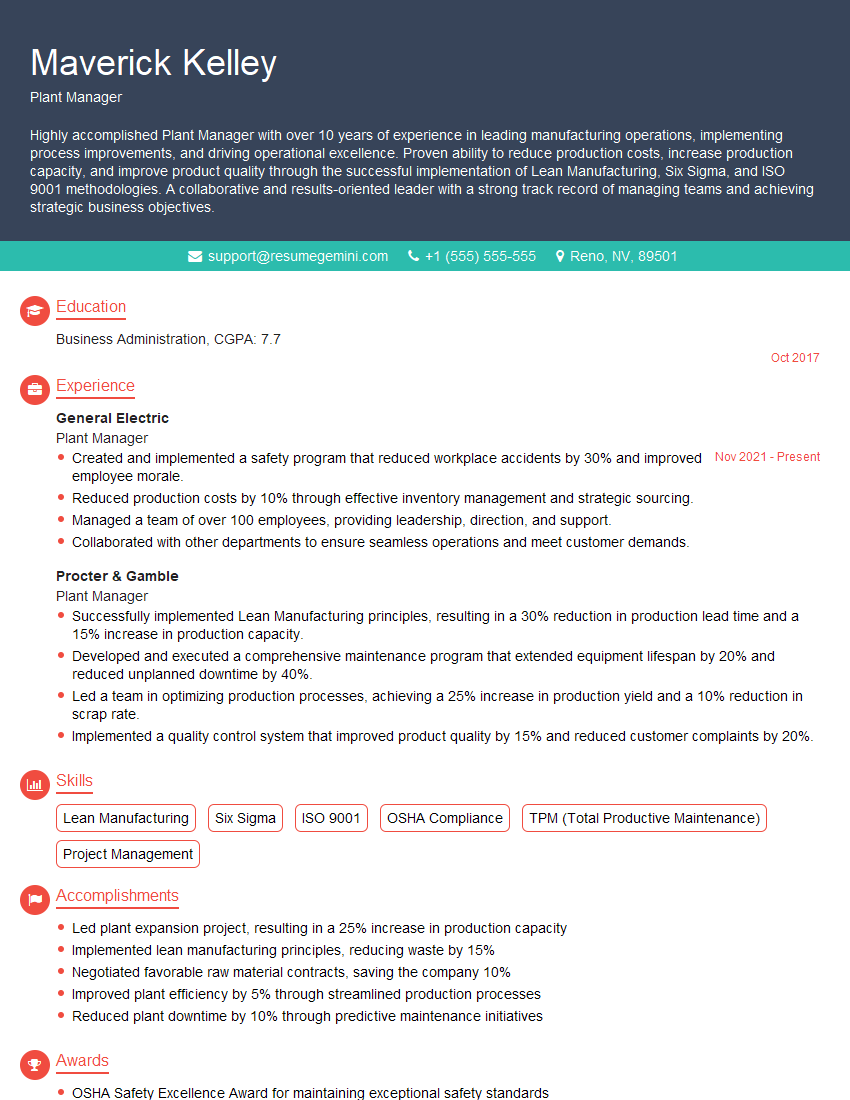
Plant Manager Resume Sample
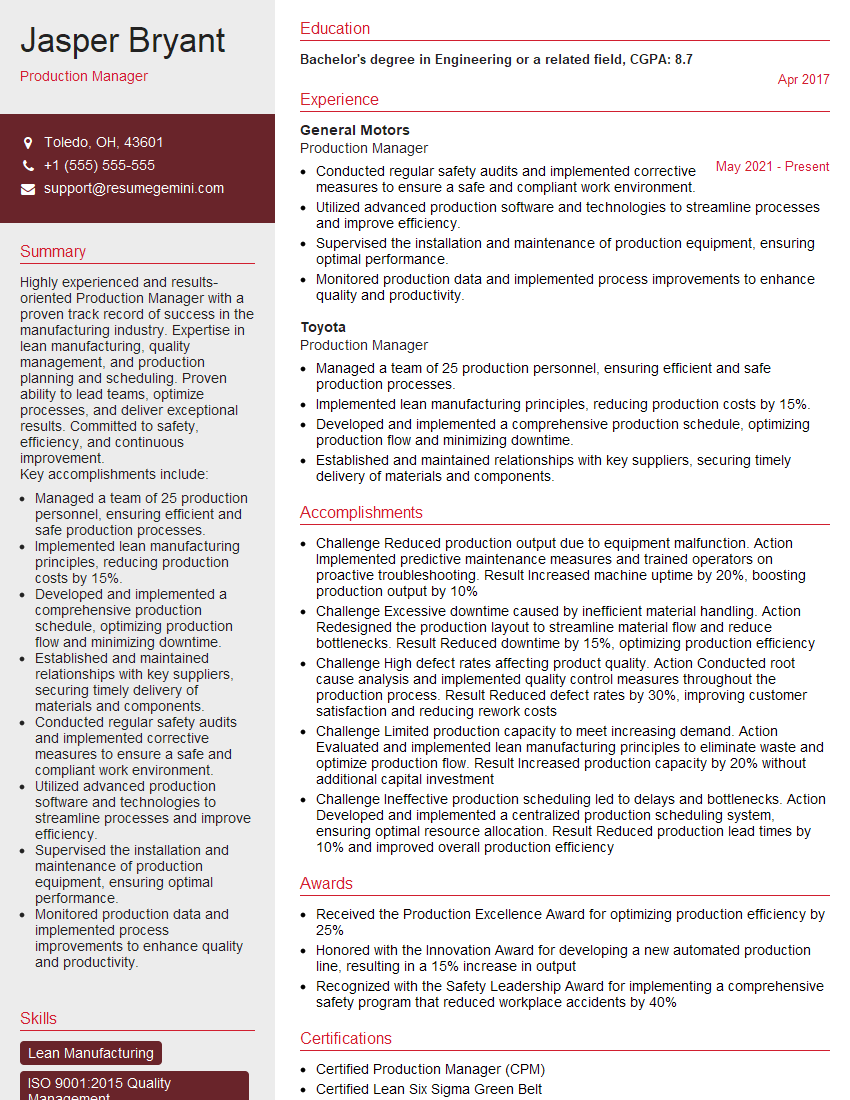
Production Manager Resume Sample
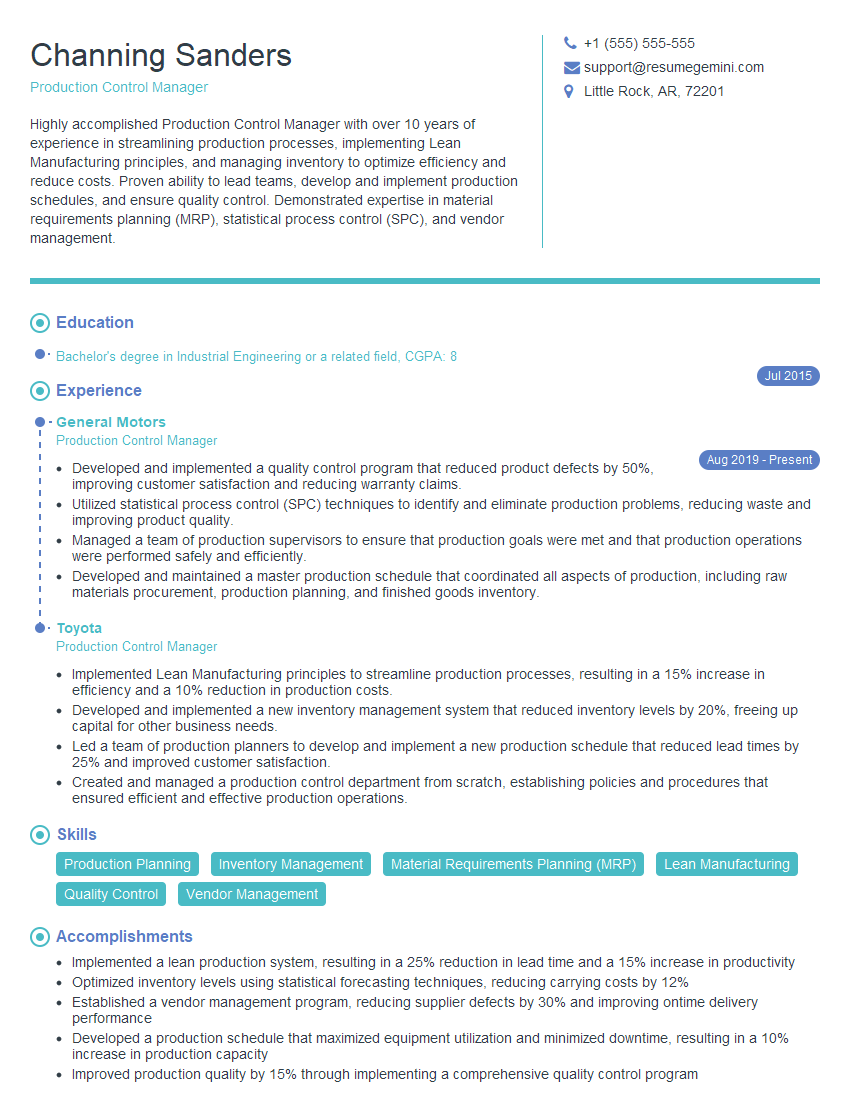
Production Control Manager Resume Sample
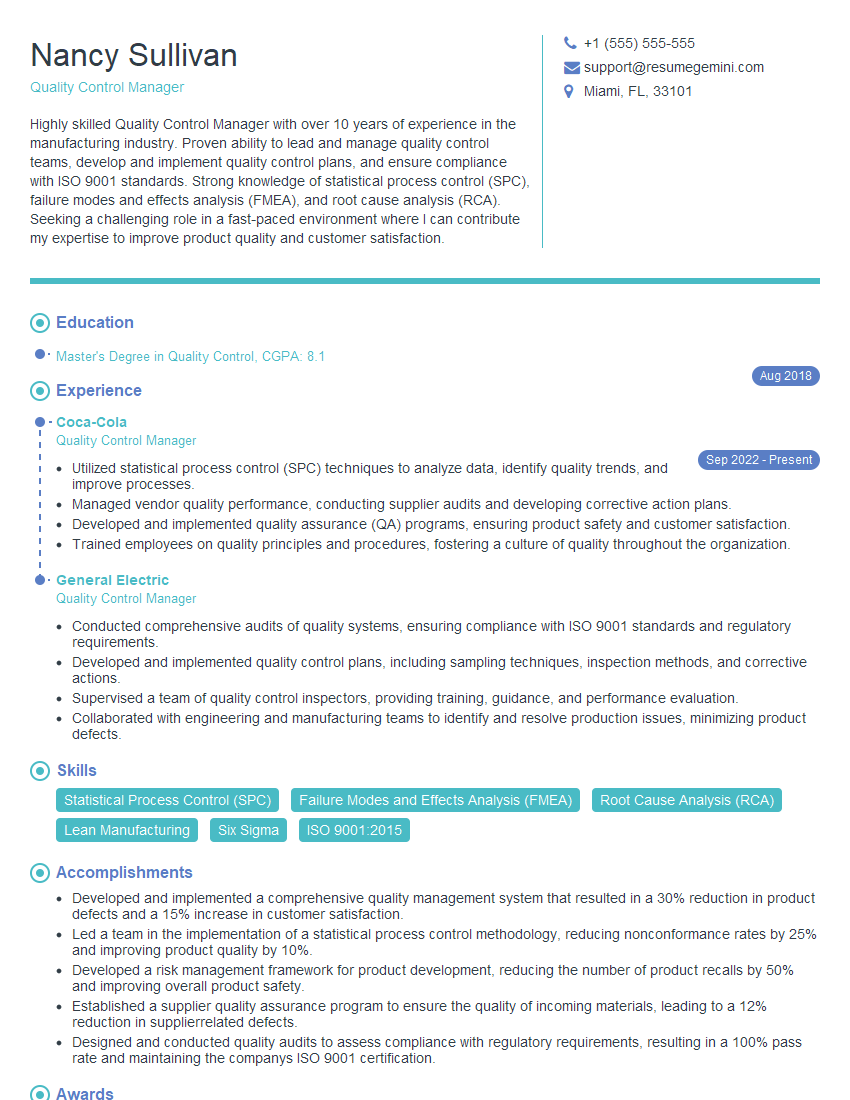
Quality Control Manager Resume Sample
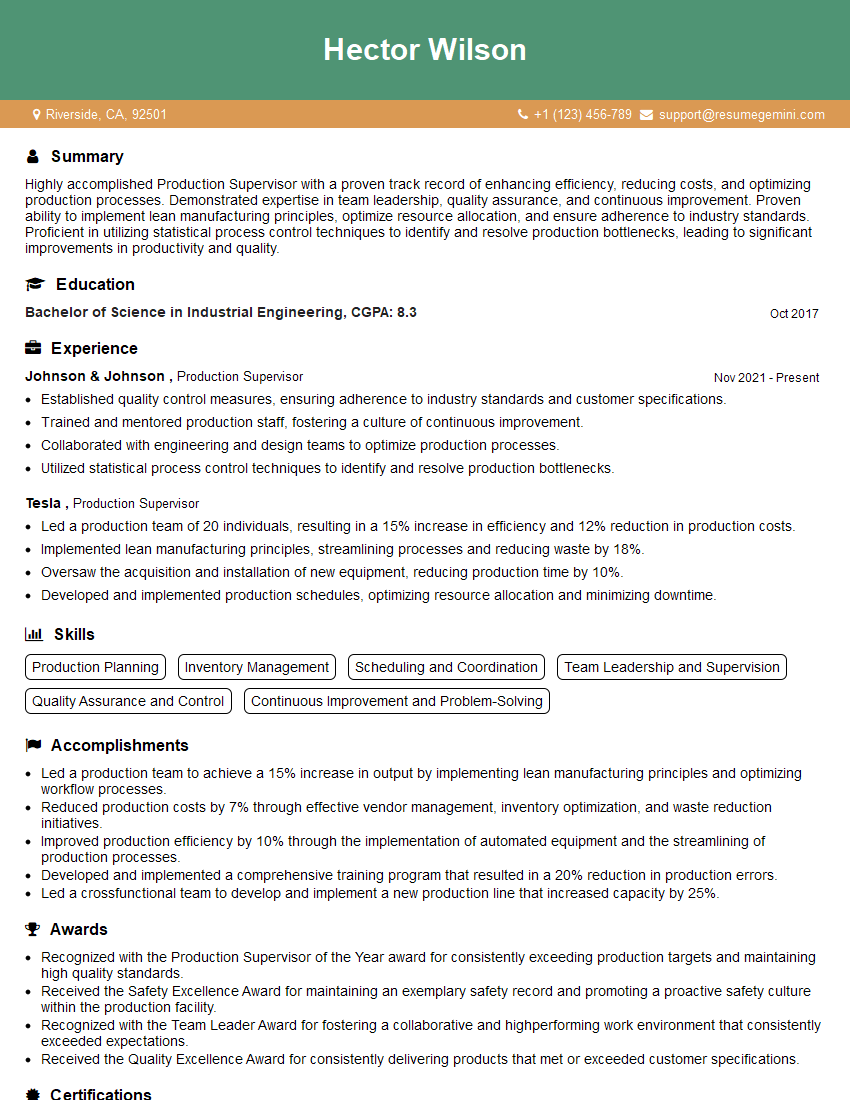
Production Supervisor Resume Sample

Supply Chain Manager Resume Sample
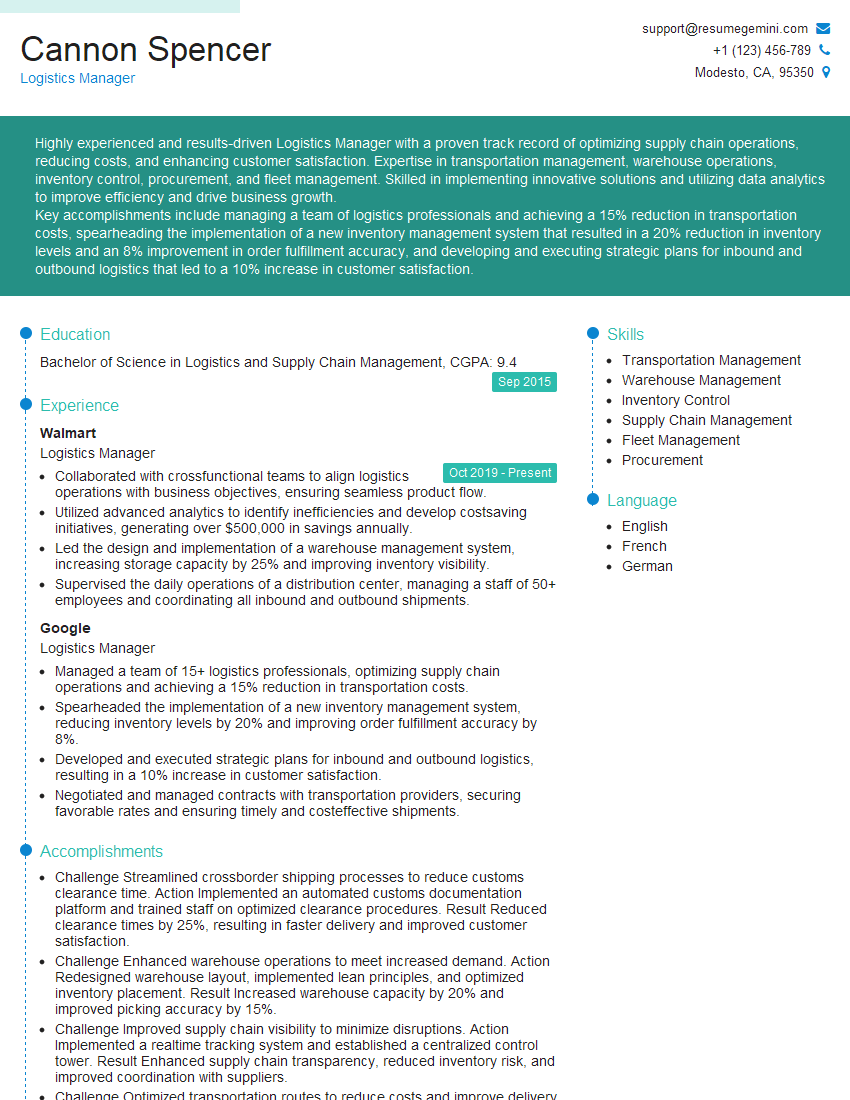
Logistics Manager Resume Sample
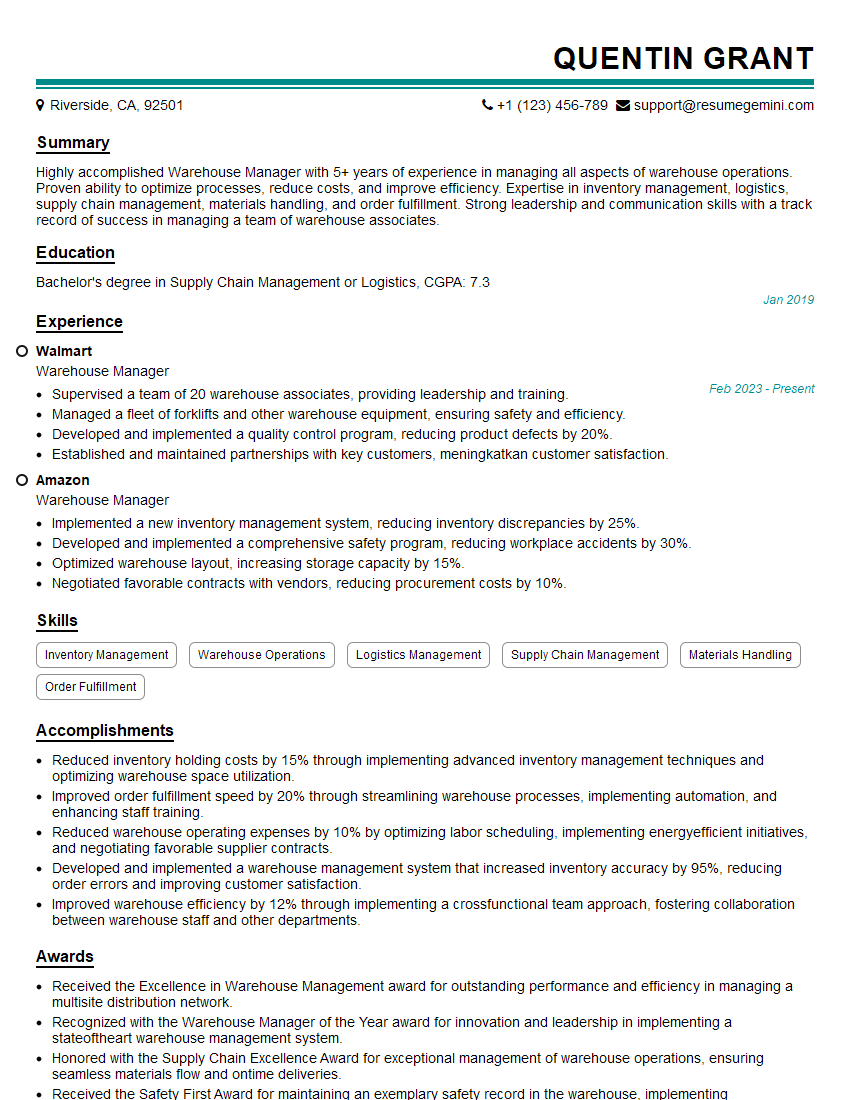
Warehouse Manager Resume Sample
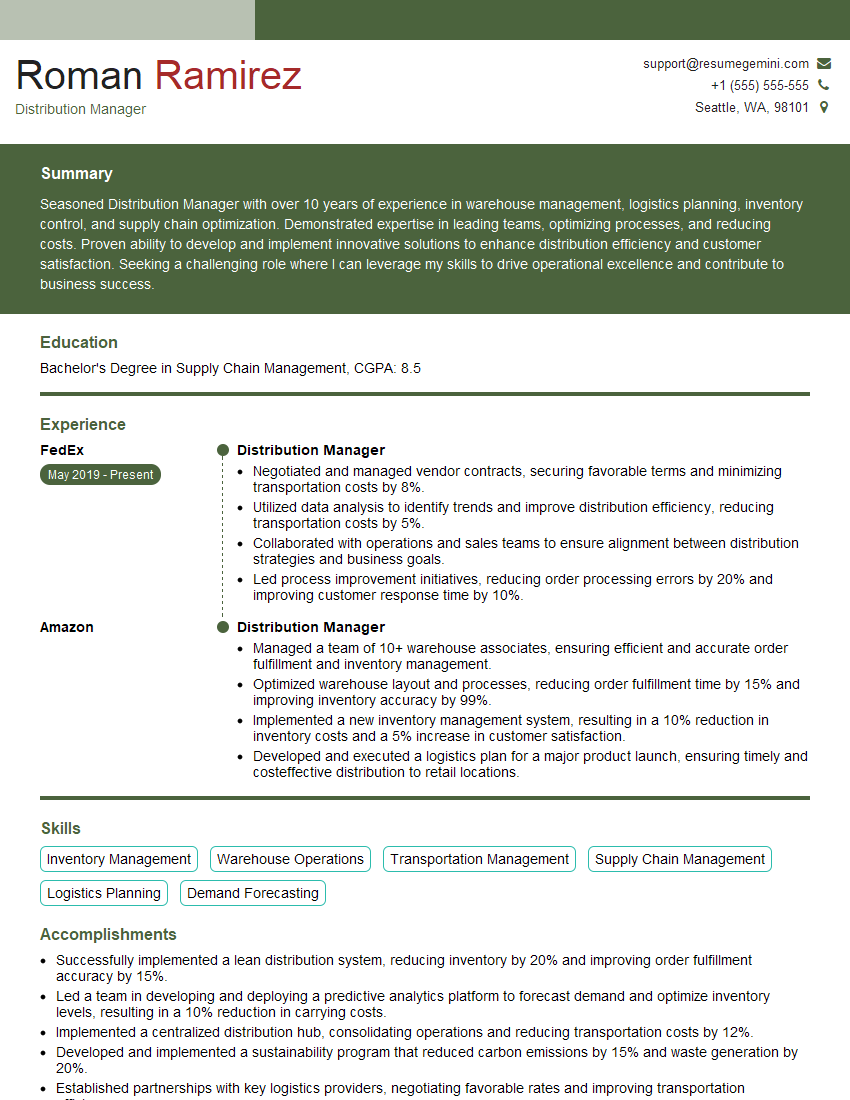
Distribution Manager Resume Sample
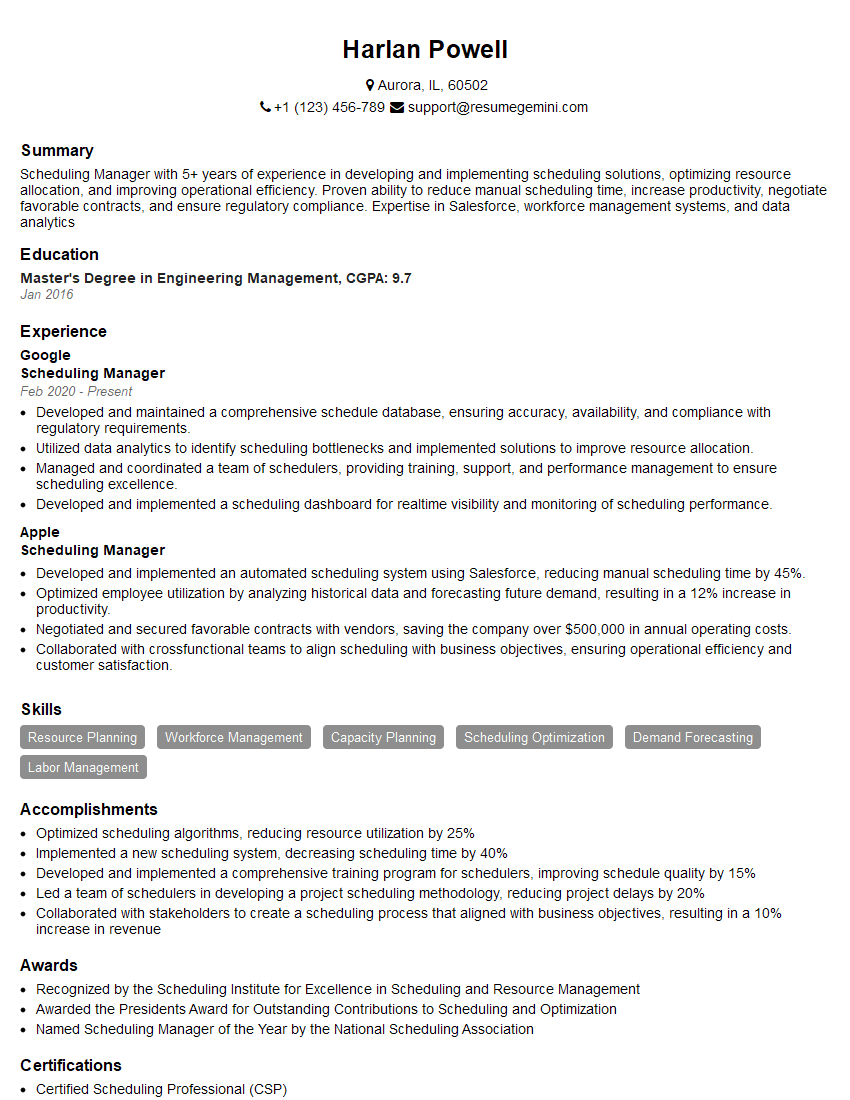
Scheduling Manager Resume Sample
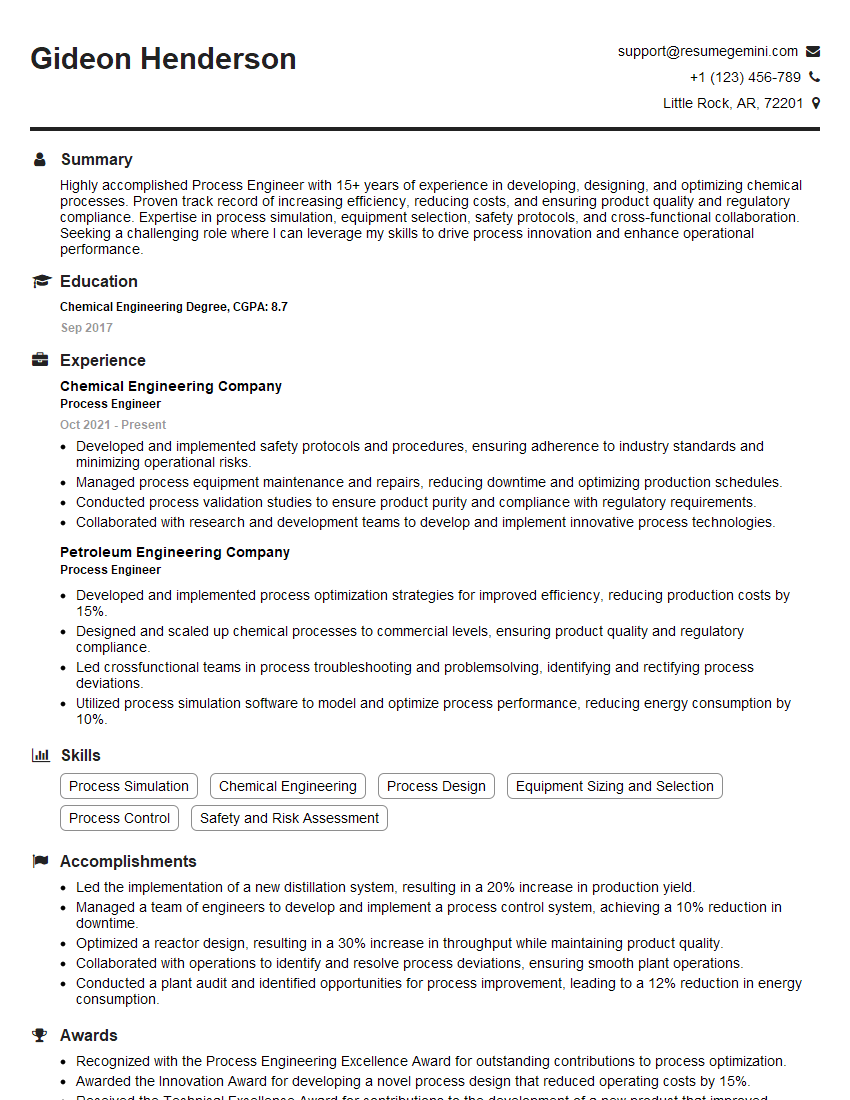
Process Engineer Resume Sample
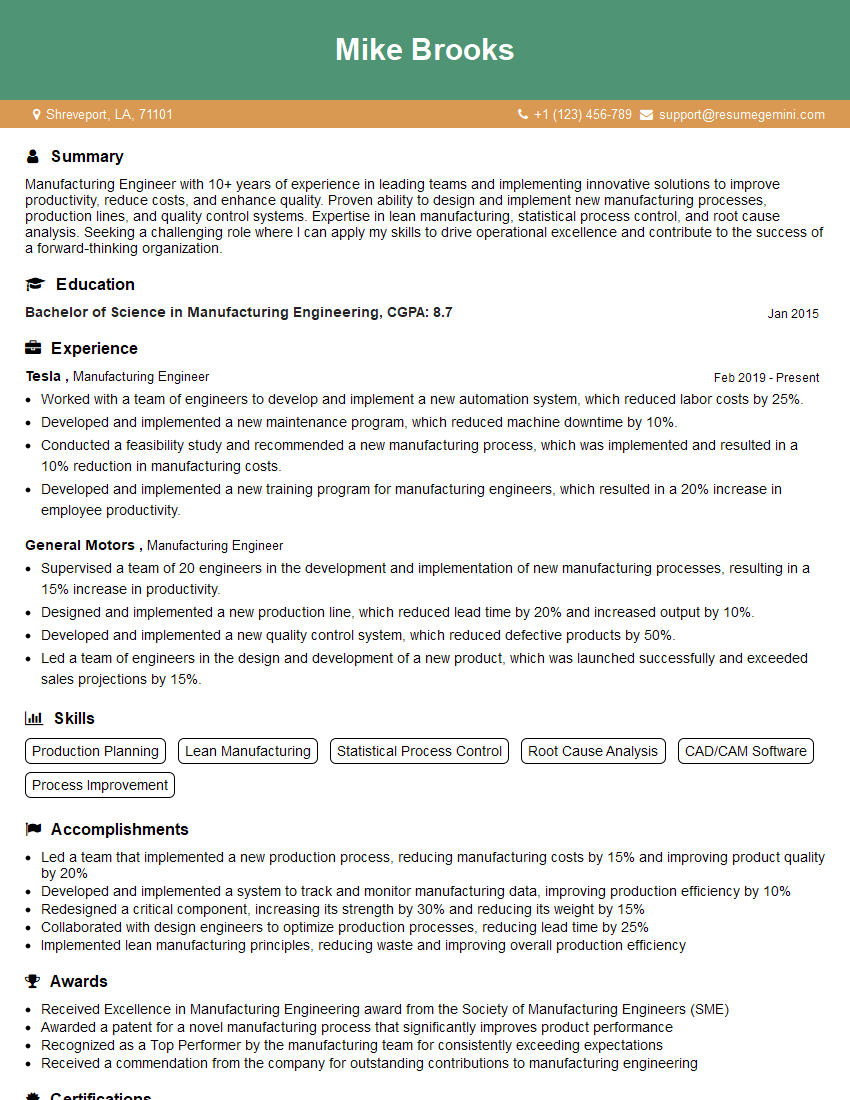
Manufacturing Engineer Resume Sample
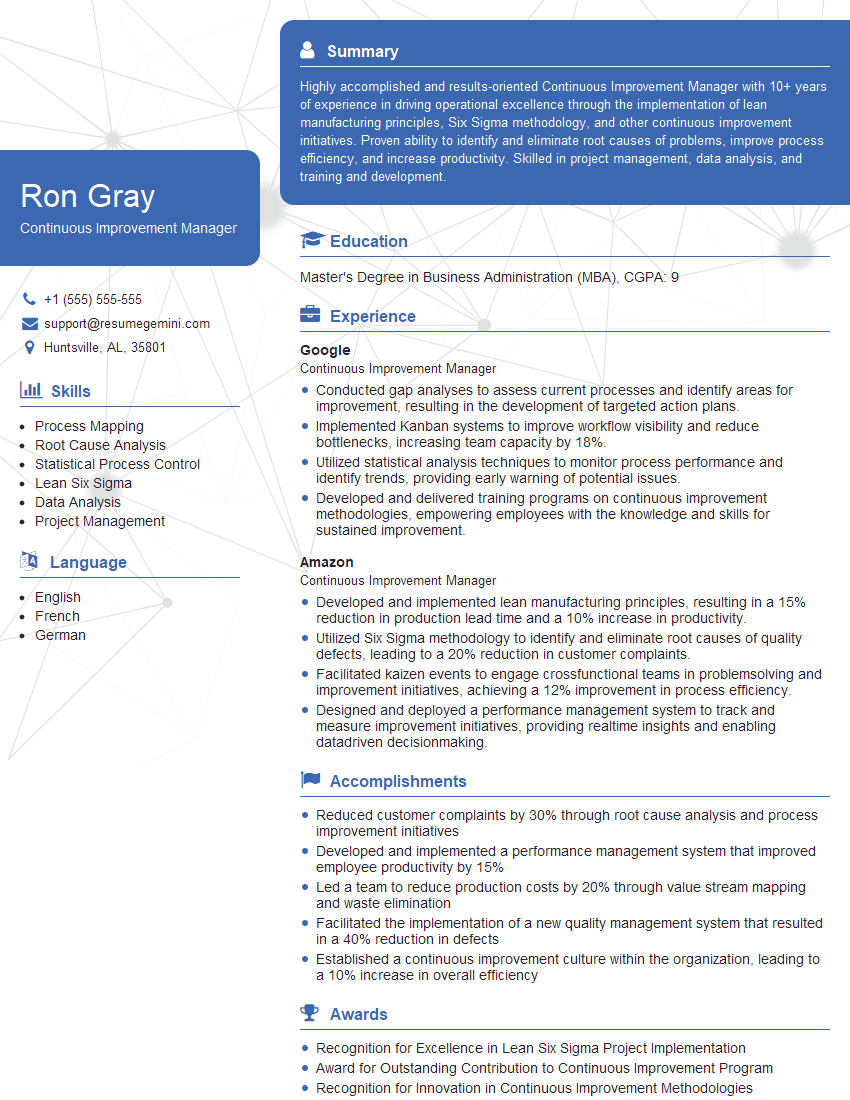
Continuous Improvement Manager Resume Sample
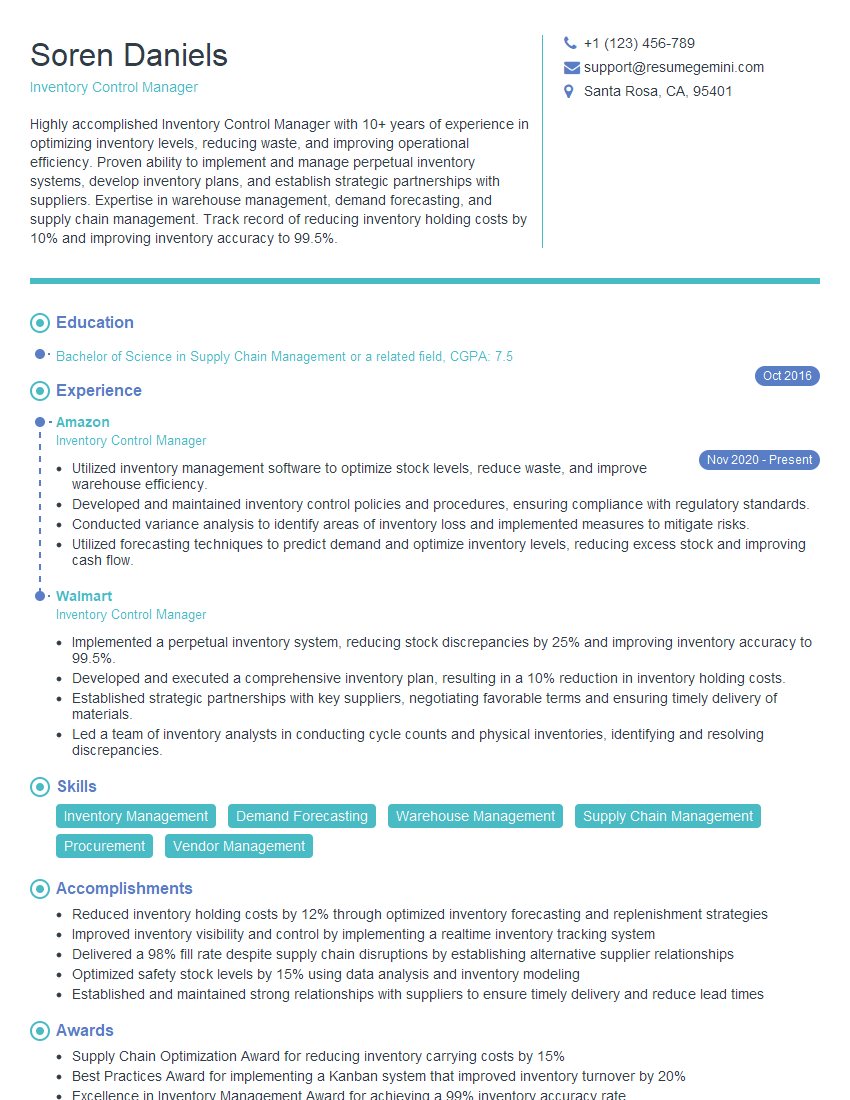
Inventory Control Manager Resume Sample
- Operations Manager
- Plant Manager
- Production Manager
- Production Control Manager
- Quality Control Manager
- Production Supervisor
- Supply Chain Manager
- Logistics Manager
- Warehouse Manager
- Distribution Manager
- Scheduling Manager
- Process Engineer
- Manufacturing Engineer
- Continuous Improvement Manager
- Inventory Control Manager
Explore more articles
Users Rating of Our Blogs
Share Your Experience
We value your feedback! Please rate our content and share your thoughts (optional).
What Readers Say About Our Blog
Very informative content, great job.
good