Unlock your full potential by mastering the most common Experience in managing construction contractors and subcontractors interview questions. This blog offers a deep dive into the critical topics, ensuring you’re not only prepared to answer but to excel. With these insights, you’ll approach your interview with clarity and confidence.
Questions Asked in Experience in managing construction contractors and subcontractors Interview
Q 1. Describe your experience managing multiple subcontractors on a single project.
Managing multiple subcontractors on a single project requires meticulous planning and robust communication. It’s like orchestrating a complex symphony – each instrument (subcontractor) needs to play its part perfectly at the right time to create a harmonious whole (completed project). My approach centers around clear roles, responsibilities, and a well-defined communication plan.
For example, on a recent high-rise construction project, I managed over 15 subcontractors, including electricians, plumbers, drywallers, and HVAC specialists. I began by creating a detailed subcontractor matrix outlining each subcontractor’s scope of work, deadlines, key personnel, and contact information. This served as our central hub for tracking progress and resolving issues. Regular coordination meetings, both individually and collectively, were held to ensure everyone was aligned.
- Pre-Construction: Clearly defined scopes of work, avoiding overlaps and ambiguities.
- During Construction: Daily site logs, progress updates through project management software, and regular meetings to address immediate challenges.
- Post-Construction: Final inspections, payment processing, and a thorough review of the project’s overall success and areas for improvement.
Q 2. How do you ensure subcontractors adhere to project schedules and budgets?
Ensuring subcontractors adhere to schedules and budgets requires proactive monitoring and strong accountability. Think of it as being a conductor, keeping the tempo and making sure each musician stays on beat. I utilize a multi-pronged approach:
- Detailed Contracts: Contracts clearly outline payment terms tied to milestones, performance penalties for delays, and specific clauses regarding budget overruns. For example, a clause might state a penalty of $X per day for exceeding the agreed-upon deadline.
- Regular Progress Monitoring: I leverage project management software to track progress against the schedule. This allows for early identification of potential delays and prompt intervention. Weekly progress reports are mandatory from all subcontractors.
- Earned Value Management (EVM): EVM provides a powerful framework for measuring project performance against the budget. This allows us to pinpoint variances early and take corrective action.
- Open Communication: Maintaining open and transparent communication channels ensures that issues are raised and addressed promptly, preventing escalation.
Q 3. What strategies do you employ to mitigate risks associated with subcontractor performance?
Mitigating risks associated with subcontractor performance is crucial. It’s like having a robust safety net in place for a high-wire act. My strategies include:
- Thorough Due Diligence: Rigorous pre-qualification of subcontractors, including checking references, insurance coverage, and financial stability.
- Risk Assessment: Identifying potential risks associated with each subcontractor and developing mitigation plans. For instance, if a subcontractor has a history of delays, we might require more frequent progress reports or assign a dedicated project manager to oversee their work.
- Contingency Planning: Establishing backup plans in case of subcontractor failure. This might involve having a list of pre-qualified subcontractors ready to step in.
- Regular Inspections and Audits: Conducting regular inspections to ensure quality and adherence to safety regulations. This helps prevent costly rework and potential accidents.
- Insurance and Bonds: Ensuring that subcontractors have adequate insurance and performance bonds to protect against potential losses.
Q 4. Explain your process for selecting and vetting subcontractors.
Selecting and vetting subcontractors is a critical process. It’s akin to choosing the right team players for a winning sports team. I employ a multi-stage process:
- Request for Proposals (RFPs): Issuing RFPs to pre-qualified subcontractors outlining project requirements, specifications, and deadlines.
- Evaluation of Proposals: Evaluating proposals based on factors such as price, experience, qualifications, and references.
- Reference Checks: Contacting past clients of shortlisted subcontractors to verify their performance and reliability.
- Financial Stability Assessment: Reviewing financial statements to assess the subcontractor’s financial health.
- Insurance and Licensing Verification: Confirming that subcontractors have the necessary insurance coverage and licenses.
- Site Visit (if applicable): Conducting a site visit to assess the subcontractor’s equipment and operational capabilities.
Q 5. How do you handle conflicts or disputes between subcontractors?
Handling conflicts or disputes between subcontractors requires a fair and decisive approach. It’s like mediating a disagreement between members of a team. My process is:
- Early Intervention: Addressing conflicts promptly to prevent escalation. This often involves informal discussions between the involved parties.
- Mediation: If informal discussions fail, mediating the dispute to help the subcontractors reach a mutually acceptable solution.
- Formal Dispute Resolution: If mediation is unsuccessful, resorting to formal dispute resolution methods as outlined in the contracts, such as arbitration or litigation.
- Documentation: Maintaining detailed records of all communications and decisions related to the dispute.
For example, if two subcontractors disagree on who is responsible for a particular task, we bring them together with project documentation and work through the issue to identify a solution in line with the agreed scope of work and the contract.
Q 6. How do you track subcontractor progress and performance?
Tracking subcontractor progress and performance is essential for project success. It is like using a dashboard to monitor the progress of your car journey. I utilize a combination of methods:
- Project Management Software: Utilizing software such as MS Project or Primavera P6 to track task assignments, timelines, and resource allocation.
- Regular Progress Reports: Requiring subcontractors to submit weekly or bi-weekly progress reports that include completed tasks, upcoming tasks, and any challenges encountered.
- Site Visits and Inspections: Conducting regular site visits to visually assess progress, identify potential issues, and verify reported progress.
- Performance Metrics: Tracking key performance indicators (KPIs) such as schedule adherence, budget compliance, and quality of work.
Q 7. What metrics do you use to evaluate subcontractor success?
Evaluating subcontractor success is critical for future projects. It’s like assessing the performance of employees. I use several metrics:
- Schedule Adherence: Measuring the percentage of tasks completed on time.
- Budget Compliance: Assessing whether the subcontractor stayed within the allocated budget.
- Quality of Workmanship: Evaluating the quality of the subcontractor’s work through inspections and client feedback.
- Safety Record: Tracking the number of safety incidents and compliance with safety regulations.
- Client Satisfaction: Gathering client feedback on the subcontractor’s performance.
These metrics provide a comprehensive evaluation of a subcontractor’s performance and assist in future selection processes.
Q 8. Describe a time you had to address a significant issue with a subcontractor. How did you resolve it?
One time, a subcontractor responsible for the electrical work on a large commercial building fell significantly behind schedule. This jeopardized the overall project timeline and threatened to incur substantial penalty costs. I immediately initiated a meeting with the subcontractor’s project manager to understand the root cause. We discovered a combination of issues: understaffing due to unexpected illness, a misinterpretation of a critical specification in the blueprints, and a shortage of specific materials.
To resolve this, I worked collaboratively with the subcontractor. We agreed upon a revised schedule with realistic milestones, secured additional skilled electricians from their pool of resources, and facilitated the expedited delivery of the necessary materials. We also clarified the ambiguous specification point in the blueprints. To ensure accountability and prevent further delays, weekly progress meetings were implemented with detailed reporting and transparent communication. This collaborative approach successfully brought the project back on track, minimizing the cost impact and preserving the client relationship.
Q 9. How do you ensure subcontractors comply with safety regulations?
Ensuring subcontractor compliance with safety regulations is paramount. My approach involves a multi-pronged strategy. First, a thorough review of each subcontractor’s safety plan and insurance coverage is undertaken before they are even awarded the contract. This ensures they demonstrate a commitment to safety.
Secondly, regular site inspections are conducted to monitor compliance with both our project’s safety plan and all relevant OSHA regulations. This includes random checks for PPE (Personal Protective Equipment) usage, adherence to fall protection protocols, and proper use of machinery. Any non-compliance is addressed immediately with corrective action plans.
Thirdly, we utilize toolbox talks and safety training sessions to reinforce best practices among subcontractor personnel. This creates a culture of safety on the site. Finally, a detailed reporting system tracks all safety incidents, near misses, and corrective actions, allowing for proactive identification and mitigation of future risks. This ensures continuous improvement in our safety performance.
Q 10. What is your experience with subcontractor payment processes and lien prevention?
My experience with subcontractor payment processes and lien prevention is extensive. I always prioritize timely and accurate payments to avoid any potential disputes. To mitigate risk, a detailed payment schedule is established upfront in each subcontract agreement. This schedule is clearly linked to completed milestones and verified through thorough inspections.
We use a robust system for tracking completed work, material receipts, and invoices. All invoices are carefully reviewed for accuracy and compliance before processing. Furthermore, I ensure that all payment releases are properly documented and certified by myself or another authorized project representative. This process helps to prevent any misunderstandings or potential claims. Proactive communication is key, regularly updating subcontractors on payment status and addressing any concerns promptly is crucial in building trust and preventing liens.
Q 11. How do you manage subcontractor change orders and variations?
Managing subcontractor change orders and variations requires a systematic approach. Any proposed change, however minor, must be documented formally. This typically involves a written change order request from the subcontractor, detailing the scope of work, cost implications, and any necessary time adjustments.
I meticulously review each change order request, consulting with the project team and the client as needed. We clearly define the impact on the project schedule and budget. Once approved, the change order is integrated into the contract, and a revised payment schedule is developed. A critical aspect is maintaining accurate records of all changes, ensuring transparency and accountability. This meticulous documentation protects both the project owner and the subcontractor from disputes. Delaying payments until the change is properly documented prevents unexpected financial burdens.
Q 12. Describe your experience with negotiating contracts with subcontractors.
Negotiating contracts with subcontractors requires a fair and balanced approach. It’s not just about getting the lowest price; it’s about securing a reliable and competent partner who can deliver quality work on time. I begin by establishing a clear understanding of the project scope, requirements, and timelines.
I carefully review the subcontractor’s proposal and identify any potential risks or ambiguities. I then negotiate terms that are mutually acceptable, addressing factors like payment schedules, insurance requirements, and dispute resolution mechanisms. Open and transparent communication is key throughout the negotiation process; I value collaborative problem-solving. The final contract should be comprehensive and clearly define the responsibilities and liabilities of both parties. The contract also has specific terms for managing change orders and potential delays.
Q 13. How do you maintain effective communication with subcontractors?
Maintaining effective communication with subcontractors is essential for successful project execution. I utilize a multi-channel communication strategy. Regular on-site meetings are held to discuss progress, address concerns, and provide clarifications. This fosters a collaborative environment.
In addition, I leverage email and project management software to disseminate information promptly and maintain a detailed record of all communications. This creates a centralized hub for all project-related discussions and documents. We have a system for escalation if issues arise; if regular communication channels fail, I involve senior management to facilitate resolution. This approach ensures that all parties are informed and aligned, minimizing misunderstandings and potential conflicts.
Q 14. How do you ensure the quality of work performed by subcontractors?
Ensuring quality of work from subcontractors relies on a proactive approach. First and foremost, a rigorous selection process is paramount. I thoroughly vet subcontractors, considering their experience, qualifications, and past performance. References are checked, and their previous projects are carefully reviewed.
During the project execution, regular quality checks are conducted. This includes inspections at key milestones and periodic reviews of the work progress. Any deficiencies or non-compliance are addressed immediately through corrective action plans. Clear specifications and detailed drawings are provided to subcontractors upfront to minimize the risk of errors. Furthermore, a formal quality control process is in place where inspections are conducted and documented, ensuring alignment with specifications. This formal documentation helps avoid disputes and provides evidence of the quality of work provided.
Q 15. What is your experience with using project management software to manage subcontractors?
My experience with project management software for subcontractor management is extensive. I’ve utilized various platforms, including Procore, BuilderTREND, and PlanGrid, to streamline communication, track progress, manage documents, and monitor costs. These platforms allow for centralizing all subcontractor-related information, eliminating the chaos of email chains and disparate spreadsheets. For example, in a recent high-rise project, using Procore allowed us to instantly share updated blueprints with all relevant subcontractors, reducing errors and misunderstandings. The real-time progress tracking features were invaluable for identifying potential delays and proactively addressing them. Beyond basic task management, these tools offer robust features such as RFI (Request for Information) management, submittal tracking, and even integrated payroll systems, creating a highly efficient workflow.
Career Expert Tips:
- Ace those interviews! Prepare effectively by reviewing the Top 50 Most Common Interview Questions on ResumeGemini.
- Navigate your job search with confidence! Explore a wide range of Career Tips on ResumeGemini. Learn about common challenges and recommendations to overcome them.
- Craft the perfect resume! Master the Art of Resume Writing with ResumeGemini’s guide. Showcase your unique qualifications and achievements effectively.
- Don’t miss out on holiday savings! Build your dream resume with ResumeGemini’s ATS optimized templates.
Q 16. How do you balance the needs of the project with the needs of the subcontractors?
Balancing project needs with subcontractor needs is crucial for successful project delivery. It requires strong communication, transparency, and a collaborative approach. Think of it like conducting an orchestra – the project is the symphony, and the subcontractors are the individual sections. Each section (subcontractor) has its own unique skills and tempo, but the conductor (project manager) needs to ensure harmonious execution. I achieve this balance by:
- Clearly defined scopes of work: Detailed contracts ensure everyone understands their responsibilities and timelines.
- Regular communication: Weekly meetings, progress reports, and open lines of communication are key to addressing issues promptly.
- Fair compensation: Ensuring fair payment schedules and addressing any potential cost overruns transparently fosters trust and cooperation.
- Realistic scheduling: Incorporating subcontractor input during the planning phase helps create a schedule that is both achievable and mutually beneficial.
Q 17. How do you handle subcontractor delays?
Subcontractor delays are an inevitable challenge in construction. My approach involves a proactive and systematic response:
- Immediate communication: The moment a delay is identified, I initiate a dialogue with the subcontractor to understand the cause.
- Root cause analysis: Is it due to material shortages, unforeseen site conditions, or internal issues within their team? Understanding the root cause guides the solution.
- Collaborative problem-solving: We work together to find solutions, potentially including adjusting the schedule, allocating additional resources, or exploring alternative methods.
- Documentation: Thorough documentation of the delay, its causes, and the agreed-upon solution is crucial for potential claims or adjustments to the project timeline.
- Impact assessment: I analyze how the delay affects the overall project schedule and cost, and communicate this transparently to all stakeholders.
Q 18. What is your experience with insurance and bonding requirements for subcontractors?
Insurance and bonding requirements are paramount for risk mitigation. Before engaging any subcontractor, I meticulously review their proof of insurance, including general liability, workers’ compensation, and auto insurance. The minimum coverage limits are defined in the contract and must meet or exceed project specifications and local regulations. Furthermore, I verify that the subcontractor has the necessary performance and payment bonds, protecting the project owner from financial losses due to subcontractor default. I use a standardized checklist to ensure compliance and maintain records of all insurance and bonding documents. Any discrepancies are addressed immediately to ensure compliance and minimize potential risks. Failure to have proper insurance and bonding can expose the general contractor and project owner to significant financial liabilities.
Q 19. Describe your experience with performance evaluations for subcontractors.
Performance evaluations are critical for maintaining quality and identifying areas for improvement. My approach involves a multi-faceted evaluation process:
- Regular site visits and progress monitoring: This allows for firsthand observation of the subcontractor’s work quality and adherence to schedules.
- Formal written evaluations: At key milestones, I provide feedback outlining areas of strength and areas needing attention. This includes assessment of quality of workmanship, adherence to safety regulations and overall professionalism.
- Feedback sessions: Direct communication is key – open discussions allow for addressing concerns, exploring solutions, and building stronger working relationships.
- Metrics-based assessment: Quantifiable measures, like completion rates, adherence to deadlines, and defect rates, provide objective insights into the subcontractor’s performance.
Q 20. How do you ensure compliance with contract terms and conditions with subcontractors?
Ensuring compliance with contract terms and conditions is a non-negotiable aspect of managing subcontractors. This involves a proactive and systematic approach:
- Thorough contract review: Contracts are meticulously reviewed and must be clear, concise and comprehensive, covering all aspects of the work, payment terms, schedules, and responsibilities.
- Regular contract compliance checks: Consistent monitoring for adherence to specifications, timelines, and payment terms. Any deviations are addressed promptly.
- Documentation: Maintaining comprehensive records of communication, approvals, changes, and any potential discrepancies helps to prevent disputes and enforce contract terms.
- Formal written warnings: For significant breaches, formal written warnings are issued outlining the violation and expectations for correction.
- Legal recourse if needed: In cases of severe and unresolvable violations, legal action may be necessary to protect the project’s interests.
Q 21. How do you manage the flow of information between the general contractor and subcontractors?
Effective information flow is the backbone of successful subcontractor management. I employ a multi-channel strategy:
- Regular meetings: Weekly or bi-weekly meetings, both in person and virtual, ensure open communication and address any emerging issues.
- Project management software: Platforms like Procore or similar systems facilitate central document storage, progress tracking, and instant communication.
- Formal communication protocols: Using established procedures for submitting RFIs, submittals, and change orders eliminates confusion and maintains accountability.
- Dedicated point of contact: Assigning a dedicated point of contact for each subcontractor ensures timely responses and efficient communication.
- Regular progress reports: These reports keep everyone informed about the project’s progress and identify potential roadblocks.
Q 22. How do you address subcontractor concerns or complaints?
Addressing subcontractor concerns and complaints requires a proactive and empathetic approach. My strategy focuses on prompt response, open communication, and fair resolution. I begin by actively listening to understand their perspective fully, ensuring they feel heard and valued. This often involves a face-to-face meeting or a phone call to create a personal connection.
Next, I thoroughly investigate the issue, gathering all relevant information from both the subcontractor and any involved parties. This may include reviewing contracts, schedules, and progress reports. Once I have a clear understanding of the situation, I work collaboratively with the subcontractor to identify the root cause of the problem and develop a mutually agreeable solution. This might involve adjusting payment schedules, clarifying project specifications, or providing additional resources. Transparency is key – I keep the subcontractor updated on the progress of the resolution throughout the process. Finally, I document the entire process, including the complaint, the investigation, and the agreed-upon solution, to prevent similar issues from arising in the future. For example, if a subcontractor complained about unclear specifications leading to delays, I’d review the plans, revise them if necessary, and then adjust the project schedule accordingly, compensating for the unforeseen delay.
Q 23. Explain your experience in managing the procurement process for subcontractors.
My experience in subcontractor procurement involves a structured, multi-stage process designed to ensure we select the most qualified and reliable partners. It begins with defining clear project requirements, including scope of work, deadlines, and budget. I then develop detailed bid documents outlining these requirements. This is followed by a thorough pre-qualification process, checking for relevant licenses, insurance, safety records, and financial stability. We often request references and conduct site visits to assess their capabilities firsthand.
The bidding process itself is transparent and competitive, with clear criteria for evaluation. We analyze bids based on factors like price, experience, qualifications, and proposed schedule. Once a subcontractor is selected, a formal contract is signed, clearly outlining the scope of work, payment terms, insurance requirements, and dispute resolution mechanisms. Throughout the project, regular communication and performance monitoring are essential to ensure the subcontractor is meeting their obligations. For instance, on a recent high-rise project, we meticulously pre-qualified structural steel subcontractors based on their experience with similar projects and their capacity to meet stringent safety protocols. This rigorous approach ensured timely and high-quality work.
Q 24. What are some key performance indicators (KPIs) you use to monitor subcontractor performance?
Monitoring subcontractor performance is critical for project success. I utilize several key performance indicators (KPIs) to track their progress and identify potential issues early on. These include:
- On-time completion of milestones: Tracking adherence to the agreed-upon project schedule.
- Quality of workmanship: Regular inspections and quality control checks to ensure compliance with specifications.
- Safety record: Monitoring incident rates and adherence to safety regulations.
- Budget adherence: Tracking actual costs against the budgeted amount.
- Communication responsiveness: Assessing how quickly and effectively the subcontractor responds to requests and concerns.
These KPIs are tracked using project management software and regular progress meetings. Deviation from established targets triggers immediate attention and corrective action. For example, a consistent delay in meeting milestones might indicate a need for additional resources or a reevaluation of the project schedule. Similarly, a high incident rate might prompt a safety review and additional training for the subcontractor’s crew.
Q 25. Describe your approach to risk management related to subcontractors.
My approach to risk management related to subcontractors is proactive and comprehensive. It begins with thorough due diligence during the procurement phase, assessing their financial stability, insurance coverage, and safety record. We incorporate risk mitigation strategies into the contracts, including clauses addressing potential delays, cost overruns, and liability issues. Regular monitoring of the subcontractor’s performance helps identify potential risks early on, allowing for timely intervention and corrective actions.
Furthermore, we maintain open communication channels to encourage subcontractors to report potential problems promptly. We conduct regular safety audits and inspections to identify and address potential hazards. Contingency plans are developed to address foreseeable risks, such as inclement weather or material shortages. For example, on a recent project, we identified a potential risk of material delays. We mitigated this risk by securing alternative suppliers and building buffer time into the schedule. This proactive approach minimized the impact of the potential delay on the overall project timeline.
Q 26. How do you build and maintain positive working relationships with subcontractors?
Building and maintaining positive working relationships with subcontractors is paramount for successful project delivery. This starts with clear and open communication from the outset. I strive to create a collaborative environment where subcontractors feel valued and respected. Fair and timely payment is crucial, ensuring they are compensated appropriately and promptly for their work.
Regular meetings, both formal and informal, provide opportunities to discuss progress, address concerns, and build rapport. Recognizing and rewarding excellent performance motivates subcontractors and reinforces positive behavior. Addressing issues promptly and fairly maintains trust and fosters a strong working relationship. For example, I’ve organized informal ‘lunch-and-learns’ to allow subcontractors to network and share best practices. This fosters a sense of community and collaboration, making them feel like a part of the team. Celebrating project milestones together also reinforces positive relationships and a sense of shared accomplishment.
Q 27. How do you handle the onboarding process for new subcontractors?
The onboarding process for new subcontractors is standardized to ensure a smooth transition and efficient collaboration. It begins with a thorough review of the contract and project specifications. We provide a detailed orientation to the project site, including safety protocols, communication procedures, and key personnel introductions. Access cards and required safety equipment are provided. We also schedule introductory meetings with relevant project stakeholders to clarify expectations and responsibilities.
Clear communication channels are established, including designated points of contact for various issues. We provide access to project-related documents and software, ensuring the subcontractor has all necessary information to perform their work effectively. Regular check-ins and performance reviews are scheduled during the initial phases to address any questions or concerns and ensure the subcontractor is successfully integrated into the project team. A thorough induction process is vital – imagine a new electrical subcontractor arriving on site. A detailed safety briefing and site map ensure a safe and productive start to the job.
Q 28. How do you ensure that subcontractors are adequately insured and bonded?
Ensuring subcontractors are adequately insured and bonded is a critical aspect of risk management. During the pre-qualification process, we rigorously verify their insurance coverage, including workers’ compensation, general liability, and commercial auto insurance. We require proof of insurance certificates and verify their validity through reputable sources.
Furthermore, we may require surety bonds, depending on the project size and complexity. These bonds protect the owner against potential financial losses arising from the subcontractor’s failure to perform their contractual obligations. Regular review of insurance certificates and bond coverage is conducted throughout the project duration, ensuring continued compliance. Failure to maintain adequate insurance coverage can result in contract termination. The verification process mirrors due diligence in financial institutions. A detailed review of insurance documentation offers the same level of protection and provides assurance of compliance with legal and contractual obligations.
Key Topics to Learn for Experience in managing construction contractors and subcontractors Interview
- Contract Negotiation and Management: Understanding different contract types (lump sum, cost-plus, etc.), risk allocation, change orders, and dispute resolution processes. Practical application: Describe a successful negotiation resulting in a mutually beneficial agreement.
- Subcontractor Selection and Oversight: Criteria for selecting qualified subcontractors, pre-qualification processes, performance monitoring, and communication strategies. Practical application: Explain your approach to managing a team of subcontractors with varying levels of experience and expertise.
- Project Scheduling and Coordination: Developing and maintaining project schedules, coordinating activities between contractors and subcontractors, managing potential delays, and implementing mitigation strategies. Practical application: Describe a situation where you successfully navigated a project delay and its impact on the overall schedule.
- Budget Management and Cost Control: Developing and tracking project budgets, forecasting costs, managing variances, and identifying cost-saving opportunities. Practical application: Explain how you have successfully controlled project costs within budget constraints.
- Safety and Compliance: Implementing and enforcing safety protocols, ensuring compliance with relevant regulations, and managing potential safety hazards. Practical application: Detail your experience in creating and maintaining a safe work environment for contractors and subcontractors.
- Risk Management: Identifying, assessing, and mitigating potential project risks, including financial, schedule, and safety risks. Practical application: Describe a situation where you identified and effectively mitigated a significant project risk.
- Communication and Teamwork: Effective communication strategies with contractors, subcontractors, and project stakeholders, fostering collaboration and resolving conflicts. Practical application: Describe your approach to building and maintaining positive relationships with contractors and subcontractors.
Next Steps
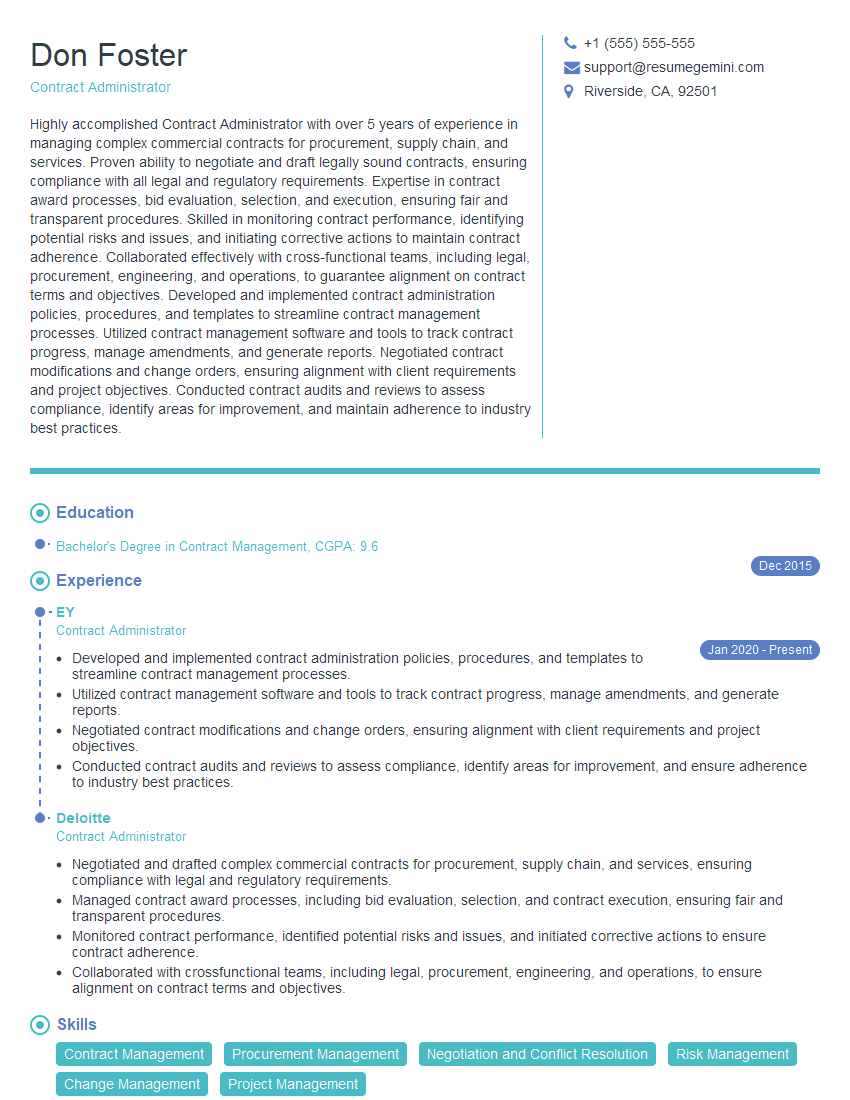
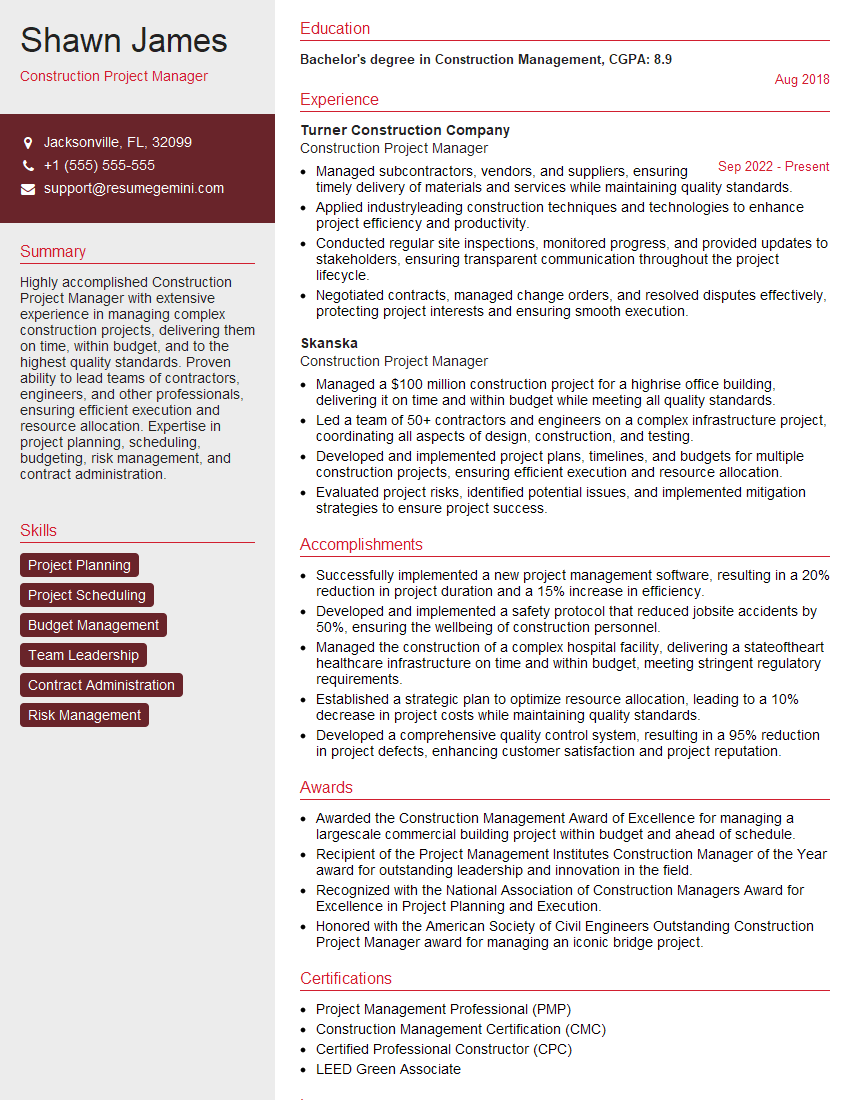
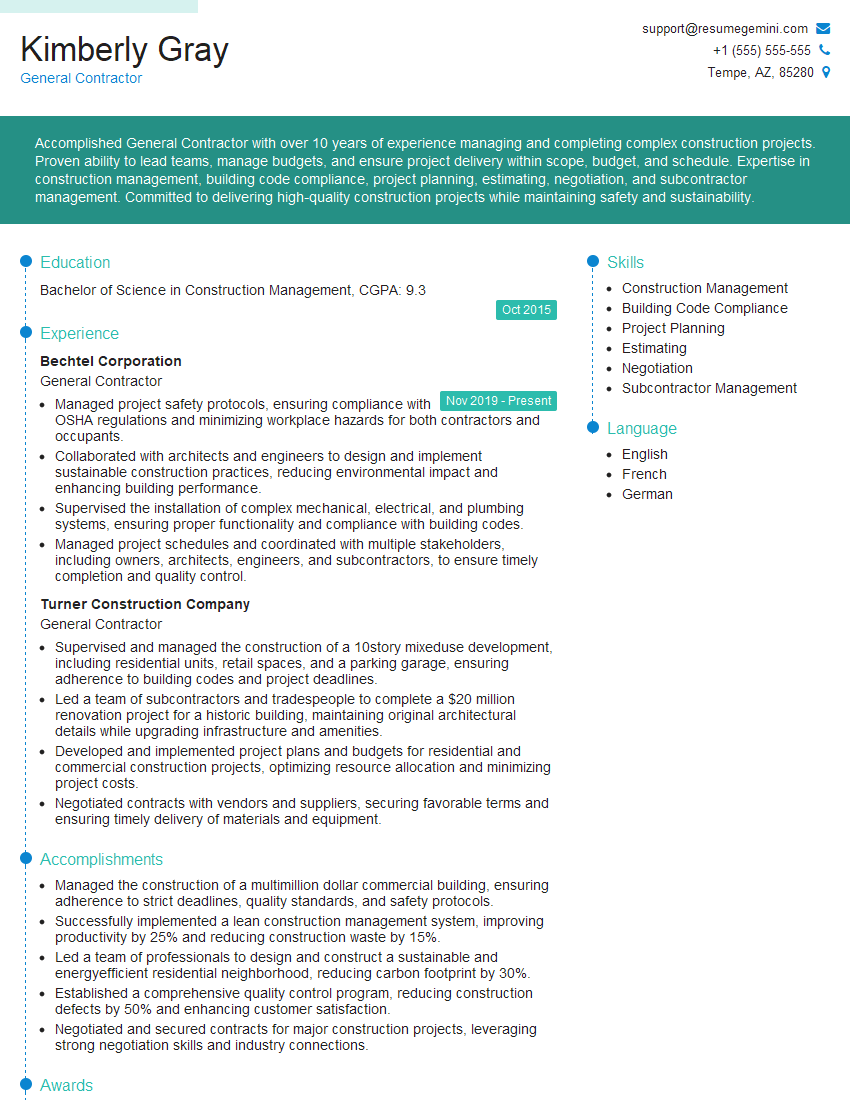
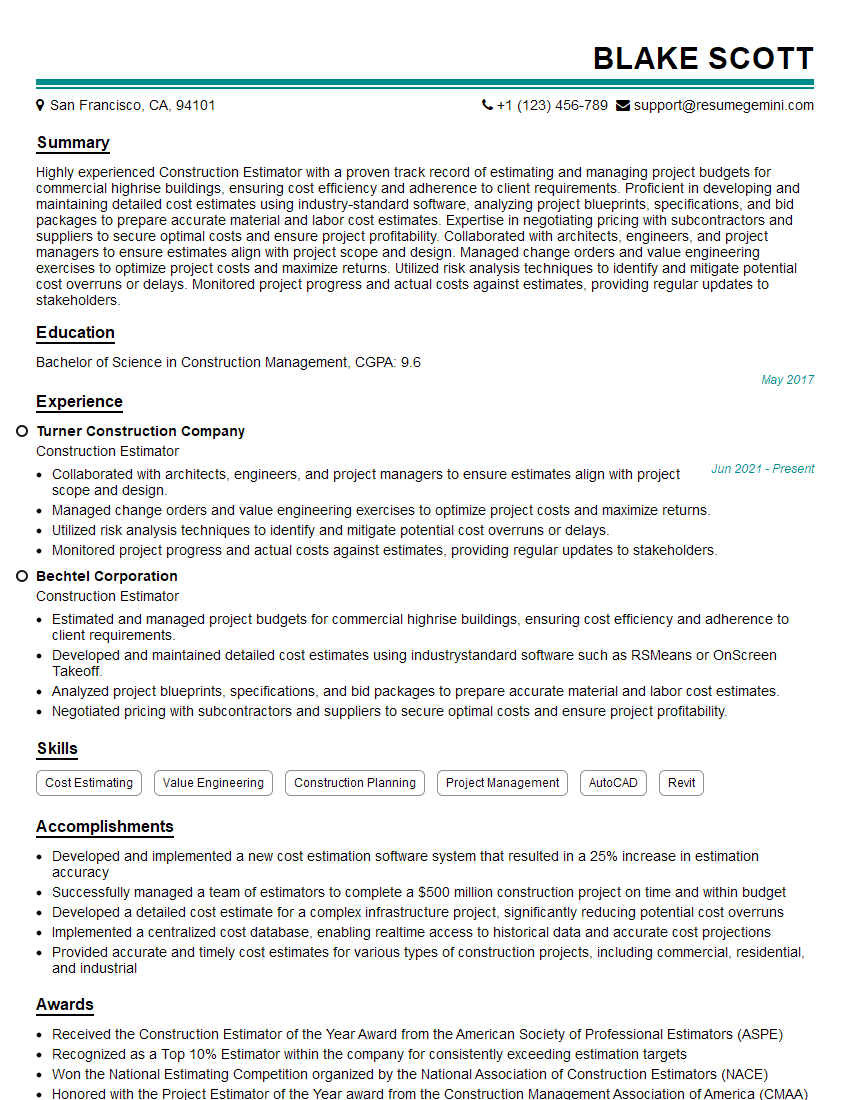
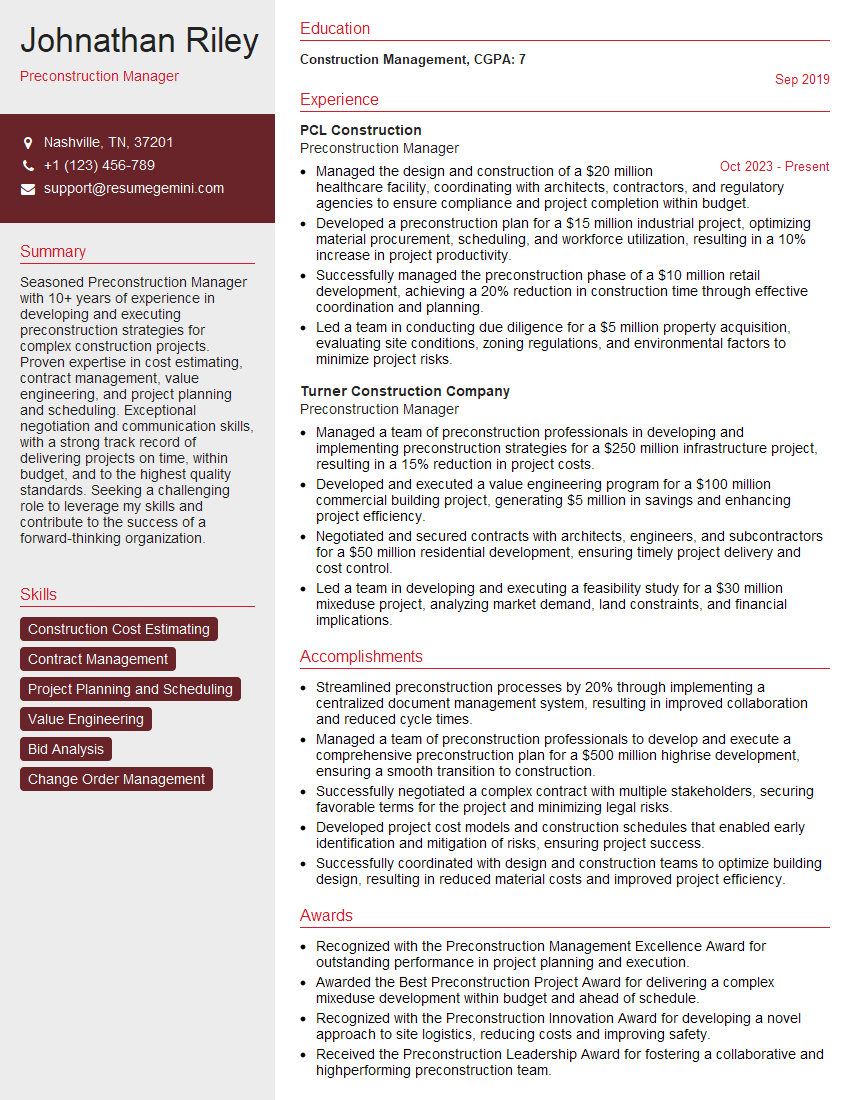
Mastering the art of managing construction contractors and subcontractors is crucial for career advancement in the construction industry. It demonstrates strong leadership, organizational, and problem-solving skills highly valued by employers. To significantly enhance your job prospects, focus on creating an ATS-friendly resume that effectively highlights your relevant experience. ResumeGemini is a trusted resource that can help you build a professional and impactful resume tailored to your skills and experience. Examples of resumes tailored to showcasing experience in managing construction contractors and subcontractors are available to help guide you. Take the next step towards your dream job today!

Explore more articles
Users Rating of Our Blogs
Share Your Experience
We value your feedback! Please rate our content and share your thoughts (optional).
What Readers Say About Our Blog
Very informative content, great job.
good