Preparation is the key to success in any interview. In this post, we’ll explore crucial Experience in music therapy interview questions and equip you with strategies to craft impactful answers. Whether you’re a beginner or a pro, these tips will elevate your preparation.
Questions Asked in Experience in music therapy Interview
Q 1. Describe your experience using different music therapy approaches (e.g., Nordoff-Robbins, Bonny Method).
My experience encompasses a variety of music therapy approaches, each tailored to the specific needs of the client. I’ve extensively utilized the Nordoff-Robbins approach, which emphasizes improvisation and the spontaneous interaction between therapist and client. This method is particularly effective in fostering communication and emotional expression, even for individuals with limited verbal abilities. For example, with a nonverbal autistic child, I’ve used improvisation on the piano to mirror their energy levels and create a safe space for emotional release. The Bonny Method, on the other hand, uses guided imagery and music to access deeper emotional states and facilitate personal growth. I’ve found this extremely helpful with clients grappling with trauma or anxiety. In one instance, a client experiencing PTSD used the Bonny Method to process painful memories in a safe and controlled environment, leading to a significant reduction in their anxiety symptoms.
Beyond these two, I also incorporate elements of other approaches like music-assisted relaxation techniques, songwriting, and lyric analysis, adjusting my approach based on the individual’s musical background, cognitive abilities, and therapeutic goals. The key is flexibility and responsiveness to the client’s evolving needs.
Q 2. Explain your understanding of the impact of music on the brain and its therapeutic applications.
Music’s impact on the brain is profound and multifaceted. It engages multiple brain regions simultaneously, activating areas responsible for emotion, memory, language, and motor skills. The therapeutic applications are extensive. For instance, music can stimulate the release of endorphins, reducing pain and improving mood. It can also enhance cognitive function, improving memory and attention in individuals with dementia or brain injuries. Rhythmic music can improve motor skills and coordination in individuals with Parkinson’s disease. In trauma therapy, music can help to process difficult emotions in a safe and non-threatening way.
Neurologically, music activates the reward pathways in the brain, releasing dopamine and creating positive feelings. This is why music can be so effective in reducing anxiety and depression. Furthermore, listening to familiar music can trigger strong autobiographical memories, which can be therapeutically beneficial in exploring personal history and identity.
Q 3. How do you assess a client’s musical abilities and preferences for effective treatment planning?
Assessing a client’s musical abilities and preferences is crucial for creating an effective treatment plan. This involves a comprehensive evaluation that goes beyond simply asking if they play an instrument. I begin by observing their spontaneous responses to music—how they move their body, their facial expressions, and their overall engagement. I then explore their musical history, asking about their favorite genres, artists, and songs. This reveals important clues about their tastes and preferences, which inform my choice of musical materials.
Formal assessments, such as standardized musical aptitude tests or informal assessments involving playing instruments or singing, are also employed when appropriate. However, the focus is on understanding their individual experience and responses to music, not on achieving some objective level of musical proficiency. The client’s comfort level and emotional response are key indicators of whether a certain musical approach will be suitable. For instance, a client who is musically untrained but emotionally expressive might benefit from improvisational techniques, while a client with formal musical training might prefer a more structured approach like songwriting.
Q 4. Outline your process for creating and implementing individualized music therapy treatment plans.
Creating and implementing individualized music therapy treatment plans is a collaborative process. It begins with a thorough assessment of the client’s needs, goals, and preferences. Based on this assessment, I develop a plan that outlines specific therapeutic objectives, the music therapy techniques to be used, and the frequency and duration of sessions. For example, a treatment plan for a client with depression might include listening to calming music, songwriting to express emotions, and relaxation exercises incorporating music.
The plan is flexible and adaptable, acknowledging that client’s needs can change over time. Regular progress reviews are conducted to monitor the effectiveness of the interventions and make necessary adjustments. Documentation of the sessions is crucial, allowing for tracking of progress and informing future sessions. The client’s active participation in developing and reviewing the plan is vital to ensure its relevance and effectiveness.
Q 5. Describe a situation where you had to adapt your music therapy techniques to meet the unique needs of a client.
I once worked with a client who was severely nonverbal due to a traumatic brain injury. Initially, I tried various structured music therapy approaches, but they proved ineffective. The client exhibited frustration and withdrawal. I realized I needed to adapt my approach. Instead of pre-selected music, I started improvising simple melodies on the piano, observing his reactions very carefully. When he showed slight movements or facial expressions, I would subtly adjust the melody, creating a back-and-forth interactive process.
Gradually, he began to participate more actively, tapping his fingers along to the rhythm. Over time, using this improvisational approach, we moved toward simple rhythmic activities with percussion instruments and eventually facilitated some non-verbal communication through the music. This experience emphasized the importance of flexibility, observation, and the ability to deviate from pre-planned structures to meet a client’s unique communication style and needs.
Q 6. How do you measure the effectiveness of your music therapy interventions?
Measuring the effectiveness of music therapy interventions requires a multi-faceted approach. I use both quantitative and qualitative measures. Quantitative measures include standardized assessments, such as scales measuring anxiety, depression, or pain levels, administered before, during, and after the intervention. For example, I might use the Beck Depression Inventory or a pain rating scale. These provide objective data on changes in symptoms.
Qualitative measures are equally important. These include observations of client behavior during sessions, feedback from the client and their family members, and analysis of the client’s creative work, such as songs or artwork created during therapy. Analyzing the client’s emotional responses to the music, their level of engagement, and changes in communication patterns provides valuable qualitative information regarding progress. A combination of these methods offers a comprehensive understanding of the impact of the music therapy intervention.
Q 7. What are some common challenges faced in music therapy, and how do you address them?
Music therapy, like any therapeutic field, faces challenges. One common challenge is managing client expectations. While music can be profoundly beneficial, it’s not a magic cure. It’s important to set realistic goals and manage clients’ understanding of the process. Another challenge is working with clients who lack musical experience or have physical limitations. In these cases, adapting the techniques and choosing appropriate instruments or activities is crucial.
Resource constraints, such as limited access to instruments or appropriate facilities, can also be problematic. Finally, ethical considerations, such as maintaining confidentiality and managing professional boundaries, are paramount. Addressing these challenges involves clear communication with clients, careful assessment of their needs, resourceful planning, and adherence to professional ethical guidelines. Ongoing professional development and collaboration with other healthcare professionals also contribute significantly to overcoming these hurdles.
Q 8. Explain your understanding of ethical considerations in music therapy practice.
Ethical considerations in music therapy are paramount. They guide our practice to ensure the well-being and safety of our clients. This involves several key areas: Informed consent, meaning clients understand the therapy process and freely agree to participate. Confidentiality is crucial; I maintain strict privacy regarding client information, adhering strictly to HIPAA regulations. Boundaries are essential; I establish and maintain clear professional boundaries to avoid dual relationships or conflicts of interest. Competence means only utilizing techniques within my scope of training and seeking supervision when facing challenges. Cultural sensitivity is crucial; I adapt my approach to respect and honor the diverse cultural backgrounds of my clients. Finally, non-maleficence and beneficence are cornerstones; I always act in the best interests of my clients and strive to avoid causing harm.
For example, before starting therapy with a new client, I ensure they understand the goals, methods, and potential risks involved. If I encounter a situation outside my expertise, I seek consultation from a supervisor or colleague to ensure I’m providing the best possible care.
Q 9. How do you collaborate with other healthcare professionals in a multidisciplinary team?
Collaboration in a multidisciplinary team is critical for holistic client care. I actively participate in team meetings, sharing my observations and insights from music therapy sessions. I often coordinate with other professionals such as occupational therapists, speech therapists, and psychiatrists, sharing relevant information to create a unified and effective treatment plan. For instance, I might work with an occupational therapist to address fine motor skills limitations observed during music therapy, or collaborate with a psychiatrist to integrate music therapy into a broader medication plan. Open communication and regular updates ensure all members of the team are informed and working towards shared goals. I use a shared electronic health record system whenever possible to streamline communication and ensure data security.
Q 10. Describe your experience documenting client progress and writing reports.
Accurate and thorough documentation is fundamental to effective music therapy. My documentation includes pre-session planning, session notes, and progress reports. Session notes detail the client’s participation, observed behaviors, and responses to interventions. Progress reports summarize client achievements, challenges, and the overall efficacy of the music therapy. I use a structured format to document client progress, ensuring consistency and clarity. This includes specific, measurable, achievable, relevant, and time-bound (SMART) goals. For example, a goal might be: “Client will increase active participation in group singing sessions from 20% to 80% by the end of month three.”
I often use a combination of narrative descriptions and quantifiable data to paint a complete picture of client progress. This makes it easier to track improvements, identify areas needing adjustment, and demonstrate the effectiveness of the therapy to other professionals and stakeholders.
Q 11. How do you maintain client confidentiality and adhere to HIPAA regulations?
Client confidentiality is an absolute priority. I strictly adhere to HIPAA regulations, ensuring that all client information is protected. This includes securing client files both physically and electronically, using password-protected systems and adhering to the organization’s policies. I never discuss client details with unauthorized individuals. I only disclose information with other members of the treatment team on a need-to-know basis and always with client consent when possible. Furthermore, I make sure all my documentation follows HIPAA guidelines for privacy and security.
Q 12. What are your strategies for managing challenging client behaviors?
Managing challenging client behaviors requires a multifaceted approach. Firstly, I try to identify the underlying cause of the behavior. Is it related to frustration, anxiety, or a sensory overload? Then, I adapt my therapeutic strategies to address the root cause. This might involve adjusting the tempo or intensity of the music, changing activities, or providing a calming environment. If the behavior persists, I collaborate with other team members to develop a comprehensive behavior management plan, employing strategies such as positive reinforcement and consistent boundaries. Maintaining a calm and empathetic demeanor is crucial, focusing on building a therapeutic relationship to foster trust and cooperation.
For example, if a client exhibits disruptive behavior during group sessions, I might adjust the activity to something more engaging and less stimulating or provide a brief break in a quieter space. The key is to be flexible and responsive to the client’s needs while maintaining a safe and therapeutic environment.
Q 13. Describe your experience working with clients with specific diagnoses (e.g., autism, dementia, PTSD).
My experience includes working with clients diagnosed with autism, dementia, and PTSD. With autistic clients, I use music to improve communication, social skills, and emotional regulation. Structured and repetitive musical activities can be particularly effective. With dementia clients, I focus on stimulating memory and promoting emotional well-being through familiar songs and musical reminiscence. For clients with PTSD, music therapy can help to process trauma, regulate emotions, and reduce anxiety. I adapt my techniques to address the specific needs and challenges presented by each diagnosis, always prioritizing safety and client comfort. I tailor my approach to each individual’s unique responses to music and sensory input.
Q 14. Explain your knowledge of different musical instruments and your proficiency in using them therapeutically.
I am proficient in playing several instruments including the guitar, piano, and ukulele. My instrument proficiency is not simply about musical skill, but about adapting my playing to therapeutic goals. For example, I might use the gentle sounds of the ukulele to create a calming atmosphere for clients with anxiety, or the rhythmic structure of the guitar to enhance focus and coordination for clients with motor skill challenges. My instrument choices are always tailored to the client’s individual needs and preferences, considering factors like their age, abilities, and therapeutic goals. I’m also comfortable improvising and adapting musical styles to meet the moment’s needs.
Q 15. How do you ensure the safety of your clients during music therapy sessions?
Client safety is paramount in music therapy. It’s a cornerstone of my practice, built on a foundation of ethical considerations and risk assessment. Before starting any session, I conduct a thorough intake process to understand the client’s physical, emotional, and cognitive capabilities. This includes assessing potential triggers, sensitivities, or limitations that might impact their safety.
For example, if a client has a history of aggression, we might start with calming activities like gentle improvisation with soft instruments. If a client has limited mobility, we’d adapt the session to accommodate their physical needs. The environment itself plays a vital role. Sessions are held in a safe, well-lit, and clutter-free space. I also establish clear boundaries and communication strategies to ensure a comfortable and secure experience. If any concerns arise during a session, I have procedures in place to address them promptly, potentially consulting with the client’s physician or other members of their treatment team.
Furthermore, I maintain strict confidentiality, adhering to all relevant ethical guidelines and legal regulations. My practice is built on trust and a safe therapeutic relationship, where clients feel comfortable expressing themselves without fear of judgment or harm.
Career Expert Tips:
- Ace those interviews! Prepare effectively by reviewing the Top 50 Most Common Interview Questions on ResumeGemini.
- Navigate your job search with confidence! Explore a wide range of Career Tips on ResumeGemini. Learn about common challenges and recommendations to overcome them.
- Craft the perfect resume! Master the Art of Resume Writing with ResumeGemini’s guide. Showcase your unique qualifications and achievements effectively.
- Don’t miss out on holiday savings! Build your dream resume with ResumeGemini’s ATS optimized templates.
Q 16. Describe your experience with music therapy in various settings (e.g., hospitals, schools, private practice).
My experience in music therapy spans diverse settings, each offering unique challenges and rewards. In hospital settings, like working with pediatric oncology patients, the focus is often on pain management, stress reduction, and improving emotional well-being. I’ve used music to help children express their feelings about their illness, cope with treatment side effects, and reconnect with a sense of normalcy.
In schools, my work involves supporting students with learning disabilities, emotional disturbances, or autism spectrum disorder. Here, music therapy helps improve communication skills, self-expression, and social interaction. I might use rhythm activities to improve coordination or songwriting to help students process difficult emotions.
Private practice offers the flexibility to tailor sessions to individual needs. I work with a wide range of clients, addressing issues such as anxiety, depression, trauma, and grief. In these settings, I often incorporate a wider range of approaches, including music composition, lyric analysis, and guided imagery.
Each setting demands adaptability and a nuanced understanding of the specific needs and contexts of the clients. The common thread is the power of music to facilitate healing, growth, and self-discovery, regardless of the setting.
Q 17. How do you handle situations where a client is resistant to participating in music therapy?
Resistance to participation is a common challenge in music therapy, but it rarely means a client is uninterested; rather, it often reflects underlying anxieties, past traumas, or a lack of trust. My approach is based on building a strong therapeutic relationship founded on respect and empathy. I avoid pressure and instead focus on creating a safe and non-judgmental space.
I start by observing the client’s nonverbal cues and actively listening to their verbal expressions of reluctance. Understanding the reasons behind their resistance is crucial. If a client is hesitant to sing, for instance, we might begin with instrumental activities like playing percussion instruments which might feel less demanding. We might explore different types of music to find something that resonates with them. I also offer choices and involve the client in the decision-making process, creating a sense of agency and control. Sometimes, simply talking about music and their preferences is a vital first step.
Ultimately, building trust and establishing a rapport are essential. It’s a gradual process, and I celebrate every small step towards engagement, focusing on the client’s progress, not just their immediate participation.
Q 18. What are your professional development goals in music therapy?
My professional development goals center on expanding my expertise in specific areas of music therapy and enhancing my ability to serve diverse populations. I plan to pursue further training in trauma-informed care, integrating evidence-based techniques to support clients who have experienced adverse events. This includes deepening my understanding of the neurobiological effects of trauma and how music can facilitate healing.
Additionally, I’m interested in exploring the application of technology in music therapy, specifically utilizing virtual reality and other digital tools to enhance therapeutic interventions. This could involve developing innovative approaches to address specific needs within various clinical populations.
Furthermore, I’m committed to ongoing professional development through continuing education, attending conferences, and engaging with research in the field. This continuous learning ensures that I remain at the forefront of best practices and provide the most effective and compassionate care possible.
Q 19. Explain your understanding of evidence-based practices in music therapy.
Evidence-based practice (EBP) in music therapy involves integrating the best available research evidence with clinical expertise and client values to inform therapeutic decisions. It’s not just about applying a prescribed treatment protocol but about critically evaluating the research literature to determine what approaches are most effective for specific client populations and clinical conditions.
I utilize several databases and journals to stay current with the latest research findings. For instance, I consult studies on the efficacy of specific music therapy techniques for anxiety reduction, or the impact of songwriting on trauma processing. This informs my approach, helping me to select interventions that are supported by rigorous evidence. However, EBP isn’t just about following research; it’s about adapting and tailoring those approaches based on individual client needs and preferences.
I also maintain a reflective practice, documenting my sessions, analyzing outcomes, and identifying areas for improvement. This ongoing self-evaluation is a crucial component of EBP, allowing me to continuously refine my practice and ensure that my interventions are truly evidence-informed.
Q 20. How do you adapt your therapeutic approach to clients of different ages and cultural backgrounds?
Adapting my therapeutic approach to clients of different ages and cultural backgrounds is essential. Age significantly impacts how I design and implement interventions. With children, I might utilize play-based activities, incorporating simple songs and instruments, while adolescents may benefit from creative songwriting or improvisation. Older adults might respond better to familiar melodies and reminiscence therapy, using music to access and process memories.
Cultural sensitivity is equally important. I recognize that music holds different meanings and significance across cultures. I strive to understand the client’s cultural background, musical preferences, and beliefs. For instance, I would avoid using music that might be perceived as insensitive or offensive, and instead, explore music from their cultural heritage or incorporate elements that reflect their identity. I also adjust communication styles and approaches to be culturally appropriate, ensuring the therapeutic relationship feels safe and inclusive.
This sensitivity extends to incorporating family and community members in the therapeutic process when appropriate and culturally relevant. Ultimately, a culturally responsive approach acknowledges the unique experiences and perspectives of each client, promoting respect, collaboration, and healing.
Q 21. Describe your experience using technology in music therapy (e.g., music software, digital audio workstations).
Technology has significantly enhanced the possibilities within music therapy. I use digital audio workstations (DAWs) like GarageBand and Ableton Live to create customized music for clients, tailoring rhythms, melodies, and harmonies to address specific therapeutic needs. For example, I might compose calming soundscapes for relaxation or create upbeat music to boost motivation and energy.
Music software, such as notation programs and virtual instruments, expands my repertoire of tools. This allows me to readily access a vast library of sounds and musical styles, providing more flexibility and personalization for each client. I also use music streaming platforms to explore clients’ preferred music and incorporate their selections into therapy sessions.
Furthermore, technology facilitates remote music therapy sessions. Video conferencing platforms allow me to connect with clients who might otherwise have limited access to services. While not a perfect replacement for in-person interaction, technology enables broader reach and greater accessibility to music therapy. However, careful consideration of ethical implications and client privacy is crucial when using technology in this context.
Q 22. How do you maintain your own well-being and prevent burnout in a demanding profession?
Preventing burnout is crucial in music therapy, a field demanding significant emotional investment. My approach is multifaceted, focusing on self-care practices and professional boundaries.
- Regular Self-Reflection: I dedicate time each week to journal my experiences, identifying emotional triggers and patterns. This helps me process the intense emotions I encounter and develop coping strategies.
- Maintaining Healthy Boundaries: I strictly adhere to my work schedule, avoiding overwork and ensuring sufficient downtime. I also set clear professional boundaries with clients, understanding that I am there to support them, not become emotionally entangled.
- Mindfulness and Stress Reduction Techniques: I practice mindfulness meditation and engage in activities like yoga or spending time in nature to reduce stress and promote relaxation. This helps create a sense of calm and emotional balance.
- Professional Supervision and Peer Support: Regular supervision sessions with a qualified music therapist provide a safe space to discuss challenging cases and gain valuable guidance. Networking with colleagues helps create a supportive community for sharing experiences and advice.
- Continuous Learning and Self-Development: Staying up-to-date with the latest research and attending professional development workshops keeps me engaged and prevents stagnation, revitalizing my passion for the field.
Essentially, my well-being strategy is a holistic approach encompassing mental, emotional, and physical health. It’s about proactively managing stress and nurturing my own well-being to continue providing high-quality care to my clients.
Q 23. What are your salary expectations for this position?
My salary expectations are commensurate with my experience and qualifications, and are in line with industry standards for experienced music therapists in this region. I am open to discussing a competitive salary range that reflects the demands and responsibilities of this position. I’m confident that my skills and dedication will make a substantial contribution to your team.
Q 24. Describe a time you had to deal with a difficult colleague or supervisor.
In a previous role, I encountered a colleague who consistently missed deadlines and failed to communicate effectively, impacting our collaborative projects. Instead of confrontation, I opted for a collaborative approach. I first documented the issues, focusing on specific instances rather than making personal judgments. Then, I scheduled a private meeting to discuss my concerns. I framed my comments constructively, highlighting the impact of the missed deadlines and poor communication on the team’s workflow, emphasizing the need for better teamwork and accountability. We developed a collaborative plan with clear timelines and communication protocols. Open communication and a focus on the team’s success eventually led to positive changes in their behavior. This experience taught me the importance of clear, direct communication, documentation, and focusing on problem-solving rather than assigning blame.
Q 25. Explain your understanding of the role of music in promoting emotional regulation.
Music plays a powerful role in emotional regulation because it directly interacts with the brain’s limbic system, the emotional center. Music can evoke a wide range of emotions, and the process of actively engaging with music – through playing, singing, or listening – can facilitate emotional processing and expression.
- Emotional Catharsis: Music can provide a safe and non-threatening outlet for expressing intense emotions, such as grief, anger, or anxiety, that might be difficult to articulate verbally. Playing a powerful piece on an instrument, for instance, can allow a client to channel their frustrations.
- Stress Reduction: Listening to calming music or engaging in rhythmic activities like drumming can lower heart rate and blood pressure, promoting relaxation and reducing stress levels.
- Mood Regulation: Selecting music with a particular tempo and mood can influence a client’s emotional state, shifting them from sadness to calm, or from anxiety to focus.
- Self-Awareness: Through music therapy techniques, clients can gain insight into their emotional states by observing how their musical expression reflects their inner experiences.
In practice, I use various music therapy techniques to facilitate emotional regulation, tailoring my approach to each client’s unique needs and preferences.
Q 26. How do you incorporate family members or caregivers into the music therapy process?
Incorporating family members or caregivers into the music therapy process is crucial, especially when working with children or individuals with cognitive impairments. Their involvement enhances the therapeutic process in several ways:
- Shared Understanding: Including them in sessions allows for shared understanding of the client’s progress and challenges. They can witness the therapeutic benefits firsthand.
- Enhanced Communication: They can provide valuable insights into the client’s behavior, preferences, and emotional responses, aiding in the development of a personalized treatment plan.
- Generalization of Skills: By learning music therapy techniques, caregivers can continue therapeutic interventions at home, reinforcing the skills learned in sessions.
- Support and Empowerment: Their participation fosters a sense of teamwork and empowers them to become active participants in the client’s well-being.
However, I always prioritize obtaining informed consent from the client (if capable) and ensuring their comfort level with the involvement of family members. Confidentiality is maintained while ensuring collaborative efforts support the client’s overall progress.
Q 27. Describe your experience in developing and implementing group music therapy sessions.
I have extensive experience in designing and leading group music therapy sessions for diverse populations. My approach centers on creating a safe and supportive environment where participants feel comfortable expressing themselves musically.
- Group Cohesion: I initiate icebreaker activities and group discussions to establish rapport and foster a sense of community within the group.
- Structured Activities: I utilize a combination of structured activities, such as improvisation, songwriting, and rhythm activities, with opportunities for spontaneous expression.
- Therapeutic Goals: Group sessions are designed around specific therapeutic goals, such as improving communication skills, enhancing self-esteem, or managing anxiety. For example, a group for individuals with social anxiety might focus on collaborative song writing to foster communication.
- Process-Oriented Approach: I pay close attention to the group dynamics, facilitating communication and resolving conflicts as needed. The process itself—how the group interacts musically and emotionally—is a critical aspect of the therapy.
- Debriefing and Reflection: Sessions often conclude with a reflective period where group members can share their experiences and insights.
I adapt my group music therapy sessions to the specific needs and abilities of the participants, ensuring that all members feel valued and engaged. The use of various instruments and activities enhances the session’s inclusivity.
Q 28. What is your approach to obtaining informed consent from clients and their families?
Obtaining informed consent is a cornerstone of ethical music therapy practice. My process involves several key steps:
- Clear Explanation: I provide a clear and concise explanation of the music therapy process, including its goals, techniques, and potential benefits and limitations, in language easily understood by the client and their family. I utilize visual aids or examples to enhance understanding.
- Confidentiality: I explicitly address issues of confidentiality, outlining what information will be shared and with whom.
- Client Rights: I clearly explain the client’s right to withdraw from therapy at any time without penalty.
- Written Consent: I provide a written consent form outlining all the key elements discussed, ensuring that both the client (if capable) and their family understand and agree to the terms before proceeding. I carefully address any questions or concerns and ensure they understand the implications of their decision.
- Cultural Sensitivity: I am mindful of cultural differences and adapt my approach to respect the beliefs and values of each client and their family.
This thorough process ensures that everyone involved has a full understanding of the music therapy process and provides a framework for a collaborative and respectful therapeutic relationship.
Key Topics to Learn for Your Music Therapy Interview
- Therapeutic Approaches: Understand various music therapy techniques (e.g., receptive, active, improvisational) and their applications across different populations and settings.
- Assessment & Treatment Planning: Discuss your experience in conducting thorough assessments to identify client needs and developing individualized treatment plans. Be prepared to explain your rationale and methodology.
- Client Interaction & Communication: Highlight your skills in building rapport with clients, adapting your approach based on individual needs, and communicating effectively with clients, families, and colleagues.
- Ethical Considerations: Demonstrate your understanding of ethical guidelines in music therapy, including confidentiality, boundaries, and informed consent.
- Documentation & Record Keeping: Explain your experience in maintaining accurate and comprehensive client records, complying with relevant regulations and standards.
- Collaboration & Teamwork: Showcase your ability to work effectively within interdisciplinary teams, collaborating with other healthcare professionals to provide holistic care.
- Evidence-Based Practice: Discuss your familiarity with research and evidence-based practices in music therapy and how you incorporate them into your work.
- Professional Development: Highlight your commitment to ongoing professional development and learning within the field of music therapy.
- Specific Populations: If you have experience with particular populations (e.g., children, adults with disabilities, elderly), be prepared to discuss your expertise and approaches in detail.
- Technology Integration: Discuss your experience using technology to enhance music therapy sessions (if applicable).
Next Steps: Boost Your Career Prospects
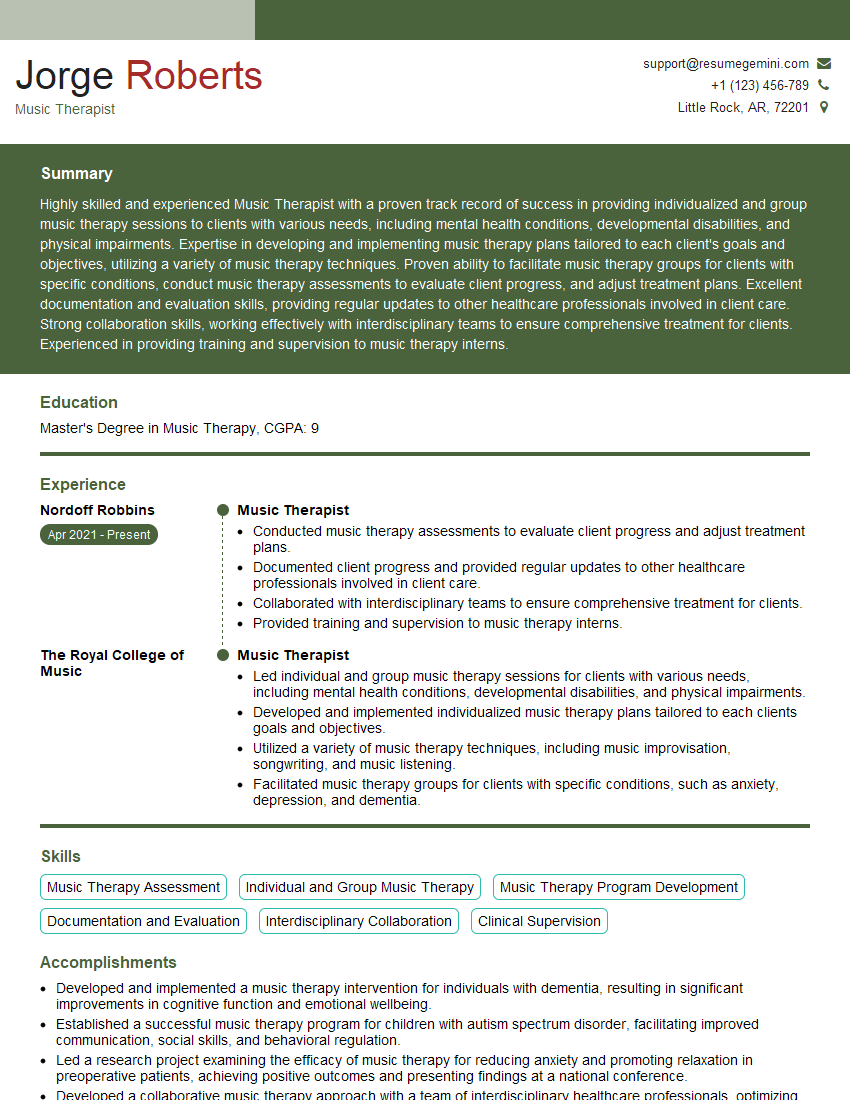
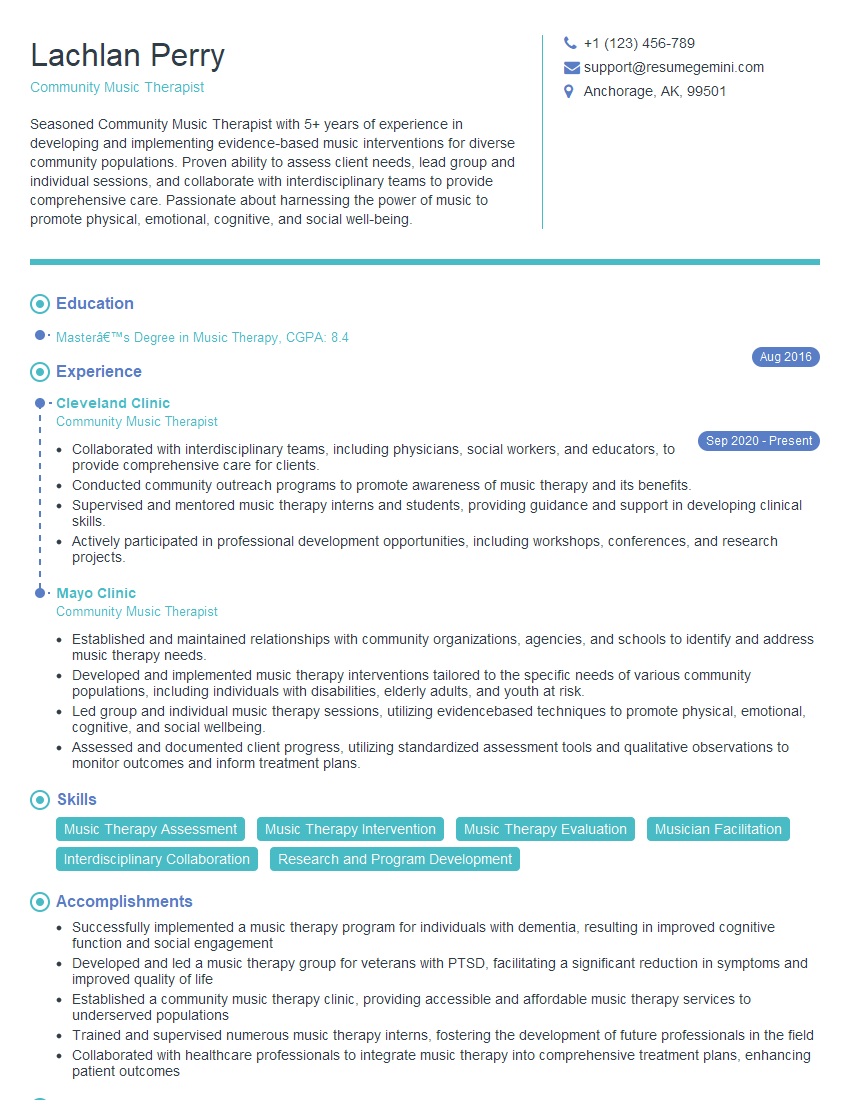
Mastering these key areas of music therapy experience will significantly enhance your interview performance and career prospects. A strong, ATS-friendly resume is crucial for getting your application noticed. To create a professional resume that showcases your skills and experience effectively, we highly recommend using ResumeGemini. ResumeGemini offers a streamlined process and provides examples of resumes tailored specifically to music therapy professionals, helping you present your qualifications in the best possible light. Take the next step towards your dream music therapy career today!
Explore more articles
Users Rating of Our Blogs
Share Your Experience
We value your feedback! Please rate our content and share your thoughts (optional).
What Readers Say About Our Blog
Very informative content, great job.
good