Interviews are more than just a Q&A session—they’re a chance to prove your worth. This blog dives into essential Sample Measurement interview questions and expert tips to help you align your answers with what hiring managers are looking for. Start preparing to shine!
Questions Asked in Sample Measurement Interview
Q 1. Explain the importance of proper sample preparation in measurement accuracy.
Proper sample preparation is the cornerstone of accurate measurement. Think of it like baking a cake – if your ingredients aren’t properly measured and prepared, your cake won’t turn out right. Similarly, flaws in sample preparation can introduce significant bias and errors into your measurements, leading to inaccurate conclusions. This involves several crucial steps, including:
- Homogenization: Ensuring the sample is uniform in composition to represent the whole accurately. For example, if you’re analyzing soil, you need to thoroughly mix it to avoid localized variations in nutrient content.
- Sample size and representation: Selecting a sample size that is statistically sufficient to represent the population while minimizing the cost and time of analysis. A small, poorly selected sample may not accurately reflect the entire population.
- Storage and handling: Preventing contamination, degradation, or alteration of the sample. This might involve storing samples at specific temperatures, using clean containers, or avoiding exposure to light or air.
- Pre-treatment: Often, samples need pre-treatment before analysis. This could be drying, grinding, or dissolving the sample to make it compatible with the chosen measurement technique.
Ignoring these steps can lead to systematic errors that skew your results and render your study unreliable. For instance, improper homogenization of a soil sample could lead to an inaccurate assessment of its nutrient content, impacting decisions related to fertilization or land management.
Q 2. Describe different sampling techniques and their applications.
Various sampling techniques cater to different situations, each with its strengths and weaknesses. The choice depends heavily on the nature of the population and the research objectives.
- Random Sampling: Each member of the population has an equal chance of being selected. This is ideal for homogenous populations and minimizes bias. Think of a lottery – every ticket has the same chance of winning.
- Stratified Sampling: The population is divided into subgroups (strata) based on relevant characteristics, and samples are randomly selected from each stratum. This is useful for heterogeneous populations where ensuring representation from each group is crucial. For example, surveying public opinion, you might stratify by age, gender, and location to get a more representative picture.
- Systematic Sampling: Members are selected at regular intervals from a ranked population. For example, selecting every 10th product from a production line for quality control.
- Cluster Sampling: The population is divided into clusters (groups), and a random sample of clusters is selected. All members within the selected clusters are then included in the sample. This is cost-effective for geographically dispersed populations. Imagine surveying customer satisfaction in a large retail chain – you might randomly select a few stores (clusters) and then survey all customers within those stores.
The key is selecting the technique that best addresses the specific challenges of the study and minimizes potential biases.
Q 3. How do you determine the appropriate sample size for a given study?
Determining the appropriate sample size is crucial for obtaining reliable results without wasting resources. It’s a balancing act between accuracy and feasibility. Several factors influence the decision:
- Desired precision: How accurately do you need to estimate the population parameter? Higher precision requires a larger sample size.
- Population variability: A more variable population requires a larger sample size to capture its range accurately.
- Confidence level: The probability that the true population parameter falls within the calculated confidence interval. A higher confidence level (e.g., 99%) necessitates a larger sample size.
- Margin of error: The acceptable range of error around the estimated parameter. A smaller margin of error requires a larger sample size.
Statistical power analysis is often employed to calculate the required sample size. This involves using statistical software or formulas that take into account the above factors to determine the minimum number of samples needed to achieve the desired level of accuracy and statistical power. There are online calculators and software packages that simplify this process.
Q 4. What are the common sources of error in sample measurement?
Errors in sample measurement are unavoidable, but understanding their sources allows for mitigation and improved accuracy. These errors can be broadly categorized as:
- Random errors: These are unpredictable fluctuations that occur due to chance. They affect precision (repeatability) but not necessarily accuracy. Think of small variations in repeated measurements due to instrument limitations or human error.
- Systematic errors: These are consistent and repeatable errors that affect accuracy. They bias the results in a particular direction. A faulty instrument, incorrect calibration, or a flawed sampling technique are examples.
- Gross errors: These are large, significant errors often due to mistakes in data recording or calculation. These should be detected and corrected.
- Sampling errors: These arise from not properly representing the population in the sample. Using a biased sampling method or an insufficient sample size can lead to sampling errors.
Careful planning, meticulous execution, and employing quality control measures throughout the sampling and measurement process are crucial in minimizing these errors.
Q 5. Explain the concept of measurement uncertainty and its significance.
Measurement uncertainty quantifies the doubt associated with a measured value. It acknowledges that no measurement is perfectly accurate; there’s always some degree of uncertainty. It’s not about mistakes but rather the inherent limitations of the measurement process.
Understanding measurement uncertainty is critical because it allows us to:
- Assess the reliability of results: A small uncertainty indicates higher reliability.
- Compare results from different measurements: Allows for meaningful comparisons by considering the uncertainty associated with each value.
- Determine the suitability of a measurement for a given purpose: Is the uncertainty acceptable for the application?
Measurement uncertainty is usually expressed as a confidence interval around the measured value, often using standard deviation or other statistical methods. For example, a measurement of 10 units ± 0.5 units (95% confidence interval) indicates that there is a 95% probability that the true value lies between 9.5 and 10.5 units. Ignoring uncertainty can lead to misinterpretations and flawed conclusions.
Q 6. How do you validate a measurement method?
Validation of a measurement method is crucial to ensure its accuracy, precision, and reliability before using it for critical applications. This involves demonstrating that the method performs as expected and produces trustworthy results. The validation process typically includes:
- Accuracy assessment: Comparing the method’s results to a reference method or known value. This assesses the bias (systematic error) of the method.
- Precision assessment: Determining the repeatability and reproducibility of the method. This involves repeated measurements on the same sample (repeatability) and by different operators (reproducibility).
- Specificity assessment: Demonstrating that the method only measures the intended analyte and is not affected by other components in the sample.
- Linearity assessment: Evaluating the method’s ability to produce accurate results over a range of concentrations.
- Limit of detection (LOD) and limit of quantification (LOQ) determination: Assessing the method’s sensitivity in detecting small amounts of the analyte.
- Robustness testing: Evaluating the method’s resilience to small variations in parameters (e.g., temperature, reagent concentration).
Documentation of the entire validation process is essential for demonstrating the method’s reliability and compliance with regulatory standards.
Q 7. What are the key performance indicators (KPIs) for sample measurement?
Key Performance Indicators (KPIs) for sample measurement reflect the quality and effectiveness of the entire process. These KPIs vary depending on the specific application, but common examples include:
- Accuracy: The closeness of the measured value to the true value. Often expressed as percentage error or bias.
- Precision: The closeness of repeated measurements to each other. Expressed as standard deviation or coefficient of variation.
- Sensitivity: The ability to detect small changes in the analyte concentration. Often expressed as the limit of detection (LOD) or limit of quantification (LOQ).
- Specificity: The ability to measure the target analyte without interference from other substances.
- Throughput: The number of samples analyzed per unit time. Important for high-volume applications.
- Cost-effectiveness: The cost per sample analyzed. Balance between quality and cost is crucial.
- Measurement uncertainty: A quantitative measure of the doubt associated with a measured value.
Tracking and analyzing these KPIs helps identify areas for improvement in the sample measurement process, ensuring the highest quality of data and making the process more efficient and cost-effective.
Q 8. Describe your experience with different types of measurement instruments.
My experience with measurement instruments spans a wide range, encompassing both simple and sophisticated tools. I’m proficient in using various types of balances, from analytical balances capable of measuring to microgram precision, crucial for precise chemical analyses, to top-loading balances for less demanding weighing tasks. I’ve extensively used spectrophotometers for determining the concentration of substances based on light absorption, and titrators for accurate quantitative chemical analysis. Furthermore, my experience includes working with specialized instruments like gas chromatographs (GCs) and high-performance liquid chromatographs (HPLC) for separating and analyzing complex mixtures. Each instrument demands a unique understanding of its operating principles, calibration procedures, and potential sources of error. For example, I learned the importance of proper equilibration time for analytical balances to ensure accuracy and avoid systematic error. With spectrophotometers, understanding the influence of cuvette cleanliness and proper wavelength selection is critical for reliable results.
- Analytical Balances: Used for highly precise weighing in pharmaceutical and chemical analyses.
- Spectrophotometers: Essential for measuring light absorbance or transmission, used in various fields from chemistry to biology.
- Titrators: Used for accurate determination of the concentration of a substance through titration.
- Gas Chromatographs (GCs) and High-Performance Liquid Chromatographs (HPLC): Advanced analytical tools for separating and identifying components in complex mixtures.
Q 9. How do you handle outliers in your sample data?
Handling outliers in sample data is a crucial aspect of ensuring data integrity. The first step involves identifying them. I typically use visual methods like box plots or histograms to spot values significantly deviating from the overall trend. Statistical methods, such as the Grubbs’ test or the Chauvenet’s criterion, can also be employed for a more objective assessment. However, simply discarding outliers isn’t always the best approach. I carefully investigate the potential causes. Was there an error during sampling, measurement, or data entry? If a clear error is found, the outlier is rightfully removed. However, if the cause is unknown, I might consider alternative analysis methods, such as robust statistics (less sensitive to outliers) or using a non-parametric test instead of a parametric one. For instance, if I’m analyzing the weight of a batch of tablets, and one tablet’s weight is drastically different, I’d investigate if there was a manufacturing error or contamination in the sample. Documenting the reasons for outlier exclusion or inclusion is essential for maintaining transparency and auditability.
Q 10. Explain your understanding of statistical process control (SPC).
Statistical Process Control (SPC) is a powerful set of tools used to monitor and improve processes by identifying and reducing variability. It utilizes control charts, like Shewhart charts (X-bar and R charts, for example), to visually represent process data over time and highlight deviations from a target value or expected range. Control limits, typically set at three standard deviations from the central tendency, define acceptable process variation. Points falling outside these limits signal potential problems requiring investigation. SPC isn’t just about detecting problems; it’s a proactive approach to preventing them. By understanding process capability (Cp and Cpk), we can determine if a process is capable of consistently producing outputs meeting specified requirements. A real-world application might involve monitoring the fill weight of bottles on a production line. By plotting the average and range of fill weights on a control chart, we can promptly identify any drifts or shifts in the process that could lead to underfilling or overfilling, which could have serious quality control implications.
Q 11. How do you ensure the traceability of your measurements?
Traceability in measurements is paramount for ensuring the reliability and validity of results. It involves establishing an unbroken chain of custody from the initial sample collection to the final reported results. This involves proper documentation at each step. We use calibrated instruments with traceable calibration certificates linking them back to national or international standards. Sample identification using unique labels and barcodes helps prevent mix-ups. Chain-of-custody documentation details every person who handled the sample and all procedures performed. For example, when analyzing water samples for environmental monitoring, a unique identification number is assigned to each sample, along with details of the sampling location, date, and time. This information is recorded meticulously in a laboratory notebook and in the data management system. This allows us to confidently trace any result back to the original sample and verify its authenticity.
Q 12. Describe your experience with different calibration techniques.
My experience with calibration techniques includes both direct and indirect methods. Direct calibration involves comparing the instrument reading to a known standard, like weighing a standard weight on an analytical balance. Indirect calibration uses a secondary standard that has been previously calibrated against a primary standard. For instance, calibrating a thermometer against a traceable temperature standard. Calibration frequency depends on the instrument’s criticality and stability. High-precision instruments are calibrated more frequently. Calibration procedures are meticulously documented, including the date, equipment used, standards employed, and results. Calibration data are stored securely and are accessible for audits. Any deviation from accepted standards leads to an investigation into the root cause and corrective actions. Regular calibration ensures instruments maintain accuracy and reliability, minimizing systematic errors.
Q 13. How do you maintain the integrity of samples during transportation and storage?
Maintaining sample integrity during transportation and storage is crucial for preventing contamination, degradation, or alteration. The approach depends on the sample type. For instance, biological samples often require temperature control (refrigeration or freezing) to prevent enzyme activity or microbial growth. Chemical samples might require protection from light, moisture, or air. Appropriate packaging is essential; specialized containers, sealants, and absorbent materials prevent spills or contamination. Detailed handling instructions accompanying the samples clearly outline storage and transport conditions. Tracking systems, such as barcodes or RFID tags, monitor sample location and environmental conditions throughout the entire process. Temperature data loggers provide verifiable records of temperature fluctuations during transportation. For example, while transporting blood samples for clinical analysis, the samples are stored in refrigerated containers with temperature data loggers to ensure they remain within the required temperature range, guaranteeing the integrity of the blood components.
Q 14. Explain your experience with data analysis software (e.g., Excel, Minitab).
I have extensive experience using various data analysis software packages. Excel is indispensable for organizing, managing, and performing basic statistical analyses on sample data. I utilize its functionalities for data cleaning, calculations, charting, and generating reports. Minitab is my primary tool for advanced statistical analysis, including SPC, regression analysis, and design of experiments (DOE). Its robust features assist in interpreting complex datasets, identifying trends, and drawing meaningful conclusions. For example, using Minitab, I’ve conducted capability analysis to assess the performance of a manufacturing process and identified areas for improvement. Beyond Excel and Minitab, I’m also familiar with other specialized software packages depending on the specific analysis required. Proficiency in data analysis software is critical for drawing accurate and informed conclusions from sample measurements.
Q 15. How do you document and report your sample measurement results?
Documenting and reporting sample measurement results is crucial for maintaining data integrity and ensuring traceability. My approach involves a multi-step process. First, I meticulously record all experimental details in a laboratory notebook, including date, time, sample ID, instrument used, method employed, and raw data. This raw data is then transferred to a spreadsheet or database, ensuring clear identification of each data point. Next, I perform calculations and statistical analyses, including error analysis, to derive meaningful results. Finally, I prepare a comprehensive report which includes:
- Introduction: Briefly describing the purpose of the analysis and methodology.
- Materials and Methods: Detailing the sample preparation techniques, instrumentation, and analytical procedures used.
- Results: Presenting the processed data clearly, usually with tables and figures. This section includes both summary statistics (e.g., mean, standard deviation) and individual data points if appropriate.
- Discussion: Interpreting the results in the context of the study objectives, highlighting any significant findings and potential limitations.
- Conclusion: Summarizing the main findings and their implications.
- Appendices (if necessary): Including raw data, calibration curves, and other supporting documents.
For example, in a recent environmental analysis project, I documented soil sample measurements for heavy metals using Inductively Coupled Plasma Mass Spectrometry (ICP-MS). My report included tables summarizing metal concentrations for each sample, graphs showing the distribution of concentrations, and detailed method descriptions to ensure reproducibility. The raw data was kept securely in a separate, version-controlled spreadsheet.
Career Expert Tips:
- Ace those interviews! Prepare effectively by reviewing the Top 50 Most Common Interview Questions on ResumeGemini.
- Navigate your job search with confidence! Explore a wide range of Career Tips on ResumeGemini. Learn about common challenges and recommendations to overcome them.
- Craft the perfect resume! Master the Art of Resume Writing with ResumeGemini’s guide. Showcase your unique qualifications and achievements effectively.
- Don’t miss out on holiday savings! Build your dream resume with ResumeGemini’s ATS optimized templates.
Q 16. Describe your experience with different types of sample matrices.
I have extensive experience working with diverse sample matrices, including:
- Environmental samples: Soil, water, air, and sediment. This involves understanding the complexities of sample preparation, considering potential interferences, and selecting appropriate analytical techniques for each matrix. For example, analyzing pesticide residues in soil requires a different extraction procedure than determining dissolved oxygen in water.
- Biological samples: Blood, serum, tissue, and cells. Working with these samples requires stringent attention to hygiene and contamination control to ensure reliable results. Techniques such as enzyme-linked immunosorbent assays (ELISA) or high-performance liquid chromatography (HPLC) are often used.
- Food samples: Fruits, vegetables, processed foods, and beverages. Analysis often focuses on nutritional components, contaminants, or spoilage indicators, and necessitates specialized sample preparation methods to prevent analyte degradation or matrix effects.
- Industrial samples: Raw materials, intermediate products, and finished goods. This frequently involves quality control testing to ensure product consistency and meet regulatory standards. The techniques employed are tailored to the specific properties of the material being analyzed.
Each matrix presents unique challenges requiring tailored methods to effectively extract and measure the analyte of interest. My experience allows me to adapt my approach based on the specific properties of the sample matrix to ensure accurate and reliable results.
Q 17. How do you ensure the accuracy and precision of your measurements?
Ensuring the accuracy and precision of measurements is paramount. My strategies include:
- Proper calibration and standardization: I regularly calibrate instruments using certified reference materials (CRMs) according to manufacturer’s guidelines and established protocols. This ensures that the instrument provides accurate readings. Internal standards are often used in chromatography to correct for matrix effects.
- Method validation: Before using a new method, or a new instrument, I validate it by assessing its accuracy, precision, linearity, and limit of detection (LOD). This is done using certified reference materials or by comparing to another validated method.
- Use of appropriate quality control (QC) samples: I incorporate QC samples – blanks, duplicates, and spiked samples – into my analysis to monitor for contamination, reproducibility, and accuracy. Regular analysis of QC samples helps identify potential issues such as instrument drift or contamination early on.
- Maintaining instrument cleanliness: Regular cleaning and maintenance of instruments are critical for preventing contamination and ensuring optimal performance. The frequency of maintenance is guided by the manufacturer’s guidelines and usage patterns.
- Statistical analysis: I use statistical methods, such as ANOVA and t-tests, to evaluate the significance of my results and quantify the uncertainties associated with the measurements.
For instance, in a recent experiment, I used duplicate measurements and QC samples to assess the precision of my HPLC analysis. The low standard deviation in my QC samples indicated a high level of precision.
Q 18. Explain your understanding of Good Laboratory Practices (GLP).
Good Laboratory Practices (GLP) are a set of principles that ensure the quality and reliability of non-clinical laboratory studies. My understanding of GLP encompasses several key aspects:
- Standard Operating Procedures (SOPs): Adherence to detailed, documented SOPs for all procedures, including sample handling, analysis, data handling, and reporting. This ensures consistency and reproducibility.
- Personnel training and qualification: GLP emphasizes qualified and trained personnel performing the analyses. Appropriate documentation of training and qualifications is crucial.
- Equipment calibration and maintenance: Regular calibration and maintenance of all instruments, using validated methods and documented procedures.
- Chain of custody: Maintaining complete documentation of sample handling and tracking from sample collection to disposal. This ensures the integrity of the samples.
- Data integrity: Ensuring the accuracy, completeness, and reliability of all data collected. This includes proper recording, storage, and retrieval of data.
- Quality assurance (QA): A systematic QA program is essential for monitoring the quality of the work and identifying potential areas for improvement.
In practice, GLP principles help to minimize errors, ensure data integrity, and support the reliability of the results. Compliance with GLP is often a requirement for regulatory submissions, particularly in fields like environmental monitoring and pharmaceutical development.
Q 19. How do you troubleshoot instrument malfunctions?
Troubleshooting instrument malfunctions involves a systematic approach. My strategy typically includes:
- Check for obvious problems: First, I check for simple issues, such as power cords, gas supply, reagent levels, and sample blockage. Often, the simplest solution is overlooked.
- Consult the instrument manual: The manual provides detailed troubleshooting guides, error codes, and potential solutions. This is the first place I go to after checking the simple things.
- Verify instrument calibration: An improperly calibrated instrument can lead to inaccurate results. Recalibration might be necessary.
- Check for software errors: Software glitches can cause malfunction. Restarting the software or the computer might be helpful.
- Contact technical support: If the problem persists, I contact the instrument manufacturer’s technical support team. They often provide specialized assistance.
- Maintain a log of issues and solutions: This helps identify recurring issues and improves troubleshooting efficiency in the future. This log also serves as a form of quality control.
For example, recently, our HPLC instrument gave an error message related to pump pressure. By consulting the manual and checking the pump system, we found that a small air bubble was causing the issue. After purging the air, the instrument functioned correctly. If I hadn’t checked the manual, I might have wasted hours trying other troubleshooting steps.
Q 20. Describe your experience with quality control procedures.
Quality control (QC) procedures are integral to ensuring the reliability and accuracy of my measurements. I consistently implement several QC measures:
- Blank samples: Analyzing blank samples helps detect background contamination and assess the cleanliness of my procedures. These samples are run to check for background interference in the analysis.
- Duplicate samples: Running duplicate analyses allows me to assess the precision of my measurements and identify potential sources of variation.
- Spiked samples: Spiking known amounts of analyte into a sample allows for evaluating the accuracy and recovery of the analytical method.
- Standard curves: Regularly generating and analyzing standard curves ensures the linearity and accuracy of instrument response across a range of concentrations.
- Control charts: Creating control charts to monitor instrument performance and identify trends in QC data. Any out-of-control points or trends warrant investigation and corrective action.
- Internal audits and external validation: Periodic internal audits and external validation studies provide independent verification of the quality system and data integrity.
For instance, during a water quality analysis, a control chart based on the duplicate analyses helped us identify a drift in the instrument, enabling a timely calibration and preventing inaccurate results for environmental samples.
Q 21. How do you interpret and present your sample measurement data?
Interpreting and presenting sample measurement data requires a clear understanding of statistics and data visualization. My approach involves:
- Descriptive statistics: I begin by calculating descriptive statistics, such as mean, standard deviation, and range, to summarize the data. This gives a basic overview of the data set.
- Inferential statistics: Where appropriate, I use inferential statistics (t-tests, ANOVA, regression analysis) to draw conclusions and test hypotheses about the data. This allows for drawing more robust conclusions.
- Data visualization: I use various graphical methods like bar charts, histograms, scatter plots, and box plots to visually represent the data and highlight trends or patterns. Good visualizations make complex data easier to understand.
- Error analysis: A critical step is reporting the uncertainty associated with the measurements, including standard errors, confidence intervals, and limits of detection. This reflects the reliability of the results.
- Clear and concise reporting: I present the results in a clear and concise manner, using tables and figures to support my interpretations. The final report is written to be understood by both technical and non-technical audiences.
For example, in a study assessing the effect of a fertilizer on plant growth, I used bar charts to compare plant height across different treatment groups and statistical tests to determine the significance of the differences. The standard deviation was included for each group to show the variability in plant height.
Q 22. What are the limitations of your chosen sample measurement technique?
Every sample measurement technique has inherent limitations. My chosen technique, let’s say Gas Chromatography-Mass Spectrometry (GC-MS) for volatile organic compound (VOC) analysis, is powerful but not without its drawbacks.
- Matrix effects: The sample matrix (everything besides the analyte of interest) can interfere with the analysis, leading to inaccurate quantification. For example, complex mixtures might suppress the signal of a specific VOC.
- Calibration challenges: Achieving accurate calibration requires careful preparation of standards and accounting for instrument drift. If the calibration isn’t perfect, all subsequent measurements will be affected.
- Detection limits: GC-MS has detection limits; it can’t detect trace amounts of certain VOCs below a certain concentration. This can lead to false negatives.
- Sample preparation: Proper sample preparation is crucial. If the sample isn’t properly prepared (e.g., contaminated or improperly diluted), the results will be inaccurate or misleading. The process itself can also lead to loss of analyte.
- Cost and time: GC-MS analysis is relatively expensive and time-consuming, requiring specialized equipment and trained personnel.
Understanding these limitations is vital for interpreting results accurately and selecting the appropriate technique for a specific application. We always account for these limitations in our analysis and reporting.
Q 23. How do you ensure the safety of yourself and others during sample handling?
Safety is paramount in sample handling. Our procedures emphasize a multi-layered approach.
- Personal Protective Equipment (PPE): We always use appropriate PPE, including gloves, lab coats, and safety glasses. For specific hazards (e.g., corrosive samples), we may add respirators, face shields, or specialized gloves.
- Proper handling techniques: We are trained in proper handling techniques for different sample types. This includes safe transfer, avoiding spills, and minimizing exposure to hazardous materials. We utilize appropriate tools and equipment, such as fume hoods, to contain volatile or hazardous substances.
- Waste disposal: We strictly adhere to waste disposal regulations. Different samples require different disposal procedures. We meticulously label and segregate waste to ensure safe and compliant disposal.
- Emergency procedures: We’re all trained in emergency procedures, including spill response and first aid. We know the location of safety equipment like eyewash stations and fire extinguishers.
- Risk assessment: Before beginning any procedure, we perform a thorough risk assessment to identify and mitigate potential hazards. This is documented and reviewed regularly.
Regular safety training and audits ensure that we maintain a safe working environment.
Q 24. Describe your experience with different types of sampling plans.
I’ve worked with various sampling plans, each designed to achieve a specific goal and tailored to the characteristics of the population being sampled.
- Simple random sampling: Every member of the population has an equal chance of being selected. This is ideal when the population is homogeneous. For example, randomly selecting vials from a batch of manufactured chemicals.
- Stratified random sampling: The population is divided into subgroups (strata), and a random sample is drawn from each stratum. Useful when the population is heterogeneous. Think of sampling soil from different locations in a field to account for variations in soil composition.
- Systematic sampling: Samples are selected at regular intervals. Efficient but prone to bias if there’s a periodic pattern in the data. Imagine sampling every 10th product from an assembly line.
- Acceptance sampling: Used to determine if a batch meets quality standards. A sample is taken, and if it meets criteria, the batch is accepted; otherwise, it’s rejected. Common in quality control for manufacturing.
Choosing the right sampling plan is critical for obtaining representative results. The selection depends on factors like the population’s variability, the desired level of precision, and resource constraints.
Q 25. Explain your understanding of standard operating procedures (SOPs).
Standard Operating Procedures (SOPs) are documented, step-by-step instructions for performing specific tasks. They are crucial for maintaining consistency, accuracy, and safety in any laboratory setting. They ensure that everyone performs a task the same way, regardless of who is doing it.
- Consistency: SOPs ensure that results are reproducible, regardless of who conducts the tests.
- Accuracy: Well-written SOPs help minimize errors by providing clear instructions.
- Safety: SOPs outline safety precautions and emergency procedures.
- Compliance: Many industries require SOPs to comply with regulations.
- Training: SOPs are invaluable for training new personnel.
We use SOPs for every aspect of sample measurement, from sample collection and preparation to instrument calibration and data analysis. Regular reviews and updates ensure they remain relevant and accurate.
Q 26. How do you identify and resolve discrepancies in sample measurement data?
Discrepancies in sample measurement data can arise from various sources. Identifying and resolving these issues is vital for data integrity.
- Review raw data: First, carefully examine the raw data for obvious errors or outliers.
- Check instrument calibration: Verify that the instrument was properly calibrated before the measurements were taken.
- Assess sample preparation: Determine if the samples were properly prepared and handled. Errors in sample preparation can lead to significant discrepancies.
- Examine SOP adherence: Ensure all procedures outlined in the relevant SOPs were strictly followed.
- Investigate potential contamination: Check for possible sources of contamination during sample collection, handling, or analysis.
- Repeat measurements: If possible, repeat the measurements to confirm the results. Consider using different equipment or personnel.
- Statistical analysis: Employ statistical methods to identify outliers and assess the overall variability of the data.
If the discrepancy persists, a thorough investigation is necessary, possibly involving reviewing the entire process, including sample acquisition and data processing. Documentation of each step in the problem-solving process is crucial for future reference and troubleshooting.
Q 27. How do you adapt your sample measurement techniques to different applications?
Adaptability is key in sample measurement. We tailor our techniques to the specific requirements of each application.
- Sample type: The chosen method varies depending on the sample’s physical and chemical properties (solid, liquid, gas; organic, inorganic; etc.).
- Analyte of interest: The method must be sensitive enough to detect and quantify the target analyte.
- Required accuracy and precision: The chosen method should meet the desired levels of accuracy and precision.
- Available resources: Factors such as available equipment, time constraints, and budget influence the choice of technique.
- Regulatory requirements: In some applications, adherence to specific regulatory standards is necessary.
For instance, analyzing trace metals in water requires a different approach than determining the concentration of a major component in a chemical product. We leverage our knowledge of various techniques and analytical instrumentation to select and adapt the most suitable methodology.
Q 28. Describe a situation where you had to troubleshoot a complex sample measurement problem.
I recall a situation where we were analyzing pesticide residues in fruit samples. We consistently obtained unusually high pesticide levels in a specific batch compared to others from the same orchard. Initial results were deemed unreliable due to the high variance in readings.
Our troubleshooting involved a systematic investigation.
- Re-analyzed samples: We re-analyzed samples from that batch using different instruments and personnel to rule out instrument error or technician bias. The elevated levels persisted.
- Investigated sample preparation: We closely scrutinized our sample preparation techniques. We discovered a minor procedural error: inadequate rinsing of glassware used during extraction. Pesticide residue from a previous sample was inadvertently transferred, leading to artificially elevated results in the problem batch.
- Revised SOP: We revised our SOP to include a more rigorous cleaning procedure for all glassware, ensuring complete removal of residual pesticides.
- Re-ran analysis: After implementing the changes, we re-ran the analysis on the suspect batch. The results were consistent with the other batches, validating our troubleshooting process and identifying the source of error.
This experience highlighted the importance of meticulous attention to detail in every stage of the analysis and the value of a systematic approach to troubleshooting.
Key Topics to Learn for Sample Measurement Interview
- Sampling Techniques: Understanding different sampling methods (random, stratified, systematic, etc.) and their applications in various contexts. Consider the biases inherent in each and how to mitigate them.
- Sample Size Determination: Learn how to calculate the appropriate sample size based on desired precision, confidence level, and population variability. Practice applying these calculations to real-world scenarios.
- Data Collection and Analysis: Master the techniques for collecting accurate and reliable data, including considerations for instrument calibration and error reduction. Understand how to analyze the collected data using appropriate statistical methods.
- Statistical Inference: Grasp the concepts of hypothesis testing, confidence intervals, and p-values. Be prepared to interpret statistical results and draw meaningful conclusions.
- Error Analysis and Uncertainty: Understand different types of errors (random, systematic) and how to quantify and minimize their impact on the results. Learn how to express uncertainty in your measurements.
- Specific Applications: Depending on the role, familiarize yourself with the specific applications of sample measurement within the industry (e.g., quality control, process optimization, research and development). Research case studies demonstrating successful applications.
- Presentation of Results: Practice clearly and concisely communicating your findings, both verbally and in written reports, using appropriate visualizations (charts, graphs).
Next Steps
Mastering sample measurement techniques is crucial for advancing your career in many fields, opening doors to exciting opportunities and higher earning potential. A strong understanding of these concepts will significantly improve your interview performance and demonstrate your valuable skills to potential employers.
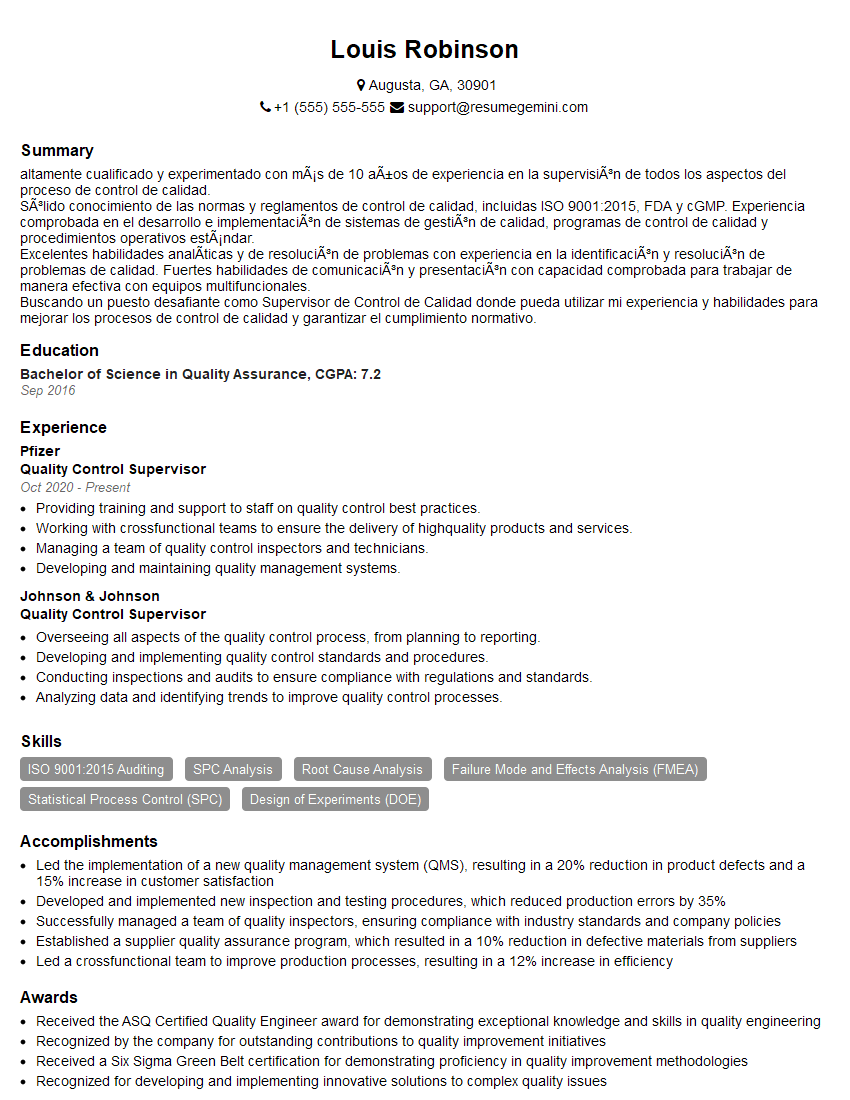
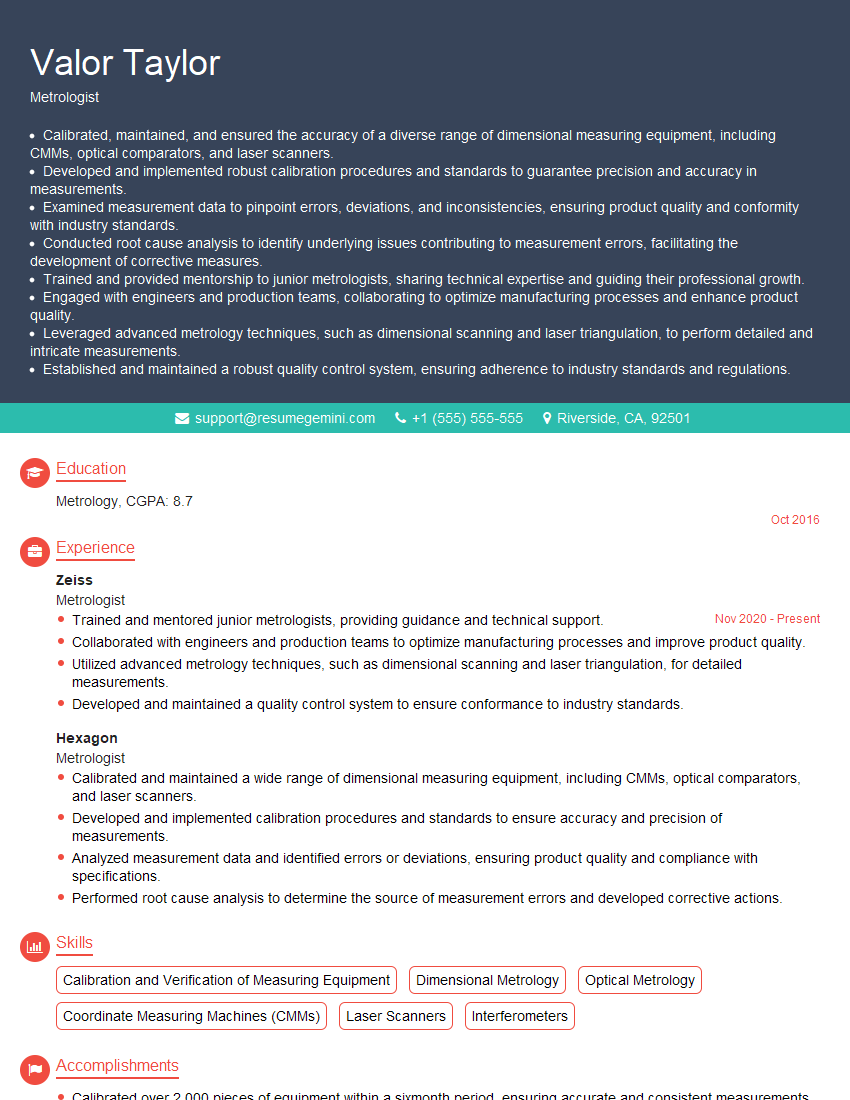
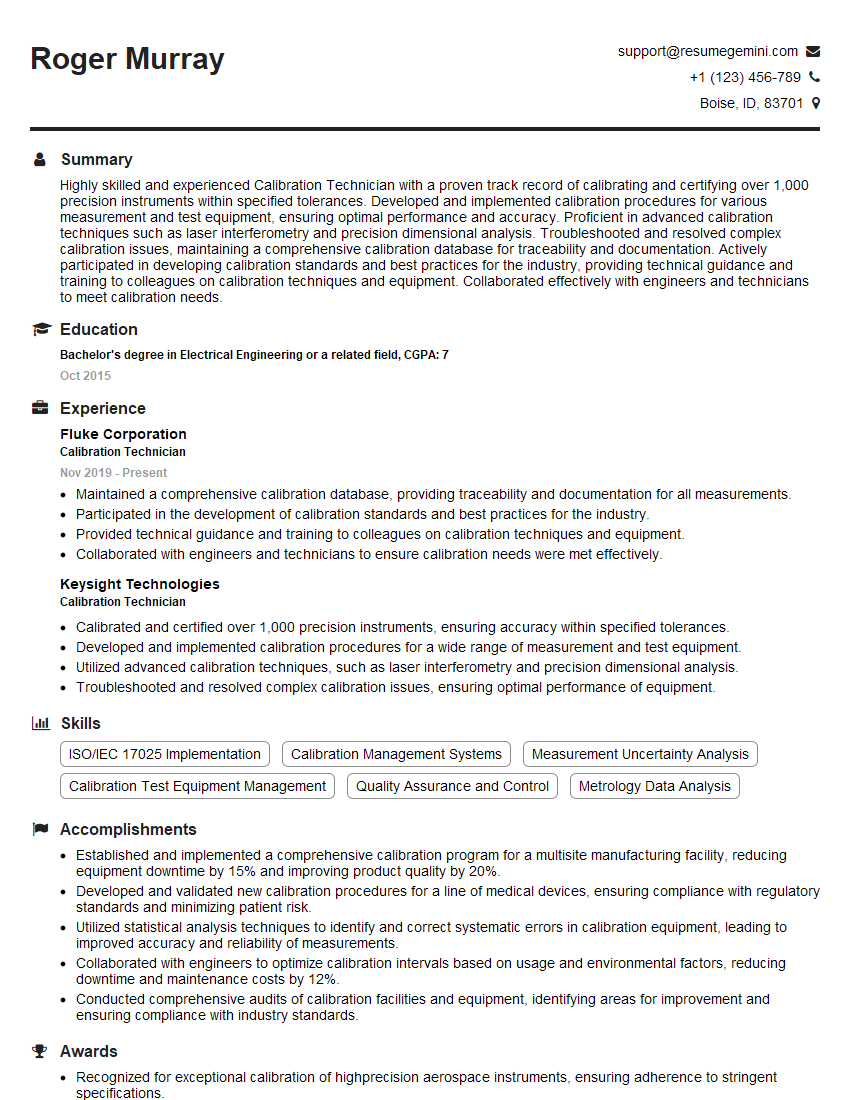
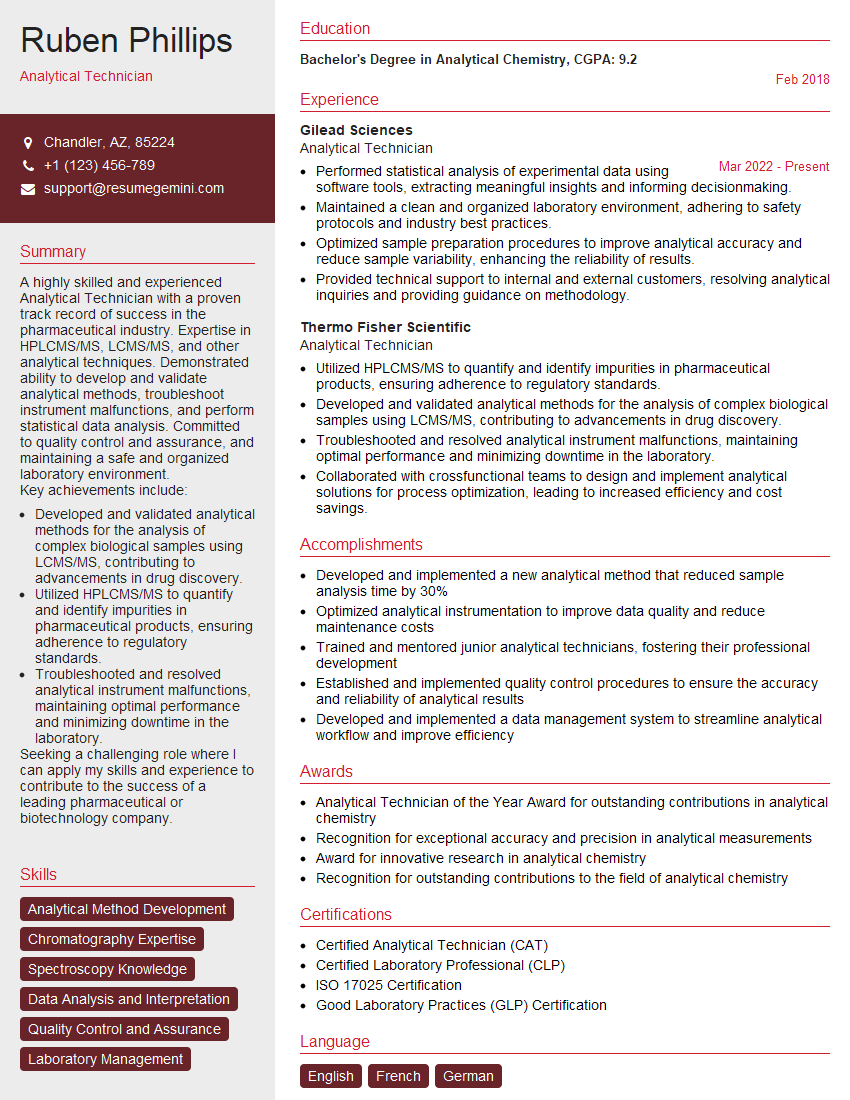
To maximize your job prospects, create an ATS-friendly resume that highlights your relevant skills and experience. ResumeGemini is a trusted resource that can help you build a professional and effective resume tailored to your specific career goals. Examples of resumes tailored to Sample Measurement positions are available to guide you through the process.
Explore more articles
Users Rating of Our Blogs
Share Your Experience
We value your feedback! Please rate our content and share your thoughts (optional).
What Readers Say About Our Blog
Very informative content, great job.
good