Cracking a skill-specific interview, like one for Experience in working with a team in a fast-paced environment, requires understanding the nuances of the role. In this blog, we present the questions you’re most likely to encounter, along with insights into how to answer them effectively. Let’s ensure you’re ready to make a strong impression.
Questions Asked in Experience in working with a team in a fast-paced environment Interview
Q 1. Describe a time you had to meet a tight deadline in a team setting. What was your role?
Meeting tight deadlines effectively in a team setting requires a proactive approach and clear communication. One instance involved launching a new product feature within a three-week timeframe. My team, encompassing designers, developers, and marketing, faced immense pressure. My role was as the project manager; I was responsible for coordinating efforts, tracking progress, and ensuring timely completion of all tasks.
We employed Agile methodologies, breaking down the project into smaller, manageable sprints. Daily stand-up meetings kept everyone aligned and identified potential roadblocks early on. I created a detailed Gantt chart to visualize tasks, dependencies, and deadlines. When one developer fell behind on a crucial coding component, I immediately reallocated resources and communicated the delay transparently to the marketing team, adjusting their launch campaign schedule accordingly. This prevented a cascading effect of delays. By the end, we successfully launched the feature on time, thanks to consistent monitoring, proactive problem-solving, and effective team collaboration.
Q 2. How do you handle conflicting priorities in a fast-paced environment?
Handling conflicting priorities in a fast-paced environment requires a structured approach. My strategy involves prioritizing tasks based on urgency and importance using a matrix approach. Urgent and important tasks take precedence, while less urgent tasks are scheduled accordingly. This Eisenhower Matrix helps to avoid getting bogged down in less critical activities.
For instance, if I’m juggling urgent bug fixes, a high-priority feature development, and a less critical documentation task, I would tackle the bug fixes immediately, followed by the feature development. The documentation, while important, can be postponed if necessary, as it has lower immediate impact. Open and honest communication with stakeholders is crucial; I ensure everyone understands the prioritization rationale, and together we adjust expectations if necessary.
Q 3. Give an example of a time you had to adapt quickly to a changing situation within a team.
Adaptability is crucial in a dynamic work setting. During a major system migration project, our primary database vendor unexpectedly announced a critical security vulnerability and recommended an immediate upgrade. This presented an unforeseen challenge, as our planned migration timeline was already tight.
We immediately convened a meeting to assess the impact of the vulnerability and the upgrade’s requirements. After a thorough analysis, we restructured the migration plan, prioritizing the security upgrade as the top priority. This involved collaborating with the database vendor, extending some deadlines, and temporarily postponing less crucial migration components. While the shift was disruptive, our team’s adaptability and collaborative spirit allowed us to successfully mitigate the security risk and complete the migration with minimal disruption to our service.
Q 4. How do you contribute to a positive team dynamic in a high-pressure environment?
Contributing to a positive team dynamic under pressure requires empathy, proactive communication, and a focus on mutual support. In high-pressure environments, I prioritize open and honest communication, actively listening to team members’ concerns, and recognizing their contributions. I believe in celebrating small wins to maintain motivation and morale. I also encourage a culture of mutual help and support, fostering a collaborative environment where team members feel comfortable asking for and offering assistance.
For example, during a particularly demanding project, I noticed a team member showing signs of burnout. I initiated a one-on-one conversation to offer support and assess their workload. We reallocated some tasks, and I encouraged them to utilize vacation time to prevent complete burnout. These proactive measures helped maintain morale and productivity within the team.
Q 5. Describe your experience working with diverse teams.
I’ve had extensive experience working with diverse teams, both geographically and culturally. I value the richness of perspective that diversity brings. Successful collaboration requires embracing differences and leveraging the unique skills and insights that each member brings. My approach involves fostering inclusive communication, ensuring everyone feels heard and valued. I make conscious efforts to understand different communication styles and work habits to promote effective collaboration.
For instance, in a recent project with a globally distributed team, we used project management tools that facilitated seamless collaboration across time zones. Regular virtual team meetings helped to maintain transparency and build rapport. We also established clear communication protocols to address language barriers and cultural differences, ensuring everyone felt comfortable contributing their ideas.
Q 6. How do you manage conflict within a team?
Conflict is inevitable in any team setting. My approach focuses on proactive conflict resolution. I believe in addressing issues directly and promptly, encouraging open communication between conflicting parties. I aim to facilitate constructive dialogue, helping team members identify the root cause of the conflict and collaboratively find solutions. I avoid taking sides and instead focus on finding a mutually agreeable outcome.
If a conflict escalates beyond my ability to resolve it, I might involve a senior manager or HR to mediate. The key is to address conflicts in a timely and professional manner, preventing them from escalating and impacting team morale and productivity.
Q 7. How do you prioritize tasks when working on multiple projects simultaneously?
Prioritizing tasks across multiple projects demands a systematic approach. I utilize a combination of techniques including MoSCoW method (Must have, Should have, Could have, Won’t have), and a prioritized task list organized by project and deadlines. This helps me to visualize the relative importance and urgency of tasks across all projects.
The MoSCoW method allows me to categorize tasks based on their importance, while the prioritized task list helps me allocate my time and resources effectively, working on the most critical tasks first. Regular review and adjustment of my task list, keeping communication open with stakeholders, ensure that priorities are aligned with project goals and evolving circumstances.
Q 8. How do you effectively communicate with team members in a fast-paced environment?
Effective communication in a fast-paced environment hinges on clarity, conciseness, and the right channels. Think of it like a well-oiled machine – every part needs to know its function and how it interacts with the others. I prioritize direct, actionable communication. Instead of lengthy emails, I opt for quick, targeted messages, whether it’s a quick chat, a concise email, or a short update in our project management tool. I also make sure to actively listen to understand concerns or roadblocks, ensuring everyone feels heard.
For example, instead of saying ‘The report is late,’ I’d say ‘The report is due at noon; can we discuss any potential roadblocks?’ This prompts a solution-oriented conversation rather than a blame game.
Q 9. What tools or techniques do you use for effective team communication?
My go-to tools are a mix of synchronous and asynchronous methods. For quick updates and brainstorming, we use Slack for its immediate feedback. For project tracking and task assignments, we rely on Jira, which provides a clear overview of progress and deadlines. For more formal communication or detailed documentation, we utilize email. The key is choosing the right tool for the situation. Beyond the tools, techniques like daily stand-ups, where everyone briefly shares their progress and challenges, are essential for maintaining momentum and identifying potential issues early on. Regular team meetings, even if brief, help foster collaboration and build camaraderie.
Q 10. Describe your experience using Agile methodologies.
I have extensive experience working within Agile methodologies, primarily Scrum. I’ve participated in sprint planning, daily stand-ups, sprint reviews, and retrospectives. I understand the value of iterative development, continuous integration, and frequent feedback loops. In my previous role, we utilized Scrum to develop a new mobile application. We broke down the project into manageable sprints, each with a specific set of goals. Daily stand-ups ensured transparency and helped us identify and address roadblocks immediately. Sprint reviews allowed stakeholders to provide feedback, ensuring we were building the right product. Retrospectives facilitated continuous improvement by allowing the team to reflect on processes and identify areas for enhancement.
Q 11. How do you handle unexpected problems or setbacks within a team?
When unexpected problems arise, I believe in a calm and structured approach. My first step is to assess the situation, identify the root cause, and understand the impact. Then, I facilitate a team discussion to brainstorm potential solutions. I encourage open communication, ensuring everyone feels comfortable sharing their thoughts and concerns. We prioritize solutions based on impact and feasibility, outlining clear steps and assigning responsibilities. Finally, we document the issue, the solution, and the lessons learned for future reference. Think of it like a fire drill – you need a plan, clear roles, and effective communication to minimize damage and get back on track.
Q 12. How do you ensure team members are working efficiently and effectively?
Ensuring team efficiency and effectiveness relies on several key strategies. Firstly, clear task assignment and responsibility are paramount. Each member needs a well-defined role and understanding of their contributions. Secondly, removing roadblocks is critical – this might involve advocating for resources, resolving dependencies, or providing training. Thirdly, promoting collaboration and knowledge sharing is essential. Regular team meetings, pair programming sessions (where applicable), and cross-training opportunities help build a stronger, more effective unit. Finally, continuous monitoring of progress and providing constructive feedback are crucial to keep things on track and identify areas for improvement. It’s like conducting an orchestra – everyone needs the right instruments, clear instructions, and effective communication to create beautiful music.
Q 13. How do you motivate team members to achieve common goals?
Motivating a team is about fostering a positive and supportive environment. I believe in recognizing and appreciating individual contributions, celebrating successes both big and small. Providing opportunities for professional development and growth is also key – people are more engaged when they feel valued and challenged. Transparency and open communication are also vital – keeping the team informed about progress, challenges, and the overall vision helps foster a sense of shared purpose. Finally, fostering a culture of trust and respect is paramount. When team members feel comfortable sharing their ideas and concerns without fear of judgment, they’re more likely to be engaged and motivated. It’s like building a strong team sport – you need teamwork, encouragement, and a shared vision to win.
Q 14. Describe a time you successfully mentored or guided a team member.
In my previous role, I mentored a junior developer who was struggling with a complex coding task. Instead of directly providing the solution, I guided them through a problem-solving process. We started by breaking down the problem into smaller, manageable parts. I encouraged them to use debugging tools and explain their thought process. I provided constructive feedback and helped them identify and correct their mistakes. Through this process, they not only completed the task successfully but also significantly improved their problem-solving skills and confidence. This experience highlighted the importance of patience, encouragement, and fostering self-reliance in mentoring.
Q 15. How do you identify and delegate tasks appropriately within a team?
Identifying and delegating tasks effectively is crucial for team success. I begin by clearly understanding the project’s scope and breaking it down into smaller, manageable tasks. This involves considering individual team members’ skills, experience, and workload. I use a matrix approach, mapping tasks to individuals based on their strengths. For example, if we’re launching a new website, I might assign the front-end development to the team member with extensive JavaScript experience, while the back-end development goes to the expert in Python frameworks. I then clearly define expectations, deadlines, and resources needed for each task. Regular check-ins ensure progress remains on track and any roadblocks are addressed promptly. This prevents bottlenecks and maintains team momentum.
In one instance, while working on a tight-deadline marketing campaign, I used a Kanban board to visually represent all tasks and their assignments. This allowed for easy monitoring of progress and quick identification of any tasks that were falling behind, enabling swift re-prioritization and support for team members struggling to meet their deadlines. The transparent system boosted accountability and ensured everyone was aware of their responsibilities.
Career Expert Tips:
- Ace those interviews! Prepare effectively by reviewing the Top 50 Most Common Interview Questions on ResumeGemini.
- Navigate your job search with confidence! Explore a wide range of Career Tips on ResumeGemini. Learn about common challenges and recommendations to overcome them.
- Craft the perfect resume! Master the Art of Resume Writing with ResumeGemini’s guide. Showcase your unique qualifications and achievements effectively.
- Don’t miss out on holiday savings! Build your dream resume with ResumeGemini’s ATS optimized templates.
Q 16. How do you provide constructive feedback to team members?
Constructive feedback is about helping team members grow and improve. My approach is always specific, actionable, and focused on behavior rather than personality. I use the SBI model (Situation-Behavior-Impact) to frame my feedback. This means describing the situation, the specific behavior observed, and the impact of that behavior. For instance, instead of saying “You’re lazy,” I’d say, “During the last project meeting (Situation), you arrived 15 minutes late (Behavior), which meant we lost valuable time getting started and delayed the decision-making process (Impact).” I follow this with suggestions for improvement and offer support to help the individual achieve those improvements. I also encourage two-way communication – actively listening to their perspective and working collaboratively to find solutions.
For example, a team member consistently missed deadlines. Instead of reprimanding them, I asked about the challenges they faced. They explained that they were overwhelmed by the scope of their work. We then collaboratively re-prioritized their tasks, broke down larger tasks into smaller, more manageable ones, and established a system for regular progress checks. This resulted in significant improvement in their performance and reduced stress for the team member.
Q 17. How do you measure the success of a team project?
Measuring the success of a team project requires a multi-faceted approach. We define key performance indicators (KPIs) at the outset, aligning them with the project’s overall goals. These KPIs can be quantitative, such as sales figures, website traffic, or bug fixes, or qualitative, such as customer satisfaction or team morale. We establish clear benchmarks for success for each KPI. For instance, if we’re launching a new app, we might define KPIs such as the number of downloads, user engagement, and customer reviews.
Once the project concludes, we analyze the data against these benchmarks. We also gather feedback from stakeholders (clients, users, and team members) through surveys or interviews. This provides a holistic view of the project’s success, including areas where we exceeded expectations and areas needing improvement. This data helps us improve future projects and refine our processes.
Q 18. How do you handle criticism from your team members?
I welcome criticism as an opportunity for growth and improvement. I listen actively to the feedback, acknowledging the team member’s perspective. I ask clarifying questions to fully understand their concerns. If the criticism is constructive, I thank them for their input and discuss how we can address the issue. Even if the criticism is harsh or delivered poorly, I avoid reacting defensively. Instead, I focus on understanding the underlying concerns and finding solutions. I might say something like, “I understand your frustration. Let’s talk about how we can improve the situation.” If it’s justified, I’ll take ownership and work toward improvement.
In a past project, a team member criticized my management style, feeling that I was not delegating effectively. Instead of being defensive, I thanked them for their honest feedback. We discussed their concerns, and I explained my thought process regarding task delegation. We collaboratively developed a more transparent task management system, which addressed their concerns and improved team workflow.
Q 19. How do you deal with a team member who is underperforming?
Addressing underperformance requires a thoughtful and supportive approach. First, I schedule a private meeting with the team member. I start by expressing my concern and providing specific examples of their underperformance. I then actively listen to their perspective, trying to understand the underlying causes. Are they lacking skills? Are they overwhelmed? Are there external factors affecting their performance? Based on the reasons identified, I work with them to create an improvement plan. This plan might involve additional training, mentorship, or a re-allocation of tasks.
I provide ongoing support and regular check-ins to monitor progress. If the performance doesn’t improve despite these efforts, I may need to escalate the issue to management. However, my goal is always to help the team member succeed, and I provide support and resources as much as possible.
Q 20. What is your preferred communication style in a team setting?
My preferred communication style in a team setting is open, transparent, and proactive. I believe in clear and concise communication, ensuring everyone is informed and understands their roles and responsibilities. I use a combination of methods, including regular team meetings, instant messaging for quick updates, email for formal communication, and project management software for task tracking and progress updates. I value active listening and encourage open dialogue, fostering a collaborative environment where team members feel comfortable sharing their ideas and concerns. I also adapt my communication style based on the individual and the context of the conversation.
For example, I might use a more informal communication style with a junior team member, offering guidance and support, while using a more formal approach in presentations to clients.
Q 21. Describe your experience with remote teamwork.
I have extensive experience with remote teamwork, having worked on several projects with geographically dispersed teams. Effective communication is paramount in remote settings. I rely heavily on video conferencing for meetings, ensuring face-to-face interaction, as well as instant messaging tools for quick updates and informal communication. We use project management software to track progress, share documents, and maintain a centralized repository of information. Establishing clear communication protocols and expectations at the beginning of a project is crucial. For example, we might define specific response times for emails and messaging, ensuring timely communication and reducing delays. Regular check-ins are important to maintain morale and team cohesion. Using tools that enable asynchronous communication allows flexibility and accommodates different time zones.
In a recent project involving a global team, we successfully used a combination of daily stand-up meetings (virtual) and weekly project review meetings (video conferencing). We also established a shared online document for tracking project progress and handling any issues that arose. This blend of methods ensured transparency, facilitated clear communication, and kept the distributed team members feeling connected and informed throughout the project.
Q 22. How do you stay organized and manage your workload in a fast-paced environment?
In a fast-paced environment, organization is paramount. I employ a multi-pronged approach combining proactive planning with flexible adaptation. Firstly, I utilize project management tools like Trello or Asana to visually map out tasks, deadlines, and dependencies. This provides a clear overview of my workload and allows for prioritization. Secondly, I break down large tasks into smaller, manageable chunks, making them less daunting and allowing for more frequent progress checks. Thirdly, I dedicate specific time blocks for focused work, minimizing interruptions. Finally, and crucially, I embrace flexibility. Unexpected priorities inevitably arise; I adapt my schedule accordingly, re-prioritizing tasks based on urgency and impact. Think of it like a conductor of an orchestra – I’m constantly monitoring the tempo and adjusting as needed to ensure a harmonious outcome.
For example, during a recent product launch, we faced a critical bug. My initial plan was disrupted, but by prioritizing the bug fix and communicating the change to the team, we managed to launch successfully, albeit with a slightly adjusted timeline. This demonstrates the importance of flexible adaptation in high-pressure scenarios.
Q 23. How do you ensure that information is effectively shared within your team?
Effective information sharing is the lifeblood of a successful team. I believe in a multi-channel approach that caters to different communication styles and preferences. Regular team meetings are essential for updates, brainstorming, and problem-solving. These meetings need to be structured and focused to avoid wasting time. We use a combination of project management software for task updates and document sharing, and instant messaging apps for quick questions and clarifications. For critical information, we use formal email communication to ensure a clear record and proper documentation. Furthermore, I encourage open communication and actively solicit feedback from team members, fostering a transparent and collaborative environment.
In a previous project, we used a shared online document to track design specifications. This ensured everyone had access to the latest versions and prevented confusion. This collaborative approach significantly improved efficiency and reduced errors.
Q 24. How do you manage your time effectively to meet deadlines in a team setting?
Time management in a team setting demands a blend of individual discipline and collaborative effort. I start by clearly defining roles and responsibilities, ensuring everyone understands their contributions to the project timeline. Then, I utilize time-blocking techniques to schedule dedicated time for specific tasks, factoring in potential delays and buffer time. Regular check-ins with team members help identify any roadblocks or challenges early on, allowing for proactive problem-solving. We also use agile methodologies, breaking down projects into smaller sprints with clear milestones and reviews, facilitating continuous monitoring of progress and adjustment as needed. Open communication about potential delays and collaborative solutions is critical. Think of it like a relay race – each member needs to execute their leg effectively and hand off the baton smoothly for the team to succeed.
For instance, during a tight deadline project, we identified a potential delay in one phase. By proactively communicating this, we collaboratively adjusted the timeline for other phases and successfully delivered the project on time.
Q 25. Describe a situation where you had to make a difficult decision impacting your team.
In a previous project, we faced a critical decision regarding resource allocation. Two competing projects required the same specialized team member, and both had tight deadlines. I had to weigh the potential impact of delaying either project on the overall company goals. After carefully evaluating the risks and potential benefits of each option, including consulting with stakeholders, I decided to prioritize the project with the higher strategic impact and longer-term consequences of delay. While it meant a slight delay for the other project, it was deemed the less disruptive option overall, and I ensured transparent communication to all parties involved. This was a challenging decision, but the focus on clear communication and a data-driven approach helped mitigate negative impact.
Q 26. How do you handle pressure and maintain productivity in a stressful environment?
Handling pressure effectively involves a combination of proactive strategies and mindful techniques. Firstly, I prioritize tasks based on urgency and importance, focusing my energy on the most critical aspects. Secondly, I break down overwhelming tasks into smaller, more manageable chunks to prevent feeling overwhelmed. Thirdly, I practice mindfulness techniques like deep breathing to manage stress and maintain focus. Fourthly, I ensure adequate rest and prioritize self-care to maintain energy levels and prevent burnout. Finally, I communicate openly with my team and manager about challenges and concerns, fostering a supportive and collaborative environment. This approach is a balancing act between effective task management and personal well-being – it’s not about working harder, but working smarter and taking care of myself in the process.
Q 27. How do you build trust and rapport with your team members?
Building trust and rapport within a team is a continuous process that requires consistent effort. I believe in leading by example, being transparent and accountable in my actions. I actively listen to my team members, valuing their opinions and perspectives. I encourage open communication and create a safe space for feedback and constructive criticism. I celebrate team successes and acknowledge individual contributions, fostering a sense of shared accomplishment. I also make an effort to get to know my team members on a personal level, understanding their strengths and weaknesses, creating a collaborative and supportive atmosphere. Investing time in team-building activities, even simple ones, can significantly improve morale and collaboration. It’s about building relationships based on mutual respect and understanding.
Q 28. Describe a time you had to compromise to reach a team consensus.
During a product design phase, we had differing opinions on the optimal user interface. One team advocated for a more complex but feature-rich design, while another preferred a simpler, more intuitive design. To reach a consensus, we facilitated a structured discussion where each side presented their arguments and rationale. We carefully weighed the pros and cons of each approach, considering factors such as user experience, development time, and potential market appeal. Ultimately, we compromised by creating a design that incorporated key features from both proposals, resulting in a product that met both user experience and functionality needs. The key was open communication, active listening, and a willingness to find common ground. The ability to compromise and build consensus is what sets successful teams apart.
Key Topics to Learn for Experience in working with a team in a fast-paced environment Interview
- Collaboration & Communication: Understanding effective communication strategies in a high-pressure setting. This includes active listening, clear articulation of ideas, and constructive feedback.
- Team Dynamics & Roles: Identifying your role within a team, understanding team structures (e.g., Agile, Scrum), and recognizing the strengths and weaknesses of team members to foster collaboration.
- Conflict Resolution: Developing strategies for addressing disagreements and conflicts professionally and constructively. This includes identifying root causes and finding mutually beneficial solutions.
- Prioritization & Time Management: Demonstrating the ability to manage multiple tasks and deadlines simultaneously under pressure. This includes effective prioritization techniques and proactive problem-solving.
- Adaptability & Flexibility: Highlighting your capacity to adjust to changing priorities and unexpected challenges. This includes showcasing examples of how you’ve overcome obstacles in a dynamic work environment.
- Problem-Solving in a Team: Articulating your approach to collaborative problem-solving, including brainstorming, analysis, and implementation of solutions within a team context.
- Technology & Tools: Demonstrating familiarity with project management software and collaboration tools used in fast-paced environments (mention specific tools if applicable to your experience).
Next Steps
Mastering your ability to articulate your experience in a fast-paced team environment is crucial for career advancement. It demonstrates valuable skills highly sought after by employers. To increase your job prospects, focus on building an ATS-friendly resume that highlights these key skills and accomplishments. ResumeGemini can help you create a compelling and effective resume that showcases your abilities in a way that resonates with recruiters. Examples of resumes tailored to highlight “Experience in working with a team in a fast-paced environment” are available to guide you. Use ResumeGemini to build your professional resume and increase your chances of landing your dream job!

Operations Manager Resume Sample
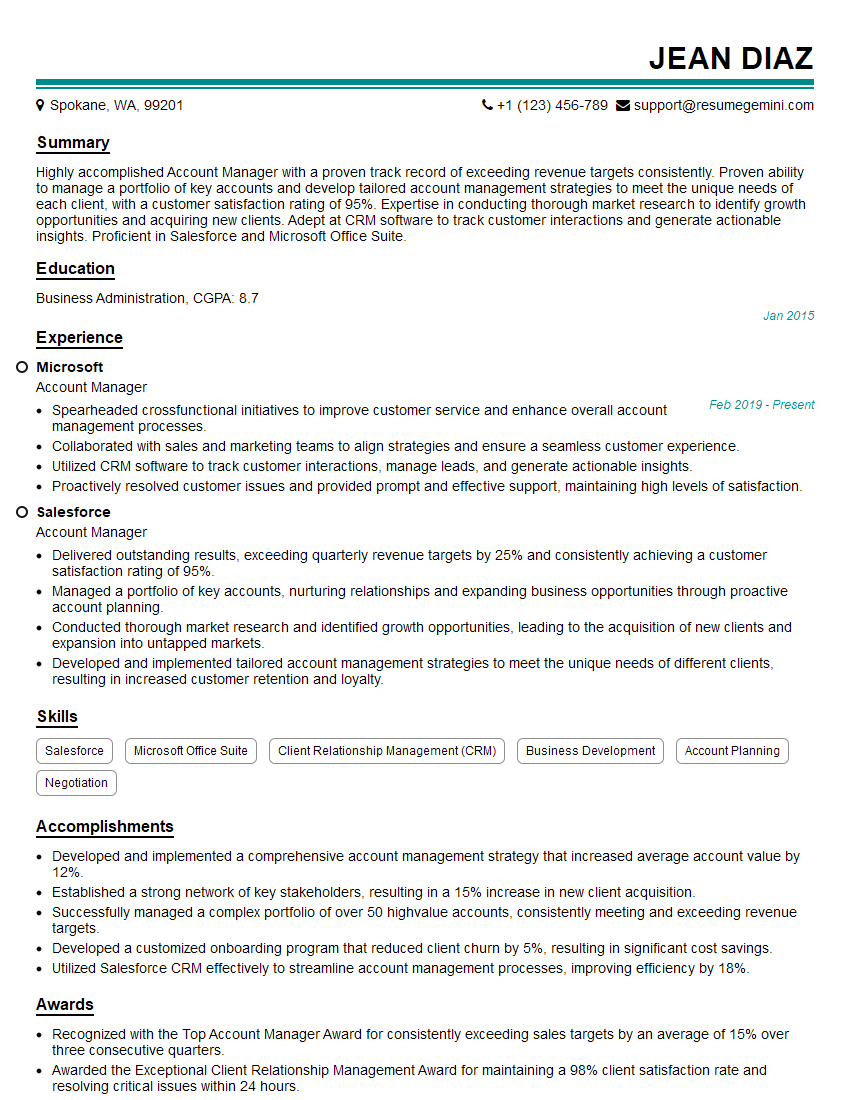
Account Manager Resume Sample
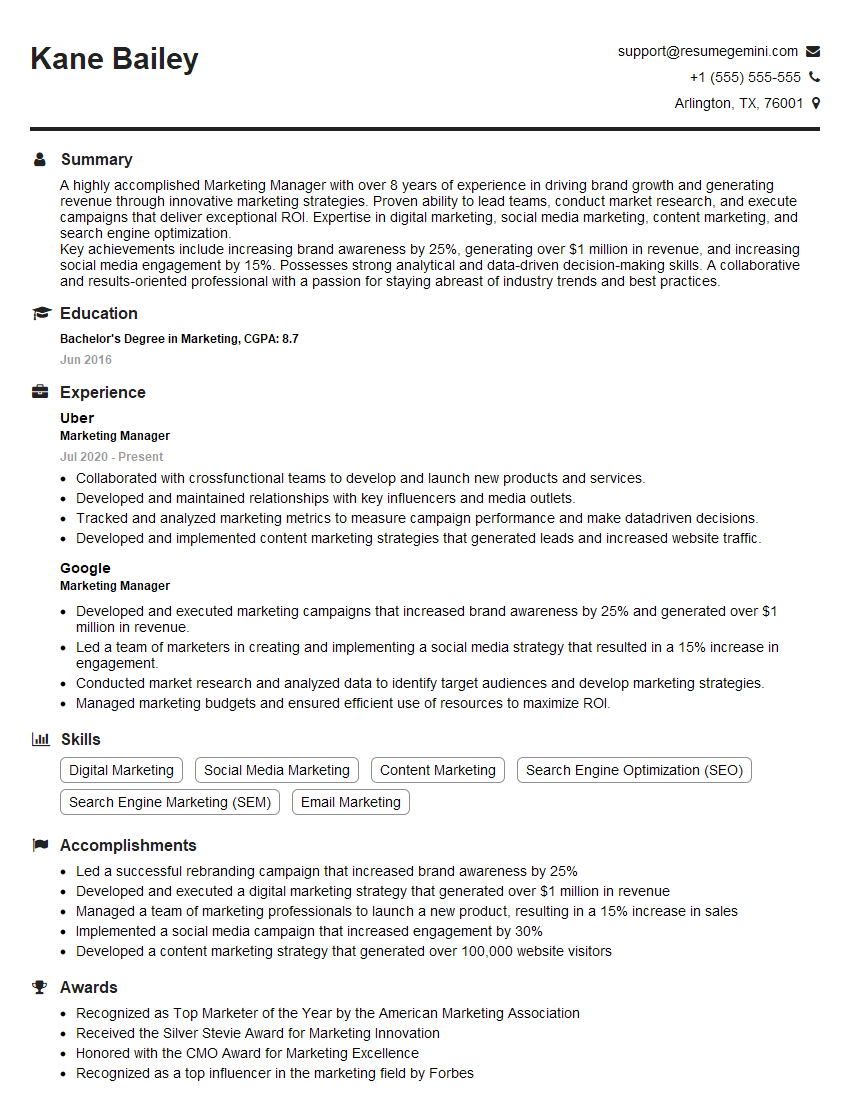
Marketing Manager Resume Sample
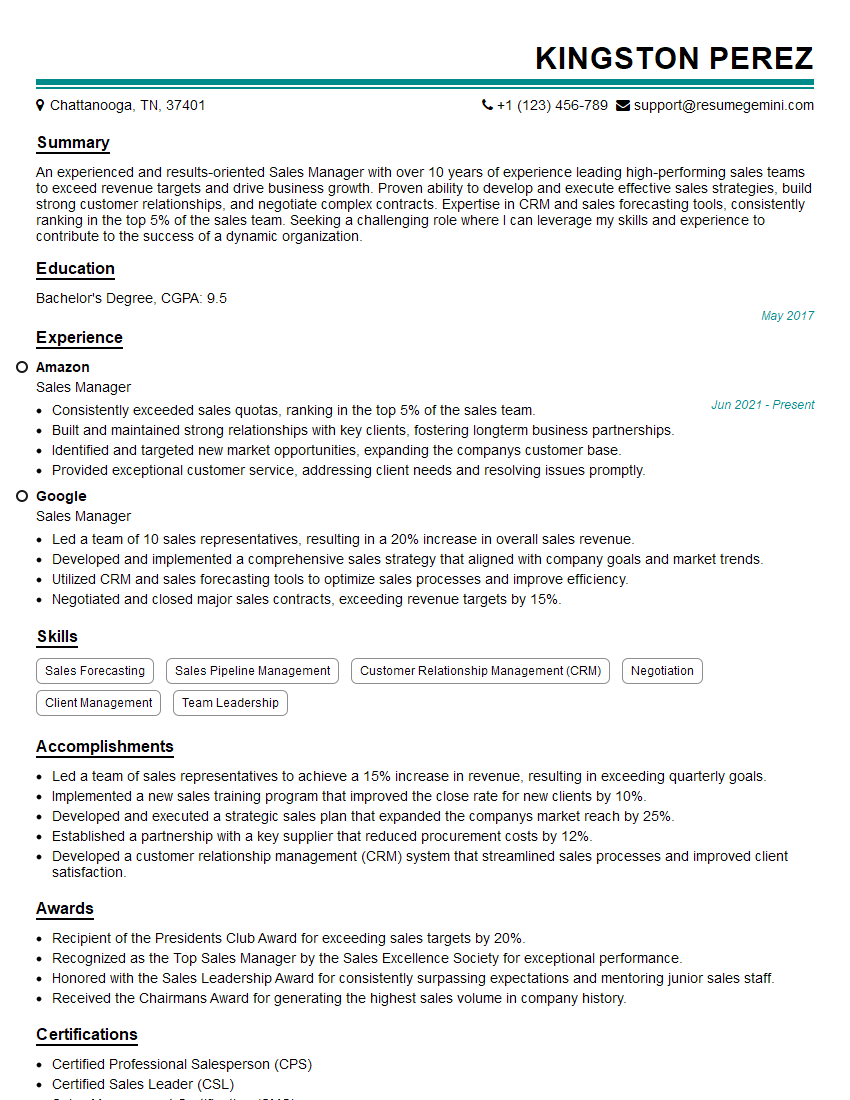
Sales Manager Resume Sample
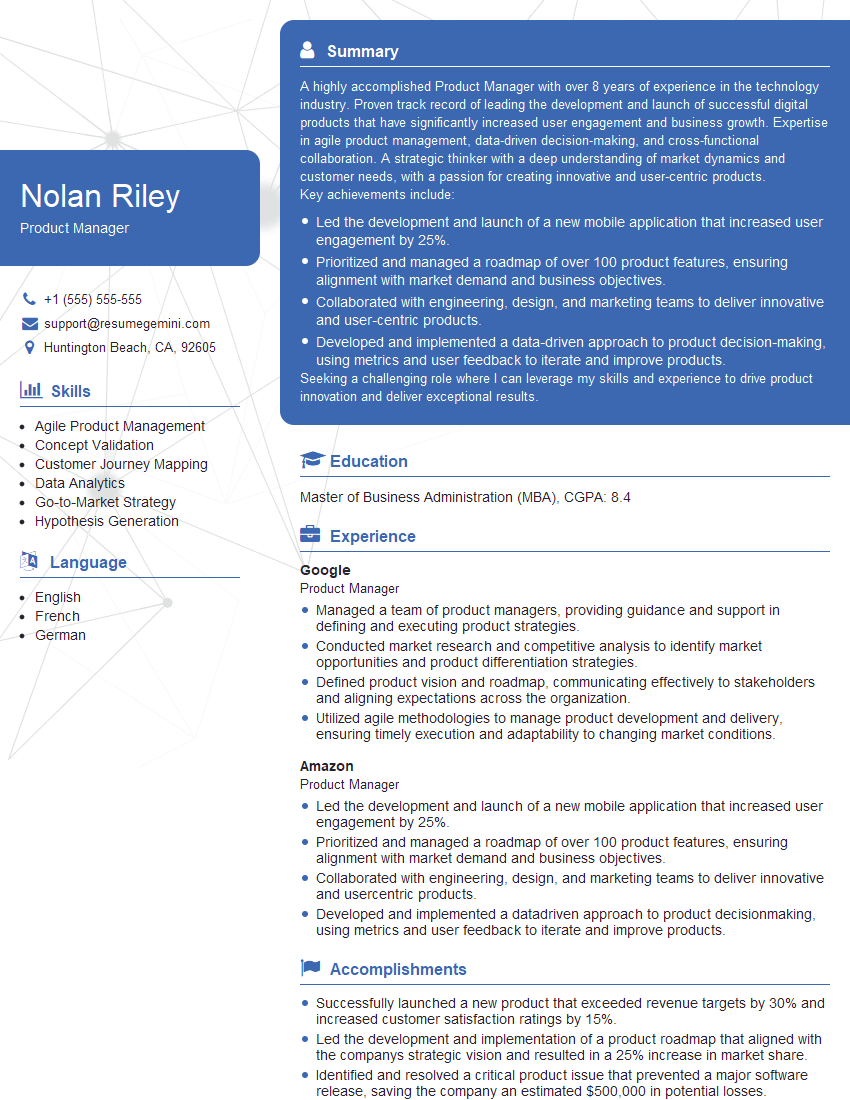
Product Manager Resume Sample
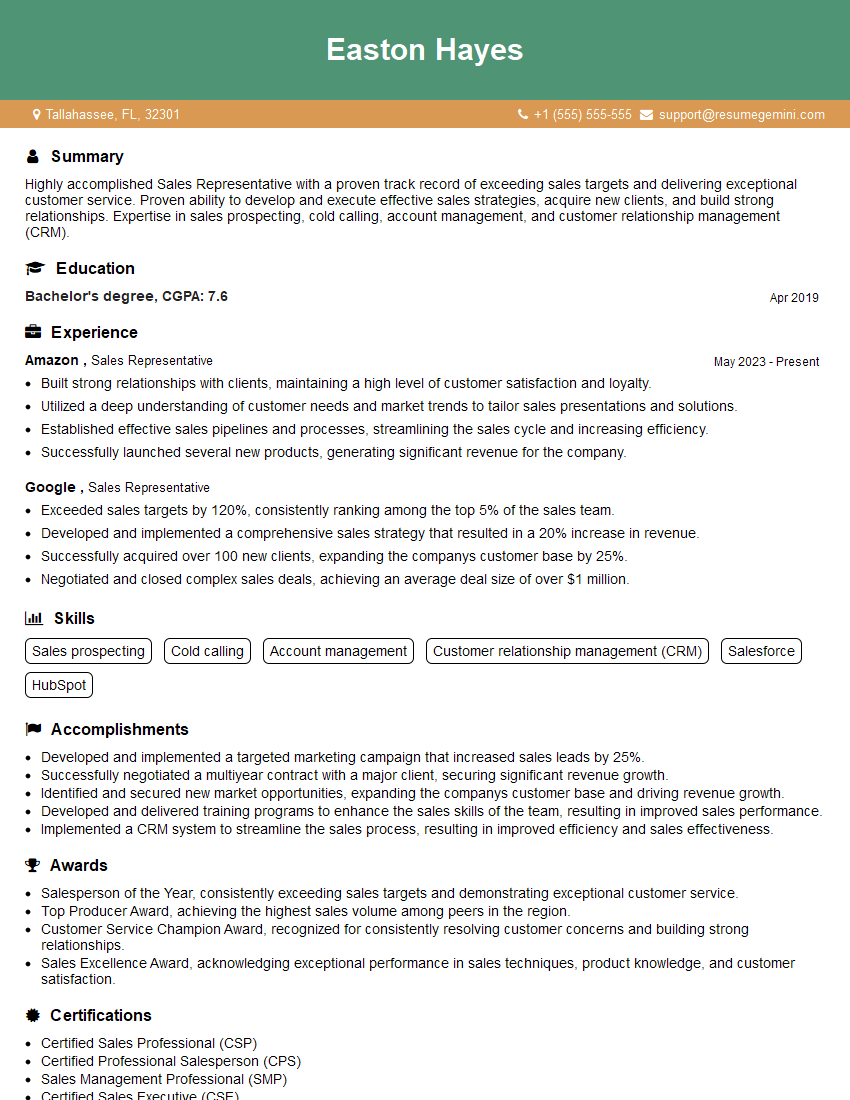
Sales Representative Resume Sample
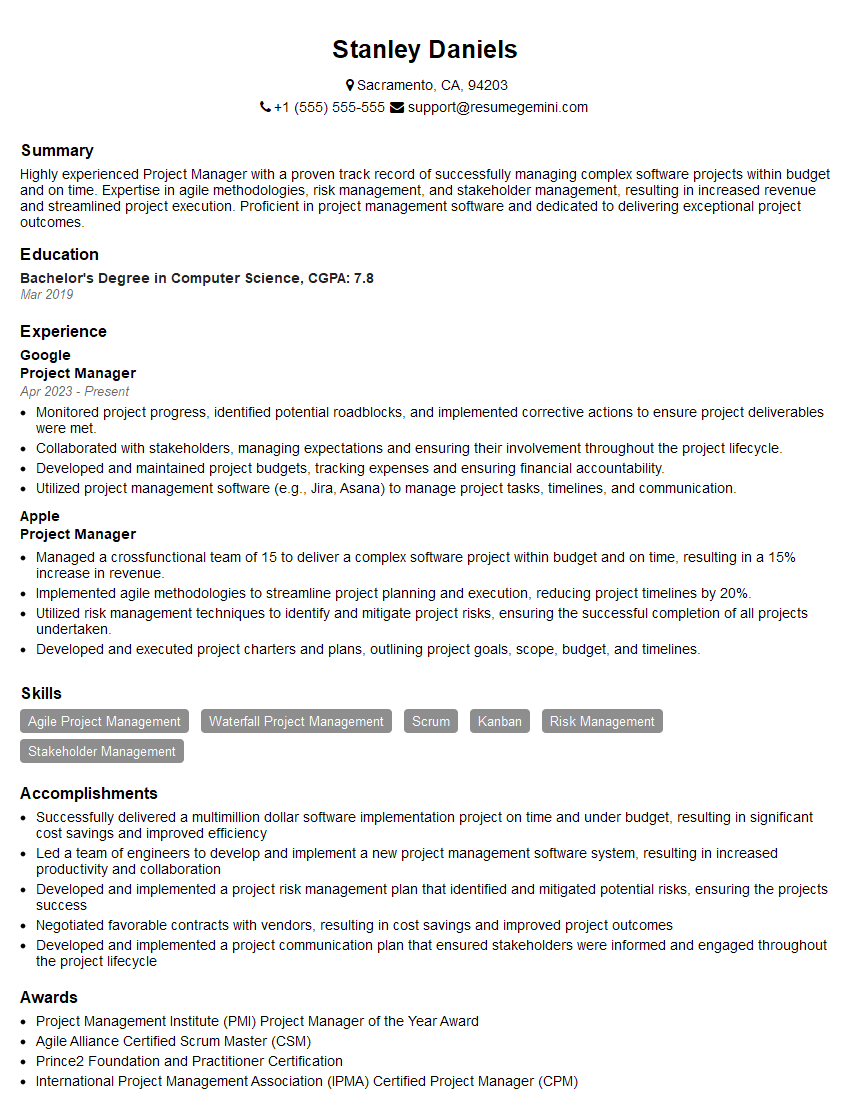
Project Manager Resume Sample
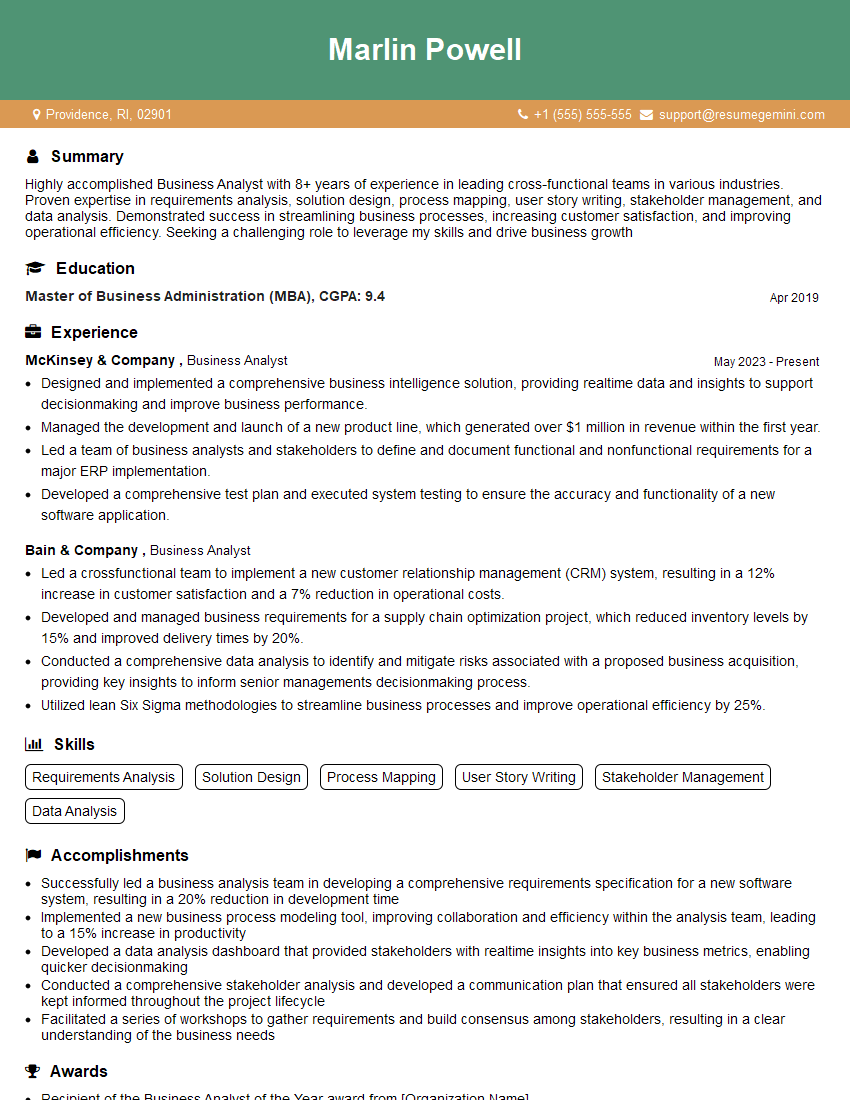
Business Analyst Resume Sample
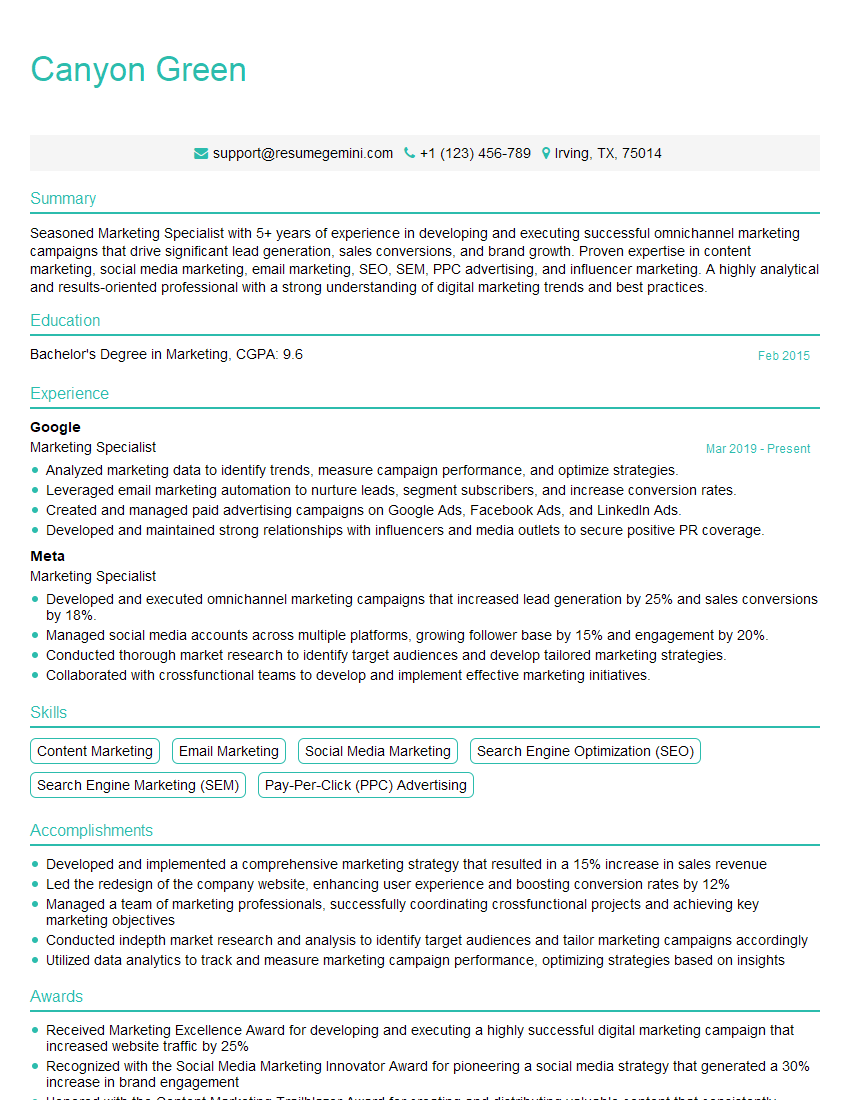
Marketing Specialist Resume Sample
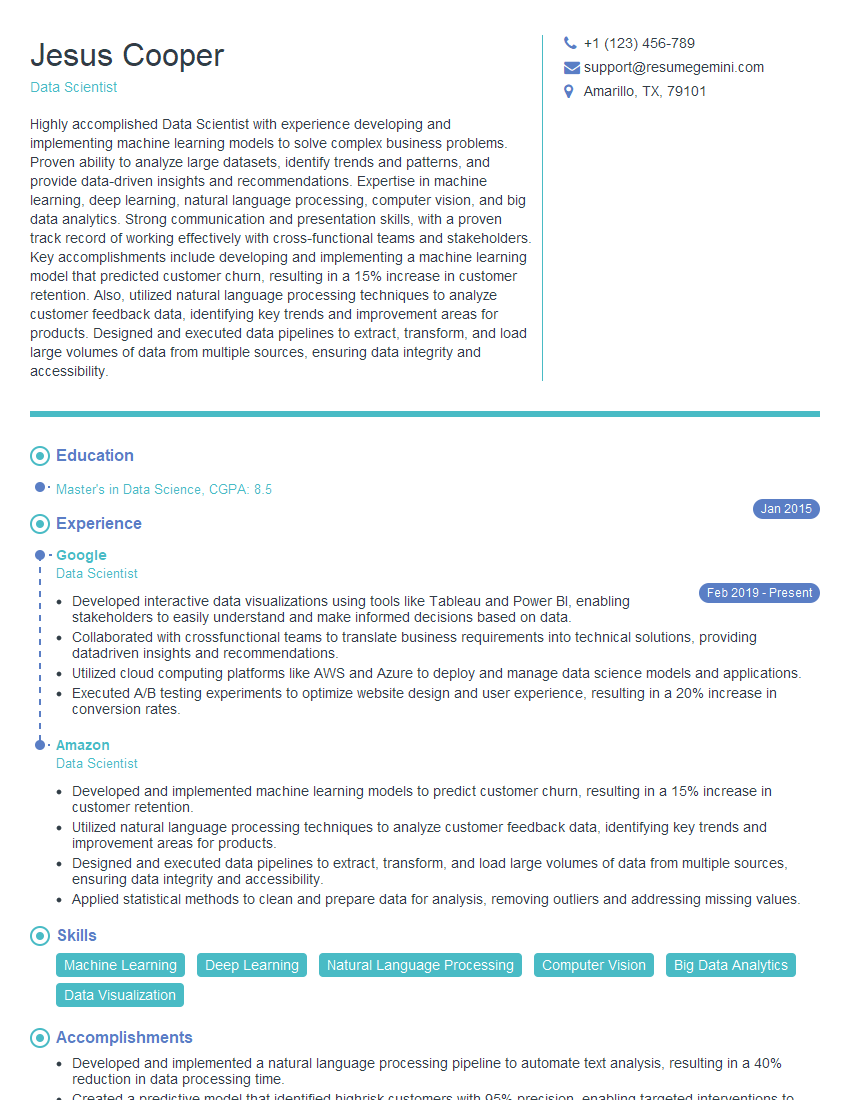
Data Scientist Resume Sample
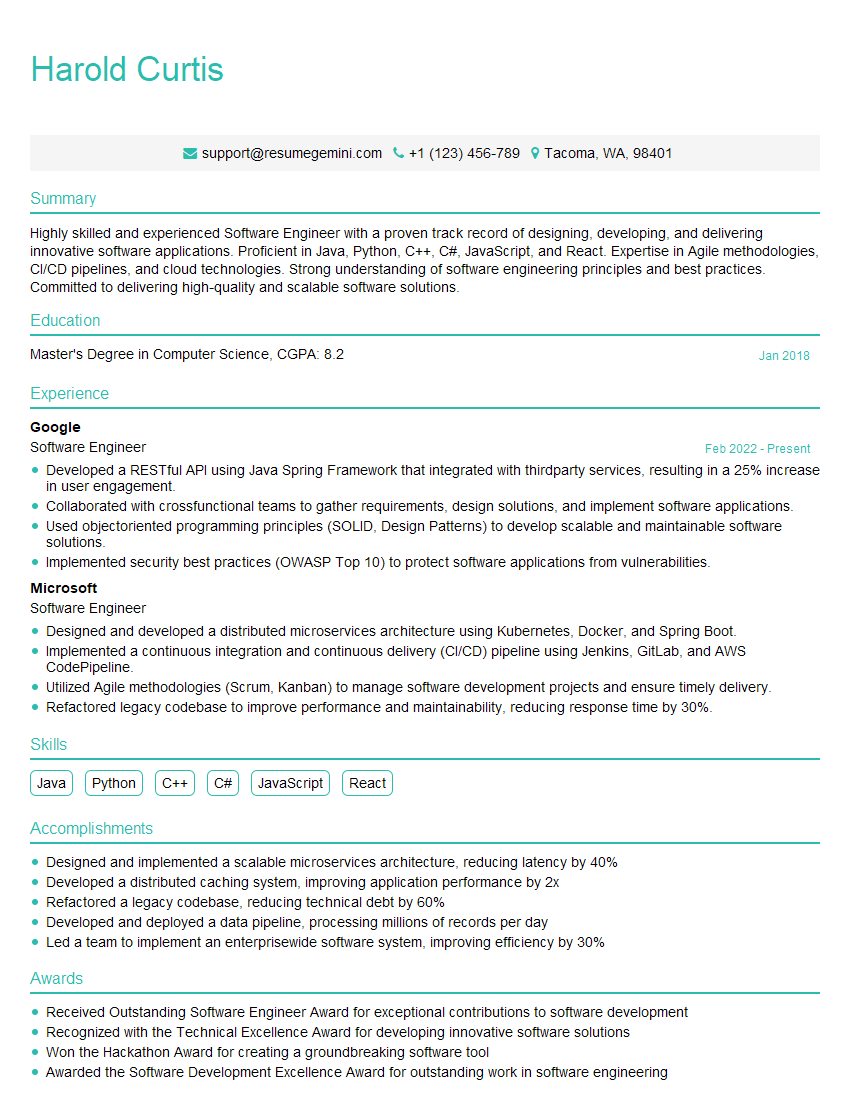
Software Engineer Resume Sample
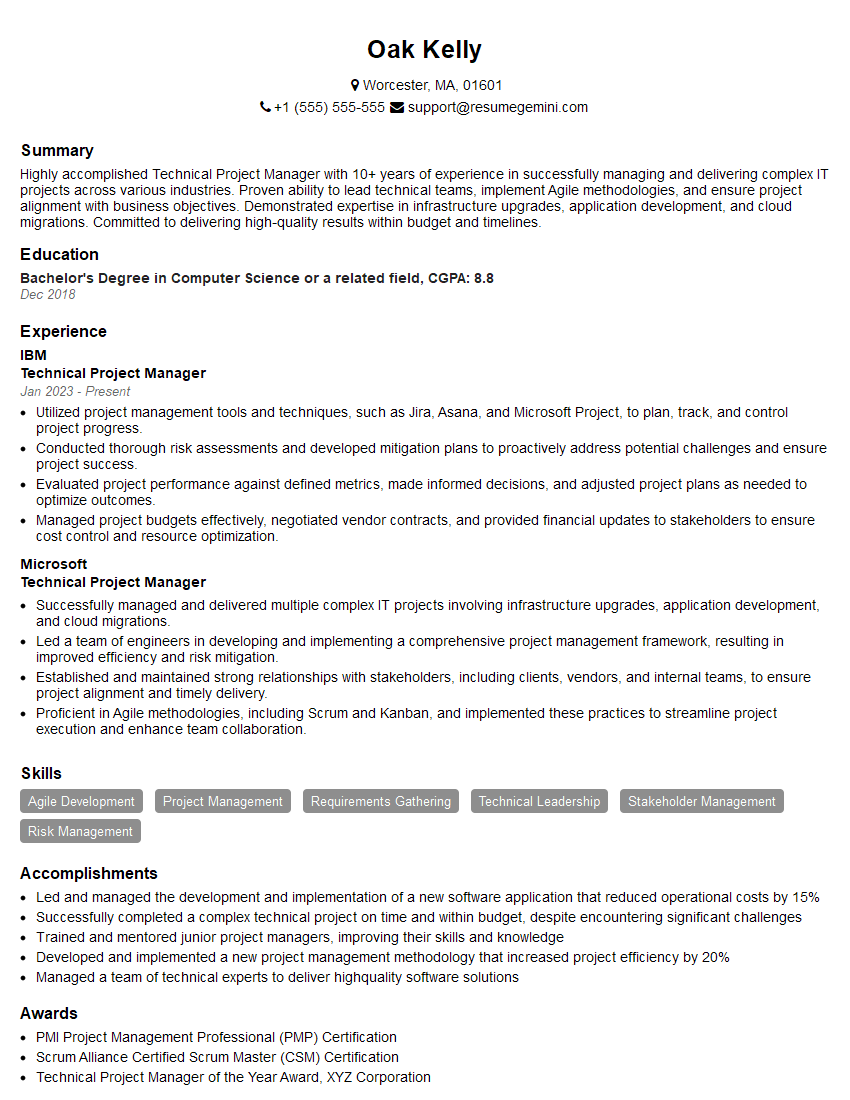
Technical Project Manager Resume Sample
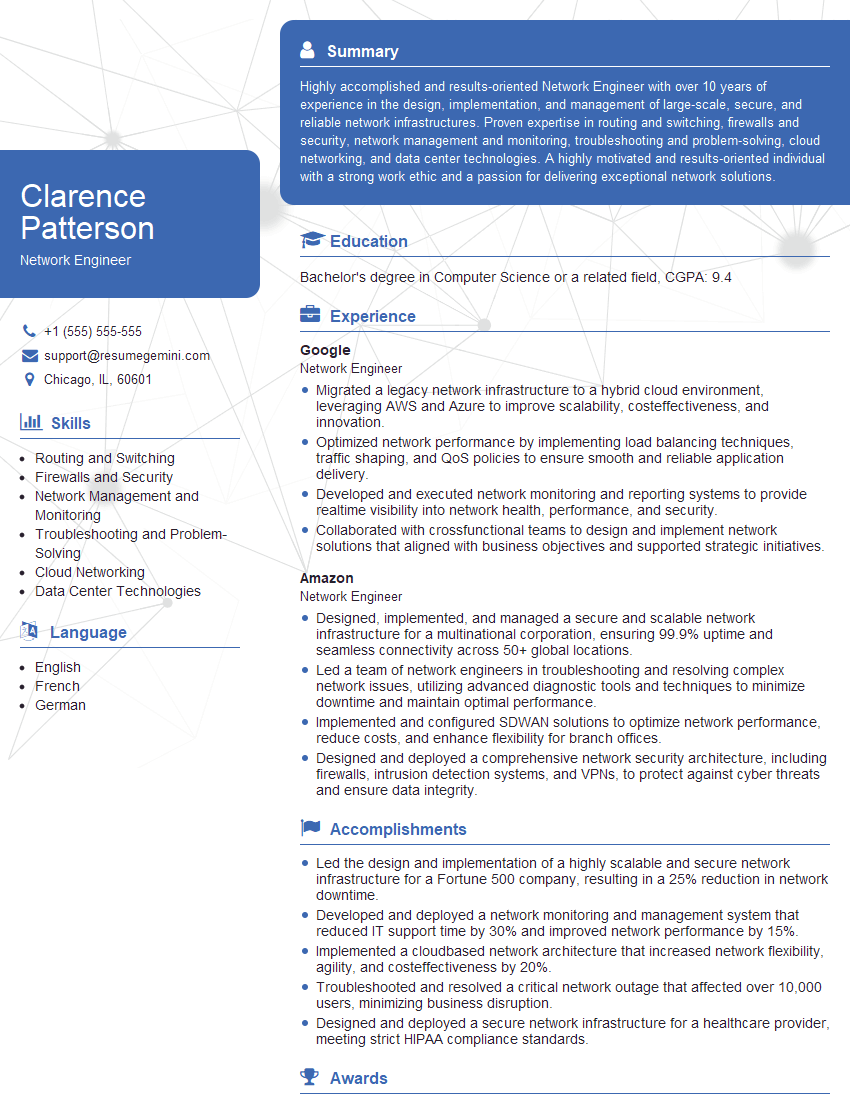
Network Engineer Resume Sample
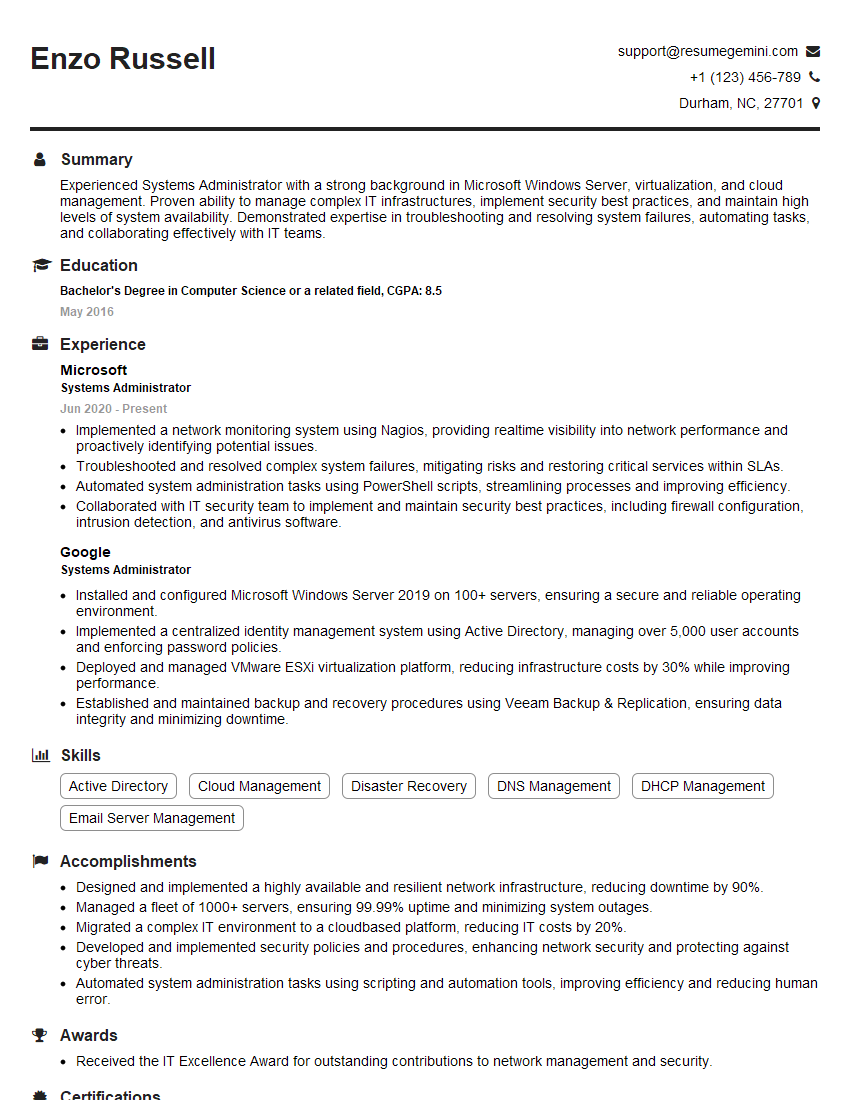
Systems Administrator Resume Sample
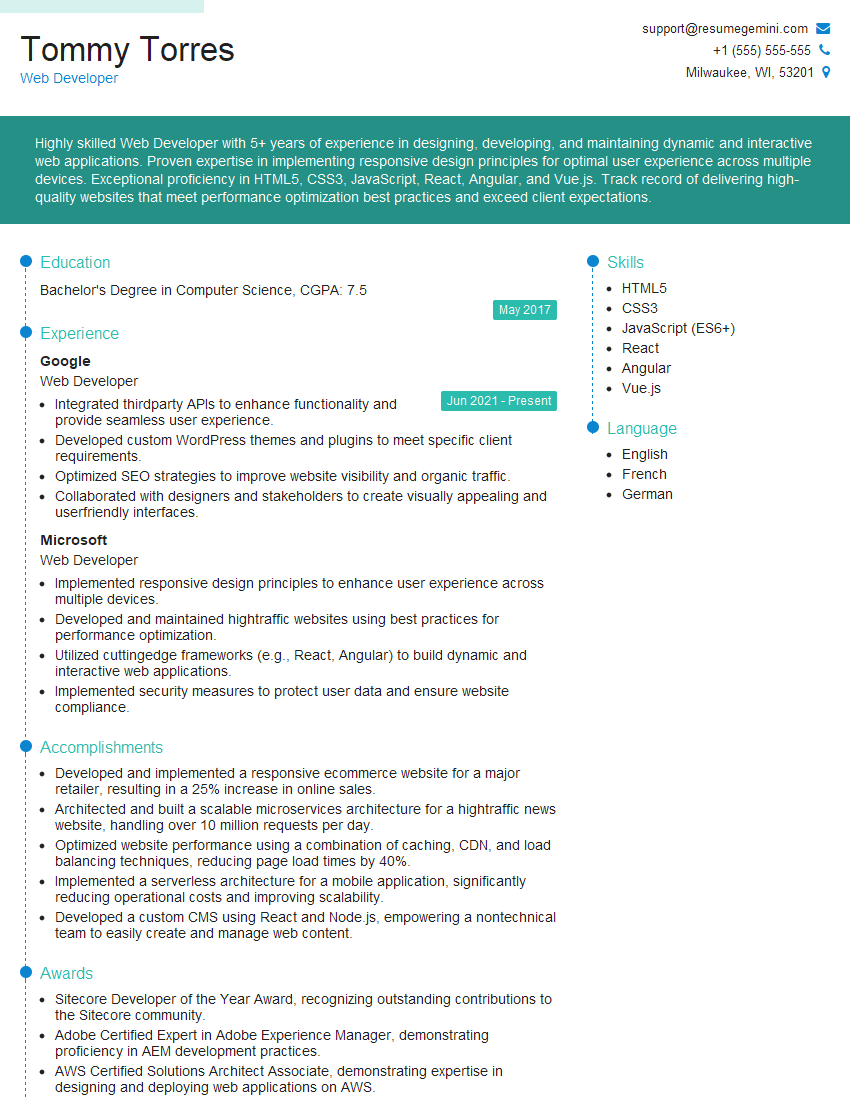
Web Developer Resume Sample
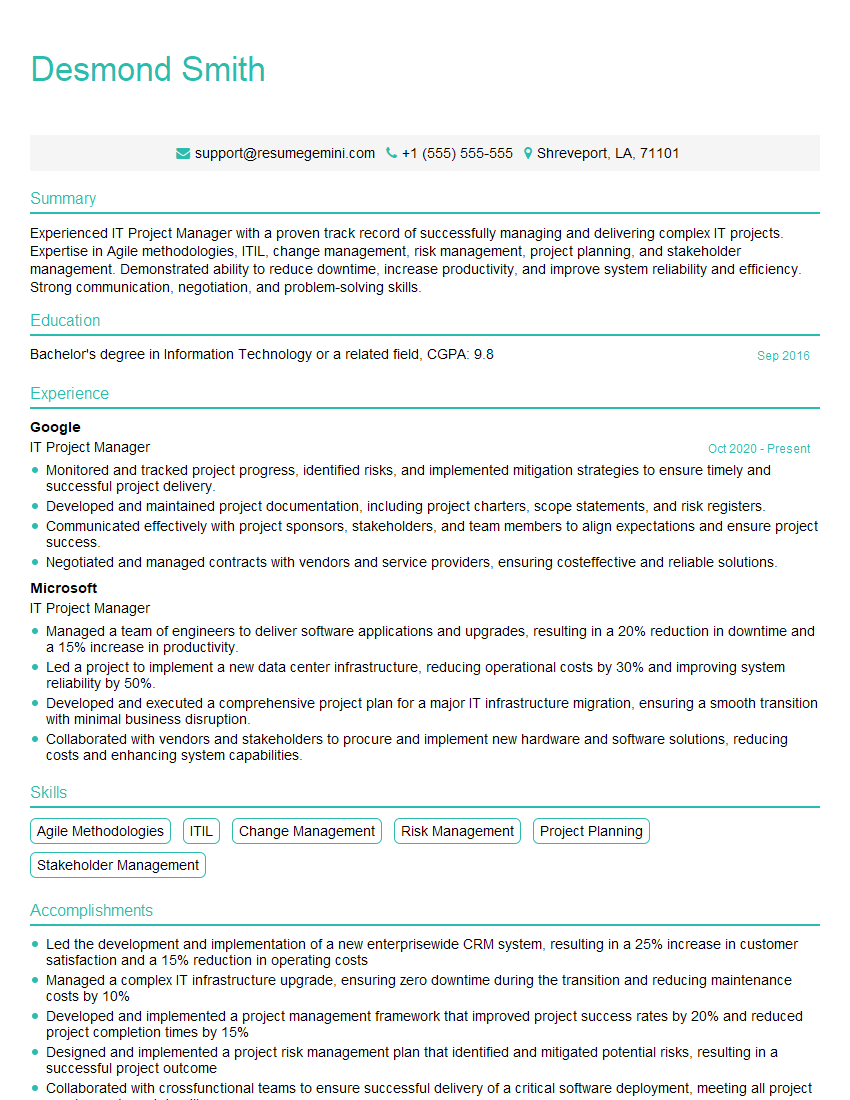
IT Project Manager Resume Sample
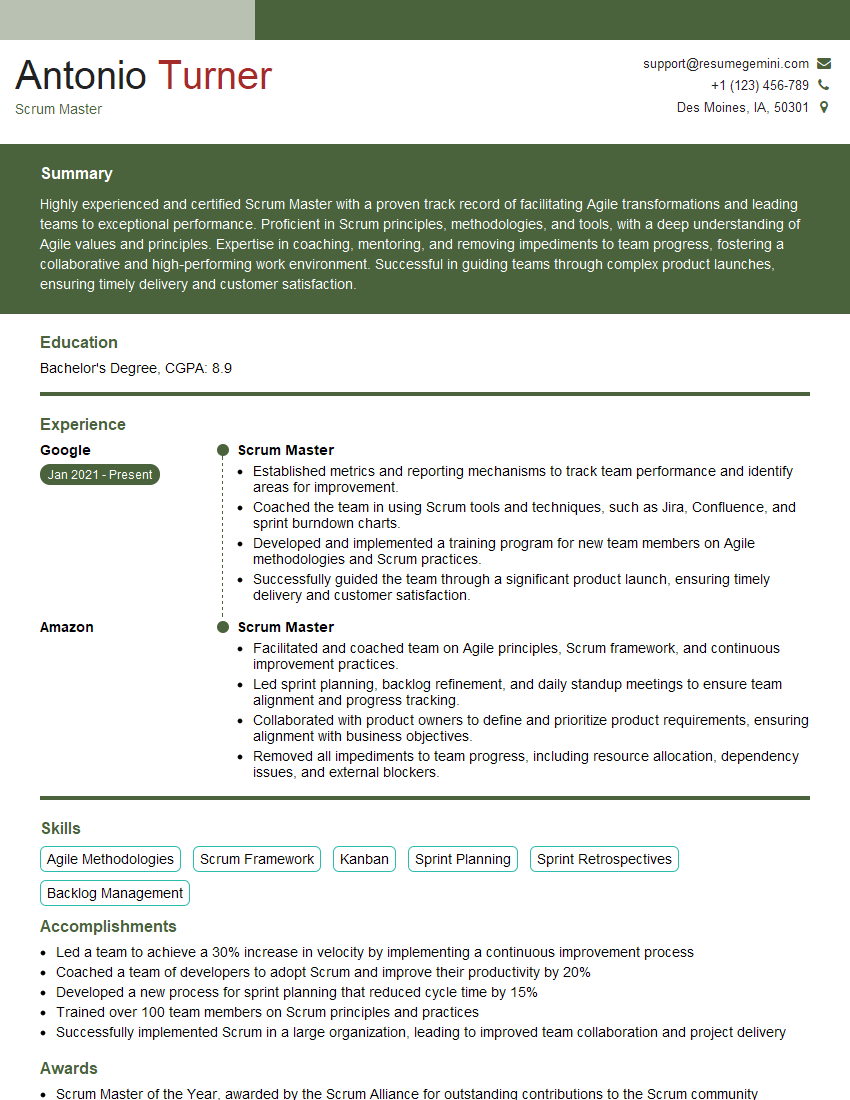
Scrum Master Resume Sample
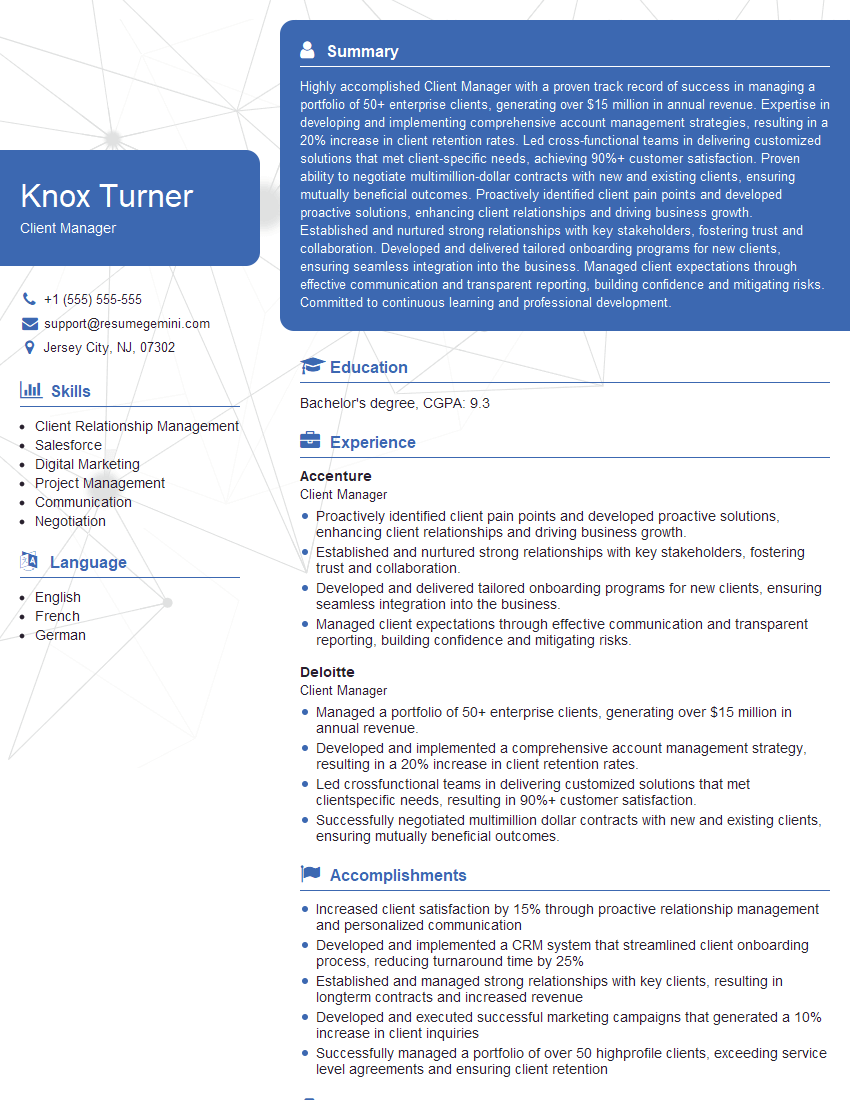
Client Manager Resume Sample
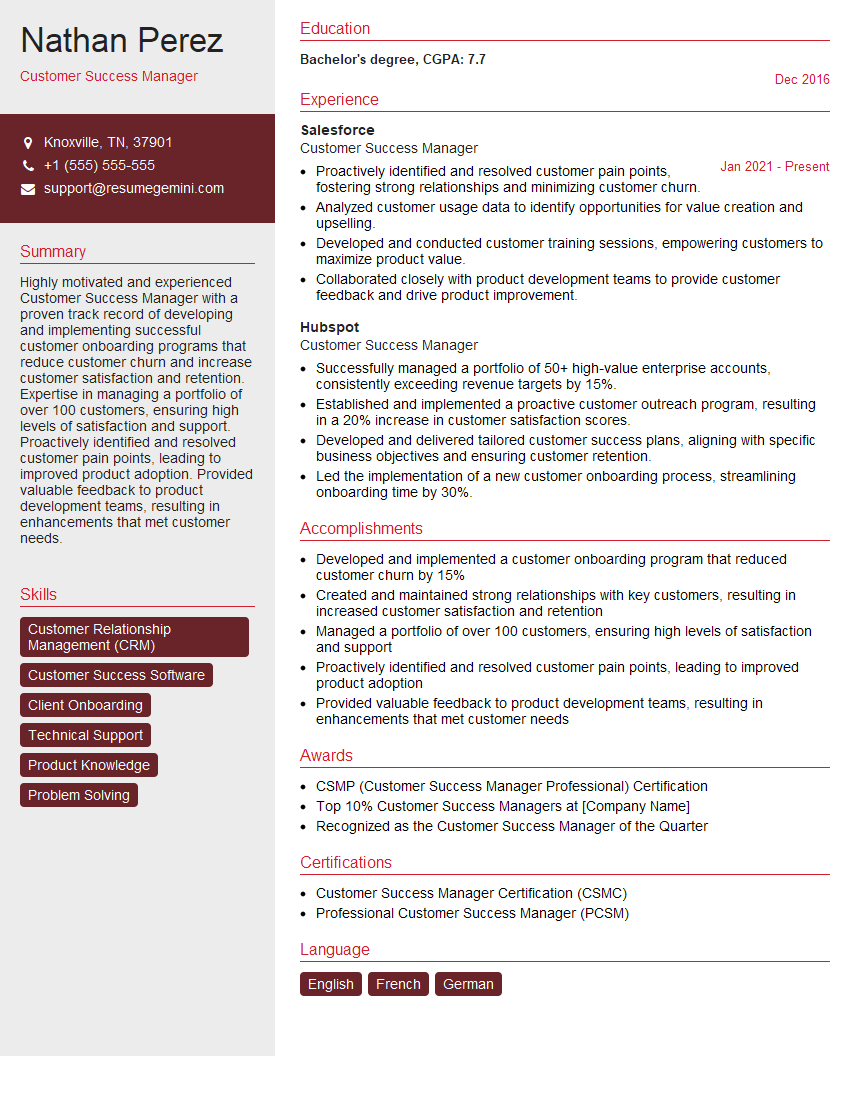
Customer Success Manager Resume Sample
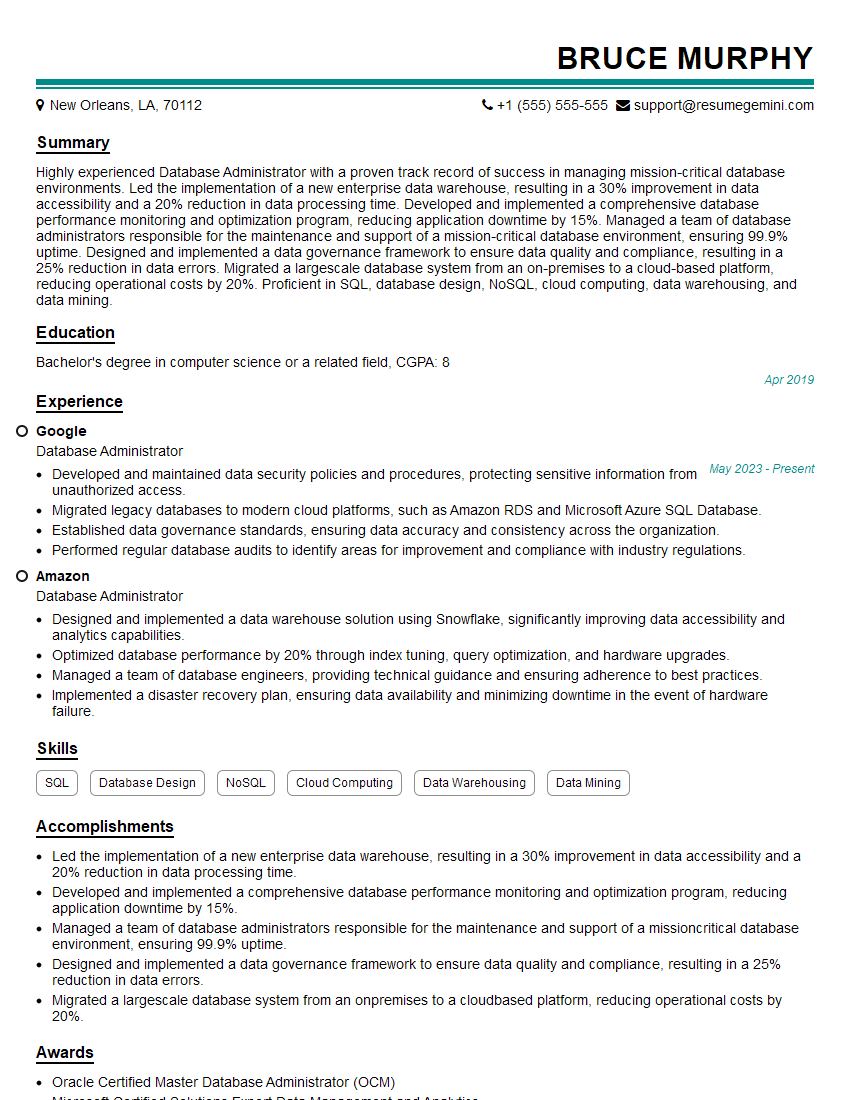
Database Administrator Resume Sample
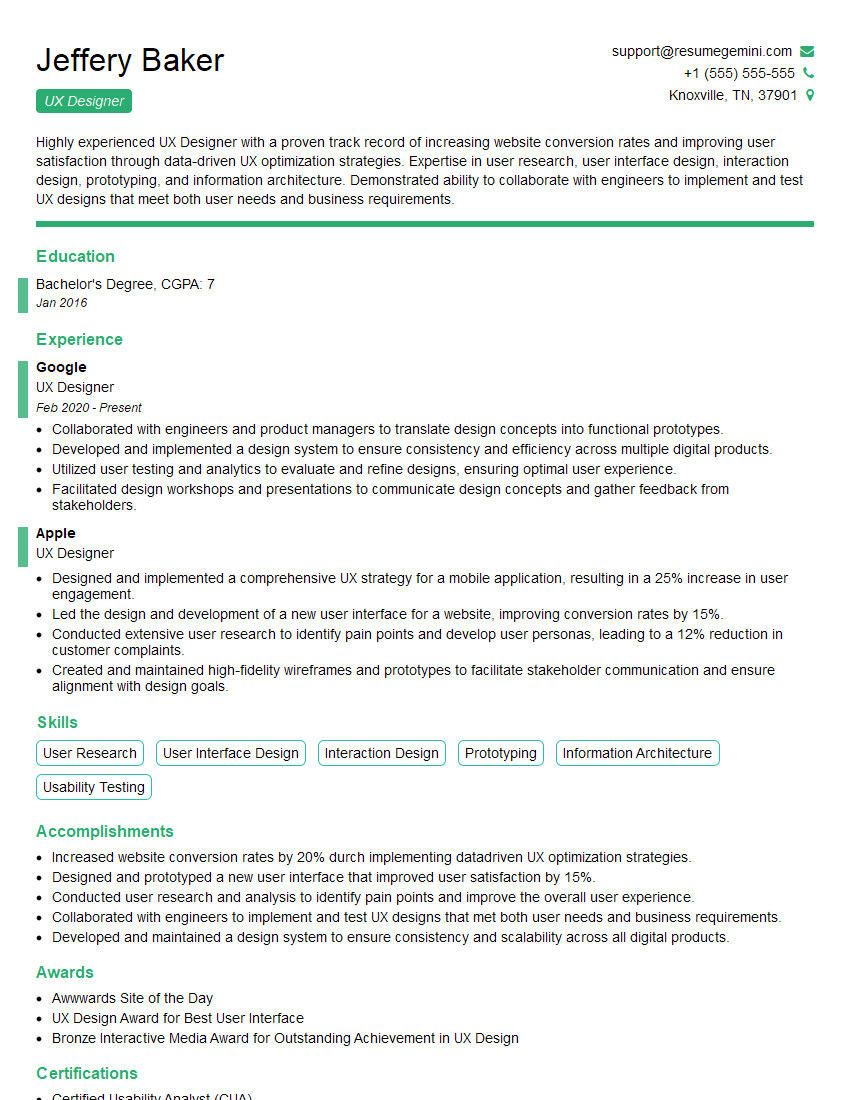
UX Designer Resume Sample
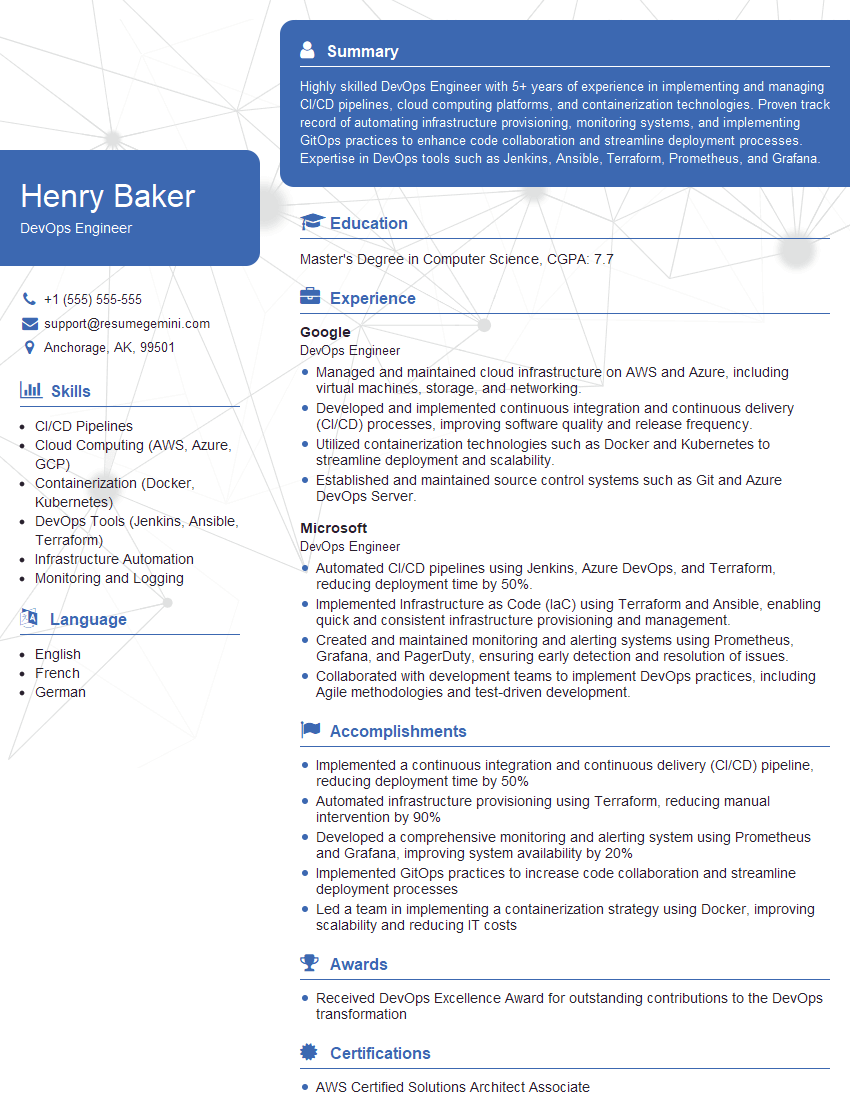
DevOps Engineer Resume Sample
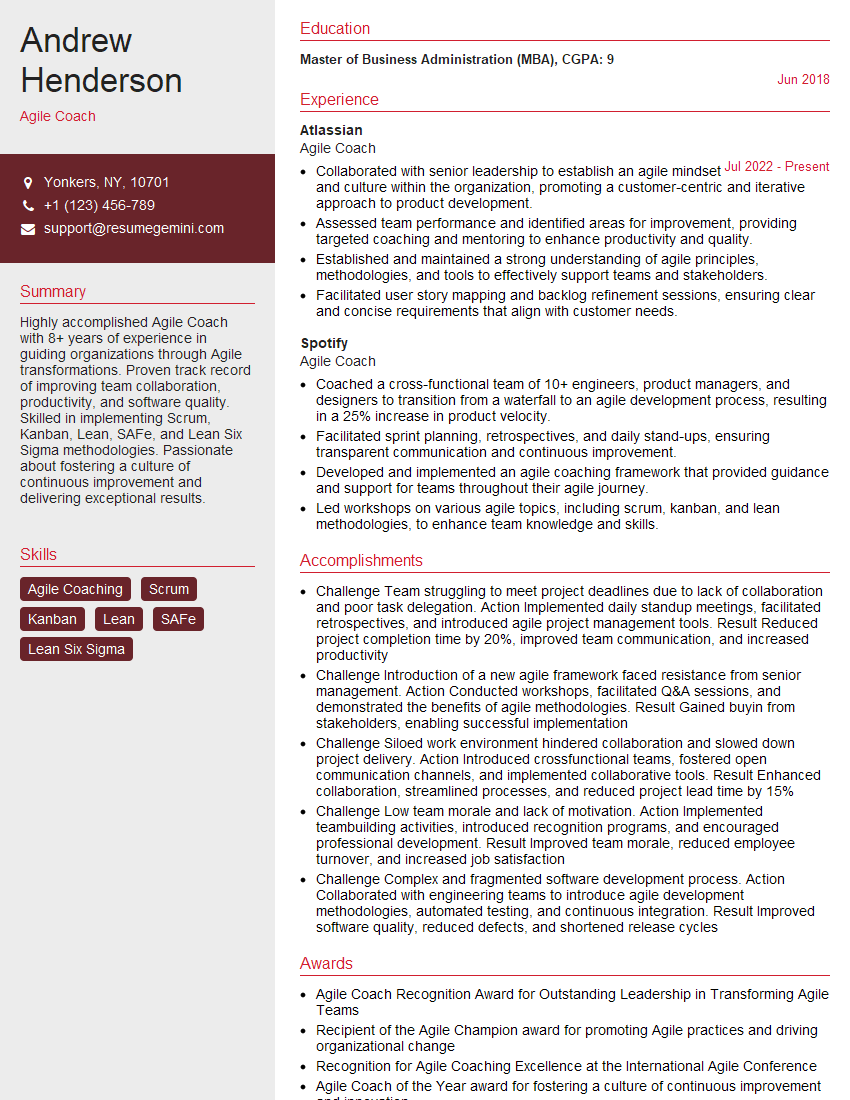
Agile Coach Resume Sample
- Operations Manager
- Account Manager
- Marketing Manager
- Sales Manager
- Product Manager
- Sales Representative
- Project Manager
- Business Analyst
- Marketing Specialist
- Data Scientist
- Software Engineer
- Technical Project Manager
- Network Engineer
- Systems Administrator
- Web Developer
- IT Project Manager
- Scrum Master
- Client Manager
- Customer Success Manager
- Database Administrator
- UX Designer
- DevOps Engineer
- Agile Coach
Explore more articles
Users Rating of Our Blogs
Share Your Experience
We value your feedback! Please rate our content and share your thoughts (optional).
What Readers Say About Our Blog
Very informative content, great job.
good