Interviews are more than just a Q&A session—they’re a chance to prove your worth. This blog dives into essential Experience with aircraft maintenance and repair interview questions and expert tips to help you align your answers with what hiring managers are looking for. Start preparing to shine!
Questions Asked in Experience with aircraft maintenance and repair Interview
Q 1. Describe your experience with troubleshooting aircraft hydraulic systems.
Troubleshooting aircraft hydraulic systems requires a methodical approach combining theoretical knowledge with practical skills. It starts with understanding the system’s function – hydraulics provide power for flight controls, landing gear, brakes, and more. A malfunction could range from a simple leak to a complete system failure. My experience involves using various diagnostic tools like pressure gauges, flow meters, and hydraulic test equipment to pinpoint the source of the problem. I’ll systematically check components like pumps, accumulators, actuators, and control valves, looking for leaks, low pressure, or erratic operation. For instance, if the landing gear fails to extend, I might first check the hydraulic pressure in the system. Low pressure could indicate a leak in a line, a faulty pump, or a problem with the accumulator. Then, I’d trace the system, visually inspecting lines for damage, listening for leaks, and systematically testing individual components. Documentation and adherence to the aircraft’s maintenance manual are critical throughout the process. A thorough understanding of schematics and hydraulic diagrams is also essential for effective troubleshooting.
One memorable case involved a seemingly simple hydraulic leak on a regional jet. Initial inspection only showed a minor external leak. However, by carefully following the hydraulic lines and using a dye penetrant, I discovered a hairline fracture inside a hydraulic fitting, hidden from initial view. This highlighted the importance of thorough, systematic checks rather than relying on superficial observations. Replacing the fitting resolved the issue and prevented a more serious failure.
Q 2. Explain the process of performing a pre-flight inspection.
A pre-flight inspection is a critical safety procedure, ensuring the aircraft is airworthy before takeoff. It’s a visual and functional check of numerous systems and components, following a standardized checklist specific to the aircraft type. The inspection typically covers external areas like the fuselage, wings, control surfaces, landing gear, and engines. It also includes checking fluid levels (oil, hydraulic fluid, fuel), tire pressure, and control surface movements. I’d systematically work through the checklist, ensuring everything functions correctly and noting any discrepancies. This might involve checking for damage, loose parts, or any signs of leaks or wear and tear. For instance, I’d visually inspect the control surfaces for any signs of damage, ensuring their movement is smooth and free from binding. Similarly, I’d verify the engine’s functionality, checking for any unusual noises or vibrations. Recording all findings, no matter how minor, in the aircraft logbook is crucial. A thorough pre-flight inspection isn’t just about detecting immediate problems; it also aims to identify potential issues before they escalate into flight safety hazards.
Q 3. What are the common causes of engine malfunctions and how are they diagnosed?
Engine malfunctions can stem from various sources, broadly categorized into mechanical, electrical, and fuel-related problems. Mechanical issues could include compressor or turbine blade damage, bearing failure, or problems with the combustion chamber. Electrical issues often involve faulty ignition systems, wiring problems, or sensor failures. Fuel-related issues might include contaminated fuel, low fuel pressure, or fuel pump malfunctions. Diagnosis starts with identifying the symptoms—is the engine producing less power, making unusual noises, or exhibiting excessive vibrations? Then, we’d use various tools to isolate the problem. This includes checking engine parameters like oil pressure, fuel flow, temperature, and exhaust gas analysis. Specialized engine diagnostic equipment can read and analyze engine data in real time, providing valuable insights into potential malfunctions. For example, a sudden drop in oil pressure might indicate a bearing failure, while high exhaust gas temperatures could point to a problem with the combustion chamber. The specific diagnostic steps vary depending on the aircraft type and engine model, but the process generally involves a combination of visual inspection, data analysis, and potentially, engine borescope inspection.
Q 4. How do you ensure compliance with FAA regulations during maintenance?
Ensuring FAA compliance during maintenance is paramount. This involves strict adherence to all applicable regulations, including the Federal Aviation Regulations (FARs), airworthiness directives (ADs), and the aircraft maintenance manual (AMM). Every maintenance action, from a simple oil change to a complex engine overhaul, must be documented meticulously and accurately. This includes recording the work performed, parts used, and the time taken. We use approved maintenance tracking software to digitally record all maintenance actions, ensuring complete traceability. Furthermore, all maintenance personnel must be properly certified and trained to perform the work, holding the appropriate licenses and ratings. Regular audits and inspections are conducted to verify compliance with FAA standards and to ensure our practices meet the highest safety requirements. Non-compliance can lead to serious penalties, impacting safety and operational certifications. Therefore, we maintain a culture of continuous improvement and compliance oversight to prevent potential issues.
Q 5. Describe your experience with aircraft component repair and replacement.
My experience with aircraft component repair and replacement is extensive. It encompasses a wide range of components, from small parts like nuts and bolts to larger assemblies like landing gear struts, flight controls, and engine components. The process begins with identifying the faulty component and evaluating the extent of the damage. Then, we refer to the AMM for repair procedures or replacement guidelines. Sometimes, a component can be repaired using approved techniques, which might involve welding, machining, or specialized treatments. Other times, the component needs to be replaced with a new or overhauled part that meets stringent airworthiness standards. When replacing a component, ensuring the correct part number and traceability is critical, and we maintain rigorous documentation. During the repair or replacement process, all work is performed according to the specifications outlined in the relevant manuals and regulations. Safety is always the top priority, and I always ensure all procedures are followed correctly to prevent errors or incidents. I’ve worked on a variety of aircraft types and engine models, providing extensive experience in both major and minor component maintenance.
Q 6. Explain your understanding of aircraft maintenance scheduling and planning.
Aircraft maintenance scheduling and planning are crucial for efficient operations and safety. It involves creating a schedule that dictates when specific maintenance tasks should be performed. This schedule takes into account various factors, including the aircraft’s usage, regulatory requirements (like ADs), and the manufacturer’s recommendations. We use computer-based maintenance tracking systems (CMMS) to manage the maintenance schedule effectively. These systems help plan and track scheduled and unscheduled maintenance, generating reports and alerts to ensure timely execution of tasks. The CMMS also helps us manage inventory and ensure that necessary spare parts are available when needed. Effective planning anticipates potential issues and resource allocation, minimizing downtime and operational disruptions. For instance, anticipating high-usage periods or potential component failures helps us proactively schedule maintenance, preventing unexpected delays. Regular review and updates to the maintenance schedule are essential to accommodate any changes to operational requirements or new regulatory directives.
Q 7. How do you handle discrepancies found during an inspection?
Discrepancies found during an inspection are addressed systematically and according to established procedures. The first step is to accurately document the discrepancy in the aircraft logbook, describing the problem clearly and concisely. Then, we evaluate the severity of the issue using a risk assessment matrix. This helps determine the appropriate course of action, ranging from a simple minor correction to a major repair or grounding of the aircraft if safety is compromised. Minor discrepancies might involve fixing a loose fastener or cleaning a minor leak. More serious problems might require detailed investigation, potentially involving specialized testing or consultation with engineers. For example, if a crack is found in a structural component, it needs to be thoroughly assessed to determine its severity and repair or replacement needs. Throughout the process, strict adherence to the AMM and any applicable ADs is critical. The work is fully documented, and necessary approvals are obtained before returning the aircraft to service, prioritizing safety and compliance.
Q 8. What are your experience with different types of aircraft engines?
My experience encompasses a wide range of aircraft engine types, from turbofan engines like the CFM56 and Rolls-Royce Trent series commonly found on airliners, to turboprop engines such as the Pratt & Whitney Canada PW100, used in regional aircraft, and even helicopter turboshaft engines like the Pratt & Whitney Canada PT6. I’ve worked on both the maintenance and repair aspects, including routine inspections, component replacements, and troubleshooting complex engine malfunctions. For instance, I once diagnosed a recurring vibration issue on a CFM56 engine by meticulously analyzing vibration data and eventually identifying a faulty bearing within the high-pressure compressor. This required a detailed understanding of engine dynamics, vibration analysis techniques, and the engine’s maintenance manual. My experience extends to understanding different engine architectures, their operating principles, and the unique maintenance challenges associated with each type.
- Turbofan Engines: Extensive experience with CFM56, Rolls-Royce Trent, GE90 series. Proficient in borescope inspections, component removal and installation, and performance diagnostics.
- Turboprop Engines: Experience with Pratt & Whitney Canada PW100 and similar engines. Familiar with propeller maintenance and unique challenges of turboprop systems.
- Turboshaft Engines: Experience with Pratt & Whitney Canada PT6 and other turboshaft engines used in helicopters. Expertise in power transmission system maintenance.
Q 9. Describe your experience with troubleshooting electrical systems in aircraft.
Troubleshooting aircraft electrical systems demands a systematic approach, combining theoretical knowledge with practical skills. I’m adept at using both schematic diagrams and testing equipment to pinpoint faults within complex electrical networks. This includes identifying issues in wiring harnesses, circuit breakers, and various avionics components. For example, on one occasion, a flight control system malfunction was initially attributed to a faulty actuator. However, through methodical testing with a multimeter and continuity tester, I traced the problem to a corroded connection in the wiring harness, preventing a significant safety hazard. My experience covers a range of systems, from basic DC circuits to more sophisticated AC systems, including those incorporating advanced data buses.
My troubleshooting approach generally follows these steps:
- Safety First: Ensure all power is isolated before commencing any work.
- System Overview: Review system schematics and identify potential problem areas.
- Visual Inspection: Look for obvious signs of damage like burnt wires, loose connections, or corrosion.
- Testing: Use multimeters, oscilloscopes, and other specialized equipment to measure voltages, currents, and resistances.
- Documentation: Meticulously document all findings and repair actions.
Q 10. Explain your understanding of corrosion control techniques.
Corrosion control is paramount in aircraft maintenance to ensure structural integrity and prevent catastrophic failures. My understanding includes both preventative and corrective measures. Preventative measures involve the use of protective coatings, such as paints and sealants, applied to exposed metal surfaces. Regular inspections are vital to identify any signs of corrosion early, using techniques like visual inspection, dye penetrant testing, and eddy current testing. Corrective measures involve removing corroded material and applying appropriate repair techniques, including chemical treatments, and sometimes even structural repairs. For example, I’ve handled cases of corrosion on aluminum aircraft components using methods like chemical etching to remove the corrosion and then applying a corrosion-inhibiting primer followed by a topcoat. Understanding different types of corrosion (galvanic, pitting, stress corrosion cracking) is critical for effective treatment.
- Preventative Measures: Proper cleaning, surface preparation, application of protective coatings, and regular inspections.
- Corrective Measures: Corrosion removal techniques, chemical treatments, structural repairs, and appropriate coatings.
- Material Selection: Understanding the corrosion resistance properties of different materials used in aircraft construction.
Q 11. How familiar are you with the use of aircraft maintenance manuals?
Aircraft maintenance manuals (AMMs) are the cornerstone of safe and effective aircraft maintenance. I’m highly proficient in using AMMs to guide maintenance tasks, troubleshooting problems, and ensuring compliance with regulatory requirements. These manuals contain detailed procedures, diagrams, and specifications for all aspects of aircraft maintenance. I routinely use AMMs to consult for component removal and installation procedures, troubleshooting guides, and parts lists. My experience extends to different AMM formats and software tools for accessing and navigating these documents efficiently. I understand the importance of following the prescribed procedures diligently, ensuring all necessary steps are followed to maintain aircraft airworthiness.
Think of the AMM as a comprehensive recipe book for aircraft maintenance. Each task, from a simple oil change to a complex engine overhaul, has a detailed set of instructions designed to ensure consistent quality and safety.
Q 12. Describe your experience with non-destructive testing (NDT) methods.
I have significant experience with various non-destructive testing (NDT) methods used to evaluate the structural integrity of aircraft components without causing damage. These methods are crucial for detecting hidden flaws like cracks, corrosion, and other defects that might not be visible to the naked eye. My experience encompasses techniques such as:
- Visual Inspection (VI): A fundamental NDT method, often the first step in any inspection. It involves carefully examining the component’s surface for any abnormalities.
- Dye Penetrant Inspection (DPI): Used to detect surface-breaking cracks by applying a dye that penetrates into the cracks and is then revealed by a developer.
- Magnetic Particle Inspection (MPI): Detects surface and near-surface flaws in ferromagnetic materials by magnetizing the component and applying magnetic particles.
- Ultrasonic Testing (UT): Uses high-frequency sound waves to detect internal flaws and measure component thickness.
- Eddy Current Testing (ECT): Uses electromagnetic induction to detect surface and near-surface flaws in conductive materials.
Understanding the limitations of each NDT method and selecting the appropriate technique for a given situation is key to effective inspection. I also understand the importance of accurate interpretation of NDT results and the documentation of findings.
Q 13. How do you prioritize maintenance tasks during a busy operational period?
Prioritizing maintenance tasks during a busy operational period requires a strategic approach that balances safety, operational needs, and regulatory compliance. My approach involves:
- Safety First: Addressing any safety-critical issues immediately. This might involve addressing potential flight safety risks or rectifying any malfunctions identified during pre-flight checks.
- Urgency and Impact: Prioritizing tasks based on their urgency and potential impact on aircraft operations. A critical component failure would receive higher priority than a routine inspection.
- Regulatory Compliance: Ensuring compliance with mandatory maintenance checks and inspections outlined in the AMM and regulatory directives. Missed deadlines could ground the aircraft.
- Resource Allocation: Efficiently allocating available resources (personnel, tools, and parts) to maximize the number of tasks completed within the time constraints.
- Continuous Monitoring: Constantly monitoring the progress of maintenance activities and adjusting priorities as needed, adapting to unexpected issues that might arise.
Often, I’ll utilize a task management system, sometimes in conjunction with a CMMS, to ensure visibility and proper tracking of progress and resource allocation. It’s similar to a conductor leading an orchestra, ensuring each section performs optimally to achieve a harmonious and safe outcome.
Q 14. Explain your experience working with computerized maintenance management systems (CMMS).
I have extensive experience working with computerized maintenance management systems (CMMS). These systems are indispensable for managing maintenance records, scheduling inspections, tracking parts inventory, and generating reports. My experience includes using various CMMS platforms, enabling me to efficiently manage work orders, track maintenance costs, and analyze maintenance trends to identify potential areas for improvement. I’m proficient in entering data accurately, generating reports, and utilizing the system’s reporting features to provide insights into maintenance performance. For instance, I’ve used CMMS data to analyze recurring maintenance issues, identify trends, and implement preventative measures to reduce downtime and overall maintenance costs. This is akin to having a real-time dashboard for the entire maintenance operation, providing critical insights to optimize efficiency and safety.
Proficiency in CMMS software is not just about data entry; it’s about leveraging its analytical capabilities to improve the overall maintenance process. The ability to generate reports and identify trends allows for proactive planning and resource allocation, leading to significant cost savings and improved operational efficiency.
Q 15. How do you ensure the safety and security of aircraft maintenance procedures?
Ensuring safety and security in aircraft maintenance is paramount. It’s not just about following procedures; it’s about a culture of safety ingrained in every action. We achieve this through a multi-layered approach.
- Strict Adherence to Regulations: We meticulously follow all FAA (or equivalent international) regulations, maintenance manuals, and manufacturer’s service bulletins. These documents are our bible, guiding every step of the process. For example, before any work begins on an engine, we’d always verify that the correct lockout/tagout procedures are followed to prevent accidental starts.
- Rigorous Inspections: Every task is followed by a thorough inspection, often involving multiple technicians. This includes visual inspections, non-destructive testing (NDT) techniques like ultrasonic testing or dye penetrant inspection to detect hidden cracks, and functional checks to verify that systems are operating as intended. Think of it like a surgeon performing a check after surgery to ensure all instruments are removed and the patient is stable.
- Comprehensive Documentation: Meticulous record-keeping is crucial. Every maintenance action, from a simple oil change to a complex engine overhaul, is meticulously documented using approved forms. This creates an auditable trail, ensuring accountability and allowing us to track the aircraft’s maintenance history accurately. This is the aircraft’s medical record, detailing every procedure and its outcome.
- Continuous Training and Proficiency Checks: We undergo regular training to stay abreast of the latest techniques, technologies, and safety protocols. Regular proficiency checks ensure we maintain the necessary skills and knowledge. It’s like regularly calibrating precision instruments to ensure accuracy.
- Safety Meetings and Hazard Reporting: Regular safety meetings are conducted to identify potential hazards and discuss near-miss incidents. A robust system for reporting hazards and near misses helps proactively mitigate future risks. This is about constantly learning and improving from experience, just like any high-risk industry.
Career Expert Tips:
- Ace those interviews! Prepare effectively by reviewing the Top 50 Most Common Interview Questions on ResumeGemini.
- Navigate your job search with confidence! Explore a wide range of Career Tips on ResumeGemini. Learn about common challenges and recommendations to overcome them.
- Craft the perfect resume! Master the Art of Resume Writing with ResumeGemini’s guide. Showcase your unique qualifications and achievements effectively.
- Don’t miss out on holiday savings! Build your dream resume with ResumeGemini’s ATS optimized templates.
Q 16. Describe your experience with different types of aircraft materials (e.g., composites, aluminum).
My experience encompasses a wide range of aircraft materials, including aluminum alloys, titanium, steel, and various composite materials. Each material presents unique challenges and demands specific maintenance techniques.
- Aluminum Alloys: These are widely used due to their lightweight and relatively high strength-to-weight ratio. Maintenance involves addressing corrosion (a significant concern), fatigue cracks, and dent repair. We use techniques like chemical etching, sealant application, and specialized riveting for repairs.
- Composites: These materials (e.g., carbon fiber reinforced polymers) offer significant weight advantages, but they require specialized handling. Repairing composite damage is often more complex, involving intricate bonding and resin repair techniques. We must be extremely careful to avoid damaging the underlying fibers. One example is dealing with delamination (separation of composite layers) which requires precision to avoid further structural weakening.
- Titanium: Used in high-stress applications, titanium is exceptionally strong and resistant to corrosion. However, it is difficult to machine and requires specialized tooling and expertise for repair.
- Steel: While less common in modern aircraft, steel is still found in certain components. Its maintenance involves corrosion prevention and repair using welding or other appropriate techniques.
Understanding the properties of each material is critical for effective maintenance and repair. I have extensive practical experience working with these materials, and I am comfortable selecting the appropriate repair techniques based on the damage and material type.
Q 17. How do you handle conflicts or disagreements with other maintenance personnel?
Conflicts are inevitable in any team environment. My approach to resolving disagreements with other maintenance personnel focuses on open communication, collaboration, and finding solutions that prioritize safety and efficiency.
- Open Dialogue: I believe in addressing issues directly but respectfully. I encourage everyone to express their concerns and perspectives. For example, if a disagreement arises about a repair method, I will facilitate a discussion to thoroughly understand each technician’s reasoning, considering all relevant factors.
- Data-Driven Decisions: Where possible, I prioritize using data and evidence to inform decisions. Referring to maintenance manuals, service bulletins, and engineering guidelines helps ensure that decisions are based on objective information, not just personal opinions.
- Collaboration and Compromise: I encourage a collaborative approach, working together to identify common ground and find a mutually agreeable solution. Sometimes, this might involve compromising on certain aspects to reach a consensus that ensures safety.
- Escalation if Necessary: If a disagreement cannot be resolved at the team level, I’m prepared to escalate the issue to a supervisor or manager, ensuring the safety and compliance aspects are prioritized.
My goal is always to reach a resolution that upholds safety standards, respects everyone’s contributions, and maintains a positive working environment.
Q 18. Explain your experience with aircraft weight and balance calculations.
Aircraft weight and balance calculations are fundamental to safe flight operations. They ensure the aircraft remains within its operational limits, preventing dangerous situations like stalling or control difficulties.
My experience involves using various methods for these calculations, including:
- Manual Calculations: Using established formulas and weight and balance data provided in the aircraft’s documentation, I can manually calculate the center of gravity (CG) and ensure it falls within the acceptable range.
- Software Applications: I’m proficient in using specialized weight and balance software programs that automate the calculations and provide accurate results quickly and efficiently. These tools generally incorporate the aircraft’s specific data, making calculations more precise.
- Weight and Balance Reports: I’m skilled in interpreting and creating these reports, which record all relevant weight information (fuel, cargo, passengers, etc.). These reports are critical for flight planning and ensuring safe flight operations.
A real-world example: Before a flight, if we are carrying a heavier-than-usual load of cargo, I’d carefully perform the weight and balance calculations to ensure the aircraft’s center of gravity remains within the operational limits. If the CG is outside the limits, adjustments like shifting cargo or reducing fuel would be necessary to ensure a safe takeoff and landing.
Q 19. What is your experience with documenting maintenance activities?
Accurate and comprehensive documentation of maintenance activities is non-negotiable in aircraft maintenance. It’s not just about filling out forms; it’s about creating a reliable record for traceability, accountability, and future reference.
- Maintenance Logs: I have extensive experience using both paper-based and electronic maintenance logs (e.g., computerized maintenance management systems or CMMS) to record all maintenance tasks performed, including parts used, time spent, and the technician’s signature and identification number. This ensures that each action is formally documented.
- Work Orders: I’m proficient in creating and managing work orders, ensuring they clearly outline the tasks to be performed, parts needed, and the expected completion time.
- Inspection Reports: I create detailed inspection reports detailing the findings of any inspection, including any defects or required repairs. This includes photos or videos for documentation of the damage or repairs.
- Compliance with Regulations: I always ensure that all documentation complies with relevant regulations (e.g., FAA regulations) and the requirements of the aircraft’s maintenance manual.
Poor documentation can have serious consequences. Imagine a situation where a critical repair was not properly documented; this could lead to safety issues later on. My commitment to thorough and accurate documentation is vital for maintaining the aircraft’s airworthiness and ensuring its continued safe operation.
Q 20. Describe your understanding of different types of aircraft fuel systems.
Aircraft fuel systems vary widely depending on the size and type of aircraft, but they all share the common goal of safely storing, transferring, and delivering fuel to the engines. I have worked with several types of fuel systems.
- Gravity-fed Systems: These are simpler systems often found in smaller aircraft, where fuel flows to the engine due to gravity. This usually requires the fuel tanks to be positioned higher than the engine.
- Pump-fed Systems: These systems, used in most larger aircraft, use fuel pumps to move fuel through the system. These systems are more complex and require pumps, filters, and pressure regulators. These usually require redundancy, in case one pump fails.
- Pressure Refueling Systems: Larger aircraft use pressure refueling systems for quick and efficient fuel loading. These systems incorporate specialized valves and pressure controls for safe and controlled fuel transfer.
- Fuel Tank Inerting Systems: To prevent explosions, some aircraft incorporate fuel tank inerting systems to reduce oxygen levels in the tanks, lowering the risk of ignition. This uses nitrogen or other inert gases.
Understanding the specifics of each fuel system, including its components, operation, and safety procedures is crucial for preventing fuel leaks, maintaining fuel quality, and performing proper maintenance. I’m familiar with the potential hazards of fuel leaks and fires and have the expertise to perform inspections and troubleshoot any issues that arise.
Q 21. How familiar are you with different types of aircraft landing gear systems?
Aircraft landing gear systems are critical for safe landings and ground operations. There are several common types:
- Conventional Gear: This type uses a tail wheel or skid and two main landing gear struts, found on many smaller aircraft. Maintenance would involve checking tire pressure and tread depth, inspecting the hydraulic or mechanical components of the struts, and verifying the functioning of the steering and braking systems.
- Tricycle Gear: This is the most common configuration in modern aircraft, with a nose wheel and two main landing gear struts. This provides better ground handling and visibility during taxiing.
- Tandem Gear: This has two main landing gear struts positioned one behind the other, typically used in some amphibious aircraft. This configuration has its own unique maintenance considerations.
- Other specialized systems: This includes retractable gear systems, controlled by hydraulics or electric motors, requiring regular inspection and maintenance of the actuators and related systems, as well as emergency extension systems, for when the normal retraction and extension system fails.
My experience includes working with various types of landing gear systems. I am capable of conducting thorough inspections, identifying potential issues, performing repairs, and ensuring the safe operation of the landing gear system.
For example, I’ve worked on troubleshooting a hydraulic leak in a tricycle landing gear system, identifying the source of the leak, ordering replacement parts, and completing the repair according to the manufacturer’s guidelines. This involved carefully documenting all procedures and ensuring the system passed its post-repair testing.
Q 22. How do you stay current with changes in aircraft maintenance regulations and technology?
Staying current in aircraft maintenance requires a multi-pronged approach. It’s not just about reading manuals; it’s about active participation in the evolving landscape of aviation technology and regulations.
Regulatory Updates: I subscribe to official notifications from aviation authorities like the FAA (in the US) or EASA (in Europe). These provide crucial updates on ADs (Airworthiness Directives), which mandate specific maintenance actions for identified safety concerns, and changes to maintenance manuals. I also actively participate in industry webinars and conferences to hear directly from regulatory bodies and experts.
Technology Advancements: The aviation industry is constantly evolving. New materials, sophisticated diagnostic tools, and advanced aircraft systems require continuous learning. I attend specialized training courses, often manufacturer-specific, to stay abreast of new technologies. I also utilize online resources, technical publications, and professional journals to keep my knowledge updated on the latest developments. For example, recently I completed a training course on the use of advanced diagnostic software for the new generation of turbofan engines.
Continuous Learning: I actively participate in professional organizations like the Society of Automotive Engineers (SAE) or similar aviation-specific groups. This allows me to network with other professionals, participate in discussions about industry challenges, and learn from their experiences. Continuous learning is key to staying relevant and proficient in this field.
Q 23. What is your experience with aircraft performance monitoring systems?
My experience with aircraft performance monitoring systems (APMS) is extensive. I’ve worked with various systems, ranging from older, simpler systems that primarily track engine parameters to modern, integrated systems that provide a holistic view of aircraft performance and health.
Data Analysis: I’m proficient in analyzing data from APMS to identify trends, anomalies, and potential maintenance issues before they become critical. For example, I once identified a gradual degradation in engine performance through APMS data that led to proactive maintenance, preventing a potential in-flight shutdown.
System Integration: I understand how APMS integrates with other onboard systems and maintenance databases. This integrated approach allows for a comprehensive assessment of aircraft health, streamlining the maintenance process and reducing downtime.
Troubleshooting: I am experienced in troubleshooting APMS themselves. Understanding the sensors, data acquisition units, and data transmission systems is crucial for resolving system malfunctions and ensuring data accuracy.
Specific systems I’ve worked with include [List specific systems, e.g., Honeywell’s GoDirect Flight, Airbus Health Monitoring System].
Q 24. Explain your experience with using specialized tools and equipment for aircraft maintenance.
Aircraft maintenance necessitates the use of a wide array of specialized tools and equipment, each designed for specific tasks and requiring precise handling. My experience spans the spectrum from basic hand tools to sophisticated computerized diagnostic equipment.
Hand Tools: I am highly skilled in the use of precision hand tools, ensuring accurate work and minimizing the risk of damage. This includes specialized wrenches, torque wrenches (essential for critical fasteners), specialized screwdrivers, and various measuring instruments.
Specialized Equipment: I’ve used advanced equipment like borescopes for internal inspections, specialized test equipment for electronic components, and hydraulic test benches for servicing hydraulic systems. I understand the operating procedures and safety precautions for each tool to ensure both safety and efficiency.
Computerized Systems: I’m proficient in using computerized diagnostic equipment for troubleshooting electronic and engine systems. This includes understanding diagnostic codes, interpreting data, and implementing corrective actions based on the system’s feedback.
Safety and Calibration: I rigorously adhere to safety protocols and understand the importance of regularly calibrating tools to maintain accuracy. Calibration records are meticulously maintained. For example, I’m trained to use and calibrate torque wrenches following industry best practices, preventing potential catastrophic failures due to improperly tightened fasteners.
Q 25. Describe your experience with troubleshooting aircraft flight control systems.
Troubleshooting aircraft flight control systems requires a methodical and systematic approach. It’s a high-stakes endeavor, demanding a deep understanding of both mechanical and electrical systems, as well as thorough knowledge of relevant safety regulations.
Systematic Approach: I follow a structured troubleshooting process, starting with a thorough visual inspection and moving towards more advanced diagnostics. I utilize schematics, wiring diagrams, and technical manuals to guide my analysis.
Diagnostic Tools: I’m skilled in using specialized test equipment to isolate faulty components within the flight control system. This could involve using multimeters, oscilloscopes, and specialized flight control system testers.
Safety Procedures: Safety is paramount. Before any work, I ensure the system is properly locked out and tagged out to prevent accidental activation. I follow strict safety procedures throughout the entire troubleshooting and repair process.
Example: I once successfully diagnosed a faulty actuator in a flight control system by systematically checking power, signal, and mechanical movement. This involved using specialized test equipment and careful interpretation of the system’s diagnostic outputs. The faulty actuator was replaced, restoring the system’s functionality and ensuring flight safety.
Q 26. Explain your understanding of the importance of proper lubrication in aircraft maintenance.
Proper lubrication is critical for aircraft maintenance. It’s not just about reducing friction; it’s about ensuring the longevity, reliability, and safety of critical components. Neglecting lubrication can lead to premature wear, component failure, and potential catastrophic consequences.
Types of Lubricants: Different components require different types of lubricants, with varying viscosity, temperature ranges, and additives. Selection of the correct lubricant is crucial, and I am well-versed in the different specifications and requirements for various aircraft systems.
Application Techniques: Lubricant application techniques are vital. Proper application ensures that the lubricant reaches the intended areas and prevents contamination. Over-lubrication can be just as harmful as under-lubrication.
Maintenance Schedules: Lubrication is performed according to strict maintenance schedules detailed in the aircraft maintenance manual. These schedules are crucial for preserving component integrity and preventing malfunctions. Failure to adhere to these schedules could result in safety compromises.
Environmental Impact: I am aware of the environmental impact of lubricants and always ensure proper disposal methods are followed to prevent environmental contamination.
Q 27. How would you handle a situation where a maintenance issue is discovered shortly before a flight?
Discovering a maintenance issue shortly before a flight is a high-pressure situation requiring immediate and decisive action. My approach is based on a structured assessment of the problem’s severity and the potential risk to flight safety.
Immediate Assessment: I would immediately assess the nature and severity of the issue. This involves consulting the aircraft maintenance manual and relevant documentation to understand the implications of the problem.
Risk Assessment: A crucial step involves determining the risk associated with the identified problem. This involves considering factors such as flight safety, regulatory compliance, and potential delays.
Communication: Open and transparent communication with flight crew and management is paramount. All relevant parties must be informed about the situation, potential solutions, and associated risks.
Decision Making: Based on the risk assessment, I would determine the appropriate course of action. Options could range from immediate repair (if feasible and time permits), to a delay in the flight for proper repair, or in severe cases, cancellation of the flight until the issue is resolved. Documentation of all decisions and actions is critical.
Documentation: All findings, actions taken, and decisions made are meticulously documented. This documentation serves as an essential record for future reference and investigation.
Q 28. Describe your experience with working in a high-pressure environment
Aircraft maintenance often operates in a high-pressure environment, where deadlines are tight, safety is paramount, and unexpected issues can arise at any moment. My experience has equipped me to handle this pressure effectively.
Prioritization: I’m adept at prioritizing tasks based on urgency and importance. This involves effectively managing time and resources to meet stringent deadlines while maintaining safety standards.
Problem-Solving: I’m skilled at quickly analyzing problems, identifying solutions, and implementing them efficiently, even under stressful conditions. This requires calm, clear thinking and a decisive approach.
Teamwork: Collaboration and communication are crucial in a high-pressure environment. I have proven ability to work effectively as part of a team, sharing information and supporting colleagues to achieve common goals.
Stress Management: I employ effective stress management techniques to remain calm and focused during high-pressure situations. This ensures optimal performance and prevents mistakes caused by stress.
For example, during a time-critical maintenance operation on a major airliner, I was able to swiftly troubleshoot a hydraulic leak, coordinating with my team to ensure the aircraft was ready for its departure only slightly behind schedule.
Key Topics to Learn for Aircraft Maintenance and Repair Interviews
- Aircraft Systems Knowledge: Understanding the intricacies of various aircraft systems (hydraulic, electrical, pneumatic, fuel, etc.) is crucial. Be prepared to discuss your experience diagnosing and troubleshooting malfunctions within these systems.
- Maintenance Procedures and Regulations: Demonstrate familiarity with industry regulations (e.g., FAA regulations) and standard maintenance procedures. Be ready to explain your adherence to safety protocols and best practices.
- Troubleshooting and Problem-Solving: Highlight your ability to systematically identify, analyze, and resolve complex maintenance issues. Use examples to illustrate your methodical approach and decision-making skills under pressure.
- Technical Documentation and Reporting: Emphasize your experience with accurately documenting maintenance activities, generating reports, and maintaining detailed records. This demonstrates attention to detail and compliance.
- Specific Aircraft Types & Systems: Depending on your experience, focus on the specific aircraft types and systems you’ve worked on. Show your depth of knowledge in your areas of expertise.
- Safety and Compliance: Discuss your commitment to safety regulations and your understanding of their importance in aviation maintenance. This is a vital aspect of the interview.
- Teamwork and Communication: Aircraft maintenance is a team effort. Highlight your collaborative skills and your ability to communicate effectively with colleagues and supervisors.
- Continuous Learning and Development: Show your commitment to staying updated on the latest technologies, regulations, and best practices within the field. This demonstrates proactiveness and a commitment to excellence.
Next Steps
Mastering aircraft maintenance and repair knowledge opens doors to exciting career advancements, higher earning potential, and increased job satisfaction. To maximize your job prospects, create a compelling and ATS-friendly resume that showcases your skills and experience effectively. ResumeGemini is a trusted resource to help you build a professional and impactful resume tailored to the aviation industry. Examples of resumes specifically designed for aircraft maintenance and repair professionals are available to help you get started.
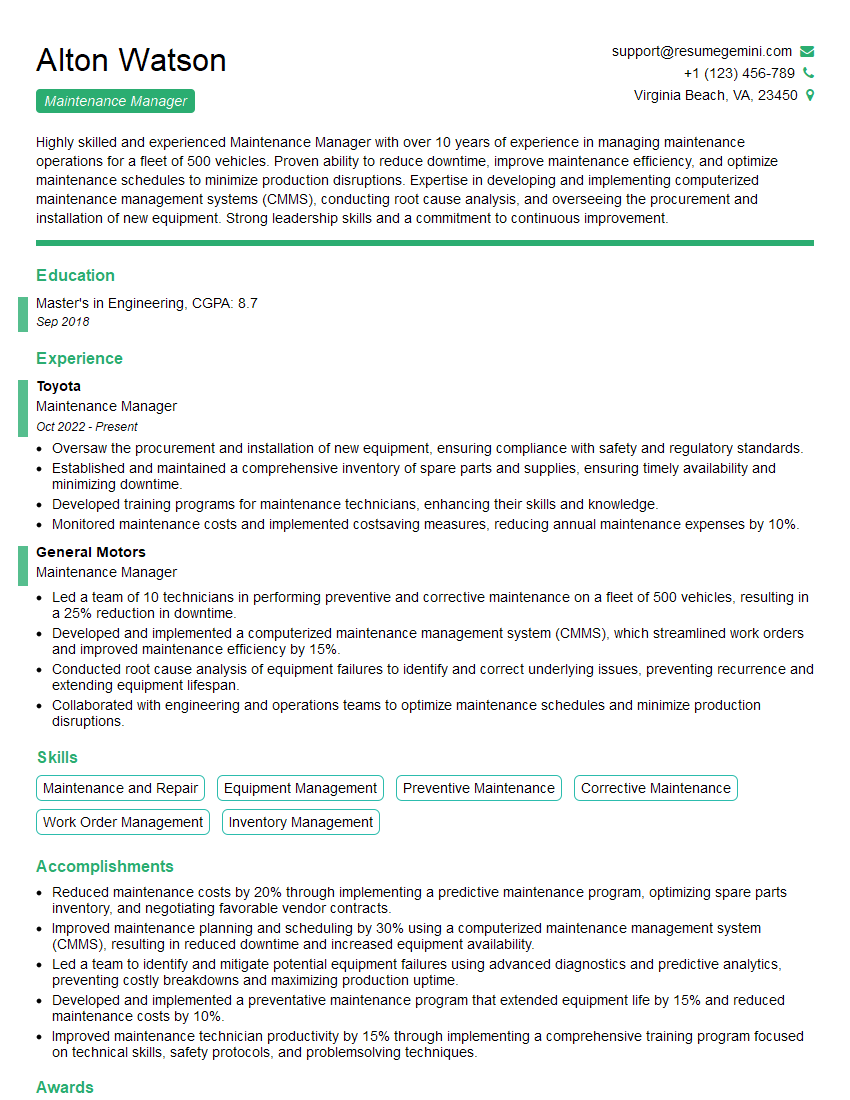
Maintenance Manager Resume Sample
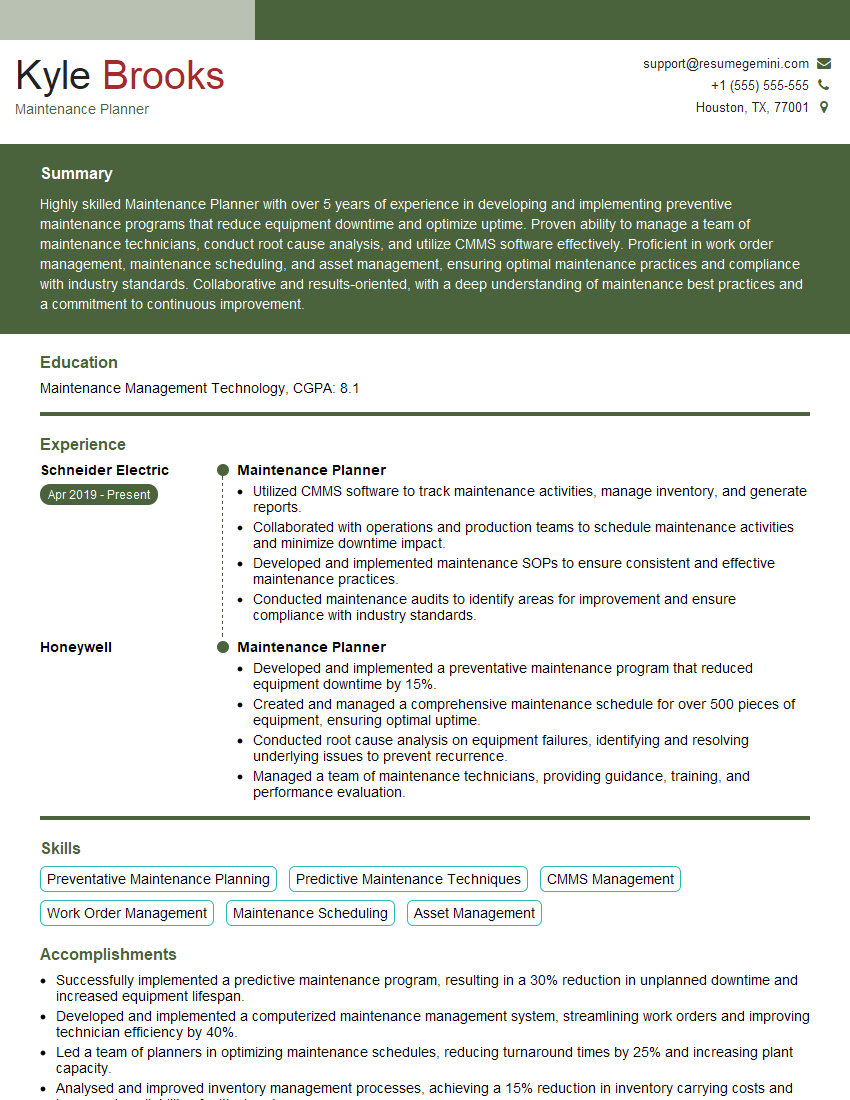
Maintenance Planner Resume Sample
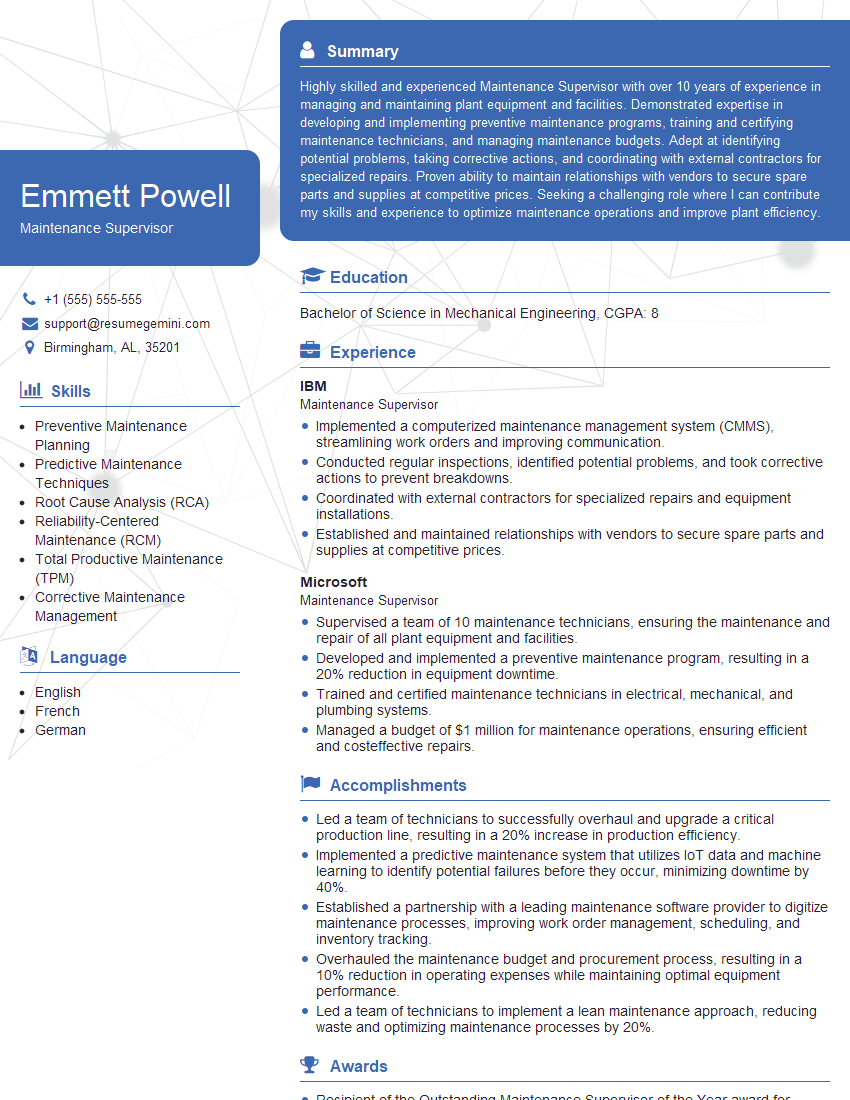
Maintenance Supervisor Resume Sample
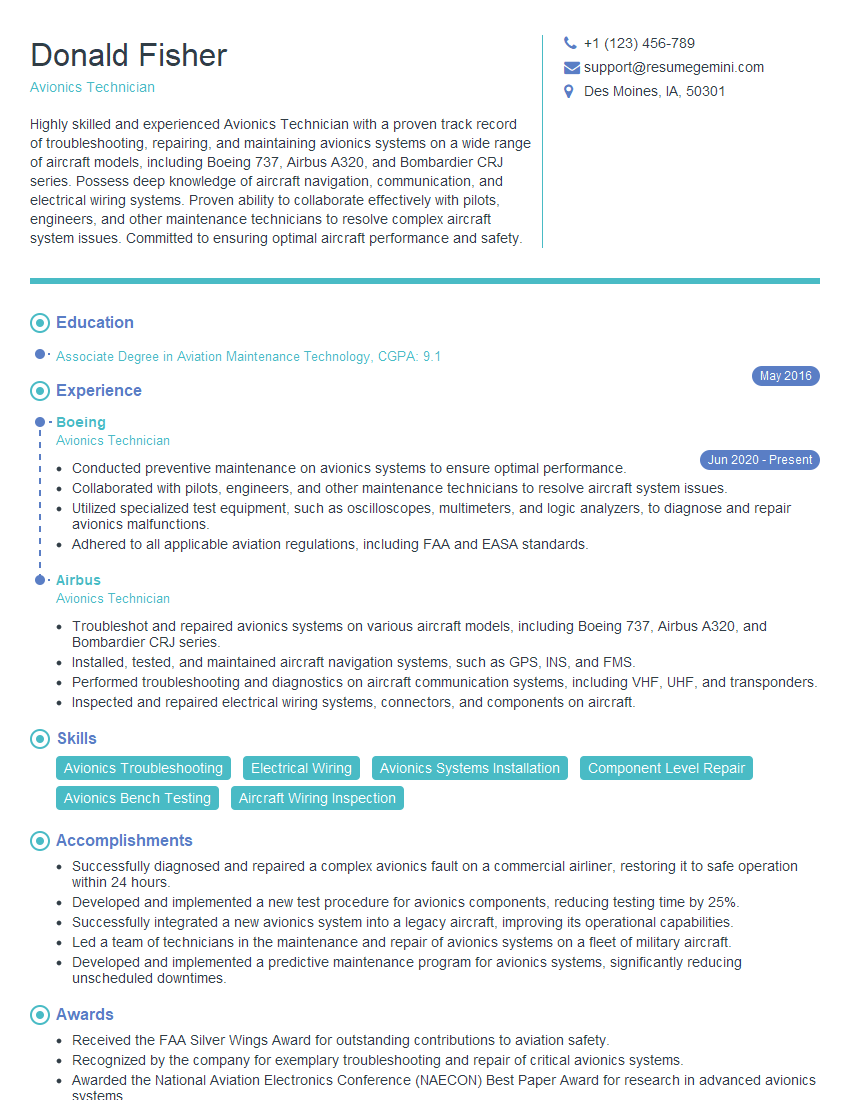
Avionics Technician Resume Sample

Aircraft Dispatcher Resume Sample
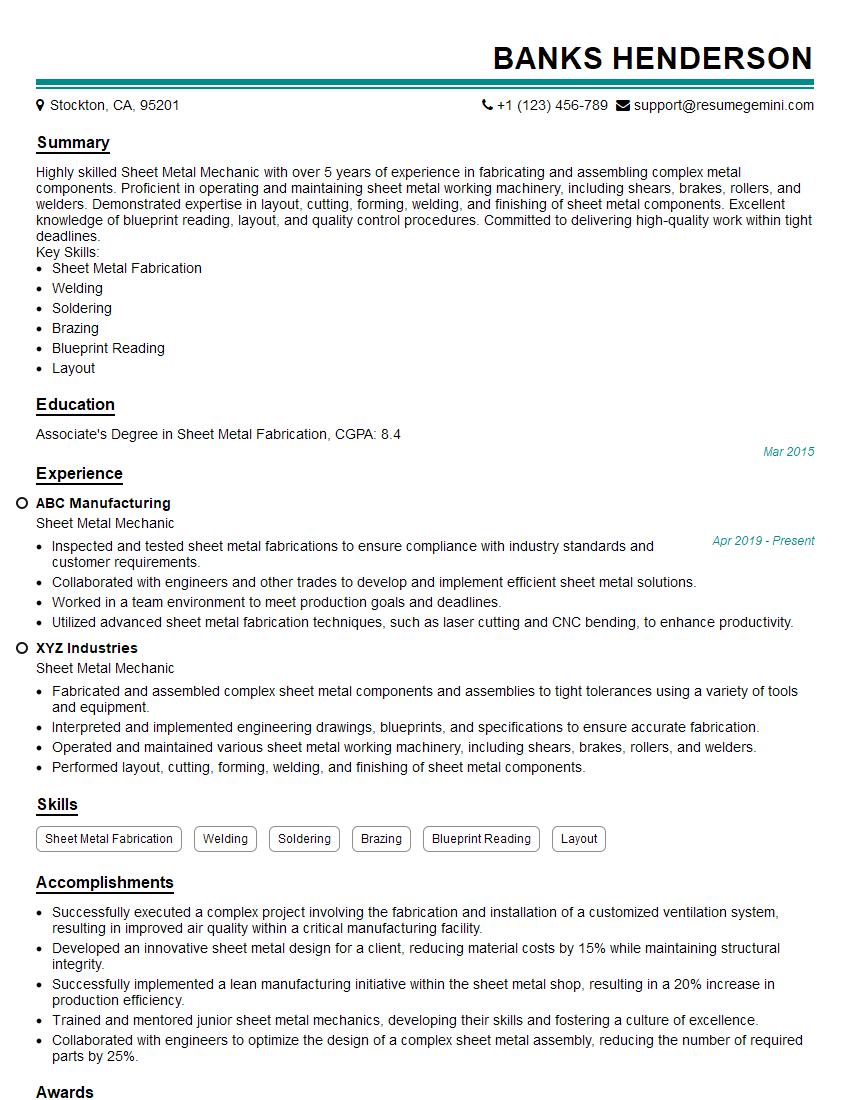
Sheet Metal Mechanic Resume Sample
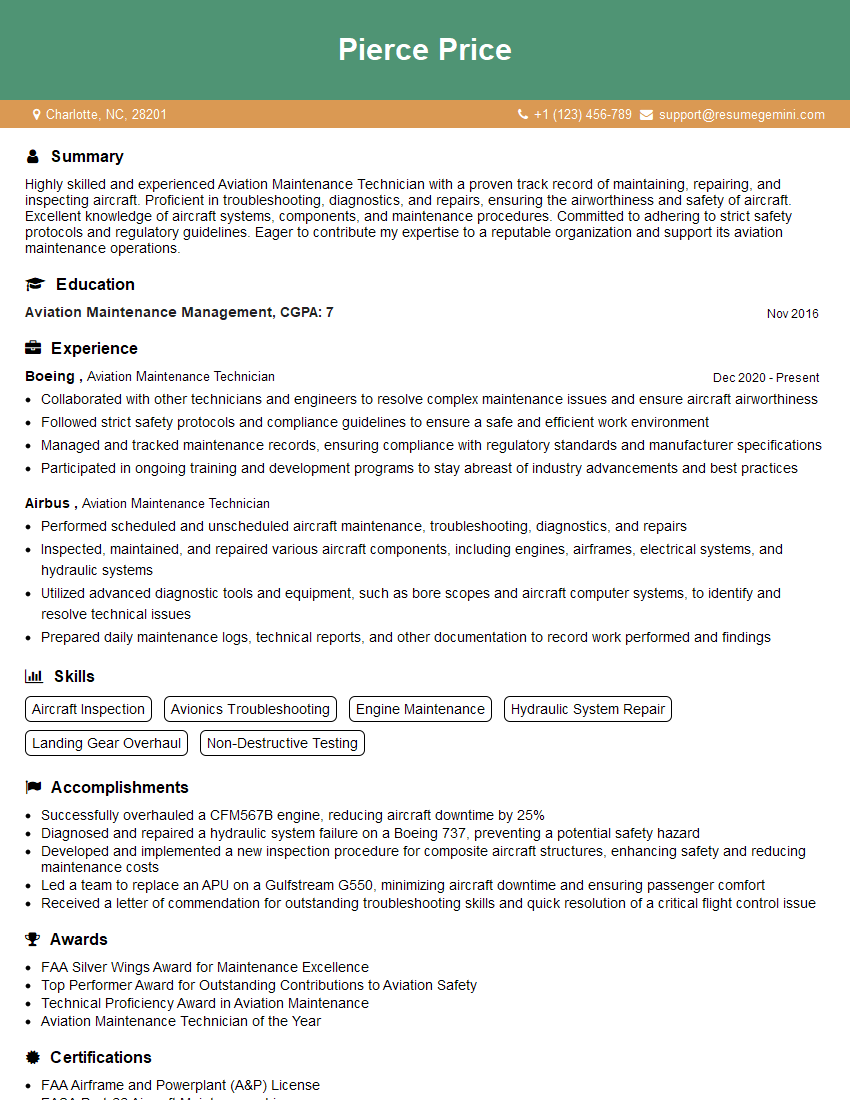
Aviation Maintenance Technician Resume Sample
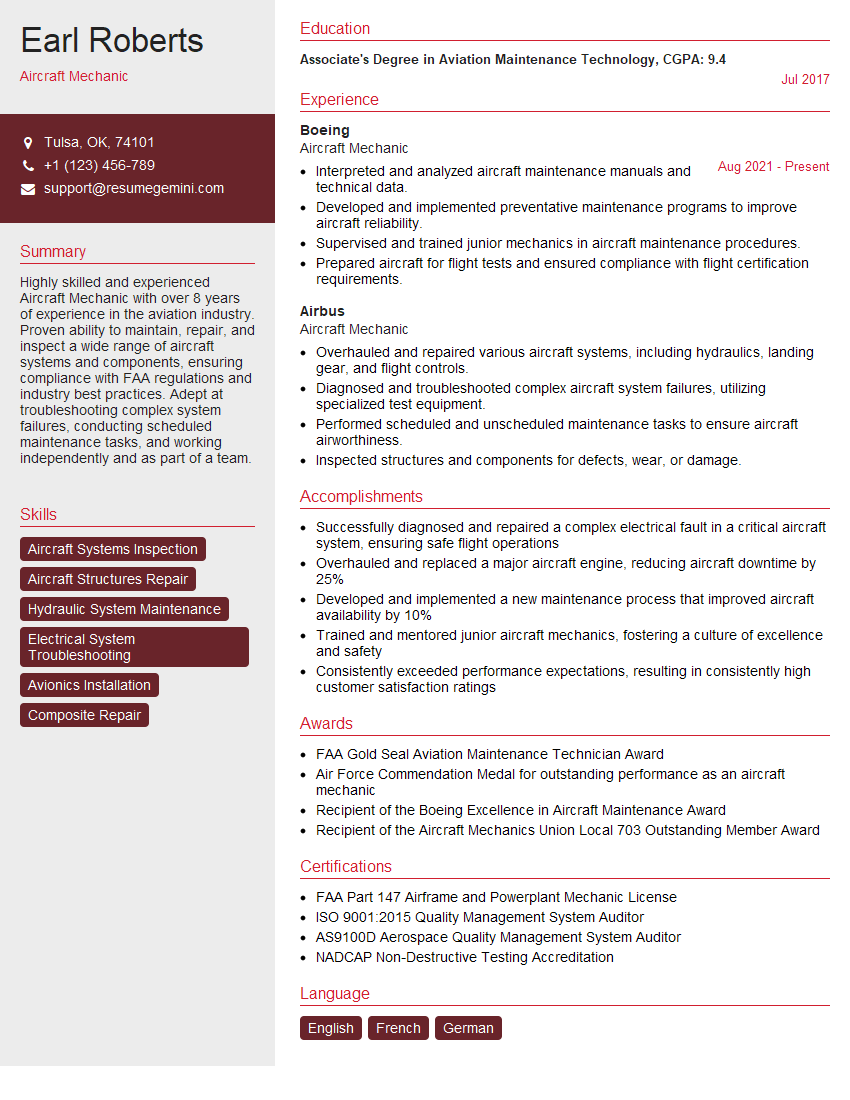
Aircraft Mechanic Resume Sample
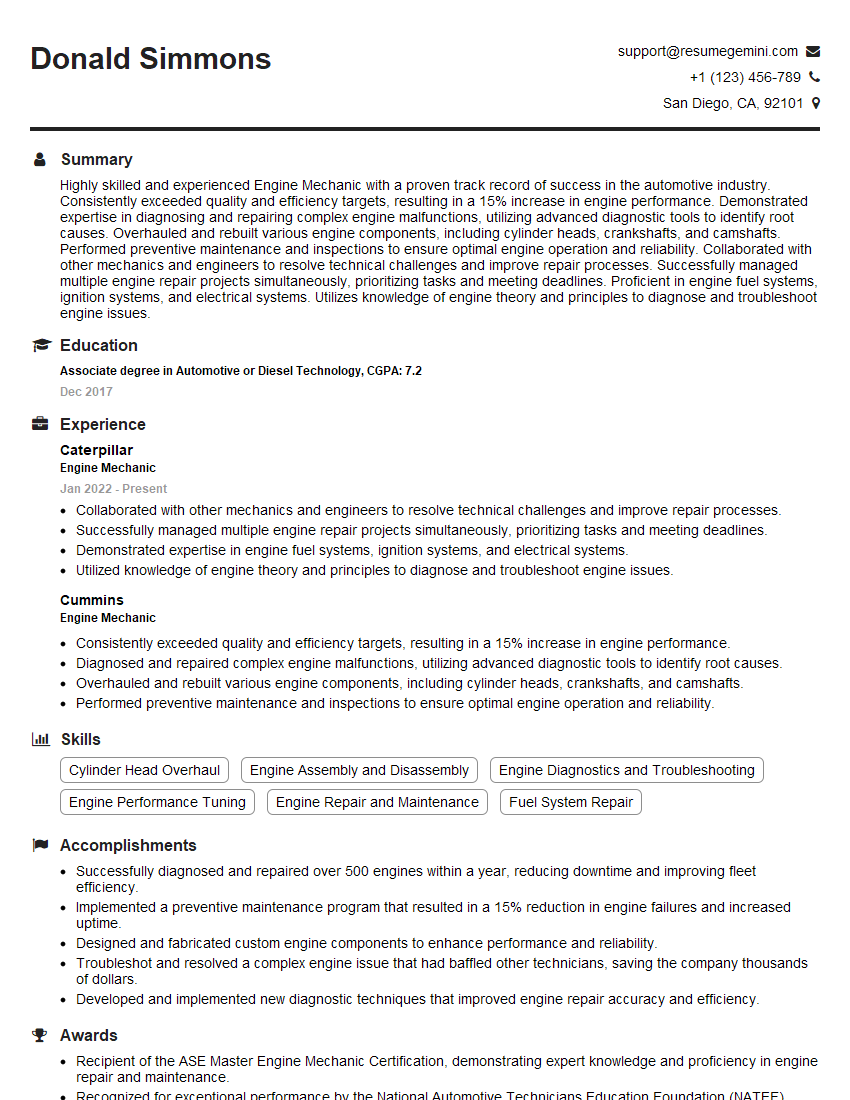
Engine Mechanic Resume Sample
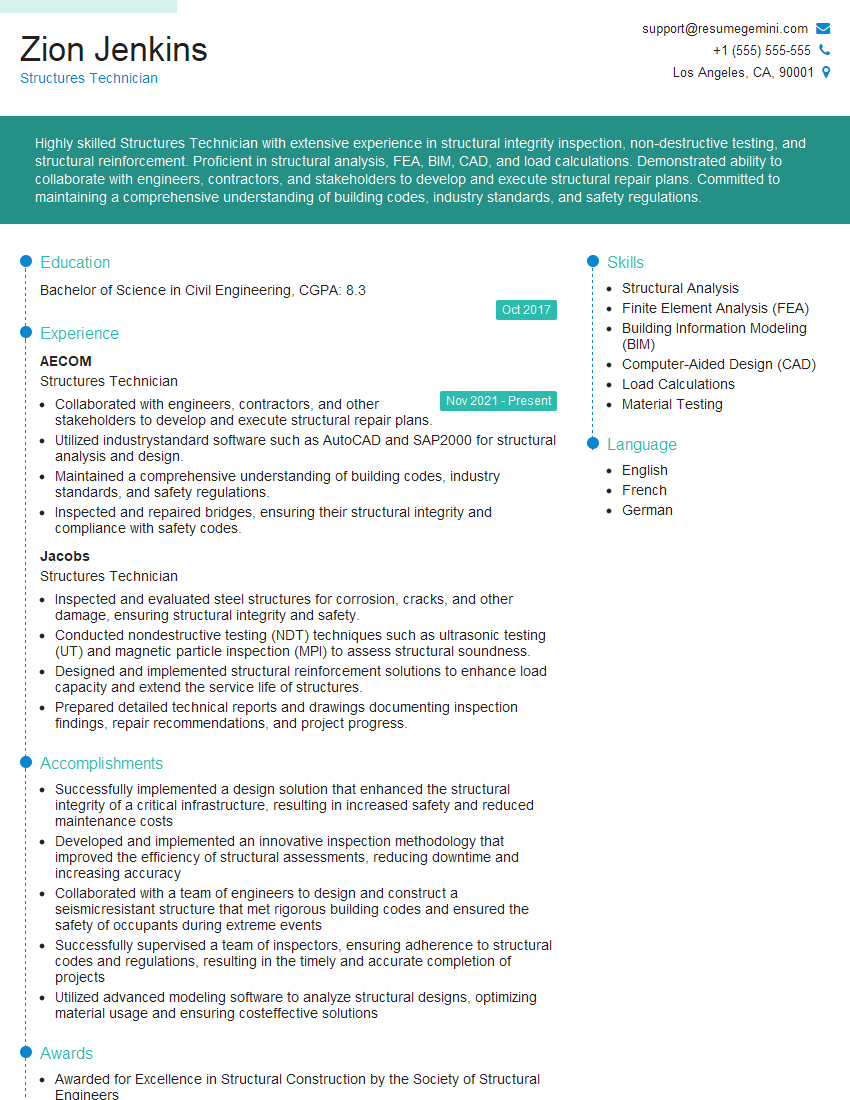
Structures Technician Resume Sample
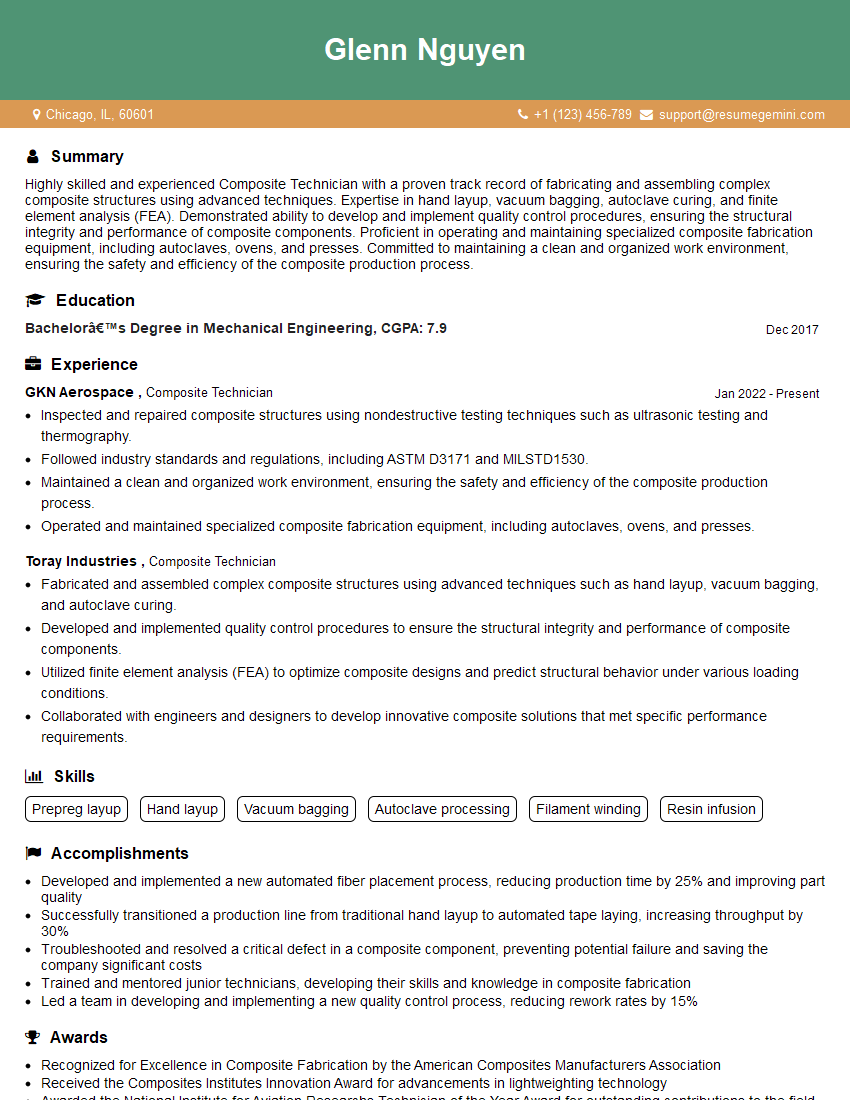
Composite Technician Resume Sample
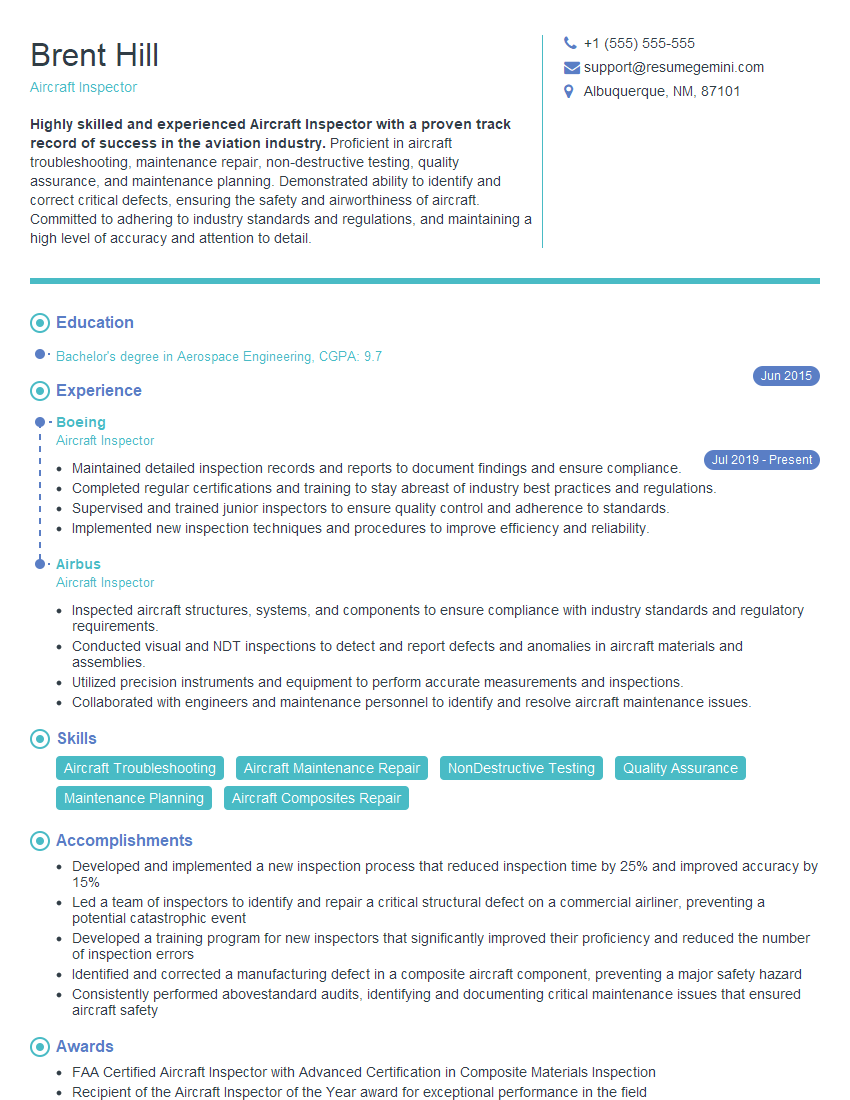
Aircraft Inspector Resume Sample
Explore more articles
Users Rating of Our Blogs
Share Your Experience
We value your feedback! Please rate our content and share your thoughts (optional).
What Readers Say About Our Blog
Very informative content, great job.
good