Unlock your full potential by mastering the most common Experience with construction site safety management interview questions. This blog offers a deep dive into the critical topics, ensuring you’re not only prepared to answer but to excel. With these insights, you’ll approach your interview with clarity and confidence.
Questions Asked in Experience with construction site safety management Interview
Q 1. Describe your experience implementing a safety management system on a construction site.
Implementing a safety management system on a construction site is like building a strong foundation for a house – you need a solid plan and consistent execution. My approach begins with a thorough site assessment, identifying potential hazards before work commences. This includes reviewing blueprints, conducting site walks, and consulting with subcontractors. Then, I develop a comprehensive safety plan that incorporates elements like hazard identification and risk assessment, emergency procedures, training programs, and regular inspections. For example, on a recent high-rise project, we identified a high risk of falls from height. Our response included implementing stringent fall protection measures such as harness systems, guardrails, and designated safe zones. We also established a detailed communication protocol for reporting near misses and hazards.
Next, I establish clear lines of responsibility and accountability for safety. Regular toolbox talks are vital for engaging workers, reinforcing safe work practices, and addressing specific hazards. The system also incorporates robust documentation processes for tracking incidents, corrective actions, and training records. Finally, and critically, the system needs continuous monitoring and improvement. Regular safety audits, analyzing leading indicators (near misses) and lagging indicators (accidents), allow us to refine the system’s effectiveness over time. This iterative approach is crucial because construction sites are dynamic environments; hazards can emerge unexpectedly.
Q 2. Explain your understanding of OSHA regulations (or relevant local regulations).
My understanding of OSHA regulations (and equivalent local regulations where applicable) is extensive. These regulations are not just a checklist; they are a framework designed to prevent workplace injuries and fatalities. I’m familiar with OSHA’s General Duty Clause, which mandates employers to provide a safe and healthful workplace, and the specific standards relevant to construction, such as those concerning fall protection, hazard communication, personal protective equipment (PPE), scaffolding, and excavation. I understand the importance of staying abreast of updates and changes to these regulations, as well as any specific state or local requirements. For example, I know the detailed requirements for fall protection systems, including the types of anchor points, lifelines, and harnesses required for different situations. Similarly, I’m well-versed in the requirements for hazard communication, including the proper labeling and use of Safety Data Sheets (SDS).
Beyond knowing the regulations, I understand the underlying principles behind them. OSHA isn’t just about compliance; it’s about creating a culture of safety. It’s about proactive hazard identification, risk assessment, and preventative measures. This understanding allows me to interpret and apply regulations effectively, going beyond mere compliance to ensure the best possible safety outcome.
Q 3. How do you conduct a job hazard analysis (JHA)?
Conducting a Job Hazard Analysis (JHA) is a systematic process for identifying potential hazards associated with a specific task. It’s like a pre-flight checklist for a construction operation. The process typically involves a team of experienced workers and supervisors. We first describe the task step-by-step, as if creating a detailed instruction manual. Then, for each step, we identify potential hazards – things that could cause injury or illness. For example, if the task is installing drywall, hazards might include falls from ladders, cuts from sharp drywall edges, or back injuries from lifting heavy materials. Once identified, we analyze the potential severity and likelihood of each hazard, which helps us prioritize risk mitigation strategies.
After hazard identification and risk assessment, we brainstorm control measures – ways to eliminate or reduce the risk. These measures can range from using engineering controls (e.g., scaffolding) to administrative controls (e.g., training and supervision) to personal protective equipment (PPE, such as safety glasses). The JHA process is documented, and the document is used for worker training and as a reference throughout the project. A crucial element is regularly reviewing and updating the JHA as needed, particularly if changes in the work process occur.
Q 4. What are the key elements of a comprehensive site-specific safety plan?
A comprehensive site-specific safety plan is a roadmap for ensuring safety on a construction site. It’s a living document, constantly evolving to reflect the changing conditions of the project. Key elements include a detailed description of the project and its potential hazards, a thorough hazard identification and risk assessment process, emergency action plans (including evacuation procedures and contact information for emergency services), a detailed plan for providing PPE, a comprehensive training program for all workers, procedures for incident investigation and reporting, and a system for monitoring and evaluating the effectiveness of the safety plan.
Crucially, it includes roles and responsibilities for safety, clearly defining who is responsible for what aspects of the safety program. Communication protocols—how information regarding hazards and safety-related incidents are to be communicated—are also essential. For example, the plan might detail procedures for daily safety meetings, near-miss reporting, and hazard identification. Finally, a well-structured safety plan incorporates a plan for regular safety inspections and audits, allowing for proactive identification and mitigation of hazards. The plan also needs to be reviewed and updated as the project progresses.
Q 5. How do you identify and mitigate potential hazards on a construction site?
Identifying and mitigating potential hazards on a construction site is an ongoing process. It starts with a proactive approach, before any work begins. This involves conducting thorough site inspections, reviewing blueprints, and identifying potential hazards based on the nature of the work. Tools like Job Hazard Analyses (JHAs), discussed earlier, are invaluable here. Then, I use a hierarchical control system to mitigate risks, prioritizing elimination, substitution, engineering controls, administrative controls, and finally, personal protective equipment (PPE) as a last resort.
For instance, if we identify a risk of trench collapse, we might eliminate the need for a trench entirely by using a different construction method. If elimination isn’t possible, we might substitute a less hazardous material. If these aren’t feasible, we’d implement engineering controls like shoring or sloping. Administrative controls include training workers on safe trenching procedures and regular inspections. Only then, after all other measures are in place, would we rely on PPE such as hard hats and high-visibility clothing.
A critical aspect of hazard identification is involving workers in the process. They are on the ground, and their observations and insights are essential for identifying hazards that might otherwise be missed. Their input is valuable for developing effective and practical control measures.
Q 6. Explain your process for investigating and reporting accidents or incidents.
Investigating and reporting accidents or incidents is crucial for learning from mistakes and preventing future occurrences. My process begins immediately after an incident with securing the scene and ensuring the safety of everyone involved. This is followed by a thorough investigation, involving interviews with witnesses, reviewing relevant documentation, and analyzing the circumstances leading to the incident. The goal is to determine the root cause(s) – not just the immediate cause, but the underlying systemic issues that contributed to the incident.
The investigation findings are documented in a detailed report, including a description of the incident, contributing factors, root causes, and recommended corrective actions. This report is reviewed by relevant personnel, and corrective actions are implemented to prevent similar incidents from happening again. The report is also used to update the safety plan and relevant JHAs. Furthermore, it is important to analyze near misses (incidents that didn’t result in injury but had the potential to) with the same rigor as accidents. This proactive approach helps prevent future incidents and demonstrates a commitment to safety.
Q 7. How do you ensure compliance with safety regulations and company policies?
Ensuring compliance with safety regulations and company policies is an ongoing commitment, not a one-time task. This involves several key strategies. First, I ensure that all workers receive comprehensive safety training, which includes familiarization with applicable regulations, company policies, and safe work procedures. Regular toolbox talks, refresher training, and ongoing communication are vital for reinforcing safety awareness and best practices. Secondly, I implement a system for regular safety inspections and audits, proactively identifying potential hazards and ensuring compliance with regulations and company policies. I use checklists and standardized inspection procedures to ensure consistency and thoroughness.
Documentation is crucial. This includes maintaining accurate records of safety training, inspections, incident investigations, and corrective actions. These records provide evidence of compliance and facilitate continuous improvement. Finally, I foster a strong safety culture where workers feel empowered to report hazards and concerns without fear of retribution. Open communication and a collaborative approach are essential for creating a culture where safety is everyone’s responsibility. Using leading and lagging indicators to track our performance helps monitor the effectiveness of our safety program and allows for timely adjustments. This continuous improvement cycle is key to maintaining a consistently safe work environment.
Q 8. Describe your experience with personal protective equipment (PPE) selection and training.
PPE selection and training are critical for a safe work environment. My approach involves a multi-step process starting with a thorough hazard assessment. This identifies potential risks on the site – think falling objects, electrical hazards, or chemical exposure – and dictates the necessary PPE. For example, if working at heights is involved, harnesses, lanyards, and helmets are mandatory. Then, I select PPE that meets or exceeds relevant industry standards (like OSHA in the US or equivalent standards internationally). This isn’t just about picking the right equipment; it’s about ensuring it fits properly and is comfortable enough for workers to wear consistently.
Training is just as crucial. I conduct comprehensive training sessions covering the proper use, inspection, maintenance, and limitations of each piece of PPE. This includes hands-on demonstrations and practical exercises to ensure workers understand how to use the equipment effectively and safely. We also cover the importance of reporting any damage or malfunction to supervisors immediately. For instance, a cracked hard hat needs replacing without delay. Regular refresher courses are included to ensure continued competency and address any changes in regulations or site-specific risks.
Q 9. How do you handle conflicts between safety regulations and project deadlines?
Balancing safety and project deadlines requires proactive communication and a collaborative approach. Safety is non-negotiable; it’s the foundation upon which everything else is built. When conflicts arise, I initiate a discussion with the project management team, outlining the safety concerns and the potential consequences of ignoring them. This might involve explaining the potential costs associated with an accident – lost time, worker compensation claims, and reputational damage – which often far outweigh the perceived cost of a delay.
I advocate for solutions that prioritize safety while striving to minimize project delays. This might involve exploring alternative work methods, obtaining additional resources, or adjusting the project schedule to accommodate necessary safety precautions. The key is open communication, compromise, and a shared understanding that safety is a collective responsibility.
Q 10. What are your strategies for promoting a strong safety culture on a construction site?
Building a strong safety culture is an ongoing process, not a one-time event. It starts with leadership commitment – visible and vocal support from management sends a clear message that safety is valued. I implement a system of regular safety meetings, toolbox talks, and site observations. These provide opportunities to discuss safety concerns, share best practices, and celebrate successes.
Employee involvement is essential. I encourage workers to participate in safety initiatives, report hazards, and contribute to solutions. This fosters a sense of ownership and shared responsibility. We also utilize incentives and recognition programs to reward safe work practices. Recognizing individuals or teams who consistently demonstrate commitment to safety strengthens the culture and encourages others to follow suit. Moreover, regular audits and inspections ensure that safety procedures are being followed, and any deficiencies are addressed promptly.
Q 11. How do you manage safety training for construction workers?
Safety training is tailored to the specific needs of the workers and the hazards present on the site. This involves a mix of classroom instruction, hands-on training, and on-the-job mentorship. New hires receive comprehensive initial training, covering site-specific hazards, emergency procedures, and the use of PPE.
Ongoing training is crucial. We utilize regular toolbox talks to address specific safety issues, reinforce best practices, and update workers on changes in regulations or procedures. I leverage a variety of training methods – videos, presentations, and interactive exercises – to keep the training engaging and effective. We also maintain detailed records of all training sessions to track employee competency and ensure compliance with regulations. This documentation is essential for audits and in case of accidents.
Q 12. Explain your experience with lockout/tagout procedures.
Lockout/Tagout (LOTO) procedures are critical for preventing accidental energization of equipment during maintenance or repair. My experience includes developing and implementing comprehensive LOTO programs that comply with OSHA standards and other relevant regulations. This involves training workers on the proper steps of the LOTO process, including identifying energy sources, selecting the appropriate lockout devices, and verifying that energy has been isolated before beginning work.
I emphasize the importance of following established procedures meticulously. Regular audits and inspections ensure that LOTO procedures are followed correctly and that lockout devices are in good working order. We conduct mock drills and regularly review the process to ensure everyone is up-to-date and understands the potential consequences of errors. A clear, documented process with clear responsibilities, combined with regular practice, is key to avoiding serious injuries.
Q 13. How do you conduct regular safety inspections and audits?
Regular safety inspections and audits are vital for identifying hazards and ensuring compliance with safety regulations. I utilize a systematic approach, conducting both routine inspections and more comprehensive audits. Routine inspections focus on identifying immediate hazards, such as trip hazards or damaged equipment. These are conducted frequently, often daily, by supervisors and workers.
Comprehensive audits are more in-depth and involve a thorough review of safety policies, procedures, and training programs. They assess the effectiveness of safety management systems and identify areas for improvement. I use checklists and documented findings to ensure consistency and track progress over time. The results of inspections and audits are used to implement corrective actions, and follow-up inspections are conducted to verify that the necessary improvements have been made. A proactive approach to safety means continually evaluating and enhancing the safety measures in place.
Q 14. What are your methods for communicating safety information to workers?
Effective communication is paramount in maintaining a safe work environment. I use a multi-faceted approach, combining various methods to reach all workers. Daily toolbox talks are crucial for addressing immediate safety concerns and reinforcing key messages.
Safety bulletins, posters, and electronic communication (emails, text messages) are used to disseminate important information. We also utilize safety meetings, where workers can voice concerns, participate in discussions, and provide feedback. Training sessions reinforce safety procedures and provide opportunities for hands-on practice. Crucially, multilingual materials and communication methods are used where necessary to ensure that everyone understands safety messages. Open communication channels and a culture of feedback are essential for promoting a culture of safety.
Q 15. How do you manage subcontractors and ensure their compliance with safety regulations?
Managing subcontractors effectively requires a proactive and collaborative approach. It’s not enough to simply hand them a safety manual; it requires building a safety culture from the ground up.
- Pre-qualification: Before awarding any contracts, I thoroughly vet subcontractors, checking their safety records, insurance coverage, and their experience with similar projects. I review their safety plans and ensure they align with our project’s safety standards and all relevant regulations.
- Regular communication: I hold regular safety meetings with subcontractors, discussing project-specific hazards, updates on safety protocols, and addressing any concerns. This open communication fosters a culture of shared responsibility.
- Site-specific safety training: Subcontractors receive site-specific safety training before beginning work. This ensures everyone understands the unique risks associated with the project and how to mitigate them. For example, we might have specific training on the use of certain equipment or navigating particular areas of the site.
- Routine inspections: Regular inspections of subcontractor work areas are crucial. This isn’t about catching errors; it’s about collaboration and identifying potential hazards before they become incidents. I focus on feedback and guidance, rather than fault-finding.
- Enforcement: In cases of non-compliance, I follow a progressive disciplinary approach, starting with verbal warnings and escalating to written warnings, suspension, and ultimately contract termination, if necessary. This keeps the entire team accountable.
For example, on a recent high-rise project, a subcontractor’s fall protection system was found to be inadequate. Instead of immediate action, we discussed the deficiency, provided training, and offered resources to ensure the appropriate system was implemented. This collaborative approach helped improve their safety practices and prevent future incidents.
Career Expert Tips:
- Ace those interviews! Prepare effectively by reviewing the Top 50 Most Common Interview Questions on ResumeGemini.
- Navigate your job search with confidence! Explore a wide range of Career Tips on ResumeGemini. Learn about common challenges and recommendations to overcome them.
- Craft the perfect resume! Master the Art of Resume Writing with ResumeGemini’s guide. Showcase your unique qualifications and achievements effectively.
- Don’t miss out on holiday savings! Build your dream resume with ResumeGemini’s ATS optimized templates.
Q 16. Describe your experience with fall protection and prevention measures.
Fall protection is paramount on construction sites. My experience encompasses a wide range of measures, from planning and prevention to the proper use of Personal Protective Equipment (PPE).
- Engineering Controls: The most effective approach is to eliminate falls through design. This includes installing guardrails, using scaffolding with proper toeboards and handrails, and ensuring secure access points to elevated areas. I’ve been involved in numerous projects where detailed design reviews proactively identified and resolved fall hazards before construction even began.
- Administrative Controls: Establishing clear procedures and training is crucial. This includes ensuring everyone understands the proper use of harnesses, anchor points, and fall arrest systems. I implement detailed training programs, including hands-on sessions and regular refresher courses.
- Personal Protective Equipment (PPE): Proper PPE is vital, including full-body harnesses, lanyards, and safety nets. Inspections of PPE are conducted regularly to ensure its condition and proper functioning. I always prioritize the use of properly fitted and regularly inspected PPE.
- Fall Protection Plans: I meticulously develop and implement fall protection plans that are specific to each project. These plans detail the hazards, chosen fall protection methods, and the responsibilities of each worker. These plans are reviewed and updated regularly.
For instance, on a recent bridge construction project, we incorporated a comprehensive fall protection plan that included the installation of a robust guardrail system, the use of specialized scaffolding, and extensive training for all personnel. This resulted in zero fall-related incidents throughout the project.
Q 17. How do you handle emergency situations on a construction site?
Handling emergencies requires a well-defined plan, practiced drills, and decisive action. My approach centers around preparedness, response, and post-incident analysis.
- Emergency Response Plan (ERP): A comprehensive ERP is essential, outlining procedures for various scenarios, including fires, medical emergencies, and hazardous material spills. This plan should include designated emergency personnel, evacuation routes, and communication protocols.
- Emergency Training: Regular training is crucial. This includes first aid and CPR training for designated personnel, and fire drills and emergency response exercises for all workers. We practice these regularly to make sure everybody is prepared.
- Communication: In an emergency, clear and concise communication is critical. We utilize two-way radios, emergency alerts, and designated contact persons to ensure everyone is informed and coordinated. Having a clear chain of command makes response faster and more efficient.
- First Aid and Medical Response: Access to first aid equipment and trained personnel is vital. We maintain well-stocked first aid stations and have a clear protocol for contacting emergency medical services.
- Post-Incident Analysis: After any incident, a thorough investigation is conducted to identify root causes and implement corrective actions to prevent future occurrences. This is not just about assigning blame, but about understanding what went wrong and making improvements.
For example, during a recent scaffolding collapse (thankfully with no injuries), our pre-planned emergency response was immediately activated. Everyone followed the established procedures, and emergency services were contacted promptly. The post-incident review identified a flaw in the scaffolding’s assembly procedure, which was then corrected.
Q 18. How do you monitor and measure the effectiveness of safety programs?
Monitoring and measuring safety program effectiveness involves a multi-faceted approach, combining quantitative and qualitative data.
- Leading Indicators: These measures track safety performance *before* incidents occur. Examples include the number of safety training hours, the frequency of safety inspections, and the number of near misses reported. These help identify potential problems early on.
- Lagging Indicators: These are measures that track safety performance *after* incidents. Examples include the number of lost-time injuries, the number of recordable incidents, and the severity rate. While important, they only reflect past performance.
- Safety Audits and Inspections: Regular safety audits and inspections, both planned and unannounced, are essential to identify hazards and assess compliance with safety procedures. I use checklists and observation reports to document findings.
- Incident Reporting and Investigation: A robust incident reporting system is key. All incidents, near misses, and unsafe conditions should be reported, investigated, and corrective actions implemented. Root cause analysis is crucial.
- Employee Feedback: Gathering feedback from workers is crucial. Safety surveys, toolbox talks, and regular communication channels ensure that concerns are addressed promptly. A safe work environment depends on the collaboration and active input of every worker.
By tracking these metrics, we can identify areas for improvement, measure the effectiveness of interventions, and demonstrate the overall success of the safety program. For example, a decrease in near misses often reflects an improvement in worker awareness and the effectiveness of safety training.
Q 19. What are your strategies for preventing musculoskeletal disorders (MSDs)?
Preventing musculoskeletal disorders (MSDs) requires a holistic approach that considers ergonomics, training, and proactive measures.
- Ergonomic Assessments: Thorough ergonomic assessments of workstations and tasks are crucial. This involves evaluating lifting techniques, postures, and repetitive movements to identify potential hazards. Modifications, such as adjusting work heights or providing mechanical lifting aids, can significantly reduce MSD risk.
- Proper Lifting Techniques: Providing comprehensive training on proper lifting techniques is essential. This includes using the legs, keeping the back straight, and avoiding twisting movements. Regular refresher courses reinforce best practices.
- Job Rotation and Task Variety: Minimizing repetitive tasks and allowing for job rotation can significantly reduce strain on workers’ bodies. Variations in tasks help prevent fatigue and overuse injuries.
- Use of Mechanical Aids: Providing appropriate mechanical aids, such as hand trucks, forklifts, and hoists, reduces the physical demands placed on workers. I make sure that mechanical aids are available and used correctly.
- Regular Breaks and Stretching: Encouraging workers to take regular breaks and participate in stretching exercises helps to prevent fatigue and muscle strain. Promoting a healthy work-life balance encourages workers to take care of their health outside of work as well.
For example, on a recent project involving heavy lifting, we implemented an ergonomic assessment that led to the introduction of mechanical lifting aids. This drastically reduced the risk of back injuries among the workers.
Q 20. How do you ensure the safe handling and storage of hazardous materials?
Safe handling and storage of hazardous materials requires strict adherence to regulations and best practices.
- Material Safety Data Sheets (MSDS): MSDS for all hazardous materials must be readily available and easily accessible to all personnel. Workers must be trained on how to understand and interpret MSDS information.
- Proper Labeling and Signage: Clear and accurate labeling of containers and the use of appropriate warning signs are critical. This ensures that workers are aware of the potential hazards and can take necessary precautions.
- Designated Storage Areas: Hazardous materials must be stored in designated, secure areas, away from incompatible materials and sources of ignition. Storage areas should be well-ventilated and protected from the elements.
- Spill Response Plan: A detailed spill response plan is crucial, outlining procedures for handling spills and leaks of hazardous materials. This plan should include the appropriate PPE and cleanup procedures.
- Training and Competency: Workers handling hazardous materials must receive specialized training, including safe handling procedures, emergency response measures, and disposal procedures. Competency testing ensures workers understand the risks and procedures.
For instance, on a project involving the handling of solvents, we established a dedicated storage area, provided comprehensive training to workers, and implemented a rigorous spill response plan, which included regular drills and practice sessions.
Q 21. Describe your experience with fire safety and prevention measures.
Fire safety is a critical aspect of construction site safety. My approach involves a multi-layered strategy encompassing prevention, detection, and response.
- Fire Prevention Measures: This includes the proper storage of flammable materials, the regular inspection and maintenance of electrical equipment, and the implementation of ‘hot work’ permits for activities that generate sparks or flames. Strict adherence to no-smoking policies is also enforced.
- Fire Detection Systems: Adequate fire detection systems, such as smoke detectors and heat detectors, are installed and regularly tested. These systems need to be properly maintained and regularly tested.
- Fire Suppression Systems: Appropriate fire suppression systems, such as fire extinguishers and sprinkler systems, are installed and regularly inspected and maintained. Workers should be trained in the proper use of fire extinguishers.
- Fire Escape Routes: Clear and well-marked fire escape routes are essential. These routes should be free of obstructions and regularly checked for accessibility. Escape routes are frequently inspected and practiced.
- Emergency Procedures: Workers are trained on emergency procedures, including evacuation plans, assembly points, and communication protocols. These procedures must be routinely practiced and well-understood by the entire team.
For example, on a large-scale project, we implemented a comprehensive fire safety plan that included regular inspections of fire protection systems, rigorous hot work permits, and regular fire drills. This ensured a safe working environment and minimized the risk of fire-related incidents.
Q 22. How do you utilize safety data sheets (SDS) in your work?
Safety Data Sheets (SDS), formerly known as Material Safety Data Sheets (MSDS), are crucial documents that provide comprehensive information about hazardous materials used on a construction site. I utilize SDSs in several ways:
- Before Material Use: Before any material is brought onto the site or used, I ensure we have the SDS and review it carefully. This includes identifying hazards, understanding safe handling procedures, understanding personal protective equipment (PPE) requirements, and knowing emergency response protocols.
- Training and Education: I use the information from SDSs to train workers on the safe handling, storage, and disposal of hazardous materials. This ensures everyone is aware of the potential risks and how to mitigate them.
- Emergency Response: In the event of a spill or accident involving a hazardous material, the SDS provides the necessary information for emergency response, including the recommended cleanup procedures and first aid measures.
- Compliance: Having readily available SDSs and ensuring that workers understand and follow the instructions demonstrates compliance with all relevant safety regulations, such as OSHA’s Hazard Communication Standard.
For example, if we’re using a specific type of paint, I’ll check the SDS to see if it contains volatile organic compounds (VOCs) and what ventilation requirements are necessary to prevent worker exposure to harmful fumes. Proper ventilation is essential, and ignoring the SDS guidelines could lead to serious health consequences for the workers.
Q 23. Explain your understanding of risk assessment methodologies.
Risk assessment is a systematic process of identifying hazards, analyzing the risks associated with those hazards, and implementing control measures to mitigate those risks. I typically use a hierarchical approach, incorporating several methodologies:
- Hazard Identification: This involves a thorough walkthrough of the site, identifying potential hazards like working at heights, electrical hazards, trench collapses, and the presence of hazardous materials. We utilize checklists, job hazard analyses (JHAs), and input from experienced workers to ensure comprehensive identification.
- Risk Analysis: Once hazards are identified, we analyze the likelihood of an incident occurring and the severity of potential consequences. This often involves a qualitative assessment, using a matrix that considers the probability and severity to assign a risk level (e.g., low, medium, high). For high-risk activities, a more quantitative assessment may be necessary.
- Risk Control: Based on the risk level, we implement control measures to eliminate or reduce the risk. These controls are often hierarchical, starting with elimination (removing the hazard entirely), followed by substitution (replacing the hazard with a less hazardous alternative), engineering controls (modifying the work environment), administrative controls (changing work practices), and finally, personal protective equipment (PPE).
- Monitoring and Review: The risk assessment isn’t a one-time event. It’s an ongoing process. We regularly monitor the effectiveness of control measures and revise the assessment as needed, particularly after incidents or changes in the work environment.
For example, if we are working at heights, elimination might not be feasible. So we’d focus on engineering controls like installing scaffolding and fall arrest systems, along with administrative controls like thorough training and proper use of harnesses.
Q 24. How do you work with regulatory bodies (e.g., OSHA inspectors)?
Working with regulatory bodies like OSHA is crucial for maintaining a safe work environment. My approach involves proactive engagement and transparency:
- Compliance: We maintain meticulous records demonstrating our adherence to all applicable OSHA regulations and standards. This includes maintaining up-to-date training records, safety inspection reports, and incident investigation reports.
- Open Communication: If an OSHA inspector arrives on-site, I ensure open and clear communication. I provide them with all necessary documentation promptly and facilitate their inspection by providing access to records and personnel.
- Addressing Citations: If OSHA issues citations, I work collaboratively with them to understand the issues and develop a corrective action plan. This includes implementing the necessary changes to prevent future violations.
- Continuous Improvement: Even without an inspection, we use OSHA guidelines and standards to continually improve our safety programs. We regularly review our processes and procedures to identify areas for improvement.
In one instance, an OSHA inspector raised concerns about our fall protection procedures. We were able to show them our detailed training records, our updated safety plan, and our rigorous inspection process for fall protection equipment. This demonstrated our commitment to safety, and the inspection concluded without any citations.
Q 25. What are your strategies for maintaining accurate safety records and documentation?
Maintaining accurate safety records and documentation is paramount. Our system involves several key elements:
- Digital Record-Keeping: We use a dedicated software system to store and manage safety records electronically. This allows for easy access, efficient searching, and better data analysis.
- Standardized Forms: We use standardized forms for incident reports, safety inspections, training records, and other crucial documents to ensure consistency and completeness.
- Regular Audits: Regular internal audits are performed to ensure that all records are complete, accurate, and up-to-date. This includes verifying that training records are current, safety inspections are properly documented, and that all necessary safety permits are in place.
- Secure Storage: All records are stored securely, both electronically and physically, to protect confidential information and ensure long-term accessibility.
- Data Backup: Regular data backups are performed to protect against data loss.
This approach ensures that we have the necessary information readily available for audits, incident investigations, and continuous improvement efforts.
Q 26. Describe a time you had to address a serious safety violation. What steps did you take?
During the construction of a multi-story building, a worker sustained a serious injury after falling from a scaffold. This was a major safety violation.
- Immediate Response: The first step was immediate emergency response – calling emergency services and providing first aid.
- Incident Investigation: A thorough investigation was immediately launched. This involved interviewing witnesses, reviewing safety procedures, and inspecting the scaffold to determine the cause of the fall. We discovered that the scaffold’s guardrails were improperly installed.
- Corrective Actions: We immediately implemented corrective actions: the entire scaffolding system was inspected and repaired; worker training on proper scaffolding setup and usage was reinforced and re-evaluated; and the safety plan was revised to include stricter protocols for scaffold inspections.
- Reporting: The incident was reported to OSHA and other relevant authorities.
- Follow-up: The injured worker received support and medical care, and we maintained contact to ensure proper recovery.
This incident highlighted the importance of robust safety protocols and the need for constant vigilance. The experience underscored the importance of proactive measures to prevent similar incidents in the future.
Q 27. How familiar are you with different types of construction equipment and their associated safety concerns?
I possess extensive familiarity with various types of construction equipment and their associated safety concerns. This includes, but is not limited to:
- Cranes and Hoisting Equipment: Understanding load limits, proper rigging techniques, and the importance of regular inspections and maintenance. Knowing and enforcing the correct use of signal persons is critical.
- Earthmoving Equipment (Excavators, Bulldozers): Awareness of blind spots, safe operating procedures, and the dangers of working near moving equipment. Ensuring proper training and understanding of pre-operational checks is essential.
- Powered Hand Tools (Drills, Saws): The importance of using appropriate PPE (eye protection, hearing protection), ensuring equipment is in good working order, and following manufacturer’s instructions.
- Forklifts: Safe operating procedures, load limits, proper training, and maintaining safe distances from pedestrians.
Beyond specific equipment, my understanding extends to the broader implications of equipment operation, including the risks associated with refueling, maintenance, and storage. Ignoring even minor safety protocols with these machines can lead to devastating consequences.
Q 28. Explain your experience with incident investigation techniques and root cause analysis.
Incident investigation and root cause analysis are integral parts of my approach to safety management. I utilize a structured methodology that typically includes:
- Data Gathering: This involves collecting all relevant information through interviews with witnesses, reviewing documentation (safety reports, maintenance logs), taking photographs, and examining the physical evidence.
- Timeline Creation: Constructing a detailed timeline of events helps to establish a clear sequence of actions leading to the incident.
- Root Cause Analysis: This is where we delve deeper to identify the underlying causes of the incident. We often use techniques like the “5 Whys” to drill down to the root cause, rather than just addressing superficial symptoms. Other techniques like fishbone diagrams (Ishikawa diagrams) can also be very helpful.
- Corrective Actions: Once the root causes are identified, we develop specific corrective actions to prevent recurrence. These actions are documented and implemented.
- Reporting: The findings of the investigation, including the root causes and corrective actions, are documented in a formal report.
For example, if a worker tripped and fell due to an unsecured cable, the superficial cause might be the tripping hazard. However, a root cause analysis might reveal that the company lacked a clear procedure for cable management, leading to the hazard in the first place. The corrective action would then focus on implementing a comprehensive cable management system and worker training.
Key Topics to Learn for Experience with Construction Site Safety Management Interview
- Hazard Identification and Risk Assessment: Understanding methods like Job Safety Analysis (JSA) and hazard identification techniques, and translating these into practical risk control measures.
- Safety Regulations and Compliance: Demonstrating familiarity with OSHA (or relevant regional) standards and regulations, and your experience ensuring compliance on construction sites. This includes understanding permit-required confined space entry, fall protection, and lockout/tagout procedures.
- Personal Protective Equipment (PPE): Knowledge of appropriate PPE for various tasks, ensuring proper selection, use, and maintenance, and training workers on its importance.
- Accident Prevention and Investigation: Experience in conducting thorough accident investigations, identifying root causes, and implementing corrective actions to prevent recurrence. This includes documenting incidents and near misses.
- Emergency Response Planning: Developing and implementing emergency response plans, including evacuation procedures, first aid, and communication protocols. Understanding emergency response team roles and responsibilities.
- Safety Training and Communication: Experience delivering safety training to workers, promoting a positive safety culture, and using various communication methods to convey safety information effectively.
- Safety Audits and Inspections: Conducting regular safety audits and inspections to identify potential hazards and ensure compliance with safety regulations. Demonstrate your ability to create and utilize checklists.
- Incident Reporting and Documentation: Understanding and following procedures for reporting incidents, maintaining accurate records, and analyzing trends to improve safety performance.
- Working with Subcontractors and Suppliers: Experience managing safety expectations and ensuring compliance from subcontractors and suppliers on site.
- Safety Program Development and Implementation: Discuss your experience in creating, implementing, and maintaining comprehensive site-specific safety programs.
Next Steps
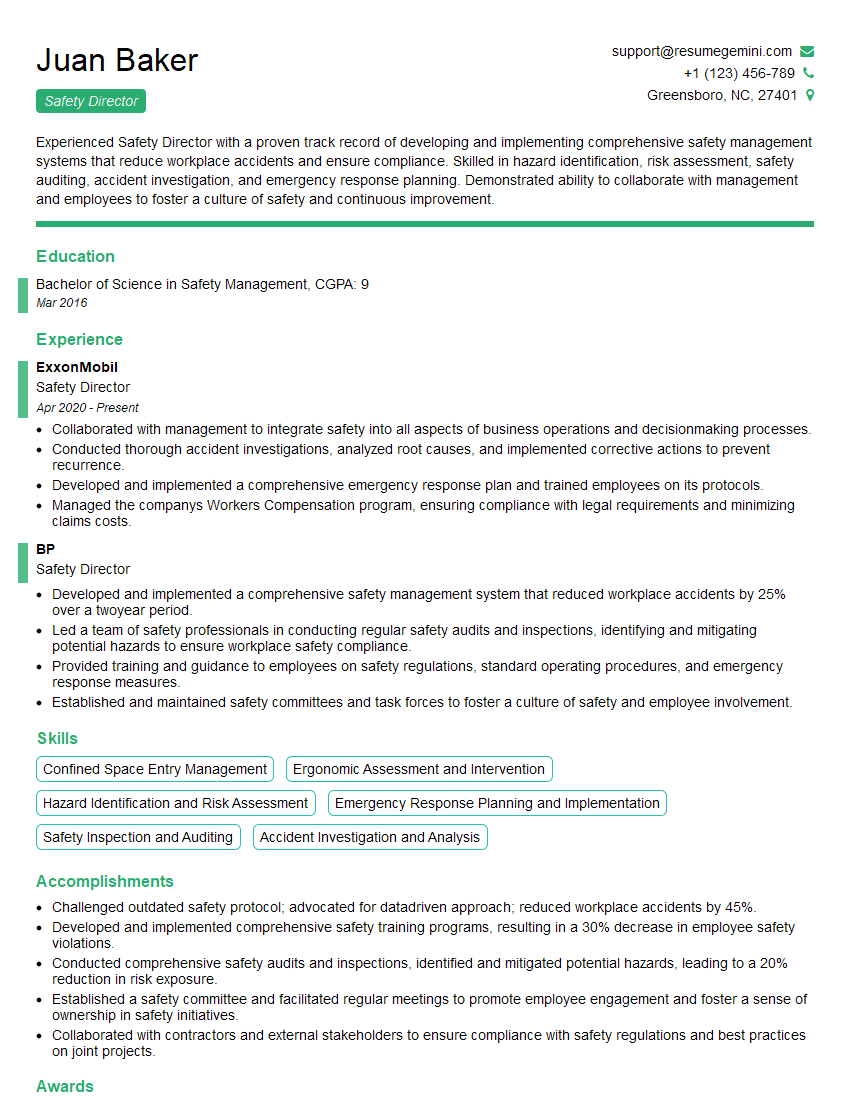
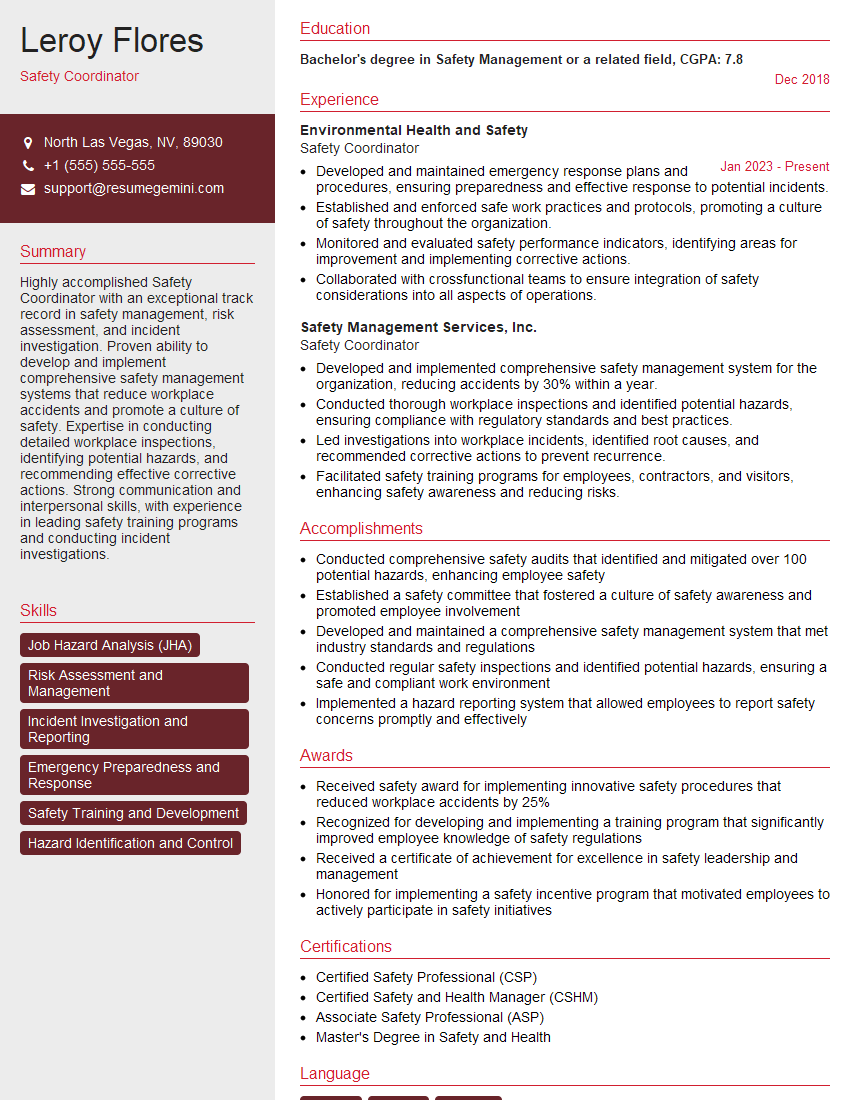
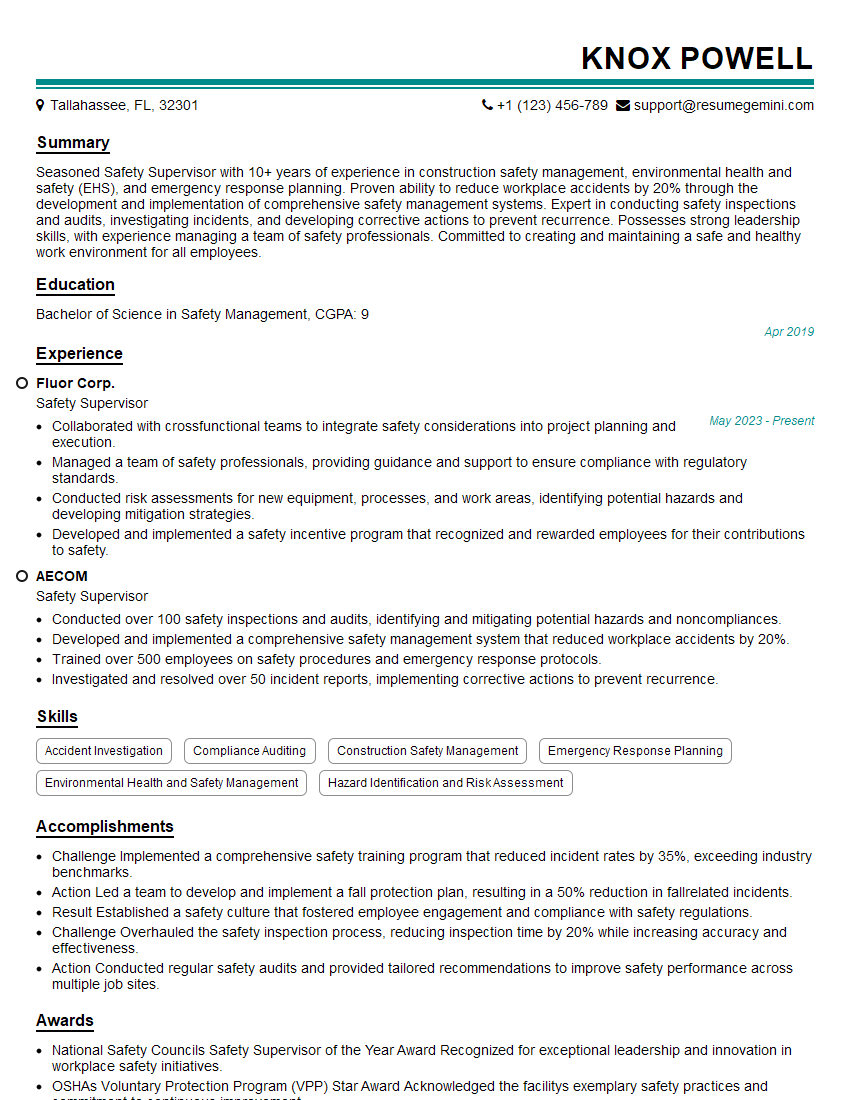
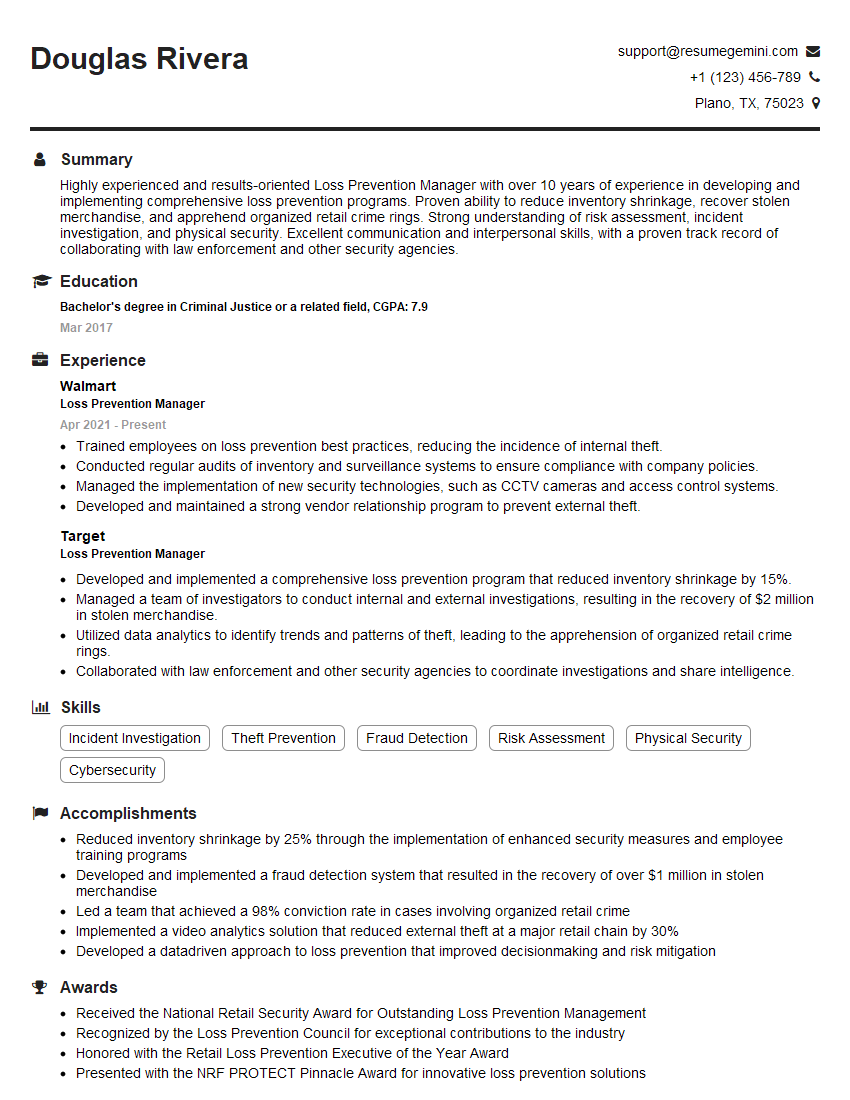
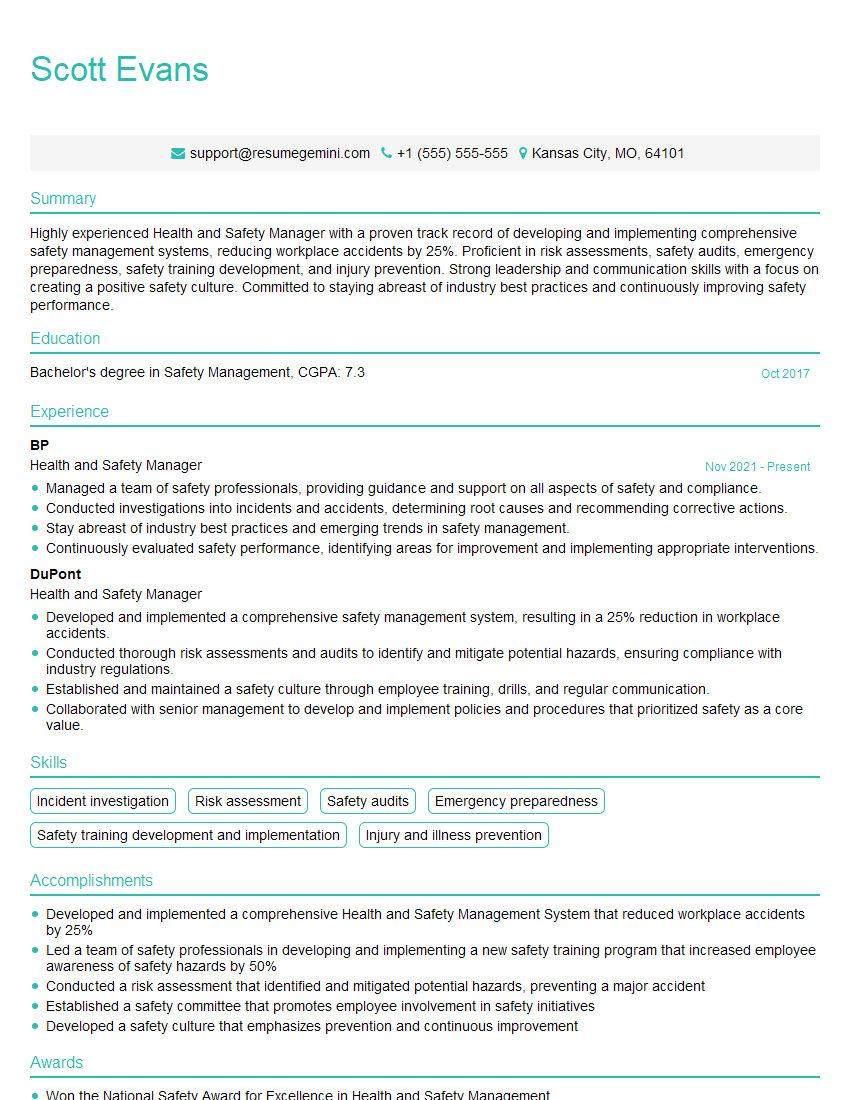
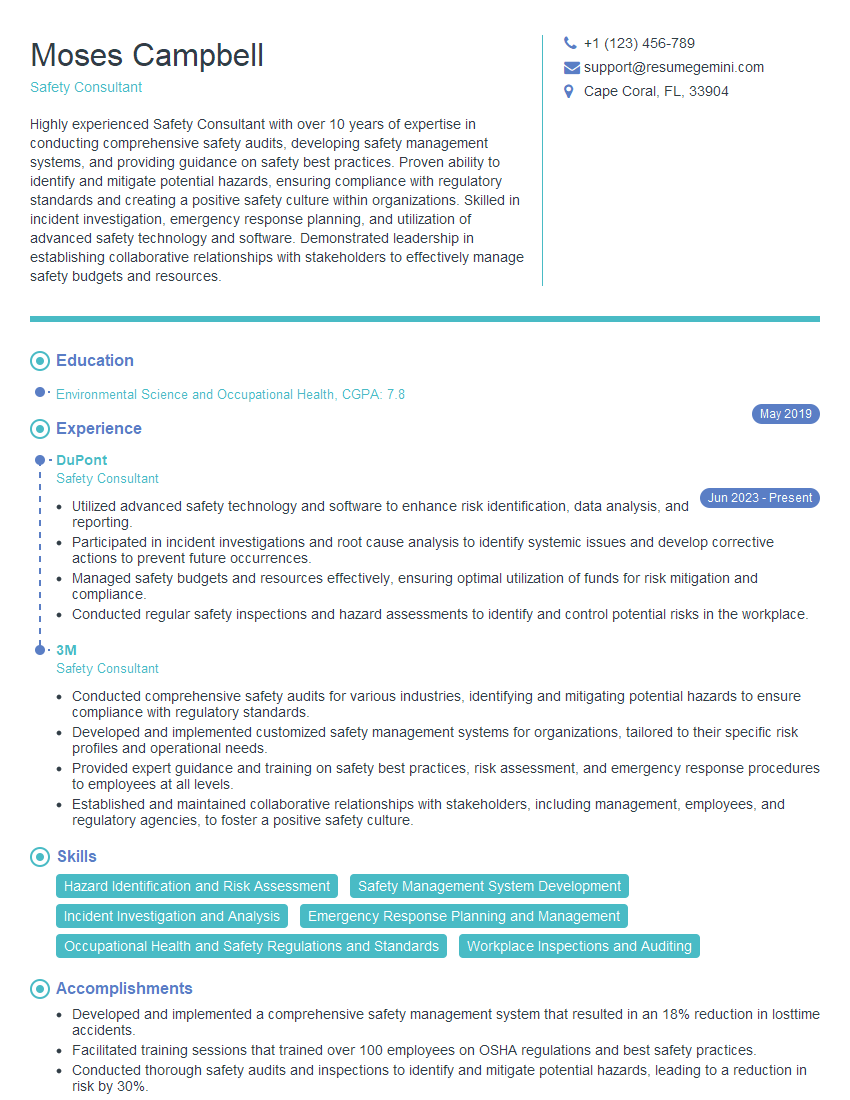
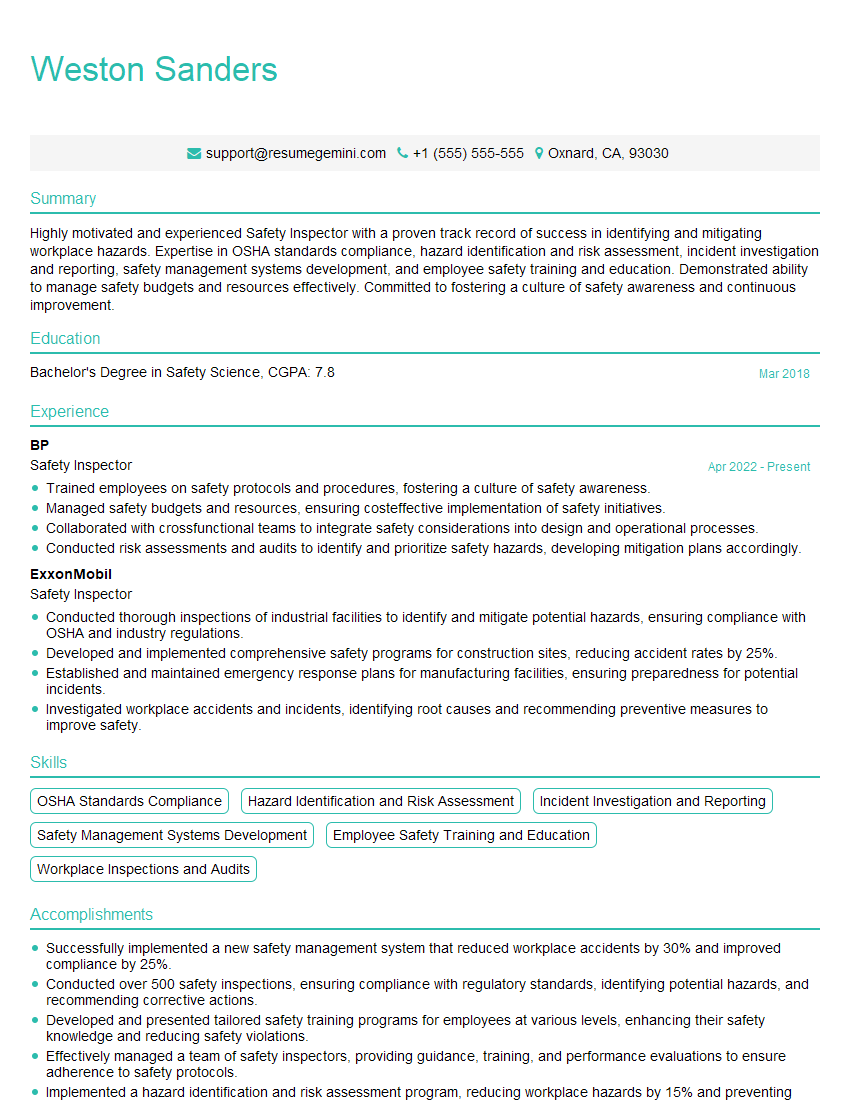
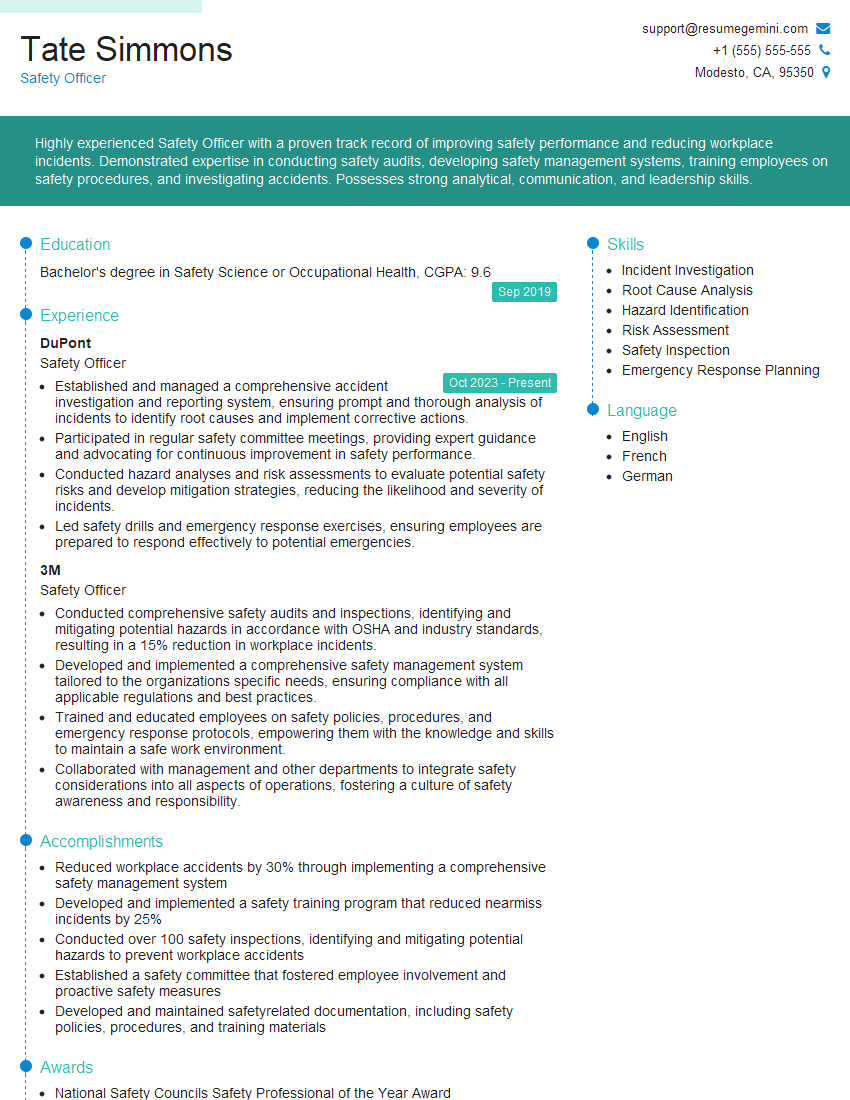
Mastering construction site safety management is crucial for career advancement in this vital field. It demonstrates your commitment to a safe and productive work environment, a highly sought-after quality by employers. To significantly boost your job prospects, create an ATS-friendly resume that highlights your skills and experience effectively. ResumeGemini is a trusted resource that can help you build a professional and impactful resume. Examples of resumes tailored to construction site safety management experience are available to guide you.
Explore more articles
Users Rating of Our Blogs
Share Your Experience
We value your feedback! Please rate our content and share your thoughts (optional).
What Readers Say About Our Blog
Very informative content, great job.
good