The right preparation can turn an interview into an opportunity to showcase your expertise. This guide to Experience with design for manufacturing and assembly (DFMA) interview questions is your ultimate resource, providing key insights and tips to help you ace your responses and stand out as a top candidate.
Questions Asked in Experience with design for manufacturing and assembly (DFMA) Interview
Q 1. Explain the principles of Design for Manufacturing and Assembly (DFMA).
Design for Manufacturing and Assembly (DFMA) is a systematic approach to product design that considers the manufacturability and assemblability of a product from its very inception. It aims to minimize costs, improve quality, and shorten lead times by optimizing the design for efficient production and assembly. The core principles revolve around simplifying the design, standardizing components, and using readily available manufacturing processes.
- Simplicity: Reducing the number of parts, simplifying shapes, and minimizing the complexity of features directly impacts manufacturing and assembly time and costs. For example, replacing a complex assembly of several parts with a single injection-molded component.
- Standardization: Using standard components, fasteners, and materials reduces costs, simplifies inventory management, and ensures easier sourcing. This means opting for off-the-shelf parts where feasible rather than custom-designed ones.
- Manufacturability: Choosing manufacturing processes that are efficient and cost-effective for the specific material and design. For instance, selecting injection molding for high-volume production of plastic parts rather than machining, which is better suited for lower volumes and complex geometries.
- Assemblability: Designing parts for easy handling, insertion, and fastening during assembly. This includes incorporating features like snap-fits, self-aligning parts, and easy-to-access fasteners.
DFMA isn’t just about reducing costs; it also improves product quality and reliability by reducing the chances of errors during manufacturing and assembly.
Q 2. Describe your experience with different manufacturing processes (e.g., injection molding, machining, casting).
My experience encompasses a wide range of manufacturing processes. I’ve worked extensively with injection molding, machining, and casting, each with its unique strengths and limitations.
- Injection Molding: I’ve used this extensively for high-volume production of plastic components. I’m proficient in designing parts for optimal mold flow, minimizing warpage, and ensuring consistent part quality. A recent project involved optimizing the gate location on a complex plastic housing to eliminate sink marks and improve surface finish.
- Machining: I’ve worked with various machining processes like milling, turning, and drilling, primarily for metal components. My expertise lies in designing parts with machinability in mind, selecting appropriate materials, and specifying tolerances to ensure accurate and efficient machining. For example, I once redesigned a metal bracket to reduce the number of machining operations, significantly lowering production costs.
- Casting: I’ve utilized die casting and investment casting for creating intricate metal parts. My knowledge includes designing parts for proper draft angles, minimizing casting defects, and selecting suitable casting alloys. In one project, I redesigned a cast aluminum part to improve its dimensional accuracy and surface finish, resulting in less post-processing.
Understanding the capabilities and limitations of each process is crucial in DFMA, allowing for informed decision-making during the design phase.
Q 3. How do you identify potential assembly challenges during the design phase?
Identifying assembly challenges early in the design phase is critical for preventing costly rework later. I employ several techniques:
- Assembly Simulations: Using digital tools to simulate the assembly process, highlighting potential interference, difficult-to-reach fasteners, or awkward part orientations. This virtual prototyping helps identify and rectify issues before physical prototypes are made.
- FMEA (Failure Mode and Effects Analysis): Conducting a detailed FMEA of the assembly process to identify potential failure modes and their associated effects, allowing for proactive mitigation strategies. This systematic approach helps identify potential assembly problems proactively.
- Design Reviews with Assembly Experts: Including assembly engineers and technicians in design reviews to get their input on the ease of assembly. Their practical experience often highlights overlooked challenges that might not be apparent to designers.
- Mock-ups and Prototypes: Building physical mock-ups and prototypes to test the assembly sequence and identify any ergonomic issues or difficulties in handling parts.
By combining these methods, I can effectively identify and address potential assembly issues early in the design cycle, ensuring a smooth and efficient manufacturing process.
Q 4. What are some common DFMA techniques used to reduce manufacturing costs?
Many DFMA techniques directly impact manufacturing costs. Some common ones include:
- Part Consolidation: Combining multiple parts into a single component through techniques such as injection molding or casting. This reduces assembly time, material costs, and inventory.
- Modular Design: Designing the product as a series of independent modules that can be easily assembled and replaced. This simplifies assembly, reduces repair costs, and allows for easier customization.
- Standard Part Selection: Utilizing readily available, off-the-shelf components rather than custom-designed parts. This reduces procurement lead times and costs.
- Symmetry and Repeatability: Designing parts with symmetry or using repetitive features simplifies manufacturing and reduces costs by allowing for efficient automation.
- Simplified Fasteners: Opting for easy-to-use fasteners such as snap-fits, press-fits, or self-tapping screws instead of complex threaded fasteners. This speeds up assembly and reduces labor costs.
The goal is to create a design that is both functional and cost-effective to manufacture.
Q 5. How do you balance design aesthetics with manufacturing feasibility?
Balancing design aesthetics with manufacturing feasibility often requires creative problem-solving. It’s about finding innovative solutions that meet both functional and aesthetic requirements without compromising manufacturability. This often involves:
- Material Selection: Choosing materials that provide the desired aesthetic qualities (e.g., color, texture, finish) while being suitable for the selected manufacturing process. For example, using a specific type of plastic for its appearance and ease of injection molding.
- Surface Treatments: Employing surface treatments like painting, plating, or texturing to enhance the aesthetic appeal without significantly increasing manufacturing costs. This can add visual interest to otherwise simple parts.
- Design Simplification: Finding ways to simplify complex shapes or features without sacrificing the overall aesthetic design. This could involve using clever curves or surface manipulations that are easy to manufacture.
- Iterative Design Process: Employing an iterative design process where feedback from manufacturing engineers is incorporated early on. This allows for adjustments to be made to the design to ensure manufacturability without compromising the aesthetic vision.
The key is open communication between designers and manufacturing engineers to find the optimal balance.
Q 6. Explain your experience with tolerance analysis and its impact on assembly.
Tolerance analysis is a crucial aspect of DFMA. It involves defining acceptable variations in dimensions and features of parts to ensure proper assembly and functionality. A thorough tolerance analysis helps prevent fitment issues, reduces assembly errors, and ultimately minimizes costs.
My experience includes using various tolerance analysis techniques, including:
- Statistical Tolerance Analysis: This method considers the statistical distribution of tolerances for each part to determine the overall variation in the assembled product. It helps to identify critical tolerances that need tighter control.
- Geometric Dimensioning and Tolerancing (GD&T): I use GD&T to clearly communicate dimensional and geometric tolerances on drawings, ensuring everyone understands the acceptable variations. This provides a standardized and unambiguous language for defining tolerances.
Improper tolerance analysis can lead to assembly problems such as interference, loose fits, and even functional failures. By performing a comprehensive tolerance analysis, we can ensure that the parts are manufactured to the appropriate tolerances, leading to a reliable and manufacturable design.
Q 7. How do you incorporate DFMA principles into the design review process?
DFMA principles are integral to our design review process. I actively integrate them by:
- Early Involvement of Manufacturing Experts: Including manufacturing engineers and assembly specialists in the design review meetings from the conceptual design stage. Their input is critical in identifying potential manufacturability and assemblability issues early on.
- DFMA Checklists: Utilizing DFMA checklists to systematically assess the design for manufacturability and assemblability aspects. This ensures a thorough review and identifies areas for improvement.
- Cost Analysis: Integrating cost estimations based on the manufacturing processes and materials selected into the design review process. This provides a clear understanding of the manufacturing cost implications of design decisions.
- Prototyping and Testing: Incorporating prototyping and assembly testing into the design review process to validate design decisions and identify potential problems before mass production.
By embedding DFMA principles throughout the design review process, we ensure that the final design is optimized for both functionality and cost-effective manufacturing.
Q 8. Describe a time you had to redesign a product to improve its manufacturability.
Early in my career, we were developing a complex electromechanical device with a multitude of small, intricate parts. The initial design, while aesthetically pleasing, proved incredibly challenging and costly to manufacture. Assembly times were excessively long due to the numerous tiny screws and delicate components requiring precise alignment. The manufacturing process was prone to errors, leading to high scrap rates.
To improve manufacturability, we redesigned several aspects. We replaced numerous small screws with snap-fit components, simplifying assembly and reducing the risk of dropped or misplaced parts. We also consolidated some parts by combining their functions into larger, more robust units. This reduced the overall part count significantly. Finally, we redesigned the casing to allow for easier access during assembly, improving ergonomics and reducing assembly time. These changes resulted in a 40% reduction in manufacturing costs and a 60% decrease in assembly time, making the product significantly more competitive.
Q 9. What are some common challenges encountered during the implementation of DFMA?
Implementing DFMA often faces hurdles. One common challenge is balancing design requirements with manufacturing capabilities. Design engineers might envision intricate features that are difficult or expensive to produce using available equipment and processes. For example, a design requiring extremely tight tolerances might be incredibly costly to manufacture at scale.
Another significant challenge is communication and collaboration between design and manufacturing teams. If these teams aren’t working together effectively, design flaws related to manufacturability can easily be overlooked. This lack of communication can lead to costly design revisions late in the development process.
Finally, resistance to change from individuals invested in the initial design can be a significant obstacle. Overcoming this requires strong leadership and a clear demonstration of the benefits of the DFMA process.
Q 10. How do you measure the success of DFMA implementation?
Measuring the success of DFMA implementation involves a multifaceted approach. Key metrics include:
- Reduced manufacturing costs: Tracking the cost per unit before and after the DFMA implementation is crucial. Significant cost reduction demonstrates a successful DFMA process.
- Shorter assembly times: Measuring the time required to assemble the product before and after the redesign reveals improvements in efficiency.
- Improved product quality: Tracking defects and scrap rates showcases the impact of DFMA on product quality. A reduction in defects demonstrates that the redesign has improved robustness and reduced assembly errors.
- Increased manufacturing yield: Higher yield signifies fewer rejected products, directly reflecting improved manufacturability.
- Simplified assembly processes: Assessing the complexity of the assembly process, such as the number of parts and steps, helps in evaluating simplification efforts from DFMA.
By monitoring these metrics, we can quantify the positive effects of DFMA and justify its continued implementation.
Q 11. Explain your understanding of Design for Six Sigma (DFSS).
Design for Six Sigma (DFSS) is a structured methodology used to design products and processes that meet customer requirements while minimizing variation and defects. It’s a proactive approach that aims to prevent problems from occurring rather than reacting to them after they’ve happened. DFSS employs statistical methods and tools to optimize designs for reliability and manufacturability.
Key aspects of DFSS include defining critical-to-quality (CTQ) characteristics, identifying potential failure modes and effects, and developing robust designs that are insensitive to variations in manufacturing processes. This approach integrates DFMA principles by ensuring the design is optimized for manufacturability from the outset, leading to reduced costs, improved quality, and increased customer satisfaction. Think of it as building quality into the product from the very beginning instead of trying to inspect quality in at the end.
Q 12. How do you handle conflicting design requirements related to cost, performance and manufacturability?
Handling conflicting design requirements—cost, performance, and manufacturability—requires a systematic approach. Often, a simple prioritization isn’t enough; instead, a balanced approach using trade-off analysis is needed.
I typically start by defining the relative importance of each requirement. This might involve using weighted scoring or a prioritization matrix. Then, we explore design alternatives that balance these competing needs. For example, we might explore using a slightly less expensive material that still meets performance requirements but is easier to manufacture, leading to lower overall costs. Or, we might simplify a design feature that is critical for performance but difficult to manufacture, finding a compromise that satisfies both.
This process often involves iteration and compromise. We might need to test different solutions to determine the optimal balance between cost, performance, and manufacturability. Effective communication and collaboration between engineering, manufacturing, and marketing teams are critical throughout this process.
Q 13. Describe your experience with CAD software for DFMA applications (e.g., SolidWorks, AutoCAD).
I’m proficient in several CAD software packages, including SolidWorks and AutoCAD. In DFMA applications, CAD software is indispensable. It allows us to create and analyze 3D models, enabling early detection of potential manufacturability issues. For example, using SolidWorks’ simulation tools, I can analyze the stress on parts under different loading conditions, ensuring the design can withstand the rigors of manufacturing and use.
AutoCAD’s capabilities, especially in 2D drafting for detailing, are crucial for generating accurate manufacturing drawings. These drawings provide the precise specifications needed by manufacturing teams, reducing the ambiguity and potential for errors. The ability to perform design reviews and interference checks digitally significantly reduces costs associated with physical prototyping and rework.
Furthermore, some CAD packages have integrated DFMA tools that automatically check designs for manufacturability issues, such as excessive part count, difficult-to-reach fasteners, or challenging assembly sequences. This helps to streamline the DFMA process and identify problems early on.
Q 14. What are some common materials used in manufacturing and their impact on assembly?
The choice of materials significantly impacts both manufacturing and assembly. Here are some examples:
- Plastics (e.g., ABS, Polycarbonate): These are often chosen for their low cost, ease of molding, and design flexibility. However, some plastics can be brittle or prone to warping, requiring careful consideration during the design and manufacturing process. Their low melting points can also impact assembly methods (e.g., avoiding heat-based joining).
- Metals (e.g., Aluminum, Steel): Metals offer high strength and durability but are generally more expensive and complex to machine than plastics. Steel’s high strength makes it suitable for high-load applications, but its weight might be a disadvantage. Aluminum offers a better strength-to-weight ratio.
- Composites (e.g., Carbon fiber reinforced polymers): These offer a high strength-to-weight ratio, making them attractive for lightweight applications. However, they are often expensive and require specialized manufacturing techniques.
The selection of materials must consider factors like strength, weight, cost, recyclability, and compatibility with assembly processes. For instance, using press-fit assembly for metal components requires tight tolerances and careful material selection to prevent failures. Choosing materials that are compatible with joining techniques, such as welding or adhesive bonding, is also crucial.
Q 15. How do you choose the right manufacturing process for a given product design?
Choosing the right manufacturing process is crucial for DFMA. It’s not a single decision, but a careful evaluation balancing factors like product complexity, required volume, material properties, cost, and available technology.
My approach starts with a thorough analysis of the product’s design features. For instance, a product requiring high precision and intricate details might necessitate CNC machining, while a high-volume, simple product might be ideal for injection molding.
- High-volume, simple parts: Injection molding, stamping, die casting are efficient choices.
- Medium-volume, complex parts: CNC machining, 3D printing (depending on material and tolerances), or potentially sheet metal fabrication.
- Low-volume, highly customized parts: CNC machining, 3D printing, or even manual processes like hand assembly might be suitable.
I also consider the material. A product made from easily machinable aluminum will have different manufacturing options compared to a product made from a brittle ceramic. Finally, I factor in cost analysis, comparing the per-unit cost of different manufacturing processes at the expected production volume.
For example, I once worked on a project where the initial design called for intricate casting. Through DFMA analysis, we redesigned the part to utilize simpler features that allowed for injection molding, drastically reducing the cost per unit while maintaining functionality.
Career Expert Tips:
- Ace those interviews! Prepare effectively by reviewing the Top 50 Most Common Interview Questions on ResumeGemini.
- Navigate your job search with confidence! Explore a wide range of Career Tips on ResumeGemini. Learn about common challenges and recommendations to overcome them.
- Craft the perfect resume! Master the Art of Resume Writing with ResumeGemini’s guide. Showcase your unique qualifications and achievements effectively.
- Don’t miss out on holiday savings! Build your dream resume with ResumeGemini’s ATS optimized templates.
Q 16. Describe your experience with creating and interpreting tolerance stacks.
Tolerance stacks are critical for ensuring proper assembly and functionality. They represent the accumulation of tolerances across multiple components. I have extensive experience creating and interpreting these stacks using both geometric dimensioning and tolerancing (GD&T) and simple worst-case analysis.
Creating a tolerance stack involves identifying all critical dimensions and their associated tolerances from the drawings. Then, I determine how these tolerances interact. For example, if two parts need to fit together, I need to ensure that the maximum tolerance of one part is less than the minimum tolerance of the other, considering all positional and dimensional tolerances.
I use both spreadsheet software and specialized CAD software to perform these calculations. A simple example would be assembling two cylindrical parts. If part A has a diameter of 10 ± 0.1 mm and part B has a diameter of 10 ± 0.1 mm and needs to slide into part A, I must carefully consider the maximum size of A (10.1mm) and the minimum size of B (9.9mm) to ensure proper clearance.
Interpreting the stack helps identify potential assembly issues early in the design process. If the tolerances are too tight, it can lead to assembly difficulties and increased scrap rate. If they are too loose, it may lead to insufficient functionality. I utilize the results of tolerance stack analysis to inform design improvements.
Q 17. What are some best practices for creating assembly instructions?
Effective assembly instructions are crucial for efficient and error-free assembly. My best practices include:
- Clear and concise language: Avoid technical jargon unless absolutely necessary. Use simple, straightforward language.
- Step-by-step instructions: Break down the assembly process into small, easily manageable steps with clear numbering and titles.
- Visual aids: Include high-quality images, diagrams, or videos showing each step clearly. This significantly reduces the likelihood of misinterpretations.
- Tooling and parts identification: Clearly identify all required tools and parts with high-quality images and labels. This eliminates confusion and simplifies the process.
- Error prevention: Highlight potential pitfalls or common mistakes to guide assemblers. This minimizes costly rework.
- Multi-lingual support: For international markets, providing instructions in multiple languages is vital for wider accessibility.
I also prefer to use a structured format, often using a table or a flowchart to visualize the sequence of steps. I always pilot test the instructions with representative assemblers to gather feedback and make necessary revisions before mass production.
Q 18. How do you incorporate ergonomics considerations into product design for improved assembly?
Ergonomics is crucial for DFMA to minimize worker strain, improve assembly speed, and reduce the risk of repetitive strain injuries (RSI). I incorporate ergonomic considerations throughout the design process.
This includes:
- Reach analysis: Designing the product so that all parts are easily accessible without awkward postures or excessive reaching. This might involve reorganizing components or redesigning certain assembly fixtures.
- Force analysis: Minimizing the force required for each assembly step. This could involve using ergonomic handles, designing parts with snap fits instead of screws, or leveraging automation.
- Posture analysis: Designing assembly procedures to avoid prolonged bending, twisting, or awkward postures. This often necessitates collaborative work with ergonomists and industrial engineers.
- Tool design: Ensuring that all tools are comfortable to hold and use, minimizing hand fatigue.
- Workstation design: Working with engineers to optimize assembly workstations to accommodate ergonomic principles.
For example, in a previous project, by redesigning a component’s shape, we reduced the assembly force by 40%, resulting in improved worker satisfaction and reduced risks of injuries.
Q 19. Explain your experience with Design for X (DFX) methodologies.
I have extensive experience with Design for X (DFX) methodologies, including DFMA, Design for Manufacturing (DFM), Design for Assembly (DFA), Design for Reliability (DFR), Design for Testability (DFT), and Design for Service (DFS). These methodologies are not independent but interwoven to achieve optimal product design.
My approach is holistic, integrating DFX considerations from the conceptual design phase. This avoids costly redesigns later in the process. For instance, when working on DFM, I carefully select materials considering their machinability, availability, and cost-effectiveness. DFA involves simplifying the assembly process by reducing the number of parts, selecting appropriate fasteners, and designing parts for easy handling and alignment. In DFR, I focus on selecting robust materials and implementing design features that enhance product durability and prevent failure.
I routinely utilize tools and techniques such as Failure Mode and Effects Analysis (FMEA) and Design of Experiments (DOE) to identify potential weaknesses and optimize the design for robustness. The key to effective DFX is collaboration – it’s not just about one engineer’s expertise; I actively involve manufacturing engineers, assembly technicians, and quality assurance experts throughout the design process.
Q 20. How do you handle design changes during the manufacturing process?
Handling design changes during manufacturing is a critical aspect of DFMA. My approach prioritizes careful change management and communication to minimize disruption and cost.
The process begins with a thorough impact assessment. We evaluate the scope of the changes, identify all affected components, and assess its potential consequences on the manufacturing process, cost, and schedule. This involves close collaboration with manufacturing and production teams.
Next, I prepare a detailed change request, documenting the reasons for the change, the proposed modifications, and a revised design drawing, incorporating updated tolerances and specifications. This revision is thoroughly reviewed, and any necessary testing is implemented to verify its impact on existing aspects of the product.
Furthermore, updating the assembly instructions and other related documentation is crucial. It is imperative to communicate the changes clearly and efficiently to all relevant stakeholders, including manufacturing personnel, quality control, and potentially suppliers.
Finally, I closely monitor the implementation of the changes and track their effect on production efficiency, quality, and cost to identify and address any unexpected issues. This proactive monitoring strategy helps prevent cascading effects of change requests.
Q 21. What are the key performance indicators (KPIs) for successful DFMA implementation?
Successful DFMA implementation is measured by several key performance indicators (KPIs). These KPIs should be tracked throughout the product lifecycle to ensure continuous improvement.
- Cost reduction: A significant KPI is the reduction in manufacturing and assembly costs achieved through DFMA. This can be measured by comparing the cost of the initial design to the final cost after DFMA implementation.
- Assembly time reduction: DFMA aims to simplify assembly, therefore reducing the time required. This can be measured by comparing assembly times before and after DFMA implementation.
- Part count reduction: Reducing the number of parts simplifies manufacturing and assembly and generally reduces costs. This is a key KPI to track.
- Defect rate reduction: By simplifying design and assembly, DFMA can lower the defect rate. This can be measured by tracking the number of defects per unit produced.
- Improved ergonomics: Reduced worker strain and risk of injury indicates success. This can be measured through surveys, injury reports, and ergonomic assessments.
- Lead time reduction: A streamlined manufacturing process typically reduces lead time, and this is a valuable metric to monitor.
These KPIs, combined with regular reviews and analysis, help to gauge the effectiveness of DFMA efforts and identify areas for continuous improvement. Regularly reporting on these metrics keeps the entire team focused on the efficiency goals of the project.
Q 22. Explain your experience with using statistical process control (SPC) in manufacturing.
Statistical Process Control (SPC) is a powerful methodology used to monitor and control manufacturing processes. It involves collecting data from the production line, analyzing it for trends and variations, and taking corrective actions to maintain consistent quality. My experience with SPC includes implementing control charts, like X-bar and R charts, and utilizing various tools for capability analysis, such as Cp and Cpk.
For example, in a previous role manufacturing precision components, we used X-bar and R charts to monitor the diameter of a critical shaft. By plotting the average diameter (X-bar) and the range of diameter variations (R) across different samples, we identified a trend towards increasing variability. This alerted us to potential machine wear, allowing for timely maintenance and preventing a batch of defective parts. We also used capability analysis to verify if our process consistently met customer specifications, adjusting process parameters as needed to improve Cp and Cpk values.
Beyond basic control charts, I’ve also worked with more advanced techniques, including process behavior charts and multivariate control charts to analyze multiple variables simultaneously. Understanding and interpreting the data these charts provide is crucial for preventing defects and minimizing waste.
Q 23. How do you use DFMA to reduce lead times?
Design for Manufacturing and Assembly (DFMA) is a crucial strategy for minimizing lead times. By focusing on design choices that simplify manufacturing and assembly, you dramatically reduce production time. This involves several key strategies.
- Part Count Reduction: Consolidating parts simplifies the assembly process, directly reducing lead time. For example, integrating multiple parts into a single injection-molded component can eliminate several assembly steps.
- Simplified Assembly Processes: Choosing fastening methods that are quick and easy, like snap-fits or ultrasonic welding instead of screws, speeds up assembly. Designing parts with self-locating features minimizes alignment time.
- Modular Design: Breaking down a product into easily assembled modules allows for parallel assembly operations, significantly reducing overall lead time. This also makes troubleshooting and repair faster.
- Standard Parts and Components: Utilizing readily available, off-the-shelf components eliminates the need for custom manufacturing, which often has longer lead times.
For instance, in a project designing a consumer electronic device, we reduced the part count by 30% through clever design integration. This led to a 25% reduction in assembly time, directly translating to shorter lead times and faster product delivery.
Q 24. Describe your experience with failure mode and effects analysis (FMEA) in relation to DFMA.
Failure Mode and Effects Analysis (FMEA) is an integral part of DFMA. It’s a systematic process used to identify potential failure modes in a product and assess their severity, occurrence, and detectability. By proactively identifying potential problems during the design phase, you can mitigate risks and prevent costly issues later in manufacturing and during the product’s life cycle.
In a DFMA context, FMEA helps identify design features that might be prone to failure during manufacturing or assembly. For example, a FMEA might reveal that a particular type of fastener is difficult to install, leading to potential assembly errors. This knowledge allows us to change the fastener type to something easier to use, preventing delays and quality issues. We would then use a Risk Priority Number (RPN) calculation (Severity x Occurrence x Detection) to prioritize the potential failures and focus our efforts on the most critical ones.
My experience includes leading FMEA sessions with cross-functional teams, facilitating the identification of potential failures, and developing mitigation strategies that are integrated into the design and manufacturing processes. The result is a more robust product with improved reliability and a reduced risk of assembly-related failures.
Q 25. How do you utilize Design of Experiments (DOE) for process optimization within a DFMA context?
Design of Experiments (DOE) is a powerful statistical technique for optimizing manufacturing processes. Within a DFMA context, DOE helps identify the optimal settings for manufacturing parameters to minimize cost, maximize quality, and improve efficiency.
For example, in a project involving the injection molding of a plastic component, we used a DOE to optimize the molding process parameters such as injection pressure, mold temperature, and cooling time. By systematically varying these parameters and analyzing the resulting part quality (e.g., shrinkage, warpage, and strength), we determined the optimal combination of settings that produced parts with the desired characteristics while minimizing defects and improving cycle time. We used techniques like fractional factorial designs to reduce the number of experiments needed and still gain valuable insights.
The use of DOE in DFMA ensures that the manufacturing process is robust and capable of consistently producing high-quality parts, minimizing the chances of assembly problems and ensuring timely delivery. The outcome is a manufacturing process fine-tuned to minimize variability and maximize efficiency.
Q 26. Explain your familiarity with different types of fasteners and their impact on assembly.
Fasteners are a critical aspect of assembly, and their selection significantly impacts assembly time, cost, and product reliability. My familiarity spans various types, including:
- Screws: Machine screws, self-tapping screws, and other variations offer versatility but require more assembly time compared to other options. Selection depends on material strength, application, and ease of use in automated assembly lines.
- Rivets: Permanent fastening solutions suitable for high-strength applications where disassembly isn’t required. However, they necessitate specialized tooling and are not easily automated.
- Snap-fits: Cost-effective and quick to assemble but are less robust compared to screws and rivets and may not be suitable for high-stress applications.
- Welding: Provides a strong and permanent joint, ideal for metal parts but requires specialized equipment and skilled labor.
- Adhesives: Offer flexibility in design and simplify assembly but have curing times that might slow down the process. They require precise application and careful control of environmental conditions.
The impact of fastener selection on assembly is considerable. For instance, switching from screws to snap-fits in an appliance reduced assembly time by 40%, while the use of automated screw-driving systems further increased efficiency. Careful consideration of the specific application and manufacturing capabilities is essential for optimal fastener selection.
Q 27. Describe your experience with implementing automation in assembly processes.
Implementing automation in assembly processes is a key strategy for improving efficiency, reducing costs, and improving product quality. My experience includes working on projects that involved integrating robotic systems, automated guided vehicles (AGVs), and specialized assembly machines into production lines.
For example, in the assembly of a complex mechanical device, we replaced manual assembly steps with a robotic arm equipped with a vision system. This robotic system not only reduced assembly time by 60% but also significantly improved the consistency and accuracy of the assembly process. The vision system ensured parts were correctly oriented and positioned, drastically reducing errors.
Beyond individual robotic systems, my experience also includes designing and implementing automated assembly lines using a combination of specialized machines, conveyors, and integrated control systems. This requires careful consideration of the workflow, the integration of different automation technologies, and the development of robust quality control procedures.
The benefits of automated assembly are significant: increased throughput, improved quality, reduced labor costs, and enhanced safety. However, the implementation requires careful planning, investment in specialized equipment, and ongoing maintenance.
Key Topics to Learn for Design for Manufacturing and Assembly (DFMA) Interviews
Ace your next DFMA interview by mastering these key concepts. Remember, practical application and problem-solving skills are just as crucial as theoretical understanding.
- Design for Manufacturing (DFM): Understand the principles of DFM, including material selection, part simplification, and process optimization to reduce manufacturing costs and lead times. Consider how different manufacturing processes (e.g., injection molding, machining, casting) influence design choices.
- Design for Assembly (DFA): Explore techniques to simplify and speed up the assembly process. This includes minimizing parts, using standardized components, and designing for easy handling and fastening. Be prepared to discuss assembly time reduction strategies.
- Tolerance Analysis and Stack-up Analysis: Learn how to analyze tolerances throughout the assembly process to ensure proper fit and function. Understand the impact of tolerance variations on product performance and manufacturability.
- Modular Design and Standardization: Discuss the benefits of modular design and component standardization in reducing complexity and improving manufacturability. Be able to explain how these approaches contribute to cost savings and supply chain efficiency.
- Failure Modes and Effects Analysis (FMEA): Showcase your understanding of FMEA and how it’s used to identify potential failure modes in the design and manufacturing process and develop mitigation strategies.
- Design for Testability (DFT): Discuss strategies for designing products that are easily tested during and after manufacturing, minimizing inspection time and cost.
- Practical Application: Be ready to discuss specific examples from your experience where you applied DFMA principles to improve a product’s design, manufacturing, or assembly. Quantify your successes whenever possible (e.g., cost savings, time reduction).
Next Steps
Mastering DFMA principles is crucial for career advancement in engineering and manufacturing. A strong understanding of DFMA demonstrates valuable skills highly sought after by employers. To stand out, create a compelling resume that highlights your expertise and uses keywords effectively for Applicant Tracking Systems (ATS). ResumeGemini is a trusted resource that can help you build a professional, ATS-friendly resume, showcasing your DFMA skills effectively. Examples of resumes tailored to DFMA roles are available to guide you. Invest the time – it will significantly improve your job prospects.

Project Engineer Resume Sample
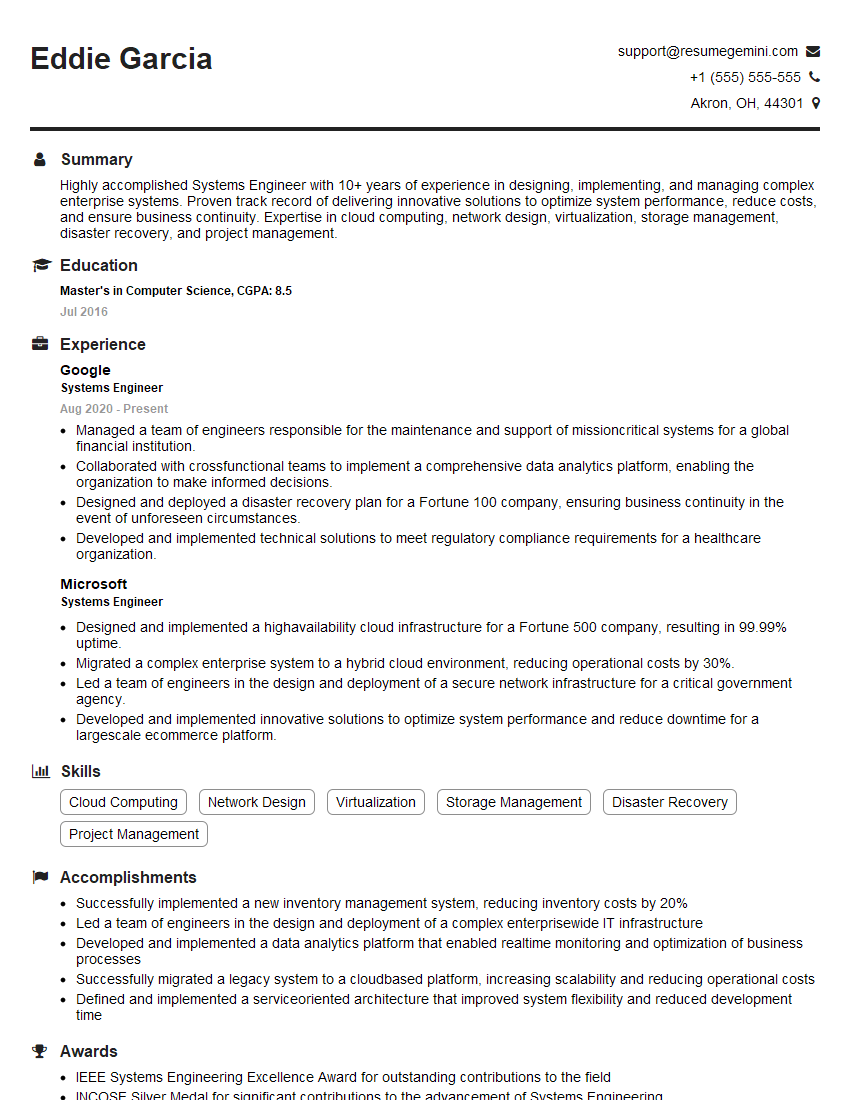
Systems Engineer Resume Sample
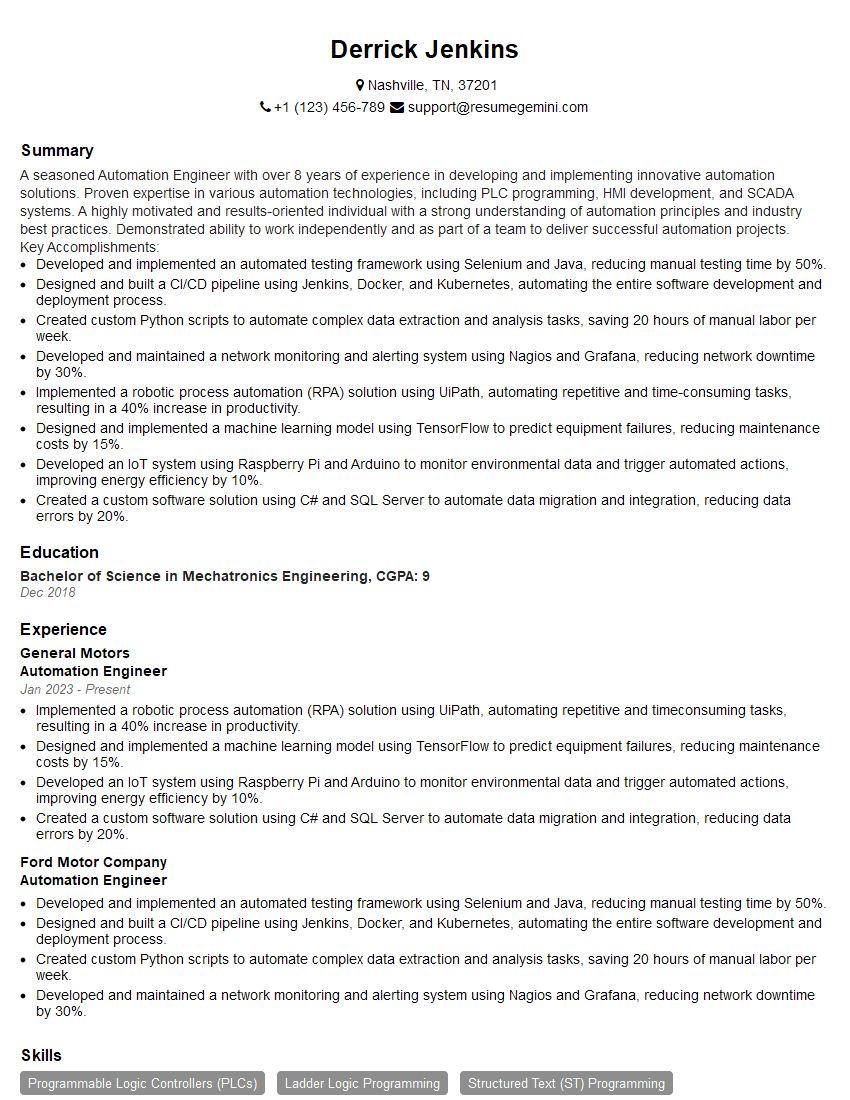
Automation Engineer Resume Sample
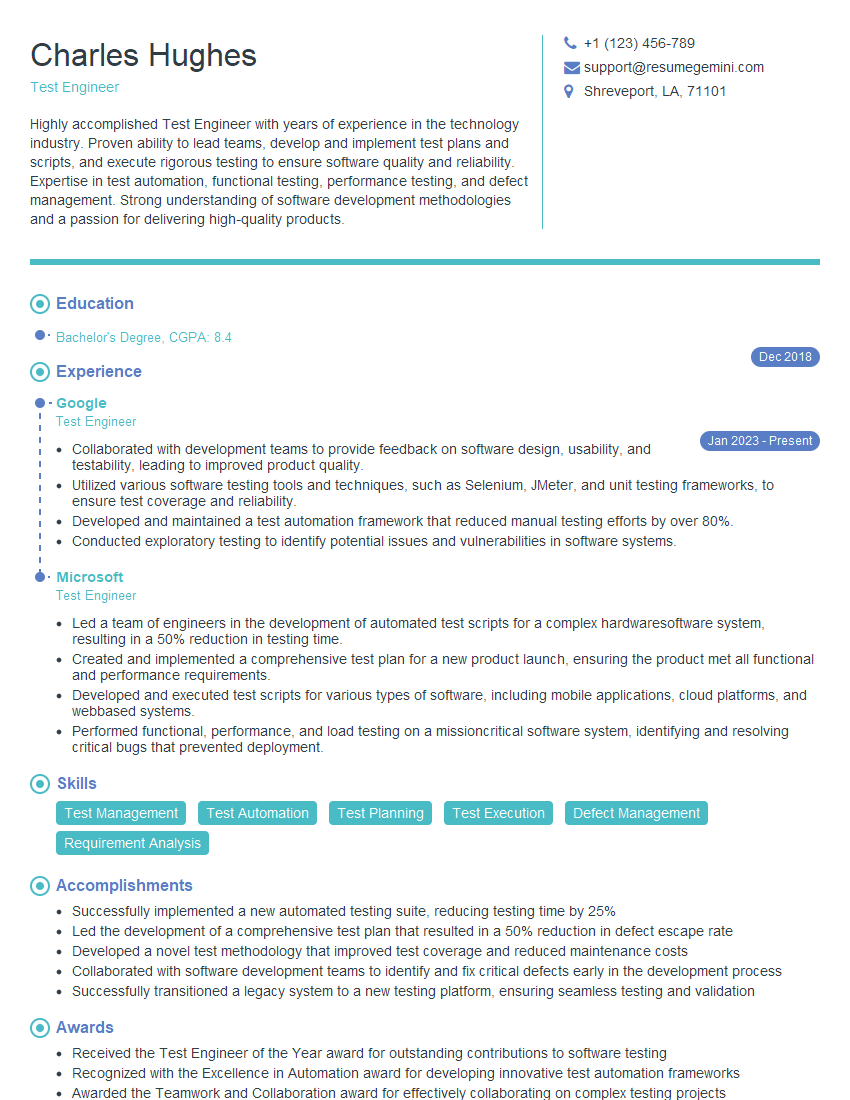
Test Engineer Resume Sample
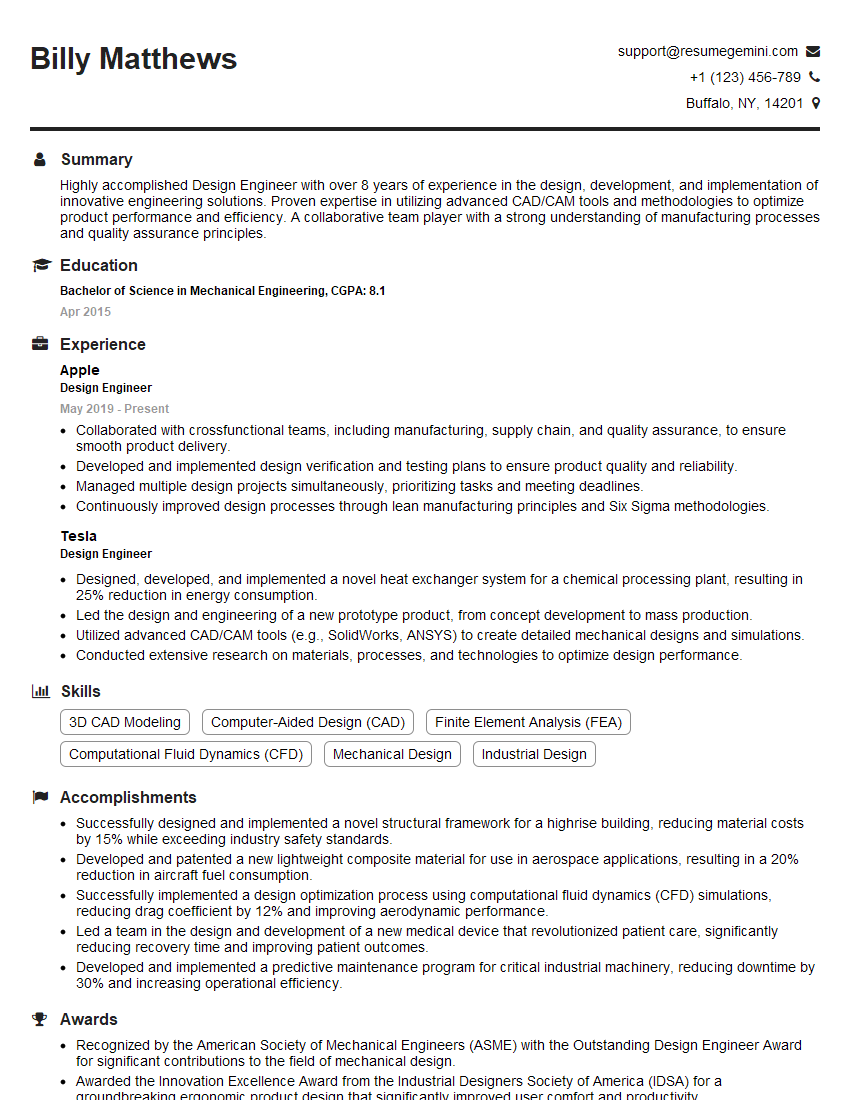
Design Engineer Resume Sample
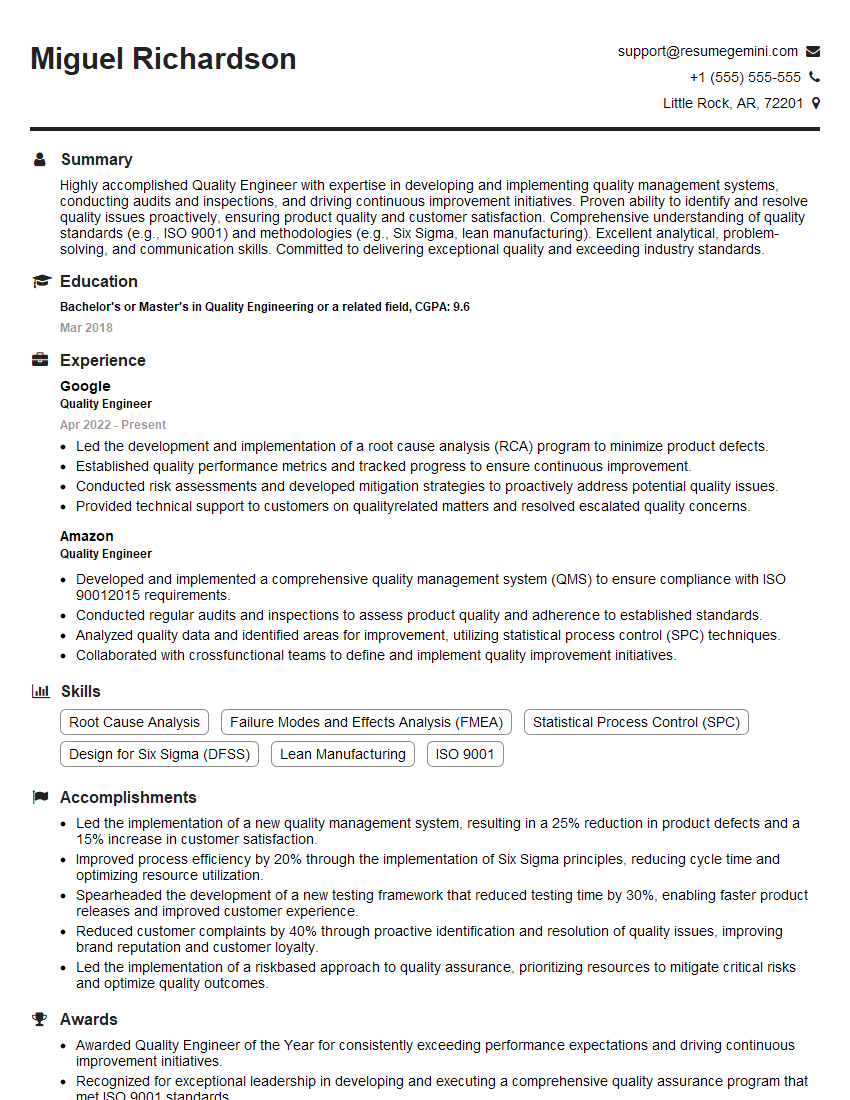
Quality Engineer Resume Sample

Electrical Engineer Resume Sample
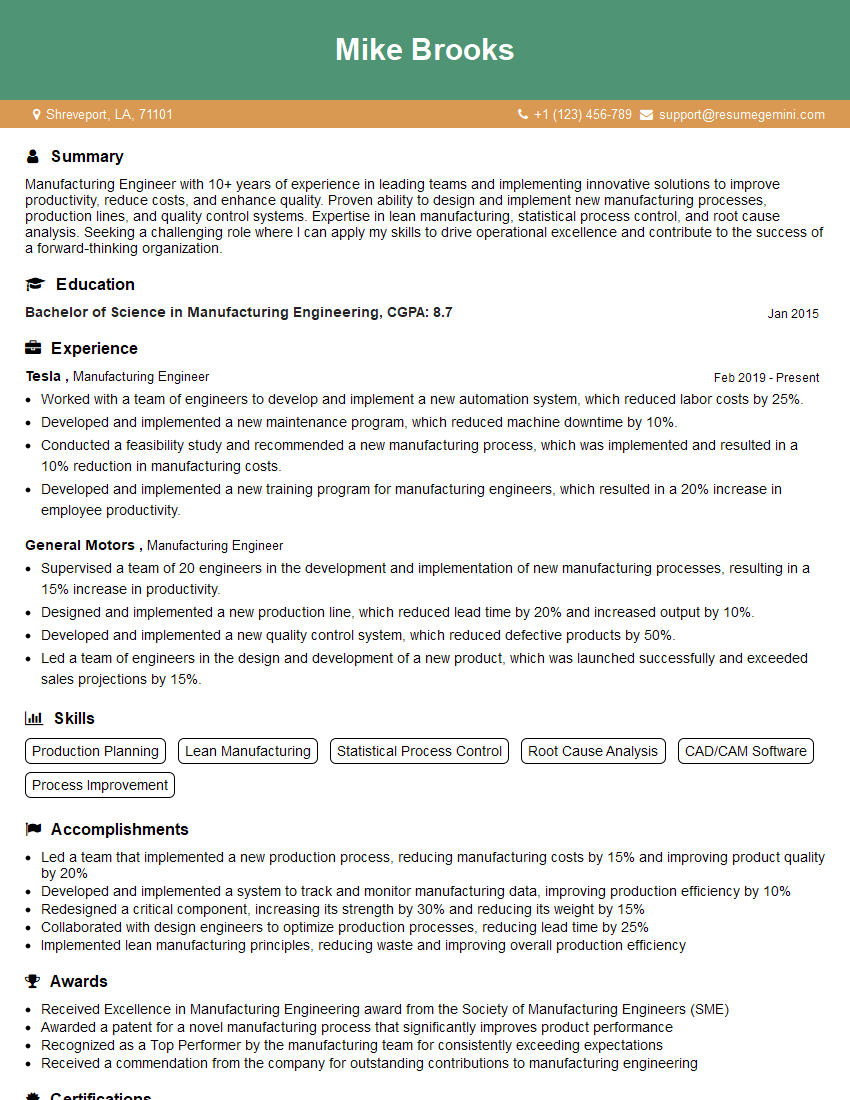
Manufacturing Engineer Resume Sample
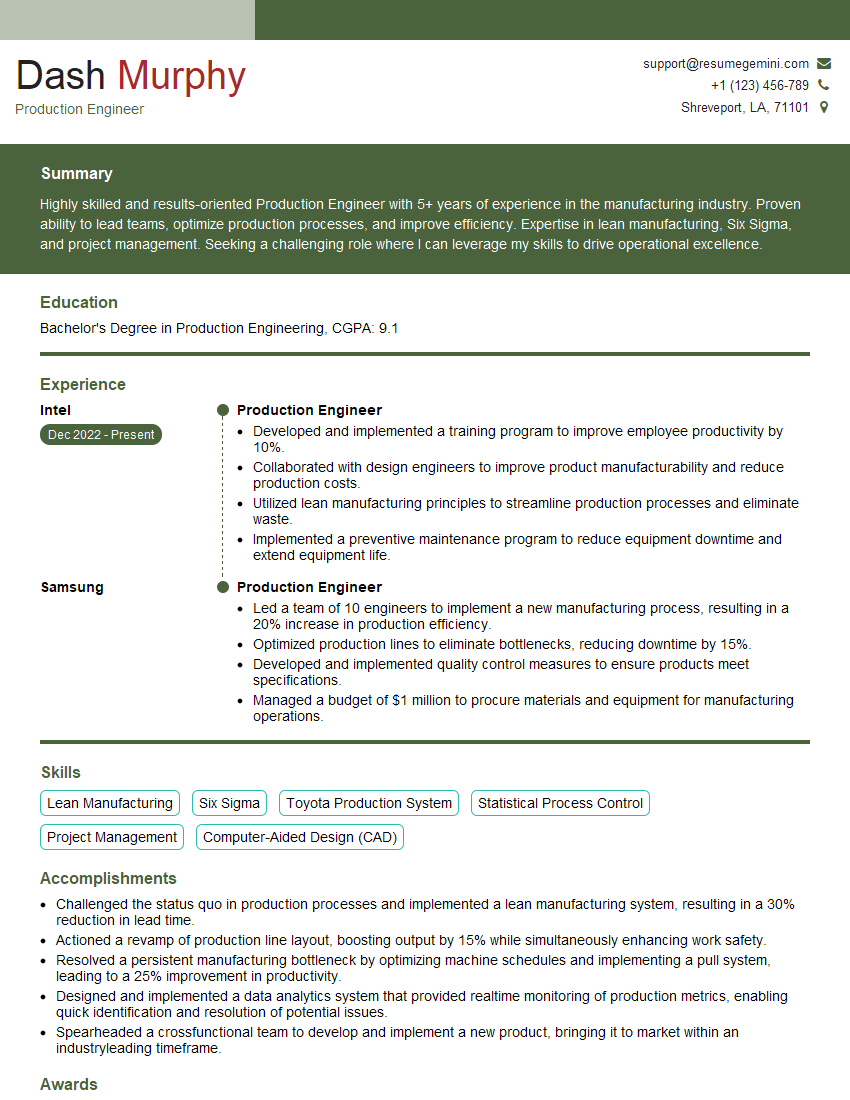
Production Engineer Resume Sample
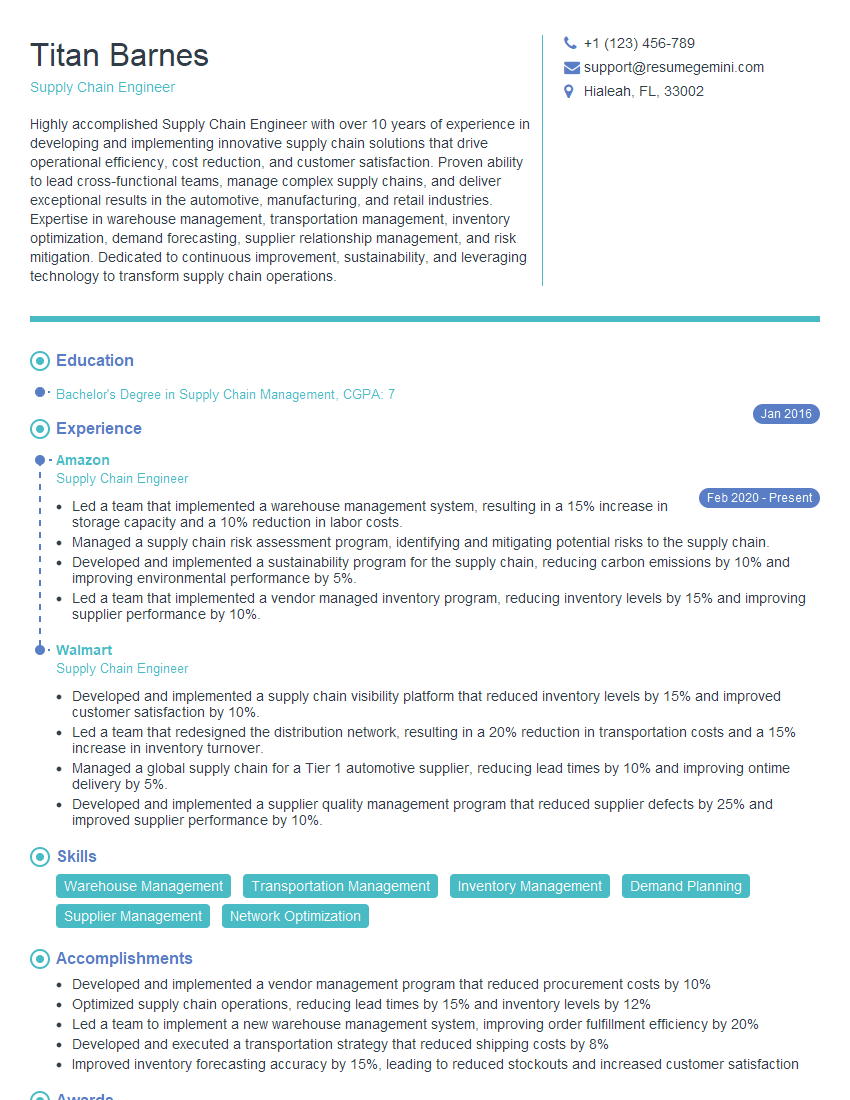
Supply Chain Engineer Resume Sample
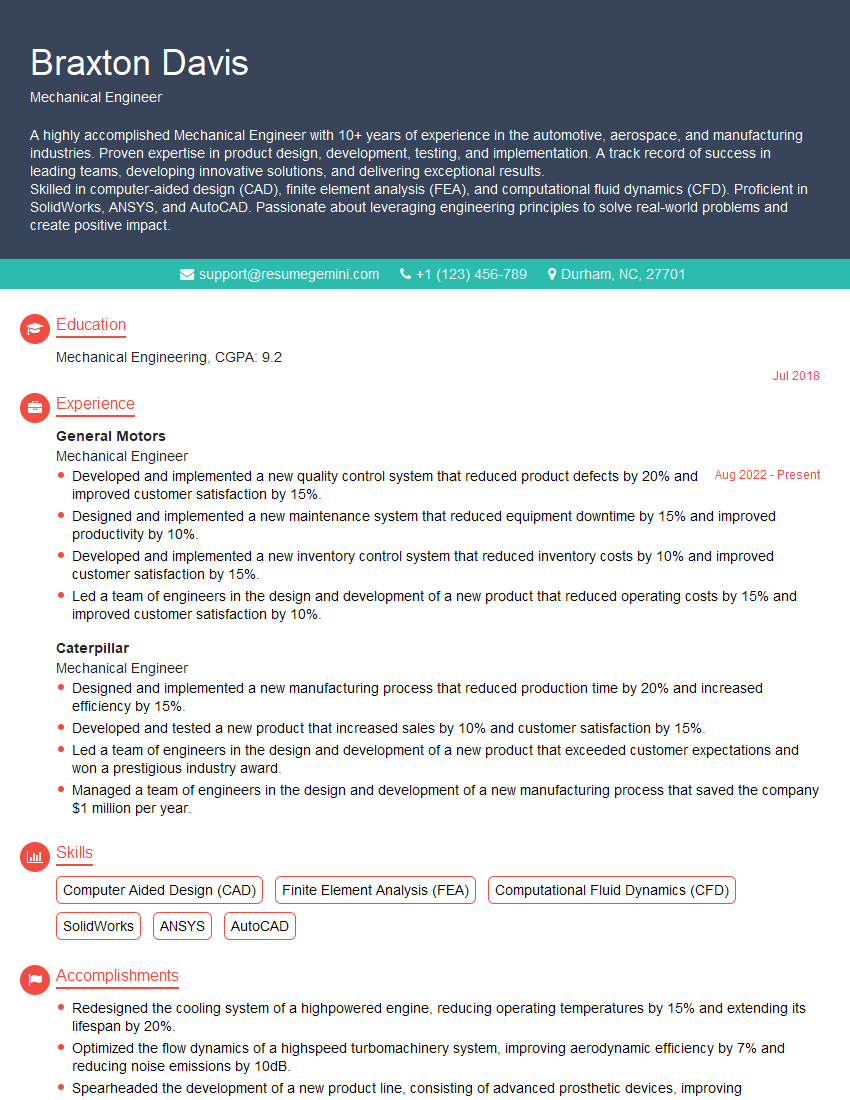
Mechanical Engineer Resume Sample
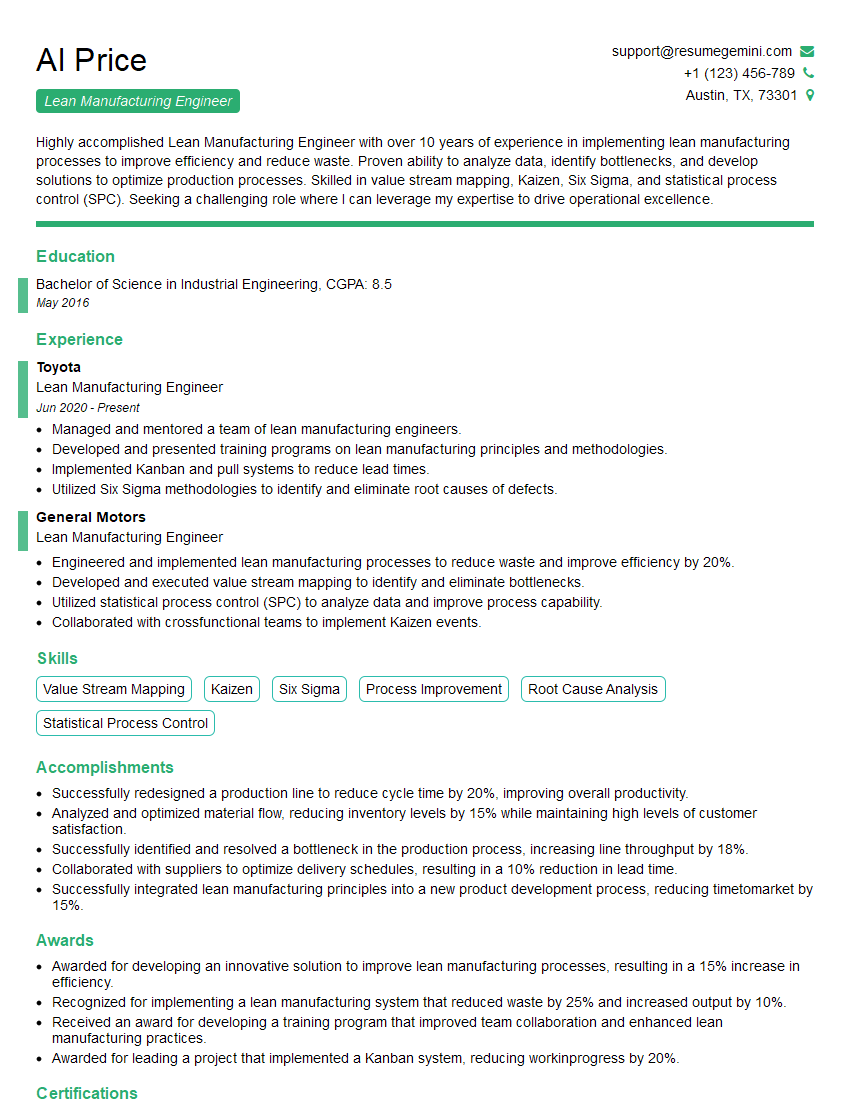
Lean Manufacturing Engineer Resume Sample
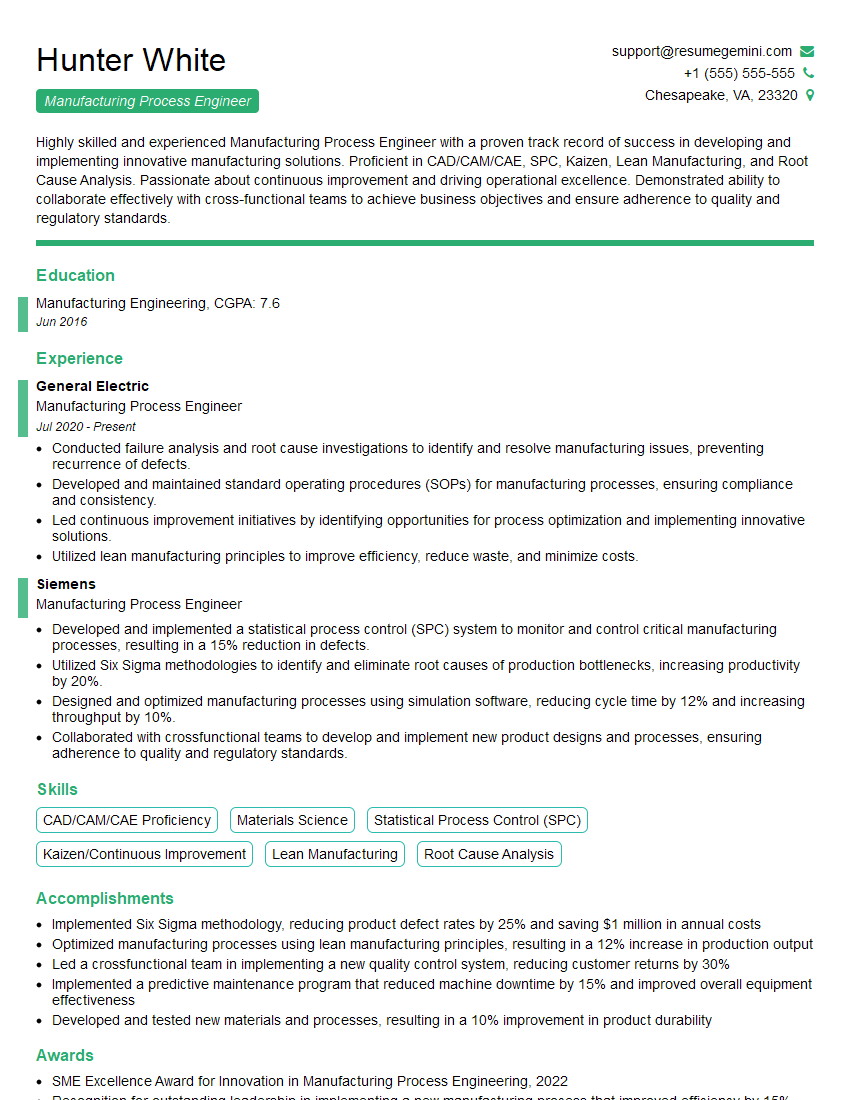
Manufacturing Process Engineer Resume Sample
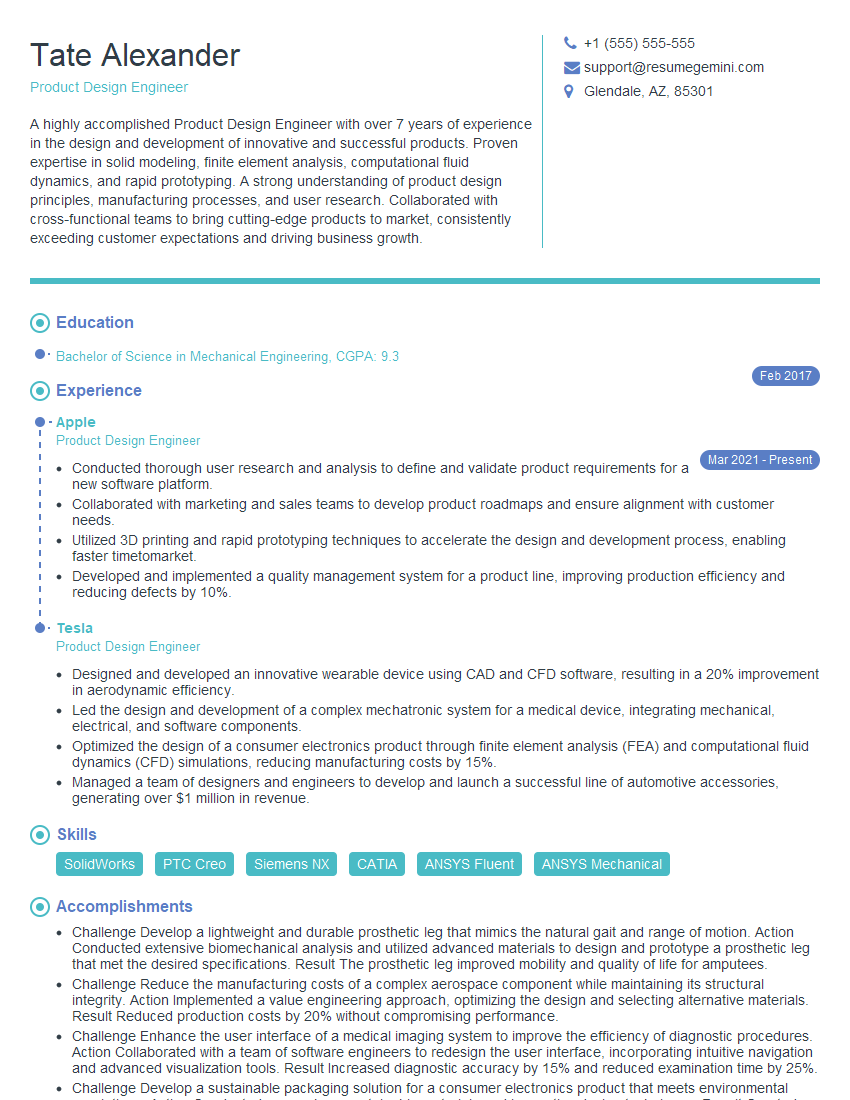
Product Design Engineer Resume Sample
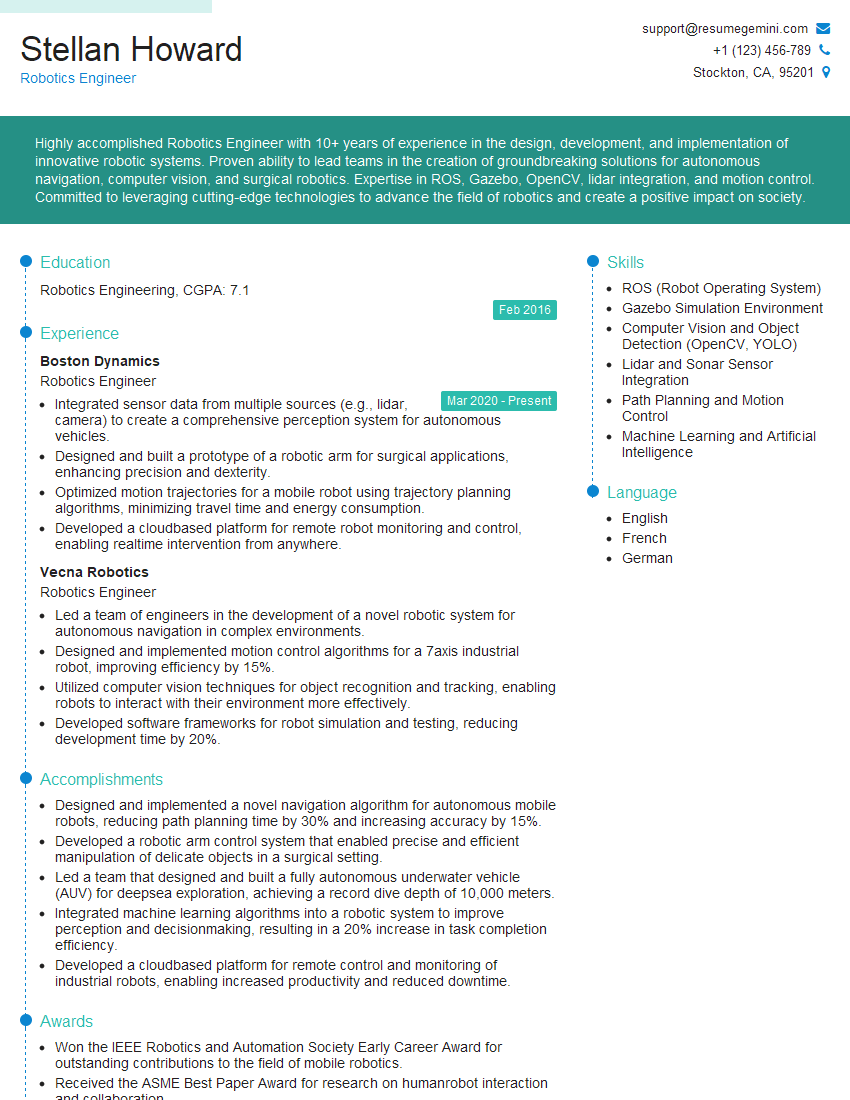
Robotics Engineer Resume Sample
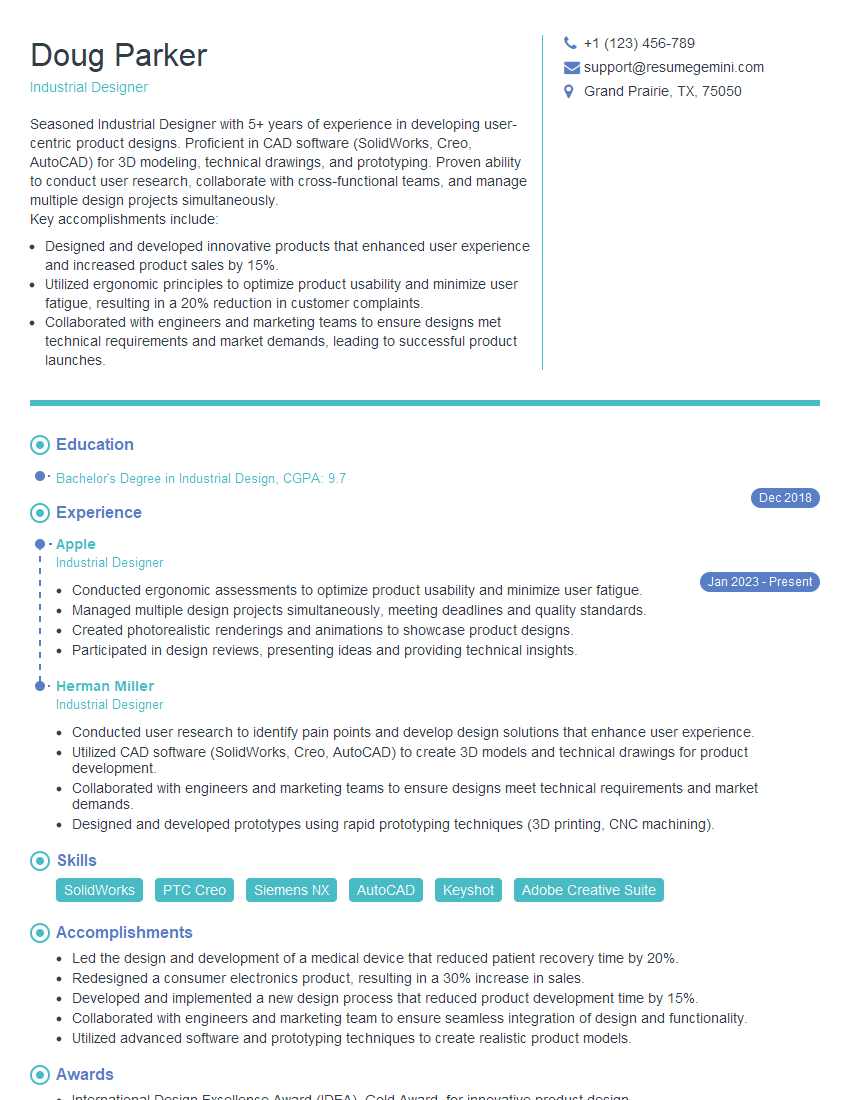
Industrial Designer Resume Sample
- Project Engineer
- Systems Engineer
- Automation Engineer
- Test Engineer
- Design Engineer
- Quality Engineer
- Electrical Engineer
- Manufacturing Engineer
- Production Engineer
- Supply Chain Engineer
- Mechanical Engineer
- Lean Manufacturing Engineer
- Manufacturing Process Engineer
- Product Design Engineer
- Robotics Engineer
- Industrial Designer
Explore more articles
Users Rating of Our Blogs
Share Your Experience
We value your feedback! Please rate our content and share your thoughts (optional).
What Readers Say About Our Blog
Very informative content, great job.
good