Interviews are more than just a Q&A session—they’re a chance to prove your worth. This blog dives into essential Experience with Garment Production interview questions and expert tips to help you align your answers with what hiring managers are looking for. Start preparing to shine!
Questions Asked in Experience with Garment Production Interview
Q 1. Describe your experience with different garment construction methods.
My experience encompasses a wide range of garment construction methods, from basic to highly specialized techniques. I’m proficient in various stitch types, including flatlock, overlock, coverstitch, and blind stitch, each chosen strategically depending on the garment’s design and fabric. For example, flatlock stitching is ideal for sportswear due to its durability and clean finish, while blind stitch is preferred for hemming delicate fabrics like silk, ensuring an invisible seam. I’m also experienced in different assembly methods like set-in sleeves, raglan sleeves, and princess seams, understanding the impact of each on the garment’s fit and drape. I’ve worked with a variety of fabrics, from lightweight knits to heavy-weight wovens, adapting construction techniques as needed. This adaptability ensures optimal results across diverse projects.
- Set-in sleeves: Classic and versatile, suitable for many styles.
- Raglan sleeves: Offer more ease of movement and a relaxed fit.
- Princess seams: Create a more fitted silhouette, often used in dresses and blouses.
Q 2. Explain your understanding of the garment production lifecycle.
The garment production lifecycle is a sequential process, beginning with design and pattern making, followed by fabric sourcing and cutting. Next comes the assembly or sewing process, where individual garment components are stitched together. Quality control checks are crucial at each stage to ensure adherence to standards. After assembly comes finishing, which includes pressing, tagging, and packaging. Finally, the finished garments are shipped to the end consumer or retailer. Think of it like baking a cake: the design is the recipe, fabric sourcing is gathering the ingredients, cutting is preparing the ingredients, sewing is the baking process itself, quality control is tasting and adjusting the cake, finishing is frosting and decorating, and shipping is delivering the finished product. Each step is crucial for the final outcome.
Q 3. How do you manage production deadlines and meet tight schedules?
Managing production deadlines requires meticulous planning and proactive communication. I utilize project management tools to track progress, identify potential bottlenecks, and allocate resources efficiently. For example, I’ve successfully used Gantt charts to visualize timelines and dependencies. If delays are anticipated, I immediately communicate them to stakeholders, proposing alternative solutions to mitigate the impact. This might include prioritizing certain orders, negotiating with suppliers, or adjusting the workload distribution among the team. Furthermore, I foster a culture of open communication and collaboration within the team, encouraging proactive problem-solving and fostering a sense of shared responsibility for meeting deadlines.
Q 4. What quality control measures do you implement in garment production?
My approach to quality control is multifaceted, starting from the initial inspection of incoming materials to ensure they meet the required specifications. Throughout the production process, I implement random sampling checks at various stages, assessing stitch quality, seam strength, and overall garment fit and finish. We utilize standardized checklists to ensure consistency in inspection criteria. Any discrepancies found are immediately addressed and corrective actions are put in place to prevent recurrence. This process also includes a final inspection before packaging and shipping, ensuring that only flawless garments leave the facility. Think of it like a quality assurance team for a car manufacturer, inspecting every aspect of the vehicle to ensure optimal performance and safety.
Q 5. How do you handle production issues and resolve discrepancies?
Handling production issues involves a systematic approach. First, I identify the root cause of the problem through detailed investigation. This might involve examining production records, interviewing team members, or analyzing the faulty garments themselves. Once the root cause is understood, I develop and implement a corrective action plan, which may involve adjusting machine settings, retraining staff, or sourcing alternative materials. It’s crucial to document the entire process, including the problem, the solution, and preventive measures to avoid future occurrences. For instance, if consistent stitching flaws are identified, we might adjust the tension on the sewing machine or provide additional training to the operators.
Q 6. Describe your experience with different types of sewing machines.
My experience extends to a wide variety of sewing machines, including single-needle machines for precision work, like topstitching, overlock machines for creating clean and durable seams, coverstitch machines for professional-looking hems, and industrial flatlock machines for sportswear. I am also familiar with specialized machines like buttonhole machines and embroidery machines. I’m adept at understanding the capabilities and limitations of each machine and selecting the most appropriate one for a particular task. Knowing which machine to use for which process is critical to efficiency and quality of finished garments. For example, a delicate silk blouse would require a fine needle and slower speed on a single-needle machine to avoid damaging the fabric.
Q 7. How do you ensure consistency in garment quality throughout production?
Maintaining consistent garment quality across large production runs requires rigorous attention to detail and standardized procedures. This includes the use of precise patterns, standardized cutting techniques, clear sewing instructions, and regular quality checks. We use calibrated equipment to ensure consistent stitch length and tension. Employee training plays a critical role – making sure every team member understands and adheres to quality standards. Regular monitoring and feedback mechanisms help identify any deviations from these standards and allow for timely corrective actions. In essence, it’s about creating a system where every step of the process is meticulously controlled and monitored to guarantee consistent outputs. Consistent quality is essential for building brand reputation and customer trust.
Q 8. What is your experience with production planning and scheduling software?
My experience with production planning and scheduling software spans several years and various platforms. I’m proficient in using software like Planit, Optitex, and Gerber Accumark, which are industry standards for managing the entire garment production lifecycle. These systems allow me to create detailed production plans, manage work orders, track progress against deadlines, and optimize resource allocation. For example, in a recent project involving a complex collection with multiple styles and size variations, I utilized Planit to develop a master production schedule, breaking down each style into its component operations and assigning them to specific machines and operators. This ensured a smooth workflow, minimized bottlenecks, and met the delivery deadlines successfully.
My expertise extends to utilizing these systems for capacity planning. I can analyze historical data, forecast demand, and adjust production schedules to accommodate fluctuations in orders. This proactive approach minimizes delays and reduces the risk of production disruptions. Moreover, I’m adept at generating reports and visualizations to track key performance indicators (KPIs) like on-time delivery, efficiency rates, and resource utilization, providing valuable insights for continuous improvement.
Q 9. How familiar are you with costing and budgeting in garment manufacturing?
Costing and budgeting are critical aspects of successful garment manufacturing. I have extensive experience in developing accurate cost estimations, encompassing all stages from raw material procurement to finished goods delivery. My approach involves a detailed breakdown of costs, including direct materials (fabrics, trims, etc.), direct labor (cutting, sewing, finishing), and factory overhead (rent, utilities, machinery maintenance). I’m familiar with various costing methods, such as standard costing and activity-based costing, and choose the most appropriate method based on the project’s complexity and data availability.
Budgeting involves forecasting anticipated costs and revenues, setting financial targets, and monitoring actual performance against the budget. I use spreadsheet software like Excel and specialized costing programs to create and manage budgets. For instance, I recently created a detailed budget for a new line of sportswear, accurately forecasting material costs based on market trends and negotiating favorable terms with suppliers. Regular monitoring of the budget allowed for proactive adjustments and prevented cost overruns, contributing to the project’s profitability.
Q 10. Describe your experience with fabric sourcing and selection.
Fabric sourcing and selection is a crucial process that directly impacts product quality, cost, and sustainability. My experience includes working with a wide range of fabrics, from natural fibers like cotton and silk to synthetics like polyester and nylon. I’m proficient in identifying appropriate fabrics based on design requirements, functionality (e.g., breathability, water resistance), and target market.
My process typically starts with understanding the design specifications and the desired aesthetic and performance characteristics. Then, I research and evaluate potential suppliers, considering factors like quality, price, lead times, and ethical sourcing practices. I often request fabric samples and conduct rigorous testing to ensure they meet our quality standards. For instance, in a recent project involving a high-performance athletic wear line, I meticulously selected a moisture-wicking fabric with excellent durability, ensuring both comfort and longevity for the end user. This involved rigorous testing to evaluate factors like tear strength, abrasion resistance, and colorfastness. Collaboration with designers is key to ensure the final fabric selection aligns with both design and production requirements.
Q 11. How do you manage inventory and raw materials in garment production?
Effective inventory management is essential for smooth garment production. I utilize a combination of techniques to manage inventory and raw materials, focusing on minimizing waste, optimizing storage, and ensuring timely availability of materials. This includes implementing a robust inventory tracking system, typically using an ERP (Enterprise Resource Planning) system or specialized inventory management software.
My strategies involve forecasting demand, setting reorder points, and maintaining optimal stock levels to avoid stockouts or excessive storage costs. I regularly conduct inventory audits to verify stock levels against records and identify any discrepancies. Implementing a first-in, first-out (FIFO) system ensures that older materials are used first, minimizing the risk of spoilage or obsolescence. Regular review of inventory turnover rates helps identify slow-moving items and enables better purchasing decisions. For instance, we use barcodes and scanners for accurate tracking, facilitating real-time monitoring and preventing material shortages on the production floor.
Q 12. What are your strategies for improving efficiency in the garment production process?
Improving efficiency in garment production requires a multi-faceted approach, focusing on process optimization, technology integration, and continuous improvement methodologies.
- Process optimization: This involves streamlining workflows, eliminating unnecessary steps, and optimizing the layout of the factory floor to minimize material handling. For example, we implemented a modular production system in one facility, which reduced lead times significantly.
- Technology integration: Investing in advanced technologies like automated cutting machines, computer-aided design (CAD) software, and automated sewing systems can significantly boost efficiency and reduce labor costs. This is something we’re actively exploring for future projects.
- Lean manufacturing principles: Employing techniques like 5S (sort, set in order, shine, standardize, sustain) and Kaizen (continuous improvement) can help identify and eliminate waste in all aspects of the production process.
- Employee training and empowerment: Investing in training programs for workers can improve their skills and productivity, leading to higher quality output and fewer errors. Encouraging employee participation in problem-solving and continuous improvement initiatives can foster a more engaged and efficient workforce.
By consistently applying these strategies, we’ve achieved measurable improvements in production throughput, reduced lead times, and lowered manufacturing costs.
Q 13. How do you communicate effectively with factory workers and management?
Effective communication is the cornerstone of successful garment production. I believe in fostering open and transparent communication with both factory workers and management. This involves using a variety of channels, tailoring my approach to the audience and the context.
With factory workers, I use clear and concise language, avoiding jargon. I emphasize active listening, seeking feedback, and addressing concerns promptly. Regular team meetings are essential for sharing updates, addressing challenges, and ensuring everyone is aligned with production goals. For example, I’ve found that incorporating visual aids, such as diagrams and charts, improves comprehension and engagement during training sessions and production briefings. With management, I use data-driven reports and presentations to communicate progress, identify issues, and propose solutions. Regular one-on-one meetings help build strong relationships and facilitate open dialogue.
Q 14. Explain your understanding of lean manufacturing principles in garment production.
Lean manufacturing principles are central to my approach to garment production. The goal is to eliminate waste and maximize efficiency in every aspect of the process. This involves identifying and eliminating seven types of waste: Transportation, Inventory, Motion, Waiting, Overproduction, Over-processing, and Defects.
In practice, this translates to streamlining workflows, optimizing factory layouts, implementing just-in-time inventory management, and using quality control measures to minimize defects. For instance, implementing a 5S system in the cutting room, a key lean tool, significantly improved organization, reduced search time, and decreased the risk of errors. Continuous improvement (Kaizen) is a vital component. We regularly conduct Gemba walks (observations at the actual production site) to identify bottlenecks and areas for improvement, involving factory workers in the process for buy-in and better solutions. Lean manufacturing isn’t just about efficiency; it improves overall quality and worker satisfaction. A leaner operation leads to a more efficient and ultimately, more profitable, operation.
Q 15. How do you address issues related to fabric defects or sewing errors?
Addressing fabric defects or sewing errors requires a systematic approach combining prevention and correction. First, we identify the root cause. Is it a problem with the fabric itself (e.g., flaws in the weaving, dyeing inconsistencies)? Or is it a sewing error (e.g., incorrect stitching, improper seam allowance, machine malfunction)?
Prevention involves rigorous quality control checks at each stage of production: fabric inspection upon arrival, in-process checks during cutting and sewing, and final inspection before packing. We utilize standardized checklists and utilize visual aids to ensure consistency. For example, we might have a color chart for fabric consistency or a sample showcasing the correct stitch type.
Correction involves a multi-step process. If the defect is minor, it might be possible to repair it on the spot. For major defects, the garment may be scrapped or reworked, depending on the severity and the cost implications. Accurate record-keeping is crucial to identify recurring problems and implement corrective actions. For instance, if we consistently find a particular seam splitting, we’d investigate the stitching tension settings on the relevant sewing machines. We’d also review the pattern design for potential areas of stress. A root cause analysis (RCA) is often employed to systematically identify the source of the problem.
Documentation is key. We meticulously record each defect, its location, the cause (if known), and the corrective action taken. This data feeds into our continuous improvement process.
Career Expert Tips:
- Ace those interviews! Prepare effectively by reviewing the Top 50 Most Common Interview Questions on ResumeGemini.
- Navigate your job search with confidence! Explore a wide range of Career Tips on ResumeGemini. Learn about common challenges and recommendations to overcome them.
- Craft the perfect resume! Master the Art of Resume Writing with ResumeGemini’s guide. Showcase your unique qualifications and achievements effectively.
- Don’t miss out on holiday savings! Build your dream resume with ResumeGemini’s ATS optimized templates.
Q 16. What experience do you have with different types of garment finishes?
My experience encompasses a broad range of garment finishes, crucial for achieving the desired look, feel, and durability. This includes:
- Washing and Finishing: I’ve worked with various washing techniques (stone wash, enzyme wash, acid wash) to achieve specific effects like softening, fading, or distressing. Understanding the impact of different washes on different fabrics is paramount. For instance, a stone wash would work wonderfully on denim but could ruin a delicate silk fabric.
- Embellishments: I have experience with various embellishment techniques such as embroidery, beading, printing (screen, heat transfer), and appliqué. This requires understanding the compatibility of embellishments with the base fabric and the manufacturing process.
- Heat Treatments: Processes like pressing, steaming, and calendering are essential for achieving the desired drape and smoothness. These vary greatly depending on the fabric type. Wool requires different pressing techniques than cotton, for example.
- Specialized Finishes: I’ve worked with water-repellent, stain-resistant, and wrinkle-resistant finishes, understanding the chemical processes and the potential environmental impacts.
Choosing the appropriate finish is critical for meeting the design specifications and creating a high-quality garment. A poorly executed finish can drastically affect the overall appearance and longevity of the garment.
Q 17. How do you maintain accurate production records and reports?
Maintaining accurate production records is fundamental to efficient garment production. We use a combination of manual and digital methods to ensure precision and traceability. This includes:
- Production Planning Sheets: These detail the production schedule, fabric requirements, and labor allocation.
- Cutting Records: These meticulously track the quantity of fabric cut, the number of pieces produced, and any fabric waste. This helps us optimize fabric usage and minimize waste.
- Sewing Records: Each operator’s output is recorded, allowing us to track productivity, identify bottlenecks, and assess the efficiency of our operations. These records might include the number of units completed, the time taken, and any defects noted.
- Inventory Management System: A digital system allows us to track the movement of materials and finished goods, ensuring stock accuracy and avoiding shortages or overstocking. This system allows for real-time tracking of production progress and can often integrate with other production tools.
- Quality Control Reports: These detail the number and type of defects found at each stage of production, providing data for continuous improvement initiatives.
Regular reports, generated from these records, provide insights into production efficiency, cost analysis, and areas needing improvement. We utilize data visualization tools (charts, graphs) to make this information easily accessible and understandable.
Q 18. What is your experience with working with international suppliers?
I have extensive experience collaborating with international suppliers, primarily in Asia. This involves understanding and navigating various cultural nuances, communication styles, and logistical challenges. Successful collaboration requires strong communication, trust, and a clear understanding of expectations.
My experience includes:
- Supplier Selection: Rigorous evaluation of potential suppliers based on factors such as quality, capacity, compliance standards, and pricing.
- Contract Negotiation: Negotiating fair and mutually beneficial contracts that outline quality standards, delivery timelines, payment terms, and dispute resolution mechanisms.
- Quality Control: Establishing clear quality control procedures and conducting regular inspections at the supplier’s facilities. This often involves in-person visits and utilization of virtual inspection tools.
- Logistics Management: Managing the transportation and customs processes for both materials and finished goods. This includes navigating international shipping regulations and coordinating with freight forwarders.
- Communication: Maintaining regular communication with suppliers using email, video conferencing, and instant messaging platforms. Overcoming language barriers is a key aspect of this.
Building strong relationships with international suppliers is vital for ensuring consistent product quality, timely deliveries, and competitive pricing. Transparency and mutual respect are key to successful long-term partnerships.
Q 19. How familiar are you with different types of garment patterns and grading?
My familiarity with garment patterns and grading is comprehensive. I understand various pattern drafting methods, including sloper-based and block-based approaches. I’m proficient in using both manual and computer-aided design (CAD) systems for pattern making.
Pattern Types: I’m experienced with a wide range of patterns for different garment types, including tops, bottoms, dresses, outerwear, and knitwear. Each type has its unique characteristics and construction techniques.
Grading: Grading involves scaling patterns to different sizes. I have hands-on experience with both manual and digital grading methods. Understanding the principles of body proportions and how they affect pattern adjustments is crucial for creating well-fitting garments across a size range.
Software Proficiency: I’m proficient in using industry-standard CAD software like Gerber and Lectra for pattern creation, grading, and marker making. These tools significantly streamline the pattern-making process and enable efficient production.
Q 20. Describe your experience with sample making and pattern adjustments.
Sample making is a crucial step in the garment production process. It allows us to test the pattern, assess the fit, and evaluate the construction methods before mass production. This involves translating the design concept into a physical garment, identifying potential problems early in the process, and refining the design as necessary.
Process: I begin by creating a sample using the initial pattern. This sample is then tried on a model, and adjustments are made based on the fit. This iterative process, which involves multiple fittings and adjustments, continues until the desired fit and style are achieved. Different fabrics might require different adjustments, as certain materials drape or stretch differently.
Pattern Adjustments: Pattern adjustments are made based on feedback from the fittings. This can involve altering seam lines, adjusting darts, or modifying the overall shape. Precise measurements and marking techniques are essential to ensure accurate adjustments. These adjustments are then documented and incorporated into the final pattern for mass production. We often create a detailed report documenting the changes and their rationale.
Q 21. How do you ensure compliance with safety regulations in garment production?
Ensuring compliance with safety regulations is paramount in garment production. This involves adherence to both national and international standards to protect workers and consumers. Key aspects include:
- Workplace Safety: Implementing and maintaining a safe working environment, including appropriate lighting, ventilation, and fire safety measures. Regular safety training for all employees is crucial, covering the safe operation of machinery and the handling of materials.
- Machine Safety: Regular maintenance and inspection of all machinery to ensure proper functioning and prevent accidents. Guards and safety devices must be in place and operational at all times. Operators should be trained in the safe use of each machine.
- Material Safety: Using only approved and safe fabrics and dyes, free from harmful chemicals. This requires careful sourcing of materials and adherence to regulations such as REACH (Registration, Evaluation, Authorisation and Restriction of Chemicals) in the EU.
- Emergency Procedures: Establishing clear emergency procedures, including evacuation plans and first-aid protocols, is vital. Regular drills help to ensure that everyone is familiar with these procedures.
- Compliance Audits: Regular internal and external audits are conducted to ensure compliance with all relevant safety regulations. This ensures that we remain updated on best practices and comply with all legal requirements.
Safety is not just a regulatory requirement; it’s a moral and ethical imperative. A safe workplace fosters productivity, reduces accidents, and creates a positive work environment.
Q 22. How do you handle customer complaints related to garment quality?
Handling customer complaints regarding garment quality starts with empathy and a commitment to resolution. I begin by actively listening to the customer’s concerns, acknowledging their frustration, and assuring them that their feedback is valued. This initial step is crucial for building rapport and fostering trust. Next, I thoroughly investigate the complaint, examining the garment itself for defects, reviewing production records, and potentially analyzing similar complaints to identify potential systemic issues.
Depending on the nature of the complaint (e.g., stitching flaws, incorrect sizing, fabric defects), I determine the appropriate course of action. This could include offering a repair, replacement, refund, or store credit, depending on company policy and the severity of the defect. Throughout the process, I maintain open communication with the customer, keeping them informed of the progress and resolution. Finally, I document the entire process, including the complaint details, the investigation findings, and the resolution implemented. This helps us identify recurring issues and improve quality control measures in the future.
For instance, I once dealt with a complaint about inconsistent sizing across a batch of shirts. By analyzing production logs, we found a slight calibration issue with our cutting machine. Addressing this directly prevented further inconsistencies and customer dissatisfaction. My focus is always on delivering a satisfactory solution for the customer while simultaneously improving our processes to prevent similar problems.
Q 23. Explain your understanding of different fabric types and their properties.
Understanding fabric types and their properties is fundamental to garment production. Different fabrics possess unique characteristics affecting drape, durability, breathability, and cost. For example, natural fibers like cotton are breathable and comfortable but can wrinkle easily and shrink after washing. Synthetic fibers like polyester are durable, wrinkle-resistant, and less expensive but may lack breathability and feel less comfortable against the skin. Blends combine the best properties of different fibers; a cotton-polyester blend, for instance, may be both comfortable and wrinkle-resistant.
- Cotton: Absorbent, breathable, comfortable, prone to wrinkling and shrinking.
- Polyester: Durable, wrinkle-resistant, water-repellent, less breathable.
- Silk: Luxurious, smooth, breathable, delicate, expensive.
- Wool: Warm, insulating, durable, naturally water-resistant, can be itchy.
- Linen: Breathable, strong, absorbent, wrinkles easily.
Knowing these properties is critical in selecting appropriate fabrics for different garments. A lightweight cotton would be ideal for a summer dress, while a durable polyester blend might be better suited for work trousers. Understanding the characteristics of various fabrics allows me to make informed decisions about material selection, construction methods, and garment care instructions, ultimately improving the quality and longevity of the final product.
Q 24. How do you identify and resolve bottlenecks in the production process?
Identifying and resolving production bottlenecks requires a systematic approach. I typically start by analyzing production data, including output rates, machine downtime, and material usage. This often reveals patterns or specific areas causing delays. For example, consistently low output from a particular sewing machine might indicate a need for maintenance or operator retraining.
Once the bottleneck is identified, I analyze its root cause. Is it a technical issue, a lack of skilled labor, inadequate material supply, or a problem with the production workflow? Using tools like flowcharts and process mapping can be incredibly helpful in visualizing the entire production process and pinpointing the source of the problem.
Solutions vary depending on the root cause. It might involve investing in new equipment, improving employee training, optimizing the workflow, or streamlining the supply chain. Effective communication and collaboration with all team members, from machine operators to management, are essential in implementing and monitoring the solution. Regular monitoring of key performance indicators (KPIs) helps ensure the implemented solution is effective and that new bottlenecks don’t emerge.
For instance, in a previous role, we identified a bottleneck in the cutting department due to an outdated cutting machine. By investing in a more efficient, automated machine, we significantly increased output and reduced production time.
Q 25. What are your strategies for reducing waste in garment production?
Reducing waste in garment production is crucial for both environmental sustainability and profitability. My strategies focus on minimizing waste at each stage of the process.
- Efficient Pattern Making: Using computer-aided design (CAD) software and precise pattern cutting minimizes fabric waste. Marker making software helps optimize fabric layouts to reduce the amount of material needed per garment.
- Improved Material Management: Accurate inventory management prevents overstocking and ensures we only purchase the necessary amount of fabric. Careful tracking of material usage throughout production helps identify areas where waste is high.
- Minimizing Production Defects: Implementing rigorous quality control measures at each stage reduces the number of defective garments, minimizing waste from rejected items. Regular machine maintenance and employee training contribute to this.
- Recycling and Upcycling: Implementing programs to recycle fabric scraps and upcycle fabric remnants into new products reduces landfill waste and creates additional revenue streams.
- Lean Manufacturing Principles: Adopting lean manufacturing principles, such as Kaizen (continuous improvement), helps streamline the production process, minimize unnecessary steps, and reduce waste at every stage.
By adopting these strategies, we can significantly reduce material waste, decrease production costs, and minimize our environmental impact. Even small changes, like optimizing fabric layouts or improving quality control, can have a substantial impact over time.
Q 26. Describe your experience with different types of garment labeling and packaging.
My experience encompasses various garment labeling and packaging methods, each tailored to the specific garment and target market. Labels provide crucial information including size, composition, care instructions, and brand details. These can range from simple woven labels to printed labels with sophisticated designs. Packaging protects the garment during transit and enhances its presentation to the consumer. The type of packaging depends on factors such as the garment type, price point, and brand image.
- Labels: Woven labels offer a classic, durable option; printed labels allow for greater design flexibility and cost-effectiveness. Care labels are essential to comply with relevant regulations and provide consumers with proper care instructions.
- Packaging: Options range from simple polybags to more sophisticated packaging such as cardboard boxes, tissue paper wrapping, and garment bags. Sustainable packaging solutions, such as recycled materials or biodegradable options, are increasingly important.
I’ve worked with various labeling and packaging techniques, from simple hang tags for basic apparel to elaborate custom boxes for high-end garments. In each instance, the goal is to create visually appealing and functional packaging that effectively protects the garment and reinforces the brand identity.
Q 27. How do you use technology to improve efficiency in garment production?
Technology plays a crucial role in improving efficiency in garment production. I’ve utilized various technologies to streamline processes and enhance productivity.
- CAD/CAM Software: Computer-aided design (CAD) and computer-aided manufacturing (CAM) software significantly improve pattern making, grading, and marker making, leading to reduced fabric waste and increased efficiency.
- PLM Systems: Product lifecycle management (PLM) systems integrate various aspects of the production process, from design to delivery, facilitating better communication, collaboration, and data management.
- Automated Cutting Machines: Automated cutting machines significantly increase cutting speed and accuracy compared to manual methods, reducing waste and improving efficiency.
- Sewing Automation: While fully automated sewing is still limited, technologies like automated stitching machines for specific processes enhance efficiency and consistency.
- Data Analytics: Analyzing production data to identify bottlenecks, optimize workflows, and improve quality control is essential for continuous improvement. This data-driven approach is crucial for optimizing efficiency.
By leveraging these technologies, we can significantly reduce production time, improve accuracy, minimize errors, and ultimately boost overall productivity and profitability.
Q 28. What are your salary expectations for this role?
My salary expectations for this role are commensurate with my experience and skills, and aligned with the market rate for similar positions. Given my extensive experience in garment production, encompassing all aspects from design and sourcing to production and quality control, I am confident my contributions will significantly benefit your organization. I am eager to discuss this further and explore how my compensation can be structured to reflect both my value and the specific requirements of this position.
Key Topics to Learn for Your Garment Production Interview
- Garment Construction & Pattern Making: Understanding different construction techniques (e.g., flat-bed sewing, overlocking), pattern design principles, grading, and marker making. Be prepared to discuss your experience with various fabrics and their properties.
- Production Planning & Management: Discuss your experience with production scheduling, capacity planning, workflow optimization, and managing production timelines. Be ready to share examples of how you’ve improved efficiency or solved production bottlenecks.
- Quality Control & Assurance: Detail your experience in implementing and maintaining quality control processes, identifying and addressing defects, and ensuring adherence to industry standards. Knowing common quality control metrics is beneficial.
- Fabric Sourcing & Selection: Discuss your knowledge of different fabric types, their suitability for various garments, and the sourcing process. Highlight your experience in evaluating fabric quality and cost-effectiveness.
- Costing & Budgeting: Demonstrate your understanding of garment costing, including material costs, labor costs, and overhead. Be prepared to discuss your experience with budgeting and cost control strategies.
- Technology & Machinery: Share your experience with various sewing machines, CAD software (e.g., Gerber, Lectra), and other technologies used in garment production. Highlight any automation or technological improvements you’ve implemented or been involved with.
- Teamwork & Communication: Emphasize your ability to collaborate effectively with designers, pattern makers, and production staff. Describe your communication style and how you effectively convey information and resolve conflicts.
- Problem-Solving & Troubleshooting: Prepare examples of how you have identified and solved problems related to production delays, quality issues, or equipment malfunctions. Highlight your analytical skills and ability to find creative solutions.
Next Steps
Mastering garment production knowledge is crucial for career advancement in the fashion and apparel industry, opening doors to higher-level roles and increased earning potential. Creating an ATS-friendly resume is vital for getting your application noticed by recruiters and hiring managers. ResumeGemini is a trusted resource to help you craft a compelling resume that highlights your skills and experience effectively. We provide examples of resumes tailored to garment production experience to guide you in creating your own professional document.

Production Coordinator Resume Sample
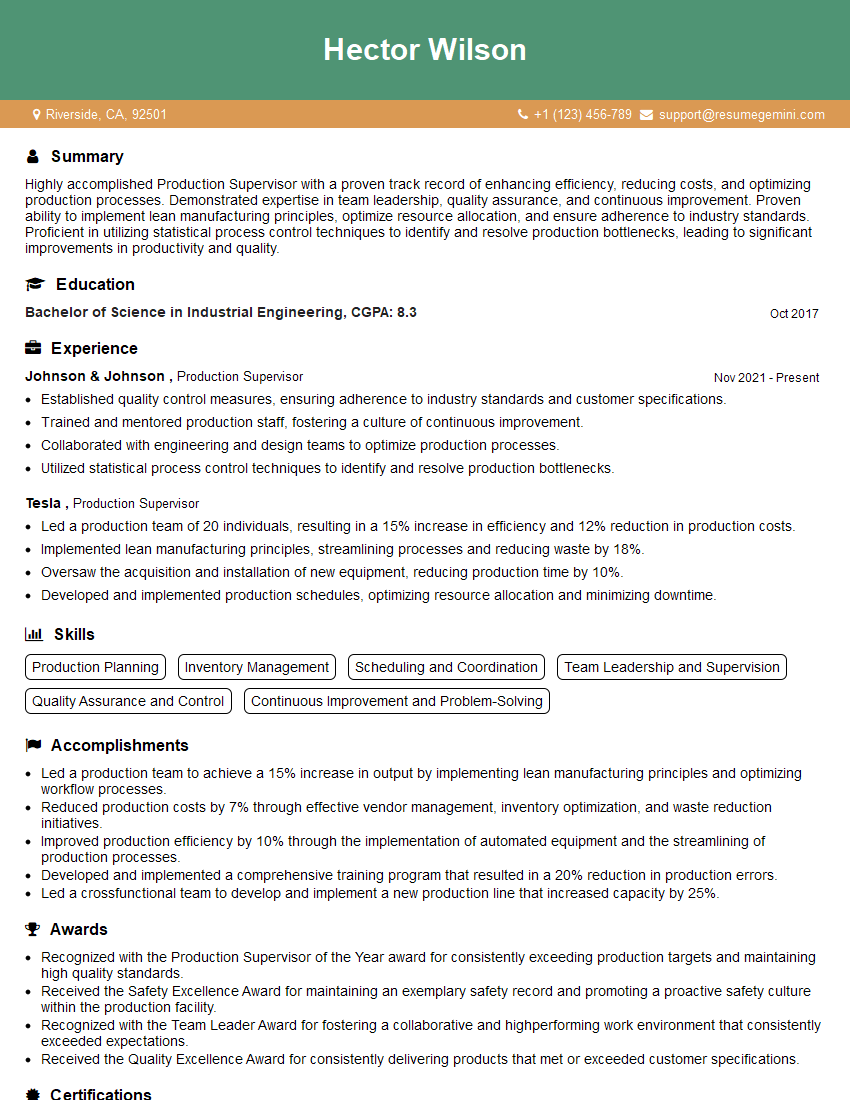
Production Supervisor Resume Sample

Merchandise Manager Resume Sample

Quality Assurance Specialist Resume Sample
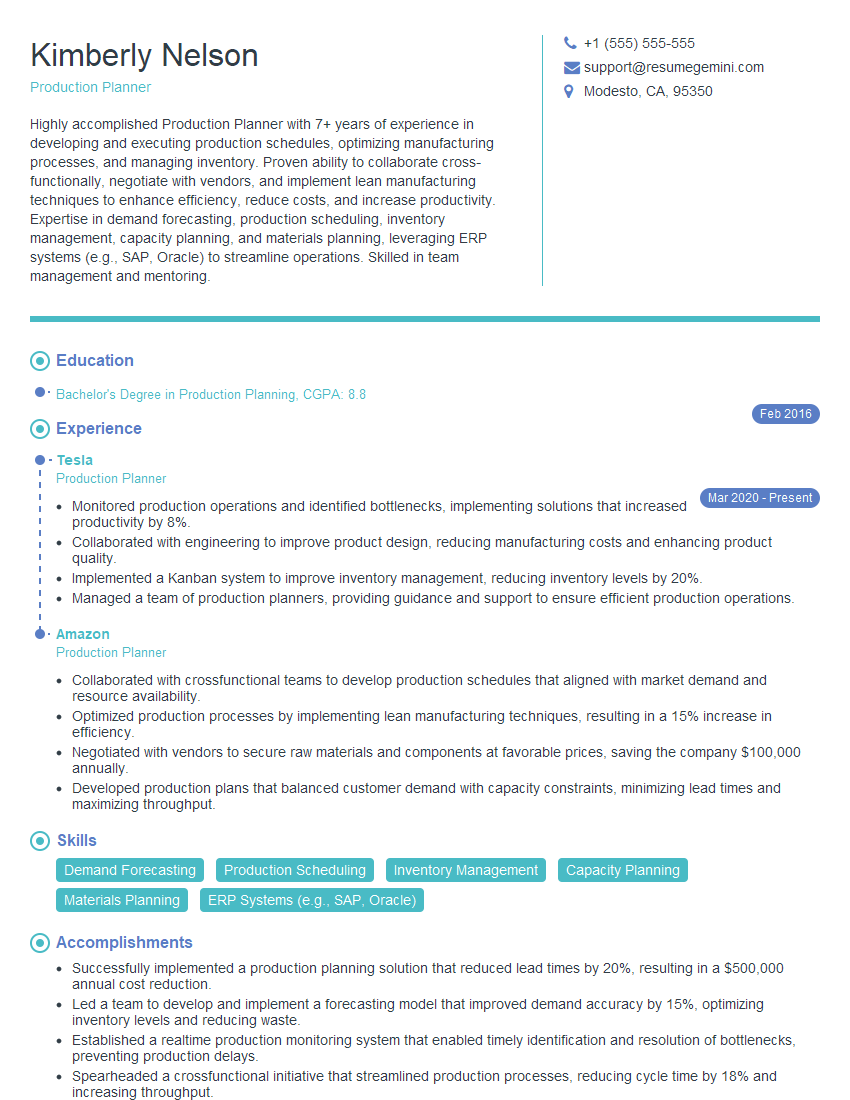
Production Planner Resume Sample
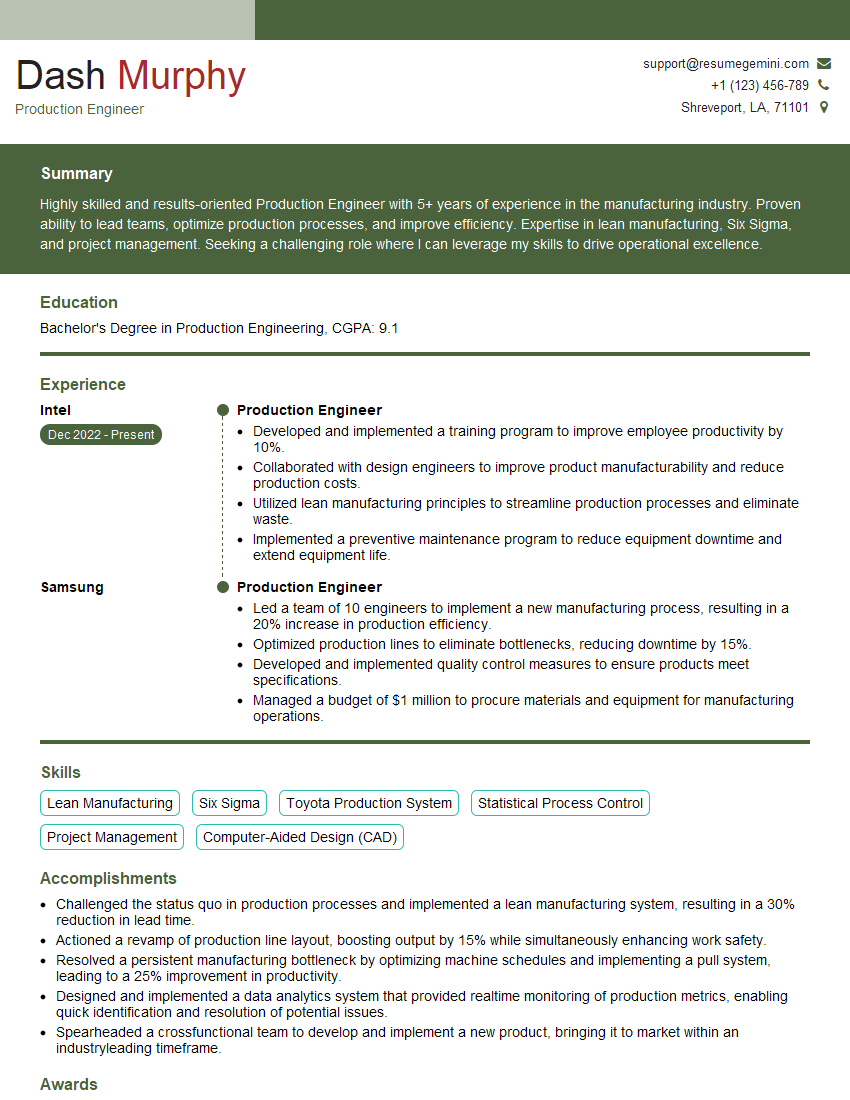
Production Engineer Resume Sample
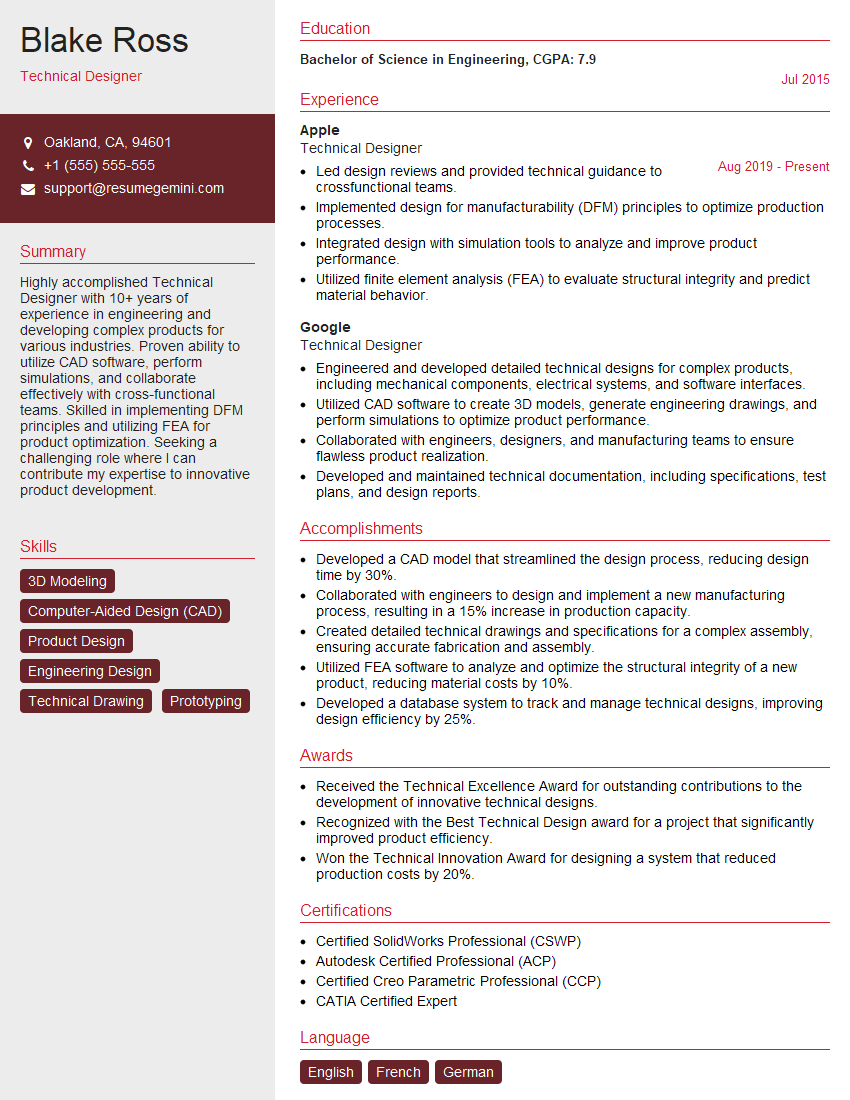
Technical Designer Resume Sample
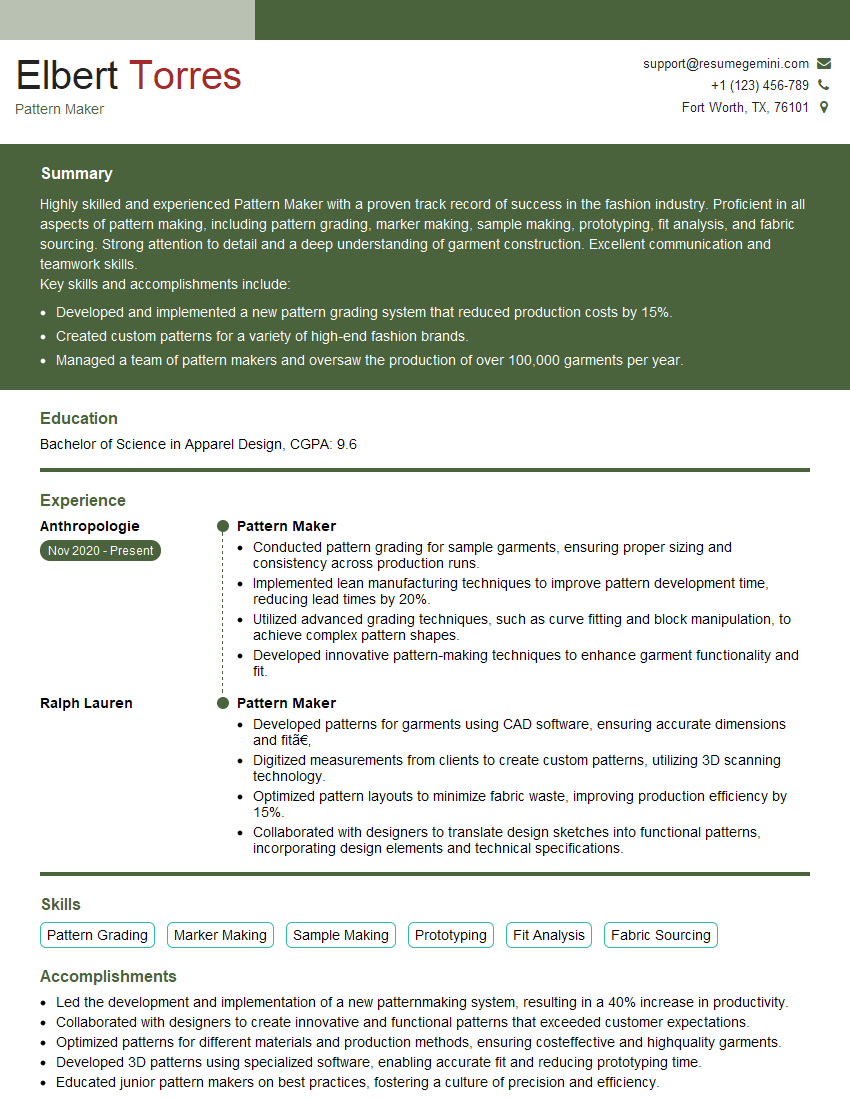
Pattern Maker Resume Sample
Sample Maker Resume Sample
Explore more articles
Users Rating of Our Blogs
Share Your Experience
We value your feedback! Please rate our content and share your thoughts (optional).
What Readers Say About Our Blog
Very informative content, great job.
good