Cracking a skill-specific interview, like one for Experience with green building design, requires understanding the nuances of the role. In this blog, we present the questions you’re most likely to encounter, along with insights into how to answer them effectively. Let’s ensure you’re ready to make a strong impression.
Questions Asked in Experience with green building design Interview
Q 1. Explain the principles of sustainable building design.
Sustainable building design prioritizes minimizing the environmental impact of buildings throughout their entire lifecycle, from design and construction to operation and demolition. It’s about creating structures that are environmentally responsible, resource-efficient, and economically viable. This involves a holistic approach encompassing several key principles:
- Reduced Environmental Impact: Minimizing greenhouse gas emissions, water consumption, and waste generation during construction and operation.
- Resource Efficiency: Optimizing the use of materials, energy, and water, prioritizing renewable and recycled resources.
- Improved Indoor Environmental Quality: Creating healthy and comfortable indoor environments with good air quality, natural light, and thermal comfort.
- Enhanced Occupant Health and Well-being: Designing spaces that promote physical and mental health, incorporating biophilic design elements (connecting people to nature) and creating spaces that encourage social interaction.
- Lifecycle Cost Optimization: Considering the total cost of ownership over the building’s lifespan, including construction, operation, maintenance, and eventual demolition.
- Community Integration: Designing buildings that contribute positively to the surrounding community and environment, considering aspects such as transportation access and local ecology.
For example, a sustainable building might use locally-sourced timber, incorporate passive solar heating, and implement a rainwater harvesting system.
Q 2. What are the key benefits of using sustainable materials in construction?
Using sustainable materials offers a multitude of benefits, significantly impacting both the environment and the building’s performance. These benefits include:
- Reduced Embodied Carbon: Sustainable materials often have lower carbon footprints compared to conventional materials, reducing the building’s overall environmental impact. For instance, using reclaimed wood reduces the demand for newly harvested trees.
- Improved Indoor Air Quality: Many sustainable materials are low-VOC (volatile organic compound) emitting, leading to healthier indoor environments. This is crucial for occupant well-being.
- Enhanced Durability and Longevity: Sustainable materials are often more durable and long-lasting, reducing the need for frequent replacements and minimizing waste over time. Bamboo, for instance, is incredibly strong and renewable.
- Resource Conservation: Using recycled or reclaimed materials reduces the depletion of natural resources. Recycled steel, for example, significantly reduces the energy consumption compared to producing new steel.
- Cost Savings: While initial costs might sometimes be higher, sustainable materials can lead to long-term cost savings through reduced maintenance and energy consumption.
- Improved Thermal Performance: Some sustainable materials like straw bale or hempcrete have excellent thermal insulation properties, improving the energy efficiency of the building.
In one project, we used locally-sourced, reclaimed brick, reducing transportation costs and embodied carbon significantly while contributing to the preservation of historical building materials.
Q 3. Describe your experience with LEED certification.
I have extensive experience with LEED (Leadership in Energy and Environmental Design) certification. I’ve been involved in several projects that have achieved LEED Gold and Platinum certifications. My role typically involves:
- LEED Project Strategy Development: Identifying opportunities for LEED points early in the design phase to maximize the building’s sustainability performance.
- Documentation and Reporting: Preparing the necessary documentation and submitting the application for LEED certification. This includes detailed energy modeling, waste management plans, and material selection documentation.
- Green Building Material Selection: Specifying sustainable materials that meet LEED requirements and contribute to the project’s overall sustainability goals.
- Commissioning and Verification: Overseeing the commissioning process to ensure that systems are operating efficiently and meet the LEED requirements. This is critical for maintaining energy and water performance.
In one project, we achieved LEED Platinum by integrating a comprehensive strategy focusing on renewable energy, water conservation, and sustainable site development, demonstrating the commitment to a high standard of green building practices.
Q 4. How do you incorporate energy efficiency into building designs?
Incorporating energy efficiency is paramount in sustainable building design. My approach involves a multi-faceted strategy:
- High-Performance Building Envelope: Optimizing insulation levels, using high-performance windows, and air sealing the building to minimize heat transfer.
- Energy-Efficient HVAC Systems: Implementing efficient heating, ventilation, and air conditioning systems, including heat pumps, radiant heating, and energy recovery ventilation.
- Renewable Energy Integration: Incorporating renewable energy sources such as solar panels, wind turbines, or geothermal energy to reduce reliance on fossil fuels.
- Lighting Design: Utilizing energy-efficient lighting technologies, such as LED lighting and daylight harvesting to minimize electricity consumption.
- Building Automation Systems: Installing intelligent building management systems to monitor and control energy consumption in real-time. This allows for optimization of energy usage based on occupancy and weather conditions.
For instance, in a recent project, we implemented a system of smart thermostats and occupancy sensors which reduced energy consumption by 25% compared to a conventionally designed building of the same size.
Q 5. What strategies do you employ to minimize water consumption in buildings?
Minimizing water consumption is another critical aspect of sustainable building design. My strategies include:
- Water-Efficient Fixtures: Using low-flow toilets, showerheads, and faucets to reduce water usage in plumbing fixtures.
- Rainwater Harvesting: Collecting rainwater for non-potable uses such as irrigation and toilet flushing.
- Greywater Recycling: Recycling wastewater from showers and sinks for irrigation or toilet flushing.
- Xeriscaping: Using drought-tolerant landscaping to reduce the need for irrigation.
- Water-Efficient Appliances: Specifying water-efficient appliances such as washing machines and dishwashers.
- Leak Detection and Repair: Implementing a robust leak detection and repair program to minimize water loss.
In one project, we integrated a rainwater harvesting system that supplied 40% of the building’s non-potable water needs, significantly reducing reliance on municipal water sources.
Q 6. Explain your understanding of passive design strategies.
Passive design strategies focus on harnessing natural forces – such as sunlight, wind, and thermal mass – to minimize the need for mechanical systems and enhance building performance. This approach relies on thoughtful building orientation, material selection, and design elements to create a comfortable and energy-efficient environment.
- Building Orientation and Shape: Optimizing the building’s orientation to maximize solar gain in winter and minimize solar heat gain in summer.
- Thermal Mass: Utilizing materials with high thermal mass, like concrete or brick, to store and release heat slowly, moderating temperature fluctuations.
- Natural Ventilation: Designing the building to allow for natural ventilation to cool spaces and improve indoor air quality.
- Shading Devices: Using overhangs, awnings, or vegetation to shade windows from direct sunlight during hot periods.
- Daylighting: Maximizing the use of natural daylight to reduce the need for artificial lighting.
Think of it like this: a well-designed passive solar home might use south-facing windows to capture sunlight in the winter, providing free heating, while overhangs prevent excessive solar heat gain in the summer. This reduces or eliminates the need for mechanical heating and cooling.
Q 7. Describe your experience with building performance simulation software.
I have extensive experience using building performance simulation software such as EnergyPlus, TRNSYS, and DesignBuilder. These tools are essential for analyzing and optimizing building designs for energy efficiency, thermal comfort, and indoor environmental quality.
- Energy Modeling: I use these tools to simulate building energy performance, predicting energy consumption under various design scenarios.
- Thermal Comfort Analysis: I can assess the thermal comfort conditions within the building using software to determine occupant satisfaction.
- Daylighting Analysis: I utilize software capabilities to optimize daylighting strategies and minimize the need for artificial lighting.
- HVAC System Optimization: I can use software to model and optimize the performance of HVAC systems, selecting the most efficient equipment and control strategies.
Example: Using EnergyPlus, I might run simulations to compare the energy performance of different window types or insulation levels, helping to make informed design decisions.
The results from these simulations provide valuable data for making informed decisions and optimizing the design for optimal performance. This minimizes energy consumption, lowers operational costs, and improves the overall sustainability of the building.
Q 8. How do you manage and reduce the carbon footprint of a building project?
Reducing a building’s carbon footprint involves minimizing greenhouse gas emissions throughout its entire lifecycle, from material extraction to demolition. This is a multifaceted process requiring a holistic approach.
- Material Selection: Opting for low-embodied carbon materials like recycled steel, reclaimed wood, and rapidly renewable bamboo significantly reduces upfront emissions. For example, using cross-laminated timber (CLT) instead of concrete can drastically decrease embodied carbon.
- Energy Efficiency: High-performance building envelopes (walls, roofs, windows) minimize energy needed for heating and cooling. This includes employing superior insulation, airtight construction, and high-performance glazing. We often use energy modeling software to optimize design for minimal energy consumption.
- Renewable Energy Integration: Incorporating solar panels, wind turbines, or geothermal systems generates on-site renewable energy, offsetting reliance on fossil fuel-based grids. A recent project saw us integrate a rooftop solar array that met 70% of the building’s energy needs.
- Waste Reduction: Implementing a comprehensive construction waste management plan minimizes landfill waste. This includes strategies like prefabrication, material reuse, and recycling programs on-site. We’ve successfully diverted over 90% of construction waste from landfills on multiple projects.
- Operational Energy Optimization: Designing for efficient mechanical, electrical, and plumbing (MEP) systems ensures low ongoing energy consumption. This includes things like energy-efficient HVAC systems, LED lighting, and smart building controls.
By strategically implementing these strategies, we can achieve significant reductions in a building’s overall carbon footprint and contribute to a more sustainable built environment.
Q 9. What is your experience with renewable energy integration in buildings?
My experience with renewable energy integration spans various projects, focusing on maximizing on-site renewable energy generation and minimizing reliance on fossil fuels. We consider several renewable options depending on the project’s location, budget, and energy needs.
- Photovoltaic (PV) Systems: I’ve designed numerous projects integrating rooftop and building-integrated photovoltaics (BIPV) to generate clean electricity. The design considers factors such as solar orientation, shading analysis, and system efficiency to optimize energy production.
- Geothermal Systems: For projects where it’s feasible, I’ve integrated geothermal heat pumps for space heating and cooling. These systems utilize the stable temperature of the earth to provide highly efficient and sustainable climate control. We’ve successfully implemented geothermal systems in several projects, significantly reducing energy consumption compared to conventional HVAC systems.
- Wind Energy: In appropriate locations, we explore integrating small-scale wind turbines, especially for larger projects or those in areas with consistent wind resources. However, the viability of wind energy requires careful consideration of wind patterns and potential noise impacts.
- Hybrid Systems: Often, the most effective approach involves a combination of renewable energy sources. For instance, a project might utilize both solar PV and geothermal to create a highly resilient and sustainable energy system.
Successful integration requires thorough feasibility studies, careful system design, and coordination with specialized contractors to ensure optimal performance and safety.
Q 10. How do you address indoor environmental quality (IEQ) in your designs?
Indoor Environmental Quality (IEQ) is paramount in creating healthy and productive spaces. My approach emphasizes minimizing harmful pollutants and maximizing occupant comfort and well-being.
- Air Quality: We prioritize high-quality ventilation systems with efficient filtration to remove pollutants and maintain fresh air circulation. The use of low-VOC (Volatile Organic Compound) materials in finishes, furnishings, and adhesives is crucial in reducing indoor air pollution. We often specify materials with third-party certifications verifying their low-VOC emissions.
- Thermal Comfort: Careful design of the building envelope and HVAC systems ensures comfortable temperatures throughout the year. Daylighting strategies and proper shading devices minimize energy use while maximizing natural light and thermal comfort. We leverage building simulation software to analyze and optimize thermal performance.
- Lighting Quality: We incorporate strategies to maximize natural light and use energy-efficient LED lighting to minimize glare and improve visual comfort. Proper lighting levels and color temperature enhance productivity and well-being.
- Acoustic Comfort: We incorporate noise-reducing materials and design strategies to minimize noise pollution from both inside and outside the building. This includes considerations like sound insulation, noise barriers, and strategic placement of spaces.
- Material Selection: Choosing healthy, non-toxic materials is essential. We prioritize materials with minimal off-gassing and avoid materials containing harmful substances such as formaldehyde or asbestos.
A holistic IEQ approach results in a building that supports occupant health, productivity, and overall well-being.
Q 11. Explain your experience with life cycle assessment (LCA) of building materials.
Life Cycle Assessment (LCA) is a crucial tool for evaluating the environmental impacts of building materials throughout their entire lifecycle, from raw material extraction to end-of-life disposal. My experience involves using LCA data to inform material selection decisions.
- Data Acquisition: We use databases and software tools like SimaPro or Gabi to access and analyze LCA data for different materials. This data encompasses various environmental impacts, including global warming potential, resource depletion, and ecotoxicity.
- Comparative Analysis: We compare the LCA profiles of various materials to identify those with lower environmental impacts. For instance, we might compare the LCA of concrete to that of cross-laminated timber to determine the more sustainable option for a particular application.
- Material Selection Optimization: The LCA analysis informs the selection of materials that minimize the overall environmental footprint of the building. This might involve prioritizing recycled materials, locally sourced products, or materials with lower embodied carbon.
- Embodied Carbon Reduction: LCA helps us pinpoint where embodied carbon is highest in the building design. This allows us to target specific areas for reduction, such as structural elements or finishes.
- Transparency and Reporting: We document the LCA results and incorporate them into project reports to communicate the environmental performance of the building and the rationale behind material choices.
LCA provides a scientifically grounded approach to sustainability, ensuring that material choices are informed and contribute to minimizing the overall environmental impacts of the building.
Q 12. What are the different types of green building certifications?
Numerous green building certifications exist, each with its own criteria and rating systems. These certifications provide a framework for sustainable design and construction, promoting transparency and accountability.
- LEED (Leadership in Energy and Environmental Design): One of the most widely recognized certifications, LEED focuses on various aspects of sustainability, including energy efficiency, water conservation, material selection, and indoor environmental quality.
- BREEAM (Building Research Establishment Environmental Assessment Method): A leading certification system in Europe, BREEAM evaluates environmental performance across various categories, similar to LEED.
- Green Globes: This certification system offers a comprehensive approach to green building, emphasizing whole-building performance and continuous improvement.
- Living Building Challenge: A highly ambitious certification that aims for net-positive performance, striving to create buildings that generate more energy and water than they consume.
- Passive House: Passive House certification focuses on achieving extremely high energy efficiency through rigorous standards for building envelope performance and airtightness.
The choice of certification depends on project goals, location, and client preferences. Each certification offers unique benefits and focuses on specific aspects of sustainable building practices.
Q 13. Describe your understanding of embodied carbon.
Embodied carbon refers to the greenhouse gas emissions associated with the manufacturing, transportation, installation, and disposal of building materials. It represents a significant portion of a building’s total carbon footprint, often exceeding operational carbon emissions.
Understanding embodied carbon is critical because it allows us to make informed decisions about material selection and construction methods. For example, choosing locally sourced materials reduces transportation emissions, while selecting recycled content lowers the energy required for manufacturing. We actively seek out material specifications with Environmental Product Declarations (EPDs) which provide transparency on the embodied carbon of products.
Reducing embodied carbon requires a holistic approach, considering the entire life cycle of materials. This includes strategies such as using low-carbon materials, optimizing material quantities, and planning for material reuse and recycling at the end of the building’s life.
Q 14. How do you balance sustainability with budget constraints in a project?
Balancing sustainability with budget constraints requires careful planning and prioritization. It’s not about choosing between sustainability and affordability, but finding innovative ways to integrate both.
- Prioritization: Identify the most impactful sustainability measures and focus on those first. For instance, maximizing energy efficiency is often cost-effective in the long run, even if upfront costs are higher. We analyze the life-cycle cost of different options, considering energy savings and maintenance costs over time.
- Value Engineering: We work with contractors and suppliers to find cost-effective sustainable alternatives. This might involve exploring less expensive materials with comparable environmental performance or optimizing designs for minimal material usage.
- Phased Implementation: Instead of attempting to implement all sustainability measures at once, we might prioritize key elements in phases, spreading the costs over time. We ensure that initial choices don’t hinder the future incorporation of other sustainable features.
- Incentives and Financing: We explore opportunities for green building incentives, rebates, and financing options to offset the costs of sustainable solutions. These programs can significantly reduce the overall project cost and make sustainability more financially viable.
- Life-Cycle Cost Analysis (LCCA): Conducting an LCCA allows us to compare the total cost of different options over the entire lifespan of the building. This includes construction costs, operational costs, and maintenance costs, revealing the long-term economic benefits of sustainable choices.
By strategically planning and prioritizing, we can effectively integrate sustainability into projects without sacrificing budget constraints, and often delivering long term economic savings as a result.
Q 15. What are your preferred methods for measuring and tracking a building’s environmental performance?
Measuring and tracking a building’s environmental performance involves a multifaceted approach, combining various tools and methodologies. My preferred methods leverage a combination of pre-construction modeling and post-construction monitoring.
Pre-Construction: I rely heavily on Building Information Modeling (BIM) software integrated with energy modeling tools like EnergyPlus or eQuest. These allow us to simulate the building’s energy performance under various scenarios, optimizing design choices before construction even begins. We can assess factors like energy consumption, water usage, and embodied carbon emissions. For example, we might compare different window types and insulation levels to determine the optimal balance between cost and performance.
Post-Construction: After completion, continuous monitoring is crucial. We use building management systems (BMS) to collect real-time data on energy and water usage. This data is analyzed against the pre-construction models to identify discrepancies and opportunities for improvement. We also employ smart meters for granular data collection. For instance, we can pinpoint which areas of the building are consuming the most energy, allowing for targeted energy efficiency upgrades. Finally, we use lifecycle assessment (LCA) tools to evaluate the overall environmental impact of the building throughout its lifespan, considering materials, construction, operation, and demolition.
Key Metrics: The specific metrics we track include energy use intensity (EUI), water use intensity (WUI), carbon footprint (both embodied and operational), and waste diversion rates. These are reported regularly to stakeholders and compared against benchmark data to identify areas for improvement. This data-driven approach enables continuous optimization and ensures the building performs as intended environmentally.
Career Expert Tips:
- Ace those interviews! Prepare effectively by reviewing the Top 50 Most Common Interview Questions on ResumeGemini.
- Navigate your job search with confidence! Explore a wide range of Career Tips on ResumeGemini. Learn about common challenges and recommendations to overcome them.
- Craft the perfect resume! Master the Art of Resume Writing with ResumeGemini’s guide. Showcase your unique qualifications and achievements effectively.
- Don’t miss out on holiday savings! Build your dream resume with ResumeGemini’s ATS optimized templates.
Q 16. Explain your experience with commissioning and retro-commissioning of building systems.
Commissioning (Cx) and retro-commissioning (RCx) are essential processes for ensuring building systems operate efficiently and meet their intended performance. My experience encompasses both new construction and existing building projects.
Commissioning: In new construction, I lead the commissioning process, overseeing the verification of all building systems against design specifications. This involves developing a commissioning plan, reviewing submittal documents, witnessing testing and balancing, and preparing commissioning reports. For example, I’ve worked on projects where we used Cx to optimize the HVAC system, ensuring the right amount of air is delivered to each zone based on occupancy sensors and minimizing energy waste.
Retro-commissioning: For existing buildings, retro-commissioning is often crucial for identifying energy-saving opportunities. This is a systematic process of identifying operational and maintenance issues impacting energy performance. We typically start with a building energy audit to identify potential areas for improvement, then carry out a series of tests and adjustments to improve efficiency. I recently completed a project where RCx uncovered a faulty chiller plant, which resulted in significant energy savings after repair and optimization.
Key aspects of my approach include:
- Thorough documentation and record keeping
- Collaboration with engineers, contractors, and building operators
- Use of data analytics and energy modeling to identify performance gaps
- Implementation of optimized maintenance plans
Q 17. How do you incorporate sustainable practices during the construction phase?
Sustainable practices during the construction phase are critical for minimizing environmental impact. My approach focuses on several key areas:
Material Selection: I prioritize the use of recycled and locally sourced materials to reduce transportation emissions and support local economies. We specify materials with low embodied carbon, using Environmental Product Declarations (EPDs) to compare options. For example, we might opt for recycled steel or sustainably harvested timber over virgin materials.
Waste Management: We implement rigorous waste management plans to minimize construction waste and maximize diversion from landfills. This includes pre-construction waste audits, on-site sorting and recycling, and partnering with waste haulers specializing in construction and demolition debris. We often set aggressive waste diversion goals, aiming for 75% or higher diversion rates.
Construction Methods: We employ construction techniques that minimize environmental impact. This includes using prefabricated components to reduce on-site waste and construction time. We also prioritize lean construction principles to improve efficiency and reduce waste, promoting collaboration and communication throughout the process. For example, choosing prefabricated wall panels reduces site waste and work time.
Water Management: We implement water conservation measures throughout the construction process. This includes using dust suppressants, reclaiming water for various uses, and preventing soil erosion.
Pollution Control: We ensure proper air and water quality control measures to minimize pollution during construction activities. This includes using low-emission equipment and implementing measures to mitigate noise pollution.
Q 18. Describe a time you had to resolve a conflict between sustainability goals and other project requirements.
On a recent project, the client requested a significant change in design after the initial sustainability plans were finalized, increasing the overall square footage of the building. This created a conflict between their desire for more space and our commitment to minimizing the building’s environmental footprint. The larger building would require more energy and resources.
To resolve this, I facilitated a collaborative discussion between the client, the design team, and the engineering team. We explored several options:
- Optimized Design: We explored design alternatives that could achieve the increased square footage without significantly impacting energy efficiency. This involved investigating passive design strategies, maximizing natural light, and optimizing building orientation.
- Higher Efficiency Systems: We proposed upgrading the building’s mechanical systems to higher-efficiency models to compensate for the increased size. This involved a detailed cost-benefit analysis to ensure the investment was worthwhile.
- Renewable Energy Integration: We proposed incorporating renewable energy technologies, such as solar panels, to offset some of the increased energy demand.
Ultimately, we agreed on a combination of these strategies that satisfied the client’s space requirements while minimizing the overall environmental impact. This involved transparent communication and a willingness to explore creative solutions to balance competing goals. The final design incorporated a more efficient HVAC system, strategic placement of windows to reduce energy use for lighting, and a solar panel system.
Q 19. What is your experience with green building codes and regulations?
I have extensive experience with green building codes and regulations, including LEED, BREEAM, and local building codes. My understanding extends beyond simply meeting minimum requirements; I actively seek opportunities to exceed them and push the boundaries of sustainable design.
LEED (Leadership in Energy and Environmental Design): I’m proficient in all LEED rating systems, including LEED BD+C (Building Design and Construction) and LEED O+M (Operations and Maintenance). I understand the intricacies of points allocation, documentation requirements, and the overall certification process. I have successfully guided numerous projects through LEED certification, consistently exceeding target ratings.
BREEAM (Building Research Establishment Environmental Assessment Method): I’m familiar with BREEAM standards and have worked on projects utilizing this framework. My experience includes understanding the assessment criteria and implementing strategies to achieve high BREEAM ratings.
Local Codes: I understand and adhere to all relevant local building codes and regulations, integrating these requirements into the design process. My experience includes navigating variations in local codes, understanding regional climate considerations, and ensuring compliance with all aspects of local regulations.
Staying Updated: I actively monitor changes and updates to building codes and standards to ensure that my work is always current and best practice.
Q 20. Explain the role of building envelope in energy efficiency.
The building envelope—the exterior shell of a building, encompassing the roof, walls, windows, and foundation—plays a crucial role in energy efficiency. It acts as the primary barrier between the building’s interior and the external environment, significantly impacting heating, cooling, and lighting loads.
Heat Transfer: A well-designed building envelope minimizes heat transfer through conduction, convection, and radiation. Proper insulation, high-performance windows, and air-tight construction are critical for reducing energy loss in the winter and heat gain in the summer. For example, using high-R-value insulation in walls and roofs significantly reduces heat flow.
Air Leakage: Air leakage through cracks and gaps in the building envelope contributes to energy loss and discomfort. Air sealing is therefore crucial. We use techniques like caulk, weatherstripping, and continuous insulation to create an airtight barrier, reducing the load on the HVAC system.
Thermal Mass: Materials with high thermal mass, such as concrete or brick, can help regulate indoor temperatures by absorbing heat during the day and releasing it at night. This reduces the need for mechanical heating and cooling.
Daylighting: Strategic placement of windows can maximize natural daylighting, reducing the need for artificial lighting. However, it is crucial to consider solar heat gain and use appropriate shading devices or high-performance glazing to prevent overheating. For example, incorporating strategically placed overhangs can reduce solar heat gain during summer months.
Moisture Control: The building envelope needs to be designed to effectively manage moisture to prevent problems like mold and rot, which can compromise energy efficiency and the structural integrity of the building. We must ensure proper drainage and ventilation to prevent moisture accumulation.
Q 21. How do you assess the environmental impact of demolition and construction waste?
Assessing the environmental impact of demolition and construction waste requires a comprehensive approach, focusing on both quantity and composition of the waste.
Waste Quantification: We start by conducting a thorough waste audit to determine the amount of waste generated during demolition and construction. This involves detailed tracking of all materials removed and disposed of during the processes. We often use weight-based measurements and categorize waste by material type.
Waste Characterization: Knowing the *type* of waste is crucial. We need to identify materials that can be reused, recycled, or recovered. This involves sorting the waste streams and analyzing their composition. For example, concrete can often be crushed and reused as aggregate; wood can be chipped and used as fuel. Accurate characterization informs effective waste management strategies.
Lifecycle Assessment (LCA): A comprehensive LCA is conducted to assess the full environmental impact of the waste. This considers the extraction, processing, transportation, and disposal of materials, including greenhouse gas emissions, energy consumption, and resource depletion. This enables a holistic understanding of the environmental consequences.
Waste Reduction Strategies: Based on the assessment, we develop strategies to minimize waste generation. This could include deconstruction techniques instead of demolition, maximizing material reuse and recycling, and specifying materials with high recycled content. We also work with specialized contractors experienced in deconstruction and material recovery.
Reporting and Transparency: We document the entire process, including waste generation, diversion rates, and transportation distances, with a commitment to transparency with all stakeholders.
Q 22. Explain your understanding of greywater and rainwater harvesting systems.
Greywater and rainwater harvesting are crucial components of sustainable building design, focusing on water conservation. Greywater refers to wastewater from showers, sinks, and laundry (excluding toilet waste), while rainwater harvesting collects precipitation from rooftops and other surfaces.
Greywater systems typically involve filtering and treating greywater to a level suitable for non-potable uses like toilet flushing, irrigation, or even laundry. The treatment process may include sedimentation, filtration, and disinfection. Proper design is crucial to prevent the spread of pathogens. I’ve worked on projects where we’ve used constructed wetlands – a natural and effective way to treat greywater – integrating them seamlessly into the landscaping to achieve both water reuse and aesthetic benefits. A crucial aspect is ensuring compliance with local health codes which vary by region.
Rainwater harvesting systems involve collecting rainwater through gutters and downspouts, storing it in tanks, and then using it for irrigation, toilet flushing, or other non-potable purposes. The size of the tank depends on the roof area, rainfall patterns, and water demands. I’ve been involved in designing systems that incorporate filtration to remove debris and sediment before storage. This prevents clogging of pipes and ensures cleaner water for applications such as irrigation. One memorable project involved designing a rainwater harvesting system for a school, educating students about water conservation and sustainable practices through interactive displays and workshops.
Q 23. What is your experience with sustainable site planning and development?
Sustainable site planning and development is paramount in minimizing a building’s environmental impact. It involves carefully considering the site’s natural features and maximizing resource efficiency. My experience encompasses various strategies including:
- Minimizing land disturbance: Preserving existing trees, reducing site grading, and optimizing building footprints to minimize habitat disruption.
- Protecting sensitive ecosystems: Identifying and protecting environmentally sensitive areas such as wetlands and waterways. On a recent project, we incorporated buffer zones around a creek to mitigate stormwater runoff and protect the aquatic habitat.
- Optimizing building orientation: Positioning buildings to maximize natural daylight and minimize energy consumption for heating and cooling. We used solar analysis software to determine the optimal orientation for maximum passive solar gain.
- Incorporating permeable paving: Reducing stormwater runoff and recharging groundwater by using permeable pavement materials in parking lots and walkways.
- Promoting biodiversity: Using native plant species in landscaping to support local ecosystems and reduce maintenance needs.
I am also experienced in using site assessment tools and software such as ArcGIS to evaluate site conditions, assess potential environmental impacts, and develop sustainable development strategies.
Q 24. How familiar are you with different types of solar panels and their applications?
I’m familiar with several types of solar panels and their applications, each offering unique advantages and disadvantages:
- Crystalline Silicon (monocrystalline and polycrystalline): The most common type, offering good efficiency and relatively long lifespans. Monocrystalline panels are more efficient but slightly more expensive.
- Thin-film solar panels (amorphous silicon, cadmium telluride, copper indium gallium selenide): Less efficient than crystalline silicon but more flexible and suitable for integration into building materials. They are often preferred for building-integrated photovoltaics (BIPV).
- Perovskite solar cells: A promising emerging technology with high potential for efficiency and low manufacturing costs. However, their long-term stability is still under development.
The choice of solar panel depends on factors such as budget, energy needs, roof space availability, aesthetic considerations, and climate. For instance, in a high-latitude location, higher-efficiency crystalline silicon panels might be preferred, while in situations with limited roof space, thin-film panels integrated into the building envelope could be a better solution. I always factor in the total cost of ownership, including installation, maintenance, and potential performance degradation over the panel’s lifetime.
Q 25. Explain your experience with green roof designs and their benefits.
Green roofs, or vegetated roofs, offer numerous environmental and economic benefits. My experience encompasses various green roof designs, from extensive (shallow, low-maintenance) to intensive (deep, capable of supporting a wider variety of plants).
Benefits include improved stormwater management (reducing runoff and mitigating the urban heat island effect), increased energy efficiency (providing insulation and reducing heating and cooling loads), extended roof lifespan (protecting the underlying membrane from UV radiation and temperature fluctuations), and enhanced biodiversity (creating habitats for birds and insects). I’ve worked on projects that utilized different growing media, drainage layers, and waterproofing systems to tailor the green roof design to the specific site conditions and client requirements. One successful project involved designing an intensive green roof for a city hospital, turning it into a therapeutic garden for patients and staff. Careful consideration was given to plant selection to ensure it was accessible and safe for all users.
Key considerations in green roof design include structural capacity, waterproofing, drainage, and selection of appropriate plants for the local climate. Proper maintenance is also essential to ensure long-term performance.
Q 26. Describe your understanding of daylighting and its impact on energy consumption.
Daylighting, the strategic use of natural light, significantly impacts energy consumption by reducing the need for artificial lighting. Effective daylighting strategies can reduce electricity demand by 20-50%, depending on the design and climate.
Techniques include optimizing window placement, size, and orientation to maximize daylight penetration. We also utilize light shelves, skylights, and light wells to distribute natural light deeper into the building. The use of light-colored, highly reflective materials on interior surfaces enhances daylight distribution. Computer simulations (using tools like Radiance or Ecotect) are crucial for predicting daylight levels and optimizing window placement to minimize glare and maximize comfort. I always consider the balance between natural light and potential heat gain, employing shading devices like overhangs and exterior screens to control solar radiation during peak hours.
Proper integration of daylighting with artificial lighting systems is crucial. This often involves using daylight sensors and automated dimming controls to adjust artificial lighting levels based on available daylight.
Q 27. How do you incorporate universal design principles into sustainable building design?
Universal design principles aim to create spaces accessible and usable by people of all ages and abilities. Integrating these principles into sustainable building design ensures that buildings are not only environmentally responsible but also inclusive and equitable.
Strategies include designing accessible routes and entrances, providing ramps and elevators, ensuring adequate clear floor space for maneuverability, installing accessible restrooms, utilizing adjustable fixtures and controls, and providing visual and auditory cues. For example, in a recent project, we incorporated tactile paving at entrances to guide visually impaired people, used lever-style door handles for ease of use, and provided adjustable height countertops in kitchen areas.
These elements not only benefit people with disabilities but enhance the usability for everyone. For instance, well-designed accessible entrances make it easier for parents with strollers and individuals carrying heavy luggage. Incorporating universal design from the outset is more cost-effective than retrofitting later, making it a fiscally responsible and ethical choice.
Q 28. What are your thoughts on the future of green building technology and its challenges?
The future of green building technology is promising, with continued innovation in materials, systems, and technologies driving towards increasingly sustainable and efficient buildings. However, there are challenges to overcome.
- Material innovation: Developing more sustainable and durable building materials with lower embodied carbon and reduced environmental impact. This includes exploring bio-based materials, recycled content, and materials with improved thermal and acoustic properties.
- Integration of renewable energy sources: Further advancements in renewable energy technologies, including solar, wind, geothermal, and other sources, and their seamless integration into building designs.
- Smart building technologies: Implementing advanced building automation systems, sensors, and data analytics for optimizing energy use, enhancing occupant comfort, and improving building performance. This includes predictive maintenance and real-time energy monitoring.
- Addressing embodied carbon: Reducing the carbon footprint associated with manufacturing and transporting building materials. This requires a comprehensive life-cycle assessment of materials and construction processes.
- Affordability and accessibility: Making green building practices more affordable and accessible to a wider range of clients and communities. This requires innovation in cost-effective technologies and policy support.
Ultimately, the future of green building relies on a collaborative effort from architects, engineers, policymakers, and the construction industry to drive innovation, overcome challenges, and create a built environment that is both sustainable and equitable.
Key Topics to Learn for Green Building Design Interviews
- Sustainable Site Planning: Understanding principles of minimizing land impact, maximizing open space, and optimizing building orientation for natural light and ventilation. Consider practical applications like analyzing site topography and utilizing stormwater management techniques.
- Water Efficiency: Discuss strategies for reducing water consumption in building design, including low-flow fixtures, rainwater harvesting, and greywater recycling. Be prepared to explain the calculations and benefits of various water-saving technologies.
- Energy Efficiency: Explore passive and active design strategies to minimize energy use. This includes understanding building envelope performance (insulation, windows), HVAC system selection and optimization, and renewable energy integration (solar, wind). Prepare examples of projects where you’ve implemented these strategies.
- Materials and Resources: Discuss the selection of sustainable building materials, focusing on embodied carbon, recycled content, and locally sourced options. Be ready to discuss lifecycle assessment and material health considerations.
- Indoor Environmental Quality (IEQ): Understand the importance of creating healthy indoor environments through proper ventilation, daylighting, and the selection of low-VOC materials. Consider the practical application of IEQ standards and certifications like LEED.
- Building Codes and Standards: Familiarity with green building rating systems (LEED, BREEAM, etc.) and relevant building codes and regulations is crucial. Be prepared to discuss your experience with navigating these frameworks.
- Problem-solving in Green Building: Highlight your ability to address challenges related to budget constraints, client expectations, and regulatory compliance within a sustainable design framework. Be ready to share examples of how you overcame obstacles in previous projects.
Next Steps
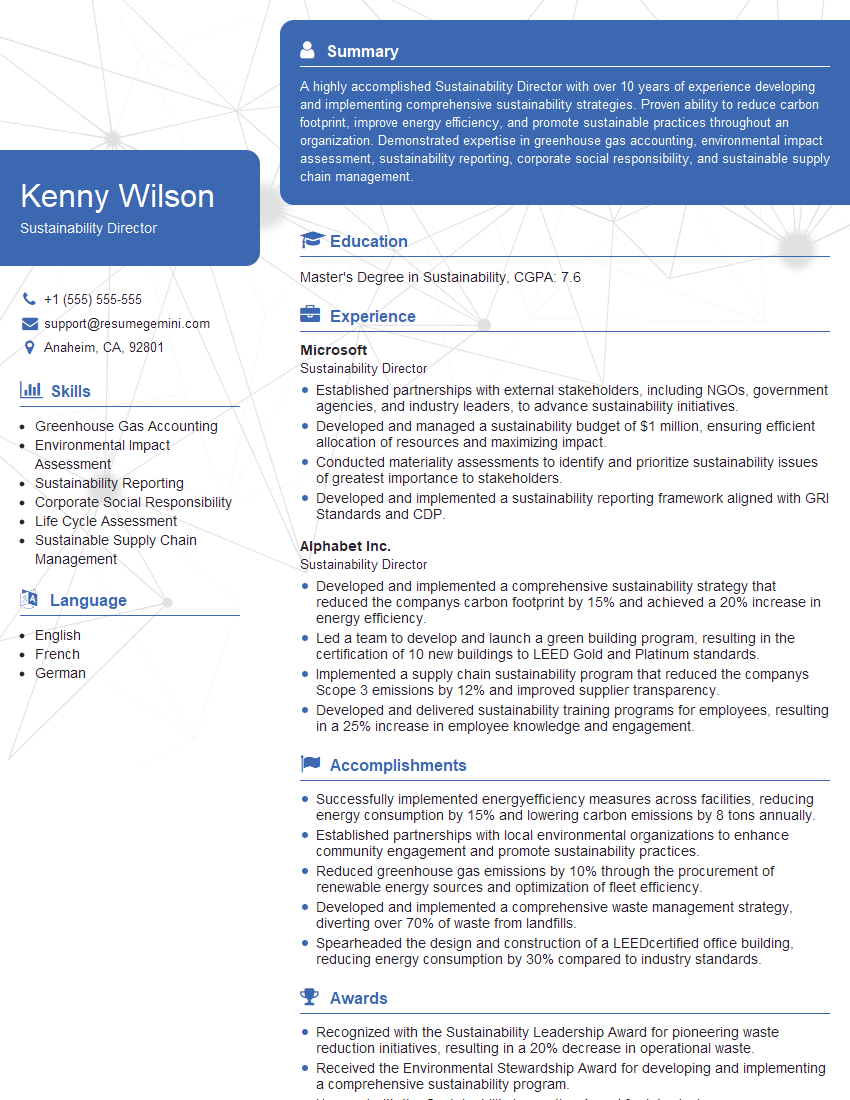
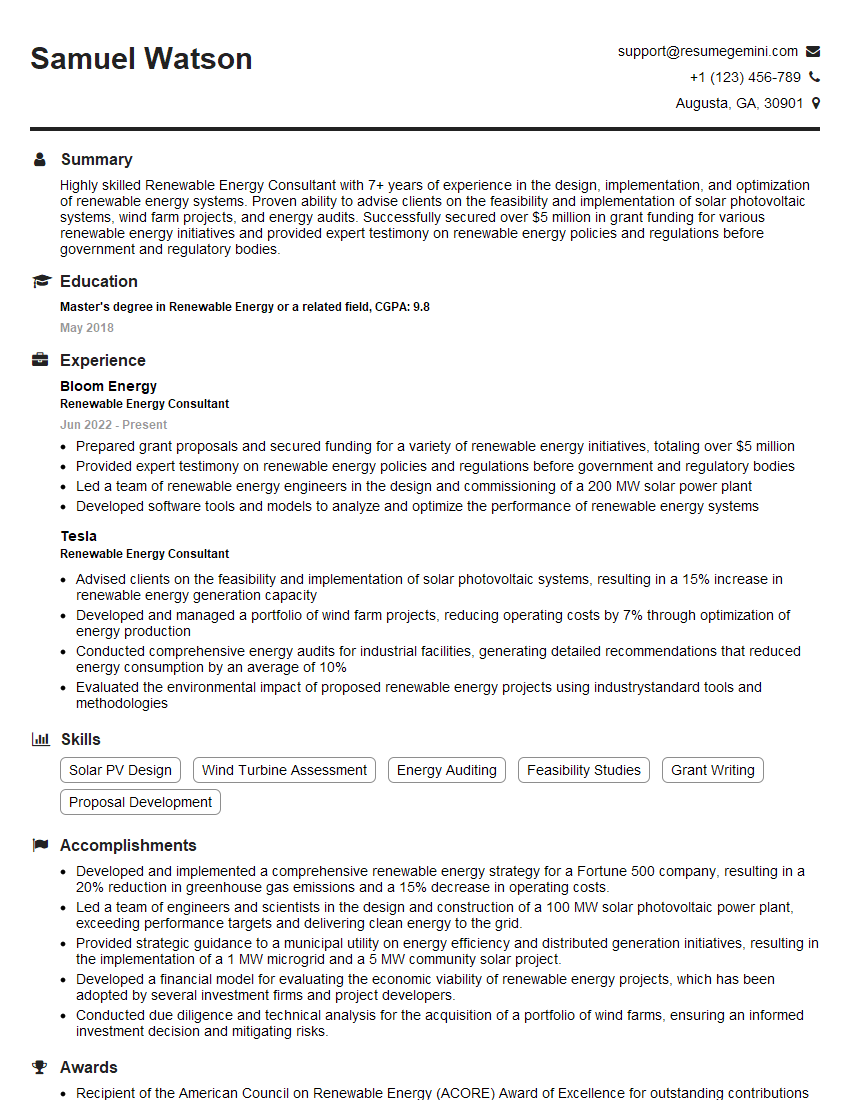
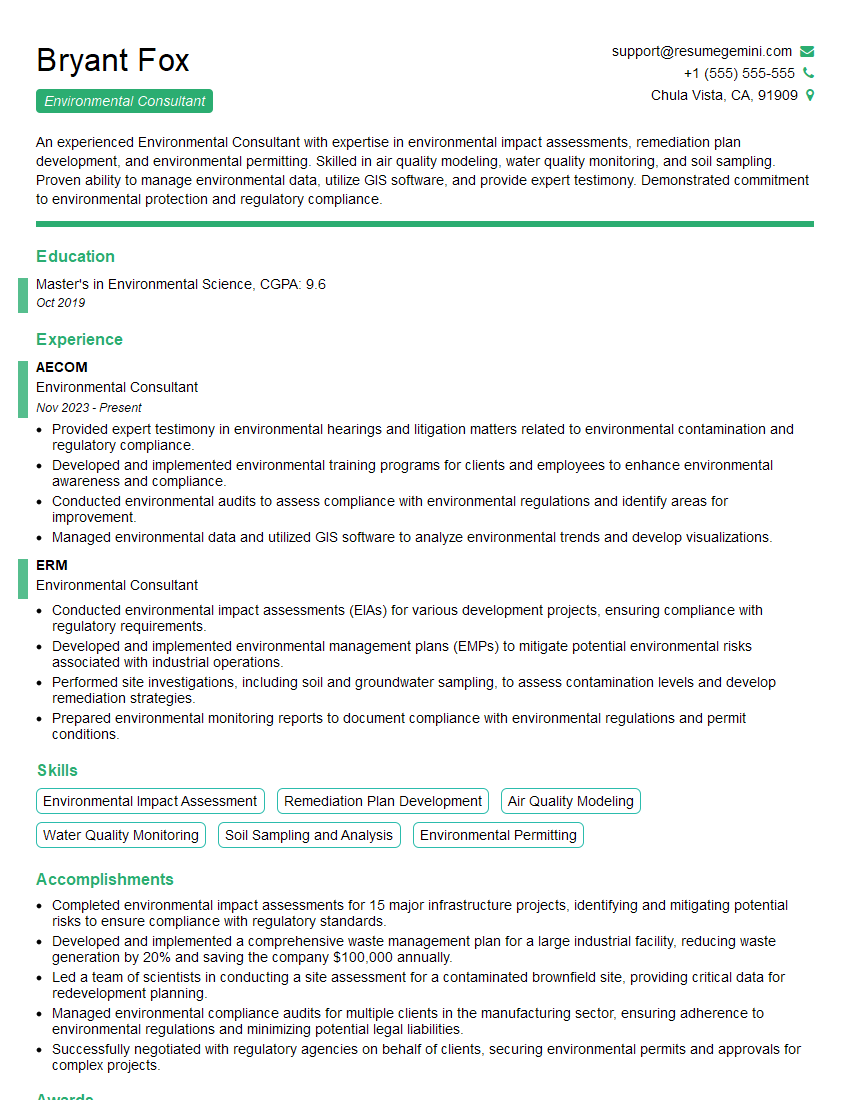
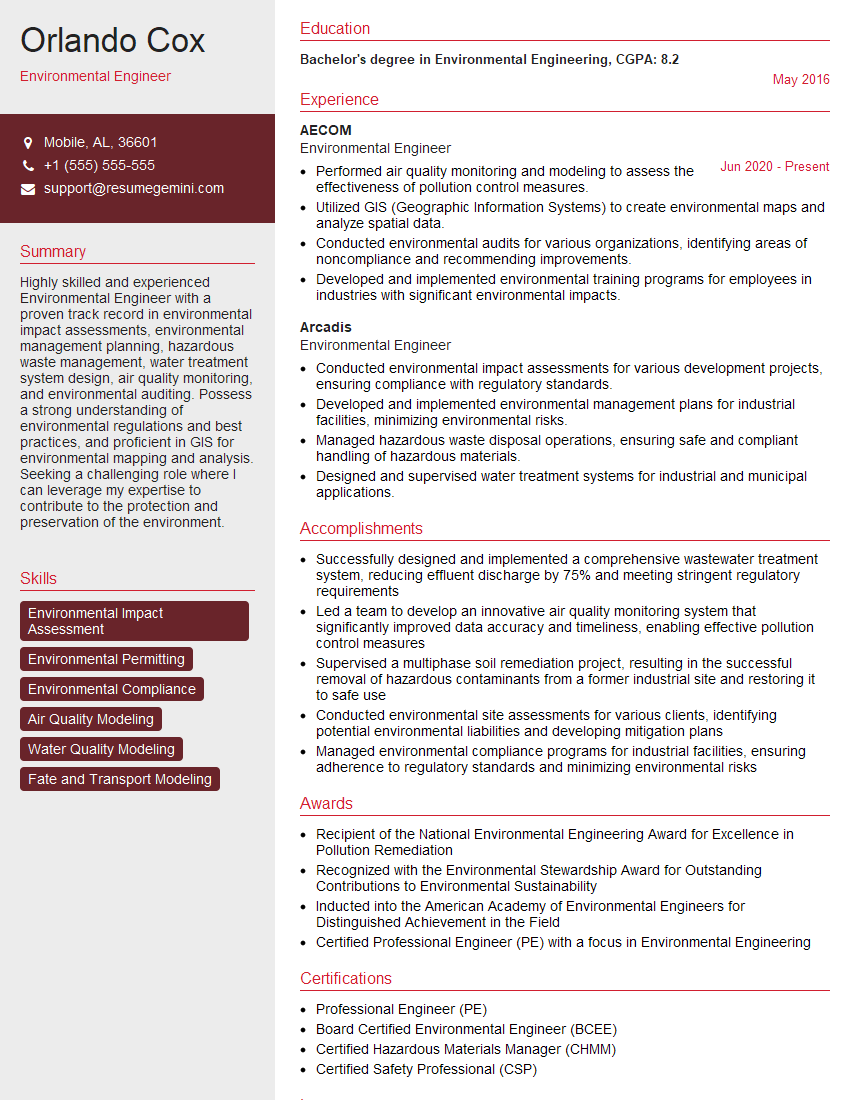
Mastering green building design principles is essential for career advancement in the sustainable construction industry. Demonstrating this expertise through a strong, ATS-friendly resume is key to securing your dream role. ResumeGemini can help you craft a compelling resume that highlights your skills and experience effectively. We offer examples of resumes tailored to green building design professionals to help you create a document that stands out from the competition. Invest in your future – create a winning resume with ResumeGemini.

Explore more articles
Users Rating of Our Blogs
Share Your Experience
We value your feedback! Please rate our content and share your thoughts (optional).
What Readers Say About Our Blog
Very informative content, great job.
good