The thought of an interview can be nerve-wracking, but the right preparation can make all the difference. Explore this comprehensive guide to Experience with Poultry Medication and Vaccination interview questions and gain the confidence you need to showcase your abilities and secure the role.
Questions Asked in Experience with Poultry Medication and Vaccination Interview
Q 1. Describe your experience administering poultry medications.
Administering poultry medications requires precision and a thorough understanding of the birds’ physiology and the medication’s properties. My experience spans various medication types, from oral solutions and in-feed medications to injectables. I’ve worked with both individual birds and entire flocks, adapting my techniques based on the age, size, and health status of the birds. For instance, administering oral medications to young chicks requires a different approach than treating adult hens. I’m proficient in using various tools, including syringes, needles, and medication dispensing equipment, always prioritizing safety and minimizing stress on the birds. A key part of my process involves meticulous record-keeping to track medication administration, ensuring accurate dosage and monitoring for any adverse reactions.
For example, during an outbreak of coccidiosis in a broiler farm, I successfully administered an anticoccidial medication via the drinking water, ensuring even distribution using appropriate water medication dispensers. Careful monitoring of water consumption and bird behaviour was crucial for determining the treatment’s effectiveness and identifying any individual birds requiring additional attention.
Q 2. What are the common diseases affecting poultry, and how are they treated?
Poultry are susceptible to a wide array of diseases, both bacterial and viral. Common bacterial diseases include E. coli infections, salmonellosis, and Pasteurellosis (fowl cholera). Viral diseases are particularly challenging, with Newcastle Disease, Avian Influenza (bird flu), and Infectious Bronchitis being significant concerns. Treatment strategies vary depending on the disease and its severity. Bacterial infections are often treated with antibiotics, selected based on sensitivity testing to ensure effectiveness and minimize the risk of antibiotic resistance. Viral diseases, however, are generally managed through supportive care, focusing on maintaining hydration, nutrition, and environmental hygiene. Vaccines play a crucial role in preventing viral diseases.
- Newcastle Disease: Treated with supportive care and vaccination.
- Avian Influenza: Strict biosecurity measures, culling, and vaccination are essential.
- Coccidiosis: Treated with anticoccidial drugs, often administered in the feed or water.
- Salmonellosis: Treated with antibiotics, focusing on hygiene and sanitation.
Diagnosing the specific disease is critical; this usually involves clinical examination, laboratory testing, and sometimes post-mortem analysis. It’s essential to consult with a veterinarian for accurate diagnosis and treatment planning.
Q 3. Explain the different routes of medication administration in poultry.
Poultry medications can be administered through several routes, each with its advantages and disadvantages. The choice of route depends on factors like the medication’s properties, the bird’s age and condition, and the scale of the treatment (individual bird vs. flock).
- Oral Administration: This involves administering medication directly into the bird’s mouth or via the drinking water. It’s suitable for some medications, but absorption can be inconsistent.
- In-feed Medication: Medications are mixed directly into the poultry feed. This is cost-effective for large flocks but requires careful mixing to ensure even distribution.
- Injectable Administration: This involves injecting the medication intramuscularly (IM), subcutaneously (SC), or intravenously (IV). Injectable administration ensures rapid and accurate drug delivery but requires skill and careful aseptic techniques to prevent infection.
- Spray Administration: Some medications, particularly those for respiratory issues, can be administered via aerosol spray, although this needs specialized equipment.
For example, administering a worming medication would often be done via in-feed medication, ensuring all birds receive the treatment. However, treating an individual bird with an acute infection may require an injectable medication for faster action.
Q 4. How do you ensure proper dosage and timing of medication?
Accurate dosage and timing are crucial for effective medication and to minimize the risk of side effects or treatment failure. The dosage is determined by the bird’s weight, age, and the specific medication, as indicated on the medication label or by veterinary advice. I always meticulously follow the manufacturer’s instructions. Timing is also critical; some medications need to be administered at specific intervals to maintain therapeutic levels in the bird’s system. I use calibrated equipment like syringes and scales to ensure precise dosage, and detailed records are kept to track medication administration, helping ensure that each bird receives the correct amount at the appropriate time. In the case of water medication, regular monitoring of water intake is key to ensure the birds are consuming the required dose.
For example, when treating a flock for a bacterial infection, I would calculate the dosage based on the average weight of the birds and use a calibrated water medication dispenser to ensure consistent drug concentration throughout the drinking water system. Regular observation of the birds’ condition would inform adjustments to the treatment regime if necessary.
Q 5. What are the potential side effects of common poultry medications?
Many poultry medications have potential side effects, varying depending on the drug and the bird’s individual sensitivity. Common side effects can include: decreased appetite, lethargy, diarrhea, changes in egg production, and in severe cases, toxicity. Antibiotics can disrupt gut flora, leading to digestive issues. Some medications can cause drug residues in meat or eggs, necessitating careful withdrawal periods before the birds are slaughtered or their eggs are consumed for human consumption. Therefore, I strictly adhere to withdrawal periods as specified on the drug label and monitor the birds closely for any adverse reactions. Early detection and appropriate management of side effects are essential to minimize any harm to the birds.
For instance, during treatment with an antibiotic, I’d monitor the birds’ feed intake and droppings for any changes and would immediately report any unusual symptoms to the veterinarian. If drug residues are a concern, careful adherence to withdrawal periods before slaughtering or egg collection would be followed diligently.
Q 6. Describe your experience with poultry vaccination protocols.
My experience with poultry vaccination protocols is extensive, encompassing various vaccination techniques and vaccine types. I’m proficient in administering vaccines via different routes, including intramuscular, subcutaneous, and ocular routes, adapted according to the vaccine type and the age of the birds. I understand the importance of maintaining the cold chain to ensure vaccine potency and proper aseptic techniques to prevent contamination. I’ve worked with various vaccine types, including live attenuated, inactivated, and recombinant vaccines, understanding their specific administration protocols and potential side effects. Accurate record-keeping is paramount, tracking vaccination dates, vaccine type, batch number, and bird identification. I also collaborate closely with veterinarians to develop and implement optimal vaccination schedules tailored to the specific needs of the flock and the prevalent diseases in the region.
For example, when vaccinating a broiler flock against Newcastle disease and infectious bronchitis, I’d ensure adherence to the recommended vaccination schedule, using the correct vaccine type and route of administration, and maintaining meticulous records to ensure traceability. Post-vaccination monitoring for any unusual reactions is also vital.
Q 7. What are the key considerations when choosing a poultry vaccine?
Choosing the right poultry vaccine involves several key considerations. The vaccine must be appropriate for the specific disease targeted, considering factors such as the pathogen’s serotype and the prevalence of the disease in the area. The vaccine’s efficacy, safety profile, and ease of administration are also crucial factors. Cost-effectiveness, especially for large-scale operations, plays a significant role. The vaccine’s compatibility with other vaccines that might be used simultaneously or sequentially should also be carefully considered. It’s important to consult with a veterinarian to select the most appropriate vaccine, taking into account the specific circumstances of the flock and the available resources. The vaccine storage and handling requirements are also crucial to guarantee the vaccine’s effectiveness.
For example, selecting a vaccine for Avian Influenza would require considering factors like the specific subtypes of the virus circulating in the region, the vaccine’s efficacy against those subtypes, and its safety for the poultry breed in question. A cost-benefit analysis would be undertaken to weigh the cost of vaccination against the potential losses due to an outbreak.
Q 8. How do you monitor the effectiveness of a vaccination program?
Monitoring the effectiveness of a poultry vaccination program is crucial for ensuring flock health and productivity. We do this through a multi-pronged approach focusing on both pre- and post-vaccination activities.
- Pre-Vaccination Monitoring: This involves assessing the flock’s overall health status before vaccination, ensuring proper vaccine storage and handling, and selecting the right vaccine based on prevalent diseases in the region. A healthy flock is more responsive to vaccination.
- Post-Vaccination Monitoring: This is where we actively assess the vaccination’s success. We might monitor:
- Serological Testing: Blood samples are taken from a representative sample of birds to measure antibody levels against the specific disease. Higher antibody levels generally indicate a successful immune response.
- Challenge Studies (in research settings): A small, controlled group of vaccinated birds might be exposed to the disease-causing agent to evaluate the vaccine’s protective efficacy.
- Mortality and Morbidity Rates: Careful tracking of illness and death within the flock following vaccination helps pinpoint any vaccine failures or emerging disease outbreaks. A significant increase in either can suggest a problem.
- Clinical Observation: Regular observation for any signs of the targeted disease is critical. This includes checking for unusual behaviour, reduced feed intake, or abnormal droppings.
For example, in a farm experiencing recurring outbreaks of Newcastle Disease, we would monitor post-vaccination antibody levels using ELISA tests. A consistent drop in antibody levels would signal a need to review our vaccination strategy, perhaps by changing vaccine type, adjusting the vaccination schedule, or improving vaccination techniques.
Q 9. What are the different types of poultry vaccines?
Poultry vaccines come in several forms, each with its advantages and disadvantages:
- Live Attenuated Vaccines: These contain a weakened form of the disease-causing organism. They provide strong, long-lasting immunity but carry a small risk of reversion to virulence (becoming harmful again), particularly in immunocompromised birds. Examples include the live attenuated vaccines for Newcastle Disease and Infectious Bronchitis Virus.
- Inactivated (Killed) Vaccines: These contain killed pathogens, making them safer than live vaccines with no risk of reversion. However, they generally provide a weaker and shorter-lived immune response compared to live vaccines, often requiring booster shots. Examples include vaccines for Avian Influenza and Infectious Bursal Disease.
- Subunit Vaccines: These vaccines utilize only specific parts of the pathogen (like proteins or polysaccharides) that stimulate an immune response, offering greater safety and reduced risk of adverse reactions. However, they may need adjuvants to enhance their effectiveness.
- Recombinant Vaccines: These vaccines use genetic engineering to produce modified pathogens or parts of pathogens, producing highly specific and safe immune responses. They are a relatively newer and more sophisticated vaccine technology.
- Vector Vaccines: These employ a harmless virus or bacteria (the vector) to carry the genetic material of the pathogen, triggering the bird’s immune system to respond to the target disease. They are highly specific and often very safe.
The choice of vaccine depends on several factors, including the specific disease, the age and health of the birds, the cost, and the availability of the vaccine.
Q 10. Explain the importance of maintaining accurate vaccination records.
Maintaining accurate vaccination records is paramount for several reasons:
- Disease Surveillance and Outbreak Investigation: Detailed records allow for quick tracing of vaccination history in case of an outbreak. This helps determine the effectiveness of the vaccination program and identify potential gaps in coverage.
- Regulatory Compliance: Many countries and regions have regulations mandating vaccination of poultry and maintaining comprehensive records to demonstrate compliance. These records may be required for trade and marketing purposes.
- Farm Biosecurity: Accurate records help maintain high biosecurity standards by allowing for targeted preventative measures based on vaccination history and disease risk assessment.
- Production Optimization: Knowing which birds have been vaccinated and when helps optimize farm management. It allows for informed decisions on culling, quarantine, or other production strategies.
- Legal Protection: Detailed records can protect farmers in case of legal disputes or insurance claims related to poultry diseases.
We typically use a combination of physical and digital record-keeping systems. Physical records, such as vaccination logs and batch numbers, offer backup if the electronic systems fail. Digital records, however, provide easier access, analysis, and reporting, especially for large farms.
Q 11. Describe your experience managing medication inventory and disposal.
Managing medication inventory and disposal involves several crucial steps, each designed to ensure safety, efficacy, and compliance.
- Inventory Management: We use a first-in, first-out (FIFO) system to prevent medication expiration. Regular stock checks are conducted to avoid shortages and ensure proper storage conditions (temperature, humidity, light exposure). Detailed records track purchases, usage, and remaining quantities.
- Secure Storage: Medicines are stored in a designated, locked area, accessible only to authorized personnel. This prevents unauthorized access, theft, or accidental ingestion.
- Medication Disposal: Disposal follows strict protocols to prevent environmental contamination and protect animal and human health. Expired or unused medications are never disposed of casually. Safe disposal methods may include incineration or specialized waste disposal services. We also meticulously document each disposal event.
For instance, if we have an expired batch of amoxicillin, we follow strict guidelines, contact a registered waste disposal company that’s experienced with pharmaceutical waste, and retain confirmation of the safe disposal process as documentation.
Q 12. How do you handle medication errors or adverse events?
Handling medication errors or adverse events requires a prompt, systematic approach emphasizing transparency and prevention of future occurrences.
- Immediate Action: In case of a medication error (wrong dose, wrong drug, wrong bird), the immediate priority is to assess the bird’s condition and take steps to mitigate any negative impact. This might include supportive care, contacting a veterinarian, or isolating the affected birds.
- Thorough Investigation: A root-cause analysis should be conducted to understand why the error happened. This involves interviewing involved personnel, reviewing records, and examining the procedures. Common issues include poor labeling, inadequate training, or insufficient supervision.
- Corrective Actions: Based on the investigation, appropriate corrective actions are implemented to prevent similar errors from happening again. This might include improved training, revised protocols, or better labeling systems. We document all corrective actions thoroughly.
- Reporting: Serious adverse events or significant medication errors must be reported to relevant authorities. This includes regulatory agencies and, in some cases, the veterinarian.
Imagine a situation where we accidentally administered a higher dose of a medication than prescribed. We would immediately monitor the birds closely for any adverse reactions. A thorough investigation might reveal a problem with the dispensing equipment or human error in calculation. We would then implement corrective actions to address the issue, such as recalibrating equipment and providing additional training on dosage calculations.
Q 13. What is your understanding of poultry biosecurity protocols?
Poultry biosecurity protocols are a critical component of disease prevention and control. They encompass a wide range of measures aimed at minimizing the introduction and spread of pathogens within a poultry farm.
- Isolation and Quarantine: Newly introduced birds are kept separate from the existing flock to observe them for any signs of disease before integration. Birds exhibiting illness are immediately isolated and quarantined.
- Hygiene and Sanitation: Maintaining strict hygiene is crucial. This includes regular cleaning and disinfection of poultry houses, equipment, and vehicles. Appropriate waste disposal methods prevent the spread of pathogens.
- Rodent and Pest Control: Rodents and other pests can carry and spread diseases, making pest control measures an integral part of biosecurity.
- Visitor Control: Limiting access to the poultry farm and implementing strict protocols for visitors (e.g., changing clothes, showering, disinfecting footwear) prevents disease introduction.
- Traffic Control: Controlling the movement of vehicles and equipment in and out of the farm minimizes the risk of spreading pathogens.
- Personnel Hygiene: Good hygiene among farm workers is crucial. This involves handwashing, changing clothes, and using protective equipment.
Implementing robust biosecurity protocols is like building a fortress around the flock—multiple layers of protection working together to prevent disease from entering or spreading.
Q 14. How do you ensure the safety of poultry medication handlers?
Ensuring the safety of poultry medication handlers is a top priority. This involves several key elements:
- Personal Protective Equipment (PPE): Handlers should always use appropriate PPE, such as gloves, masks, eye protection, and protective clothing, to prevent direct contact with medications and potentially hazardous substances.
- Training and Education: Handlers must receive thorough training on safe handling, storage, and administration of poultry medications, including awareness of potential hazards and emergency procedures.
- Safe Handling Procedures: Clear, concise procedures should be in place for handling, administering, and disposing of medications. These procedures should be readily accessible to all handlers.
- Emergency Preparedness: Contingency plans should be developed and regularly practiced to address emergencies such as spills, accidental ingestion, or exposure. This includes access to emergency medical care.
- Regular Health Monitoring: Regular health checks of handlers, including blood tests if necessary, help detect early signs of exposure to potentially harmful substances.
For example, before initiating a medication campaign, we provide hands-on training to all personnel on the proper use of PPE and safe handling techniques. Regular refresher courses ensure updated knowledge and best practices.
Q 15. What is your experience with different types of poultry housing systems and their impact on disease management?
Poultry housing significantly impacts disease management. Different systems offer varying levels of biosecurity and environmental control. For example, intensive systems like battery cages offer excellent control over waste and bird density, minimizing contact and reducing disease spread. However, they can lead to increased stress and potential for airborne disease transmission if not properly managed. Extensive systems, like free-range, allow for natural behaviors but increase exposure to wild birds and potential pathogens.
My experience encompasses various systems. I’ve worked with farms utilizing aviaries, which provide more space than cages but require careful monitoring to prevent overcrowding and maintain hygiene. I’ve also consulted on farms with open-sided sheds, where ventilation is crucial for controlling ammonia levels and minimizing respiratory disease. Each system necessitates a tailored disease management approach. For instance, free-range farms need strict biosecurity protocols (like rodent control and perimeter fencing) to mitigate external disease introduction, whereas intensive systems necessitate meticulous cleaning and disinfection routines to prevent the rapid spread of infection within the flock.
- Intensive Systems (Battery Cages): High biosecurity, controlled environment, potential for stress and airborne disease.
- Extensive Systems (Free-Range): Increased exposure to wild birds and pathogens, requires robust biosecurity.
- Aviaries: Intermediate system requiring careful monitoring of space and hygiene.
- Open-Sided Sheds: Ventilation crucial for disease control, ammonia management.
Career Expert Tips:
- Ace those interviews! Prepare effectively by reviewing the Top 50 Most Common Interview Questions on ResumeGemini.
- Navigate your job search with confidence! Explore a wide range of Career Tips on ResumeGemini. Learn about common challenges and recommendations to overcome them.
- Craft the perfect resume! Master the Art of Resume Writing with ResumeGemini’s guide. Showcase your unique qualifications and achievements effectively.
- Don’t miss out on holiday savings! Build your dream resume with ResumeGemini’s ATS optimized templates.
Q 16. How do you identify and respond to a poultry disease outbreak?
Responding to a poultry disease outbreak requires a rapid, systematic approach. The first step is accurate identification. This involves observing the flock for clinical signs – such as decreased egg production, respiratory distress, mortality rates, diarrhea, or unusual behavior. We then collect samples (blood, tissue, fecal) for laboratory analysis, taking into account potential exposure sources like recent introductions of birds or feed changes. Early detection is key.
Once a diagnosis is confirmed, immediate action is crucial. This includes isolating affected birds to prevent further spread, implementing strict biosecurity measures (e.g., footbaths, protective clothing for personnel), and administering appropriate treatment or vaccination, often under veterinary guidance. Depending on the severity and the type of disease, notification of authorities might be necessary. We often use a step-by-step protocol that includes: 1) initial observation and sample collection; 2) laboratory analysis and diagnosis; 3) isolation and biosecurity implementation; 4) treatment or vaccination; 5) monitoring and post-outbreak analysis to prevent recurrence. For example, if we suspect Newcastle Disease, a highly contagious avian influenza, rapid reporting and immediate implementation of strict quarantine and biosecurity measures are paramount.
Q 17. Explain the importance of quarantine and isolation in poultry disease control.
Quarantine and isolation are cornerstones of poultry disease control. Quarantine involves separating newly introduced birds from the existing flock for a specific period to ensure they are free from disease before integration. This allows for observation and potential early detection before widespread infection. Isolation, on the other hand, involves separating sick birds from healthy ones to prevent the spread of contagious diseases within the flock. Think of it like keeping someone with the flu away from the rest of the family.
The duration of quarantine and isolation varies based on the specific disease and its incubation period. For example, newly arrived birds might be quarantined for 2-3 weeks. I’ve seen successful implementation of quarantine and isolation significantly reduce the impact of outbreaks. In a situation where a disease like avian influenza is suspected, implementing strict isolation and quarantine can prevent an extensive loss of the flock.
Q 18. Describe your experience with diagnostic techniques used in poultry health.
My experience includes a wide range of diagnostic techniques, from basic clinical examinations to sophisticated laboratory analyses. Clinical examinations involve observing birds for signs of disease, palpation, and possibly necropsy (post-mortem examination). Laboratory techniques are crucial for accurate diagnosis. These include:
- Hematology: Analyzing blood samples to detect abnormalities indicating infection or disease.
- Serology: Detecting antibodies to specific pathogens, indicating past exposure or current infection.
- Bacteriology: Culturing and identifying bacteria responsible for infections.
- Virology: Detecting viruses using techniques like PCR (Polymerase Chain Reaction) or ELISA (Enzyme-Linked Immunosorbent Assay).
- Parasitology: Identifying parasites in fecal samples or tissue.
- Histopathology: Microscopic examination of tissue samples to identify cellular changes caused by disease.
The choice of diagnostic test depends on the suspected disease and the available resources.
Q 19. How do you interpret laboratory results related to poultry diseases?
Interpreting laboratory results requires a thorough understanding of poultry diseases and the specific tests employed. Results aren’t interpreted in isolation but in conjunction with clinical findings and the history of the flock. For instance, a high white blood cell count might suggest an infection, but the specific type of infection needs further investigation. Similarly, a positive serology test for Avian Influenza indicates past exposure or infection, but the titre (level of antibodies) helps determine the severity and stage of infection.
I approach the interpretation systematically, considering various factors. I look for patterns and correlations between the results of different tests. If the results are ambiguous, I may consult with other experts or request further testing. For example, a low antibody titre in a bird after vaccination could mean the vaccine wasn’t effective or the bird’s immune system is compromised.
Q 20. What are the common challenges faced in poultry medication and vaccination?
Poultry medication and vaccination present several challenges. One major challenge is the development of antibiotic resistance. Overuse or misuse of antibiotics in poultry can lead to the emergence of resistant strains of bacteria, making treatment increasingly difficult. Another key challenge is maintaining vaccine efficacy. Factors such as vaccine storage, administration techniques, and the birds’ immune status can impact the effectiveness of vaccination programs. Furthermore, cost-effectiveness is often a major concern. Vaccinations can be expensive, and there’s always a balance between cost and disease prevention. Also, the logistics of vaccination in large flocks can be complex, requiring specialized equipment and trained personnel.
Another challenge is ensuring uniform vaccination coverage across the entire flock, particularly in free-range systems where capturing and vaccinating individual birds can be difficult. The emergence of new and evolving diseases also presents a continuous challenge, demanding adaptation and development of new vaccines and treatment strategies.
Q 21. How do you stay updated on advancements in poultry health and disease control?
Staying updated in poultry health is vital. I utilize several methods:
- Professional Journals and Publications: I regularly read peer-reviewed journals like the Avian Diseases journal and the journal of Veterinary Medicine.
- Industry Conferences and Workshops: Attending conferences like the World Veterinary Poultry Association congresses allows for networking and exposure to the latest research and best practices.
- Online Resources and Databases: I regularly consult online databases like PubMed and veterinary-specific websites to access the most recent research findings and information on emerging diseases.
- Continuing Education: I actively participate in continuing education courses and webinars to maintain and expand my knowledge base.
- Networking with Colleagues: Regular communication with colleagues and experts in the field is invaluable for sharing information and experiences.
This multi-faceted approach ensures I remain current on advancements in disease control, medication protocols, and best practices in poultry health management.
Q 22. How would you educate poultry farmers about medication and vaccination protocols?
Educating poultry farmers on medication and vaccination protocols requires a multi-faceted approach. It’s not simply about handing them a pamphlet; it’s about building trust and understanding. I begin by assessing their existing knowledge and identifying knowledge gaps. My approach combines practical demonstrations, interactive workshops, and ongoing mentorship.
- Interactive Workshops: Hands-on sessions demonstrating proper medication administration techniques, including dosage calculations and injection sites. This helps build confidence and reduces errors.
- One-on-One Mentorship: Regular farm visits to address specific challenges, monitor flock health, and provide tailored advice. This allows for personalized guidance and quick resolution of issues.
- Visual Aids and Simple Language: Using clear, concise language and visual aids like charts and diagrams simplifies complex information, making it easily digestible for farmers with varying levels of literacy.
- Record Keeping Training: Emphasizing the importance of meticulous record-keeping for medication and vaccination administration – crucial for traceability and disease surveillance. We implement simple, easy-to-use record-keeping systems.
For example, I once worked with a group of smallholder farmers who were struggling with Newcastle disease. Through hands-on training and regular follow-up visits, we successfully implemented a vaccination program that dramatically reduced the incidence of the disease, leading to significant improvement in their flock health and profitability.
Q 23. Describe your experience with regulatory compliance related to poultry medication and vaccination.
Regulatory compliance is paramount in poultry medication and vaccination. My experience encompasses thorough understanding and adherence to national and international regulations, including the proper licensing and registration of medications and vaccines, accurate record-keeping, and strict adherence to withdrawal periods. I’m familiar with regulations surrounding the use of antibiotics and other veterinary drugs to prevent antimicrobial resistance.
I’ve worked extensively with agencies like [mention relevant regulatory bodies in your region, e.g., FDA, USDA, etc.], ensuring all activities are compliant. This includes maintaining detailed records of medication use, batch numbers, expiration dates, and administration dates. I also ensure that all personnel involved in handling and administering medications are adequately trained on safe handling procedures and regulatory requirements.
Non-compliance can lead to significant consequences, including fines, product recalls, and reputational damage. Therefore, a proactive approach to regulatory compliance is critical, not just for legal reasons but also to maintain the integrity of the poultry industry and ensure consumer safety.
Q 24. How do you manage resistance to antimicrobial drugs in poultry?
Antimicrobial resistance is a major threat to poultry health and food security. Managing this requires a multi-pronged strategy focused on prevention and responsible use.
- Vaccination: Vaccination is crucial. It reduces the need for antibiotics by preventing disease in the first place. This is the most effective way to decrease the selective pressure that drives resistance.
- Biosecurity: Implementing robust biosecurity measures – strict hygiene protocols, rodent and pest control, and effective sanitation procedures – minimizes the spread of infections and lowers the need for medication.
- Strategic Antibiotic Use: Antibiotics should only be used when absolutely necessary, based on proper diagnosis and susceptibility testing. This avoids unnecessary use and reduces the chance of resistance development. I always advocate for responsible antibiotic stewardship.
- Rotation and Alternatives: Rotating antibiotics to minimize the development of resistance, and exploring alternatives like bacteriophages and probiotics can be beneficial.
- Surveillance: Regular monitoring of antimicrobial resistance patterns within the flock is important for early detection of resistance, which allows for timely intervention.
For example, I’ve successfully implemented programs that reduced antibiotic use by 40% in certain flocks by focusing on improved biosecurity and vaccination strategies. This demonstrates that a proactive, preventative approach is far more effective in the long term than simply relying on antibiotics to address infections.
Q 25. What is your understanding of the withdrawal periods for poultry medications?
Withdrawal periods are the crucial time after administering a medication to poultry before their meat, eggs, or other products can be sold or consumed. These periods ensure that drug residues in the poultry products are below safe levels for human consumption. The length of the withdrawal period varies depending on the specific medication, dosage, and the target species (broilers, layers, turkeys, etc.).
Accurate record-keeping is essential to ensure proper compliance with withdrawal periods. Farmers must accurately record the date and time of medication administration, the dosage, and the withdrawal period specified on the medication label. Failure to comply can result in contaminated products reaching the market, leading to potential health risks for consumers and significant economic losses for the farmer.
I always emphasize the importance of understanding and meticulously adhering to the withdrawal period guidelines provided by the manufacturer and regulatory authorities. I educate farmers on how to properly calculate the withdrawal period and manage their flocks to ensure that products are only harvested after the designated time has elapsed. This requires careful planning and accurate record keeping.
Q 26. Describe your experience working with different types of poultry species.
My experience spans various poultry species, including broilers, layers (brown and white egg layers), turkeys, and ducks. Each species has unique physiological characteristics, disease susceptibility, and management requirements. The approach to medication and vaccination differs accordingly.
- Broilers: Focus is on rapid growth and efficient feed conversion. Medication use is often more targeted, aiming to prevent and treat common broiler diseases like coccidiosis and necrotic enteritis.
- Layers: Maintaining egg production is paramount. Vaccination programs emphasize reproductive health and diseases affecting egg quality and quantity. Medication use needs careful consideration to avoid residues in eggs.
- Turkeys and Ducks: These species have their own specific disease profiles requiring tailored vaccination and medication protocols. For example, turkeys are susceptible to diseases like Histomoniasis, while ducks can face different challenges.
Understanding these species-specific nuances is critical for effective disease management and to ensure the health and productivity of each flock.
Q 27. How do you balance the use of medication and vaccination with holistic poultry management practices?
Holistic poultry management prioritizes the overall well-being of the birds, minimizing reliance on medication. This approach integrates biosecurity, nutrition, environmental management, and genetic selection to create a disease-resistant and resilient flock. Medication and vaccination play a supporting role within this broader framework.
Instead of solely focusing on treating diseases, I work with farmers to implement preventive strategies. This includes optimizing nutrition to improve the birds’ immune response, ensuring good ventilation and hygiene to prevent disease transmission, and selecting disease-resistant breeds. Vaccination is a crucial preventive tool, providing immunity against major poultry diseases.
Medication should only be used as a last resort when preventive measures have failed. When medication is necessary, it should be used judiciously, following best practices to minimize the risk of resistance and ensuring compliance with withdrawal periods. This balanced approach protects both the flock’s health and the quality of the produce.
Q 28. Explain your approach to managing the costs associated with poultry medication and vaccination.
Cost management in poultry medication and vaccination is essential for profitability. My approach focuses on optimizing resource utilization and maximizing return on investment.
- Preventative Measures: Investing in robust biosecurity and vaccination programs is significantly cheaper than treating outbreaks. Preventing disease is always more cost-effective than managing them.
- Bulk Purchasing: Negotiating favorable prices by purchasing medications and vaccines in bulk can reduce costs significantly.
- Disease Surveillance: Regular monitoring and early detection of diseases allow for timely interventions, preventing widespread outbreaks and the associated costs.
- Strategic Vaccination Programs: Tailoring vaccination programs to the specific disease risks of a region minimizes unnecessary vaccination costs.
- Efficient Medication Use: Accurate diagnosis and proper medication administration prevent wastage and minimize unnecessary expenditure.
For instance, by implementing a comprehensive biosecurity plan and a targeted vaccination strategy, I helped a poultry farm reduce its medication costs by over 30% while maintaining excellent flock health and productivity. This highlights how a well-planned approach to medication and vaccination can significantly contribute to the financial viability of poultry farming.
Key Topics to Learn for Experience with Poultry Medication and Vaccination Interview
- Poultry Disease Recognition and Diagnosis: Understanding common poultry diseases, their symptoms, and diagnostic methods. This includes recognizing subtle signs and differentiating between similar conditions.
- Medication Administration Techniques: Mastering various methods of medication delivery, including oral, in-feed, in-water, and injection techniques. Understanding appropriate dosages and safety protocols is crucial.
- Vaccination Protocols and Schedules: Knowing the different types of poultry vaccines (live, killed, etc.), their administration routes, and recommended vaccination schedules for various poultry species and ages. Understanding the importance of proper vaccine storage and handling is key.
- Biosecurity and Hygiene Practices: Demonstrating knowledge of effective biosecurity measures to prevent disease outbreaks. This includes understanding sanitation procedures, personal protective equipment (PPE) usage, and waste disposal.
- Record Keeping and Documentation: Knowing how to maintain accurate and comprehensive records of medication administration, vaccination schedules, and disease outbreaks. This demonstrates attention to detail and compliance with regulations.
- Regulatory Compliance and Best Practices: Understanding relevant regulations and guidelines related to poultry medication and vaccination. This includes knowledge of withdrawal periods and safe handling procedures.
- Problem-Solving and Troubleshooting: Demonstrating the ability to identify and resolve problems related to medication efficacy, vaccination response, and disease outbreaks. This might include analyzing data, adapting strategies, and collaborating with veterinary professionals.
- Health and Welfare Considerations: Understanding the ethical implications of poultry medication and vaccination. This includes minimizing stress on birds and ensuring humane treatment.
Next Steps
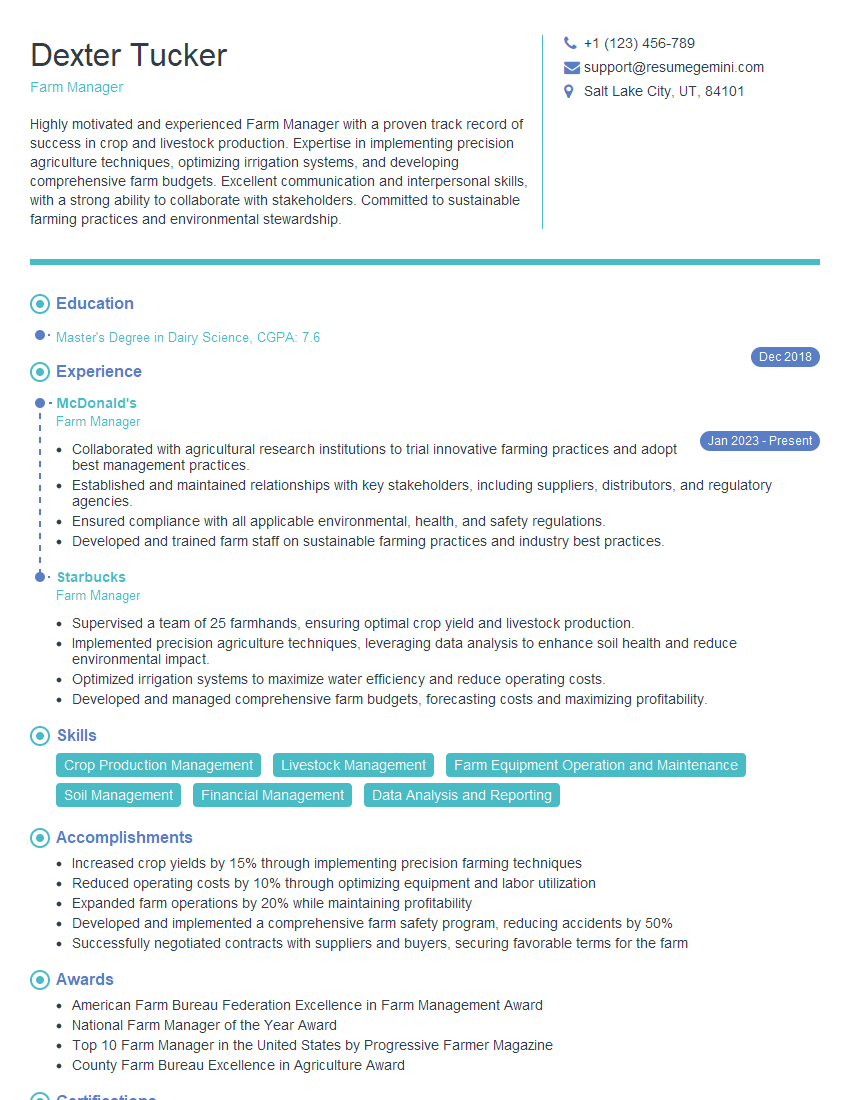
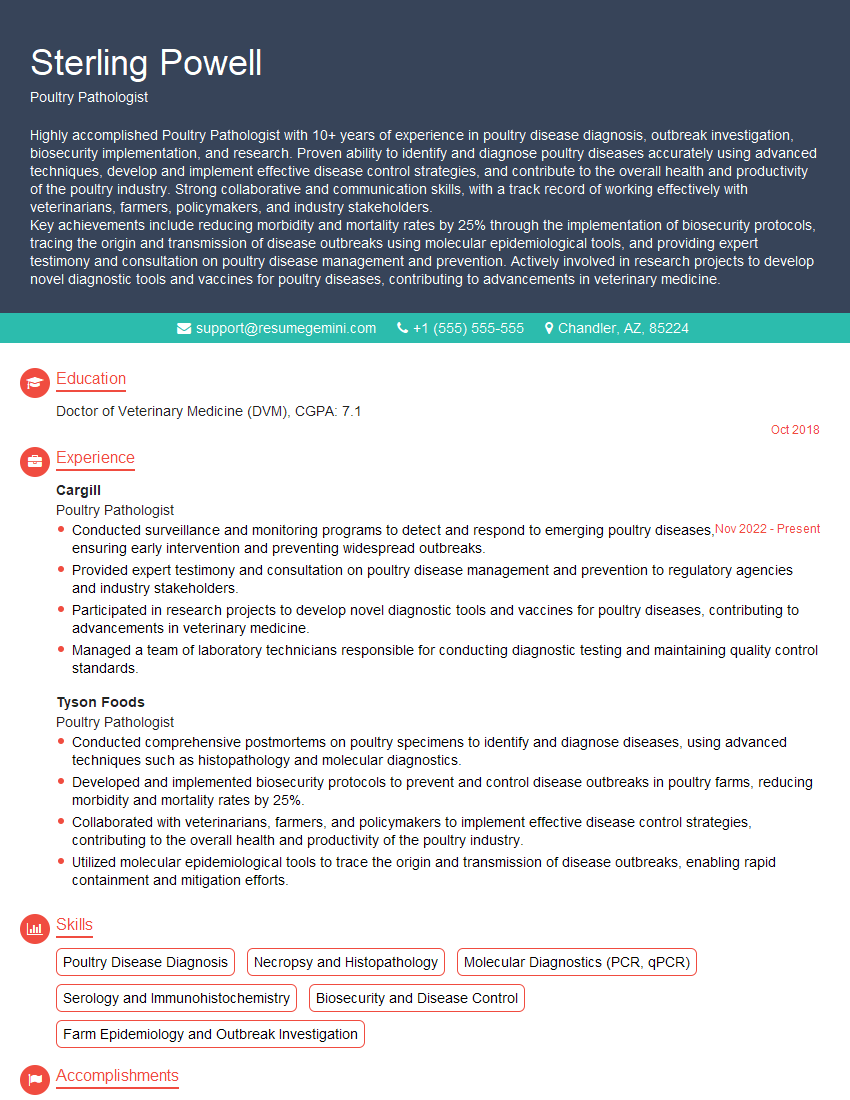
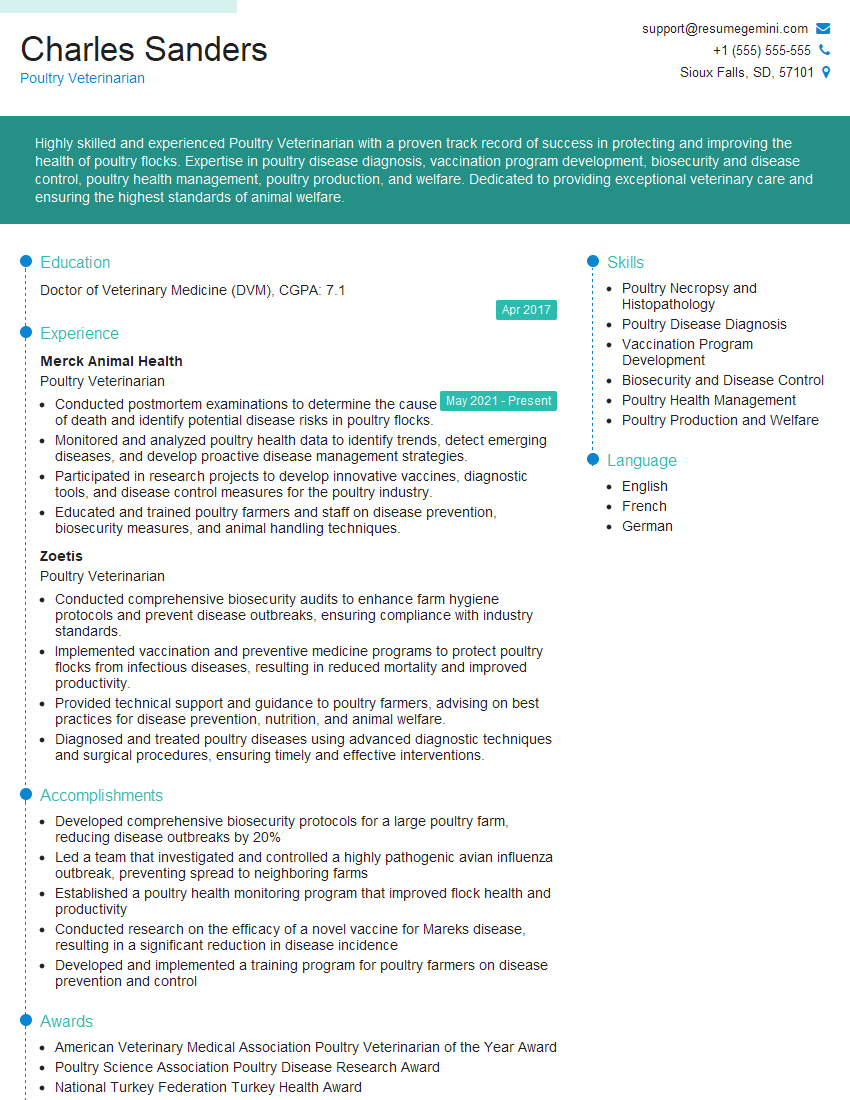
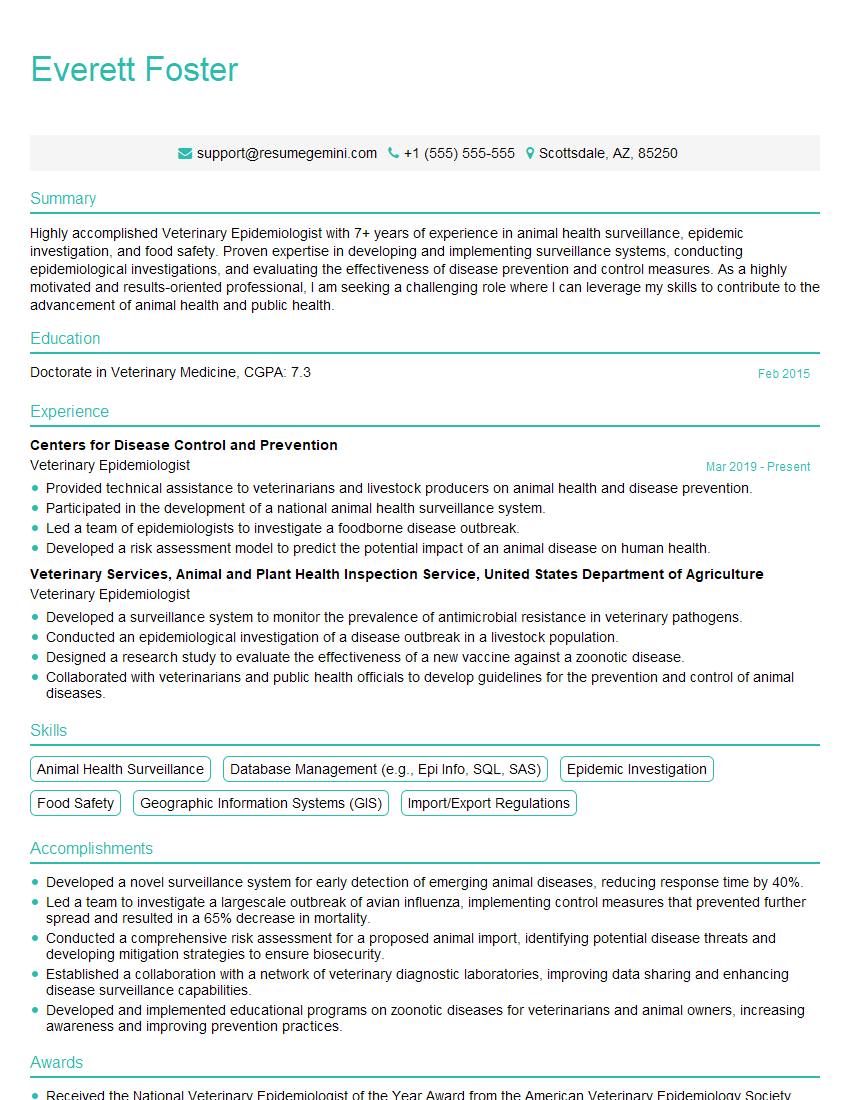
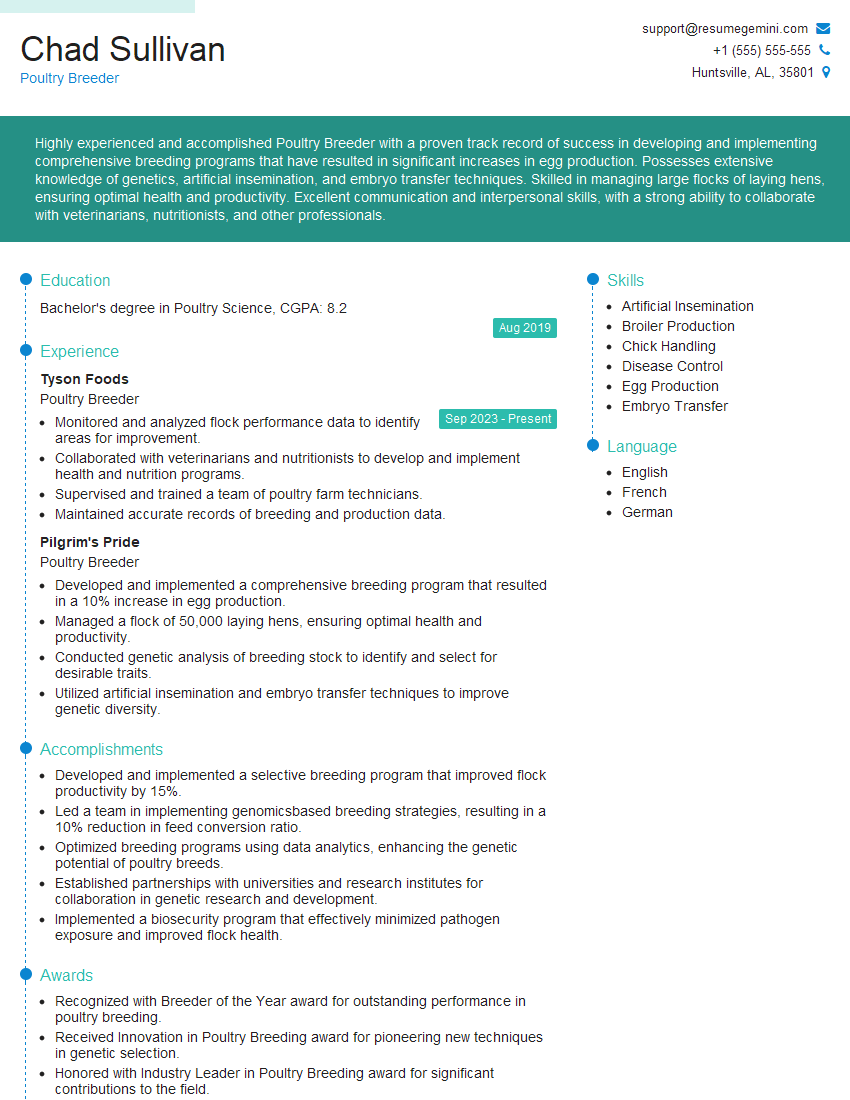
Mastering experience with poultry medication and vaccination is vital for career advancement in the poultry industry, opening doors to more senior roles and specialized opportunities. A strong resume is your first impression – make it count! Building an ATS-friendly resume significantly increases your chances of getting noticed by potential employers. ResumeGemini is a trusted resource to help you create a professional and impactful resume that highlights your skills and experience effectively. Examples of resumes tailored to showcasing experience in poultry medication and vaccination are available to help guide you.
Explore more articles
Users Rating of Our Blogs
Share Your Experience
We value your feedback! Please rate our content and share your thoughts (optional).
What Readers Say About Our Blog
Very informative content, great job.
good