The thought of an interview can be nerve-wracking, but the right preparation can make all the difference. Explore this comprehensive guide to Experience with hazardous waste handling interview questions and gain the confidence you need to showcase your abilities and secure the role.
Questions Asked in Experience with hazardous waste handling Interview
Q 1. Describe your experience with various hazardous waste streams (e.g., solvents, heavy metals, biologicals).
My experience encompasses a wide range of hazardous waste streams. I’ve worked extensively with solvents, handling everything from chlorinated solvents like trichloroethylene (TCE) to less hazardous ones like alcohols and ketones. This involved understanding their specific hazards (flammability, toxicity, reactivity) and implementing appropriate handling, storage, and disposal methods. I’ve also managed heavy metal wastes, including those containing lead, mercury, and cadmium, requiring meticulous attention to preventing environmental contamination and worker exposure. My experience also extends to biological wastes, such as medical waste, requiring strict adherence to protocols for sterilization and safe disposal to prevent the spread of infectious diseases. In each case, a crucial aspect was adhering to all relevant safety regulations and selecting the most appropriate treatment and disposal pathways. For example, in one project involving TCE contaminated soil, we implemented a comprehensive remediation plan including soil excavation, treatment with activated carbon, and disposal according to EPA guidelines.
Q 2. Explain the process of hazardous waste classification according to relevant regulations (e.g., RCRA, DOT).
Hazardous waste classification is governed by regulations like the Resource Conservation and Recovery Act (RCRA) in the US and similar regulations internationally. The process typically begins with a waste characterization step, determining the physical and chemical properties of the waste. This often involves laboratory testing to identify the presence of hazardous constituents. Then, we refer to regulatory lists, such as those found in RCRA, to determine if the waste meets the definition of a hazardous waste. These lists define hazardous wastes by their characteristics (ignitability, corrosivity, reactivity, toxicity) or by their specific listing as a hazardous waste (e.g., spent solvents, specific pesticides). The DOT (Department of Transportation) regulations then come into play when transportation is required. DOT regulations focus on the safe packaging, labeling, and transportation of hazardous materials, using specific hazard classes and packaging requirements to ensure safe movement of the waste to a permitted treatment, storage, and disposal facility (TSDF). For example, a waste classified as a D001 (waste containing specific heavy metals) under RCRA would be assigned a DOT hazardous materials class based on its physical and chemical properties, and then transported with the appropriate placards and shipping papers.
Q 3. How do you ensure compliance with hazardous waste transportation regulations?
Ensuring compliance with hazardous waste transportation regulations is paramount. This involves meticulously following DOT guidelines, which includes accurate manifest preparation, ensuring that the manifest accurately reflects the waste’s identity, quantity, and destination. Then we ensure proper packaging and labeling of the waste, adhering strictly to DOT specifications for container type, labeling requirements, and placarding. Driver training is another critical component. Drivers must be trained on safe handling procedures, emergency response protocols, and all relevant regulatory requirements. Throughout the transportation process, detailed records must be maintained, including copies of manifests, bills of lading, and any incident reports. I’ve also always emphasized utilizing licensed and insured transporters, ensuring their compliance with all relevant regulations provides additional assurance. Regular audits and internal reviews are vital to ensure ongoing compliance and identify any potential areas for improvement. This proactive approach minimizes the risk of regulatory penalties and environmental incidents.
Q 4. What are the key elements of a comprehensive hazardous waste management plan?
A comprehensive hazardous waste management plan is the cornerstone of a safe and compliant program. Key elements include a waste minimization plan, designed to reduce the amount of hazardous waste generated at the source. This often includes process modifications, substitution of materials, and improved operational efficiencies. The plan must also detail hazardous waste segregation and storage, including the use of appropriate containers, labels, and secondary containment to prevent leaks and spills. It should outline procedures for hazardous waste treatment and disposal, including the selection of permitted TSDFs and the transportation methods used. A robust emergency response plan, outlining steps to take in case of spills or other incidents, is also critical. Finally, a training program to educate personnel on hazardous waste handling, storage, and emergency response is essential. Regular audits and record-keeping are also indispensable to maintain compliance and identify areas for improvement. Without a detailed plan covering these elements, an organization faces significant risks in terms of regulatory penalties, environmental damage, and worker safety.
Q 5. Describe your experience with implementing and maintaining a hazardous waste inventory system.
I’ve extensive experience implementing and maintaining hazardous waste inventory systems, utilizing both manual and computerized methods. A key factor is choosing a system appropriate for the scale and complexity of the operation. Manual systems, often involving spreadsheets or databases, are suitable for smaller operations while larger organizations frequently utilize specialized software packages. Regardless of the system, accurate record keeping is paramount, including the waste stream’s generation date, quantity, composition, location, and ultimate disposition. The system must track waste from generation through final disposal, maintaining a complete chain of custody. Regular audits are conducted to ensure accuracy and prevent any discrepancies. Implementing barcoding or RFID tagging can significantly improve accuracy and efficiency in tracking waste movements. In one project, we transitioned from a manual system to a sophisticated software solution, resulting in improved accuracy, reduced paperwork, and enhanced regulatory compliance.
Q 6. How do you conduct a hazardous waste site assessment?
A hazardous waste site assessment is a systematic process for evaluating a site to determine the presence and extent of hazardous waste contamination. It typically starts with a desktop review of available information, including historical records, maps, and regulatory documents. This is followed by a site reconnaissance, a visual inspection to identify potential sources of contamination and areas of concern. This often includes interviewing personnel who may have worked at the site. Next, sampling and analysis are performed. This involves collecting samples of soil, water, and air to determine the presence and concentration of contaminants. The data is then evaluated to determine the extent of contamination and potential risks to human health and the environment. The assessment may also include risk assessment and the development of a remediation plan, if contamination is found. For example, in one assessment, we discovered buried drums containing hazardous solvents, necessitating further investigation and a comprehensive remediation plan.
Q 7. Explain your experience with spill response procedures for hazardous materials.
Spill response procedures for hazardous materials are crucial for protecting human health and the environment. My experience involves establishing and implementing site-specific spill response plans, tailored to the specific hazards present. These plans outline the roles and responsibilities of personnel, including the emergency response team. They detail personal protective equipment (PPE) requirements and appropriate procedures for containing and cleaning up spills, based on the nature of the spilled material. This includes implementing containment measures to prevent the spread of the spill and appropriate cleanup techniques, including methods for neutralization, absorption, or excavation. A crucial step is notification to relevant authorities, such as emergency services, regulatory agencies, and potentially impacted community members. Detailed record-keeping of the incident is critical, including the time of the spill, materials involved, cleanup methods used, and any injuries or environmental impacts. Regular training and drills are essential to ensure personnel’s preparedness for effective spill response. A critical aspect is minimizing environmental damage and the risk of worker exposure. A recent example involved a small spill of corrosive acid which was effectively mitigated following the established protocol, minimizing environmental impact and ensuring worker safety.
Q 8. What are the different methods for hazardous waste treatment and disposal?
Hazardous waste treatment and disposal methods aim to minimize environmental and health risks. The choice of method depends heavily on the waste’s characteristics (e.g., toxicity, flammability, reactivity). Methods broadly fall into these categories:
- Physical Methods: These methods separate or isolate hazardous components. Examples include
incineration(high-temperature burning to reduce volume and destroy hazardous components),solidification/stabilization(mixing waste with a binding agent to create a less mobile, less leachable solid), andlandfilling(containment in specially designed landfills with multiple layers to prevent leaching). - Chemical Methods: These methods alter the chemical composition of the waste to render it less hazardous. Examples include
neutralization(adjusting pH to reduce acidity or alkalinity),oxidation/reduction(chemical reactions to break down hazardous compounds), andchemical precipitation(removing contaminants from solution). - Biological Methods: These methods utilize microorganisms to break down hazardous components.
Bioremediation, for example, employs bacteria or fungi to degrade organic pollutants in soil or water. This is a more sustainable approach when applicable. - Recycling/Resource Recovery: Whenever possible, hazardous waste should be recycled or reused, diverting it from disposal and conserving resources. For example, spent solvents can sometimes be reclaimed and purified for reuse.
The selection of the optimal method requires careful consideration of factors like cost-effectiveness, regulatory compliance, environmental impact, and the waste’s specific properties. A thorough waste characterization is crucial.
Q 9. Describe your experience with selecting appropriate treatment technologies for different waste streams.
In my previous role at a large chemical manufacturing plant, we routinely handled diverse waste streams including spent solvents, heavy metals, and chemical sludges. Selecting appropriate treatment technologies involved a multi-step process:
- Waste Characterization: We’d first conduct thorough laboratory testing to determine the waste’s physical and chemical properties (composition, toxicity, flammability).
- Regulatory Compliance: We then assessed relevant regulations (e.g., RCRA) to determine permitted treatment options and disposal pathways.
- Technology Evaluation: We’d compare various treatment technologies based on their effectiveness, cost, environmental impact, and available infrastructure. For instance, for a waste stream containing high concentrations of volatile organic compounds (VOCs), incineration might be the most effective solution; whereas for heavy metal-contaminated soil, solidification/stabilization might be more appropriate.
- Risk Assessment: We performed a detailed risk assessment to evaluate potential hazards associated with each technology and to ensure worker safety during the treatment process. This includes considering potential emissions, byproducts, and risks of accidental releases.
- Implementation and Monitoring: Finally, we’d implement the selected technology, closely monitoring its performance to ensure it’s meeting regulatory requirements and achieving the desired treatment outcomes.
For example, we successfully transitioned from landfilling a specific waste stream to a more environmentally sound incineration process, reducing our environmental footprint significantly and improving compliance. This involved thorough testing, detailed regulatory review, and rigorous employee training.
Q 10. How do you ensure the safety of personnel involved in hazardous waste handling operations?
Ensuring personnel safety is paramount. It’s a core principle that guides all hazardous waste handling operations. My approach involves a multi-layered strategy:
- Engineering Controls: Implementing physical barriers like containment structures, ventilation systems, and automated handling equipment minimizes exposure to hazardous materials.
- Administrative Controls: Establishing clear Standard Operating Procedures (SOPs), implementing a robust permit-to-work system, and conducting regular safety inspections helps prevent accidents.
- Personal Protective Equipment (PPE): Providing and ensuring the correct use of appropriate PPE (respirators, gloves, coveralls, safety glasses) is crucial.
- Training and Competency: Providing thorough and ongoing training to ensure personnel are competent in safe handling practices. This includes emergency response procedures.
- Medical Surveillance: Regular medical monitoring of workers to detect any health impacts related to exposure to hazardous substances.
- Emergency Response Plan: A well-defined and regularly practiced emergency response plan is crucial to manage incidents effectively and minimize potential harm.
For instance, during a recent spill incident, our well-rehearsed emergency response plan, coupled with the team’s thorough training, enabled a swift and safe cleanup, preventing any injuries.
Q 11. What are the common safety precautions and PPE required when handling hazardous waste?
Common safety precautions and PPE vary depending on the specific hazardous waste being handled. However, some general guidelines apply:
- Engineering Controls: Proper ventilation, containment systems, and process equipment are crucial.
- Administrative Controls: Clear SOPs, signage, and work permits are essential.
- PPE: The specific PPE required depends on the hazards presented by the waste. This might include:
Respirators: for airborne hazards.Gloves: Chemical-resistant gloves appropriate for the specific chemical.Coveralls: To protect skin from spills.Safety Glasses/Goggles: Eye protection from splashes or dust.Safety Boots: To protect feet from spills or punctures.- Hygiene Practices: Handwashing facilities must be readily available, and personnel should wash thoroughly after handling waste.
- Emergency Showers/Eyewashes: These must be readily accessible in case of accidental exposure.
It’s crucial to remember that PPE is only one part of the safety strategy. Engineering and administrative controls are equally, if not more, important for overall worker safety.
Q 12. Explain your experience with conducting employee training on hazardous waste safety procedures.
Employee training is a continuous process. We use a multi-faceted approach:
- Initial Training: All personnel involved in hazardous waste handling undergo initial training covering hazard identification, safe handling procedures, emergency response protocols, and the use of PPE.
- Refresher Training: Regular refresher training is provided to reinforce key concepts and address any changes in regulations or procedures.
- Hands-on Training: Practical, hands-on training sessions allow employees to practice safe handling techniques in a controlled environment.
- Scenario-Based Training: We use real-world scenarios to test employees’ ability to respond to unexpected events or emergencies. This includes spill response and emergency shutdown drills.
- Documentation and Records: We meticulously document all training activities, including attendance records, competency assessments, and evaluation results.
For example, we recently implemented a new virtual reality training program that simulates hazardous waste handling scenarios, allowing employees to practice safe procedures in a risk-free environment. This improved the effectiveness of training and engaged employees more effectively.
Q 13. How do you manage hazardous waste documentation and recordkeeping?
Hazardous waste documentation and recordkeeping are crucial for compliance and accountability. We maintain detailed records throughout the entire waste lifecycle:
- Waste Generation Records: We meticulously track the generation of hazardous waste, including its quantity, characteristics, and the location of its generation.
- Treatment and Disposal Records: We maintain detailed records of all treatment and disposal activities, including the names of transporters, disposal facilities, and dates of disposal.
- Manifest Tracking: We use a manifest system to track the movement of hazardous waste from generation to disposal. This ensures accountability and proper chain of custody.
- Sampling and Analysis Results: We document the results of all waste characterization testing and analysis.
- Employee Training Records: We maintain detailed records of all employee training activities, including attendance, performance evaluations, and certifications.
- Emergency Response Records: We meticulously document any incidents or emergencies, including the cause, corrective actions, and any injuries or environmental impacts.
We use a combination of paper-based and electronic systems to manage these records, ensuring they are readily accessible, secure, and compliant with all relevant regulations. A robust database system is key to efficient record management.
Q 14. Describe your familiarity with relevant environmental regulations (e.g., CERCLA, SARA).
I am very familiar with key environmental regulations governing hazardous waste management, including:
- Comprehensive Environmental Response, Compensation, and Liability Act (CERCLA): Also known as Superfund, CERCLA addresses the cleanup of hazardous waste sites and holds responsible parties accountable for remediation costs.
- Superfund Amendments and Reauthorization Act (SARA): SARA amended CERCLA and introduced provisions for community right-to-know programs, ensuring transparency in hazardous waste management.
- Resource Conservation and Recovery Act (RCRA): RCRA establishes a comprehensive framework for the management of hazardous and non-hazardous waste, covering its generation, transportation, treatment, storage, and disposal.
- State-specific regulations: Many states have their own regulations supplementing federal requirements. Understanding these state-level regulations is crucial for compliance.
My experience includes ensuring compliance with these regulations in several projects involving site assessments, remediation, and waste management planning. Understanding these legal frameworks is essential for successful hazardous waste management practices. Staying current on updates and changes to these regulations is an ongoing professional responsibility.
Q 15. What are the potential environmental and health risks associated with improper hazardous waste management?
Improper hazardous waste management poses significant environmental and health risks. Think of it like this: hazardous waste is like a ticking time bomb; if not handled correctly, it can explode with devastating consequences. Environmental risks include soil and water contamination, air pollution, and damage to ecosystems. For example, improperly disposed of solvents can leach into groundwater, rendering it unsafe for drinking and harming aquatic life. Similarly, improper incineration can release toxic air pollutants, impacting air quality and human health. Health risks range from immediate acute effects, such as burns and respiratory problems from exposure to corrosive chemicals or toxic fumes, to long-term chronic effects like cancer, birth defects, and neurological disorders due to exposure to carcinogens and other harmful substances. The severity depends on the type of waste, the level of exposure, and the individual’s susceptibility. This highlights the critical need for stringent regulatory compliance and meticulous waste management practices.
Career Expert Tips:
- Ace those interviews! Prepare effectively by reviewing the Top 50 Most Common Interview Questions on ResumeGemini.
- Navigate your job search with confidence! Explore a wide range of Career Tips on ResumeGemini. Learn about common challenges and recommendations to overcome them.
- Craft the perfect resume! Master the Art of Resume Writing with ResumeGemini’s guide. Showcase your unique qualifications and achievements effectively.
- Don’t miss out on holiday savings! Build your dream resume with ResumeGemini’s ATS optimized templates.
Q 16. How do you address potential environmental incidents related to hazardous waste?
Addressing environmental incidents related to hazardous waste requires a swift and coordinated response. My approach follows a structured methodology: First, immediate containment and control is paramount. This involves stopping the source of the spill or release, preventing further spread, and protecting human health and the environment. Next, assessment and characterization of the released hazardous waste are crucial. This includes identifying the type and quantity of the hazardous material, determining the extent of the contamination, and assessing potential pathways of exposure. Then, remediation involves the cleanup and removal of the contaminated materials, using appropriate technologies and methods. This might include excavation, soil washing, bioremediation, or other specialized techniques. Finally, monitoring is essential to verify the effectiveness of the remediation efforts and ensure long-term environmental protection. For example, during a spill of a highly toxic chemical at a manufacturing plant, I would immediately coordinate with emergency responders, environmental agencies, and site personnel to implement a containment plan, assess the extent of contamination, and secure the area to prevent further exposure. Post-remediation, we’d regularly monitor water and soil samples to ensure that the contamination has been adequately addressed.
Q 17. Describe your experience with emergency response planning and procedures.
My experience with emergency response planning involves developing comprehensive plans that anticipate various scenarios and outline clear procedures. This includes defining roles and responsibilities, establishing communication protocols, and identifying emergency contacts. I’ve been involved in creating plans for scenarios such as chemical spills, fires involving hazardous materials, and unexpected releases. These plans outline procedures for evacuation, containment, cleanup, and post-incident reporting. We conduct regular drills and training exercises to ensure that personnel are prepared to respond effectively. For instance, at a previous facility, we simulated a large-scale chemical spill, testing our response plan’s effectiveness. This highlighted areas needing improvement, such as communication protocols and equipment readiness. Post-drill, we refined the plan and improved our training programs, emphasizing teamwork and efficient execution of emergency procedures. Documentation is vital; maintaining detailed records of drills and any actual incidents is crucial for continuous improvement and regulatory compliance.
Q 18. How do you conduct a risk assessment for hazardous waste operations?
A hazardous waste risk assessment involves identifying potential hazards, evaluating their likelihood, and determining the severity of potential consequences. I utilize a systematic approach involving hazard identification (what could go wrong?), risk analysis (how likely is it?), and risk evaluation (how severe would the impact be?). This process involves reviewing past incidents, analyzing Material Safety Data Sheets (MSDS), and conducting site-specific inspections. Quantitative methods, such as fault tree analysis or event tree analysis, can also be used to model potential scenarios and estimate probabilities. For example, in assessing the risks associated with a chemical storage facility, I would consider factors like the toxicity of the stored chemicals, the potential for spills or leaks, and the proximity to sensitive receptors like residential areas or water bodies. The risk assessment would then be used to develop and implement control measures to mitigate the identified risks, such as implementing secondary containment, improving ventilation, and developing emergency response plans. This ensures that hazardous waste operations are conducted safely and minimize the potential for incidents.
Q 19. Explain your experience with waste minimization strategies.
Waste minimization is a cornerstone of responsible hazardous waste management. My experience encompasses various strategies, including source reduction, recycling, and treatment. Source reduction aims to prevent hazardous waste generation at its source by using less hazardous materials, optimizing processes, and improving operational efficiency. For example, switching from a hazardous cleaning solvent to a less toxic alternative significantly reduces the volume of hazardous waste generated. Recycling involves recovering valuable materials from hazardous waste streams, reducing the need for disposal. Treatment processes like neutralization or incineration can reduce the hazardous properties of waste, making it safer for disposal. In one project, I implemented a source reduction strategy by optimizing a chemical manufacturing process, resulting in a 30% reduction in hazardous waste generation. This not only reduced environmental impact but also saved the company significant disposal costs. A holistic approach to waste minimization requires evaluating all aspects of an operation to identify opportunities for improvement.
Q 20. What is your understanding of the lifecycle of hazardous waste?
The lifecycle of hazardous waste begins with its generation, which can be from manufacturing processes, healthcare activities, or other sources. It then proceeds through stages of characterization (determining its composition and properties), handling and storage (safe temporary management), treatment and disposal (reducing hazard or permanent placement), and ultimately, long-term monitoring (verifying the safety and stability of the disposal site). Each stage requires careful management to minimize environmental and health risks. Improper handling at any stage can have severe repercussions. For instance, inadequate characterization can lead to inappropriate treatment methods, while improper storage can lead to spills or releases. Understanding the entire lifecycle is essential for effective hazardous waste management, ensuring compliance with regulations and promoting environmental stewardship.
Q 21. Describe your experience working with various analytical techniques used in hazardous waste characterization.
My experience includes working with a range of analytical techniques for hazardous waste characterization. These techniques are crucial for accurately identifying the constituents and determining the properties of the waste, which dictates the appropriate treatment and disposal methods. Common techniques include: Gas Chromatography-Mass Spectrometry (GC-MS) for identifying volatile organic compounds (VOCs); High-Performance Liquid Chromatography (HPLC) for analyzing semi-volatile organic compounds; Inductively Coupled Plasma-Mass Spectrometry (ICP-MS) for determining the concentrations of heavy metals; and Toxicity Characteristic Leaching Procedure (TCLP) to assess the potential for leaching of contaminants from solid wastes. I’m also proficient in interpreting the data generated by these techniques and using it to inform appropriate management decisions. For example, in a recent project, we used GC-MS to identify the specific VOCs present in a contaminated soil sample, which then informed the selection of a suitable remediation technology. The accuracy and reliability of these analyses are crucial for ensuring the safety of the environment and human health.
Q 22. How do you manage and dispose of contaminated equipment or materials?
Managing and disposing of contaminated equipment or materials involves a multi-step process prioritizing safety and regulatory compliance. First, we must accurately identify the type and level of contamination. This often involves laboratory analysis to determine the specific hazardous substances present. Then, we segregate the contaminated items from non-contaminated materials to prevent cross-contamination. Next, we select appropriate containment methods – this could range from simple double-bagging for lightly contaminated items to specialized containers for materials with high toxicity or radioactivity. The chosen container must be compatible with the waste’s properties, preventing leaks and ensuring safe handling. Finally, we arrange for disposal through a licensed hazardous waste disposal facility, ensuring all paperwork, including manifests detailing the waste’s composition and quantity, is meticulously completed and submitted. For example, during a lab cleanup, we might discover glassware contaminated with mercury. We’d carefully decontaminate the area, collect the contaminated glassware in specialized spill kits, label the container appropriately, and then transport it to a facility certified to handle mercury waste.
Q 23. Explain your familiarity with different types of hazardous waste storage containers and their appropriate usage.
Hazardous waste storage containers vary greatly depending on the waste’s physical and chemical properties. Common types include drums (55-gallon steel or polyethylene), IBC totes (intermediate bulk containers), and specialized containers for specific hazardous materials such as corrosives or flammables. For instance, acids require containers resistant to corrosion, often lined with specialized polymers. Flammable materials necessitate containers designed to prevent ignition, often featuring spark-resistant materials and specific venting mechanisms. Improper container selection can lead to spills, leaks, or even explosions, so understanding material compatibility and regulatory requirements is critical. Each container must be clearly labeled with the waste’s contents, hazard warnings (e.g., flammable, corrosive, toxic), and appropriate handling precautions. Regular inspections are also essential to ensure containers remain intact and labels are legible. We also use secondary containment – like pallets with berms – to catch any spills that may occur.
Q 24. Describe your experience with permit applications and compliance reporting related to hazardous waste.
Permit applications and compliance reporting are cornerstones of responsible hazardous waste management. My experience encompasses completing detailed applications for permits, including generator permits, transporter permits, and treatment, storage and disposal facility (TSDF) permits. These applications require a thorough understanding of relevant regulations and detailed descriptions of waste streams, management practices, and emergency response plans. Accurate and timely compliance reporting, including waste manifests, is crucial. These manifests track waste from generation to final disposal, ensuring accountability and preventing illegal dumping. I’m adept at using electronic reporting systems and maintaining meticulous records, ensuring our facility maintains full compliance. I’ve successfully navigated several audits from regulatory agencies by maintaining comprehensive documentation and ensuring adherence to best practices. Failure to comply with these reporting requirements can result in significant penalties.
Q 25. How do you ensure the security of hazardous waste storage areas?
Securing hazardous waste storage areas is paramount. We implement a multi-layered approach, including physical barriers like locked gates and fences, controlled access systems (like key cards or security cameras), and regular patrols. Proper lighting and signage enhance security and visibility. In addition, we implement stringent inventory control measures to track waste quantities and prevent theft or unauthorized access. Containers are clearly labeled with hazard warnings, and appropriate safety equipment is readily available. Emergency response plans are also in place, detailing procedures for spills, fires, or unauthorized entry. Think of it like a high-security vault for potentially dangerous materials: multiple layers of protection work together to minimize risk.
Q 26. How do you handle non-compliant waste shipments or disposal?
Handling non-compliant waste shipments or disposal requires immediate action. Upon discovery of a non-compliant shipment (e.g., improperly labeled containers, missing documentation, incorrect waste classification), we initiate a thorough investigation to determine the source of the issue and the extent of the non-compliance. We then work with the shipper to rectify the problem, which might involve re-labeling, repackaging, or returning the waste to the generator. If the non-compliance poses an immediate threat, we may need to take emergency measures to contain the waste and prevent further risks. In all cases, we meticulously document the incident and report it to the relevant regulatory agencies as required. This might involve working with the EPA to resolve any environmental concerns and potential violations.
Q 27. Describe your experience with auditing hazardous waste management practices.
Auditing hazardous waste management practices is a crucial part of ensuring compliance and continuous improvement. My auditing experience includes conducting both internal and external audits. Internal audits assess our own facility’s compliance with regulations and internal procedures, identifying areas for improvement. External audits, conducted by regulatory agencies or third-party auditors, are critical for maintaining our license and demonstrating our commitment to responsible waste management. These audits cover various aspects, including waste characterization, storage practices, record keeping, emergency preparedness, and employee training. Findings are documented, corrective actions are implemented, and follow-up audits ensure the effectiveness of those actions. Think of it like a regular health checkup for our waste management system, ensuring everything is functioning optimally.
Q 28. How do you stay current with changes in hazardous waste regulations and best practices?
Staying current with evolving hazardous waste regulations and best practices is an ongoing process. I actively participate in professional organizations, attend conferences and workshops, and subscribe to industry publications to stay informed about regulatory changes and emerging technologies. I regularly review relevant federal, state, and local regulations, utilizing online resources and engaging with regulatory agencies directly. We also incorporate continuous improvement initiatives into our operations, aiming to implement the latest best practices in waste reduction, minimization, and treatment. Keeping up with these changes ensures not only compliance but also the adoption of more efficient and environmentally sound practices.
Key Topics to Learn for Hazardous Waste Handling Interviews
- Regulatory Compliance: Understanding and applying relevant federal, state, and local regulations (e.g., RCRA, CERCLA). This includes permits, reporting requirements, and emergency response protocols.
- Waste Characterization and Classification: Accurately identifying and classifying hazardous waste based on its physical, chemical, and biological properties. This involves practical experience with sampling, testing, and analysis techniques.
- Safe Handling Procedures: Demonstrating a thorough understanding of proper handling techniques, including personal protective equipment (PPE) selection and use, spill response procedures, and waste segregation best practices.
- Transportation and Disposal: Knowledge of the regulations and procedures involved in the safe transportation and disposal of hazardous waste, including manifest systems and waste tracking.
- Emergency Response and Risk Management: Experience with developing and implementing emergency response plans, conducting risk assessments, and managing hazardous waste incidents. This includes understanding various containment and remediation strategies.
- Record Keeping and Documentation: Maintaining accurate and comprehensive records of all hazardous waste handling activities, complying with audit requirements, and demonstrating attention to detail.
- Treatment Technologies: Familiarity with various treatment technologies used to manage hazardous waste, including physical, chemical, and biological methods. Understanding the advantages and limitations of each is crucial.
- Environmental Monitoring and Remediation: Understanding the principles and practices of environmental monitoring to assess the impact of hazardous waste and implementing appropriate remediation techniques.
Next Steps
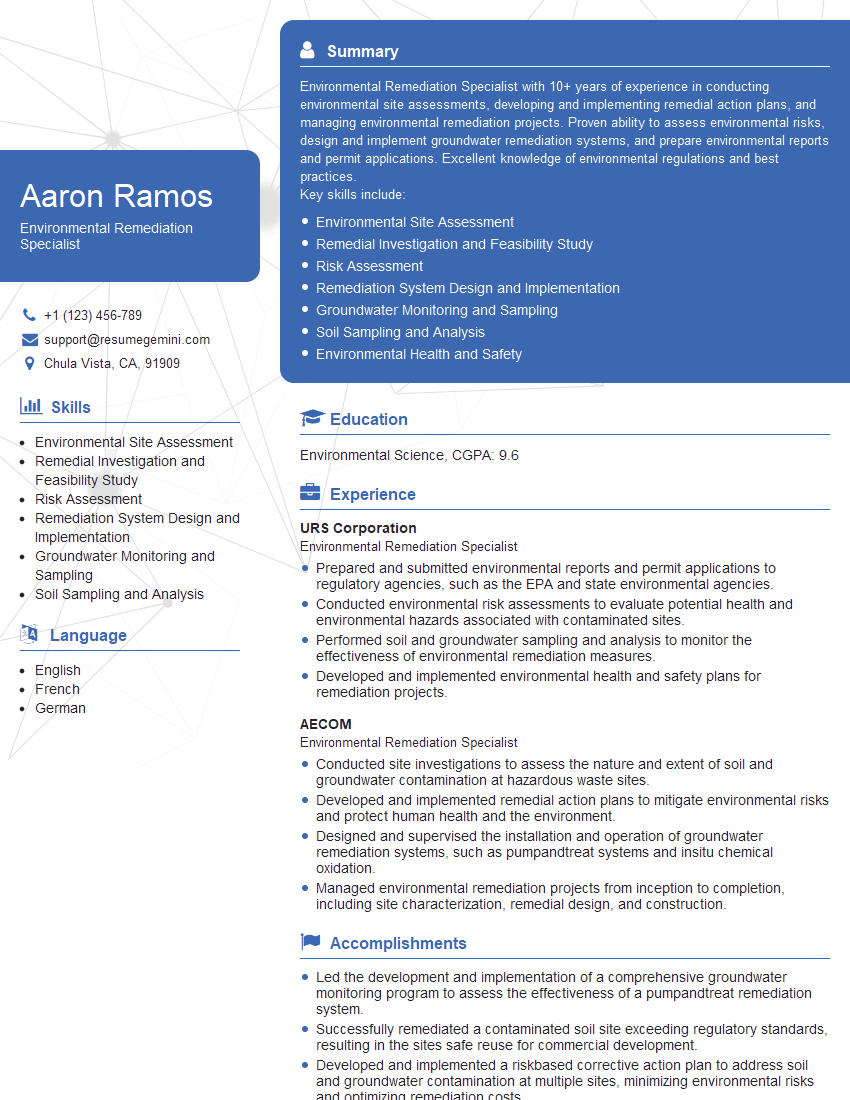
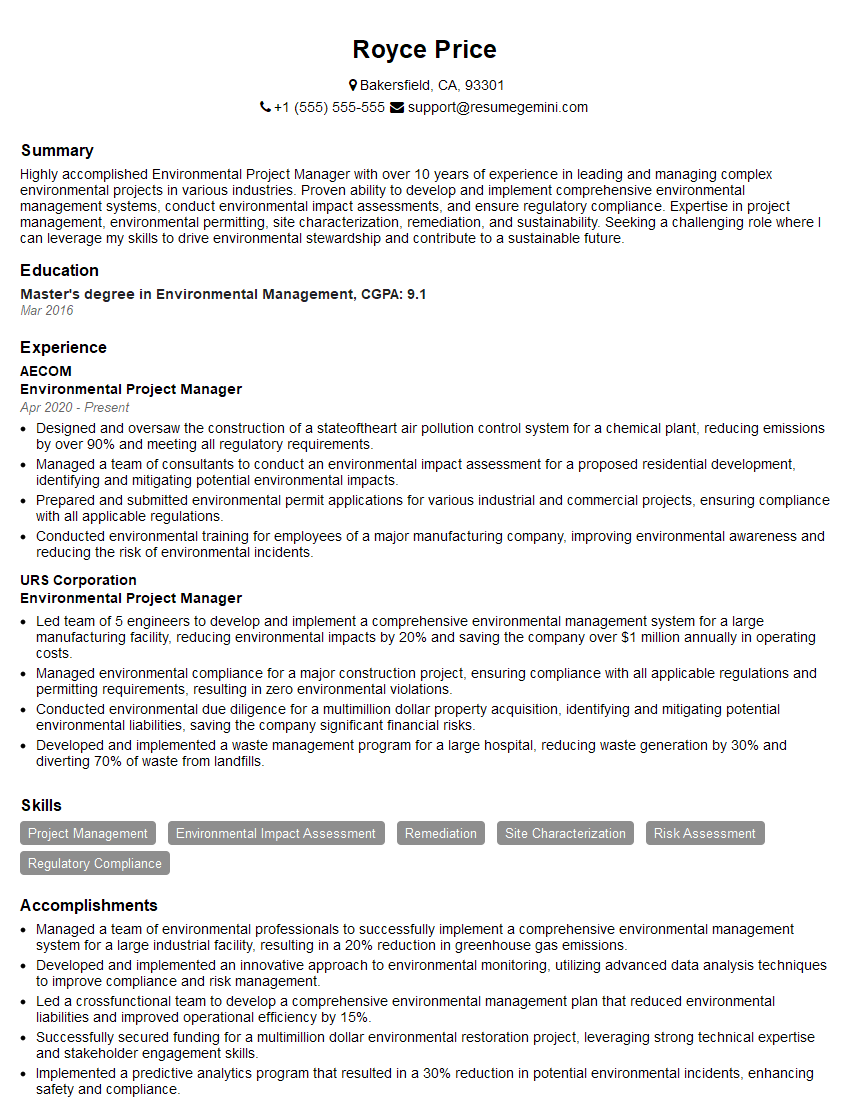
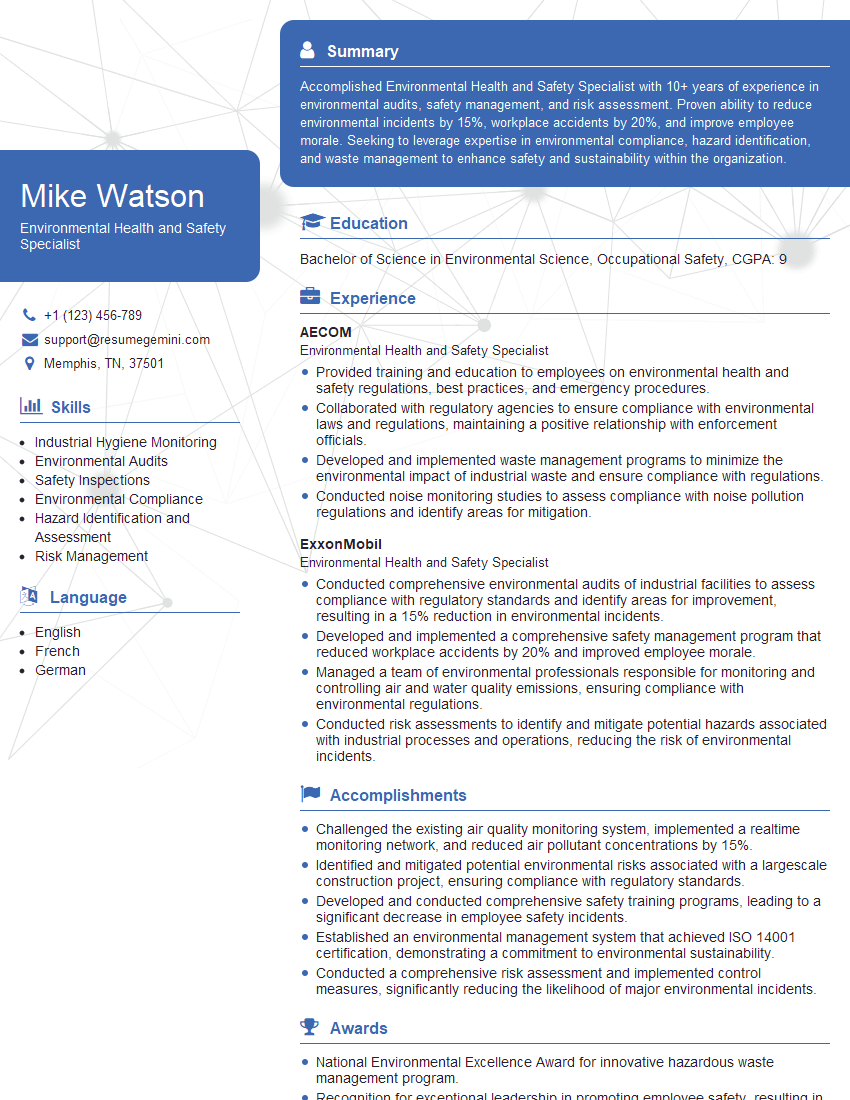
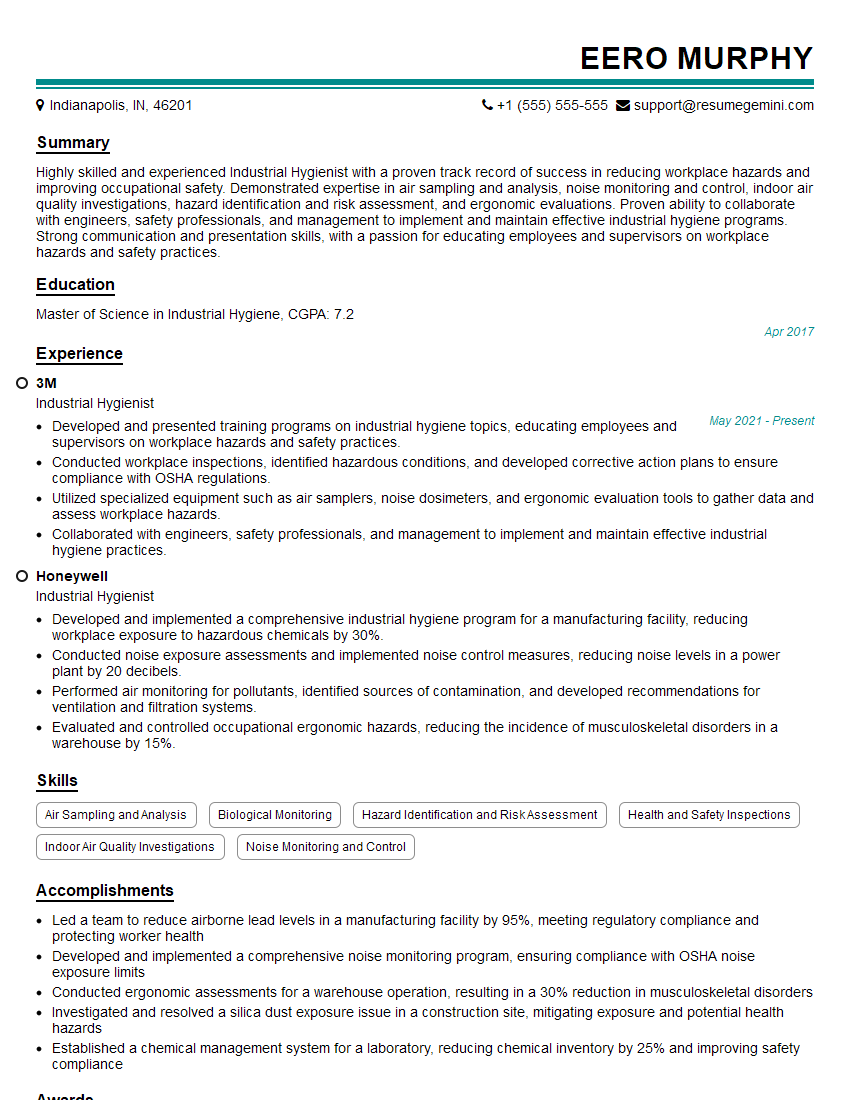
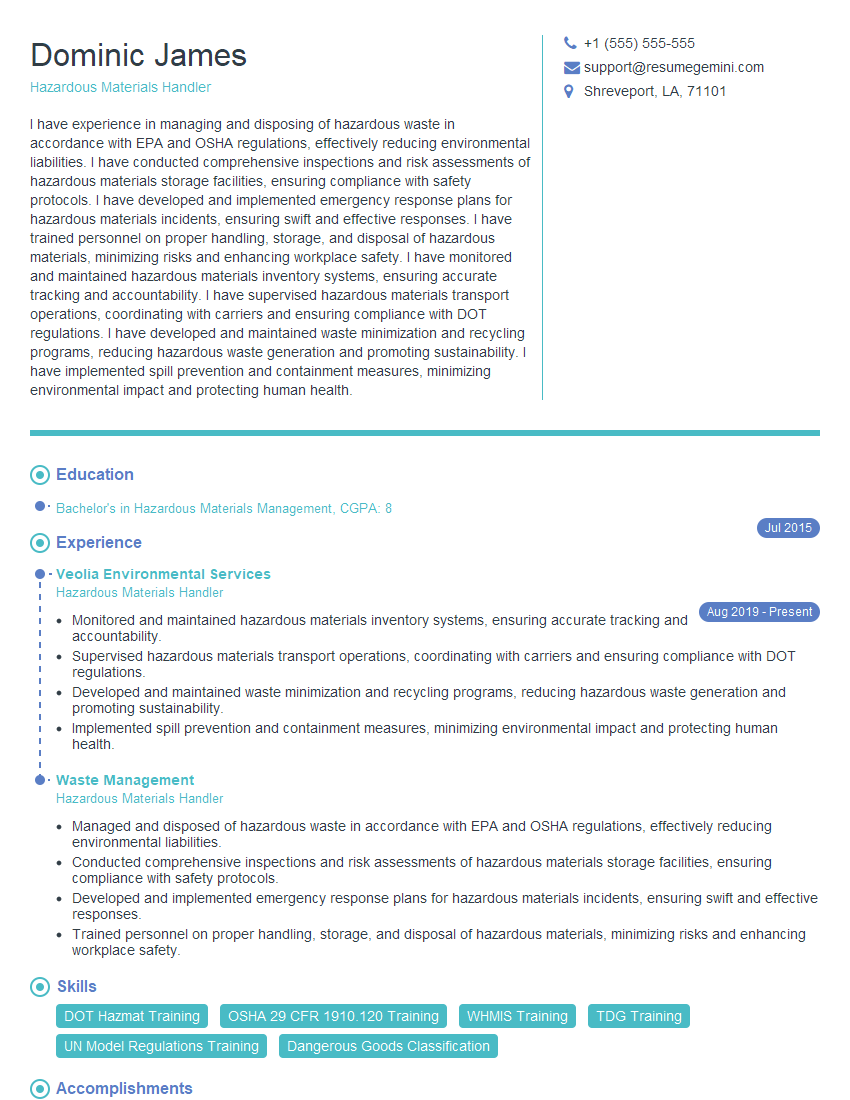
Mastering hazardous waste handling is essential for a successful and fulfilling career in environmental science, engineering, and related fields. It demonstrates a commitment to safety, environmental protection, and regulatory compliance – highly valued attributes in today’s job market. To significantly increase your chances of landing your dream role, crafting a strong, ATS-friendly resume is vital. ResumeGemini can help you build a professional, impactful resume that highlights your skills and experience effectively. They even provide examples of resumes tailored to hazardous waste handling expertise, giving you a head start in showcasing your qualifications. Invest the time to create a compelling resume – it’s your first impression and a key to unlocking your career potential.
Explore more articles
Users Rating of Our Blogs
Share Your Experience
We value your feedback! Please rate our content and share your thoughts (optional).
What Readers Say About Our Blog
Very informative content, great job.
good