Preparation is the key to success in any interview. In this post, we’ll explore crucial experience with managing and maintaining printing budgets interview questions and equip you with strategies to craft impactful answers. Whether you’re a beginner or a pro, these tips will elevate your preparation.
Questions Asked in experience with managing and maintaining printing budgets Interview
Q 1. What strategies have you used to reduce printing costs?
Reducing printing costs requires a multifaceted approach focusing on both consumption and procurement. Think of it like managing your household budget – you need to both spend less and shop smarter.
- Promoting Digital Alternatives: My primary strategy is to significantly reduce paper consumption. This involves encouraging the use of digital documents, email, and collaborative online tools like Google Docs and SharePoint. For instance, in a previous role, we implemented a company-wide policy to send meeting agendas and minutes electronically, leading to a 25% reduction in paper usage within the first quarter.
- Double-sided Printing and Print Queues: Implementing default double-sided printing and establishing print queues with review and approval processes eliminates unnecessary prints. A simple queue system where printing requests must be approved by a manager before being sent helps to eliminate impulsive printing and ensures only essential documents are printed.
- Optimizing Document Design: Many documents contain unnecessary white space. By designing more compact documents and using smaller fonts when appropriate, you can drastically reduce page counts. Think of it like packing a suitcase – efficient packing maximizes space.
- Smart Procurement: Negotiating better rates with vendors and exploring bulk purchasing options for toner and paper can significantly lower per-unit costs.
Q 2. Describe your experience negotiating print contracts.
Negotiating print contracts is a skill honed through preparation and strategic communication. It’s not just about price; it’s about finding the right balance between cost, service, and quality.
- Thorough Research: Before entering negotiations, I thoroughly research market rates for similar services. Websites and industry publications provide valuable data points to support your negotiating position.
- Defining Requirements: Clearly outlining your organization’s printing needs—volume, type of printing, turnaround time, and required services—is crucial. This allows vendors to propose tailored solutions and facilitates a clear comparison.
- Leveraging Competition: I often use competing bids to negotiate favorable terms. Getting multiple proposals allows for a comparison of pricing and services, providing leverage to secure the best deal.
- Long-Term Partnerships: While focusing on immediate cost savings is important, I also prioritize building long-term relationships with vendors. These relationships can lead to more favorable contracts and better service in the long run. For example, I negotiated a three-year contract with a vendor who guaranteed a certain price reduction for the duration if our printing volume remained within an agreed range.
Q 3. How do you track and analyze printing expenses?
Tracking and analyzing printing expenses requires a systematic approach using both manual and automated methods. Think of it like tracking your personal finances – you need a clear picture of where your money is going.
- Print Management Software: Many solutions provide detailed print job tracking and cost allocation. This allows you to identify departments or individuals with high print volumes.
- Meter Readings: Regular meter readings of printers and copiers help monitor toner and paper consumption and forecast future needs.
- Invoice Analysis: Carefully reviewing invoices from vendors provides a granular view of costs, revealing any potential discrepancies or areas for negotiation.
- Data Visualization: Creating charts and graphs showcasing print costs over time helps to quickly identify trends and areas for cost reduction. In a previous role, creating such visualizations clearly showed that one department’s print volume increased sharply after the introduction of a new project. This allowed us to target the problem area and implement a more sustainable print policy.
Q 4. What software or tools have you used for print budget management?
Various software and tools are available for print budget management, ranging from simple spreadsheets to sophisticated enterprise solutions.
- Spreadsheet Software (e.g., Excel, Google Sheets): These are useful for basic tracking of expenses and creating simple reports. While not as sophisticated as dedicated print management software, they’re easily accessible and sufficient for smaller organizations.
- Dedicated Print Management Software: Solutions such as PaperCut, Print Audit, and Equitrac offer advanced features such as print job tracking, cost allocation, quota management, and detailed reporting. These tools automate much of the manual work involved in monitoring printing expenses.
- Enterprise Resource Planning (ERP) Systems: Many ERP systems integrate print management capabilities, providing a centralized view of print costs alongside other organizational expenses.
Q 5. How do you forecast future printing needs and budget accordingly?
Forecasting future printing needs requires analyzing historical data, considering anticipated changes, and incorporating business plans. It’s like predicting the weather – you need to consider historical patterns and current conditions.
- Historical Data Analysis: Reviewing past print volumes, identifying seasonal trends, and analyzing the growth of specific departments gives a baseline for prediction.
- Business Growth Projections: Incorporating the company’s growth plans—new employees, new projects, or expansion—into your forecast is vital for accurate budgeting.
- Technological Changes: Anticipating changes in printing technologies or the adoption of digital alternatives can significantly impact your forecast. For example, a transition to a paperless workflow will require a downward adjustment of your print budget.
- Contingency Planning: Always include a contingency buffer in your forecast to account for unexpected events or variations from projections.
Q 6. Explain your process for identifying cost-saving opportunities in printing.
Identifying cost-saving opportunities requires a proactive and analytical approach. It’s like a treasure hunt – you need to carefully examine all aspects of your printing operations.
- Print Volume Analysis: Identifying departments or individuals with unusually high print volumes is a great starting point. This might reveal inefficiencies or opportunities for process improvements.
- Waste Audit: Regularly checking for discarded printed materials can highlight wasteful practices. This could involve reviewing print queues for unnecessary print jobs or examining discarded documents for avoidable printing mistakes.
- Technology Assessment: Evaluating the efficiency of your printing hardware and software can reveal opportunities to upgrade to more energy-efficient models or implement print management software to better control costs.
- Vendor Contract Review: Regularly reviewing print contracts can identify potential for renegotiation based on changes in volume or market rates.
Q 7. How do you prioritize print projects based on budget and urgency?
Prioritizing print projects based on budget and urgency involves a structured approach. Think of it like managing a project backlog – you need to consider both value and time sensitivity.
- Urgency and Importance Matrix: I often use a matrix that categorizes projects based on their urgency and importance. Urgent and important projects take priority, while less urgent projects may be delayed or even cancelled.
- Cost-Benefit Analysis: For projects with competing priorities, a cost-benefit analysis helps determine which projects offer the highest return on investment. This ensures that budget is allocated to the most impactful projects.
- Communication and Collaboration: Open communication with stakeholders is crucial for managing expectations and making informed decisions about project prioritization. Sometimes, this involves discussions with project owners to find alternative solutions that minimize printing needs.
Q 8. Describe a time you had to deal with unexpected printing cost overruns. What was your approach?
Unexpected cost overruns in printing are a common challenge. One time, we experienced a significant spike in color printing costs, exceeding our budget by 20%. This was due to a combination of factors: a large, last-minute marketing campaign requiring extensive color brochures, and a malfunctioning printer that led to wasted supplies. My approach involved a multi-pronged strategy:
- Immediate Action: I first implemented a temporary halt on non-essential color printing to control the immediate bleeding. This involved communicating clearly with all departments about the budget overage and the need for temporary restrictions.
- Root Cause Analysis: We investigated the printer malfunction. This involved contacting the vendor, scheduling repairs, and analyzing print logs to understand the extent of the wastage.
- Long-Term Solutions: Following the incident, we implemented several measures to prevent future recurrences. This included:
- Introducing a stricter approval process for color printing projects.
- Implementing a print quota system to encourage more mindful printing.
- Negotiating better pricing with our print vendor for bulk color printing.
- Investing in better printer maintenance to reduce waste.
- Budget Reconciliation: I presented a detailed report to management explaining the reasons for the overrun, the steps taken to resolve it, and the preventative measures put in place. I also proposed a revised budget for the next quarter, taking into account the unexpected expenses and implemented cost-saving measures.
This systematic approach ensured we not only addressed the immediate problem but also put in place preventative measures for future occurrences.
Q 9. How do you ensure compliance with company printing policies and procedures?
Ensuring compliance with company printing policies is crucial for budget management. My approach is threefold:
- Clear Communication & Training: I start with clear communication of policies. This involves creating easily accessible, well-written guides and conducting regular training sessions to ensure everyone understands the rules, from print quotas to acceptable print sizes and the consequences of non-compliance.
- Monitoring & Auditing: We regularly monitor print usage through the company’s print management system. This allows us to identify potential violations and trends. We also conduct periodic audits of print jobs to check for compliance.
- Feedback & Enforcement: We provide timely feedback to employees regarding their printing habits. While we strive to be supportive and educate, non-compliance, especially repeated infringements, may necessitate disciplinary measures as per company policy.
By combining proactive communication with active monitoring and enforcement, we maintain a high level of compliance and control printing costs effectively.
Q 10. What metrics do you use to measure the effectiveness of your print budget management?
Measuring the effectiveness of print budget management requires a multi-faceted approach. The key metrics I use are:
- Cost per print: This metric helps track the overall efficiency of our printing operations and identify areas for improvement.
- Prints per user: Analyzing this reveals printing habits and pinpoints individuals or departments who may benefit from training or adjustments to their workflow.
- Waste reduction rate: Monitoring this metric helps evaluate the success of initiatives aimed at minimizing waste, such as implementing duplex printing or promoting digital alternatives.
- Budget adherence: This fundamental metric assesses how effectively we stay within our allocated budget and highlights areas requiring immediate attention.
- Compliance rate: This tracks the adherence to established printing policies and procedures, reflecting the success of our compliance initiatives.
Regularly reviewing and analyzing these metrics provides valuable insights into the effectiveness of our strategies and allows for proactive adjustments.
Q 11. How familiar are you with different printing technologies and their associated costs?
I’m very familiar with various printing technologies and their associated costs. My knowledge spans from traditional monochrome laser printers to high-volume color production printers, including:
- Monochrome Laser Printers: These are cost-effective for high-volume black and white printing but may be less suitable for detailed graphics or photos.
- Color Laser Printers: Offer vibrant color output but typically have higher running costs per page compared to monochrome printers.
- Inkjet Printers: Suitable for smaller-scale, high-quality color printing and photos, but can be costly for high-volume printing.
- Large Format Printers: Used for blueprints, posters, and banners; these printers have significantly higher running costs but are essential for specific applications.
Understanding the cost implications of different technologies allows me to make informed decisions about printer procurement and allocation, ensuring that the right technology is used for the right purpose to optimize costs.
Q 12. How do you manage the procurement of printing supplies and equipment?
Managing the procurement of printing supplies and equipment involves a structured approach:
- Needs Assessment: I start by assessing current printing needs and forecasting future demands based on usage patterns and business growth projections.
- Vendor Selection: This involves researching potential vendors, comparing their pricing, service offerings, and quality of supplies, considering factors like sustainability and ethical sourcing.
- Negotiation & Contracts: I negotiate contracts with vendors to secure favorable pricing and service level agreements, often leveraging bulk purchasing power to reduce costs.
- Inventory Management: Effective inventory management is critical. We use a system to track toner levels, paper stocks, and other consumables, ensuring timely reordering and avoiding stockouts while minimizing excess inventory.
- Equipment Maintenance: Regular maintenance of printing equipment is essential to avoid costly repairs and downtime. We establish preventive maintenance schedules and work closely with vendors to ensure timely service.
This proactive approach ensures we have the right supplies and equipment available at the right time and at the best possible cost.
Q 13. Explain your experience with implementing a new printing system or technology.
I was involved in implementing a new cloud-based print management system. This involved several key steps:
- Needs Analysis: We first analyzed our current printing infrastructure, identifying inefficiencies and limitations of our old system.
- Vendor Selection: We researched and evaluated different cloud-based print management solutions, considering features, scalability, and integration with our existing IT infrastructure.
- Implementation Plan: We developed a detailed implementation plan outlining timelines, resource allocation, and communication strategies to stakeholders.
- User Training: We provided comprehensive training to all users on the new system’s functionalities and procedures.
- Testing & Rollout: We conducted thorough testing before a phased rollout to minimize disruption. We monitored performance and addressed any issues promptly.
- Post-Implementation Review: After the full rollout, we conducted a post-implementation review to assess the success of the project, identify areas for improvement, and measure the impact on printing costs and efficiency.
This structured approach ensured a smooth transition to the new system, resulting in improved cost control, increased efficiency, and enhanced security.
Q 14. What is your approach to managing print vendor relationships?
Managing print vendor relationships is crucial for effective budget management. My approach is built on:
- Strategic Partnerships: We view vendors as partners, not just suppliers. This involves building strong relationships based on trust and mutual respect.
- Clear Communication: We maintain open and transparent communication, regularly sharing our printing needs, budget constraints, and performance expectations.
- Performance Monitoring: We closely monitor vendor performance against agreed-upon service level agreements (SLAs), including response times for service calls and supply delivery.
- Regular Review: We conduct regular meetings with vendors to review performance, identify potential issues, and explore opportunities for cost savings and process improvements.
- Conflict Resolution: When issues arise, we address them proactively and collaboratively, aiming for mutually beneficial solutions.
By cultivating strong, collaborative relationships with vendors, we ensure we receive high-quality service, competitive pricing, and reliable supplies, contributing to efficient budget management.
Q 15. How do you handle disputes or issues with print vendors?
Handling disputes with print vendors requires a systematic approach. My first step is always to thoroughly document the issue: dates, quantities, specific discrepancies, and any relevant communication. Then, I directly contact the vendor’s account manager, calmly explaining the problem and presenting my documented evidence. I focus on collaborative problem-solving, aiming for a mutually agreeable resolution. For example, if there’s a billing discrepancy, I’ll provide copies of purchase orders and invoices, highlighting the inconsistencies. If the issue persists after initial contact, I escalate the matter to a higher-level manager at the vendor’s company and, if necessary, I may involve legal counsel if the dispute is significant and cannot be resolved amicably. I maintain a professional and respectful tone throughout, focusing on finding a solution that protects our company’s interests while preserving a positive business relationship.
Career Expert Tips:
- Ace those interviews! Prepare effectively by reviewing the Top 50 Most Common Interview Questions on ResumeGemini.
- Navigate your job search with confidence! Explore a wide range of Career Tips on ResumeGemini. Learn about common challenges and recommendations to overcome them.
- Craft the perfect resume! Master the Art of Resume Writing with ResumeGemini’s guide. Showcase your unique qualifications and achievements effectively.
- Don’t miss out on holiday savings! Build your dream resume with ResumeGemini’s ATS optimized templates.
Q 16. Describe your experience with developing and implementing a print cost reduction plan.
In a previous role, I spearheaded a print cost reduction plan that resulted in a 15% decrease in annual printing expenses. This involved a multi-pronged strategy. First, we conducted a comprehensive audit of printing habits, identifying areas of high consumption and unnecessary printing. This revealed that a large portion of printing was for drafts and internal communications. We then implemented a policy encouraging the use of digital workflows, such as email and shared online documents, for internal communications. Secondly, we negotiated better rates with our print vendors by consolidating our printing volume and securing longer-term contracts. Finally, we shifted to using recycled paper and implemented a double-sided printing policy across the company. The key to success was combining data-driven analysis with behavioural change initiatives and strategic vendor negotiations.
Q 17. How do you integrate printing budget management with overall company financial goals?
Integrating printing budget management with overall company financial goals requires close alignment with the finance department. I ensure the printing budget is established as a line item within the overall operational budget, setting realistic targets based on historical data and projected growth. Regular reporting – ideally monthly – showcases actual spending against the budget, highlighting variances and their potential impact on overall profitability. Any significant overspending is immediately flagged and investigated, leading to corrective actions and revised projections. For example, if marketing materials printing exceeded the budget, I’d analyze the reasons, discuss options for cost-effective alternatives with the marketing team, and adjust the future budget accordingly. This iterative process ensures that print costs remain aligned with the company’s financial health and strategic objectives.
Q 18. What is your experience with sustainable printing practices?
Sustainable printing is a core component of my approach. This encompasses using recycled paper with a high post-consumer content percentage, choosing printers with energy-efficient features, and minimizing paper waste through double-sided printing and efficient document design. We also implemented a print management system that tracks and monitors printing usage, enabling us to identify areas for improvement. We encourage employees to reduce printing through education and awareness programs and actively promote digital alternatives. For example, we switched to electronic expense reports, eliminating the need for printed receipts. Measuring our progress through metrics such as paper consumption per employee and our carbon footprint allows us to track our success and continually refine our sustainable practices.
Q 19. How do you communicate print budget information to stakeholders?
Communicating print budget information requires clear, concise, and regular updates tailored to different stakeholders. For senior management, I provide high-level summaries focusing on key performance indicators (KPIs) such as total spend, cost per print, and year-over-year comparisons. For department heads, I present more detailed reports showing their departmental spending versus their allocated budget, highlighting areas of over or under spending. I utilise visual aids like charts and graphs to make data easily digestible. Regular meetings allow for open communication and addressing any concerns or questions they may have. This approach ensures transparency and accountability, fostering collaboration and informed decision-making across the organization.
Q 20. How do you balance the need for efficient printing with the need for quality output?
Balancing efficient printing with quality output is a crucial aspect of print budget management. It involves finding the optimal balance between cost-saving measures and maintaining the professional image of our printed materials. For example, we might choose a slightly less expensive paper stock, but ensure it’s still appropriate for the intended purpose and produces high-quality results. Implementing quality control measures, such as reviewing print samples before mass production, prevents costly reprints and ensures consistent output. We may also utilize digital proofing to minimize wasted materials and ensure accurate color reproduction. Careful selection of printing vendors who offer both quality and competitive pricing is also critical. It’s about making informed decisions that prioritize both efficiency and the overall quality of our printed materials.
Q 21. What are your strategies for preventing unauthorized printing?
Preventing unauthorized printing requires a multi-layered approach. First, we implement robust access controls through our print management system, assigning users specific print quotas and permissions based on their roles and responsibilities. This ensures only authorized individuals can access printing resources. Second, we regularly audit printing activity, monitoring for unusual spikes in usage or prints from unauthorized users. Third, we promote a culture of responsible printing, educating employees about the importance of cost-consciousness and the environmental impact of unnecessary printing. Finally, we incorporate clear policies on unauthorized printing, outlining consequences for violations and encouraging reporting of suspicious activity. A combination of technical measures and behavioural change initiatives is essential in curbing unauthorized printing.
Q 22. How do you stay updated on the latest trends and technologies in the printing industry?
Staying ahead in the dynamic printing industry requires a multi-pronged approach. I regularly attend industry conferences and webinars, such as those hosted by organizations like the Printing Industries of America, to learn about new technologies and best practices. I also subscribe to relevant trade publications like Printing Impressions and WhatTheyThink, which provide insightful articles and analysis. Furthermore, I actively participate in online forums and communities dedicated to print management, engaging in discussions and sharing experiences with other professionals. This constant learning ensures I’m aware of emerging trends like 3D printing advancements, sustainable printing options, and the integration of print management software with other business systems. For example, recently I learned about a new eco-friendly ink that significantly reduces our carbon footprint, leading to cost savings and environmental responsibility.
Q 23. How do you ensure that printing needs are met across different departments?
Meeting diverse departmental printing needs requires a collaborative and standardized approach. First, I work closely with each department to understand their specific requirements – volume, types of documents, color vs. black and white, etc. Then, I develop a clear set of guidelines and policies, ensuring that all departments adhere to the same print management system. This might involve implementing a print quota system or establishing different print priorities based on urgency and document type. Regular communication and feedback sessions are crucial to address any challenges and refine the system. For instance, the marketing team might require high-quality color printing for brochures, while the accounting department might need mostly black and white prints for reports. Tailoring solutions to these specific needs and ensuring fair distribution of resources is key.
Q 24. How do you handle requests for additional print budget allocation?
Requests for additional budget allocation are handled systematically. Departments needing more funds must submit a detailed proposal outlining their requirements, including justification for the increased spending, projected volume, and the expected return on investment (ROI). I thoroughly analyze these proposals, considering the department’s historical print usage, the necessity of the request, and the overall budget constraints. This might involve analyzing print jobs to identify areas for optimization or exploring alternative, more cost-effective printing methods. For example, a proposal requesting extra funds for a large-scale marketing campaign would need to justify the increased print volume by demonstrating the campaign’s projected impact on sales or brand awareness. The decision is then presented to management for approval.
Q 25. What is your experience with print auditing and reconciliation?
Print auditing and reconciliation are critical for maintaining budget accuracy and identifying cost-saving opportunities. I use a combination of print management software and manual checks to regularly audit print usage across all departments. This includes reviewing print logs for anomalies, comparing actual costs against budgeted amounts, and reconciling discrepancies. Any discrepancies are investigated to determine the cause – whether it’s a faulty printer, unauthorized printing, or an inaccurate budget estimate. For example, a significant increase in color printing in a particular department might trigger an investigation into whether the department is adhering to the established guidelines or if there’s a need for training on cost-effective printing practices.
Q 26. Describe your experience with using print management software.
I have extensive experience with various print management software solutions, including PaperCut, Equitrac, and YSoft SafeQ. These systems allow me to monitor print usage in real-time, enforce print policies, and track costs effectively. For example, I’ve used PaperCut to implement a pull-printing system, reducing wasted prints significantly. I’ve also configured these systems to provide detailed reports that allow me to identify trends, analyze costs, and optimize print settings based on departmental needs. The data provided by this software is invaluable for budget forecasting and for identifying areas where we can implement cost-saving measures, such as switching to duplex printing or implementing print quotas.
Q 27. How do you deal with discrepancies between budgeted and actual printing costs?
Discrepancies between budgeted and actual printing costs warrant a thorough investigation. I first identify the extent of the difference and then analyze the contributing factors. This might involve examining print logs for unusual activity, reviewing departmental printing habits, investigating equipment malfunctions, or assessing the accuracy of the initial budget forecast. Once the cause is identified, appropriate corrective actions are implemented – this could involve adjusting print policies, providing additional training to users, or replacing malfunctioning equipment. For example, consistently exceeding the budget for a specific department might prompt a review of their printing procedures, potentially leading to the implementation of a stricter print quota or the adoption of more cost-effective printing methods.
Q 28. What is your approach to selecting appropriate printing methods for different projects?
Choosing the right printing method depends on several factors, including project requirements, budget constraints, and the desired quality. For high-volume, low-cost projects like internal reports, black and white laser printing is usually the most economical. For marketing materials requiring high-quality visuals, offset printing might be the best option despite a higher upfront cost. For smaller runs and quick turnaround times, digital printing is often preferred. I always consider the trade-off between cost, quality, and turnaround time when selecting a method. For instance, if a project requires a small number of high-quality color prints with a tight deadline, digital printing would likely be the most efficient and cost-effective choice, whereas a large-scale project like a corporate annual report might benefit from offset printing due to its economies of scale.
Key Topics to Learn for Managing and Maintaining Printing Budgets Interview
- Budget Planning & Forecasting: Understanding the process of creating a comprehensive printing budget, including anticipating costs based on historical data, projected print volume, and potential price fluctuations. Practical application: Develop a realistic budget proposal for a new project, justifying your cost estimations.
- Cost Control & Optimization: Identifying areas for cost reduction within printing operations. This includes exploring different printing methods (e.g., digital vs. offset), negotiating better pricing with vendors, and implementing strategies to reduce waste (e.g., double-sided printing, efficient paper usage). Practical application: Analyze existing printing expenses and propose actionable steps to achieve a 10% cost reduction.
- Vendor Management & Negotiation: Building and maintaining relationships with printing vendors, negotiating favorable contracts, and ensuring timely delivery of quality print materials. Practical application: Describe a successful negotiation with a vendor that resulted in cost savings or improved service.
- Tracking & Reporting: Implementing systems to monitor printing expenses against the budget, generating regular reports to highlight performance, and identifying potential budget overruns early. Practical application: Explain how you would use data analysis to identify trends in printing costs and inform future budget decisions.
- Technology & Software: Familiarity with relevant software and technologies used for printing management, such as print management systems and accounting software. Practical application: Describe your experience with a specific print management system and how you used it to improve efficiency or reduce costs.
- Sustainability & Environmental Impact: Understanding the environmental impact of printing and implementing strategies to minimize waste and promote sustainable practices (e.g., using recycled paper, reducing print volume). Practical application: Describe initiatives you’ve taken to reduce the environmental impact of printing operations.
Next Steps
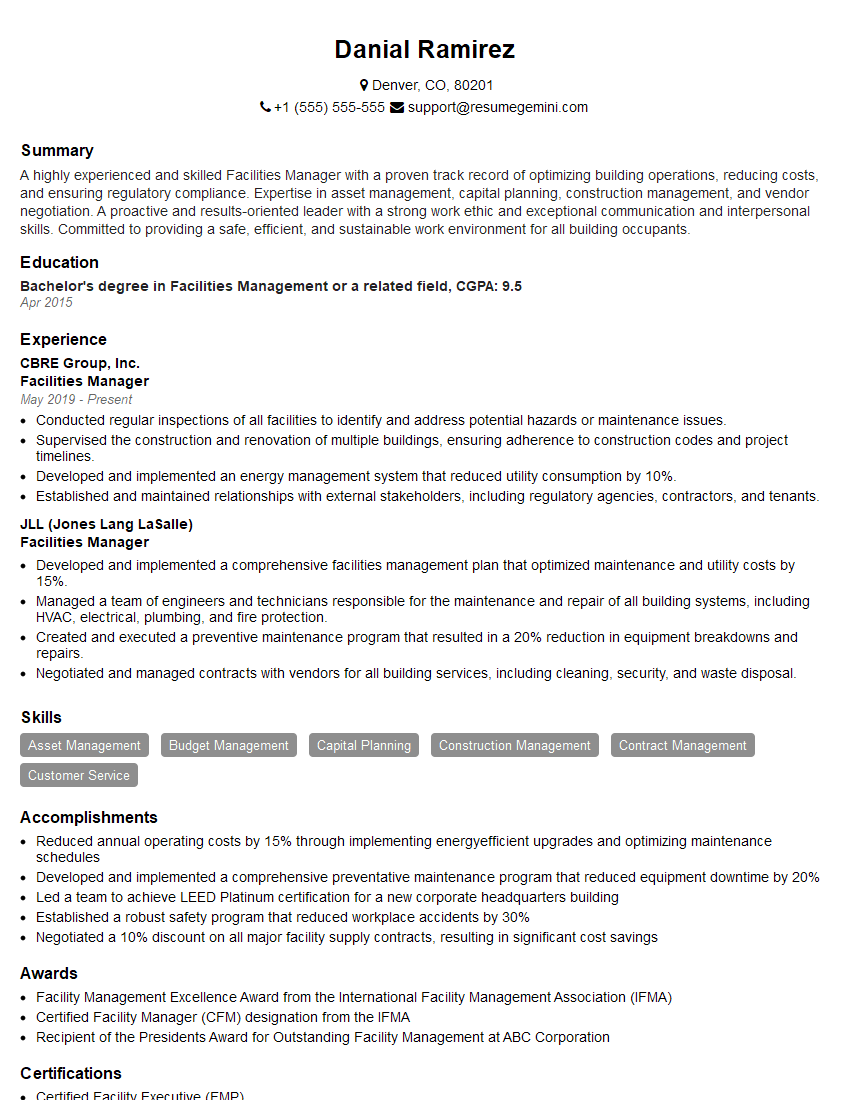
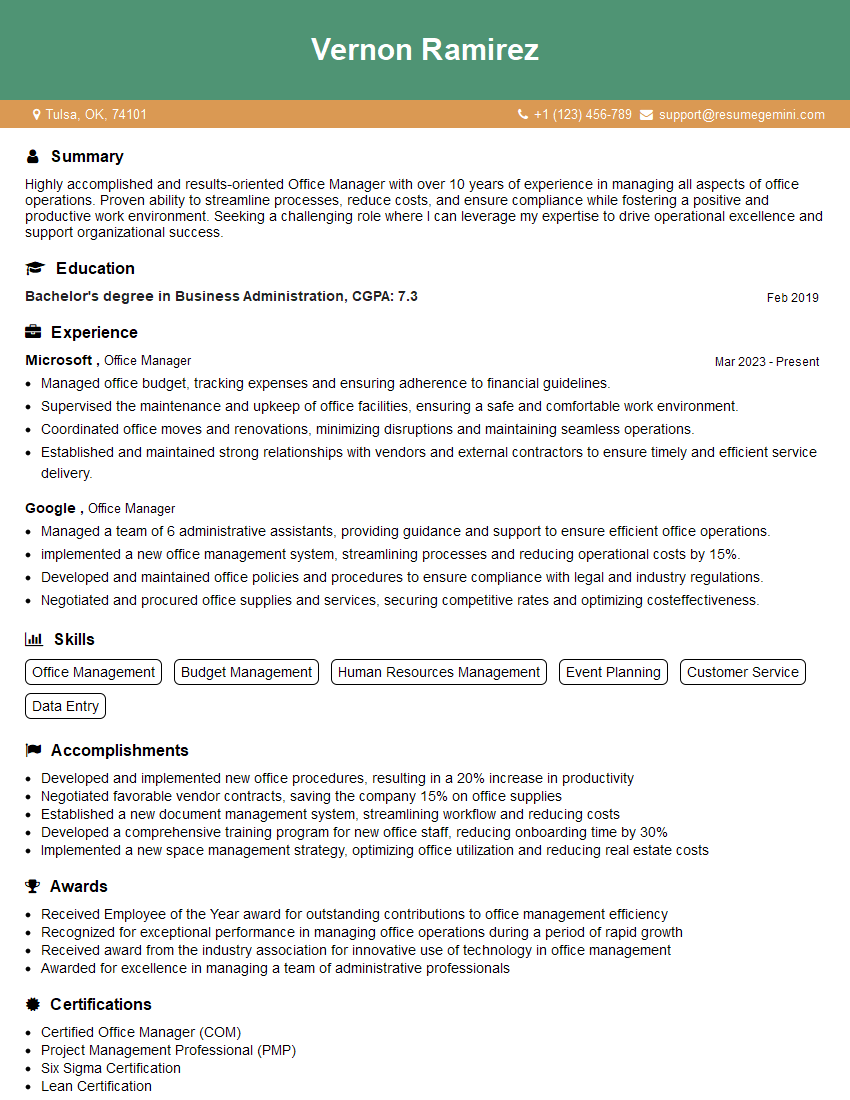
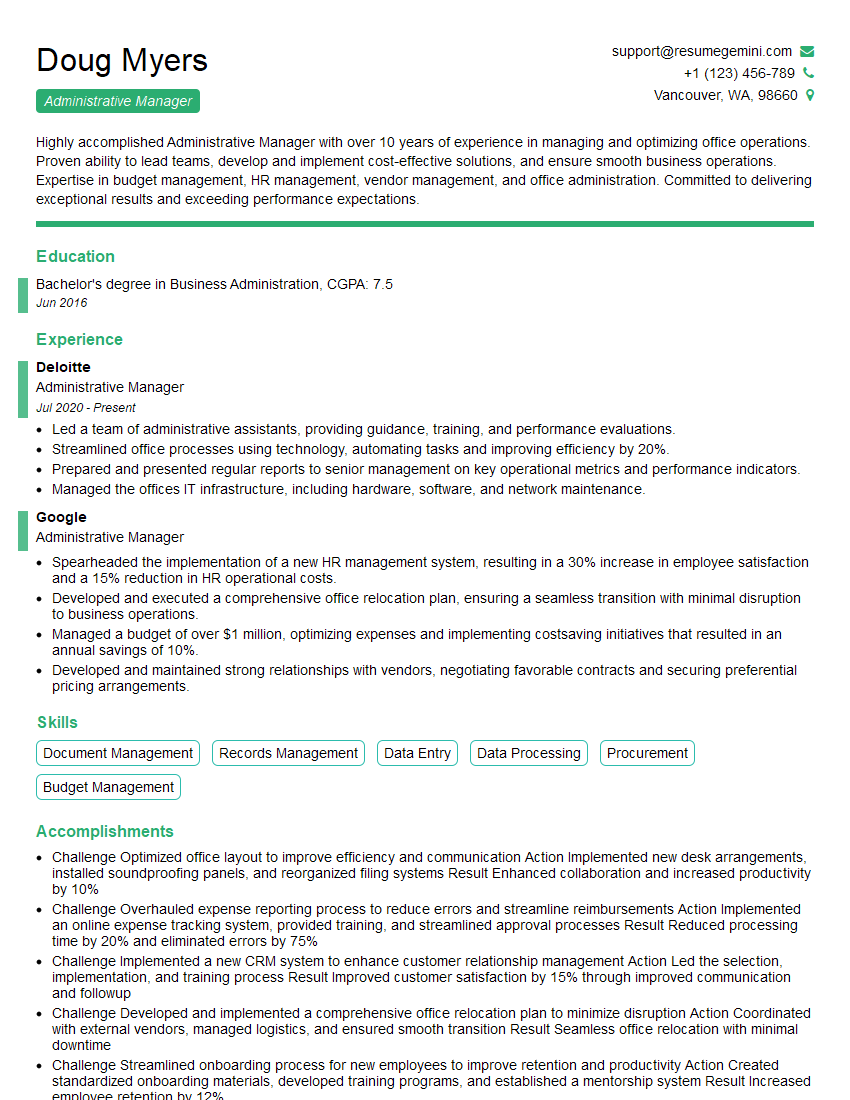
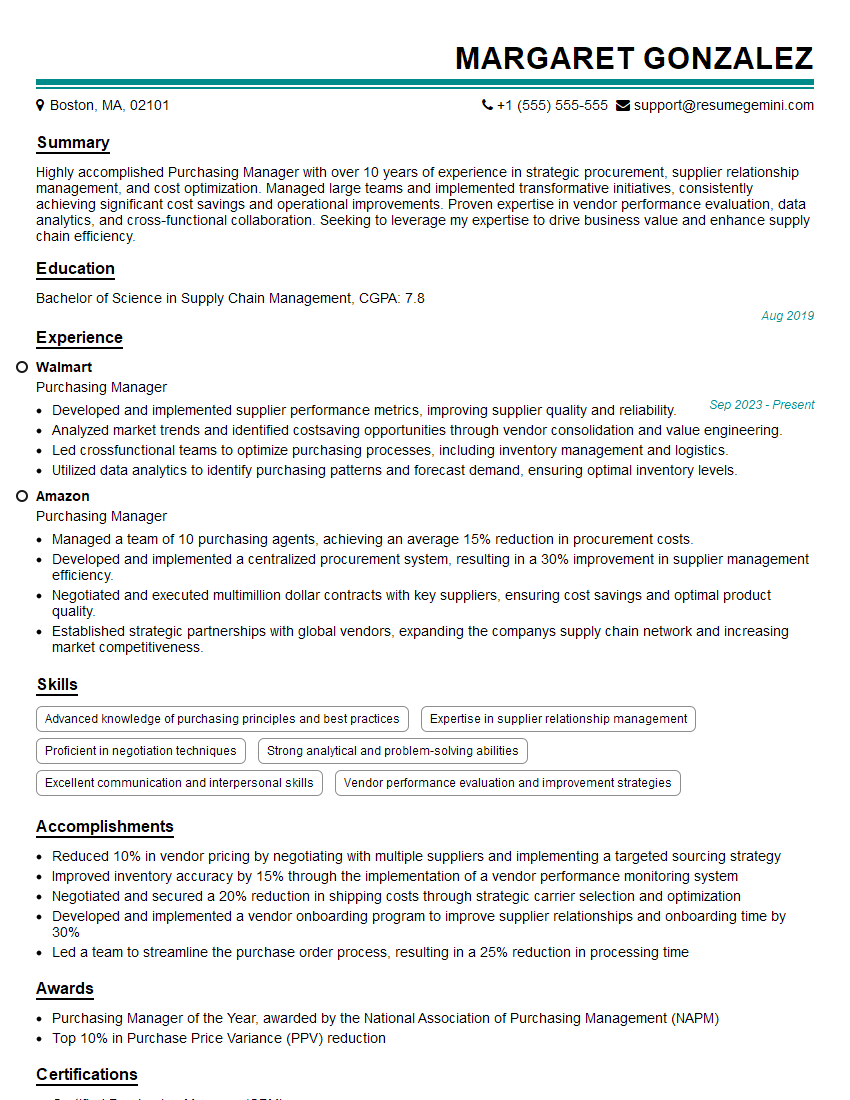
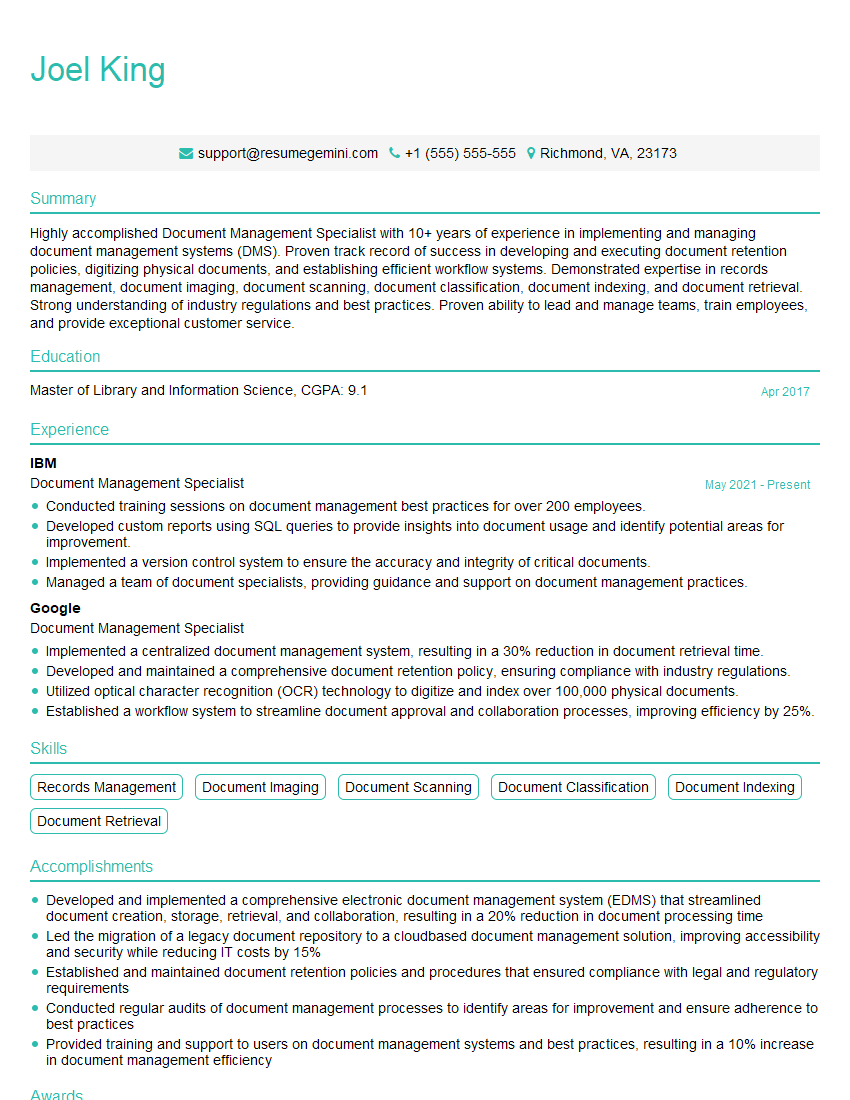
Mastering the art of managing and maintaining printing budgets significantly enhances your value to any organization. It showcases your analytical skills, cost-consciousness, and ability to contribute directly to the bottom line. To maximize your job prospects, crafting an ATS-friendly resume is crucial. ResumeGemini is a trusted resource that can help you build a professional resume that highlights your relevant skills and experience. We provide examples of resumes tailored to experience with managing and maintaining printing budgets to help you get started. Take the next step towards your career advancement today!
Explore more articles
Users Rating of Our Blogs
Share Your Experience
We value your feedback! Please rate our content and share your thoughts (optional).
What Readers Say About Our Blog
Very informative content, great job.
good