Interviews are more than just a Q&A session—they’re a chance to prove your worth. This blog dives into essential Experience with Poultry Farm Management interview questions and expert tips to help you align your answers with what hiring managers are looking for. Start preparing to shine!
Questions Asked in Experience with Poultry Farm Management Interview
Q 1. Describe your experience with different poultry breeds and their specific management needs.
My experience encompasses a wide range of poultry breeds, from fast-growing broilers like Ross 308 and Cobb 500, known for their meat production, to layer breeds such as Rhode Island Reds and White Leghorns, prized for their egg-laying capacity. Each breed presents unique management needs. For instance, broilers require high-protein diets and careful monitoring of their rapid growth to prevent leg problems. Layers, on the other hand, need diets rich in calcium for strong eggshells and consistent light cycles for optimal egg production. I’ve also worked with dual-purpose breeds, like Orpingtons, which offer a balance of meat and eggs, demanding a tailored approach to nutrition and husbandry. Understanding the specific genetic predispositions of each breed is crucial; some are more susceptible to certain diseases than others, impacting biosecurity and vaccination strategies.
- Broilers: High-protein diet, rapid growth monitoring, prevention of leg problems.
- Layers: Calcium-rich diet, consistent light cycles, nest box management.
- Dual-purpose: Balanced nutrition, disease prevention tailored to specific breed vulnerabilities.
Q 2. Explain your approach to maintaining optimal biosecurity on a poultry farm.
Maintaining optimal biosecurity is paramount in poultry farming. My approach is multi-layered, starting with strict hygiene protocols. This includes dedicated footwear and clothing for farm personnel, thorough cleaning and disinfection of equipment and facilities, and rodent and pest control. A crucial element is controlling access to the farm. Visitors are restricted, and vehicles entering the premises are disinfected. Implementing a strict all-in/all-out system – raising one flock at a time before thoroughly cleaning and disinfecting the house before the next – minimizes disease transmission. Regular monitoring for any signs of disease, including mortality rates and bird behavior, is essential for early detection and swift response. I also ensure proper waste disposal to prevent the spread of pathogens.
Think of it like building a fortress against disease: multiple layers of protection work together to keep the threat out. One weak point compromises the whole system.
Q 3. How do you monitor and manage feed conversion ratios in your poultry operations?
Feed conversion ratio (FCR) is a critical indicator of efficiency. It represents the amount of feed required to produce a unit of weight gain (in broilers) or a unit of eggs (in layers). We meticulously track feed intake and weight gain/egg production daily. Regular weighing of birds at different ages helps calculate FCR. Analyzing deviations from optimal FCR allows us to identify problems early on, such as nutritional deficiencies, poor feed quality, or health issues. For example, an unexpectedly high FCR might indicate a problem with the feed formulation, a hidden disease affecting feed utilization, or a need to adjust environmental conditions affecting bird activity.
We use spreadsheets and farm management software to collect and analyze this data, allowing for immediate adjustments to feed formulation, management practices, or veterinary intervention if necessary.
Q 4. What strategies do you employ to prevent and control poultry diseases?
Disease prevention and control is a proactive, multi-pronged strategy. This starts with biosecurity measures discussed earlier. We also implement a robust vaccination program tailored to the specific diseases prevalent in the region and the age of the birds. Regular health checks by veterinarians are essential. Early detection is crucial; any signs of illness warrant immediate investigation and isolation of affected birds. Maintaining optimal environmental conditions – proper ventilation, temperature, and humidity – reduces stress on birds, making them less susceptible to disease. A comprehensive record-keeping system documents mortality, disease outbreaks, and treatment strategies, enabling better future planning and disease prevention.
Imagine a detective solving a case: collecting evidence (monitoring), understanding the crime scene (farm conditions), and developing a prevention strategy to deter future crime (vaccinations and biosecurity).
Q 5. Describe your experience with poultry vaccination programs.
Poultry vaccination programs are crucial for disease prevention. The specific vaccines administered depend on the prevailing diseases in the area and the age of the birds. For example, newly hatched chicks often receive vaccines against Marek’s disease and Newcastle disease. Further vaccinations are administered throughout the bird’s life cycle, as needed. We maintain meticulous records of each vaccination, including the type of vaccine, date of administration, and batch number. This ensures traceability and aids in identifying any potential issues arising from specific vaccine batches. Proper vaccine storage and handling are equally important to maintain their efficacy.
It’s like a personalized immunization schedule for each bird, offering protection against a range of potential health threats.
Q 6. How do you manage poultry housing and environmental conditions for optimal bird health and productivity?
Poultry housing and environmental conditions directly impact bird health and productivity. We use climate-controlled houses with efficient ventilation systems to maintain optimal temperature and humidity levels. Proper lighting programs stimulate egg production in layers and promote growth in broilers. Litter management is crucial, employing regular cleaning and deep litter techniques to control ammonia levels and maintain hygiene. The density of birds within the house is carefully managed to prevent overcrowding and stress. Regular monitoring of temperature, humidity, and ammonia levels is carried out using sensors and data loggers, ensuring prompt adjustments when necessary. Comfortable housing equates to healthy, productive birds.
Q 7. Explain your experience with poultry waste management and environmental regulations.
Poultry waste management is vital for environmental sustainability and compliance with regulations. We adhere strictly to local and national environmental regulations regarding waste disposal. Manure management strategies include composting, anaerobic digestion, or spreading on agricultural land. We carefully monitor nutrient levels in the waste to prevent environmental pollution and maximize its value as a fertilizer. Proper storage and handling of waste prevent odors and minimize the risk of pathogen spread. Record-keeping is essential for demonstrating compliance with environmental regulations.
Responsible waste management isn’t just about following rules; it’s about being a good steward of the environment and protecting valuable resources.
Q 8. What are the key indicators of poultry health you regularly monitor?
Regular monitoring of key health indicators is crucial for proactive poultry farm management. Think of it like a regular health check-up for your flock. We meticulously track several vital parameters to ensure the birds’ well-being and the farm’s productivity.
- Mortality Rate: A sudden spike in deaths warrants immediate investigation. We track daily mortality and calculate the percentage to identify potential disease outbreaks or management issues. For example, a consistent 2% daily mortality in a flock is cause for concern and will trigger a thorough investigation.
- Feed Conversion Ratio (FCR): This ratio measures the efficiency of feed utilization. A high FCR indicates potential health problems, poor feed quality, or suboptimal management practices. We constantly monitor this to adjust feed formulations and identify any underlying issues.
- Body Weight Gain: Regular weighing helps assess the growth rate of birds. Significant deviations from expected growth curves can signal disease, nutritional deficiencies, or environmental stressors.
- Feed Intake: Monitoring daily feed consumption helps us detect early signs of illness. A drop in feed intake often precedes other clinical symptoms.
- Water Consumption: Similar to feed intake, changes in water consumption can indicate underlying health issues, especially during periods of heat stress or disease outbreaks.
- Clinical Signs: Daily observation is vital. We look for signs of illness such as respiratory distress, diarrhea, lethargy, and abnormal behavior. Early detection is key to effective treatment and preventing widespread infection.
- Egg Production (for laying hens): Egg production is a key indicator of hen health. Decreased egg production or changes in egg quality can signal various problems, such as stress, disease, or nutritional deficiency. We regularly collect egg data and analyze it for patterns.
By tracking these indicators and using data analysis, we can pinpoint problems early and take corrective action, minimizing losses and maximizing productivity.
Q 9. How do you manage poultry mortality and identify potential causes?
Managing poultry mortality requires a systematic approach combining prevention and rapid response. It’s like detective work, identifying the culprit and preventing future crimes. We start by meticulously recording every death, noting the age, breed, and any observed symptoms.
- Necropsy (Post-mortem Examination): For a significant number of unexplained deaths or suspicious cases, we conduct a necropsy. This involves a thorough examination of the bird’s internal organs to identify the cause of death, such as bacterial, viral, or parasitic infections. Sometimes, we send samples to a diagnostic laboratory for further analysis.
- Data Analysis: We analyze mortality data to identify trends and patterns. For instance, if mortality is higher in a specific age group or housing unit, this indicates a problem needing attention, whether it’s environmental, nutritional or disease related.
- Improved Biosecurity Measures: Preventing mortality begins with robust biosecurity. This includes strict hygiene protocols, quarantine of new birds, rodent and pest control, and limiting access to the poultry houses.
- Vaccination Programs: A comprehensive vaccination program against common poultry diseases is essential in minimizing mortality. We have a strict schedule based on the bird’s age and disease prevalence in the area.
- Environmental Monitoring: We ensure proper ventilation, temperature, and humidity in the poultry houses. Extreme temperatures or poor air quality can contribute to increased mortality.
By combining careful observation, diagnostic testing, and preventive measures, we effectively manage mortality and protect our flock’s health and productivity.
Q 10. Describe your experience with poultry breeding and genetics.
Poultry breeding and genetics play a crucial role in improving the productivity and disease resistance of our birds. It’s about selecting the best parents to produce superior offspring, much like carefully choosing the seeds for the best crop yield.
- Selection Criteria: We select breeding stock based on several criteria including egg production, growth rate, feed conversion efficiency, disease resistance, and meat quality. We meticulously track the performance of each bird and its lineage.
- Artificial Insemination (AI): AI is commonly used in our breeding program to improve efficiency and ensure controlled mating. This method allows for greater genetic diversity and improved control over breeding choices.
- Genetic Improvement Programs: We regularly incorporate genetic improvement programs that leverage advanced technologies like genomic selection to identify and select superior birds for breeding. These programs help to increase the frequency of desirable traits in our flocks.
- Line Breeding and Crossbreeding: We employ line breeding to maintain desirable characteristics within specific lines, while crossbreeding is utilized to combine desirable traits from different lines, resulting in hybrid birds that often outperform their parents.
- Record Keeping: Meticulous record keeping of breeding performance is critical. We maintain detailed records of the pedigree, performance, and health status of each bird in our breeding program.
Through careful selection and modern breeding techniques, we strive to continually improve the genetic quality of our poultry, ensuring superior performance and profitability.
Q 11. How do you ensure the quality and safety of poultry products?
Ensuring the quality and safety of poultry products is paramount. It’s not just about raising healthy birds; it’s about maintaining safety standards from farm to table. We adhere to stringent protocols throughout the entire production process.
- Biosecurity: Implementing strict biosecurity measures, as previously described, prevents the contamination of poultry with harmful bacteria or pathogens.
- Feed Management: Using high-quality feed free of contaminants ensures the health and safety of the birds, and indirectly, the quality of the end products.
- Hygiene and Sanitation: Maintaining impeccable cleanliness in poultry houses and processing facilities is critical. Regular cleaning and disinfection are essential to eliminate pathogens.
- Vaccination Programs: Effective vaccination programs protect birds from disease, preventing contamination of poultry products.
- Processing and Handling: Proper handling and processing of poultry carcasses are vital for preventing contamination. We follow strict guidelines to ensure that birds are slaughtered and processed hygienically.
- Temperature Control: Maintaining the cold chain is crucial in preventing bacterial growth. Proper temperature control during transportation and storage is strictly monitored.
- Testing and Inspection: Regular testing for pathogens like Salmonella and Campylobacter is conducted both on live birds and processed products. We also comply with all relevant food safety regulations and inspections.
By implementing these measures, we guarantee the safety and high quality of our poultry products, protecting consumers and maintaining our reputation.
Q 12. What is your approach to record-keeping and data analysis in poultry farming?
Record-keeping and data analysis are the backbone of effective poultry farm management. It’s like having a detailed financial report for your farm. We use a combination of manual and digital tools to track various aspects of our operations.
- Farm Management Software: We use specialized farm management software to track daily data such as mortality rates, feed consumption, egg production, weight gain, and medication records. This software generates reports and helps in identifying trends and areas for improvement.
- Spreadsheets: We use spreadsheets to maintain detailed records of flock health, breeding records, and financial information. This allows for detailed analysis and reporting.
- Data Analysis Techniques: We regularly analyze data using statistical tools to identify trends, correlations, and potential problems. This allows us to make informed decisions about feed management, health protocols, and resource allocation.
- Key Performance Indicators (KPIs): We track several KPIs, including feed conversion ratio, mortality rate, egg production rate, and cost of production, to monitor farm performance and identify areas that need improvement.
- Regular Reporting: We generate regular reports on key performance indicators and share them with relevant stakeholders, including management and investors.
By combining manual record keeping with digital tools and data analysis, we gain insights into farm performance, improve efficiency, and make data-driven decisions to maximize profitability and sustainability.
Q 13. Describe your experience with different poultry housing systems.
Poultry housing systems significantly impact bird health, productivity, and overall farm efficiency. We have experience with various systems, selecting the best based on bird type, climate, and farm scale.
- Conventional Battery Cages (for laying hens): This system provides individual cages for each hen, allowing for efficient egg collection and hygiene. However, it can have welfare implications. We closely monitor welfare when using this system.
- Enriched Colony Cages (for laying hens): This system offers more space and environmental enrichment compared to conventional cages, improving hen welfare.
- Aviary Systems (for laying hens): This system allows hens to move freely within a multi-tiered structure, promoting natural behaviors and improving welfare.
- Free-Range Systems (for laying hens): This system allows hens access to outdoor areas, enhancing their well-being and potentially improving egg quality, but brings biosecurity and predator challenges.
- Broiler Houses: For broilers (meat birds), we utilize large, climate-controlled houses designed for efficient growth and management. These houses often incorporate modern technologies like automated feeding and ventilation systems.
- Open-sided Houses: These provide natural ventilation which can lower energy costs, but they present challenges in controlling temperature and humidity.
The choice of housing system is a crucial decision with significant implications for the welfare of the birds and the efficiency of the farm. We carefully consider all factors before deciding on a system for each specific situation.
Q 14. How do you manage labor and personnel on a poultry farm?
Effective labor management is vital for smooth poultry farm operations. It’s about creating a safe, efficient, and motivated team. We employ a multi-faceted approach.
- Clear Roles and Responsibilities: We clearly define roles and responsibilities for each team member, ensuring everyone understands their tasks and contributions.
- Training and Development: We provide regular training and development opportunities to enhance employee skills and knowledge. This includes both on-the-job training and external courses.
- Motivation and Retention: We focus on creating a positive and supportive work environment to retain skilled staff. This includes fair compensation, benefits, and opportunities for advancement.
- Teamwork and Communication: We emphasize teamwork and open communication to ensure smooth coordination between team members and departments. Regular meetings and feedback sessions are essential.
- Safety Procedures: We implement strict safety procedures and provide personal protective equipment (PPE) to minimize workplace risks. Regular safety training is conducted.
- Record Keeping: We carefully track employee attendance, performance, and training records. This aids in efficient scheduling and workforce planning.
- Automation: We use automation where appropriate to reduce the workload on our staff. For example, automated feeding and ventilation systems reduce the need for manual labor.
By focusing on training, clear communication, and a supportive work environment, we build a motivated and efficient team, vital for the success of the poultry farm.
Q 15. Explain your experience with poultry transportation and handling.
Poultry transportation and handling are critical for maintaining bird health and minimizing stress. My experience encompasses all aspects, from chick placement to mature bird transport. This includes selecting appropriate vehicles – ensuring adequate ventilation, temperature control, and density to prevent injury and suffocation. We use specialized crates designed for different bird ages and sizes, promoting comfortable and safe transport. Before loading, birds are carefully inspected for any signs of illness or injury. During transport, regular monitoring of temperature and ventilation is crucial, often using sensors to alert us to potential issues. Upon arrival at the destination, birds are unloaded gently and carefully to minimize stress. I’ve personally overseen the transport of thousands of birds over many years, developing a keen understanding of minimizing mortality and ensuring animal welfare throughout the process. For example, I once implemented a new loading technique that reduced bird bruising by 15% by optimizing crate placement and reducing the stacking height.
Career Expert Tips:
- Ace those interviews! Prepare effectively by reviewing the Top 50 Most Common Interview Questions on ResumeGemini.
- Navigate your job search with confidence! Explore a wide range of Career Tips on ResumeGemini. Learn about common challenges and recommendations to overcome them.
- Craft the perfect resume! Master the Art of Resume Writing with ResumeGemini’s guide. Showcase your unique qualifications and achievements effectively.
- Don’t miss out on holiday savings! Build your dream resume with ResumeGemini’s ATS optimized templates.
Q 16. How do you handle emergencies, such as disease outbreaks or equipment malfunctions?
Emergency preparedness is paramount in poultry farming. My approach involves proactive measures and well-defined protocols. For disease outbreaks, rapid detection is key. This requires consistent monitoring of bird behavior, mortality rates, and feed and water consumption. We utilize rapid diagnostic tests and collaborate with veterinary professionals to identify the pathogen and implement the appropriate biosecurity measures and treatment. This includes strict quarantine procedures to prevent the spread of the disease. For equipment malfunctions, we have a preventative maintenance schedule and a team of technicians. However, unexpected issues do occur. In those cases, a step-by-step troubleshooting procedure is followed; if we can’t resolve the issue in-house, we immediately call in specialized contractors. For instance, during a power outage, we had a backup generator that immediately kicked in, preventing significant losses. Regular drills and training sessions help my team respond efficiently and effectively to all emergencies.
Q 17. What is your experience with poultry nutrition and feed formulation?
Poultry nutrition is a complex field with a significant impact on bird health and productivity. My experience includes formulating diets based on bird age, breed, and production goals. This involves carefully balancing the levels of protein, carbohydrates, fats, vitamins, and minerals. We use nutritional software to ensure the feed meets the bird’s specific needs. Feed quality is also critical; we conduct regular quality control checks to ensure consistent nutrient levels and absence of contaminants. For example, I once tweaked a feed formulation by increasing the lysine levels, leading to a 7% increase in egg production. I also consider feed costs and availability in the market to create an economical yet efficient diet. Understanding the nutrient requirements at different life stages is crucial for optimal growth and performance. I am also knowledgeable about the impact of feed on the quality of the final product, whether eggs or meat.
Q 18. How do you ensure compliance with relevant regulations and standards?
Compliance with regulations and standards is not just a legal requirement; it’s a commitment to animal welfare and food safety. We meticulously adhere to all local, national, and international regulations related to poultry farming. This includes maintaining detailed records of bird health, feed usage, medication administration, and biosecurity protocols. We also ensure our facilities meet all hygiene and environmental standards. Regular audits by governmental and industry bodies are welcomed, and any identified non-compliances are addressed promptly and thoroughly. We maintain a robust traceability system, allowing us to track every bird from hatch to processing. For instance, we recently upgraded our waste management system to meet stricter environmental regulations. This commitment to compliance safeguards our operation, ensures product quality and protects our consumers.
Q 19. Describe your experience with poultry farm budgeting and financial management.
Effective budgeting and financial management are crucial for the long-term success of any poultry farm. My experience includes developing comprehensive budgets, forecasting costs, and tracking income. This involves analyzing production data, feed costs, labor expenses, and veterinary expenses. We utilize various financial software tools for data analysis and forecasting. I regularly review financial reports to identify areas for improvement and cost reduction. We strive for operational efficiency by optimizing resource allocation and minimizing waste. For example, by implementing energy-efficient lighting, we reduced our electricity costs by 10%. A thorough understanding of market pricing and market trends enables us to make informed business decisions and ensure profitability.
Q 20. How do you manage pest control on a poultry farm?
Pest control is essential to prevent disease outbreaks and protect bird health. My approach is integrated, combining preventative measures with targeted control strategies. This includes implementing strict biosecurity measures to prevent pests from entering the farm. This includes using rodent-proof structures, regular cleaning and disinfection, and controlling access to the farm. We use a combination of biological, chemical, and physical pest control methods, selecting the most appropriate approach for each situation. This may involve using traps, bait stations, or approved pesticides. Regular monitoring of pest populations is crucial. We keep detailed records of pest control activities and evaluate their effectiveness regularly. For instance, we use natural predators such as owls to reduce rodent populations. This integrated pest management approach ensures effectiveness while minimizing environmental impact.
Q 21. What are your strategies for improving poultry farm productivity and efficiency?
Improving poultry farm productivity and efficiency is an ongoing process. My strategies focus on several key areas. Firstly, genetic selection plays a critical role; using superior breeds with high growth rates and disease resistance increases output. Secondly, optimized nutrition ensures that birds reach their full potential. Thirdly, environmental management is critical – maintaining optimal temperature, humidity, and ventilation minimizes stress and enhances productivity. Fourthly, implementing preventative health measures reduces mortality and disease, increasing overall flock health. Fifthly, automation and technology can significantly improve efficiency, especially in large-scale operations. We’ve invested in automated feeding and egg collection systems. Finally, data analysis is key for identifying bottlenecks and areas for improvement. We regularly analyze our production data to identify trends and adjust our strategies accordingly. For instance, by implementing a new automated ventilation system, we reduced mortality rates by 5%.
Q 22. How do you address employee training and development on a poultry farm?
Employee training and development is crucial for a successful poultry farm. It’s not just about teaching tasks; it’s about building a skilled and motivated team. My approach is multi-faceted and includes:
On-the-job training: Experienced workers mentor new hires, showing them best practices in areas like chick handling, feeding, cleaning, and disease prevention. We pair individuals with experienced staff for at least the first month.
Formal training programs: We conduct regular workshops covering topics like biosecurity protocols, record-keeping, and recognizing signs of disease. These workshops include both theoretical instruction and practical hands-on experience.
Continuing education: We encourage employees to attend industry conferences and workshops. This keeps them updated on the latest advancements in poultry farming techniques and regulations.
Specialized training: Depending on the farm’s needs, we might offer specific training in areas like equipment operation or veterinary assistance. For example, we’ve had specialized training for using our automated feeding system.
Performance evaluations and feedback: Regular performance reviews allow us to identify strengths and areas for improvement, guiding further training efforts. We ensure constructive feedback is delivered regularly.
For example, when we upgraded to a new automated egg-collecting system, we provided several days of training to all staff involved in egg handling to ensure a smooth transition and proficiency with the new technology.
Q 23. Explain your experience with implementing and maintaining quality assurance programs.
Implementing and maintaining a robust quality assurance (QA) program is essential for producing safe and high-quality poultry products. My experience involves a holistic approach:
Hazard Analysis and Critical Control Points (HACCP): We adhere strictly to HACCP principles, identifying potential hazards at each stage of production—from feed storage to processing—and implementing control measures to prevent contamination. For example, strict temperature monitoring throughout the entire process is paramount.
Biosecurity measures: We maintain stringent biosecurity protocols, including strict hygiene practices, controlled access to farm facilities, and regular disinfection, to prevent disease outbreaks and contamination.
Record-keeping: Meticulous record-keeping is central to QA. We maintain detailed records of feed consumption, medication administration, bird health, and production outputs. This data is crucial for identifying trends and improving efficiency. We utilize farm management software to streamline this process.
Regular inspections and audits: Internal audits and external inspections (e.g., by regulatory bodies) ensure our QA program remains effective. We utilize checklists and documentation systems to support our QA compliance.
Traceability: We have a robust traceability system, allowing us to track birds from hatch to processing, enabling us to respond quickly and efficiently to any issues that may arise. This allows for rapid identification and resolution of product-related issues if any.
For instance, during an audit, we were able to quickly trace a batch of eggs back to the specific hen house and even pinpoint the specific time frame of laying after a minor discrepancy was discovered. This level of traceability is essential for maintaining the highest levels of quality and consumer confidence.
Q 24. Describe your approach to sustainable poultry farming practices.
Sustainable poultry farming is crucial for long-term viability and environmental responsibility. My approach incorporates:
Reduced environmental impact: We utilize manure management strategies, minimizing environmental pollution and potentially creating valuable fertilizer. We explore options such as anaerobic digestion to transform manure into biogas, a renewable energy source.
Efficient resource use: We implement techniques to optimize feed conversion ratios (FCR), minimizing feed waste and reducing environmental burden. For example, we utilize precision feeding techniques to deliver the exact nutritional requirements to different age groups of poultry.
Animal welfare: We prioritize bird welfare, ensuring comfortable housing conditions, adequate space, and access to clean water and nutritious feed. Regular health checks and humane handling practices are a part of our everyday routine.
Renewable energy: We are exploring the use of solar panels to power some of our farm operations, reducing our reliance on fossil fuels.
Waste reduction and recycling: We actively seek ways to minimize waste generation and recycle materials wherever possible. For example, we recycle used packaging materials whenever possible.
A recent project involved installing a rainwater harvesting system, reducing our reliance on municipal water and conserving this crucial resource. This system is now incorporated into our daily cleaning and operational processes.
Q 25. How do you use technology to enhance poultry farm management?
Technology plays a vital role in enhancing poultry farm management. We utilize several technologies to improve efficiency, productivity, and overall farm performance:
Farm management software: We use software to track bird health, feed consumption, production records, and environmental parameters. This data-driven approach enables informed decision-making.
Automated feeding and watering systems: These systems ensure consistent feed and water delivery, optimizing bird health and productivity.
Example: We use a system that adjusts feed delivery based on real-time bird weight data.Environmental control systems: Automated climate control systems maintain optimal temperature and humidity levels, minimizing stress on birds and improving their health.
Example: Our system automatically adjusts ventilation based on temperature and humidity sensors.Precision livestock farming (PLF) technologies: This includes sensors and data analytics to monitor individual bird health, behavior, and feed intake, enabling early detection of illness or other issues.
GPS tracking for vehicles: This technology enhances delivery and collection logistics.
The use of these technologies has significantly reduced labor costs, improved overall efficiency and most importantly, enabled more effective disease prevention strategies.
Q 26. What are your strategies for marketing and selling poultry products?
Our marketing and sales strategies focus on delivering high-quality poultry products to consumers while building strong relationships with clients. We employ a multi-pronged approach:
Direct sales: We sell directly to restaurants, grocery stores, and food processors, establishing strong relationships with buyers. We emphasize the quality and freshness of our products.
Farmer’s markets and retail outlets: We participate in local farmer’s markets and partner with select retailers to offer our products to consumers directly.
Branding and marketing: We develop a strong brand identity, highlighting the quality, sustainability, and ethical aspects of our farming practices. This includes clear messaging and packaging reflecting our commitment to sustainable farming practices.
Online presence: We use social media and a website to engage with consumers, share our story, and build customer loyalty. We emphasize traceability and answer consumer inquiries openly and transparently.
Wholesale partnerships: We work with larger distributors to reach a wider consumer base.
By creating a strong brand image and highlighting our commitment to sustainability and ethical farming practices, we are able to command a premium price for our products and foster brand loyalty.
Q 27. How do you assess the profitability of a poultry farming operation?
Assessing the profitability of a poultry farming operation involves a comprehensive analysis of various factors. We use a detailed approach that includes:
Cost analysis: We meticulously track all costs, including feed, medication, labor, utilities, and equipment maintenance. We use detailed spreadsheets and financial software to ensure accuracy.
Revenue analysis: We track revenue from poultry sales, egg sales, and any other income streams. Regular sales reports provide real-time insights into our financial performance.
Production efficiency: We monitor key performance indicators (KPIs) such as feed conversion ratio (FCR), mortality rates, and egg production per hen to identify areas for improvement and boost efficiency.
Profit margin analysis: We calculate profit margins based on the difference between revenue and costs, identifying areas for cost reduction or revenue enhancement.
Financial statements and forecasting: We regularly prepare and review financial statements (income statements, balance sheets, cash flow statements) to monitor the financial health of the operation. We also employ forecasting tools to predict future financial performance and make informed decisions.
For example, by analyzing our FCR data, we were able to identify a specific feed type that yielded better results, improving our profitability without compromising animal welfare.
Q 28. Describe your experience with dealing with challenging situations on a poultry farm.
Poultry farming presents various challenges. My experience in handling these situations involves a systematic and proactive approach:
Disease outbreaks: We have a comprehensive disease management plan, including rapid response protocols, strict biosecurity measures, and veterinary consultation to mitigate the impact of any outbreaks. We have established relationships with local veterinary services and have rapid access to laboratory diagnostic services.
Unexpected mortality: We carefully monitor mortality rates, investigating any significant increase to identify causes, which might include disease, environmental stress, or management issues. Detailed record keeping and post-mortem examinations are crucial in these situations.
Market fluctuations: We employ strategies to mitigate the risks associated with market price fluctuations, such as hedging strategies and diversifying our product offerings. This requires careful monitoring of market trends and consumer preferences.
Equipment malfunctions: We maintain our equipment regularly and have backup systems in place to minimize downtime due to malfunctions. Preventive maintenance is scheduled to minimize the likelihood of equipment failure.
Labor shortages: We have robust recruitment and training programs to ensure a sufficient and competent workforce. We also offer competitive compensation and benefits to attract and retain employees.
During a recent power outage, our backup generator ensured uninterrupted operations, minimizing the impact on bird welfare and productivity. Our preparedness and proactive planning minimized the effects of this unforeseen event.
Key Topics to Learn for Experience with Poultry Farm Management Interview
- Poultry Breeds and Genetics: Understanding different breeds, their characteristics (growth rate, egg production, disease resistance), and genetic selection for optimal performance.
- Housing and Environment: Knowledge of various housing systems (conventional, free-range, cage-free), environmental control (temperature, ventilation, lighting), and their impact on bird health and productivity.
- Nutrition and Feed Management: Formulating balanced rations based on bird age, breed, and production goals; understanding feed conversion ratios and minimizing feed waste.
- Biosecurity and Disease Prevention: Implementing effective biosecurity protocols to prevent disease outbreaks; recognizing common poultry diseases and implementing appropriate control measures.
- Health and Welfare: Monitoring bird health, identifying signs of illness, and implementing appropriate treatment strategies; understanding and promoting animal welfare practices.
- Production Management: Optimizing egg production, broiler growth rates, and overall farm efficiency through careful monitoring and data analysis.
- Record Keeping and Data Analysis: Maintaining accurate records of feed consumption, mortality rates, production yields, and other key metrics; using data to identify areas for improvement and make informed management decisions.
- Financial Management: Understanding cost management, budgeting, and profitability in poultry farming; analyzing financial data to improve efficiency and profitability.
- Waste Management: Implementing sustainable waste management practices to minimize environmental impact and comply with regulations.
- Troubleshooting and Problem Solving: Identifying and resolving common challenges related to bird health, production, and farm operations.
Next Steps
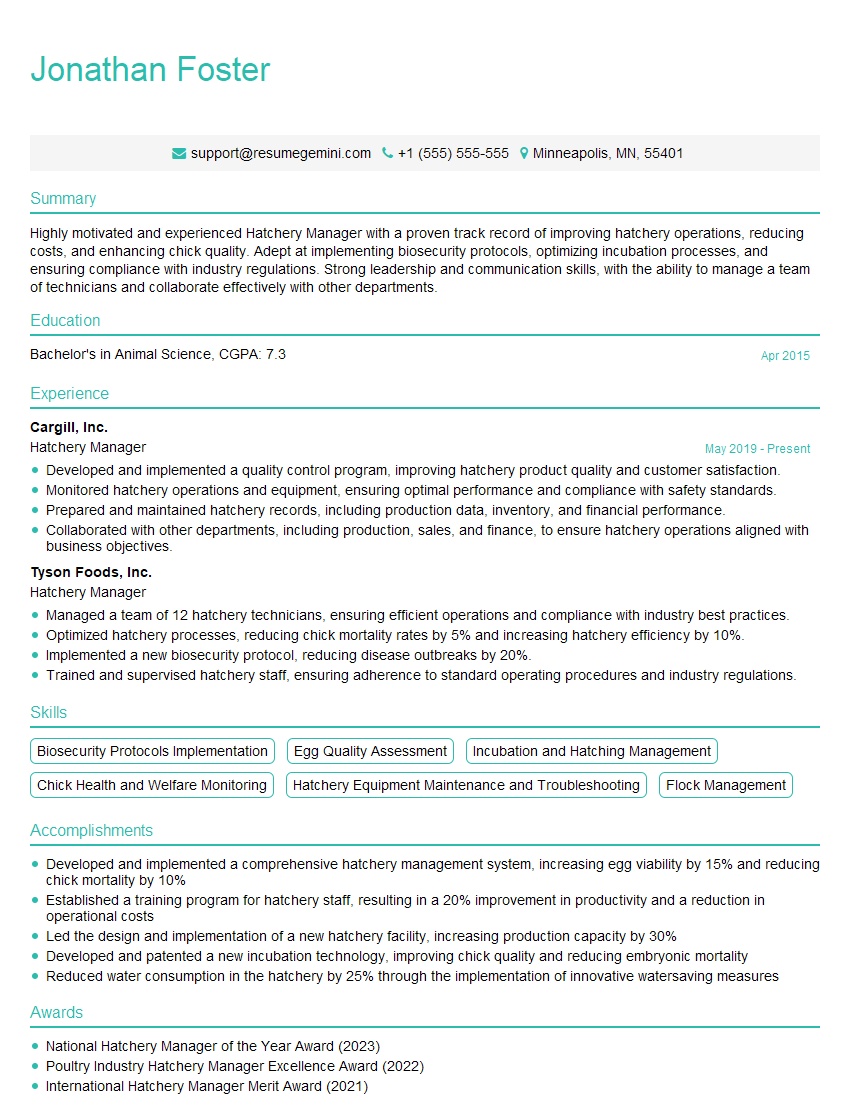
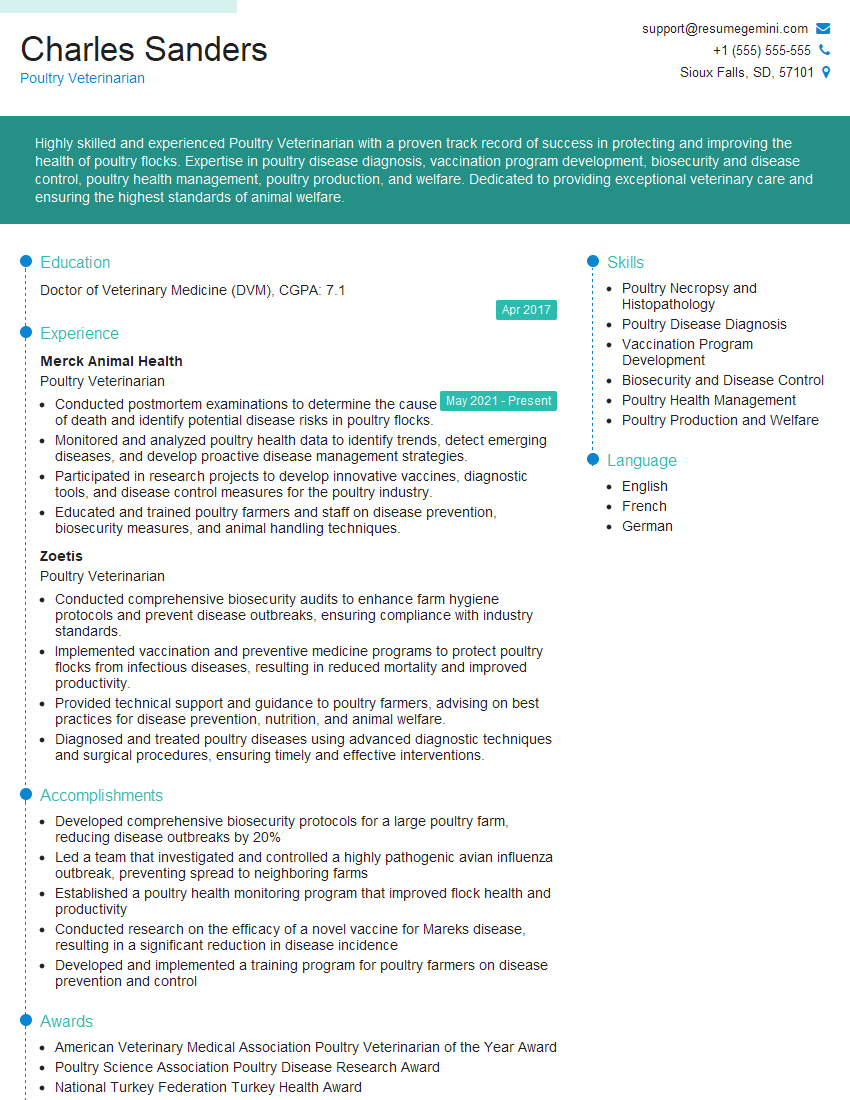
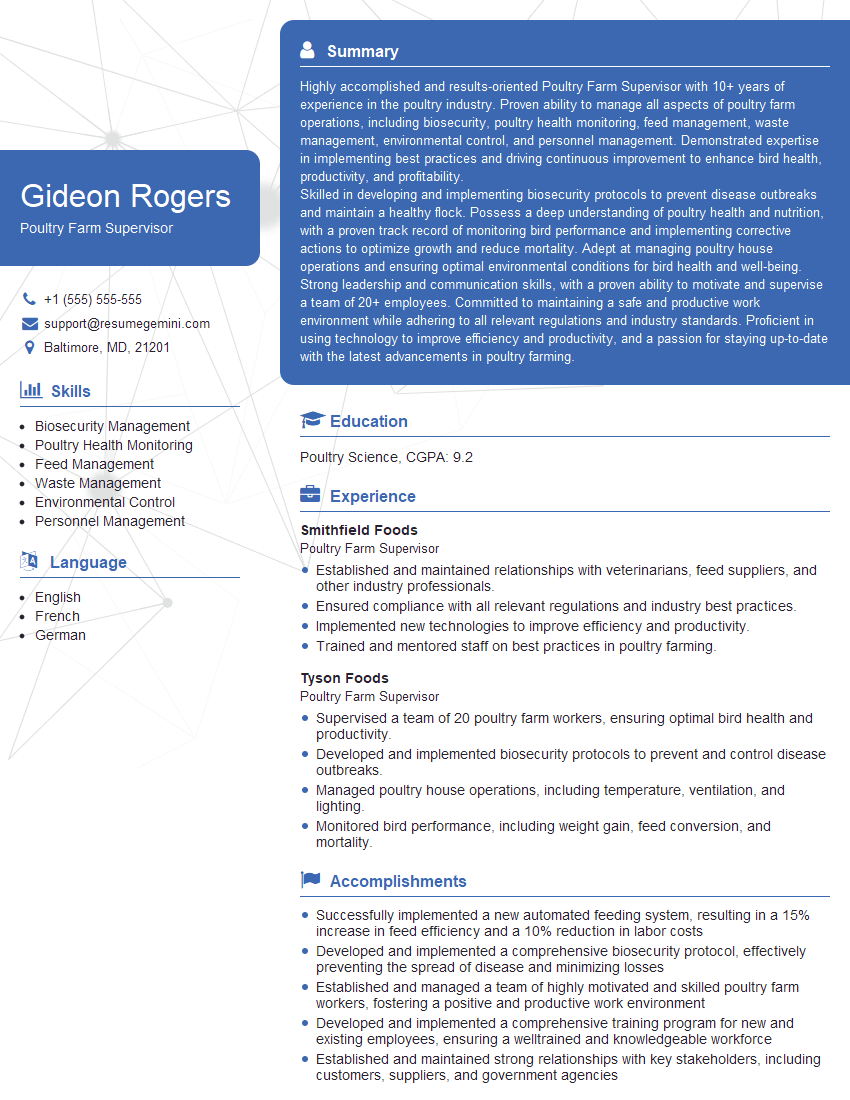
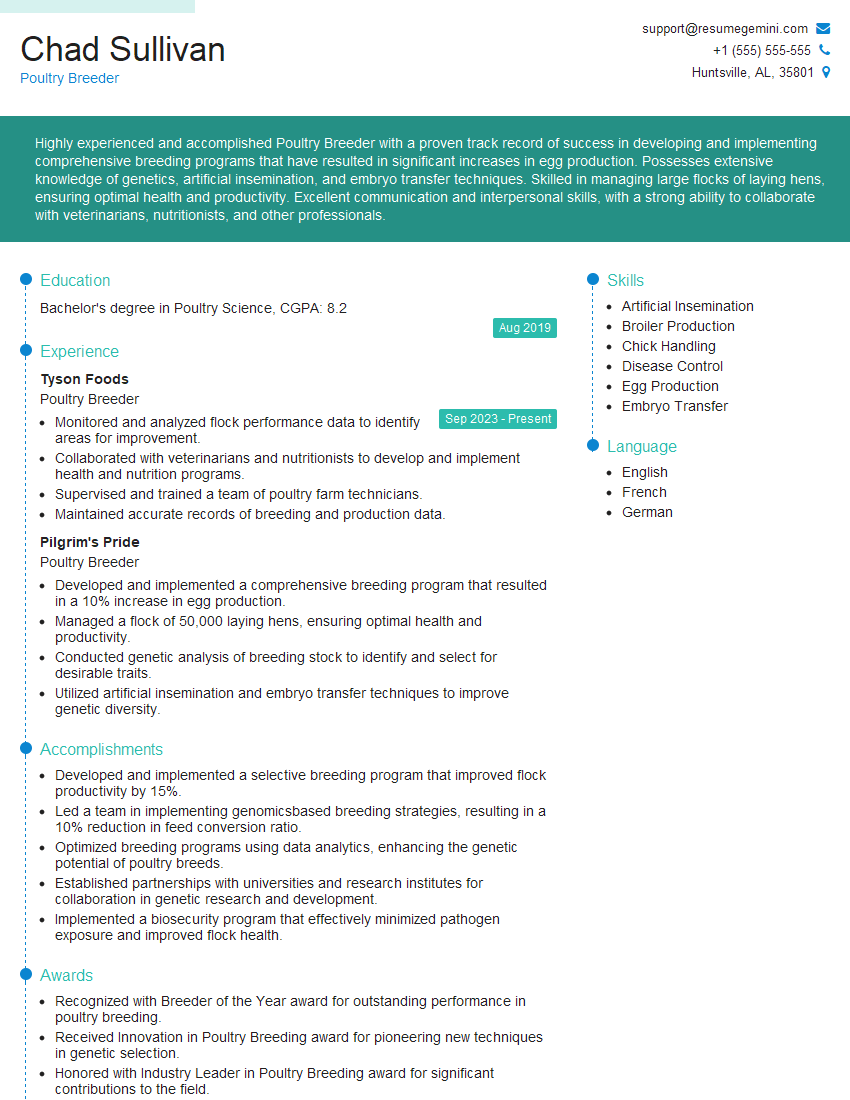
Mastering poultry farm management is crucial for career advancement in the agricultural industry, opening doors to supervisory and managerial roles. A strong resume is your key to unlocking these opportunities. Creating an ATS-friendly resume is essential for getting your application noticed by potential employers. ResumeGemini is a trusted resource that can help you build a professional and impactful resume that highlights your experience and skills effectively. Examples of resumes tailored to Experience with Poultry Farm Management are available to guide you through the process.
Explore more articles
Users Rating of Our Blogs
Share Your Experience
We value your feedback! Please rate our content and share your thoughts (optional).
What Readers Say About Our Blog
Very informative content, great job.
good