Interviews are more than just a Q&A session—they’re a chance to prove your worth. This blog dives into essential Experience with shrink wrapping equipment interview questions and expert tips to help you align your answers with what hiring managers are looking for. Start preparing to shine!
Questions Asked in Experience with shrink wrapping equipment Interview
Q 1. What types of shrink wrap films are you familiar with?
Shrink wrap films are categorized by material, gauge (thickness), and properties. I’m familiar with several types, each suited for different applications. Common examples include:
- Polyolefin: This is a very versatile and popular choice due to its strength, clarity, and excellent shrink properties. It’s often used for a wide range of products.
- PVC (Polyvinyl Chloride): PVC offers good clarity and shrink, but it’s less versatile than polyolefin and has environmental considerations due to its less sustainable nature. It’s often used for heavier products or where a more rigid shrink is required.
- Polyethylene (PE): PE films are usually less expensive than polyolefin but also tend to be less strong and have a slightly different shrink profile. They are useful for lighter products.
- Shrink Bundles: These are specialized films designed specifically to bundle multiple items together, often seen in retail environments for grouping products for sale.
- Specialty Films: These include films with added features like UV protection, anti-static properties, or specific colors for branding purposes.
Choosing the right film is crucial; the wrong choice can lead to poor shrink, damage to the product, or inefficient packaging.
Q 2. Describe your experience with different shrink wrap machines (e.g., L-sealers, tunnel shrink wrappers).
My experience encompasses a variety of shrink wrap machines, each with its own strengths and weaknesses. I’ve worked extensively with:
- L-Sealers: These are excellent for smaller batches and individual items, creating a tight, secure seal. I’ve used them extensively in small-scale production and order fulfillment settings. They’re simple to operate and maintain.
- Tunnel Shrink Wrappers: These are high-volume machines, perfect for mass-production. I’ve used these to shrink-wrap pallet loads, large bundles of products, or many individual items quickly and efficiently. They require more complex setup and maintenance procedures but offer unparalleled throughput.
- Sleeve Wrappers: These machines are specifically designed to apply shrink sleeves around individual items, typically providing a custom-fit look for products like bottles or cans. They excel at providing consistent and appealing packaging.
- Automatic Shrink Wrapping Systems: These are integrated systems that often include conveyors and other automation features to further streamline the packaging process. I’ve been involved in setting up and optimizing these large-scale systems.
My experience allows me to select the optimal machine for a given production need, considering factors like volume, product type, and budget.
Q 3. How do you ensure the proper seal and shrink of packages?
Ensuring a proper seal and shrink involves a multi-step process that begins even before the packaging process begins. It’s not just about the machine; it’s about the entire process:
- Film Selection: Choosing the appropriate film gauge and type is paramount for a successful shrink. Too thin and it tears; too thick and it’s wasteful and may not shrink properly.
- Machine Settings: Temperature and dwell time (the amount of time the package spends in the heat tunnel) are critical. These settings need to be adjusted based on the film type and product being packaged. Incorrect settings lead to poor seals or insufficient shrink.
- Product Preparation: The products need to be clean and dry. Any moisture can affect the seal quality and potentially lead to tears.
- Proper Film Application: The film must be applied smoothly and evenly to ensure complete coverage and a consistent shrink.
- Consistent Machine Maintenance: Regular cleaning and maintenance are essential for preventing issues such as poor seals or uneven heat distribution.
Regular quality checks are vital. I use a systematic process involving visual inspection and physical testing of the seals and shrink to ensure that packages meet standards consistently.
Q 4. What are the common causes of shrink wrap machine malfunctions and how do you troubleshoot them?
Shrink wrap machine malfunctions can stem from various sources. Common issues I’ve encountered and resolved include:
- Heat element failures: This often presents as inconsistent shrinking. I diagnose this through visual inspection, temperature checks and sometimes using a multimeter to check the continuity of the heating elements. Replacement is typically needed.
- Film jams: Caused by improper film feeding, wrinkles, or obstructions. I address this by clearing the jam, checking the film path for obstructions and adjusting feed rollers.
- Motor or gear problems: These may lead to the machine stalling or malfunctioning. This requires careful inspection and often professional repair.
- Sensor malfunctions: These are critical for automated processes. Failure can lead to improper sealing or film cutting. Troubleshooting involves checking sensor readings and adjusting sensitivity or replacing faulty components.
- Control panel issues: These can be caused by software glitches or hardware failures. Troubleshooting may involve restarting the machine, checking software updates, or calling for technical support.
My approach is systematic. I start with the simplest potential causes and work my way through more complex issues. I always prioritize safety and follow the manufacturer’s guidelines.
Q 5. How do you maintain and clean shrink wrapping equipment?
Maintaining and cleaning shrink wrap equipment is vital for ensuring efficient, safe operation and extending machine life. My routine includes:
- Regular Cleaning: Daily cleaning of the machine’s surfaces, removing any excess film scraps or debris. Special attention is paid to the sealing bars to ensure a clean surface for a proper seal.
- Lubrication: Regular lubrication of moving parts, as specified by the manufacturer’s instructions, prevents wear and tear.
- Heat Element Inspection: Regular visual inspections to detect any damage, corrosion, or build-up on the heating elements.
- Sensor Checks: Verification of sensor functionality to guarantee consistent and safe operation.
- Preventive Maintenance: Scheduled maintenance according to the manufacturer’s recommendations, including replacing worn parts before they cause significant problems.
I maintain detailed records of all maintenance activities to ensure consistent upkeep and allow for better analysis of the machine’s performance over time.
Q 6. What safety procedures do you follow when operating shrink wrap machines?
Safety is paramount when operating shrink wrap machines. My safety procedures include:
- Lockout/Tagout (LOTO): Always performing LOTO procedures before carrying out maintenance or repairs, preventing accidental starting.
- Personal Protective Equipment (PPE): Wearing appropriate PPE such as heat-resistant gloves, safety glasses, and closed-toe shoes to protect against heat, sharp objects, or moving parts.
- Machine Guards: Ensuring all machine guards are in place and functioning correctly to prevent accidental contact with moving parts.
- Emergency Stops: Knowing the location and operation of all emergency stop buttons and using them appropriately.
- Training: Thorough training on proper machine operation and safety procedures before operating any equipment.
I treat safety as a non-negotiable aspect of my work, adhering strictly to safety regulations and company policies.
Q 7. How do you identify and resolve issues with film jams or wrinkles?
Film jams and wrinkles are common issues, often caused by improper film feeding or machine malfunction. My approach to resolving these issues is systematic:
- Identify the Cause: Determine if the jam or wrinkle is near the beginning, middle, or end of the film path to pinpoint the likely cause.
- Turn off the Machine: Always turn off the machine before attempting any repairs to prevent injury.
- Clear the Jam: Carefully remove any jammed or wrinkled film, avoiding any sharp or hot parts.
- Inspect Film Path: Check for any obstructions such as debris or misaligned rollers that could cause the jam.
- Adjust Rollers: Ensure that the film rollers are correctly aligned and tensioned to prevent wrinkles or jams.
- Check Film Supply: Ensure that the film is loaded correctly and unwinding without excessive tension or kinks.
- Test Operation: After resolving the issue, test the machine’s operation and verify there are no further problems.
Preventing jams and wrinkles begins with proper film handling and regular machine maintenance. Attention to detail is crucial to avoiding these issues.
Q 8. Explain your experience with different types of sealing techniques (e.g., impulse sealing, continuous sealing).
My experience encompasses a wide range of sealing techniques crucial in shrink wrapping. Impulse sealing, for instance, uses a brief burst of heat to seal the film, ideal for smaller, individual packages. Think of sealing a bag of chips – the quick heat seals the edges instantly. This method is cost-effective and efficient for smaller-scale operations. Continuous sealing, on the other hand, uses a continuous band of heat to seal film moving across a conveyor belt. This is perfect for high-volume production lines, like those packaging large quantities of bottled water. The continuous nature ensures a consistent, high-speed sealing process. I’ve also worked extensively with ultrasonic sealing, a method that uses high-frequency vibrations to join the film without heat, which is particularly beneficial for heat-sensitive products. Choosing the right sealing method is critical for efficient and effective packaging and heavily relies on the production volume and the product’s characteristics.
Q 9. What are the key factors to consider when selecting the appropriate shrink wrap film for a product?
Selecting the right shrink wrap film is paramount for product protection and presentation. Key factors include:
- Product characteristics: Fragile items need thicker, more durable films. Sharp edges might require puncture-resistant options. Heat-sensitive products dictate a film with a lower shrink temperature.
- Shrink properties: The degree of shrink – percentage shrink at a given temperature – needs to be chosen to tightly fit the product without causing damage. A smaller shrink percentage is suitable for irregularly shaped items that might tear if shrunk too much.
- Film clarity and printability: Crystal-clear films showcase the product beautifully, while printable films allow for branding and information.
- Environmental considerations: Biodegradable or recyclable films are becoming increasingly important for sustainability.
- Cost: Balancing cost-effectiveness with the level of protection needed is crucial. Thicker films will offer greater protection but at a higher price point.
Q 10. How do you ensure product integrity and prevent damage during the shrink wrapping process?
Maintaining product integrity is my top priority. To prevent damage during shrink wrapping, I focus on several key areas:
- Proper film selection: Choosing the right film for the product’s characteristics as described previously.
- Careful product handling: Avoiding sharp corners or edges from poking through the film. For particularly fragile items, I would use cushioning materials like bubble wrap or foam inserts before applying the film.
- Optimized shrink tunnel settings: Setting the temperature and air flow within the shrink tunnel precisely to ensure the film shrinks evenly around the product without overheating or damaging it. This often involves trial and error to find the optimal settings for the specific product and film type.
- Regular equipment maintenance: Keeping the shrink wrapping equipment in top working order is crucial; any malfunctions can directly impact the quality and safety of the product during processing.
Q 11. What is your experience with different types of shrink tunnels?
My experience with shrink tunnels spans various types, each suited to different production needs. I’ve worked with:
- Convection shrink tunnels: These use hot air circulated by fans to shrink the film. They are versatile and cost-effective, particularly for smaller and medium-sized operations.
- Radiant heat shrink tunnels: These employ radiant heat elements to directly heat the film. They offer faster shrink times and are better suited for high-speed production lines.
- Combination tunnels: These combine both convection and radiant heat for optimal shrink results. They provide flexibility and are suited for products with varying requirements in terms of heat sensitivity and overall packaging needs.
Q 12. Describe your experience with high-speed shrink wrapping systems.
High-speed shrink wrapping systems require meticulous attention to detail and optimization. My experience with these systems involves managing and monitoring automated lines where hundreds or even thousands of products are packaged per hour. This includes programming PLC (Programmable Logic Controller) systems to adjust parameters such as film feed speed, sealing temperature, and tunnel settings. This is usually accomplished through HMI (Human Machine Interface) displays that provide real-time production data including cycle times, film usage, and error rates. I have successfully integrated these systems into existing production lines, ensuring seamless operation and minimal downtime. Troubleshooting mechanical or electrical issues related to high-speed machinery is often a part of the daily routine. Safety is paramount, so adherence to strict safety protocols while operating and maintaining this type of machinery is non-negotiable.
Q 13. How do you optimize shrink wrap processes for efficiency and cost-effectiveness?
Optimizing shrink wrap processes for efficiency and cost-effectiveness is a continuous process. My approach involves:
- Lean manufacturing principles: Identifying and eliminating waste in the process, such as reducing film usage, minimizing downtime, and streamlining workflow.
- Data analysis: Monitoring key performance indicators (KPIs) like production rate, film consumption, and waste to identify areas for improvement.
- Process automation: Implementing automated systems to reduce manual labor and increase throughput.
- Regular maintenance: Preventing equipment malfunctions and costly downtime by performing preventative maintenance and prompt repairs.
- Film optimization: Selecting the most cost-effective film that still provides adequate product protection.
Q 14. What are your skills in using various measuring tools related to packaging?
My skills encompass a range of measuring tools crucial for precise and efficient packaging. I am proficient in using:
- Calipers: For accurate measurements of product dimensions to select appropriate film size and ensure proper fit.
- Micrometers: For extremely precise measurements of film thickness to optimize shrink performance and reduce waste.
- Thickness gauges: To measure film thickness across multiple points to ensure consistency and meet quality standards.
- Scales: For accurate measurement of product weight, useful for calculating packaging costs and determining the required film quantity.
- Tape measures: For quick measurements of package dimensions.
Q 15. Describe your experience with preventative maintenance of shrink wrapping equipment.
Preventative maintenance (PM) for shrink wrapping equipment is crucial for maximizing uptime and minimizing costly repairs. My approach is proactive, focusing on regularly scheduled inspections and maintenance tasks based on the manufacturer’s recommendations and our operational experience. This includes:
- Daily Checks: Visual inspection of all moving parts for wear and tear, checking film tension, ensuring proper sealing temperature, and verifying the functionality of safety features.
- Weekly Checks: More thorough examination, including cleaning the sealing bars, checking the air compressor’s pressure and oil levels, and lubricating moving parts as needed. I also monitor the machine’s energy consumption during this time to spot any anomalies.
- Monthly Checks: This involves a more in-depth assessment. I’ll check the conveyor belt’s tension and alignment, clean and inspect the cooling system, and verify the accuracy of the machine’s temperature and speed settings. I also document any needed repairs or replacements.
- Quarterly Checks: This encompasses more significant maintenance, possibly including the replacement of worn-out parts, such as belts, rollers, or heating elements. Calibration of the machine’s settings might also be necessary.
For example, in my previous role, we implemented a PM schedule that reduced unscheduled downtime by 40% within six months by proactively addressing potential issues before they escalated into major problems. This saved the company significant time and money on repairs and lost production.
Career Expert Tips:
- Ace those interviews! Prepare effectively by reviewing the Top 50 Most Common Interview Questions on ResumeGemini.
- Navigate your job search with confidence! Explore a wide range of Career Tips on ResumeGemini. Learn about common challenges and recommendations to overcome them.
- Craft the perfect resume! Master the Art of Resume Writing with ResumeGemini’s guide. Showcase your unique qualifications and achievements effectively.
- Don’t miss out on holiday savings! Build your dream resume with ResumeGemini’s ATS optimized templates.
Q 16. How do you handle production line stoppages due to shrink wrapping machine issues?
Production line stoppages are never ideal, but my approach is swift and methodical. When a shrink wrapping machine malfunctions, I follow a structured troubleshooting process:
- Immediate Safety Assessment: Ensure the machine is safely shut down and the area is secure, preventing further accidents or damage.
- Problem Identification: Determine the nature of the problem by checking error codes, listening for unusual sounds, and visually inspecting the machine. I typically start with the most obvious potential causes (e.g., low film, jammed product, power failure).
- Quick Fixes: If the issue is simple (e.g., a film jam), I quickly resolve it. My experience allows me to rapidly diagnose and fix many common problems.
- Escalation & Support: If I cannot identify or resolve the issue quickly, I escalate the problem to the maintenance team or the equipment supplier. I provide clear and concise information about the error, steps taken, and any relevant observations. I would provide a photo or video to better communicate the problem, greatly speeding up the repair process.
- Temporary Workarounds: If a significant repair is needed, I collaborate with the production team to implement temporary workarounds, such as diverting the product to a different packaging line or manual packaging methods, to minimize production downtime.
- Post-Incident Analysis: After the issue is resolved, I conduct a post-incident analysis to identify the root cause of the failure. This prevents future similar stoppages. I document this thoroughly to aid in preventative maintenance scheduling.
This systematic approach allows us to minimize downtime, resolve issues efficiently, and learn from each incident.
Q 17. What is your experience with different types of shrink wrap packaging materials (e.g., PVC, POF)?
I have extensive experience with various shrink wrap films, each with its own properties and applications. Common types include:
- Polyvinyl Chloride (PVC): A durable, versatile, and cost-effective option, ideal for a wide range of products. However, its higher shrinkage temperature requires careful adjustment of machine settings to avoid damaging the product.
- Polyolefin (POF): A more flexible and environmentally friendly alternative, offering superior clarity and shrink properties, particularly useful for sharp-edged products or those requiring a tight shrink. It’s also more versatile for complex shapes and requires less energy to shrink.
- LLDPE (Linear Low-Density Polyethylene): This film is known for its toughness and excellent clarity.
My experience involves selecting the appropriate film based on factors like product characteristics (size, shape, fragility), desired level of shrink, environmental concerns, and budget. For example, for a delicate item, POF would be preferred due to its softer shrinkage, reducing the risk of damage compared to PVC.
Q 18. How do you ensure compliance with industry regulations and standards related to packaging?
Compliance with industry regulations and standards is paramount. My experience includes ensuring adherence to:
- Food Safety Regulations: In the food industry, we strictly comply with regulations such as FDA (Food and Drug Administration) guidelines regarding food-grade materials, ensuring the packaging does not contaminate the products.
- Material Safety Data Sheets (MSDS): We carefully review and store MSDS for all packaging materials, informing workers of potential hazards and safety precautions.
- Waste Management Regulations: We follow guidelines on proper disposal of packaging waste, reducing environmental impact.
- Product Labeling Standards: We ensure accurate product labeling that complies with industry and regulatory requirements.
For instance, I’ve played a vital role in ensuring our company’s packaging processes complied with the latest FDA regulations for food packaging, preventing potential product recalls and safeguarding our reputation.
Q 19. What is your experience with managing inventory of shrink wrap film and other packaging supplies?
Managing shrink wrap film inventory effectively is critical for avoiding stockouts and minimizing waste. My approach combines accurate forecasting, robust inventory tracking systems, and efficient storage techniques.
- Demand Forecasting: I use historical data, sales projections, and seasonal factors to predict future demand for different types of shrink wrap.
- Inventory Management Software: I leverage software to track inventory levels, monitor stock movements, and generate reports to optimize stock levels and identify potential shortages.
- FIFO (First-In, First-Out) System: We implement a FIFO system to prevent film from expiring, which could affect shrink properties and create waste.
- Storage Optimization: We ensure proper storage conditions to protect the film from damage (UV light, moisture, extreme temperatures), extending its shelf life.
For example, by implementing a new inventory management system, we reduced our film waste by 15% and avoided several costly stockouts in the previous company. This resulted in significant cost savings.
Q 20. Describe a time you had to troubleshoot a complex problem with a shrink wrapping machine.
I once encountered a complex issue where the shrink wrap machine was producing inconsistent seals, resulting in product damage and packaging failures. After eliminating simple causes, like film tension or sealing temperature, I meticulously investigated the problem. This included checking the air compressor’s functionality, examining the heating element’s resistance and ensuring proper air pressure distribution across the sealing bars. It turned out that the issue was a combination of two problems: a malfunctioning air pressure regulator that was causing inconsistent air pressure distribution across the sealing bars, combined with a worn-out sealing bar that wasn’t distributing heat uniformly. This caused weaker seals at the edges. I replaced the air regulator and the sealing bar which immediately rectified the problem. The experience highlighted the need to systematically troubleshoot problems, exploring multiple potential causes rather than jumping to conclusions.
Q 21. How do you contribute to a safe and efficient work environment in a packaging facility?
Safety and efficiency are inseparable in a packaging facility. My contributions involve:
- Adherence to Safety Protocols: I consistently enforce and follow all safety regulations, including proper use of PPE (Personal Protective Equipment) such as safety glasses, gloves, and hearing protection, regular machine inspections, and lockout/tagout procedures during maintenance.
- Training and Education: I actively participate in training new employees on safe operating procedures, proper machine operation, and hazard identification.
- Hazard Identification and Mitigation: I regularly assess the work environment for potential hazards and collaborate with management to implement corrective measures and create a safe working environment. This includes implementing better organization to reduce trip hazards, and regularly cleaning the work area to prevent accidents.
- Promoting Teamwork and Communication: I foster a culture of open communication and teamwork to address safety concerns promptly and effectively.
For example, by identifying and mitigating a potential hazard (loose wiring near a machine) before it caused an accident, we prevented a potential workplace injury.
Q 22. What are your experience with different types of shrink wrap seals (e.g., side seal, end seal)?
My experience encompasses a wide range of shrink wrap sealing techniques. Side seal shrink wrapping uses a heat seal along the side of the package, creating a long, sealed seam. This is common for bundling items together or creating a more rectangular package. End seal shrink wrapping, on the other hand, seals the ends of the package, typically used for products already in a box or tray. I’ve worked extensively with both methods, understanding the nuances of each, including the film types best suited for each sealing method and how to adjust equipment settings for optimal results. For example, when side sealing flexible items like brochures, I’d select a thinner film and lower sealing temperature to avoid damage. For rigid items like bottles, a thicker film with higher temperature is used to ensure a secure and tamper-evident seal.
Beyond side and end seals, I have experience with L-sealers (creating an L-shaped seal), and even more specialized methods for shrink-wrapping irregularly shaped products which involve careful planning of film size and placement to ensure an efficient and effective seal.
Q 23. How do you ensure the correct shrink temperature and time settings for various products?
Determining the correct shrink temperature and time is critical for achieving a secure and aesthetically pleasing shrink wrap. It’s a balancing act – too little heat, and the wrap won’t shrink sufficiently; too much, and you risk damaging the product or melting the film. I start by consulting the film manufacturer’s specifications, which usually provide a recommended temperature range. However, this is just a starting point. I then conduct test runs with different settings, using a variety of products and observing the results.
For instance, a delicate glass item would require a lower temperature and longer dwell time compared to a robust plastic item. I carefully monitor the shrinkage – is it complete and even? Are there any wrinkles or tears? I use temperature sensors and timers integrated into the equipment itself and often supplement with infrared thermometers to monitor the surface temperature of the film to achieve consistency and optimal results. This iterative process helps me fine-tune the settings until I achieve the perfect shrink effect while minimizing film waste and ensuring product safety.
Q 24. What metrics do you use to track the performance of shrink wrapping equipment?
Tracking the performance of shrink wrapping equipment involves monitoring several key metrics. These include:
- Units per minute (UPM): This measures the number of products successfully shrink-wrapped per minute, a direct indicator of production efficiency.
- Film usage: Tracking the amount of film used per unit helps identify potential waste and areas for optimization. Monitoring this allows for cost savings and reduced environmental impact.
- Downtime: The amount of time the equipment is idle due to malfunctions or maintenance is crucial for identifying bottlenecks and scheduling maintenance. I use a combination of machine logs and manual record keeping for this.
- Defect rate: This monitors the percentage of shrink-wrapped units with defects like incomplete seals or damaged products. It helps in pinpointing problems in the process, like faulty sealing or inconsistent temperature.
- Energy consumption: This metric is increasingly important, and I track it to identify opportunities for energy savings.
By regularly monitoring these metrics and analyzing trends, we can proactively address potential issues, optimize the equipment’s performance, and ultimately improve production efficiency and product quality. We use data analysis tools to create detailed reports and dashboards to visualize the data and make informed decisions.
Q 25. How do you adapt to changes in production schedules and product requirements?
Adapting to changes in production schedules and product requirements requires flexibility and a proactive approach. When production schedules change, I prioritize tasks based on urgency and importance. This might involve reconfiguring the equipment to accommodate different product sizes or adjusting the speed of the conveyor belt. For new product requirements, I collaborate closely with the product development team to determine the best shrink wrapping solution. This involves considering the product’s shape, size, material, and any special handling requirements. I might need to trial various film types and adjust the machine settings to find the optimal shrink-wrapping configuration to ensure a quality and protective package for the product.
For example, recently we transitioned from shrink wrapping individual items to bundling them. This involved switching to a side-seal machine, optimizing the film type and temperature, and re-training the operators. The key is thorough planning, clear communication, and a willingness to adapt quickly to the changing needs of the production line.
Q 26. Describe your experience with automated shrink wrapping systems.
I have significant experience with automated shrink wrapping systems, ranging from semi-automatic machines to fully automated lines integrating robotic arms and sophisticated control systems. I’m proficient in operating and maintaining these systems, understanding their intricacies and troubleshooting potential problems. For instance, I have expertise in PLC programming (Programmable Logic Controllers) for controlling automated equipment, which allows for flexible and precise settings to achieve specific shrink-wrapping parameters. I’ve worked on systems that integrate with other packaging machinery, creating a fully integrated and efficient packaging line.
Fully automated systems offer significant advantages in terms of speed, consistency, and reduced labor costs. However, they also require more specialized technical knowledge for maintenance and troubleshooting. I’m comfortable working with both the mechanical and electrical aspects of these systems and have a proven track record of optimizing their performance for maximum efficiency and minimal downtime.
Q 27. What are the advantages and disadvantages of different types of shrink wrap films?
Different types of shrink wrap films offer varying advantages and disadvantages. Some key considerations include:
- Polyolefin: This is a popular choice due to its clarity, strength, and relatively low cost. It shrinks well at moderate temperatures. However, it may not be suitable for products sensitive to heat.
- PVC (Polyvinyl Chloride): Offers good clarity and shrink properties. However, PVC is less environmentally friendly and has higher production costs compared to polyolefin.
- Polyethylene (PE): Less expensive than polyolefin, but offers less clarity and shrink performance. This is often a suitable option when cost is a primary concern.
- Shrink Bags (with or without perforated side): Bags provide pre-measured film allowing for less film waste and easier application. Perforated options assist in venting heat during the shrink process.
The choice of film depends on factors like product type, desired aesthetics, environmental considerations, and budget. For example, I would choose a clear polyolefin film for products requiring high visibility, while a less expensive PE film might be suitable for products that don’t need to be displayed.
Q 28. How do you prioritize tasks and manage your time effectively in a fast-paced packaging environment?
In a fast-paced packaging environment, effective time management and prioritization are essential. I utilize a combination of techniques to stay organized and efficient. First, I start each day by reviewing the production schedule and identifying any potential bottlenecks. Then, I prioritize tasks based on urgency and impact, focusing on those that will have the greatest effect on production efficiency. I employ a Kanban-style system, visualizing the workflow and tracking progress.
Furthermore, I proactively address issues before they escalate into major problems. Regular preventative maintenance on the equipment helps minimize downtime. I also foster a team environment, working collaboratively with my colleagues to ensure smooth workflow and mutual support. Regular communication and clear expectations are key, and I’m always willing to assist team members to get tasks completed efficiently. By combining proactive planning, efficient task management, and strong teamwork, I’m able to maintain productivity and meet tight deadlines in a dynamic environment.
Key Topics to Learn for Experience with Shrink Wrapping Equipment Interview
- Types of Shrink Wrapping Equipment: Understanding the differences between L-sealers, chamber machines, and automatic shrink wrappers, including their applications and limitations.
- Film Selection and Properties: Knowing the various types of shrink films (PVC, POF, etc.), their properties (shrink rate, clarity, gauge), and how to select the appropriate film for different products and applications.
- Machine Operation and Maintenance: Demonstrating practical knowledge of setting up, operating, troubleshooting, and performing basic maintenance on various shrink wrapping machines. This includes understanding safety procedures.
- Packaging Optimization: Discussing techniques for efficient shrink wrapping, minimizing film usage, and ensuring product protection and appealing presentation.
- Troubleshooting and Problem Solving: Ability to identify and resolve common issues such as film jams, seal failures, and inconsistent shrink. Experience with preventative maintenance is highly valued.
- Safety Procedures and Regulations: Understanding and adhering to all relevant safety regulations and protocols associated with operating and maintaining shrink wrapping equipment.
- Production Efficiency and Output: Experience with optimizing production lines to maximize output while maintaining quality and minimizing waste.
- Quality Control: Understanding methods for inspecting finished products to ensure they meet quality standards and identifying defects.
Next Steps
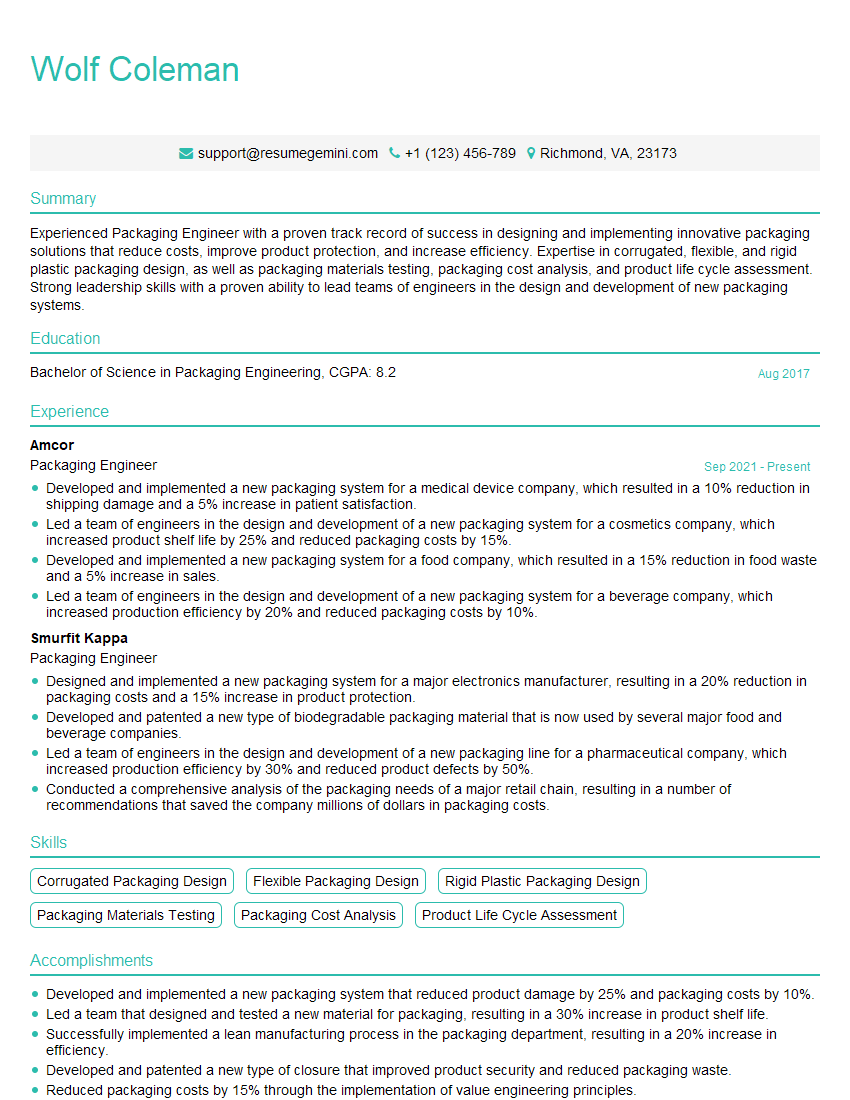
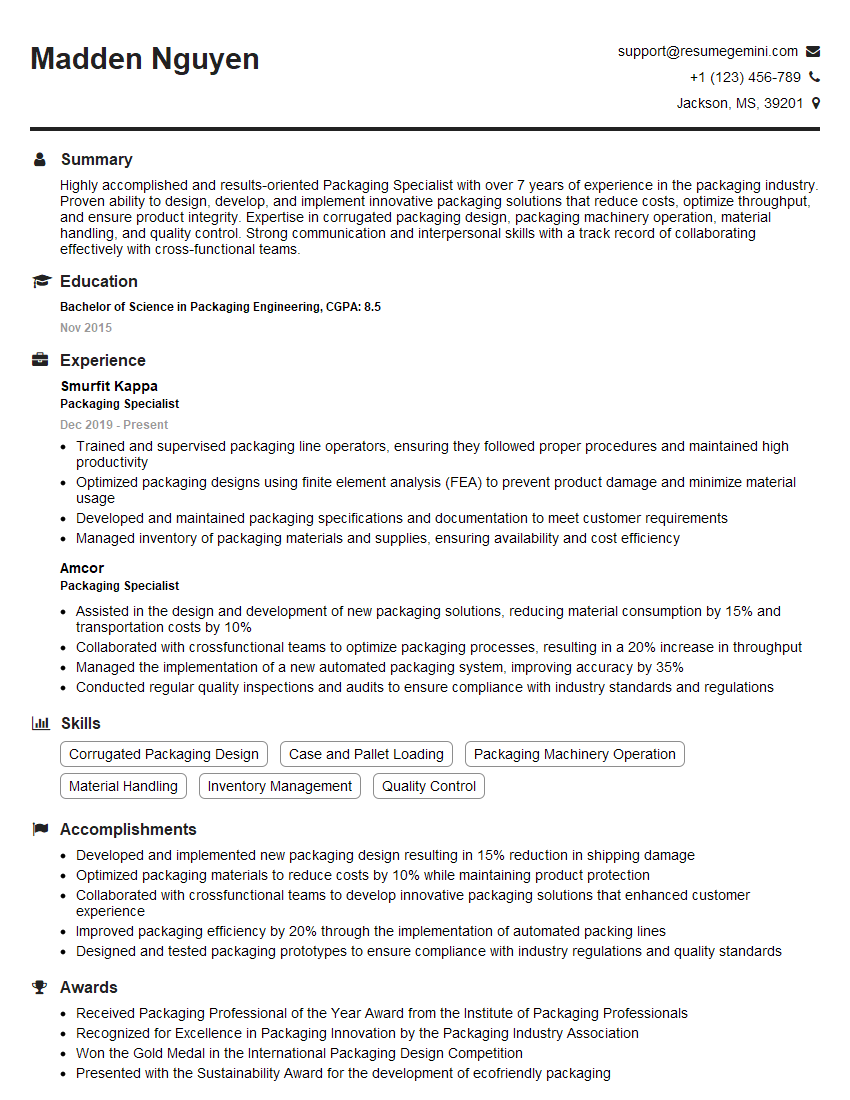
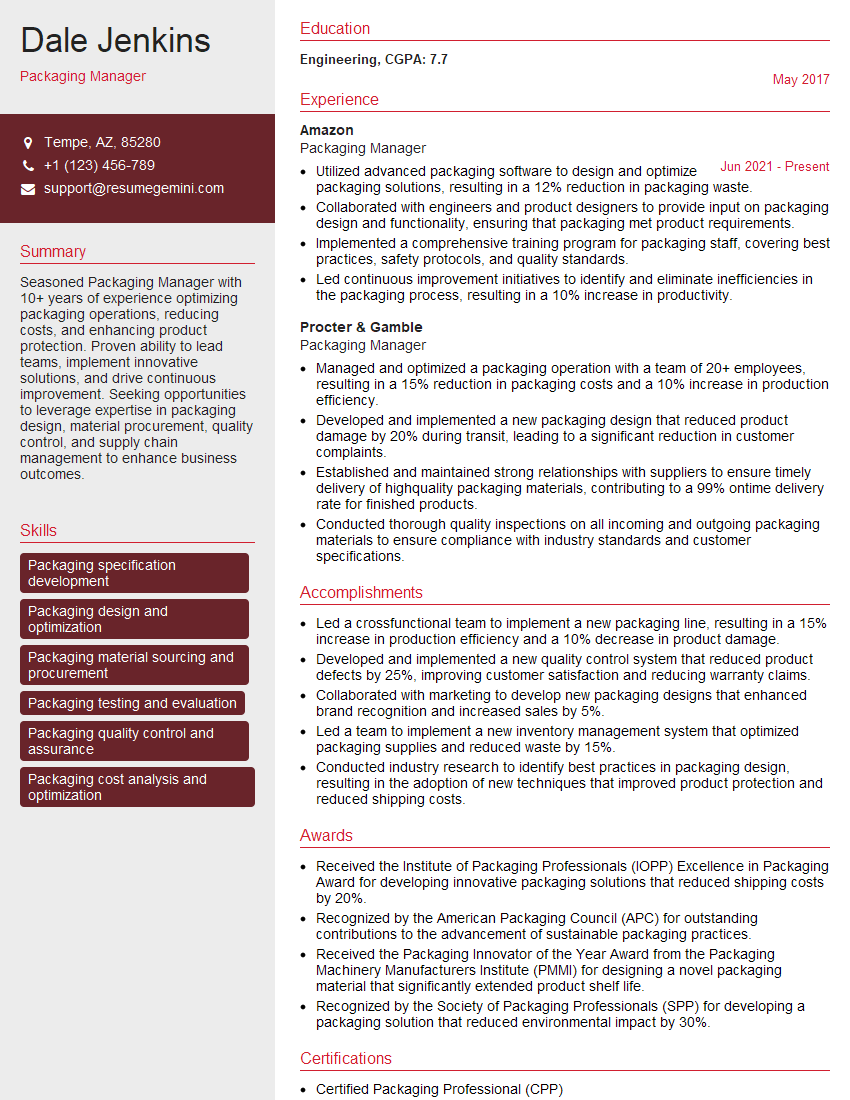
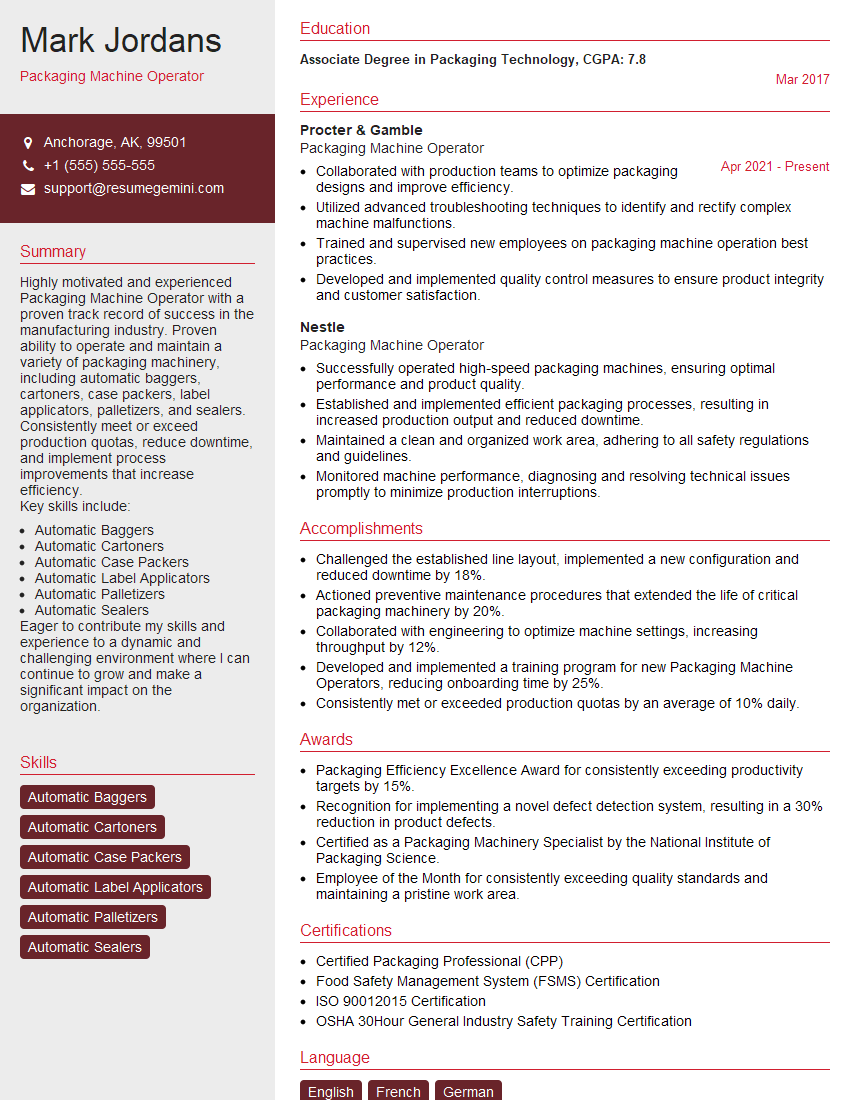
Mastering shrink wrapping equipment expertise significantly enhances your career prospects in manufacturing, logistics, and packaging industries. It demonstrates valuable hands-on skills and problem-solving abilities highly sought after by employers. To boost your job search, create an ATS-friendly resume that highlights your skills and experience effectively. ResumeGemini can help you build a professional and impactful resume tailored to the specific requirements of shrink wrapping equipment roles. Examples of resumes tailored to this experience are available through ResumeGemini, helping you showcase your abilities to potential employers.


Explore more articles
Users Rating of Our Blogs
Share Your Experience
We value your feedback! Please rate our content and share your thoughts (optional).
What Readers Say About Our Blog
Very informative content, great job.
good