Cracking a skill-specific interview, like one for Experience with Six Sigma Principles, requires understanding the nuances of the role. In this blog, we present the questions you’re most likely to encounter, along with insights into how to answer them effectively. Let’s ensure you’re ready to make a strong impression.
Questions Asked in Experience with Six Sigma Principles Interview
Q 1. Explain the DMAIC methodology.
DMAIC is a data-driven methodology used in Six Sigma projects for process improvement. It’s an acronym for Define, Measure, Analyze, Improve, and Control. Think of it as a structured roadmap for systematically tackling a problem and making sustainable improvements.
- Define: This initial phase involves clearly defining the problem, the project goals, and the scope of the project. We’ll identify the customer, their needs, and the critical-to-quality (CTQ) characteristics. For example, if the problem is long wait times at a call center, we’d define metrics like average wait time, customer satisfaction scores related to wait time, and the target improvement we aim for.
- Measure: Here, we gather data to understand the current state of the process. This involves identifying key performance indicators (KPIs), collecting data, and analyzing the baseline performance. Statistical tools like control charts are employed to understand process variation. In our call center example, we’d collect data on average wait times, abandoned calls, and handle times to establish a baseline.
- Analyze: This phase focuses on identifying the root causes of the problem using various statistical and analytical tools like Pareto charts, fishbone diagrams (Ishikawa diagrams), and regression analysis. We’ll analyze the data collected in the Measure phase to understand which factors significantly contribute to the problem. For the call center, we might analyze call volume patterns, agent skill levels, and system issues.
- Improve: This is where we develop and implement solutions to address the root causes identified in the Analyze phase. This often involves brainstorming potential solutions, designing experiments (DOE), and testing the effectiveness of different approaches. In the call center, potential improvements might include adding more agents, improving agent training, or upgrading the call routing system.
- Control: This final phase focuses on sustaining the improvements made. We’ll establish monitoring systems to track KPIs and ensure the process remains stable and within the desired limits. Control charts are crucial here to detect any deviations from the improved performance. For the call center, we might implement regular monitoring of wait times, agent performance, and system performance to ensure the improvements are maintained.
Q 2. What are the key differences between Six Sigma Green Belt and Black Belt certifications?
Six Sigma Green Belts and Black Belts both play crucial roles in process improvement, but their responsibilities and levels of expertise differ significantly. Think of it like this: a Green Belt is a skilled team member, while a Black Belt is the project leader.
- Green Belt: A Green Belt typically participates in Six Sigma projects under the guidance of a Black Belt. Their focus is on project execution within a defined scope. They may lead smaller projects or assist in larger ones. They’re expected to understand and apply DMAIC methodology, but their training is less extensive than a Black Belt’s.
- Black Belt: A Black Belt is a highly experienced Six Sigma expert. They independently lead and manage complex Six Sigma projects, mentoring Green Belts and guiding project teams. Black Belts have a deeper understanding of advanced statistical tools and methodologies, and they often play a key role in developing and implementing process improvement strategies across the organization. They’re responsible for the entire project lifecycle, including selecting projects, securing resources, and reporting results to upper management.
In short, a Black Belt has significantly more training, experience, and leadership responsibility than a Green Belt.
Q 3. Describe your experience with statistical process control (SPC).
My experience with Statistical Process Control (SPC) is extensive. I’ve used SPC tools extensively to monitor and control process variability in numerous projects. SPC helps us understand whether a process is stable and predictable or if there are assignable causes (special causes) of variation impacting its performance. I’ve personally used various control charts extensively.
For example, in a manufacturing setting, I used X-bar and R charts to monitor the diameter of a manufactured component. By plotting the data, we identified a trend in increasing diameter. This alerted us to a potential machine calibration issue which was subsequently investigated and corrected. We also applied p-charts to track the defect rate in a particular assembly process and used the data to adjust assembly procedures effectively. In another instance, c-charts helped to control the number of defects found in a batch of products and were critical in preventing cost-intensive rework.
I’m proficient in interpreting control charts, identifying patterns (trends, shifts, runs), and understanding the implications of variation in the context of process capability. I’m particularly skilled at explaining the statistical concepts behind these charts to non-technical audiences and using the findings to make data-driven decisions for process improvement.
Q 4. How do you identify and prioritize process improvement opportunities?
Identifying and prioritizing process improvement opportunities requires a systematic approach. I typically use a combination of data-driven methods and qualitative assessments.
- Data Analysis: I start by analyzing existing data to identify processes with high variability, low yields, or frequent defects. This might involve examining historical performance data, customer feedback, and operational metrics. Tools like Pareto charts are particularly useful here to highlight the ‘vital few’ problems that contribute to the majority of issues.
- Voice of the Customer (VOC): Understanding customer needs and expectations is crucial. I gather feedback through surveys, interviews, focus groups, and reviews to identify areas where the process falls short of customer expectations.
- Process Mapping: Visualizing the process flow using tools like flowcharts helps pinpoint bottlenecks, inefficiencies, and areas prone to error.
- Prioritization Matrix: Once potential opportunities are identified, I use a prioritization matrix (often a weighted scoring system) to rank them based on factors like potential impact, feasibility, cost, and urgency. This allows me to focus on projects with the highest potential return on investment (ROI).
For example, in one project, we used a combination of VOC data showing customer complaints about late deliveries and process mapping revealing a bottleneck in the order fulfillment stage. The prioritization matrix helped us select this area for improvement, leading to significant reductions in late deliveries and improved customer satisfaction.
Q 5. Explain the concept of a control chart and its applications.
A control chart is a graphical tool used in SPC to monitor process performance over time. It visually displays data points plotted against control limits. These limits are calculated statistically and represent the expected range of variation for a stable process.
The chart typically includes a central line representing the average performance, an upper control limit (UCL), and a lower control limit (LCL). Points falling outside these limits signal a potential problem or assignable cause of variation requiring investigation. There are several types of control charts, each suited for different types of data:
X-bar and R chartsfor continuous data (e.g., weight, length).p-chartsfor proportions of nonconforming units.c-chartsfor the number of defects per unit.
Control charts are widely used in various industries, including manufacturing, healthcare, and services, to monitor process stability, identify potential problems early, and prevent defects. They are fundamental to the Control phase of DMAIC.
For example, in a food processing plant, a control chart might be used to monitor the weight of packaged food items, ensuring consistency and preventing underfilling or overfilling. Any points outside the control limits would trigger an investigation into the cause of the variation.
Q 6. What are some common tools used in Six Sigma projects?
Six Sigma projects employ a wide range of tools depending on the phase of DMAIC and the specific problem. Some common tools include:
- Data Collection Tools: Checklists, data sheets, and surveys.
- Process Mapping Tools: Flowcharts, value stream maps, and swim lane diagrams.
- Statistical Analysis Tools: Histograms, Pareto charts, scatter diagrams, control charts (X-bar and R, p-charts, c-charts), and regression analysis.
- Root Cause Analysis Tools: Fishbone diagrams (Ishikawa diagrams), 5 Whys, and fault tree analysis.
- Problem-Solving Tools: Brainstorming, FMEA (Failure Mode and Effects Analysis), and Design of Experiments (DOE).
The choice of tools depends on the specific needs of the project. For example, a project focused on reducing defects might utilize control charts, Pareto charts, and FMEA to identify root causes and implement preventive measures.
Q 7. Describe your experience with root cause analysis techniques.
Root cause analysis (RCA) is critical in Six Sigma for identifying the underlying reasons behind problems, rather than just treating symptoms. I’m experienced in applying several RCA techniques, tailoring my approach to the specific situation.
- 5 Whys: This is a simple yet effective technique where you repeatedly ask “Why?” to drill down to the root cause. While simple, it can be surprisingly effective in uncovering underlying issues.
- Fishbone Diagram (Ishikawa Diagram): This visual tool helps organize potential causes of a problem into categories (e.g., people, methods, machines, materials, environment). It’s excellent for brainstorming and facilitating team discussions.
- Fault Tree Analysis (FTA): A more structured and deductive approach, FTA uses a tree-like diagram to systematically break down a problem into its contributing causes. This is useful for complex problems with multiple contributing factors.
- Failure Mode and Effects Analysis (FMEA): Proactive RCA, FMEA identifies potential failure modes, their effects, and potential causes before they occur. This is crucial for preventing problems rather than reacting to them.
In a recent project involving frequent equipment failures, we used a combination of 5 Whys and a fishbone diagram to uncover a root cause related to inadequate maintenance procedures. The fishbone diagram helped us systematically explore various potential causes, while the 5 Whys helped us drill down to the underlying issue of insufficient training for maintenance personnel. This led to improved training programs and a significant reduction in equipment failures.
Q 8. How do you measure the success of a Six Sigma project?
Measuring the success of a Six Sigma project goes beyond simply completing it. We need to demonstrate a quantifiable improvement in key metrics. This typically involves comparing pre- and post-project data to show a reduction in defects, cycle time, or costs, depending on the project’s goals.
For example, if a project aimed to reduce the number of customer complaints, success would be measured by a significant decrease in the complaint rate, perhaps from 10% to 2% after implementation of the Six Sigma solution. This reduction would ideally be statistically significant, confirmed through hypothesis testing. We also track other crucial metrics like project timeline adherence, budget compliance, and employee satisfaction to gauge the project’s overall effectiveness. A successful Six Sigma project delivers not only improved business results but also a demonstrably improved process.
Ultimately, success is defined by the achievement of the project’s defined goals and objectives, supported by robust data analysis.
Q 9. Explain the concept of process capability and how it’s measured.
Process capability refers to the ability of a process to consistently produce outputs that meet pre-defined specifications. Think of it like a basketball player’s free-throw percentage: a high percentage indicates consistent accuracy. We measure process capability using indices like Cp and Cpk.
Cp (Process Capability Index) measures the potential capability of the process relative to the specification limits, assuming the process is centered. A Cp of 1 indicates the process’s natural variation is just barely within the specification limits. A higher Cp signifies a greater margin for error.
Cpk (Process Capability Index adjusted for centering) takes into account the process’s centering. This means that even if the process variation is low (high Cp), if the mean is far from the target, the Cpk will be low, indicating poor capability. A Cpk of 1 or greater generally suggests the process is capable. We determine these indices using statistical methods, often involving control charts and data analysis from samples of the process output. For example, if we’re manufacturing bolts, Cp and Cpk will indicate how consistently the bolt diameter falls within the acceptable range.
Q 10. How do you handle resistance to change during a Six Sigma project?
Resistance to change is a common challenge in Six Sigma projects. It stems from fear of the unknown, disruption to established routines, or perceived threats to job security. To address this, I employ a multifaceted approach:
- Communication and Education: Transparency is key. I involve the team early, clearly explaining the project’s goals, methodology, and potential benefits. I actively seek their input and address concerns.
- Active Participation: Engaging team members throughout the project fosters a sense of ownership. Giving them roles and responsibilities helps alleviate fears and promotes buy-in.
- Demonstrating Successes: Celebrating early wins and showcasing improvements boosts morale and provides tangible evidence of the project’s benefits.
- Addressing Concerns Directly: I directly address fears and concerns by providing reassurance and demonstrating how changes will benefit individuals and the organization as a whole. I may use one-on-one conversations or group meetings to tackle these challenges.
- Leadership Support: Securing visible support from leadership helps reinforce the importance of the project and reduces resistance from those who might otherwise oppose change.
Ultimately, successful change management requires empathy, open communication, and a commitment to addressing people’s concerns.
Q 11. Describe your experience with data collection and analysis techniques.
My experience encompasses a broad range of data collection and analysis techniques crucial for Six Sigma projects. I’m proficient in using various tools, including:
- Check Sheets: For systematic data collection on recurring events or issues.
- Histograms: To visualize the distribution of data and identify patterns.
- Pareto Charts: To prioritize issues based on their frequency and impact (discussed further in the next question).
- Control Charts: To monitor process stability and identify assignable causes of variation.
- Scatter Diagrams: To explore correlations between variables.
- Statistical Software: Proficient in using software like Minitab or JMP for advanced statistical analysis, including hypothesis testing, regression analysis, and ANOVA.
My approach involves selecting the most appropriate tools based on the project’s specific needs. I ensure the data is accurate, reliable, and representative of the process. I meticulously document my data collection methods and analysis results for transparency and auditability. For example, in a manufacturing setting, I might use control charts to monitor the consistency of a machine’s output or employ regression analysis to model the relationship between production parameters and defect rates.
Q 12. What is a Pareto chart and how is it used in Six Sigma?
A Pareto chart is a type of bar chart that ranks categories in descending order of frequency, often accompanied by a line graph showing the cumulative frequency. It’s named after Vilfredo Pareto’s principle (the 80/20 rule), which suggests that a small percentage of causes often contribute to a large percentage of effects.
In Six Sigma, we use Pareto charts to identify the ‘vital few’ problems contributing to most of the defects or issues. By focusing on these ‘vital few’, we can achieve significant improvements with relatively limited effort. For instance, if a factory has numerous defect types, a Pareto chart might reveal that 80% of defects are caused by only 20% of the root causes. This allows us to prioritize our efforts on addressing those two root causes for maximum impact. This focused approach greatly enhances the efficiency and effectiveness of Six Sigma projects.
Q 13. Explain the concept of Design of Experiments (DOE).
Design of Experiments (DOE) is a powerful statistical methodology used to efficiently investigate the effects of multiple factors on an outcome. Rather than changing one factor at a time (a less efficient approach), DOE systematically varies multiple factors simultaneously, allowing us to understand their individual and interactive effects. This helps us identify the optimal settings for process parameters to achieve desired outcomes.
DOE involves designing experiments to systematically collect data. Different DOE designs (like factorial designs, fractional factorial designs, response surface methodology) are chosen depending on the number of factors and the level of detail needed. After conducting the experiment and collecting data, statistical analysis is performed to determine which factors significantly affect the outcome and to find the optimal combination of factor settings. For example, a food company might use DOE to optimize the recipe of a new product by systematically varying factors like temperature, cooking time, and ingredient proportions.
Q 14. How do you manage project scope and timelines in Six Sigma projects?
Managing scope and timelines in Six Sigma projects is crucial for success. It requires a structured approach:
- Define Scope Clearly: The project’s scope, including goals, deliverables, and boundaries, must be precisely defined at the outset, documented in a project charter, and agreed upon by all stakeholders. This prevents scope creep—the gradual expansion of a project’s scope beyond its initial boundaries.
- Develop a Detailed Project Plan: A well-defined project plan, outlining tasks, timelines, responsibilities, and resources, is essential. This may include using tools such as Gantt charts.
- Regular Monitoring and Control: Regular project meetings and progress tracking are vital to identify any deviations from the plan early on. This allows for timely corrective actions. Using project management software can significantly improve tracking and reporting.
- Risk Management: Identifying and assessing potential risks to the project, including their likelihood and impact, is crucial. Developing contingency plans helps mitigate potential disruptions to timelines.
- Stakeholder Management: Regular communication and engagement with stakeholders is crucial. Keeping them informed and involved helps maintain support and manage expectations.
By employing these strategies, you can effectively manage scope creep, meet deadlines, and ensure the project delivers value within the allocated resources.
Q 15. What is your experience with different types of variation?
Understanding variation is fundamental to Six Sigma. Variation in a process can be broadly classified into two types: common cause variation and special cause variation. Common cause variation, also known as inherent or random variation, is the natural fluctuation present in any process due to many small, unpredictable factors. Think of it like the slight differences in the weight of identically-produced cookies; it’s always there, inherent to the baking process. Special cause variation, on the other hand, is caused by identifiable factors that significantly impact the process output. This could be a machine malfunction leading to inconsistent product dimensions, or a change in raw materials affecting the final product’s quality.
My experience involves using control charts (like X-bar and R charts, or p-charts for attributes) to identify and differentiate between these types of variation. For example, in a manufacturing setting, if points on a control chart consistently fall within the control limits, it indicates common cause variation and suggests process stability. However, points outside the control limits or exhibiting a clear trend signal special cause variation, requiring investigation to identify and eliminate the root cause.
Identifying the type of variation is crucial because treating common cause variation like a special cause problem often leads to wasted resources, while ignoring special cause variation can result in significant product defects or process instability.
Career Expert Tips:
- Ace those interviews! Prepare effectively by reviewing the Top 50 Most Common Interview Questions on ResumeGemini.
- Navigate your job search with confidence! Explore a wide range of Career Tips on ResumeGemini. Learn about common challenges and recommendations to overcome them.
- Craft the perfect resume! Master the Art of Resume Writing with ResumeGemini’s guide. Showcase your unique qualifications and achievements effectively.
- Don’t miss out on holiday savings! Build your dream resume with ResumeGemini’s ATS optimized templates.
Q 16. Explain your understanding of hypothesis testing.
Hypothesis testing is a crucial statistical method used in Six Sigma to validate assumptions and make data-driven decisions. It involves formulating a null hypothesis (H0), which represents the status quo or a claim we want to disprove, and an alternative hypothesis (H1), which is the opposite of the null hypothesis. We then collect data and use statistical tests (like t-tests, ANOVA, or Chi-square tests) to determine the probability of observing the collected data if the null hypothesis were true.
For example, let’s say we hypothesize that a new manufacturing process reduces defect rates. The null hypothesis would be that there is no difference in defect rates between the old and new processes (H0: No difference). The alternative hypothesis would be that the new process reduces defect rates (H1: New process reduces defect rates). We’d then collect defect data from both processes and use a statistical test to determine if we can reject the null hypothesis based on the p-value. A low p-value (typically less than 0.05) indicates strong evidence to reject the null hypothesis and accept the alternative, supporting our claim.
My experience includes selecting appropriate statistical tests based on data type and distribution, interpreting p-values and confidence intervals, and making sound conclusions based on the results. This rigorous approach ensures that decisions aren’t made based on gut feeling but on statistically sound evidence.
Q 17. How do you communicate project results to stakeholders?
Communicating project results effectively to stakeholders is vital for project success. I use a multi-faceted approach, tailoring communication to the audience and the information’s complexity. This includes:
- Executive Summaries: For senior management, I present concise summaries highlighting key findings, impact, and recommendations. I focus on the ‘so what?’ and ‘now what?’ aspects.
- Visualizations: Data is often best conveyed visually using charts, graphs, and dashboards. This makes it easier to understand complex data at a glance. I avoid overwhelming stakeholders with raw data.
- Interactive Presentations: I leverage presentations with interactive elements, allowing stakeholders to explore data at their own pace and ask questions.
- Written Reports: Detailed reports provide comprehensive documentation, including methodology, analysis, and supporting data. This ensures transparency and allows stakeholders to review details independently.
- Regular Updates: I maintain open communication throughout the project lifecycle, providing regular updates on progress and milestones. This keeps stakeholders informed and engaged.
For instance, in one project involving reducing customer wait times, I used a dashboard showing the initial wait times, the improvement achieved after implementing changes, and the resulting cost savings. This visual representation helped secure further investment for process improvements.
Q 18. Describe your experience with Lean principles.
Lean principles are deeply intertwined with Six Sigma; they are complementary methodologies focused on eliminating waste and improving efficiency. My experience includes applying Lean tools such as Value Stream Mapping (VSM) to visualize the entire process flow and identify areas of waste (muda) such as excess inventory, waiting time, unnecessary motion, and defects. I’ve used 5S methodologies to organize and standardize workspaces, improving efficiency and reducing errors.
For example, in one project involving streamlining a document approval process, we used VSM to map the current state and identify bottlenecks. This led to implementing changes like electronic approvals and process simplification, resulting in significant time savings and increased efficiency. We also applied Kaizen (continuous improvement) events to involve team members in identifying and implementing small but incremental improvements. This collaborative approach fostered ownership and ensures sustainable improvements.
Ultimately, Lean principles help optimize processes, reduce waste, and create a more efficient and effective workflow. The combination of Lean and Six Sigma provides a powerful framework for achieving operational excellence.
Q 19. How do you balance cost, quality, and delivery in a Six Sigma project?
Balancing cost, quality, and delivery is a critical aspect of any Six Sigma project. It often requires careful prioritization and trade-off decisions. My approach involves:
- Defining clear project goals and metrics: This provides a framework for evaluating the impact of decisions on cost, quality, and delivery.
- Cost-benefit analysis: I conduct thorough cost-benefit analyses to weigh the costs of implementing improvements against the potential gains in quality and delivery.
- Prioritization: Based on the analysis, we prioritize improvements with the highest return on investment (ROI) and focus on areas that significantly impact cost, quality, or delivery.
- Incremental improvements: Instead of drastic changes, I advocate for incremental improvements to minimize risk and allow for continuous monitoring and adjustment. This reduces disruptions and facilitates smoother transitions.
- Stakeholder alignment: I ensure that stakeholders are aligned on the priorities and understand the trade-offs involved.
For instance, in a project to improve on-time delivery, we initially considered a costly automation solution. However, a cost-benefit analysis revealed that simpler process improvements like enhanced scheduling and better communication yielded comparable results at a significantly lower cost. We chose the more cost-effective approach, achieving the desired improvement in on-time delivery without excessive financial investment.
Q 20. What is your experience with different types of process mapping?
Process mapping is a crucial tool for visualizing and understanding processes. My experience encompasses various types of process maps, each with its own strengths and applications:
- Flowcharts: These are simple diagrams illustrating the sequential steps in a process, using standard symbols to represent different activities. They are excellent for showing the overall flow and identifying bottlenecks.
- Swimlane diagrams: These extend flowcharts by assigning different lanes to different actors or departments involved in the process. This helps identify handoffs and areas of communication breakdown.
- Value stream maps: These visually represent the entire process flow, including material and information flow, to identify waste and opportunities for improvement. They are particularly useful for Lean projects.
- SIPOC diagrams: These maps focus on the Suppliers, Inputs, Process, Outputs, and Customers of a process, providing a high-level overview.
I choose the most appropriate mapping technique depending on the project’s specific needs and the complexity of the process being analyzed. For example, when addressing a customer service issue, a swimlane diagram helped reveal communication gaps between different departments, leading to improved coordination and reduced resolution times.
Q 21. What is your experience with FMEA (Failure Mode and Effects Analysis)?
Failure Mode and Effects Analysis (FMEA) is a proactive risk assessment tool used to identify potential failures in a process or product and evaluate their severity, occurrence, and detectability. The results are used to prioritize risk mitigation efforts. My experience includes conducting both design FMEAs (for new products or processes) and process FMEAs (for existing processes).
The process involves forming a team of experts to brainstorm potential failure modes, assess their severity, occurrence, and detectability (using a rating scale for each), and calculate a Risk Priority Number (RPN) for each failure mode. A higher RPN indicates a higher risk. The team then develops actions to mitigate the risks associated with the highest-RPN failure modes.
For example, in a project to design a new medical device, we conducted a design FMEA to identify potential failures in the device’s design and manufacturing process. This helped us proactively address potential safety concerns and improve the device’s reliability. The systematic approach of FMEA ensured that potential issues were identified and addressed before the device reached the market, reducing the risk of costly recalls or safety incidents.
Q 22. How do you ensure data accuracy and integrity in Six Sigma projects?
Data accuracy and integrity are paramount in Six Sigma projects because flawed data leads to flawed conclusions and ultimately, ineffective solutions. We ensure data accuracy through a multi-pronged approach:
Data Source Verification: Identifying and validating the reliability of data sources is crucial. This includes understanding how the data is collected, stored, and processed. Are there potential biases? Are the methods consistent? I thoroughly investigate these aspects to ensure the source is credible.
Data Cleaning and Transformation: Raw data is rarely perfect. I use techniques like outlier detection (e.g., using box plots or standard deviation calculations), missing value imputation (e.g., mean imputation or more sophisticated methods), and data transformation (e.g., logarithmic transformation for skewed data) to cleanse and prepare the data for analysis. This step is often iterative.
Data Validation and Checks: I employ various checks throughout the process – from simple range checks to more sophisticated statistical tests – to ensure data consistency and identify potential errors. For example, using cross-tabulations or correlation analysis to spot inconsistencies or unusual patterns.
Documentation and Traceability: Maintaining meticulous records of data sources, cleaning methods, and transformations is critical for auditability and reproducibility. This ensures transparency and allows for easy identification of any potential errors.
For example, in a project analyzing customer satisfaction, I would verify the source of customer feedback (surveys, reviews, etc.), check for missing data or inconsistent responses, and possibly apply weighting to account for sampling bias. This rigorous approach guarantees the reliability of our findings and the efficacy of implemented improvements.
Q 23. Describe a situation where you had to overcome a challenge in a Six Sigma project.
In a Six Sigma project aimed at reducing manufacturing defects, we encountered a significant challenge: inconsistent data reporting from different production lines. Each line used slightly different methods for recording defects, leading to incomparable data. Initially, this threatened the integrity of our analysis.
To overcome this, I implemented a multi-step solution:
Standardization of Reporting Methods: We worked with the production line supervisors to standardize the defect recording process, introducing a consistent format and terminology across all lines. This required several meetings and training sessions to ensure buy-in and proper implementation. We even created a simple checklist to make sure everyone was following the correct procedure.
Data Reconciliation: We meticulously reviewed historical data from each line, attempting to reconcile the inconsistencies using a combination of statistical techniques and cross-referencing information from other sources like machine logs. This was a time-consuming process that required close collaboration with production personnel.
Implementation of a New Data Management System: As a long-term solution, I proposed and oversaw the implementation of a new, centralized database that would standardize data collection and reporting across all lines. This new system ensured all data followed a unified format.
This experience highlighted the importance of proactive data management and effective cross-functional collaboration in addressing unforeseen challenges during a Six Sigma project.
Q 24. What are the limitations of Six Sigma?
While Six Sigma is a powerful methodology, it does have limitations:
High Initial Investment: Implementing Six Sigma requires significant investment in training, software, and resources, which can be a barrier for smaller organizations.
Time-Consuming: Six Sigma projects can be lengthy, requiring meticulous data collection and analysis. This can be frustrating when quick solutions are needed.
Focus on Efficiency, Not Innovation: Six Sigma primarily focuses on improving efficiency and reducing variation within existing processes. It might not be well-suited for fostering radical innovation or creating entirely new products or services.
Potential for Overemphasis on Metrics: An overreliance on metrics can sometimes lead to overlooking qualitative aspects or unintended consequences.
Resistance to Change: Implementing Six Sigma often requires organizational change, which can face resistance from employees accustomed to traditional methods. This requires thoughtful change management strategies.
For example, a small business might find the initial investment in Six Sigma training prohibitive. Or, a company facing rapid market changes might find the time commitment of a long Six Sigma project unsuitable for the fast-paced environment.
Q 25. How do you select appropriate Six Sigma tools for a specific project?
Selecting the right Six Sigma tools depends heavily on the specific project goals and the nature of the data. There’s no one-size-fits-all approach. I typically follow these steps:
Define the Problem: Clearly defining the problem statement is the first and most crucial step. This helps narrow down the potential tools.
Data Characteristics: Analyze the type and volume of data available. Is it quantitative or qualitative? Is it structured or unstructured?
Project Phase: Different tools are more suitable for different phases of a Six Sigma project (DMAIC). For example, Pareto charts are useful in the Define phase for prioritizing problems, while control charts are used in the Control phase for monitoring process stability.
Team Expertise: Consider the team’s familiarity and comfort level with various tools. Selecting tools that the team is proficient in will increase efficiency and effectiveness.
For instance, if we’re analyzing customer complaints to identify the root causes of dissatisfaction, we might use a Pareto chart to visualize the frequency of complaints by category and a fishbone diagram to identify potential causes. If we’re monitoring a process for stability, control charts would be appropriate. The key is matching the tool to the specific need.
Q 26. Describe your experience working with cross-functional teams.
I have extensive experience working with cross-functional teams, recognizing that successful Six Sigma projects depend on the collective expertise and cooperation of individuals from various departments. This often requires strong communication, negotiation, and conflict-resolution skills.
For example, in a project focused on reducing order fulfillment times, I collaborated with teams from sales, warehousing, logistics, and customer service. I facilitated meetings, established clear communication channels, and actively sought input from all stakeholders. This ensured that the proposed solution considered all aspects of the process and wasn’t limited by a single department’s perspective. Successfully navigating differing priorities and perspectives is essential for effective team management in Six Sigma projects.
I have found that building trust and fostering a collaborative environment is key to successful cross-functional teamwork. This includes being a good listener, acknowledging contributions, and demonstrating respect for various viewpoints. Open communication and regular updates ensure that everyone feels informed and involved.
Q 27. How do you stay current with Six Sigma best practices?
Staying current with Six Sigma best practices is crucial for maintaining my expertise and adapting to evolving methodologies. I do this through a combination of approaches:
Professional Development: I actively participate in workshops, seminars, and conferences focusing on Six Sigma and related quality management methodologies. This allows me to learn about new tools, techniques, and best practices from industry leaders.
Industry Publications and Journals: I regularly read relevant industry publications and journals to keep abreast of research and advancements in Six Sigma and related fields.
Online Courses and Resources: I leverage online learning platforms to access courses and resources on advanced Six Sigma techniques and applications.
Networking: I actively network with other Six Sigma professionals through industry associations and online communities, fostering knowledge exchange and collaborative learning.
Continuous learning and professional development ensures my skills and knowledge remain relevant and effective, allowing me to contribute significantly to any project I undertake.
Q 28. What are your salary expectations?
My salary expectations are commensurate with my experience, skills, and the responsibilities associated with this role. Considering my extensive experience in Six Sigma, my proven track record of delivering successful projects, and my commitment to continuous improvement, I am seeking a competitive compensation package in line with industry standards for professionals with my level of expertise. I’m open to discussing this further and aligning my expectations with the specifics of this opportunity.
Key Topics to Learn for Experience with Six Sigma Principles Interview
- DMAIC Methodology: Understand each phase (Define, Measure, Analyze, Improve, Control) and their practical application in process improvement projects. Be prepared to discuss your experience with each stage.
- Lean Principles: Explain how Lean principles, such as waste reduction (Muda) and value stream mapping, integrate with Six Sigma to optimize processes and enhance efficiency. Provide examples from your experience.
- Statistical Process Control (SPC): Demonstrate your understanding of control charts (e.g., X-bar and R charts), capability analysis (Cp, Cpk), and their use in monitoring and improving process stability. Be ready to discuss practical applications.
- Problem-Solving Techniques: Showcase your proficiency in using tools like Pareto charts, fishbone diagrams (Ishikawa diagrams), and 5 Whys to identify root causes of problems and develop effective solutions. Illustrate with examples from your projects.
- Data Analysis & Interpretation: Highlight your skills in collecting, analyzing, and interpreting data to draw meaningful conclusions and support improvement initiatives. Emphasize your ability to communicate findings clearly.
- Project Selection & Justification: Explain the criteria for selecting suitable projects for Six Sigma improvement and the process of justifying the investment in terms of potential ROI.
- Black Belt/Green Belt Roles & Responsibilities: If applicable, clearly articulate your experience and responsibilities within a Six Sigma project team, highlighting leadership and teamwork skills.
- Six Sigma Software Proficiency: Mention any relevant software experience (e.g., Minitab, JMP) used for data analysis and project management. Quantify your contributions where possible.
Next Steps
Mastering Six Sigma principles significantly enhances your value in today’s data-driven workplace, opening doors to leadership roles and higher earning potential. To maximize your job prospects, invest time in creating a compelling, ATS-friendly resume that showcases your accomplishments and skills effectively. ResumeGemini is a trusted resource to help you build a professional resume that stands out. We provide examples of resumes tailored to highlight experience with Six Sigma Principles to help you get started. Make your experience shine and land your dream job!
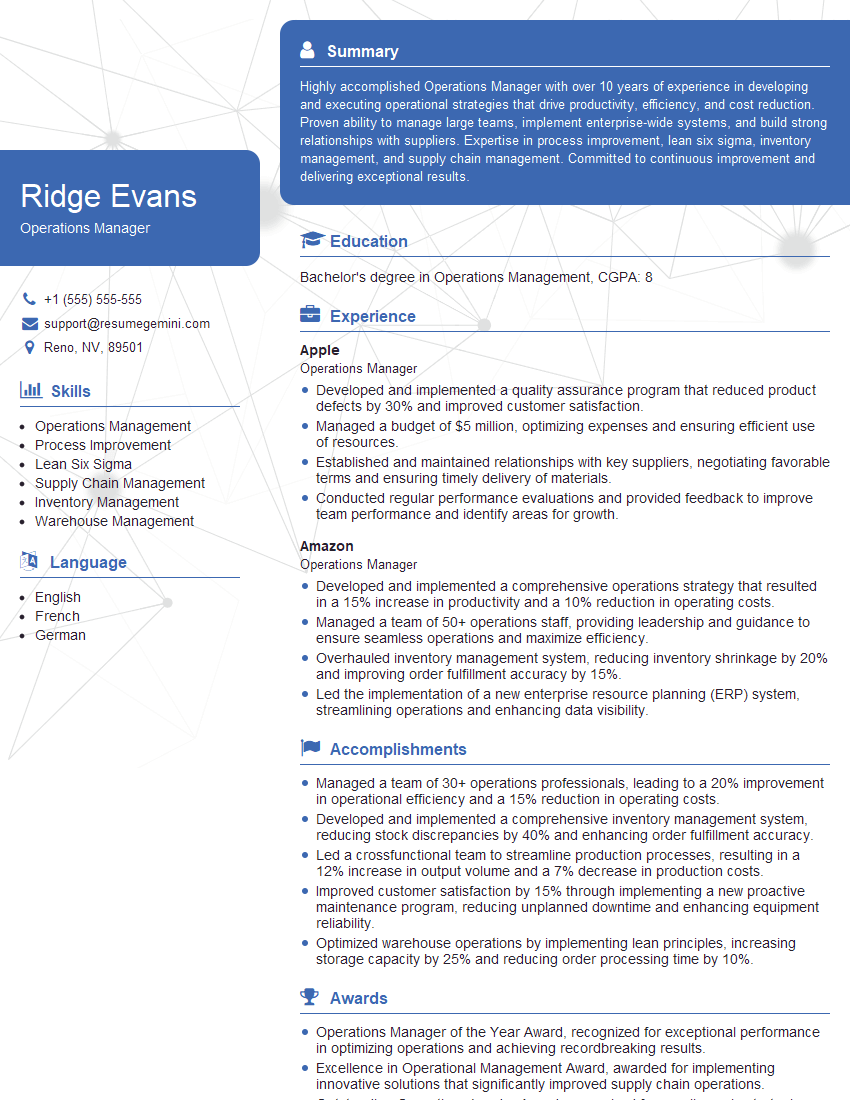
Operations Manager Resume Sample
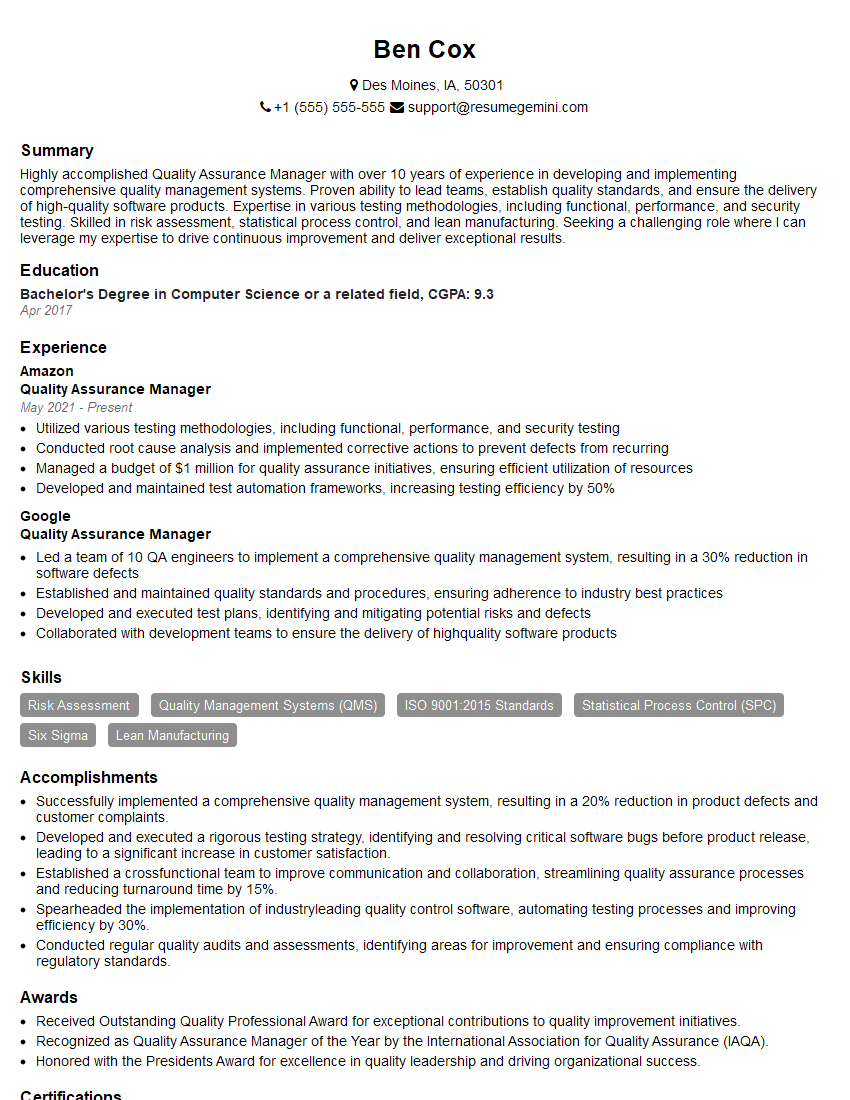
Quality Assurance Manager Resume Sample
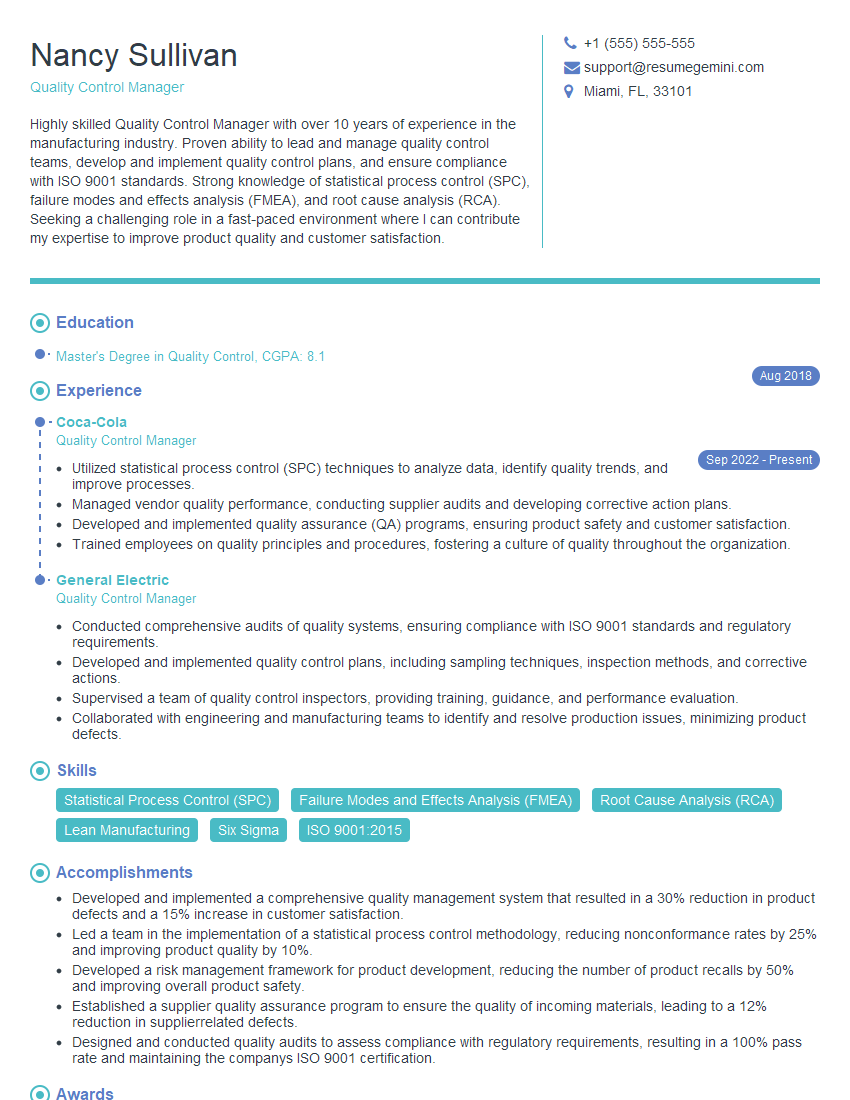
Quality Control Manager Resume Sample
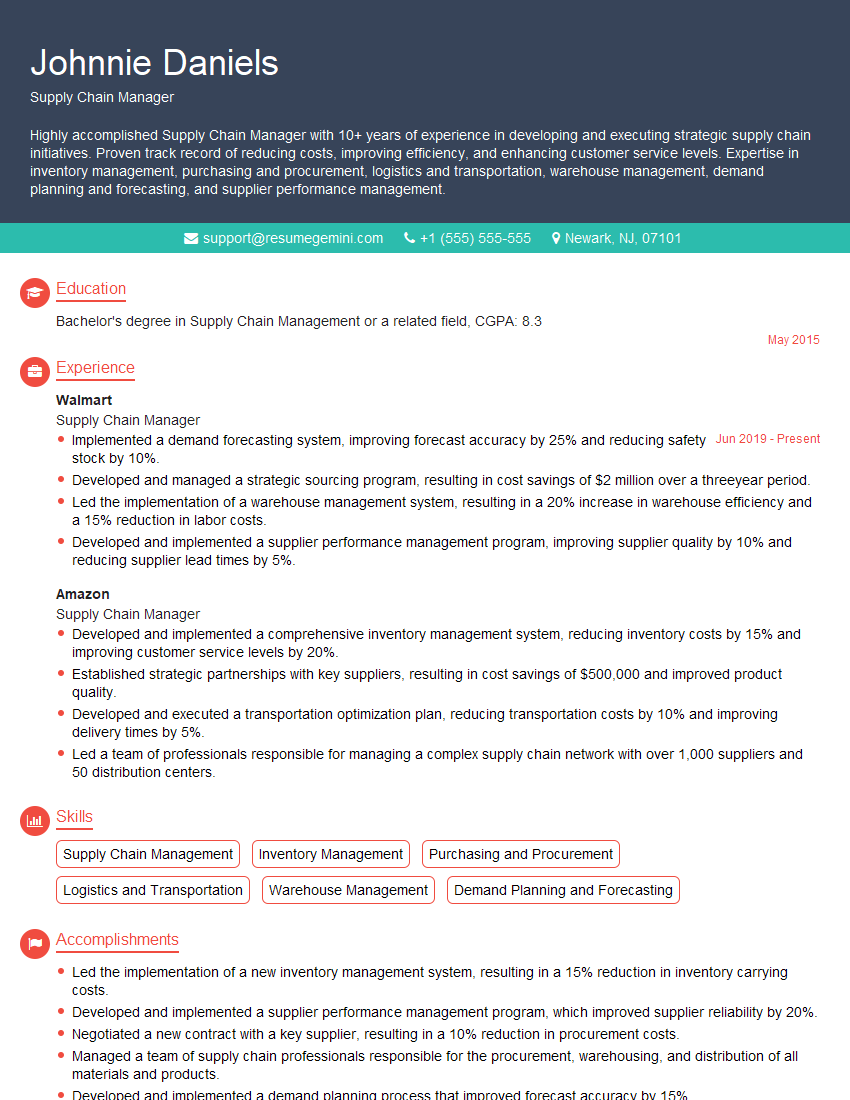
Supply Chain Manager Resume Sample
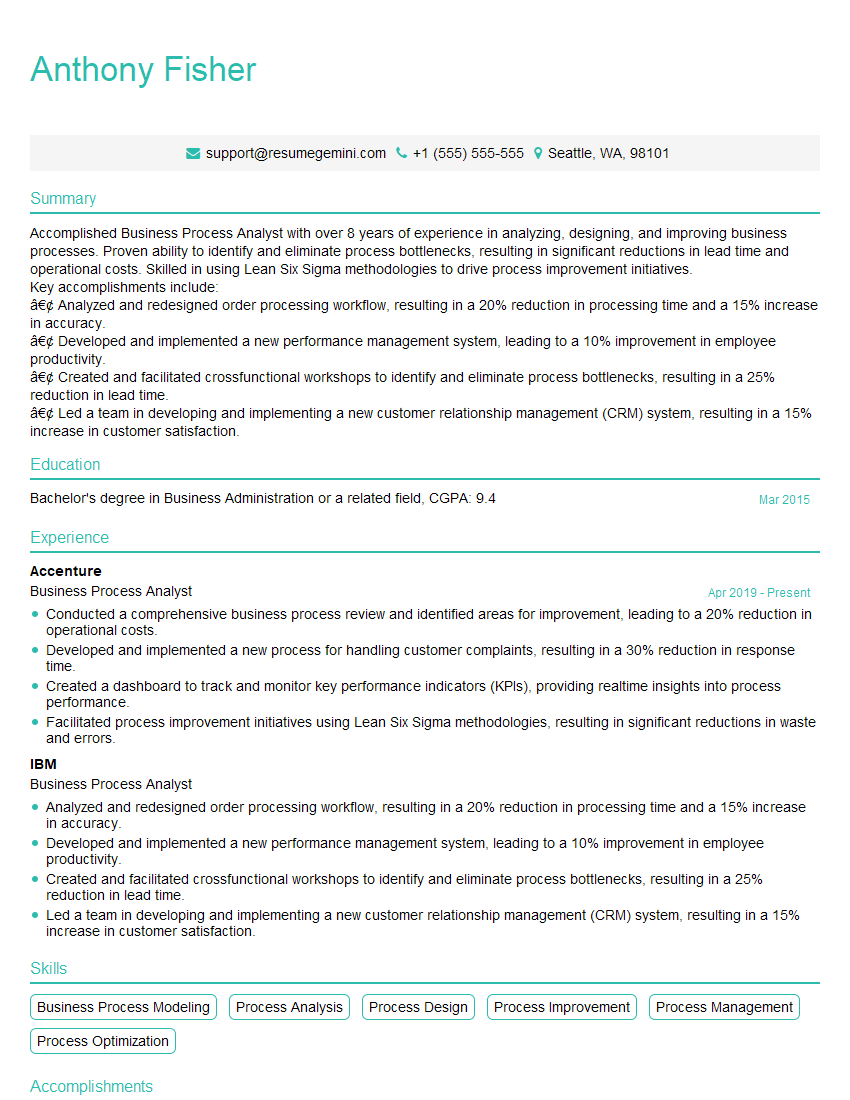
Business Process Analyst Resume Sample
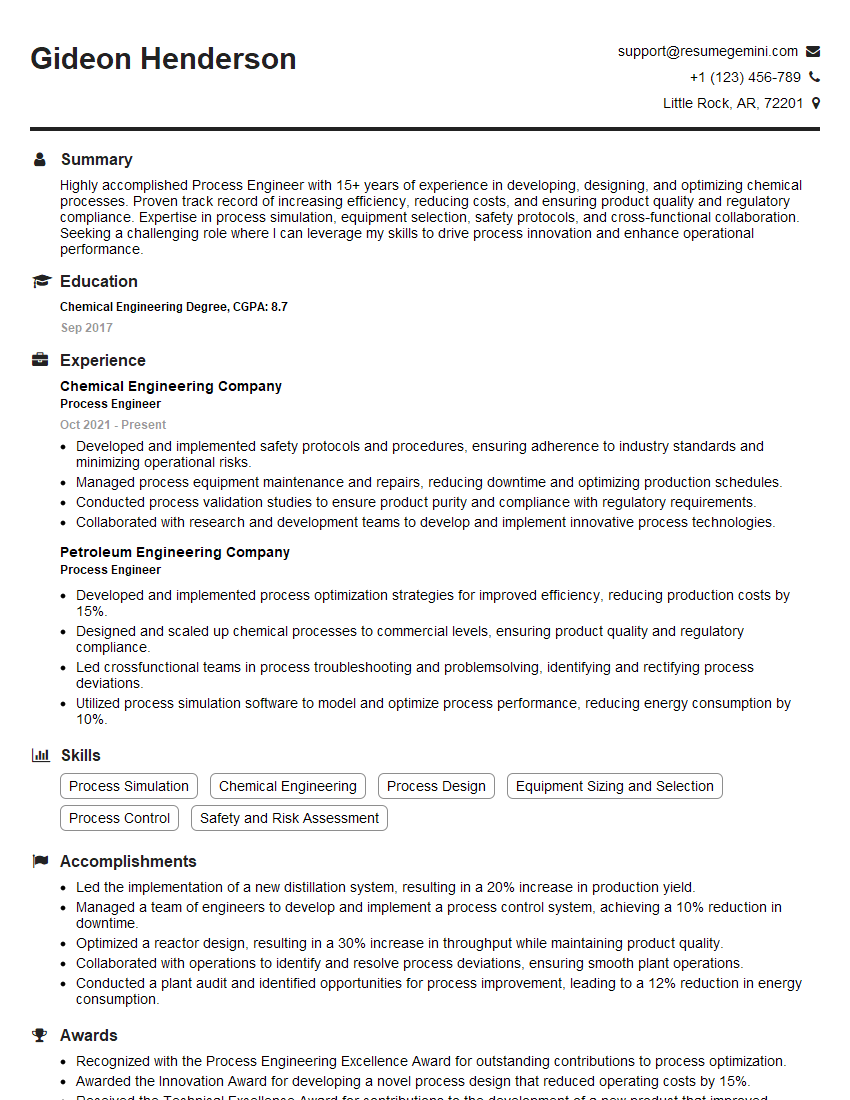
Process Engineer Resume Sample
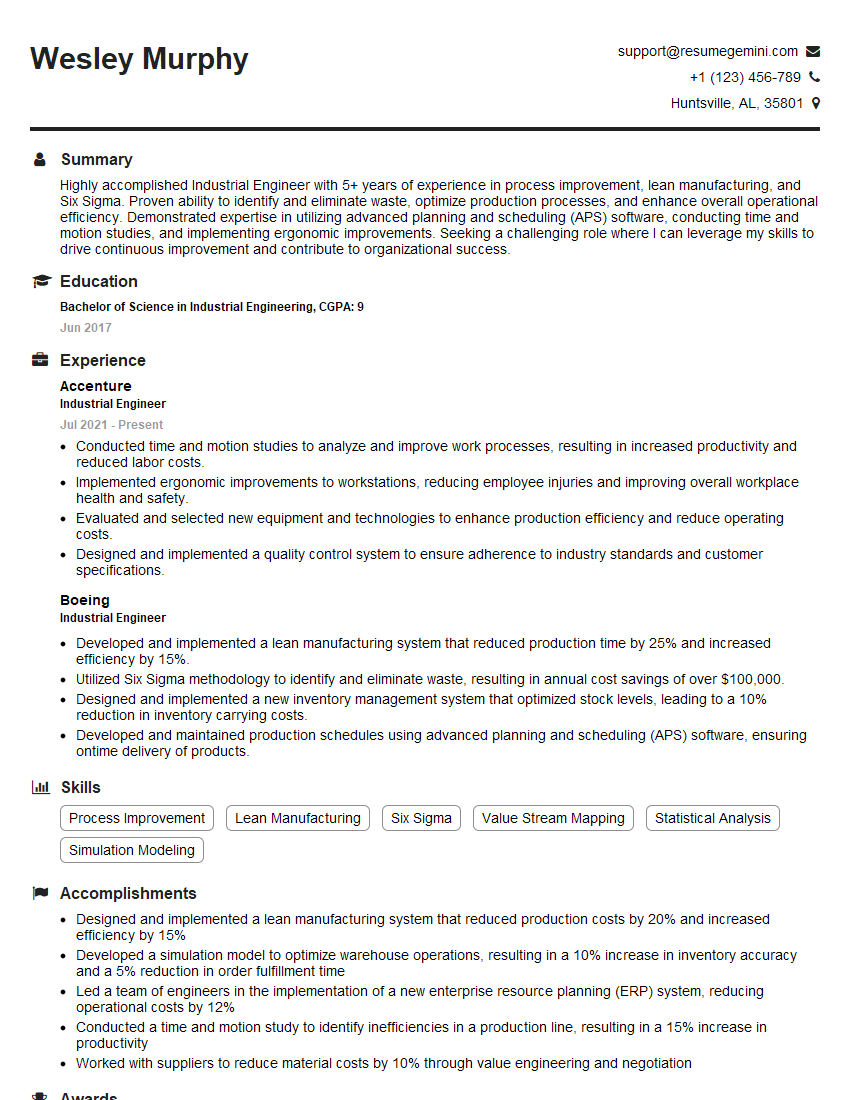
Industrial Engineer Resume Sample
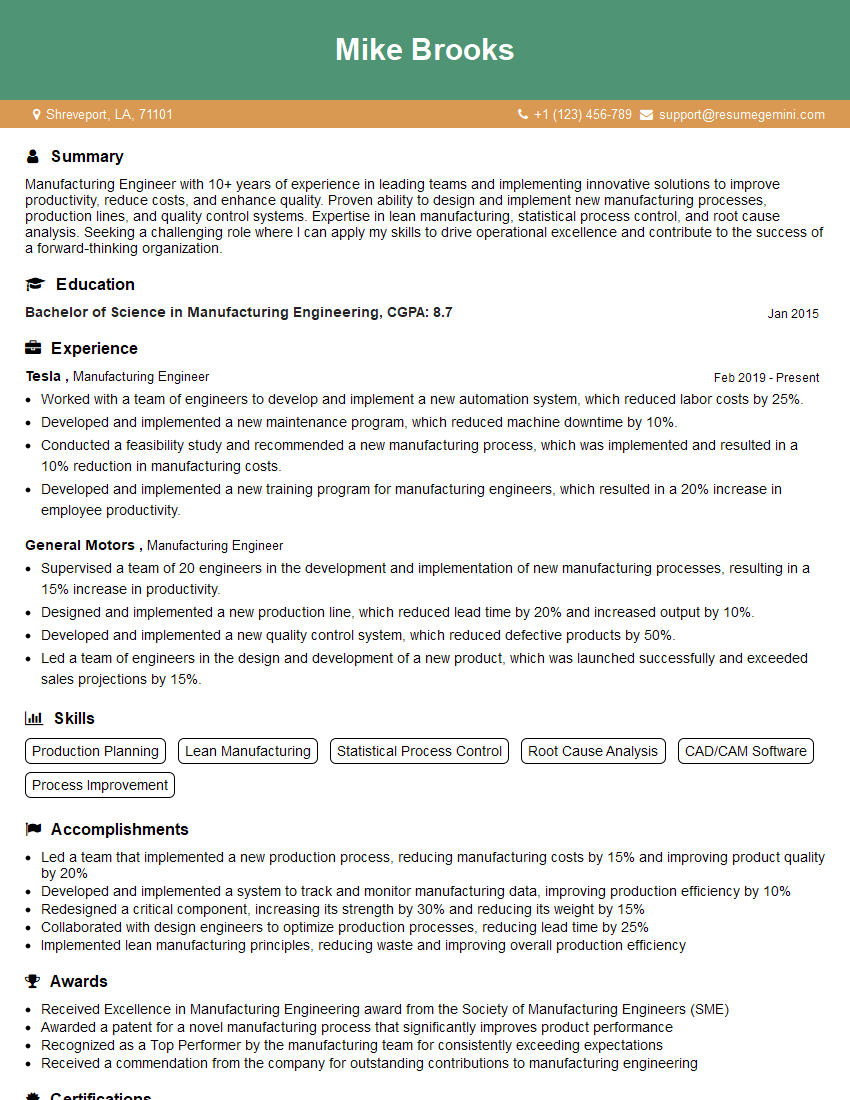
Manufacturing Engineer Resume Sample
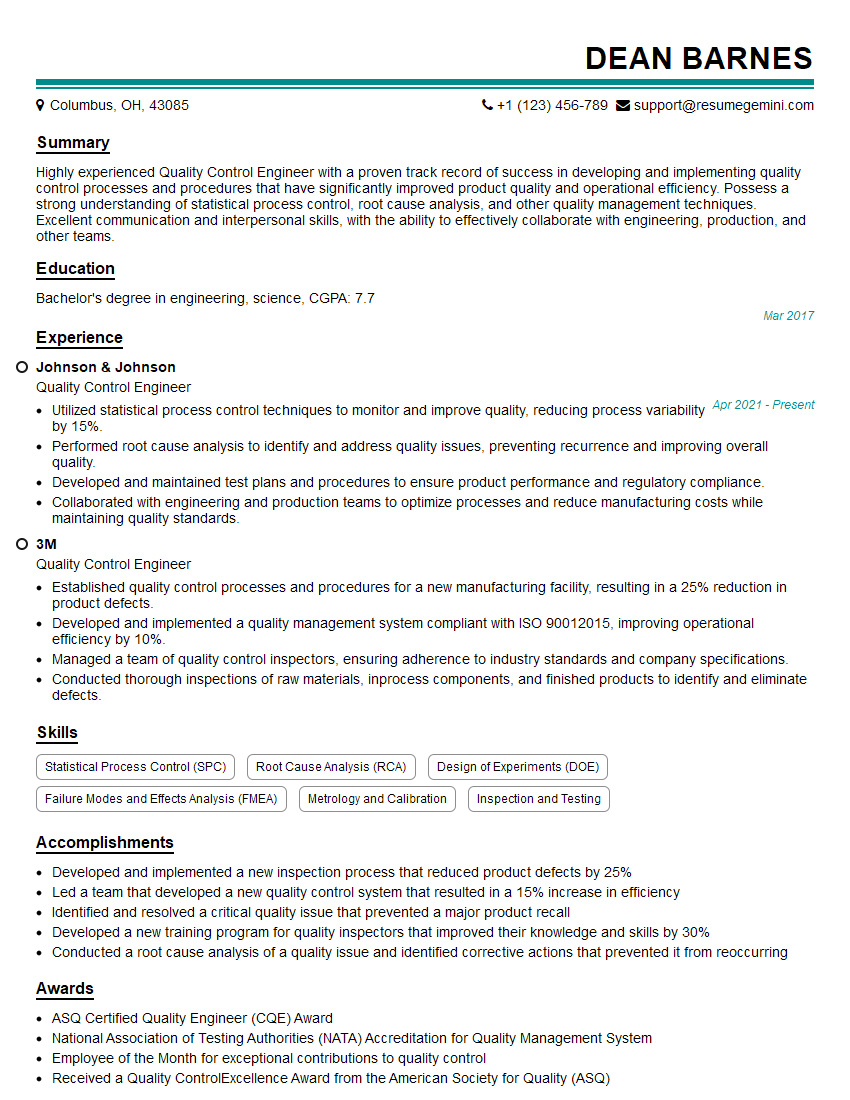
Quality Control Engineer Resume Sample
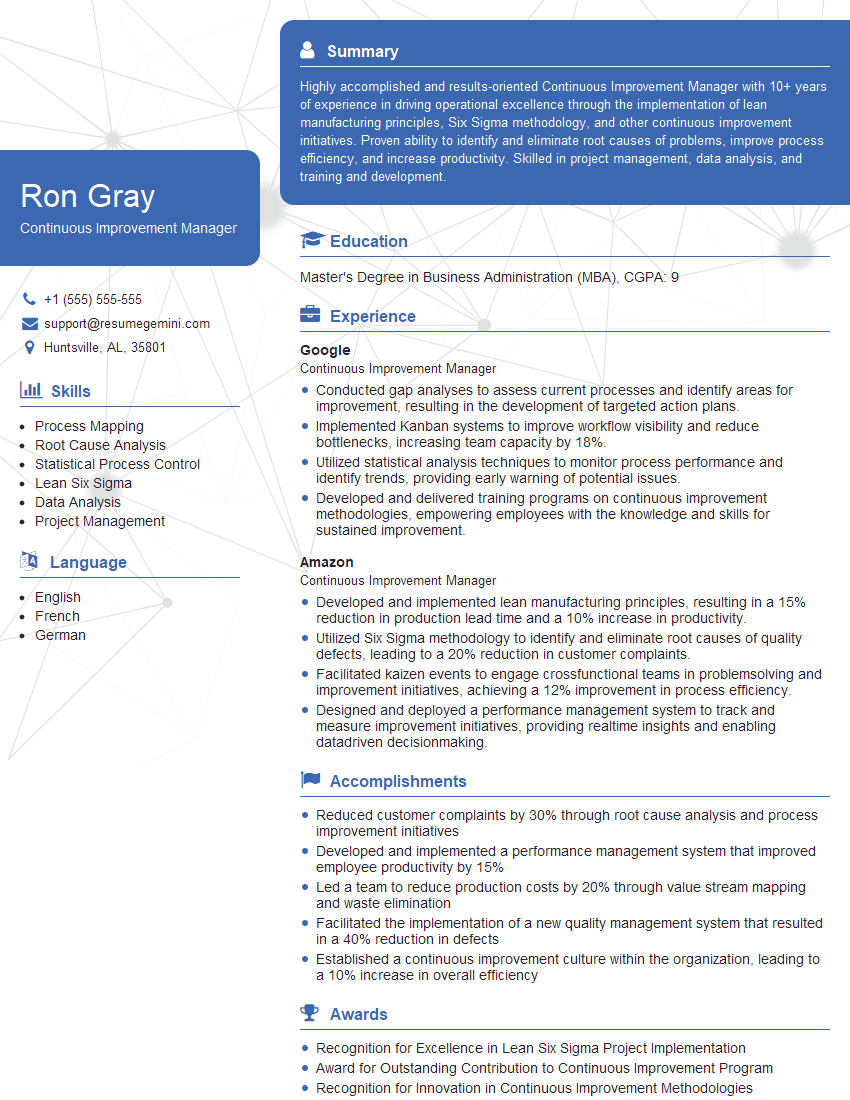
Continuous Improvement Manager Resume Sample
Explore more articles
Users Rating of Our Blogs
Share Your Experience
We value your feedback! Please rate our content and share your thoughts (optional).
What Readers Say About Our Blog
Very informative content, great job.
good