Every successful interview starts with knowing what to expect. In this blog, we’ll take you through the top Expertise in Climate Change and Water Resources Management interview questions, breaking them down with expert tips to help you deliver impactful answers. Step into your next interview fully prepared and ready to succeed.
Questions Asked in Expertise in Climate Change and Water Resources Management Interview
Q 1. Explain the hydrological cycle and its significance in water resource management.
The hydrological cycle, also known as the water cycle, is the continuous movement of water on, above, and below the surface of the Earth. It’s a vital process driving weather patterns and sustaining life. Understanding this cycle is fundamental to effective water resource management.
The cycle involves several key stages: Evaporation (water turning into vapor), Transpiration (water released from plants), Condensation (vapor turning into liquid), Precipitation (rain, snow, etc.), Infiltration (water soaking into the ground), Runoff (water flowing over the land surface), and Groundwater flow (water moving underground).
Significance in Water Resource Management: Knowing how much water is available (precipitation, runoff, groundwater recharge), where it’s located, and how it moves is crucial for managing water supplies sustainably. This involves predicting droughts and floods, planning for irrigation, designing water infrastructure (dams, reservoirs), and allocating water fairly among different users (agriculture, industry, domestic).
For example, analyzing historical rainfall data and runoff patterns allows water managers to design reservoirs with sufficient capacity to meet future demands, even during periods of drought. Similarly, understanding groundwater recharge rates helps prevent over-extraction and depletion of aquifers.
Q 2. Describe different climate change mitigation strategies.
Climate change mitigation strategies aim to reduce greenhouse gas emissions and limit the extent of global warming. These strategies can be broadly categorized into:
- Energy Transition: Shifting from fossil fuels (coal, oil, gas) to renewable energy sources (solar, wind, hydro, geothermal) is crucial. This includes improving energy efficiency, developing smart grids, and investing in carbon capture and storage technologies.
- Sustainable Transportation: Promoting public transport, cycling, walking, and electric vehicles reduces emissions from the transportation sector. Investing in sustainable urban planning that reduces reliance on private vehicles is also key.
- Industrial Decarbonization: Improving energy efficiency in industrial processes, switching to cleaner fuels, and implementing carbon capture and storage technologies are essential for reducing emissions from industry.
- Land Use and Forestry: Protecting and restoring forests (carbon sinks), improving agricultural practices to reduce emissions (e.g., reducing methane from livestock), and promoting sustainable land management are vital.
- Carbon Pricing: Implementing carbon taxes or cap-and-trade systems puts a price on carbon emissions, incentivizing businesses and individuals to reduce their carbon footprint.
Each strategy requires a multi-faceted approach involving policy changes, technological innovation, and behavioral changes. For instance, successful energy transitions require government incentives for renewable energy deployment alongside investments in research and development of new technologies.
Q 3. What are the key impacts of climate change on water resources?
Climate change significantly impacts water resources, leading to a range of challenges:
- Changes in Precipitation Patterns: Increased intensity and frequency of extreme weather events (floods and droughts) disrupt water availability and quality.
- Glacier and Snowpack Melt: Reduced snowpack and glacial melt affect river flows, particularly in downstream areas that rely on glacial meltwater for their water supply.
- Sea Level Rise: Rising sea levels can lead to saltwater intrusion into coastal aquifers, making freshwater sources unusable for drinking and irrigation.
- Increased Evaporation: Higher temperatures increase evaporation rates from reservoirs, lakes, and rivers, reducing water storage capacity.
- Changes in Water Quality: Warmer water temperatures can reduce dissolved oxygen levels, impacting aquatic ecosystems and water quality for human use.
For example, the increased frequency and intensity of droughts in many regions are putting immense stress on water resources, impacting agriculture, human consumption, and ecosystem health. Similarly, sea-level rise threatens coastal communities and ecosystems by reducing freshwater availability and increasing the risk of flooding.
Q 4. How do you assess the vulnerability of a water system to climate change?
Assessing the vulnerability of a water system to climate change involves a multi-step process:
- Identify Key Water Resources and Users: Determine which water resources (surface water, groundwater) are critical and who depends on them (agriculture, industry, municipalities).
- Project Climate Change Impacts: Use climate models to project future changes in precipitation, temperature, and sea level rise in the region.
- Analyze Water System Response: Assess how the water system will respond to these changes. This includes evaluating changes in water availability, water quality, and water demand.
- Identify Vulnerabilities: Determine which parts of the water system are most vulnerable to climate change impacts (e.g., water scarcity in drought-prone areas, flooding in low-lying areas).
- Develop Adaptation Strategies: Based on the vulnerability assessment, develop strategies to adapt to the projected changes (e.g., water storage, drought-resistant crops, improved water efficiency).
For instance, a coastal community heavily reliant on groundwater might be vulnerable to saltwater intrusion due to sea-level rise. A vulnerability assessment would quantify this risk and suggest adaptation strategies, such as constructing barriers or exploring alternative freshwater sources.
Q 5. Explain the concept of water footprint and its importance.
A water footprint represents the total volume of freshwater used to produce the goods and services consumed by a person or a community. It encompasses:
- Blue Water Footprint: Water withdrawn from surface and groundwater sources.
- Green Water Footprint: Water evaporated from soil during crop production.
- Grey Water Footprint: Water polluted by a particular activity.
Importance: Understanding water footprints helps us visualize the hidden water use embedded in our consumption patterns and promotes sustainable water management. It can be used to identify water-intensive products, optimize water use in production processes, and promote water conservation strategies at individual and societal levels. For example, a high water footprint for a particular food product highlights the need for more efficient irrigation techniques or alternative production methods.
Q 6. Describe various water conservation techniques.
Water conservation techniques focus on reducing water use while maintaining essential services. These include:
- Improved Irrigation Efficiency: Implementing drip irrigation, rainwater harvesting, and soil moisture monitoring reduces water loss in agriculture.
- Water-efficient Appliances: Using low-flow showerheads, toilets, and washing machines minimizes domestic water consumption.
- Leak Detection and Repair: Regularly checking for and fixing leaks in pipes and water infrastructure prevents significant water loss.
- Water Recycling and Reuse: Treating wastewater for reuse in irrigation or industrial processes reduces reliance on freshwater sources.
- Public Awareness Campaigns: Educating the public about water conservation practices promotes responsible water use.
For example, implementing rainwater harvesting systems in urban areas can significantly reduce reliance on municipal water supplies, particularly during periods of drought. Similarly, promoting the use of water-efficient appliances can dramatically lower household water consumption.
Q 7. What are the different types of water pollution and their remediation strategies?
Water pollution takes many forms:
- Point Source Pollution: Pollution discharged from a specific location (e.g., industrial wastewater discharge, sewage treatment plant effluent).
- Non-Point Source Pollution: Pollution from diffuse sources (e.g., agricultural runoff, urban stormwater).
Types of Pollutants:
- Organic Pollutants: Sewage, agricultural runoff, industrial waste containing organic matter can deplete oxygen in water bodies.
- Inorganic Pollutants: Heavy metals (lead, mercury), nutrients (nitrogen, phosphorus), salts can be toxic to aquatic life and humans.
- Pathogens: Bacteria, viruses, and parasites from sewage can contaminate water supplies, causing diseases.
Remediation Strategies:
- Wastewater Treatment: Treating wastewater before discharge removes pollutants and reduces its impact on receiving water bodies.
- Best Management Practices (BMPs): Implementing BMPs in agriculture (e.g., buffer strips, cover crops) reduces agricultural runoff.
- Phytoremediation: Using plants to remove or neutralize pollutants from water.
- Bioremediation: Using microorganisms to break down pollutants.
- Sediment Management: Controlling erosion and sediment transport reduces sediment pollution.
For example, the implementation of stricter regulations on industrial wastewater discharge, combined with effective wastewater treatment plants, can significantly improve water quality in rivers and lakes. Similarly, promoting sustainable agricultural practices can reduce nutrient pollution from agricultural runoff.
Q 8. How do you manage water scarcity in arid and semi-arid regions?
Managing water scarcity in arid and semi-arid regions requires a multifaceted approach focusing on both supply augmentation and demand management. Think of it like balancing a budget – you need to increase income (water supply) and reduce expenses (water consumption).
Supply Augmentation: This involves increasing the available water resources. Examples include:
- Rainwater harvesting: Collecting rainwater from rooftops and surfaces for later use. This is particularly effective in areas with infrequent but intense rainfall.
- Groundwater recharge: Artificially replenishing groundwater aquifers through techniques like spreading basins or injection wells. This requires careful monitoring to avoid over-extraction and saltwater intrusion.
- Desalination: Removing salt from seawater to produce freshwater. While effective, this is energy-intensive and costly.
- Water transfer projects: Transporting water from water-rich areas to water-scarce regions. This can have significant environmental and social impacts that need careful consideration.
Demand Management: This focuses on reducing water consumption through efficient use and behavioral changes. Examples include:
- Water-efficient irrigation techniques: Employing drip irrigation or other methods to minimize water waste in agriculture.
- Promoting water-wise landscaping: Using drought-tolerant plants and xeriscaping techniques to reduce residential water needs.
- Public awareness campaigns: Educating the public about the importance of water conservation and providing practical tips on water-saving practices.
- Pricing mechanisms: Implementing water pricing structures that incentivize efficient water use (discussed further in question 5).
Successful water management in these regions often involves a combination of these strategies, tailored to the specific local conditions and societal needs. For instance, a community might prioritize rainwater harvesting and efficient irrigation, while a larger city might need to incorporate desalination alongside public awareness programs.
Q 9. Explain the role of GIS in water resource management.
Geographic Information Systems (GIS) are indispensable tools for water resource management, providing a powerful platform for visualizing, analyzing, and managing spatial data related to water. Think of GIS as a sophisticated map that incorporates vast amounts of information.
Data Integration: GIS allows for the integration of diverse datasets, including hydrological data (river flows, groundwater levels), rainfall patterns, land use, soil types, and population distribution. This integrated view enables a holistic understanding of water resources.
Spatial Analysis: GIS facilitates spatial analysis to identify areas facing water stress, predict future water availability under various climate change scenarios, and model the impact of water management interventions. For example, we can analyze groundwater recharge potential based on soil type and topography.
Visualization and Communication: GIS provides intuitive maps and visualizations that clearly communicate complex water-related information to stakeholders, policymakers, and the public, fostering better collaboration and informed decision-making. A well-designed map can show areas with high water demand, highlighting the need for conservation measures.
Modeling and Simulation: GIS is used in conjunction with hydrological models to simulate the impacts of various water management strategies, allowing for scenario planning and optimization. This might involve simulating the effects of a new dam on downstream water availability.
In practice, GIS supports many aspects of water resource management, from planning and design of new water infrastructure to monitoring water quality and assessing the effectiveness of conservation programs. A GIS-based system can aid in optimizing irrigation scheduling based on real-time soil moisture data, minimizing water waste and increasing crop yields.
Q 10. Discuss the importance of integrated water resource management (IWRM).
Integrated Water Resources Management (IWRM) is a holistic approach to water management that considers all aspects of water use within a given catchment or region. Instead of treating water sectors (agriculture, industry, domestic) in isolation, IWRM emphasizes coordination and collaboration to achieve sustainable and equitable outcomes. It’s like managing a complex orchestra, ensuring all instruments (different water users) play together harmoniously.
Participatory Decision-Making: IWRM involves active participation of all stakeholders, including government agencies, water users, NGOs, and the local community. This ensures that management plans are inclusive and address the needs of all parties.
Long-Term Perspective: IWRM adopts a long-term perspective, considering the ecological, social, and economic impacts of water management decisions across generations. It’s not just about solving immediate problems but securing water for the future.
Ecosystem Considerations: IWRM acknowledges the importance of maintaining healthy aquatic ecosystems. It aims to minimize environmental damage from water extraction, pollution, and alterations to water flow.
Equitable Water Allocation: IWRM strives for equitable allocation of water resources, considering the needs of both humans and the environment. This requires careful balancing of competing demands.
Implementing IWRM often involves establishing inter-agency coordination mechanisms, developing integrated water management plans, and monitoring progress towards sustainability goals. A successful example would be a river basin management plan that coordinates water allocation for agriculture, industry, and ecological needs, while considering the impact of climate change.
Q 11. What are the challenges associated with implementing sustainable water management practices?
Implementing sustainable water management practices faces numerous challenges. These hurdles often intertwine, creating complex obstacles to overcome.
Financial constraints: Investing in sustainable water infrastructure, technologies, and programs requires significant financial resources, particularly in developing countries. Lack of funding can hinder the adoption of efficient irrigation techniques or water treatment facilities.
Institutional and governance challenges: Effective water management requires strong institutional frameworks, clear regulations, and effective enforcement. Weak governance, lack of coordination between agencies, and corruption can undermine sustainability efforts.
Technological limitations: Despite advancements in water technology, some regions lack access to appropriate technologies for water harvesting, treatment, or efficient irrigation. This can be exacerbated by a lack of technical expertise.
Social and cultural factors: Changing deeply ingrained water use practices can be difficult. Resistance to water conservation measures or conflicts over water allocation among different user groups can impede progress. For example, convincing farmers to adopt water-efficient irrigation methods may require extensive education and support.
Climate change impacts: Climate change is exacerbating water scarcity and increasing the frequency and intensity of droughts and floods. This requires adaptive water management strategies that can cope with increased variability in water availability.
Overcoming these challenges requires integrated strategies that involve policy reforms, technological innovation, community engagement, and capacity building. It’s a collaborative effort requiring the commitment of governments, organizations, and individuals.
Q 12. Explain the concept of water pricing and its effectiveness.
Water pricing is a mechanism used to incentivize efficient water use and reflect the true cost of water. Imagine water as any other commodity – its price influences how much we consume. Effective water pricing should balance affordability with sustainability.
Types of Water Pricing:
- Uniform pricing: A fixed price per unit of water, regardless of consumption. This can be simple but doesn’t encourage conservation.
- Block pricing: Different prices per unit of water based on consumption levels. Higher consumption tiers have higher prices, rewarding conservation.
- Incentive-based pricing: Prices vary based on factors like water scarcity or the timing of water use. For instance, higher prices during peak demand periods.
Effectiveness of Water Pricing: Water pricing can be effective in promoting conservation if it is designed carefully and implemented fairly. Factors impacting its effectiveness include:
- Price elasticity of demand: How responsive water consumption is to price changes. Higher elasticity indicates that higher prices will lead to greater conservation.
- Affordability: Prices must be affordable for vulnerable populations. Subsidies or targeted assistance programs may be necessary.
- Transparency and accountability: Clear and transparent pricing structures and mechanisms for revenue use are crucial to build public trust.
- Integration with other water management strategies: Water pricing is most effective when combined with other measures such as public awareness campaigns and infrastructure improvements.
Many countries have implemented various water pricing schemes, with varying degrees of success. Effective implementation requires considering the socioeconomic context and ensuring equity and affordability.
Q 13. How do you evaluate the environmental impact of a water project?
Evaluating the environmental impact of a water project requires a comprehensive assessment that considers potential positive and negative effects across various environmental components. It’s akin to conducting a thorough health check-up for the ecosystem.
Baseline studies: Gathering data on the existing environmental conditions before the project begins is critical to establish a benchmark against which to measure changes.
Impact identification: Identifying potential impacts, both positive (e.g., improved water quality in a downstream area) and negative (e.g., habitat loss due to dam construction), is a key step. This often involves using environmental impact assessment (EIA) methodologies.
Impact assessment: Quantifying and evaluating the magnitude and significance of identified impacts. This may involve modeling tools to predict water flow changes or ecological impacts.
Mitigation measures: Developing and implementing measures to minimize or avoid negative impacts, or enhance positive ones. This might involve constructing fish ladders to maintain fish migration patterns after dam construction.
Monitoring and evaluation: Ongoing monitoring to track environmental changes and evaluate the effectiveness of mitigation measures. This could involve regular water quality testing or ecological surveys.
Environmental Impact Statements (EIS) are often required for large water projects. These documents outline the potential impacts, mitigation strategies, and monitoring plans. Thorough evaluation is crucial to ensuring that the benefits of a water project outweigh its potential environmental costs.
Q 14. Describe different water quality monitoring techniques.
Water quality monitoring involves using various techniques to assess the physical, chemical, and biological characteristics of water. The choice of technique depends on the specific parameters being measured and the desired level of detail. Think of it as a comprehensive health checkup for water.
Physical parameters:
- Temperature: Measured using thermometers or probes.
- Turbidity: Measures the cloudiness of water, indicating sediment or suspended particles, often using turbidimeters.
- Flow rate: Determined using flow meters or weirs.
Chemical parameters:
- pH: Measured using pH meters.
- Dissolved oxygen (DO): Measured using DO meters or chemical methods.
- Nutrient levels (nitrogen, phosphorus): Determined using laboratory analyses.
- Heavy metals: Detected using sophisticated laboratory techniques like atomic absorption spectroscopy.
Biological parameters:
- Microbial analysis: Testing for the presence of bacteria, viruses, and other microorganisms.
- Phytoplankton and zooplankton analysis: Microscopic organisms indicating water quality.
- Macroinvertebrate surveys: Assessing the diversity and abundance of insects and other organisms that are sensitive to pollution.
Data collected through these monitoring techniques are used to assess water quality compliance with regulations, identify pollution sources, and track changes in water quality over time. Regular monitoring is essential to effective water management and protection of aquatic ecosystems.
Q 15. What are the key components of a climate change adaptation plan for water resources?
A robust climate change adaptation plan for water resources needs to be comprehensive, addressing both immediate and long-term challenges. It’s not just about reacting to changes; it’s about proactively managing risks and ensuring water security in a changing climate.
- Improved Water Storage and Management: This includes enhancing existing reservoirs, constructing new ones where feasible and environmentally sound, and improving water conveyance systems to minimize losses. For example, a region anticipating increased droughts might invest in rainwater harvesting infrastructure for agriculture and domestic use.
- Enhanced Water Use Efficiency: Promoting water-efficient irrigation techniques (like drip irrigation), developing drought-resistant crops, and implementing leak detection and repair programs are crucial. Imagine a city implementing smart metering to reduce non-revenue water loss.
- Diversification of Water Sources: Exploring alternative sources like treated wastewater reuse and desalination where appropriate can bolster water security. Coastal communities, for instance, might explore desalination to supplement dwindling groundwater reserves.
- Improved Water Quality Monitoring and Management: Climate change can exacerbate water pollution. Strengthening monitoring programs and implementing effective treatment strategies are crucial for maintaining public health. This involves regular testing of water sources and upgrading wastewater treatment facilities to handle increased runoff carrying pollutants.
- Community Engagement and Education: Educating communities on water conservation, building resilience, and developing early warning systems for droughts or floods is essential for successful adaptation. This involves community workshops and public awareness campaigns.
- Integrated Water Resource Management (IWRM): This holistic approach considers all aspects of water management – quantity, quality, and allocation – within the context of climate change impacts. It involves stakeholders at all levels collaborating to develop strategies.
A successful plan also requires regular monitoring, evaluation, and adaptation – as our understanding of climate impacts improves and as conditions evolve, the plan itself needs to be refined and updated.
Career Expert Tips:
- Ace those interviews! Prepare effectively by reviewing the Top 50 Most Common Interview Questions on ResumeGemini.
- Navigate your job search with confidence! Explore a wide range of Career Tips on ResumeGemini. Learn about common challenges and recommendations to overcome them.
- Craft the perfect resume! Master the Art of Resume Writing with ResumeGemini’s guide. Showcase your unique qualifications and achievements effectively.
- Don’t miss out on holiday savings! Build your dream resume with ResumeGemini’s ATS optimized templates.
Q 16. How do you model the impact of climate change on water availability?
Modeling the impact of climate change on water availability involves using sophisticated computer models that combine climate projections with hydrological processes. These models are complex and require extensive data input.
The process generally involves these steps:
- Climate Projections: We start with climate models (like General Circulation Models or GCMs) that predict future changes in temperature, precipitation, and other climatic variables. These projections usually account for various emission scenarios (e.g., RCPs).
- Hydrological Modeling: We then use hydrological models (like MIKE SHE, SWAT, or HEC-HMS) to simulate the movement of water through the environment. These models consider factors like rainfall, evaporation, infiltration, runoff, and groundwater recharge.
- Integration and Calibration: We integrate climate projections into the hydrological models, effectively feeding the predicted future climate into the simulation of water flow. This requires careful calibration using historical data to ensure the model accurately represents the system.
- Scenario Analysis: We run the model under multiple scenarios – different climate projections, different water management strategies – to evaluate the potential range of impacts. This helps identify the vulnerabilities and risks.
- Impact Assessment: Finally, we analyze the model outputs to assess the impacts of climate change on water availability, such as changes in streamflow, groundwater levels, and reservoir storage. This helps identify areas most at risk and inform adaptation strategies.
For example, we might use a hydrological model to simulate the impact of a projected 20% decrease in rainfall on a river basin’s streamflow, determining potential impacts on water supply for agriculture and urban water use. The model output could provide predictions for both low-flow conditions and the probability of exceeding critical thresholds.
Q 17. Explain the difference between renewable and non-renewable water resources.
The distinction between renewable and non-renewable water resources lies in their replenishment rate relative to human consumption. It’s not about whether they’re literally ‘new’ water, but about how quickly they naturally replenish.
- Renewable Water Resources: These are resources that replenish naturally at a rate faster than or equal to human consumption. Examples include:
- Surface water: Rivers, lakes, and reservoirs. These are replenished by rainfall and snowmelt.
- Groundwater: Water stored underground in aquifers. While groundwater replenishment can be slow, in many regions, it’s sufficient to meet long-term demand, provided extraction rates are sustainable.
- Non-renewable Water Resources: These resources are extracted at a rate that exceeds their natural replenishment. Once depleted, they are effectively gone on human timescales. A key example is:
- Fossil aquifers: These are ancient groundwater sources that accumulated over millennia and are not being replenished at significant rates. Over-extraction leads to irreversible depletion.
It’s important to note that even renewable resources can become effectively non-renewable through unsustainable management practices, such as over-extraction of groundwater leading to aquifer depletion or excessive dam construction altering natural river flow regimes.
Q 18. What are the ethical considerations in water resource management?
Ethical considerations in water resource management are complex and multifaceted, focusing on fairness, sustainability, and environmental justice.
- Equitable Access: Ensuring fair and equitable access to water for all populations, regardless of socioeconomic status, ethnicity, or geographic location, is a fundamental ethical principle. This means addressing issues of water scarcity and ensuring everyone has access to safe and affordable water.
- Intergenerational Equity: We have a moral obligation to conserve water resources for future generations. Unsustainable practices that deplete resources or degrade water quality compromise the ability of future generations to meet their needs.
- Environmental Sustainability: Water management practices must protect and preserve aquatic ecosystems and biodiversity. This includes protecting wetlands, riparian zones, and maintaining healthy river flows, not just focusing on human water use.
- Transparency and Accountability: Water resource management decisions should be transparent and accountable to the public. This involves open access to information, stakeholder participation in decision-making processes, and mechanisms for addressing grievances.
- Balancing Competing Demands: Water resources are often used for multiple purposes (agriculture, industry, domestic use, environment). Ethical management requires a fair and efficient allocation of water to meet these competing demands, often involving difficult trade-offs.
For example, a dam project might provide hydropower and irrigation benefits but also cause ecological damage downstream. An ethical approach necessitates weighing these competing values and finding a balance that minimizes harm while maximizing benefits.
Q 19. How do you communicate complex technical information to non-technical audiences?
Communicating complex technical information to non-technical audiences requires careful planning and a shift in perspective. It’s about translating jargon into plain language, using relatable analogies, and focusing on the ‘so what?’ – the implications for the audience.
- Use simple language: Avoid technical jargon and acronyms. If you must use technical terms, define them clearly.
- Visual aids: Graphs, charts, maps, and images can significantly improve comprehension. A picture is worth a thousand words.
- Analogies and metaphors: Relate technical concepts to everyday experiences. For example, explaining groundwater flow using a sponge analogy can make the concept more accessible.
- Storytelling: Weaving technical information into a narrative can increase engagement and memorability. Case studies and real-world examples can be particularly effective.
- Focus on the impacts: Explain the consequences of climate change or water scarcity in terms relevant to the audience. For example, emphasizing the impacts on food security or economic stability.
- Interactive communication: Involve the audience through questions, discussions, and hands-on activities.
For instance, when explaining the concept of peak water, I’d avoid phrases like ‘hydrological regime shifts’. Instead, I might say something like, ‘Imagine a bathtub slowly filling up with water, then the water stops flowing. That’s what peak water can look like. We might run out of water to fill our needs if we use too much too fast.’
Q 20. Describe your experience with water resource modeling software (e.g., HEC-RAS, MIKE SHE).
I have extensive experience with various water resource modeling software packages, including HEC-RAS and MIKE SHE. My proficiency extends beyond simply running simulations; I understand the underlying hydrological principles and limitations of these tools.
HEC-RAS (Hydrologic Engineering Center’s River Analysis System): I’ve used HEC-RAS extensively for modeling river flows, flood inundation, and hydraulic structures. For instance, I used it in a project to assess the impact of a proposed dam on downstream flooding, generating detailed floodplains and analyzing the changes in water levels under various scenarios. This involved data preprocessing, model calibration using field data, and sensitivity analyses to understand uncertainties.
MIKE SHE (MIKE System Hydrological European): My experience with MIKE SHE involves integrated watershed modeling, encompassing surface and groundwater flow, soil moisture, and other hydrological processes. In a recent project, I used MIKE SHE to evaluate the impacts of climate change on groundwater recharge in an agricultural region. This involved integrating climate projections from GCMs, setting up the model, simulating the groundwater dynamics under different climate scenarios, and analyzing the results to understand the impacts on water availability and irrigation.
Beyond the technical aspects, my expertise includes model setup, data management, calibration and validation techniques, uncertainty analysis, and the interpretation of model outputs to inform decision-making processes.
Q 21. Explain your understanding of climate change policy and regulations.
My understanding of climate change policy and regulations is comprehensive, encompassing international agreements, national legislation, and local ordinances. This involves a keen awareness of their implications for water resource management.
- International Agreements: The Paris Agreement, for example, aims to limit global warming, which directly impacts water resources. My work incorporates understanding the agreement’s goals and how they translate into national and regional policies.
- National Legislation: Many countries have specific laws and regulations pertaining to water resources, including allocation, conservation, and pollution control. I have experience analyzing and applying these regulations in my work.
- Water Rights and Allocation: I understand the complex legal frameworks governing water rights and allocation in different jurisdictions. This includes navigating issues of water sharing, prior appropriation, and riparian rights.
- Environmental Regulations: I’m familiar with environmental laws and regulations that protect water quality, such as the Clean Water Act (in the US) or the EU Water Framework Directive. My projects integrate these regulations to ensure environmentally sound water management.
- Adaptation and Mitigation Policies: I understand the different approaches to climate change adaptation and mitigation, and how these translate into water resource policies. This includes promoting water-efficient technologies, implementing drought management strategies, and investing in climate-resilient infrastructure.
For example, I’ve assisted clients in navigating permit applications under the Clean Water Act, ensuring compliance with water quality standards and minimizing environmental impacts of water resource projects.
Q 22. How do you prioritize competing water demands?
Prioritizing competing water demands requires a multifaceted approach that balances economic, social, and environmental considerations. It’s not simply about who shouts loudest, but rather a careful weighing of various factors using a robust framework. This often involves a process that includes:
- Defining the demands: Clearly identify all users and their water needs (e.g., agriculture, industry, domestic use, ecosystem needs). Quantify these demands using reliable data.
- Assessing water availability: Determine the total available water resources, considering seasonal variations, and potential impacts of climate change. This may involve hydrological modeling and forecasting.
- Applying a prioritization framework: This could involve a cost-benefit analysis, a multi-criteria decision analysis (MCDA) incorporating various weights for different criteria (e.g., economic value, social equity, ecological importance), or even a water rights framework based on legal precedence. For example, in times of severe drought, providing water for drinking and sanitation might be prioritized over agriculture.
- Stakeholder engagement: Crucial for transparency and acceptance of the prioritization decisions. Negotiations and compromises are often necessary.
- Adaptive management: Regular monitoring and evaluation of the allocation strategy are critical, as water availability and demands can change over time.
For example, in a region facing water scarcity, prioritizing water for human consumption over industrial use is often justifiable, even if the economic impact on industries is significant. This decision should be transparent and accompanied by plans to support affected industries in adapting to water restrictions.
Q 23. Describe your experience with stakeholder engagement in water resource projects.
Stakeholder engagement is paramount in successful water resource projects. My experience includes facilitating workshops, conducting surveys, and organizing community meetings to gather input from diverse groups, including farmers, industrial representatives, community leaders, and environmental organizations. I’ve worked with both collaborative and adversarial stakeholders, employing different communication strategies accordingly.
In one project, we used a participatory GIS (Geographic Information System) approach to map water resource use and identify areas of conflict. This visualization tool allowed all stakeholders to see the data and engage in a more informed and productive discussion. In another instance, a contentious situation was successfully addressed by creating a transparent decision-making process, ensuring all parties had the opportunity to voice their concerns and present their evidence. Building trust and fostering open communication, I’ve found, is key to resolving conflicts and facilitating collaborative solutions. Mediation skills and careful consideration of the concerns and perspectives of each stakeholder proved to be essential in achieving positive outcomes.
Q 24. What are the key indicators used to assess the health of a water body?
Assessing the health of a water body involves analyzing a range of physical, chemical, and biological indicators. These indicators provide a holistic picture of the water body’s condition and its ability to support aquatic life. Key indicators include:
- Physical indicators: Water temperature, turbidity (cloudiness), flow rate, depth, and sediment load.
- Chemical indicators: Dissolved oxygen (DO) levels, pH, nutrient concentrations (nitrogen and phosphorus), presence of pollutants (heavy metals, pesticides), salinity, and dissolved solids.
- Biological indicators: Presence and abundance of specific aquatic plants and animals (bioindicators), which reflect the overall health of the ecosystem. For instance, the presence of certain algae species can indicate high nutrient levels (eutrophication).
These indicators are often assessed using indices such as the Biological Monitoring Working Party (BMWP) score, which uses the presence and abundance of invertebrate species to assess river quality. Data is collected at regular intervals, allowing for trends to be identified and the effectiveness of management strategies to be evaluated.
Q 25. How do you manage conflicts over water resources?
Managing conflicts over water resources requires a combination of technical expertise, negotiation skills, and a deep understanding of the social and political context. The approach should be collaborative and aim to find solutions that are equitable and sustainable.
- Mediation and Negotiation: Facilitating dialogue among conflicting parties to identify common goals and explore compromise solutions.
- Legal Frameworks: Understanding and applying relevant water laws and regulations to resolve disputes.
- Water Allocation Planning: Developing transparent and equitable water allocation plans based on scientific data and stakeholder input.
- Conflict Resolution Techniques: Employing techniques such as collaborative problem-solving, mediation, and arbitration to resolve disputes peacefully.
- Capacity Building: Empowering stakeholders with the knowledge and skills to manage water resources sustainably and collaboratively.
A good example is the use of water banks, where farmers with excess water can sell it to those who have a shortage. This promotes efficiency and equity in water use. Furthermore, promoting Integrated Water Resource Management (IWRM) fosters a holistic approach, considering all users and ecological needs.
Q 26. Explain the role of technology in improving water resource management.
Technology plays a crucial role in improving water resource management, enhancing efficiency, and addressing challenges related to data collection, analysis, and decision-making. Examples include:
- Remote Sensing and GIS: Satellites and aerial imagery provide valuable data on water availability, land use, and environmental changes. GIS systems help visualize and analyze this data, assisting in planning and decision-making.
- Smart Sensors and IoT: Real-time monitoring of water quality and quantity using sensors deployed in rivers, lakes, and reservoirs. This data can be transmitted wirelessly for immediate analysis and action.
- Hydrological Modeling: Sophisticated computer models simulate water flow, predict future scenarios, and evaluate the impacts of different management strategies.
Example: SWAT (Soil and Water Assessment Tool) - Water Accounting and Management Systems: Software tools track water use, assess efficiency, and identify areas for improvement.
- Precision Irrigation Technologies: Technologies like drip irrigation optimize water use in agriculture, minimizing waste and enhancing efficiency.
Integrating these technologies enables data-driven decision-making, more effective water allocation, and improved water resource sustainability.
Q 27. How do you assess the economic viability of a water project?
Assessing the economic viability of a water project requires a thorough cost-benefit analysis (CBA) that considers both direct and indirect costs and benefits. This involves:
- Estimating Costs: Identifying all costs involved, including infrastructure development, operation and maintenance, environmental monitoring, and potential compensation for affected parties. This can include upfront capital costs as well as ongoing operational expenses.
- Quantifying Benefits: Estimating the economic benefits of the project, such as increased agricultural production, improved water supply for domestic and industrial use, enhanced ecosystem services, and avoided damages from water scarcity.
- Discounting: Adjusting future benefits and costs to their present-day value, to account for the time value of money.
- Sensitivity Analysis: Assessing the impact of uncertainties in cost and benefit estimates on the overall economic viability of the project. This is vital because estimating future water demand and prices, for example, can be uncertain.
- Environmental and Social Cost-Benefit Analysis: While traditional CBA focuses on economic benefits, it is crucial to also factor in the wider societal and environmental impacts to ensure true sustainability.
The CBA will produce a net present value (NPV) that indicates whether the project is economically viable. A positive NPV suggests the project’s benefits outweigh its costs.
Q 28. Describe your experience with data analysis and interpretation in the context of water resources.
My experience with data analysis and interpretation in water resources is extensive. I’m proficient in statistical software packages such as R and Python, as well as GIS software. My work often involves:
- Data Collection and Cleaning: Gathering data from various sources, including hydrological monitoring stations, water quality labs, and remote sensing platforms, and cleaning this data to ensure accuracy and consistency.
- Statistical Analysis: Using statistical methods to analyze trends, patterns, and correlations in water-related data. For instance, I might use time series analysis to predict future water availability or regression analysis to identify factors influencing water quality.
- Hydrological Modeling: Using hydrological models to simulate water flow and predict the impacts of climate change and other stressors.
- Spatial Analysis: Using GIS techniques to analyze the spatial distribution of water resources and identify areas of vulnerability.
- Data Visualization: Presenting findings in clear and concise ways using graphs, charts, and maps to communicate complex information effectively to both technical and non-technical audiences.
A recent project involved analyzing long-term rainfall data to assess the impacts of climate change on water availability in a specific catchment. Using statistical methods and hydrological modelling, I could demonstrate how rainfall patterns have changed over time and predict future scenarios, aiding in developing effective water management strategies.
Key Topics to Learn for Expertise in Climate Change and Water Resources Management Interview
- Climate Change Impacts on Water Resources: Understanding the multifaceted effects of climate change on hydrological cycles, including changes in precipitation patterns, increased frequency and intensity of extreme weather events (droughts, floods), and rising sea levels. Consider the implications for water availability, quality, and ecosystem health.
- Water Resource Management Strategies: Explore various strategies for sustainable water management, such as integrated water resources management (IWRM), water conservation techniques, water reuse and recycling, and drought preparedness and mitigation plans. Be prepared to discuss the practical application of these strategies in different contexts.
- Hydrological Modeling and Analysis: Familiarize yourself with hydrological modeling techniques and their application in assessing water availability, predicting future water demands, and evaluating the effectiveness of different management strategies. Understanding data analysis and interpretation is crucial.
- Water Quality Management: Discuss the sources and impacts of water pollution, methods for water quality monitoring and assessment, and strategies for pollution control and remediation. This includes understanding the impact of climate change on water quality.
- Climate Change Adaptation and Mitigation: Explore strategies for adapting to the impacts of climate change on water resources, such as developing drought-resistant crops, implementing water-efficient irrigation systems, and improving water infrastructure resilience. Discuss mitigation strategies to reduce greenhouse gas emissions related to water management.
- Policy and Governance: Understand the role of policy and governance in water resources management, including water allocation, water rights, and environmental regulations. Be prepared to discuss relevant international agreements and national policies.
- Stakeholder Engagement and Communication: Effective communication and collaboration with stakeholders (e.g., communities, government agencies, businesses) are essential for successful water resource management. Prepare to discuss strategies for effective engagement and conflict resolution.
Next Steps
Mastering Expertise in Climate Change and Water Resources Management opens doors to impactful careers in environmental consulting, government agencies, research institutions, and the private sector. To maximize your job prospects, creating a strong, ATS-friendly resume is paramount. ResumeGemini is a trusted resource that can help you build a professional resume that highlights your skills and experience effectively. Examples of resumes tailored to Expertise in Climate Change and Water Resources Management are available to guide you through the process. Take the next step towards your dream career today!
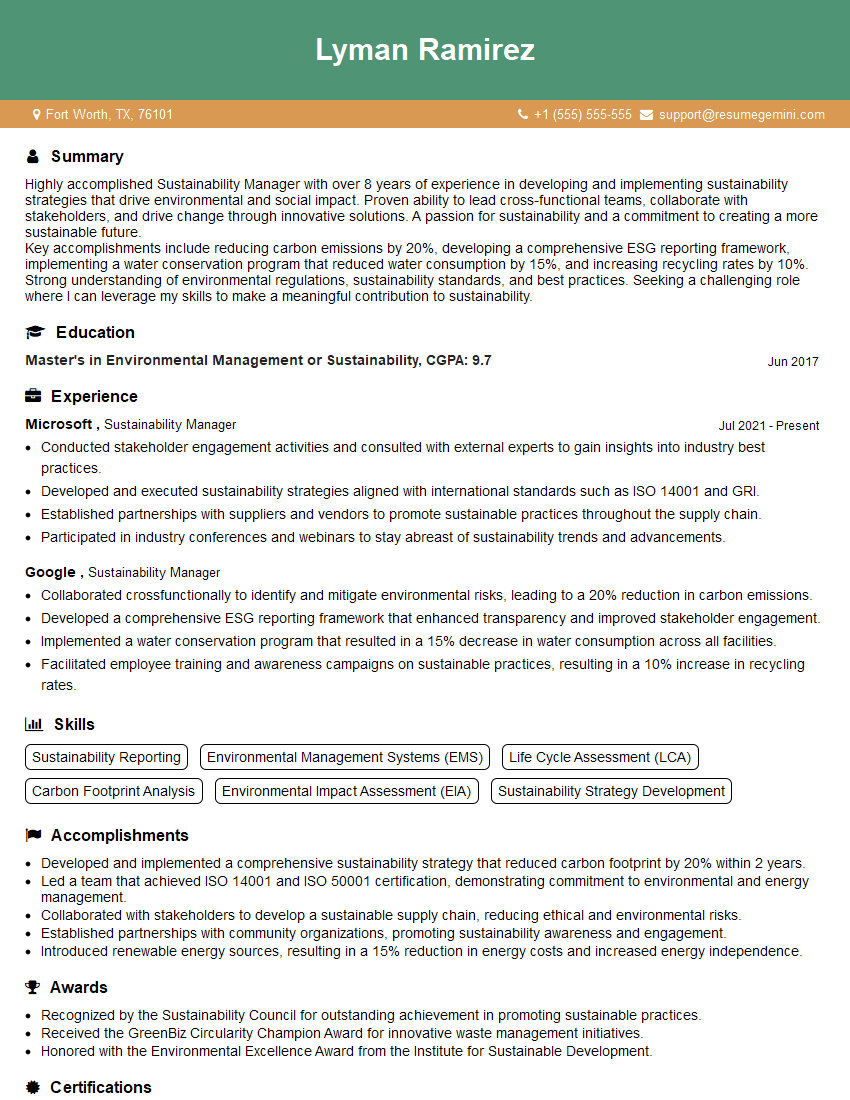
Sustainability Manager Resume Sample
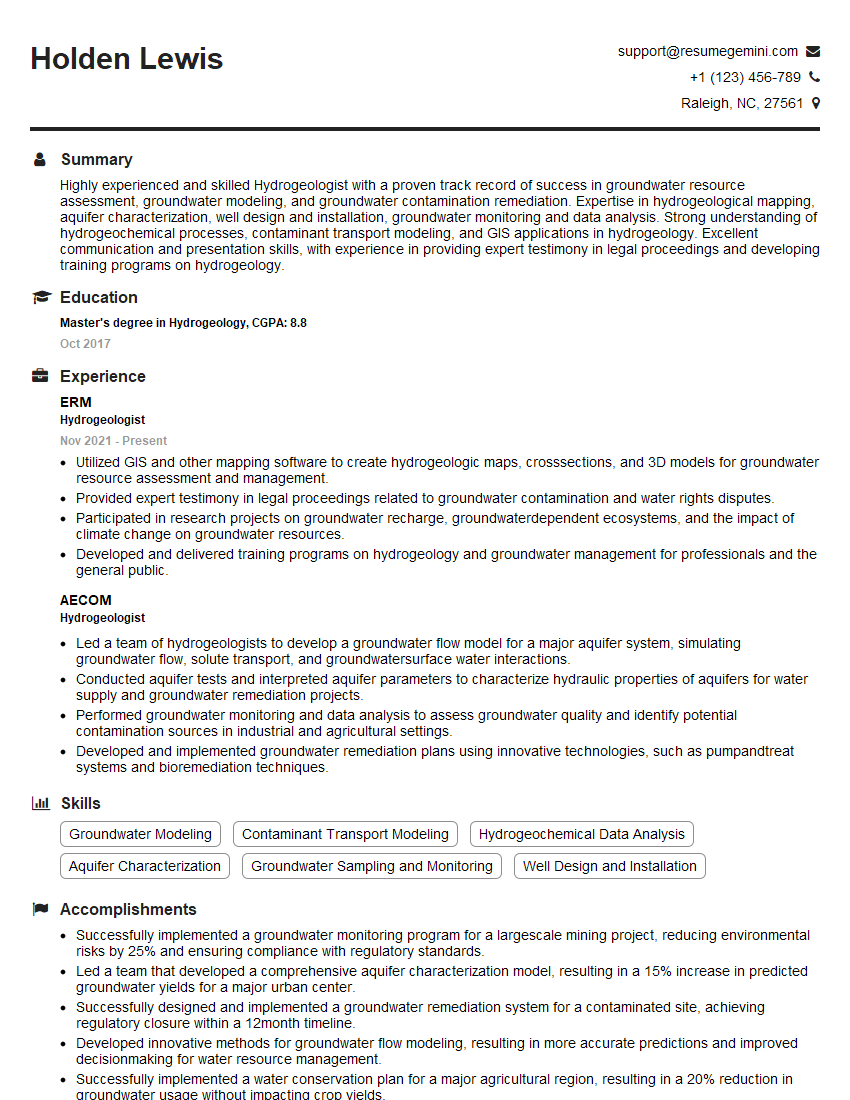
Hydrogeologist Resume Sample
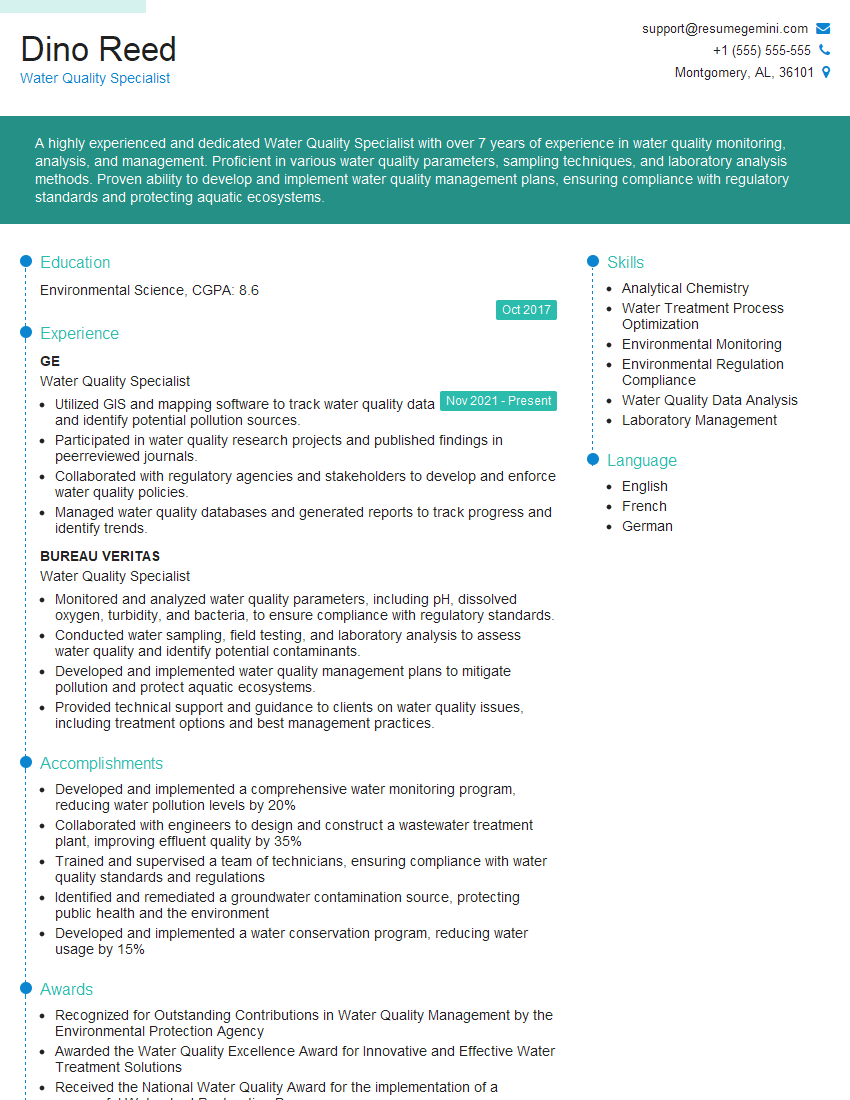
Water Quality Specialist Resume Sample
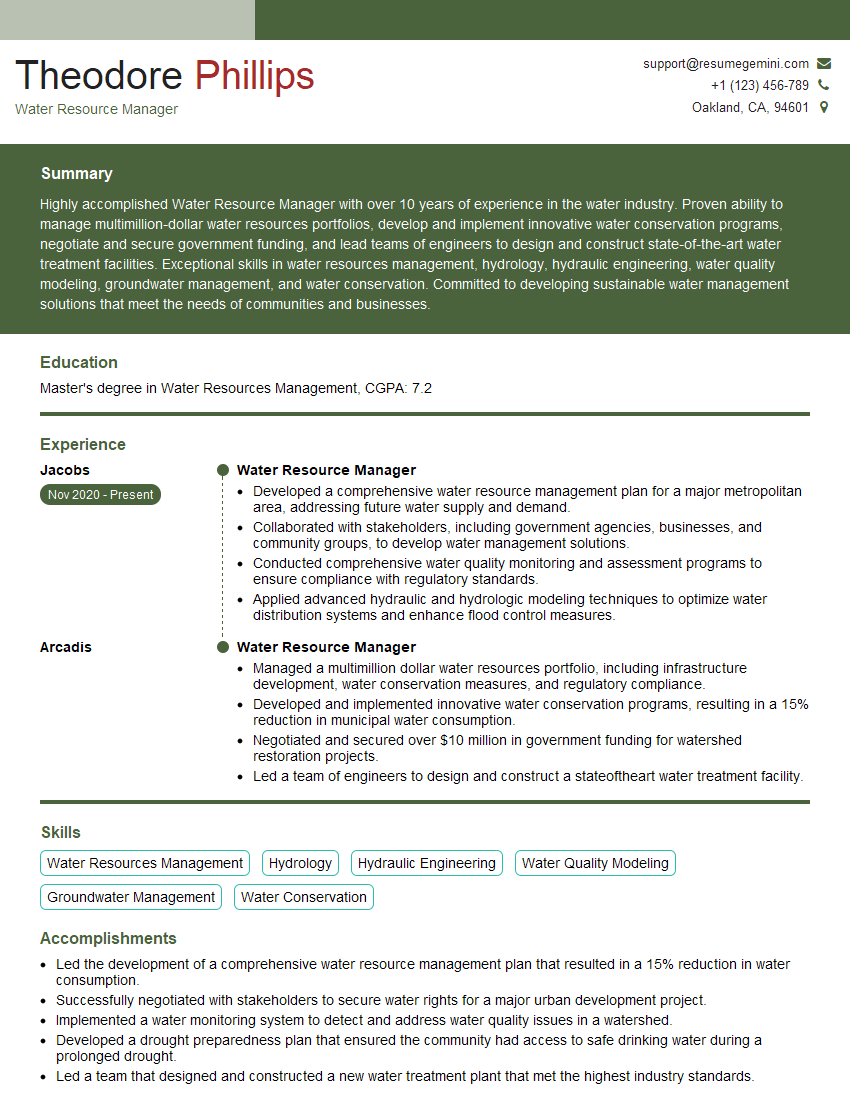
Water Resource Manager Resume Sample

Sustainability Consultant Resume Sample
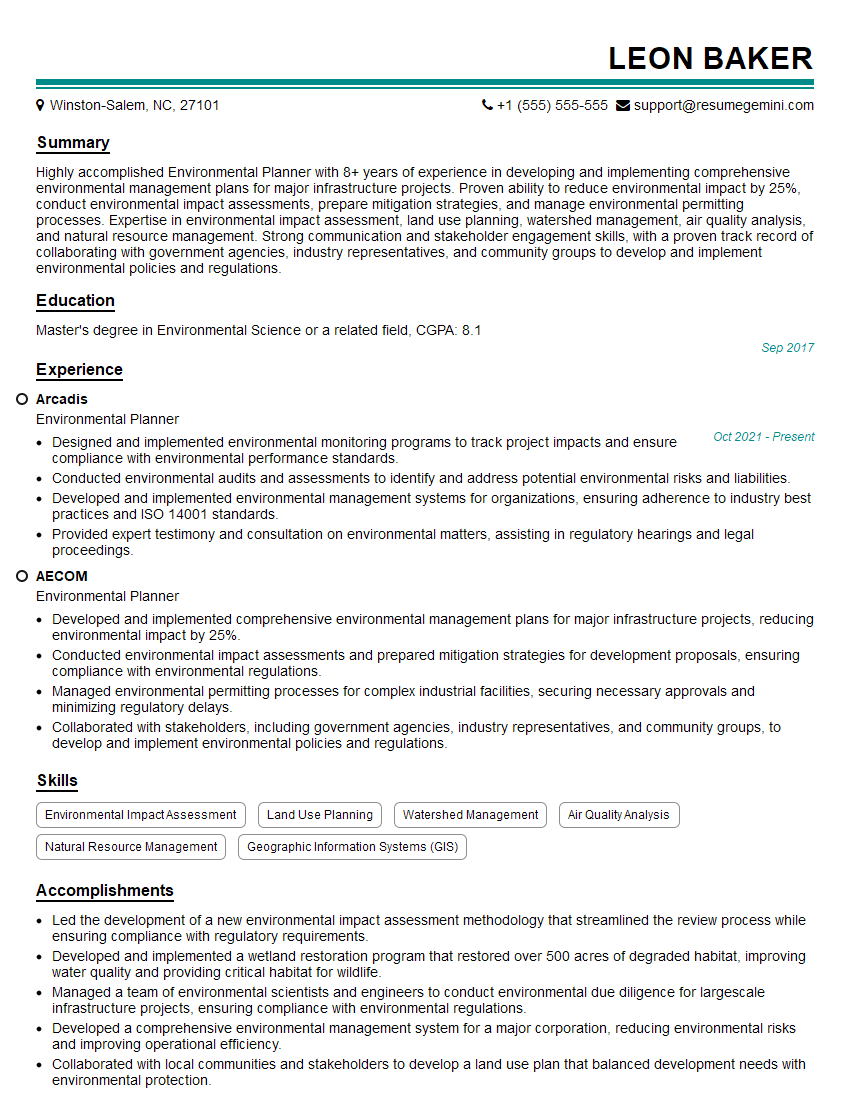
Environmental Planner Resume Sample
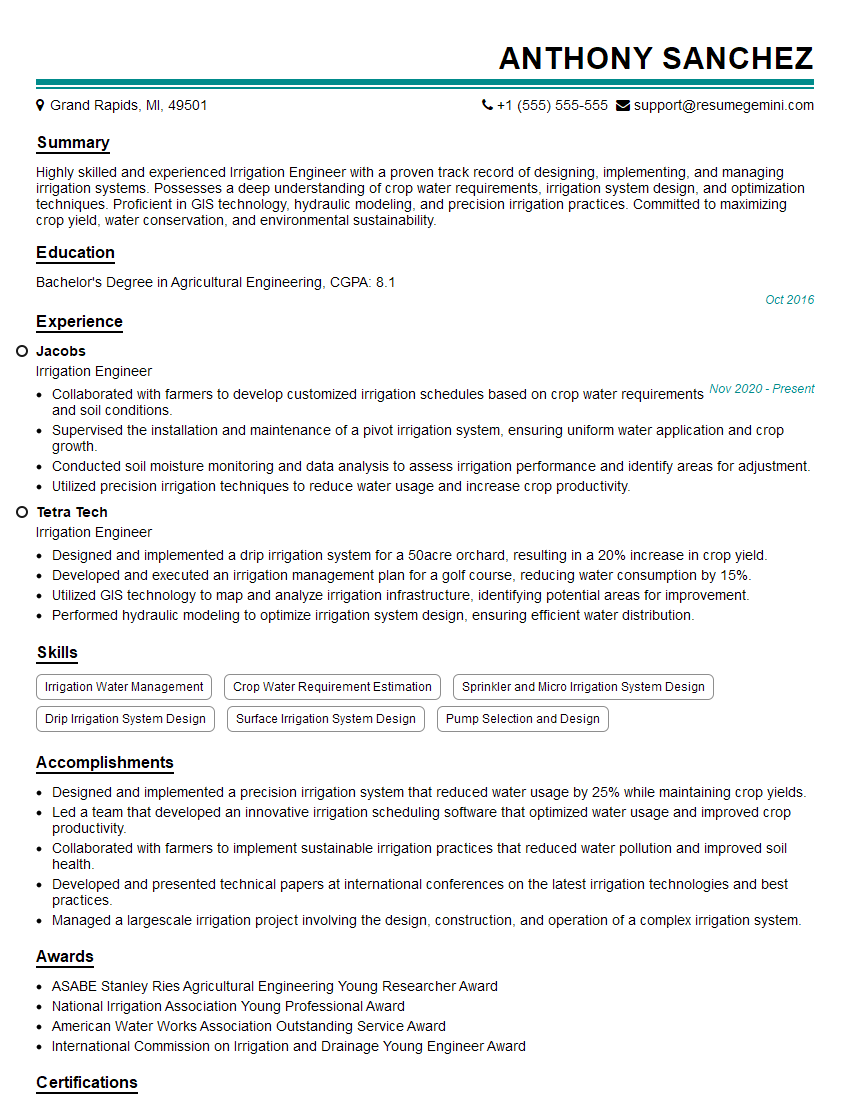
Irrigation Engineer Resume Sample
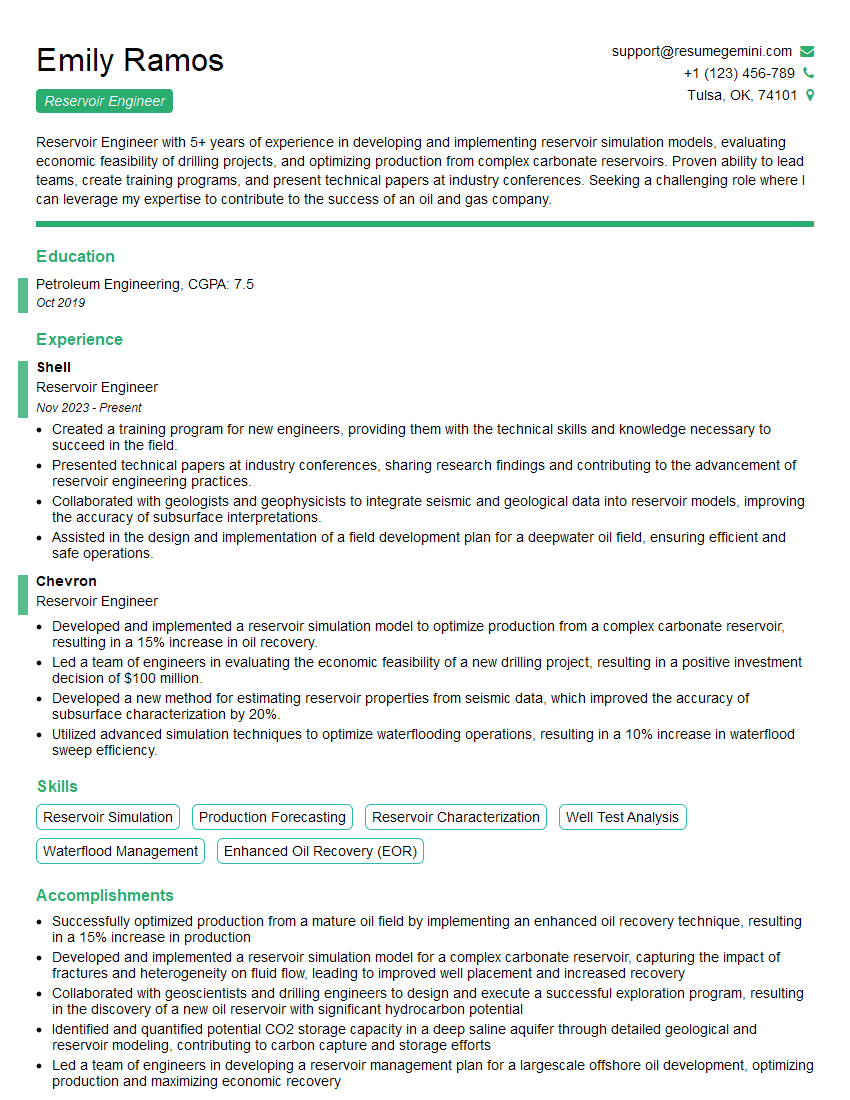
Reservoir Engineer Resume Sample
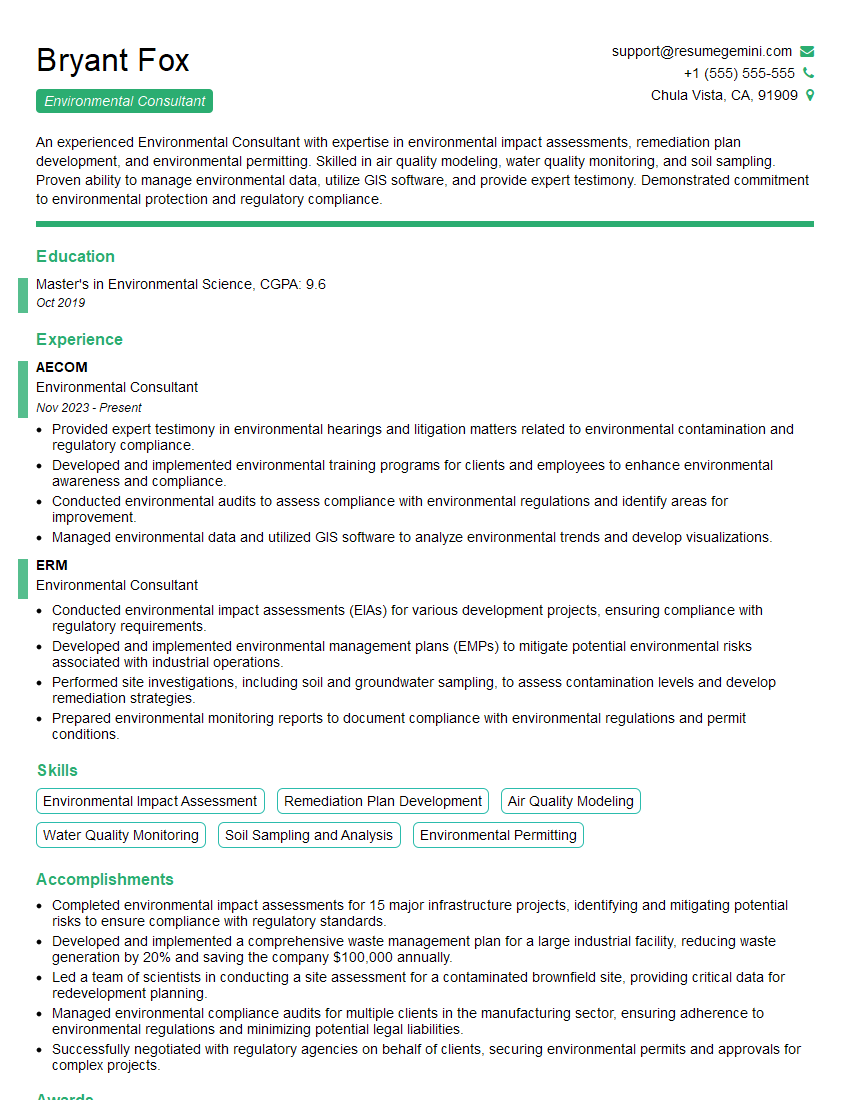
Environmental Consultant Resume Sample
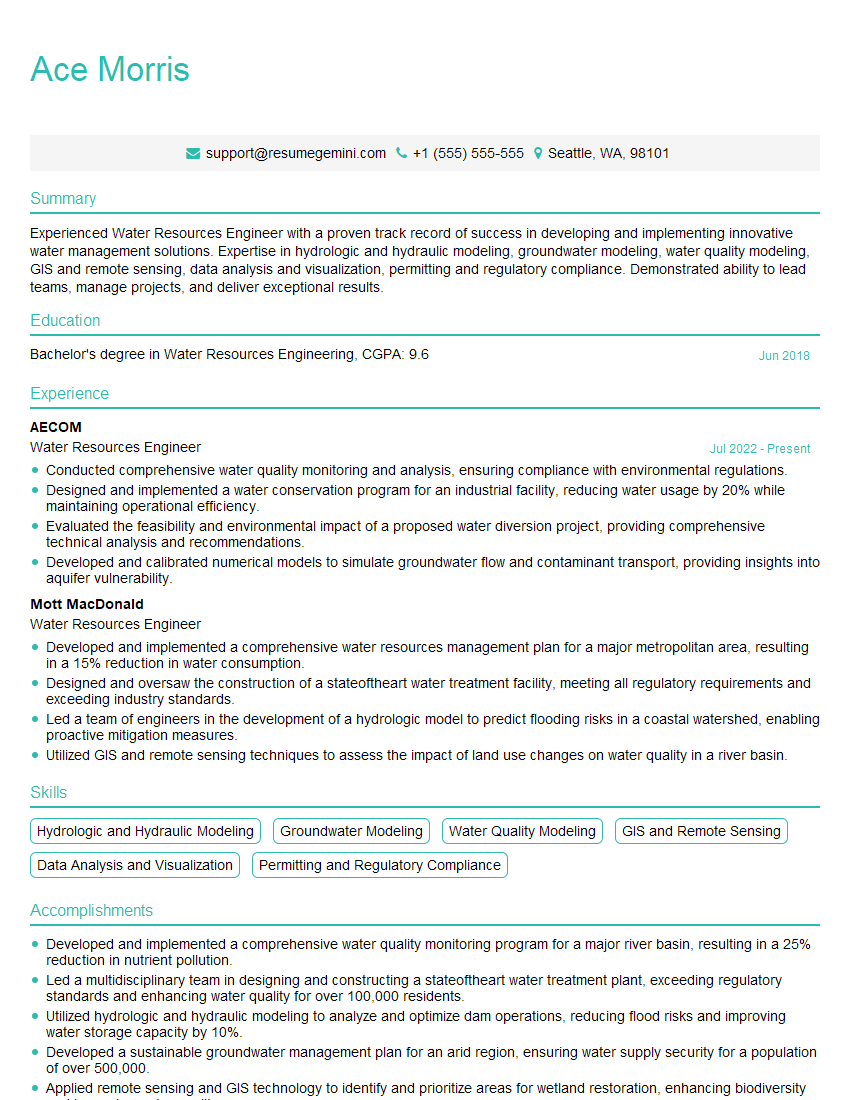
Water Resources Engineer Resume Sample
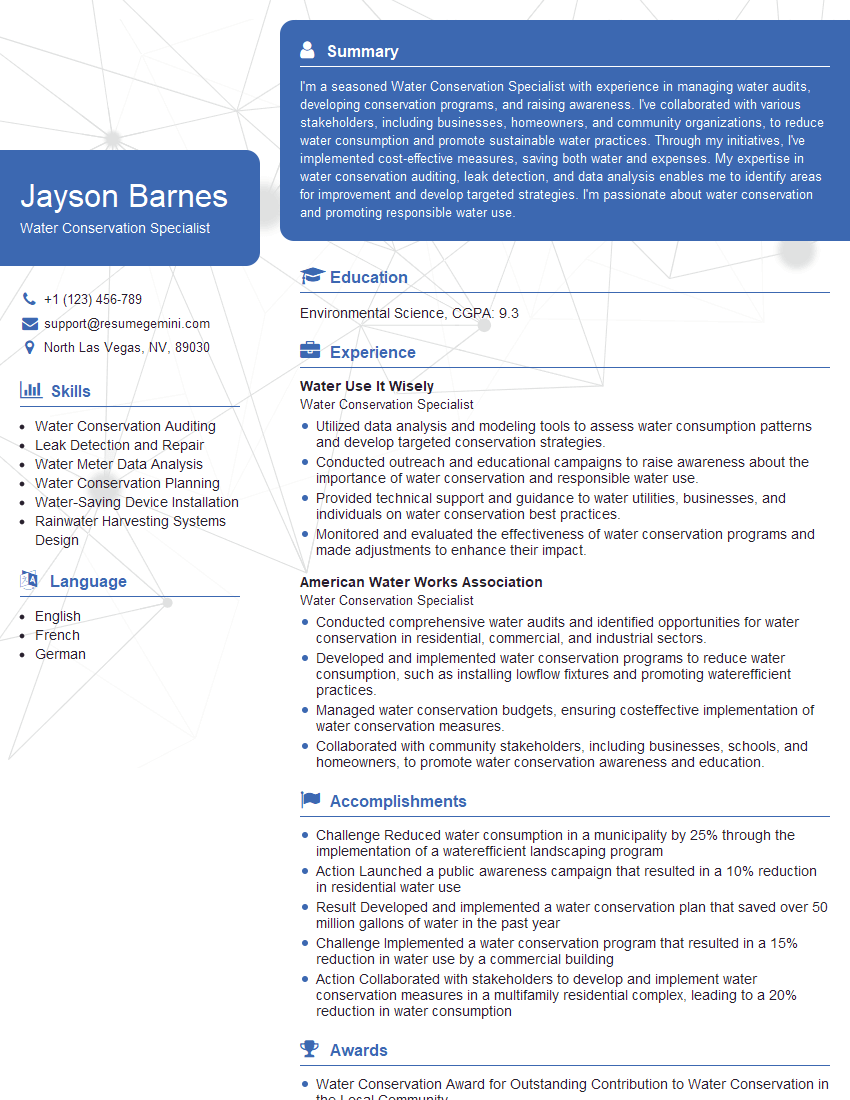
Water Conservation Specialist Resume Sample
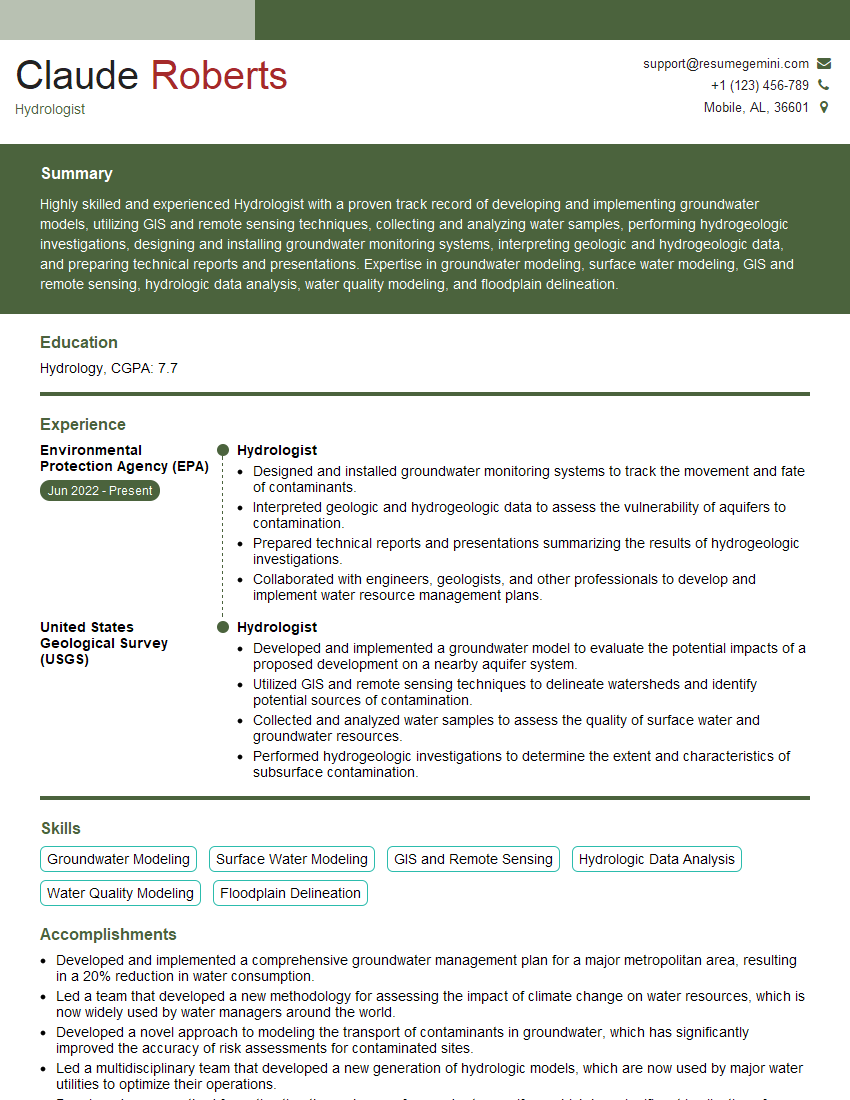
Hydrologist Resume Sample
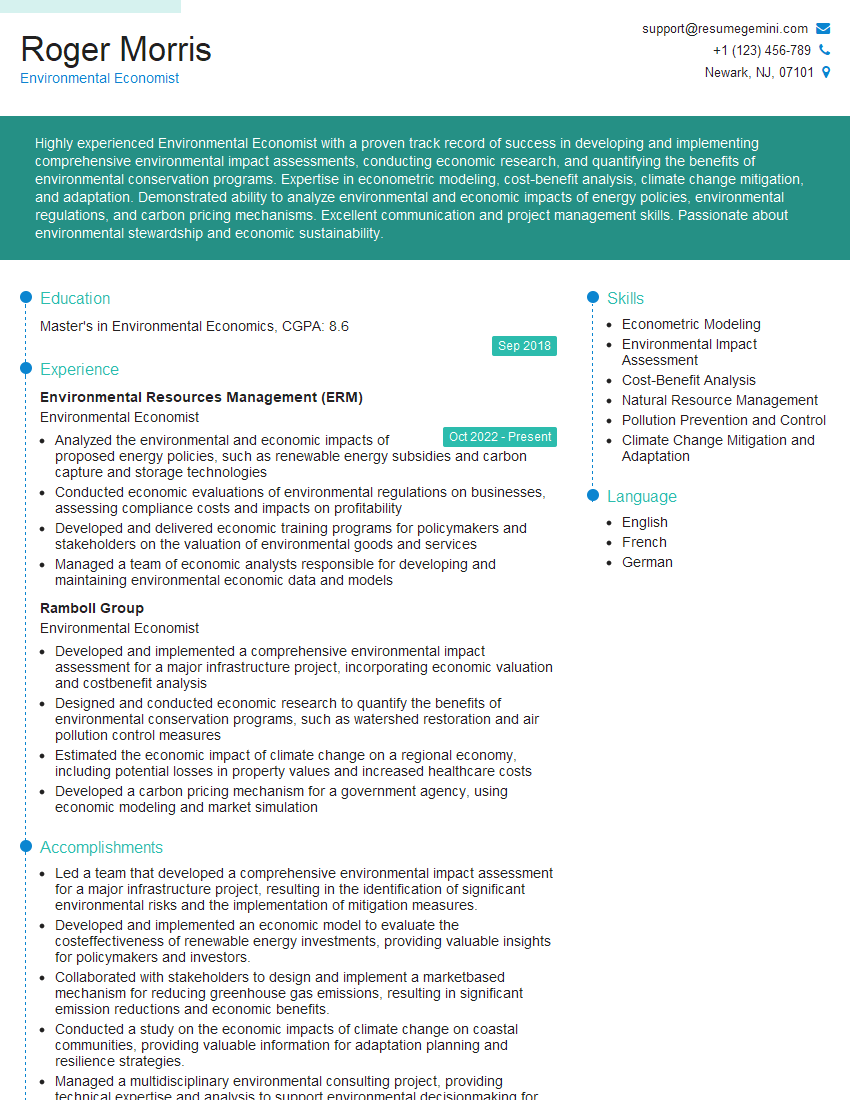
Environmental Economist Resume Sample
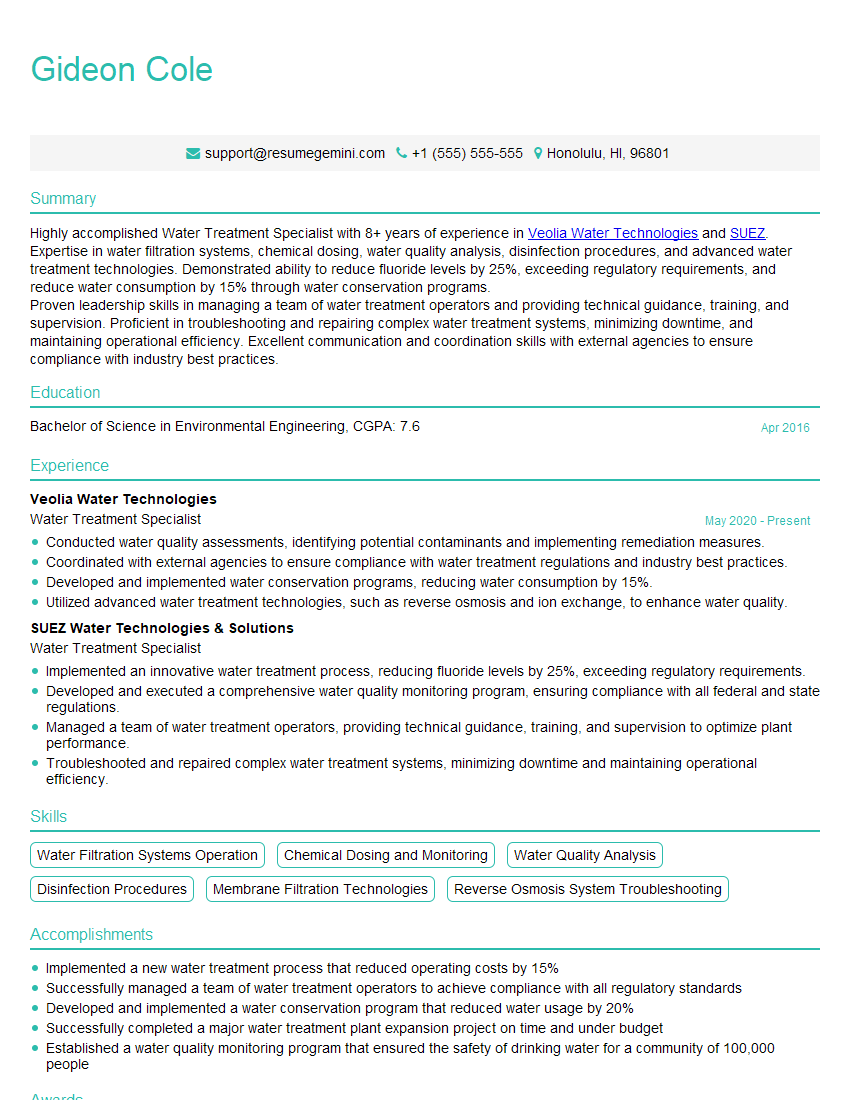
Water Treatment Specialist Resume Sample
- Sustainability Manager
- Hydrogeologist
- Water Quality Specialist
- Water Resource Manager
- Sustainability Consultant
- Environmental Planner
- Irrigation Engineer
- Reservoir Engineer
- Environmental Consultant
- Water Resources Engineer
- Water Conservation Specialist
- Hydrologist
- Environmental Economist
- Water Treatment Specialist
Explore more articles
Users Rating of Our Blogs
Share Your Experience
We value your feedback! Please rate our content and share your thoughts (optional).
What Readers Say About Our Blog
Very informative content, great job.
good