Cracking a skill-specific interview, like one for Expertise in commercial construction, requires understanding the nuances of the role. In this blog, we present the questions you’re most likely to encounter, along with insights into how to answer them effectively. Let’s ensure you’re ready to make a strong impression.
Questions Asked in Expertise in commercial construction Interview
Q 1. Describe your experience managing commercial construction projects from inception to completion.
My experience in managing commercial construction projects spans over 15 years, encompassing all phases from initial concept and design development through to final completion and client handover. I’ve overseen projects ranging from small-scale renovations to large-scale multi-million dollar developments, including office buildings, retail spaces, and industrial facilities. My approach is highly collaborative, involving close communication with architects, engineers, subcontractors, and clients to ensure alignment on goals and timelines throughout the entire project lifecycle. I’ve successfully navigated complex challenges, including unexpected site conditions, regulatory hurdles, and budgetary constraints, always prioritizing efficient resource management and on-time delivery. For example, on a recent office tower project, we faced unforeseen delays due to subsurface utility conflicts. By proactively engaging with the utility companies and implementing a revised sequencing plan, I was able to mitigate the delays and keep the project within the overall timeline, minimizing cost overruns.
- Inception: This involves detailed review of project plans, securing necessary permits and approvals, and assembling the project team.
- Construction: This phase encompasses site preparation, foundation work, framing, MEP (Mechanical, Electrical, Plumbing) installation, interior finishes, and commissioning.
- Completion: This includes final inspections, client walkthroughs, addressing punch list items, and official project closeout.
Q 2. Explain your process for developing a project budget and schedule.
Developing a robust project budget and schedule is crucial for success. My process begins with a thorough analysis of the project plans, specifications, and scope of work. This involves detailed quantity takeoffs, which are then used to estimate material costs, labor costs, and equipment costs. I utilize various cost estimating software to refine these estimates and account for contingencies. The schedule is developed using critical path method (CPM) scheduling software, identifying key milestones and dependencies between tasks. This allows us to visualize the project timeline and identify potential bottlenecks early on. Regular updates and revisions to both the budget and schedule are essential throughout the project lifecycle to reflect any changes or unforeseen circumstances. For instance, on a recent retail development project, we utilized BIM (Building Information Modeling) software to create a 4D model (combining 3D model with time) to simulate the construction process and identify potential clashes or conflicts, allowing us to optimize the schedule and mitigate potential delays.
Q 3. How do you handle unexpected cost overruns or schedule delays on a commercial project?
Cost overruns and schedule delays are inevitable in commercial construction. My approach to managing them involves proactive risk mitigation, thorough documentation, and effective communication. When an overrun or delay occurs, I immediately initiate a thorough investigation to identify the root cause. This might involve reviewing change orders, assessing the impact of unforeseen site conditions, or analyzing subcontractor performance. Once the cause is identified, I develop a comprehensive mitigation plan involving potential solutions, cost-benefit analysis, and communication with the client to secure necessary approvals. For example, on a recent project, a significant delay occurred due to inclement weather. We proactively communicated this to the client, provided regular updates, and explored options such as expedited work and potential schedule adjustments to minimize the overall impact. Open and honest communication with all stakeholders is paramount in navigating these challenges successfully.
Q 4. What are your preferred methods for managing project risk?
Project risk management is a continuous process. My approach employs a multi-faceted strategy: Firstly, proactive risk identification involves brainstorming potential issues (e.g., material shortages, labor disputes, weather delays) during the planning phase. Secondly, risk assessment quantifies the likelihood and potential impact of each risk. Thirdly, risk response planning develops strategies to mitigate, transfer, avoid, or accept each risk, based on its severity and feasibility of control. This may involve securing alternative material sources, negotiating contracts with subcontractors containing clear performance clauses, or procuring appropriate insurance coverage. For example, on a project in a seismically active zone, we incorporated advanced seismic design elements and procured specialized earthquake insurance to minimize risk related to potential seismic events.
Q 5. Describe your experience with different types of commercial construction contracts (e.g., lump sum, cost-plus).
I have extensive experience with various commercial construction contracts. Lump sum contracts are advantageous for fixed-price certainty, but require detailed upfront planning and potentially limit flexibility. Cost-plus contracts provide more flexibility to accommodate changes, but require rigorous cost control and transparent accounting. I’ve also worked with Guaranteed Maximum Price (GMP) contracts, which offer a balance between the two. My selection of contract type depends on the project’s complexity, the client’s risk tolerance, and the level of uncertainty associated with the scope of work. Understanding the nuances of each contract type is critical to avoiding disputes and ensuring successful project delivery. Each contract type needs tailored management and oversight to ensure adherence to its terms and objectives.
Q 6. How do you ensure compliance with building codes and regulations on your projects?
Compliance with building codes and regulations is paramount. My approach involves appointing a dedicated compliance officer who works closely with the design team and subcontractors to ensure adherence to all relevant local, state, and federal regulations. This includes regular inspections, maintaining detailed documentation of compliance measures, and engaging with relevant authorities for approvals and permits. We utilize software to track compliance requirements and schedule inspections. We also ensure all subcontractors have the necessary licenses and insurance. Failure to comply can lead to significant penalties, delays, and legal issues, hence rigorous adherence is a non-negotiable aspect of my project management philosophy.
Q 7. What software programs are you proficient in for project management and estimating?
I’m proficient in several software programs commonly used in commercial construction. For project management, I frequently use Microsoft Project and Primavera P6 for scheduling and resource allocation. For cost estimating, I rely on On-Screen Takeoff and PlanSwift. I’m also experienced with BIM software such as Autodesk Revit, which aids in design coordination, clash detection, and quantity takeoffs. Proficiency in these tools allows for efficient project management, accurate cost estimation, and effective communication with stakeholders.
Q 8. Explain your experience with value engineering and cost reduction strategies.
Value engineering is a systematic process of analyzing a project’s design and specifications to identify cost-saving opportunities without sacrificing quality or functionality. It’s about finding the most cost-effective way to achieve the project’s objectives. My experience involves actively participating in value engineering workshops with architects, engineers, and subcontractors. We brainstorm alternative materials, construction methods, and design modifications. For example, on a recent high-rise project, we substituted a more cost-effective curtain wall system without compromising the building’s aesthetics or performance. This resulted in a 15% reduction in material costs. Another strategy involves negotiating better pricing with suppliers by leveraging bulk purchasing power or exploring alternative sources. Careful planning and early engagement are crucial. Identifying cost-saving opportunities early in the design phase is far more efficient than trying to make changes during construction.
Cost reduction strategies extend beyond value engineering and encompass proactive measures such as detailed budget planning, efficient resource allocation, and optimized scheduling. For instance, precise quantity takeoff from construction drawings ensures minimal material waste and reduces overall costs. Implementing prefabrication techniques can also significantly reduce on-site labor costs and project duration.
Q 9. How do you manage and motivate a construction team?
Managing and motivating a construction team requires a blend of leadership, communication, and empathy. I believe in fostering a positive and collaborative work environment where everyone feels valued and respected. This starts with clear communication – setting expectations, providing regular updates, and ensuring everyone understands their roles and responsibilities. I also prioritize open dialogue; encouraging team members to share their ideas, concerns, and suggestions.
Motivation comes from a combination of factors. Fair compensation and recognition for good work are essential. I regularly acknowledge individual and team achievements, celebrating milestones, and providing constructive feedback. Providing opportunities for professional development, such as training courses or mentorship programs, helps boost morale and enhances skills. I also believe in leading by example, demonstrating hard work, dedication, and a commitment to safety. Building trust and rapport within the team is crucial to effective motivation and performance.
Q 10. Describe your experience with subcontractor management and selection.
Subcontractor management is critical for successful project delivery. My approach begins with a thorough pre-qualification process, carefully vetting potential subcontractors based on their experience, reputation, financial stability, safety record, and insurance coverage. I then carefully review their bids, comparing pricing, proposed schedules, and methodologies. Once selected, ongoing communication is paramount. I utilize regular meetings, progress reports, and payment schedules to ensure alignment with project goals and expectations. It is vital to build strong working relationships, fostering trust and collaboration.
Effective management also involves proactive risk mitigation. Thorough review of subcontractor agreements ensures that all aspects of the work, including insurance, liabilities, and payment terms, are clearly defined. Regular site visits and inspections are crucial for monitoring their work quality and ensuring compliance with safety standards. Addressing any issues promptly and effectively is essential to prevent escalation.
Q 11. How do you handle conflicts between subcontractors or with the client?
Conflict resolution is an inevitable part of construction project management. My approach is proactive, emphasizing open communication and collaborative problem-solving. When conflicts arise, I aim to understand each party’s perspective, fostering a safe space for expressing concerns without blame. I use active listening skills to identify the root causes of the conflict.
For example, if a conflict arises between subcontractors due to scheduling conflicts, I facilitate a joint meeting to discuss the problem and collaboratively develop a revised schedule that accommodates everyone’s needs. If a conflict involves the client, I maintain open communication, keeping them informed throughout the process and working with them to find mutually acceptable solutions. Sometimes, mediation by an independent party might be necessary to facilitate a resolution, especially in complex or sensitive situations. Documentation is crucial at every step to maintain a record of the discussions and agreed-upon solutions.
Q 12. What is your experience with safety regulations and protocols on construction sites?
Safety is my paramount concern on every construction site. I ensure strict adherence to all relevant Occupational Safety and Health Administration (OSHA) regulations and best practices. This starts with a comprehensive safety plan developed at the outset of the project and communicated effectively to all team members and subcontractors. Regular safety meetings, toolbox talks, and site inspections are conducted to identify and mitigate potential hazards.
I utilize a system of hazard identification, risk assessment, and control measures. This includes providing proper personal protective equipment (PPE) such as hard hats, safety glasses, and high-visibility vests to all personnel. I also implement training programs on safety procedures and emergency response. Safety performance is regularly monitored through incident reports and near-miss reporting, allowing us to identify trends and implement corrective actions. Proactive safety measures not only protect workers but also reduce project costs associated with accidents and delays.
Q 13. Describe your experience with LEED or other green building certifications.
I have extensive experience with LEED (Leadership in Energy and Environmental Design) certification and other green building standards. I understand the various rating systems and requirements involved in achieving different LEED levels. My experience includes integrating sustainable practices into all phases of construction projects, from design and material selection to construction techniques and waste management.
For example, on a recent project, we implemented strategies to reduce water consumption by using low-flow fixtures and rainwater harvesting systems. We also incorporated energy-efficient materials and systems, optimizing building design for natural daylighting to reduce energy consumption. Careful waste management strategies, including recycling and responsible disposal, were crucial to minimizing the project’s environmental impact. Achieving LEED certification not only benefits the environment but can also enhance a building’s marketability and potentially reduce operating costs.
Q 14. How do you track project progress and report on key performance indicators (KPIs)?
Tracking project progress and reporting on KPIs is crucial for successful project management. I utilize a combination of methods, including project management software, regular progress meetings, and site inspections. The software allows me to track key milestones, tasks, and resources, providing a real-time overview of the project’s status.
Key performance indicators (KPIs) that I regularly monitor include project schedule adherence, budget performance, safety performance, and quality control metrics. Regular progress reports, typically weekly or bi-weekly, are generated and shared with the project team and client, highlighting progress against the baseline schedule and budget. I use visual tools such as Gantt charts and dashboards to illustrate progress and identify potential issues early on. This allows for proactive intervention and adjustments to the project plan as needed. Transparent and timely reporting ensures everyone is well-informed about the project’s status, contributing to enhanced communication and collaboration.
Q 15. How do you manage changes to the project scope?
Managing scope changes in commercial construction is crucial for project success. It requires a structured approach to avoid cost overruns and schedule delays. My process begins with a thorough review of any proposed change, documented formally through a Change Order Request. This request details the nature of the change, its impact on the schedule and budget, and any potential risks.
- Formal Documentation: Every change, no matter how small, is documented in a Change Order. This document clearly outlines the change, its cost implications, the revised schedule, and the approval signatures from all relevant stakeholders.
- Impact Assessment: We meticulously analyze the impact of the change on the overall project. This includes assessing the effects on the schedule, budget, resources, and quality. For example, a change requesting a higher-quality finish might necessitate a cost increase and a slight schedule adjustment.
- Negotiation and Approval: Once the impact is assessed, we negotiate the terms of the change order with the client. This involves reaching a mutually agreeable solution that balances the client’s needs with project feasibility. The signed change order becomes a legally binding agreement.
- Integrated Changes: After approval, the change is formally integrated into the project plans, drawings, and specifications. This ensures that all project teams are aware of the changes and can implement them accordingly.
For instance, on a recent high-rise project, the client requested a change in the exterior cladding material. We carefully documented the change, evaluated its cost impact (including material and labor), and presented a revised schedule to the client. After approval, we updated the drawings and specifications and communicated the changes to the subcontractors involved.
Career Expert Tips:
- Ace those interviews! Prepare effectively by reviewing the Top 50 Most Common Interview Questions on ResumeGemini.
- Navigate your job search with confidence! Explore a wide range of Career Tips on ResumeGemini. Learn about common challenges and recommendations to overcome them.
- Craft the perfect resume! Master the Art of Resume Writing with ResumeGemini’s guide. Showcase your unique qualifications and achievements effectively.
- Don’t miss out on holiday savings! Build your dream resume with ResumeGemini’s ATS optimized templates.
Q 16. What is your experience with project closeout procedures?
Project closeout is a critical phase often overlooked but crucial for avoiding future disputes and ensuring proper handover. My experience encompasses a multi-step process guaranteeing a smooth transition.
- Document Completion: This includes finalizing all as-built drawings, ensuring all inspections are completed and passed, and filing all necessary permits and certifications. This documentation forms the historical record of the project.
- Financial Closure: We finalize all payments to subcontractors and suppliers, ensuring all invoices are settled and reconciled against the project budget. This step requires meticulous attention to detail and record-keeping.
- Warranty and Maintenance: We prepare and deliver comprehensive operation and maintenance manuals, highlighting warranty information and providing contact details for any future maintenance or repair needs. We typically walk through these with the client.
- Formal Handover: This includes a final site inspection with the client, a walk-through of the completed building, and a formal handover of the keys and associated documentation. This formalizes the completion of the project and initiates the client’s occupancy.
- Post-Project Review: After completion, we conduct a post-project review to identify areas of success and areas where improvement is needed for future projects. This step is crucial for continuous improvement.
In a recent office building project, the meticulous closeout process prevented potential future issues. By comprehensively documenting all aspects of the project, including the as-built drawings and warranties, we ensured a smooth transition for the client and avoided any ambiguity regarding responsibilities.
Q 17. How do you utilize building information modeling (BIM) in your work?
Building Information Modeling (BIM) is an integral part of my workflow, enhancing efficiency and collaboration. It’s not just about 3D modeling; it’s about data management and coordination.
- Clash Detection: BIM allows for early detection and resolution of clashes between different building systems (e.g., HVAC, plumbing, electrical). This significantly reduces costly rework on-site.
- 4D & 5D Modeling: Integrating schedule (4D) and cost (5D) data into the BIM model allows for better project planning, monitoring, and cost control. We can simulate construction sequences and identify potential delays.
- Collaboration and Coordination: BIM facilitates seamless collaboration among architects, engineers, and contractors. Centralized data improves communication and reduces errors.
- As-Built Documentation: The BIM model can be updated throughout the construction process, creating accurate as-built drawings that are readily available at project closeout.
For instance, on a recent hospital project, BIM helped us identify and resolve potential clashes between the ductwork and structural columns during the design phase. This prevented delays and expensive on-site modifications.
Q 18. Describe your experience with different construction methods (e.g., traditional, design-build).
I have extensive experience with both traditional and design-build construction methods. Each approach has its strengths and weaknesses.
- Traditional Method: This sequential approach involves separate design and construction phases. It’s suitable for projects with well-defined requirements and a clear understanding of the design upfront. However, it can lead to longer project durations and less flexibility in design changes.
- Design-Build Method: This integrated approach merges design and construction under a single contract. It offers greater flexibility, faster project completion, and potentially reduced costs through early problem-solving. However, it requires a high level of trust and coordination between the design and construction teams.
In my career, I’ve successfully managed projects using both methods. A large-scale retail development utilized the traditional method due to its complex design requirements. In contrast, a smaller-scale school renovation benefited from the speed and flexibility of the design-build approach.
Q 19. What are your strategies for ensuring quality control throughout the construction process?
Quality control is paramount. My strategy employs a multi-layered approach beginning from the design phase and continuing through to project completion.
- Regular Inspections: We conduct frequent inspections at each stage of construction to ensure adherence to plans and specifications. This includes material inspections, workmanship checks, and safety audits.
- Quality Control Plans: We develop comprehensive quality control plans that outline specific procedures and checklists for each task. This ensures consistency and accountability.
- Subcontractor Management: We carefully select and manage subcontractors, ensuring they have the necessary experience and qualifications to deliver high-quality work. Regular monitoring of their performance is key.
- Testing and Commissioning: We perform rigorous testing and commissioning of all building systems to verify functionality and performance. This ensures that all systems are working as designed.
- Documentation and Record Keeping: We maintain detailed records of all inspections, tests, and quality control measures. This documentation serves as a valuable resource for resolving issues and demonstrating compliance.
For example, on a recent project, our rigorous quality control procedures identified a minor defect in the electrical system during the testing phase. Addressing it early prevented a larger, more costly problem later.
Q 20. How do you manage procurement and material logistics on a project?
Effective procurement and material logistics are vital for on-time and within-budget project delivery. My approach involves a structured process that anticipates challenges.
- Early Planning: We carefully plan material procurement in the early stages of the project, creating a detailed material take-off from the drawings and specifications. This includes lead-time considerations.
- Vendor Selection: We select reliable vendors based on their reputation, quality, and pricing. We also consider factors such as delivery times and capacity.
- Just-in-Time Delivery: We utilize just-in-time delivery strategies to minimize storage costs and reduce the risk of material damage or theft. This requires close coordination with vendors and the construction schedule.
- Inventory Management: We maintain a detailed inventory of all materials received and used on the project. This helps to track progress and identify any potential shortages.
- Logistics Planning: We develop a comprehensive logistics plan that outlines the delivery schedule, storage locations, and handling procedures. This ensures that materials are delivered to the site on time and in the correct condition.
On a large-scale commercial project, we successfully managed material logistics by implementing a just-in-time delivery system. This minimized storage space requirements, reduced material handling costs, and prevented potential delays caused by material shortages.
Q 21. How do you handle challenging stakeholders?
Managing challenging stakeholders is an inevitable part of commercial construction. My approach focuses on proactive communication, collaboration, and conflict resolution.
- Proactive Communication: I maintain open and regular communication with all stakeholders, keeping them informed of project progress, potential challenges, and any necessary changes. Transparency is key.
- Relationship Building: I focus on building strong relationships with stakeholders based on trust and mutual respect. This fosters a collaborative environment where issues can be addressed constructively.
- Conflict Resolution: When conflicts arise, I employ active listening and mediation techniques to facilitate a mutually acceptable solution. This might involve compromising or finding creative solutions.
- Documentation: I meticulously document all communications and agreements with stakeholders. This serves as a valuable record in case of disputes.
In one instance, a disagreement arose between the client and the architect concerning design modifications. Through active listening, open communication, and a willingness to compromise, I was able to facilitate a solution that satisfied both parties and kept the project on track.
Q 22. Describe your experience with analyzing construction drawings and specifications.
Analyzing construction drawings and specifications is the cornerstone of successful project execution. It involves meticulously reviewing architectural, structural, MEP (Mechanical, Electrical, Plumbing), and other engineering drawings to understand the project’s scope, design intent, and potential challenges. This includes verifying dimensions, material specifications, and the integration of different systems. I approach this process systematically, starting with a thorough review of the project manual, including the specifications document, which outlines the required materials, quality standards, and construction methods. I then cross-reference these specifications with the drawings to identify any discrepancies or ambiguities. For example, if the specifications call for a specific type of insulation but the drawings don’t indicate its thickness, I’d flag that as a clarification needed. I utilize various software tools, including BIM (Building Information Modeling) software, to help visualize the project and identify potential conflicts early on. My experience includes working on diverse projects, from high-rise commercial buildings to large-scale retail developments, requiring comprehensive understanding of various building codes and standards. This experience allows me to anticipate potential issues and proactively address them, ultimately preventing costly rework and delays.
Q 23. What is your understanding of construction insurance and bonding?
Construction insurance and bonding are crucial risk management tools in the commercial construction industry. Construction insurance protects against various risks, such as property damage, worker injuries (workers’ compensation), and third-party liability. Common types include general liability insurance, which covers claims of bodily injury or property damage caused by the insured’s operations, and builder’s risk insurance, which covers damage to the project during construction. Bonding, on the other hand, is a financial guarantee provided by a surety company. The most common types are bid bonds, which assure the owner that the contractor will enter into a contract if awarded the bid; performance bonds, which guarantee the contractor will complete the project as specified; and payment bonds, which protect subcontractors and material suppliers from non-payment by the general contractor. Understanding the nuances of these instruments is critical. For example, ensuring adequate coverage under a general liability policy is vital to protect against potential lawsuits from property owners or the public. Similarly, obtaining appropriate bonds demonstrates financial responsibility and instills confidence in the project owner. In my experience, I have worked closely with insurance brokers and surety companies to secure the necessary coverage and bonds for a variety of projects, ensuring compliance with all applicable regulations and requirements.
Q 24. Explain your experience with contract negotiation.
Contract negotiation is a vital skill in commercial construction. It involves careful review of the contract documents to understand the scope of work, payment terms, timelines, and risk allocation. My approach emphasizes a collaborative yet assertive strategy. I begin by thoroughly understanding the client’s needs and objectives, ensuring alignment with our capabilities and resources. I then carefully review the contract language, identifying potential ambiguities or areas of concern. For example, I would scrutinize clauses related to change orders, payment schedules, and dispute resolution mechanisms. I utilize my experience to negotiate favorable terms, focusing on clear and concise language to avoid future misunderstandings. I am adept at balancing the interests of all stakeholders, seeking mutually beneficial solutions. A recent example involved negotiating a contract that included a phased payment schedule, allowing for cash flow management while ensuring the owner’s protection through performance milestones. Successful negotiation requires strong communication, a thorough understanding of the law, and the ability to identify and mitigate potential risks. This translates into smoother project execution and minimizes the potential for disputes later on.
Q 25. How do you ensure the timely payment of subcontractors?
Ensuring timely payment of subcontractors is crucial for maintaining positive relationships, project morale, and avoiding potential delays. This involves establishing a clear and transparent payment process from the outset. This includes incorporating a defined payment schedule in the subcontracts, outlining milestones for payment releases, and clearly specifying required documentation (such as invoices and certificates of completion). I utilize project management software to track subcontractor progress, ensuring payments are aligned with the work completed. Regular communication with subcontractors is paramount – addressing any queries or concerns promptly. Additionally, I maintain detailed records of all payments made, including dates, amounts, and supporting documentation. In cases of disputes, I engage in open dialogue to resolve issues collaboratively. However, I’m prepared to enforce contract terms if necessary, utilizing established processes for dispute resolution outlined in the subcontracts. This rigorous approach to subcontractor payments not only ensures project completion but also strengthens professional relationships, crucial for future collaborations.
Q 26. Describe your experience with bidding processes and proposal preparation.
Bidding processes and proposal preparation are critical for securing projects. It begins with a thorough understanding of the project requirements, including the scope of work, specifications, and timeline. I analyze the project plans and specifications, identifying potential challenges and estimating the associated costs, including labor, materials, equipment, and contingency. Then, I prepare a comprehensive proposal that clearly outlines our approach, schedule, and pricing. This proposal includes a detailed breakdown of costs, highlighting value engineering opportunities where possible. I ensure the proposal is professionally presented and submitted within the stipulated deadline. I have extensive experience in various bidding methods, including open bidding, selective bidding, and negotiated bidding. I’m familiar with various contract types and tailor my approach according to the specific project and client requirements. For example, in a recent bid for a large commercial renovation project, I utilized a value engineering analysis to propose cost-effective alternatives that met the client’s needs without compromising quality. This approach not only secured the project but also demonstrated our commitment to delivering value.
Q 27. What are your strategies for improving efficiency and productivity on a construction project?
Improving efficiency and productivity on construction projects requires a multi-faceted approach. This includes employing robust project management techniques, leveraging technology, and fostering a collaborative work environment. For example, implementing lean construction principles, such as Last Planner® System, helps improve workflow, reduce waste, and enhance predictability. The use of Building Information Modeling (BIM) helps in clash detection, coordination, and visualization, reducing rework and delays. Regular progress meetings and transparent communication channels keep all stakeholders informed and engaged. Optimizing logistics, including material delivery and equipment management, minimizes downtime. Employee training and skill development contribute to improved workmanship and safety. Moreover, adopting technological advancements, such as drones for site monitoring or specialized software for cost and schedule control, enhance efficiency and accuracy. Furthermore, establishing a positive safety culture minimizes accidents and delays. A key strategy is proactive risk management, anticipating potential problems and developing mitigation plans to ensure smooth project execution. By meticulously addressing all these factors, projects are executed in a timely and cost-effective manner.
Q 28. How do you handle disputes or claims on a construction project?
Handling disputes or claims on a construction project requires a structured and professional approach. The first step is to thoroughly document all relevant information, including contracts, drawings, specifications, change orders, and communication logs. Then, an attempt should be made to resolve the dispute through open communication and negotiation. This could involve mediation or other alternative dispute resolution methods. However, if negotiations fail, litigation may be necessary. In such cases, legal counsel should be engaged early to protect the interests of the involved parties. Throughout the process, maintaining accurate records and adhering to legal requirements are essential. For example, a dispute over a change order would necessitate a thorough review of the contract language, the change order itself, and any related correspondence. Prioritizing clear communication and thorough documentation minimizes misunderstandings and enhances the chances of a swift and amicable resolution. The approach always emphasizes preserving professional relationships while upholding ethical standards and contractual obligations.
Key Topics to Learn for Expertise in Commercial Construction Interview
- Project Management in Commercial Construction: Understanding project lifecycles, scheduling, budgeting, and risk management within the context of large-scale commercial projects. This includes practical application of methodologies like Agile or Lean Construction.
- Building Codes and Regulations: Demonstrate familiarity with relevant building codes, safety regulations, and permitting processes. Be prepared to discuss how these regulations impact project planning and execution.
- Cost Estimation and Control: Discuss your experience with developing accurate cost estimates, tracking expenses, and managing potential cost overruns. Highlight your ability to analyze cost data and identify areas for improvement.
- Contract Administration and Negotiation: Explain your understanding of different contract types (e.g., lump sum, cost-plus) and your experience with contract negotiation, change orders, and dispute resolution.
- Construction Technology and BIM (Building Information Modeling): Discuss your experience with utilizing technology to improve efficiency and collaboration on commercial construction projects. This may include BIM software, project management software, or other relevant technologies.
- Safety and Risk Management: Highlight your understanding of OSHA regulations and best practices for ensuring a safe work environment. Discuss your experience with risk assessment and mitigation strategies.
- Sustainability and Green Building Practices: Demonstrate awareness of sustainable building practices, LEED certification, and the incorporation of environmentally friendly materials and technologies.
- Team Leadership and Communication: Discuss your experience leading and motivating teams, managing subcontractors, and effectively communicating with stakeholders throughout the project lifecycle.
- Problem-solving and Decision-Making: Be prepared to discuss challenging situations you’ve encountered and how you applied your expertise to overcome obstacles and deliver successful projects.
Next Steps
Mastering Expertise in commercial construction opens doors to exciting career advancements and higher earning potential. A strong understanding of these key areas will significantly improve your interview performance and increase your chances of landing your dream job. To further boost your job prospects, creating an ATS-friendly resume is crucial. ResumeGemini is a trusted resource that can help you build a professional and impactful resume tailored to highlight your skills and experience in commercial construction. Examples of resumes tailored to this expertise are available to help guide your own creation.
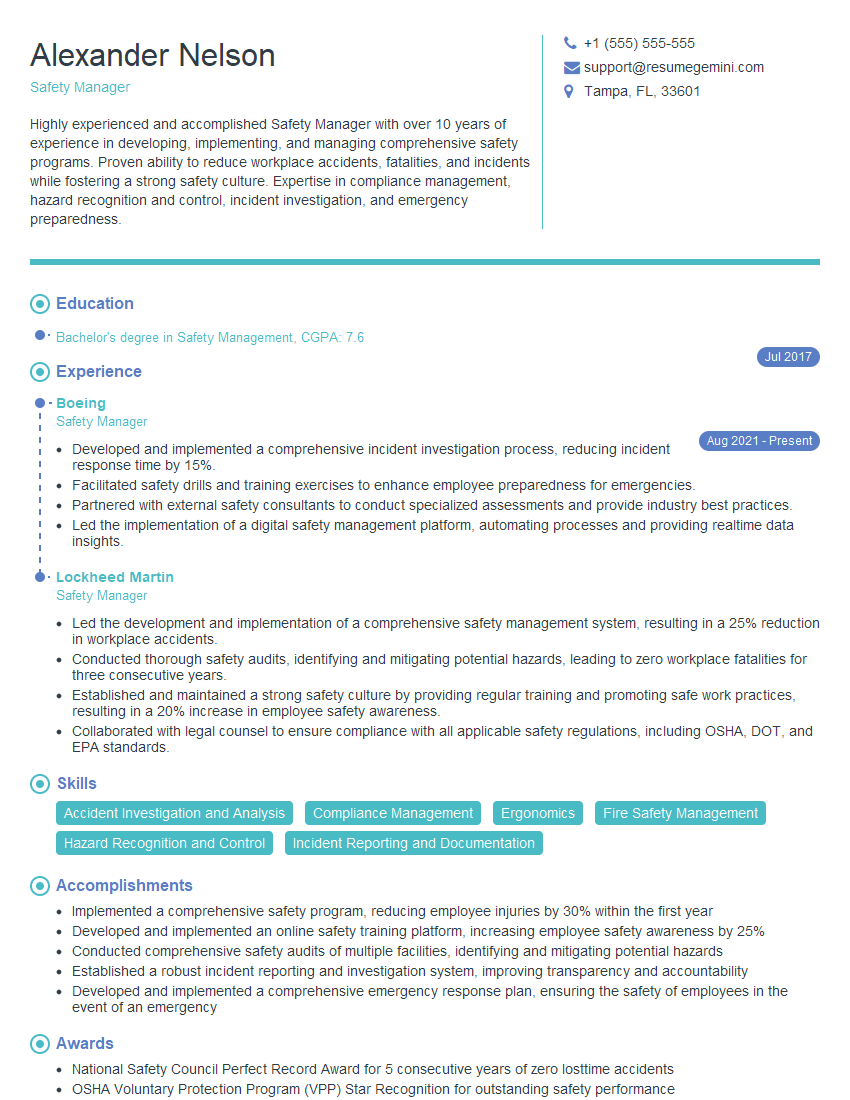
Safety Manager Resume Sample
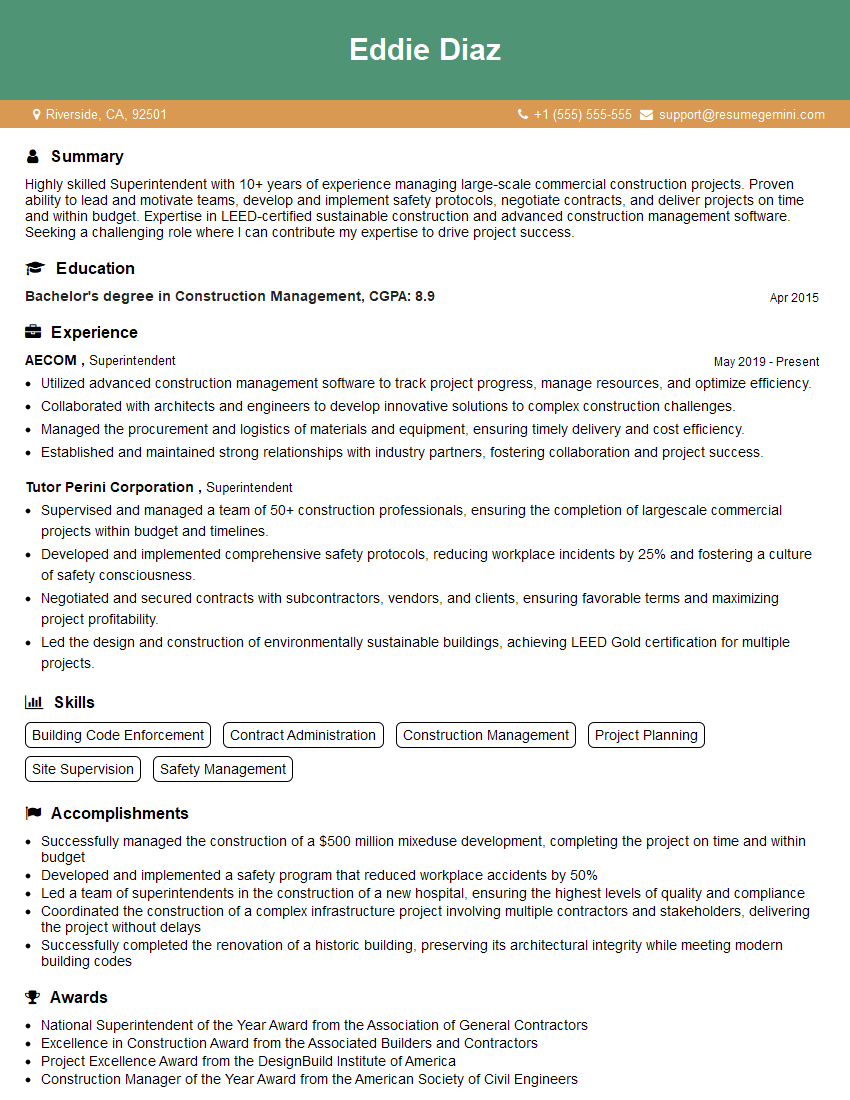
Superintendent Resume Sample
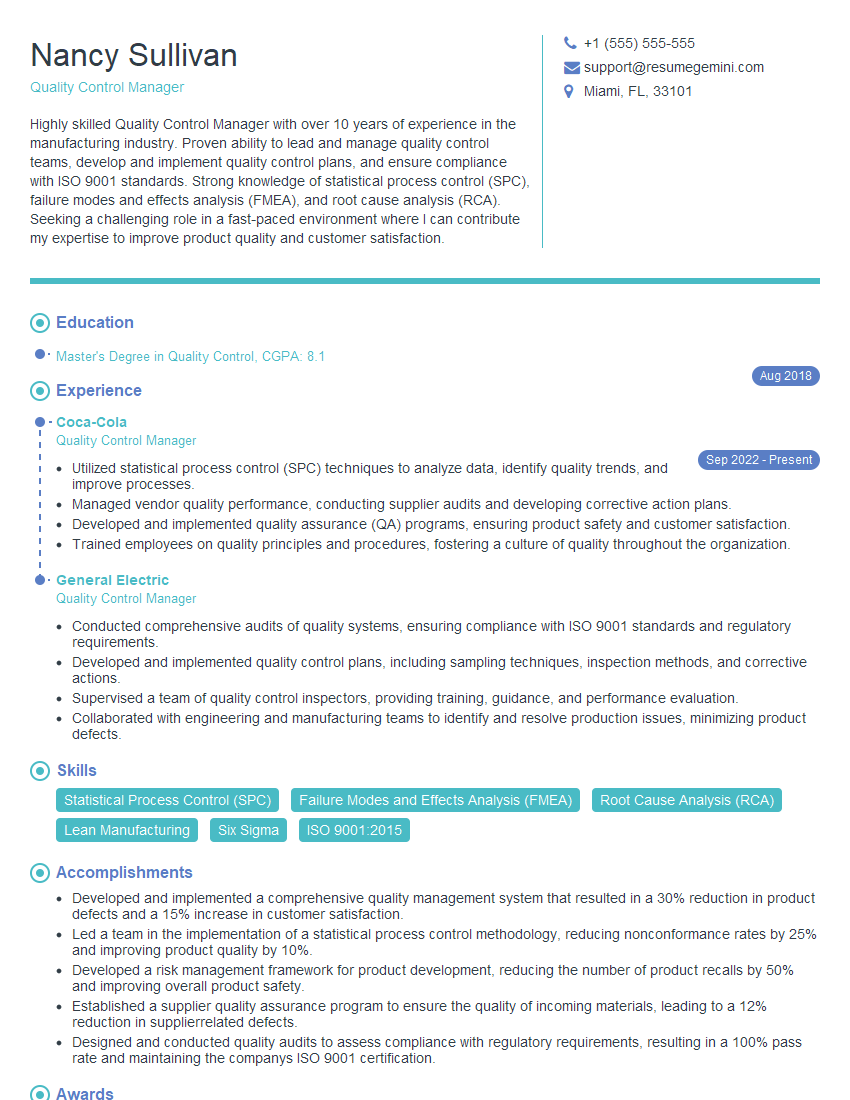
Quality Control Manager Resume Sample
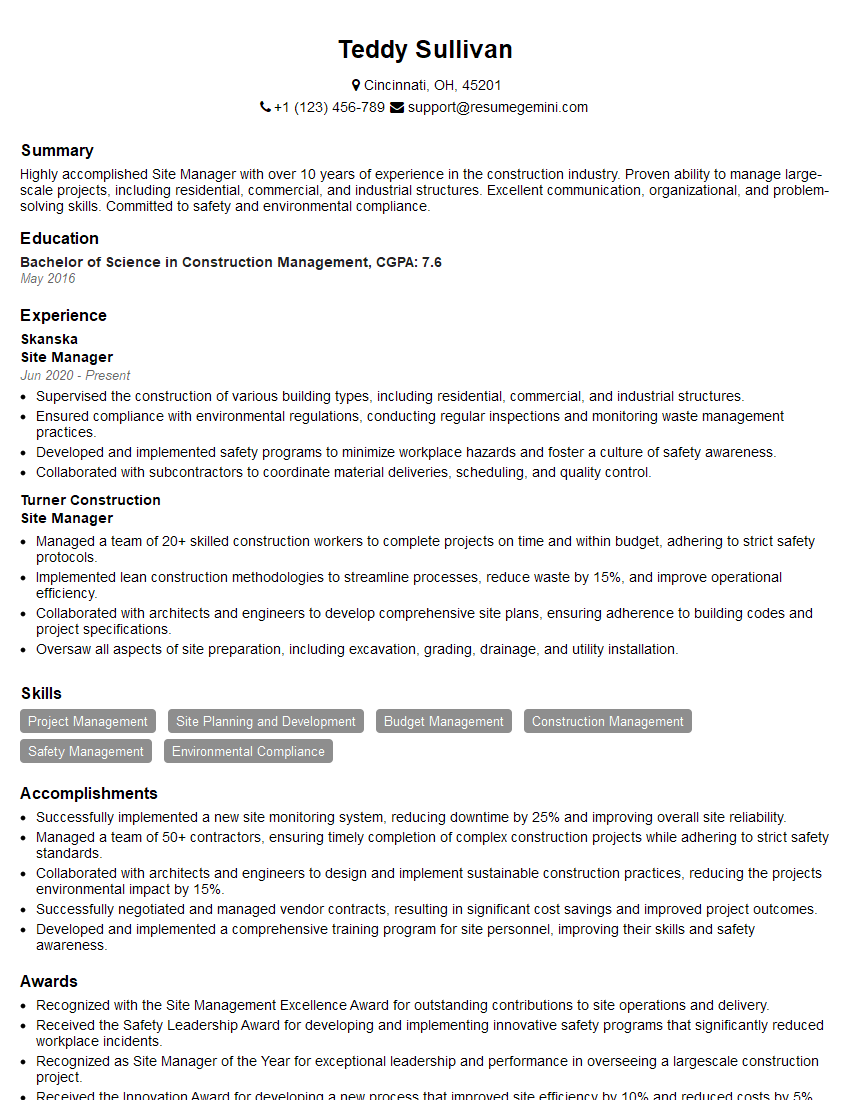
Site Manager Resume Sample
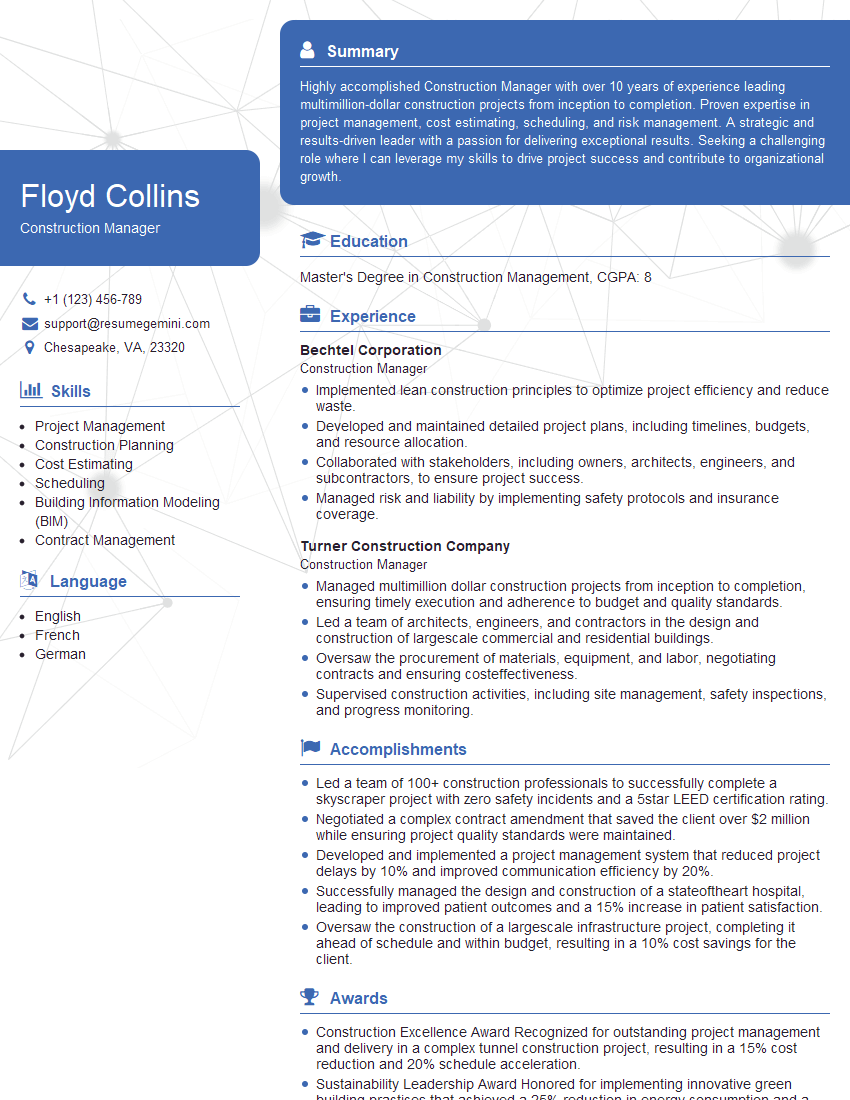
Construction Manager Resume Sample
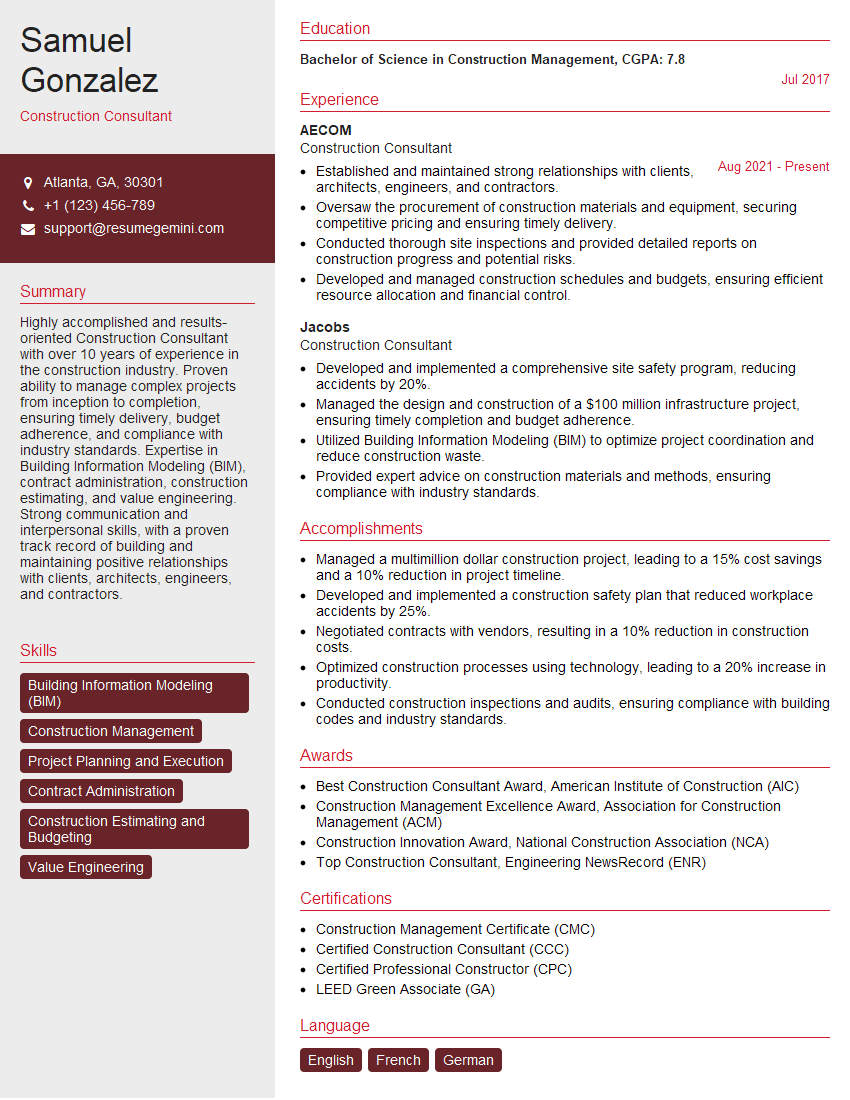
Construction Consultant Resume Sample
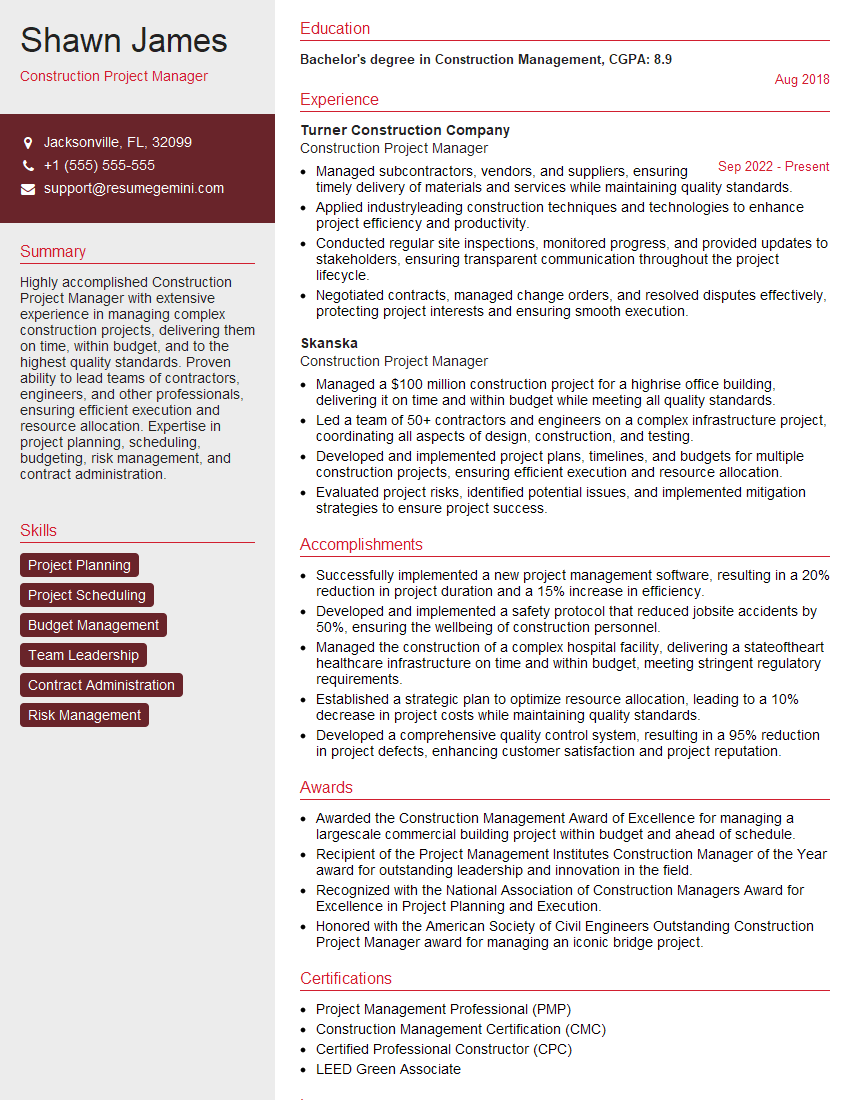
Construction Project Manager Resume Sample
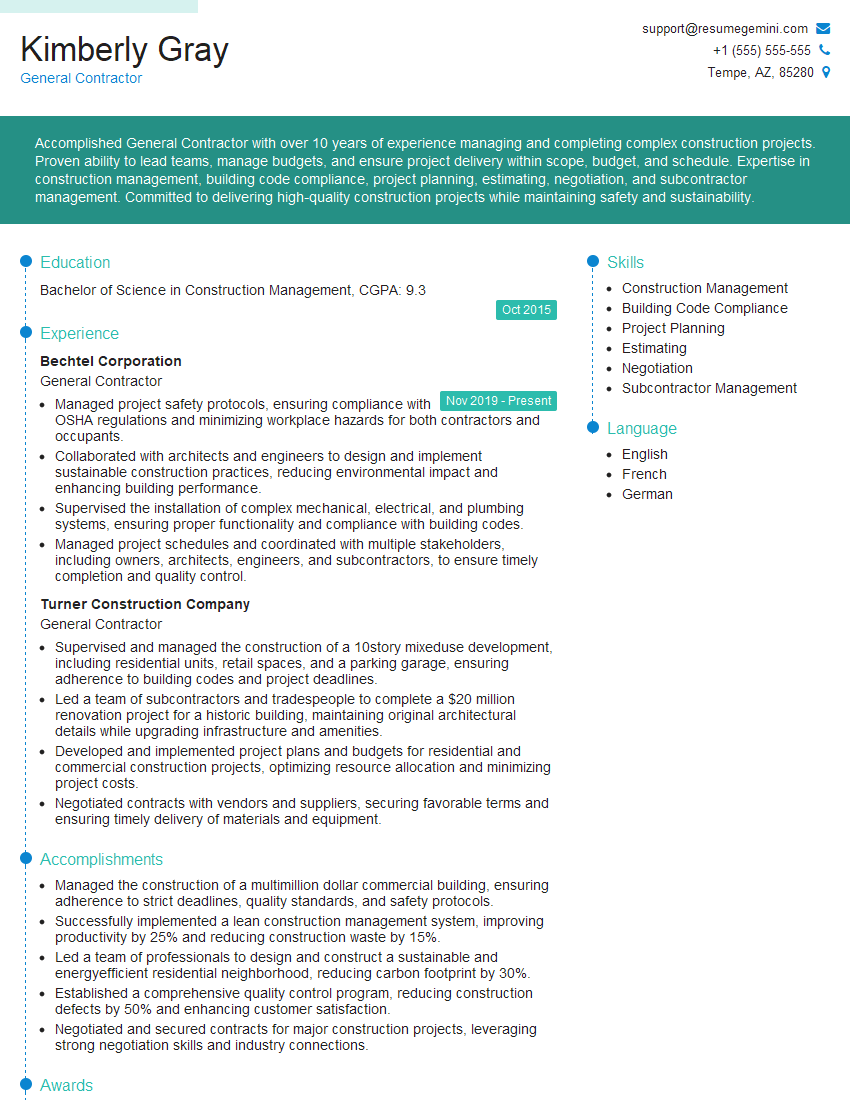
General Contractor Resume Sample

Project Superintendent Resume Sample

Project Engineer Resume Sample
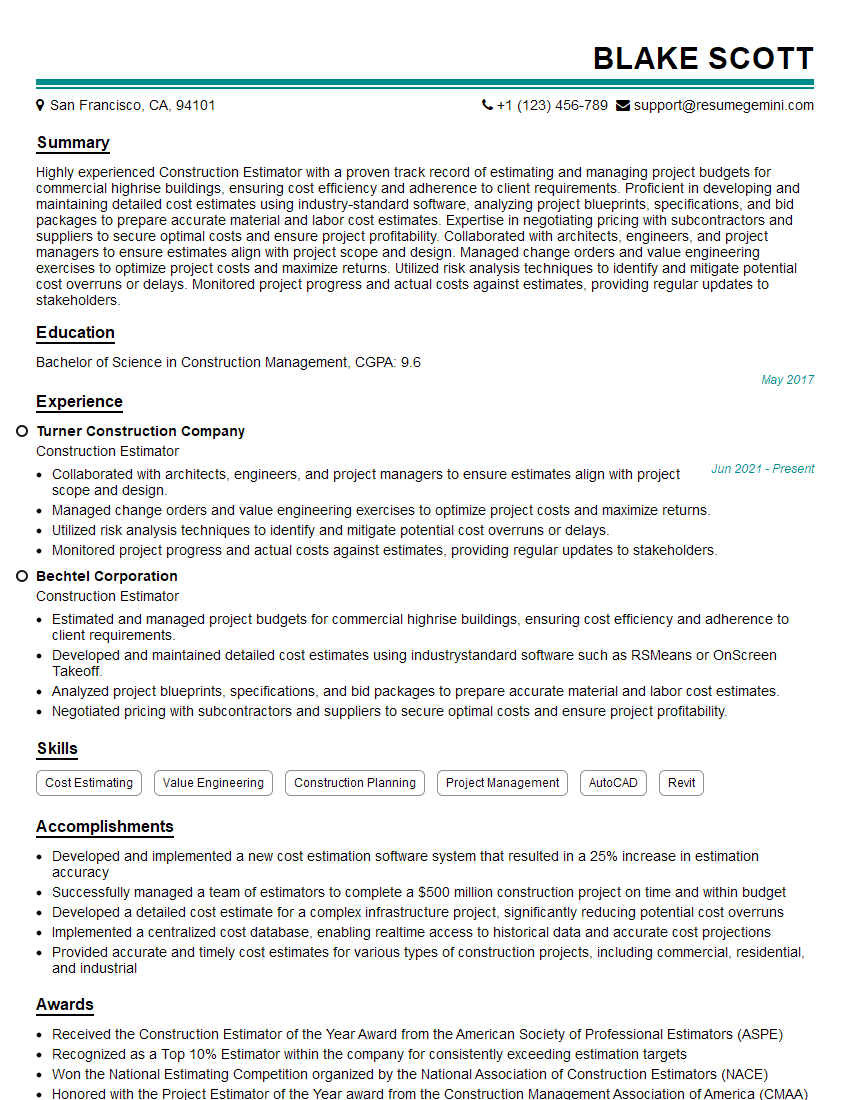
Construction Estimator Resume Sample
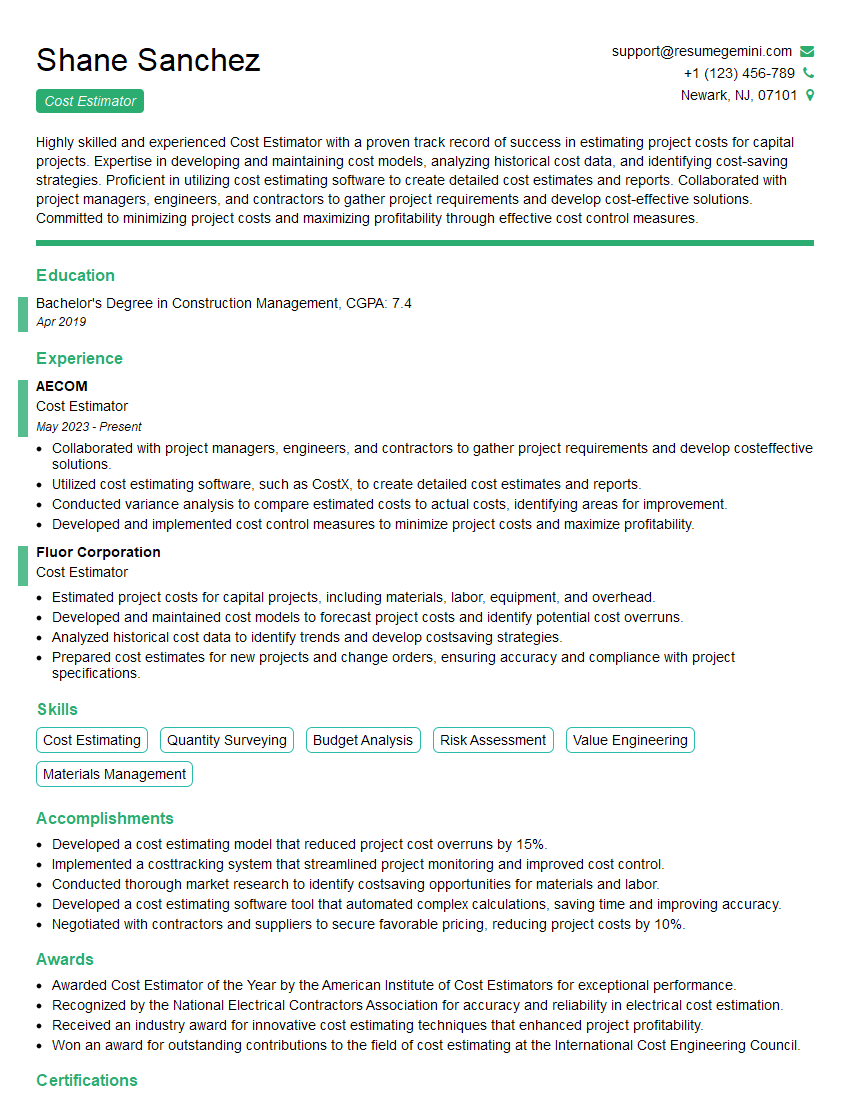
Cost Estimator Resume Sample
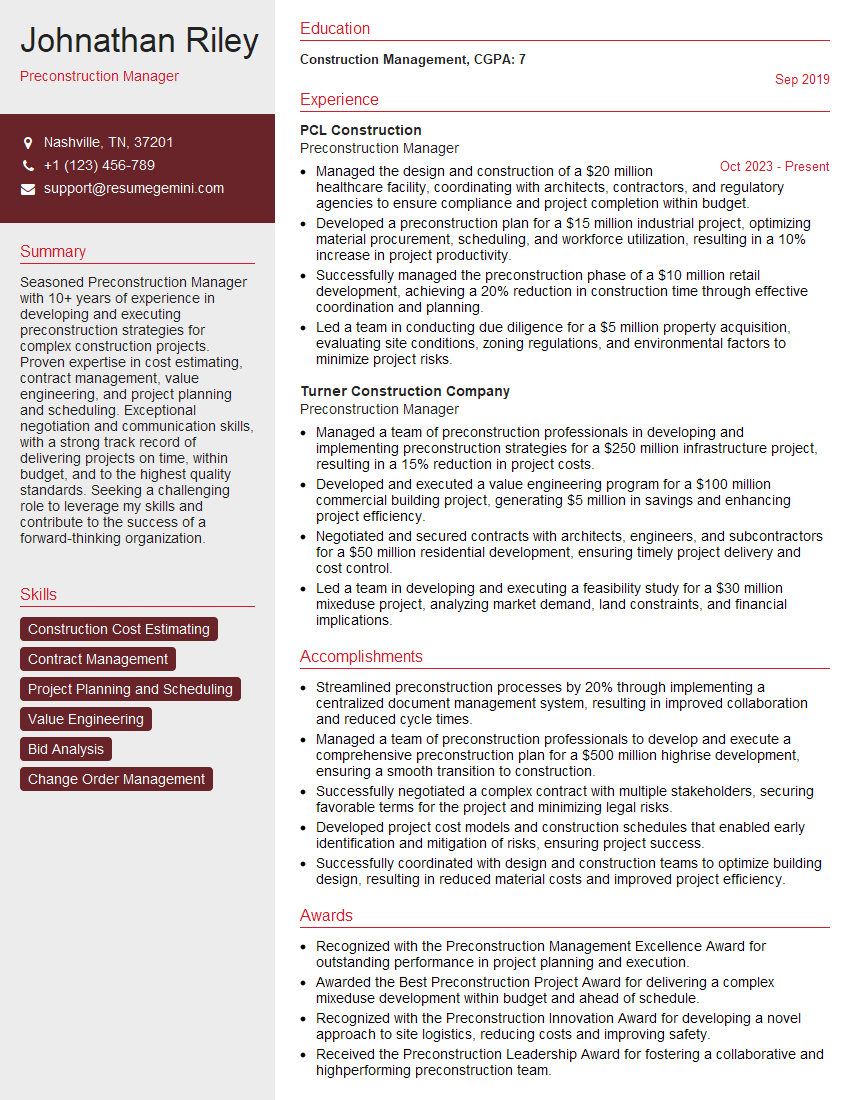
Preconstruction Manager Resume Sample
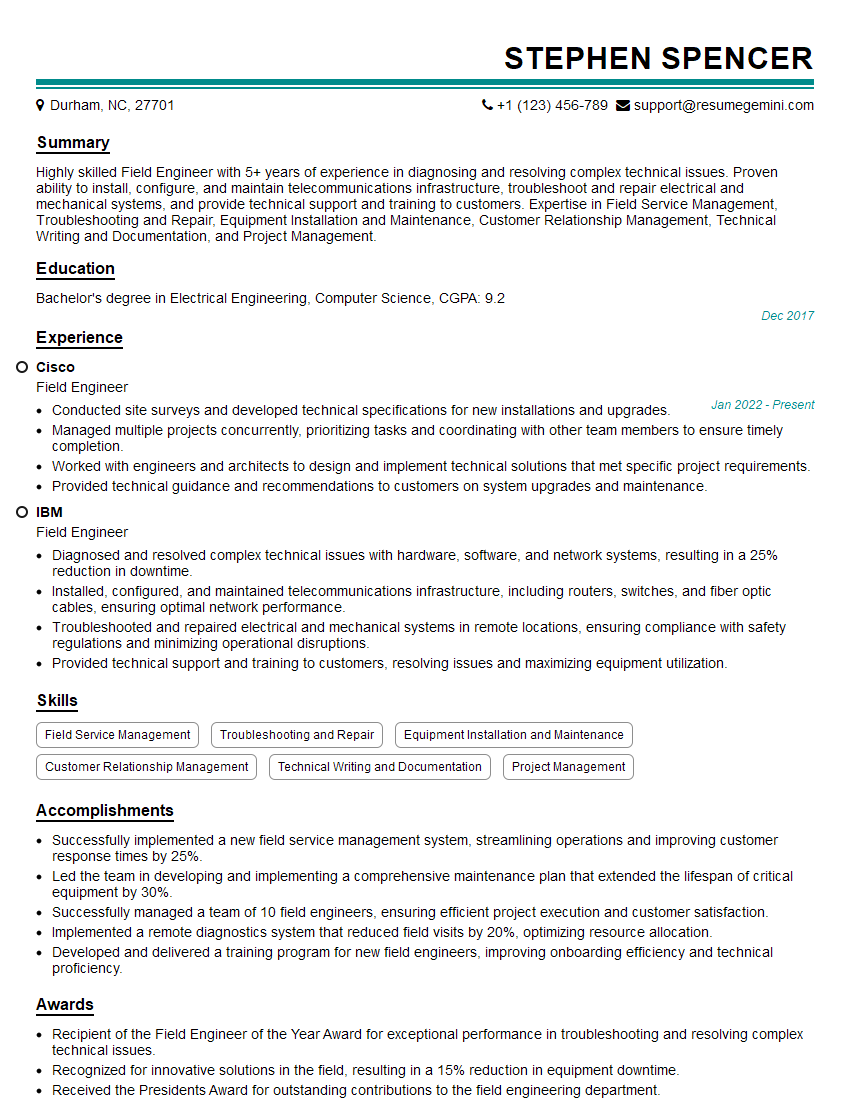
Field Engineer Resume Sample
Explore more articles
Users Rating of Our Blogs
Share Your Experience
We value your feedback! Please rate our content and share your thoughts (optional).
What Readers Say About Our Blog
Very informative content, great job.
good