Feeling uncertain about what to expect in your upcoming interview? We’ve got you covered! This blog highlights the most important Hand-to-Hand Combat interview questions and provides actionable advice to help you stand out as the ideal candidate. Let’s pave the way for your success.
Questions Asked in Hand-to-Hand Combat Interview
Q 1. Describe your experience with different hand-to-hand combat systems.
My experience in hand-to-hand combat spans over two decades, encompassing a diverse range of systems. I’ve extensively trained in Boxing, focusing on its precise striking and footwork; Brazilian Jiu-Jitsu (BJJ), mastering ground fighting and submissions; Muay Thai, developing powerful striking techniques incorporating knees and elbows; and Krav Maga, specializing in practical self-defense techniques for real-world scenarios. Each system offers unique strengths, and I’ve integrated these into a holistic approach, understanding the interplay between striking, grappling, and close-quarters combat.
- Boxing: Provided a strong foundation in footwork, speed, and power punches.
- BJJ: Developed proficiency in ground control, submissions, and defense against takedowns.
- Muay Thai: Enhanced striking capabilities with devastating knee and elbow strikes.
- Krav Maga: Refined my self-defense skills, emphasizing practical applications and efficient techniques under pressure.
Q 2. Explain the principles of effective striking techniques.
Effective striking hinges on three core principles: power generation, accuracy, and speed. Power isn’t solely about brute force; it’s about efficient energy transfer. This involves proper body mechanics, using your entire body weight behind the strike, rather than just relying on arm strength. Think of a whip – the power comes from the entire length, not just the tip. Accuracy ensures your strikes land where intended, maximizing impact and minimizing wasted energy. Speed is crucial for both offense and defense – landing your strikes first and evading your opponent’s attacks. Training includes drills for power generation (e.g., shadow boxing, heavy bag work), accuracy (e.g., target practice, sparring with focus mitts), and speed (e.g., speed bag work, reaction drills).
For example, a properly executed jab utilizes the entire body rotation, transferring energy from the legs, through the core, and into the fist for maximum impact. Similarly, a well-timed hook utilizes the body’s momentum to generate power.
Q 3. What are the key differences between grappling and striking?
Striking and grappling represent distinct approaches to combat. Striking focuses on attacking from a distance using punches, kicks, knees, and elbows. It emphasizes speed, power, and accuracy. Grappling, conversely, involves close-range combat, focusing on controlling the opponent’s body, taking them down, and using submissions (joint locks, chokes) to incapacitate them. Think of it like this: striking is the long-range artillery, grappling is the close-quarters infantry.
The key difference lies in the range and control. Striking maintains distance, while grappling aims to close the distance and control the opponent’s body. A skilled fighter will integrate both, transitioning between striking and grappling based on the situation and the opponent’s response. For instance, a boxer might use a jab to create space, then use a takedown to control their opponent on the ground.
Q 4. How do you assess an opponent’s strengths and weaknesses?
Assessing an opponent begins with observation and anticipation. I look for physical attributes like size, strength, and agility, but I pay even closer attention to their fighting style. Do they favor striking or grappling? Are they aggressive or defensive? How is their footwork? Their reaction time? I look for openings, vulnerabilities, and consistent patterns in their movements. During sparring, I subtly test their responses, probing for weaknesses in their defense or gaps in their technique. This dynamic assessment continues throughout the engagement, adapting my strategy as needed.
For example, an opponent with slow footwork but powerful punches presents a different challenge than an agile opponent with weaker strikes. I would adapt my approach accordingly. Against a slow opponent I’d prioritize footwork and evasion; against an agile opponent I would emphasize control and takedowns.
Q 5. Describe your approach to defensive tactics.
My defensive approach is proactive rather than reactive. It’s based on a layered system of awareness, evasion, and counter-attack. Awareness starts with observing the surroundings and anticipating potential threats. Evasion involves using footwork, head movement, and defensive blocks to avoid attacks. Counter-attacking involves turning the opponent’s offense into an opportunity for my own offensive maneuvers. This doesn’t necessarily mean immediately retaliating; sometimes, creating distance and resetting the engagement is the best defense.
Think of it like a boxer using a slip to evade a punch, and immediately following up with a counter-punch. This layered approach ensures that I’m not simply reacting, but actively shaping the engagement.
Q 6. Explain your understanding of weapon disarmament techniques.
Weapon disarmament requires a deep understanding of both armed and unarmed combat. The principles remain consistent: control, leverage, and speed. The goal isn’t brute strength but to use the attacker’s momentum against them. Techniques often involve controlling the weapon hand, breaking the attacker’s grip, and disarming them while creating an opening for a counter-attack. Training is rigorous, employing various scenarios and weapon types (knives, firearms), emphasizing safety and control above all else. It’s crucial to understand the legal and ethical considerations as well.
For example, against a knife attack, a common technique involves controlling the attacker’s wrist and using leverage to force the weapon away. This isn’t a simple process; it requires quick reactions, precision, and a thorough understanding of the attacker’s body mechanics.
Q 7. How do you handle multiple attackers?
Handling multiple attackers demands a different strategy altogether. The focus shifts from individual combat to creating space, prioritizing targets, and controlling the environment. My approach prioritizes: escape if possible, creating distance to prevent simultaneous attacks, prioritizing the most immediate threat, and using the environment to my advantage. I’d look for opportunities to leverage objects as improvised weapons or to use the environment to separate attackers. Ultimately, it becomes less about individual techniques and more about strategic thinking and environmental awareness.
Imagine this: multiple attackers approach. My first priority is to avoid being surrounded. I might create distance using a strong kick, then use a nearby object as a temporary deterrent, creating a space to escape or to select my targets based on immediate danger.
Q 8. What is your strategy for ground fighting?
My ground fighting strategy prioritizes control and efficient transitions. It’s not about brute strength, but intelligent maneuvering. I aim to quickly establish a dominant position, usually side control or mount, securing my opponent’s limbs and preventing them from escaping or countering. From there, I’ll transition to submissions like chokes or joint locks, depending on the opponent’s positioning and reaction.
For instance, if my opponent tries a takedown, I’ll utilize sprawls and underhooks to maintain my balance and prevent them from getting a hold. If I’m taken down, I’ll prioritize breaking their posture to regain guard and prevent them from achieving a dominant position. This involves bridging, shrimping, and using my legs effectively to create space. The entire process focuses on creating and exploiting opportunities, adapting constantly to my opponent’s movements and responses.
- Prioritize control: Secure a dominant position before attempting submissions.
- Efficient transitions: Smoothly move between positions to exploit openings.
- Submission focus: Aim for chokes or joint locks to end the fight quickly.
Q 9. Describe your experience with pressure point techniques.
My experience with pressure point techniques is extensive, but I approach them with a degree of caution. I’ve trained extensively in various martial arts that incorporate these techniques, understanding that they’re not a guaranteed knockout, but rather tools to disrupt, incapacitate, or create an opening for a more decisive strike.
Pressure points are most effective when combined with other techniques. For example, a strike to a pressure point on the neck might temporarily daze an opponent, allowing for a follow-up strike or a takedown. However, focusing solely on pressure points is unreliable; they’re highly dependent on the accuracy of the strike and the opponent’s physical condition. The legal and ethical implications also must be carefully considered. I view them as a supplemental skill set rather than the primary method of engagement.
For example, I’ve successfully used pressure point strikes to temporarily disable an opponent’s grip during a grapple, allowing me to break free and gain a more advantageous position.
Q 10. How do you prioritize your defensive actions during a conflict?
My defensive actions are prioritized using a tiered system: Defense, De-escalation, Disengagement, and, if necessary, Domination. This is not a rigid sequence, but a flexible framework.
- Defense: The first priority is always to avoid or mitigate incoming attacks. This includes blocking, parrying, slipping, and evasive movements. Think of it as damage control – minimizing harm.
- De-escalation: If possible, I attempt to de-escalate the situation through verbal communication, calming techniques, or showing non-threatening body language. This can often prevent the conflict from escalating further.
- Disengagement: If de-escalation fails, the goal is to disengage safely and create distance. This could involve creating an escape route, using the environment to your advantage, or even running away if necessary. Preservation of life is paramount.
- Domination: Only as a last resort, when defense, de-escalation, and disengagement are not feasible, will I actively seek to dominate the opponent, using offensive techniques to neutralize the threat.
I’ve successfully used this system in multiple scenarios, prioritizing my safety and the safety of others. It’s a practical and ethical approach that minimizes harm while ensuring my ability to defend myself effectively.
Q 11. Explain the importance of situational awareness in hand-to-hand combat.
Situational awareness is the cornerstone of effective hand-to-hand combat. It’s the ability to constantly scan your surroundings, recognizing potential threats, and understanding the dynamics of your environment. This goes beyond simply looking around; it includes recognizing body language, identifying escape routes, assessing potential weapons, and understanding the overall context of the situation.
For example, before engaging in any encounter, I would assess the immediate environment for potential hazards – like obstacles that might hinder my movement or objects that could be used as weapons. I also constantly monitor my opponent’s body language – are they tense? Are they reaching for something? Understanding these subtle cues can be crucial in predicting their next move. Neglecting situational awareness can lead to being caught off guard and significantly increases the risk of injury. It’s about proactive threat assessment and creating advantageous positions.
Q 12. How do you maintain composure under pressure?
Maintaining composure under pressure is a skill developed through rigorous training and mindful practice. It’s about controlling your breathing, focusing on your technique, and trusting your training.
I use controlled breathing techniques to regulate my heart rate and calm my nervous system. Focusing on my technique – the specific movements and strategies I’ve practiced – helps prevent me from reacting impulsively. Lastly, trusting my training instills confidence; knowing I have the skills to handle the situation reduces anxiety. I’ve found that simulating high-pressure scenarios during training is critical in building this composure. These drills reinforce the muscle memory and the mental fortitude needed to stay calm and focused in real-world confrontations.
Q 13. Describe your experience teaching hand-to-hand combat techniques.
I have extensive experience teaching hand-to-hand combat techniques, tailoring my instruction to the individual needs and skill levels of my students. My teaching philosophy focuses on both the physical and mental aspects of combat. I don’t just teach techniques; I teach the principles behind them, emphasizing proper form, power generation, and strategic thinking.
My approach is to start with the fundamentals, ensuring a strong foundation before introducing more advanced techniques. I prioritize safety and create a supportive learning environment that encourages students to ask questions and push themselves beyond their comfort zones. I believe effective teaching requires patience, understanding, and a strong ability to adapt to different learning styles.
For example, I might modify a technique for a student with limited flexibility by offering an alternative method that achieves the same result. This adaptability ensures all students can progress and benefit from the training.
Q 14. How do you adapt your techniques to different body types and skill levels?
Adapting techniques to different body types and skill levels is crucial for effective hand-to-hand combat. It’s about understanding biomechanics and recognizing individual strengths and weaknesses. I analyze each student or opponent to understand their physical attributes and then modify my techniques accordingly.
For example, a smaller, lighter individual might utilize speed and agility, focusing on techniques that exploit an opponent’s larger size. Conversely, a larger, stronger individual might focus on techniques that maximize their strength and leverage. Similarly, beginners require simpler, more fundamental techniques while advanced practitioners need more complex, nuanced strategies. My training adapts the principles to each individual, enhancing effectiveness and minimizing risk of injury. This flexible, personalized approach makes training safer and more effective, regardless of the individual’s physical capabilities and experience.
Q 15. What safety precautions do you implement during training?
Safety is paramount in hand-to-hand combat training. We prioritize injury prevention through a multi-layered approach. This begins with a thorough warm-up focusing on dynamic stretching and joint mobility exercises to prepare the body for strenuous activity. We also emphasize proper technique and controlled movements throughout training, ensuring students understand the importance of precision over power. Protective gear, such as mouthguards, headgear, and groin protection, is mandatory for sparring sessions and specific drills. Furthermore, we foster a culture of respect and controlled aggression, encouraging students to listen to their bodies and communicate any discomfort immediately. Finally, we have a designated first-aid kit readily available and personnel trained in basic first-aid and emergency response procedures.
Career Expert Tips:
- Ace those interviews! Prepare effectively by reviewing the Top 50 Most Common Interview Questions on ResumeGemini.
- Navigate your job search with confidence! Explore a wide range of Career Tips on ResumeGemini. Learn about common challenges and recommendations to overcome them.
- Craft the perfect resume! Master the Art of Resume Writing with ResumeGemini’s guide. Showcase your unique qualifications and achievements effectively.
- Don’t miss out on holiday savings! Build your dream resume with ResumeGemini’s ATS optimized templates.
Q 16. Describe your experience with specific martial arts styles (e.g., Krav Maga, Judo, etc.).
My background encompasses a diverse range of martial arts styles. I have extensive experience in Krav Maga, a highly effective self-defense system emphasizing practicality and real-world application. Its focus on instinctive responses and neutralizing threats rapidly aligns perfectly with my philosophy. I also possess a strong foundation in Judo, which is invaluable for understanding leverage, throws, and grappling techniques. Judo’s emphasis on controlling an opponent’s balance and utilizing their momentum adds a crucial dimension to my skill set. In addition to these, I’ve integrated aspects of boxing and Muay Thai into my training, enhancing my striking abilities and overall combat effectiveness. Each style contributes unique strengths that complement one another, creating a well-rounded approach.
Q 17. How do you deal with an opponent who is larger or stronger than you?
Facing a larger or stronger opponent necessitates a shift in strategy. Direct confrontation is often unwise. Instead, I focus on leveraging technique over brute strength. This involves exploiting their weaknesses, such as balance and leverage points. Judo techniques, for example, can be incredibly effective in neutralizing a larger opponent by using their weight against them. Krav Maga principles of targeting vulnerable areas – eyes, throat, groin – also become crucial. Furthermore, maintaining a safe distance and using evasive maneuvers to avoid powerful strikes is vital. The goal is not to engage in a strength contest but to utilize my skills to create openings and capitalize on opportunities to escape or neutralize the threat. Think of it like a chess game; it’s about strategy and precision, not a slugfest.
Q 18. Explain your understanding of legal and ethical considerations in self-defense.
Legal and ethical considerations are fundamental to the responsible application of self-defense. The use of force must always be proportionate to the threat. In essence, you are legally justified in using only the necessary force to prevent immediate harm to yourself or others. Excessive force, beyond what’s required to neutralize the threat, can lead to legal repercussions. It’s crucial to understand your local laws concerning self-defense and to prioritize de-escalation whenever possible. Ethical considerations involve recognizing the profound impact of violence. Even in self-defense, the goal should always be to minimize harm and end the conflict as quickly and safely as possible. It’s not simply about winning a fight; it’s about protecting yourself and others while upholding ethical standards.
Q 19. What are your methods for de-escalation?
De-escalation is my primary focus before resorting to physical intervention. This involves verbal communication, active listening, and attempting to understand the opponent’s intentions. A calm and confident demeanor can often diffuse a tense situation. Creating space and maintaining a non-threatening posture are important nonverbal cues. I aim to assess the situation, identify potential triggers, and communicate my desire to avoid conflict. If verbal de-escalation fails, I focus on creating distance and finding a safe way to disengage from the encounter. Every situation is unique, and the approach must be adaptable and nuanced.
Q 20. Describe a scenario where you had to use your hand-to-hand combat skills.
During a late-night walk home, I was confronted by an individual who appeared intoxicated and aggressive. Verbal de-escalation attempts failed, and he began to approach in a threatening manner. I used a combination of defensive maneuvers from Krav Maga, maintaining a safe distance while creating openings. A swift strike to a vulnerable area neutralized the immediate threat, allowing me to escape to safety and call for assistance. The situation highlighted the importance of situational awareness, rapid assessment, and the ability to adapt techniques to overcome an immediate threat. Afterwards, I reported the incident to the authorities.
Q 21. How do you incorporate fitness and conditioning into your hand-to-hand combat training?
Fitness and conditioning are integral to effective hand-to-hand combat. My training program incorporates a combination of cardiovascular exercises, strength training, and flexibility work. High-intensity interval training (HIIT) improves cardiovascular endurance, essential for sustained combat. Strength training focuses on functional strength, building muscle groups vital for powerful strikes, grappling, and defensive maneuvers. Flexibility training enhances range of motion, preventing injury and allowing for more fluid movements. Additionally, we incorporate specialized drills designed to improve stamina, speed, agility, and power, all critical elements in a real-world encounter.
Q 22. Explain your understanding of joint locks and submissions.
Joint locks and submissions are core components of grappling and self-defense. Joint locks exploit the mechanical weaknesses of a person’s joints, causing pain and potentially forcing a tap-out (submission). Submissions involve applying pressure to a joint or a blood choke to restrict blood flow to the brain, causing unconsciousness or forcing a submission. They’re not just about inflicting pain; they’re about controlling an opponent and neutralizing their threat effectively.
- Joint Locks: These target vulnerable areas like elbows, knees, wrists, and shoulders. They leverage leverage points to create pressure, forcing compliance. A classic example is an arm bar, which hyperextends the elbow joint.
- Submissions (Chokes): Blood chokes (like rear-naked chokes) constrict blood flow to the brain, causing unconsciousness. Air chokes (like guillotine chokes) restrict airflow. Both render an opponent incapable of continuing the fight. The key here is proper technique to ensure safety and efficacy.
Think of it like this: a joint lock is like using a wrench to loosen a stubborn bolt, while a submission is like turning off a machine by cutting its power source. The goal in both cases is to gain control and neutralize the threat, not necessarily to cause permanent injury.
Q 23. How do you assess the risk level of a situation?
Assessing risk in a combative situation is crucial. It involves a rapid, intuitive assessment of several factors. I use a system that combines environmental awareness, threat assessment and my own capabilities.
- Environmental Awareness: This is about observing your surroundings. Is there an escape route? Are there weapons present? Are there bystanders who could intervene or pose a danger?
- Threat Assessment: I analyze the aggressor(s). How many are there? What are their physical capabilities? What’s their intent? Are they armed? How aggressive are they?
- Self-Assessment: This is key. What are my physical and mental condition? Do I have any defensive tools or advantages? What’s my escape plan?
A simple scale is helpful: Low risk (minimal threat, easy escape), Medium risk (potential threat, requires caution), High risk (imminent threat, requires immediate action). This assessment allows me to choose the appropriate response, from de-escalation to defensive tactics. Imagine seeing someone approach you aggressively at night on a dark street—high risk. Someone asking for directions in a well-lit public area—low risk.
Q 24. What are your methods for breaking free from holds?
Breaking free from holds requires a combination of technique, strength, and timing. There’s no single solution; it depends entirely on the specific hold. However, some general principles apply:
- Understanding the Hold: First, identify the grip and pressure points. Knowledge of the mechanics is key to breaking free.
- Create Space: Use angles, leverage, and body positioning to create space and break the opponent’s grip. This often involves using your hips and legs to gain leverage.
- Counter-Pressure: Apply pressure against the opponent’s grip, working towards breaking their control. This often requires strong core engagement.
- Exploiting Weaknesses: Look for weak points in the opponent’s grip or posture and exploit them. For example, using a sudden movement that disrupts their balance.
For example, if someone grabs your wrist, you can’t just pull; you need to create space by moving your body, break their grip by attacking their grip with your other hand and using your legs for leverage. It’s not a brute-force solution; it’s about technique and understanding biomechanics.
Q 25. How do you maintain your physical and mental fitness for hand-to-hand combat?
Maintaining peak physical and mental fitness for hand-to-hand combat requires a holistic approach.
- Physical Fitness: This is about strength, endurance, flexibility, and agility. My training regime includes:
- Strength Training: Focuses on functional strength—exercises that replicate movements used in combat.
- Cardiovascular Training: Improves stamina and endurance to sustain effort over prolonged periods.
- Flexibility and Mobility Training: Prevents injuries and increases range of motion.
- Mental Fitness: Mental preparedness is crucial. My training includes:
- Stress Management Techniques: Methods like meditation, deep breathing exercises, and mindfulness help manage stress and anxiety.
- Mental Rehearsal: Visualization and mental simulation of combative scenarios helps sharpen reflexes and strategic thinking.
- Discipline and Focus: Consistent training and self-discipline are essential.
Think of it like a high-performance athlete—consistent training, a balanced diet, and mental resilience are just as important as the physical skills themselves.
Q 26. Explain your understanding of the different ranges of combat.
Different ranges of combat require different strategies and techniques. Understanding these ranges is vital for effective self-defense.
- Close Range (Clinch Range): This is grappling distance, where holds, joint locks, and submissions are most effective. Techniques emphasize leverage, control, and body mechanics.
- Mid-Range (Punching Range): This is where striking techniques like punches, kicks, and elbows are optimal. Footwork, timing, and defensive maneuvers are crucial.
- Long Range (Kicking Range): This range is best suited for long kicks and throws. Footwork and range management are essential.
Imagine a boxing match: The boxer is moving between mid and long range, using footwork and jabs to manage distance and create opportunities for powerful punches. If the opponent gets too close, the boxer may use clinching or grappling to control the situation, demonstrating the importance of range management.
Q 27. What are your preferred methods for practicing your skills?
My preferred methods for practicing skills blend solo training with partner drills and sparring. This provides a well-rounded approach to skill development and refinement.
- Solo Training: This includes practicing drills to refine individual techniques, strength training, conditioning work, and shadowboxing to improve movement and coordination.
- Partner Drills: These focus on the practical application of techniques. Drills will focus on specific scenarios, like defending against particular attacks, or escaping holds, emphasizing proper technique and reaction time.
- Sparring: Controlled sparring sessions under the supervision of an experienced instructor help refine techniques under pressure, develop timing, and improve overall combat readiness.
Regular, consistent practice and refinement are essential in this field. It’s like a musician regularly practicing scales and exercises to improve their skills – the repetitive practice builds muscle memory and reaction time, making the techniques instinctive.
Q 28. Describe your experience with working in a team environment in combative situations.
Teamwork in combative situations is paramount. Effective teamwork is about more than just numbers.
- Communication: Clear and concise communication is crucial. Pre-arranged signals or hand signals can be extremely important in noisy or chaotic environments where verbal communication is difficult.
- Coordination: Teamwork requires coordinated efforts. Each team member should have clearly defined roles and responsibilities based on individual strengths and capabilities.
- Trust: Team members must trust each other’s abilities and judgment. This trust develops through shared training and experience.
- Adaptability: Teamwork also demands adaptability. The situation can change rapidly, and the team must be able to adjust strategies and tactics accordingly.
I’ve worked extensively in team-based scenarios, from simulating hostage situations to tactical interventions. In a real-world situation, effective coordination and communication could be the difference between success and failure. For example, in a hostage situation, one member may focus on de-escalation while another maintains a secure perimeter; this coordinated approach is crucial.
Key Topics to Learn for Hand-to-Hand Combat Interview
Preparing for a Hand-to-Hand Combat interview requires a multifaceted approach. Success hinges on demonstrating a deep understanding of both theory and practical application. Focus on showcasing your skills and problem-solving abilities in the context of real-world scenarios.
- Striking Techniques: Mastering various punches, kicks, elbows, and knees. Understand the biomechanics behind effective strikes and their applications in different combat situations.
- Grappling and Ground Fighting: Develop proficiency in takedowns, escapes, submissions, and ground control. Explain your understanding of leverage, weight distribution, and positional dominance.
- Self-Defense Principles: Articulate your knowledge of threat assessment, de-escalation techniques, and the legal aspects of self-defense. Be prepared to discuss ethical considerations and responsible use of force.
- Weapon Disarms: Demonstrate understanding of techniques to disarm opponents armed with knives, sticks, or other improvised weapons. Highlight your ability to neutralize threats safely and effectively.
- Fitness and Conditioning: Discuss the importance of physical fitness, stamina, and mental resilience in Hand-to-Hand Combat. Explain your training regimen and how it contributes to your overall performance.
- Strategic Thinking & Adaptability: Show your ability to think strategically under pressure, adapt to changing circumstances, and make quick, informed decisions during combative encounters.
- Scenario-Based Problem Solving: Be prepared to analyze and discuss hypothetical combat scenarios, illustrating your ability to apply your knowledge and skills to overcome challenges.
Next Steps
Mastering Hand-to-Hand Combat skills opens doors to exciting career opportunities requiring precision, discipline, and strategic thinking. To maximize your chances of landing your dream role, it’s crucial to present yourself effectively. Creating an ATS-friendly resume is paramount in today’s job market. This ensures your application gets noticed by recruiters and hiring managers.
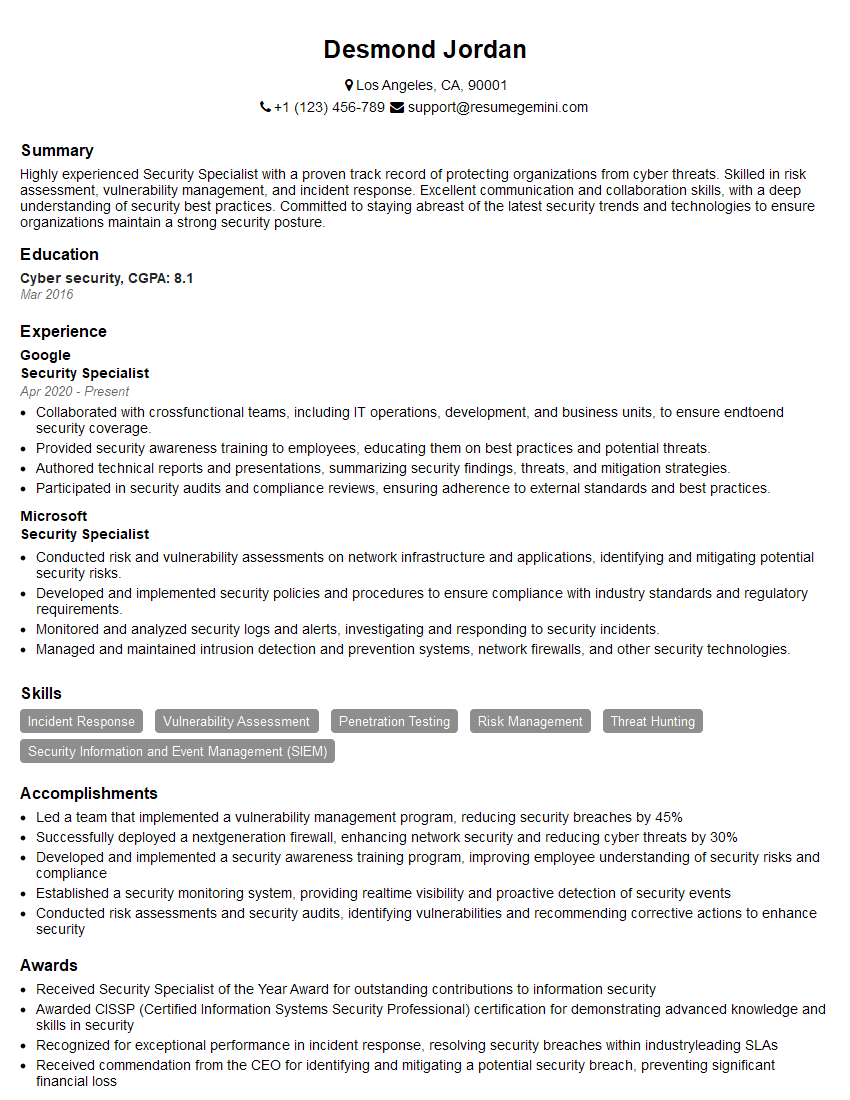
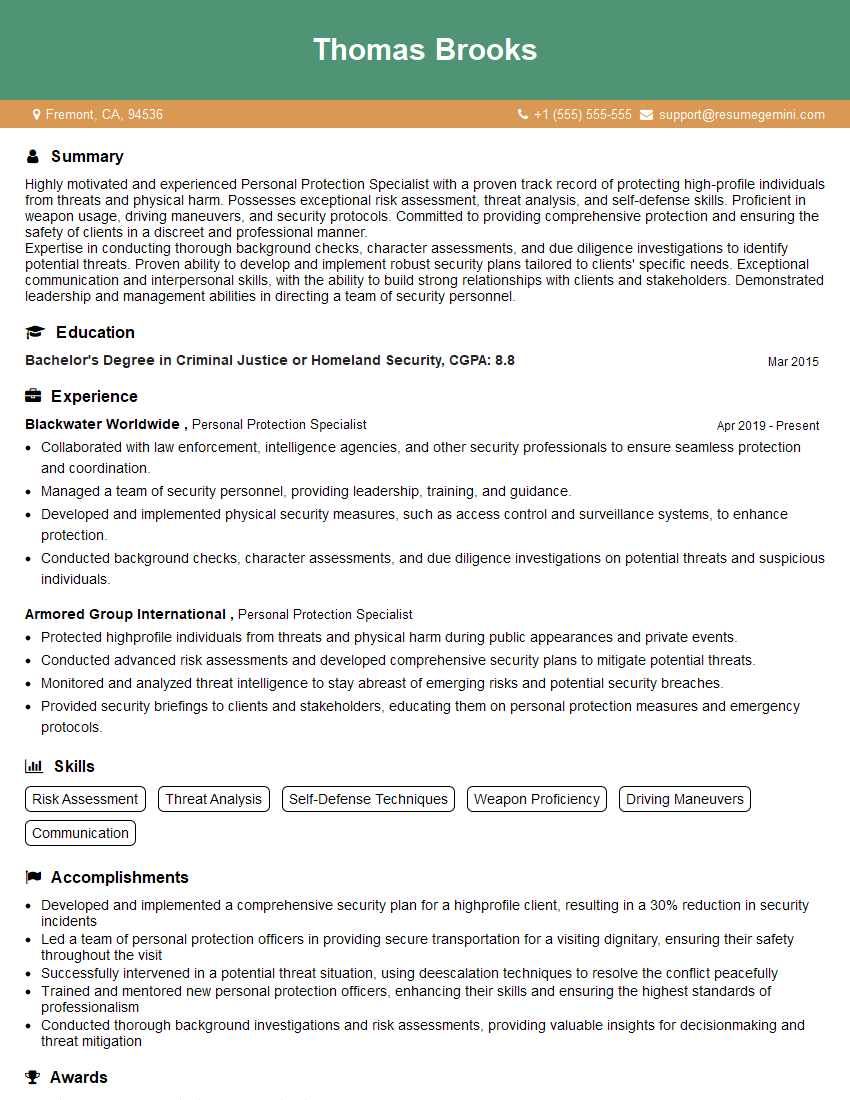
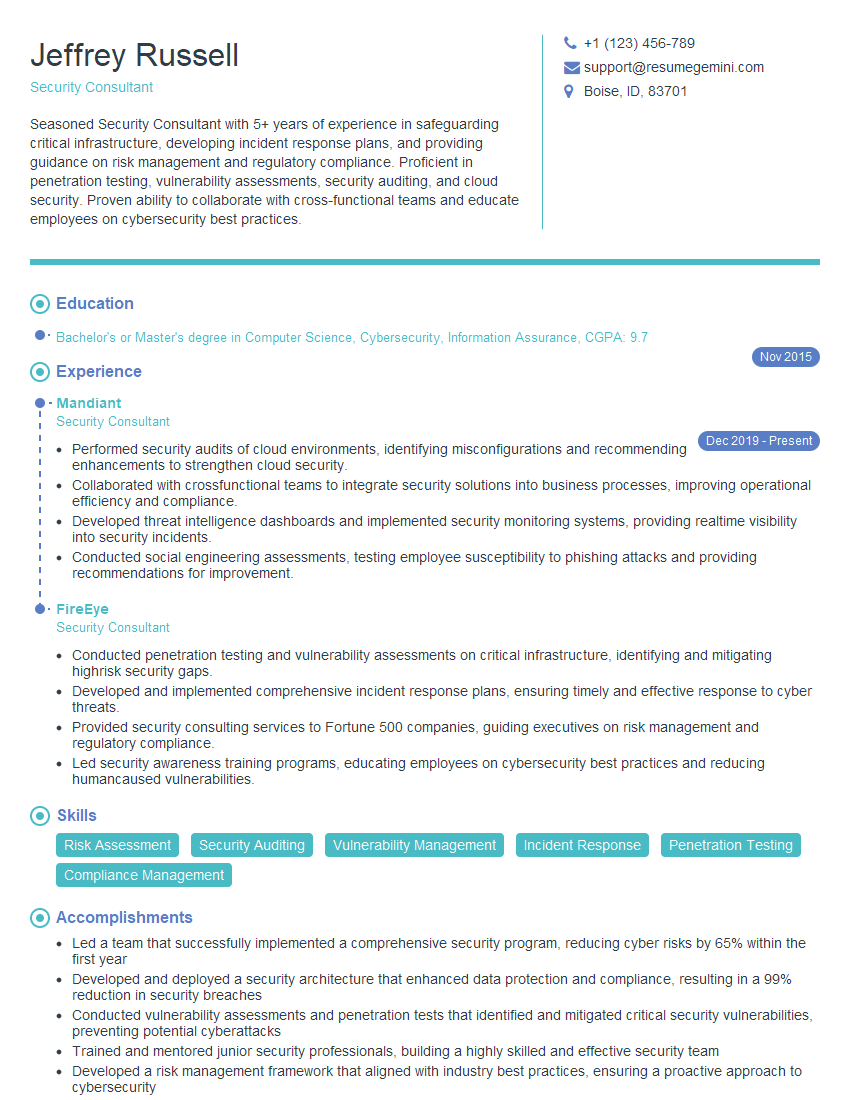
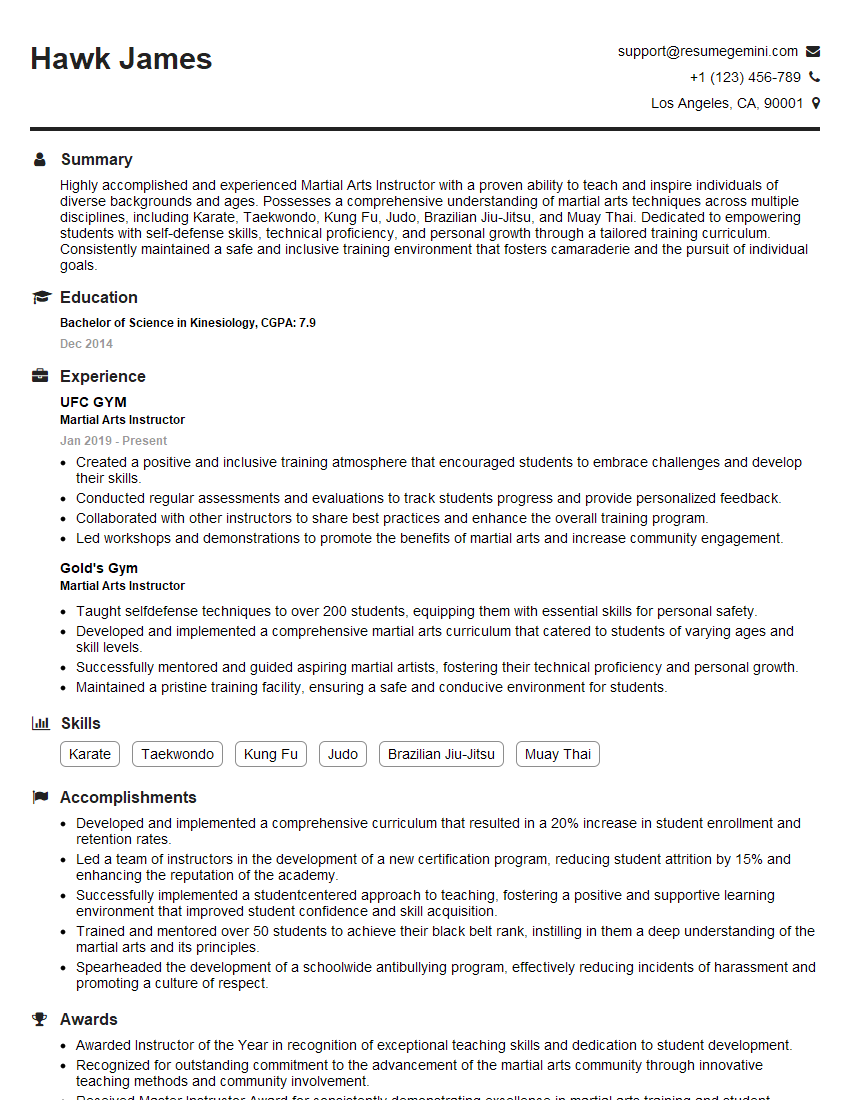
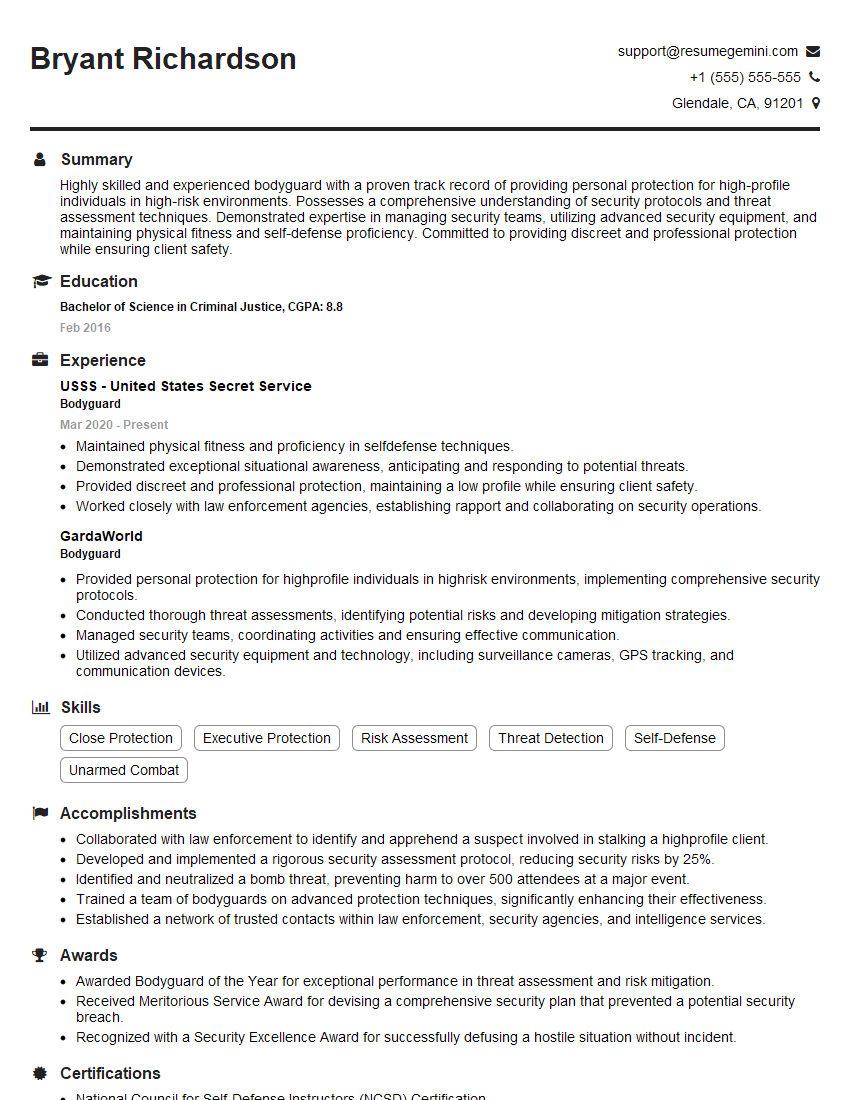
We strongly recommend using ResumeGemini to build a compelling and professional resume. ResumeGemini offers a user-friendly platform and provides examples of resumes tailored specifically to Hand-to-Hand Combat professions, helping you showcase your unique skills and experience effectively. Invest the time to craft a resume that truly reflects your expertise and career aspirations.
Explore more articles
Users Rating of Our Blogs
Share Your Experience
We value your feedback! Please rate our content and share your thoughts (optional).
What Readers Say About Our Blog
Very informative content, great job.
good