Cracking a skill-specific interview, like one for Expertise in handling and storing photographic plates, requires understanding the nuances of the role. In this blog, we present the questions you’re most likely to encounter, along with insights into how to answer them effectively. Let’s ensure you’re ready to make a strong impression.
Questions Asked in Expertise in handling and storing photographic plates Interview
Q 1. Describe the proper handling techniques for glass photographic plates.
Handling glass photographic plates requires meticulous care to prevent damage. Think of them as delicate, irreplaceable historical artifacts. Always wear cotton gloves to avoid transferring oils and dirt from your skin. Support the plate’s entire surface when lifting and moving it, never by the edges. Use two hands, ideally with a soft, padded surface underneath for added protection. When placing plates down, gently lower them onto a clean, soft, and stable surface, ensuring it’s flat to avoid stress and breakage. Avoid sudden movements or jarring impacts. Imagine carrying a very fragile piece of antique glass – that’s the level of care needed.
For transportation, consider using custom-made boxes with dividers and plenty of cushioning material like acid-free tissue paper or foam. Never stack plates directly on top of each other without protective layers. The weight can cause breakage, especially in older, potentially weakened plates. Always transport the plates upright to minimise the risk of shifting and scratching.
Q 2. Explain the different types of damage that can affect photographic plates.
Photographic plates are susceptible to various types of damage over time. Think of the deterioration like a slow, cumulative process. Physical damage is common, including cracks, chips, scratches, and even shattering from impacts or improper handling. Environmental factors can cause significant problems. For instance, high humidity can lead to mold growth on the emulsion, causing discoloration and permanent damage. Temperature fluctuations can cause the emulsion to crack or peel. Light exposure, especially ultraviolet (UV) light, can fade the image and cause overall deterioration. Finally, chemical damage can occur due to contact with acidic materials, improper cleaning solutions, or even air pollutants.
- Physical Damage: Cracks, chips, scratches
- Environmental Damage: Mold, fading, emulsion deterioration due to temperature and humidity
- Chemical Damage: Degradation from contact with acidic materials or pollutants
Q 3. What are the ideal environmental conditions for storing photographic plates?
Ideal storage conditions for photographic plates prioritize temperature and humidity stability to minimize deterioration. Think of it like creating a climate-controlled vault for your precious historical documents. The optimal temperature range is between 10-15°C (50-59°F), with consistent temperatures being far more important than a specific target. Relative humidity should be kept between 30-40%, again with stability being key. Fluctuations in temperature and humidity can cause expansion and contraction of the glass and emulsion, leading to cracking and delamination. A stable, cool, and dry environment is crucial for long-term preservation. Avoid direct sunlight and any sources of significant heat or moisture.
Q 4. How do you prevent the deterioration of photographic plates due to light exposure?
Light exposure, especially UV radiation, is a major cause of fading and deterioration in photographic plates. Preventing light exposure is paramount. Store plates in completely light-tight containers. This often involves using opaque, archival-quality boxes. Think of it like protecting a valuable painting from direct sunlight. Wrapping individual plates in acid-free paper or placing them in archival-quality sleeves further reduces light exposure. Avoid using transparent or translucent materials which allow light to penetrate. Proper labeling should be done with light-resistant inks to prevent damage from light exposure during handling.
Q 5. What are the different storage materials suitable for photographic plates?
Choosing appropriate storage materials is crucial for preserving photographic plates. The key is to use inert materials that won’t react with the emulsion or the glass over time. Archival-quality boxes made from lignin-free board are ideal. These boxes are specifically designed to be acid-free and prevent the release of harmful gasses that can cause damage. Acid-free tissue paper or archival-quality sleeves should be used to separate individual plates and cushion them within their boxes. Avoid using materials like plastic or paper that contain lignin, as they will release acidic compounds over time, potentially damaging the plates. Using cotton gloves during handling also aids in this process.
Q 6. Explain the importance of proper inventory and cataloging of photographic plates.
Proper inventory and cataloging are essential for managing and preserving collections of photographic plates. Consider a library cataloging system – it’s not just about finding a plate; it’s about ensuring its long-term safety and accessibility. A detailed inventory should include information such as plate number, date, subject, photographer, negative or positive, and any known damage. Digital images of the plates should be created and stored securely, ideally in a separate location. This provides a backup in case the original plates are damaged or lost. A well-organized cataloging system allows for easier retrieval, efficient management, and enables researchers to access and study this valuable historical material.
Q 7. How do you handle the cleaning and repair of damaged photographic plates?
Cleaning and repairing damaged photographic plates requires specialized knowledge and skills, and often the assistance of a professional conservator. Attempting repairs without proper training can cause further damage. Minor surface dust or dirt can be gently removed using a soft brush, such as a fine artist’s brush or a compressed air puffer. For more significant damage, such as cracks or chips, professional intervention is usually necessary. Conservators have the skills and specialized materials to stabilize cracks, carefully fill gaps, and perform other repairs to preserve the plates without compromising their integrity. They can also recommend the best methods for long-term preservation and storage.
Q 8. What safety precautions are necessary when handling photographic plates?
Handling photographic plates requires meticulous care to prevent damage. Think of them as incredibly fragile historical documents – even a tiny scratch can be devastating. Safety begins with wearing clean cotton gloves to avoid transferring oils and dirt from your hands. Always handle plates by their edges, never the emulsion side, which is the light-sensitive surface. Avoid touching the emulsion at all costs. Work in a clean, dust-free environment, ideally with a dedicated workstation. Avoid sudden movements or jarring the plates. Proper lighting is crucial; minimize exposure to bright light, particularly UV light, which can fade or damage the images. For extremely valuable plates, consider using a specialized handling tray to provide extra support and minimize risk of accidental dropping or scratching.
Imagine handling a priceless painting – the same level of care and attention should be applied to these delicate artifacts.
Q 9. Describe the process of transferring photographic plates from one storage location to another.
Transferring photographic plates requires a systematic approach to prevent damage. First, assess the number of plates and their size and weight to determine the appropriate transport method. For smaller collections, a rigid, padded case or archival-quality boxes are suitable. For larger collections, consider custom-designed crates with individual compartments and plenty of cushioning material such as acid-free tissue paper. Each plate should be carefully wrapped individually in acid-free archival materials before being placed into its compartment. Avoid stacking plates directly on top of each other, always using dividers. The transport vehicle should be climate controlled to prevent extreme temperatures or humidity fluctuations. During transport, handle the container with utmost care and avoid sudden movements. Upon arrival at the new storage location, carefully unpack the plates and immediately transfer them to the designated storage system. Document the entire process, noting the date, time, personnel involved, and any unusual occurrences.
Imagine transporting a priceless collection of antique glass – that’s the level of caution we’re talking about.
Q 10. What are the common pests that can damage photographic plates and how are they prevented?
Several pests can wreak havoc on photographic plates. Silverfish, for instance, are attracted to the gelatin emulsion and will readily feed on it, leaving holes and damage in the image. Cockroaches, similarly, can contaminate plates with their droppings and bodily fluids. Dust mites, while not directly consuming the plate, can contribute to the build-up of dust and debris, obscuring the image and leading to deterioration. Prevention is key. Maintaining a clean and pest-free storage environment is crucial. Regular cleaning and inspection of the storage area are essential. Using appropriate pest control measures, such as pheromone traps or non-toxic bait stations, can be effective, always ensuring they’re approved for use in archival settings and won’t harm the plates. Maintaining consistent, low humidity levels also plays a crucial role in discouraging pest infestation. Finally, proper sealing and packaging of plates help create a barrier against pests.
Think of it like protecting a historical document from bookworms – these measures are equally important for preserving photographic plates.
Q 11. Explain the advantages and disadvantages of different photographic plate storage systems.
Several storage systems exist for photographic plates, each with advantages and disadvantages. Vertical storage in archival-quality boxes allows for easy access and viewing, but can be space-consuming. Horizontal storage, with plates laid flat in acid-free enclosures, minimizes the risk of warping but can make individual plate retrieval more challenging. Climate-controlled vaults provide the most stable environment, protecting against temperature and humidity fluctuations that can cause warping, cracking, or fading, though this option is often expensive. Acid-free materials are crucial in all systems to prevent chemical degradation. Finally, regularly monitoring environmental conditions within the storage space is essential regardless of the system selected.
Choosing the right system is like choosing the right climate for a specific type of plant – some thrive in specific conditions, and the same applies to photographic plates.
Q 12. How do you assess the condition of a photographic plate?
Assessing the condition of a photographic plate involves a careful visual inspection using appropriate lighting and magnification, often with a loupe or microscope. Look for signs of physical damage, such as scratches, cracks, or warping. Examine the emulsion for signs of fading, discoloration, or contamination. Note any areas of staining, mold, or pest damage. Document all findings thoroughly, including the use of photographic documentation, with clear descriptions and annotations. For extremely valuable or fragile plates, specialized analysis may be necessary, involving techniques like spectral imaging to analyze the emulsion’s chemical state and assess its stability.
Think of it like appraising an antique – careful observation and documentation are vital to assessing its value and condition.
Q 13. Describe the process of digitizing photographic plates.
Digitizing photographic plates is a complex process requiring specialized equipment and expertise. It’s a crucial step in preservation, offering access to the images without handling the originals. High-resolution scanners designed for this purpose are necessary, often requiring specialized lighting and techniques to minimize reflection and maximize image clarity. The process involves carefully placing the plate onto the scanner bed, ensuring no pressure is applied to the emulsion. Specific software is used to capture the image, and post-processing steps might be needed to correct for imperfections and enhance image quality. Metadata, including date, photographer, and any other relevant information, needs to be associated with the digital image to ensure proper archiving and retrieval. The resulting digital file should be saved in a lossless format such as TIFF to maintain the highest image quality.
Imagine creating a digital backup of a historical painting – the same level of precision and care is required in digitizing photographic plates.
Q 14. What are the ethical considerations in handling and preserving photographic plates?
Ethical considerations are paramount in handling and preserving photographic plates, especially those with historical or cultural significance. Respecting the intellectual property rights of photographers and owners is crucial. Maintaining accurate provenance records is essential for tracking ownership and ensuring proper attribution. Plates should be handled and stored in a manner that preserves their integrity for future generations, and accessibility should be balanced against the need for conservation. Digitization, while beneficial for preservation and access, must be performed ethically, ensuring the digital copy is a true representation of the original and respects its artistic and historical value. Decisions about access and use should be made in consultation with relevant stakeholders and guided by professional ethical standards.
Think of it as being a curator of a museum – responsible stewardship and ethical practices are not merely optional, but fundamental.
Q 15. What are some common causes of plate breakage and how can they be avoided?
Photographic plate breakage is a serious concern for archivists. The most common causes are physical impacts – dropping or bumping the plates – and internal stresses resulting from improper handling and storage. Think of a glass plate as incredibly fragile; even a minor shock can cause cracking or shattering.
- Improper Handling: Grasping plates too firmly or carelessly, especially near edges, can lead to stress fractures. Imagine squeezing a lemon too hard – the peel cracks! Similarly, plates can crack under too much pressure.
- Temperature and Humidity Fluctuations: Rapid changes in temperature and humidity cause expansion and contraction of the glass and emulsion, ultimately leading to stress and cracking. This is like repeatedly heating and cooling a glass bottle – eventually, it will break.
- Poor Support: Storing plates without adequate support increases the risk of bending, chipping, and breakage, especially for larger formats. Imagine leaning a heavy book against a thin plate – it’s likely to break.
Prevention involves careful handling with gloved hands, stable shelving systems that prevent movement, and a climate-controlled environment with stable temperature and humidity. Using acid-free packaging provides additional cushioning and protection. Regular inspection for damage and prompt repair of any minor damage are crucial for preventing catastrophic breakage.
Career Expert Tips:
- Ace those interviews! Prepare effectively by reviewing the Top 50 Most Common Interview Questions on ResumeGemini.
- Navigate your job search with confidence! Explore a wide range of Career Tips on ResumeGemini. Learn about common challenges and recommendations to overcome them.
- Craft the perfect resume! Master the Art of Resume Writing with ResumeGemini’s guide. Showcase your unique qualifications and achievements effectively.
- Don’t miss out on holiday savings! Build your dream resume with ResumeGemini’s ATS optimized templates.
Q 16. How do you prioritize the conservation of a large collection of photographic plates?
Prioritizing conservation of a large photographic plate collection requires a strategic approach. It’s not a one-size-fits-all solution; you need a triage system.
- Condition Assessment: First, a thorough assessment of the entire collection is paramount. This involves carefully examining each plate to determine its condition (good, fair, poor, etc.). Plates that are severely damaged, showing signs of significant deterioration, require immediate attention – think of them as ‘emergency patients’.
- Risk Assessment: Identify plates at high risk of further deterioration. Factors include the material’s inherent instability, storage conditions, and the presence of contaminants. Those high-risk items get priority.
- Prioritization Matrix: A matrix combining condition and risk assessment helps to prioritize. You can assign numerical values or ranking criteria to systematically arrange plates for treatment and preventative measures. Imagine sorting patients in a hospital based on severity of illness.
- Resource Allocation: Conservation is resource-intensive, so a phased approach is essential. Prioritize based on the value of the material (historical, artistic, etc.) and the availability of funds and expertise.
- Preventive Conservation Focus: In many cases, preventive conservation—optimizing storage conditions and handling practices—will delay or even prevent the need for interventive treatments. This is more cost-effective and efficient in the long term.
It’s a balancing act between immediate needs and long-term goals, requiring careful planning and effective resource management.
Q 17. What are some common signs of deterioration in photographic plates?
Photographic plates can suffer a variety of deterioration types, impacting their image and longevity. Identifying these signs early is crucial for timely intervention.
- Cracking and Chipping: Physical damage to the glass plate itself, often resulting from impacts or stress. This can be seen as hairline cracks or larger chips around the edges or across the plate’s surface.
- Emulsion Deterioration: The emulsion layer (where the image resides) can exhibit fading, discoloration, stains, blistering, or peeling. This can be due to age, chemical instability, or improper storage conditions.
- Mold and Mildew: These fungal growths often appear as fuzzy patches on the plate surface, indicating high humidity. Mold can permanently damage the image and even the glass support.
- Browning or Yellowing: This discoloration, often seen in older plates, usually indicates fading or chemical instability of the emulsion. It can subtly reduce the visual quality of the photo.
- Alkali Staining: A characteristic discoloration, often manifesting as yellow or brown stains. Usually caused by the interaction between the emulsion and the glass.
Careful observation, under appropriate lighting, is crucial for detecting these signs of deterioration, many of which might be subtle and require experience to identify.
Q 18. Explain the role of archival-quality materials in photographic plate preservation.
Archival-quality materials are essential for long-term photographic plate preservation. They are specifically designed to be chemically inert, meaning they won’t react with the plates and cause further damage. Imagine wrapping a valuable artifact in a material that degrades – you would damage the artifact along with it.
- Acid-Free Enclosures: These prevent acid migration, a significant threat to many photographic materials. Acid migration causes fading and deterioration of the emulsion.
- Inert Storage Boxes: Made from archival-quality cardboard, wood, or inert plastics, these boxes provide protection against physical damage and environmental factors like light and humidity.
- UV-Filtering Enclosures: Ultraviolet light damages photographic emulsions. UV-filtering materials block harmful UV rays, significantly reducing fading and degradation. Think of sunscreen for your plates.
- Archival-Quality Gloves: Cotton or nitrile gloves prevent the transfer of oils, acids, and other contaminants from the handler’s hands to the plate surface.
Using archival-quality materials is a preventative conservation strategy – crucial to ensuring the longevity and preservation of these delicate artifacts.
Q 19. Describe the difference between preventive and interventive conservation.
Preventive and interventive conservation represent two distinct approaches to preservation. Preventive conservation is all about preventing damage before it occurs, while interventive conservation involves correcting existing damage. It’s like the difference between preventative health care (regular checkups) and emergency care (treating a heart attack).
- Preventive Conservation: This encompasses measures to minimize the risk of deterioration, such as proper storage conditions (controlled temperature and humidity, low light), use of archival materials, careful handling, and regular inspection. It’s far less invasive and cheaper than interventive methods.
- Interventive Conservation: This focuses on repairing existing damage. It involves more complex techniques such as cleaning, mending cracks, stabilizing emulsion, or removing mold. It is usually more costly and time-consuming, and the process itself may present risks to the plates.
Ideally, a balanced approach that emphasizes preventive conservation, with interventive measures used sparingly when necessary, is the most effective strategy.
Q 20. What are the best practices for documenting the condition of photographic plates?
Accurate documentation is essential for tracking the condition of photographic plates over time. This information aids in future conservation decisions and supports research.
- Visual Documentation: High-resolution digital photographs are crucial. Multiple images capturing different angles and close-ups of any damage are necessary. Remember to use a consistent scale and lighting.
- Written Descriptions: Detailed notes describing the plate’s condition, including size, material, any visible damage (cracks, stains, etc.), and the presence of any mold or other contaminants, are vital. Be specific and use consistent terminology.
- Condition Reports: Standardized condition report forms can help to track changes over time and facilitate comparisons. These reports could include numerical scores based on condition criteria.
- Metadata: Accurate metadata associated with the digital images (date, time, location, plate ID, etc.) ensures searchability and easy retrieval of images.
Maintaining comprehensive and consistent documentation is crucial for effective long-term preservation and research.
Q 21. How do you choose the appropriate storage containers for photographic plates?
Choosing appropriate storage containers requires considering several factors to minimize damage risk and maintain the plates’ long-term stability.
- Material: Acid-free archival-quality materials are a must. This could include acid-free cardboard boxes, polypropylene sleeves, or archival-quality polyethylene storage bags. Avoid materials that can off-gas harmful chemicals or react with the plates.
- Size and Shape: Containers should be appropriately sized to fit the plates snugly to minimize movement during handling and storage. Custom-cut enclosures might be needed for unusual plate sizes.
- Support and Cushioning: For larger plates, additional support and cushioning are essential to prevent bending or breakage. This could involve using acid-free foam inserts or acid-free tissue paper for padding.
- Environmental Protection: Containers should provide protection from light, dust, and fluctuations in temperature and humidity. UV-filtering enclosures might be considered, particularly for valuable plates.
- Accessibility: Containers need to be designed for easy access and handling without increasing the risk of damage. Consider labeling and organization to improve searchability.
The choice of container depends on factors such as the size and format of the plates, their condition, and the available budget.
Q 22. What are the legal and ethical considerations when handling culturally significant photographic plates?
Handling culturally significant photographic plates demands meticulous attention to legal and ethical responsibilities. Legally, ownership and provenance must be carefully documented and respected. This often involves working with institutions, museums, or private collectors to ensure compliance with copyright laws, repatriation agreements (if applicable, particularly concerning indigenous cultures), and any other relevant regulations. Ethically, we are custodians of these historical artifacts. Our actions must prioritize preservation and accessibility for future generations while respecting the cultural context and potential sensitivities associated with the images. For example, if the plates depict individuals or events with potentially controversial historical interpretations, we need to approach their handling and display with sensitivity, ensuring appropriate context is provided and potential harm is avoided. We should work collaboratively with cultural communities to ensure ethical treatment and representation.
Q 23. How do you identify and address mold or mildew on photographic plates?
Mold and mildew are serious threats to photographic plates. Early detection is crucial. Regular visual inspections under good lighting are essential. Look for fuzzy growths, discoloration, or unusual odors. If mold or mildew is detected, do not attempt to clean it yourself. This can cause irreparable damage. Instead, immediately isolate the affected plate in a clean, sealed container to prevent further spread. Contact a professional conservator specializing in photographic materials. They will assess the extent of the damage and recommend appropriate treatment, which may include specialized cleaning techniques, fumigation, or other preservation strategies depending on the type and severity of the infestation and the plate’s material (glass, metal, etc.).
Q 24. Explain the use of archival-quality gloves and tools in handling photographic plates.
Archival-quality gloves and tools are paramount for preventing contamination and damage to photographic plates. Cotton or nitrile gloves are preferred, as they are inert and minimize the transfer of oils, acids, and other harmful substances from our hands. Tools should be made of acid-free materials like stainless steel or archival-quality plastics. Think of it like performing surgery – we need to use the right instruments to avoid introducing anything that could negatively impact the plate. For example, using a metal tweezers made from regular steel could cause corrosion on the plate’s surface. We need the cleanest tools and materials possible.
Q 25. Describe the proper procedures for packing and shipping photographic plates.
Packing and shipping photographic plates requires specialized techniques to ensure safe transportation. Plates should be individually encased in acid-free, archival-quality materials like polyethylene foam or corrugated board, which provides cushioning and protection against shocks. Each package should be custom-fitted to the plate’s dimensions, preventing movement. Clearly label the package as “fragile” and “handle with extreme care.” Furthermore, it needs to specify “photographic plates” or “glass plates” and should include the proper handling instructions, which is often done with a separate packing list detailing the contents. The package should be sturdy enough to withstand the rigors of shipping. Using a climate-controlled courier service that specializes in fragile and valuable items is highly recommended. Think of it as packing the most delicate piece of art possible, with extreme care for its safe arrival.
Q 26. What training and certifications are relevant for handling and preserving photographic plates?
Formal training and certifications are vital for those handling and preserving photographic plates. Relevant certifications might include those offered by organizations such as the American Institute for Conservation (AIC) or equivalent bodies in other countries. Courses covering photographic conservation, archival management, and museum studies are beneficial. Practical experience working in archives, museums, or conservation labs is equally essential. It’s a field that demands a combination of theoretical knowledge and hands-on skills, much like a surgeon needs medical school AND residency.
Q 27. Explain the use of environmental monitoring in photographic plate storage.
Environmental monitoring is crucial for long-term preservation. Storage areas should maintain stable relative humidity (ideally between 30-40%) and temperature (ideally between 65-70°F or 18-21°C). Continuous monitoring using digital hygrometers and thermometers, is essential to detect and respond to any fluctuations. Data loggers record these measurements over time, providing a detailed history of environmental conditions. This information is vital for understanding the impact of environmental changes on the condition of the plates and enables proactive measures to prevent damage. Think of it like a detailed health record for each plate; fluctuations need to be addressed to prevent decay.
Q 28. How do you handle the discovery of unexpected damage during a routine inspection?
Unexpected damage during a routine inspection requires immediate action. First, document the damage meticulously – photograph it from multiple angles, noting the location, type, and extent of damage. Next, isolate the affected plate to prevent further damage or contamination. Then, contact a conservation specialist who can assess the situation and recommend appropriate treatment or stabilization measures. It is essential to record the findings of the inspection, the type and extent of the damage, the interventions undertaken, and any additional observations. This documentation forms a record for future consultations and aids in preventing similar occurrences.
Key Topics to Learn for Expertise in handling and storing photographic plates Interview
- Plate Types and Characteristics: Understanding the different types of photographic plates (glass, film, etc.), their sensitivities, and their unique handling requirements.
- Safe Handling Procedures: Mastering techniques for proper handling to avoid damage, scratches, and contamination, including the use of appropriate gloves and tools.
- Storage Conditions and Preservation: Knowing the optimal environmental conditions (temperature, humidity, light exposure) for long-term storage and preservation to prevent deterioration.
- Cleaning and Restoration Techniques: Familiarizing yourself with methods for cleaning and restoring damaged plates, including identifying and addressing common issues like dust, scratches, and chemical degradation.
- Inventory Management and Organization: Developing effective systems for cataloging, tracking, and organizing large collections of photographic plates for easy retrieval and access.
- Digital Archiving and Preservation: Understanding the processes involved in digitizing photographic plates for preservation and accessibility, including best practices for image capture and metadata management.
- Disaster Preparedness and Recovery: Developing strategies for protecting photographic plate collections from damage during emergencies, including appropriate storage and backup measures.
- Troubleshooting and Problem Solving: Being able to identify and resolve common issues related to handling, storage, and preservation, demonstrating practical problem-solving skills.
- Health and Safety Regulations: Understanding and adhering to relevant health and safety regulations related to handling chemicals and potentially hazardous materials used in photographic plate processing.
Next Steps
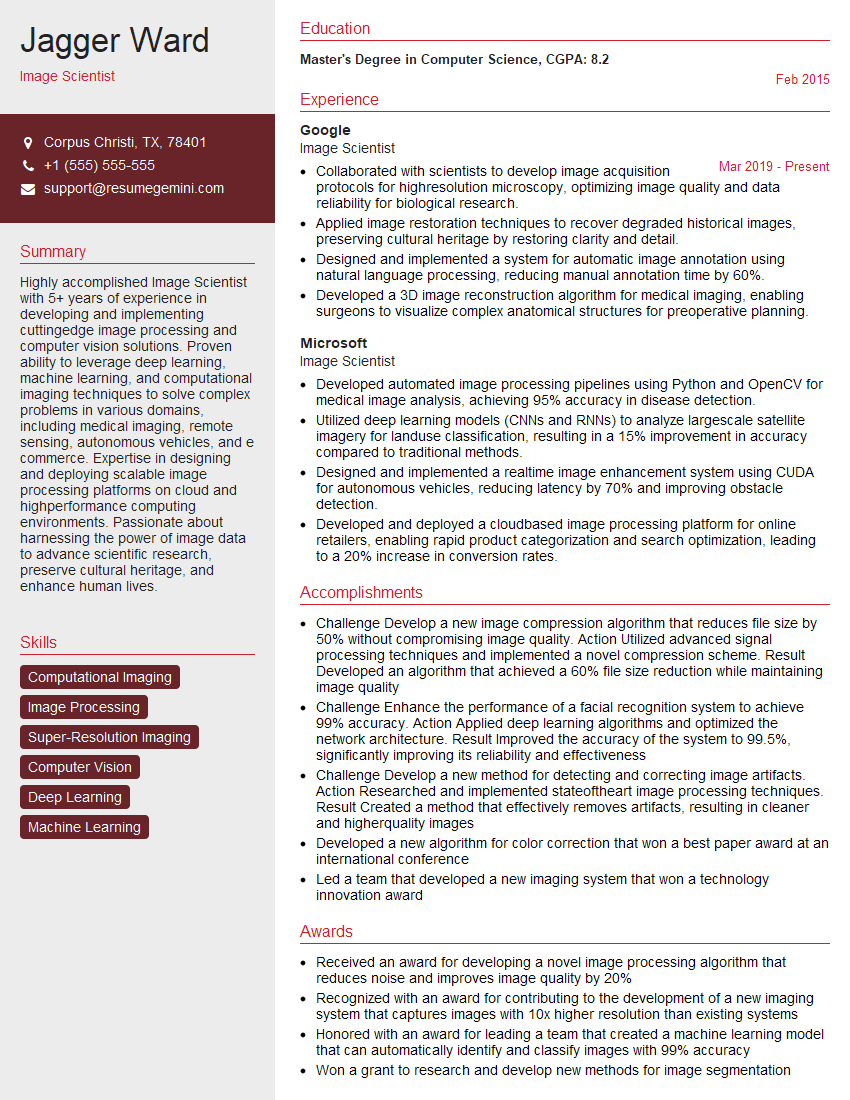
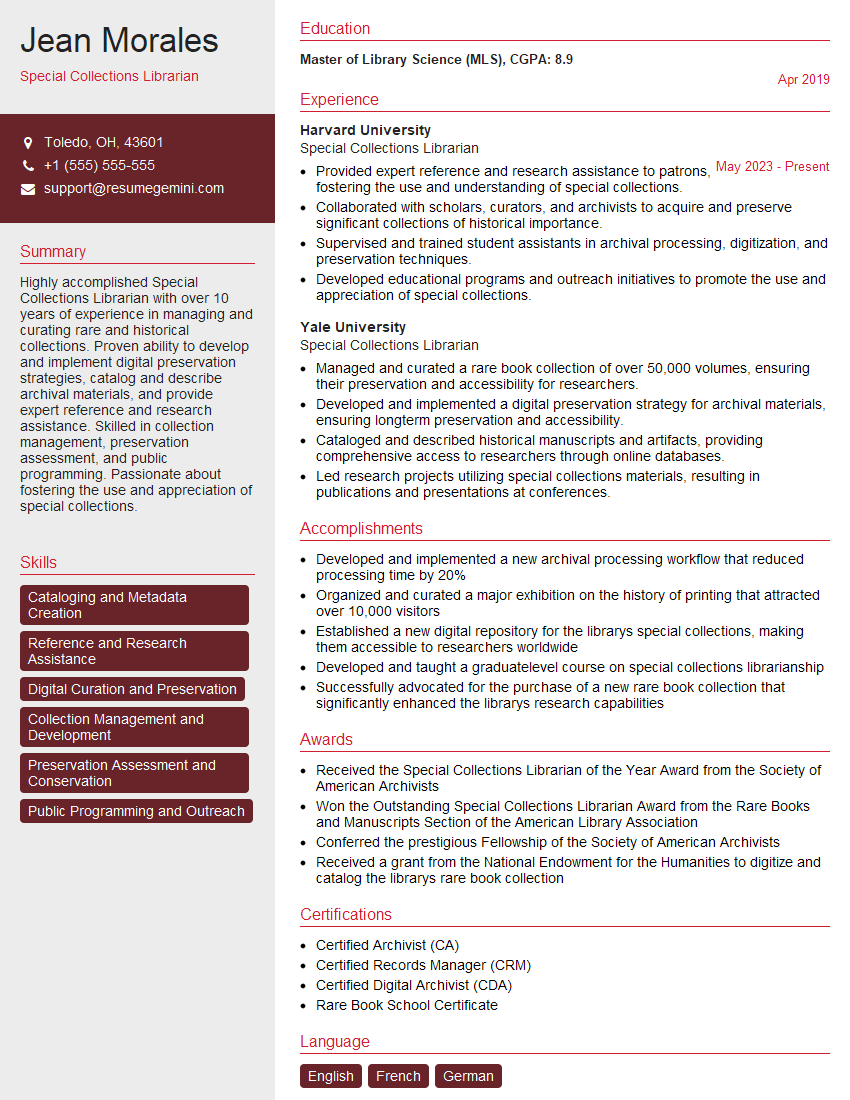
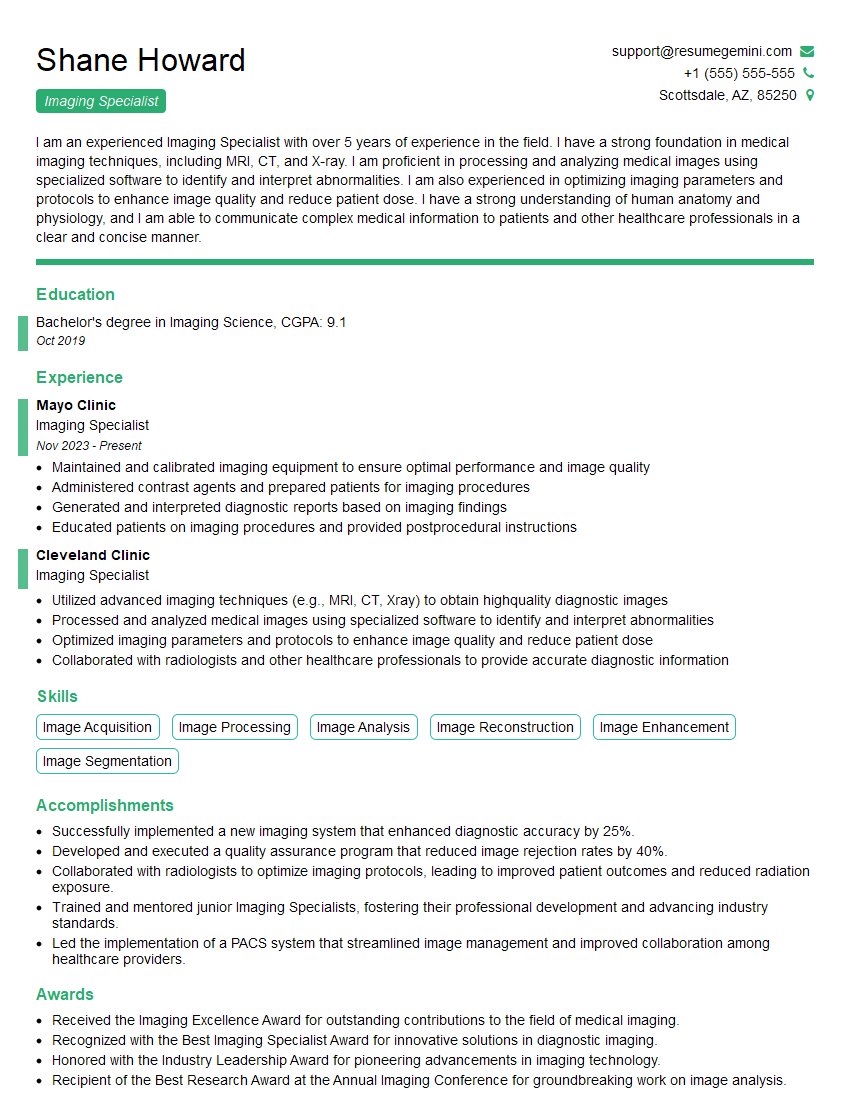
Mastering expertise in handling and storing photographic plates is crucial for career advancement in archival science, photography, and related fields. It demonstrates a commitment to preserving cultural heritage and showcases valuable technical skills. To significantly boost your job prospects, create a compelling and ATS-friendly resume that highlights your relevant experience and qualifications. ResumeGemini is a trusted resource that can help you build a professional resume tailored to your specific skills and experience. Examples of resumes tailored to Expertise in handling and storing photographic plates are provided to guide you in crafting your own compelling application materials.


Explore more articles
Users Rating of Our Blogs
Share Your Experience
We value your feedback! Please rate our content and share your thoughts (optional).
What Readers Say About Our Blog
Very informative content, great job.
good