Interviews are more than just a Q&A session—they’re a chance to prove your worth. This blog dives into essential Expertise in plate mounting and registration techniques interview questions and expert tips to help you align your answers with what hiring managers are looking for. Start preparing to shine!
Questions Asked in Expertise in plate mounting and registration techniques Interview
Q 1. Explain the process of plate mounting on a Heidelberg Speedmaster.
Mounting plates on a Heidelberg Speedmaster involves precision and adherence to a specific workflow. First, you’ll inspect the plate for any damage or imperfections. Then, using the appropriate mounting system (typically a vacuum system integrated into the press), you carefully position the plate onto the cylinder. The plate is then secured using a backing sheet and clamping mechanism. The exact procedure varies slightly depending on the press model and the type of plate being used. For example, some newer presses have automated plate-changing systems that significantly streamline the process. The key is ensuring a flat, even mounting to prevent inconsistencies in print quality.
Think of it like framing a precious painting – you need to be meticulous to avoid damage and ensure a perfect fit. Incorrect mounting can lead to slippage, which directly impacts registration.
Q 2. Describe different types of printing plates and their applications.
Several types of printing plates exist, each with specific properties and applications:
- Metal Plates (e.g., aluminum, copper): These are the workhorse of the industry, offering excellent durability and print quality. They’re often used for long print runs because they can withstand high volumes.
- Polymer Plates (e.g., photopolymer): These plates are generally more economical than metal plates, particularly for shorter runs. They’re easier to process and are known for their flexibility.
- Flexographic Plates: Used in flexographic printing, these plates are made from photopolymer and are highly flexible, allowing them to wrap around cylindrical print rollers for packaging and other flexible substrates.
The choice depends largely on factors like print run length, budget, substrate, and desired print quality. For example, a high-volume magazine job would likely use metal plates for longevity, while a short-run promotional piece might benefit from the cost-effectiveness of polymer plates.
Q 3. How do you ensure accurate plate registration?
Accurate plate registration is crucial for crisp, aligned printing. It’s achieved through a combination of careful pre-press procedures and precise adjustments on the press. Prior to mounting, the plates are carefully pre-registered using registration marks. These marks are tiny symbols placed on the plates during the plate-making process. During mounting, these marks are aligned using the press’s registration system, typically involving adjustments to the plate cylinder’s position. We use a combination of visual inspection and precise measurements, often aided by advanced press systems that provide real-time registration feedback.
Think of it as aligning puzzle pieces. You need to ensure each piece (each plate color) fits perfectly with its neighbor for a seamless whole (the final print). This minimizes color shifts and blurry images.
Q 4. What are the common causes of misregistration and how do you troubleshoot them?
Misregistration can stem from several issues:
- Improper Plate Mounting: A poorly mounted plate can shift during printing.
- Wear and Tear on Press Components: Over time, press components can wear down, leading to imprecise registration.
- Inaccurate Pre-Press Processes: Errors in plate creation or pre-registration can cascade into misregistration on the press.
- Incorrect Press Settings: Improper press adjustments, such as incorrect cylinder alignment, can also cause misregistration.
Troubleshooting involves systematically eliminating these possibilities. We start with a visual inspection, check the plate mounting, and then move on to verifying the press’s mechanical components and settings. Sometimes, it’s a simple adjustment; other times, it requires more in-depth diagnosis and potentially the intervention of a press technician.
Q 5. Explain the importance of proper plate cleaning and storage.
Proper plate cleaning and storage are essential for maintaining plate quality and preventing issues. Plates should be cleaned immediately after printing to remove ink and other debris using appropriate cleaning solutions. Avoid harsh chemicals that could damage the plate surface. Proper storage involves protecting the plates from dust, scratches, and excessive heat or humidity. They should ideally be stored flat in protective sleeves or containers. Neglecting these steps can shorten plate lifespan and compromise print quality.
Imagine leaving your paintbrushes uncleaned. They will quickly get clogged with paint, making them unusable. The same principle applies to printing plates.
Q 6. How do you identify and correct plate distortion?
Plate distortion, usually manifested as stretching or shrinking of the image, can be identified through visual inspection of the printed output. A consistent pattern of misregistration, especially towards the edges of the printed sheet, often points towards distortion. We usually use a magnifying glass or a special gauge to check for any stretching or shrinkage in the plate itself. Correction involves either replacing the damaged plate if the distortion is significant or, in some cases, making fine adjustments to the press’s settings (but this is usually only done after ruling out other issues).
Think of it like a photograph that’s been printed on stretched fabric. The image will be distorted. Addressing plate distortion ensures that your final print accurately represents the original design.
Q 7. Describe your experience with different plate mounting systems.
Throughout my career, I’ve worked with a variety of plate mounting systems, including both manual and automated systems. I’m familiar with different clamping mechanisms, vacuum systems, and plate-handling equipment. My experience ranges from older, manually operated systems requiring precise hand-alignment to modern, automated systems that streamline the process and reduce the risk of human error. I’ve worked with Heidelberg’s own mounting systems, as well as third-party systems, always adapting my techniques to the specific equipment and plate type.
This experience has not only equipped me to handle various situations efficiently but has also deepened my understanding of the subtle differences between different systems and their respective strengths and weaknesses.
Q 8. What safety precautions do you take when handling printing plates?
Safety is paramount when handling printing plates. These plates, often made of photosensitive materials or metals, can be sharp, chemically treated, or carry latent images that require careful handling. My safety protocols always begin with wearing appropriate Personal Protective Equipment (PPE), including cut-resistant gloves, safety glasses, and a lab coat. I meticulously follow the manufacturer’s handling instructions for each specific plate type. This often involves avoiding direct sunlight or UV exposure to prevent image degradation. Further, I maintain a clean and organized workspace, free of clutter to prevent accidental cuts or slips. Plates are stored properly to prevent damage or bending. For example, I use plate storage racks designed to keep the plates flat and secure. Finally, I’m trained on proper disposal procedures for used plates and chemicals, ensuring environmental responsibility and worker safety.
Q 9. How do you handle damaged or defective plates?
Damaged or defective plates are immediately identified and removed from the production workflow to prevent costly reprints and ensure consistent quality. The assessment of damage includes checking for scratches, dents, warping, or inconsistencies in the image. If the damage is minor and confined to a small area, and it’s a non-critical area of the print, we might attempt a repair using specialized plate cleaning and repair solutions. However, for significant damage, the plate is immediately rejected. We meticulously document the nature and extent of the damage, including photographs, to facilitate analysis of the cause. This information aids in identifying and addressing potential issues upstream in the plate making process. Rejected plates are disposed of according to safety regulations and we initiate the production of a replacement plate.
Q 10. What is the significance of maintaining accurate color registration?
Accurate color registration is crucial for achieving high-quality prints; it’s the precise alignment of the different color plates (cyan, magenta, yellow, and black – CMYK) during the printing process. Improper registration leads to misaligned colors, resulting in blurry images, color fringes (halo effect), and a generally unprofessional look. Imagine a printed logo where the red isn’t perfectly aligned with the blue, causing a messy overlap. This not only affects the visual appeal but also impacts the brand’s perception. Maintaining accurate registration ensures that the final print accurately reflects the original design intent, preserving brand identity and customer satisfaction. Inaccurate registration can lead to costly reprints and dissatisfied clients.
Q 11. Explain the relationship between plate mounting and overall print quality.
Plate mounting is intrinsically linked to overall print quality. The process of securely affixing the printing plate to the printing cylinder is critical. Improper mounting can cause the plate to move during printing, leading to misregistration, blurred images, and inconsistent color density. Imagine trying to write with a pen that keeps slipping—the result will be messy and illegible. Similarly, a poorly mounted plate results in flawed prints. Careful mounting ensures the plate remains stable and firmly attached throughout the entire print run, guaranteeing sharp, well-registered images with consistent color reproduction and preventing costly downtime due to print defects. Using the correct adhesive and techniques optimizes print quality and reduces waste.
Q 12. How do you measure and adjust registration marks?
Registration marks (also called register marks) are strategically placed on the printing plates and serve as reference points for aligning the colors. Measurement and adjustment are done using a variety of tools, including microscopes and specialized registration gauges. We use a combination of visual inspection and precision measurement tools. First, a visual check ensures the general alignment. Then, using a gauge, we precisely measure the distance between the registration marks on each plate. Minor adjustments are made using the press’s fine-tuning mechanisms. Each color plate is carefully aligned to the preceding one, ensuring the overlap of colors is accurate. This process is iterative, involving multiple checks and adjustments until the desired precision is achieved. Advanced printing presses sometimes have automated registration systems which assist in this process.
Q 13. Describe your experience with different types of printing presses and their plate mounting requirements.
My experience encompasses various printing press types, including sheetfed offset presses, web offset presses, and digital printing presses. Sheetfed presses typically use smaller, more manageable plates and require precise mounting for accurate registration across smaller print areas. Web offset presses handle larger plates, demanding a robust and consistent mounting process to accommodate continuous printing on large rolls of paper. Digital presses usually employ different plate technologies (often no physical plates at all) with their own setup requirements. Each press type demands specific knowledge of the plate size, material, mounting technique, and adhesive to ensure optimum performance and minimize issues. For example, a sheetfed press using metal plates might require a specific adhesive and precise mounting pressure compared to a digital press which may use a completely different technology.
Q 14. What software or tools are you familiar with for plate preparation and mounting?
I’m proficient in using various software and tools for plate preparation and mounting. This includes pre-press software like Adobe Illustrator and Photoshop for designing and preparing the plate artwork. We use platemaking software to create the actual plate image and send it to the plate imager. For plate mounting, we employ specialized tools like plate mounting machines that ensure consistent and precise placement of plates on the printing cylinder. In addition to that, specialized software can be used to precisely measure and adjust the registration. I also utilize tools like digital microscopes for close inspection of the plates and registration marks. This integrated approach ensures efficiency and precision throughout the entire process from design to printing.
Q 15. How do you ensure consistent plate mounting across multiple printing runs?
Consistent plate mounting across multiple printing runs is paramount for maintaining print quality and minimizing waste. It relies on a combination of precise techniques and meticulous attention to detail. Think of it like building a skyscraper – each floor (printing run) must align perfectly with the previous ones.
- Precise Plate Preparation: Before mounting, plates should be meticulously inspected for any damage or imperfections. Cleaning the plate and the mounting cylinder with appropriate solvents is crucial to ensure a strong adhesive bond.
- Consistent Mounting Procedure: A standardized, documented procedure is essential. This includes using the same type and amount of adhesive, applying it evenly, and using consistent pressure during the mounting process. Any deviation should be recorded and investigated.
- Regular Calibration: Regularly calibrating the plate mounting equipment is crucial. This ensures the system is accurate and consistent, reducing the chance of misalignment. Think of it like regularly tuning your car’s engine for optimal performance.
- Environmental Control: Temperature and humidity fluctuations can affect the plate and adhesive, impacting mounting accuracy. Maintaining a stable environment is key to consistent results.
- Quality Control Checks: Implementing rigorous quality checks at every stage, from plate inspection to final mounting, allows for immediate identification and correction of any issues.
For example, in a large-scale commercial printing operation, we use a standardized checklist to ensure each step of the mounting process is followed precisely, and we regularly inspect our mounting equipment for any wear and tear that could compromise accuracy.
Career Expert Tips:
- Ace those interviews! Prepare effectively by reviewing the Top 50 Most Common Interview Questions on ResumeGemini.
- Navigate your job search with confidence! Explore a wide range of Career Tips on ResumeGemini. Learn about common challenges and recommendations to overcome them.
- Craft the perfect resume! Master the Art of Resume Writing with ResumeGemini’s guide. Showcase your unique qualifications and achievements effectively.
- Don’t miss out on holiday savings! Build your dream resume with ResumeGemini’s ATS optimized templates.
Q 16. Explain the concept of ‘ghosting’ in printing and how it relates to plate mounting.
‘Ghosting’ in printing refers to a faint, shadowy impression of a previously printed image appearing on subsequent prints. It’s like a ghostly reminder of the past! It’s often caused by incomplete cleaning of the printing plate or residual ink build-up. In relation to plate mounting, improper mounting can exacerbate ghosting.
- Incomplete Plate Cleaning: If the plate isn’t thoroughly cleaned before mounting, remnants of ink or other materials can remain and transfer to subsequent prints, resulting in the ghost image.
- Improper Plate Adhesion: If the plate isn’t properly adhered to the cylinder, it can shift slightly during the printing process. This subtle movement can lead to misregistration and create a faint ghost image as the imperfectly positioned plate overlaps with the previously printed area.
- Residual Adhesive: Excess adhesive that hasn’t been properly cleaned from the mounting cylinder can also contribute to ghosting, especially when using certain types of inks.
Addressing ghosting involves meticulous plate cleaning, proper mounting techniques, and potentially using different cleaning solutions or adhesives. In one instance, we solved a persistent ghosting problem by switching to a more effective plate cleaning agent and carefully inspecting the mounting cylinder for any residual adhesive.
Q 17. Describe your experience with different types of plate materials (e.g., aluminum, polyester).
My experience encompasses a wide range of plate materials, each with its own strengths and weaknesses.
- Aluminum Plates: These are the industry standard, offering a good balance of cost-effectiveness, durability, and image quality. They are versatile and compatible with various printing techniques and inks. However, they require careful handling to prevent scratches and damage.
- Polyester Plates: These are lighter and more flexible than aluminum, making them easier to handle and store. They are often preferred for applications requiring shorter print runs or for specialized printing processes. Their thinner nature can make them more susceptible to damage, but they are becoming increasingly popular for their environmental benefits due to better recyclability and less material usage.
- Other Materials: I also have some experience with other materials, such as polymer-based plates, which can offer improved durability and resistance to wear and tear. These often have improved chemical resistance, extending the life of the printing plate.
The choice of plate material depends on factors like print volume, required image quality, budget constraints, and the type of printing press being used. For example, for high-volume commercial printing, aluminum plates are often the best choice. For shorter print runs or specialized work, polyester or polymer-based plates might be more suitable.
Q 18. How do you handle variations in paper stock thickness and its effect on registration?
Variations in paper stock thickness directly impact registration, which is the precise alignment of multiple colors or images on a printed sheet. Think of it as a stacking game – uneven thicknesses will throw off the alignment.
- Compensation Mechanisms: Modern printing presses often have sophisticated compensation mechanisms to adjust for variations in paper thickness. These mechanisms automatically compensate for the differences, ensuring accurate registration.
- Paper Feed Settings: Carefully adjusting the paper feed settings on the press is essential. This ensures consistent paper feeding and reduces variations in the positioning of the sheets.
- Pre-Press Adjustments: In some cases, adjustments to the pre-press process, such as tweaking the image positioning, can help compensate for anticipated paper thickness variations.
- Quality Control: Regular monitoring and adjustment of the press during the run are necessary to maintain consistent registration despite variations in paper thickness. Close attention to the printed sheets is vital.
For instance, if we are printing on a thicker card stock compared to standard paper, we need to adjust the paper feed and potentially the press’s compensation mechanism to ensure the colors still align perfectly. Failure to do so will result in misregistration and affect print quality.
Q 19. What are the typical tolerances for acceptable registration?
Acceptable registration tolerances vary depending on the printing job’s complexity and the client’s specifications. However, generally acceptable tolerances are quite tight.
- Commercial Printing: For high-quality commercial printing, tolerances are typically within ±0.25mm or less, meaning no color should deviate more than 0.25mm from its intended position.
- Packaging Printing: In packaging printing, where precise alignment is critical, tolerances can be even stricter, sometimes down to ±0.1mm or less. A misalignment in packaging is far more serious than in a poster.
- Special Applications: For certain specialized applications requiring extremely high precision, tolerances may be even tighter, demanding highly skilled operators and precise equipment.
These tolerances are measured using specialized instruments. Exceeding these tolerances will generally result in a reprint or at the very least reduce the quality of the final printed product, leading to customer dissatisfaction.
Q 20. Describe your experience with automated plate mounting systems.
I have extensive experience with automated plate mounting systems, which significantly improve efficiency and consistency compared to manual methods. These systems automate the entire process, from plate loading and cleaning to precise positioning and adhesion.
- Increased Speed and Efficiency: Automated systems significantly reduce the time required for plate mounting, allowing for faster turnaround times and increased productivity.
- Improved Accuracy and Consistency: Automated systems provide greater precision in plate alignment and mounting pressure, leading to more consistent results across multiple print runs.
- Reduced Operator Error: By automating the process, these systems eliminate the risk of human error associated with manual mounting, reducing the likelihood of misalignment and related issues.
- Data Tracking and Monitoring: Many automated systems offer data logging capabilities, providing valuable information on plate mounting parameters and allowing for process optimization.
For example, in my previous role, we transitioned from manual to automated plate mounting, resulting in a 30% reduction in mounting time and a noticeable improvement in print quality consistency, and fewer operator errors.
Q 21. How do you address issues with plate adhesion?
Plate adhesion problems can stem from various causes, ranging from improper cleaning to using the wrong adhesive.
- Cleaning: Thoroughly cleaning both the plate and the mounting cylinder is the first step. Any dust, dirt, or residual ink will prevent proper adhesion. Using the correct cleaning solvents is critical.
- Adhesive: The type and amount of adhesive used are crucial. Using the wrong adhesive, or applying too little or too much, can result in poor adhesion. Following the manufacturer’s instructions is paramount.
- Temperature and Humidity: Environmental factors like temperature and humidity can affect the adhesive’s performance, impacting plate adhesion. Maintaining a stable environment is essential.
- Plate and Cylinder Condition: Inspecting the plate and mounting cylinder for any damage or imperfections is critical. Scratches or other surface irregularities on either can prevent proper adhesion.
- Press Settings: In some cases, improper press settings, such as incorrect mounting pressure, can also contribute to adhesion issues.
To address adhesion problems, a systematic approach is needed. We start by carefully examining each potential cause and then take corrective action. This might involve switching adhesives, improving cleaning techniques, adjusting press settings, or replacing damaged components. In one case, we traced poor adhesion to a batch of faulty adhesive and successfully resolved the issue by replacing the faulty adhesive with a fresh batch.
Q 22. Explain the process of stripping and cleaning plates after a print run.
Stripping and cleaning plates after a print run is crucial for maintaining press efficiency and preventing defects in subsequent jobs. It involves carefully removing the plates from the press, cleaning them thoroughly to remove ink and debris, and then storing them properly.
The process typically begins with a careful inspection of the plate to assess its condition. Any damage, such as scratches or significant ink buildup, should be noted. Next, we use a plate cleaner, often a specialized solvent or emulsion cleaner appropriate for the plate type (e.g., CTP plates, flexographic plates). This cleaner is applied with a brush or roller, ensuring complete coverage.
For stubborn ink, an ultrasonic cleaner might be necessary. After cleaning, the plate is rinsed thoroughly with water and then dried using a lint-free cloth or compressed air. It is crucial to avoid leaving any residue or water droplets. Finally, the clean plate is carefully inspected again, and then stored in protective sleeves or a designated rack, away from direct sunlight or extreme temperatures to maintain quality and prevent damage. We always follow the manufacturer’s recommendations for cleaning specifics, as improper handling can shorten the plate’s lifespan.
For example, I once had a situation where a particular ink was particularly difficult to remove. I experimented with different cleaning solvents and cleaning techniques before finding a combination that worked effectively without damaging the plate surface, saving us the cost of replacing prematurely worn plates.
Q 23. How do you verify the proper alignment of plates before printing commences?
Verifying proper plate alignment is paramount to avoid misregistration, which leads to significant waste and printing errors. We use a combination of methods for accurate verification. Firstly, a careful pre-press check involves comparing the imposition proof against the actual plate. This ensures that the plate itself has been correctly imaged and positioned before mounting.
Before mounting, the plate is typically placed onto the press and registered using registration pins or marks. The precision of this step is critically important. We use a magnifying glass or a microscope with a crosshair to verify that the alignment pins are correctly inserted. We also look for any misalignment between the image on the plate and the registration marks on the press.
Once mounted, a test print is run on scrap material to check the registration between colors or between different plates. This is particularly important in multi-color jobs. Even minor misregistrations, while almost invisible to the naked eye, are amplified during the printing process, eventually leading to unacceptable print quality. We measure the misregistration using a registration gauge, making adjustments as necessary before full-scale production commences. This proactive approach saves costs by minimizing waste and ensuring a high-quality output. We maintain detailed records of all these checks.
Q 24. Describe your troubleshooting experience for common plate mounting issues.
Troubleshooting plate mounting issues requires a systematic approach. Common problems include misregistration, damaged plates, improper mounting, or incorrect plate selection. My troubleshooting involves careful observation and elimination of potential causes.
For instance, if I encounter misregistration, I begin by inspecting the plate mounting process for any errors – were the pins correctly aligned? Was the plate properly secured? If the issue persists after verifying mounting, I check the plate itself for damage, warping, or inconsistencies in the emulsion. A damaged plate would require replacement.
If the problem relates to inaccurate imposition, I’d review the imposition software settings to pinpoint the problem. Sometimes, the issue might lie in the press itself—worn registration pins or a misaligned press unit. In such situations, I’d involve press maintenance personnel to inspect and repair the press. Proper documentation of each issue and the solution implemented is key to both solving the issue quickly and preventing the recurrence of the same problem.
For example, I once solved a recurring misregistration problem by identifying a slight wear on one of the press’s registration pins. Replacing the pin resolved the issue permanently.
Q 25. How do you prioritize efficiency and accuracy in plate mounting?
Prioritizing efficiency and accuracy in plate mounting is crucial for minimizing downtime and maximizing output. We achieve this through meticulous planning, optimized workflows, and the use of appropriate tools and technologies.
Before starting, we ensure all necessary materials are readily available. This includes plates, mounting tools, cleaning agents, and verification equipment. We implement a standardized procedure, so each step is executed consistently. This standardization reduces errors and improves speed. The use of automated plate mounting systems can significantly improve efficiency by reducing manual handling time and minimizing human error.
Accuracy is maintained through careful attention to detail, consistent use of measurement tools, and regular calibration of equipment. We also invest in high-quality plates and mounting materials, as the reliability of these components directly impacts the efficiency and quality of the final product. Regular training and quality checks on the plate mounting process ensure that everyone on the team follows standardized procedures, leading to consistently accurate results.
Q 26. What is your experience with different types of plate imposition?
My experience encompasses a variety of plate imposition techniques, tailored to different printing requirements. Imposition refers to the arrangement of pages on a printing plate to optimize sheet size and printing efficiency.
I’m proficient in various imposition strategies, including those commonly used in sheet-fed and web offset printing. This includes work-and-turn imposition, work-and-tumble, and parallel imposition, depending on the job specifications, press capabilities and finishing requirements. I understand how imposition affects color registration, ink usage, and the overall efficiency of the printing process.
My experience extends to software applications specifically designed for imposition planning and optimization (such as imposition software integrated with prepress workflow systems). This allows for precise calculations and the creation of efficient page layouts, minimizing waste and maximizing the utilization of the printing plate and paper stock. We always consider the final product dimensions and the subsequent finishing stages (folding, binding, etc.) during the imposition planning phase.
Q 27. How do you contribute to a safe and efficient pressroom environment?
Contributing to a safe and efficient pressroom environment is a high priority. This involves adhering to strict safety protocols, maintaining a clean and organized workspace, and actively participating in safety training programs.
Proper handling of chemicals and solvents is crucial. I always follow proper safety data sheets (SDS) guidelines, ensuring adequate ventilation and wearing the necessary personal protective equipment (PPE). I also ensure that the pressroom is kept clean and organized to prevent accidents caused by clutter or spills.
I actively participate in regular safety training sessions and report any potential hazards immediately to the appropriate personnel. Moreover, I promote a culture of safety awareness among my colleagues through regular reminders and promoting safe work practices. For example, I often lead discussions to identify potential risks and propose better solutions. The safety and well-being of everyone in the pressroom is paramount.
Q 28. Describe your experience with maintaining accurate inventory of printing plates.
Maintaining accurate inventory of printing plates is essential for efficient production planning and cost control. We use a combination of physical and digital methods to ensure accurate tracking.
Physically, we use a clearly labeled storage system to organize plates based on job number, client, and plate type. This allows for quick retrieval of plates when needed. Digitally, we maintain a database that includes details like the plate’s job number, creation date, client, plate type, and status (in use, archived, or discarded).
This database allows us to track plate usage, anticipate future needs, and identify any potential shortages or obsolete plates. The digital inventory also helps in streamlining the plate ordering and management process, leading to reduced waste and improved operational efficiency. Regular audits of both physical and digital inventory are carried out to ensure accuracy and address any discrepancies. This ensures that we always have the right plates on hand and eliminates unnecessary storage costs.
Key Topics to Learn for Expertise in Plate Mounting and Registration Techniques Interview
- Plate Types and Selection: Understanding the different types of printing plates (e.g., flexographic, offset, gravure) and their suitability for various substrates and printing processes. Knowing when to choose a specific plate type based on job requirements.
- Mounting Procedures: Mastering the techniques for accurately and efficiently mounting plates onto printing cylinders or presses. This includes understanding proper adhesive selection and application, ensuring consistent pressure, and minimizing waste.
- Registration Techniques: Developing a strong understanding of color registration principles and procedures. This encompasses practical skills in aligning plates precisely to achieve accurate color matching and image placement. Knowing how to troubleshoot misregistration issues.
- Pre-Press Considerations: Understanding the crucial role of pre-press preparation in successful plate mounting and registration. This includes familiarity with proofing methods, color profiles, and file preparation to avoid potential problems during the mounting process.
- Troubleshooting and Problem-Solving: Developing the ability to identify and resolve common issues related to plate mounting and registration, such as improper adhesion, misalignment, and printing defects. This includes understanding the root causes of these problems and implementing effective solutions.
- Safety Procedures: Adhering to all safety regulations and best practices during the plate mounting and registration process. Understanding the safe handling of chemicals and equipment.
- Quality Control: Implementing robust quality control measures throughout the process to ensure accurate registration and consistent print quality. Understanding how to document and report on quality control findings.
- Maintenance and Cleaning: Understanding the proper maintenance and cleaning procedures for printing plates and equipment to ensure longevity and optimal performance.
Next Steps
Mastering expertise in plate mounting and registration techniques is crucial for career advancement in the printing industry. It demonstrates a high level of technical skill and attention to detail, opening doors to more challenging and rewarding roles. To significantly improve your job prospects, creating an ATS-friendly resume is essential. ResumeGemini is a trusted resource that can help you build a professional and impactful resume. We provide examples of resumes tailored to Expertise in plate mounting and registration techniques to guide you in crafting a compelling application that highlights your skills and experience effectively. Let ResumeGemini help you make a strong impression on potential employers.

Print Production Manager Resume Sample

Prepress Manager Resume Sample
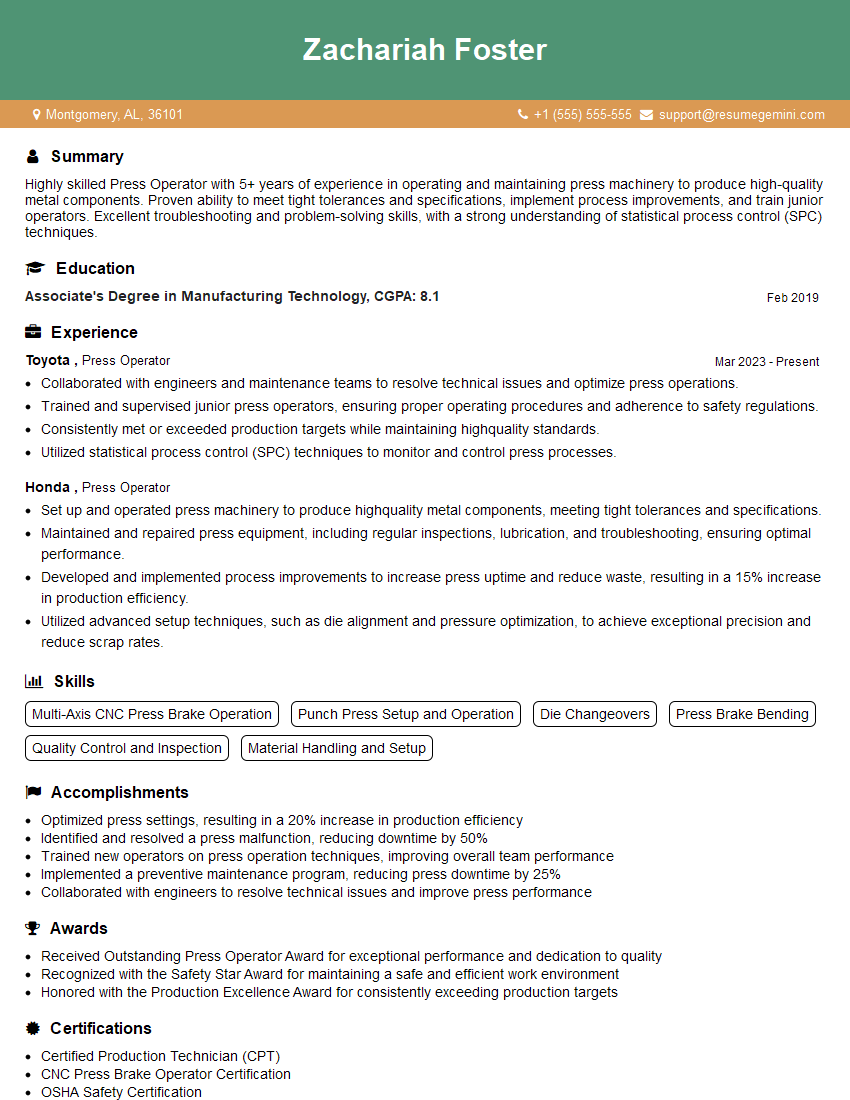
Press Operator Resume Sample

Printing Supervisor Resume Sample
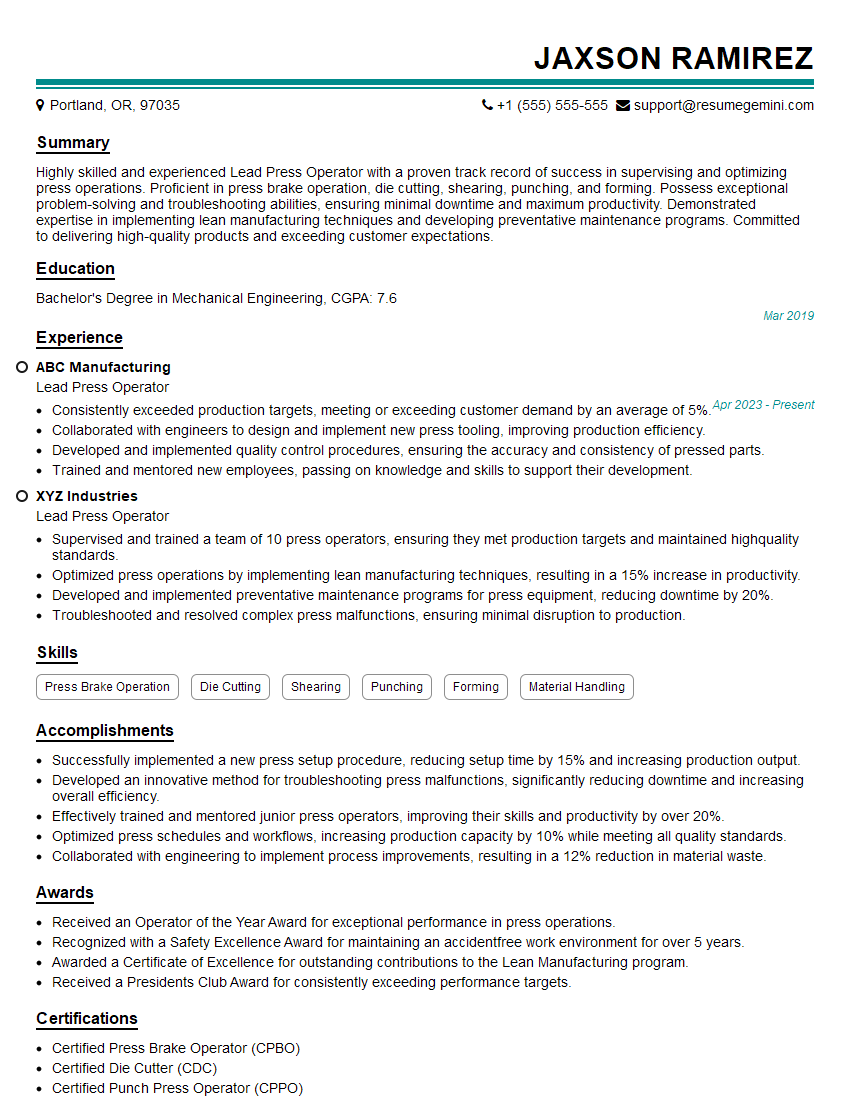
Lead Press Operator Resume Sample

Plate Mounter Resume Sample

Flexographic Press Operator Resume Sample
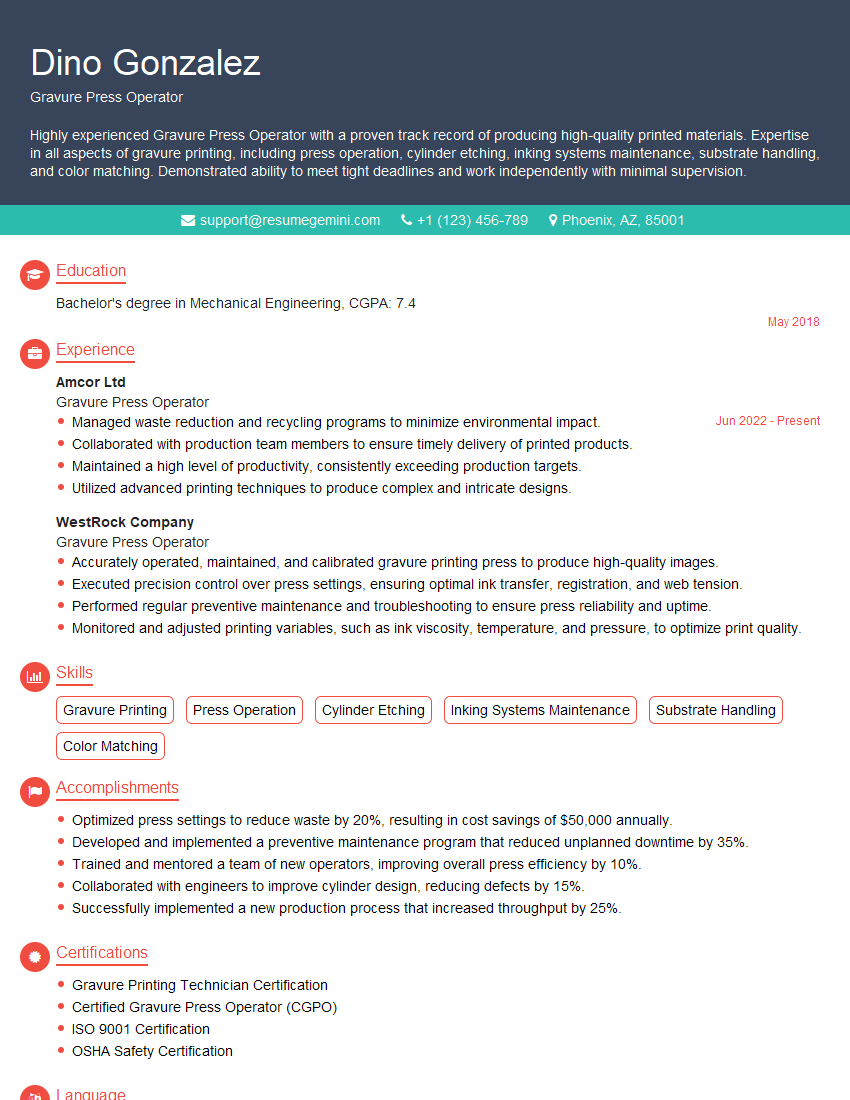
Gravure Press Operator Resume Sample

Offset Press Operator Resume Sample
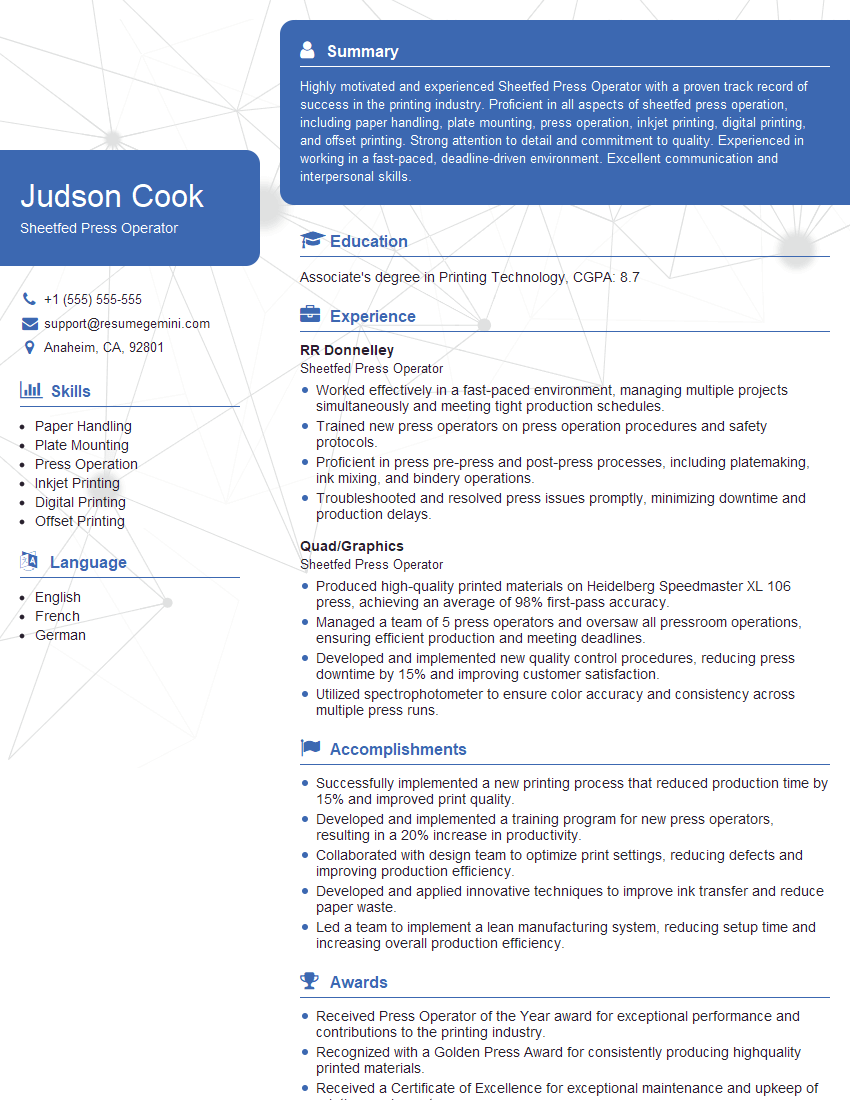
Sheetfed Press Operator Resume Sample

Web Press Operator Resume Sample
Explore more articles
Users Rating of Our Blogs
Share Your Experience
We value your feedback! Please rate our content and share your thoughts (optional).
What Readers Say About Our Blog
Very informative content, great job.
good