Interviews are more than just a Q&A session—they’re a chance to prove your worth. This blog dives into essential Winemaking Principles interview questions and expert tips to help you align your answers with what hiring managers are looking for. Start preparing to shine!
Questions Asked in Winemaking Principles Interview
Q 1. Explain the process of malolactic fermentation and its impact on wine.
Malolactic fermentation (MLF) is a secondary fermentation process in winemaking where lactic acid bacteria (LAB) convert malic acid, a harsher, sharper acid, into lactic acid, a softer, rounder acid. Think of it like this: malic acid is the tartness of a green apple, while lactic acid is the milder tang of yogurt. This conversion significantly impacts the wine’s flavor profile.
The Process: After alcoholic fermentation (where yeast converts sugar to alcohol), LAB are introduced to the wine. These bacteria thrive in specific conditions (temperature, pH), metabolizing malic acid and producing lactic acid, carbon dioxide, and sometimes diacetyl (contributing to buttery aromas in some wines).
Impact on Wine: MLF softens acidity, reduces harshness, adds complexity, and can enhance mouthfeel. For example, in Chardonnay, MLF contributes to creamy, buttery notes, while in Cabernet Sauvignon, it can soften tannins, resulting in a smoother wine. However, uncontrolled MLF can lead to off-flavors. Careful monitoring and management of the process are crucial for achieving the desired effect.
Q 2. Describe the different methods of red wine fermentation.
Red wine fermentation involves several methods, differing primarily in the extent of grape skin contact and the handling of solids.
- Traditional/Open-Top Fermentation: Grapes are crushed and fermented in open vats, allowing for maximum skin contact and extraction of color, tannins, and flavor compounds. This method offers great control and allows for cap management (punching down or pumping over). This is a classic method, often emphasizing a strong connection to terroir.
- Closed-Vessel Fermentation: Grapes ferment in sealed tanks, reducing oxygen exposure and promoting the extraction of softer tannins and brighter fruit flavors. This method is particularly suited for delicate red wines.
- Carbonic Maceration: Whole berries are fermented in a carbon dioxide-rich environment. This unique technique produces fruity, lighter-bodied wines with less tannin. Think of it like a gentle, internal fermentation of the grapes before the typical yeast fermentation begins.
- Semi-Carbonic Maceration: A combination of whole berry and traditional methods, balancing fruitiness and structure.
The choice of method depends on grape variety, desired wine style, and climate.
Q 3. What are the key factors influencing the choice of yeast strain for wine fermentation?
Yeast strain selection is critical for wine fermentation, influencing the final wine’s aroma, flavor, and overall quality. Several factors guide this decision:
- Grape Variety: Certain yeast strains complement specific grape varietals. For example, a strain known for enhancing fruity esters might be ideal for Pinot Noir.
- Desired Wine Style: Different strains produce varying levels of volatile acidity, esters (fruity aromas), and higher alcohols. The choice will depend on whether a winemaker wants a fruity, bold, or more neutral expression.
- Fermentation Temperature: Each yeast strain has an optimal temperature range. A strain that tolerates higher temperatures might be necessary for warm climates.
- Must Characteristics: The sugar concentration, pH, and nutrient levels of the grape juice (must) influence yeast performance. Certain strains handle high sugar concentrations better.
- Malolactic Fermentation Compatibility: Some strains are more conducive to malolactic fermentation than others.
Commercial yeast strains are often selected for their reliability, consistency, and ability to achieve the desired wine profile. Winemakers often conduct trials to determine the best yeast strain for a particular vintage and wine style.
Q 4. How do you control temperature during fermentation and why is it crucial?
Temperature control during fermentation is paramount, influencing the yeast’s metabolic activity, the extraction of compounds from grape skins, and the final wine’s character.
Control Methods:
- Glycol Jackets/Coils: These systems circulate chilled or heated glycol solution around fermentation tanks, allowing precise temperature regulation.
- Refrigeration Units: External refrigeration units cool fermentation tanks.
- Immersion Cooling: Cooling plates submerged in the fermenting must provide direct cooling.
Importance of Control:
- Yeast Activity: Too high temperatures can kill yeast, resulting in stuck or sluggish fermentations. Too low temperatures can slow fermentation excessively.
- Aroma Compound Production: Temperature significantly impacts the formation of aroma compounds, influencing the wine’s fruity, floral, or spicy notes.
- Tannin Extraction: Higher temperatures generally lead to greater tannin extraction in red wines, potentially resulting in a harsher wine if not managed properly.
Accurate monitoring and adjustment are crucial to achieve a successful fermentation.
Q 5. Explain the different methods of oak treatment for wine aging.
Oak treatment for wine aging influences color, aroma, flavor, and complexity. The methods vary widely:
- New Oak Barrels: These impart the most significant oak character, releasing tannins, vanillin (vanilla), lactones (coconut), and other compounds. The toast level (light, medium, heavy) affects the flavor profile. A heavily toasted barrel imparts bolder, smoky notes, while a lightly toasted barrel adds subtle vanilla and spice.
- Used Oak Barrels: These have already released a substantial amount of their oak compounds, contributing subtle complexity without overpowering the wine’s fruit character. This is an excellent option for winemakers wanting to integrate oak without masking the varietal’s traits.
- Oak Chips/Staves: Smaller pieces of oak added directly to the wine during aging, providing a more economical oak treatment. However, they can sometimes introduce unwanted flavors if not properly sourced and managed.
- Oak Alternatives: Other materials such as acacia or chestnut can be used to impart some similar characteristics, but the flavor profiles are distinct.
The choice of oak treatment, including the type of oak, the barrel’s age, and the toast level, are essential decisions in shaping the wine’s final sensory profile.
Q 6. What are the common spoilage organisms found in wine and how are they controlled?
Several spoilage organisms can negatively impact wine quality. These include:
- Acetic Acid Bacteria (AAB): These bacteria oxidize ethanol to acetic acid, resulting in vinegar-like aromas and flavors. Good sanitation practices and avoiding excessive oxygen exposure are crucial in preventing AAB spoilage.
- Lactic Acid Bacteria (LAB): While beneficial during MLF, uncontrolled LAB growth can produce off-flavors like diacetyl (buttery) or other undesirable compounds. Proper control of MLF is key.
- Brettanomyces (Brett): This yeast produces a range of compounds that can lead to barnyard, smoky, or medicinal aromas. Strict hygiene and careful cellar management are important in preventing Brett infections.
- Wild Yeasts and Molds: These can cause undesirable flavors and cloudiness. Careful hygiene throughout the winemaking process is essential to avoid contamination.
Control Strategies: These include maintaining strict hygiene, using sterile equipment, controlling oxygen levels (using inert gases like nitrogen or argon), employing filtration (appropriate filters for specific organisms), and implementing sulfur dioxide (SO2) to inhibit microbial growth. SO2 acts as an antimicrobial agent while preserving the wine.
Q 7. Describe the sensory evaluation process for wine assessment.
Sensory evaluation is a crucial step in wine assessment, using all senses to analyze a wine’s characteristics. It’s systematic and involves a trained panel or individuals.
The Process:
- Visual Examination: Observe the wine’s color, clarity, and viscosity (legs or tears).
- Olfactory Examination (Aroma): Smell the wine, identifying primary aromas (from the grape), secondary aromas (fermentation-related), and tertiary aromas (aging-related). Note intensity and complexity.
- Gustatory Examination (Taste): Taste the wine, assessing its sweetness, acidity, tannins, alcohol, and body. Note the balance and the length of the finish.
- Retro-Olfaction: After swallowing, the aroma of the wine is again perceived, revealing further information.
Professional settings: Sensory evaluations are regularly performed in wineries and research labs, influencing winemaking decisions, grading and quality control, and marketing.
Scoring systems and standardized tasting forms help organize information. Trained tasters use standardized vocabulary to ensure clarity and consistency.
Q 8. What are the key parameters monitored during wine aging?
Monitoring wine aging is crucial for ensuring quality and achieving the desired style. Key parameters include:
- pH: This measures the acidity, affecting taste and microbial stability. Regular monitoring prevents unwanted bacterial growth. For example, a drop in pH during malolactic fermentation is expected and monitored closely.
- Titratable Acidity (TA): This represents the total acidity and impacts the wine’s tartness and preservation. We track changes in TA throughout aging to predict the final profile.
- Volatile Acidity (VA): This indicates the amount of acetic acid, which can cause a vinegary taste if too high. Regular testing helps prevent spoilage and ensure a pleasant taste.
- SO2 (Sulfur Dioxide): A preservative, SO2 levels are carefully managed to prevent oxidation and microbial growth without affecting the flavor. Regular additions might be needed, but excessive levels can negatively impact the wine’s aroma.
- Color and Clarity: Visual inspection reveals changes in color intensity and clarity, offering insights into the wine’s evolution. A shift in color might signal oxidation or other issues.
- Sensory Evaluation: Tasting the wine regularly allows for subjective assessment of aroma, flavor, and overall balance. This provides invaluable qualitative information unavailable through other testing methods.
- Temperature: Temperature significantly impacts aging speed and flavor development. Consistent, ideal temperatures must be maintained.
These parameters are monitored using various techniques, ranging from simple pH meters to sophisticated chromatography for volatile compound analysis. Regular monitoring and adjustments help steer the aging process towards the desired outcome.
Q 9. Explain the concept of ‘titratable acidity’ and its importance in winemaking.
Titratable acidity (TA) refers to the total concentration of acids in wine, expressed as tartaric acid. It’s not just about the pH (which measures the hydrogen ion concentration), but the total amount of acid present that can be titrated (neutralized) with a base. Think of it like this: pH is a snapshot, while TA is a full inventory.
TA is vital because it:
- Affects taste and balance: Higher TA leads to a more tart, crisp wine, while lower TA results in a softer, rounder wine. The balance between TA and sugar/alcohol is crucial for a well-rounded wine.
- Preserves the wine: Acidity acts as a natural preservative, inhibiting microbial growth and increasing shelf life. This is especially important in warmer climates or for wines intended for longer aging.
- Influences color and structure: Acidity impacts the wine’s color stability and tannin interaction, affecting its texture and mouthfeel.
Winemakers adjust TA through various techniques, such as acidification (adding tartaric acid) or malolactic fermentation (converting malic acid to lactic acid, reducing TA), depending on the grape variety, climate, and desired style. For example, in a cool-climate region where grapes might be naturally low in acidity, acidification might be necessary to ensure proper fermentation and long-term stability. Conversely, in a warm climate, malolactic fermentation might be used to lower TA for a smoother wine.
Q 10. How do you determine the optimal harvest time for grapes?
Determining optimal harvest time is a critical decision impacting wine quality. It’s about finding the perfect balance between sugar accumulation (for alcohol content) and desirable flavor and aroma compound development. This is influenced by several factors:
- Sugar levels (Brix): Measured using a refractometer, Brix indicates the potential alcohol content. Target Brix levels vary depending on the desired wine style.
- Acidity: As mentioned earlier, adequate acidity is essential for preservation and balance. It’s important to monitor TA throughout ripening.
- Flavor and aroma development: This is assessed through sensory evaluation of grape samples. We look for the development of characteristic varietal aromas and flavors, which reach optimal points at different ripening stages.
- Phenolic ripeness (tannins and color): For red wines, achieving optimal phenolic ripeness is critical for color, tannin structure, and mouthfeel. Underripe tannins can be harsh, while overripe tannins can lead to bitterness.
- Berry maturity and health: Healthy, ripe berries are essential for making high-quality wine. Damaged or diseased berries can introduce unwanted flavors and microbes.
Winemakers use a combination of these factors to determine the precise harvest date. They often sample grapes frequently in the weeks leading up to harvest to track these parameters and make informed decisions. For example, in a cooler year, we might wait longer to achieve adequate sugar levels, potentially sacrificing some color development in a red wine.
Q 11. What are the different methods of grape crushing and their effects on wine quality?
Grape crushing is the initial step in winemaking, where grapes are broken to release their juice. Several methods exist, each with its impact:
- Crushing by foot: A traditional method involving gentle crushing to avoid excessive extraction of tannins and harsh flavors. It’s generally reserved for specific styles and small-scale production.
- Roller crusher: This machine gently crushes the grapes between rollers, minimizing damage to the seeds and skins. It’s suitable for delicate wines where minimizing tannins is important.
- Hammer crusher: This method uses hammers to aggressively crush the grapes, releasing juice rapidly. It’s commonly used for high-tannin varieties where more aggressive extraction is desired.
- Destemming: The process of separating the grapes from the stems before crushing. Stems contain harsh tannins and flavors; destemming reduces these elements. However, some winemakers intentionally use stems, particularly in certain red wine styles, for their contribution to complexity.
The choice of crushing method depends on the grape variety, desired wine style, and overall winemaking philosophy. For example, delicate Pinot Noir might benefit from gentle crushing and destemming to produce a lighter, more elegant wine, while a robust Cabernet Sauvignon might tolerate more aggressive crushing and stem inclusion to create a more structured wine.
Q 12. Explain the principles of wine stabilization and clarification.
Wine stabilization and clarification are essential steps to improve wine quality, stability, and appearance. They involve removing or reducing components that could cause problems during storage or consumption.
Stabilization focuses on preventing unwanted changes, primarily:
- Tartaric stabilization: Removing potassium bitartrate crystals that can precipitate in cold temperatures. This is done by chilling the wine to induce crystallization, then filtering the crystals out.
- Malolactic stabilization: Preventing unwanted malolactic fermentation (MLF), a secondary fermentation that converts malic acid to lactic acid. This is achieved by controlling the wine’s pH and SO2 levels.
- Protein stabilization: Removing excess proteins that can cause haze or cloudiness upon chilling. Techniques include bentonite fining, which involves adding a clay that binds to proteins.
Clarification focuses on improving the wine’s appearance:
- Fining: Using agents like egg whites, bentonite, or isinglass to bind to unwanted particles and settle them out. Fining can also improve flavor and texture by removing undesirable compounds.
- Sedimentation: Allowing the wine to sit undisturbed, allowing heavier particles to naturally settle to the bottom.
- Filtration: Passing the wine through a filter to remove suspended particles. (See next question for details on filtration)
The choice of stabilization and clarification methods depends on the wine’s style, desired clarity, and potential instability issues.
Q 13. Describe the process of wine filtration and its impact on the finished product.
Wine filtration is a process that removes suspended particles, improving clarity and stability. Different types of filters remove particles of varying sizes:
- Coarse filtration: Removes larger particles like grape seeds or pieces of yeast. It typically preserves more of the wine’s character but might not provide perfect clarity.
- Fine filtration: Removes finer particles, resulting in brilliant clarity. This type of filtration can, however, strip away some of the wine’s subtle flavors and aromas.
- Sterile filtration: Removes bacteria and yeast, ensuring microbial stability and preventing further fermentation. This is crucial for wines meant for extended aging.
The choice of filtration method depends on the desired level of clarity and the winemaker’s philosophy. Some winemakers prefer minimal filtration to preserve the wine’s complexity, while others prioritize absolute clarity. The impact on the finished product varies; minimal filtration can lead to a fuller-bodied wine with more textural elements, while heavy filtration can result in a smoother, cleaner wine but might lack some nuanced flavors.
For example, a winemaker making a cloudy, naturally fermented cider might choose minimal filtration to preserve its unique character. Conversely, a winemaker producing a mass-market, clear white wine might choose extensive filtration for a visually appealing and shelf-stable product.
Q 14. What are the common defects found in wine and their causes?
Wine defects are undesirable alterations to the wine’s aroma, flavor, or appearance. They can stem from various sources:
- Acetic acid (vinegar): Caused by excessive oxidation or bacterial contamination, resulting in a vinegary or sour taste. Poor hygiene and inadequate sulfur dioxide levels can contribute.
- Hydrogen sulfide (rotten eggs): A result of yeast activity during fermentation. Proper yeast management and fermentation control help prevent it.
- Brett (Brettanomyces): A yeast that produces barnyard or horse blanket-like aromas. Strict sanitation during fermentation and aging is crucial to avoid Brett contamination.
- Cork taint (TCA): Caused by a compound in some corks that imparts a musty, damp cardboard-like odor. Using high-quality corks or alternative closures can help mitigate this.
- Oxidation: Exposure to oxygen can lead to browning, loss of aroma, and development of unpleasant flavors. Protecting wine from oxygen during production and storage is vital.
- Reduction: A lack of oxygen can lead to the development of unpleasant sulfur-based aromas, often described as “mercaptans.” Controlled oxygen management is key.
Many wine defects can be prevented through diligent sanitation, careful fermentation control, and appropriate storage practices. Early detection through regular sensory evaluation and laboratory analysis is crucial for addressing issues promptly.
Q 15. How do you manage the risk of oxidation during winemaking?
Oxidation is a significant threat in winemaking, leading to undesirable flavors like brown apple, sherry-like notes, and a loss of fruitiness. It occurs when wine is exposed to oxygen, causing chemical reactions that degrade its quality. Managing this risk involves minimizing oxygen contact at every stage.
- During Harvest and Crushing: Employing gentle handling of grapes minimizes damage and reduces oxygen exposure. A quick and efficient crush is also crucial.
- Fermentation: Inert gas blanketing (e.g., nitrogen or argon) can be used in tanks to displace oxygen. Controlling fermentation temperature and employing techniques like submerged cap fermentation for reds further reduces oxidation.
- Aging: Using inert vessels like stainless steel tanks or oak barrels with a tight grain is essential. For sulfur dioxide (SO2), a natural preservative, adding appropriate levels throughout the process helps to slow down oxidation, while maintaining it within regulatory limits.
- Bottling: Bottling under a blanket of inert gas ensures minimal oxygen ingress. Selecting appropriate closures that limit oxygen ingress is crucial; for example, screw caps are highly effective.
Think of it like protecting an apple from browning: the less exposure to air, the fresher it stays! In winemaking, we apply similar principles at each step to maintain freshness and the desired flavor profile.
Career Expert Tips:
- Ace those interviews! Prepare effectively by reviewing the Top 50 Most Common Interview Questions on ResumeGemini.
- Navigate your job search with confidence! Explore a wide range of Career Tips on ResumeGemini. Learn about common challenges and recommendations to overcome them.
- Craft the perfect resume! Master the Art of Resume Writing with ResumeGemini’s guide. Showcase your unique qualifications and achievements effectively.
- Don’t miss out on holiday savings! Build your dream resume with ResumeGemini’s ATS optimized templates.
Q 16. Explain the concept of wine blending and its importance.
Wine blending is the art and science of combining different wines to create a final product with a specific character and quality. It allows winemakers to achieve desired flavor profiles, improve consistency across vintages, and enhance the overall complexity of the wine.
- Flavor Complexity: Blending allows winemakers to combine wines with complementary flavors. For instance, a bolder, tannic wine might be blended with a fruitier, softer one to balance the overall taste. A classic example is Bordeaux wines.
- Consistency: The variability of weather conditions and grape ripeness can significantly impact the character of wine from one year to the next. Blending can mitigate these fluctuations, ensuring a consistently high-quality final product.
- Correcting Flaws: Sometimes, a wine might have minor flaws that can be masked or improved by blending with another wine that complements or counteracts them. This could involve adjusting acidity, tannins, or fruitiness.
Imagine a painter creating a masterpiece. They don’t use just one color but carefully select and combine various shades to achieve the desired effect. Wine blending operates similarly, where different wines are combined to create a harmonious and balanced final product.
Q 17. Describe the process of wine bottling and packaging.
Wine bottling is a critical stage, impacting the wine’s quality and shelf life. It involves several steps:
- Filtration (optional): Some winemakers choose to filter the wine to remove any sediment or yeast before bottling, to improve clarity.
- Bottling Line: The wine is filled into bottles (often automatically) with precise filling volumes to avoid waste.
- Corking/Closure Application: The bottles are sealed with chosen closures (corks, screw caps, etc.). This is critical for preventing oxidation and preserving the wine’s quality.
- Labeling: Labels with required information are carefully applied.
- Packaging: Bottles are often packed into cases for shipping and sale. The process is often automated to enhance efficiency.
Proper hygiene is paramount throughout the bottling process to avoid contamination and maintain the wine’s integrity.
Q 18. What are the legal requirements for wine labeling?
Wine labeling regulations vary significantly by country and region. However, some common requirements include:
- Producer Information: Name and address of the producer or bottler.
- Alcohol Content: The percentage of alcohol by volume (ABV).
- Volume: The quantity of wine in the bottle.
- Ingredients (if any): Added sulfites must be declared.
- Origin/Appellation: The geographic origin of the grapes (e.g., appellation, region).
- Warnings (if any): Warnings about pregnancy or excessive consumption.
- Sulfite Declaration: A statement indicating the presence of sulfites is often legally required.
Non-compliance with labeling regulations can result in significant legal and financial consequences. Wine producers must meticulously adhere to these regulations to ensure legal compliance in their respective markets. Each country/region will have its own specifications.
Q 19. What are the different types of wine closures and their advantages/disadvantages?
Various closures are used for wine bottles, each with its advantages and disadvantages:
- Natural Cork: A traditional closure made from the bark of cork oak trees. Provides good oxygen permeability (allowing for micro-oxygenation which can be beneficial for aging), but can be prone to TCA (trichloroanisole) taint, which imparts a musty or moldy aroma. It also varies in quality, and many are not completely sealed.
- Synthetic Cork: Made from plastic materials to mimic the properties of natural cork. Generally more consistent in quality and less prone to TCA than natural cork but sometimes lacks the nuanced micro-oxygenation qualities.
- Screw Cap: A metal cap sealed with a threaded closure. Provides an excellent seal, prevents oxidation, and is more environmentally friendly. However, it may lack the perceived prestige of a traditional cork in some markets.
- Glass Stopper: A simple glass stopper usually combined with a wax seal. Provides very low oxygen exchange and excellent sealing, mainly used for high-quality wines.
The choice of closure depends on several factors such as the wine style, intended aging potential, and target market.
Q 20. Explain the effect of terroir on wine characteristics.
Terroir refers to the unique combination of environmental factors that influence the characteristics of a wine. It encompasses:
- Climate: Temperature, rainfall, and sunlight exposure significantly influence grape ripening, resulting in variations in sugar levels, acidity, and flavor compounds.
- Soil: The composition, drainage, and water retention capacity of the soil impact the nutrient availability to the vines and the overall quality of the grapes.
- Topography: Altitude, slope, and aspect (direction of slope) affect sunlight exposure, temperature fluctuations, and water drainage.
- Human Factors: Viticultural practices, including pruning, training, and canopy management, also contribute to the final wine characteristics, though terroir strictly refers to environmental influences.
For example, wines from Burgundy, France, are renowned for their distinct characteristics, largely attributed to the unique terroir of each vineyard. The combination of climate, soil, and topography creates a unique environment that imparts specific qualities to the grapes and ultimately, the wine.
Q 21. Describe the impact of climate change on viticulture and winemaking.
Climate change poses significant challenges to viticulture and winemaking. Rising temperatures, altered rainfall patterns, and increased frequency of extreme weather events are already impacting grape production and wine quality.
- Earlier Harvests: Warmer temperatures are leading to earlier ripening of grapes, potentially affecting flavor development and sugar accumulation. This also can lead to reduced acidity levels.
- Increased Water Stress: Changes in rainfall patterns and more frequent droughts can cause water stress in vineyards, reducing yields and impacting grape quality.
- Pest and Disease Pressure: Warmer temperatures and altered precipitation patterns can favor the spread of pests and diseases, requiring more intensive management and potentially impacting yields.
- Shifting Viticultural Zones: As temperatures increase, traditional wine regions may become unsuitable for grape cultivation. Wine producers may be forced to explore new viticultural areas at higher altitudes or latitudes.
Adaptation strategies are crucial for mitigating the impact of climate change. These include employing drought-resistant rootstocks, adjusting viticultural practices, and exploring new grape varieties better suited to warmer climates. Sustainable viticulture practices are of increasing importance to maintain the health of the vines and reduce the environmental impact of wine production in the face of climate change.
Q 22. What are sustainable winemaking practices?
Sustainable winemaking prioritizes environmental responsibility, social equity, and economic viability throughout the wine production process. It’s not just about making organic wine; it encompasses a holistic approach.
- Reduced Water Usage: Implementing techniques like deficit irrigation, optimizing irrigation scheduling, and using water-efficient equipment.
- Soil Health Management: Implementing cover cropping, reduced tillage, and composting to improve soil structure, fertility, and water retention. This reduces the need for synthetic fertilizers and pesticides.
- Integrated Pest Management (IPM): Using biological control agents, pheromone traps, and other non-chemical methods to manage pests and diseases, minimizing the impact on the environment and human health.
- Energy Efficiency: Utilizing renewable energy sources (solar, wind), improving energy efficiency in the winery (e.g., using heat recovery systems), and reducing transportation distances.
- Waste Reduction and Recycling: Implementing practices to minimize waste generation (e.g., composting grape pomace) and recycling materials (e.g., glass, cardboard).
- Biodiversity: Protecting and enhancing biodiversity in and around vineyards, fostering beneficial insects and wildlife.
- Fair Labor Practices: Ensuring fair wages, safe working conditions, and opportunities for employee development for all those involved in the winemaking process.
For example, at my previous winery, we implemented a cover cropping program that significantly reduced our reliance on herbicides, improving soil health and reducing our environmental footprint. We also invested in solar panels to power a significant portion of our winery operations.
Q 23. How do you handle a fermentation that is proceeding too slowly?
A slow fermentation can be caused by several factors, including low yeast viability, insufficient nutrients, or low temperature. The solution involves addressing the underlying cause.
- Yeast Viability Check: First, I’d check the yeast viability. If the yeast is failing, I’d consider adding a fresh yeast starter or a yeast nutrient blend to boost the population.
- Nutrient Addition: Yeast requires nutrients like nitrogen and vitamins to thrive. A deficiency can lead to sluggish fermentation. Adding yeast hulls or a commercial yeast nutrient is common practice.
- Temperature Adjustment: Ideal fermentation temperatures vary by grape variety but generally fall within a specific range (e.g., 20-28°C for red wine). If the temperature is too low, gently warming the must (grape juice) can accelerate the process.
- pH Adjustment (if necessary): Extreme pH values can hinder yeast activity. A slight pH adjustment (within safe limits) might be necessary, carefully monitored to avoid unintended consequences.
- Oxygen Management: Adequate oxygen is crucial for yeast during the early stages of fermentation. Careful aeration techniques can help.
- Racking: If the cap (the layer of grape skins and solids floating on top) is too thick and compressing the yeast, racking the wine (transferring it to a new vessel) can help to revitalize the fermentation.
In one instance, I encountered a slow fermentation due to insufficient nitrogen. Adding a commercially available diammonium phosphate (DAP) solution quickly resolved the issue, and fermentation resumed normally.
Q 24. What are the different types of wine faults and how to prevent them?
Wine faults can drastically impact quality and marketability. They stem from various sources – microbial contamination, oxidation, or undesirable chemical reactions. Prevention is key.
- Acetic Acid (Vinegar): Caused by Acetobacter bacteria. Prevention: Maintaining sanitation throughout the process, avoiding excessive oxygen exposure, and using sulfur dioxide (SO2) appropriately.
- Brett (Brettanomyces): Produces off-flavors like barnyard, horse sweat, and smoky notes. Prevention: Good sanitation, minimizing oxygen exposure, and using SO2.
- Hydrogen Sulfide (H2S): A rotten egg odor. Prevention: Proper yeast nutrition, avoiding excessive SO2, and managing the fermentation temperature.
- Mercaptans: Produce unpleasant aromas like onion or garlic. Prevention: Careful grape selection, prompt processing, and good sanitation practices.
- Oxidation: Leads to browning, loss of aroma, and dull flavors. Prevention: Minimizing oxygen exposure, using SO2, and appropriate barrel selection.
- Cork Taint (TCA): A musty, moldy odor from contaminated corks. Prevention: Using high-quality corks or alternative closures.
For instance, I once encountered a batch with high levels of H2S. By carefully adjusting the fermentation temperature and adding a yeast nutrient, we were able to minimize the H2S production and improve the wine’s aroma.
Q 25. Explain your experience with different wine varieties.
My experience spans a wide range of varietals, from classic Bordeaux blends (Cabernet Sauvignon, Merlot, Cabernet Franc) to aromatic whites like Riesling and Gewürztraminer, and Mediterranean varieties like Sangiovese and Tempranillo.
Working with Cabernet Sauvignon has taught me the importance of precise fruit ripeness and careful oak management to achieve structure and elegance. With Riesling, mastering fermentation temperature and acidity control is crucial for balancing sweetness and acidity. Each variety presents unique challenges and opportunities, requiring a deep understanding of viticulture and enology principles. For example, successfully managing the phenolic ripeness of Cabernet Sauvignon for optimal color and tannins, compared to the delicate balance needed for a fragrant Riesling, requires different skill sets. I am always keen to expand my repertoire and learn about new varieties.
Q 26. How do you manage a team in a high-pressure winemaking environment?
Managing a team in a high-pressure winemaking environment necessitates clear communication, delegation, and a supportive leadership style. Winemaking is a highly demanding process, often with tight deadlines and critical decisions.
- Clear Communication: Regular team meetings, open dialogue, and clear task assignments ensure everyone is on the same page and understands their roles and responsibilities.
- Delegation: Effectively delegating tasks based on individual strengths promotes efficiency and allows team members to develop their skills.
- Supportive Environment: Creating a supportive and collaborative environment where team members feel valued and respected fosters morale and productivity. Addressing stress effectively, providing encouragement and recognition for successes and teamwork are key.
- Problem-Solving: Empowering the team to participate in problem-solving encourages ownership and generates innovative solutions.
- Training and Development: Investing in employee training and professional development improves skills, builds confidence, and enhances the overall performance of the team.
In my experience, fostering open communication and involving my team in decision-making processes has been crucial to managing stress effectively during harvest. The team’s morale plays a pivotal role in the success of the winemaking process. For example, during a particularly busy harvest, I made sure to celebrate each milestone and express gratitude for the team’s dedication, thereby improving motivation and helping us work efficiently under pressure.
Q 27. Describe a time you had to troubleshoot a problem during wine production.
During a malolactic fermentation (MLF), a crucial step in many red wine productions, we experienced an unexpected halt. MLF is the process where harsh malic acid is converted to softer lactic acid, impacting the wine’s mouthfeel. The fermentation was stubbornly stuck, jeopardizing the wine’s quality and release timeline.
- Diagnosis: We first analyzed the wine for potential issues—pH, temperature, and levels of SO2. The analysis showed that the pH was slightly higher than ideal for the bacteria responsible for MLF.
- Solution Implementation: We decided to add a small amount of potassium bicarbonate to lower the pH and introduce a small quantity of active MLF bacteria culture from a trusted source. The temperature was checked and adjusted to fall within the optimal range.
- Monitoring: We carefully monitored the fermentation daily, tracking the malic and lactic acid levels, using lab analysis to ensure successful MLF completion. This involved thorough cleaning and sanitation procedures throughout the process.
- Outcome: The corrective actions successfully restarted the MLF. The wine progressed as expected, producing the desirable characteristics.
This experience reinforced the importance of meticulous monitoring and the need to adapt quickly to unexpected challenges in wine production. Prompt diagnosis and efficient intervention are crucial when resolving issues during winemaking.
Q 28. What are your future goals in the wine industry?
My future goals in the wine industry center on continuing to refine my expertise and contribute to the advancement of sustainable winemaking practices. I aspire to lead innovative projects that minimize environmental impact, while maximizing the quality and expression of the grapes.
Specifically, I am interested in exploring research opportunities focused on improving the efficiency of water usage in vineyards and investigating the application of cutting-edge technologies to improve wine quality and reduce waste. Ultimately, I aim to make a meaningful contribution to the industry, helping to create more sustainable and responsible wine production practices around the world. I am also looking at opportunities to mentor and train future generations of winemakers in advanced techniques and sustainable winemaking practices.
Key Topics to Learn for Your Winemaking Principles Interview
- Viticulture and its Impact on Wine Quality: Understanding grape growing techniques, soil composition, and climate influences on grape characteristics and subsequent wine production.
- Yeast Selection and Fermentation Management: Knowing the role of different yeast strains in shaping wine aroma, flavor, and structure; mastering techniques for controlling fermentation temperature and preventing spoilage.
- Wine Chemistry and Analysis: Familiarizing yourself with key chemical processes during winemaking (e.g., malolactic fermentation, oxidation), common analytical techniques (e.g., titration, spectrophotometry), and their application in quality control.
- Winemaking Equipment and Technology: Understanding the function and operation of various winemaking equipment (e.g., crushers, presses, fermenters), including modern technologies used for automation and efficiency.
- Sensory Evaluation and Wine Tasting: Developing your skills in describing wine characteristics (aroma, flavor, texture) using standardized terminology and evaluating wine quality objectively.
- Wine Aging and Maturation: Grasping the principles of oak aging, bottle aging, and their impact on wine evolution; understanding factors influencing wine stability and longevity.
- Wine Microbiology and Spoilage Prevention: Knowing common microbial spoilage organisms and strategies for preventing their growth during wine production and storage.
- Wine Laws and Regulations: Understanding relevant legal frameworks and labeling requirements for wine production and sales in your target market.
- Sustainability in Winemaking: Demonstrating awareness of environmentally friendly winemaking practices and their importance for reducing the environmental footprint.
- Problem-Solving in Winemaking: Preparing examples showcasing your ability to troubleshoot common winemaking challenges (e.g., stuck fermentation, oxidation, undesirable flavors).
Next Steps
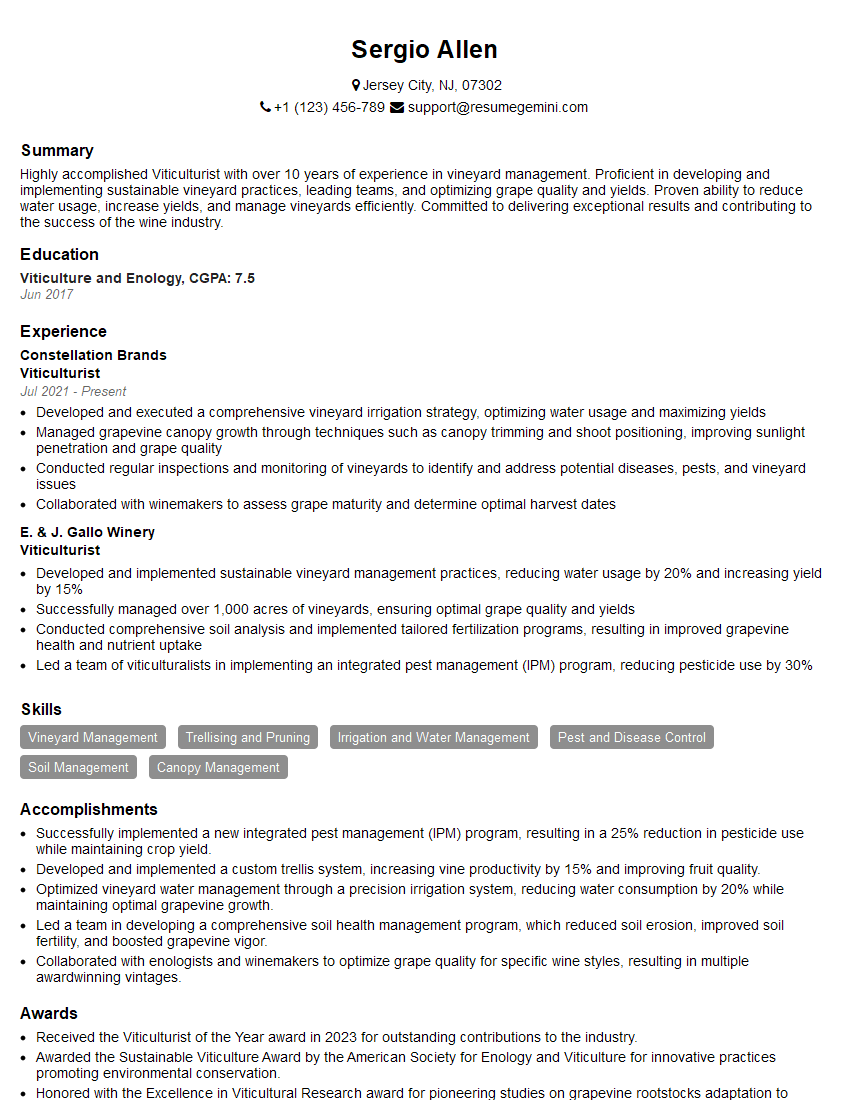
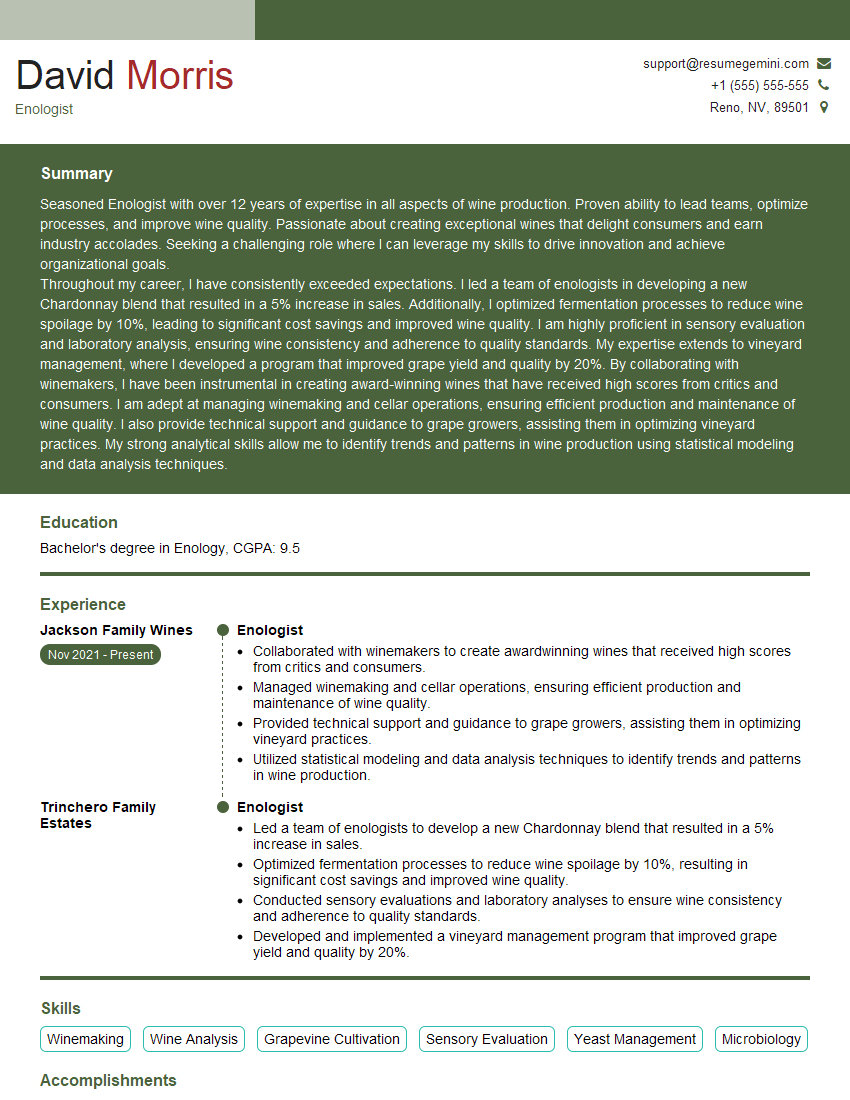
Mastering Winemaking Principles is crucial for career advancement in this dynamic industry. A strong understanding of these concepts will significantly enhance your interview performance and open doors to exciting opportunities. To further boost your job prospects, focus on creating an ATS-friendly resume that highlights your skills and experience effectively. ResumeGemini is a trusted resource that can help you craft a professional and impactful resume tailored to the winemaking industry. Examples of resumes specifically tailored to Winemaking Principles are available to help guide your efforts.
Explore more articles
Users Rating of Our Blogs
Share Your Experience
We value your feedback! Please rate our content and share your thoughts (optional).
What Readers Say About Our Blog
Very informative content, great job.
good