Cracking a skill-specific interview, like one for Eyeletting Critical Thinking, requires understanding the nuances of the role. In this blog, we present the questions you’re most likely to encounter, along with insights into how to answer them effectively. Let’s ensure you’re ready to make a strong impression.
Questions Asked in Eyeletting Critical Thinking Interview
Q 1. Explain the different types of eyeletting machines and their applications.
Eyeletting machines come in various types, each suited for different applications. The choice depends on factors like material thickness, production volume, and desired eyelet quality.
- Manual Eyeletting Machines: These are simple, hand-operated machines ideal for small-scale operations or intricate work. They offer great control but are less efficient for mass production. Think of a craftsperson adding eyelets to a leather bag.
- Semi-Automatic Eyeletting Machines: These machines automate parts of the process, such as feeding the material, but still require operator intervention for placement. They provide a balance between efficiency and control, suitable for moderate-sized production runs.
- Automatic Eyeletting Machines: These are fully automated machines capable of high-speed, continuous operation. They are designed for high-volume production and often incorporate features like automatic feeding, punching, and setting. Imagine a large factory producing thousands of shoes with eyelets.
- Pneumatic Eyeletting Machines: These utilize compressed air to power the punching and setting mechanisms. They offer consistent force and speed, resulting in high-quality eyelets, especially for thicker materials.
- Hydraulic Eyeletting Machines: Using hydraulic pressure, these machines can handle very thick materials with exceptional power and precision. They are often used in industrial settings where durability and high force are essential, like automotive applications.
The selection depends heavily on the specific application. For example, a small leather goods workshop might use a manual machine, whereas a large shoe manufacturer would opt for a high-speed automatic machine.
Q 2. Describe the process of setting up an eyeletting machine for a specific job.
Setting up an eyeletting machine for a specific job involves several crucial steps to ensure optimal performance and consistent quality. Think of it like preparing a cooking recipe; each step is essential for the final product.
- Die Selection: Choose the correct die set based on the material thickness, eyelet size, and type. Using the wrong die can lead to damaged material or poorly set eyelets.
- Material Adjustment: Adjust the machine’s feed mechanism to accommodate the material’s thickness and consistency. This ensures proper alignment and prevents slippage during the punching process.
- Punch Depth and Force Adjustment: Fine-tune the punch depth and force settings to avoid piercing the material completely through or creating loose eyelets. This is where experience and fine-tuning are key; a slightly off setting can ruin hundreds of pieces.
- Eyelet Feeding System: Ensure the eyelet hopper is properly filled and the feeding mechanism is correctly adjusted to provide a consistent supply of eyelets without jams.
- Test Run: Perform a small test run to verify the settings and identify potential issues before proceeding with mass production. This allows for adjustments before large-scale problems arise.
Proper setup is critical for preventing defects and maximizing efficiency. A poorly set machine can lead to wasted materials, damaged products, and costly downtime.
Q 3. How do you troubleshoot common eyeletting machine malfunctions?
Troubleshooting eyeletting machine malfunctions requires a systematic approach. Start by identifying the problem and then follow a logical process to find the root cause. Think of it like diagnosing a car problem – methodical checking is vital.
- No Eyelets Setting: Check the eyelet hopper for empty or jammed eyelets, verify the feeding mechanism, and ensure the setting mechanism is functioning correctly.
- Poor Eyelet Setting: Examine the die for wear and tear, adjust the punch depth and force settings, and check for material inconsistencies.
- Material Damage: Inspect the die for sharpness, adjust the punch force to avoid excessive pressure, and verify the material’s suitability for the chosen die.
- Machine Malfunction: Check for air leaks (in pneumatic machines), hydraulic fluid levels (in hydraulic machines), and motor issues. Consult the machine’s manual for more specific troubleshooting steps.
Keeping detailed records of the machine’s maintenance and any observed malfunctions is very helpful for quicker problem identification in the future.
Q 4. What are the key quality control checks during the eyeletting process?
Quality control checks during the eyeletting process are crucial for ensuring consistent product quality. These checks should be performed at various stages of the process.
- Visual Inspection: Check for properly set eyelets, consistent spacing, and the absence of damaged material around the eyelets. A simple visual check can often catch most problems early.
- Dimensional Measurement: Verify the eyelet size and spacing using calipers or other measuring tools. This ensures adherence to the specified design tolerances.
- Pull Test: Perform a pull test on a sample of eyelets to evaluate their strength and ensure they are securely set. This is particularly important for applications where the eyelets will be subjected to stress.
- Material Integrity Check: Inspect the material surrounding the eyelets for signs of damage or weakening caused by the eyeletting process. This ensures the structural integrity of the final product.
Regular quality control checks help identify and address potential issues early in the production process, preventing the creation of defective products and maintaining customer satisfaction.
Q 5. How do you ensure consistent eyeletting quality across different batches?
Ensuring consistent eyeletting quality across different batches requires meticulous attention to detail and adherence to standardized procedures. Think of it as baking a cake – using the same recipe and oven settings every time ensures consistent results.
- Standardized Operating Procedures (SOPs): Develop and implement detailed SOPs for machine setup, operation, and quality control checks. This ensures consistency across different operators and production runs.
- Regular Machine Maintenance: Regularly maintain the eyeletting machine to prevent wear and tear and ensure its optimal performance. This prevents deviations in operation caused by worn-out components.
- Material Consistency: Use materials of consistent thickness and quality to minimize variations in the eyeletting process. Variations in the material can lead to inconsistencies in the finished product.
- Operator Training: Provide comprehensive training to operators to ensure they follow the SOPs correctly and consistently. A well-trained operator understands the nuances of the process and knows how to spot potential issues.
- Statistical Process Control (SPC): Implement SPC techniques to monitor the eyeletting process and identify trends or deviations in quality. This allows for proactive adjustments and prevents issues from escalating.
By implementing these strategies, manufacturers can ensure that the quality of eyelets remains consistent across all batches, regardless of the time or operator.
Q 6. Explain the importance of proper die selection in eyeletting.
Proper die selection is paramount in eyeletting. The die is the cutting tool that creates the eyelet hole and sets the eyelet into place. Choosing the wrong die can lead to a multitude of problems.
- Material Compatibility: The die must be compatible with the material being processed. A die designed for thin fabric may not work effectively with thick leather, resulting in poor eyelet setting or material damage.
- Eyelet Size and Type: The die must accurately match the size and type of eyelet being used. Using an incorrect die can lead to oversized holes or loose eyelets.
- Die Condition: A worn or damaged die can create inconsistent eyelets, leading to defects and reduced quality. Regular inspection and replacement of worn dies are essential.
- Punching Force: The die’s design impacts the required punching force. An incorrect die selection might lead to too much force (damaging material) or too little force (poor eyelet setting).
Proper die selection ensures efficient and high-quality eyeletting. It’s a fundamental aspect that avoids rework, material waste, and production downtime. Think of it like choosing the right drill bit for a specific job; the wrong bit can ruin the project.
Q 7. How do you calculate the optimal eyeletting parameters for a given material?
Calculating optimal eyeletting parameters for a given material involves considering several factors and often relies on experimentation and fine-tuning.
- Material Thickness: The material’s thickness dictates the punch depth and force required. Thicker materials require greater force and depth to create a secure eyelet setting.
- Material Type: Different materials have different properties (e.g., strength, elasticity). This necessitates adjusting the punch force and speed to avoid tearing or stretching the material.
- Eyelet Size and Type: The size and type of eyelet influence the required punch depth and force. Larger eyelets typically require more force.
- Die Design: The die’s geometry and construction influence the force and depth required for optimal eyeletting. This parameter is often set by the manufacturer’s recommendations.
There’s no single formula to calculate optimal parameters. It’s usually determined through testing with sample materials and fine-tuning the machine settings until the desired quality is achieved. This requires experience and an understanding of how changes to various parameters affect the final result.
Often, manufacturers provide guidelines or suggest starting points based on common materials. However, these are usually guidelines, and adjustments are almost always needed for specific material and machine combinations.
Q 8. Describe your experience with different eyeletting materials (e.g., leather, fabric, etc.).
My experience with eyeletting materials spans a wide range of thicknesses and textures. I’ve worked extensively with leather, both full-grain and split, noting the significant differences in tooling and grommet placement. Thicker leathers require more robust machinery and potentially pre-punching to avoid tearing. With fabrics, the variety is even greater. Lightweight fabrics like cotton or silk necessitate delicate handling and smaller grommets, whereas heavier canvas or denim require larger grommets and potentially reinforced backing to prevent tearing or distortion. I’ve also worked with synthetics like vinyl and nylon, each demanding a slightly different approach due to variations in their elasticity and durability. Choosing the right grommet size and material for each material is critical to achieving a clean, long-lasting result. For example, using too large of a grommet in a delicate fabric would ruin the material. Alternatively, too small of a grommet in a thick material will not seat properly.
Q 9. What are the safety precautions you take while operating eyeletting machinery?
Safety is paramount in eyeletting. Before operating any machinery, I always ensure I’m wearing appropriate personal protective equipment (PPE), including safety glasses to shield my eyes from flying debris, and hearing protection to reduce noise exposure. I also ensure my hair is tied back to prevent entanglement. I meticulously inspect the machine before each use, checking for any loose parts, frayed cables, or malfunctions. I maintain a clean and organized workspace to minimize tripping hazards. Proper machine operation is key; I never attempt to force materials or use the machine beyond its rated capacity. I always follow the manufacturer’s instructions and safety protocols precisely. Moreover, I conduct regular safety checks and immediately report any safety concerns to my supervisor.
Q 10. How do you manage production downtime due to eyeletting machine issues?
Production downtime due to eyeletting machine issues is addressed proactively. My first step is identifying the problem – is it a jammed machine, a broken tool, or a power failure? Once identified, I attempt to troubleshoot the issue using my knowledge of machine maintenance. Minor issues, such as a jammed grommet, can often be resolved quickly. For more complex problems, I consult the machine’s manual or contact our maintenance team for assistance. To minimize future downtime, I keep a stock of common replacement parts on hand and maintain a detailed log of machine maintenance and repairs. In the event of significant downtime, we prioritize tasks, redirecting workflow to other machines or tasks where possible, to minimize overall production delays.
Q 11. Explain your experience with preventative maintenance for eyeletting equipment.
Preventative maintenance is crucial for maintaining the efficiency and longevity of eyeletting equipment. My routine includes regular cleaning of the machine, removing any accumulated dust, debris, or material scraps. I lubricate moving parts as recommended by the manufacturer to prevent wear and tear. I inspect the tooling for wear and replace worn or damaged components promptly. I also conduct regular checks on the machine’s electrical components and wiring to ensure everything is functioning correctly. Keeping detailed records of these maintenance activities helps to identify potential issues early and schedule repairs before they cause significant downtime. Proactive maintenance is far more cost-effective than emergency repairs.
Q 12. Describe a situation where you had to improve the efficiency of the eyeletting process.
In one instance, we were experiencing bottlenecks in our eyeletting process due to the manual feeding of materials into the machine. This was particularly slow and prone to errors. To improve efficiency, I proposed and implemented a simple but effective solution: We redesigned the material feeding system, incorporating a jig to hold and align the materials, making the feeding process faster and more consistent. This resulted in a significant increase in throughput, a reduction in material waste, and a marked decrease in operator fatigue. The improvement was measurable, with a 20% increase in production within a week of implementing the changes. This highlights the importance of continuous improvement and the benefits of seeking innovative solutions to streamline operations.
Q 13. How do you identify and resolve eyeletting defects?
Identifying and resolving eyeletting defects requires careful attention to detail. Common defects include misaligned grommets, damaged material surrounding the grommet, or improperly set grommets. I use a visual inspection to identify these defects. For misaligned grommets, we may need to remove and re-install them. If the material is damaged, it may need to be scrapped. If a grommet is improperly set, causing it to be loose or not securely fastened, it often requires removal and resetting. A detailed record of defects helps pinpoint any patterns that indicate underlying issues with the machine or the process, allowing us to take preventative measures.
Q 14. What are the common causes of eyeletting failures and how do you prevent them?
Eyeletting failures typically stem from a few common causes. Using incorrect grommet sizes for the material is a frequent culprit, leading to material damage or loose grommets. Dull or damaged tooling can also cause issues, resulting in misaligned or poorly set grommets. Improper machine operation or inadequate maintenance can also contribute to failures. Preventing these failures involves using the correct grommet size and material for each project, regularly inspecting and replacing worn tooling, and diligently following proper machine operation and maintenance procedures. This includes cleaning the machine regularly and lubricating the moving parts. A robust quality control process, including regular inspections throughout the production process, can also help catch and address potential problems early.
Q 15. Explain your understanding of statistical process control (SPC) in relation to eyeletting.
Statistical Process Control (SPC) in eyeletting ensures consistent and high-quality results by monitoring the process’s key characteristics over time. We use control charts, typically X-bar and R charts, to track the average (X-bar) and range (R) of critical eyeletting parameters like pull strength, eyelet placement accuracy, and material thickness. By plotting these measurements, we identify trends, shifts, and variations that signal potential problems before they lead to widespread defects. Think of it like regularly checking your car’s tire pressure; small variations might be normal, but a sudden drop indicates a potential issue needing attention.
In eyeletting, we might monitor the pull strength of each batch of eyelets. If the average pull strength starts trending downwards or exceeds the control limits (upper and lower bounds set based on historical data and process capabilities), it signals a need for investigation. This could indicate a problem with the eyeletting machine, the material, or the operator technique.
Career Expert Tips:
- Ace those interviews! Prepare effectively by reviewing the Top 50 Most Common Interview Questions on ResumeGemini.
- Navigate your job search with confidence! Explore a wide range of Career Tips on ResumeGemini. Learn about common challenges and recommendations to overcome them.
- Craft the perfect resume! Master the Art of Resume Writing with ResumeGemini’s guide. Showcase your unique qualifications and achievements effectively.
- Don’t miss out on holiday savings! Build your dream resume with ResumeGemini’s ATS optimized templates.
Q 16. How do you interpret data from eyeletting quality control charts?
Interpreting eyeletting quality control charts involves looking for patterns beyond individual data points. We focus on:
- Points outside control limits: These indicate a significant deviation and often suggest a special cause variation (e.g., machine malfunction, material defect). We immediately investigate to identify and correct the root cause.
- Trends: A consistent upward or downward trend signals a gradual shift in the process average. This might be caused by tool wear, gradual material changes, or operator fatigue. Addressing the underlying cause prevents further drift.
- Stratification: Clustering of points above or below the central line suggests a hidden pattern. This might indicate variations related to different operators, materials, or shifts.
- Runs: A series of consecutive points above or below the central line might indicate a systematic problem, even if all points remain within the control limits.
By carefully analyzing these patterns, we can proactively identify and correct problems before they lead to a significant increase in defects.
Q 17. Describe your experience with different eyeletting techniques (e.g., pneumatic, ultrasonic).
My experience encompasses both pneumatic and ultrasonic eyeletting techniques. Pneumatic eyeletting uses compressed air to drive the eyelet into the material, while ultrasonic eyeletting utilizes high-frequency vibrations for a more precise and less damaging process, particularly suitable for delicate materials. I’ve worked extensively with both methods, optimizing parameters like pressure, speed, and vibration frequency for optimal results based on the material and eyelet specifications.
Pneumatic eyeletting is generally faster and cheaper for high-volume applications with robust materials. However, ultrasonic provides superior precision and control, especially for materials prone to tearing or damage, like thin fabrics or leathers.
For example, I optimized a pneumatic eyeletting process for a client producing heavy-duty canvas bags by adjusting the air pressure and die design to minimize the occurrence of eyelet deformation and material puckering. In another project, I implemented ultrasonic eyeletting to improve the quality of eyelets in a delicate leather wallet production line, reducing significantly the number of rejected products.
Q 18. How do you handle discrepancies between the design specifications and the actual eyeletting results?
Discrepancies between design specifications and actual eyeletting results require a systematic investigation. My approach involves:
- Verification of Design Specs: First, ensure the design specifications are accurate, complete and feasible.
- Process Parameter Review: Check if all eyeletting process parameters (pressure, speed, die settings) are correctly set and maintained according to specifications.
- Material Analysis: Evaluate the material properties to identify potential inconsistencies, like variations in thickness or density that could affect eyeletting performance.
- Tooling Inspection: Inspect the eyeletting tooling for wear, damage, or misalignment. Worn-out dies can easily lead to inconsistent results.
- Root Cause Analysis: Once potential contributing factors are identified, perform a detailed root cause analysis (see next answer) to pinpoint the exact cause of the discrepancy.
- Corrective and Preventative Actions: Implement corrective actions to address the root cause and then develop preventive measures to prevent recurrence.
For instance, if eyelets are consistently misaligned, we might check the die alignment, the accuracy of the positioning mechanism or investigate potential variations in material thickness.
Q 19. Explain your experience with root cause analysis related to eyeletting problems.
Root cause analysis (RCA) is crucial for resolving eyeletting problems permanently. I frequently use the 5 Whys technique and Fishbone diagrams (Ishikawa diagrams). The 5 Whys involves repeatedly asking “Why?” to drill down to the root cause of a problem. The Fishbone diagram helps visually organize potential causes categorized by factors like materials, methods, machinery, manpower, environment and measurement.
For example, if eyelets are consistently falling out, the 5 Whys might go like this:
- Why are the eyelets falling out? – Insufficient pull strength.
- Why is the pull strength insufficient? – Incorrect eyeletting pressure.
- Why is the pressure incorrect? – Pneumatic system malfunction.
- Why did the pneumatic system malfunction? – Air pressure regulator is faulty.
- Why is the air pressure regulator faulty? – It wasn’t properly calibrated during the last maintenance.
The Fishbone diagram would provide a more holistic view, listing all potential causes in a structured format, aiding in a more comprehensive investigation.
Q 20. How do you communicate technical information effectively to non-technical personnel?
Communicating technical information to non-technical personnel requires clear, concise language avoiding jargon. I use visual aids like diagrams, charts, and simple analogies to illustrate complex concepts. For example, I might explain control charts as a “traffic light system” for the eyeletting process – green indicates everything’s fine, yellow signals a warning, and red means immediate action is required.
I focus on explaining the implications of the technical information on the overall product quality, production efficiency, or cost. Instead of discussing intricate details about statistical distributions, I’ll emphasize the impact of defects on customer satisfaction or production delays.
I tailor my communication style to the audience, ensuring everyone understands the key points and implications. This includes using plain language and avoiding technical terms or acronyms unless they are thoroughly explained.
Q 21. Describe your experience working with different eyeletting tooling.
My experience includes working with a variety of eyeletting tooling, ranging from simple hand-operated tools to complex automated systems. This experience encompasses different die types, punch sizes, and material compatibility. I’m familiar with pneumatic and ultrasonic eyeletting machines from various manufacturers and have a good understanding of their maintenance and calibration procedures.
I’ve worked with tooling designed for various materials including leather, textiles, plastics, and rubber. This involves selecting the appropriate dies and punches based on material thickness, hardness, and other characteristics to avoid damage or inconsistencies. Proper maintenance, regular inspection for wear and tear, and timely replacement of worn parts are crucial for ensuring consistent and high-quality results. I am skilled at identifying signs of wear and tear, performing minor repairs, and knowing when professional servicing is required.
Q 22. How do you manage inventory of eyeletting supplies and tooling?
Effective eyeletting supply and tooling inventory management is crucial for maintaining production efficiency and minimizing downtime. My approach is multifaceted and relies on a combination of techniques.
Regular Stock Audits: I conduct frequent physical inventory checks to compare actual stock levels against recorded data. This helps identify discrepancies and potential shortages promptly.
Just-in-Time (JIT) Inventory System: I advocate for a JIT system where supplies are ordered only when needed, reducing storage costs and minimizing waste due to obsolescence. We use a software system that tracks consumption rates and automatically generates purchase orders based on pre-defined thresholds.
Tool Maintenance and Calibration Schedule: A rigorous schedule for maintaining and calibrating eyeletting tools is vital for accuracy and longevity. This involves regular cleaning, lubrication, and calibration checks using precision measuring instruments. Damaged or worn-out tools are immediately replaced.
Supplier Relationships: Maintaining strong relationships with reliable suppliers ensures timely delivery and consistent quality of materials. This includes negotiating favorable terms and establishing emergency supply channels for critical components.
Storage and Organization: A well-organized storage system is key to efficient inventory management. We use clearly labeled bins and racks, categorized by tool type and material, to ensure easy access and retrieval.
For example, during a recent project with high volume demands, we implemented a Kanban system for managing our eyeletting punches, which significantly reduced lead times and prevented production bottlenecks.
Q 23. How do you maintain cleanliness and orderliness in the eyeletting work area?
Maintaining a clean and organized eyeletting work area is not just about aesthetics; it’s directly linked to safety, efficiency, and product quality. My approach focuses on proactive measures and a culture of cleanliness.
5S Methodology: We implement the 5S methodology (Sort, Set in Order, Shine, Standardize, Sustain) to maintain a consistently organized workspace. This ensures that all tools and materials are in their designated places, eliminating clutter and reducing the risk of accidents.
Regular Cleaning Schedule: A designated cleaning schedule is followed, including daily cleaning of work surfaces, equipment, and floors. We use appropriate cleaning agents and follow safety guidelines to prevent cross-contamination.
Waste Management: Proper disposal of waste materials, such as scraps and packaging, is critical. This includes segregating different types of waste according to local environmental regulations and using appropriate containers.
Visual Management Tools: Visual management tools, such as color-coded labels, shadow boards, and standardized work instructions, help maintain orderliness and make it easy for anyone to quickly identify and locate necessary items.
Employee Training: Regular training for all employees on proper housekeeping practices is crucial to maintain a consistent level of cleanliness and orderliness.
For instance, implementing shadow boards for our eyeletting tools dramatically improved tool retrieval times and reduced instances of misplaced tools causing production delays.
Q 24. Describe your experience with automation in the eyeletting process.
Automation plays a significant role in improving efficiency and precision in the eyeletting process. My experience encompasses both the integration and optimization of automated systems.
Automated Eyeletting Machines: I have extensive experience working with automated eyeletting machines, from setting up and programming them to troubleshooting and maintaining them. These machines significantly increase throughput and ensure consistent eyelet placement.
Robotic Integration: I’ve been involved in projects integrating robots into the eyeletting process, specifically for tasks like material handling, feeding, and quality inspection. This enhances speed, accuracy, and reduces repetitive strain injuries for human operators.
Data Acquisition and Analysis: Automated systems generate valuable data on production parameters. I’m proficient in using this data to identify areas for improvement, such as optimizing machine settings or identifying potential equipment failures before they occur.
Process Optimization: My role includes analyzing the entire eyeletting workflow to identify processes suitable for automation, evaluating the return on investment (ROI) of different automation solutions, and ensuring seamless integration into the existing production line.
For example, in one project, we integrated a vision system with an automated eyeletting machine. This allowed for real-time quality inspection, reducing defects and improving overall product quality.
Q 25. What are the environmental considerations associated with eyeletting processes?
Environmental considerations are paramount in eyeletting operations, impacting everything from waste management to energy consumption.
Waste Reduction: Minimizing material waste through efficient cutting techniques, accurate material usage, and proper recycling programs are crucial. We use techniques such as nesting software to optimize material usage and minimize waste during the cutting process.
Air Quality: The use of proper ventilation systems is essential to control dust and fumes generated during eyeletting, particularly when working with certain materials. Regular air quality monitoring is critical.
Water Consumption: If any cleaning processes involve water, we focus on water conservation through measures such as using low-flow fixtures and implementing water recycling systems where feasible.
Energy Efficiency: Choosing energy-efficient equipment and implementing energy-saving practices can significantly reduce the environmental impact. This might involve using LED lighting, optimizing machine operation parameters, and implementing power-saving modes.
Hazardous Waste Disposal: Proper disposal of hazardous materials, such as certain types of lubricants or cleaning agents, is a critical element of environmental responsibility. We strictly adhere to all local and national regulations for hazardous waste disposal.
For example, we recently implemented a closed-loop water recycling system for our cleaning process, reducing water consumption by 40%.
Q 26. How do you contribute to a safe and productive work environment in the eyeletting department?
Contributing to a safe and productive work environment is a top priority. My approach involves both proactive measures and ongoing monitoring.
Safety Training: I ensure all employees receive comprehensive safety training, covering topics such as machine operation, personal protective equipment (PPE) usage, and emergency procedures. This includes regular refresher courses.
Workplace Ergonomics: We implement ergonomic principles to minimize the risk of musculoskeletal disorders. This includes providing adjustable workstations, ergonomic tools, and encouraging regular breaks to prevent repetitive strain injuries.
Machine Guarding: All machinery is properly guarded to prevent accidental contact and injuries. Regular inspections are conducted to ensure the guards are in place and functioning correctly.
Hazard Identification and Risk Assessment: We conduct regular hazard identification and risk assessments to identify and mitigate potential hazards in the work area. This includes implementing appropriate control measures.
Incident Reporting and Investigation: A robust incident reporting and investigation system is in place to promptly address any safety incidents. This allows us to identify root causes and implement corrective actions to prevent future occurrences.
For instance, after a minor incident, we redesigned the workstation layout to improve visibility and reduce the risk of accidental collisions with machinery.
Q 27. Describe a challenging eyeletting project and how you successfully overcame the challenges.
One challenging project involved producing a high-precision eyeletting application for a medical device. The challenge lay in the extremely tight tolerances required for eyelet placement and the need for flawless quality.
Problem: The initial automated eyeletting machine couldn’t meet the required precision, resulting in a high rate of rejects.
Solution: I initiated a multi-pronged approach:
Machine Calibration and Optimization: We meticulously recalibrated the machine, adjusting its parameters based on precise measurements and rigorous testing.
Tooling Upgrade: We upgraded to specialized eyeletting punches with enhanced precision and durability.
Process Improvement: We introduced a statistical process control (SPC) system to monitor the process parameters in real-time and identify any deviations early on.
Operator Training: We provided additional training to the operators on the enhanced processes and quality control procedures.
Result: Through these measures, we significantly reduced the reject rate, exceeding the client’s expectations and delivering a high-quality product on time and within budget.
This project highlighted the importance of a systematic approach to problem-solving, leveraging both technical expertise and effective teamwork.
Key Topics to Learn for Eyeletting Critical Thinking Interview
- Understanding the Eyeletting Process: Gain a thorough understanding of the entire eyeletting process, from initial design and material selection to the final quality control checks. This includes understanding the different types of eyelets and their applications.
- Problem-Solving in Eyeletting: Prepare to discuss how you would approach common challenges in eyeletting, such as material inconsistencies, equipment malfunctions, or production delays. Focus on your approach to troubleshooting and implementing solutions.
- Quality Control and Assurance: Demonstrate your knowledge of quality control procedures and how you ensure the consistent quality of eyeleted products. This might involve discussing inspection methods, statistical process control, or defect analysis.
- Efficiency and Optimization: Be ready to discuss strategies for improving the efficiency of the eyeletting process. This could involve suggesting process improvements, optimizing machine settings, or streamlining workflows.
- Safety Procedures and Regulations: Showcase your awareness of safety regulations and procedures related to eyeletting equipment and materials. This includes the use of personal protective equipment (PPE) and adherence to industry best practices.
- Material Science and Properties: Familiarize yourself with the properties of different materials used in eyeletting and how these properties affect the process and the final product. Consider the impact of material thickness, texture, and composition.
Next Steps
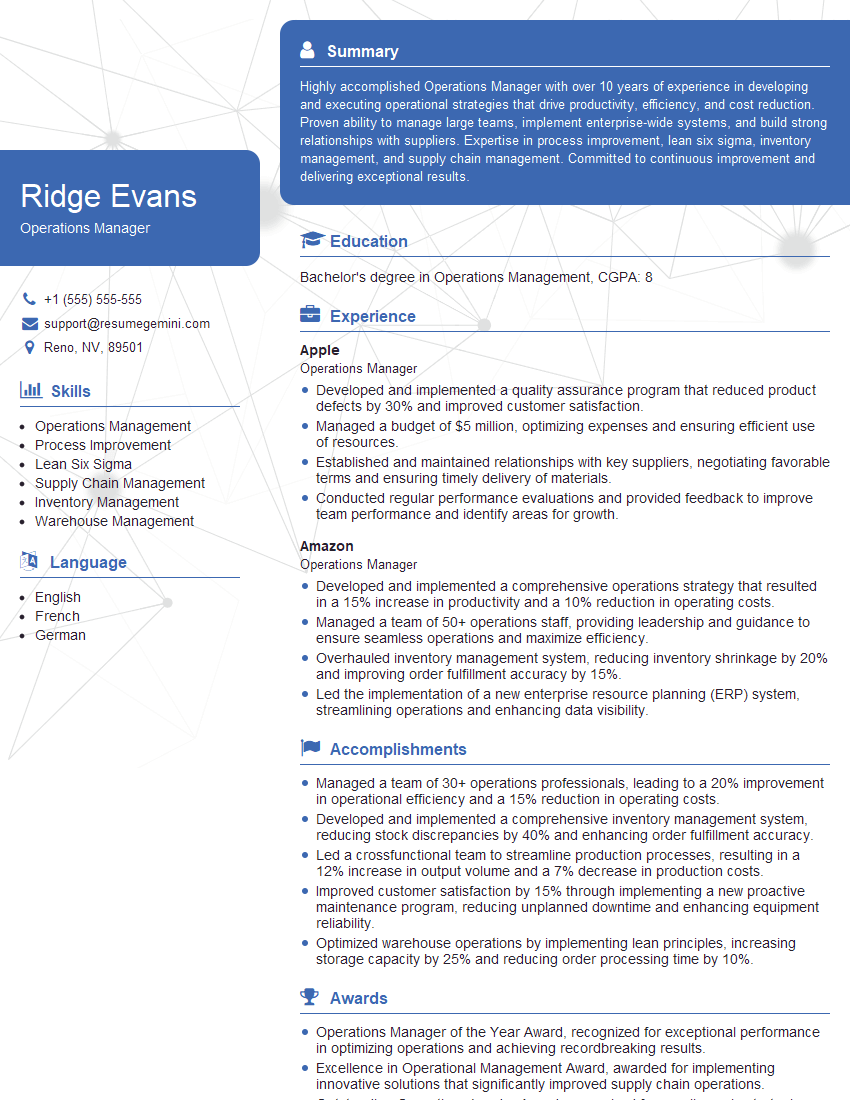
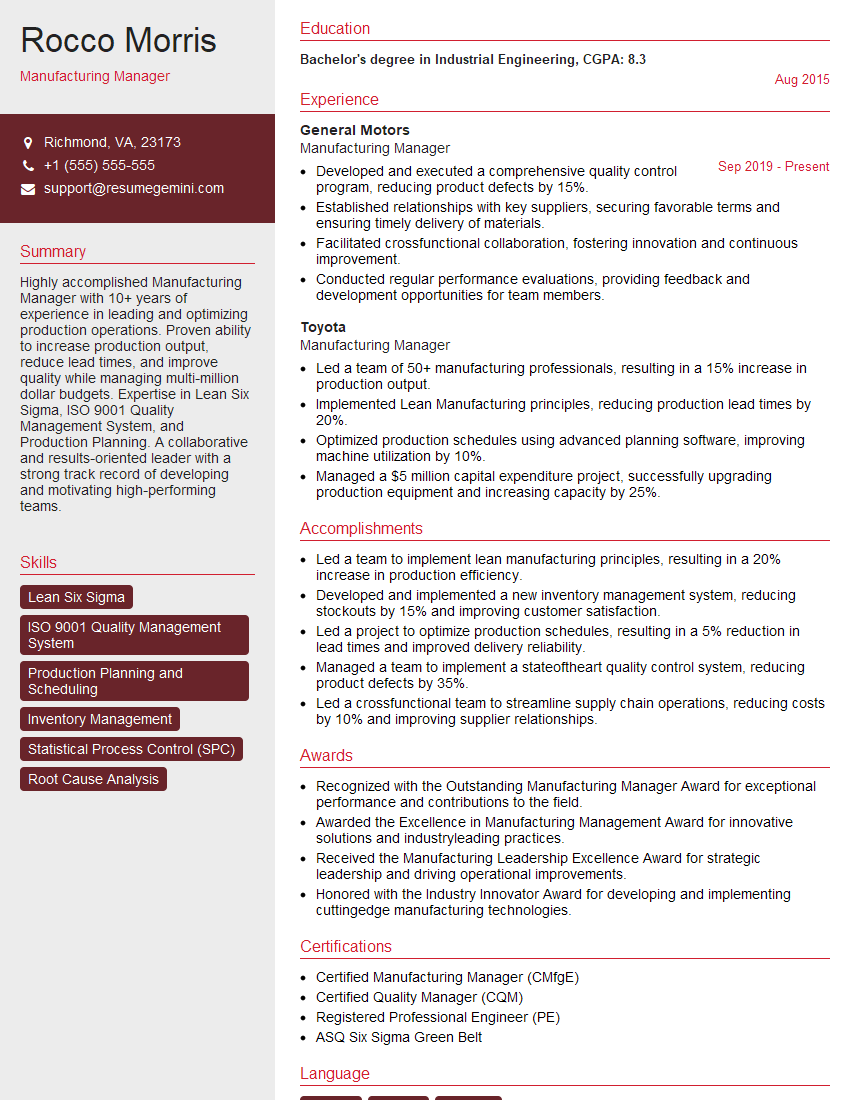
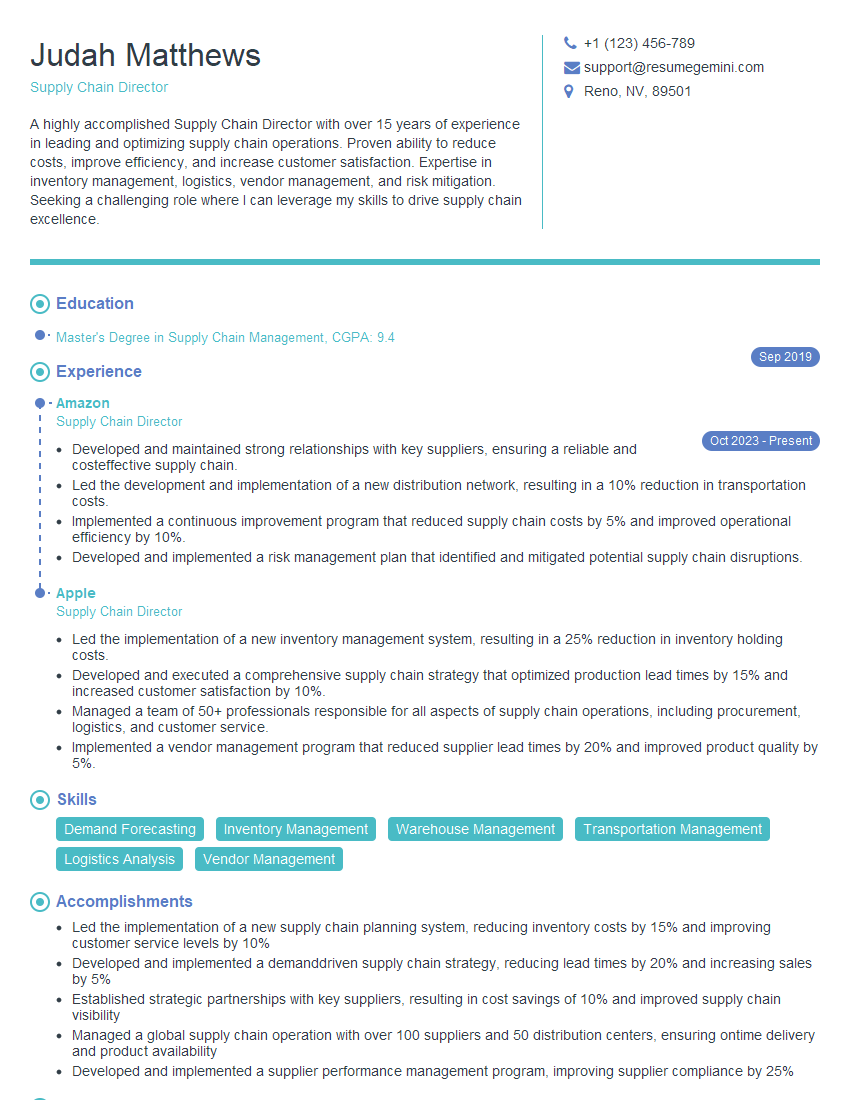
Mastering eyeletting critical thinking is crucial for career advancement in this specialized field. A strong understanding of the concepts discussed above will significantly enhance your interview performance and demonstrate your valuable skills to potential employers. To further strengthen your job application, focus on building an ATS-friendly resume that highlights your relevant skills and experience. ResumeGemini is a trusted resource that can help you craft a professional and impactful resume. Examples of resumes tailored to showcase Eyeletting Critical Thinking expertise are available through ResumeGemini, allowing you to see how to best present your qualifications.


Explore more articles
Users Rating of Our Blogs
Share Your Experience
We value your feedback! Please rate our content and share your thoughts (optional).
What Readers Say About Our Blog
Very informative content, great job.
good