Interviews are more than just a Q&A session—they’re a chance to prove your worth. This blog dives into essential Fabric Sourcing and Procurement interview questions and expert tips to help you align your answers with what hiring managers are looking for. Start preparing to shine!
Questions Asked in Fabric Sourcing and Procurement Interview
Q 1. Explain your experience in negotiating fabric prices with suppliers.
Negotiating fabric prices requires a strategic approach combining market knowledge, relationship building, and strong analytical skills. It’s not just about getting the lowest price; it’s about achieving the best value for the quality, quantity, and delivery terms. My approach involves several key steps:
- Thorough Market Research: I begin by researching current market prices for the specific fabric type, considering factors like fiber content, weight, construction, and finish. Industry publications, online databases, and connections with other buyers provide valuable benchmarks.
- Supplier Relationship Management: Building strong relationships with suppliers is crucial. Open communication, mutual respect, and a long-term perspective foster trust and encourage favorable pricing. I aim to understand their production costs and capacity to find a mutually beneficial price point.
- Negotiation Strategy: I approach negotiations with a clear understanding of my budget and ideal price range. I present a well-reasoned justification for my desired price, highlighting factors like order volume, consistent business, and potential for future collaborations. I’m prepared to negotiate on different aspects, such as payment terms or delivery schedules, to achieve the optimal overall cost.
- Contractual Agreements: Once we agree on a price, I ensure all terms are clearly documented in a legally sound contract. This protects both parties and avoids future misunderstandings regarding pricing and other crucial aspects.
For example, in a recent negotiation for organic cotton jersey, I leveraged my established relationship with a supplier to secure a 5% discount by committing to a larger order volume and agreeing to a slightly extended payment schedule. This demonstrated the value of strategic partnerships and mutually beneficial agreements.
Q 2. Describe your process for identifying and selecting reliable fabric suppliers.
Selecting reliable fabric suppliers is paramount for the success of any apparel business. My process involves a multi-stage vetting process to minimize risks and ensure consistent quality and timely delivery:
- Initial Screening: I start by identifying potential suppliers through industry directories, trade shows, online platforms, and referrals. I scrutinize their profiles, focusing on experience, certifications (e.g., OEKO-TEX, GOTS), and customer reviews.
- Supplier Audits (Physical or Virtual): Once I’ve shortlisted a few, I conduct thorough audits – either physical visits to their facilities or virtual audits using video conferencing and document reviews. This allows me to assess their manufacturing capabilities, quality control systems, and ethical labor practices.
- Sample Evaluation: I request samples of the fabrics to rigorously test their quality, colorfastness, shrinkage, and other relevant properties. This helps ensure the fabric meets our specifications before committing to a large order.
- Trial Orders: Before placing a significant order, I often start with a smaller trial order to evaluate the supplier’s performance in terms of production lead times, communication, and overall order fulfillment.
- Reference Checks: I contact previous clients of the supplier to gain an independent assessment of their reliability and business practices.
For instance, a new supplier claiming to specialize in sustainable fabrics underwent a rigorous virtual audit and sample testing before securing an order. This meticulous approach helped avoid potential issues with fabric quality and ethical sourcing.
Q 3. How do you manage risks associated with fabric sourcing, such as lead times and quality issues?
Fabric sourcing involves inherent risks, including lead time variations and quality inconsistencies. Effective risk management requires a proactive approach and robust contingency plans:
- Diversification of Suppliers: I avoid relying on a single supplier to mitigate disruptions from unforeseen circumstances like natural disasters, political instability, or supplier bankruptcy. Diversification helps maintain supply chain resilience.
- Lead Time Management: I work closely with suppliers to establish realistic lead times, factoring in potential delays. Regular communication and progress updates are crucial to anticipate and address potential delays proactively. Using project management tools and setting clear milestones can help keep projects on track.
- Quality Control Measures: Implementing stringent quality control processes throughout the supply chain, including regular inspections at the supplier’s facility, and thorough incoming inspection upon arrival, helps identify and correct quality defects early. I build quality expectations into contracts with clear acceptance criteria.
- Contingency Planning: This is critical. I develop backup plans for potential disruptions. This includes identifying alternative suppliers and having buffer stock for essential fabrics. Insurance policies are also considered to mitigate financial risks.
For example, during a period of global shipping delays, having a secondary supplier in a closer geographical location allowed me to maintain production schedules without significant disruption.
Q 4. What are your preferred methods for quality control of incoming fabrics?
Quality control of incoming fabrics is a critical step to ensure that the fabrics conform to our standards and specifications. My preferred methods encompass a multi-faceted approach:
- Visual Inspection: A thorough visual inspection is the first step. This involves checking for defects like discoloration, weaving flaws, and inconsistencies in the fabric’s texture and weight.
- Physical Testing: This includes testing for fabric properties like tensile strength, abrasion resistance, shrinkage, and colorfastness using standardized testing methods. These tests verify the fabric meets the specifications outlined in the purchase order.
- Laboratory Testing: For critical applications or when higher precision is required, I utilize independent testing laboratories. This provides an objective assessment of the fabric’s properties and compliance with relevant regulations and standards.
- Sampling and Statistical Analysis: Instead of testing every single roll, I use statistical sampling techniques to evaluate a representative sample of the fabric. This allows for efficient quality control without excessive testing costs.
Utilizing a combination of these methods ensures a high level of confidence that the incoming fabric meets the required quality standards.
Q 5. How do you stay updated on the latest fabric trends and technologies?
Staying ahead in the dynamic fabric industry requires continuous learning and awareness of emerging trends and technologies. I utilize several strategies to maintain this up-to-date knowledge:
- Industry Publications and Trade Shows: I regularly read industry publications, attend trade shows (like Premiere Vision or Texworld), and participate in webinars to learn about the newest fabrics, technologies, and market trends.
- Supplier Relationships: Maintaining strong relationships with fabric suppliers and manufacturers provides valuable insights into the latest innovations and developments.
- Online Resources: I leverage online resources, including industry blogs, websites, and research databases, to access the latest information on fabric technologies and market analyses.
- Networking: Active participation in professional networks and industry events allows me to exchange knowledge and stay informed about the latest advancements.
For example, recently attending a textile innovation conference enabled me to learn about the growing use of recycled materials in fabric manufacturing, which is aligning well with our company’s sustainability goals.
Q 6. Explain your understanding of different fabric types and their properties.
A deep understanding of various fabric types and their properties is essential in fabric sourcing. My knowledge encompasses a broad range of fabric categories including:
- Natural Fibers: Cotton (various types like organic cotton, pima cotton), linen, silk, wool (merino, cashmere), hemp, and their properties like breathability, drape, and durability. I understand the differences in their sustainability levels and production methods.
- Synthetic Fibers: Polyester, nylon, acrylic, rayon, and their properties like elasticity, water resistance, and cost-effectiveness. I’m aware of the environmental impact of these fibers and actively search for more eco-friendly alternatives.
- Blends: Understanding the properties of blended fabrics (e.g., cotton/polyester blends, wool/silk blends) is key. Knowing the fiber ratios and their effect on the final fabric characteristics is crucial.
- Fabric Finishes: I have in-depth knowledge of different fabric finishes, like water-repellent, wrinkle-resistant, flame-retardant, and their impact on the fabric’s performance and functionality. Understanding their eco-impact is also important.
This comprehensive understanding allows me to select the optimal fabric based on the specific needs of the design, considering factors like comfort, durability, cost, and sustainability.
Q 7. Describe your experience with managing fabric inventory and minimizing waste.
Efficient fabric inventory management is crucial to minimize waste and optimize costs. My approach involves a combination of strategies:
- Demand Forecasting: Accurate demand forecasting is vital to avoid overstocking or stockouts. I use historical sales data, market trends, and seasonal patterns to develop accurate demand forecasts.
- Inventory Control Systems: I utilize inventory management software to track fabric inventory levels, monitor stock turnover rates, and identify slow-moving items. This provides real-time visibility into inventory status.
- Just-in-Time (JIT) Inventory: Where feasible, I implement JIT inventory strategies to reduce storage costs and minimize the risk of fabric obsolescence. This requires strong collaboration with suppliers and precise production planning.
- Waste Reduction Strategies: I actively seek ways to minimize fabric waste. This includes careful planning of fabric cutting layouts to maximize fabric yield, using fabric scraps creatively for other projects, and partnering with suppliers committed to sustainable manufacturing practices.
- Regular Inventory Reviews: Periodic inventory reviews help identify slow-moving or obsolete fabrics, enabling timely adjustments to prevent excessive waste.
For instance, by implementing a JIT inventory system for a specific line, we reduced our fabric storage costs by 15% while maintaining efficient production levels.
Q 8. How do you ensure ethical and sustainable sourcing practices?
Ensuring ethical and sustainable sourcing practices is paramount in today’s industry. It’s not just a trend; it’s a necessity for brand reputation and long-term viability. My approach involves a multi-pronged strategy encompassing several key areas:
- Supplier Audits: We conduct regular, rigorous audits of our suppliers, assessing their compliance with labor standards, environmental regulations, and ethical codes of conduct. These audits often involve third-party verification to ensure objectivity. For example, we’ve used the Fair Labor Association’s (FLA) Workplace Code of Conduct as a benchmark in our audits.
- Traceability: Implementing robust traceability systems allows us to track the origin of our fabrics, from raw material to finished product. This enables us to identify and address any potential ethical or environmental concerns along the supply chain. Think of it like a detailed ‘fabric passport’ following the journey of each material.
- Material Selection: We prioritize sourcing fabrics made from sustainable materials like organic cotton, recycled fibers, or innovative low-impact alternatives. We actively research and engage with suppliers who demonstrate commitment to responsible resource management and waste reduction. For instance, we’ve shifted a significant portion of our cotton sourcing to certified organic cotton.
- Transparency: Open communication and transparency with our suppliers and customers are key. We believe in building strong relationships based on mutual trust and accountability. We regularly publish sustainability reports detailing our progress and challenges.
- Continuous Improvement: Ethical and sustainable sourcing is an ongoing journey, not a destination. We continuously evaluate our practices, seeking opportunities for improvement through ongoing training, industry best-practice adoption, and collaboration with NGOs and other stakeholders. For example, we regularly participate in industry workshops focused on ethical sourcing best practices.
Q 9. How do you handle supplier relationship management?
Supplier Relationship Management (SRM) is crucial for a smooth and efficient fabric sourcing process. It goes beyond simply procuring materials; it’s about building strong, long-term partnerships. My approach focuses on:
- Strategic Partner Selection: We carefully select suppliers based on factors like quality, capacity, ethical standards, and financial stability. This includes thorough due diligence and background checks.
- Communication and Collaboration: Open and transparent communication is essential. We maintain regular contact with our key suppliers, sharing information, addressing concerns, and fostering a collaborative environment. We use a combination of regular meetings, email updates and project management software for seamless communication.
- Performance Monitoring: We track supplier performance against pre-defined KPIs (Key Performance Indicators) such as on-time delivery, quality compliance, and responsiveness. Regular performance reviews help identify areas for improvement and ensure continuous optimization.
- Conflict Resolution: Inevitably, issues may arise. We have a structured process for addressing conflicts promptly and fairly, emphasizing open dialogue and mutually acceptable solutions.
- Relationship Building: We invest time in building personal relationships with our key supplier contacts. Trust and mutual respect form the foundation of a successful long-term partnership.
Q 10. Describe your experience with fabric testing and certification.
Fabric testing and certification are integral to ensuring quality and compliance. My experience encompasses a wide range of tests, including:
- Physical Tests: These assess properties like tensile strength, abrasion resistance, colorfastness, and shrinkage. We utilize standardized test methods (e.g., ASTM, ISO) to ensure consistency and comparability.
- Chemical Tests: These determine the presence of harmful substances, such as heavy metals or formaldehyde. This is particularly important for ensuring compliance with regulations like REACH (in Europe) and other international standards. We frequently use independent labs certified to perform these tests.
- Certifications: We work with fabrics that carry relevant certifications such as OEKO-TEX Standard 100 (for harmful substance testing), GOTS (Global Organic Textile Standard), or bluesign® (for sustainable textile production). These certifications provide third-party verification of compliance.
My experience also involves interpreting test results, identifying potential issues, and working with suppliers to address any non-conformances. For instance, I’ve successfully navigated a situation where a batch of fabric failed a colorfastness test, working with the supplier to rectify the issue and prevent recurrence.
Q 11. What software or tools do you use to manage fabric sourcing and procurement?
To manage fabric sourcing and procurement effectively, we utilize several software and tools. These include:
- PLM (Product Lifecycle Management) Systems: These systems help us manage the entire lifecycle of a product, from design to production, including fabric sourcing and procurement. Examples include Centric PLM and Infor PLM.
- Sourcing Platforms: Online platforms connect us with global suppliers and streamline the sourcing process. These platforms provide features like supplier directories, RFQ (Request for Quotation) management, and sample tracking.
- ERP (Enterprise Resource Planning) Systems: These systems integrate various business functions, including procurement, inventory management, and accounting, providing a holistic view of our operations. SAP and Oracle are common examples.
- Spreadsheet Software (Excel): Despite advanced software, spreadsheets remain invaluable for tracking costs, analyzing data, and managing smaller-scale projects.
- Project Management Software (Asana, Trello): These help us track progress, manage deadlines, and collaborate effectively on multiple sourcing projects simultaneously.
Q 12. How do you prioritize and manage multiple sourcing projects simultaneously?
Prioritizing and managing multiple sourcing projects simultaneously requires a structured approach. We utilize a combination of techniques including:
- Prioritization Matrix: We assess each project based on factors like urgency, impact, and strategic importance. This allows us to focus on the most critical projects first.
- Project Scheduling: We develop detailed project schedules with clearly defined milestones and deadlines. This helps us maintain control and track progress.
- Resource Allocation: We allocate resources (time, personnel, budget) effectively to ensure that each project receives the necessary attention.
- Communication and Coordination: Regular communication and coordination among team members are vital to ensure everyone is aligned and aware of potential roadblocks.
- Risk Management: We identify potential risks and develop mitigation plans to minimize disruptions.
Think of it like an orchestra conductor; each project is a section of the orchestra, and the conductor (project manager) ensures that all sections play harmoniously to produce a beautiful symphony.
Q 13. Explain your experience with global sourcing and international trade regulations.
My experience with global sourcing spans several years and includes working with suppliers across Asia, Europe, and South America. This experience has provided me with a deep understanding of:
- International Trade Regulations: I’m familiar with various trade agreements, tariffs, customs procedures, and import/export regulations. This includes understanding Incoterms (International Commercial Terms) and their implications.
- Cultural Nuances: I understand that working with international suppliers requires sensitivity to cultural differences in communication styles, business practices, and negotiation approaches.
- Supply Chain Management in a Global Context: I’m experienced in managing complex supply chains that span multiple countries and time zones, accounting for factors like logistics, lead times, and currency fluctuations.
- Risk Mitigation: Global sourcing introduces risks such as political instability, natural disasters, and currency fluctuations. I have developed strategies for mitigating these risks, including supplier diversification and robust risk assessment procedures.
For example, during a period of political unrest in one sourcing region, I proactively identified alternative suppliers to ensure uninterrupted supply. This involved thorough due diligence and timely communication to minimize disruption to our production schedule.
Q 14. How do you analyze fabric cost structures and identify opportunities for cost reduction?
Analyzing fabric cost structures and identifying cost reduction opportunities is a crucial aspect of my role. My approach is systematic and involves:
- Detailed Cost Breakdown: We obtain detailed cost breakdowns from our suppliers, identifying the cost of raw materials, processing, labor, transportation, and other relevant components.
- Benchmarking: We benchmark fabric costs against industry averages and those of our competitors to identify potential areas for improvement.
- Negotiation: We leverage our strong supplier relationships and volume purchasing power to negotiate favorable pricing and payment terms.
- Material Optimization: We explore ways to optimize material usage, such as minimizing waste and selecting more cost-effective fabrics without compromising quality.
- Process Improvement: We collaborate with suppliers to identify areas for process improvement that can reduce costs while maintaining quality standards. This may include streamlining production processes or improving efficiency.
- Alternative Sourcing: We explore alternative sourcing options to identify lower-cost suppliers that meet our quality and ethical standards. This might involve researching new regions or exploring alternative materials.
For instance, by negotiating a bulk discount with a key supplier and implementing a more efficient cutting process, we were able to reduce the cost of our primary fabric by 15% without impacting quality.
Q 15. Describe your experience with developing fabric specifications and technical packages.
Developing fabric specifications and technical packages is crucial for ensuring consistent quality and minimizing production issues. It involves translating design concepts into precise instructions for fabric manufacturers. This process starts with understanding the garment’s end-use, target market, and desired aesthetic. Then, I meticulously define the fabric’s properties, including fiber content (e.g., 100% cotton, 60% cotton/40% polyester), yarn count (determining fabric weight and drape), weave structure (plain, twill, satin), weight (grams per square meter or GSM), width, color, and finish (e.g., mercerized, enzyme washed).
The technical package is then built around these specifications, including detailed drawings, color standards (e.g., Pantone references), testing requirements (e.g., shrinkage, strength, colorfastness), and quality control parameters. For example, for a high-end shirt, I might specify a premium long-staple cotton with a specific yarn count for a smooth, luxurious feel and include rigorous testing for dimensional stability after washing. For a more casual garment, the specifications might focus on cost-effectiveness with a blend of cotton and polyester. I utilize specialized software to manage and share technical packages, ensuring clarity and consistency across the supply chain.
Career Expert Tips:
- Ace those interviews! Prepare effectively by reviewing the Top 50 Most Common Interview Questions on ResumeGemini.
- Navigate your job search with confidence! Explore a wide range of Career Tips on ResumeGemini. Learn about common challenges and recommendations to overcome them.
- Craft the perfect resume! Master the Art of Resume Writing with ResumeGemini’s guide. Showcase your unique qualifications and achievements effectively.
- Don’t miss out on holiday savings! Build your dream resume with ResumeGemini’s ATS optimized templates.
Q 16. How do you handle unexpected delays or disruptions in the supply chain?
Unexpected delays and disruptions in the supply chain are unfortunately common. My approach involves proactive risk management and a flexible, adaptable strategy. Firstly, I maintain diverse sourcing options to avoid over-reliance on a single supplier. This reduces vulnerability to localized issues like factory closures or natural disasters. Secondly, I closely monitor geopolitical events, economic indicators, and potential supply chain bottlenecks through various industry reports and news sources. This allows for anticipatory measures.
When a disruption occurs, my response is swift and systematic. I immediately contact the supplier to understand the extent of the delay and explore potential mitigation strategies. This could involve exploring alternative suppliers, negotiating revised delivery timelines, or adjusting the fabric specifications to utilize readily available materials. In one instance, a major port strike threatened a significant delay. I swiftly identified an alternative shipping route and worked with the freight forwarder to minimize the impact on production deadlines. Open communication with all stakeholders—designers, production teams, and clients—is key to navigating these challenges successfully.
Q 17. How familiar are you with different payment terms and incoterms?
I have extensive experience with various payment terms and Incoterms. Payment terms define the payment schedule between buyer and seller, such as Letter of Credit (LC), Documentary Collection (D/C), and Open Account. Each carries different levels of risk and requires careful consideration. For example, an LC offers the buyer greater security but involves more paperwork and cost, while an open account provides the seller with greater trust but exposes the buyer to more risk.
Incoterms (International Commercial Terms) specify the responsibilities of the buyer and seller regarding shipping, insurance, and customs clearance. Common Incoterms include FOB (Free on Board), CIF (Cost, Insurance, and Freight), and DDP (Delivered Duty Paid). Understanding these terms is vital for accurate cost estimations and risk management. For instance, FOB means the seller is responsible for delivering the goods to the port of shipment, while the buyer handles the shipping and insurance from that point onward. My expertise allows me to select the most appropriate payment terms and Incoterms based on the specific transaction, balancing risk and cost considerations.
Q 18. Describe your experience with contract negotiation and management.
Contract negotiation and management are integral aspects of my role. I approach contract negotiations strategically, aiming for mutually beneficial agreements that protect both parties’ interests. I begin by carefully reviewing the proposed contract, identifying potential risks and areas for improvement. This often involves consulting legal counsel to ensure compliance and clarity.
During negotiations, I maintain a professional yet assertive approach, clearly articulating our requirements and expectations while being receptive to the supplier’s perspective. I prioritize building strong relationships with suppliers based on trust and transparency. This facilitates smoother negotiations and collaboration throughout the project. Post-contract, I diligently monitor performance against agreed-upon terms, addressing any discrepancies promptly and fairly. This ensures smooth fabric delivery and avoids potential disputes. I maintain detailed records of all contracts and communications, creating a robust audit trail.
Q 19. How do you track key performance indicators (KPIs) for fabric sourcing and procurement?
Tracking key performance indicators (KPIs) is essential for optimizing fabric sourcing and procurement. The KPIs I monitor include:
- On-time delivery rate: Measures the percentage of fabric orders delivered on or before the scheduled date.
- Cost per unit: Tracks the cost of fabric per unit of measurement (e.g., meter, yard).
- Fabric quality defect rate: Monitors the percentage of defective fabrics received.
- Supplier lead time: Tracks the time taken from order placement to fabric delivery.
- Supplier compliance rate: Measures adherence to ethical and sustainability standards.
I use various tools, including spreadsheets and specialized procurement software, to collect, analyze, and visualize these KPIs. Regular reporting and analysis of these metrics allow me to identify areas for improvement, negotiate better terms with suppliers, and enhance overall efficiency and cost-effectiveness. For example, consistently high defect rates might indicate a need to re-evaluate a supplier or tighten quality control procedures.
Q 20. What is your experience with different types of fabric production (e.g., woven, knitted)?
My experience encompasses various fabric production methods, including woven and knitted fabrics. Woven fabrics are created by interlacing warp and weft yarns, resulting in fabrics with varying textures, drape, and strength. Examples include cotton poplin, linen, and twill. I understand the different weave structures (plain, twill, satin) and their impact on the final fabric properties. Knitted fabrics, on the other hand, are produced by interlocking loops of yarn, creating more flexible and stretchy fabrics. Examples include jersey, rib knit, and double knit. I’m familiar with different knitting techniques (weft, warp, circular) and their influence on fabric characteristics.
This knowledge extends to understanding the production processes, including yarn selection, dyeing, finishing, and quality control for both woven and knitted fabrics. My expertise enables me to select the appropriate fabric type and construction based on the design requirements, cost constraints, and performance expectations.
Q 21. Describe a time you had to resolve a critical fabric sourcing issue.
In one project, we faced a critical issue with a key supplier unexpectedly halting production due to a machine malfunction. This threatened to significantly delay our production schedule. I immediately convened a crisis meeting involving our design team, production manager, and the supplier’s representatives. We explored several options, including:
- Finding an alternative supplier: This involved a thorough assessment of potential suppliers, considering factors like capacity, quality, and lead time. We quickly identified a suitable alternative but had to accept a slightly higher price.
- Negotiating a revised delivery schedule: We worked with the original supplier to establish a realistic timeline for repair and resumption of production, incorporating buffer time to mitigate further disruptions.
- Modifying the design: As a last resort, we explored minor design adjustments to use an alternative fabric from our existing inventory, minimizing the disruption to the production timeline.
Through collaborative problem-solving and decisive action, we successfully minimized the impact of this unexpected event. This experience underscored the importance of proactive risk management, flexible strategies, and strong communication across all stakeholders.
Q 22. How do you assess the sustainability of a fabric supplier?
Assessing a fabric supplier’s sustainability involves a multi-faceted approach, going beyond simple certifications. It’s about understanding their entire supply chain’s environmental and social impact.
Environmental Impact: I investigate their water and energy consumption, waste management practices (including textile waste recycling), and the use of harmful chemicals in their processes. I look for certifications like GOTS (Global Organic Textile Standard), OEKO-TEX Standard 100, or BSCI (Business Social Compliance Initiative), but I also delve deeper into their specific practices. For example, I’ll ask about their dyeing processes – are they using low-impact dyes? What’s their water treatment system like?
Social Responsibility: I examine their labor practices, ensuring fair wages, safe working conditions, and the absence of child labor. I might review their audits from organizations like WRAP (Worldwide Responsible Accredited Production) or conduct my own site visits. Transparency is key; a willingness to openly share information is a positive indicator.
Traceability: Understanding the origin of raw materials is crucial. I inquire about their fiber sourcing – is it sustainably grown cotton, recycled materials, or innovative plant-based alternatives? A transparent and traceable supply chain minimizes the risk of unethical practices.
Continuous Improvement: A commitment to continuous improvement is vital. I evaluate their ongoing efforts to reduce their environmental footprint and improve their social performance. This could include investments in new technologies, participation in industry initiatives, or the implementation of robust environmental management systems.
Ultimately, a sustainable supplier is one that demonstrates a long-term commitment to ethical and environmentally responsible practices, not just to meet a certification requirement.
Q 23. What is your understanding of different fabric finishing techniques?
Fabric finishing techniques transform raw fabrics into finished products with desired properties. These techniques can significantly impact the final product’s look, feel, and performance.
Dyeing: Adds color to the fabric using various methods, such as reactive dyeing, vat dyeing, or disperse dyeing, each suitable for different fiber types.
Printing: Applies designs or patterns to the fabric using techniques like screen printing, rotary printing, or digital printing. This allows for intricate designs and customized looks.
Finishing Treatments: These improve the fabric’s properties. Examples include:
- Calendering: Imparts smoothness or sheen.
- Mercerization: Enhances luster and strength in cotton.
- Water Repellent Finishes: Make fabrics resistant to water.
- Flame Retardant Finishes: Improve fire safety.
- Antimicrobial Finishes: Inhibit bacterial growth.
Choosing the right finishing techniques depends on the fabric’s end-use and the desired properties. For instance, a performance sportswear fabric might require water-repellent and antimicrobial finishes, while a luxurious dress fabric might benefit from calendering for a smooth, elegant drape. A comprehensive understanding of these techniques is crucial for selecting the right supplier and ensuring the final product meets the quality standards.
Q 24. How do you ensure compliance with relevant industry standards and regulations?
Compliance with industry standards and regulations is paramount. It’s not just about avoiding penalties; it’s about ensuring ethical and responsible sourcing and production.
Legal Compliance: I ensure adherence to all relevant national and international laws related to labor, environmental protection, and product safety. This includes understanding and implementing regulations on chemical usage, waste disposal, and worker rights.
Industry Standards: I work with suppliers who meet recognized industry standards such as OEKO-TEX Standard 100 (for harmful substance testing), GOTS (for organic textiles), or BSCI (for social compliance). These standards provide a framework for ethical and sustainable practices.
Third-Party Audits: Regular third-party audits are crucial. These independent assessments verify a supplier’s compliance with stated standards and identify areas for improvement. I often specify which audit bodies are acceptable in our contracts.
Documentation: Meticulous documentation is essential. This includes maintaining records of audits, certifications, and compliance reports. Transparency and traceability are crucial for proving compliance.
Continuous Monitoring: Compliance is an ongoing process. I maintain open communication with suppliers to monitor their adherence to standards and address any emerging issues promptly. Regular communication and feedback loops are essential.
By implementing these measures, I ensure that our sourcing practices are not only legally compliant but also reflect our commitment to ethical and responsible production.
Q 25. How do you evaluate the capacity and capabilities of potential fabric suppliers?
Evaluating a supplier’s capacity and capabilities is a critical step in the selection process. It involves a thorough assessment of their production capacity, technical expertise, and overall reliability.
Production Capacity: I assess their current production volume, available machinery, and potential for scaling up to meet our needs. This might involve reviewing their production plans and historical data.
Technical Expertise: I evaluate their experience with different fabric types, finishing techniques, and production processes. This often involves reviewing samples of their work and discussing their capabilities with their technical team.
Quality Control: A robust quality control system is crucial. I investigate their quality assurance procedures, testing methods, and defect rates. On-site visits can be beneficial to observe their quality control practices firsthand.
Infrastructure: I consider their factory infrastructure, including machinery, technology, and safety measures. This ensures they possess the necessary resources to produce high-quality fabrics efficiently and safely.
Financial Stability: I assess their financial stability to ensure their ability to fulfill contracts and maintain consistent operations. This might involve reviewing their financial statements or conducting credit checks.
Lead Times: Understanding their lead times for production is crucial for accurate planning and timely delivery. I discuss their order fulfillment process and assess their ability to meet deadlines.
By combining these assessments, I can select suppliers who possess the necessary capacity, capabilities, and reliability to meet our specific requirements.
Q 26. Explain your experience working with different types of fabric mills.
My experience spans a wide range of fabric mills, each with its own strengths and specializations. I’ve worked with everything from small, family-run mills specializing in handcrafted techniques to large, vertically integrated facilities capable of mass production.
Small, Specialized Mills: These often focus on niche fabrics or unique finishing techniques. They excel in quality and craftsmanship but might have limited production capacity and higher costs.
Medium-Sized Mills: They offer a balance between flexibility and scale, often capable of meeting diverse production needs with reasonable lead times and pricing.
Large, Vertically Integrated Mills: These control the entire production process, from fiber sourcing to finished fabric. They often offer economies of scale and efficient production but may be less flexible to smaller or more specialized orders.
My approach adapts to each mill’s unique characteristics. I build strong relationships with key personnel, understand their production processes, and collaborate closely to ensure the best possible results. Open communication and a clear understanding of expectations are key regardless of the mill’s size or capabilities. For instance, with smaller mills, I might plan production well in advance, accommodating their production cycle and capacity limitations. With larger mills, I may leverage their economies of scale and efficiency to obtain competitive pricing for larger orders.
Q 27. How do you balance cost and quality when sourcing fabrics?
Balancing cost and quality in fabric sourcing requires a strategic approach. It’s not simply about finding the cheapest option; it’s about finding the optimal value proposition that meets the required quality while remaining cost-effective.
Define Quality Requirements: I start by clearly defining the required fabric specifications, including fiber content, construction, performance characteristics, and finishing requirements. This forms the baseline against which to assess different options.
Explore Different Suppliers and Regions: I explore various suppliers, both domestically and internationally, to compare pricing and quality. Different regions may offer different price points and specialized capabilities.
Negotiation and Value Engineering: I engage in constructive negotiations with potential suppliers, seeking cost-effective solutions without compromising quality. Value engineering techniques might help in identifying ways to reduce costs without sacrificing essential attributes.
Analyze Total Cost of Ownership: It’s important to analyze the total cost of ownership, including not only the initial fabric cost but also factors like shipping, duties, testing, and potential quality-related costs down the line.
Prioritize Key Quality Attributes: I prioritize the essential quality attributes that directly affect the final product’s performance and customer satisfaction. I may be willing to spend more on critical features while exploring cost-saving options in less critical areas.
This holistic approach ensures that the chosen fabric meets the necessary quality standards while staying within the budget, optimizing the overall value proposition.
Q 28. Describe your experience with managing fabric samples and approvals.
Managing fabric samples and approvals is a critical process to ensure that the final product meets expectations. It involves a well-defined workflow to streamline the process and minimize potential errors.
Sample Request and Submission: I work closely with suppliers to define the required samples, specifying the fabric type, quantity, and finishing details. I establish clear guidelines for sample submission, including labeling, packaging, and delivery timelines.
Sample Evaluation: A rigorous evaluation process is crucial. This involves evaluating the fabric against the pre-defined quality criteria, examining its color, texture, drape, and other relevant properties.
Approval Process: A formal approval process is implemented. This often involves cross-functional teams reviewing the samples and providing feedback. This might include the design team, product development team, and quality control team.
Documentation and Communication: All aspects of the sample management process are documented, including sample requests, evaluations, approvals, and any necessary revisions. Clear and consistent communication between the supplier and our team is essential.
Sample Archives: An organized archive of approved fabric samples ensures easy reference and traceability throughout the production process. This enables consistency in material selection and reduces potential issues.
Effective sample management prevents costly rework, ensures consistency in quality, and streamlines the overall production process.
Key Topics to Learn for Fabric Sourcing and Procurement Interview
- Understanding Fabric Types and Properties: Knowing the differences between natural (cotton, silk, wool) and synthetic (polyester, nylon) fibers, their characteristics, and suitability for various apparel applications. This includes understanding yarn constructions and their impact on fabric performance.
- Global Sourcing Strategies: Exploring different sourcing regions, their strengths and weaknesses (e.g., cost, quality, lead times), and the logistical considerations involved in international trade. Practical application includes evaluating supplier capabilities and negotiating favorable terms.
- Supplier Relationship Management (SRM): Developing and maintaining strong relationships with key fabric suppliers. This includes understanding contract negotiation, performance monitoring, and risk mitigation strategies. Problem-solving involves managing supplier disruptions and ensuring on-time delivery.
- Quality Control and Assurance: Implementing rigorous quality control measures throughout the sourcing process, from initial sampling to final inspection. This involves understanding fabric testing methods and standards to ensure consistent product quality.
- Cost Analysis and Negotiation: Analyzing fabric costs, identifying opportunities for cost reduction, and negotiating favorable pricing with suppliers. This requires understanding costing structures, including raw material prices, manufacturing costs, and transportation expenses.
- Sustainability and Ethical Sourcing: Understanding and implementing sustainable and ethical sourcing practices, including considering environmental impact, labor standards, and social responsibility. This involves researching certifications (e.g., GOTS, OEKO-TEX) and evaluating supplier compliance.
- Technology in Fabric Sourcing: Familiarizing yourself with software and technologies used in fabric sourcing and procurement, such as PLM (Product Lifecycle Management) systems and digital fabric libraries. This includes understanding how these technologies improve efficiency and transparency.
Next Steps
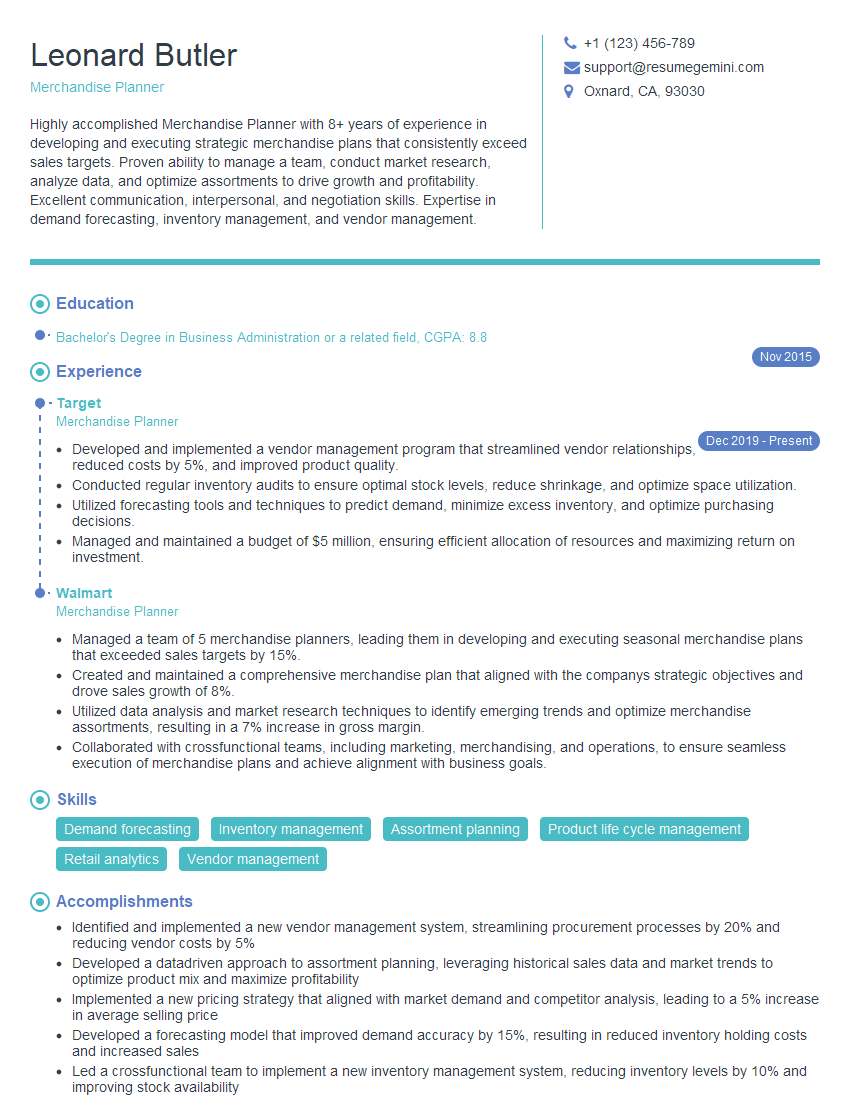
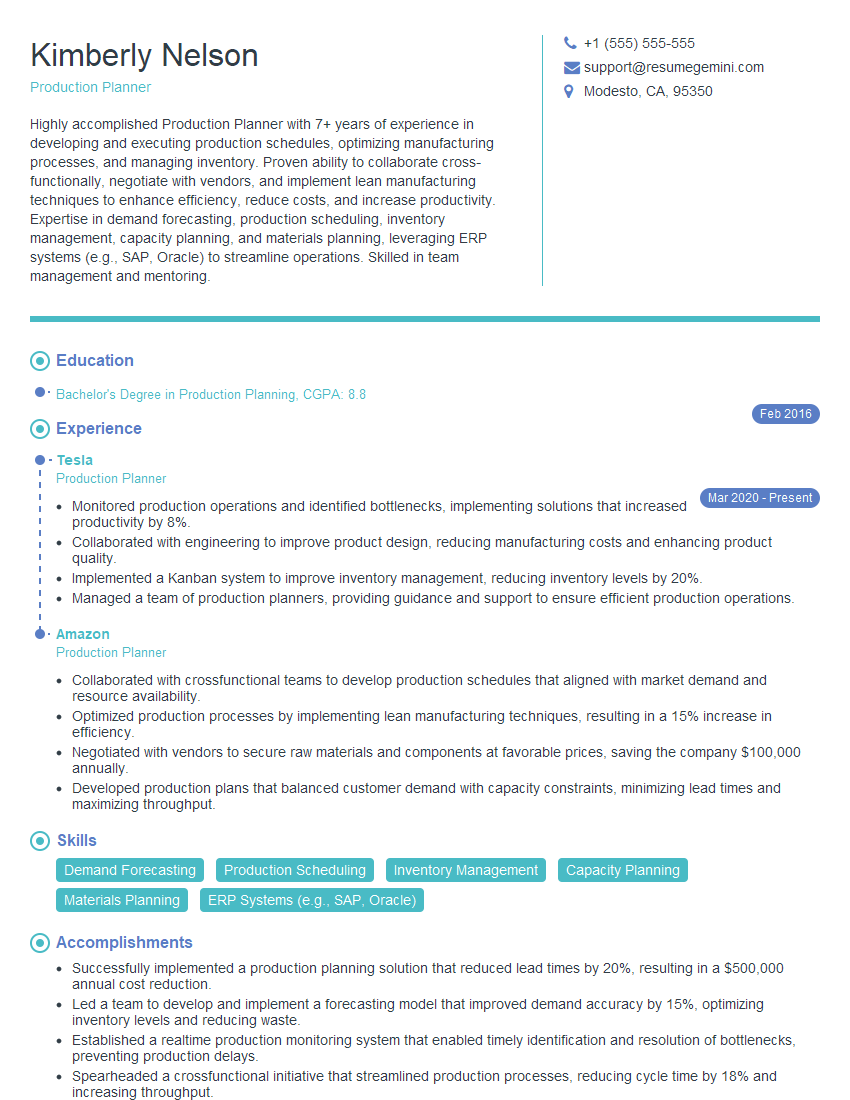
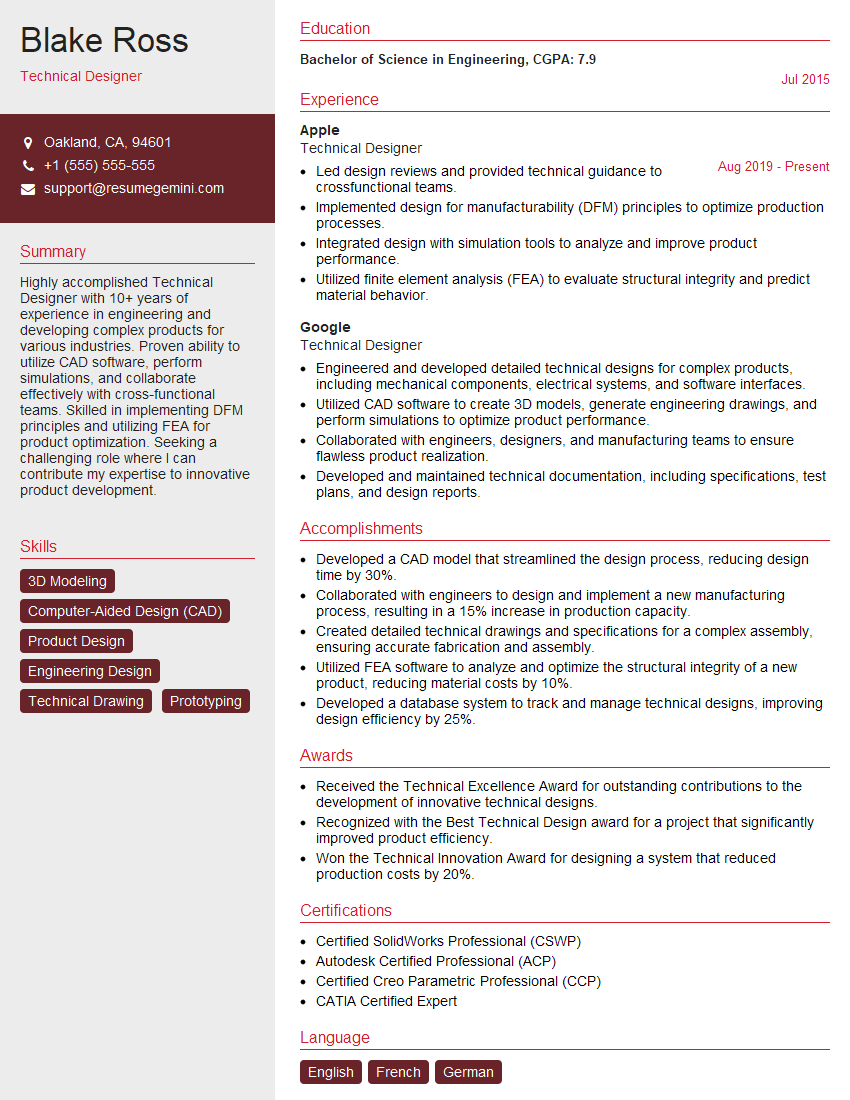
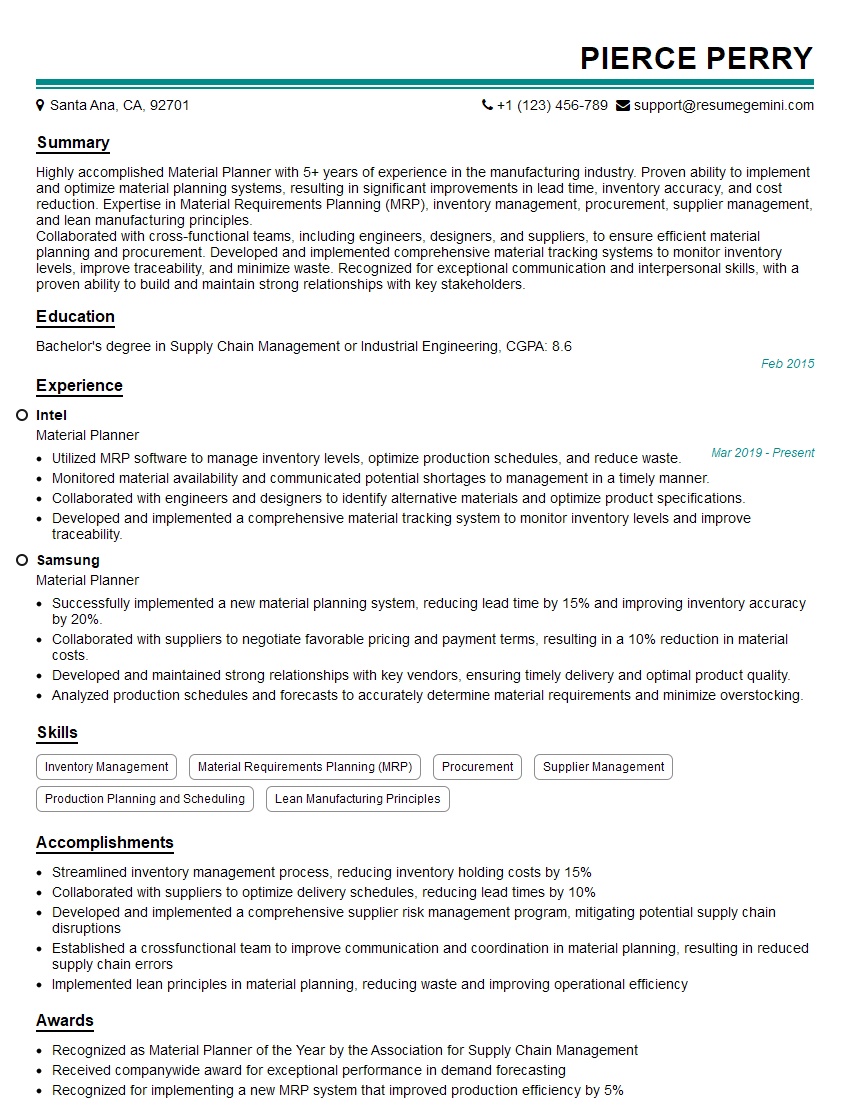
Mastering Fabric Sourcing and Procurement is crucial for a successful and rewarding career in the fashion and textile industries. It opens doors to roles with increasing responsibility and higher earning potential. To significantly boost your job prospects, crafting a compelling and ATS-friendly resume is paramount. ResumeGemini is a trusted resource that can help you build a professional and impactful resume, tailored to highlight your skills and experience in this competitive field. We provide examples of resumes specifically designed for Fabric Sourcing and Procurement professionals to help you get started.
Explore more articles
Users Rating of Our Blogs
Share Your Experience
We value your feedback! Please rate our content and share your thoughts (optional).
What Readers Say About Our Blog
Very informative content, great job.
good