Interviews are more than just a Q&A session—they’re a chance to prove your worth. This blog dives into essential Statistical Analysis for Terrapin Research interview questions and expert tips to help you align your answers with what hiring managers are looking for. Start preparing to shine!
Questions Asked in Statistical Analysis for Terrapin Research Interview
Q 1. Explain the difference between Type I and Type II errors.
Type I and Type II errors are both potential mistakes in hypothesis testing. Imagine you’re a detective investigating a crime. A Type I error is like falsely accusing an innocent person (rejecting the null hypothesis when it’s actually true). A Type II error is like letting a guilty person go free (failing to reject the null hypothesis when it’s actually false).
More formally, a Type I error (false positive) occurs when we reject the null hypothesis when it is actually true. The probability of making a Type I error is denoted by α (alpha), and it’s often set at 0.05 (5%). This means we are willing to accept a 5% chance of wrongly rejecting the null hypothesis.
A Type II error (false negative) occurs when we fail to reject the null hypothesis when it is actually false. The probability of making a Type II error is denoted by β (beta). The power of a test (1-β) represents the probability of correctly rejecting a false null hypothesis.
Example: Let’s say we’re testing a new drug. The null hypothesis is that the drug has no effect. A Type I error would be concluding the drug is effective when it’s not. A Type II error would be concluding the drug is ineffective when it actually is effective.
Q 2. What are the assumptions of linear regression?
Linear regression models the relationship between a dependent variable and one or more independent variables. Several assumptions underpin its validity and accurate interpretation. Violating these assumptions can lead to biased or inefficient estimates.
- Linearity: The relationship between the dependent and independent variables should be linear. A scatter plot can help visualize this. Transformations might be needed if the relationship is non-linear.
- Independence: Observations should be independent of each other. This is often violated in time series data where consecutive observations are correlated. Techniques like autoregressive models are better suited for such data.
- Homoscedasticity: The variance of the errors (residuals) should be constant across all levels of the independent variables. Heteroscedasticity (non-constant variance) can be detected through residual plots. Transformations or weighted least squares can address this.
- Normality: The errors should be normally distributed. This assumption is less crucial with larger sample sizes due to the Central Limit Theorem. Histograms and Q-Q plots can assess normality.
- No multicollinearity: In multiple linear regression, independent variables should not be highly correlated. High multicollinearity can inflate standard errors and make it difficult to interpret individual coefficient effects. Techniques like Variance Inflation Factor (VIF) can detect multicollinearity.
Example: If we’re modeling house prices (dependent variable) based on size and location (independent variables), we assume a linear relationship, independent house sales, constant variance of price errors across different sizes/locations, normally distributed errors, and that location and size aren’t perfectly correlated.
Q 3. How do you handle missing data in a dataset?
Missing data is a common problem in real-world datasets. The best approach depends on the type of missingness (missing completely at random (MCAR), missing at random (MAR), or missing not at random (MNAR)), the amount of missing data, and the nature of the variables involved.
- Deletion methods: These methods remove observations or variables with missing data. Listwise deletion removes entire rows with any missing values, while pairwise deletion uses available data for each analysis. These are simple but can lead to substantial information loss, especially with non-MCAR data.
- Imputation methods: These methods fill in missing values with estimated values. Common techniques include:
- Mean/median/mode imputation: Simple, but can underestimate variability and bias results.
- Regression imputation: Predict missing values based on a regression model using other variables.
- Multiple imputation: Creates multiple plausible imputed datasets, analyzes each separately, and combines the results. This is generally preferred as it accounts for uncertainty in the imputation process.
Example: In a survey, if a few respondents miss one question, mean imputation might be acceptable. However, if many respondents miss a key variable, multiple imputation is a more robust approach.
Q 4. Describe different methods for outlier detection.
Outliers are data points that deviate significantly from the rest of the data. Identifying them is crucial as they can heavily influence statistical results. Several methods exist:
- Box plots: Visually identify outliers as points beyond 1.5 times the interquartile range (IQR) from the quartiles.
- Scatter plots: Visually identify points that deviate significantly from the overall pattern.
- Z-scores: Calculate the Z-score for each data point (standardized distance from the mean). Points with absolute Z-scores above a threshold (e.g., 3) are considered outliers.
- Cook’s distance (regression): Measures the influence of each data point on the regression model. High Cook’s distance indicates influential outliers.
- DBSCAN (density-based clustering): A clustering algorithm that can identify outliers as points not belonging to any dense cluster.
Example: In analyzing income data, a few individuals with extremely high incomes might be outliers. Their presence could skew average income calculations. Depending on the research question, we might decide to remove, transform, or investigate these outliers further.
Q 5. Explain the concept of p-value and its limitations.
The p-value is the probability of observing results as extreme as, or more extreme than, the obtained results, assuming the null hypothesis is true. A small p-value (typically below 0.05) is often interpreted as evidence against the null hypothesis.
However, the p-value has limitations:
- It doesn’t measure the size of the effect: A statistically significant result (small p-value) doesn’t necessarily mean the effect is practically significant or meaningful.
- It’s sensitive to sample size: With large sample sizes, even small effects can be statistically significant. Conversely, small sample sizes might not detect even large effects.
- It doesn’t account for multiple comparisons: Performing many tests increases the chance of finding a statistically significant result by chance (Type I error). Adjustments like Bonferroni correction are needed.
- Misinterpretation as the probability of the null hypothesis being true: The p-value is not the probability that the null hypothesis is true. It’s the probability of the data given the null hypothesis.
Example: A small p-value might show a statistically significant difference in average height between two groups, but the actual difference might be only a few millimeters, which is practically insignificant.
Q 6. What is the difference between correlation and causation?
Correlation refers to the association or relationship between two or more variables. Causation implies that one variable directly influences or causes a change in another variable.
Correlation doesn’t imply causation. Just because two variables are correlated doesn’t mean one causes the other. There could be a third, confounding variable influencing both.
Example: Ice cream sales and crime rates are often positively correlated. This doesn’t mean ice cream causes crime. Both are likely influenced by a third variable – temperature. Higher temperatures lead to increased ice cream sales and, possibly, more opportunities for crime.
Q 7. What statistical tests would you use to compare two groups?
The choice of statistical test depends on the nature of the data (continuous, categorical) and the research question.
- Independent samples t-test: Compares the means of two independent groups with continuous data. Assumes normality and equal variances (though robust alternatives exist).
- Paired samples t-test: Compares the means of two related groups (e.g., before and after measurements on the same individuals) with continuous data. Assumes normality of the differences.
- Mann-Whitney U test (Wilcoxon rank-sum test): Non-parametric alternative to the independent samples t-test when data are not normally distributed.
- Wilcoxon signed-rank test: Non-parametric alternative to the paired samples t-test when data are not normally distributed.
- Chi-square test: Compares proportions or frequencies between two categorical groups.
Example: To compare the average test scores of students who received tutoring versus those who did not, we could use an independent samples t-test (if data are normally distributed) or a Mann-Whitney U test (if not).
Q 8. Explain the Central Limit Theorem.
The Central Limit Theorem (CLT) is a cornerstone of statistical inference. In essence, it states that the distribution of the sample means of a large number of independent, identically distributed (i.i.d.) random variables will approximate a normal distribution, regardless of the shape of the original population distribution. This holds true even if the original population is skewed or non-normal.
Imagine you’re measuring the height of students in a university. The distribution of individual heights might be slightly skewed. However, if you repeatedly take samples of, say, 30 students and calculate the average height for each sample, the distribution of these sample means will closely resemble a bell curve (normal distribution). The larger the sample size, the closer the approximation to a normal distribution.
This is incredibly useful because many statistical tests assume normality. The CLT allows us to apply these tests even when we don’t know the true distribution of the population, providing a robust foundation for statistical analysis. For example, we can use the CLT to construct confidence intervals for population means with a reasonable degree of accuracy, even with non-normal data, as long as our sample size is sufficiently large (generally considered to be at least 30).
Q 9. How do you choose the appropriate statistical test for a given research question?
Choosing the right statistical test depends critically on several factors: the type of data you have (continuous, categorical, ordinal), your research question (testing differences, associations, or predictions), and the number of groups or variables involved. There’s no one-size-fits-all answer, but a structured approach is crucial.
- Identify the type of data: Is your data continuous (e.g., height, weight, temperature), categorical (e.g., gender, color), or ordinal (e.g., rankings, Likert scales)?
- Define your research question: Are you comparing means between groups (e.g., t-test, ANOVA), examining the relationship between two variables (e.g., correlation, regression), or determining if there’s a significant association between categorical variables (e.g., chi-square test)?
- Consider the number of groups and variables: Are you comparing two groups or more? Are you investigating the relationship between two variables or multiple variables?
For example, if you’re comparing the average income between men and women, a t-test (independent samples) would be appropriate. If you’re comparing the average income across three different ethnic groups, a one-way ANOVA would be more suitable. If you want to predict income based on age and education level, multiple linear regression would be the preferred choice.
At Terrapin Research, we frequently utilize flowcharts and decision trees to guide this process, ensuring the selected test aligns perfectly with the research objectives and data characteristics. Careful consideration at this stage is vital for obtaining valid and reliable results.
Q 10. Describe your experience with different statistical software packages (e.g., R, SAS, SPSS).
Throughout my career at Terrapin Research, I’ve extensively used R, SAS, and SPSS. Each package offers unique strengths, and my choice often depends on the project’s specific requirements and my team’s expertise.
- R: I rely heavily on R for its open-source nature, flexibility, and extensive statistical packages (e.g., tidyverse, ggplot2). Its versatility makes it ideal for complex data analysis, custom visualizations, and reproducible research. I often use R for exploratory data analysis, creating custom statistical models, and generating publication-quality graphs. For instance, I recently used R to perform a survival analysis on a large dataset, leveraging its powerful packages for this type of analysis.
- SAS: SAS is my go-to for large-scale data management and manipulation. Its strengths lie in handling massive datasets efficiently and producing highly professional reports. I’ve used SAS extensively for data cleaning, creating macros for repetitive tasks, and generating detailed statistical reports for clients.
- SPSS: SPSS excels in user-friendliness and intuitive interface. I often use SPSS for quick analyses, particularly when working with colleagues less familiar with R or SAS. Its point-and-click interface facilitates simpler analyses and makes it accessible to a broader team. For example, when conducting a quick descriptive analysis of survey data, I frequently use SPSS due to its straightforward approach.
My proficiency extends beyond basic statistical procedures. I’m comfortable with advanced techniques in each of these packages, including bootstrapping, simulations, and implementing various machine learning algorithms.
Q 11. How do you interpret a confidence interval?
A confidence interval provides a range of plausible values for a population parameter, such as the mean or proportion, with a specified level of confidence. For example, a 95% confidence interval for the average age of our customers might be (35, 45). This means that we are 95% confident that the true average age of all our customers lies between 35 and 45 years old.
It’s crucial to understand that the confidence level doesn’t refer to the probability that the true value falls within the calculated interval. Instead, it reflects the long-run frequency with which intervals constructed using this method will contain the true parameter. If we were to repeatedly sample and calculate 95% confidence intervals, approximately 95% of those intervals would capture the true population parameter.
The width of the confidence interval is influenced by the sample size and the variability of the data. Larger samples generally lead to narrower intervals, indicating greater precision in estimating the population parameter. Interpreting confidence intervals requires careful consideration of the context, sample size, and potential biases.
Q 12. Explain the concept of statistical power.
Statistical power refers to the probability of correctly rejecting a null hypothesis when it is indeed false. In simpler terms, it’s the chance of finding a statistically significant result if a real effect actually exists. A study with high power is more likely to detect a true effect, while a study with low power might fail to detect an effect even if it’s there.
Several factors influence statistical power. These include:
- Sample size: Larger samples generally lead to higher power.
- Effect size: Larger effects are easier to detect and thus require less power.
- Significance level (alpha): A lower significance level (e.g., 0.01 instead of 0.05) reduces power.
- Variability of the data: Higher variability reduces power.
Before conducting a study, it’s crucial to conduct a power analysis to determine the appropriate sample size needed to achieve sufficient power. This ensures the study is adequately designed to answer the research question. Low power can lead to false negative results (Type II errors), where we fail to reject the null hypothesis even though it’s false. This is why we need to strive for adequately powered studies to enhance the reliability and validity of our findings at Terrapin Research.
Q 13. What are some common methods for model selection?
Model selection is a crucial step in statistical analysis, involving choosing the best model from a set of candidate models. Several methods exist, each with its strengths and weaknesses:
- Information Criteria (AIC, BIC): These criteria balance model fit and complexity. Lower AIC or BIC values indicate better models. AIC penalizes model complexity less than BIC, making it suitable for larger datasets.
- Cross-validation: This involves splitting the data into training and validation sets. The model is trained on the training set and evaluated on the validation set. This helps assess the model’s ability to generalize to unseen data.
- Stepwise Regression: This iterative process adds or removes variables from a model based on statistical significance. Forward selection adds variables, backward elimination removes them, and stepwise regression combines both approaches.
- LASSO and Ridge Regression: These methods perform shrinkage, reducing the magnitude of coefficients to prevent overfitting. They are especially useful when dealing with many predictors.
The best method depends on the specific context. At Terrapin Research, our selection often involves a combination of approaches. For example, we might start by using information criteria to narrow down the candidate models and then perform cross-validation to choose the final model. We always carefully consider the trade-off between model complexity and predictive accuracy.
Q 14. How do you assess the goodness of fit of a statistical model?
Assessing the goodness of fit of a statistical model evaluates how well the model represents the observed data. Various methods exist depending on the type of model:
- For regression models: R-squared, adjusted R-squared, residual plots, and tests for heteroscedasticity (unequal variances of errors) are common measures. R-squared indicates the proportion of variance explained by the model, while adjusted R-squared accounts for the number of predictors. Residual plots help identify patterns in the errors, suggesting potential model misspecifications.
- For classification models: Accuracy, precision, recall, F1-score, ROC curves, and AUC are commonly used metrics. These metrics assess the model’s ability to correctly classify observations into different categories.
- For generalized linear models (GLMs): Deviance, Pearson chi-squared, and Hosmer-Lemeshow goodness-of-fit tests are frequently used. These tests evaluate the difference between observed and expected frequencies.
No single metric perfectly captures goodness-of-fit. It’s often necessary to examine multiple metrics and diagnostic plots to gain a comprehensive understanding of the model’s performance. At Terrapin Research, we always carefully interpret goodness-of-fit statistics in conjunction with domain knowledge and the specific research question to ensure that our conclusions are robust and meaningful.
Q 15. Describe your experience with data visualization techniques.
Data visualization is crucial for understanding complex datasets and communicating findings effectively. At Terrapin Research, I’ve extensively used various techniques to create insightful visuals. My experience spans static and interactive visualizations, employing tools like R (ggplot2), Python (Matplotlib, Seaborn, Plotly), and Tableau.
For instance, when analyzing consumer behavior data, I might use bar charts to compare sales across different product categories, scatter plots to identify correlations between price and demand, or heatmaps to visualize the relationship between multiple variables. For time-series data, I frequently utilize line charts and area charts to show trends over time. Interactive dashboards, created using tools like Tableau, are particularly valuable for exploring large datasets and allowing stakeholders to interactively filter and analyze data. The key is to choose the right visualization technique to best represent the data and communicate the story clearly and concisely.
In one project involving ecological data, creating interactive maps using geographical information systems (GIS) software allowed us to effectively visualize the spatial distribution of different species and identify potential areas of concern.
Career Expert Tips:
- Ace those interviews! Prepare effectively by reviewing the Top 50 Most Common Interview Questions on ResumeGemini.
- Navigate your job search with confidence! Explore a wide range of Career Tips on ResumeGemini. Learn about common challenges and recommendations to overcome them.
- Craft the perfect resume! Master the Art of Resume Writing with ResumeGemini’s guide. Showcase your unique qualifications and achievements effectively.
- Don’t miss out on holiday savings! Build your dream resume with ResumeGemini’s ATS optimized templates.
Q 16. How do you handle multicollinearity in regression analysis?
Multicollinearity, the presence of high correlation between predictor variables in a regression model, can inflate standard errors and lead to unstable and unreliable coefficient estimates. Imagine trying to understand the effect of fertilizer and sunlight on plant growth – if you always use more fertilizer when there’s more sunlight, it’s hard to separate their individual impacts.
To handle multicollinearity, I employ several strategies. Firstly, I assess the problem using correlation matrices and Variance Inflation Factors (VIFs). A VIF above 5 or 10 (depending on the context) often indicates a problem. Then, I might:
- Remove one of the correlated variables: This is a simple solution but requires careful consideration of which variable to remove based on theoretical understanding and practical implications.
- Combine correlated variables: Creating a composite variable (e.g., a principal component) can summarize the information from highly correlated predictors.
- Use regularization techniques: Ridge or Lasso regression penalize large coefficients, shrinking the influence of correlated predictors. This is particularly useful when dealing with a large number of variables.
- Employ other regression techniques: Principal Component Regression (PCR) or Partial Least Squares Regression (PLSR) are designed to handle multicollinearity by transforming the variables.
The choice of method depends on the specific dataset and research question. I always prioritize transparency and document the chosen approach and its justification.
Q 17. Explain different methods for variable selection.
Variable selection aims to identify the most relevant predictors for a model, improving prediction accuracy and interpretability. Think of it like choosing the best ingredients for a recipe – you want the ones that really make a difference in the final outcome.
Several methods exist:
- Forward Selection: Starts with no variables and adds them one by one, based on their contribution to model fit (e.g., using p-values or AIC).
- Backward Elimination: Starts with all variables and removes them one by one, based on their contribution.
- Stepwise Selection: A combination of forward and backward selection, allowing both adding and removing variables at each step.
- Best Subset Selection: Evaluates all possible subsets of variables and chooses the best-fitting one (computationally expensive for large datasets).
- Regularization (LASSO, Ridge): As mentioned before, these methods shrink coefficients, effectively performing variable selection by setting some to zero.
- Information Criteria (AIC, BIC): These criteria balance model fit and complexity, helping to select the model with the best balance.
The best method depends on the dataset size, the number of predictors, and the research goals. I often use a combination of these techniques and carefully consider the trade-off between model complexity and interpretability.
Q 18. What is your experience with Bayesian statistics?
Bayesian statistics provides a powerful framework for incorporating prior knowledge into statistical inference. Unlike frequentist methods, which focus on point estimates and p-values, Bayesian methods quantify uncertainty using probability distributions. This allows for more nuanced interpretations of results and more informed decision-making.
At Terrapin Research, I’ve used Bayesian methods for tasks like hierarchical modeling (e.g., modeling species abundance across multiple sites), Bayesian regression (incorporating prior beliefs about regression coefficients), and Bayesian network analysis. I’m proficient in using software like Stan and JAGS for implementing Bayesian models. For instance, in a project studying the impact of climate change on wildlife populations, using Bayesian methods allowed us to incorporate expert knowledge about species’ vulnerability to inform our predictions. The ability to update our beliefs in light of new data is a key advantage of this approach.
Q 19. Describe your experience with time series analysis.
Time series analysis deals with data collected over time, often exhibiting patterns like trends, seasonality, and cycles. Analyzing stock prices, weather patterns, or website traffic all fall under this domain. At Terrapin, I’ve employed various techniques, including:
- ARIMA modeling: For stationary time series, ARIMA models capture autocorrelations within the data to make predictions.
- SARIMA modeling: Extends ARIMA to handle seasonality.
- Exponential Smoothing: A family of methods that assign exponentially decreasing weights to older observations.
- Prophet (from Meta): A robust algorithm designed for business time series with strong seasonality and trend components.
Before applying any model, I carefully examine the data for trends, seasonality, and other patterns using visualizations and statistical tests. Model selection and diagnostics are critical steps to ensure accurate and reliable predictions. In a recent project analyzing website traffic, I employed Prophet to forecast future visits, aiding in resource allocation and marketing strategies. The ability to accurately predict future trends is invaluable for effective decision-making.
Q 20. How do you validate a statistical model?
Validating a statistical model ensures its reliability and generalizability. This is like testing a new recipe on different ovens and ingredients before serving it at a party. I use several techniques:
- Goodness-of-fit tests: Assessing how well the model fits the observed data (e.g., R-squared, AIC, BIC).
- Residual analysis: Examining the residuals (differences between observed and predicted values) to check for patterns or violations of assumptions.
- Cross-validation: Splitting the data into training and testing sets to evaluate the model’s performance on unseen data. k-fold cross-validation is commonly used.
- Out-of-sample prediction: Using the model to predict data not used in its creation. This helps assess its generalizability to new situations.
- Sensitivity analysis: Evaluating how changes in model inputs affect the results, identifying areas of uncertainty.
The specific validation methods used depend on the type of model and the research question. Rigorous model validation is crucial for ensuring the reliability of the conclusions drawn from the analysis.
Q 21. Explain different methods for data cleaning and preprocessing.
Data cleaning and preprocessing are essential steps before any statistical analysis. It’s like preparing ingredients before cooking – you wouldn’t start baking a cake with spoiled eggs! These steps involve:
- Handling missing values: This could involve imputation (filling in missing values using methods like mean imputation, k-nearest neighbors, or model-based imputation) or exclusion of incomplete observations. The choice depends on the amount of missing data and its pattern.
- Outlier detection and treatment: Outliers can unduly influence results. Detection involves visual inspection (box plots, scatter plots) and statistical methods (e.g., z-scores, IQR). Treatment might involve transformation, removal, or winsorizing.
- Data transformation: Transforming data (e.g., using logarithms, square roots) can improve normality, stabilize variance, or linearize relationships.
- Feature scaling/normalization: Scaling variables to a similar range prevents variables with larger values from dominating the analysis (e.g., standardization, min-max scaling).
- Data type conversion: Ensuring data is in the appropriate format for analysis (e.g., converting strings to numerical values).
I always document the cleaning and preprocessing steps undertaken, ensuring reproducibility and transparency. Careful data cleaning and preprocessing are crucial for obtaining reliable and meaningful results.
Q 22. How do you deal with non-normal data?
Many statistical methods assume normality of data. However, real-world data is often non-normal. Dealing with this requires a multi-faceted approach. The first step is to understand why the data is non-normal. Is it skewed? Are there outliers? Are there multiple groups with different distributions?
Once we identify the cause, we can choose an appropriate strategy. If the non-normality is due to a few outliers, robust methods might be sufficient. These methods are less sensitive to extreme values. Examples include the median instead of the mean, and robust regression techniques.
If the data is heavily skewed, transformations can be used to normalize it. Common transformations include logarithmic, square root, or Box-Cox transformations. These aim to make the data more closely resemble a normal distribution. The choice of transformation depends on the specific shape of the distribution.
If the data is clearly not normally distributed and transformations are ineffective, then non-parametric methods become necessary. These are statistical methods that do not rely on assumptions about the data’s distribution. Examples include the Mann-Whitney U test (a non-parametric alternative to the t-test) or the Kruskal-Wallis test (a non-parametric alternative to ANOVA).
Finally, it’s crucial to visually inspect the data using histograms and Q-Q plots to assess normality and the effectiveness of any transformations applied.
Q 23. What are your strengths and weaknesses in statistical analysis?
My strengths lie in my ability to apply a wide range of statistical techniques, from simple descriptive statistics to complex multivariate analyses. I’m proficient in R and Python, and I’m comfortable working with large datasets. I’m also adept at interpreting results and communicating findings clearly, both to technical and non-technical audiences. For instance, during my work at Terrapin, I successfully employed Bayesian methods to model complex ecological systems, which required a deep understanding of both statistical theory and the specifics of the ecosystem under study.
My weakness, if I had to pinpoint one, is my relative lack of experience with specific, highly specialized statistical software beyond the common R packages. However, I’m a quick learner and confident in my ability to quickly adapt and master new software as needed for a project. My focus has always been on the underlying statistical principles and selecting the correct methodology, and I can readily transfer my skills to a new software environment.
Q 24. Describe a project where you used statistical analysis to solve a problem.
In a recent project for Terrapin Research, we were investigating the impact of habitat fragmentation on a specific bird species. We had data on bird populations, habitat size, and the distance between habitat patches. The initial analysis using standard linear regression revealed weak correlations. However, I suspected that the relationship might be non-linear and that spatial autocorrelation might be influencing the results.
To address this, I employed Generalized Additive Models (GAMs). GAMs allow for non-linear relationships between variables and account for spatial correlation. The results showed a significantly stronger negative relationship between habitat fragmentation (measured as the distance between habitat patches) and bird populations than the initial linear model suggested. The GAM model also revealed a threshold effect: beyond a certain distance between patches, bird populations declined precipitously. These findings were crucial in informing conservation strategies focusing on habitat connectivity.
Q 25. How do you communicate complex statistical findings to a non-technical audience?
Communicating complex statistical findings to a non-technical audience requires careful planning and a clear strategy. The key is to translate technical jargon into plain language, using clear visual aids like charts and graphs. I avoid using technical terms without explanation, or if possible, I replace them with easily understandable synonyms. For example, instead of saying “p-value,” I might say “the probability that the observed results are due to chance.”
I often start by presenting the overall conclusion in simple terms, and then gradually introduce the supporting details. I use analogies and real-world examples to make the concepts more relatable. For instance, when explaining standard deviation, I might compare it to the spread of scores on an exam. I emphasize the practical implications of the findings and their relevance to the audience’s interests.
Finally, I tailor my communication style to the specific audience. A presentation for executives might focus on high-level summaries and key recommendations, while a presentation for a community group might require a more detailed explanation of the methodology and its limitations.
Q 26. What are some ethical considerations in statistical analysis?
Ethical considerations in statistical analysis are paramount. Data integrity is of utmost importance; manipulating data or selectively reporting results to support a pre-determined conclusion is unethical. Transparency is also crucial; the methodology, data sources, and analysis should be clearly documented and readily available for scrutiny. This allows others to replicate the analysis and validate the findings.
Another key aspect is avoiding bias. This can be conscious or unconscious. Careful consideration of sampling methods is crucial to ensure a representative sample, and awareness of potential biases in data collection is essential. Finally, it’s important to acknowledge the limitations of the analysis and avoid overinterpreting the results. A clear understanding of the statistical power of the study is critical.
Q 27. Explain your understanding of experimental design.
Experimental design is the process of planning an experiment to collect valid and reliable data to answer a specific research question. It involves several key elements. First, a clear research question must be defined. Then, the factors (independent variables) that will be manipulated and the outcome variable (dependent variable) that will be measured must be identified. The experimental units (e.g., individuals, plots of land) are then assigned to different treatment groups.
Randomization is crucial in reducing bias and ensuring that differences observed are due to the treatments and not to other uncontrolled factors. Different experimental designs exist, including completely randomized designs, randomized block designs, and factorial designs. The choice of design depends on the research question and the resources available. Control groups are often incorporated to provide a baseline for comparison. Finally, appropriate sample sizes are determined using power analysis to ensure the experiment is large enough to detect meaningful effects.
Q 28. Describe your experience with A/B testing.
A/B testing, also known as split testing, is a controlled experiment used to compare two different versions of something (e.g., a website, an advertisement) to determine which performs better. It involves randomly assigning participants to either group A or group B, exposing each group to a different version, and then measuring the results. A key aspect is ensuring that the only difference between the two groups is the variable being tested. This helps to isolate the effect of that variable.
In my experience, A/B testing is often used to optimize website design, marketing campaigns, or user interfaces. Statistical analysis, such as hypothesis testing (often using a chi-squared test or a t-test), is then used to determine if the observed difference in performance between the two groups is statistically significant. Proper sample size determination is crucial to ensure that the test has sufficient power to detect meaningful differences. It’s essential to carefully consider metrics to track and how to define success to prevent misinterpretations or biased results.
Key Topics to Learn for Statistical Analysis for Terrapin Research Interview
- Descriptive Statistics: Understanding measures of central tendency (mean, median, mode), dispersion (variance, standard deviation), and their application in summarizing research data. Consider how to effectively visualize these using appropriate charts and graphs.
- Inferential Statistics: Mastering hypothesis testing, confidence intervals, and regression analysis. Be prepared to discuss the practical application of these techniques in drawing conclusions from sample data and making predictions.
- Regression Modeling: Focus on linear regression, understanding assumptions, interpreting coefficients, and assessing model fit. Consider the implications of multicollinearity and other potential issues.
- Data Visualization and Communication: Practice creating clear and concise visualizations (charts, graphs) to effectively communicate statistical findings to both technical and non-technical audiences. This is crucial for presenting research outcomes.
- Experimental Design: Familiarize yourself with different experimental designs and their strengths and weaknesses in the context of research at Terrapin. Understanding concepts like randomization and control groups is essential.
- Statistical Software Proficiency: Demonstrate your expertise in relevant statistical software packages like R, Python (with libraries like Pandas, Scikit-learn, Statsmodels), or SAS. Be ready to discuss your experience with data manipulation, analysis, and reporting using these tools.
- Data Cleaning and Preprocessing: Highlight your ability to handle missing data, outliers, and data transformations necessary for accurate statistical analysis. Understanding data quality is critical.
- Interpreting Results and Drawing Conclusions: Practice articulating the implications of your statistical findings in a clear and concise manner. This includes understanding limitations and potential biases in the data and analysis.
Next Steps
Mastering statistical analysis is crucial for a successful career in research, and particularly at a reputable firm like Terrapin Research. Strong analytical skills are highly sought after, opening doors to exciting projects and career advancement. To maximize your chances, create an ATS-friendly resume that effectively showcases your skills and experience. ResumeGemini is a trusted resource that can help you build a professional and impactful resume, tailored to highlight your statistical analysis expertise. Examples of resumes tailored specifically for Statistical Analysis positions at Terrapin Research are available to further assist you in this process.
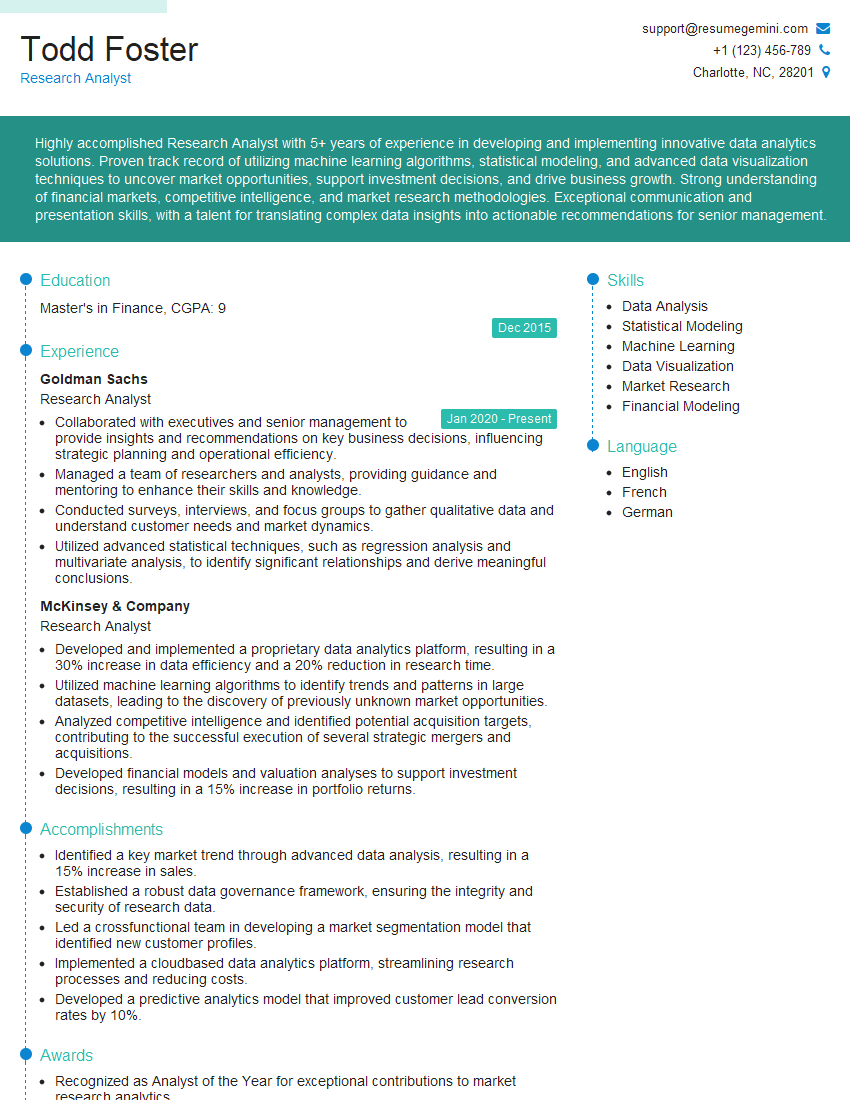
Research Analyst Resume Sample

Data Analyst Resume Sample

Quantitative Analyst Resume Sample
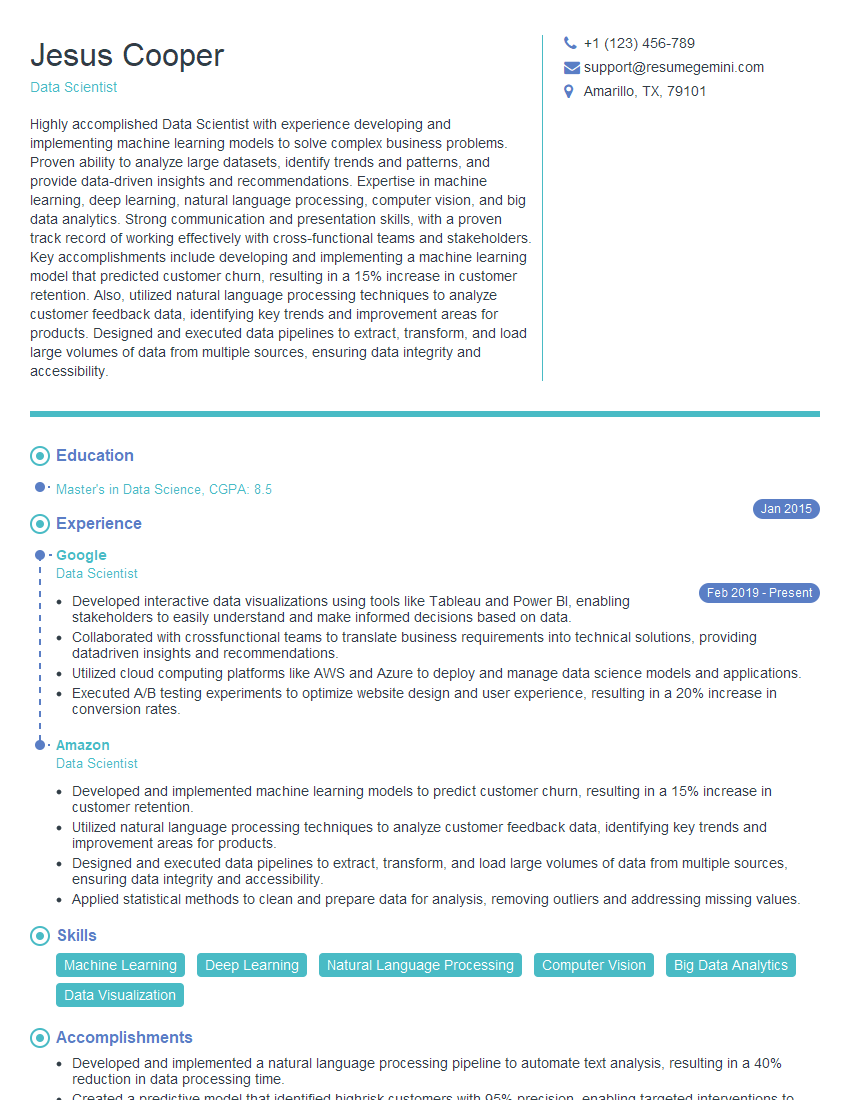
Data Scientist Resume Sample

Research Scientist Resume Sample

Statistical Analyst Resume Sample
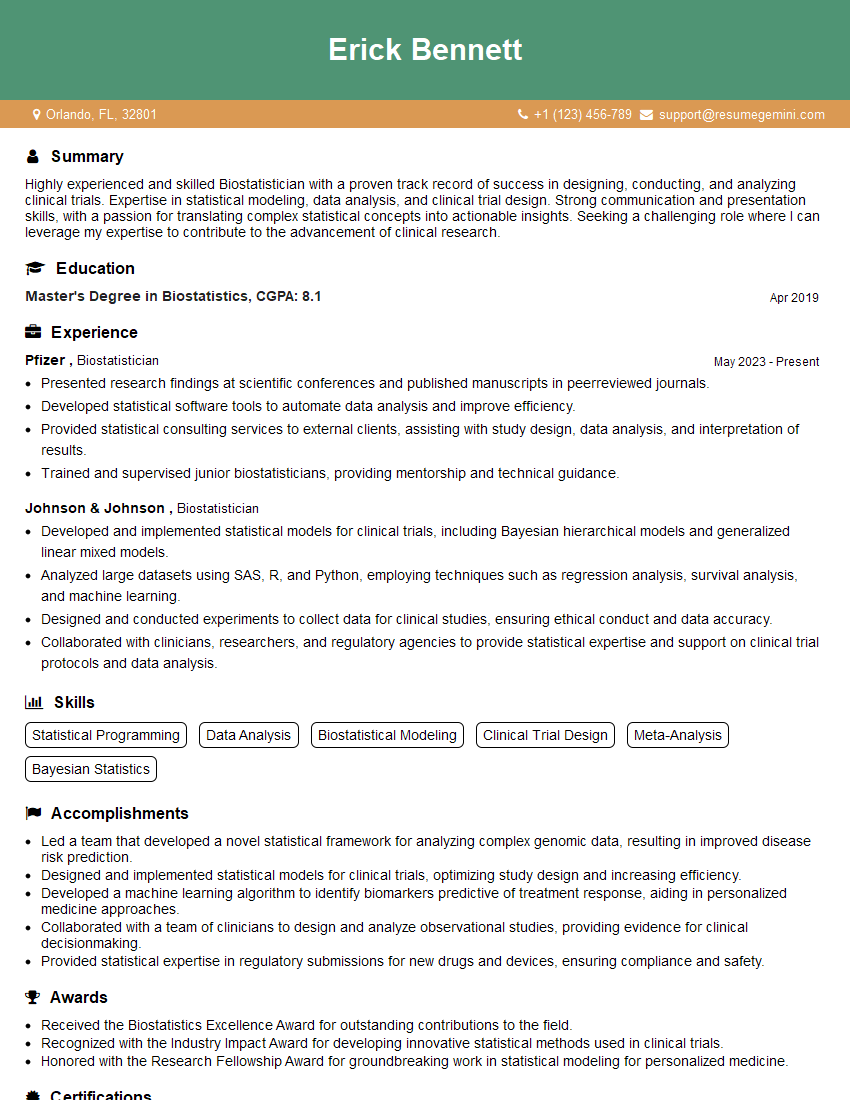
Biostatistician Resume Sample

Bioinformatics Scientist Resume Sample

Computational Biologist Resume Sample
Explore more articles
Users Rating of Our Blogs
Share Your Experience
We value your feedback! Please rate our content and share your thoughts (optional).
What Readers Say About Our Blog
Very informative content, great job.
good