Feeling uncertain about what to expect in your upcoming interview? We’ve got you covered! This blog highlights the most important Facility Operations interview questions and provides actionable advice to help you stand out as the ideal candidate. Let’s pave the way for your success.
Questions Asked in Facility Operations Interview
Q 1. Describe your experience with preventative maintenance programs.
Preventative maintenance (PM) is the key to extending the lifespan of building systems and preventing costly breakdowns. It involves regularly scheduled inspections and servicing of equipment before failures occur. Think of it like taking your car for regular oil changes – much cheaper and more effective than waiting for a catastrophic engine failure.
In my previous role at Acme Corp, I implemented a comprehensive PM program using a computerized maintenance management system (CMMS). This involved:
- Developing a detailed PM schedule: This included specifying tasks (e.g., cleaning HVAC filters, lubricating machinery, inspecting fire suppression systems), frequencies (daily, weekly, monthly, annually), and responsible parties.
- Creating work orders: The CMMS automatically generated work orders based on the schedule, ensuring tasks weren’t missed.
- Tracking and reporting: The system allowed us to track PM completion rates, identify trends, and generate reports for management, demonstrating the program’s effectiveness in reducing downtime and costs.
- Training maintenance staff: I conducted training sessions to ensure the team understood PM procedures and the importance of proper documentation.
This program resulted in a 20% reduction in emergency repairs and a 15% increase in equipment uptime, significantly improving operational efficiency and saving the company considerable money.
Q 2. How do you prioritize maintenance tasks in a high-pressure environment?
Prioritizing maintenance tasks in a high-pressure environment requires a structured approach. My strategy involves a combination of urgency, criticality, and risk assessment. I use a prioritization matrix, often visualized as a table, which assesses each task based on its impact and immediacy.
Impact: How severely will a malfunction affect operations, safety, or compliance? High-impact tasks are given higher priority. For example, a malfunctioning fire alarm system is far more critical than a minor aesthetic issue.
Immediacy: How soon will a failure occur? Tasks with an imminent risk of failure are prioritized over those with a longer timeline. A leaking roof threatening equipment is more urgent than an overdue HVAC filter change.
Risk Assessment: What are the potential consequences of delaying the task? This includes financial losses, safety hazards, and legal implications. For example, ignoring regular inspections of elevators carries a significant safety risk.
I often utilize a CMMS system to help with this process. It allows for assigning priority levels, setting deadlines, and tracking progress on all maintenance tasks. This ensures that the most critical tasks are addressed first, while still maintaining a manageable workflow.
Q 3. Explain your experience with budgeting and cost control for facility operations.
Budgeting and cost control in facility operations demand a detailed understanding of expenses and proactive planning. I approach this through a combination of historical data analysis, future projections, and cost-saving strategies.
Historical Data Analysis: I review past maintenance records to identify recurring expenses and trends. This helps in accurately forecasting future costs and identifying potential areas for cost reduction.
Future Projections: I create detailed budgets based on anticipated maintenance needs, considering factors such as equipment age, potential repairs, and planned upgrades. This involves collaboration with different departments to anticipate their needs.
Cost-Saving Strategies: I employ several strategies to control costs, including:
- Negotiating favorable contracts with vendors: Securing competitive pricing and long-term agreements.
- Implementing energy-efficient practices: Reducing utility consumption through upgrades and behavioral changes.
- Optimizing maintenance schedules: Implementing preventative maintenance programs to minimize costly emergency repairs.
- Investing in energy-efficient equipment: Choosing energy-star rated appliances and systems during equipment replacements.
In my previous role, I successfully reduced operational costs by 10% within the first year by implementing these strategies. Regular monitoring and reporting ensured we stayed on budget and identified any deviations early on.
Q 4. What software or systems are you proficient in for managing facilities?
I am proficient in several software and systems used for facility management. My experience includes using CMMS software like Hippo CMMS, Fiix, and UpKeep for work order management, preventative maintenance scheduling, inventory tracking, and reporting.
I’m also familiar with Building Information Modeling (BIM) software such as Autodesk Revit and Bentley AECOsim Building Designer for analyzing building data, creating as-built drawings, and facilitating space planning. Furthermore, I have experience with spreadsheet software like Microsoft Excel and Google Sheets for budgeting, cost tracking, and data analysis. My proficiency in these systems allows me to efficiently manage all aspects of facility operations.
Q 5. Describe your experience with vendor management and contract negotiations.
Vendor management and contract negotiations are crucial for ensuring quality services at competitive prices. My approach involves a structured process that begins with a clear understanding of our needs and a thorough evaluation of potential vendors.
Vendor Selection: I meticulously research and compare vendors based on factors like experience, reputation, pricing, and service capabilities. I often request references and conduct site visits to assess their performance.
Contract Negotiation: During contract negotiations, I focus on achieving a balance between cost-effectiveness and service quality. This involves clarifying deliverables, setting performance metrics, and establishing clear communication channels. I always ensure contracts include provisions for dispute resolution and service level agreements (SLAs) to protect our interests.
Vendor Performance Monitoring: Ongoing monitoring of vendor performance is critical. I regularly track key metrics, conduct performance reviews, and address any issues promptly to ensure they consistently meet their obligations. This proactive approach fosters strong vendor relationships and ensures we receive the best possible service.
Q 6. How do you ensure compliance with safety regulations and building codes?
Ensuring compliance with safety regulations and building codes is paramount for protecting occupants and avoiding legal penalties. My approach involves a multi-faceted strategy combining proactive measures and regular audits.
Proactive Measures: This includes staying updated on all relevant regulations, implementing safety protocols, and providing regular training to staff. For example, I ensure that all fire safety equipment is inspected and maintained according to code, and that emergency procedures are regularly practiced.
Regular Audits: I conduct regular internal audits and engage external inspectors as needed to verify compliance. This includes checking for things like proper electrical wiring, adequate fire protection, and adherence to accessibility requirements. Any deficiencies are addressed promptly with corrective actions documented and tracked.
Record Keeping: Meticulous record-keeping is essential. I maintain detailed logs of inspections, maintenance, and training records, making sure all documentation is readily available for audits. This demonstrates a commitment to compliance and helps identify potential issues before they become problems.
Q 7. What is your experience with energy management and sustainability initiatives?
Energy management and sustainability initiatives are essential for reducing operational costs and minimizing environmental impact. My experience includes implementing various strategies to improve energy efficiency and reduce our carbon footprint.
Energy Audits: I conduct energy audits to identify opportunities for improvement, including areas of energy waste and potential upgrades. This involves analyzing utility bills, examining equipment efficiency, and assessing building insulation.
Energy-Efficient Upgrades: Based on the audit findings, I recommend and implement upgrades such as installing energy-efficient lighting, upgrading HVAC systems, and improving building insulation. This often involves exploring cost-effective financing options such as energy performance contracts (EPCs).
Sustainability Initiatives: I champion sustainable practices within the facility, promoting recycling programs, reducing water consumption, and sourcing sustainable materials for maintenance and repairs. This includes working with staff to adopt energy-conscious behaviors.
In a previous project, I implemented several energy-saving measures, leading to a 15% reduction in energy consumption and a significant decrease in our carbon footprint. I believe sustainability is not just an environmental responsibility, but also a crucial aspect of long-term cost savings and operational efficiency.
Q 8. How do you handle emergency situations and facility disruptions?
Handling emergency situations requires a proactive and structured approach. My strategy involves a three-phase response: Preparation, Response, and Recovery.
Preparation involves developing and regularly updating comprehensive emergency response plans, including detailed procedures for various scenarios (fire, power outage, natural disaster, etc.). This includes identifying key personnel, establishing communication channels, and designating assembly points. Regular drills and training are crucial to ensure everyone knows their roles and responsibilities. We also maintain detailed facility maps, equipment inventories, and contact lists.
Response is about swift and decisive action. Upon an incident, my first priority is ensuring the safety of occupants, then containing the situation to prevent further damage or injury. This involves activating the emergency response plan, contacting emergency services (if necessary), and coordinating with relevant personnel. Clear and concise communication is paramount during this phase.
Recovery focuses on restoring normal operations. This involves assessing the damage, coordinating repairs, and ensuring the facility is safe and operational. Post-incident reviews are conducted to identify areas for improvement in our preparedness and response.
For example, during a severe winter storm that caused widespread power outages, I led the team in implementing our emergency plan. We ensured building occupants were safe and warm, coordinated with the utility company for power restoration, and managed the temporary relocation of critical operations. A post-incident review resulted in improvements to our generator backup system and communication protocols.
Q 9. Explain your experience with space planning and optimization.
Space planning and optimization is about maximizing the efficiency and functionality of a facility’s space. My approach involves a detailed analysis of current space utilization, identifying inefficiencies, and developing strategies for improvement. This includes considering factors such as workflow, ergonomics, and future growth needs.
I use a variety of tools and techniques, including space utilization studies (measuring occupied vs. unoccupied space), adjacency matrix analysis (identifying optimal placement of departments based on their interactions), and computer-aided design (CAD) software for visualizing different layouts. Data-driven decisions are key; I analyze occupancy data, departmental needs, and lease agreements to inform my recommendations.
For example, in a previous role, we conducted a space audit which revealed significant underutilization of office space. By reconfiguring the layout, implementing hoteling strategies (flexible desk assignments), and consolidating storage areas, we achieved a 15% increase in usable space, resulting in significant cost savings and improved employee productivity.
Q 10. How do you communicate effectively with tenants, staff, and contractors?
Effective communication is fundamental to successful facility operations. I strive to build strong relationships with tenants, staff, and contractors based on trust and transparency. My approach involves using a multi-channel communication strategy tailored to each audience.
Tenants: Regular meetings, newsletters, and readily accessible online portals keep them informed about building updates, maintenance schedules, and emergency procedures. I actively solicit feedback and address concerns promptly.
Staff: Internal communication tools (email, intranet, regular meetings) are used to disseminate information about operational changes, safety guidelines, and training opportunities. I foster a collaborative environment where feedback is encouraged.
Contractors: Clear contracts, detailed scopes of work, and regular site meetings ensure project clarity and efficient collaboration. Open communication channels facilitate prompt problem-solving and conflict resolution.
Active listening and empathy are critical. I strive to understand each stakeholder’s perspective and communicate in a clear, concise, and respectful manner, regardless of the communication channel.
Q 11. Describe your experience with managing capital improvement projects.
Managing capital improvement projects requires a systematic approach encompassing planning, budgeting, execution, and monitoring. My experience includes overseeing projects ranging from minor renovations to large-scale construction.
The process begins with a thorough needs assessment, identifying project goals, developing detailed scopes of work, and securing necessary approvals. Detailed budgets are prepared, including contingency planning for unexpected costs. A robust project schedule is created and closely monitored, using project management software (e.g., MS Project) to track progress and identify potential delays. Regular progress reports are issued to stakeholders, keeping them informed of project status and any potential issues.
Effective communication and risk management are essential. I establish clear communication channels with contractors, architects, and other stakeholders. Risk assessments identify potential problems and develop mitigation strategies. For instance, I oversaw a major HVAC system upgrade project. I managed the budget, schedule, and contractor relationships, ensuring the project was completed on time and within budget while minimizing disruption to building occupants.
Q 12. How do you track and analyze key performance indicators (KPIs) for facilities?
Tracking and analyzing key performance indicators (KPIs) is crucial for evaluating the effectiveness of facility operations and identifying areas for improvement. The specific KPIs will vary depending on the facility, but common metrics include:
- Space utilization rates (percentage of occupied space)
- Maintenance response times (time taken to address maintenance requests)
- Energy consumption (kWh per square foot)
- Water consumption (gallons per square foot)
- Tenant satisfaction scores (survey results)
- Cost per square foot (operating costs)
I use data analytics tools (e.g., spreadsheets, databases, building management systems) to collect, analyze, and visualize KPI data. Regular reports are generated, highlighting trends and identifying areas needing attention. Data-driven decision-making is key to improving efficiency and reducing operating costs. For example, by analyzing energy consumption data, I identified opportunities to reduce energy waste through better lighting controls and equipment upgrades, resulting in a 10% reduction in energy costs.
Q 13. What is your experience with risk assessment and mitigation in facilities?
Risk assessment and mitigation is a proactive process aimed at identifying potential hazards and implementing strategies to minimize their impact. This involves a systematic review of all aspects of facility operations, identifying potential risks (e.g., fire, security breaches, equipment failures, natural disasters), assessing their likelihood and potential impact, and developing mitigation strategies.
My approach involves using a combination of qualitative and quantitative methods. This includes checklists, surveys, inspections, and scenario planning. Mitigation strategies might include implementing safety protocols, installing security systems, investing in preventative maintenance programs, and developing emergency response plans. Regular reviews of the risk assessment ensure it remains current and relevant.
For example, a risk assessment identified a potential vulnerability related to cybersecurity. As a result, we implemented enhanced security measures including firewalls, intrusion detection systems, and employee training, reducing the risk of a data breach.
Q 14. Describe a time you had to troubleshoot a complex facilities issue.
I once faced a complex issue with a malfunctioning chiller plant in a large office building during a heatwave. The system was critical for providing air conditioning to the entire building, and its failure resulted in overheating and occupant discomfort.
My troubleshooting involved a systematic approach:
- Initial Assessment: I gathered information from building management systems and staff reports to understand the nature and extent of the problem. This included checking temperature readings, reviewing system logs, and interviewing building engineers.
- Diagnosis: Using my technical expertise and the information gathered, I diagnosed the issue as a faulty compressor. I collaborated with the building engineers to confirm the diagnosis.
- Solution Development: I explored multiple solutions, considering factors like cost, lead time for replacement parts, and potential impact on building operations. I decided on a temporary fix to get the system partially operational while awaiting the arrival of a replacement compressor.
- Implementation: I supervised the implementation of the temporary fix and coordinated with the vendor to expedite the delivery and installation of the replacement compressor.
- Post-Incident Review: Once the system was back online, I conducted a thorough review to determine the root cause of the failure and develop preventative measures to minimize the risk of recurrence. This involved improved preventative maintenance scheduling and enhanced monitoring procedures.
The incident highlighted the importance of proactive maintenance, redundancy in critical systems, and rapid response capabilities in handling complex facility issues.
Q 15. How do you handle conflicting priorities and deadlines in facilities management?
Conflicting priorities and deadlines are a daily reality in facilities management. My approach involves a structured prioritization system, leveraging tools like project management software to visualize tasks and dependencies. I begin by clearly defining the impact and urgency of each task. This often involves collaborative discussions with stakeholders to understand their needs and expectations. A simple matrix, ranking impact and urgency (high/low), helps categorize tasks. High impact/high urgency tasks receive immediate attention. For high-impact/low-urgency tasks, I plan and schedule appropriately, ensuring resources are allocated effectively. Low-impact tasks are either delegated, postponed, or combined to reduce workload. For example, if an urgent repair impacts building safety (high impact/high urgency) and a planned aesthetic upgrade is scheduled (low impact/low urgency), the repair takes priority. Transparent communication is crucial; keeping all stakeholders informed of any delays or changes maintains trust and minimizes disruption.
Furthermore, I proactively identify potential conflicts early in the process. Regular project reviews and risk assessments help in predicting and mitigating potential clashes. If unavoidable, I initiate discussions to find compromise and explore alternative solutions. This might involve re-negotiating deadlines, re-allocating resources, or even prioritizing different elements within a project to maintain overall project goals.
Career Expert Tips:
- Ace those interviews! Prepare effectively by reviewing the Top 50 Most Common Interview Questions on ResumeGemini.
- Navigate your job search with confidence! Explore a wide range of Career Tips on ResumeGemini. Learn about common challenges and recommendations to overcome them.
- Craft the perfect resume! Master the Art of Resume Writing with ResumeGemini’s guide. Showcase your unique qualifications and achievements effectively.
- Don’t miss out on holiday savings! Build your dream resume with ResumeGemini’s ATS optimized templates.
Q 16. What are your strategies for improving operational efficiency in facilities?
Improving operational efficiency is a continuous process. My strategies focus on data-driven decision-making, process optimization, and technological integration. I begin by meticulously analyzing existing processes to identify bottlenecks and inefficiencies. This often involves analyzing energy consumption patterns, maintenance schedules, and staff utilization. For example, using energy monitoring systems to pinpoint areas of high energy consumption allows for targeted energy-saving measures. Optimizing maintenance schedules through predictive maintenance, rather than solely reactive, significantly reduces downtime. This might involve implementing a CMMS (Computerized Maintenance Management System) to track equipment performance and predict potential failures.
Investing in smart technologies, such as automated lighting systems, smart thermostats, and sensor-based solutions can significantly enhance efficiency. These technologies optimize resource consumption and provide real-time data for further analysis. In one project, we implemented a smart irrigation system, reducing water consumption by 30% while maintaining landscape quality. Finally, staff training and empowerment play a crucial role. Equipping staff with the right skills and technology promotes ownership and allows them to work more efficiently. Regular feedback and performance reviews ensure continuous improvement.
Q 17. Explain your experience with implementing and managing a CMMS (Computerized Maintenance Management System).
I have extensive experience implementing and managing CMMS (Computerized Maintenance Management Systems). My experience includes selecting, configuring, implementing, and training staff on various CMMS platforms, including IBM Maximo and UpKeep. The process begins with a thorough needs assessment, identifying the specific requirements of the facility. This involves considering factors like the size of the facility, the complexity of its systems, and the specific needs of its occupants. The selection process involves evaluating different CMMS solutions based on their features, scalability, and cost-effectiveness.
Implementation involves customizing the chosen CMMS to match the facility’s unique requirements. This includes configuring workflows, setting up preventive maintenance schedules, creating custom reports, and integrating with other systems. After implementation, thorough training is provided to staff to ensure they understand the system and can utilize its capabilities effectively. Regular maintenance and updates are crucial to keep the CMMS running smoothly and effectively. Data analysis from the CMMS provides valuable insights into maintenance costs, equipment performance, and resource allocation, enabling data-driven decisions that improve efficiency and reduce operational costs.
Q 18. How do you manage facility staff and delegate tasks effectively?
Effective staff management involves a combination of clear communication, delegation, training, and recognition. I firmly believe in fostering a positive and collaborative work environment. My approach starts with clear role definitions and expectations. I use a combination of written job descriptions and regular one-on-one meetings to ensure staff members understand their responsibilities. Delegation is a crucial element. I delegate tasks based on staff members’ skills and experience, ensuring that individuals are given opportunities to grow and develop. This also frees up my time to focus on strategic initiatives.
Regular training and professional development programs are essential for keeping staff up-to-date with the latest industry practices and technologies. I also emphasize the importance of teamwork and collaboration. I encourage staff to share ideas and best practices, creating a culture of continuous improvement. Finally, recognition and appreciation are critical. I regularly acknowledge and reward staff members’ contributions, fostering a sense of accomplishment and ownership. This creates a highly motivated and engaged team.
Q 19. What is your experience with developing and implementing facility policies and procedures?
Developing and implementing facility policies and procedures is crucial for maintaining consistent operations and compliance. My approach is to involve all key stakeholders in the process. This ensures that policies are practical, relevant, and supported by everyone. I begin by identifying the key areas that require policy clarification, such as safety protocols, maintenance procedures, emergency response, and access control. The development process includes thorough research and review of industry best practices and regulatory requirements.
Once drafted, policies and procedures are disseminated through multiple channels, including staff meetings, online portals, and printed manuals. Regular reviews and updates are essential to ensure they remain relevant and effective. For example, I developed a comprehensive energy conservation policy that incorporated best practices and aligned with environmental sustainability goals. The policy included specific targets, monitoring mechanisms, and incentives for staff adherence. Successful implementation involved staff training and regular progress reviews, leading to measurable reductions in energy consumption.
Q 20. How do you ensure the security and access control of a facility?
Ensuring security and access control is paramount. My approach involves a multi-layered strategy, combining physical security measures with electronic access control systems. This includes implementing robust security systems such as surveillance cameras (CCTV), alarm systems, and access control points with keycard readers or biometric systems. Access control is strictly managed, with designated individuals receiving appropriate access levels based on their job functions and responsibilities. Regular security audits and inspections are conducted to identify and address any vulnerabilities. I also ensure staff receive comprehensive training on security protocols and emergency procedures.
For example, in a previous role, we implemented a multi-factor authentication system for accessing sensitive areas, enhancing security significantly. We also integrated the access control system with the building’s security cameras, providing a comprehensive overview of activity within the facility. In addition to physical and electronic security, we focused on personnel security. Background checks and security awareness training for all staff are crucial elements of a holistic security strategy. Regular security awareness training ensures that staff are aware of potential threats and know how to respond appropriately.
Q 21. What is your experience with disaster recovery planning for facilities?
Disaster recovery planning is essential for business continuity. My experience involves developing comprehensive plans addressing various scenarios, including natural disasters, power outages, and security breaches. The process starts with a thorough risk assessment, identifying potential threats and their likelihood. This involves considering factors such as the facility’s location, its critical systems, and potential vulnerabilities. Based on the risk assessment, a comprehensive plan is developed, outlining procedures for evacuation, emergency response, and business continuity.
The plan includes detailed instructions for staff, including communication protocols, emergency contact information, and assembly points. Regular drills and simulations are conducted to ensure staff are familiar with the plan and can execute it effectively. We test backup systems and data recovery procedures regularly. For example, I developed a comprehensive plan that included a detailed flowchart outlining steps to be taken in the event of a major power outage. This included protocols for shutting down critical systems, procedures for securing the facility, and communication protocols for informing staff and stakeholders. Regular testing of the backup generator and communication systems ensured the plan’s effectiveness.
Q 22. Describe your experience with lease administration and negotiations.
Lease administration and negotiation are critical aspects of facility management, encompassing the entire lifecycle of a lease agreement from initial negotiations to renewal or termination. My experience involves meticulously reviewing lease terms, understanding all clauses related to rent, maintenance responsibilities, and tenant improvements. I have successfully negotiated favorable lease terms for several properties, including securing rent concessions, flexible renewal options, and advantageous clauses regarding capital expenditure responsibilities. For example, during negotiations for a large office space, I was able to negotiate a 10% reduction in the initial rent by leveraging market data and demonstrating the tenant’s strong creditworthiness. I also ensured that the lease agreement clearly defined the responsibilities of both the landlord and the tenant regarding repairs and maintenance, preventing future disputes.
I also manage lease renewals, ensuring timely communication with tenants and proactively addressing potential issues. This includes analyzing market rates to determine fair rental values and negotiating optimal terms to balance landlord and tenant interests. My approach is always data-driven, using market analysis and comparable properties to justify my negotiation positions. I have consistently achieved positive outcomes, resulting in cost savings and improved lease terms for my organizations.
Q 23. How do you stay current with industry best practices and technologies in facilities management?
Staying current in the dynamic field of facilities management requires a multifaceted approach. I actively participate in industry associations like IFMA (International Facility Management Association) to access their resources, attend conferences, and network with other professionals. These events offer valuable insights into emerging technologies, best practices, and industry trends. I also subscribe to relevant industry publications and journals, keeping abreast of new research, case studies, and regulatory changes. For example, I recently learned about the use of AI-powered predictive maintenance software to optimize maintenance schedules and reduce downtime – a significant improvement over traditional methods.
Online learning platforms and webinars further enhance my knowledge base. I regularly complete courses and certifications on various software tools related to building automation, energy management, and sustainability. Finally, I believe in continuous improvement through hands-on experience and experimentation. I actively seek opportunities to implement new technologies and strategies within my own projects, carefully evaluating the results and adapting my approach accordingly. This continuous learning ensures that I am always equipped with the latest skills and knowledge to manage facilities effectively and efficiently.
Q 24. What is your experience with building automation systems (BAS)?
Building Automation Systems (BAS) are the backbone of modern facility management, providing centralized control and monitoring of HVAC, lighting, security, and other building systems. My experience includes working with various BAS platforms, including Tridium Niagara, Schneider Electric, and Siemens. I am proficient in programming, troubleshooting, and optimizing BAS functionalities to improve energy efficiency, enhance occupant comfort, and reduce operational costs. For instance, I optimized the HVAC system in a large commercial building using a BAS, resulting in a 15% reduction in energy consumption within a year.
Beyond basic operation, I have experience integrating BAS with other facility management systems, including CMMS (Computerized Maintenance Management Systems) for streamlined maintenance scheduling and reporting. This integration allows for predictive maintenance, identifying potential issues before they escalate into costly repairs. Moreover, I understand the importance of data analytics from BAS systems to track energy usage, identify operational inefficiencies, and implement corrective actions. My skills extend to conducting regular system audits to ensure optimal performance and compliance with relevant standards.
Q 25. Explain your understanding of life-cycle costing for facility assets.
Life-cycle costing (LCC) is a crucial concept in facility management that considers all costs associated with an asset throughout its entire lifespan, from initial acquisition to disposal. It encompasses not only the initial purchase price but also operating costs, maintenance expenses, repairs, upgrades, and eventual disposal or replacement costs. Understanding LCC allows for informed decision-making regarding asset selection, maintenance strategies, and replacement timing, ultimately minimizing the total cost of ownership.
For example, choosing a more expensive HVAC system with higher energy efficiency might seem initially costly but could save significant operational costs over its lifespan compared to a less expensive but less efficient option. I use LCC analysis extensively to evaluate different equipment options, prioritizing those with the lowest total cost of ownership over their expected service life. I utilize specialized software and spreadsheets to create detailed LCC models, factoring in inflation, discount rates, and potential future costs. This ensures a data-driven approach to asset management and maximizes the return on investment for facility assets.
Q 26. Describe your experience with conducting regular facility inspections.
Regular facility inspections are vital for proactive maintenance and ensuring a safe and compliant environment. My approach involves a systematic process, utilizing checklists customized to different building areas and asset types. These inspections cover aspects like structural integrity, HVAC functionality, fire safety equipment, electrical systems, and overall cleanliness. Inspections are documented thoroughly, using photos and detailed reports to track issues and their resolution.
I typically schedule routine inspections monthly, quarterly, and annually, with more frequent checks for critical systems or areas identified as having higher risks. For instance, after a particularly heavy storm, I would conduct a more thorough inspection of the building’s exterior and roof to identify potential damage and mitigate risks. Urgent issues identified during inspections are prioritized and addressed immediately, while less pressing matters are scheduled for future maintenance cycles. These inspections are not merely for fault-finding; they also serve to identify opportunities for improvement and efficiency gains.
Q 27. How do you manage and resolve tenant complaints effectively?
Effective tenant complaint management is crucial for maintaining positive tenant relations. My approach involves prompt acknowledgement of complaints, empathetic listening, and a systematic process for investigation and resolution. I use a ticketing system to track each complaint, ensuring that every issue receives prompt attention and follow-up. I start by actively listening to the tenant’s concerns to fully understand the issue, and I always strive to resolve complaints quickly and fairly.
For example, if a tenant reports a malfunctioning HVAC unit, I immediately dispatch a qualified technician to assess and repair the problem. I keep the tenant informed of the progress at each stage, providing updates and estimated timelines for resolution. In cases requiring more complex solutions or external contractor involvement, I maintain transparent communication and manage expectations effectively. By addressing complaints promptly and efficiently, I build trust and maintain positive relationships with tenants, enhancing their satisfaction and loyalty.
Q 28. How do you measure the success of your facility management initiatives?
Measuring the success of facility management initiatives requires a robust system of key performance indicators (KPIs). I use a range of metrics depending on the specific initiative. These typically include:
- Cost reduction: Tracking reductions in energy consumption, maintenance expenses, and operational costs.
- Increased efficiency: Measuring improvements in response times to tenant requests and maintenance turnaround times.
- Improved asset utilization: Monitoring occupancy rates, space utilization, and equipment uptime.
- Enhanced tenant satisfaction: Collecting feedback through surveys and tenant satisfaction scores.
- Compliance with regulatory standards: Ensuring adherence to safety regulations and environmental standards.
- Sustainability performance: Monitoring energy and water consumption, waste reduction, and carbon emissions.
By tracking these KPIs, I can accurately assess the effectiveness of implemented initiatives and make data-driven adjustments to optimize performance. Regular reporting and analysis of these metrics enables continuous improvement and ensures that facility management efforts align with organizational goals.
Key Topics to Learn for Facility Operations Interview
- Facility Maintenance & Management: Understanding preventative maintenance schedules, reactive maintenance procedures, and the importance of CMMS (Computerized Maintenance Management Systems) for efficient operations.
- Health & Safety Regulations: Demonstrating knowledge of OSHA guidelines, emergency procedures, and risk assessment methodologies to ensure a safe work environment. Practical application includes describing your experience implementing safety protocols or conducting safety training.
- Budgeting & Cost Control: Understanding how to develop and manage facility budgets, track expenses, and implement cost-saving strategies. This could include discussing experience with procurement processes and vendor management.
- Energy Management & Sustainability: Knowledge of energy-efficient technologies, sustainable practices, and strategies for reducing the environmental impact of facility operations. Practical application involves describing experience with energy audits or implementing green initiatives.
- Space Planning & Optimization: Understanding how to effectively utilize facility space, optimize layouts for efficiency, and manage space allocation. This might involve describing experience with space planning software or facility reconfigurations.
- Vendor Management & Contracts: Understanding the process of selecting, contracting, and managing vendors for facility services. This includes negotiating contracts and ensuring vendor performance.
- Project Management in Facility Operations: Demonstrating experience in planning, executing, and managing facility improvement projects, including budgeting, scheduling, and resource allocation.
- Technology Integration in Facility Management: Understanding the role of building automation systems (BAS), IoT sensors, and other technologies in improving facility efficiency and operations. This might include experience with specific software or systems.
Next Steps
Mastering Facility Operations opens doors to exciting career advancements, offering opportunities for increased responsibility, higher compensation, and greater influence within your organization. To maximize your job prospects, creating a compelling and ATS-friendly resume is crucial. ResumeGemini is a trusted resource that can help you craft a professional resume that showcases your skills and experience effectively. Examples of resumes tailored to Facility Operations are available to help guide you, providing a clear pathway to success in your job search. Invest in your future – invest in a strong resume.
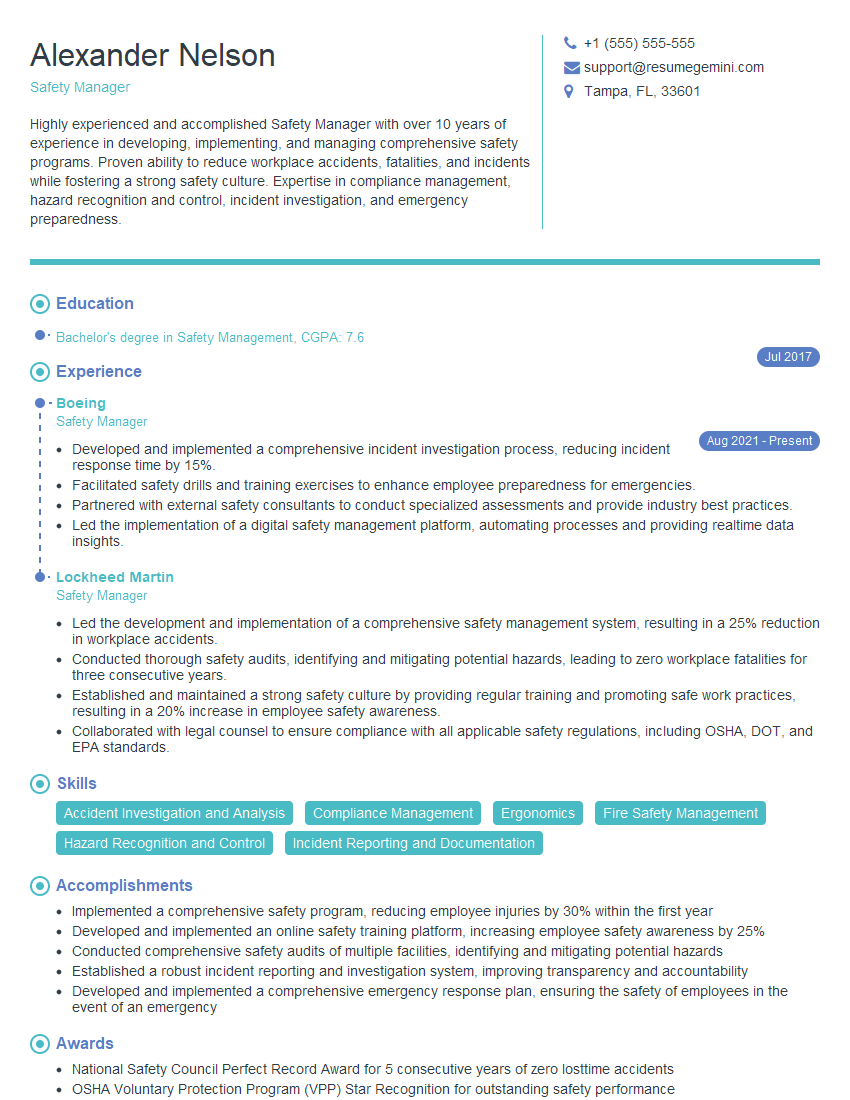
Safety Manager Resume Sample
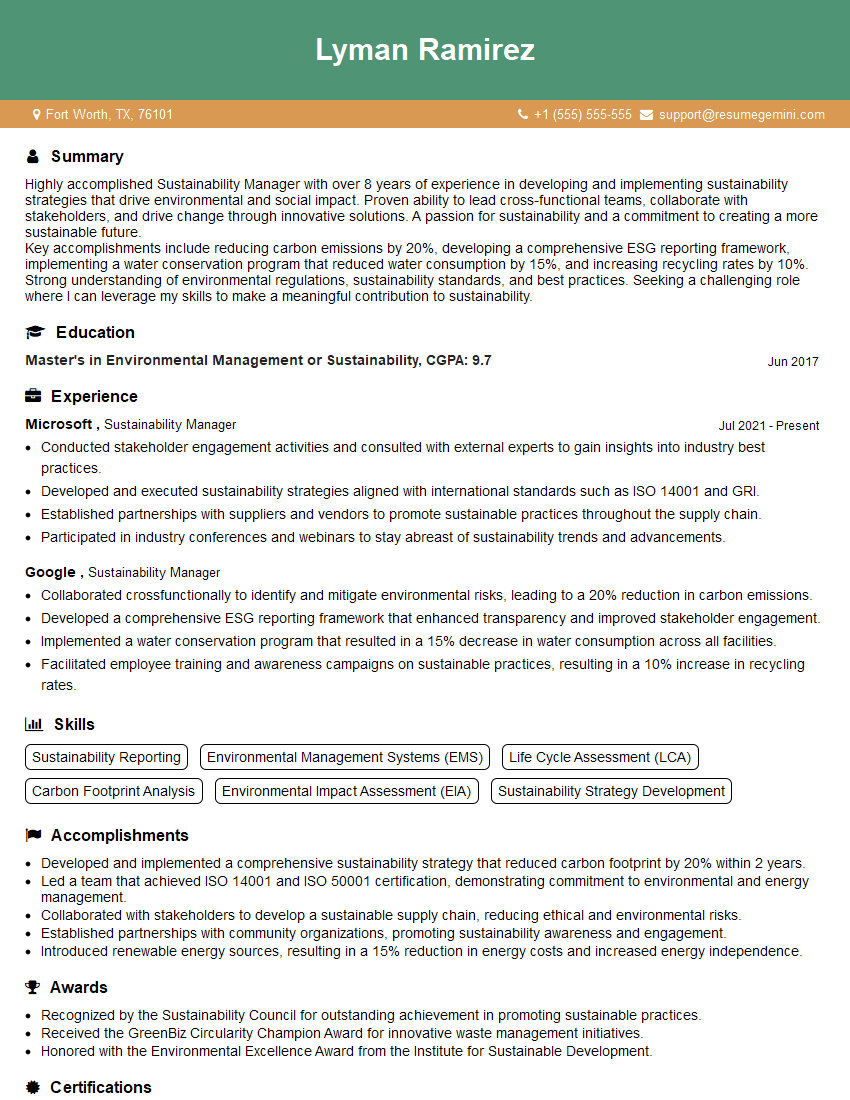
Sustainability Manager Resume Sample
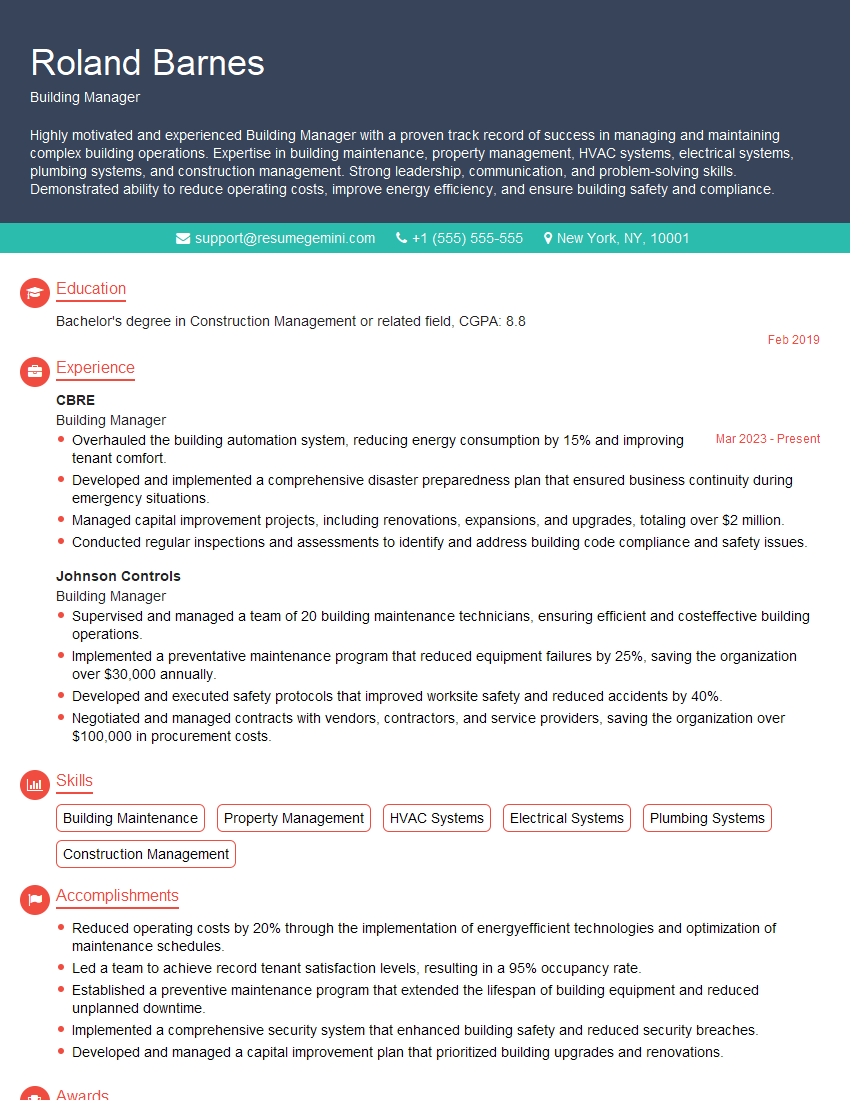
Building Manager Resume Sample
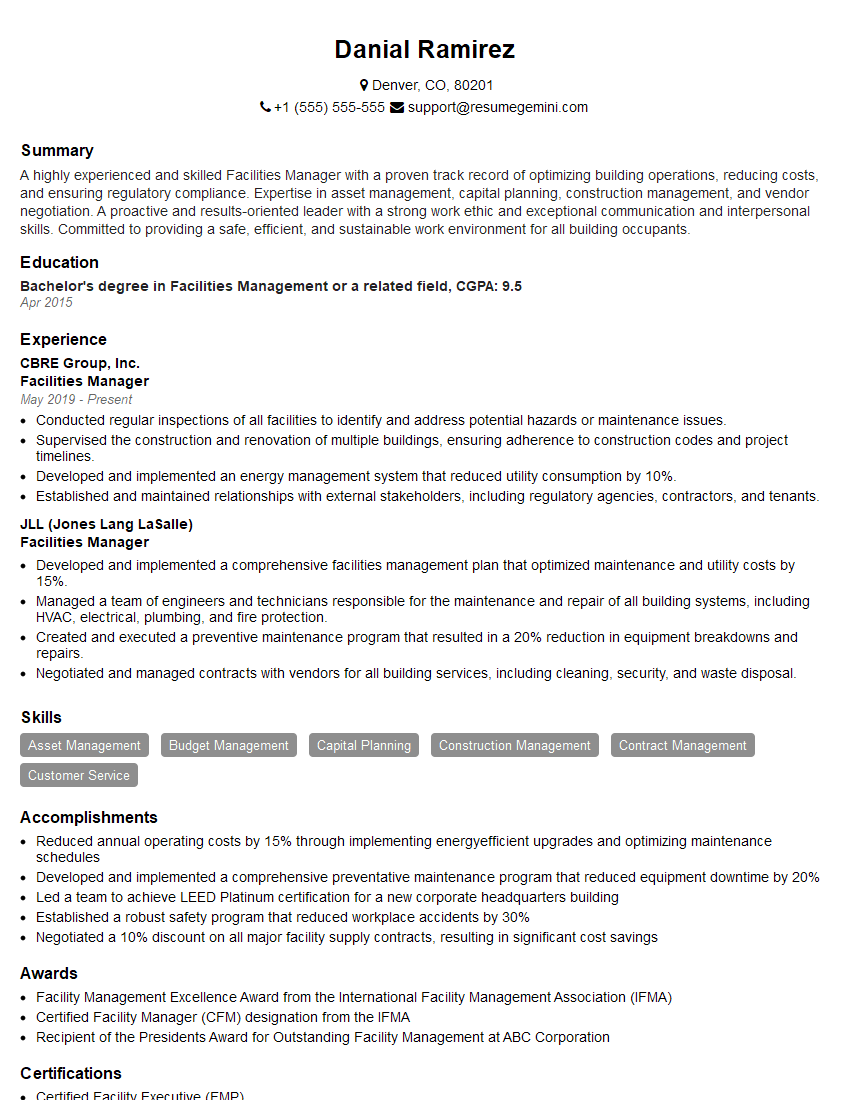
Facilities Manager Resume Sample
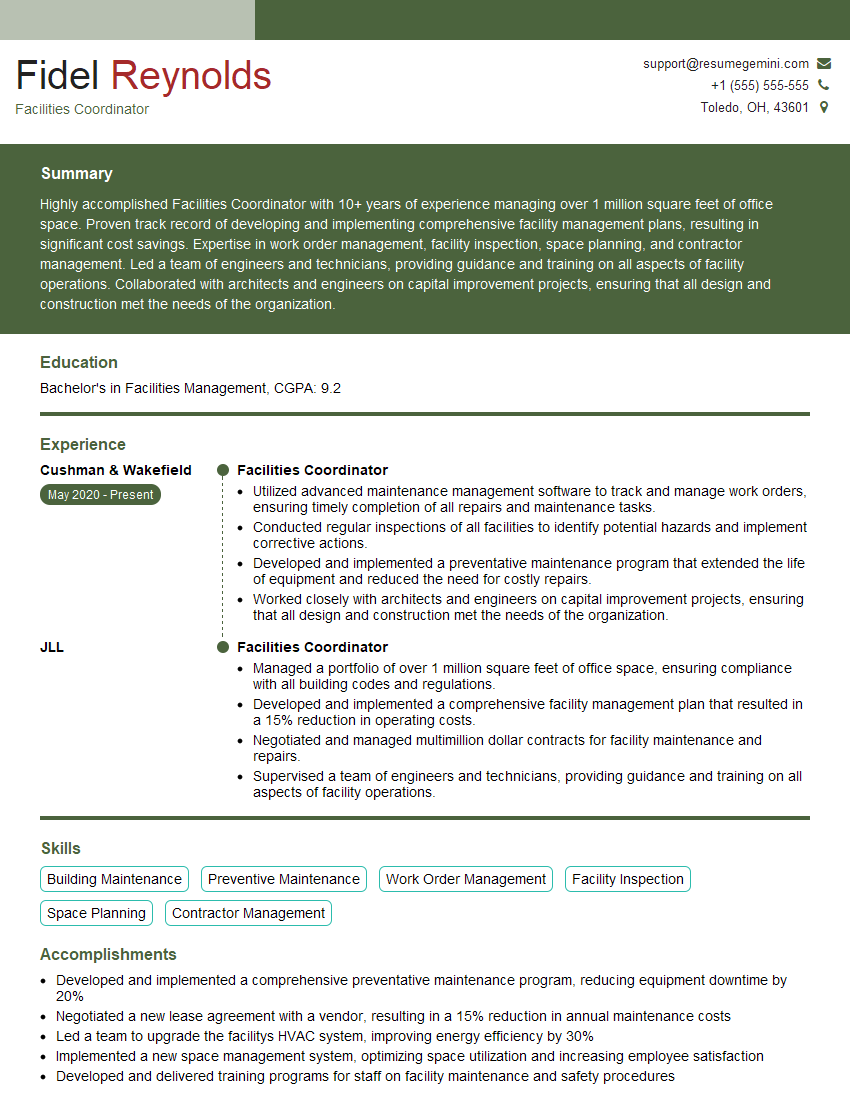
Facilities Coordinator Resume Sample
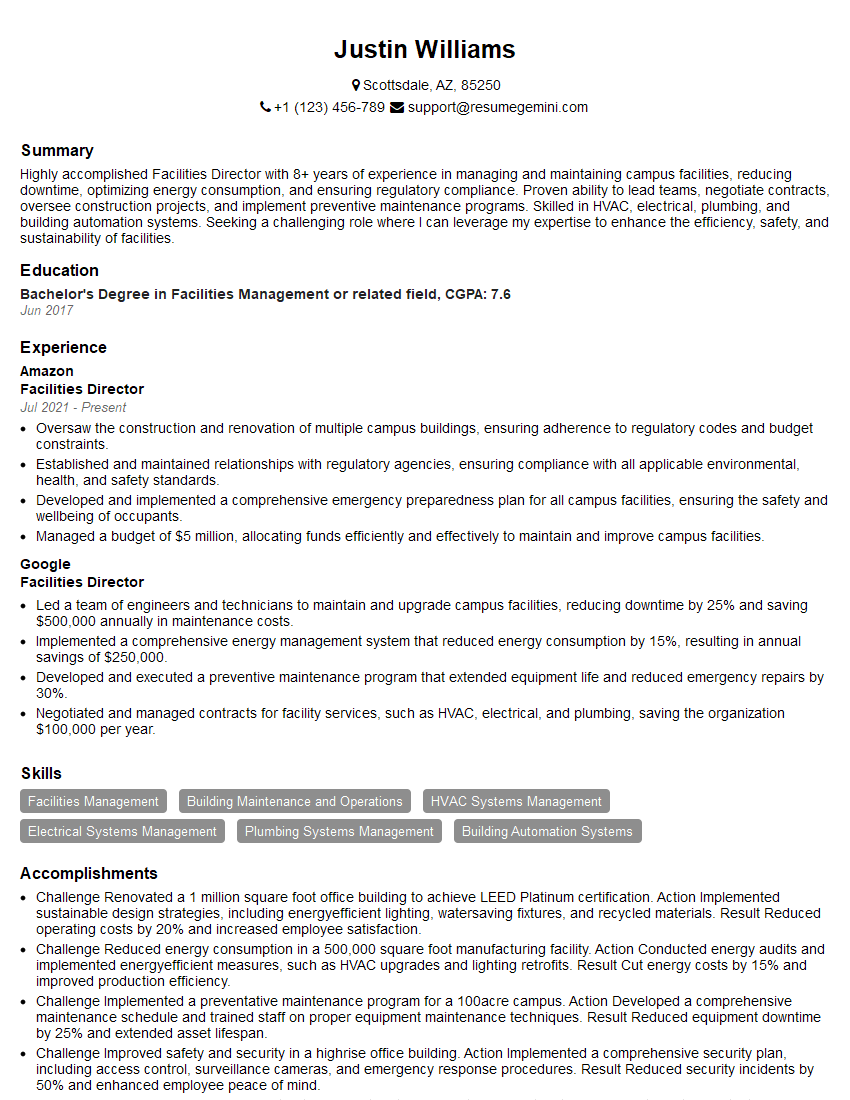
Facilities Director Resume Sample
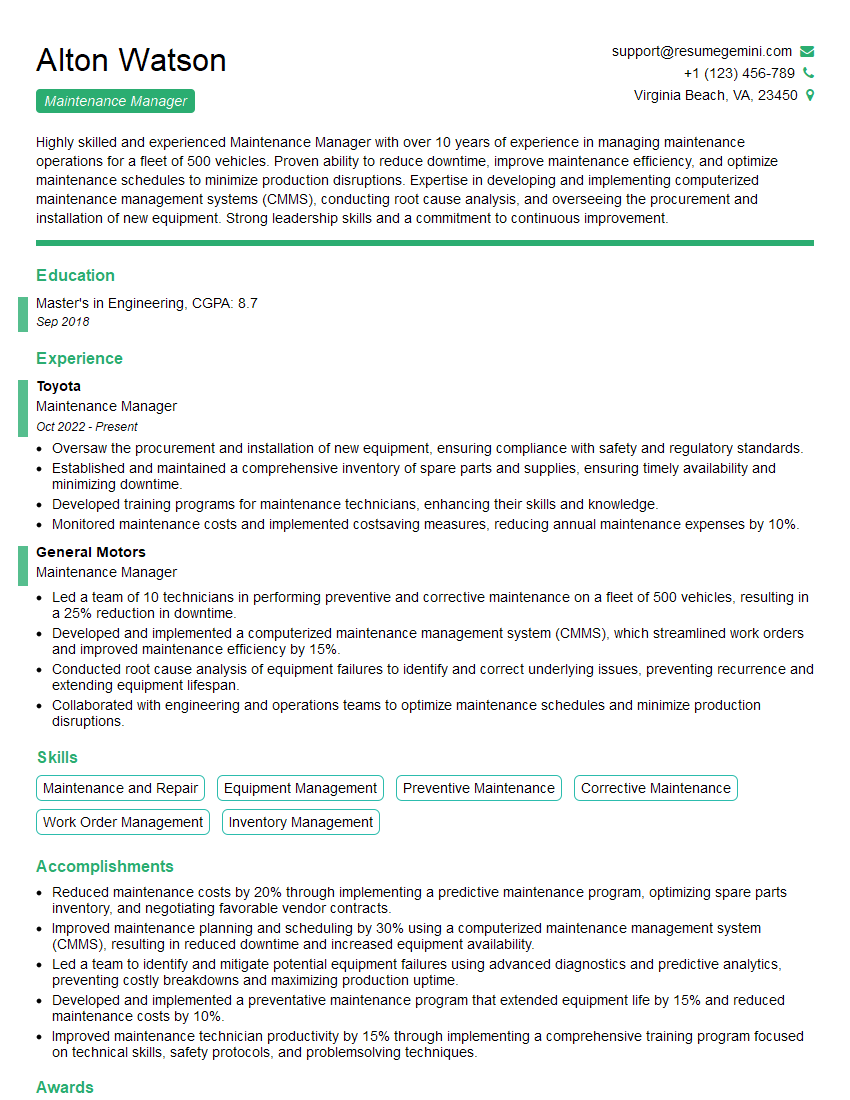
Maintenance Manager Resume Sample
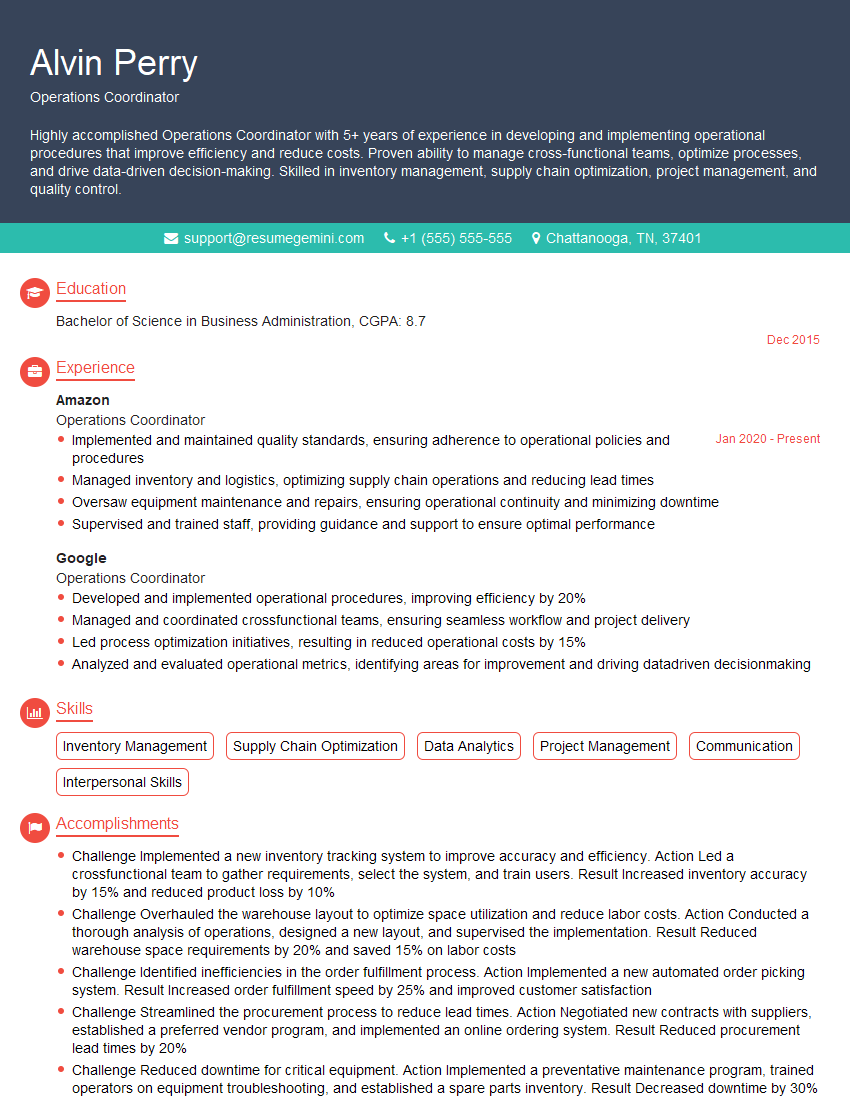
Operations Coordinator Resume Sample
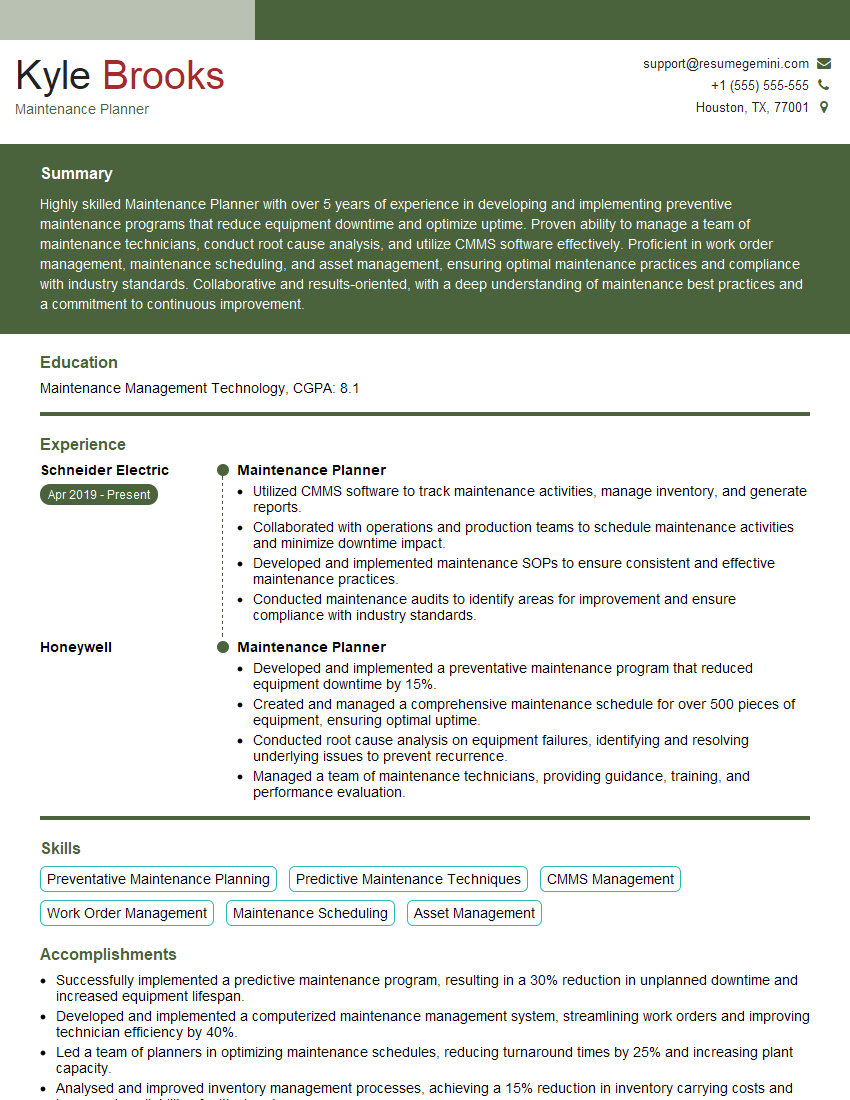
Maintenance Planner Resume Sample
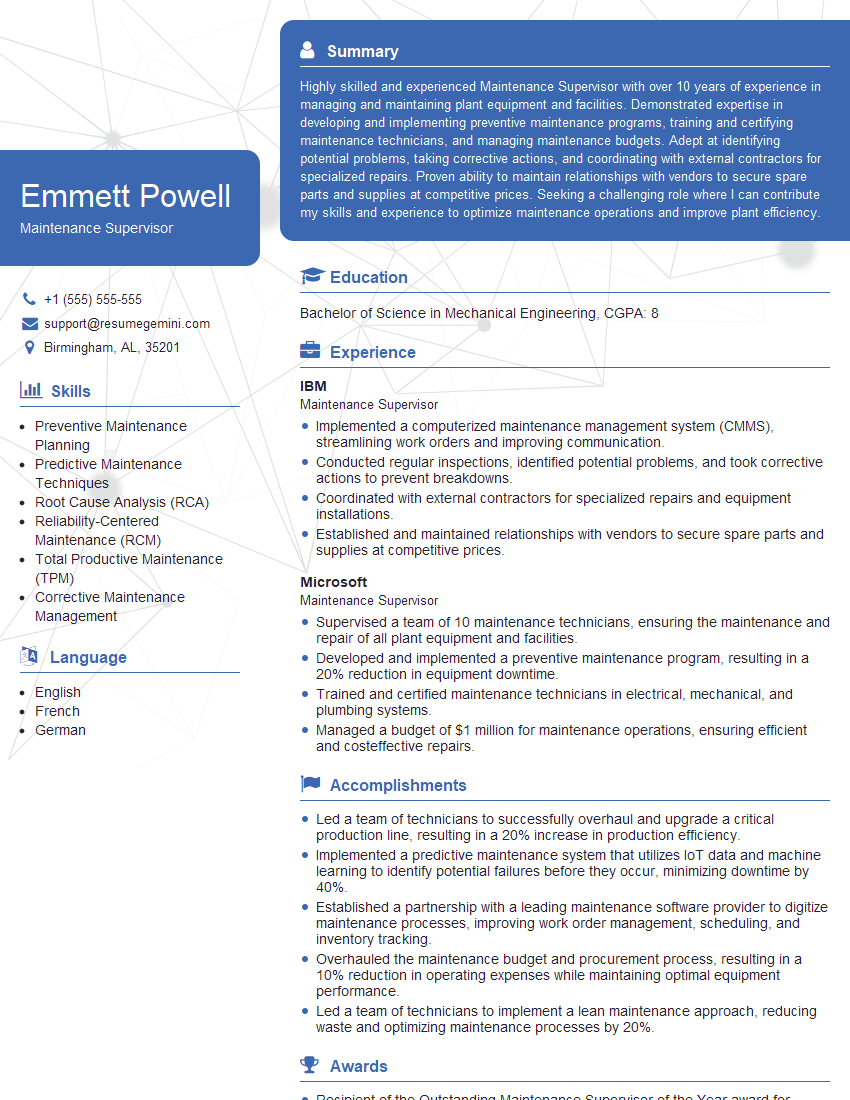
Maintenance Supervisor Resume Sample
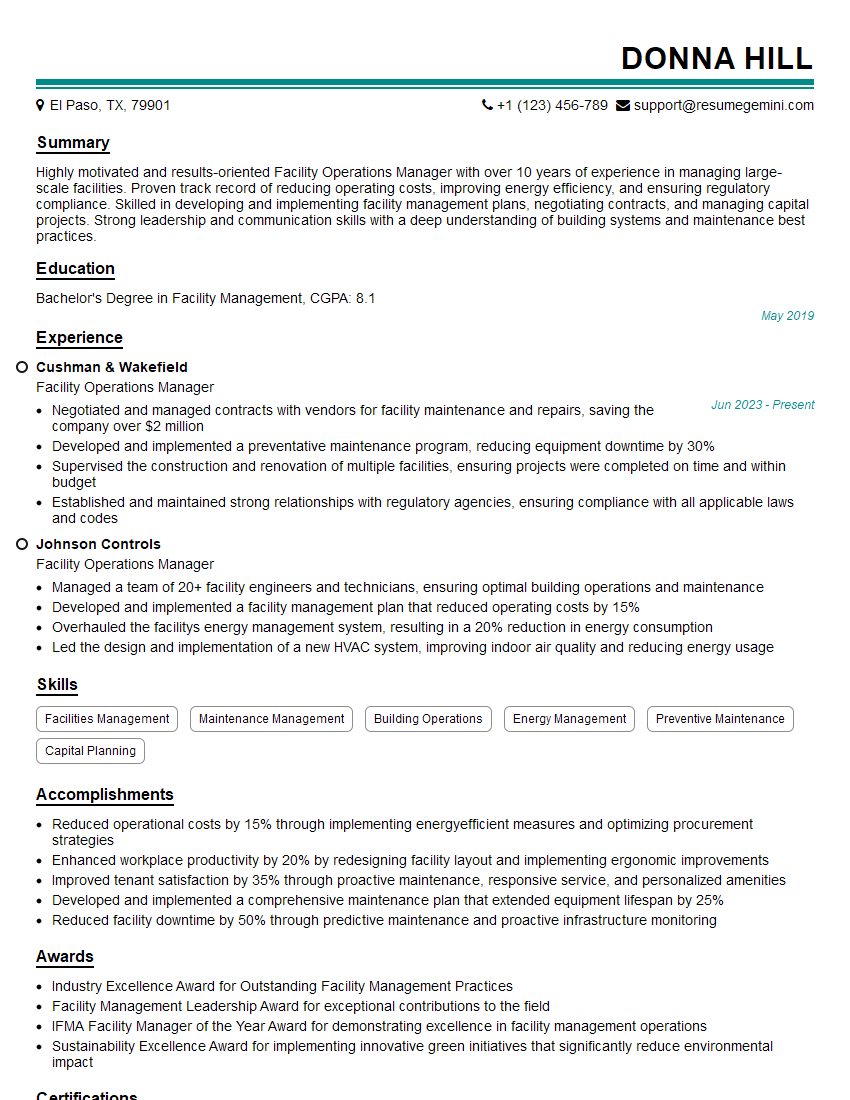
Facility Operations Manager Resume Sample
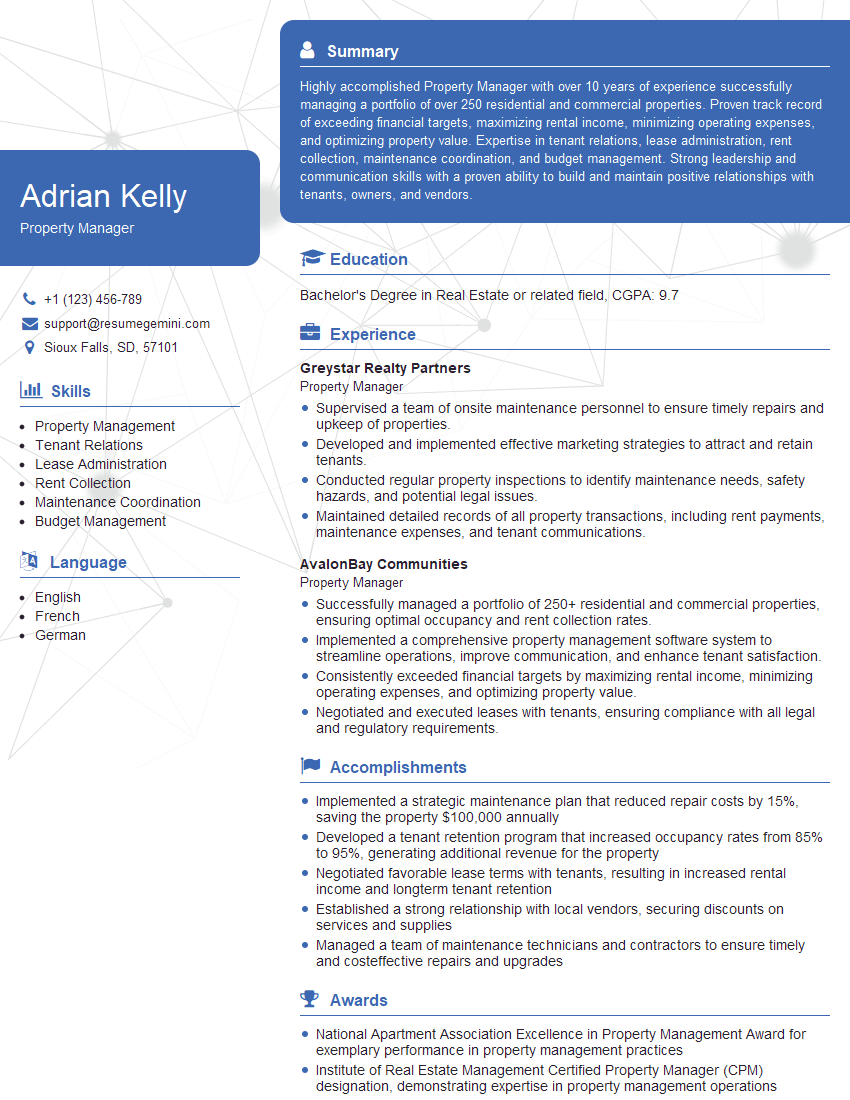
Property Manager Resume Sample
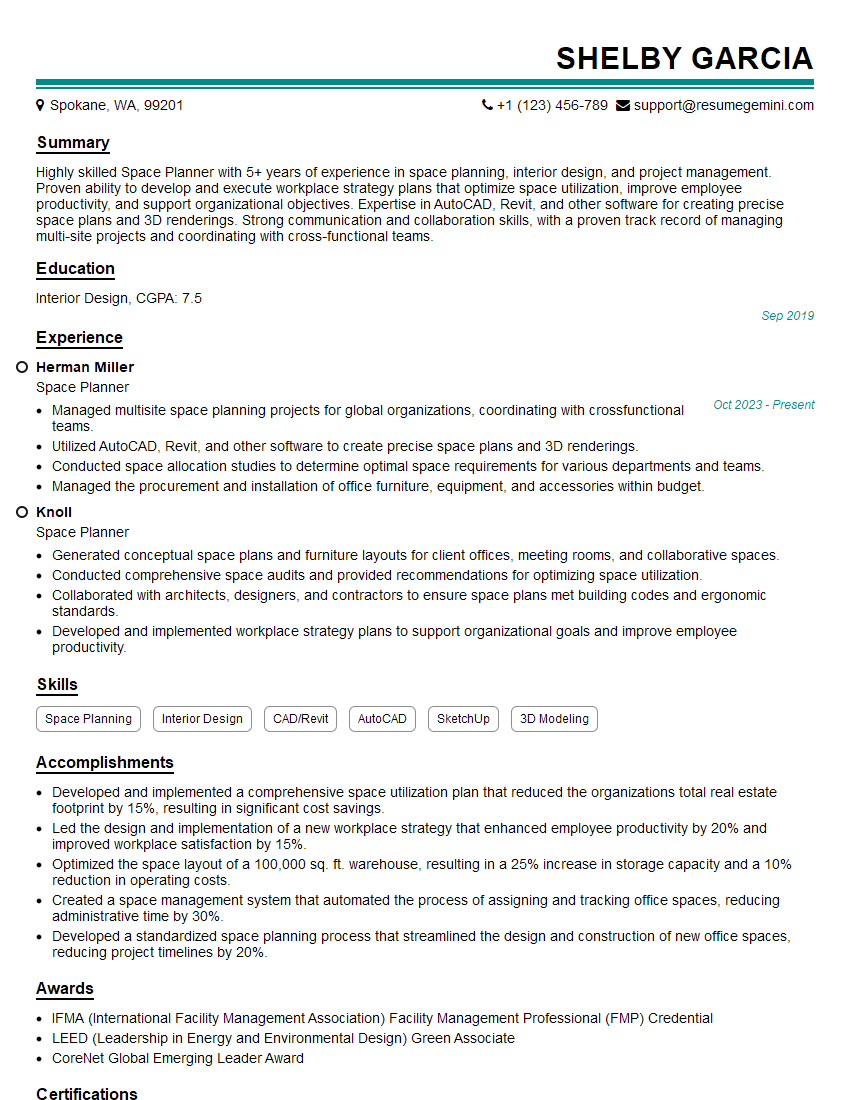
Space Planner Resume Sample
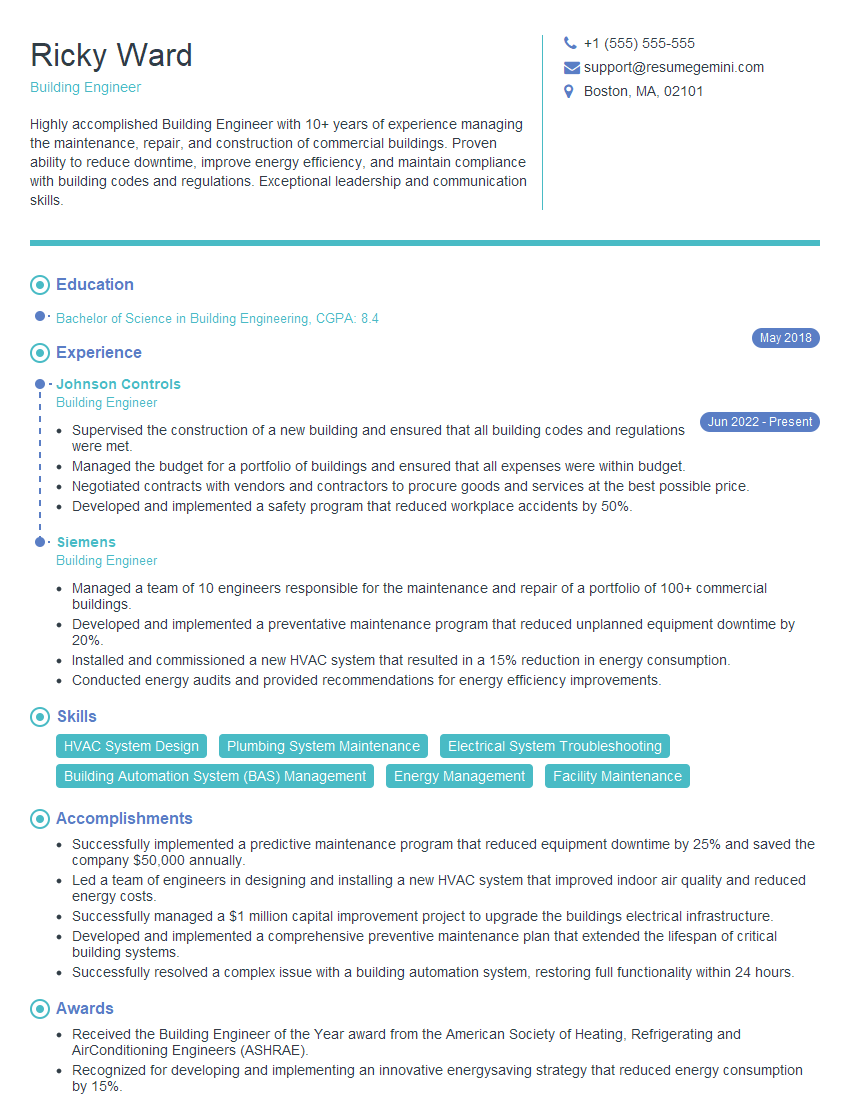
Building Engineer Resume Sample
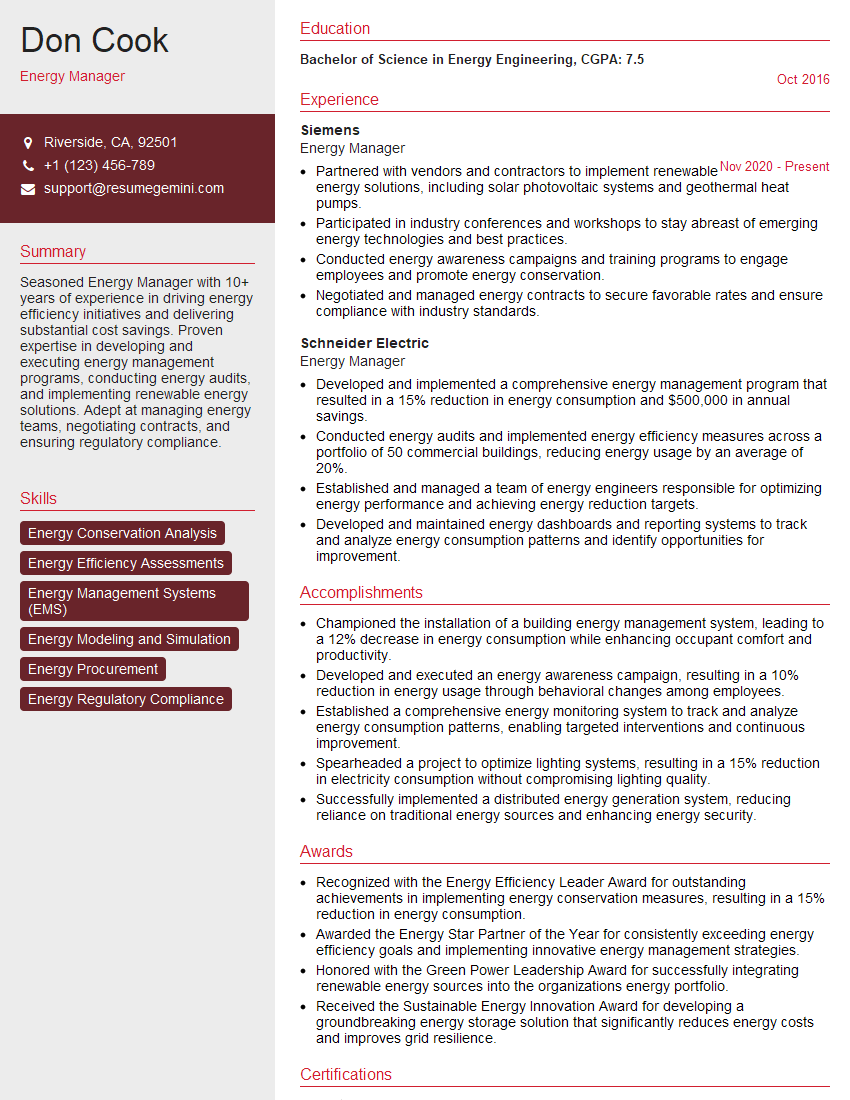
Energy Manager Resume Sample
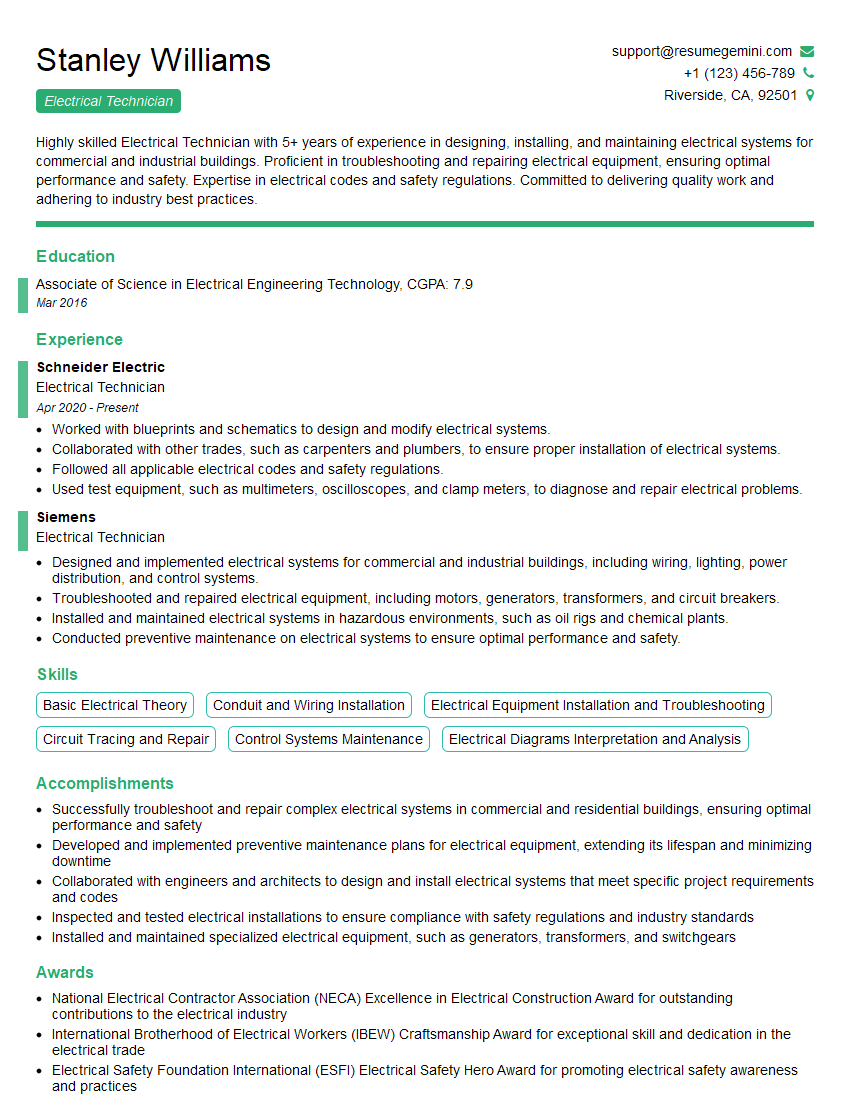
Electrical Technician Resume Sample

Plumbing Technician Resume Sample
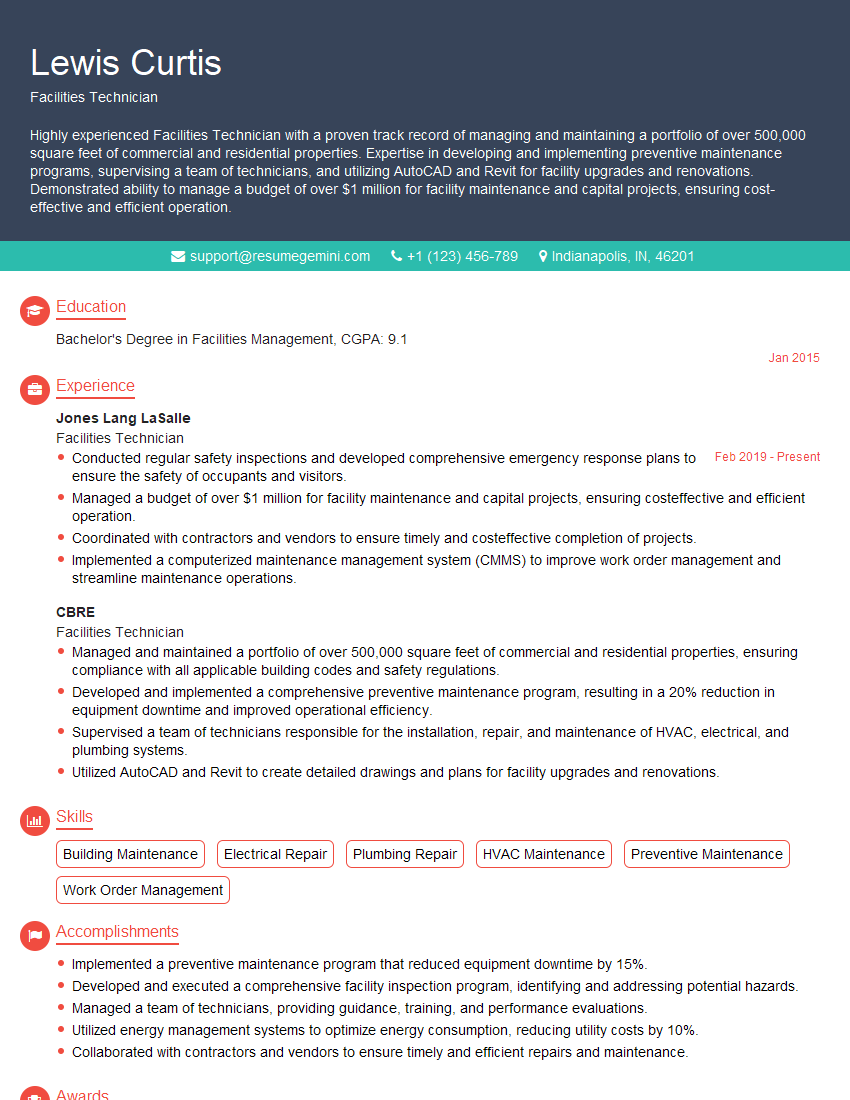
Facilities Technician Resume Sample
- Safety Manager
- Sustainability Manager
- Building Manager
- Facilities Manager
- Facilities Coordinator
- Facilities Director
- Maintenance Manager
- Operations Coordinator
- Maintenance Planner
- Maintenance Supervisor
- Facility Operations Manager
- Property Manager
- Space Planner
- Building Engineer
- Energy Manager
- Electrical Technician
- Plumbing Technician
- Facilities Technician
Explore more articles
Users Rating of Our Blogs
Share Your Experience
We value your feedback! Please rate our content and share your thoughts (optional).
What Readers Say About Our Blog
Very informative content, great job.
good