Every successful interview starts with knowing what to expect. In this blog, we’ll take you through the top Interrogation and Debriefing interview questions, breaking them down with expert tips to help you deliver impactful answers. Step into your next interview fully prepared and ready to succeed.
Questions Asked in Interrogation and Debriefing Interview
Q 1. Explain the difference between interrogation and debriefing.
Interrogation and debriefing are distinct processes with different objectives. Interrogation is a highly controlled, accusatorial process aimed at obtaining a confession from a suspect believed to be involved in a crime. It’s adversarial in nature, employing specific techniques to elicit information. Debriefing, conversely, is a more collaborative process focused on gathering information from a witness, informant, or returning operative. It emphasizes building rapport and obtaining complete and accurate information, regardless of the individual’s culpability.
Think of it this way: interrogation is like a high-stakes chess match, while debriefing is more like a collaborative brainstorming session. The goal in interrogation is to secure a confession, while the goal in debriefing is to gather comprehensive, reliable information.
Q 2. Describe the Reid Technique and its ethical considerations.
The Reid Technique is a widely known, but controversial, interrogation method that focuses on psychological manipulation to elicit a confession. It involves several stages, including building rapport, presenting evidence (real or fabricated), overcoming objections, and developing a confession. The technique emphasizes the use of accusatorial questioning and psychological pressure.
Ethical Considerations: The Reid Technique’s reliance on manipulative tactics raises significant ethical concerns. False confessions are a major problem; suspects, especially those with cognitive vulnerabilities, can be coerced into admitting guilt for crimes they didn’t commit. The technique’s potential for violating an individual’s rights, particularly the right to remain silent and the right to legal counsel, is a critical area of debate. Ethical interviewers should prioritize fairness, honesty, and respect for the individual’s rights, carefully considering the potential for coercion and false confessions inherent in such methods.
Q 3. What are the key elements of establishing rapport during an interview?
Establishing rapport is crucial for successful interviews, as it fosters trust and encourages open communication. Key elements include:
- Active Listening: Show genuine interest in what the person is saying, both verbally and nonverbally.
- Empathy and Understanding: Try to understand the individual’s perspective and emotional state.
- Non-judgmental Attitude: Create a safe space where the person feels comfortable sharing information without fear of criticism.
- Mirroring and Matching: Subtly mirroring body language (posture, gestures) can build rapport, but avoid being overly obvious.
- Positive Communication: Use open and encouraging body language, maintain eye contact (without being intimidating), and use positive language.
- Finding Common Ground: Identifying shared interests or experiences can build connections.
For example, starting a conversation with a shared observation like, “That’s a nice watch,” or “This waiting room is rather comfortable” can help break the ice and build a more relaxed atmosphere.
Q 4. How do you handle a deceptive subject during an interrogation?
Handling a deceptive subject requires patience, attention to detail, and a strategic approach. It’s crucial to avoid directly accusing them, as this can often lead to defensiveness and further deception. Instead, focus on building rapport (as described above) while subtly testing their statements for inconsistencies.
Strategies include using:
- Strategic Questioning: Carefully crafted open-ended questions that encourage elaboration can reveal inconsistencies and contradictions in their narrative.
- Observation: Closely observe their nonverbal cues for signs of deception (discussed in the next answer).
- Evidence Presentation: Presenting evidence in a controlled manner can challenge their account. This needs to be done carefully and ethically.
- Cognitive Interviewing: Encourages the person to recall the event from different perspectives and in detail, revealing inconsistencies.
It’s important to remember that the goal isn’t to ‘trap’ the subject but to elicit the truth through skillful questioning and observation. A skilled interviewer can often get a confession or otherwise crucial information even if the subject believes they are being deceptive.
Q 5. What nonverbal cues indicate deception?
Nonverbal cues can indicate deception, but it’s crucial to understand that no single cue is definitive proof. Interpreting nonverbal behavior requires careful observation and consideration of the context. Some potential indicators include:
- Increased Nervousness: Fidgeting, sweating, rapid breathing, or avoiding eye contact.
- Inconsistencies: Discrepancies between verbal statements and nonverbal cues (e.g., saying “I’m fine” while visibly agitated).
- Microexpressions: Fleeting facial expressions that betray underlying emotions (these require specialized training to detect).
- Changes in Body Language: Sudden shifts in posture, stance, or gesture patterns.
- Avoidance of Questions: Responding vaguely or changing the subject when asked direct questions.
Remember that these are indicators, not guarantees. Cultural and individual differences can significantly influence nonverbal communication. Over-reliance on nonverbal cues without corroborating evidence can lead to inaccurate conclusions.
Q 6. Explain the importance of active listening in interviews.
Active listening is paramount in interviews, ensuring the interviewer understands the subject’s perspective and gathers complete information. It involves more than just hearing words; it requires paying close attention to both verbal and nonverbal communication, and demonstrating understanding.
The benefits include:
- Building Rapport: Showing genuine interest creates trust and encourages open communication.
- Gathering Comprehensive Information: Careful listening helps uncover details that might otherwise be missed.
- Identifying Inconsistencies: Active listening allows for the detection of discrepancies in the subject’s statements.
- Guiding the Interview: Understanding the subject’s responses helps to adjust questioning techniques and ensure relevant information is obtained.
Imagine interviewing a witness to a crime. Active listening enables you to pick up nuances in their story, to ask clarifying questions about specific details they mention, or to gently correct misunderstandings. It is the cornerstone of successful interviewing and information gathering.
Q 7. Describe different questioning techniques (e.g., open-ended, closed-ended, leading).
Different questioning techniques serve different purposes. Here are three common types:
- Open-ended Questions: These encourage detailed responses and allow the subject to share information in their own words (e.g., “Can you describe what happened?”).
- Closed-ended Questions: These elicit short, specific answers, often “yes” or “no” (e.g., “Were you at the scene?”).
- Leading Questions: These suggest a particular answer and should be used cautiously, as they can bias responses (e.g., “You were with him at the bar, weren’t you?”).
The skillful interviewer will use a mix of these techniques, starting with open-ended questions to gather background information, then employing closed-ended and strategically-placed leading questions to clarify details or address inconsistencies. The choice of questioning technique is crucial for guiding the interview effectively and extracting the needed information.
Q 8. How do you adapt your interviewing style to different personalities?
Adapting my interviewing style to different personalities is crucial for effective communication and information gathering. I employ a flexible approach, recognizing that a rigid style won’t work with everyone. Think of it like tailoring a suit – you wouldn’t use the same pattern for a child and an adult.
- With reserved individuals: I start with open-ended questions, creating a safe space and building rapport slowly. I use active listening techniques, mirroring their body language subtly to build trust and encourage them to open up. For example, I might begin with, “Can you tell me about your day leading up to the event?” rather than a direct, potentially intimidating question.
- With dominant or aggressive personalities: I maintain a calm and respectful demeanor, employing controlled body language and clear, concise questioning. This prevents escalating tension. I might strategically use mirroring techniques to show I’m listening without mimicking their potentially aggressive body language. I prioritize control of the interview flow without being confrontational. For example, I would use phrases like, “I understand your perspective, but let’s focus on…” to redirect them gently.
- With emotional individuals: Empathy and validation are key. I acknowledge their feelings, providing space for emotional expression while gently guiding them back to the relevant information. Phrases like, “That sounds incredibly difficult,” or “I can understand why you feel that way,” are helpful. I would avoid interrupting their emotional expression unless absolutely necessary to maintain control of the situation.
Ultimately, successful adaptation involves careful observation, active listening, and the ability to adjust my communication style to best suit the individual’s personality, fostering a cooperative and productive environment.
Q 9. What are the legal and ethical limits of interrogation?
Legal and ethical limits in interrogation are paramount and vary depending on jurisdiction. The fundamental principle is respecting an individual’s rights. In many places, this includes the right to remain silent (Miranda rights in the US), the right to legal counsel, and protection from coercion, threats, or physical abuse.
- Coercion: This involves any act that pressures a person to confess falsely, including threats, promises, or intimidation. It’s crucial to obtain voluntary statements, not coerced confessions.
- Deception: While some deceptive tactics might be permissible within legal bounds (e.g., misdirection in certain questioning techniques), outright lying or creating false narratives is generally prohibited.
- Due Process: The process must adhere to established legal procedures, ensuring fairness and transparency. This includes proper documentation of the interview, timekeeping, and recording (where legally allowed).
- Physical Abuse: This is strictly prohibited and constitutes a violation of human rights.
Ethical limits often exceed legal minimums. Interviewers should strive for fairness, impartiality, and respect for the individual’s dignity, even if they are suspected of wrongdoing. Maintaining objectivity, avoiding bias, and ensuring the interview is conducted in a humane manner are essential ethical considerations. Violation of these legal and ethical boundaries can lead to legal challenges, compromised credibility, and potentially wrongful convictions.
Q 10. How do you document an interview effectively?
Effective documentation is vital for maintaining the integrity of an interview. It serves as legal evidence and a record for future reference. My documentation process includes:
- Detailed Notes: I meticulously record all statements, including verbatim quotes whenever feasible, the interview’s timing, location, and the presence of any other individuals. I note body language, reactions, and any significant observations about the interviewee’s demeanor.
- Audio/Video Recordings: Whenever legally permissible and ethically appropriate, I record interviews. This provides a comprehensive and indisputable record of the interaction. If recording isn’t possible, my notes are even more crucial.
- Interview Summary: Following the interview, I compile a concise summary, highlighting key findings, contradictions, and areas requiring further investigation. This helps to efficiently communicate findings to stakeholders.
- Chain of Custody: If physical evidence is involved, I maintain a strict chain of custody, ensuring its integrity and provenance.
- Time Stamps: All entries are time-stamped to provide a chronological record of events.
All documentation is stored securely and confidentially, adhering to relevant data protection regulations. Clarity, accuracy, and completeness are the cornerstones of my documentation approach. Poor documentation can undermine the credibility of the entire investigation.
Q 11. Describe your experience with using technology in interviews (e.g., recording devices).
Technology plays a significant role in modern interviews. I have extensive experience using audio and video recording devices, which offer several advantages:
- Accuracy: Recordings provide a precise record of the interview, minimizing discrepancies between recollection and events. They help prevent misinterpretations.
- Legal Evidence: Recordings serve as admissible evidence in legal proceedings, offering a high level of credibility.
- Training and Supervision: Recordings enable review and analysis of techniques, facilitating training and supervision of other interviewers.
However, ethical and legal considerations must be paramount. I always inform the interviewee that the interview is being recorded, obtaining their consent when required by law. I also ensure the recording equipment is functioning correctly and that the recording is stored securely. Transparency and respect for the interviewee’s rights are crucial aspects of responsible technology use in interviews.
Q 12. How do you handle objections or resistance during an interrogation?
Handling objections or resistance requires patience, empathy, and tactical skill. It’s important to understand the root of the resistance.
- Acknowledge and Validate: I begin by acknowledging the interviewee’s concerns, showing empathy and understanding. Phrases like, “I understand your reluctance,” or “I can see why you might feel that way,” can help diffuse tension.
- Address Concerns Directly: If the objection is based on a misunderstanding, I clarify the situation. If it’s a concern about self-incrimination, I reiterate their right to remain silent.
- Rephrasing Questions: Sometimes, resistance is due to the way a question is phrased. I may rephrase the question to be less confrontational or more accessible.
- Building Rapport: If the resistance is related to trust, I focus on building rapport, employing active listening and showing genuine interest in the interviewee’s perspective.
- Strategic Pause: Silence can be a powerful tool. A strategic pause allows the interviewee time to reflect, potentially opening them up to answering the question.
Ultimately, overcoming resistance involves a combination of tactical strategies and interpersonal skills. The goal is to create a collaborative atmosphere where information can be shared openly and honestly.
Q 13. Explain the concept of cognitive interviewing.
Cognitive interviewing is a technique designed to enhance the recall of witnesses and victims by leveraging principles of human memory. Instead of direct questioning, it employs strategies that stimulate memory retrieval more effectively.
- Contextual Recall: Encouraging the interviewee to reconstruct the context surrounding the event – the time, location, sensory details, emotions – can trigger more complete memories.
- Mental Re-creation: Asking the interviewee to mentally visualize the scene from different perspectives (e.g., their own, other individuals present) can aid recall.
- Reverse Order: Narrating the events in reverse chronological order can bypass some of the usual memory biases and reveal details that might have been missed in a linear recounting.
- Report Everything: Interviewees are encouraged to report everything, even details that seem insignificant, as small pieces of information can be crucial.
Cognitive interviewing is particularly useful in investigations where details are fragmented or memories are incomplete, allowing the interviewer to build a more holistic and accurate understanding of the events.
Q 14. What are the challenges of conducting interviews with traumatized individuals?
Interviewing traumatized individuals presents unique challenges. Their emotional state and potential for retraumatization must be prioritized above all else.
- Trauma-Informed Approach: This approach recognizes the impact of trauma on memory and emotional regulation. It prioritizes safety, trust, and control for the interviewee.
- Building Rapport Slowly: Establishing trust is crucial. This may take more time than with a non-traumatized individual. The interviewer needs to be patient and understanding.
- Avoiding Leading Questions: Leading questions can be particularly harmful, potentially influencing the interviewee’s recollection or causing further distress.
- Respecting Boundaries: The interviewee’s physical and emotional boundaries must be respected throughout the process. The interview should be stopped if they exhibit signs of distress.
- Collaboration with Mental Health Professionals: In many cases, the collaboration with a trained mental health professional is invaluable. They can provide support and guidance, ensuring that the interview is conducted in a way that minimizes the risk of retraumatization.
Interviewing traumatized individuals requires sensitivity, expertise, and a deep understanding of the impact of trauma on memory and behavior. The focus is always on protecting the well-being of the interviewee while gathering information ethically and effectively.
Q 15. How do you ensure the accuracy and reliability of information gathered during an interview?
Ensuring the accuracy and reliability of information gathered during an interview is paramount. It’s a multi-faceted process that begins even before the interview itself. We employ several key strategies:
Thorough Pre-Interview Preparation: This includes researching the subject, understanding their background, and formulating clear, concise, and unbiased questions. Knowing what information you need beforehand helps avoid leading questions or unintentional biases.
Establishing Rapport: Creating a comfortable and trusting environment is crucial. This involves active listening, empathy, and demonstrating respect for the individual. A relaxed subject is more likely to provide truthful and complete information.
Employing Multiple Verification Methods: We never rely on a single source of information. Information obtained during the interview is corroborated with other evidence, such as documents, witness statements, or physical evidence. This triangulation of information dramatically increases accuracy.
Careful Documentation: Maintaining detailed and accurate records is essential. This includes verbatim transcriptions of the interview (when feasible and legally permissible), along with a comprehensive record of all evidence considered.
Awareness of Cognitive Biases: Interviewers must be cognizant of their own potential biases and how these can influence their interpretation of information. Techniques like structured interviews and blind review processes can help mitigate this.
For example, in an investigation involving a financial crime, we might interview the suspect, review their bank statements, and interview colleagues. Discrepancies between the interviewee’s statements and other evidence would be flagged, prompting further investigation.
Career Expert Tips:
- Ace those interviews! Prepare effectively by reviewing the Top 50 Most Common Interview Questions on ResumeGemini.
- Navigate your job search with confidence! Explore a wide range of Career Tips on ResumeGemini. Learn about common challenges and recommendations to overcome them.
- Craft the perfect resume! Master the Art of Resume Writing with ResumeGemini’s guide. Showcase your unique qualifications and achievements effectively.
- Don’t miss out on holiday savings! Build your dream resume with ResumeGemini’s ATS optimized templates.
Q 16. Describe your experience with conducting debriefings after covert operations.
My experience with debriefing after covert operations centers around meticulous planning and execution to extract critical intelligence while protecting operational security and the debriefee’s safety. This requires a high degree of trust and sensitivity. It’s not just about extracting information; it’s about understanding the context, the nuances of the operation, and the individual’s emotional and psychological state.
Typically, a debriefing begins with a comfortable, secure environment designed to put the subject at ease. We focus on open-ended questions that allow for narrative responses, encouraging the subject to recount their experiences chronologically and in detail. We actively listen, clarifying ambiguities and probing for further information as needed. Crucially, we pay close attention to both verbal and non-verbal cues. Discrepancies or inconsistencies are noted and addressed carefully, avoiding confrontation.
The process is iterative; we might conduct several debriefings over time, as the subject may need processing time and might recall additional information later. The final report is comprehensive, meticulously documented, and rigorously reviewed for accuracy and consistency.
Confidentiality is paramount. The debriefing location, methods, and content are all carefully controlled to protect both the subject and the operation’s sensitivity.
Q 17. What are the key components of a successful debriefing report?
A successful debriefing report should be a comprehensive and objective document that captures all relevant information in a clear and concise manner. Key components include:
Identifying Information: The subject’s name, date of birth, relevant contact details, and a unique identification number.
Date and Time of Debriefing: Precise recording of when the debriefing took place.
Location of Debriefing: Describing where the debriefing occurred, highlighting security measures in place.
Detailed Account of the Subject’s Narrative: A chronological, accurate summary of the subject’s experience, including direct quotes and paraphrases where appropriate. This should include any observations, insights, and evaluations.
Supporting Evidence: Any corroborating information from other sources (documents, technical reports, witness accounts). This strengthens the reliability of the findings.
Analyst’s Observations and Assessments: The debriefing officer’s analysis of the information provided, including identification of inconsistencies, gaps in the narrative, and any areas requiring further investigation.
Classifications and Security Markings: Appropriate security classifications to safeguard sensitive information.
Think of it as a meticulously constructed puzzle; the report pieces together information from various sources to create a complete and accurate picture.
Q 18. How do you maintain confidentiality and protect sensitive information during interviews?
Maintaining confidentiality and protecting sensitive information is of paramount importance. We adhere to strict protocols to ensure this:
Secure Locations: Debriefings are always conducted in secure, controlled environments, minimizing the risk of eavesdropping or unauthorized access.
Need-to-Know Basis: Access to information is strictly limited to individuals with a legitimate need to know. This is rigorously enforced.
Data Encryption: All electronic records are encrypted using robust methods to protect against unauthorized access. This includes storage and transmission.
Secure Document Handling: Physical documents are handled according to strict procedures, with proper storage, access controls, and destruction protocols.
Confidentiality Agreements: Subjects may be required to sign confidentiality agreements, legally binding them to protect the disclosed information.
Ongoing Monitoring and Review: We have a system in place to continually monitor and review security practices, implementing improvements as needed.
For example, in cases involving national security, the entire debriefing process, from location to documentation, would be managed with the highest levels of security clearances and protocols.
Q 19. Explain the importance of pre-interview planning.
Pre-interview planning is the cornerstone of a successful interview. It’s not simply about preparing questions; it’s about developing a comprehensive strategy to maximize the effectiveness of the interview and mitigate potential risks. This involves:
Defining Objectives: Clearly articulating the goals of the interview. What specific information is needed? What are the key questions to be addressed?
Subject Research: Gathering as much background information as possible about the subject, understanding their personality, motivations, and potential biases.
Question Development: Formulating clear, concise, and unbiased questions, avoiding leading or suggestive questions. A mix of open-ended and closed-ended questions is often most effective.
Selecting Appropriate Interview Techniques: Choosing the interviewing style that best suits the situation and the subject. This might include rapport-building, cognitive interviewing, or other specialized techniques.
Logistics and Environment: Selecting a suitable location, ensuring the environment is conducive to a productive interview. This includes ensuring privacy, comfort, and security.
Legal and Ethical Considerations: Ensuring the interview is conducted in accordance with all applicable laws and ethical guidelines.
A well-planned interview is like a well-orchestrated play. Each element is carefully considered to achieve a successful outcome. A poorly planned interview, on the other hand, could lead to wasted time, incomplete information, or even legal repercussions.
Q 20. What are your strategies for managing stress and pressure during intense interviews?
Intense interviews can be incredibly stressful, both for the interviewer and the subject. My strategies for managing this stress include:
Preparation and Planning: Thorough preparation helps build confidence and reduces anxiety. Knowing the subject matter and having a clear plan reduces the pressure of the moment.
Maintaining Objectivity: Remaining emotionally detached and focusing on the task at hand, even under pressure, helps in making objective decisions and judgments.
Active Listening and Empathy: Focusing on actively listening to the subject, even if they’re uncooperative, helps to de-escalate tension and build a connection.
Breaks and Time Management: Taking short breaks throughout the interview when appropriate, helps to maintain focus and avoid burnout.
Self-Care: Prioritizing physical and mental well-being through sufficient rest, exercise, and a healthy lifestyle. This enhances resilience and stress management capabilities.
Debriefing and Reflection: After each interview, taking time to debrief and reflect on the process, identifying what worked well and what could be improved.
Think of it as maintaining emotional equilibrium under pressure; this clarity allows for more effective performance.
Q 21. Describe a time you had to deal with a difficult or uncooperative subject.
I once encountered a highly uncooperative witness in a complex fraud case. He was evasive, provided inconsistent statements, and repeatedly tried to change the subject. My initial approach focused on establishing rapport, which proved difficult. He seemed defensive and distrustful.
I shifted my strategy. Instead of directly confronting his inconsistencies, I employed a more indirect approach, focusing on building trust through active listening and demonstrating genuine interest in his perspective. I asked open-ended questions about his experiences related to the case, avoiding accusatory language. I also leveraged his body language, noticing he seemed more comfortable when discussing certain aspects of his work. This gave me a direction for further questioning.
Over time, his defenses began to crumble. He eventually admitted to some involvement in the fraud, though not to the full extent. The key was patience, persistence, and a flexible approach. I had to adapt my interviewing techniques to fit his personality and communication style.
This experience taught me the importance of adapting my approach to individual subjects and the value of patience in navigating difficult or uncooperative individuals.
Q 22. How do you handle conflicting information obtained from multiple sources?
Conflicting information is a common challenge in investigations. My approach involves a systematic process of verification and triangulation. Firstly, I meticulously document all sources of information, noting any inconsistencies. Then, I analyze the information, identifying potential biases or motivations behind each account. For example, a witness who is a close friend of the suspect might unintentionally downplay certain details. Next, I cross-reference the information with other evidence – physical evidence, forensic reports, or statements from other witnesses. This triangulation helps pinpoint the most probable version of events. Finally, I might employ further investigative techniques such as background checks or interviews with additional individuals to clarify any unresolved discrepancies. Essentially, it’s like solving a puzzle – each piece of information needs to be carefully examined in relation to all other pieces to create a coherent and accurate picture.
Q 23. What measures do you take to ensure the admissibility of evidence obtained during an interview?
Ensuring admissibility of evidence is paramount. This starts with strict adherence to legal procedures throughout the interview process. The most crucial element is maintaining a comprehensive and detailed record of the interview. This includes audio or video recording (where legally permissible and with informed consent), detailed notes documenting the time, date, location, and all questions and answers, and a record of any physical evidence obtained during the interview. Another key aspect is voluntariness. The interviewee must understand their rights and be free from coercion or duress. If there’s any indication of coercion, the evidence obtained might be deemed inadmissible. For example, if I promise leniency in exchange for a confession without the presence of legal counsel, the statement could be inadmissible. Finally, maintaining the chain of custody for physical evidence is crucial. Any handling or transfer of evidence must be meticulously documented to ensure its integrity. I’m always mindful to ensure all aspects comply with relevant legal frameworks and case law to maintain the integrity of the investigation.
Q 24. How do you assess the credibility of a witness or informant?
Assessing credibility requires a holistic approach. I look at several factors. First, I evaluate the witness’s demeanor – are they consistent in their statements, do their verbal and non-verbal cues align, and do they display any signs of deception? Second, I examine the consistency of their statement with other evidence. If their account aligns with physical evidence or other witness testimonies, their credibility increases. Third, I consider their potential biases or motives. Are they personally invested in the outcome of the investigation? Are there any potential incentives for them to lie or exaggerate? Fourth, I review their past reliability. Have they been truthful in previous encounters? This involves checking their background. Finally, I consider the inherent plausibility of their account. Does their story make sense given the known facts? It’s a careful process of evaluating all aspects of their testimony and cross-referencing it with other information, much like verifying a news story from multiple reputable sources.
Q 25. Explain your understanding of Miranda Rights.
Miranda Rights, derived from the Supreme Court case Miranda v. Arizona, ensure the protection of an individual’s Fifth Amendment right against self-incrimination and their Sixth Amendment right to counsel. These rights require law enforcement officers to inform suspects of their right to remain silent, their right to have an attorney present during questioning, and their right to have an attorney appointed if they cannot afford one. Understanding these rights is crucial, as failure to properly inform a suspect can lead to the exclusion of any statements they make during an interrogation. I always ensure that Miranda warnings are given clearly, and the suspect acknowledges their understanding before any questioning commences. This is a vital safeguard protecting individual liberties.
Q 26. Describe your experience working in a team environment during investigations.
My experience working in team environments has been extensive. Effective teamwork is the cornerstone of successful investigations. I value communication, collaboration, and mutual respect. In past investigations, I’ve worked collaboratively with forensic specialists, crime scene investigators, and other law enforcement officers. For instance, during a complex fraud case, I worked closely with a forensic accountant to analyze financial records, and with a digital forensics expert to examine computer data. This synergistic collaboration enables the investigation to benefit from diverse perspectives and expertise, leading to a more thorough and effective resolution. I always actively listen to and value the input of team members. Open communication and clear roles and responsibilities are central to our team dynamics.
Q 27. How do you stay up-to-date with current trends and best practices in interrogation and debriefing?
Staying current in this field requires continuous learning. I regularly attend professional development workshops and conferences to learn about new interrogation techniques and best practices. I actively subscribe to relevant journals and online resources, which keep me informed about the latest research and legal updates. I also participate in professional organizations such as the American Polygraph Association (APA) or similar groups that focus on investigative techniques. Engaging in peer-to-peer learning with colleagues through case discussions and sharing experiences is equally important, as it exposes you to diverse approaches and challenges encountered by others in the field. Furthermore, I maintain a personal library of relevant texts and regularly review legal precedents and Supreme Court decisions related to interrogation and evidence admissibility.
Q 28. What is your approach to ethical dilemmas that might arise during an interrogation?
Ethical dilemmas can arise in interrogation, for example, dealing with a vulnerable suspect or managing the pressure to obtain a confession quickly. My approach is guided by a strong ethical compass. I adhere strictly to legal and professional codes of conduct, always prioritizing the rights of the individual. If faced with a situation where obtaining a confession conflicts with respecting a suspect’s rights, I prioritize the latter. For instance, if a suspect appears to be mentally unstable or under duress, I would halt the interrogation and notify the appropriate authorities, including legal counsel. Maintaining professional integrity and ethical conduct are not optional; they are essential aspects of my work. Ethical decisions may be difficult but should always be guided by the pursuit of justice and upholding human rights.
Key Topics to Learn for Interrogation and Debriefing Interview
- Building Rapport and Trust: Understanding techniques for establishing effective communication and gaining the subject’s confidence, crucial for successful interrogations and debriefings.
- Active Listening and Observation: Mastering the art of attentive listening, identifying verbal and nonverbal cues, and interpreting body language to extract meaningful information.
- Questioning Techniques: Exploring various approaches to questioning, including open-ended, closed-ended, and leading questions, and understanding their appropriate application.
- Ethical Considerations and Legal Boundaries: Navigating the ethical complexities and legal frameworks governing interrogation and debriefing processes.
- Information Analysis and Assessment: Developing skills to critically evaluate information obtained during interrogations and debriefings, discerning fact from fiction.
- Documentation and Reporting: Mastering the art of detailed and accurate record-keeping, crucial for the legal admissibility and integrity of collected information.
- Managing Stress and Difficult Situations: Developing resilience and coping mechanisms to effectively handle challenging and emotionally charged interactions.
- Crisis Communication and Negotiation: Understanding principles of effective communication during high-pressure situations and successfully resolving conflicts.
- Debriefing Strategies for Different Personalities and Situations: Tailoring debriefing techniques to suit individual characteristics and the specific circumstances of the situation.
Next Steps
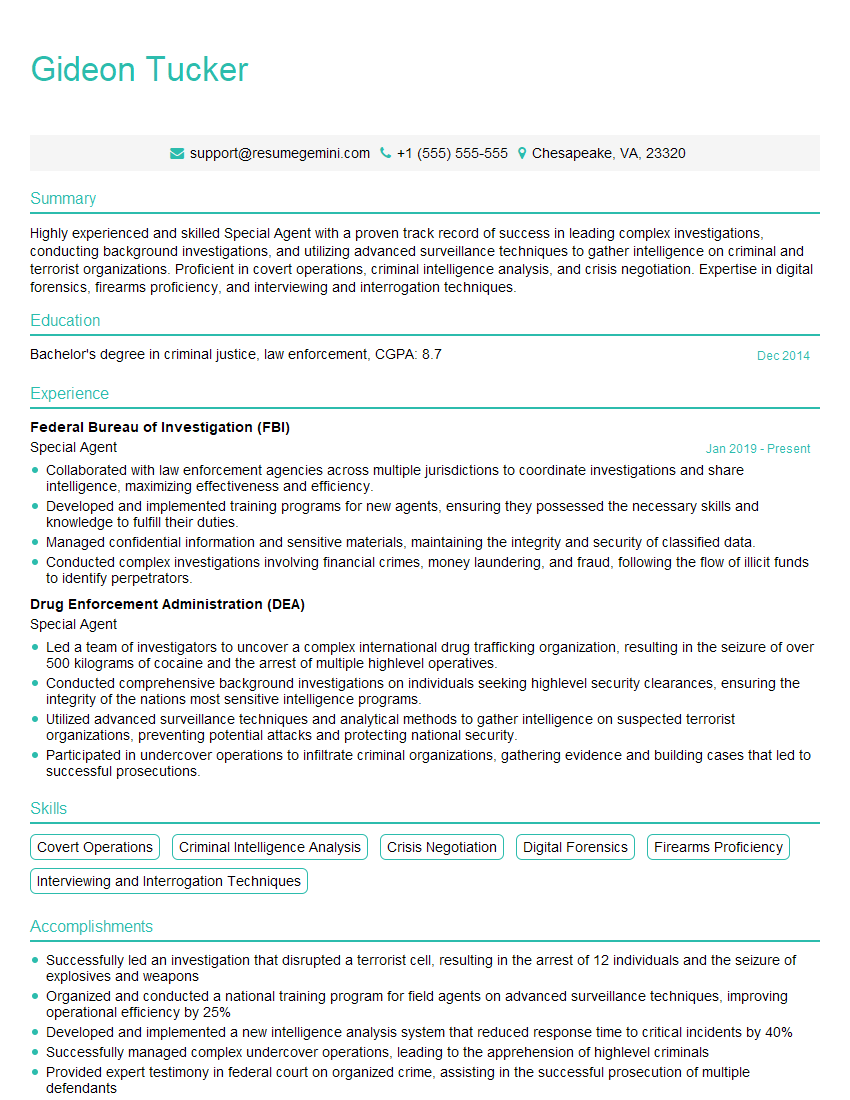
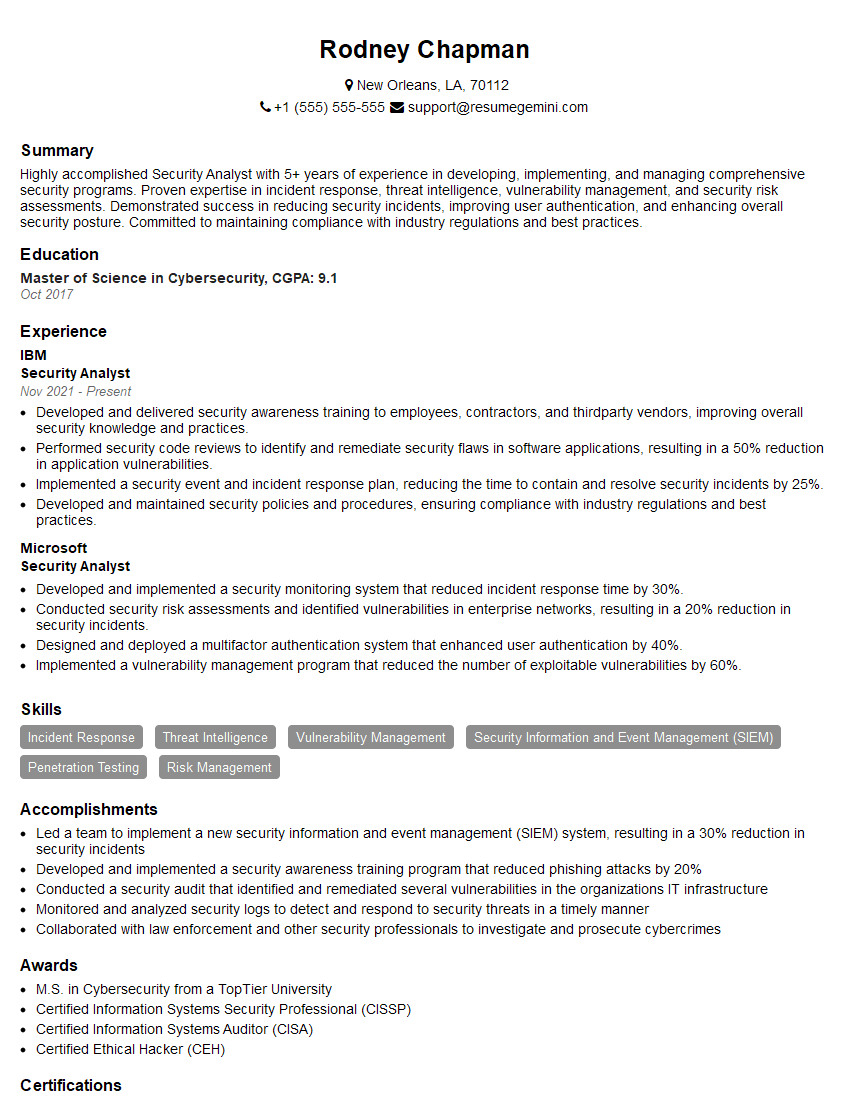
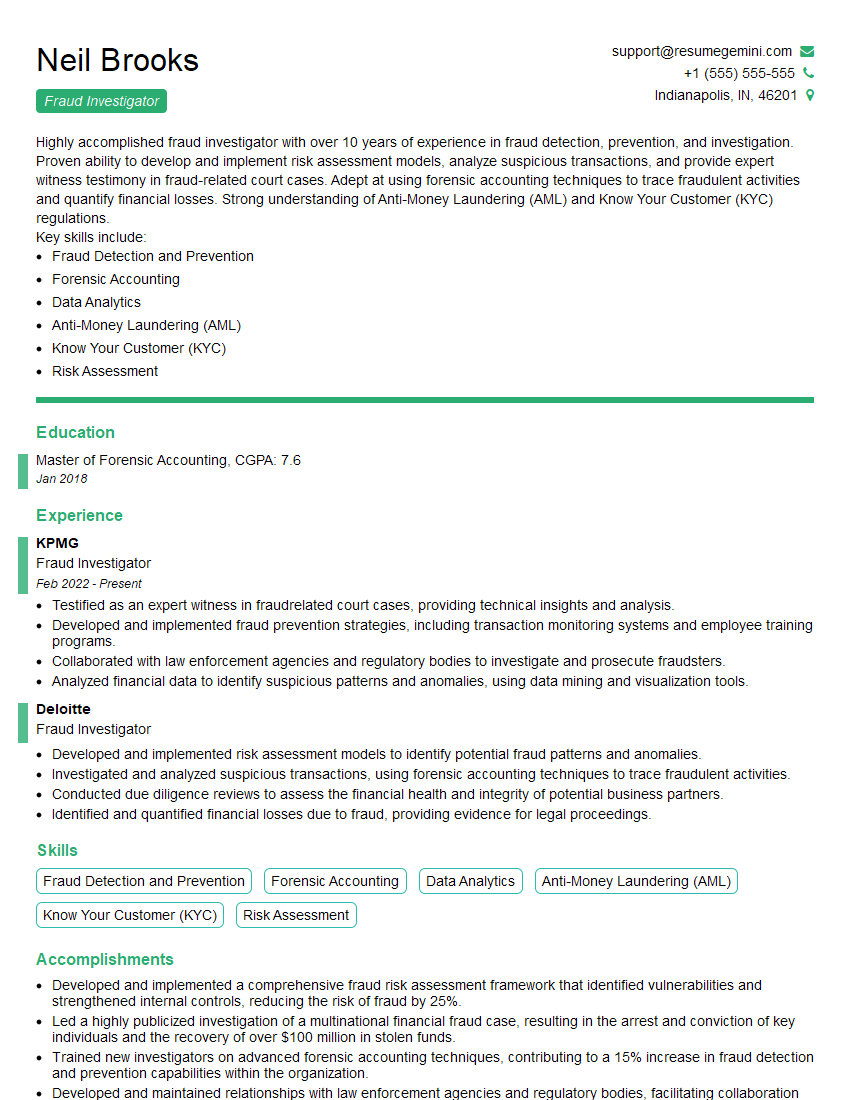
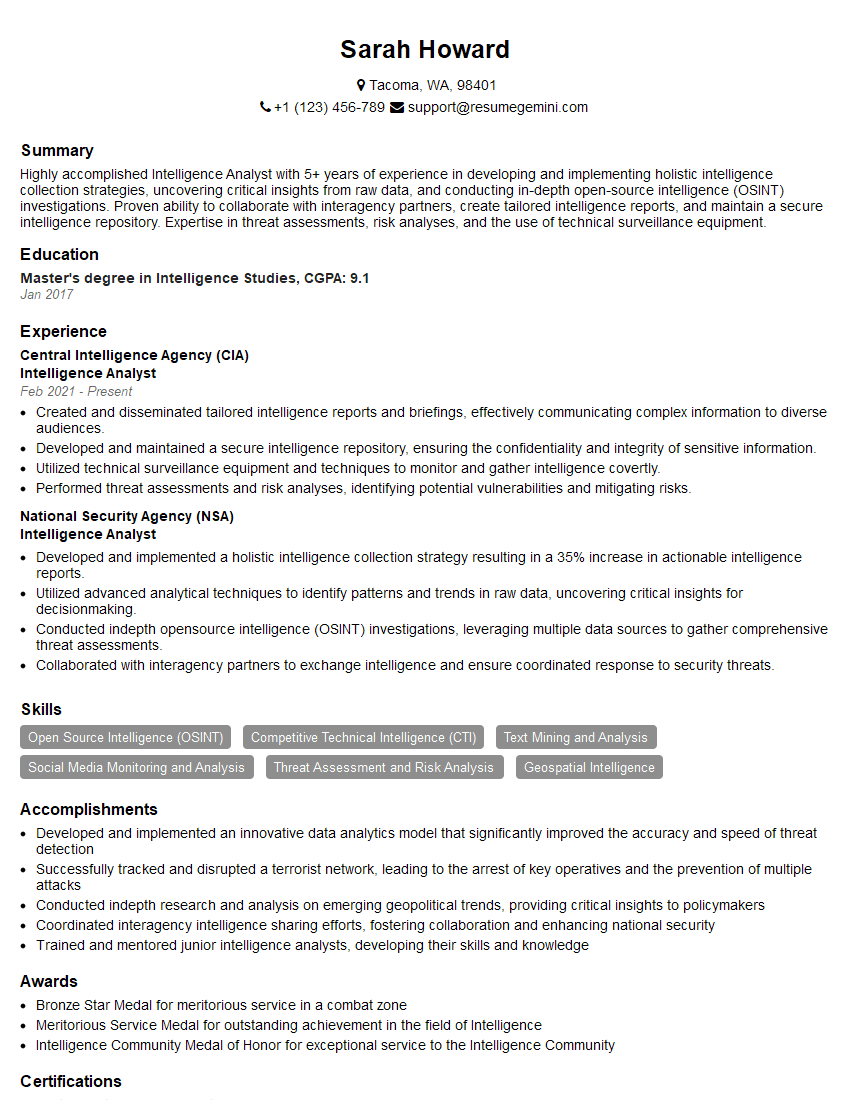
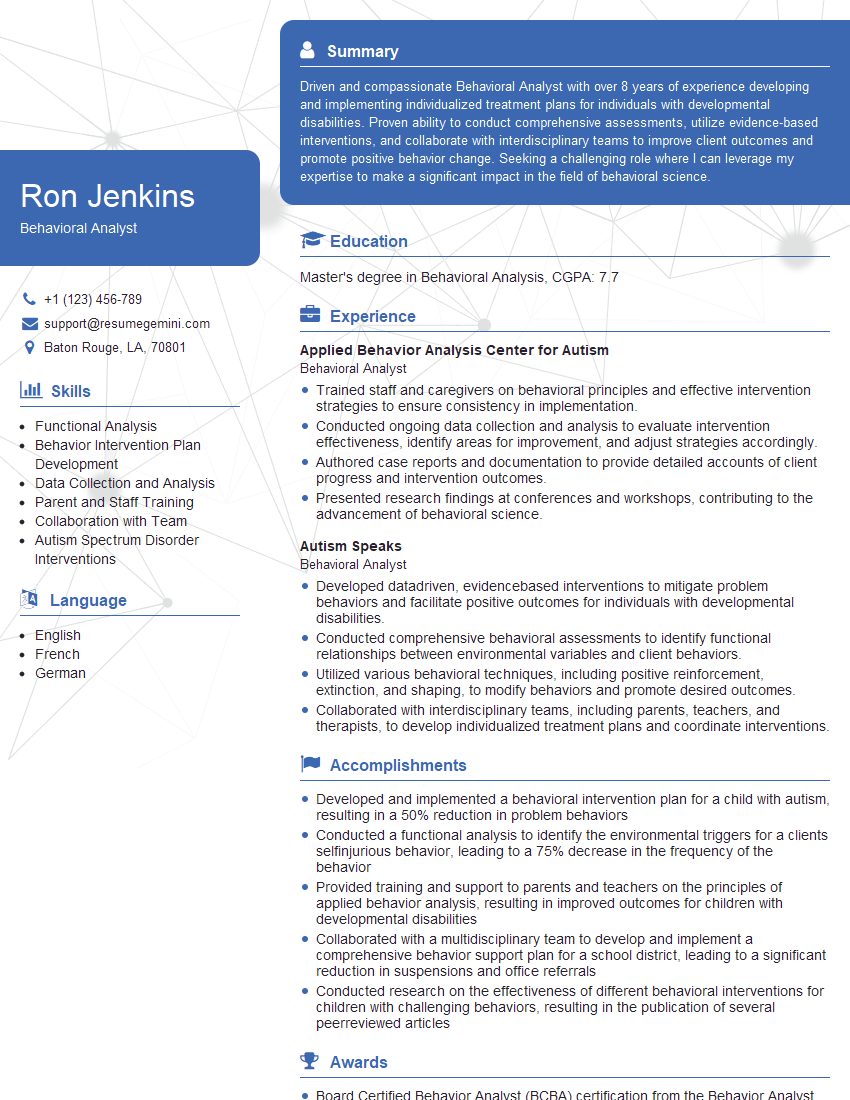
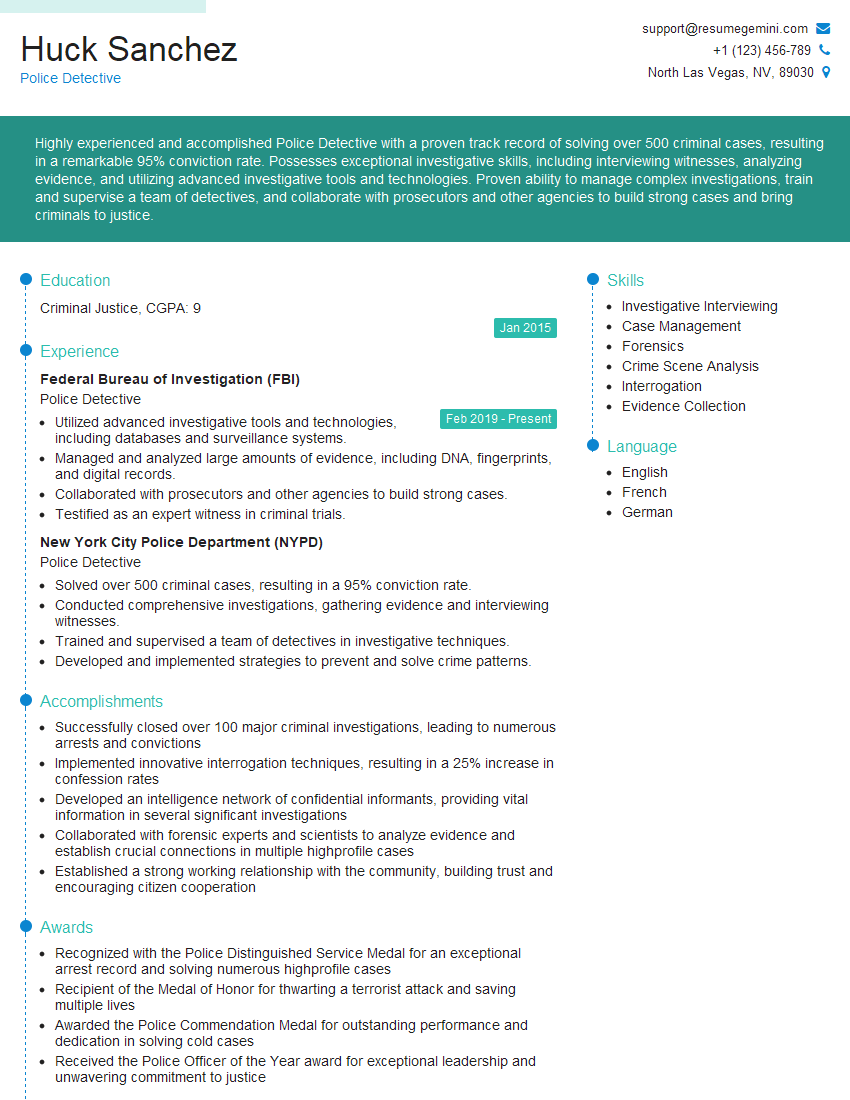
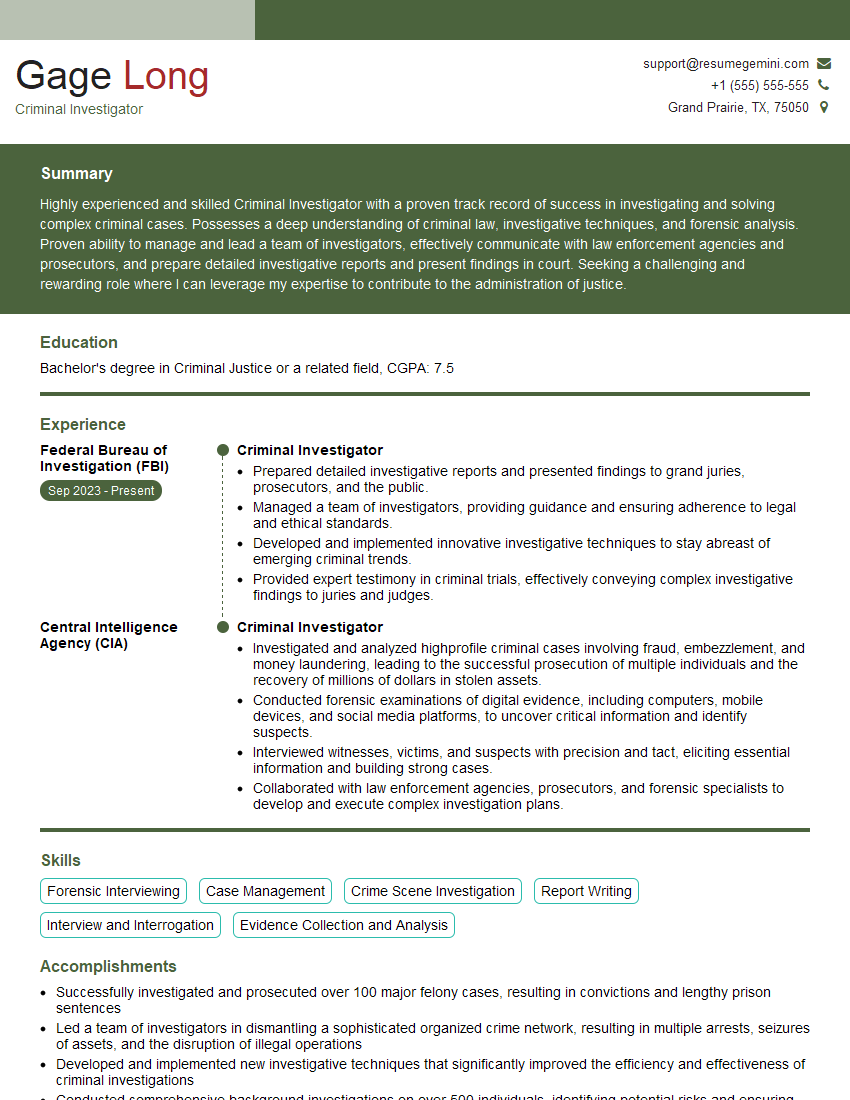
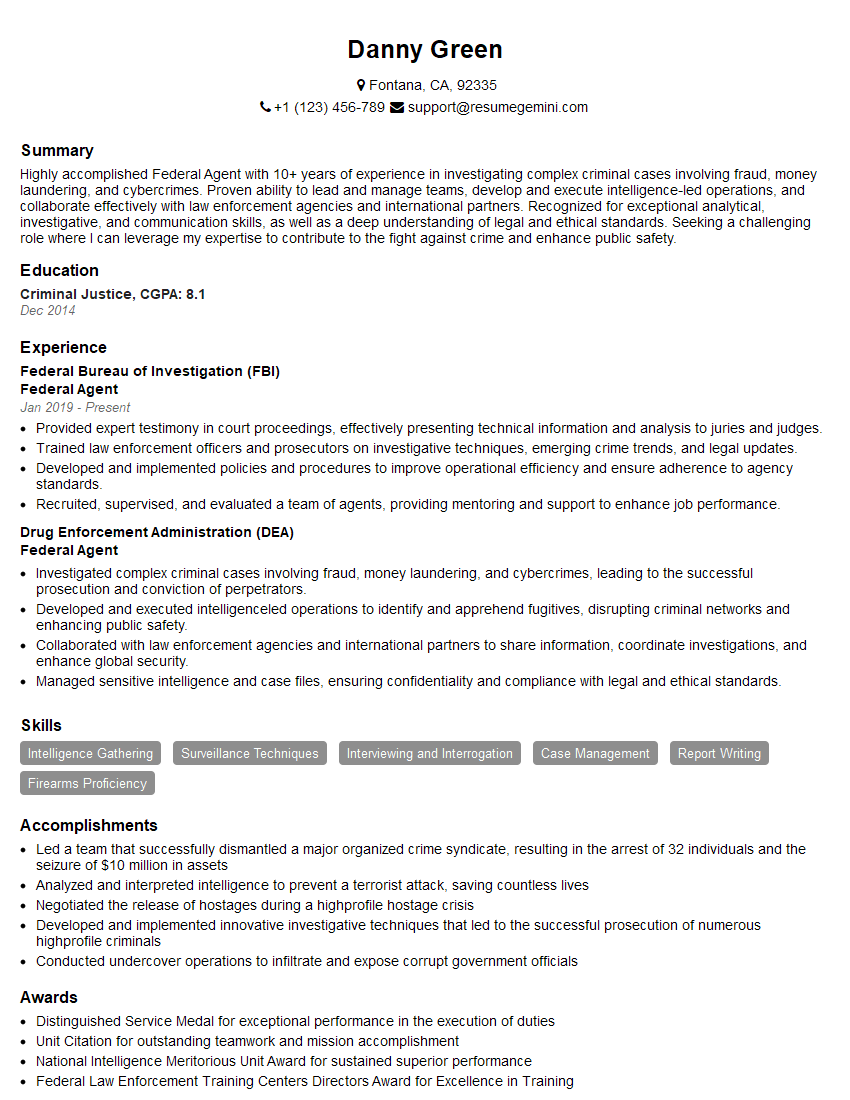
Mastering interrogation and debriefing techniques is paramount for career advancement in fields requiring sensitive information gathering and analysis. A strong understanding of these skills demonstrates critical thinking, communication prowess, and emotional intelligence – all highly valued attributes in today’s job market. To significantly boost your job prospects, focus on creating an ATS-friendly resume that highlights these key competencies. ResumeGemini is a trusted resource that can help you build a professional and impactful resume tailored to your specific experience and career goals. Examples of resumes tailored to Interrogation and Debriefing roles are available through ResumeGemini, showcasing how to best present your skills to potential employers.
Explore more articles
Users Rating of Our Blogs
Share Your Experience
We value your feedback! Please rate our content and share your thoughts (optional).
What Readers Say About Our Blog
Very informative content, great job.
good