Cracking a skill-specific interview, like one for Facility Safety, requires understanding the nuances of the role. In this blog, we present the questions you’re most likely to encounter, along with insights into how to answer them effectively. Let’s ensure you’re ready to make a strong impression.
Questions Asked in Facility Safety Interview
Q 1. Describe your experience conducting facility safety inspections.
My approach to facility safety inspections is methodical and thorough. I begin with a pre-inspection planning phase, reviewing blueprints, existing safety documentation, and identifying areas of particular concern based on the facility’s operations. The inspection itself is a multi-faceted process. I use a checklist tailored to the specific facility type and industry regulations, covering aspects like fire safety, electrical systems, hazardous materials handling, emergency exits, and personal protective equipment (PPE) usage. I meticulously document all observations, including photographs and detailed descriptions, noting both compliant and non-compliant items. This documentation is crucial for generating a comprehensive report that clearly identifies hazards, assesses their severity and likelihood, and recommends corrective actions. For example, in a recent inspection of a manufacturing plant, I discovered a significant lack of machine guarding, posing a serious risk of worker injury. My report detailed the deficiencies, providing specific OSHA regulation references and suggesting solutions like installing appropriate guards or implementing lockout/tagout procedures. Following the inspection, I follow up to ensure that the recommended corrective actions are implemented promptly and effectively.
Q 2. What are the key components of a comprehensive safety program?
A comprehensive safety program is built on several key pillars. First and foremost is management commitment; safety must be a top priority, actively championed by leadership. This commitment translates into the development of a robust safety policy, clearly outlining expectations and responsibilities. Effective hazard identification and risk assessment are crucial, using methods like job hazard analyses (JHAs) and walk-through inspections. This leads to the implementation of control measures, which range from engineering controls (like machine guarding) to administrative controls (like safety procedures) and personal protective equipment (PPE). Regular safety training is vital, tailored to the specific hazards and tasks within the facility. The program should also include a system for incident investigation and reporting, learning from mistakes and preventing recurrence. Finally, monitoring and evaluation ensure the program’s effectiveness, with regular audits and performance reviews to identify areas for improvement. Think of it like building a house – each component is essential for a safe and stable structure.
Q 3. How do you identify and assess workplace hazards?
Identifying and assessing workplace hazards requires a multi-pronged approach. I typically start with a thorough walk-through inspection, visually observing the workplace and noting potential hazards. This is supplemented by reviewing safety data sheets (SDS) for hazardous materials, analyzing incident reports, and conducting interviews with employees to gain their perspectives. We employ tools like Job Hazard Analyses (JHAs), which systematically break down tasks to identify potential hazards and evaluate their risks. A JHA might involve listing all steps in a particular task, identifying potential hazards at each step, and then evaluating the severity and likelihood of each hazard. The risk is then assessed using a matrix, typically considering the severity and probability of harm. This allows us to prioritize hazards and implement appropriate control measures. For instance, a JHA for operating a forklift might identify hazards like collisions, falls, and tipping, with corresponding control measures like training, regular maintenance, and safe operating procedures.
Q 4. Explain your experience with OSHA regulations and compliance.
My experience with OSHA regulations and compliance is extensive. I’m well-versed in OSHA standards related to general industry, construction, and potentially other specialized areas depending on the facilities I’ve worked with. I understand the importance of recordkeeping, including maintaining logs of workplace injuries and illnesses, and ensuring that all safety data sheets (SDS) are readily accessible. I’ve been involved in conducting OSHA compliance audits, preparing for OSHA inspections, and developing corrective action plans to address identified deficiencies. I know how to interpret OSHA standards, apply them to specific workplace situations, and recommend appropriate solutions. For instance, I’ve worked with facilities to implement effective lockout/tagout procedures to prevent accidental machine starts during maintenance. I understand the implications of OSHA violations, from citations and fines to potential legal ramifications.
Q 5. Describe your approach to emergency response planning and drills.
My approach to emergency response planning and drills is proactive and realistic. It starts with a thorough hazard analysis, identifying potential emergencies like fires, chemical spills, or natural disasters. Based on this analysis, we develop a comprehensive emergency action plan (EAP), outlining procedures for evacuation, emergency response, and communication. This plan includes clearly defined roles and responsibilities for personnel, emergency contact information, and designated assembly points. Regular drills are essential, simulating various emergency scenarios to test the effectiveness of the EAP and identify areas for improvement. Drills should be realistic and involve all employees, incorporating feedback to refine procedures and enhance preparedness. For example, a fire drill should test evacuation routes, the functionality of alarm systems, and the effectiveness of emergency response teams. Post-drill debriefings are crucial to identify any weaknesses and make necessary adjustments to the plan and procedures. A well-rehearsed EAP increases confidence, reduces confusion, and improves the likelihood of a safe outcome in an actual emergency.
Q 6. How do you develop and deliver safety training programs?
Developing and delivering safety training programs involves a multi-step process. It begins with a needs assessment, identifying the specific training needs of the workforce based on the identified hazards and job tasks. Then, I design training materials that are engaging, relevant, and tailored to the audience’s knowledge level. This may include presentations, interactive exercises, videos, and hands-on demonstrations. The training is delivered using a variety of methods to ensure effective knowledge transfer. I frequently use a combination of classroom instruction, on-the-job training, and e-learning modules. Following the training, I always conduct evaluations to assess the effectiveness of the program, using methods like quizzes, practical demonstrations, and feedback surveys. The feedback is crucial for refining the training materials and improving future sessions. Regular refresher training is also essential to maintain knowledge and reinforce safe work practices. For example, in training employees on lockout/tagout procedures, I’d combine classroom instruction with hands-on practice using actual equipment, ensuring they can safely and correctly perform the procedure.
Q 7. What are your methods for investigating workplace accidents?
My approach to investigating workplace accidents is thorough and systematic. I begin by securing the scene, ensuring the safety of all personnel and preventing further incidents. The investigation involves gathering information from various sources, including witness statements, incident reports, medical records, and any available physical evidence. I meticulously reconstruct the events leading to the accident, identifying contributing factors and root causes. This may involve using diagrams, photographs, and other visual aids to understand the sequence of events. My aim is to not simply assign blame, but to identify systemic issues that contributed to the accident and to recommend corrective actions to prevent recurrence. The investigation typically follows a structured process, often using techniques such as the “5 Whys” to delve deeper into the root causes. A well-conducted investigation helps to improve safety procedures and prevent future accidents.
Q 8. How do you prioritize safety risks and allocate resources?
Prioritizing safety risks and allocating resources effectively involves a structured approach. We begin with a comprehensive risk assessment, using methodologies like HAZOP (Hazard and Operability Study) or bow-tie analysis, to identify potential hazards and their likelihood and severity. This allows us to create a prioritized list of risks, focusing on those with the highest potential for harm. For example, a risk of a major chemical spill with high likelihood and severe consequences would be prioritized over a low-likelihood, minor slip-and-fall hazard. Then, we allocate resources—budget, personnel, and time—proportionally to the risk level. High-priority risks get more resources dedicated to mitigation strategies, such as implementing engineering controls, administrative controls (like improved procedures), and personal protective equipment (PPE).
Think of it like firefighting: you wouldn’t send a single firefighter to a large building fire; you’d deploy a significant team and equipment to address the most critical threats first. Similarly, high-risk scenarios need concentrated effort and resources.
Q 9. How do you ensure compliance with relevant safety legislation?
Ensuring compliance with safety legislation is an ongoing process requiring vigilance and proactive measures. Firstly, we stay updated on all relevant laws and regulations, which vary by jurisdiction and industry. This involves subscribing to regulatory updates, attending industry conferences, and regularly reviewing legal documents. Next, we develop and implement safety programs that are specifically designed to meet or exceed these legal requirements. This often includes creating safety manuals, providing comprehensive training, implementing emergency response plans, and maintaining accurate documentation of all safety procedures. Regular internal audits, using checklists against regulatory standards, help identify and rectify any compliance gaps. Finally, we maintain open communication with regulatory bodies, reporting incidents as required and seeking guidance when needed. Failing to comply can lead to severe penalties, including fines and legal action, not to mention potential harm to personnel and the environment.
Q 10. What are your strategies for promoting a strong safety culture?
Building a strong safety culture is paramount. It’s not just about rules and regulations; it’s about fostering a shared mindset where safety is everyone’s top priority. This begins with visible leadership commitment, ensuring senior management actively champions safety initiatives and leads by example. We achieve this through regular safety meetings, open communication channels (including anonymous reporting systems), and consistent reinforcement of safety procedures. Employee empowerment is crucial; we encourage reporting of near misses and hazards without fear of retribution. This feedback loop helps prevent future incidents. Training isn’t a one-time event; it’s an ongoing process, incorporating regular refresher courses, job-specific safety training, and scenario-based simulations. We recognize and reward safe behaviors, celebrating successes to reinforce positive actions. The ultimate goal is to create a workplace where everyone feels responsible for, and empowered to contribute to, a safe working environment.
Q 11. Describe your experience with risk assessment methodologies.
My experience encompasses various risk assessment methodologies. I’m proficient in qualitative methods like HAZOP (Hazard and Operability Study), which systematically examines a process to identify potential hazards and their causes; and bow-tie analysis, which visually maps out the chain of events leading to an incident and the consequences. I also utilize quantitative methods, such as Fault Tree Analysis (FTA), which uses a logic diagram to show how different failures can combine to cause a major failure. These methods are not used in isolation; they are frequently combined to provide a comprehensive understanding of risk. For example, a HAZOP study might identify a potential hazard (e.g., equipment failure), while FTA would further analyze the contributing factors leading to that failure and estimate the likelihood of occurrence. Choosing the right methodology depends on the complexity of the system and the specific risks being assessed. Each assessment requires careful planning, data collection, and interpretation, followed by implementation of effective control measures.
Q 12. How do you manage safety documentation and record-keeping?
Effective safety documentation and record-keeping are vital for demonstrating compliance and continuous improvement. We utilize a combination of digital and paper-based systems. Digital platforms allow for centralized storage, easy accessibility, and efficient searching of incident reports, inspection records, training certificates, and risk assessments. We use a robust filing system with clear labeling and indexing to ensure easy retrieval of information. Paper-based records, such as permits-to-work, are maintained securely and regularly reviewed for accuracy and completeness. All records are securely archived in accordance with relevant retention policies. Maintaining accurate and up-to-date documentation is not merely an administrative task; it’s essential for identifying trends, improving safety protocols, and defending against potential legal challenges.
Q 13. How do you handle conflicts or disagreements regarding safety procedures?
Conflicts regarding safety procedures are addressed through open and constructive dialogue. My approach involves a collaborative problem-solving process that focuses on finding solutions that are both safe and practical. I start by actively listening to all viewpoints, encouraging individuals to express their concerns and perspectives clearly. I facilitate discussions, ensuring a safe space for respectful communication, even when opinions differ. If the conflict involves technical issues, I bring in subject matter experts to provide informed input. The goal is to reach a consensus based on evidence and data, ensuring that the final decision prioritizes safety and compliance. If consensus cannot be reached, I will escalate the issue to senior management for a final resolution. The focus remains on learning from disagreements and strengthening communication to prevent future conflicts.
Q 14. What is your experience with safety audits and inspections?
I have extensive experience conducting and participating in safety audits and inspections. These are crucial for identifying potential hazards, assessing compliance levels, and verifying the effectiveness of safety programs. Audits can range from planned, comprehensive reviews to shorter, targeted inspections focusing on specific areas or equipment. My approach is methodical and objective. I use standardized checklists aligned with relevant safety standards and regulations. During inspections, I document observations, noting any non-compliances or potential hazards. I then collaborate with the relevant personnel to develop and implement corrective actions, ensuring these are tracked and verified. Findings from audits and inspections are used to refine safety policies and procedures, ensuring continuous improvement in workplace safety. The process is documented comprehensively, allowing us to track progress, demonstrate compliance, and learn from past experiences.
Q 15. Explain your knowledge of fire safety regulations and protocols.
Fire safety regulations and protocols are crucial for preventing and mitigating fire hazards. My knowledge encompasses a wide range of codes and standards, including the National Fire Protection Association (NFPA) standards, local building codes, and OSHA regulations. I understand the importance of fire prevention measures like regular inspections, proper storage of flammable materials, and the maintenance of fire suppression systems. This includes understanding different types of fire extinguishers and their proper use, as well as evacuation procedures and the development of comprehensive fire safety plans.
For example, I’ve been involved in implementing NFPA 101 (Life Safety Code) in several facilities, ensuring that emergency lighting, fire alarm systems, and exit routes meet stringent requirements. I also have experience in conducting fire drills and training employees on how to react appropriately during a fire emergency. I’m well-versed in the documentation and reporting requirements associated with fire safety, including incident investigation and corrective action plans.
- NFPA 101 (Life Safety Code): Covers the design, construction, operation, and maintenance of structures to minimize fire hazards.
- NFPA 70 (National Electrical Code): Addresses electrical safety, a major source of fire incidents.
- OSHA 1910 Subpart L (Fire Protection): Outlines employer responsibilities related to fire protection in the workplace.
Career Expert Tips:
- Ace those interviews! Prepare effectively by reviewing the Top 50 Most Common Interview Questions on ResumeGemini.
- Navigate your job search with confidence! Explore a wide range of Career Tips on ResumeGemini. Learn about common challenges and recommendations to overcome them.
- Craft the perfect resume! Master the Art of Resume Writing with ResumeGemini’s guide. Showcase your unique qualifications and achievements effectively.
- Don’t miss out on holiday savings! Build your dream resume with ResumeGemini’s ATS optimized templates.
Q 16. What are your strategies for improving safety performance?
Improving safety performance requires a multi-faceted approach focusing on proactive measures and reactive improvements. My strategies include:
- Proactive Hazard Identification and Control: This involves conducting regular safety audits, Job Hazard Analyses (JHAs), and utilizing techniques like Failure Mode and Effects Analysis (FMEA) to identify potential hazards before they cause incidents. For instance, a JHA for a particular task might highlight the risk of electrical shock and recommend using insulated tools and implementing lockout/tagout procedures.
- Leading Indicators and Data Analysis: Tracking leading indicators, such as near misses and safety observations, allows for early identification of emerging issues. Analyzing this data can reveal trends and highlight areas needing immediate attention, allowing for preventative actions before incidents occur.
- Employee Engagement and Training: Safety is everyone’s responsibility. Regular safety training, open communication channels, and empowering employees to report hazards create a safety-conscious culture. I find that actively involving employees in safety initiatives fosters greater ownership and commitment.
- Continuous Improvement: Implementing a robust safety management system (SMS) that includes regular reviews, audits, and corrective actions is crucial. Learning from incidents, near misses, and audits allows for continuous improvement and refining safety protocols.
Q 17. Describe your experience with personal protective equipment (PPE).
My experience with personal protective equipment (PPE) is extensive, encompassing selection, training, inspection, maintenance, and enforcement of its proper use. I understand that PPE is a critical last line of defense and should never be a primary method for hazard control. The selection of appropriate PPE depends on the specific hazard, and I’m well-versed in the various types of PPE available, such as:
- Eye Protection: Safety glasses, goggles, face shields
- Hearing Protection: Earplugs, earmuffs
- Respiratory Protection: Respirators, dust masks
- Hand Protection: Gloves (various materials based on the hazard)
- Foot Protection: Safety shoes, boots
- Head Protection: Hard hats
I’ve developed and delivered training programs that educate employees on the correct selection, use, and limitations of PPE. I emphasize regular inspections to ensure PPE is in good condition and properly fits. Non-compliance with PPE requirements is addressed through coaching, disciplinary actions, or further training as appropriate. For instance, I’ve implemented programs to ensure workers are wearing appropriate eye protection during grinding operations or using respiratory protection when working with hazardous materials.
Q 18. How do you manage safety incidents and near misses?
Managing safety incidents and near misses involves a systematic approach emphasizing investigation, analysis, and corrective action. My approach follows these steps:
- Immediate Response: Secure the scene, provide first aid if necessary, and notify appropriate personnel.
- Investigation: Conduct a thorough investigation to determine the root cause(s) of the incident, using techniques like the 5 Whys. Interview witnesses, examine physical evidence, and review safety procedures.
- Analysis: Analyze the findings to identify contributing factors and systemic weaknesses. This often involves creating a detailed incident report.
- Corrective Actions: Implement corrective actions to prevent recurrence, which may include modifying procedures, implementing new controls, providing additional training, or modifying equipment.
- Follow-up: Monitor the effectiveness of the corrective actions and make further adjustments if necessary.
Near misses are treated with the same seriousness as incidents. A near miss analysis helps identify potential hazards before they result in an actual injury or damage. For example, a near miss involving a dropped object might lead to improvements in lifting techniques, securing materials, or providing better overhead protection. Documentation is crucial in both incidents and near misses, using forms and tracking systems to record all relevant information.
Q 19. Explain your experience with lockout/tagout procedures.
Lockout/Tagout (LOTO) procedures are essential for controlling hazardous energy sources during maintenance or repair activities. My experience includes developing and implementing LOTO programs compliant with OSHA standards (29 CFR 1910.147). This involves training employees on proper LOTO procedures, selecting appropriate lockout devices, and auditing compliance. A strong LOTO program includes:
- Energy Isolation: Identifying and isolating all energy sources (electrical, hydraulic, pneumatic, etc.).
- Lockout Devices: Utilizing properly functioning locks and tags with clear identification of the authorized worker.
- Verification: Checking that energy is isolated before starting work.
- Tagout Procedures: Using appropriate tags to communicate that equipment is locked out.
- Training and Audits: Ensuring all personnel are properly trained and compliance is regularly audited.
I’ve had instances where poorly implemented LOTO procedures almost led to serious accidents, reinforcing the importance of detailed training and regular audits. For instance, a forgotten lock on a machine during maintenance could have catastrophic consequences. Therefore, consistent training and thorough documentation are paramount.
Q 20. How do you conduct safety training for new employees?
Safety training for new employees is a critical component of a strong safety culture. My approach involves a combination of classroom instruction, hands-on training, and on-the-job mentoring. The training covers:
- Company Safety Policies: Introduction to the company’s safety rules, regulations, and emergency procedures.
- Hazard Recognition and Control: Training on identifying and controlling potential hazards in their specific work area.
- PPE Use: Demonstrations and practice using appropriate personal protective equipment.
- Emergency Procedures: Training on emergency response procedures, including evacuation plans and first aid.
- Specific Job Training: Demonstrations and practical exercises focusing on the safe performance of job-specific tasks.
- Compliance: Understanding the importance of adhering to all safety regulations.
Training is not a one-time event; regular refresher courses and ongoing mentoring ensure continued understanding and application of safety principles. I use interactive methods, including videos, case studies, and group discussions to make the training engaging and effective. Practical demonstrations and hands-on exercises reinforce learning and improve retention. Post-training assessments ensure comprehension and identify areas needing further attention.
Q 21. Describe your understanding of hazard communication standards.
Hazard communication standards, primarily defined by OSHA’s Hazard Communication Standard (HCS), aim to ensure employees are informed of the hazards associated with the chemicals and materials they handle. My understanding of HCS encompasses:
- Safety Data Sheets (SDS): Knowing how to access, interpret, and utilize SDS information for each hazardous material. SDS provide critical information on chemical properties, health hazards, handling precautions, and emergency procedures.
- Chemical Labeling: Understanding the proper labeling requirements for containers of hazardous materials, including pictograms, signal words (Danger/Warning), hazard statements, and precautionary statements.
- Employee Training: Developing and implementing training programs to educate employees on the safe handling, storage, and disposal of hazardous materials. Training emphasizes the proper interpretation of labels and SDS information, as well as emergency response procedures.
- Written Hazard Communication Program: Developing and maintaining a comprehensive written hazard communication program that includes inventory of hazardous materials, training records, and procedures for handling incidents involving hazardous materials.
For example, I’ve implemented programs requiring employees to review SDS before handling specific chemicals, ensuring they understand the potential hazards and necessary precautions. Regular audits ensure compliance with labeling regulations and that readily accessible SDS are available to all personnel.
Q 22. How do you ensure the effectiveness of safety programs?
Ensuring the effectiveness of safety programs relies on a multi-faceted approach that goes beyond simply implementing policies. It requires a robust system of planning, implementation, evaluation, and continuous improvement. Think of it like building a house – you need a strong foundation, quality materials, and regular inspections to ensure it stands the test of time.
- Comprehensive Risk Assessment: Regularly identifying and analyzing potential hazards is crucial. This involves walking through the facility, interviewing employees, reviewing incident reports, and using checklists to pinpoint areas of concern. For example, a manufacturing plant might conduct a risk assessment to identify potential hazards related to machinery, chemicals, or slips and falls.
- Effective Training and Communication: Safety training must be engaging, relevant, and tailored to the specific roles and responsibilities of employees. Regular communication is also key – this includes safety meetings, newsletters, and visual aids to reinforce safe practices. Think of it as teaching someone to ride a bike – you can’t just tell them how, you need to show them and let them practice.
- Employee Involvement and Feedback: Employees are the eyes and ears on the ground. Encouraging them to report hazards, near misses, and unsafe behaviors through channels like suggestion boxes or anonymous reporting systems is crucial. Their feedback is invaluable for improving the program.
- Data-Driven Evaluation and Improvement: Tracking key metrics, such as incident rates, near misses, and safety training completion rates, allows for a data-driven assessment of program effectiveness. Regular review of this data helps identify areas for improvement and demonstrate the ROI of safety initiatives. For example, tracking the number of reported near misses allows for proactive intervention to prevent future accidents.
Q 23. What is your experience with ergonomics and workplace design?
My experience with ergonomics and workplace design is extensive. I’ve been involved in numerous projects where we’ve redesigned workstations to reduce musculoskeletal injuries, improve productivity, and increase overall employee well-being. A good workplace design is like a well-tuned instrument – it allows people to perform at their best while minimizing the risk of injury.
For example, in one project, we redesigned a call center to incorporate adjustable height desks, ergonomic chairs, and frequent movement breaks. This led to a significant reduction in reported back pain and carpal tunnel syndrome. Another project involved redesigning a manufacturing line to reduce repetitive movements, leading to a decrease in work-related injuries. I utilize anthropometric data (measurements of the human body) and biomechanical principles to ensure that workstations are properly sized and configured for each individual employee. This is a collaborative effort, including working with physical therapists and occupational health professionals.
Q 24. How do you use data to improve facility safety outcomes?
Data is the backbone of effective facility safety management. We use data to identify trends, pinpoint problem areas, and measure the effectiveness of our safety programs. Think of it as a detective using clues to solve a mystery.
- Incident Reporting and Analysis: Detailed incident reports provide crucial information on the root cause of accidents. By analyzing these reports, we can identify recurring issues and develop targeted interventions. For example, a high number of slips and falls might indicate a need for improved floor maintenance or signage.
- Near Miss Reporting: Tracking near misses allows us to address potential hazards before they result in accidents. This proactive approach is more cost-effective than dealing with the aftermath of accidents.
- Safety Training Completion Rates: Monitoring completion rates helps ensure all employees receive necessary training. Low completion rates might indicate a need to make training more accessible or engaging.
- Key Performance Indicators (KPIs): We use KPIs like Total Recordable Incident Rate (TRIR) and Lost Time Injury Rate (LTIR) to track progress over time and compare performance across different departments or facilities. Data visualization tools, such as dashboards, provide a clear picture of the overall safety performance.
This data-driven approach allows us to allocate resources effectively, prioritize safety initiatives, and demonstrate a commitment to continuous improvement.
Q 25. Explain your experience with environmental regulations and compliance.
Environmental regulations and compliance are paramount in maintaining a safe and legal facility operation. My experience spans various regulatory frameworks, including OSHA, EPA, and local ordinances. Compliance is not just about avoiding penalties; it’s about protecting the environment and the health of our employees and the community.
I’ve been involved in developing and implementing environmental management systems, conducting environmental audits, and managing hazardous waste disposal. For example, I’ve overseen the implementation of air quality monitoring programs, ensured proper handling of hazardous materials, and managed the disposal of waste in accordance with all applicable regulations. I understand the importance of keeping detailed records, conducting regular inspections, and training employees on environmental responsibilities. Maintaining accurate records is critical for demonstrating compliance and mitigating potential risks.
Q 26. Describe your knowledge of different types of safety equipment.
My knowledge of safety equipment encompasses a wide range of protective gear and devices, categorized by their function and the hazards they mitigate.
- Personal Protective Equipment (PPE): This includes items like hard hats, safety glasses, respirators, hearing protection, gloves, and safety footwear. The selection of appropriate PPE depends on the specific hazards present in the workplace.
- Fire Protection Equipment: This includes fire extinguishers, fire suppression systems, smoke detectors, and emergency lighting. Regular inspection and maintenance of these systems are crucial.
- Emergency Response Equipment: This encompasses first-aid kits, eye wash stations, emergency showers, and spill containment equipment. Proper training on the use of this equipment is essential for all employees.
- Machine Guarding and Safety Devices: This includes various safety devices incorporated into machinery to prevent accidents, such as emergency stop buttons, interlocks, and light curtains.
Understanding the limitations of each piece of equipment and ensuring proper training on its use are critical for maximizing its effectiveness.
Q 27. How do you work with contractors to ensure safety on site?
Working with contractors requires a proactive and collaborative approach to ensure safety on site. Communication and pre-planning are key to a safe working environment. It’s like orchestrating a symphony – everyone needs to be on the same page to avoid dissonance.
- Pre-qualification and Selection: Thoroughly vetting contractors to ensure they have the necessary safety certifications, insurance, and experience is crucial. Requesting their safety programs and conducting site visits can help.
- Orientation and Training: Providing all contractors with a thorough orientation on site-specific safety rules and procedures is essential. This might involve site-specific training on hazards, emergency procedures, and required PPE.
- Joint Safety Plans: Developing a joint safety plan that outlines responsibilities, procedures, and communication protocols ensures everyone is working together towards a common goal.
- Regular Monitoring and Inspections: Conducting regular safety inspections and monitoring contractor activities helps identify and address potential hazards promptly. This could include daily toolbox talks and regular site inspections.
- Incident Reporting and Investigation: Establishing clear procedures for reporting and investigating any incidents involving contractors is crucial for learning from mistakes and preventing future occurrences.
Q 28. How do you stay up-to-date on the latest safety regulations and best practices?
Staying current on the latest safety regulations and best practices is an ongoing process. It’s like keeping a car in top condition – regular maintenance is vital to ensure smooth operation.
- Professional Organizations: Active participation in professional organizations such as the American Society of Safety Professionals (ASSP) provides access to continuing education, conferences, and publications.
- Regulatory Websites: Regularly checking the websites of OSHA, EPA, and other relevant regulatory bodies ensures that we stay abreast of updates and changes in regulations.
- Industry Publications and Journals: Reading industry publications and journals provides insights into new technologies, best practices, and emerging hazards.
- Training Courses and Seminars: Attending training courses and seminars offered by reputable organizations keeps my knowledge and skills up-to-date.
- Networking: Networking with other safety professionals allows for the exchange of information and best practices. This can be done through professional organizations, conferences, or informal interactions.
Key Topics to Learn for Facility Safety Interview
- Hazard Identification and Risk Assessment: Understanding methods like HAZOP, What-If analysis, and Job Safety Analysis (JSA) to proactively identify potential hazards and mitigate risks within facilities.
- Emergency Response Planning and Procedures: Developing and implementing emergency plans, including evacuation procedures, fire safety protocols, and handling various incidents (e.g., spills, medical emergencies).
- Occupational Safety and Health Regulations (OSHA or equivalent): Demonstrating a strong understanding of relevant legislation and compliance requirements, including reporting procedures and record-keeping.
- Personal Protective Equipment (PPE): Knowledge of selecting, using, and maintaining appropriate PPE for various hazards and work environments. This includes practical application of selecting the right PPE for different situations.
- Safety Training and Communication: Understanding effective methods for delivering safety training to employees, promoting a safety culture, and communicating safety information clearly and concisely. This includes tailoring training to different audiences and levels of understanding.
- Incident Investigation and Reporting: Mastering techniques for investigating incidents, identifying root causes, and implementing corrective actions to prevent recurrence. This includes understanding reporting structures and regulatory requirements.
- Ergonomics and Workplace Safety: Applying ergonomic principles to design safe workspaces and minimize the risk of musculoskeletal disorders. This involves practical knowledge of workstation setup and equipment selection.
- Safety Audits and Inspections: Conducting thorough safety inspections, identifying hazards, and recommending corrective actions to improve overall facility safety.
- Lockout/Tagout Procedures: Demonstrating a thorough understanding of safe energy control procedures to prevent accidental equipment startup during maintenance or repairs.
Next Steps
Mastering Facility Safety is crucial for career advancement in a field that prioritizes safety and risk management. A strong understanding of these principles demonstrates your commitment to a safe and productive work environment, leading to greater responsibility and career progression. To significantly boost your job prospects, create an ATS-friendly resume that highlights your skills and experience effectively. ResumeGemini is a trusted resource that can help you craft a professional and impactful resume tailored to the Facility Safety industry. Examples of resumes specifically designed for Facility Safety professionals are available to help guide your resume building process.
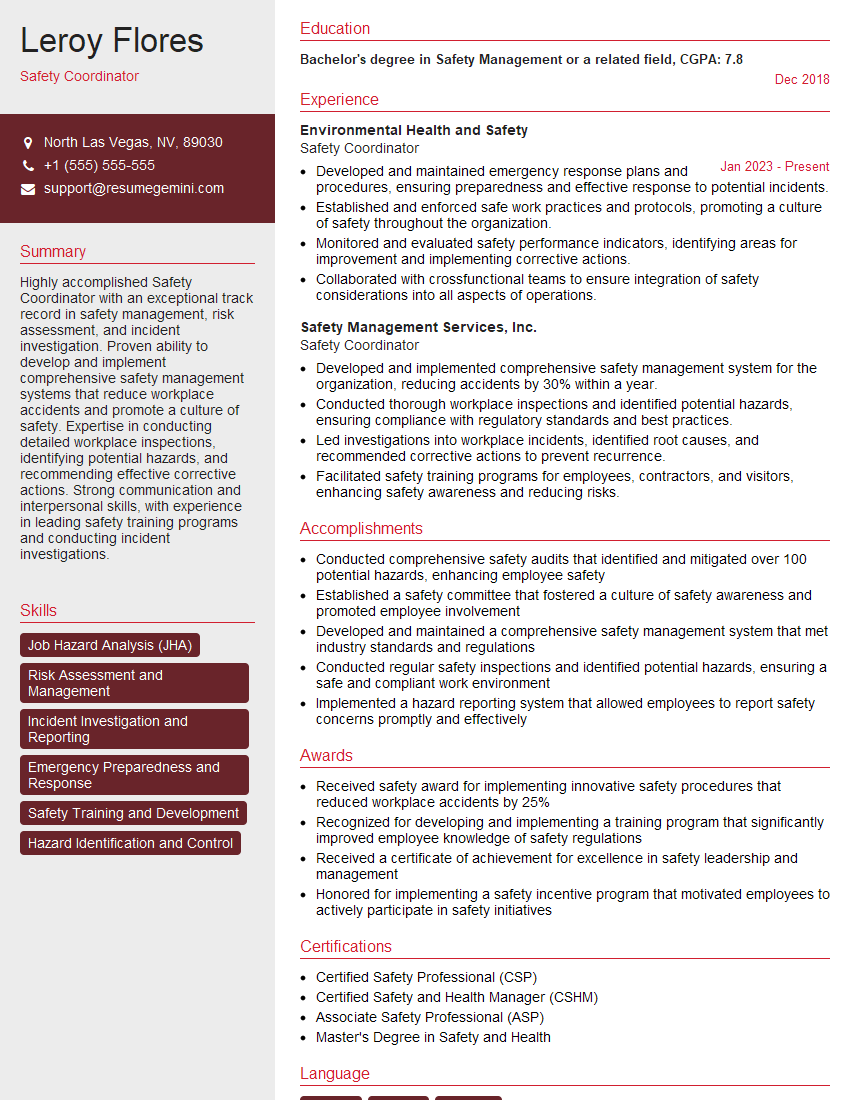
Safety Coordinator Resume Sample
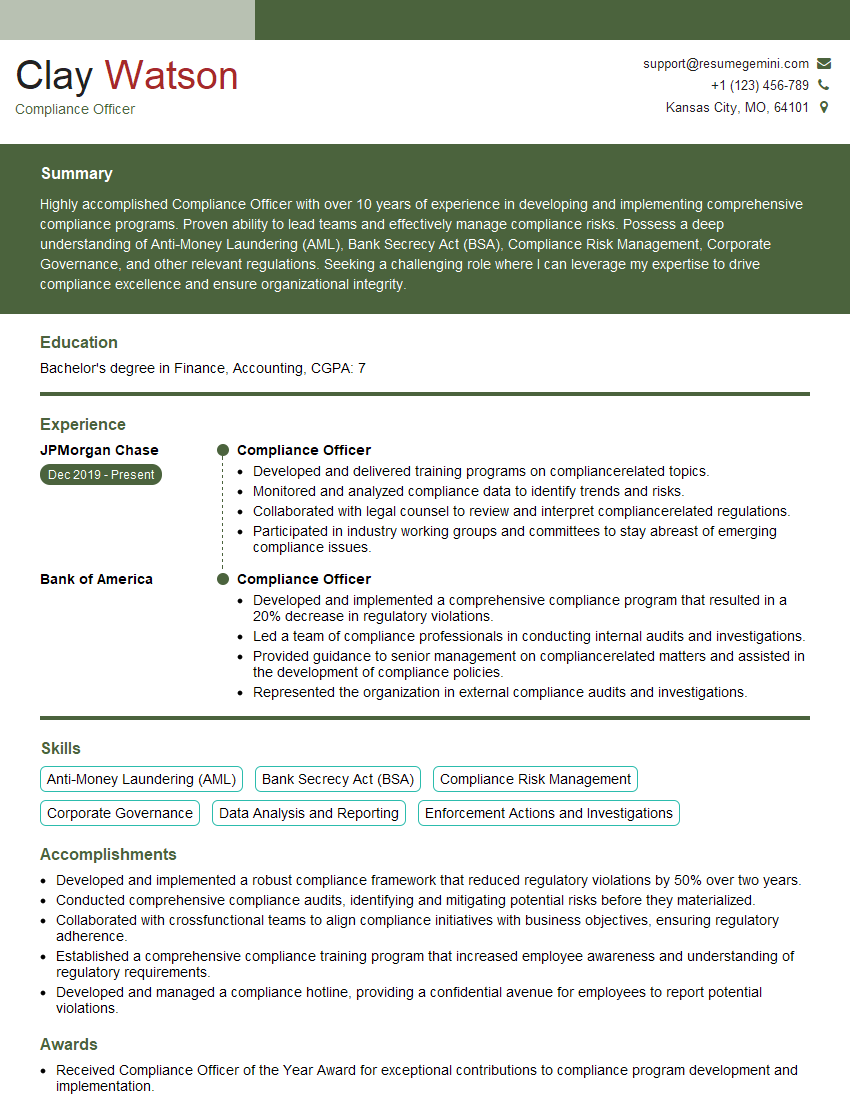
Compliance Officer Resume Sample
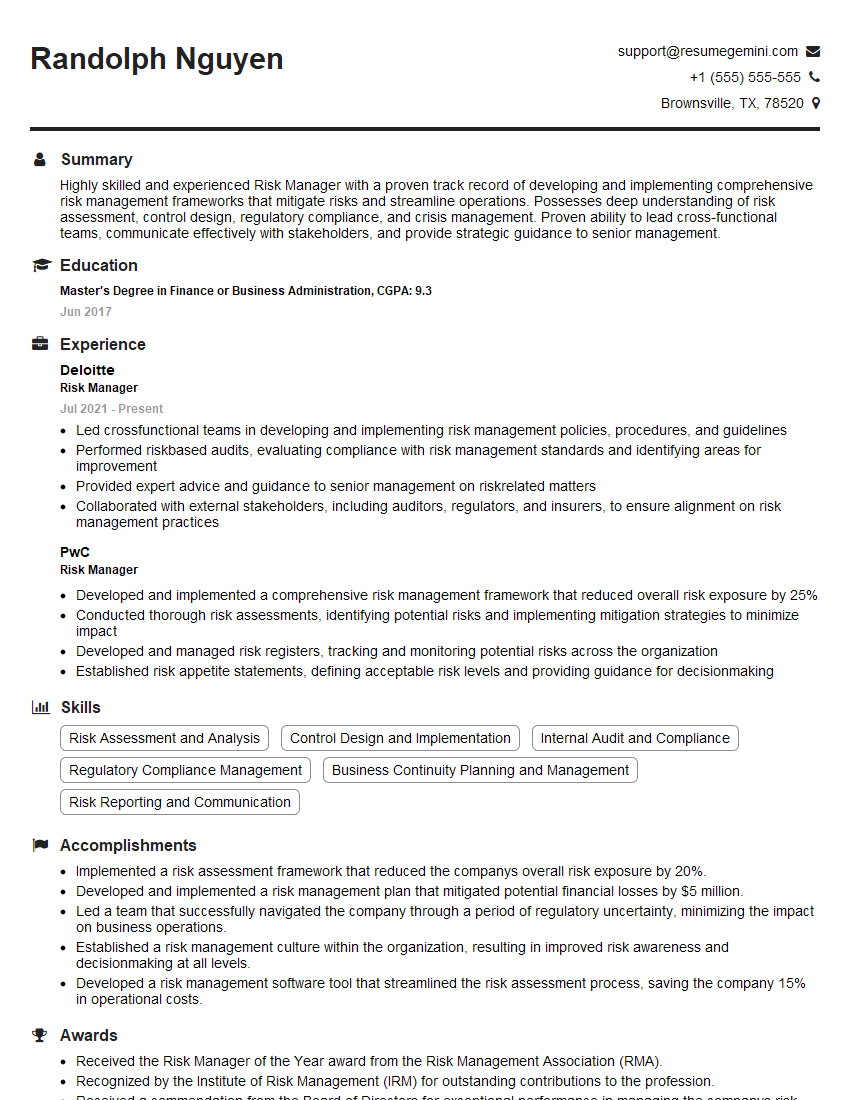
Risk Manager Resume Sample
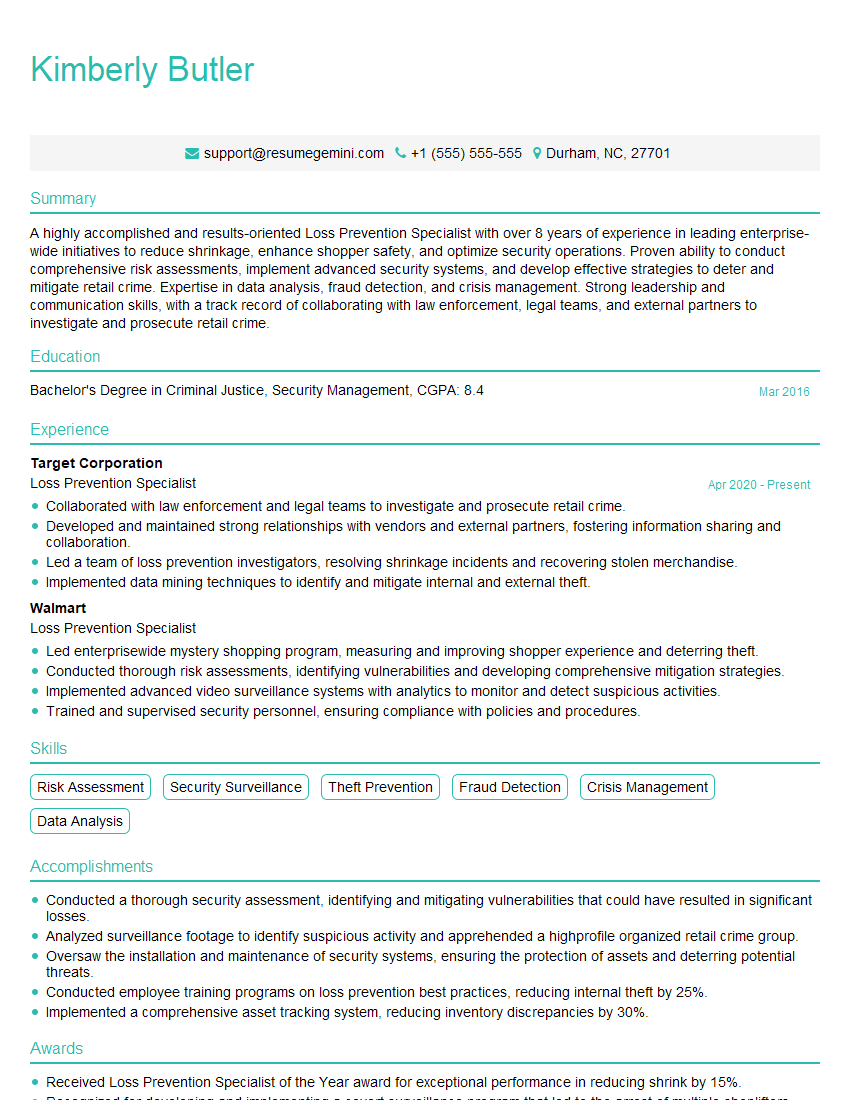
Loss Prevention Specialist Resume Sample
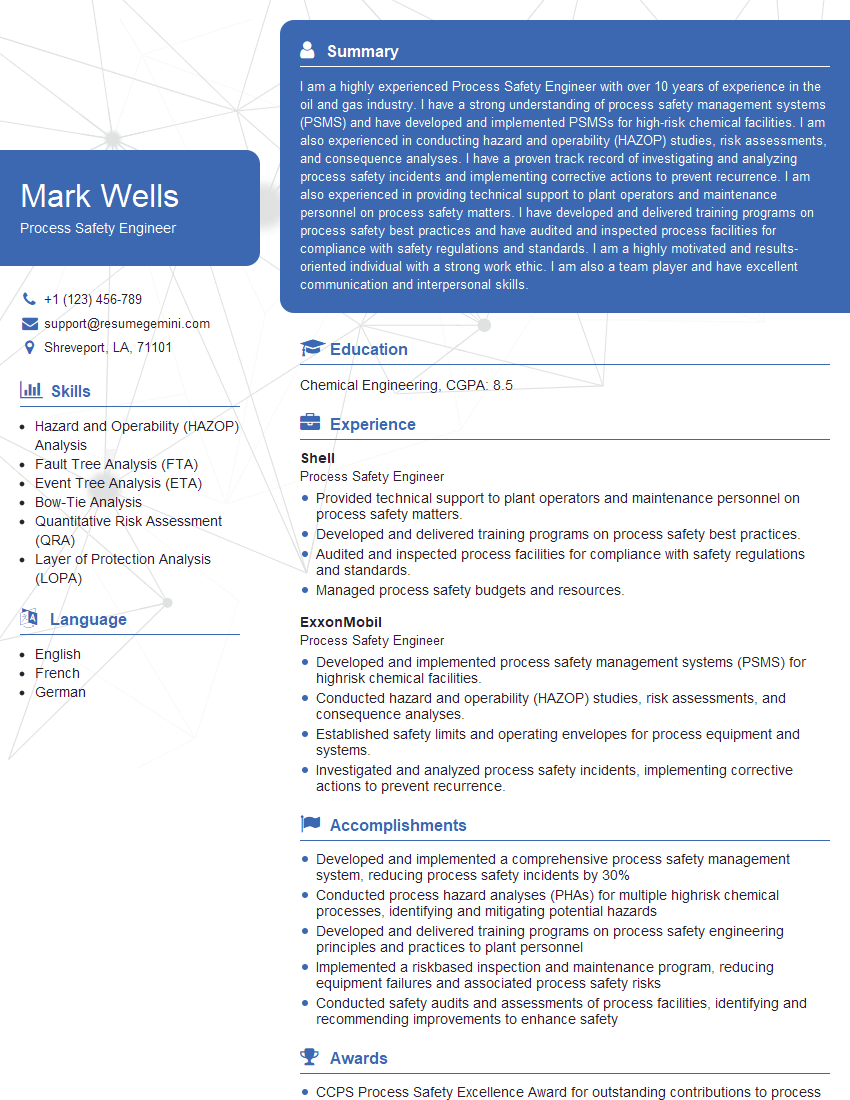
Process Safety Engineer Resume Sample
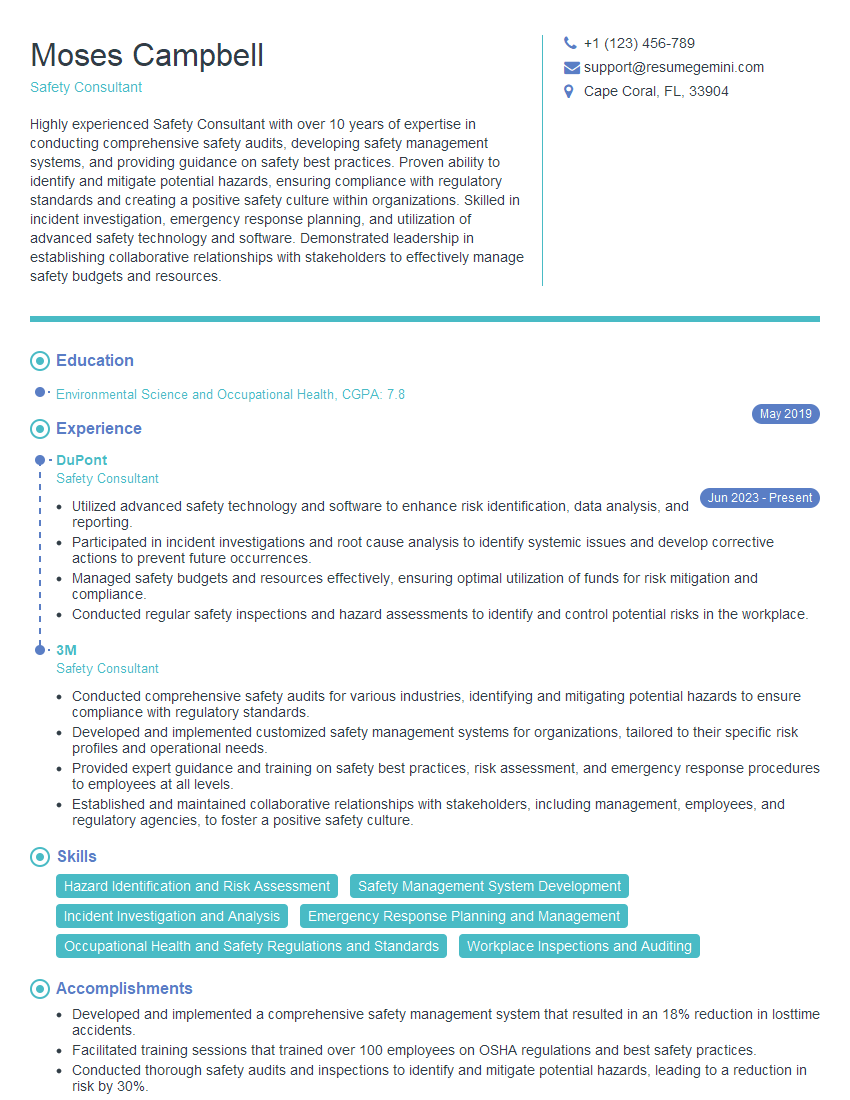
Safety Consultant Resume Sample

Safety Engineer Resume Sample

Safety Inspector Resume Sample
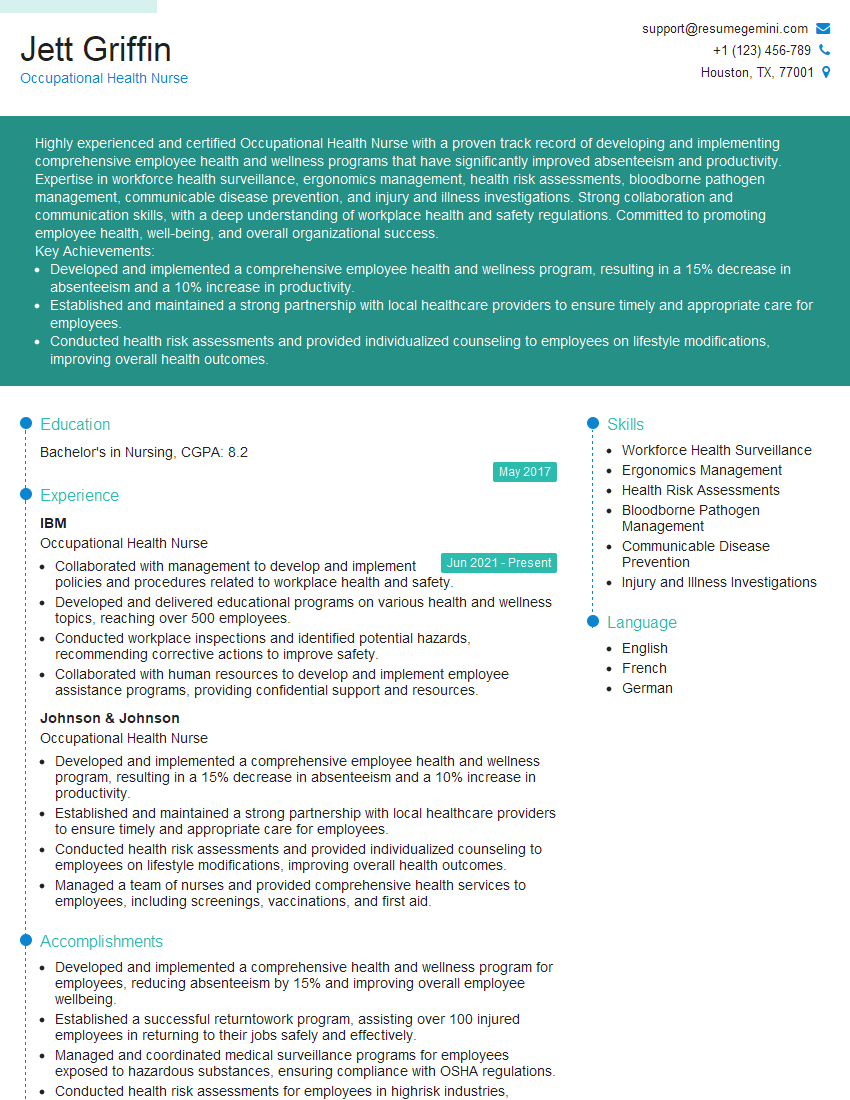
Occupational Health Nurse Resume Sample
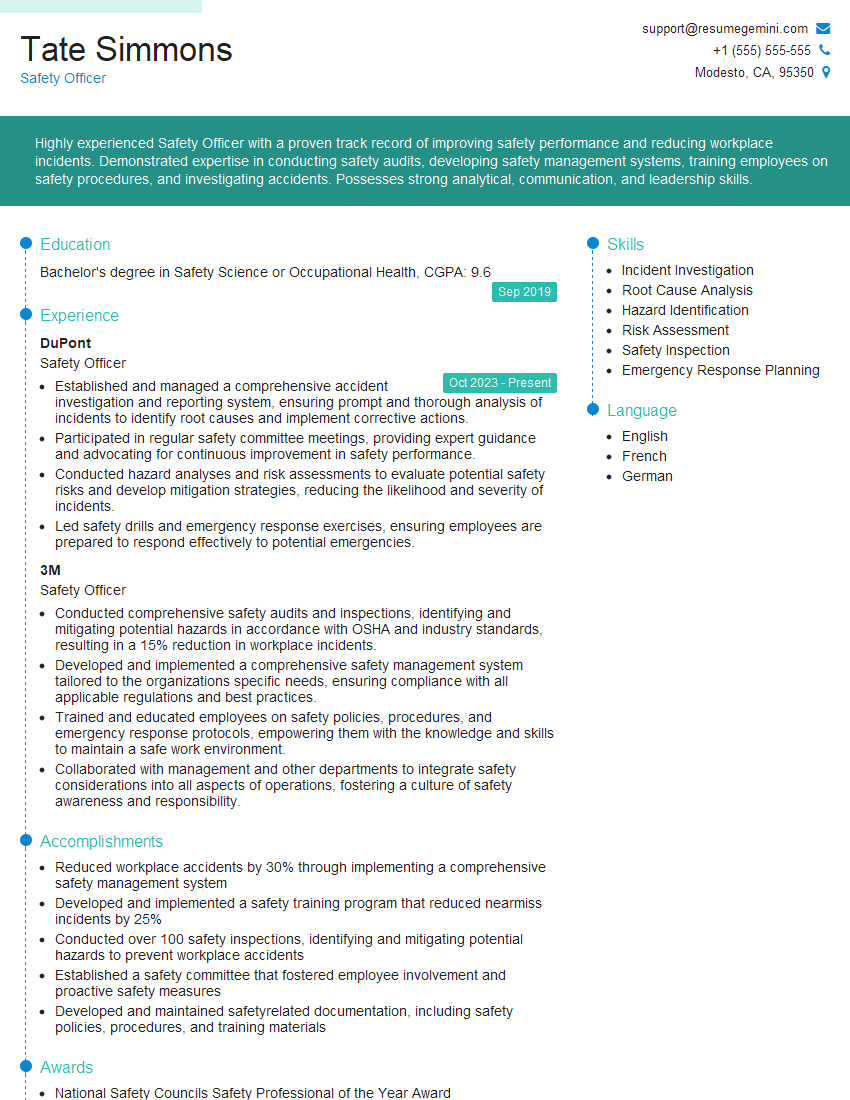
Safety Officer Resume Sample
Explore more articles
Users Rating of Our Blogs
Share Your Experience
We value your feedback! Please rate our content and share your thoughts (optional).
What Readers Say About Our Blog
Very informative content, great job.
good