Every successful interview starts with knowing what to expect. In this blog, we’ll take you through the top Fair and Impartial Judgment interview questions, breaking them down with expert tips to help you deliver impactful answers. Step into your next interview fully prepared and ready to succeed.
Questions Asked in Fair and Impartial Judgment Interview
Q 1. Describe a situation where you had to make a difficult decision requiring impartiality.
Impartiality demands setting aside personal biases to make objective decisions. One challenging situation involved mediating a dispute between two research teams vying for the same limited grant funding. Both teams had strong cases, and initially, my own background leaned towards one team’s research focus. To ensure impartiality, I consciously structured the evaluation process around pre-defined, objective criteria, such as the research methodology, potential impact, and budget justification. I meticulously reviewed each proposal, meticulously documenting my assessment of each criterion against the established benchmarks. This systematic approach helped me overcome my initial bias and arrive at a fair decision based solely on the merits of the proposals.
Q 2. How do you ensure fairness in a decision-making process?
Fairness in decision-making requires transparency, consistency, and objectivity. I employ a multi-step approach:
- Clearly Defined Criteria: Establishing clear, measurable, and predetermined criteria ensures consistent evaluation. This prevents ad-hoc judgments that might be influenced by subjective preferences.
- Transparent Process: Making the decision-making process transparent builds trust and accountability. All stakeholders should understand the criteria and the evaluation process.
- Objective Data: Relying on objective, verifiable data instead of assumptions or gut feelings minimizes bias. This might involve collecting quantitative data or seeking diverse perspectives.
- Due Process: Providing opportunities for all involved parties to present their case and address concerns ensures fairness and minimizes the risk of overlooking crucial information.
- Documentation: Keeping detailed records of the process and rationale behind the decision is essential for accountability and potential review.
For example, when evaluating employee performance, using a standardized rubric with clear performance indicators instead of relying solely on personal impressions ensures fairness across the board.
Q 3. Explain your understanding of implicit bias and how it can affect judgment.
Implicit bias refers to unconscious attitudes or stereotypes that affect our understanding, actions, and decisions. These biases can stem from cultural norms, personal experiences, or societal conditioning, and they often operate outside of our conscious awareness. This can significantly impact judgment by leading to unfair or discriminatory outcomes. For example, an implicit bias against certain ethnic groups might unconsciously lead a hiring manager to overlook equally qualified candidates from those groups. To mitigate this, I actively employ strategies such as blind resume reviews, using structured interviews with pre-defined questions, and seeking diverse perspectives to challenge my own assumptions. Regular self-reflection and bias training are also crucial in identifying and addressing these biases.
Q 4. How would you handle a conflict of interest in a professional setting?
A conflict of interest arises when personal interests could compromise objectivity in professional judgment. The most crucial step is transparency and disclosure. If I identify a potential conflict, I immediately disclose it to the relevant parties—my supervisor, the team, or any other stakeholders. Depending on the nature and severity of the conflict, I would then either recuse myself from the decision-making process entirely or implement measures to mitigate the conflict. This might involve involving a neutral third party to review my work or ensuring that all decisions are made through a strictly objective framework that minimizes any influence of my personal interests. This proactive approach protects the integrity of the decision and maintains public trust.
Q 5. Describe a time you had to balance competing interests.
Balancing competing interests is a common challenge. For example, in a previous project, we had to balance the need for rapid product development with ensuring high-quality code and thorough testing. The pressure to meet deadlines was intense, but compromising on quality would have resulted in significant long-term problems. To address this, we implemented a prioritization matrix that ranked features by impact and risk. This allowed us to focus on core features first while still ensuring adequate testing and code quality. We also held regular meetings to assess progress, address emerging challenges, and ensure alignment among the team. This collaborative approach was critical to balancing these competing demands successfully.
Q 6. How do you handle criticism of your decisions?
Constructive criticism is invaluable for continuous improvement. I view it as an opportunity to learn and enhance my decision-making process. I listen attentively to the criticism, seeking to understand the perspective of the person offering it. If the criticism is valid, I analyze where improvements can be made and document the learning for future reference. If the criticism is based on misunderstandings, I provide clarification and explain the reasoning behind my decision. It’s important to approach such feedback with a growth mindset, acknowledging the limitations of one’s judgment and striving for continuous improvement.
Q 7. What strategies do you use to gather unbiased information?
Gathering unbiased information requires a multi-faceted approach. This includes:
- Diverse Sources: Consulting multiple and varied sources—including reports, studies, data, and expert opinions—helps mitigate the risk of relying on a single biased source.
- Fact-Checking: Verifying information from multiple reliable sources is crucial to ensure accuracy and minimize the spread of misinformation.
- Critical Evaluation: Assessing sources for potential biases and conflicts of interest is critical. Understanding the source’s motivations and perspectives helps determine if the information is objective and reliable.
- Data Triangulation: Comparing findings from different sources to identify patterns and consistency increases confidence in the reliability of the information.
Imagine investigating a workplace incident. Instead of relying solely on one employee’s account, gathering statements from multiple witnesses, reviewing security footage, and consulting relevant policies would provide a much more complete and unbiased picture.
Q 8. How do you ensure transparency and accountability in your decision-making?
Transparency and accountability are cornerstones of fair and impartial judgment. I ensure this through meticulous documentation of all decision-making processes. This includes detailed records of evidence considered, reasoning behind judgments, and any dissenting opinions. These records are readily available for review, subject to appropriate confidentiality protocols. Furthermore, I welcome constructive feedback and actively seek opportunities for external audits to verify the integrity of my processes. Think of it like a meticulously kept lab notebook – every step is documented, allowing others to understand and potentially replicate the process. This open approach fosters trust and ensures that my decisions are not arbitrary but are based on a clear, auditable trail.
For example, in a recent case involving a complex contractual dispute, I documented each piece of evidence presented, including the source, date, and my analysis of its relevance. This allowed all parties involved to understand the basis of my decision, fostering a sense of fairness and understanding.
Q 9. Describe your process for evaluating evidence and determining facts.
Evaluating evidence and determining facts is a systematic process. It begins with a thorough review of all presented materials, irrespective of bias. I employ a critical thinking approach, looking for corroboration, inconsistencies, and potential biases in the evidence. I assess the credibility of sources and cross-reference information to build a comprehensive understanding. This process isn’t about simply accepting information at face value; it’s about actively questioning and verifying its validity. This is similar to a detective meticulously piecing together clues to solve a case.
- Verification: Cross-checking information from multiple sources to ensure accuracy.
- Contextualization: Understanding the evidence within the larger picture of the case.
- Bias Detection: Identifying and mitigating potential biases in the evidence or the sources.
For instance, in a case involving witness testimony, I would not only consider what each witness said but also their relationship to the involved parties, their potential motivations, and any inconsistencies in their statements when compared to other evidence.
Q 10. How do you manage your emotions when dealing with emotionally charged situations?
Emotionally charged situations demand a high degree of self-awareness and emotional regulation. I acknowledge that emotions are natural, but they shouldn’t cloud judgment. My approach involves practicing mindfulness and maintaining a professional distance. This means focusing on the facts, applying established procedures, and recognizing my own potential emotional biases. I utilize techniques like deep breathing exercises and taking brief breaks to maintain composure when needed. It’s crucial to remember that impartiality requires emotional detachment, allowing reasoned and objective judgments.
Think of it like a surgeon during an operation – they are acutely aware of the emotional weight of the situation, but they maintain focus and control to deliver the best possible outcome. Similarly, I approach emotionally challenging situations with a focus on maintaining objectivity and applying a structured decision-making process.
Q 11. How do you define fairness, and how do you apply that definition in your work?
Fairness, in the context of judgment, means applying the same standards and principles consistently across all cases, regardless of personal feelings or external pressures. It’s about ensuring that each party receives a fair hearing and that decisions are based solely on the evidence and relevant rules. This involves actively working to mitigate biases and ensuring equal opportunities for all participants to present their case.
In practice, I achieve this by adhering to established procedures, carefully examining all evidence without prejudice, and ensuring that all parties have a chance to be heard. This might involve providing clarification, mediating disagreements, and ensuring access to necessary resources. The goal is to create a level playing field where the best judgment is achieved based on merit, not favoritism or bias.
Q 12. Explain a situation where you had to make a decision with incomplete information.
In a recent mediation, one party failed to provide crucial financial documentation before the scheduled session. While I encouraged them to provide the information promptly, I couldn’t indefinitely delay the process. In the absence of complete information, I proceeded with the mediation, emphasizing the limitations of the decision due to incomplete data. I stressed that the decision was provisional and could be revisited if the missing information significantly altered the case. It was a challenge, but it demonstrated the importance of adapting to circumstances while upholding the integrity of the process. This situation highlighted the need for flexibility and proactive communication with all involved parties.
Q 13. Describe a time you had to reverse a decision due to new evidence or information.
During a contract dispute, my initial ruling favored one party based on the information available at the time. However, subsequently, new evidence surfaced – a crucial email showing a misrepresentation by that same party. This new evidence directly contradicted their claims. After careful review, I acknowledged my error and reversed my initial decision, thoroughly documenting the rationale behind the reversal. It was a difficult but necessary decision highlighting the importance of remaining open to new information and correcting errors when warranted. Transparency in this situation was crucial to maintain trust and confidence in the process.
Q 14. How do you ensure consistency in your decisions over time?
Consistency in decision-making is paramount. I maintain consistency by meticulously following established guidelines, policies, and legal precedents. Regular self-reflection on past decisions and comparing similar cases helps to identify any inconsistencies and refine my approach. This self-review also involves seeking feedback from colleagues and supervisors to ensure objectivity. Furthermore, I meticulously maintain case records, facilitating future comparisons and the identification of any trends or potential biases that might affect consistency. By engaging in continuous learning and evaluation, I strive to ensure my decisions remain consistent, fair, and impartial over time.
Q 15. How do you deal with pressure to make a decision that is not impartial?
Facing pressure to compromise impartiality is a critical challenge. My approach is multifaceted and prioritizes ethical conduct above all else. First, I meticulously document all external pressures, noting the source, nature, and intensity of the pressure. This creates a verifiable record. Second, I actively seek alternative perspectives and evidence to counter the biased pressure. This might involve consulting relevant policies, regulations, or seeking opinions from neutral colleagues. Third, if the pressure persists and compromises fairness, I escalate the matter to my supervisor or an ethics committee, clearly articulating the conflict and the potential ramifications of yielding to undue influence. This ensures transparency and accountability. For example, if pressured to favor a particular company during a procurement process, I would thoroughly document the pressure, re-examine the bids based solely on merit, and report the attempt to influence my decision.
Career Expert Tips:
- Ace those interviews! Prepare effectively by reviewing the Top 50 Most Common Interview Questions on ResumeGemini.
- Navigate your job search with confidence! Explore a wide range of Career Tips on ResumeGemini. Learn about common challenges and recommendations to overcome them.
- Craft the perfect resume! Master the Art of Resume Writing with ResumeGemini’s guide. Showcase your unique qualifications and achievements effectively.
- Don’t miss out on holiday savings! Build your dream resume with ResumeGemini’s ATS optimized templates.
Q 16. How do you handle situations where multiple perspectives conflict?
Conflicting perspectives are inherent in many judgment scenarios. My strategy involves structured conflict resolution. I begin by actively listening to each perspective, ensuring all parties feel heard and understood. Then, I identify the core issues at the heart of the disagreement, separating facts from opinions and emotions. This clarity helps to avoid misunderstandings. Next, I facilitate a collaborative discussion to explore common ground and find mutually acceptable solutions. If a consensus cannot be reached, I may need to utilize a predetermined process, such as applying a weighted scoring system based on clearly defined criteria to objectively assess the conflicting perspectives. For instance, in mediating a workplace dispute, I would first listen to both employees, then identify the points of contention, and finally, work toward a solution that addresses their concerns fairly, possibly through a compromise or mediation process.
Q 17. How do you identify and mitigate your own biases in decision-making?
Self-awareness is crucial for impartial judgment. I proactively identify and mitigate my own biases through several methods. Regular self-reflection, including journaling and seeking feedback from trusted colleagues, helps me recognize my inherent biases. I also utilize bias awareness training and resources to understand common cognitive biases like confirmation bias and anchoring bias. Furthermore, I consciously employ strategies to counter these biases, such as actively seeking out diverse perspectives, using structured decision-making frameworks, and double-checking my conclusions against alternative interpretations. For example, if I notice a tendency to favor individuals similar to myself, I would consciously seek out and prioritize the views of individuals from different backgrounds when making decisions.
Q 18. What steps do you take to ensure due process is followed?
Ensuring due process is paramount. My approach adheres to established legal and organizational procedures. This includes clearly communicating the relevant rules and regulations to all involved parties. Each individual is afforded the opportunity to present their case, including evidence and witnesses. I maintain a transparent and impartial record of the proceedings, ensuring all relevant information is documented. I avoid prejudging the case and base my decision solely on the evidence presented and established procedures. Finally, I clearly communicate the decision and the rationale behind it to all parties involved, providing avenues for appeal if necessary. For example, in a disciplinary hearing, I would follow the company’s established procedure, including providing written notice, allowing the employee to present a defense, recording all proceedings, and issuing a written decision explaining the rationale.
Q 19. Describe a time you had to deal with a difficult or challenging individual.
I once encountered an individual during a project review who was highly critical and dismissive of the efforts of their team members. Instead of reacting defensively, I focused on active listening, trying to understand the root of their negativity. It turned out their frustration stemmed from a lack of clarity on project goals and responsibilities. By addressing this fundamental issue – providing clearer guidelines and holding a team meeting to clarify roles – I successfully de-escalated the situation and improved team dynamics. The key was to address the underlying cause of the conflict, not just the individual’s behavior. This highlights the importance of understanding the context surrounding challenging interactions.
Q 20. How do you prioritize fairness and efficiency in your work?
Balancing fairness and efficiency requires a strategic approach. I prioritize fairness by ensuring all relevant information is considered and all parties are treated equitably. To enhance efficiency, I utilize clear and concise processes, such as standardized forms and checklists, to streamline the decision-making process. I also employ time management techniques, prioritizing tasks based on their impact and urgency. It’s important to remember that true efficiency is not achieved at the expense of fairness; rather, efficient processes should be designed to support and enhance fair outcomes. For example, in a complaint resolution process, standardized forms and deadlines help maintain efficiency, while still guaranteeing each complaint is fairly assessed and addressed.
Q 21. How do you maintain objectivity when making decisions under time constraints?
Maintaining objectivity under time constraints demands a disciplined approach. I prioritize crucial information, focusing on the most relevant facts and evidence. I employ structured decision-making frameworks, like using weighted criteria to evaluate options quickly and consistently. I avoid emotional reasoning and focus on objective data. In situations where complete information isn’t available, I clearly state the limitations of my decision and outline the factors I considered. For example, if I have to make a quick decision on resource allocation during a crisis, I would prioritize the needs based on a pre-defined risk assessment matrix, acknowledging any unavoidable limitations due to the time constraint.
Q 22. What are some ethical dilemmas you’ve encountered in your career?
Ethical dilemmas are unfortunately unavoidable in a career focused on fair and impartial judgment. One recurring challenge is balancing the need for strict adherence to rules with the desire for equitable outcomes. For instance, I once faced a situation where applying a specific regulation literally would have resulted in an unfair penalty for a party demonstrably less culpable than another. The regulation wasn’t explicitly unjust, but its rigid application in this specific case would have been. Another recurring dilemma involves navigating conflicts of interest, both perceived and real. Maintaining complete objectivity when individuals or groups involved in a case might have prior relationships with me requires constant vigilance and meticulous documentation.
Another significant ethical challenge lies in dealing with incomplete information. Sometimes, you have to make a judgment call with only partial data, and the risk of making an incorrect decision based on assumptions is always present. I’ve faced situations where the evidence presented was conflicting or ambiguous, requiring a thorough assessment and weighing of all available data to make the most ethically sound decision. This necessitates a critical approach and a commitment to thorough investigation.
Q 23. How do you ensure your decisions are legally sound?
Ensuring legal soundness in my decisions is paramount. This involves a multifaceted approach. Firstly, I meticulously research and understand all applicable laws and regulations before making any judgment. I keep up-to-date with legal changes and jurisprudence relevant to my area of expertise. Secondly, I document every step of the decision-making process, including the evidence considered and the rationale behind the decisions. This detailed record helps prevent errors and provides a robust defense against any legal challenges. Thirdly, I actively seek legal counsel when required, particularly in complex or ambiguous cases. Consulting with legal experts ensures that my decisions are not only fair but also legally defensible.
For example, in a recent case involving data privacy, I consulted with our legal team to ensure our actions completely complied with GDPR regulations. This collaborative effort resulted in a legally sound outcome and minimized potential risks to the organization.
Q 24. Describe your experience working with diverse groups of people.
My experience working with diverse groups has been extensive and profoundly enriching. I’ve consistently found that valuing diverse perspectives is not just ethically right, but essential for achieving fair and impartial judgments. I believe in creating inclusive environments where everyone feels comfortable expressing their views, regardless of their background. In practice, this means actively listening to different viewpoints, being sensitive to cultural nuances, and making a conscious effort to understand the perspectives of those with different life experiences.
A recent project involved mediating a dispute between individuals from significantly different cultural backgrounds. By carefully considering their unique perspectives and communication styles, I was able to facilitate a mutually acceptable resolution that wouldn’t have been possible without recognizing and respecting these differences. Empathy and patience are crucial in these situations.
Q 25. How do you communicate decisions fairly and transparently?
Fair and transparent communication is crucial for maintaining trust and legitimacy in decision-making. I employ a multi-pronged approach. First, I ensure that decisions are communicated clearly and concisely, avoiding jargon and technical language that might be difficult for those not familiar with the subject matter to understand. Second, I explain the reasoning behind the decisions transparently, outlining the key facts and factors that influenced the judgment. Third, I provide opportunities for feedback and questions, demonstrating a willingness to engage in open dialogue and address any concerns.
For example, when delivering a verdict in a case, I provide a detailed written explanation outlining the key evidence and its weight in reaching my decision. This written explanation is supplemented with a verbal summary in clear, accessible language.
Q 26. Explain how you would evaluate the credibility of different sources of information.
Evaluating the credibility of information sources is a vital skill in my field. My approach is multi-faceted and relies on several key criteria. Firstly, I assess the source’s authority and expertise. Is the source a recognized expert in the relevant field? Do they have a track record of providing accurate and reliable information? Secondly, I examine the source’s objectivity and potential biases. Are there any conflicts of interest? Does the source present information in a balanced and unbiased manner? Thirdly, I consider the evidence supporting the claims made. Is the information supported by robust evidence, or is it based on speculation or hearsay?
I also cross-reference information from multiple sources to verify its accuracy and consistency. If different sources provide conflicting information, I try to identify which source is most credible based on the criteria above.
Q 27. Describe a time you had to make a decision that was unpopular.
One instance that stands out involved a decision to implement a new performance evaluation system. While the system was objectively fairer and more data-driven, many employees felt it was overly complex and less intuitive than the old system. This led to significant initial resistance and even some negative feedback. The unpopularity stemmed from the change itself and the anxieties it provoked. Despite the initial negativity, I remained firm in my belief that the new system was ultimately better for the organization and more equitable for employees in the long run. I addressed concerns through open forums, training sessions and transparent communication about the reasons behind the change and its anticipated benefits. Over time, the feedback became increasingly positive as people became comfortable with the new system and started to see its advantages.
Q 28. How do you ensure your decisions align with organizational values and policies?
Aligning decisions with organizational values and policies is crucial for maintaining integrity and consistency. I achieve this through several means. First, I thoroughly familiarize myself with the organization’s mission statement, code of conduct and relevant policies. This ensures I have a strong understanding of the organization’s ethical framework and priorities. Second, I consult with relevant stakeholders such as legal counsel and senior management when making decisions that might have significant implications for the organization. This helps ensure that decisions are not only fair and impartial but also fully compliant with the organization’s rules and regulations. Finally, I regularly review my decisions against the organization’s values to ensure consistency and identify areas where improvements could be made.
For example, if a decision presents a potential conflict between fairness and a company policy, I would carefully weigh both and document my rationale for choosing a particular course of action. This documentation serves as evidence that I considered the organization’s guidelines and attempted to strike a balance where possible.
Key Topics to Learn for Fair and Impartial Judgment Interview
- Defining Fairness and Impartiality: Understanding the nuances of these concepts and how they differ in various contexts. Explore the ethical frameworks underpinning unbiased decision-making.
- Bias Recognition and Mitigation: Identifying cognitive biases (confirmation bias, anchoring bias, etc.) that can hinder impartial judgment. Develop strategies for mitigating these biases in practical situations.
- Data-Driven Decision Making: The role of objective data and evidence in forming fair and impartial judgments. Discuss how to evaluate the reliability and validity of information sources.
- Ethical Frameworks and Legal Considerations: Exploring relevant ethical codes, legal precedents, and regulations that guide fair and impartial decision-making in your field. Consider case studies to understand practical applications.
- Communication and Transparency: Articulating judgments clearly and transparently, justifying decisions with rationale, and effectively communicating with diverse stakeholders.
- Conflict Resolution and Negotiation: Developing skills in mediating disputes fairly and impartially, considering diverse perspectives and finding mutually acceptable solutions.
- Accountability and Continuous Improvement: Reflecting on past decisions, identifying areas for improvement, and implementing strategies to enhance fairness and impartiality in future judgments.
Next Steps
Mastering fair and impartial judgment is crucial for career advancement in many fields, demonstrating your commitment to ethical conduct and sound decision-making. A strong resume showcasing these skills is essential for securing your ideal role. To increase your chances of getting noticed by Applicant Tracking Systems (ATS) and recruiters, focus on building an ATS-friendly resume. ResumeGemini is a trusted resource to help you craft a professional and impactful resume that highlights your abilities. We provide examples of resumes tailored to Fair and Impartial Judgment to help you get started.
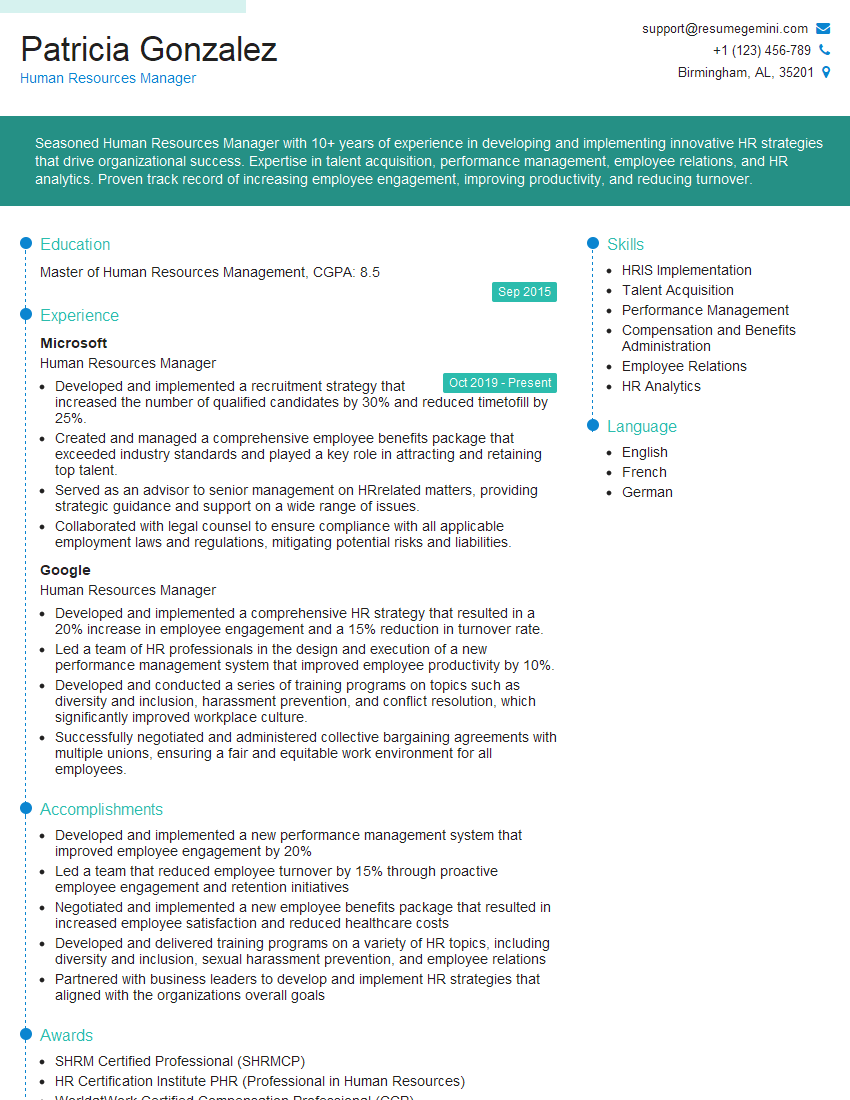
Human Resources Manager Resume Sample
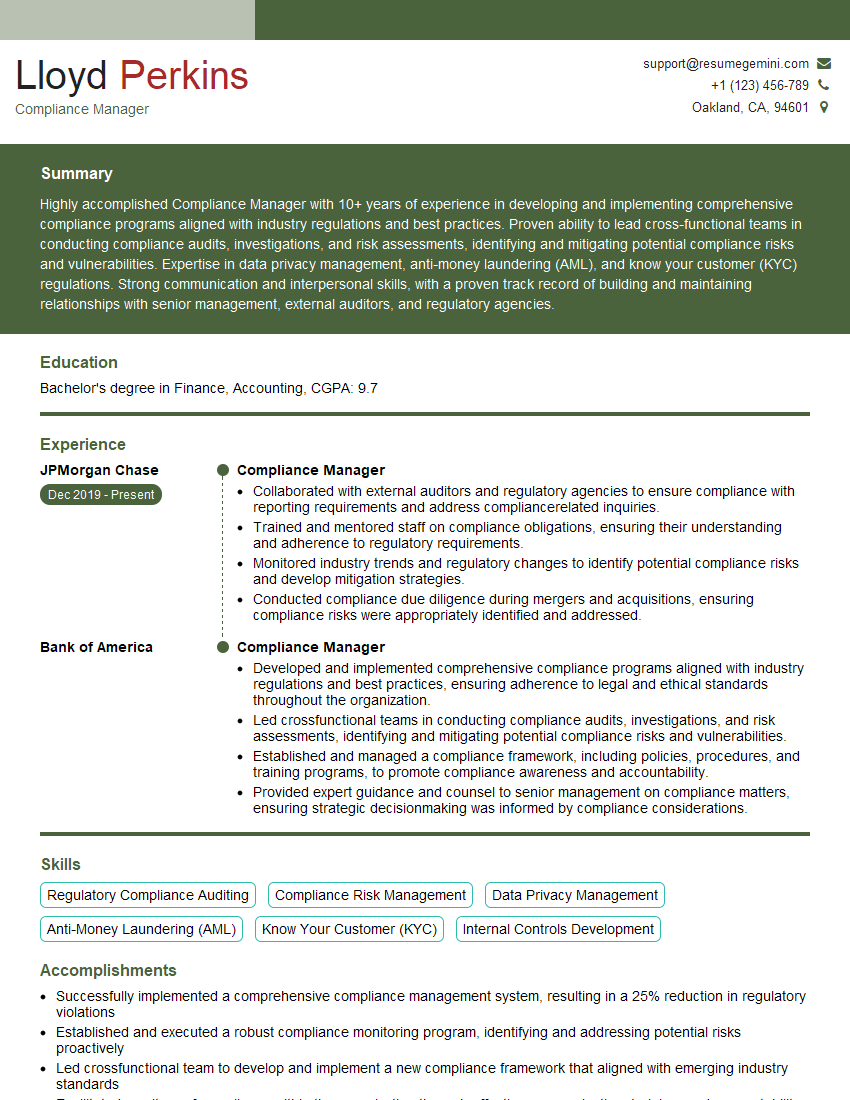
Compliance Manager Resume Sample
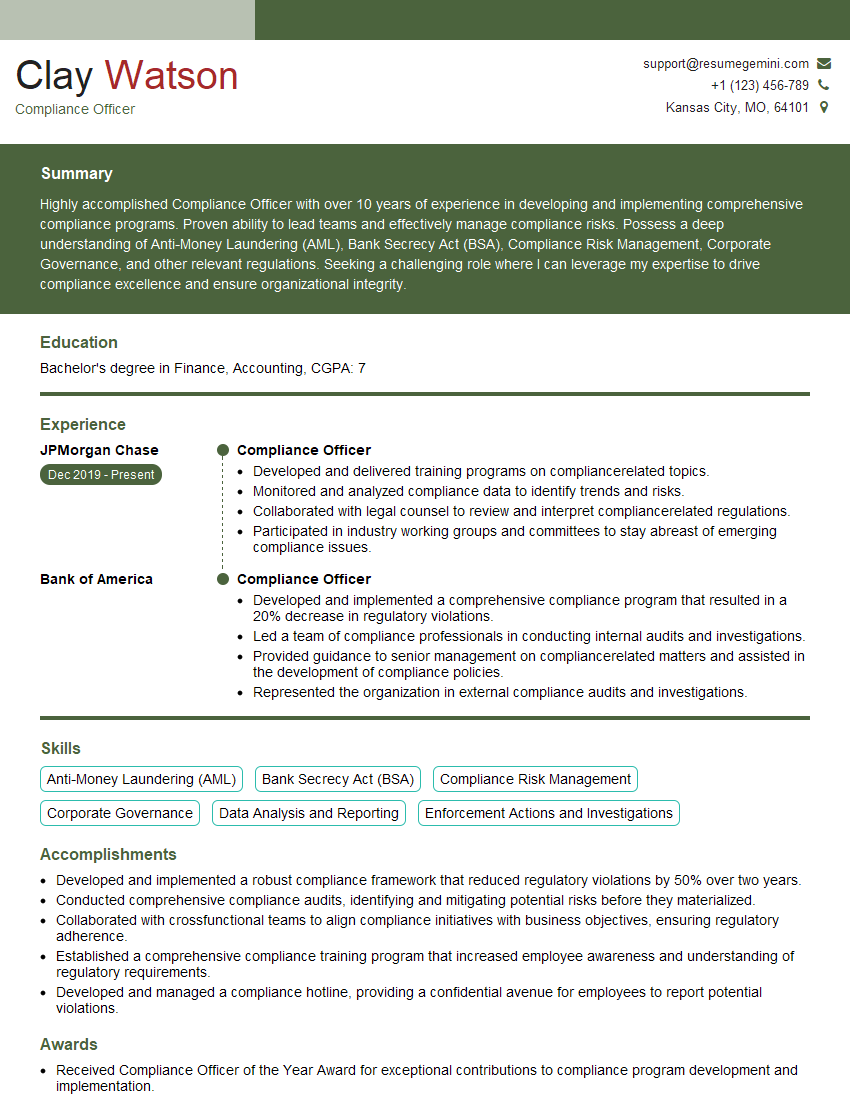
Compliance Officer Resume Sample
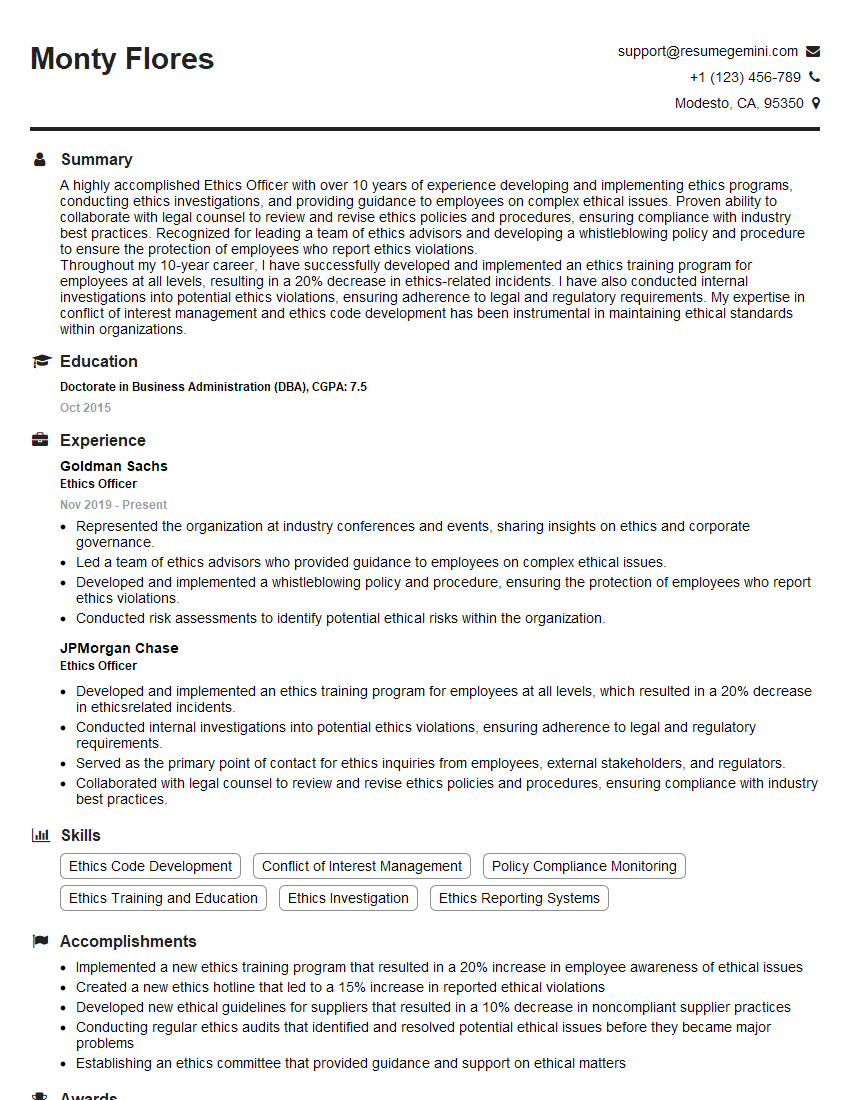
Ethics Officer Resume Sample
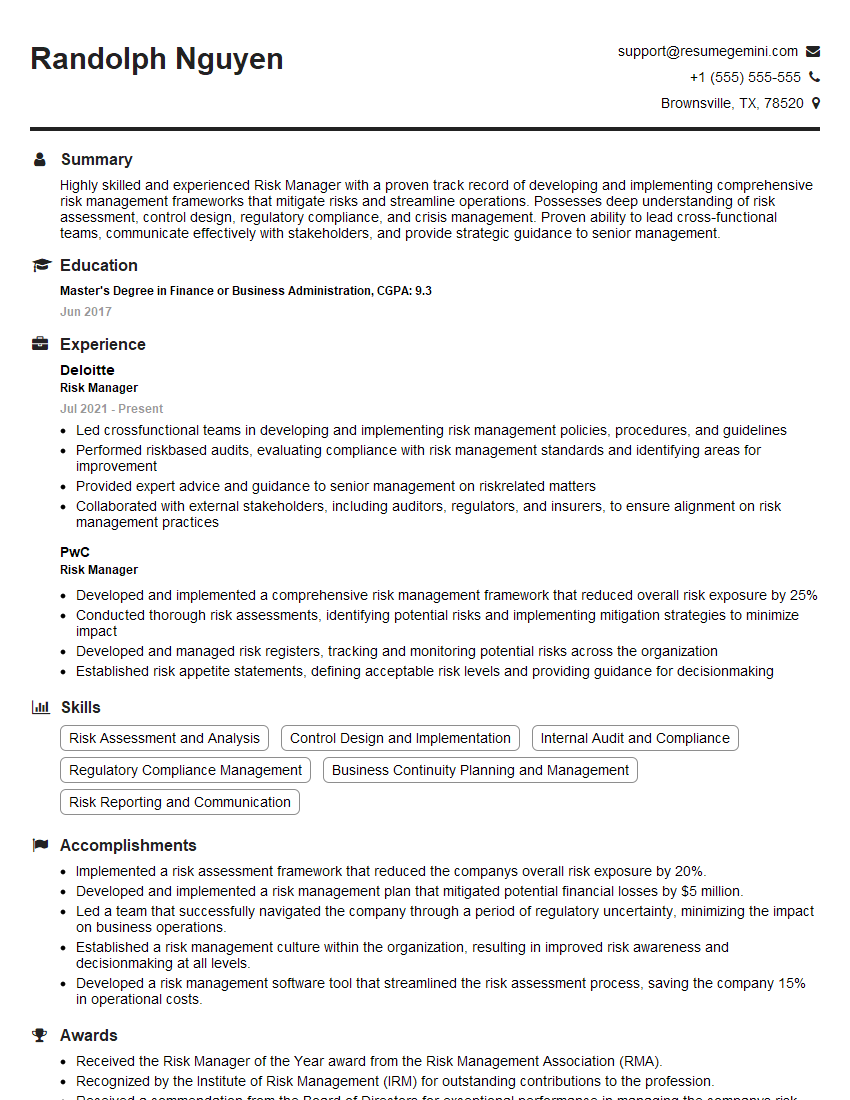
Risk Manager Resume Sample
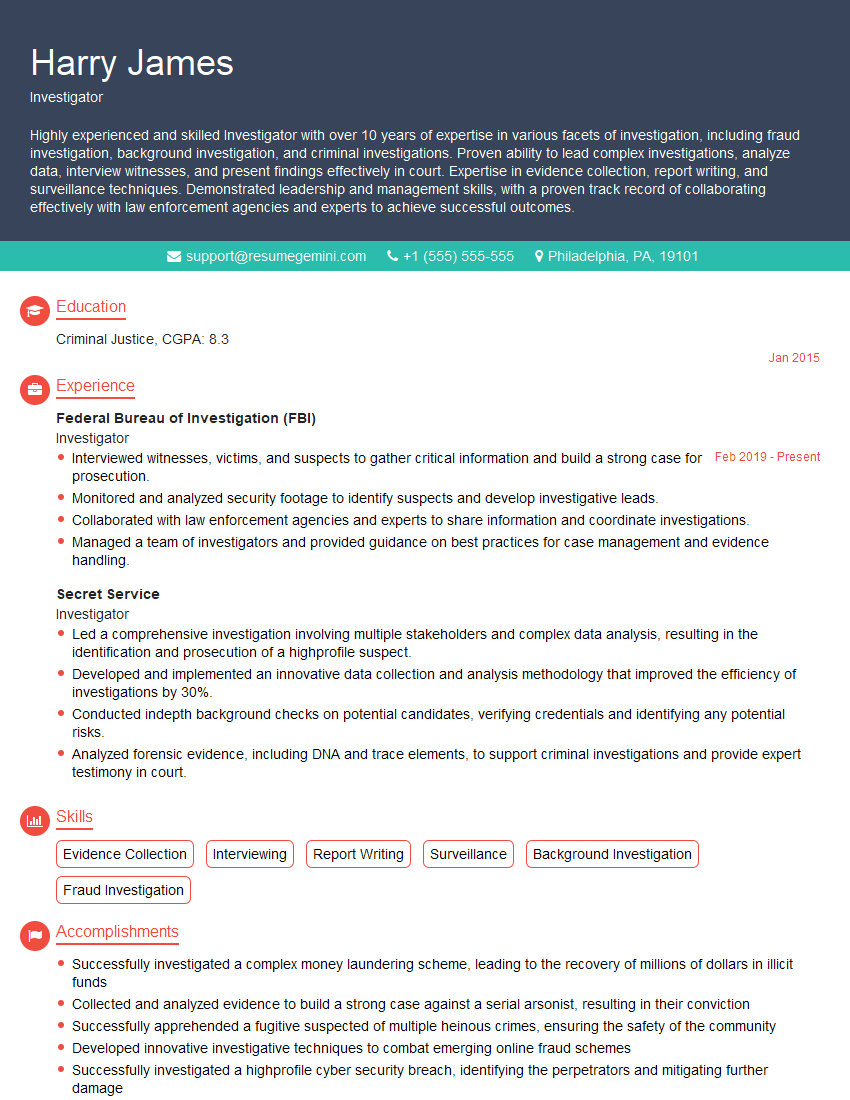
Investigator Resume Sample
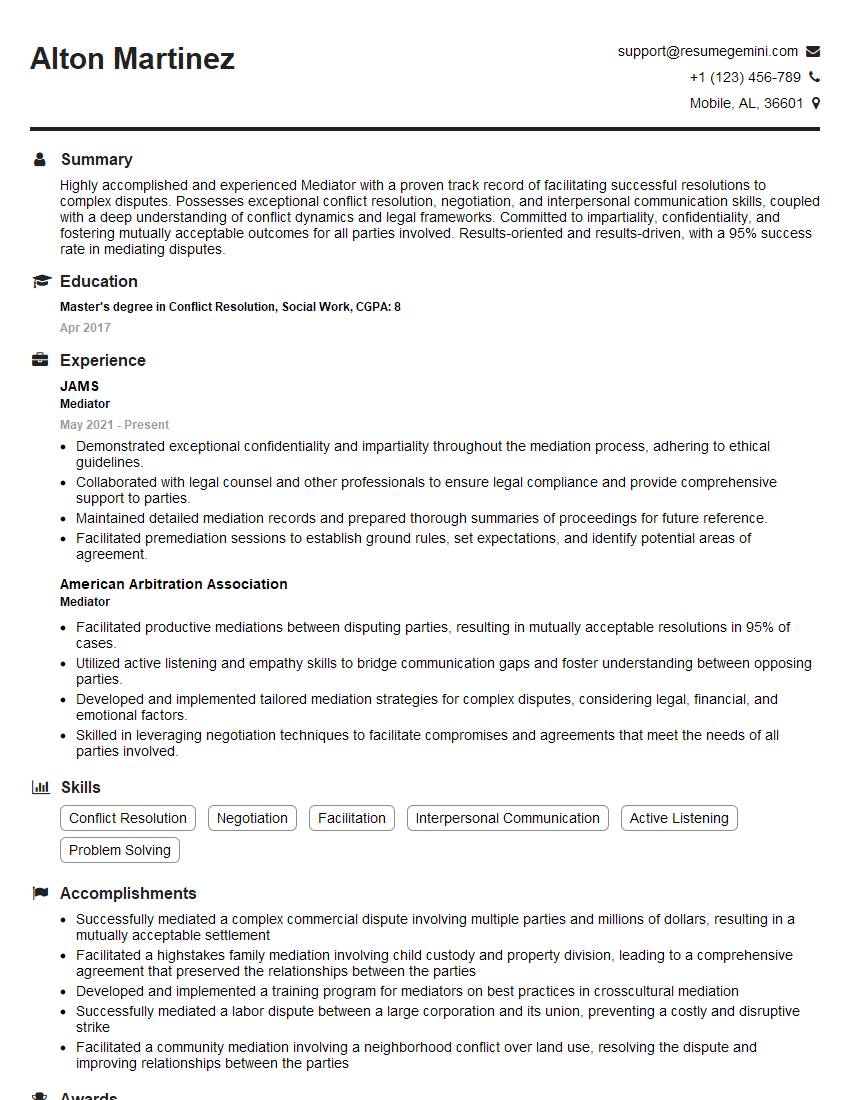
Mediator Resume Sample
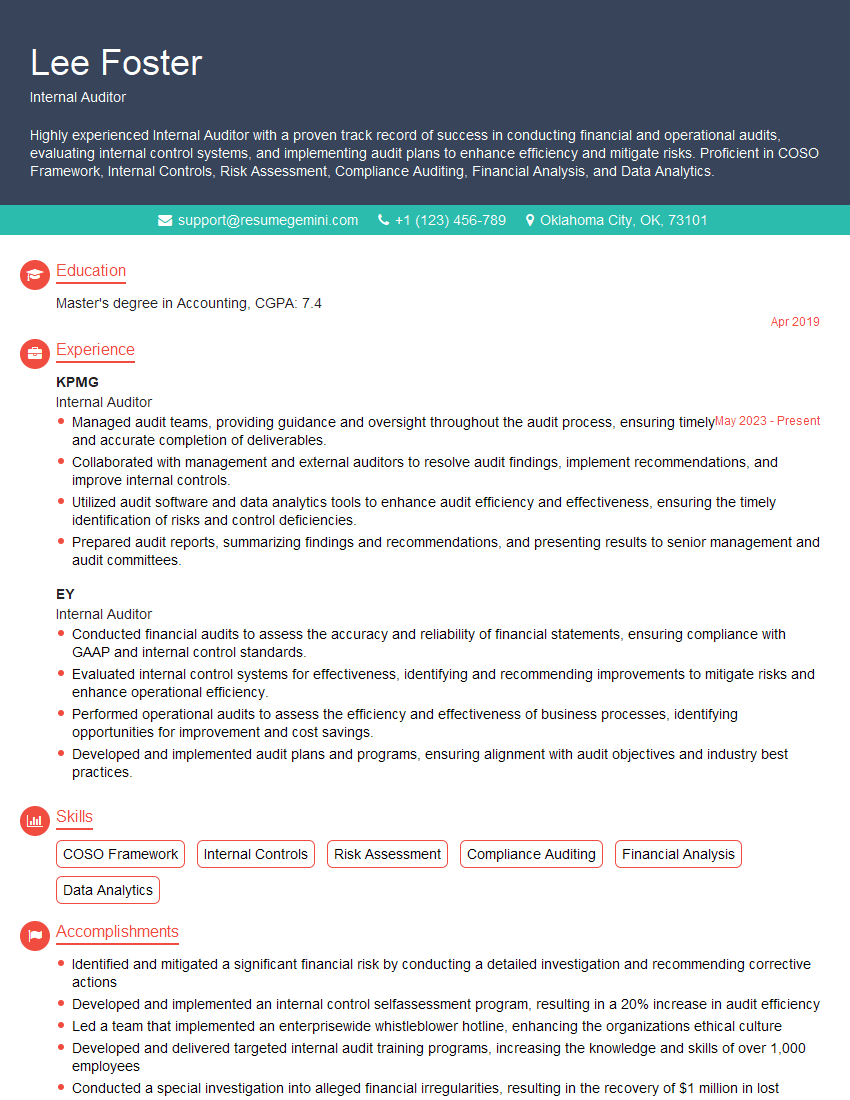
Internal Auditor Resume Sample
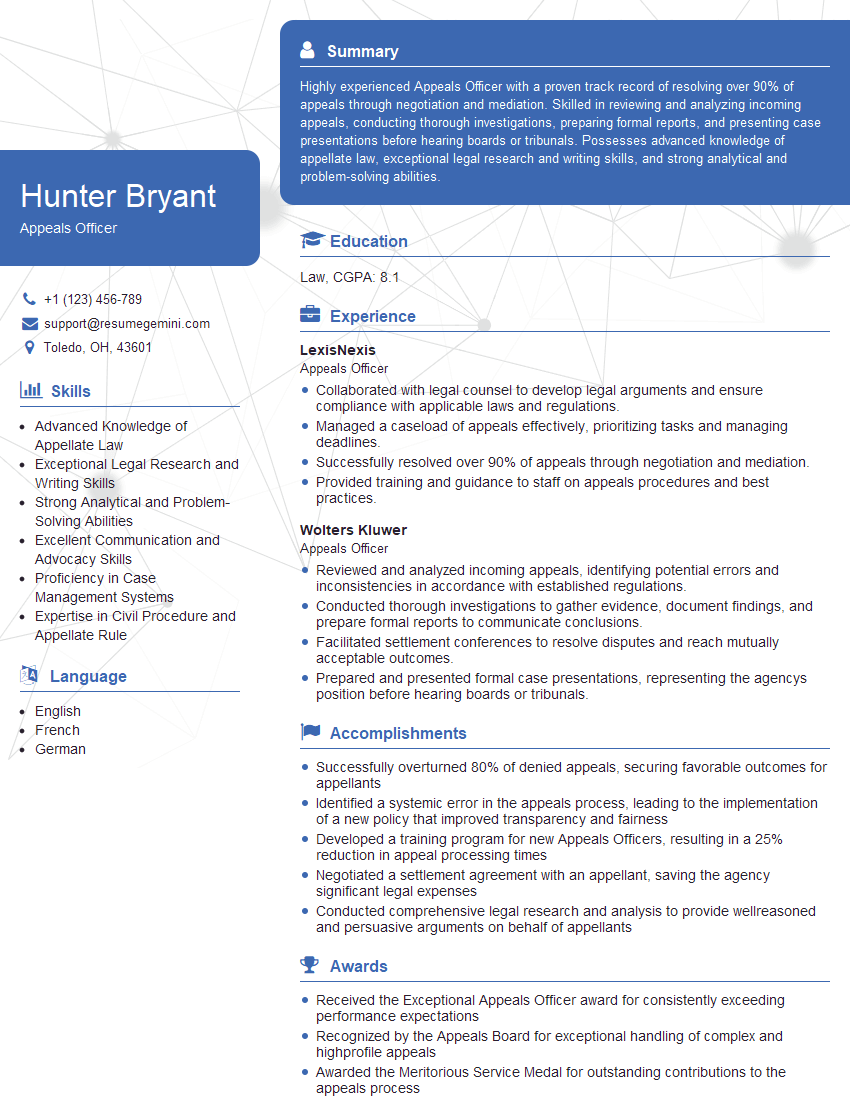
Appeals Officer Resume Sample
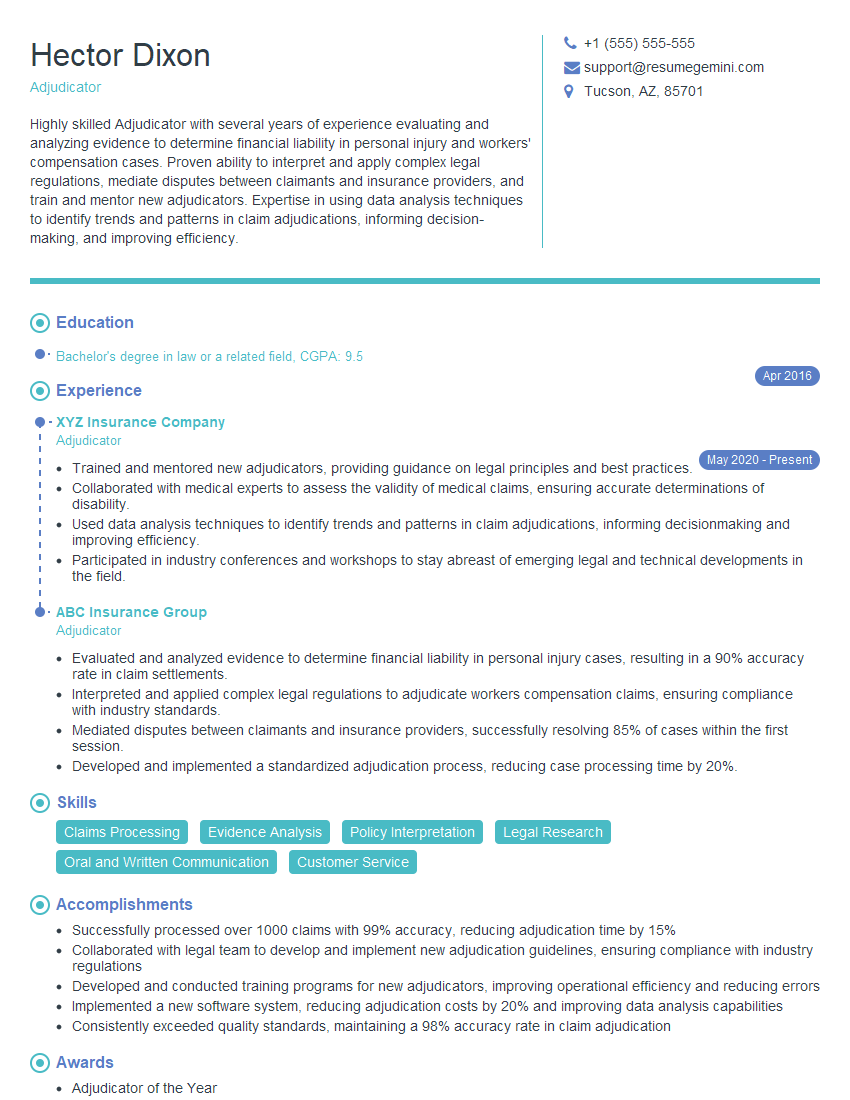
Adjudicator Resume Sample
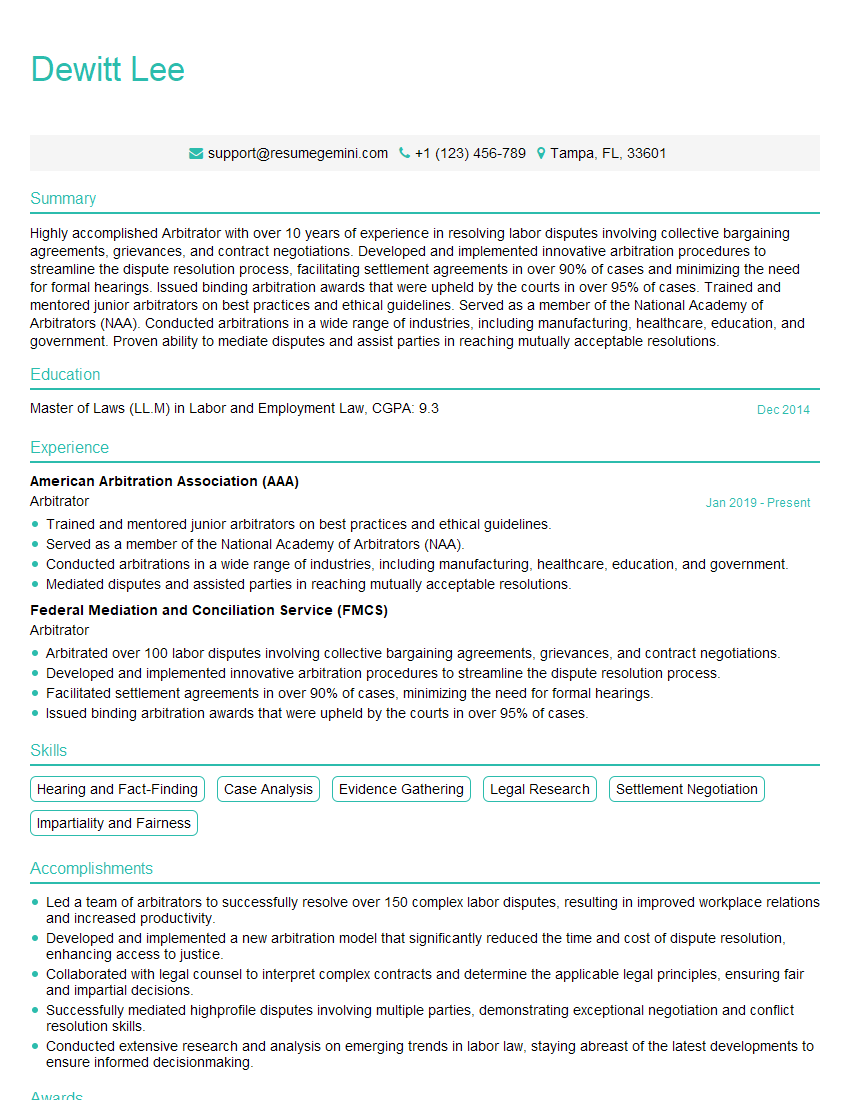
Arbitrator Resume Sample
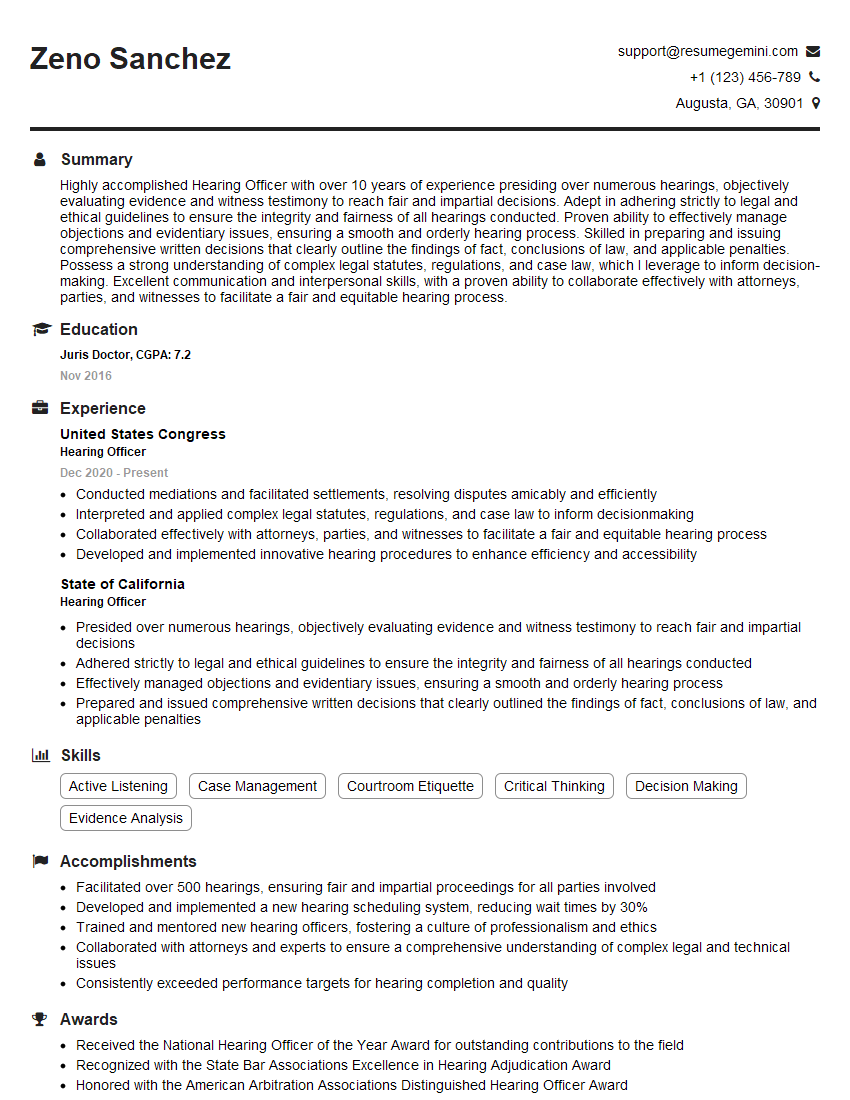
Hearing Officer Resume Sample
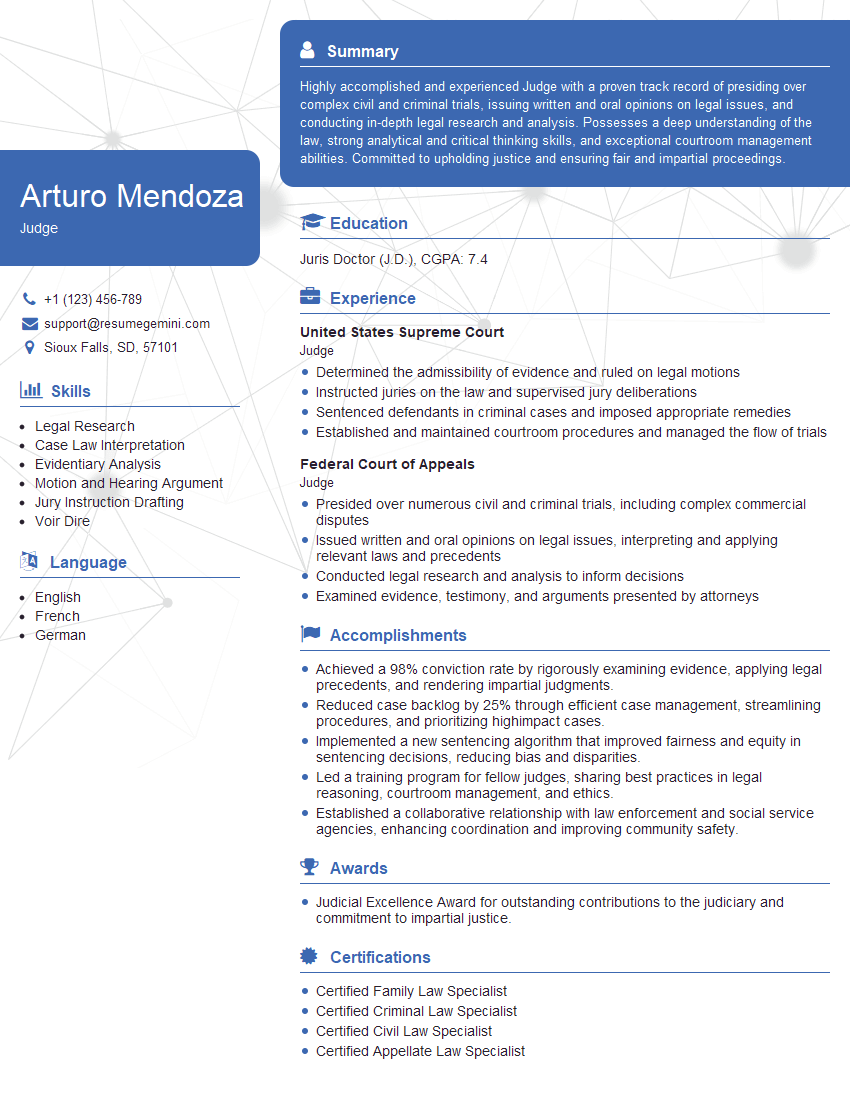
Judge Resume Sample
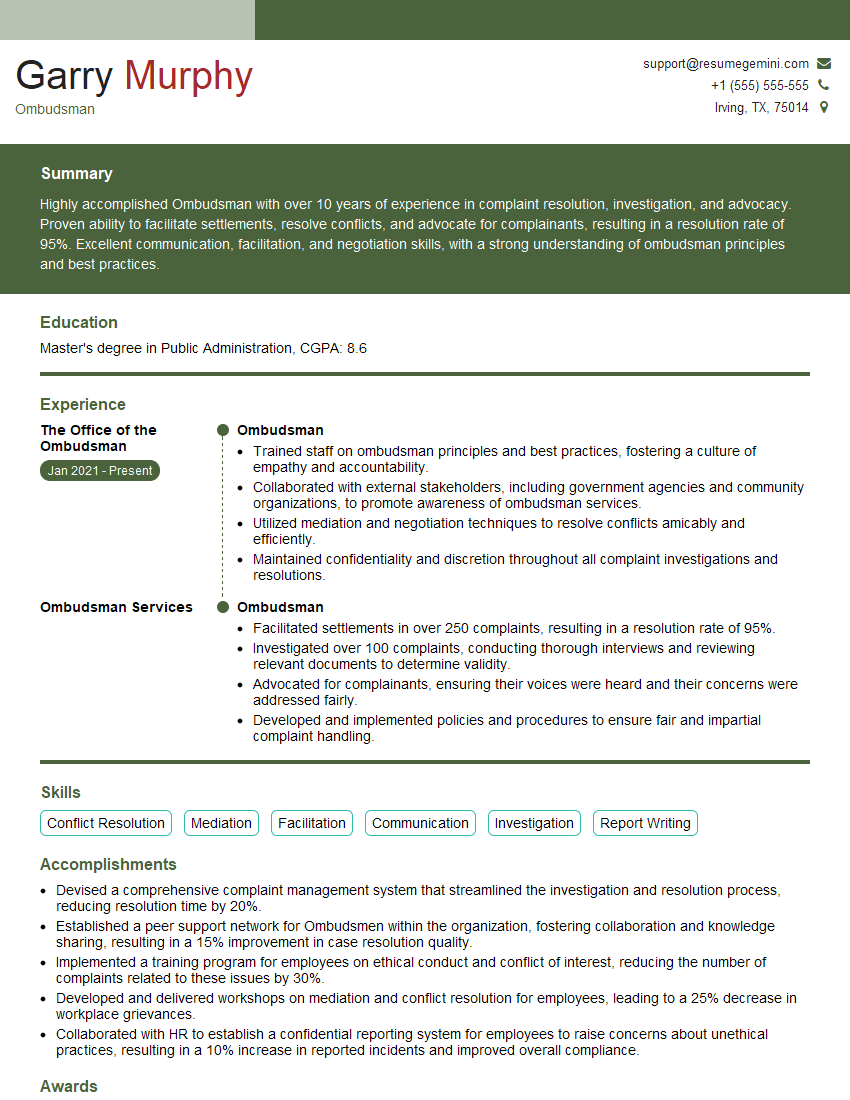
Ombudsman Resume Sample

Criminal Court Judge Resume Sample
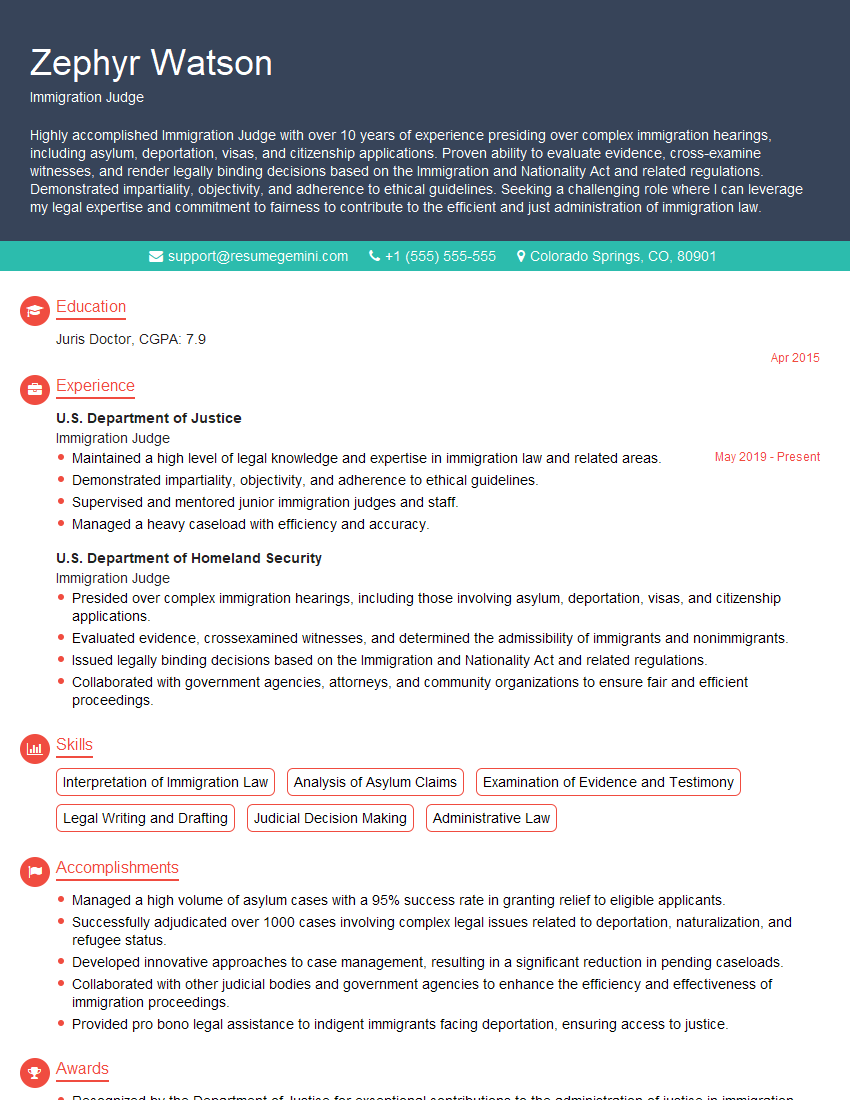
Immigration Judge Resume Sample
Explore more articles
Users Rating of Our Blogs
Share Your Experience
We value your feedback! Please rate our content and share your thoughts (optional).
What Readers Say About Our Blog
Very informative content, great job.
good