Every successful interview starts with knowing what to expect. In this blog, we’ll take you through the top Familiar with Different Types of Carpet Materials interview questions, breaking them down with expert tips to help you deliver impactful answers. Step into your next interview fully prepared and ready to succeed.
Questions Asked in Familiar with Different Types of Carpet Materials Interview
Q 1. What are the main types of carpet fibers?
Carpet fibers are the heart of any carpet, dictating its feel, durability, and overall appearance. The main types fall into natural and synthetic categories.
- Natural Fibers: These include wool, silk, cotton, and jute. Wool is the most common natural fiber used in carpets, prized for its softness, resilience, and natural insulation. Silk offers unparalleled luxury but is less durable and significantly more expensive. Cotton and jute are often used in carpet backing or as inexpensive options for rugs.
- Synthetic Fibers: These are manufactured fibers, offering a wide range of properties and price points. The most prevalent synthetic fibers include nylon, polyester, olefin (polypropylene), and triexta (a newer fiber). Each boasts unique characteristics.
Understanding fiber types is crucial for choosing a carpet that suits your lifestyle and budget. For instance, a high-traffic area might benefit from durable nylon, while a bedroom might appreciate the softer feel of wool.
Q 2. Compare and contrast nylon, polyester, and wool carpets.
Nylon, polyester, and wool represent three popular carpet fiber choices, each with its strengths and weaknesses.
- Nylon: Known for its exceptional durability, stain resistance, and resilience. High-quality nylon carpets can withstand years of heavy foot traffic. However, it can be slightly more expensive than polyester.
- Polyester: Offers excellent softness and a luxurious feel at a more affordable price point than nylon. It’s also naturally stain-resistant. However, it’s generally less durable than nylon and can be more prone to matting with heavy use.
- Wool: A natural fiber prized for its softness, resilience, and inherent stain resistance. It offers excellent insulation and is naturally hypoallergenic. However, wool carpets are typically the most expensive and require more specialized cleaning.
Imagine choosing between these fibers for your living room: A high-traffic family room might favor the durability of nylon, a less-used guest room might opt for the softness of polyester, and a luxurious master bedroom might justify the investment in luxurious wool.
Q 3. Describe the advantages and disadvantages of different carpet backing types.
Carpet backing plays a vital role in the carpet’s overall performance and longevity. Several types exist, each with advantages and disadvantages.
- Jute: A natural fiber backing known for its breathability and affordability. However, it’s less durable than synthetic options and can be susceptible to moisture damage.
- Foam: Provides cushioning and comfort underfoot. It’s relatively inexpensive but can compress over time, reducing its effectiveness.
- ActionBac: A durable synthetic backing offering good stability and resistance to stretching. It is typically more expensive than jute or foam.
- Rubber: Offers excellent moisture resistance and stability. It is a good choice for basements or damp areas. However, it is more expensive than foam or jute.
For instance, a basement carpet requires a moisture-resistant backing like rubber, while a bedroom might suffice with a foam backing for comfort. Choosing the right backing ensures a long-lasting carpet installation appropriate for its environment.
Q 4. How does carpet pile height affect durability and appearance?
Pile height significantly impacts both the appearance and durability of a carpet. Pile height refers to the length of the carpet fibers.
- High Pile: Offers a luxurious, plush feel but can be more susceptible to matting and crushing under heavy traffic. It also traps more dirt and requires more frequent cleaning.
- Low Pile: More durable and easier to maintain. It’s less prone to matting and shows less dirt. However, it may feel less soft and luxurious underfoot.
A high-pile carpet might be ideal for a low-traffic bedroom, providing a soft and luxurious feel. In contrast, a low-pile carpet is better suited for a high-traffic hallway, prioritizing durability and ease of maintenance.
Q 5. Explain the difference between cut pile and loop pile carpets.
Cut pile and loop pile represent the two fundamental styles of carpet pile construction, each providing a distinct aesthetic and functional profile.
- Cut Pile: Fibers are cut to create a plush, soft surface. Different types of cut pile carpets exist (e.g., plush, saxony, frieze), each with a unique texture and appearance. Cut pile carpets are generally softer than loop pile but can be more prone to crushing and matting.
- Loop Pile: Fibers are formed into loops, creating a durable and textured surface. This type of carpet is very resistant to matting and wear. Loop pile carpets come in various styles, such as berber, which is a textured look, or level loop which is a smoother look.
For high-traffic areas, loop pile’s durability is a major advantage. Conversely, the soft luxurious feel of cut pile makes it a desirable option for bedrooms or less-used spaces.
Q 6. What are the common methods of carpet installation?
Carpet installation methods depend on the type of carpet and the subfloor. The two primary methods are:
- Stretch-in installation: This method uses a power stretcher to stretch the carpet tightly over a tackless strip installed around the perimeter of the room. This method provides a tight, wrinkle-free finish. It is common for most carpet installations.
- Glue-down installation: The carpet is glued directly to the subfloor, usually with an adhesive designed for carpets. This method is more commonly used for commercial applications or where a tackless strip installation is not feasible.
The choice depends on factors such as the carpet type, subfloor condition, and the installer’s expertise. Stretch-in is the most common, but glue-down provides superior stability in certain circumstances.
Q 7. Describe the process of measuring for carpet installation.
Accurate measurement is crucial for avoiding waste and ensuring a successful carpet installation. Here’s the process:
- Measure each room: Measure the length and width of each room separately, taking multiple measurements to ensure accuracy. Account for any unusual shapes or obstacles. Round up to the nearest foot to allow for waste.
- Calculate the square footage: Multiply the length and width of each room to determine its square footage. Add the square footage of all rooms to get a total.
- Add waste factor: Add an additional 5-10% to the total square footage to account for waste during cutting and installation. This percentage might increase for rooms with complex shapes or many obstacles.
- Check for doorways and transitions: Measure doorways and transitions between rooms to ensure enough carpet is available to cover these areas.
- Verify measurements: Double-check all measurements to ensure accuracy. Incorrect measurements can lead to significant problems during installation.
Precise measurement is a critical skill for any professional carpet installer. It saves time, material, and prevents costly mistakes on the job.
Q 8. How do you calculate the amount of carpet needed for a room?
Calculating carpet needs is straightforward but requires accuracy. First, measure the length and width of each room you’re carpeting. For rectangular rooms, simply multiply length by width (Length x Width = Square Footage). For irregularly shaped rooms, break them down into smaller, easier-to-measure rectangles or triangles and calculate the area of each section, then add them together. Remember to add extra for waste, typically 5-10%, accounting for cuts, seams, and pattern matching. For example, a 12ft x 15ft room needs 180 square feet (12 x 15 = 180). Adding 10% waste, you’d need approximately 198 square feet (180 x 1.10 = 198).
Example: A living room with a bay window might be split into a rectangle and a semi-circle. Measure the rectangular part, then calculate the area of the semi-circle (πr²/2, where ‘r’ is the radius). Add both areas together. This precise measurement ensures you don’t run short of carpet, a costly mistake.
Q 9. What tools and equipment are needed for carpet installation?
Carpet installation demands specialized tools for a professional finish. These include a power stretcher to ensure the carpet is taut and wrinkle-free, a knee kicker to help stretch the carpet into place, a carpet knife for precise cutting, a seam sealer to create strong, invisible seams, and a measuring tape for accurate measurements. You’ll also need a tack strip remover for removing old tack strips (thin strips of wood with nails that secure the carpet’s edges), and a tack strip installer to install new ones. A carpet pad (underlayment) is also crucial for cushioning and sound insulation.
Safety First: Always wear safety glasses and gloves to protect yourself from sharp objects and potential injuries.
Q 10. How do you handle transitions between different flooring types?
Transitions between flooring types, such as carpet and tile, require careful planning and execution. Several methods are available, depending on the specific situation and desired aesthetic. Transition strips are the most common solution, designed to smoothly bridge the gap between different flooring materials. They come in various styles to match different décor. T-moldings cover the edges of the flooring where they meet, while reducer strips are used when one flooring material is thicker than the other. For a more seamless look, you might use a carpet ramp to create a gradual transition between levels. These methods create a neat and professional finish.
Example: In a kitchen-living room area, a reducer strip might be used to smoothly transition from thicker carpet to thinner tile flooring.
Q 11. What are the common problems encountered during carpet installation?
Several challenges can arise during carpet installation. Improper measurements leading to carpet shortages or excessive waste are common. Uneven subfloors create ripples and bumps in the finished carpet. Difficult room shapes require more precision and skill. Poor seam alignment can result in noticeable and unsightly gaps. Lastly, incorrect stretching causes wrinkles, buckling, and an unprofessional appearance. Careful planning, precise measurements, and a thorough understanding of installation techniques are key to avoiding these issues.
Pro Tip: Always inspect the subfloor thoroughly before starting the installation. Any imperfections need to be addressed before carpet laying.
Q 12. How do you troubleshoot issues like wrinkles, seams, and stretching?
Troubleshooting wrinkles, seams, and stretching issues requires patience and attention to detail. Wrinkles are often caused by insufficient stretching; re-stretching using a power stretcher is usually the solution. If seams are misaligned, carefully remove the section and realign it, then re-seal. Stretching issues can be caused by improper tack strip installation or subfloor imperfections; address the underlying cause first. A properly installed tack strip is crucial for preventing wrinkles and ensuring a snug fit.
Step-by-Step for Wrinkles: 1. Identify the wrinkle’s location. 2. Use a knee kicker or power stretcher to gently lift and stretch the carpet. 3. Secure the stretched section with tack strips. 4. Inspect for any remaining wrinkles and repeat steps 2-3 as needed.
Q 13. What are the best practices for carpet cleaning and maintenance?
Proper carpet cleaning and maintenance extend the life of your carpet and maintain its appearance. Regular vacuuming, at least once or twice a week, is essential to remove dust, dirt, and debris. Immediate spot cleaning of spills is vital to prevent stains from setting. Professional carpet cleaning is recommended every 12-18 months, depending on foot traffic and usage. Avoid harsh chemicals, and use carpet protectors under furniture to prevent indentations and wear. Also, consider using doormats to reduce the amount of dirt tracked onto your carpet.
Example: A high-traffic area like a hallway will require more frequent vacuuming than a less-used spare bedroom.
Q 14. Explain different carpet cleaning methods (e.g., steam cleaning, dry cleaning).
Several carpet cleaning methods exist, each with its own advantages and disadvantages. Steam cleaning (hot water extraction) is a popular method using heated water and detergent to loosen and remove dirt. It’s highly effective but requires drying time. Dry cleaning uses a dry absorbent compound to lift dirt and debris, which is then vacuumed away. It’s quicker drying but may not be as effective at removing deep-seated stains. Bonnet cleaning uses a rotating cleaning head to scrub the carpet surface with cleaning solution. It’s fast but less thorough. The best method depends on the carpet type, the extent of soiling, and personal preferences. Always test any cleaning solution on an inconspicuous area before applying it to the entire carpet.
Note: Always follow the manufacturer’s recommendations for cleaning your specific type of carpet.
Q 15. How do you identify and address common carpet stains?
Identifying and addressing carpet stains requires a systematic approach. First, immediate action is key; the faster you act, the easier it is to remove the stain. Second, identification of the stain source is crucial – is it wine, pet urine, coffee, or something else? Different stains require different treatments. Third, testing any cleaning solution on an inconspicuous area is vital to avoid damage.
- For common spills like juice or coffee: Blot (don’t rub!) the stain with a clean cloth and cold water. Repeat until the stain is lifted. For stubborn stains, a mild detergent solution might be necessary, followed by thorough rinsing and blotting.
- For pet urine: Enzymatic cleaners are essential as they break down the uric acid crystals that cause lingering odors. Apply the cleaner according to the instructions and blot thoroughly. Air drying is crucial to prevent mold growth.
- For grease or oil stains: Use a dish soap solution to break down the grease. Blot gently and repeat as needed. Baking soda can also help absorb excess grease.
- For red wine: Quickly blot with a clean, white cloth. Then, apply a mixture of white vinegar and water to neutralize the stain. Follow with a clean water rinse and blotting.
Remember, always blot, don’t rub, to avoid spreading the stain. For very tough stains or valuable carpets, professional cleaning services are recommended.
Career Expert Tips:
- Ace those interviews! Prepare effectively by reviewing the Top 50 Most Common Interview Questions on ResumeGemini.
- Navigate your job search with confidence! Explore a wide range of Career Tips on ResumeGemini. Learn about common challenges and recommendations to overcome them.
- Craft the perfect resume! Master the Art of Resume Writing with ResumeGemini’s guide. Showcase your unique qualifications and achievements effectively.
- Don’t miss out on holiday savings! Build your dream resume with ResumeGemini’s ATS optimized templates.
Q 16. What safety precautions should be taken during carpet installation?
Carpet installation safety is paramount. Proper safety precautions minimize risks of injury and damage. This includes:
- Proper Personal Protective Equipment (PPE): Always wear safety glasses, work gloves, and dust masks to protect against debris, chemical irritants, and airborne particles.
- Safe Handling of Tools and Materials: Use caution when operating power tools like staple guns and knives. Ensure proper ventilation when using adhesives to avoid inhaling fumes.
- Safe Work Environment: Maintain a clean and organized work area to prevent tripping hazards. Use appropriate lighting to enhance visibility and safety. Secure loose objects or wires that might cause accidents.
- Lifting Techniques: Carpets can be heavy. Use proper lifting techniques to prevent back injuries. Get assistance if needed for larger carpets.
- Fire Safety: Be aware of potential fire hazards associated with certain adhesives and solvents. Ensure adequate ventilation and use fire-resistant materials.
A thorough risk assessment before starting the installation is crucial to identify and mitigate potential hazards specific to the job site.
Q 17. What are the industry standards for carpet installation?
Industry standards for carpet installation vary slightly depending on location and specific project requirements, but generally involve:
- Proper Subfloor Preparation: The subfloor must be clean, level, dry, and free of debris. Any imperfections could lead to unevenness or premature wear of the carpet.
- Accurate Measurement and Cutting: Precise measurements are vital to ensure a proper fit. Seams should be carefully aligned and properly joined using appropriate adhesive or techniques.
- Appropriate Installation Methods: The chosen installation method (stretch-in, direct glue-down, or tackless strip) depends on the type of carpet and subfloor. Each method has specific requirements for proper execution.
- Seamless Transitions: Seams should be invisible or minimally noticeable. Proper stretching and seaming techniques are crucial to prevent ripples and bumps.
- Adherence to Manufacturer’s Instructions: Always follow the manufacturer’s instructions for the specific carpet and adhesive being used. This ensures optimal performance and warranty validity.
- Proper Waste Disposal: Carpet scraps and packaging should be disposed of responsibly and in accordance with local regulations.
Professional installers are familiar with these standards and often have certifications to demonstrate their proficiency.
Q 18. How do you ensure a professional and high-quality carpet installation?
Ensuring a high-quality carpet installation involves meticulous attention to detail at every stage. This begins with thorough communication with the client to understand their needs and expectations. Then:
- Precise Measurements and Planning: Accurate measurements and a detailed layout plan minimize waste and ensure a perfect fit.
- Subfloor Preparation: Addressing any subfloor imperfections before installation prevents future problems. This includes leveling, cleaning, and moisture mitigation.
- Proper Installation Techniques: Using the correct installation method and tools ensures the carpet is securely fastened and lays flat.
- Seamless Transitions and Finishes: Invisible or minimally noticeable seams and neat trim work create a professional and polished look.
- Quality Control Checks: A thorough final inspection identifies and rectifies any imperfections before the client approves the job.
- Client Communication: Open communication with the client throughout the installation process keeps them informed and addresses any concerns promptly.
Following these steps elevates a carpet installation project beyond mere functionality to a superior aesthetic and lasting quality.
Q 19. Describe your experience with different carpet brands and manufacturers.
My experience encompasses a wide range of carpet brands and manufacturers, including well-known names like Shaw, Mohawk, and Stainmaster. Each manufacturer offers unique product lines with varying fiber types, constructions, and warranties. For example, Shaw offers both high-end luxury carpets and more affordable options catering to a diverse market.
Mohawk is known for its innovation in fiber technology, often incorporating stain-resistant and durable fibers into their products. Stainmaster is renowned for its exceptional stain-resistance, specifically targeting families and high-traffic areas. I’ve worked extensively with all three and others, gaining practical insights into their strengths and weaknesses to provide informed recommendations to clients.
My understanding also extends to lesser-known but reputable brands, allowing me to offer clients a diverse selection to meet specific needs and budgets.
Q 20. How do you stay updated on new carpet materials and installation techniques?
Staying current in the carpet industry requires continuous learning. I actively engage in several strategies:
- Industry Publications and Trade Shows: I regularly read industry publications like Floor Covering Weekly and attend trade shows like Surfaces to learn about new products and installation techniques.
- Manufacturer Websites and Training Programs: I access manufacturer websites to stay updated on product specifications, warranties, and installation guidelines. I also participate in their training programs whenever possible.
- Networking with Other Professionals: Engaging with other installers and industry experts through professional organizations helps to share best practices and learn about new trends.
- Online Courses and Certifications: Many online platforms offer courses on carpet installation and related topics. Pursuing these certifications demonstrates a commitment to professional development.
This multi-faceted approach ensures I am consistently equipped with the most up-to-date knowledge and skills.
Q 21. What are some sustainable or eco-friendly carpet options?
The carpet industry is increasingly focused on sustainability and eco-friendly options. Several noteworthy choices exist:
- Recycled Content Carpets: These carpets incorporate recycled materials in their production, reducing landfill waste and minimizing environmental impact. Some carpets are made from 100% recycled content.
- Natural Fiber Carpets: Options such as wool, sisal, and jute offer natural, biodegradable alternatives to synthetic carpets. Wool, in particular, is naturally stain-resistant and durable.
- Low-VOC Carpets: Volatile organic compounds (VOCs) can negatively affect indoor air quality. Low-VOC carpets are designed to minimize these emissions, creating a healthier home environment.
- Carpeting made from rapidly renewable resources: Bamboo and Seagrass are increasingly popular choices for sustainable carpeting.
When choosing eco-friendly carpets, consider the entire lifecycle, from material sourcing to manufacturing and disposal. Look for certifications like CRI Green Label Plus, which indicates low VOC emissions.
Q 22. How do you handle customer complaints or installation issues?
Handling customer complaints and installation issues requires a calm, professional approach. My first step is always active listening – understanding the customer’s concerns fully before offering solutions. I empathize with their frustration and assure them I’m committed to resolving the problem. This often involves carefully examining the situation, taking photos if necessary, and determining the root cause. Issues could range from minor imperfections to significant installation flaws. For minor issues, like a slight seam discrepancy, I offer immediate solutions such as minor adjustments or explanations of industry standards. For more significant issues, I would document everything meticulously and work with the relevant parties – suppliers, installers, or management – to determine the best course of action, whether it’s a repair, replacement, or a partial refund. Transparency and open communication are key throughout the process. I aim to keep the customer informed every step of the way, managing their expectations effectively. The goal is always customer satisfaction; finding a fair resolution that leaves them feeling heard and valued.
Q 23. Describe a time you had to problem-solve a challenging carpet installation.
One challenging installation involved a high-end, custom-designed carpet in a historic home with uneven subfloors. The client had chosen a luxurious, thick wool carpet, which accentuated the imperfections in the floor. Simply laying the carpet would have resulted in bunching and an unsatisfactory look. My solution involved a multi-step process. First, I carefully assessed the subfloor, meticulously documenting the discrepancies. Then, I consulted with the client to explain the options. We decided on a combination of techniques: levelling the most significant imperfections using self-levelling compound and strategically using a thicker, high-density padding to mitigate smaller inconsistencies. This involved careful planning and precise execution to ensure a smooth, even finish without compromising the integrity of the historic home. The extra effort paid off; the final result was a beautifully installed carpet that met the client’s high expectations, showcasing the professionalism and expertise of our team.
Q 24. What is your experience with different carpet padding types and their functions?
Carpet padding plays a crucial role in the overall performance and longevity of a carpet installation. Different padding types offer distinct benefits. For example, rebonded foam is an economical choice, offering decent cushioning but with a shorter lifespan. high-density foam provides superior cushioning and durability, making it ideal for high-traffic areas. memory foam offers exceptional comfort and sound dampening, although it tends to be more expensive. rubber padding is highly durable and provides excellent moisture resistance, making it a good choice for basements or humid climates. Finally, felt padding is a natural fiber option known for its breathability, but it’s less resilient to wear and tear. The choice of padding depends heavily on factors such as the carpet type, the room’s intended use, and the customer’s budget. A thicker, more resilient padding will provide better comfort, insulation, and extend the life of the carpet, especially in high-traffic areas.
Q 25. What are the considerations for carpet installation in high-traffic areas?
High-traffic areas demand special consideration during carpet installation. The choice of carpet fiber is paramount – durable materials like nylon or polyester are far more resilient than softer fibers like wool. High-density padding is also essential to distribute weight and minimize wear and tear. Seaming should be carefully planned and executed to minimize visible seams in high-traffic zones. Additionally, we need to advise clients on regular maintenance, including vacuuming frequently with a quality vacuum cleaner and prompt stain treatment to prevent permanent damage. For extremely high-traffic areas, a commercial-grade carpet might be recommended for its superior durability and stain resistance. A proactive approach to installation and maintenance can significantly extend the life of a carpet in a heavily used area.
Q 26. How familiar are you with carpet warranties and guarantees?
I am very familiar with carpet warranties and guarantees. Understanding these is crucial for both customer satisfaction and avoiding potential disputes. Warranties typically cover manufacturing defects, such as faulty fibers or weaving errors. They often specify coverage periods and limitations, such as exclusions for stains, improper maintenance, or damage caused by pets. It’s important to explain these terms clearly to the customer, ensuring they understand what is and isn’t covered. Guarantees, on the other hand, might relate to installation quality or workmanship. My role includes ensuring the installation adheres to the manufacturer’s guidelines and industry best practices to avoid warranty disputes. I always advise customers to retain all relevant documentation, including the warranty certificates and installation receipts. Providing clear, upfront information about warranties and guarantees is a critical aspect of building trust and ensuring a positive customer experience.
Q 27. What is your understanding of different carpet styles (e.g., Berber, plush) and their applications?
Different carpet styles cater to various needs and aesthetic preferences. Berber carpets, known for their textured loops, are durable and hide dirt well, making them ideal for high-traffic areas. Plush carpets feature a dense, luxurious pile, offering exceptional comfort but potentially showing foot traffic more readily. Saxony carpets have a slightly twisted pile, giving a smooth, elegant appearance. Frieze carpets, with their heavily twisted yarns, are exceptionally durable and stain-resistant. Cut-and-loop carpets combine both cut and looped pile, offering a blend of texture and durability. Understanding the characteristics of each style helps in recommending the best fit for a specific application. For instance, a Berber carpet would be suitable for a family home with children and pets, while a plush carpet might be more appropriate for a formal living room. My knowledge of different styles allows me to guide clients toward the optimal choice based on their lifestyle and aesthetic preferences.
Q 28. How do you manage your time and prioritize tasks during a carpet installation project?
Time management is crucial during carpet installations. I typically start by creating a detailed project plan, including measurements, material requirements, and a step-by-step timeline. This ensures everything is organized and coordinated. I prioritize tasks based on their urgency and interdependence. For instance, subfloor preparation must precede carpet installation. I utilize tools like scheduling software to monitor progress and adjust the schedule as needed. Effective communication with the client and the installation team is key to avoiding delays and ensuring a smooth workflow. I delegate tasks appropriately when working with a team, ensuring everyone understands their roles and responsibilities. Flexibility is important, too; unexpected challenges might necessitate adapting the schedule. The ultimate goal is to complete the project efficiently and within the agreed-upon timeframe, while maintaining high standards of quality.
Key Topics to Learn for Familiar with Different Types of Carpet Materials Interview
- Fiber Types: Understanding the properties of nylon, polyester, wool, olefin, and triexta; their durability, stain resistance, and cost-effectiveness. Consider the advantages and disadvantages of each for different applications.
- Carpet Construction: Become familiar with tufted, woven, and knitted carpets; their manufacturing processes and impact on durability, texture, and appearance. Be prepared to discuss the differences in pile height, density, and twist.
- Carpet Backing: Know the various types of carpet backing materials (e.g., jute, polypropylene, foam) and their influence on carpet stability, longevity, and installation methods. Understand how different backings affect the overall cost and performance.
- Carpet Installation Methods: Gain practical knowledge of different installation techniques (stretching, gluing, stapling) and their suitability for various carpet types and subfloors. Be able to discuss potential challenges and solutions.
- Carpet Maintenance and Cleaning: Understand the best cleaning methods for different carpet types and how to address common stains and spills. Be prepared to discuss preventative maintenance strategies and the importance of regular vacuuming.
- Carpet Selection for Specific Applications: Learn how to advise clients on choosing the right carpet based on factors such as traffic level, lifestyle, and budget. Consider factors like moisture resistance and sound absorption.
- Sustainability and Environmental Impact: Familiarity with eco-friendly carpet materials and manufacturing processes. Discuss certifications and sustainable practices within the industry.
Next Steps
Mastering the nuances of carpet materials is crucial for career advancement in flooring sales, installation, or design. A strong understanding of these topics will significantly enhance your interview performance and demonstrate your expertise to potential employers. Creating an ATS-friendly resume is vital for maximizing your job prospects. We strongly recommend using ResumeGemini to craft a professional and impactful resume that highlights your skills and experience effectively. ResumeGemini offers examples of resumes tailored specifically to roles requiring familiarity with different types of carpet materials, ensuring your application stands out.

Home Improvement Contractor Resume Sample
Property Manager Resume Sample
Real Estate Agent Resume Sample
Interior Decorator Resume Sample

Interior Designer Resume Sample
Draper Resume Sample
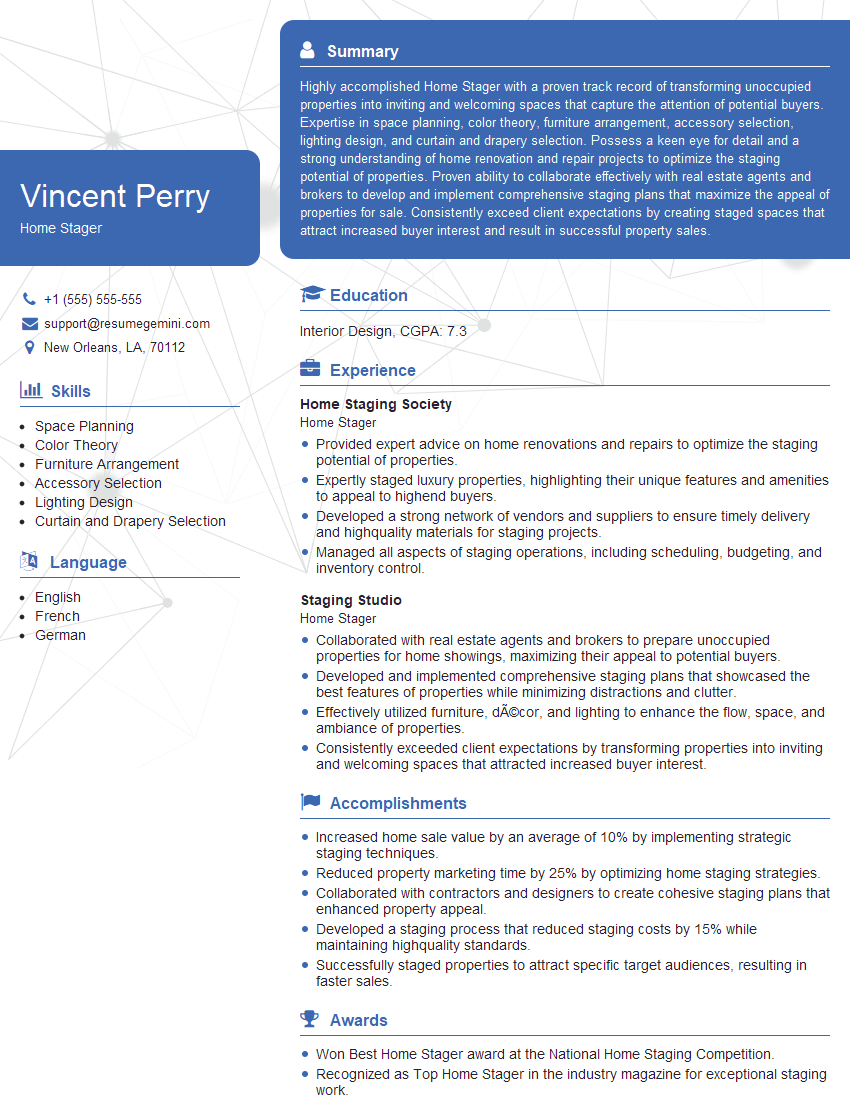
Home Stager Resume Sample
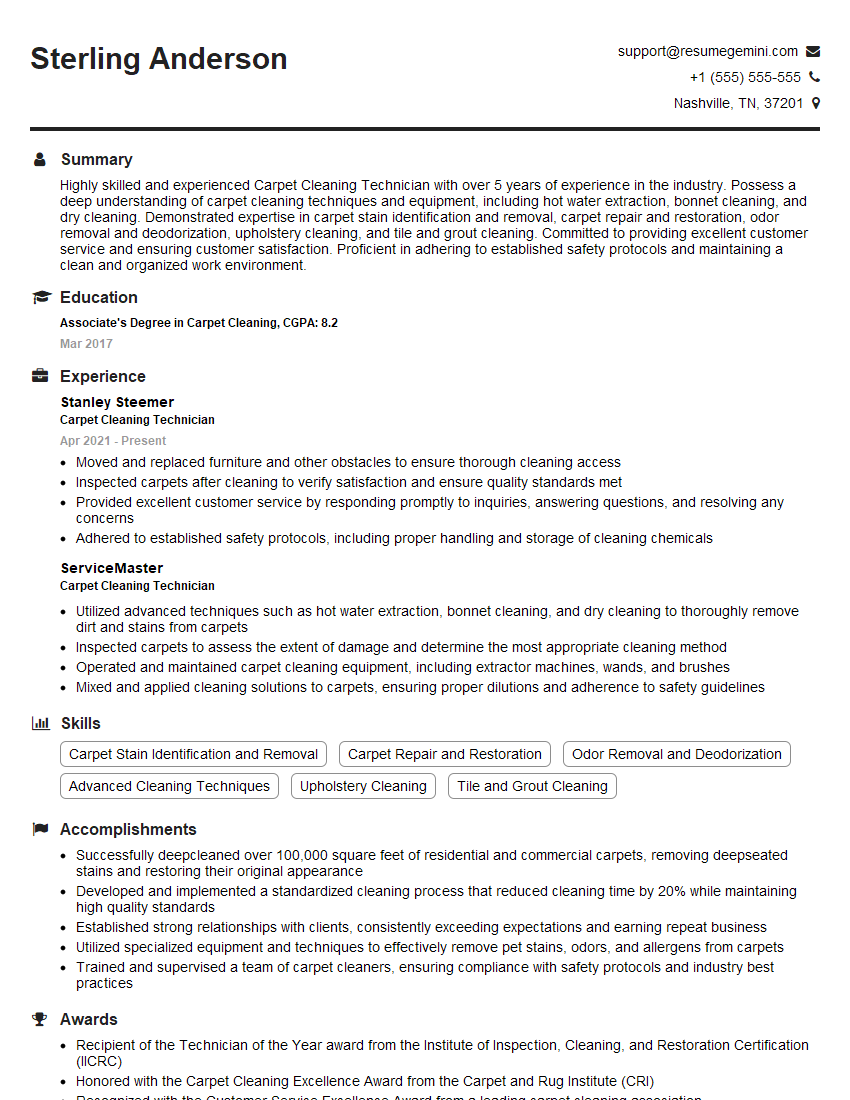
Carpet Cleaning Technician Resume Sample
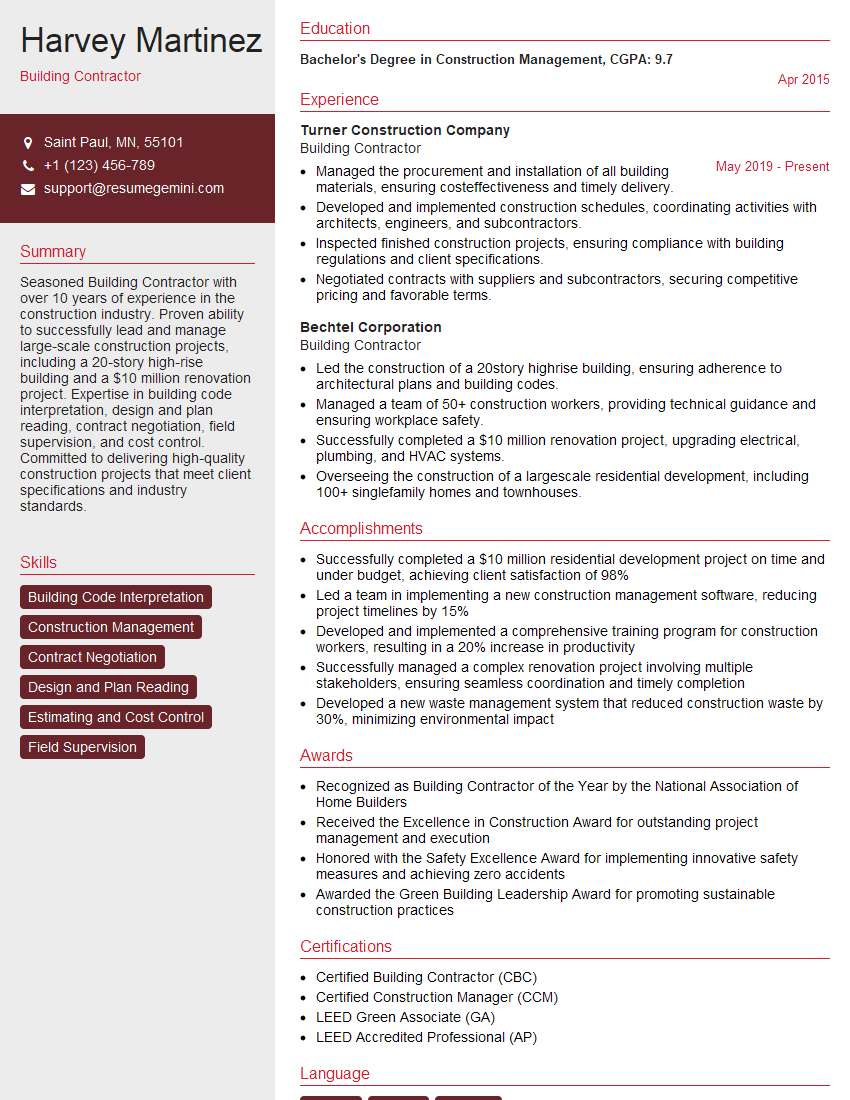
Building Contractor Resume Sample
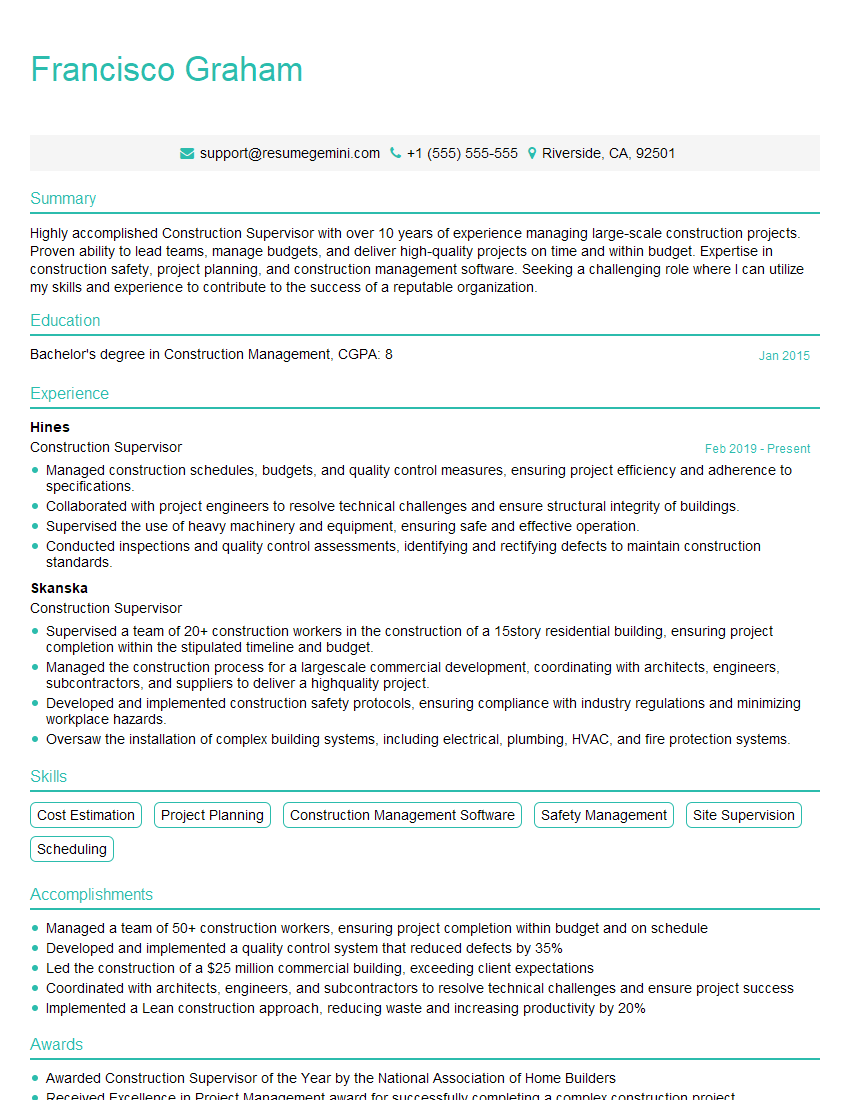
Construction Supervisor Resume Sample
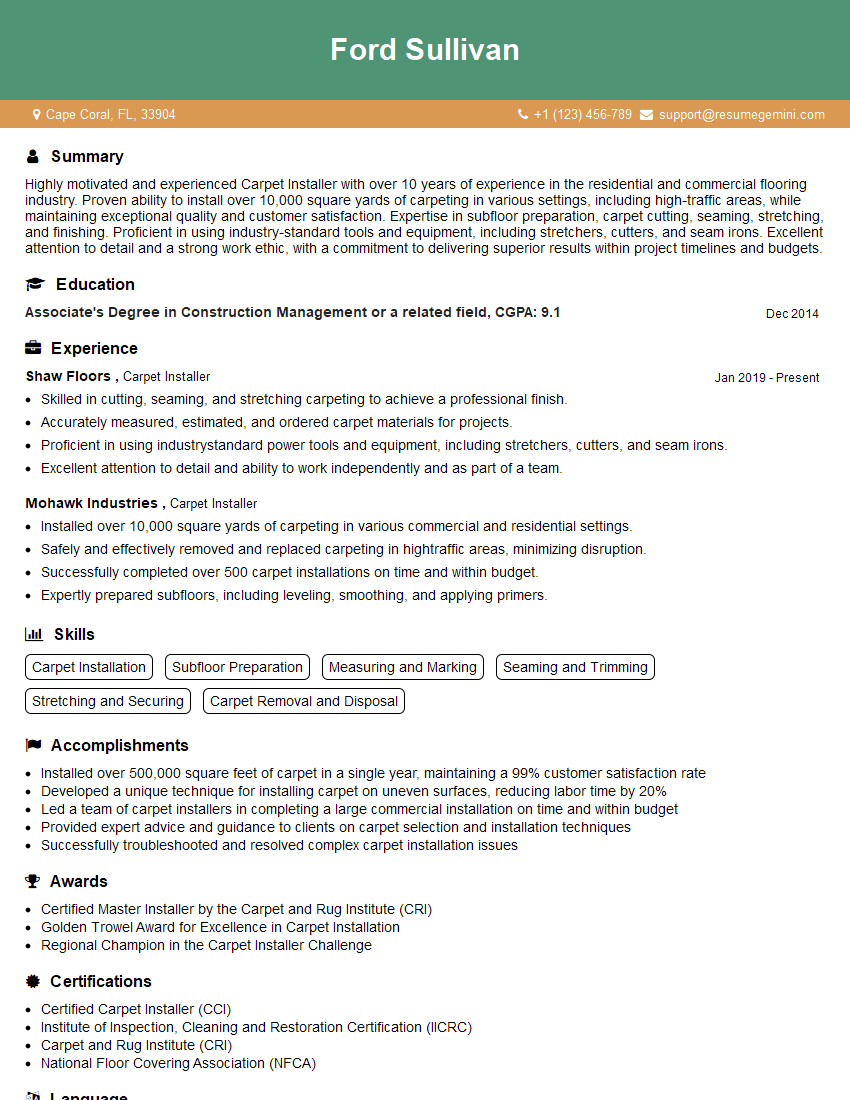
Carpet Installer Resume Sample
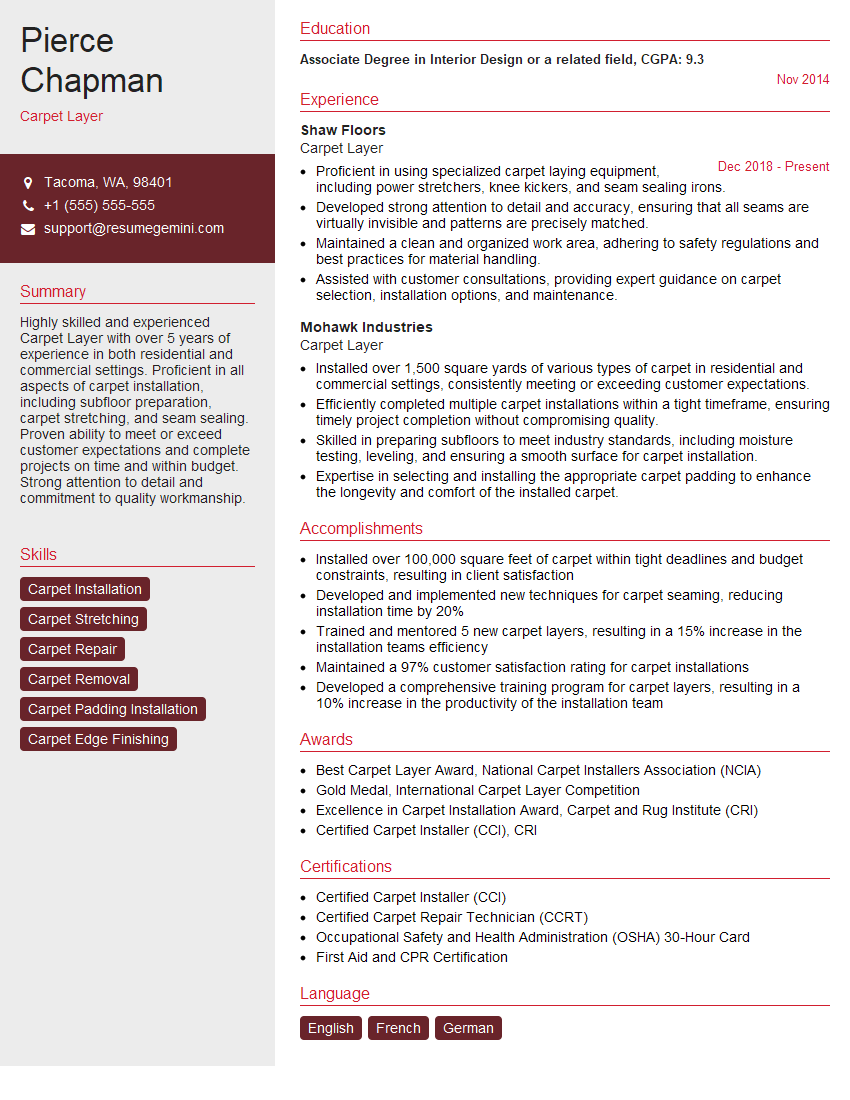
Carpet Layer Resume Sample
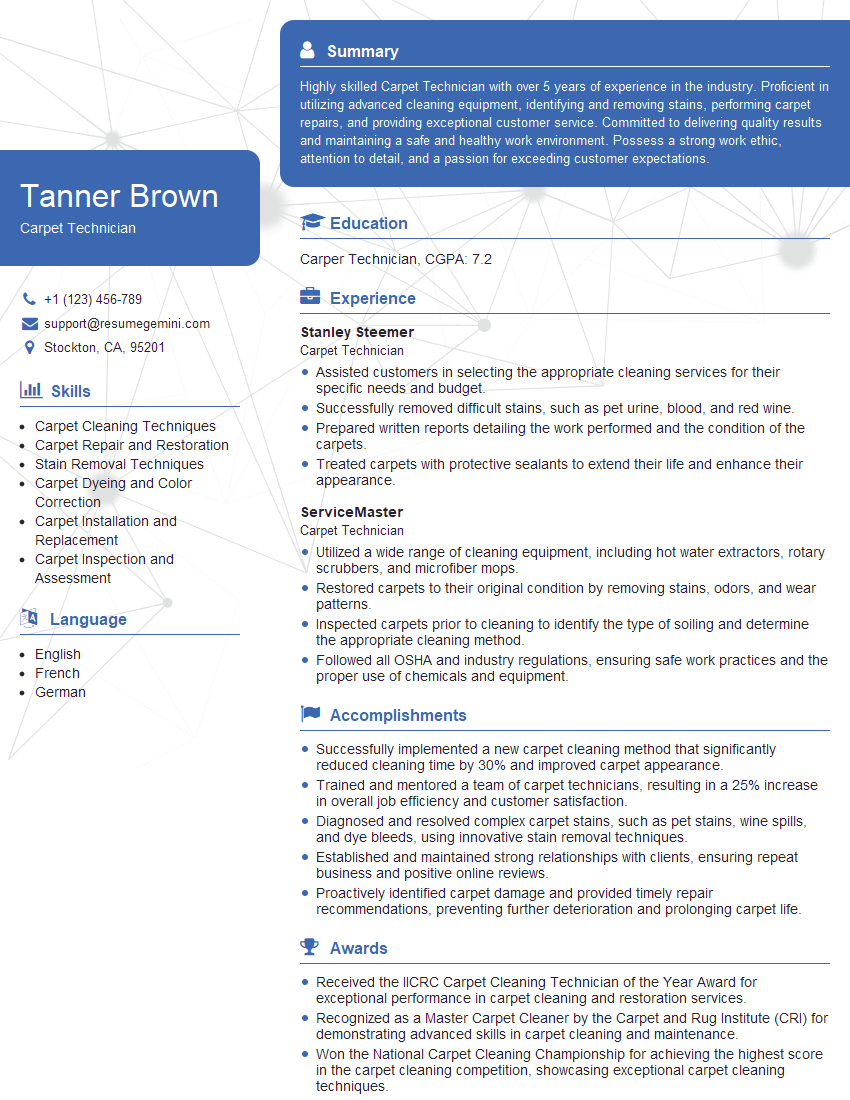
Carpet Technician Resume Sample

Floor Covering Installer Resume Sample
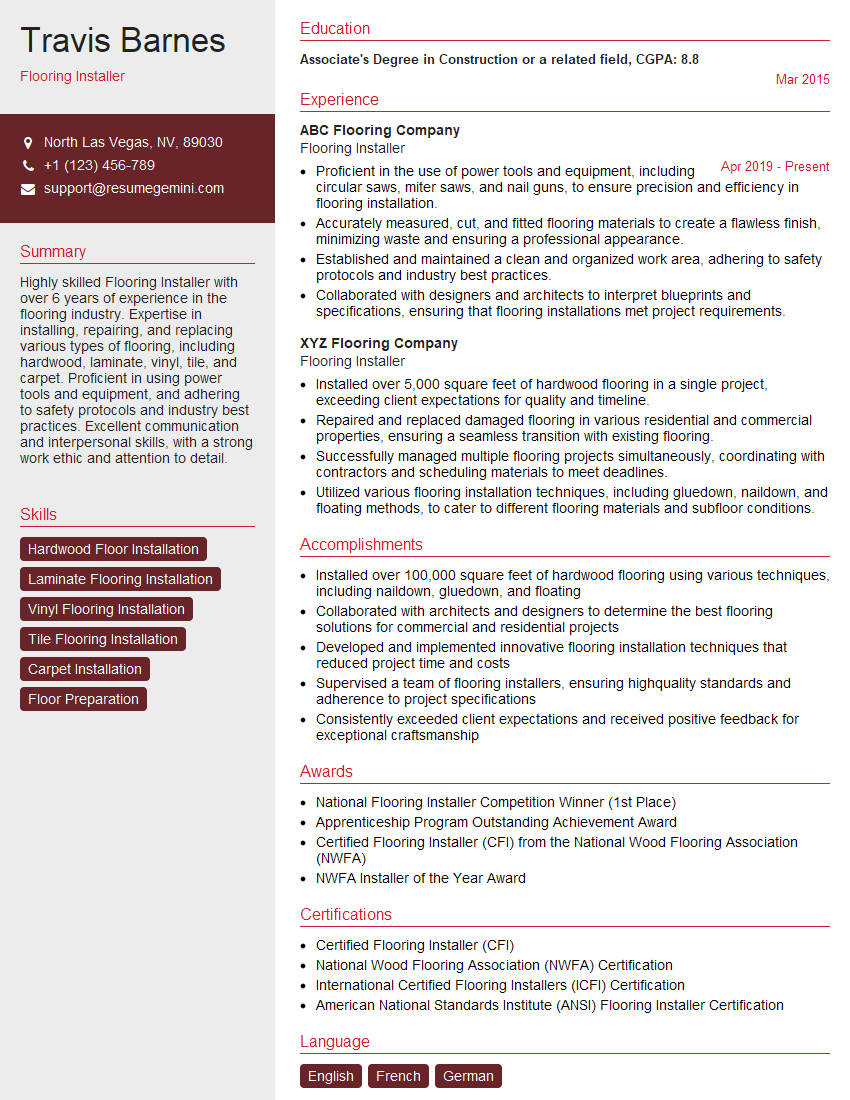
Flooring Installer Resume Sample
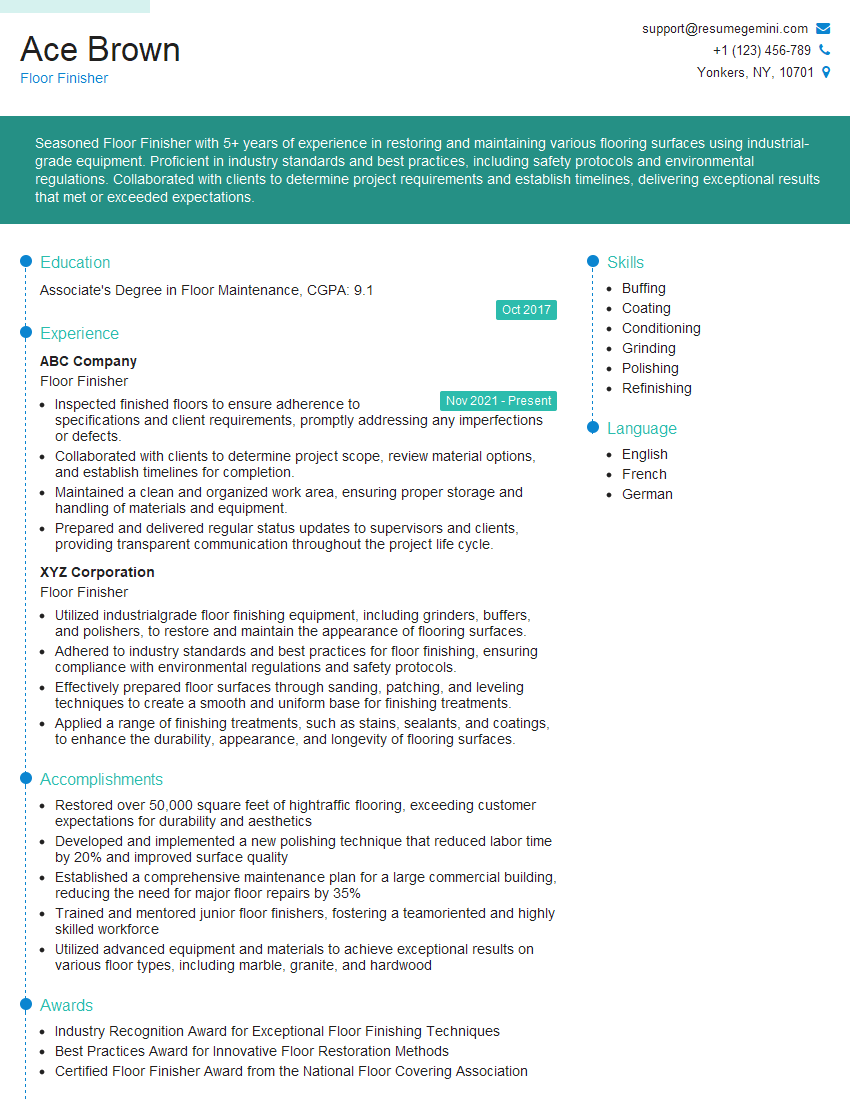
Floor Finisher Resume Sample
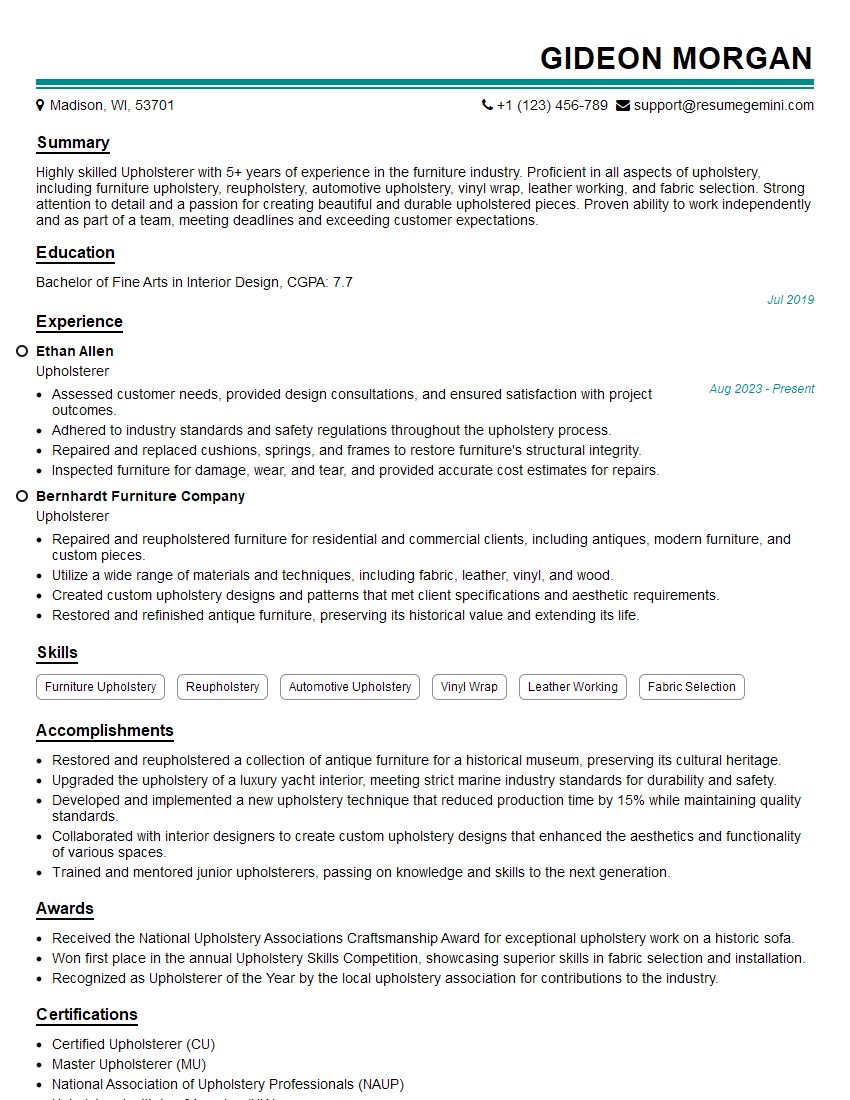
Upholsterer Resume Sample
- Home Improvement Contractor
- Property Manager
- Real Estate Agent
- Interior Decorator
- Interior Designer
- Draper
- Home Stager
- Carpet Cleaning Technician
- Building Contractor
- Construction Supervisor
- Carpet Installer
- Carpet Layer
- Carpet Technician
- Floor Covering Installer
- Flooring Installer
- Floor Finisher
- Upholsterer
Explore more articles
Users Rating of Our Blogs
Share Your Experience
We value your feedback! Please rate our content and share your thoughts (optional).
What Readers Say About Our Blog
Very informative content, great job.
good