The thought of an interview can be nerve-wracking, but the right preparation can make all the difference. Explore this comprehensive guide to Familiar with MILSTD and ISO Standards interview questions and gain the confidence you need to showcase your abilities and secure the role.
Questions Asked in Familiar with MILSTD and ISO Standards Interview
Q 1. Explain the difference between MIL-STD-461 and MIL-STD-704.
MIL-STD-461 and MIL-STD-704 are both military standards related to electromagnetic compatibility (EMC), but they focus on different aspects. MIL-STD-461, “Requirements for the Control of Electromagnetic Interference Characteristics of Subsystems and Equipment,” specifies the limits and test methods for electromagnetic interference (EMI) and electromagnetic susceptibility (EMS) of military equipment. Think of it as setting the acceptable noise levels for a piece of equipment in a noisy environment. On the other hand, MIL-STD-704, “Aircraft Electric Power Characteristics,” defines the electrical power characteristics that aircraft power systems must provide, and how equipment must interface with those power systems. This ensures that equipment can operate reliably and safely within the aircraft’s electrical environment. In essence, MIL-STD-461 focuses on managing interference, while MIL-STD-704 focuses on providing and managing power.
For example, a radar system might need to meet the EMI limits defined in MIL-STD-461 to avoid interfering with other systems on an aircraft. Simultaneously, it also needs to be designed to operate correctly with the power characteristics specified in MIL-STD-704 to function properly.
Q 2. Describe your experience with ISO 9001 quality management systems.
I have extensive experience working within ISO 9001 quality management systems. In my previous role at [Previous Company Name], I was responsible for the implementation and maintenance of our ISO 9001:2015 certified Quality Management System (QMS). This involved developing and updating documented procedures, conducting internal audits, managing corrective and preventive actions (CAPA), and ensuring compliance with all relevant requirements. We implemented a system using a combination of paper-based and digital documentation. This included meticulously documenting processes, training materials, and records related to quality management. A significant part of my responsibility was ensuring that all processes aligned with the PDCA (Plan-Do-Check-Act) cycle and that continuous improvement was actively promoted.
A key project involved streamlining our product development process, which reduced lead times by 15% and improved product quality. This involved mapping all processes, identifying bottlenecks, and implementing improvements based on data analysis and feedback from internal and external audits. My experience extends to training employees on the importance of adhering to quality procedures and documentation requirements. We achieved consistent certification renewal through robust compliance management.
Q 3. How familiar are you with the different classes of environmental testing defined in MIL-STD-810?
MIL-STD-810, “Environmental Engineering Considerations and Laboratory Tests,” defines various environmental test methods to assess the environmental robustness of military equipment. It categorizes these tests into several environmental factors, each with different severity levels. I’m very familiar with these classes, including:
- High and Low Temperatures: Tests for operation and storage at extreme temperatures.
- Humidity: Tests the effect of varying humidity levels on equipment.
- Altitude: Evaluates the performance at high altitudes and the effects of reduced atmospheric pressure.
- Rain: Tests the equipment’s ability to withstand rain and water ingress.
- Solar Radiation: Assesses the effect of solar radiation on equipment performance.
- Shock and Vibration: Tests the equipment’s ability to withstand shock and vibration during transportation or operation. Different vibration profiles mimic various operational environments.
- Fungus: Evaluates resistance to fungus growth, especially important in tropical climates.
- Sand and Dust: Tests the effects of abrasive particles and dust on equipment functionality.
Understanding these classes is critical for designing and qualifying military equipment for intended operational environments. Each test method within a class has specific procedures and acceptance criteria. The choice of tests and severity levels depends on the intended application and operational profile of the equipment. For instance, equipment intended for desert deployment would require more rigorous sand and dust testing than equipment deployed in a temperate climate.
Q 4. What is your experience with conducting internal audits against ISO standards?
I have considerable experience conducting internal audits against ISO standards, specifically ISO 9001 and ISO 14001. In my previous role, I led the internal audit program, developing audit plans, conducting audits, documenting findings, and reporting to management. I have a thorough understanding of audit techniques, including the use of checklists, sampling, and observation. I am adept at identifying non-conformities, documenting them thoroughly, and verifying corrective actions. I am also skilled in utilizing audit software to manage findings and track corrective actions. I always strive to be objective and impartial during the audit process. My goal isn’t simply to find issues, but also to assess the effectiveness of the system and identify areas for improvement.
For instance, during a recent audit, I identified a weakness in our document control system. The root cause was inadequate training for employees on the proper procedures for creating and revising documents. This was addressed through the implementation of a new training program and improvements to the document control system itself.
Q 5. Explain the significance of traceability in a quality management system.
Traceability in a quality management system is crucial for ensuring that all processes and products can be tracked throughout their lifecycle. It’s like leaving a breadcrumb trail so you can always find your way back to the source of a problem or the history of a product. This involves maintaining records that allow you to identify the origin of materials, the steps involved in production, and the history of inspections and tests performed. This is particularly critical in regulated industries such as medical devices or aerospace. Think about a potential product recall. Without robust traceability, it becomes incredibly difficult, if not impossible, to determine which specific batches are affected and to take effective action.
Examples of traceability mechanisms include batch numbers, serial numbers, unique identifiers, and detailed production records. A well-designed traceability system enables effective control, facilitates corrective actions, and supports regulatory compliance. The lack of traceability can lead to significant financial losses, reputational damage, and even safety risks.
Q 6. How would you address a non-conformity discovered during a quality inspection?
Addressing a non-conformity discovered during a quality inspection follows a structured approach. Firstly, I would immediately isolate the non-conforming product or process to prevent further issues. Secondly, I would thoroughly investigate the root cause of the non-conformity using tools like 5 Whys or fishbone diagrams. Thirdly, based on the root cause analysis, I would determine the appropriate corrective action. This could involve reworking the product, replacing faulty components, revising processes, or retraining personnel. Fourthly, I would implement the corrective action and verify its effectiveness. Finally, all findings and actions are thoroughly documented in a non-conformity report.
For example, if a non-conformity involves a batch of parts with incorrect dimensions, I would quarantine the affected parts, investigate why the wrong dimensions were produced (e.g., machine malfunction, incorrect tooling, operator error), take corrective actions such as recalibrating the machine or retraining the operator, and then verify that the corrective action solved the problem through further testing. The entire process would be documented, including the non-conformity, root cause, corrective actions, and verification results.
Q 7. Describe your experience implementing corrective and preventive actions (CAPA).
I have significant experience implementing Corrective and Preventive Actions (CAPA). This is a systematic approach to identifying and resolving quality issues, preventing recurrence, and improving the overall effectiveness of the quality management system. My approach follows a defined workflow: identify the problem, conduct a root cause analysis, implement a corrective action to resolve the immediate problem, and develop a preventive action to stop it from happening again. I’m experienced in using various root cause analysis techniques such as 5 Whys, Ishikawa diagrams (fishbone diagrams), and fault tree analysis. I utilize a CAPA tracking system to monitor the progress of each action, ensuring timely completion and verification of effectiveness.
For example, if a recurring problem is identified with a specific type of failure in a product, I would use a fishbone diagram to analyze potential causes such as material defects, design flaws, manufacturing processes, or handling procedures. The corrective action may involve replacing the faulty component, and the preventive action may involve implementing stricter quality checks during material inspection or improving the manufacturing process. This process includes documenting all actions, monitoring the results, and verifying the effectiveness of implemented CAPAs to prevent future occurrences.
Q 8. What are the key elements of a robust quality control plan?
A robust quality control plan is the backbone of any successful manufacturing or service-oriented operation. It’s not just about detecting defects; it’s about preventing them in the first place. Key elements include:
- Clearly Defined Quality Standards: These should be specific, measurable, achievable, relevant, and time-bound (SMART). For example, a standard might be ‘less than 2% defect rate in final assembly’. These standards often align with industry benchmarks like MIL-STD-461 for electromagnetic compatibility or ISO 9001 for quality management systems.
- Preventive Measures: Proactive steps to stop defects before they occur. This involves thorough design reviews (DFM), rigorous supplier selection, and employee training programs. Think of it like regular car maintenance – it prevents larger, more costly issues down the line.
- Inspection and Testing Procedures: Clearly defined methods for inspecting raw materials, work-in-progress, and finished products. This might include visual inspections, dimensional checks, functional testing, or even destructive testing depending on the product’s criticality. MIL-STD-810 testing protocols are a great example of rigorous environmental testing procedures.
- Corrective Actions: A defined process for identifying, analyzing, and resolving defects. This usually involves root cause analysis (RCA), as discussed in the next question, to prevent recurrence. Proper documentation of corrective actions is crucial for traceability and continuous improvement.
- Data Collection and Analysis: Regular monitoring of key quality indicators (KPIs) such as defect rates, yield rates, and customer complaints. This data helps to identify trends and areas for improvement. Statistical Process Control (SPC) techniques, such as control charts, are invaluable here.
- Continuous Improvement: A commitment to ongoing improvement through regular reviews of the quality control plan, feedback from employees and customers, and the implementation of corrective and preventive actions. This often involves methodologies like Kaizen or Six Sigma.
Q 9. How do you ensure compliance with regulatory requirements?
Ensuring compliance with regulatory requirements is paramount. It involves a multi-faceted approach:
- Thorough Understanding of Regulations: Identify all applicable regulations, standards, and codes, whether it’s industry-specific standards (like MIL-STD standards for military applications) or broader requirements (such as ISO standards for environmental management or quality management). This understanding should extend to the spirit of the standards as well as the letter.
- Implementation of Compliance Processes: Develop and implement processes and procedures that ensure adherence to the regulations. This might include creating specific work instructions, checklists, and training programs. For example, documenting every step of a process to ensure traceability and reproducibility, as required by many ISO standards.
- Documentation and Record Keeping: Meticulous documentation is essential for demonstrating compliance. This includes maintaining records of inspections, tests, corrective actions, and training. ISO standards place a heavy emphasis on the quality and integrity of documentation.
- Regular Audits and Reviews: Conduct internal audits and management reviews to ensure that compliance processes are effective and identify areas for improvement. Regular third-party audits also provide independent validation of compliance.
- Proactive Monitoring: Stay informed about changes in regulations and standards and proactively update processes and documentation accordingly. Subscription to regulatory updates and participation in industry forums are crucial.
- Corrective Action Implementation: If a non-compliance is identified, immediately implement corrective actions to resolve the issue and prevent recurrence. Thorough root cause analysis is essential in these situations.
Failure to comply can result in significant penalties, including fines, legal action, and reputational damage. A proactive, documented approach to compliance is crucial.
Q 10. Explain the concept of root cause analysis and its application in quality management.
Root cause analysis (RCA) is a systematic approach to identifying the underlying causes of problems or defects. Instead of just addressing symptoms, RCA digs deeper to find the root issues, preventing recurrence. Think of it like a doctor diagnosing an illness – they don’t just treat the symptoms, they identify the cause.
Application in Quality Management:
- Defect Prevention: By identifying the root cause, preventive measures can be implemented to prevent similar issues from occurring in the future. This is far more efficient than simply fixing the immediate problem.
- Improved Efficiency: Addressing the root cause often leads to more effective and lasting solutions, preventing wasted time and resources on repeatedly fixing the same problem.
- Enhanced Customer Satisfaction: By preventing defects and improving product quality, RCA contributes to higher customer satisfaction and loyalty.
Common RCA techniques include:
- 5 Whys: Repeatedly asking ‘why’ to drill down to the root cause. For example: ‘The product failed.’ Why? ‘Because a component malfunctioned.’ Why? ‘Because the component was improperly manufactured.’ And so on.
- Fishbone Diagram (Ishikawa Diagram): A visual tool that helps to brainstorm and identify potential causes of a problem, categorized by factors like materials, methods, manpower, machinery, and environment.
- Fault Tree Analysis (FTA): A top-down approach that identifies all possible causes that can lead to a specific failure. Often used for safety-critical systems.
Effective RCA requires a structured approach, data gathering, and collaboration among various teams.
Q 11. Describe your experience with Failure Mode and Effects Analysis (FMEA).
Failure Mode and Effects Analysis (FMEA) is a proactive risk assessment technique used to identify potential failure modes in a system or process, assess their severity, and implement preventative measures. It’s a crucial tool in design and process improvement, helping to avoid costly failures down the line. I have extensive experience conducting FMEA across various projects, including:
- Developing FMEA documentation: I’m proficient in creating FMEA tables, documenting potential failure modes, severity, occurrence, and detection, and calculating the risk priority number (RPN).
- Leading FMEA workshops: I’ve led cross-functional teams in collaborative FMEA sessions, facilitating discussions and ensuring all relevant perspectives are considered.
- Prioritizing risk mitigation actions: I’ve utilized FMEA to identify high-risk failure modes and recommend appropriate corrective and preventative actions. This often involves prioritizing mitigation efforts based on the RPN.
- Implementing and tracking corrective actions: I’ve helped implement corrective actions identified through FMEA, ensuring their effectiveness and tracking their impact on reducing the risk of failure. Regular review of the implemented changes is also critical.
My experience spans various industries and standards. In aerospace projects, we leveraged FMEA extensively to comply with MIL-STD-1629A, focusing on the rigorous identification and mitigation of potential hazards. In automotive projects, we aligned our FMEA processes with AIAG guidelines.
Q 12. What is your understanding of Design for Manufacturing (DFM) and its relationship to standards compliance?
Design for Manufacturing (DFM) is a systematic approach to designing products that are easy and cost-effective to manufacture. It considers manufacturability, assembly, and testability from the initial design stages, rather than as an afterthought. This is crucial for standards compliance because products designed with DFM principles in mind are typically more robust and less prone to defects, facilitating easier compliance with quality and safety standards.
Relationship to Standards Compliance:
- Reduced Defects: DFM leads to fewer manufacturing defects, directly improving compliance with quality standards like ISO 9001.
- Improved Consistency: DFM processes facilitate more consistent manufacturing, reducing variability and increasing predictability, which is important for meeting specified performance parameters as outlined in many standards (e.g., those within the MIL-STD family).
- Simplified Testing: Designs created with DFM in mind often simplify testing processes, improving the efficiency and reliability of verifying compliance with performance and safety standards.
- Cost Savings: The cost savings associated with improved manufacturing processes can be reinvested into improving quality and ensuring adherence to relevant standards.
For instance, designing for simpler assembly reduces the potential for human error, leading to better compliance with quality and safety regulations. Similarly, selecting readily available materials simplifies procurement and helps to ensure consistency, important for traceability and compliance demands.
Q 13. How do you manage documentation according to ISO standards?
Managing documentation according to ISO standards requires a rigorous and systematic approach. It’s not just about creating documents; it’s about ensuring their accuracy, accessibility, and traceability. Key aspects include:
- Document Control System: Establishing a system for creating, reviewing, approving, distributing, and archiving documents. This often involves a version control system and a clear process for updating and retiring obsolete documents. This is critical for maintaining consistency and avoiding confusion.
- Document Identification and Version Control: Each document should be uniquely identified with a revision number or other designation to clearly track changes and ensure everyone is using the latest version. This can involve using a dedicated document management system.
- Record Management: Maintaining records of all relevant documents, including revisions and approvals. This often involves using a secure and auditable system for storing and retrieving documents.
- Change Management: A clear process for proposing, reviewing, approving, and implementing changes to documents. This helps to ensure that changes are controlled and documented, maintaining the integrity of the documentation system.
- Access Control: Controlling access to documents to ensure only authorized personnel can view and modify them. This might involve using a password-protected system or access control lists.
- Retention Policies: Establishing policies for how long documents need to be retained. This often aligns with regulatory requirements and ensures compliance with legal and industry standards.
I have extensive experience implementing and maintaining document control systems that comply with ISO 9001 and other relevant standards. This includes training personnel on proper document handling procedures and conducting regular audits to ensure compliance.
Q 14. Describe your familiarity with statistical process control (SPC).
Statistical Process Control (SPC) is a collection of statistical methods used to monitor and control a process to ensure it operates within defined limits and produces consistent results. Think of it as a continuous feedback loop that alerts you to potential problems *before* they lead to major issues.
Key Concepts:
- Control Charts: Graphical tools used to monitor process variation over time. Common charts include X-bar and R charts (for mean and range), p-charts (for proportions), and c-charts (for counts). These charts visually show when a process is operating within its normal limits (in control) or when it’s drifting out of control (out of control).
- Process Capability Analysis: Determining whether a process is capable of meeting specified requirements. This involves analyzing the process variation and comparing it to the tolerances allowed by the product specifications.
- Acceptance Sampling: Techniques used to determine whether a batch of products meets predetermined quality standards without inspecting every single unit. This involves randomly selecting a sample and testing it to infer the quality of the entire batch.
Practical Application: SPC is used in numerous manufacturing and service industries to identify process variations, improve quality, and reduce waste. For example, in a bottling plant, SPC can be used to monitor the fill level of bottles to ensure consistency and prevent underfilling or overfilling. In a software development process, SPC can help to track the number of bugs found during testing to identify trends and improve the development process.
My experience with SPC includes designing and implementing control charts, conducting process capability analyses, and training personnel on the interpretation and use of SPC techniques.
Q 15. What is your experience with using quality management software?
My experience with quality management software spans several years and various platforms. I’ve worked extensively with enterprise-level systems like SAP QM and Oracle Quality Management, as well as more specialized software for specific industry needs. I’m proficient in using these systems for tasks such as managing non-conformances, tracking corrective and preventive actions (CAPAs), conducting audits, and generating reports. For instance, in a previous role, we used SAP QM to manage the entire quality process for a large-scale aerospace project, improving traceability and reducing defect rates significantly. My expertise extends beyond simply using the software; I understand the underlying quality management principles and how the software facilitates compliance with standards like ISO 9001 and AS9100.
Beyond enterprise systems, I have experience with smaller, more agile solutions focusing on specific aspects of quality management. For example, I utilized a dedicated software for calibration management, ensuring timely calibration of our measurement equipment and maintaining a detailed history of calibration activities, ultimately contributing to data accuracy and reliability.
Career Expert Tips:
- Ace those interviews! Prepare effectively by reviewing the Top 50 Most Common Interview Questions on ResumeGemini.
- Navigate your job search with confidence! Explore a wide range of Career Tips on ResumeGemini. Learn about common challenges and recommendations to overcome them.
- Craft the perfect resume! Master the Art of Resume Writing with ResumeGemini’s guide. Showcase your unique qualifications and achievements effectively.
- Don’t miss out on holiday savings! Build your dream resume with ResumeGemini’s ATS optimized templates.
Q 16. How do you stay up-to-date with changes in MIL-STD and ISO standards?
Staying current with evolving MIL-STD and ISO standards is critical in my field. I employ a multi-pronged approach: Firstly, I subscribe to professional organizations like the American Society for Quality (ASQ) and receive regular updates and newsletters on standard revisions. Secondly, I actively participate in industry conferences and webinars, engaging with subject matter experts and learning about the practical implications of these changes. Thirdly, I maintain a close watch on the official websites of organizations like the International Organization for Standardization (ISO) and the Department of Defense (DoD) for official publications and announcements. Finally, I use online resources and professional journals to access relevant articles and analyses of standard revisions. This combination of proactive and reactive strategies ensures I’m always abreast of the latest updates and their impact on my work.
Q 17. Explain the importance of calibration in a quality management system.
Calibration is fundamental to a robust quality management system because it ensures the accuracy and reliability of measuring equipment. Without regular calibration, measurements may be inaccurate, leading to faulty products, incorrect decisions, and ultimately, compromised quality. Imagine a scenario where a manufacturing process relies on a precise temperature gauge. If the gauge isn’t calibrated, it may consistently read temperatures slightly higher or lower than the actual values, leading to inconsistencies in the final product that could affect its performance or even safety. This could have significant ramifications, from minor defects to major product failures, therefore incurring significant costs and reputational damage.
Calibration helps maintain traceability in the measurement process. It provides a chain of evidence demonstrating that our measuring devices are accurate and conform to established standards. This traceability is critical for meeting regulatory requirements and building customer confidence. A well-defined calibration process, clearly documented and regularly audited, is a hallmark of a high-quality system.
Q 18. Describe a situation where you had to resolve a conflict related to quality standards.
In a previous project, a disagreement arose between the engineering and manufacturing teams regarding the interpretation of a specific MIL-STD concerning surface finish requirements. Engineering interpreted the standard more strictly, leading to higher production costs, while manufacturing favored a more lenient interpretation to enhance efficiency. The conflict threatened project timelines and budget. To resolve this, I facilitated a collaborative meeting involving representatives from both teams, along with quality management personnel. We carefully reviewed the relevant clauses of the MIL-STD, using official interpretations and case studies as references. Through open discussion and a shared understanding of the standard’s implications, we reached a compromise that balanced quality requirements with production feasibility. This involved adopting a slightly modified process that met the spirit of the standard while mitigating unnecessary costs. This experience highlighted the importance of clear communication, collaborative problem-solving, and a thorough understanding of applicable standards in conflict resolution.
Q 19. How would you handle a situation where a supplier failed to meet quality requirements?
If a supplier failed to meet quality requirements, my approach would follow a structured process. First, I would conduct a thorough investigation to understand the root cause of the non-conformity. This involves reviewing the supplier’s documentation, potentially visiting their facility, and analyzing the affected materials or products. Then, I would clearly communicate the non-conformance to the supplier, providing concrete evidence and specifying the required corrective actions. A formal Corrective Action Preventive Action (CAPA) plan would be developed collaboratively with the supplier to address the immediate issue and prevent recurrence. This plan would include specific timelines and measurable outcomes.
Depending on the severity of the non-conformance, I may consider implementing additional measures such as temporary suspension of further shipments, increased inspection frequency, or even transitioning to a different supplier. Throughout this process, meticulous documentation is maintained, ensuring complete traceability and accountability. The ultimate goal is to restore supplier compliance while ensuring that the quality of our products remains unaffected.
Q 20. Describe your understanding of risk assessment and its relation to standards compliance.
Risk assessment is a systematic process of identifying potential hazards and evaluating their likelihood and potential impact on quality, safety, and compliance. It’s integral to standards compliance because it allows proactive mitigation of potential risks before they cause problems. For example, a risk assessment for a manufacturing process might identify potential risks associated with equipment failure, material defects, or human error. By analyzing these risks, we can develop strategies to reduce the likelihood of occurrence or mitigate their impact. This might involve implementing redundancy in equipment, improving training for operators, or developing robust quality control procedures.
Standards like ISO 9001 and AS9100 emphasize the importance of risk-based thinking. By incorporating risk assessment into the quality management system, organizations demonstrate a proactive approach to compliance, improving the overall effectiveness of their quality management efforts. A well-conducted risk assessment ensures that resources are allocated efficiently to address the most critical risks, contributing to continuous improvement and sustained compliance.
Q 21. What are your experiences with different types of audits (e.g., internal, external, supplier)?
My experience encompasses various audit types. Internal audits allow for a proactive assessment of our own compliance with standards and the effectiveness of our quality management system. I’ve led and participated in numerous internal audits, focusing on areas such as document control, process compliance, and the effectiveness of corrective actions. External audits, conducted by independent certification bodies, are crucial for demonstrating compliance to clients and regulatory agencies. I’ve been actively involved in several ISO 9001 and AS9100 audits, providing the necessary documentation and addressing auditor queries effectively. Supplier audits are crucial for ensuring that our suppliers maintain consistent quality standards. I have extensive experience conducting on-site and remote supplier audits, evaluating their processes, quality control systems, and ability to meet our requirements. These audits ensure that our supply chain meets our quality standards, ultimately contributing to the quality of our products.
Q 22. How familiar are you with the requirements of AS9100?
AS9100 is the international standard for quality management systems in the aerospace industry. My familiarity is extensive; I’ve been directly involved in implementing and auditing AS9100 for over 10 years. I understand its requirements deeply, including its focus on risk management, process control, and continuous improvement, all crucial for ensuring the safety and reliability of aerospace products. I’m proficient in interpreting the clauses, understanding the underlying principles, and guiding organizations through certification processes. I’m also well-versed in the differences between AS9100 revisions and how they impact implementation strategies.
For instance, I recently guided a small aerospace component manufacturer through their AS9100D certification. This involved not only documenting their processes but also helping them integrate risk-based thinking into their daily operations, significantly improving their proactive identification and mitigation of potential quality issues.
Q 23. What methods do you use to ensure the traceability of materials and parts?
Material and part traceability is paramount in ensuring product quality and safety, especially in regulated industries. My approach utilizes a combination of methods. Firstly, a robust part numbering system, often linked to a digital database, provides a unique identifier for each component throughout its lifecycle. This database meticulously documents the part’s origin, processing history, and any relevant quality control checks. Secondly, I utilize barcode or RFID tagging, allowing for real-time tracking and verification of materials.
Thirdly, I implement rigorous documentation procedures. This includes certificates of conformance, material test reports, and inspection records – all linked back to the unique part identifier. Finally, I leverage advanced technologies, such as blockchain technology, which can provide an immutable record of the part’s journey, ensuring tamper-proof traceability.
Imagine a scenario where a critical part fails. Using these methods, we can quickly trace its origins, identify potential causes of failure (e.g., faulty materials or a problem in the manufacturing process), and prevent similar issues in the future.
Q 24. Describe your experience with implementing and maintaining a quality management system.
I have extensive experience in implementing and maintaining Quality Management Systems (QMS), including ISO 9001 and AS9100. My approach is highly process-oriented, focusing on building robust systems that are both effective and efficient. This involves a thorough gap analysis against the relevant standard, followed by the development of documented processes, procedures, and work instructions. Crucially, I prioritize training and employee engagement to ensure the QMS isn’t just a set of documents but a lived reality. Regular internal audits and management reviews help maintain the QMS’s effectiveness and identify areas for continuous improvement.
For example, in a previous role, I led the implementation of ISO 9001 in a manufacturing facility. This involved streamlining existing processes, improving documentation, and significantly reducing non-conformances. The result was increased customer satisfaction and a demonstrable improvement in overall operational efficiency. The ongoing maintenance involved regular audits and performance reviews, ensuring that the system remained compliant and relevant.
Q 25. How would you interpret and apply a specific MIL-STD or ISO standard in a practical scenario?
Interpreting and applying MIL-STDs or ISO standards requires a deep understanding of both the technical and contextual aspects. Let’s take MIL-STD-810, which covers environmental engineering considerations and laboratory tests. Imagine a scenario where we are developing a ruggedized tablet for military use. We need to determine which environmental tests (e.g., temperature extremes, humidity, shock) are relevant based on the device’s intended operational environment. We’d consult the standard to identify the specific test methods and procedures detailed within the appropriate section.
We’d then design the testing plan, selecting the relevant tests and setting acceptance criteria, ensuring they align with the requirements outlined in MIL-STD-810. After testing, we would analyze the results, determining whether the tablet meets the specified requirements. This process involves not only understanding the technical specifications but also the underlying engineering principles to make informed decisions about design and testing.
Q 26. Explain the importance of continuous improvement in a quality management system.
Continuous improvement is the cornerstone of any successful QMS. It’s not merely about meeting requirements but constantly striving to exceed them. This is achieved through a cycle of Plan-Do-Check-Act (PDCA), also known as Deming Cycle. This iterative process involves identifying areas for improvement, implementing changes, monitoring the effects, and then standardizing successful improvements. Techniques like Root Cause Analysis (RCA) help to understand why problems occur and prevent recurrence.
Imagine a manufacturing process with a high defect rate. Continuous improvement would involve analyzing the process, identifying the root causes of defects (e.g., poorly trained operators, faulty equipment), implementing corrective actions (e.g., retraining, equipment upgrade), monitoring the defect rate to measure the effectiveness of the changes, and then documenting the improvements to prevent future recurrence. This proactive approach ensures the QMS constantly evolves and adapts to changing needs and challenges.
Q 27. Describe your experience with using quality metrics to track performance.
Quality metrics are essential for tracking performance and demonstrating the effectiveness of a QMS. The specific metrics used depend on the context but typically include defect rates, customer satisfaction scores, on-time delivery rates, and process cycle times. I’ve utilized various statistical tools such as control charts and process capability studies to analyze these metrics, identifying trends and areas for improvement.
For instance, in a previous project involving software development, we tracked defect density (number of defects per thousand lines of code) throughout the development lifecycle. This allowed us to identify stages of the process where defects were more prevalent, allowing us to concentrate our improvement efforts. Regular reporting and data visualization make it easy to track progress and highlight areas needing attention.
Q 28. How do you ensure that your work meets both customer requirements and regulatory standards?
Ensuring work meets both customer requirements and regulatory standards is fundamental. I address this through a structured approach involving thorough requirement analysis, robust design and development processes, and rigorous testing and verification activities. Close communication with the customer is vital to ensure complete understanding of their needs. Concurrently, adherence to relevant standards (MIL-STDs, ISO standards, etc.) is ensured through compliance verification and regular internal audits.
A practical example would involve developing a medical device. We start by clearly defining customer requirements, including performance specifications, safety requirements, and regulatory compliance needs (e.g., FDA regulations). We then design and develop the device, employing design control processes to ensure traceability and verification. Rigorous testing—including performance, safety, and regulatory compliance testing—is performed throughout the development lifecycle, ensuring that the final product meets both customer and regulatory standards.
Key Topics to Learn for Familiar with MILSTD and ISO Standards Interview
- Understanding MIL-STD Terminology and Structure: Learn to interpret common MIL-STD designations and understand the hierarchical structure of these standards. This includes recognizing the different types of MIL-STDs and their application areas.
- ISO Standard Familiarity: Gain a comprehensive understanding of relevant ISO standards, focusing on those commonly used in conjunction with MIL-STDs. This includes understanding their purpose, scope, and application in various industries.
- Practical Application of Standards: Explore real-world scenarios where MIL-STDs and ISO standards are applied. This might include examples from quality control, manufacturing, or design processes. Consider how compliance with these standards impacts project management and risk mitigation.
- Compliance and Auditing: Understand the processes involved in ensuring compliance with MIL-STD and ISO standards. This includes internal audits, external audits, and corrective action processes.
- Interpreting Standard Requirements: Develop the ability to effectively interpret the requirements outlined in specific MIL-STD and ISO documents. Practice translating these requirements into actionable steps within a project context.
- Identifying Conflicts and Deviations: Learn to identify potential conflicts between different standards or between standards and project requirements. Practice developing strategies for resolving these conflicts or managing deviations.
- Continuous Improvement and Updates: Understand the importance of staying updated on the latest revisions and updates to relevant MIL-STDs and ISO standards. Discuss strategies for tracking and implementing these changes.
Next Steps
Mastering MIL-STD and ISO standards significantly enhances your career prospects in numerous technical fields, demonstrating your commitment to quality, compliance, and rigorous processes. Employers highly value candidates who possess this specialized knowledge, opening doors to advanced roles and increased earning potential. To maximize your job search success, crafting an ATS-friendly resume is crucial. ResumeGemini is a trusted resource to help you build a professional, impactful resume that highlights your expertise. We provide examples of resumes tailored to candidates familiar with MIL-STD and ISO standards to help you showcase your skills effectively. Invest time in crafting a strong resume – it’s your first impression and a critical step in landing your dream job.
Program Manager Resume Sample

Operations Manager Resume Sample
Contract Manager Resume Sample
Supply Chain Manager Resume Sample

Project Manager Resume Sample
Engineering Manager Resume Sample
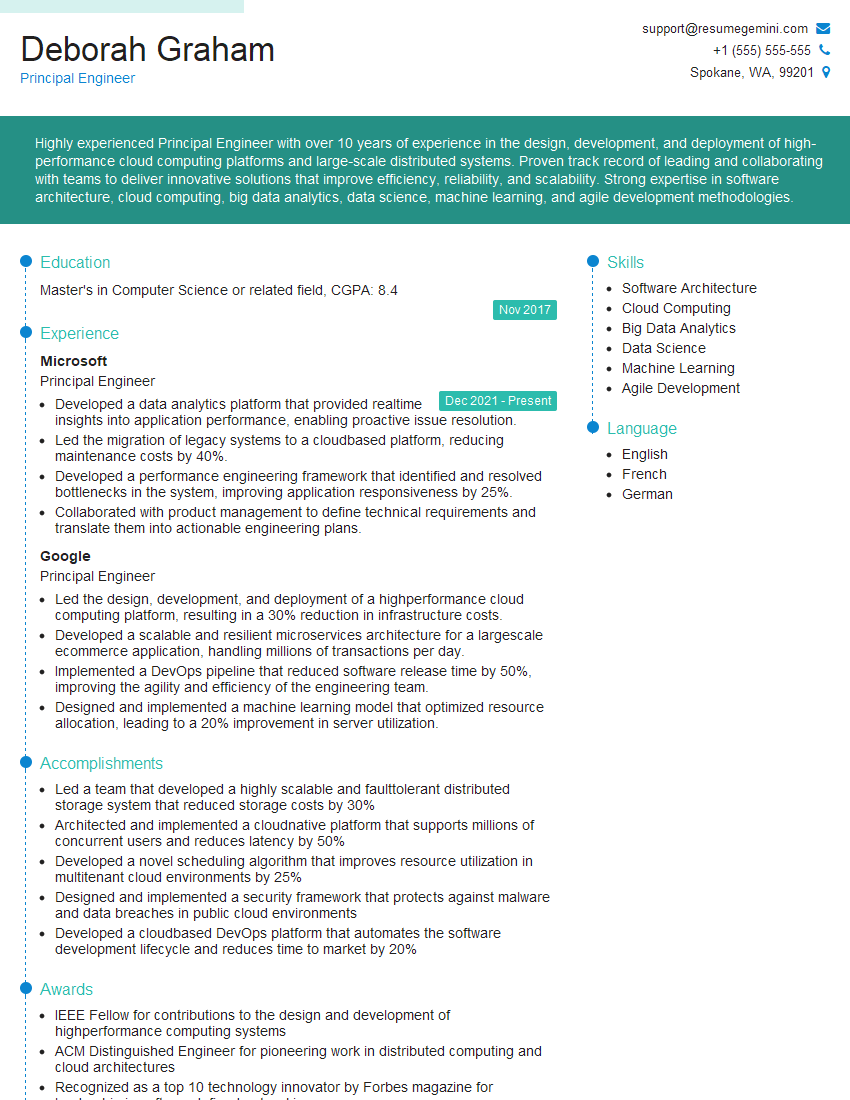
Principal Engineer Resume Sample
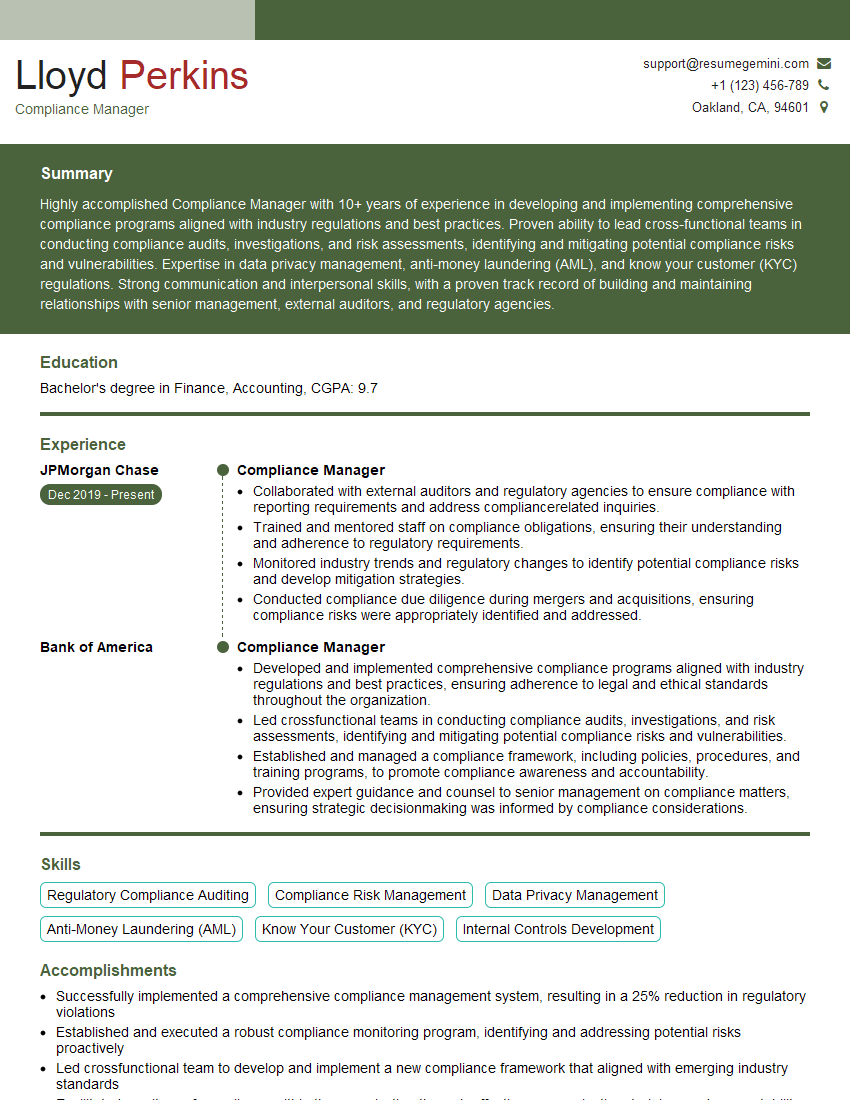
Compliance Manager Resume Sample
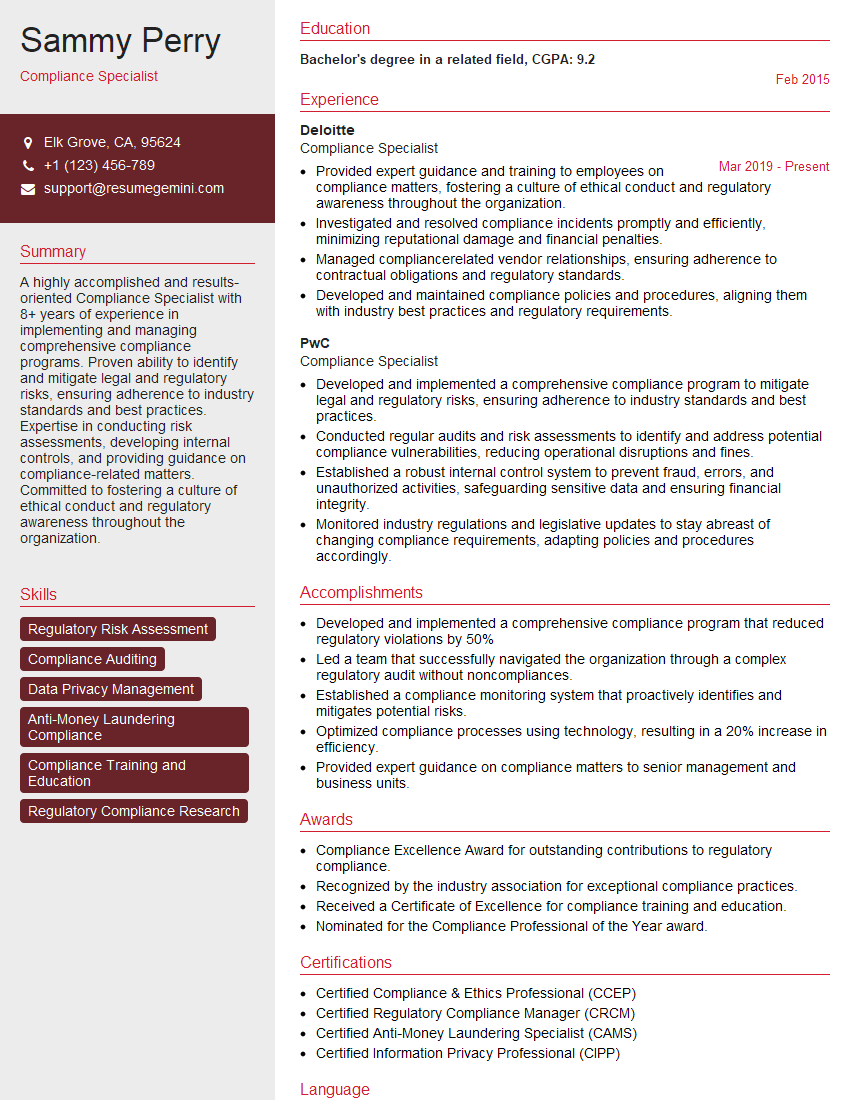
Compliance Specialist Resume Sample
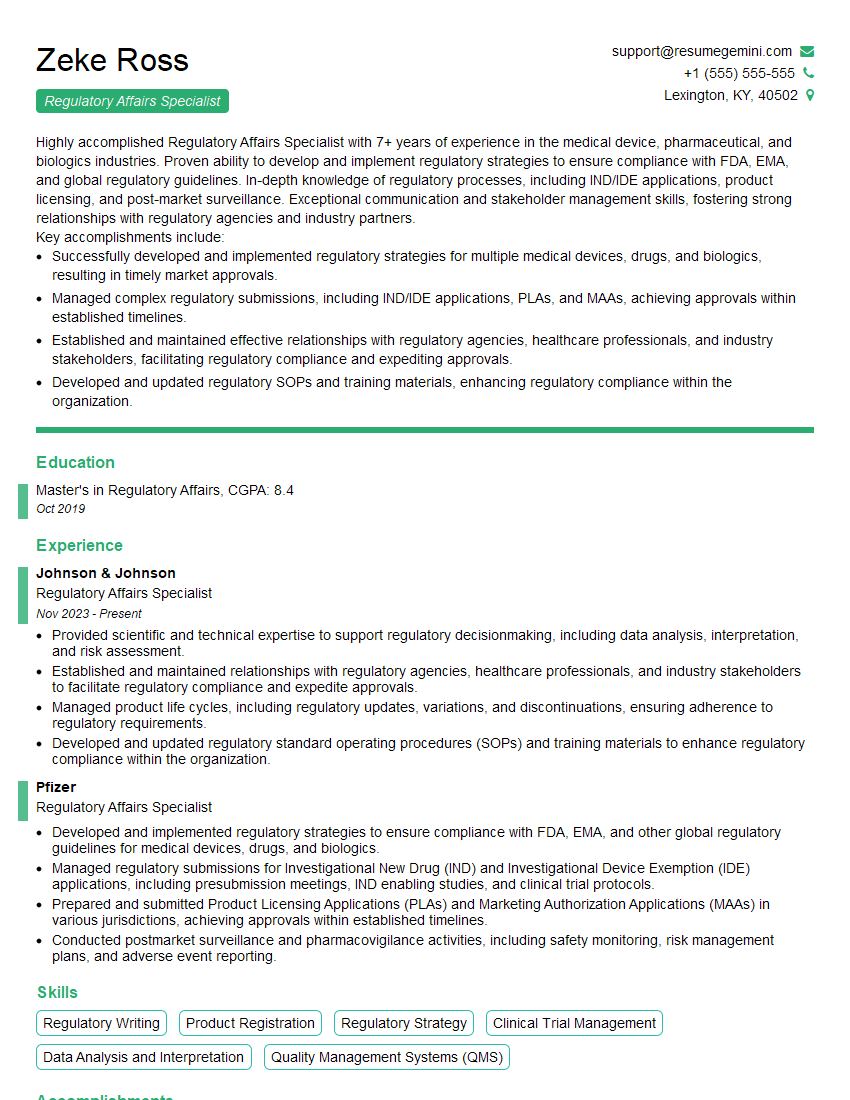
Regulatory Affairs Specialist Resume Sample
Supply Chain Specialist Resume Sample
Reliability Engineer Resume Sample
Systems Engineer Resume Sample

Auditor Resume Sample
Process Engineer Resume Sample
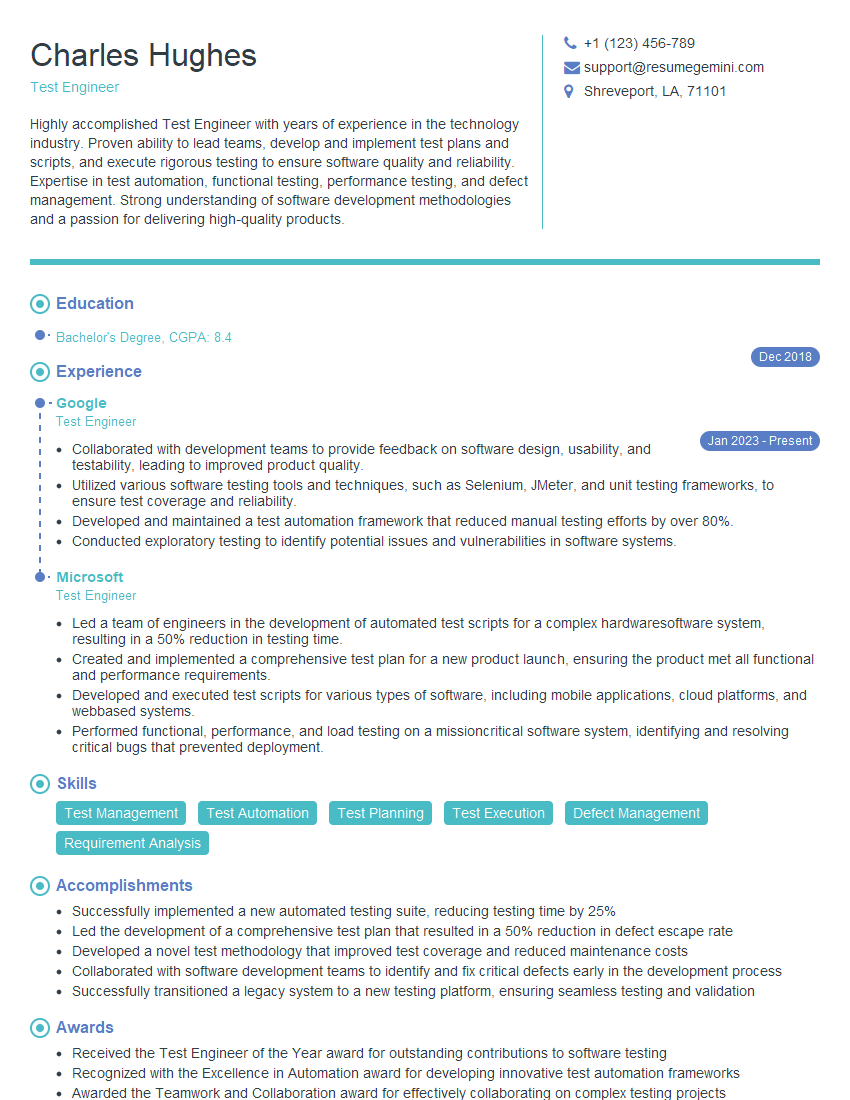
Test Engineer Resume Sample
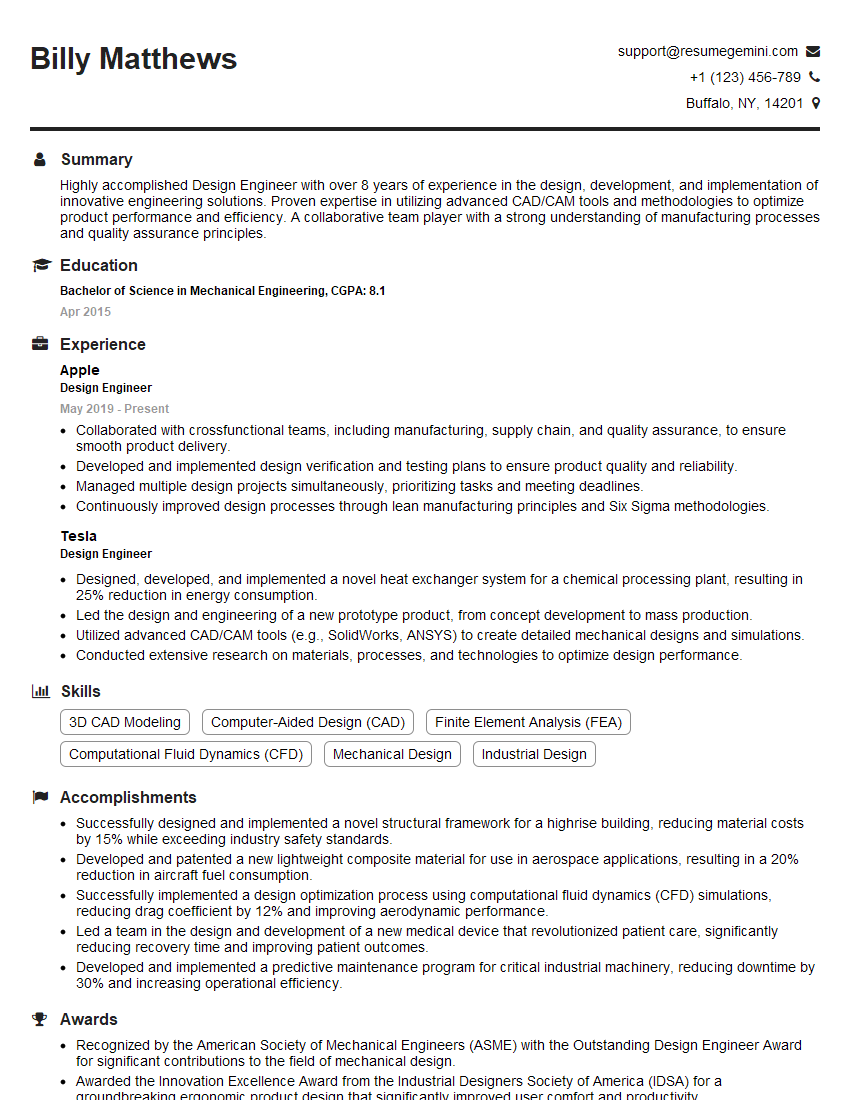
Design Engineer Resume Sample
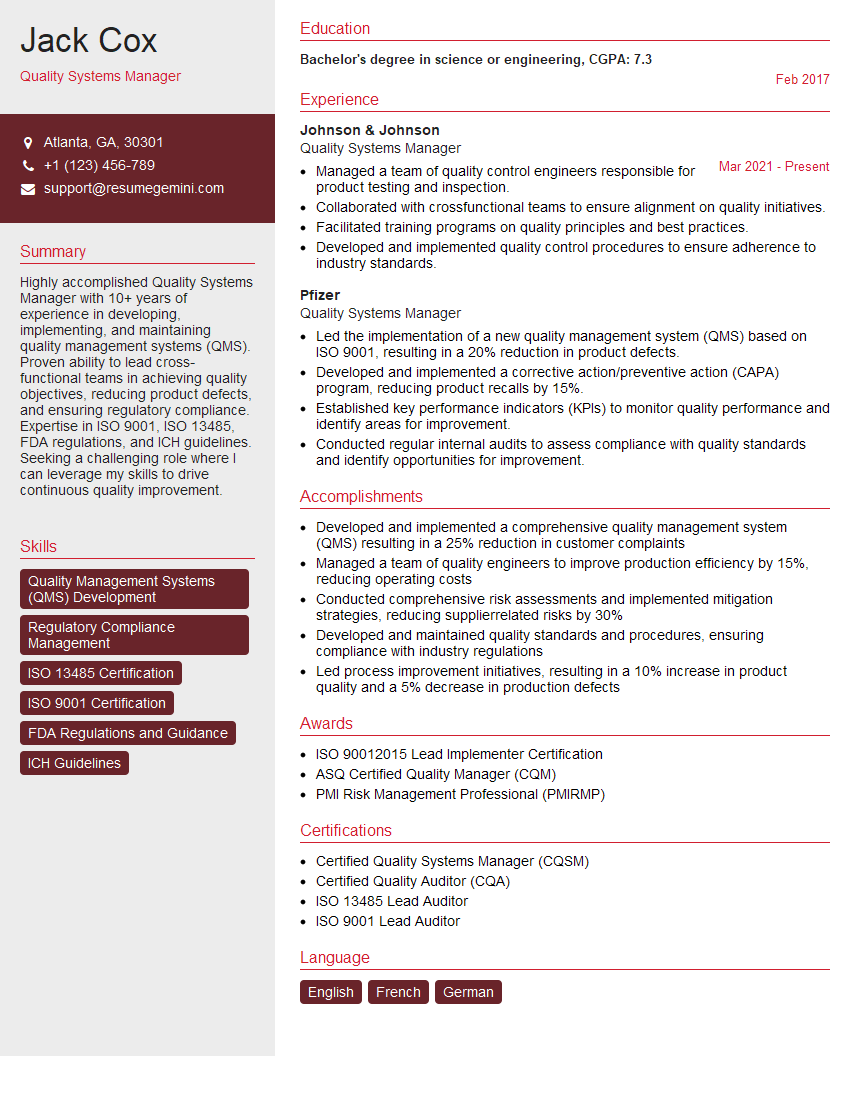
Quality Systems Manager Resume Sample

Documentation Specialist Resume Sample
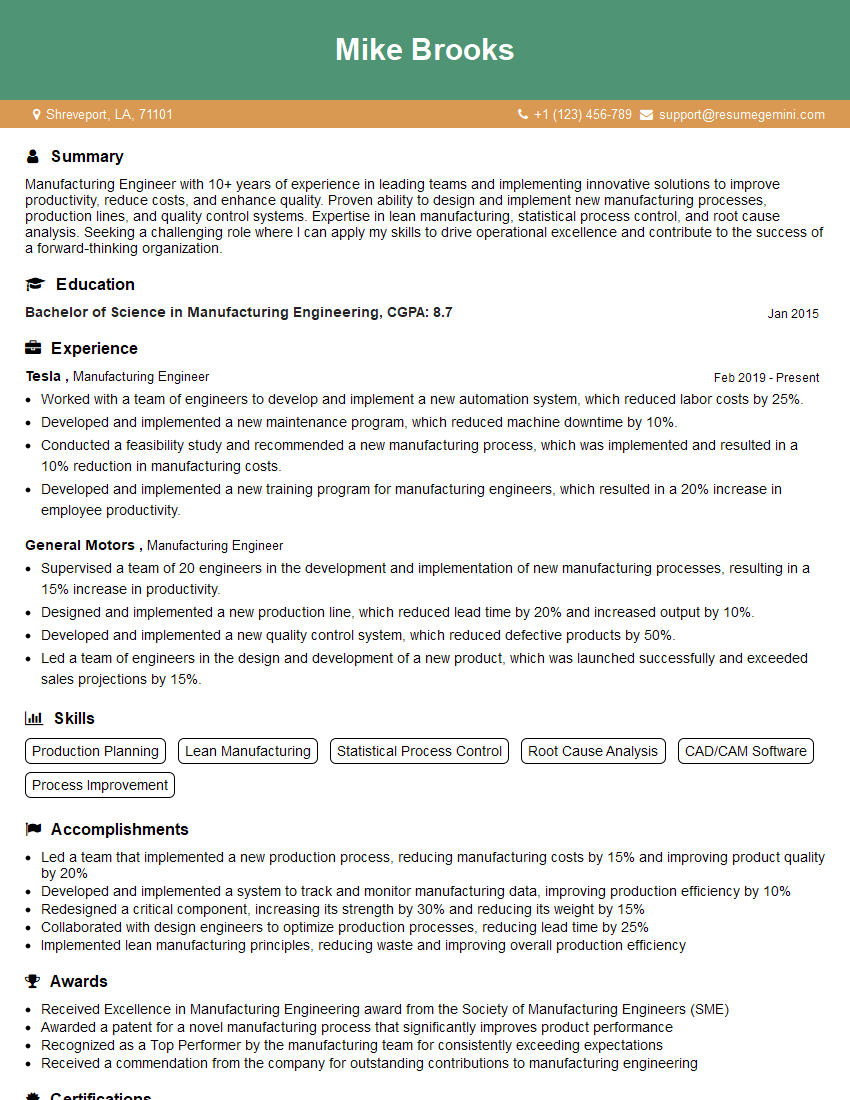
Manufacturing Engineer Resume Sample
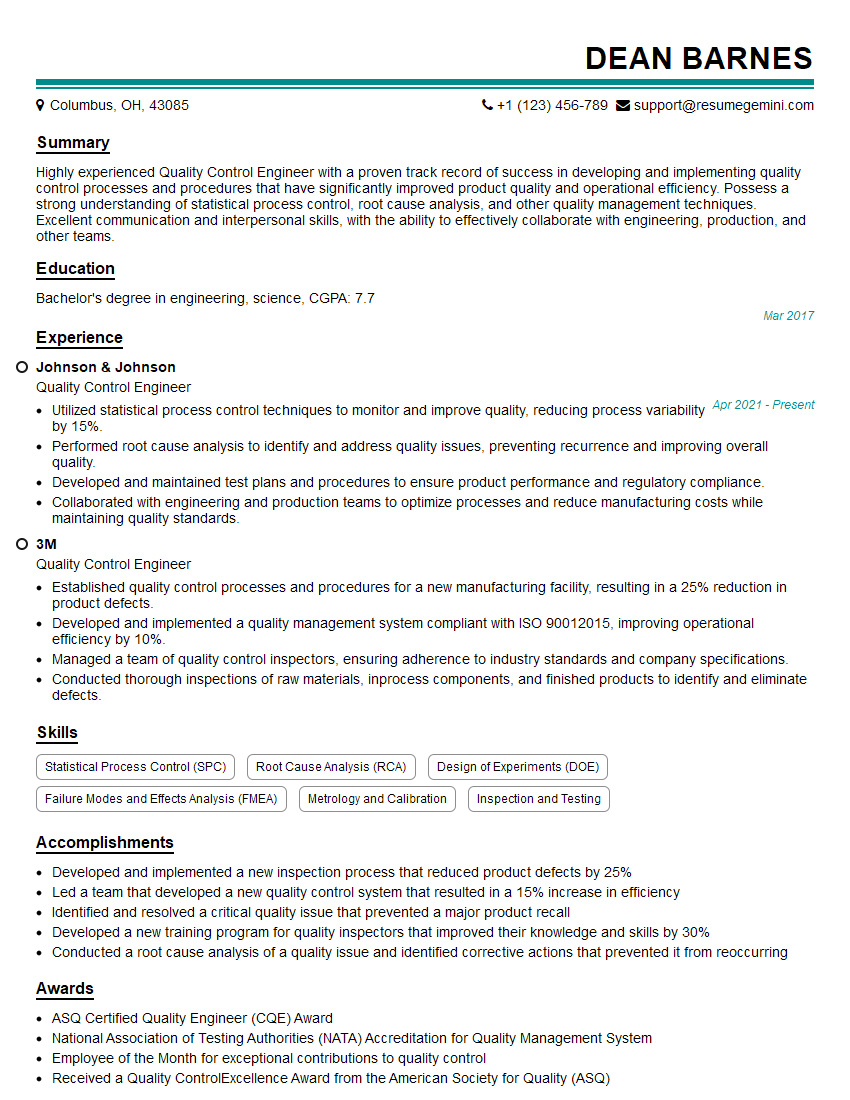
Quality Control Engineer Resume Sample
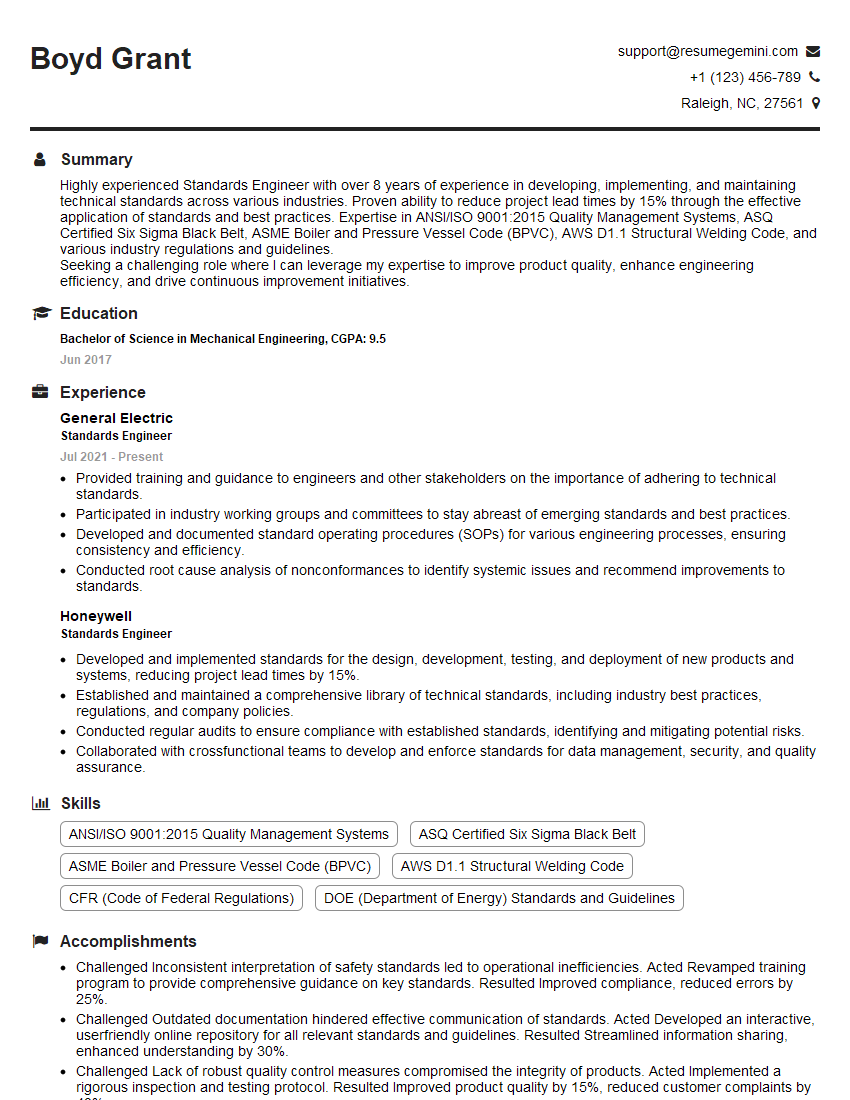
Standards Engineer Resume Sample

Quality Assurance Engineer Resume Sample
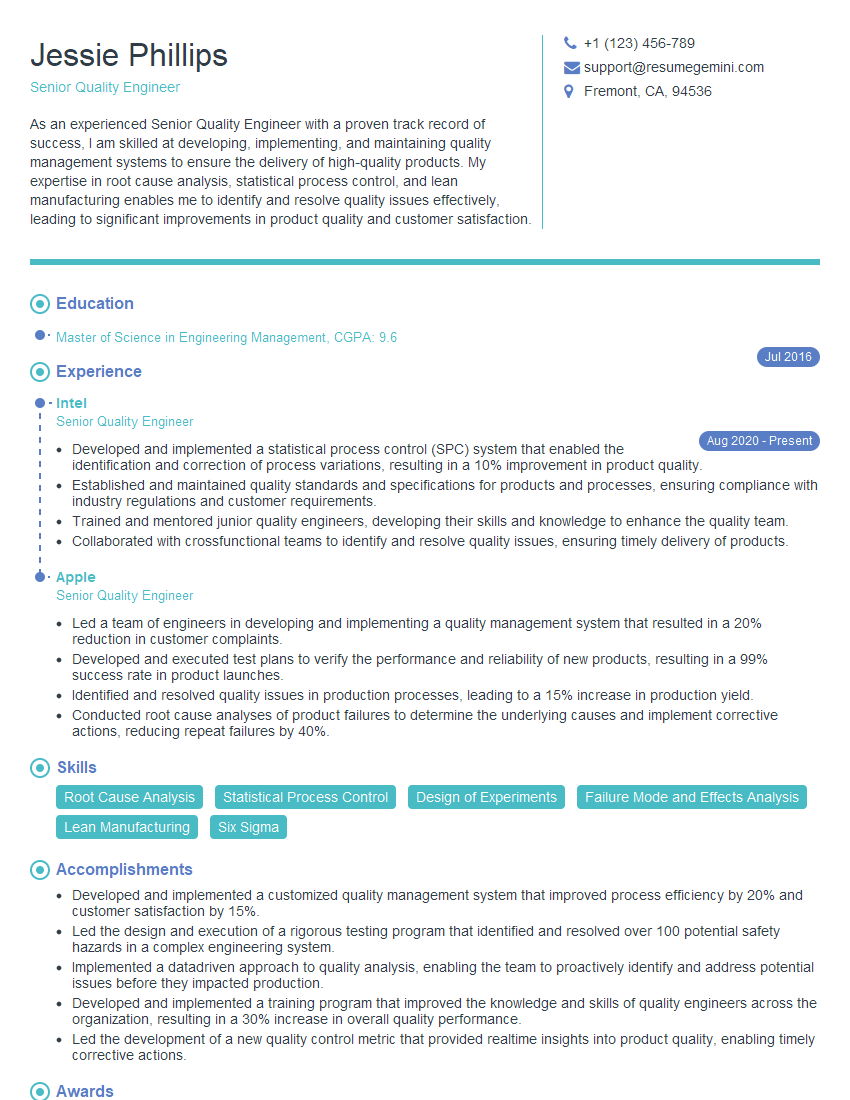
Senior Quality Engineer Resume Sample

Technical Writer Resume Sample
- Program Manager
- Operations Manager
- Contract Manager
- Supply Chain Manager
- Project Manager
- Engineering Manager
- Principal Engineer
- Compliance Manager
- Compliance Specialist
- Regulatory Affairs Specialist
- Supply Chain Specialist
- Reliability Engineer
- Systems Engineer
- Auditor
- Process Engineer
- Test Engineer
- Design Engineer
- Quality Systems Manager
- Documentation Specialist
- Manufacturing Engineer
- Quality Control Engineer
- Standards Engineer
- Quality Assurance Engineer
- Senior Quality Engineer
- Technical Writer
Explore more articles
Users Rating of Our Blogs
Share Your Experience
We value your feedback! Please rate our content and share your thoughts (optional).
What Readers Say About Our Blog
Very informative content, great job.
good