Are you ready to stand out in your next interview? Understanding and preparing for Farm Management and Record Keeping interview questions is a game-changer. In this blog, we’ve compiled key questions and expert advice to help you showcase your skills with confidence and precision. Let’s get started on your journey to acing the interview.
Questions Asked in Farm Management and Record Keeping Interview
Q 1. Explain your experience with farm budgeting and financial forecasting.
Farm budgeting and financial forecasting are crucial for the long-term health and profitability of any agricultural operation. It’s essentially creating a detailed plan for how you’ll spend and earn money over a specific period, usually a year. This involves projecting income from crop sales, livestock, and other sources, while simultaneously estimating expenses like seeds, fertilizers, labor, machinery maintenance, and loan repayments.
My experience involves developing comprehensive budgets encompassing all aspects of farm operations. For example, I recently worked with a dairy farm to create a budget that factored in fluctuating milk prices by using several pricing scenarios – best-case, worst-case, and most likely – to understand potential risks and opportunities. This allowed them to make informed decisions about expansion plans and debt management. Forecasting involved analyzing historical data, market trends, and anticipated weather patterns to project future yields and revenue streams. This holistic approach ensured the farm remained financially stable despite external market volatility.
I utilize spreadsheet software and specialized farm management programs to create dynamic budgets that can be easily updated and modified as the year progresses. I also employ sensitivity analysis to determine how changes in key variables (e.g., crop prices, yield) impact the overall budget, allowing for proactive risk mitigation strategies.
Q 2. Describe your proficiency in various farm management software.
Proficiency in farm management software is essential for efficient operation and informed decision-making. My expertise spans several popular platforms. I’m highly skilled in using Agrimaster, which allows for detailed tracking of livestock, inventory, and financial records. I also have extensive experience with Farm Management Software (FMS), providing comprehensive farm accounting, reporting, and analysis tools. I’m familiar with cloud-based solutions such as Arable, which provides valuable data on soil conditions and weather patterns for optimized resource allocation. Finally, I’m comfortable using standard spreadsheet software like Microsoft Excel and Google Sheets for data entry, analysis, and report generation.
Beyond basic data entry, I leverage the analytical capabilities of these programs to generate customized reports tailored to specific management needs. For instance, I can use Agrimaster to analyze the profitability of individual livestock animals or groups, providing insights to improve breeding strategies or feed management. Similarly, FMS allows for detailed analysis of crop yields by field, enabling identification of areas needing improved soil management or pest control.
Q 3. How do you track and analyze key performance indicators (KPIs) in farm operations?
Tracking and analyzing Key Performance Indicators (KPIs) is vital for evaluating farm performance and identifying areas for improvement. KPIs are quantifiable metrics that reflect progress towards specific goals. In farming, these could include yield per acre, feed conversion ratio (for livestock), operating costs per unit of production, and labor efficiency.
My approach involves systematically collecting data from various sources – field records, livestock monitoring systems, and financial statements – and inputting it into management software. I then use analytical tools within the software to generate reports and visualize KPIs. For example, I might track the yield of different corn varieties across various fields to determine which performs best under specific soil and weather conditions. Or, I could analyze feed conversion ratios to optimize livestock diets and minimize feed costs. I regularly review these KPIs to identify trends, pinpoint inefficiencies, and adjust management practices accordingly. This data-driven approach allows for continuous improvement and optimization of farm operations.
For instance, a consistently low yield per acre in a specific field might indicate a need for soil testing and amendment, or improved irrigation practices. Similarly, high operating costs per unit of production could suggest opportunities to negotiate better prices for inputs or improve efficiency in labor usage.
Q 4. Detail your experience with inventory management on a farm.
Effective inventory management is critical for minimizing waste, preventing shortages, and ensuring the smooth operation of a farm. This involves tracking the quantity, quality, and location of all inputs (seeds, fertilizers, feed) and outputs (crops, livestock products).
My experience includes implementing and managing inventory systems using both manual and computerized methods. For instance, I’ve used spreadsheets and dedicated inventory software to track seed stocks, ensuring sufficient quantities are available for planting at the optimal time. I’ve also managed livestock inventory, tracking the number and characteristics of animals, as well as their health and production records. This involves regular physical inventory counts, supplemented by computerized tracking systems for more accurate and efficient management. Using FIFO (First-In, First-Out) principles for feed storage ensures that older feed is used first, minimizing spoilage. This allows for accurate forecasting of feed needs and helps prevent costly shortages or waste.
Regular inventory reviews, combined with sales forecasts, allow for proactive purchasing decisions. This minimizes storage costs while ensuring there are always sufficient supplies on hand. This also helps prevent losses due to spoilage or obsolescence.
Q 5. Explain your methods for maintaining accurate and up-to-date farm records.
Maintaining accurate and up-to-date farm records is essential for effective management, financial reporting, and compliance. This involves meticulously documenting all aspects of farm operations, from planting dates and yields to livestock births and deaths, and financial transactions.
My approach involves a combination of manual and digital record-keeping. For example, I use field notebooks for daily observations on crop growth and livestock health. This information is then transferred to a computerized database using farm management software or spreadsheets. Financial records, including income and expenses, are meticulously tracked and reconciled regularly. I ensure all records are clearly labeled, easily accessible, and securely stored, both electronically and physically. Regular backups are essential to prevent data loss.
I utilize a standardized system for coding and categorizing records, enabling quick retrieval and analysis of data. This structured approach is crucial for generating accurate reports for tax purposes, loan applications, or performance evaluations. A key aspect of my method is ensuring data integrity through regular checks and cross-referencing, minimizing errors and maximizing accuracy.
Q 6. How do you ensure compliance with agricultural regulations and standards?
Ensuring compliance with agricultural regulations and standards is paramount for the legal and ethical operation of a farm. These regulations vary by region and often pertain to environmental protection, food safety, animal welfare, and labor laws.
My approach focuses on proactive compliance. This starts with a thorough understanding of all applicable regulations in the relevant jurisdiction. I stay updated on changes and amendments through professional associations, government websites, and industry publications. I maintain comprehensive records of all compliance activities, such as pesticide applications, fertilizer usage, and animal health treatments. These records demonstrate adherence to regulatory requirements and are readily available for audits or inspections.
For example, I ensure that pesticide application records include the date, product used, application rate, and treated area, all in accordance with label instructions and environmental regulations. Similarly, I meticulously track livestock health records to ensure compliance with animal welfare regulations and disease prevention protocols. This proactive approach minimizes the risk of non-compliance penalties and ensures the farm’s reputation and sustainability.
Q 7. Describe your experience with crop rotation and soil health management.
Crop rotation and soil health management are integral to sustainable and productive farming. Crop rotation involves planting different crops in a planned sequence on the same land over several years, while soil health management focuses on preserving and enhancing the soil’s physical, chemical, and biological properties.
My experience involves designing and implementing crop rotation plans based on factors such as soil type, climate, and crop requirements. For example, I might rotate legumes (like soybeans) with grain crops (like corn) to improve nitrogen fixation and reduce the need for synthetic fertilizers. I also incorporate cover crops into the rotation to improve soil structure, suppress weeds, and prevent erosion. Soil health management practices I incorporate include no-till farming, reducing soil compaction, and utilizing organic amendments to enhance soil fertility.
Regular soil testing is critical to monitor nutrient levels and pH, informing fertilizer applications and ensuring balanced nutrient availability for optimal crop growth. I also monitor soil biological activity through indicators such as earthworm populations and soil microbial biomass. These practices, combined with careful attention to water management, contribute to improved soil health, reduced reliance on synthetic inputs, and increased long-term productivity and sustainability.
Q 8. How do you handle pest and disease management in your farming practices?
Pest and disease management is crucial for maintaining healthy crops and maximizing yields. My approach is based on a combination of preventative measures and targeted interventions, prioritizing integrated pest management (IPM) principles. This means focusing on minimizing pesticide use while maximizing the effectiveness of control methods.
- Preventative Measures: This includes selecting disease-resistant crop varieties, rotating crops to disrupt pest life cycles, maintaining proper field sanitation (removing crop residues that harbor pests), and ensuring optimal soil health through practices like cover cropping and composting. For example, using a resistant wheat variety reduces the need for fungicide applications against Fusarium head blight.
- Monitoring and Early Detection: Regular scouting of fields allows for early detection of pests and diseases. This enables timely intervention before significant damage occurs. We use visual inspections, traps, and potentially pheromone lures to monitor pest populations.
- Biological Control: Introducing beneficial insects like ladybugs to control aphids or employing microbial agents like Bacillus thuringiensis (Bt) against specific pests reduces reliance on chemical pesticides. For instance, introducing parasitic wasps can help control caterpillar populations naturally.
- Targeted Chemical Control: When necessary, I utilize chemical pesticides judiciously, ensuring correct application rates and timing to minimize environmental impact and resistance development. This always involves consulting up-to-date pest management guides and taking soil and water samples to check chemical levels.
Ultimately, a successful IPM strategy requires careful observation, detailed record-keeping, and a flexible approach tailored to specific crop needs and environmental conditions.
Q 9. Explain your approach to irrigation scheduling and water management.
Efficient irrigation scheduling and water management are critical for maximizing crop yields and conserving water resources. My approach centers around understanding the specific water needs of different crops and utilizing data-driven decision making.
- Soil Moisture Monitoring: I employ soil moisture sensors to monitor soil water content in real-time. This provides accurate information about the plant-available water, guiding irrigation decisions rather than relying solely on fixed schedules.
- Evapotranspiration (ET) Calculations: We use weather data (temperature, humidity, wind speed, solar radiation) and crop coefficients to estimate daily ET rates. This allows for precise calculation of water requirements based on actual crop evapotranspiration.
- Irrigation System Optimization: Regular maintenance of the irrigation system – checking for leaks, ensuring proper pressure, and calibrating sprinklers – improves water use efficiency and reduces water waste. We also explore different irrigation methods (drip, micro-sprinklers) to match the water needs of different crops and reduce overall water consumption.
- Water Source Management: Sustainable water management strategies are implemented. This may involve rainwater harvesting, water recycling, and exploring alternate water sources where appropriate to reduce reliance on groundwater or surface water sources.
By integrating these techniques, we can achieve optimal crop growth while conserving precious water resources. Think of it as giving the crops exactly what they need, when they need it, without wasting a drop.
Q 10. Describe your experience with livestock management, including feeding and health.
Livestock management requires a holistic approach focusing on animal health, nutrition, and welfare to ensure productivity and profitability. My experience includes managing various livestock species, with a strong focus on data-driven decision-making.
- Feeding Management: Nutritional needs vary based on the animal’s age, breed, and production stage. We develop customized feeding rations using nutritional analysis software to ensure the animals receive the optimal balance of nutrients. Regular monitoring of feed intake and body condition helps fine-tune rations for maximum efficiency.
- Health Management: Preventative healthcare is paramount. This involves vaccination programs, regular parasite control, and maintaining clean and hygienic housing conditions. Early disease detection through regular animal observation and prompt veterinary intervention is crucial to minimize losses. For example, regular hoof trimming in dairy cattle reduces the risk of lameness.
- Record Keeping: Detailed records of animal health, feeding, and production are maintained. This data helps identify trends, track performance, and make informed management decisions. For instance, tracking individual cow milk production helps identify underperforming animals or health issues.
- Breeding Management: A sound breeding program considering genetic improvement and reproductive efficiency is essential. This may involve artificial insemination, embryo transfer, and heat detection techniques to optimize breeding cycles.
Efficient livestock management is about optimizing the interplay of nutrition, health, and genetics to enhance productivity and ensure animal welfare.
Q 11. How do you utilize technology to improve efficiency and productivity on a farm?
Technology plays a vital role in enhancing farm efficiency and productivity. I have experience leveraging various technological tools to streamline operations and improve decision-making.
- Precision Agriculture Technologies: GPS-guided machinery, variable rate technology for fertilizer and pesticide application, and yield mapping enhance precision and resource efficiency. This allows for targeted inputs, reducing waste and optimizing yields.
- Farm Management Software: Software solutions for record-keeping, financial management, and crop monitoring improve data management and facilitate analysis. This allows for better decision making based on accurate and timely data.
- Remote Sensing and Drones: Drones equipped with multispectral cameras provide valuable data on crop health, stress detection, and irrigation needs. This enables early intervention and prevents potential yield losses.
- Automation and Robotics: Automated irrigation systems, robotic milking machines, and automated feeding systems enhance efficiency, reduce labor costs, and improve animal welfare.
The adoption of technology isn’t just about using gadgets; it’s about strategically integrating these tools to improve overall farm management and optimize resource utilization.
Q 12. Explain your knowledge of different farm accounting methods.
Farm accounting methods need to accurately reflect the unique aspects of agricultural operations, including the timing of income and expenses, inventory management, and depreciation of assets. I am familiar with several key methods.
- Cash Basis Accounting: This method records income when received and expenses when paid. It’s simple but may not accurately reflect the farm’s financial position due to timing differences between income and expenses.
- Accrual Basis Accounting: This method records income when earned and expenses when incurred, regardless of when cash changes hands. This offers a more accurate picture of the farm’s financial performance over time.
- Modified Cash Basis Accounting: A hybrid system combining elements of cash and accrual accounting. This is often used by smaller farms to simplify record-keeping while providing a more accurate representation of income than pure cash accounting.
Choosing the right method depends on the farm’s size, complexity, and financial reporting requirements. Accurate record-keeping is crucial regardless of the method employed.
Q 13. How do you prepare and analyze farm financial statements?
Preparing and analyzing farm financial statements is crucial for understanding the farm’s financial health and making informed management decisions. This involves several steps.
- Income Statement: This statement shows the farm’s revenue, expenses, and net income or loss over a specific period. Analyzing this helps identify profitable and unprofitable enterprises and areas for cost reduction.
- Balance Sheet: This statement presents a snapshot of the farm’s assets, liabilities, and equity at a specific point in time. Analyzing this helps determine the farm’s financial solvency and liquidity.
- Cash Flow Statement: This statement tracks the movement of cash in and out of the farm over a period. This is crucial for managing cash flow and ensuring sufficient liquidity to meet operational needs.
- Ratio Analysis: Calculating key financial ratios (e.g., debt-to-equity, current ratio, return on assets) helps assess the farm’s financial performance and compare it to industry benchmarks.
Thorough analysis of these statements, coupled with detailed record-keeping, allows for effective financial management and informed decision-making, ultimately leading to improved profitability and sustainability.
Q 14. Describe your experience with farm insurance and risk management.
Farm insurance and risk management are essential to protect the farm’s assets and ensure its long-term viability. A comprehensive risk management plan should address various potential threats.
- Crop Insurance: This protects against crop losses due to adverse weather events, pests, and diseases. Various types of crop insurance are available, depending on the specific risks and crop types.
- Livestock Insurance: This protects against losses due to death, illness, or theft of livestock. It’s essential for farms with significant livestock investments.
- Property and Casualty Insurance: This covers damage to farm buildings, equipment, and other physical assets due to fire, theft, or other unforeseen events.
- Liability Insurance: This protects against lawsuits arising from accidents or injuries on the farm. It’s crucial for mitigating potential legal and financial liabilities.
- Risk Assessment: Regularly assessing potential risks, both internal and external, is essential. This includes identifying vulnerabilities and developing strategies to mitigate or transfer those risks through insurance or other means.
A comprehensive insurance and risk management plan is not just about having insurance policies in place, but about actively managing risks to minimize losses and ensure the long-term financial security of the farm. This involves preventative measures alongside adequate insurance coverage.
Q 15. How do you handle unexpected issues or emergencies on a farm?
Handling unexpected issues on a farm requires a proactive and adaptable approach. Think of it like being a firefighter – prevention is key, but you also need to be prepared to put out fires quickly and efficiently.
My strategy involves a three-pronged approach: Prevention, Preparedness, and Response.
- Prevention: Regular maintenance of equipment, proactive pest and disease management, and careful monitoring of weather forecasts significantly reduce the likelihood of unexpected problems. For example, regularly inspecting irrigation systems prevents costly breakdowns during crucial growing periods.
- Preparedness: This includes having contingency plans in place. For example, a backup generator for power outages, alternative water sources during droughts, and pre-arranged agreements with local repair services for equipment malfunctions. I also maintain a detailed inventory of supplies and essential equipment.
- Response: When an emergency does occur (like a sudden illness in livestock or a major storm), a rapid assessment of the situation is crucial. I follow a structured protocol, prioritizing immediate actions (like containing a disease outbreak) before moving to longer-term solutions. Open communication with my team and any relevant authorities is vital.
For example, during a severe hailstorm, my immediate response involved relocating vulnerable animals to sheltered areas and assessing crop damage. Post-storm, I worked with my insurance provider and agricultural consultants to address both the immediate needs and long-term recovery plan.
Career Expert Tips:
- Ace those interviews! Prepare effectively by reviewing the Top 50 Most Common Interview Questions on ResumeGemini.
- Navigate your job search with confidence! Explore a wide range of Career Tips on ResumeGemini. Learn about common challenges and recommendations to overcome them.
- Craft the perfect resume! Master the Art of Resume Writing with ResumeGemini’s guide. Showcase your unique qualifications and achievements effectively.
- Don’t miss out on holiday savings! Build your dream resume with ResumeGemini’s ATS optimized templates.
Q 16. Explain your experience with farm labor management and scheduling.
Farm labor management is all about optimizing human resources to achieve maximum productivity and efficiency. It’s a delicate balance between scheduling, training, and fostering a positive work environment.
My experience involves utilizing several key strategies:
- Detailed Scheduling: I utilize software to create detailed work schedules that account for seasonal demands, peak workload periods (like harvest), and individual employee skills and availability. This often involves task delegation, assigning specific roles based on expertise.
- Effective Communication: Clear and consistent communication is essential. I conduct regular team meetings to discuss upcoming tasks, address concerns, and provide feedback. This keeps everyone informed and engaged.
- Training and Development: Investing in training programs enhances employee skills and boosts morale. I regularly assess skill gaps and provide opportunities for professional development, potentially leading to greater efficiency and reduced errors.
- Fair Compensation and Benefits: Providing competitive wages and benefits attracts and retains high-quality employees. A motivated workforce is a productive workforce.
In one instance, I implemented a rotating schedule that allowed for better work-life balance for my employees, leading to improved overall productivity and fewer absences.
Q 17. Describe your strategies for optimizing yields and reducing costs.
Optimizing yields and reducing costs are intertwined goals. It’s about maximizing output while minimizing input – a sort of ‘more bang for your buck’ approach in farming.
My strategies revolve around these key areas:
- Precision Agriculture: Using technology like GPS-guided machinery and soil sensors to optimize resource allocation. This allows for targeted fertilizer and irrigation applications, minimizing waste and maximizing yield.
- Crop Rotation and Integrated Pest Management: Implementing diverse crop rotations helps maintain soil health and reduces pest pressure, minimizing reliance on chemical pesticides and herbicides which lowers costs.
- Data-driven Decision Making: Analyzing yield data, cost records, and weather patterns helps in identifying areas for improvement. This could involve adjusting planting dates, selecting more suitable crop varieties, or optimizing irrigation schedules.
- Efficient Resource Management: Careful monitoring of water usage, energy consumption, and fertilizer application leads to significant cost savings without compromising yield.
For instance, by implementing a precision irrigation system, I reduced water consumption by 20% while maintaining similar yields, leading to substantial cost savings.
Q 18. How do you ensure food safety and quality standards are met?
Ensuring food safety and quality requires meticulous attention to detail throughout the entire production process. It’s a matter of protecting public health and maintaining consumer trust.
My approach focuses on:
- Good Agricultural Practices (GAPs): Adhering to strict guidelines related to hygiene, pest control, and handling of produce. This includes regular training for all personnel on proper hygiene protocols.
- Traceability: Implementing a robust record-keeping system to track the journey of produce from farm to consumer. This allows for quick identification and response in case of contamination or quality issues.
- Regular Inspections and Audits: Conducting internal audits and collaborating with external agencies for inspections ensures compliance with relevant food safety standards. This helps identify and correct potential issues proactively.
- Harvesting and Handling Practices: Implementing proper harvesting, cleaning, and storage techniques to prevent contamination and maintain product freshness. Using clean equipment and sanitary handling procedures are vital here.
I routinely engage in training sessions with my staff on the latest food safety regulations and best practices to reinforce a culture of food safety on the farm.
Q 19. Explain your understanding of sustainable agriculture practices.
Sustainable agriculture is about producing food in a way that protects the environment, supports economic viability, and enhances social equity. It’s about farming for the future, not just today.
My understanding encompasses several key practices:
- Soil Health Management: Implementing practices like cover cropping, no-till farming, and crop rotation to improve soil structure, fertility, and water retention. This reduces erosion and enhances biodiversity.
- Water Conservation: Implementing efficient irrigation techniques, such as drip irrigation, to reduce water waste. Rainwater harvesting is also a crucial aspect.
- Integrated Pest Management (IPM): Utilizing a combination of biological, cultural, and chemical methods to control pests, minimizing the use of synthetic pesticides.
- Renewable Energy: Exploring renewable energy sources like solar power to reduce reliance on fossil fuels and decrease carbon emissions.
- Biodiversity Conservation: Protecting and enhancing biodiversity through habitat creation and promoting pollinator-friendly practices.
For example, I have successfully implemented a cover cropping program that has significantly improved soil health, reducing the need for chemical fertilizers.
Q 20. How do you utilize data analysis to inform farm management decisions?
Data analysis is becoming increasingly crucial for informed farm management decisions. It allows for a more scientific and objective approach to farming, moving beyond intuition and guesswork.
I utilize data from various sources, including:
- Yield Monitors: Collecting data on crop yields to identify high and low-performing areas within fields.
- Soil Sensors: Analyzing soil parameters like moisture, nutrient levels, and pH to guide fertilizer application and irrigation scheduling.
- Weather Data: Using weather forecasts to predict potential risks and optimize planting and harvesting schedules.
- Financial Records: Tracking expenses, revenue, and profitability to identify areas for cost reduction and improvement.
I use software to analyze this data and generate reports, allowing me to identify trends, make predictions, and optimize resource allocation. For instance, by analyzing yield data from previous years, I was able to optimize planting density and fertilizer application, leading to a 15% increase in yield.
Q 21. Describe your experience with precision agriculture technologies.
Precision agriculture technologies have revolutionized farming, offering opportunities for increased efficiency and sustainability. I have experience with various technologies, including:
- GPS-guided machinery: Auto-steering tractors and sprayers allow for precise application of inputs, minimizing overlap and reducing waste.
- Variable rate technology (VRT): Applying inputs (fertilizer, seed, pesticides) at variable rates depending on the specific needs of the field, optimizing resource use and minimizing environmental impact.
- Remote sensing: Utilizing drones or satellite imagery to monitor crop health, identify stress areas, and detect diseases or pests early.
- Farm management software: Integrating various data sources (weather, yield, soil) to generate insights and support decision-making.
For example, I used drone imagery to detect an early outbreak of a fungal disease in a specific area of my field. This allowed for targeted treatment, preventing widespread damage and saving substantial costs. I also use farm management software to track all aspects of my operation, from planting to harvesting, allowing for better planning and analysis.
Q 22. Explain your process for evaluating and selecting farm inputs (seeds, fertilizer, etc.).
Selecting the right farm inputs is crucial for maximizing yield and profitability. My process involves a multi-step approach focusing on cost-effectiveness, environmental impact, and overall farm goals.
- Needs Assessment: I start by carefully analyzing soil conditions through soil testing. This helps identify nutrient deficiencies and tailor fertilizer choices accordingly. For example, a soil test revealing low phosphorus levels would prompt me to select a fertilizer with a higher phosphorus content.
- Variety Selection: Seed selection is equally important. I consider factors like yield potential, disease resistance, maturity date, and suitability to the specific climate and soil type. I often consult seed catalogs, agricultural extension services, and collaborate with other farmers to find the best varieties for my region and farming practices. For instance, selecting drought-resistant seeds in a region with unpredictable rainfall is a key decision.
- Cost-Benefit Analysis: I carefully compare prices and yields of different inputs from various suppliers. This involves evaluating the cost per unit of production for each option. A higher-priced seed with a significantly higher yield might be more cost-effective in the long run. This requires detailed record-keeping and possibly the use of spreadsheet software to track cost-yield relationships.
- Supplier Evaluation: I choose reliable suppliers with a history of providing high-quality products and timely delivery. Building strong relationships with suppliers can ensure consistent supply and potential discounts.
- Trial and Error: I believe in conducting small-scale trials with different input combinations to see what performs best under my specific conditions. This allows me to fine-tune my choices over time and learn from experience. This could involve planting a small test plot with a new seed variety before committing to a large-scale planting.
Q 23. How do you monitor and manage farm equipment maintenance?
Equipment maintenance is vital for preventing costly breakdowns and ensuring operational efficiency. I employ a preventive maintenance schedule, combining regular inspections with timely repairs.
- Preventative Maintenance Schedule: I create a detailed schedule outlining regular checks and services for each piece of equipment. This includes lubricating moving parts, checking fluid levels, replacing worn parts, and conducting thorough inspections after each season. I use a digital calendar or specialized farm management software to manage the schedule and set reminders.
- Record Keeping: I meticulously document all maintenance activities, including the date, type of service, parts replaced, and cost incurred. This information is essential for tracking equipment lifespan, identifying potential issues early on, and making informed decisions about repairs or replacements. I often use spreadsheets or dedicated farm management software to track these records.
- Operator Training: Properly trained operators are crucial for minimizing equipment wear and tear. I provide regular training to ensure operators understand proper operation and maintenance procedures. This involves hands-on training and reviewing operation manuals.
- Repair and Replacement Decisions: I analyze the cost of repairs versus replacement cost for each piece of equipment. If repair costs exceed a certain threshold, replacing the equipment may be more economical in the long run.
Q 24. Describe your experience with marketing and selling farm products.
Marketing and selling farm products requires a strategic approach. I’ve successfully employed a combination of direct sales, wholesale partnerships, and exploring niche markets.
- Direct Sales: I sell a portion of my produce directly to consumers through farmers’ markets, roadside stands, or community-supported agriculture (CSA) programs. This allows for direct interaction with customers, premium pricing, and building brand loyalty. I often use social media to advertise my products and promote direct sales.
- Wholesale Partnerships: I build relationships with local grocery stores, restaurants, and food processors to sell larger quantities of my produce. This requires negotiating fair prices and ensuring consistent supply. I maintain detailed inventory records and track sales diligently.
- Niche Markets: I explore niche markets by specializing in unique or high-demand products, such as organic produce or heirloom varieties. This allows for premium pricing and attracts customers willing to pay more for specialized products. For example, I might grow a rare variety of heirloom tomatoes and sell them directly to high-end restaurants.
- Branding and Marketing: I build a strong brand identity for my farm by highlighting unique selling points and using consistent branding across all marketing channels. This involves creating a farm logo, website, and marketing materials.
Q 25. How do you handle farm waste management and environmental compliance?
Responsible farm waste management is crucial for environmental protection and regulatory compliance. My approach involves a multi-pronged strategy focusing on minimizing waste, proper disposal, and adherence to all relevant regulations.
- Waste Reduction: I implement practices to reduce waste generation. This includes using precision farming techniques to minimize fertilizer and pesticide application, composting organic waste, and using manure as a natural fertilizer. This reduces environmental impact and lowers disposal costs.
- Manure Management: I utilize proper manure management strategies including storage in covered facilities to prevent runoff and odor issues. I follow all regulations related to manure application rates and storage to comply with environmental regulations. For example, I might build a covered manure storage facility to prevent rainwater from contaminating the manure.
- Pest and Disease Control: I use integrated pest management (IPM) techniques to minimize pesticide use and protect beneficial insects. This involves monitoring pests and diseases and using appropriate control measures only when necessary.
- Compliance: I stay up-to-date with all relevant environmental regulations and obtain any necessary permits. I maintain detailed records of waste management practices for regulatory audits. This is usually achieved by using record-keeping software that tracks waste disposal methods and volumes.
Q 26. Explain your understanding of different crop insurance programs.
Crop insurance programs provide financial protection against crop losses due to various perils, such as drought, flood, hail, or disease. My understanding encompasses several types of insurance, each with specific coverage and requirements.
- Yield Protection (YP): This policy covers losses in yield compared to the expected average yield for the specific area and crop. It protects against the average harvest amount dropping below expectations.
- Revenue Protection (RP): This type of insurance considers both yield and price fluctuations. It safeguards against a combination of low yields and price drops, offering broader coverage compared to yield protection. This helps farmers deal with low prices in addition to low yields.
- Area Revenue Protection (ARP): This policy covers losses based on the average revenue of a particular geographic area. It provides protection even if the individual farmer experiences no significant yield loss, but average yields across the region decline.
- Crop-Hail Insurance: This specific policy covers damage caused by hailstorms. It is crucial in regions prone to hail damage.
- Choosing the Right Policy: Selecting the right policy depends on the specific crop, risk tolerance, and local conditions. I carefully evaluate the cost and benefits of each policy and consult with insurance agents to determine the most suitable option. Factors such as crop value, historical yield data, and the risk of specific perils are key factors considered.
Q 27. Describe your experience with working with agricultural lenders and securing financing.
Securing financing is often necessary for farm operations. My experience involves building strong relationships with agricultural lenders and preparing thorough loan applications.
- Relationship Building: I establish long-term relationships with local banks and agricultural lenders. This involves regular communication and demonstrating a strong understanding of my farm’s financial position. A good relationship ensures a smoother lending process.
- Financial Planning: I meticulously track all financial aspects of my farm and develop a sound business plan that demonstrates profitability and repayment ability. This includes projecting income and expenses, and demonstrating a clear understanding of the farm’s financial health.
- Loan Application: I complete detailed loan applications, providing all required documentation, including financial statements, tax returns, and farm records. Accurate and timely submission is crucial for a positive outcome. Thoroughly completed applications prevent delays.
- Negotiating Terms: I negotiate favorable loan terms, such as interest rates and repayment schedules, considering the loan’s overall impact on my farm’s financial position. Understanding different financing options is a key skill in this process.
- Maintaining Creditworthiness: I maintain a strong credit history to improve my chances of obtaining loans at favorable interest rates. This ensures that I’m in a position to take advantage of attractive credit offers.
Q 28. How do you manage and track farm assets and depreciation?
Tracking farm assets and depreciation is crucial for accurate financial reporting and tax planning. I use a combination of methods to ensure proper management.
- Asset Inventory: I maintain a comprehensive inventory of all farm assets, including land, buildings, equipment, and livestock. This includes detailed descriptions, purchase dates, and original costs. I utilize spreadsheets or dedicated farm management software for this inventory.
- Depreciation Calculation: I calculate depreciation using the appropriate method for each asset, such as straight-line or accelerated depreciation. I stay updated on IRS guidelines for depreciation calculations to ensure accuracy. This ensures I adhere to tax rules.
- Record Keeping: I meticulously document all transactions related to farm assets, including purchases, sales, and repairs. This information is crucial for accurate depreciation calculations and financial reporting. Detailed records aid in auditing and tax preparation.
- Insurance Coverage: I ensure adequate insurance coverage for all major farm assets to protect against loss or damage. This safeguards the financial value of assets in case of unforeseen events.
- Regular Review: I regularly review my asset inventory and depreciation calculations to ensure accuracy and make necessary adjustments. This ensures that the inventory reflects the actual condition of farm assets and includes any changes such as new purchases or sales of equipment.
Key Topics to Learn for Farm Management and Record Keeping Interview
- Financial Management: Understanding farm budgeting, cost analysis, profit & loss statements, and cash flow projections. Practical application includes analyzing financial data to optimize resource allocation and identify areas for improvement.
- Crop and Livestock Management: Knowledge of crop rotation, fertilization, pest control, animal husbandry, breeding programs, and yield monitoring. Practical application involves developing and implementing management strategies to maximize production efficiency and minimize losses.
- Inventory Management: Tracking inputs (seeds, fertilizer, feed), outputs (crops, livestock products), and equipment. Practical application includes utilizing inventory software or spreadsheets to maintain accurate records and prevent shortages or waste.
- Record Keeping Systems: Proficiency in utilizing various record-keeping methods, both manual and digital, ensuring data accuracy and compliance with regulations. Practical application involves implementing and maintaining a comprehensive system for tracking all aspects of farm operations.
- Compliance and Regulations: Understanding relevant regulations regarding land use, environmental protection, animal welfare, and food safety. Practical application includes ensuring the farm operates within legal and ethical guidelines.
- Data Analysis and Reporting: Analyzing farm data to identify trends, make informed decisions, and prepare reports for stakeholders. Practical application includes using data analysis tools to improve efficiency and profitability.
- Risk Management: Identifying and mitigating potential risks such as weather events, market fluctuations, and disease outbreaks. Practical application includes developing contingency plans and insurance strategies.
Next Steps
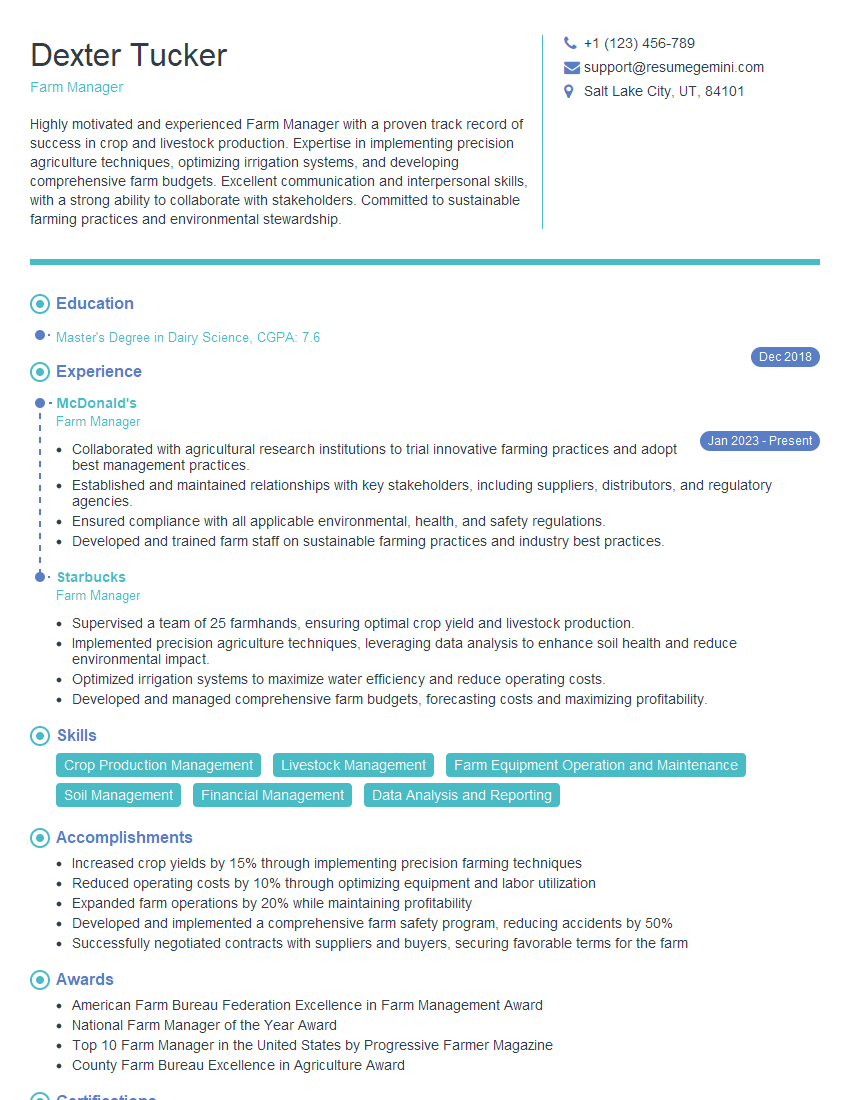
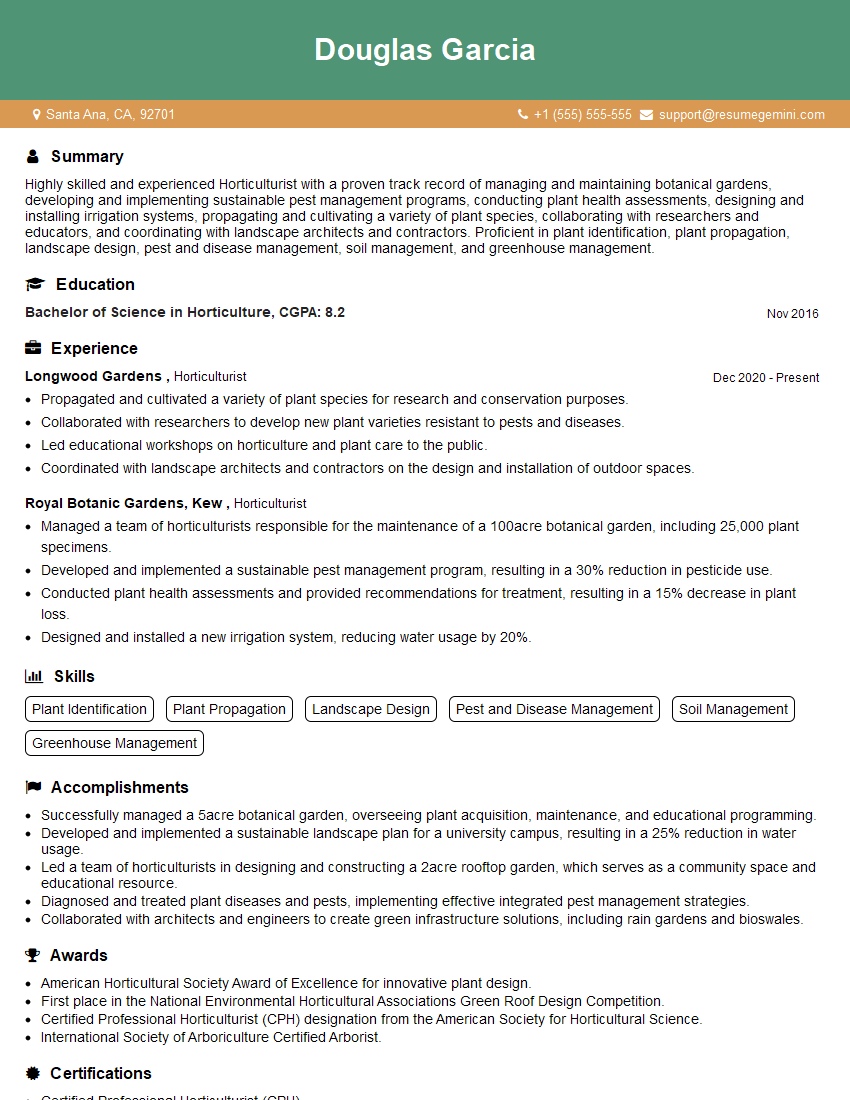
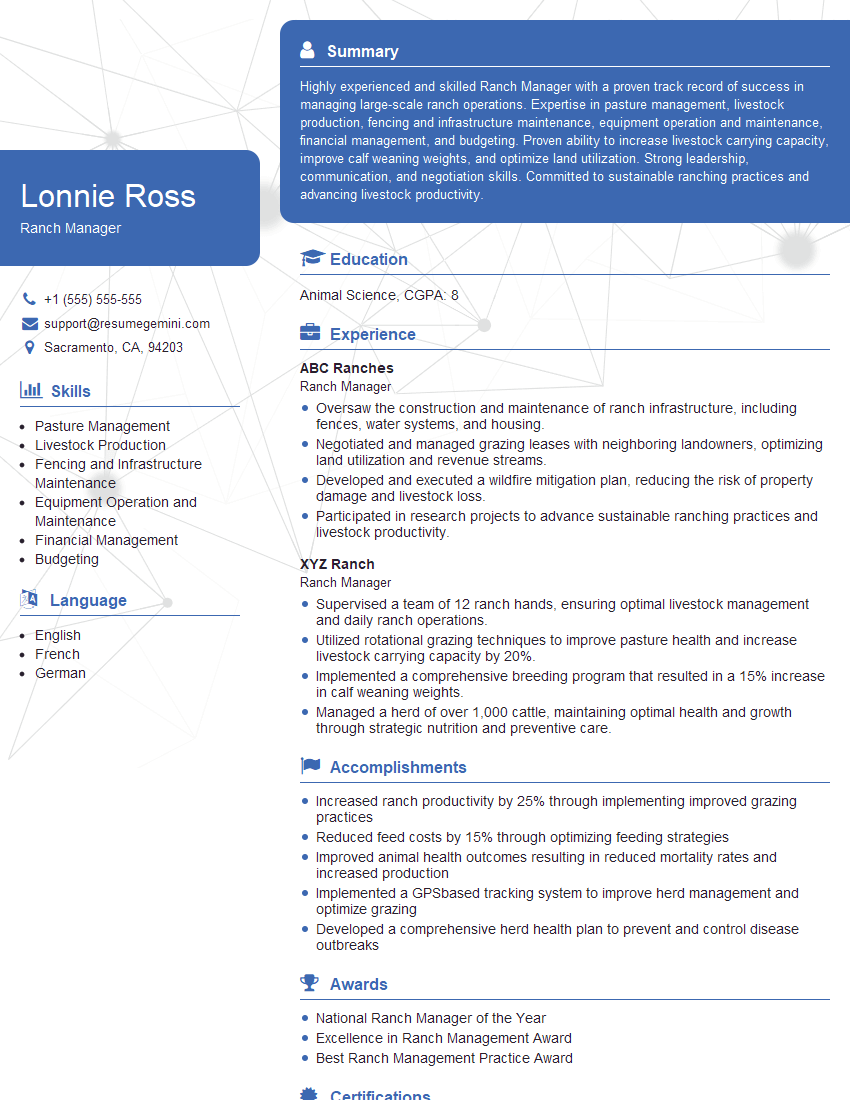
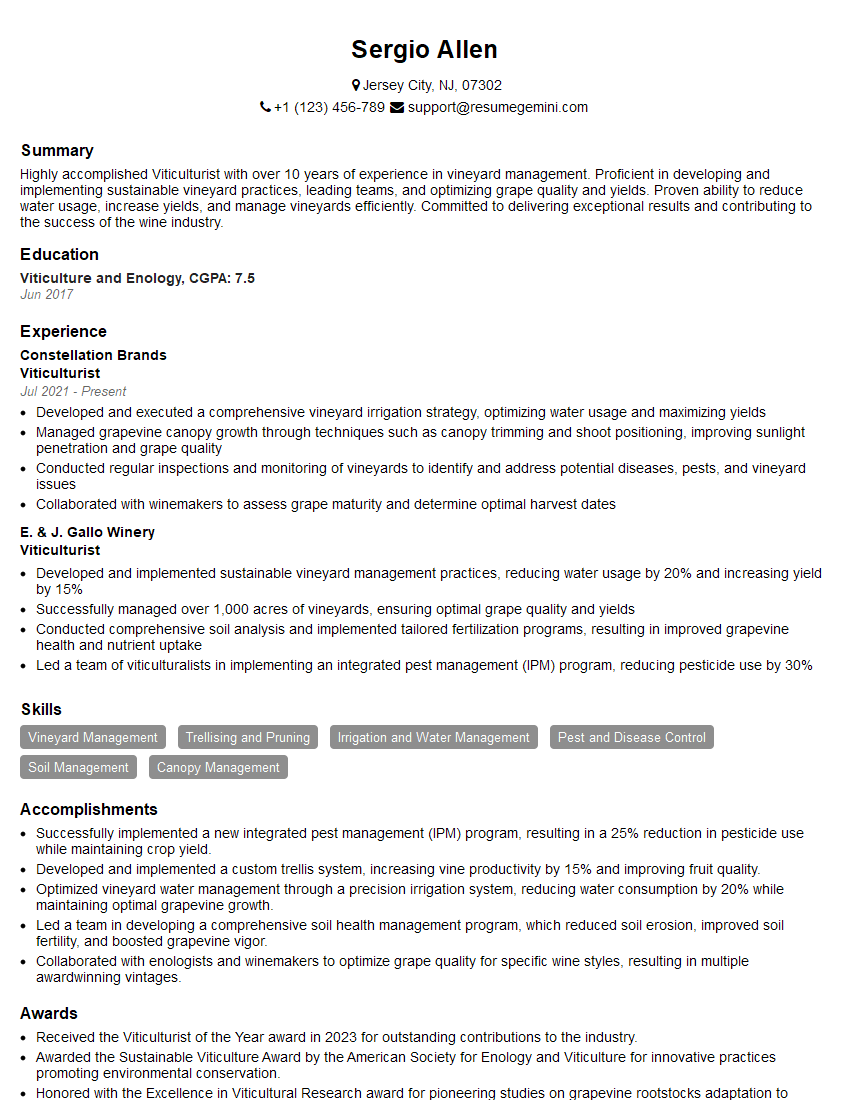
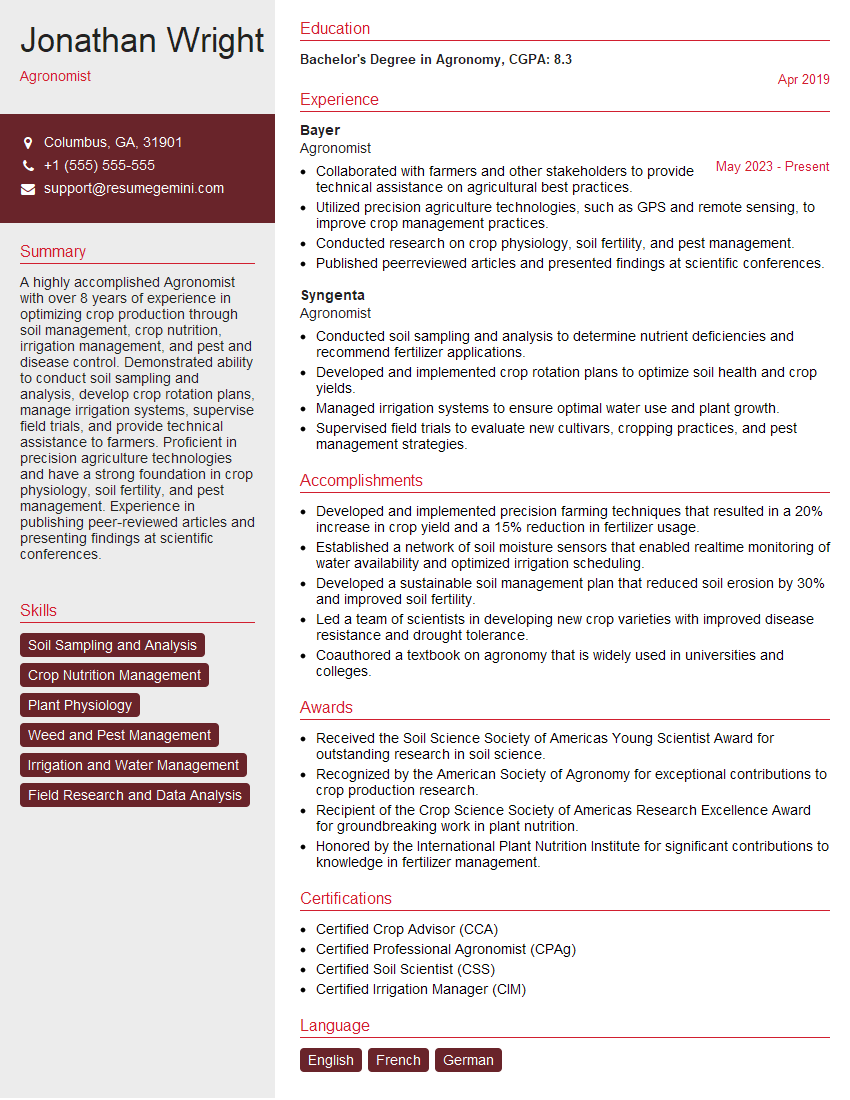
Mastering Farm Management and Record Keeping is crucial for career advancement in the agricultural sector. Strong record-keeping skills demonstrate efficiency, accountability, and a commitment to sustainable practices, making you a highly desirable candidate. To significantly boost your job prospects, create an ATS-friendly resume that effectively highlights your skills and experience. We highly recommend using ResumeGemini to build a professional and impactful resume. ResumeGemini provides excellent tools and resources, including examples of resumes tailored to Farm Management and Record Keeping, to help you present your qualifications in the best possible light.
Explore more articles
Users Rating of Our Blogs
Share Your Experience
We value your feedback! Please rate our content and share your thoughts (optional).
What Readers Say About Our Blog
Very informative content, great job.
good