The thought of an interview can be nerve-wracking, but the right preparation can make all the difference. Explore this comprehensive guide to Fashion Product Development interview questions and gain the confidence you need to showcase your abilities and secure the role.
Questions Asked in Fashion Product Development Interview
Q 1. Explain your experience in the full product development lifecycle.
My experience encompasses the entire product development lifecycle, from initial concept to final production. This involves a structured approach, typically broken down into these key stages:
- Concept & Design: This includes trend research, initial sketches, mood boards, and the development of design briefs. For example, I recently worked on a collection inspired by Art Deco, researching patterns and color palettes to create a cohesive line.
- Technical Design: Translating the design concept into technical specifications, including detailed sketches, measurements, material specifications, and construction details. This phase is crucial for effective communication with pattern makers and manufacturers.
- Pattern Making & Sample Development: Working closely with pattern makers to create accurate patterns and constructing prototypes (samples) to test fit, drape, and construction techniques. I’ve found that using digital pattern making software significantly streamlines this process.
- Sourcing & Production: Selecting appropriate fabrics, trims, and manufacturers. Negotiating costs and production timelines, and ensuring quality control throughout the production process. This requires strong negotiation skills and a keen eye for detail.
- Quality Assurance & Testing: Rigorous testing of samples and pre-production garments to ensure they meet quality standards and specifications. This includes fit sessions and thorough inspections at various stages.
- Production & Delivery: Overseeing the production process, addressing any challenges that may arise, and ensuring timely delivery of finished goods. Effective communication with the factory is vital here.
Throughout the entire lifecycle, I prioritize meticulous documentation and clear communication to ensure smooth collaboration and efficient workflow.
Q 2. Describe your experience with technical design and pattern making.
I have extensive experience in technical design and pattern making, with proficiency in both flat pattern making and draping techniques. I’m adept at creating technical packages which include detailed specifications, measurements, and construction details, ensuring clear communication with manufacturers. I’m proficient in using industry-standard software like Optitex and CLO 3D virtual prototyping to create and modify patterns, drastically speeding up the development process and reducing sample costs.
For example, in a recent project involving a complex draped bodice, I utilized CLO 3D to virtually drape the fabric and refine the pattern before creating physical samples. This drastically reduced the number of physical samples needed and saved considerable time and resources.
My experience extends to grading patterns (adjusting sizes) to accommodate a range of body types and understanding various garment construction techniques, including different seam finishes and embellishment applications. I can also identify and troubleshoot pattern issues, ensuring a perfect fit and high-quality garment construction.
Q 3. How do you manage deadlines and multiple projects simultaneously?
Managing deadlines and multiple projects requires a structured and organized approach. I utilize project management tools like Asana or Trello to track tasks, set priorities, and monitor progress. I break down large projects into smaller, manageable tasks, assigning deadlines to each.
My strategy involves prioritizing tasks based on urgency and importance using a matrix approach. I also maintain open communication with stakeholders, providing regular updates and proactively addressing potential delays. Proactive communication is key – I’d rather address a potential issue early on than face a bigger problem later.
For example, if I have two projects with tight deadlines, I might allocate specific days to focus on each, ensuring dedicated time for each task. Additionally, I leverage my team’s strengths and delegate tasks where appropriate to increase efficiency.
Q 4. What software are you proficient in (e.g., Adobe Illustrator, CAD software)?
I’m proficient in a variety of software essential for fashion product development. My skills include:
- Adobe Illustrator: For creating technical flats, design sketches, and presentations.
- Adobe Photoshop: For image editing and manipulation.
- Optitex: A leading CAD software for pattern making and grading.
- CLO 3D: A 3D virtual design and prototyping software.
- Microsoft Office Suite (Excel, Word, PowerPoint): For data analysis, documentation, and presentations.
My ability to leverage these programs allows me to create precise technical specifications, visualize designs in 3D, and streamline communication with manufacturers.
Q 5. Describe your experience with fabric sourcing and selection.
Fabric sourcing and selection is a critical aspect of product development, impacting both the aesthetic and the functionality of a garment. My approach involves a thorough understanding of different fabric types, their properties, and their suitability for various styles and intended uses. I consider factors such as fiber content, weight, drape, texture, and cost when making selections.
My experience includes collaborating with fabric mills and suppliers, negotiating prices, and ensuring the quality and sustainability of materials. For example, for a recent sustainable collection, I sourced organic cotton fabrics from a certified supplier, ensuring the ethical and environmentally responsible production of our garments. I also consider factors such as certifications (e.g., OEKO-TEX) to ensure compliance with ethical and environmental standards.
I also maintain a robust network of fabric suppliers, allowing me to access a wide range of options and find the best materials for each specific design.
Q 6. How do you handle unexpected issues during production?
Unexpected issues during production are inevitable. My approach involves a proactive and problem-solving mentality. When an issue arises, my first step is to identify the root cause. This may involve analyzing production reports, communicating directly with the factory, and potentially inspecting the affected garments.
Once the root cause is identified, I develop a solution, which may involve adjusting production processes, modifying patterns, or sourcing alternative materials. Effective communication with all stakeholders is crucial – keeping the design team, manufacturers, and potentially even clients informed throughout the process.
For example, if a fabric unexpectedly runs out of stock, I would explore alternative fabrics with similar properties, ensuring minimal disruption to the production schedule. I always prioritize finding a solution that maintains quality standards and meets deadlines.
Q 7. Explain your experience with costing and budgeting.
Costing and budgeting are essential for successful product development. I’m experienced in creating accurate cost estimations, considering all aspects of production, including materials, labor, manufacturing overhead, and shipping costs. I use a detailed costing breakdown to identify areas for potential cost savings, while maintaining quality and design integrity.
I work closely with the design team to ensure that designs are cost-effective, balancing aesthetic goals with realistic production costs. I frequently use spreadsheets and specialized software to track costs, maintain budgets, and report on financial performance. I also have experience negotiating with suppliers to achieve favorable pricing while maintaining the required quality of materials.
For example, I might explore using less expensive yet suitable alternative fabrics without compromising the overall quality and aesthetic of the garment.
Q 8. How do you maintain quality control throughout the production process?
Maintaining quality control in fashion product development is a multifaceted process that begins even before production starts. It’s about establishing clear quality standards and implementing rigorous checks at every stage, from initial design to final delivery. Think of it like baking a cake – you wouldn’t just throw ingredients together and hope for the best; you’d follow a recipe meticulously.
Pre-Production: This includes thorough fabric testing for quality, colorfastness, and durability. We also create detailed technical specifications (tech packs) – these are like blueprints for the garment, outlining precise measurements, materials, and construction details. These prevent inconsistencies later.
Production Monitoring: Regular factory visits and communication with production managers are crucial. We conduct in-line inspections to catch defects early. This is where we check the quality of stitching, the accuracy of pattern cutting, and the adherence to the tech pack specifications.
Final Inspection: A final quality control check is performed on a sample of the finished garments before shipment. This involves meticulously inspecting each piece for flaws and ensuring consistency across the entire batch. This stage often involves a grading system to quantify the quality.
Data Tracking and Analysis: We use data to track quality metrics and identify recurring issues. This might involve tracking defect rates, material wastage, and production lead times. This data helps us pinpoint areas for improvement in the production process.
For example, on a recent project, we discovered a consistent problem with inconsistent stitching in a specific area of a dress. By analyzing the data, we identified a problem with the sewing machine needles and were able to resolve it, preventing further defects and production delays.
Q 9. How familiar are you with different manufacturing processes?
My familiarity with manufacturing processes is extensive, encompassing a wide range of techniques used in apparel production. I’m proficient in both traditional and contemporary methods.
Cut and Sew: This is the most common method, involving cutting fabric pieces according to patterns and then sewing them together. I have experience with different sewing techniques, including flatlock, overlock, and chain stitch, and know when to utilize each for optimal results.
Knitting: I understand various knitting techniques like weft knitting (used for jersey fabrics) and warp knitting (used for lace fabrics), and their impact on fabric drape and quality. I have experience sourcing and working with different knitting mills.
Woven Fabric Production: I’m familiar with weaving processes, different types of looms, and the characteristics of various woven fabrics. This understanding allows me to select appropriate fabrics based on the design requirements and target price point.
Printing and Dyeing: I’m well-versed in various printing and dyeing techniques such as screen printing, digital printing, and reactive dyeing. Understanding these processes helps me ensure color accuracy and the overall quality of the finished fabric.
Finishing Processes: I’m familiar with garment finishing techniques such as washing, garment dyeing, and various treatments that contribute to the final look and feel of the product.
My experience also extends to understanding the capabilities and limitations of each process, which is crucial for informed decision-making during product development.
Q 10. Describe your experience working with overseas factories.
I’ve worked extensively with overseas factories, primarily in Asia. Building strong relationships with overseas partners is critical for success. This involves more than just placing orders; it requires understanding cultural nuances, communication styles, and managing expectations across different time zones.
Factory Selection: Choosing the right factory involves rigorous due diligence. This includes auditing their facilities to assess their compliance with ethical and environmental standards, and evaluating their technical capabilities to ensure they can meet our quality requirements.
Communication and Collaboration: Effective communication is key. We use a combination of email, video conferencing, and regular on-site visits to maintain clear communication and address any issues promptly. Clear and concise communication minimizes misunderstandings.
Relationship Building: I believe in building long-term relationships with factory partners based on trust, mutual respect, and open communication. This fosters a collaborative environment where we can work together to solve problems and achieve shared success.
Managing Logistics and Compliance: Navigating international logistics and adhering to all relevant regulations and compliance requirements is also a significant part of working with overseas factories. This includes customs clearance, import/export regulations, and social compliance.
For example, I once worked with a factory in Vietnam that experienced a significant delay due to unexpected power outages. By collaborating closely with the factory management and exploring alternative solutions, we were able to minimize the impact on our production schedule.
Q 11. How do you ensure the final product meets design specifications?
Ensuring the final product meets design specifications requires meticulous attention to detail and a systematic approach. It’s about consistently comparing the final product against the initial design and specifications outlined in the tech pack. This is a multi-step process that begins with prototyping and continues through the final production stages.
Prototyping and Sampling: Multiple rounds of sampling are essential to refine the design and ensure it meets the specifications. Each sample is meticulously checked against the design brief, and adjustments are made as needed.
Technical Design and Specifications: A detailed technical design pack (tech pack) is created, including precise measurements, material specifications, construction details, and quality standards. This serves as a benchmark throughout the production process.
Quality Control Inspections: As mentioned earlier, regular in-line and final inspections are crucial to identify and correct any deviations from the specifications. This also includes checking for issues such as fit, fabric quality, and stitching quality.
Measurement Verification: Accurate measurement verification is crucial. This ensures consistency in garment sizing across the entire production run. It’s more than just measuring the final garment; it’s about understanding the tolerances and ensuring they remain within the acceptable range.
Think of it like building a house: the blueprints are your design specifications. You need to continuously check that each stage of construction adheres to those blueprints to ensure the final house meets expectations.
Q 12. What is your experience with fit sessions and adjustments?
Fit sessions are an integral part of the product development process, allowing us to assess how a garment fits on a real person and make necessary adjustments before mass production. They are crucial for ensuring the garment is comfortable, flattering, and meets the design intent.
Selection of Fit Models: We select fit models representing a range of body types and sizes to ensure the garment fits a diverse customer base. The fit models should represent the target demographic accurately.
Conducting the Fit Session: During the fit session, we meticulously assess the fit of the garment, noting any areas requiring adjustments, such as tightness, looseness, or length. This involves detailed measurements and observations.
Making Adjustments: Based on the feedback from the fit session, we make adjustments to the patterns and specifications. This might involve adjusting seam lines, altering the length, or making changes to the fit in specific areas.
Iterative Process: Fit sessions are often an iterative process, with multiple rounds of adjustments until the desired fit is achieved. It’s a collaborative effort between the designer, the pattern maker, and the fit model.
For example, in one project, we found that the sleeves of a jacket were too tight on the fit models. After careful review, we adjusted the sleeve pattern, resulting in a more comfortable and better-fitting garment.
Q 13. How do you handle feedback from designers and clients?
Handling feedback from designers and clients is a crucial skill in product development. It involves actively listening, understanding their perspectives, and incorporating their feedback effectively while maintaining a professional and collaborative approach.
Active Listening: I always listen carefully to feedback, asking clarifying questions to ensure complete understanding. This helps avoid misinterpretations and ensures we address the specific concerns raised.
Documentation: I meticulously document all feedback, ensuring a clear record of changes requested and the rationale behind those changes. This helps maintain consistency and aids in future decision-making.
Collaboration and Communication: I believe in open communication with designers and clients throughout the process. Regular updates and clear explanations of any changes or decisions made ensure transparency and build trust.
Prioritization: Not all feedback is equally important. I help to prioritize feedback based on impact, feasibility, and cost implications. Sometimes trade-offs need to be made, and I work with the stakeholders to find the best solution.
In one instance, a client requested a significant design change late in the production process. By carefully assessing the impact on the timeline and budget, we developed a compromise solution that met the client’s needs without causing significant delays or cost overruns.
Q 14. Describe your problem-solving skills in a product development context.
Problem-solving in product development often involves navigating unexpected challenges and finding creative solutions. My approach is systematic and data-driven, combining analytical thinking with practical experience.
Identify the Problem: The first step is to clearly define the problem. This often involves gathering information from multiple sources, including production reports, client feedback, and technical data.
Analyze the Root Cause: Once the problem is identified, I investigate the root cause. This might involve analyzing production data, reviewing quality control reports, or conducting on-site inspections.
Develop and Evaluate Solutions: I brainstorm potential solutions, considering their feasibility, cost implications, and potential impact on the product’s quality and timeline. I evaluate each solution based on predefined criteria.
Implement and Monitor: Once a solution is selected, I implement it and closely monitor its effectiveness. This includes tracking key metrics to assess whether the solution has solved the problem and whether any unintended consequences have occurred.
For instance, I once encountered a situation where a batch of fabric arrived with an unexpected color variation. By analyzing the dye lot and working with the supplier, we identified the cause and implemented a solution to correct the color discrepancy, minimizing the impact on the overall production timeline and ensuring consistency.
Q 15. How do you stay up-to-date with current fashion trends and technologies?
Staying current in fashion requires a multi-pronged approach. It’s not just about fleeting trends, but understanding the underlying shifts in consumer behavior and technological advancements. I leverage several key strategies:
Trend Forecasting Platforms: I subscribe to services like WGSN and Fashion Snoops, which provide in-depth trend analyses, color palettes, and material forecasts, allowing me to anticipate future demands.
Industry Publications and Blogs: I regularly read publications like Vogue, Women’s Wear Daily (WWD), and specialized blogs focused on textile innovation and sustainable practices. This keeps me abreast of emerging designers, materials, and manufacturing techniques.
Trade Shows and Conferences: Attending events like Premiere Vision and Texworld provides firsthand exposure to new fabrics, technologies, and industry best practices. Networking with designers, manufacturers, and suppliers is invaluable.
Social Media Monitoring: I actively monitor social media platforms like Instagram, Pinterest, and TikTok to identify emerging trends and understand consumer preferences. Analyzing hashtags and influencer content gives valuable insights into current styles and demands.
Competitive Analysis: I regularly analyze competitor products and marketing campaigns to understand their strategies and identify potential opportunities for innovation.
This holistic approach ensures I’m not just reacting to trends but proactively anticipating and shaping them.
Career Expert Tips:
- Ace those interviews! Prepare effectively by reviewing the Top 50 Most Common Interview Questions on ResumeGemini.
- Navigate your job search with confidence! Explore a wide range of Career Tips on ResumeGemini. Learn about common challenges and recommendations to overcome them.
- Craft the perfect resume! Master the Art of Resume Writing with ResumeGemini’s guide. Showcase your unique qualifications and achievements effectively.
- Don’t miss out on holiday savings! Build your dream resume with ResumeGemini’s ATS optimized templates.
Q 16. Explain your experience with sample development and approval processes.
Sample development is the cornerstone of successful product development. My process involves several key steps:
Tech Pack Creation: This detailed document outlines all aspects of the garment, including measurements, materials, construction techniques, and specifications. It serves as the blueprint for the sample.
Sample Creation: I work closely with pattern makers and sample machinists to create the first prototype. This often involves multiple iterations to refine the fit, construction, and overall aesthetic.
Fit Sessions: Fit sessions with models are crucial. We meticulously assess the fit, drape, and overall look, making adjustments based on feedback.
Approval Process: Once the sample meets the design and technical specifications, it is presented for approval to relevant stakeholders, including designers, merchandisers, and quality control personnel. This involves detailed reviews and feedback rounds until final approval is granted.
Production Sample: After approval, a production sample is created using the intended manufacturing techniques and materials. This ensures the final product aligns with the approved sample.
Throughout this process, meticulous documentation and clear communication are essential. For example, I’ve successfully managed complex sample development for a line of sustainable outerwear, resolving fit issues and material sourcing challenges through iterative improvements and clear communication with the manufacturing team.
Q 17. How do you manage vendor relationships and negotiations?
Managing vendor relationships requires a strategic approach focused on building trust and mutual benefit. I prioritize the following:
Supplier Selection: I carefully vet potential vendors based on their capacity, quality standards, ethical practices, and pricing. This often involves site visits and thorough due diligence.
Clear Communication: Open and transparent communication is crucial. I maintain regular contact with vendors, providing clear specifications, timelines, and expectations.
Negotiation: Negotiations are collaborative, focusing on finding mutually beneficial terms. I leverage my knowledge of market rates and industry standards to secure fair prices and favorable payment terms.
Performance Monitoring: I closely monitor vendor performance, tracking lead times, quality control metrics, and adherence to agreed-upon terms. This data informs future decision-making.
Relationship Building: I invest time in building strong relationships with key vendors. Trust and mutual respect are essential for long-term success. This might involve regular communication, sharing company goals, and celebrating successes together.
For instance, I’ve successfully negotiated better pricing and faster lead times with a key fabric supplier by demonstrating the long-term potential of our partnership and providing them with consistent, predictable order volumes.
Q 18. How do you handle production delays or quality issues?
Production delays and quality issues are inevitable challenges in fashion production. My approach involves:
Proactive Risk Management: I identify potential risks early in the process, such as material shortages or potential production bottlenecks. This involves careful planning and regular communication with vendors.
Problem Identification and Analysis: When issues arise, I swiftly identify the root cause using data analysis and collaboration with relevant stakeholders (vendors, quality control). This often involves detailed inspections and reports.
Solution Development and Implementation: Based on the root cause analysis, I develop and implement solutions, which might involve expediting shipments, adjusting production schedules, or working with the vendor to correct quality defects.
Communication and Transparency: I maintain transparent communication with all stakeholders, keeping them informed of the issue, proposed solutions, and progress updates.
Preventive Measures: Following resolution, I implement preventive measures to minimize the risk of similar issues recurring in the future. This might involve process improvements, stricter quality control measures, or changes in vendor selection.
For example, I once resolved a significant production delay by proactively identifying a potential fabric shortage and securing an alternative supplier, minimizing disruption to the overall production schedule.
Q 19. What is your experience with sustainability in fashion production?
Sustainability is no longer an option; it’s a necessity in the fashion industry. My experience includes:
Sustainable Material Sourcing: I actively seek out and use eco-friendly materials like organic cotton, recycled polyester, and innovative plant-based alternatives. I prioritize suppliers committed to sustainable practices.
Ethical Manufacturing: I work with factories committed to fair labor practices, safe working conditions, and reduced environmental impact. Transparency and traceability are key.
Waste Reduction: I focus on minimizing textile waste through efficient pattern cutting, minimizing fabric scraps, and exploring innovative upcycling techniques.
Circular Design Principles: I incorporate circular design principles into the product development process, considering the entire lifecycle of the garment, from material sourcing to end-of-life disposal or recycling.
Carbon Footprint Reduction: I actively seek ways to reduce the carbon footprint of our products, such as selecting local suppliers, optimizing transportation routes, and using energy-efficient manufacturing processes.
For a recent project, we successfully reduced the carbon footprint of a denim line by 30% through the use of recycled cotton and optimized transportation logistics.
Q 20. Describe your experience with different types of fabrics and their properties.
Understanding fabric properties is essential for successful product development. My experience encompasses a wide range of fabrics, including:
Natural Fibers: Cotton (various types like organic, pima), linen, silk, wool – I understand their drape, breathability, durability, and care requirements. For example, I know organic cotton is softer but potentially less durable than conventionally grown cotton.
Synthetic Fibers: Polyester, nylon, rayon – I understand their properties like stretch, wrinkle resistance, water resistance, and their environmental impact. For example, I’m aware of the various recycling options for polyester.
Blends: I have extensive knowledge of fabric blends and how the properties of each fiber contribute to the overall characteristics of the fabric. For example, a cotton-linen blend combines the softness of cotton with the breathability of linen.
Performance Fabrics: I’m familiar with performance fabrics designed for specific purposes, like moisture-wicking fabrics for sportswear or water-resistant fabrics for outerwear. I understand their technical specifications and limitations.
This knowledge allows me to select the appropriate fabric for each garment based on its intended function, aesthetic, and target market.
Q 21. How do you use data analysis to improve product development efficiency?
Data analysis plays a crucial role in optimizing product development efficiency. I utilize data to:
Trend Analysis: Analyzing sales data, consumer reviews, and social media trends allows me to identify successful products and predict future demand. This informs design decisions and material sourcing.
Production Optimization: Tracking production metrics like lead times, defect rates, and material usage helps to identify bottlenecks and areas for improvement. This could involve streamlining processes or negotiating better terms with vendors.
Inventory Management: Analyzing inventory levels helps to optimize stock levels, minimizing waste and ensuring sufficient supply to meet demand.
Quality Control: Collecting and analyzing data on product defects helps to identify root causes and implement preventive measures. This might involve improvements in manufacturing processes or stricter quality control checks.
Predictive Modeling: Using historical data and predictive models can help to forecast future demand and optimize production planning, reducing lead times and minimizing waste.
For instance, by analyzing sales data, I identified a high demand for a specific colorway and adjusted production accordingly, maximizing sales and minimizing inventory costs.
Q 22. Describe your understanding of size specifications and grading.
Size specifications and grading are fundamental to garment production. Size specifications define the measurements (e.g., chest, waist, hip, length) for a particular size, typically starting with a base size (e.g., size medium). Grading involves systematically increasing or decreasing these measurements to create a range of sizes (e.g., small, medium, large, extra-large). This ensures consistent proportions across the size range.
Imagine baking a cake – the recipe (size specification) provides the base ingredients and quantities for one cake. Grading is like scaling the recipe to make a larger or smaller cake while maintaining the proportions of ingredients.
- Base Size: The starting point for all size gradations. It’s crucial that this base size is accurate and well-fitted.
- Grading Rules: These are the specific measurements that are added or subtracted for each size increment. These may vary based on garment style and target market. Different body types may also require different grading rules.
- Grading Software: Industry standard software automates this process, ensuring accuracy and consistency across the size range.
For example, a grading rule might be to add 1 inch to the chest measurement for each size increase. In practice, this can be more nuanced, depending on the garment style. For instance, the sleeve length may have a different grading rule compared to the body length.
Q 23. How do you balance design aesthetics with production feasibility?
Balancing design aesthetics and production feasibility is a constant challenge in fashion. Designers often envision elaborate details, but these might be impractical or prohibitively expensive to manufacture. This requires close collaboration between designers, pattern makers, and production teams.
My approach involves:
- Early feasibility discussions: Engaging with the production team early in the design process to assess the practicality of design elements.
- Material selection: Choosing fabrics and trims that are both aesthetically pleasing and easy to work with during production.
- Construction techniques: Opting for construction techniques that are both visually appealing and efficient in production.
- Prototyping and sampling: Creating prototypes and samples to test designs and identify potential manufacturing challenges before mass production.
- Cost analysis: Analyzing production costs at each stage to ensure the design remains commercially viable.
For instance, a complex embroidery design might look stunning, but if it significantly increases production time and cost, a simpler, but still visually appealing alternative might be considered. This approach minimizes delays, reduces waste, and ensures a profitable product.
Q 24. What is your experience with PLM (Product Lifecycle Management) software?
I have extensive experience using various PLM (Product Lifecycle Management) software, including [mention specific software used, e.g., Centric PLM, Gerber Accumark]. PLM systems are vital for managing the entire product development cycle, from initial design conception to final delivery.
My expertise involves:
- Data management: Effectively managing all product information, including designs, tech packs, material specifications, and costing data within the PLM system.
- Collaboration: Facilitating seamless collaboration between design, production, and sourcing teams through the centralized platform.
- Version control: Maintaining up-to-date product information and revisions within the system, minimizing confusion and errors.
- Reporting and analytics: Utilizing PLM reporting features for data-driven decision making and tracking key performance indicators (KPIs).
Using PLM, I can streamline the communication process, significantly reduce errors, and improve overall efficiency in product development. For example, using the system’s version control feature eliminates the risk of team members working with outdated designs.
Q 25. Describe your experience with creating technical specifications and packages.
Creating technical specifications and packages (tech packs) is a cornerstone of my expertise. Tech packs are comprehensive documents that guide the manufacturing process, providing detailed information to the factory about the garment’s construction, materials, and specifications.
My tech packs typically include:
- Sketches and technical drawings: Detailed illustrations and measurements of the garment.
- Material specifications: Precise descriptions of all fabrics, trims, and components, including fabric composition, weight, and color.
- Construction details: Step-by-step instructions for assembling the garment, including stitching specifications, seam allowances, and finishing techniques.
- Measurements: Detailed measurements for each size and style.
- Labels and packaging instructions: Details on required labels and packaging.
I ensure accuracy and clarity in my tech packs through meticulous attention to detail. An inaccurate tech pack can result in costly errors during production, so it’s crucial that they are precise and easy to understand. I have consistently delivered accurate and effective tech packs, resulting in successful productions.
Q 26. How do you ensure ethical sourcing and manufacturing practices?
Ethical sourcing and manufacturing are paramount. My approach involves a multi-faceted strategy focused on transparency, traceability, and collaboration.
My key strategies include:
- Supplier audits: Conducting regular audits of factories to ensure compliance with ethical labor practices, environmental regulations, and safety standards.
- Traceability: Implementing systems to track materials and manufacturing processes throughout the supply chain, ensuring transparency.
- Fair wages and working conditions: Ensuring that factories provide fair wages, reasonable working hours, and safe working conditions.
- Environmental sustainability: Promoting the use of sustainable materials and environmentally responsible manufacturing processes.
- Collaboration with ethical organizations: Working with organizations focused on promoting ethical sourcing and manufacturing.
For example, I’ve personally visited factories to assess working conditions and ensure fair labor practices. We’ve also partnered with suppliers committed to sustainable practices, using recycled materials and reducing waste.
Q 27. How do you prioritize tasks and manage time effectively in a fast-paced environment?
The fashion industry is fast-paced, requiring effective prioritization and time management. My approach combines proactive planning with flexible adaptation.
My strategies include:
- Prioritization matrix: Using a prioritization matrix (like Eisenhower Matrix) to categorize tasks by urgency and importance, focusing on high-impact activities first.
- Detailed project plans: Creating detailed project plans with clear deadlines and milestones for each stage of the product development cycle.
- Regular progress reviews: Conducting regular meetings to track progress, identify potential roadblocks, and make necessary adjustments.
- Time blocking: Allocating specific time blocks for different tasks to maintain focus and avoid distractions.
- Delegation: Delegating tasks effectively to team members, leveraging their skills and expertise.
I remain adaptable to unexpected challenges, often prioritizing urgent tasks while still maintaining focus on long-term goals. For instance, if a critical sample is delayed, I’ll adjust my schedule to address the issue promptly while working to minimize its impact on the broader timeline.
Q 28. Explain your approach to identifying and mitigating potential risks in production.
Identifying and mitigating potential risks in production is crucial for successful product launches. My approach is proactive and systematic, encompassing risk assessment, contingency planning, and continuous monitoring.
My process includes:
- Risk assessment: Identifying potential risks at each stage of the production process, including material sourcing, manufacturing, and delivery.
- Contingency planning: Developing strategies to address potential risks, such as finding alternative suppliers or adjusting timelines.
- Communication and collaboration: Maintaining open communication with suppliers and production teams to promptly address any issues.
- Quality control: Implementing robust quality control measures at each production stage to minimize defects and ensure high-quality products.
- Continuous monitoring: Regularly monitoring the production process to identify and address any emerging risks.
For instance, if a key supplier faces a delay, I’ll explore alternative sources, adjust production timelines, and communicate proactively with relevant stakeholders. This approach ensures a smooth production process, despite unforeseen challenges.
Key Topics to Learn for Your Fashion Product Development Interview
- Sourcing & Material Selection: Understand fabric properties, sourcing strategies, ethical considerations, and the impact of material choices on cost and sustainability. Consider how you’d approach choosing materials for a specific garment given a budget and desired aesthetic.
- Tech Packs & Specification Sheets: Master the creation and interpretation of tech packs, including detailed specifications for garment construction, measurements, and materials. Practice creating a simplified tech pack for a basic garment.
- Production Planning & Management: Familiarize yourself with production timelines, capacity planning, quality control processes, and potential challenges in managing overseas manufacturing. Think through how you would troubleshoot a delay in the production process.
- Costing & Budgeting: Develop a strong understanding of garment costing, including material costs, labor costs, and overhead. Practice calculating the cost of production for a simple garment design.
- Pattern Making & Grading: Understand the fundamentals of pattern making and grading techniques. Be prepared to discuss your experience with different pattern making software or methods.
- Quality Control & Assurance: Learn about different quality control methods and their application throughout the production process. Consider how you would address a quality issue discovered during production.
- CAD & Design Software: Showcase your proficiency in relevant design software (Illustrator, Photoshop, etc.) and your ability to translate design concepts into technical specifications.
- Sustainability & Ethical Practices: Demonstrate your knowledge of sustainable manufacturing practices and ethical sourcing. Be prepared to discuss your commitment to responsible production.
Next Steps
Mastering Fashion Product Development is crucial for career advancement, opening doors to leadership roles and higher earning potential. A strong resume is your first impression – make it count! Craft an ATS-friendly resume that highlights your skills and experience effectively. To help you create a compelling and effective resume, we highly recommend using ResumeGemini. ResumeGemini provides a streamlined process and offers examples of resumes tailored to Fashion Product Development, ensuring your application stands out from the competition.
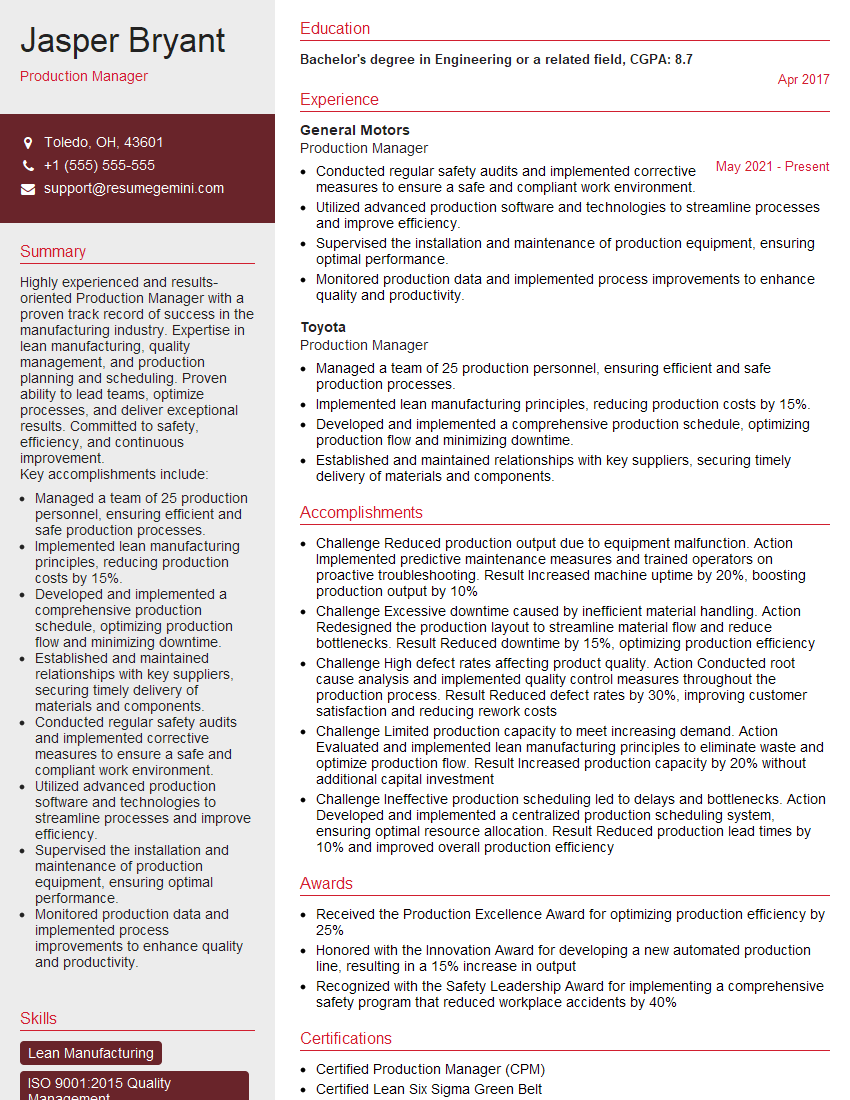
Production Manager Resume Sample
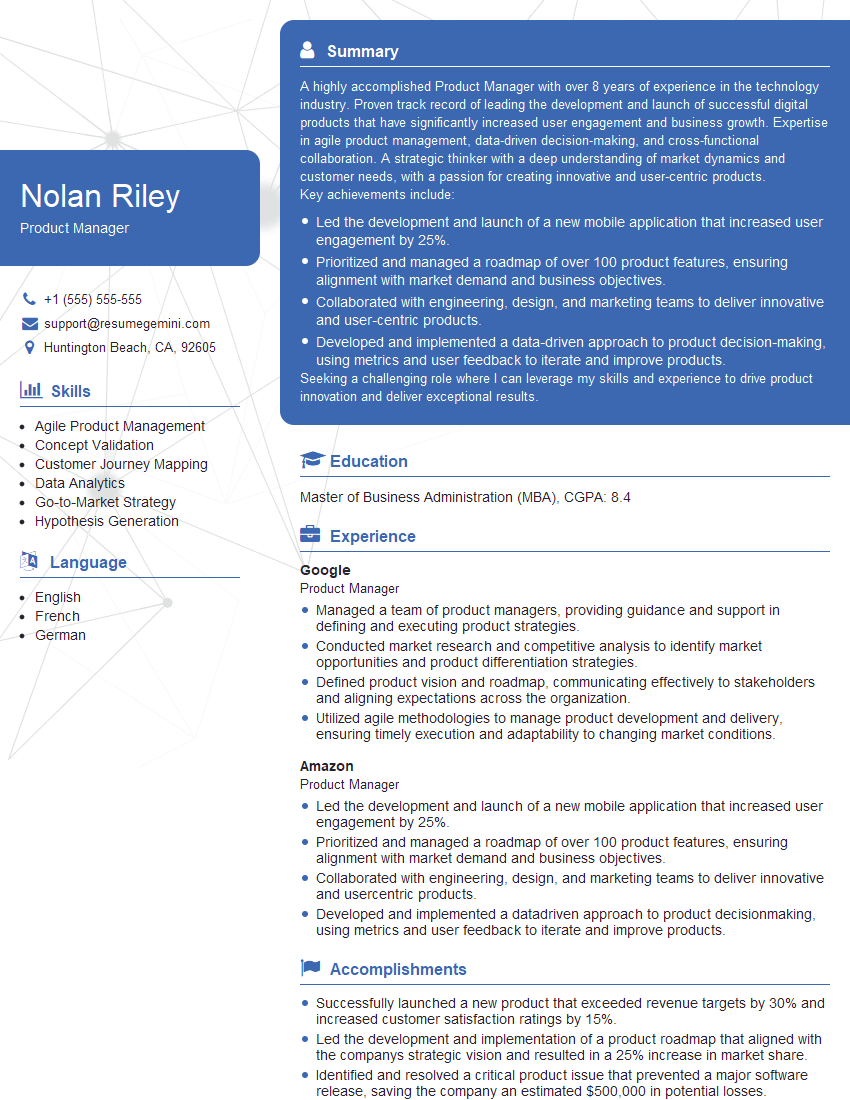
Product Manager Resume Sample
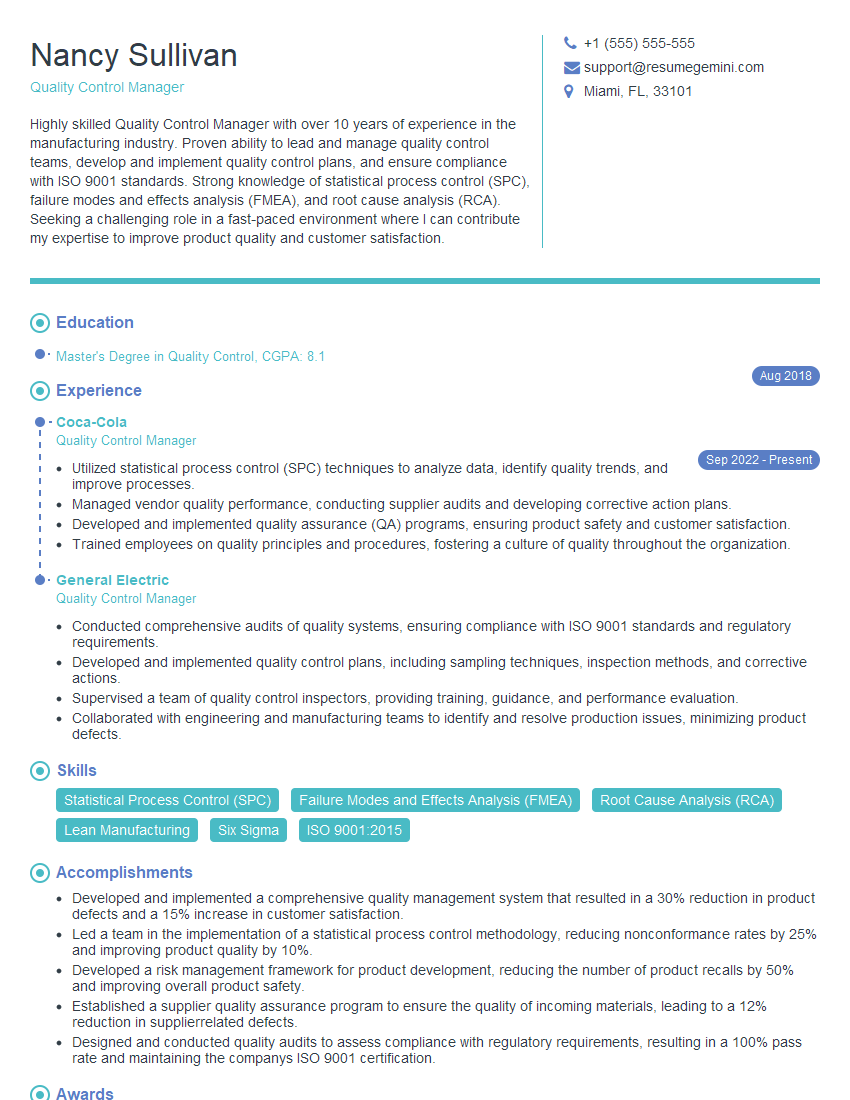
Quality Control Manager Resume Sample

Production Coordinator Resume Sample
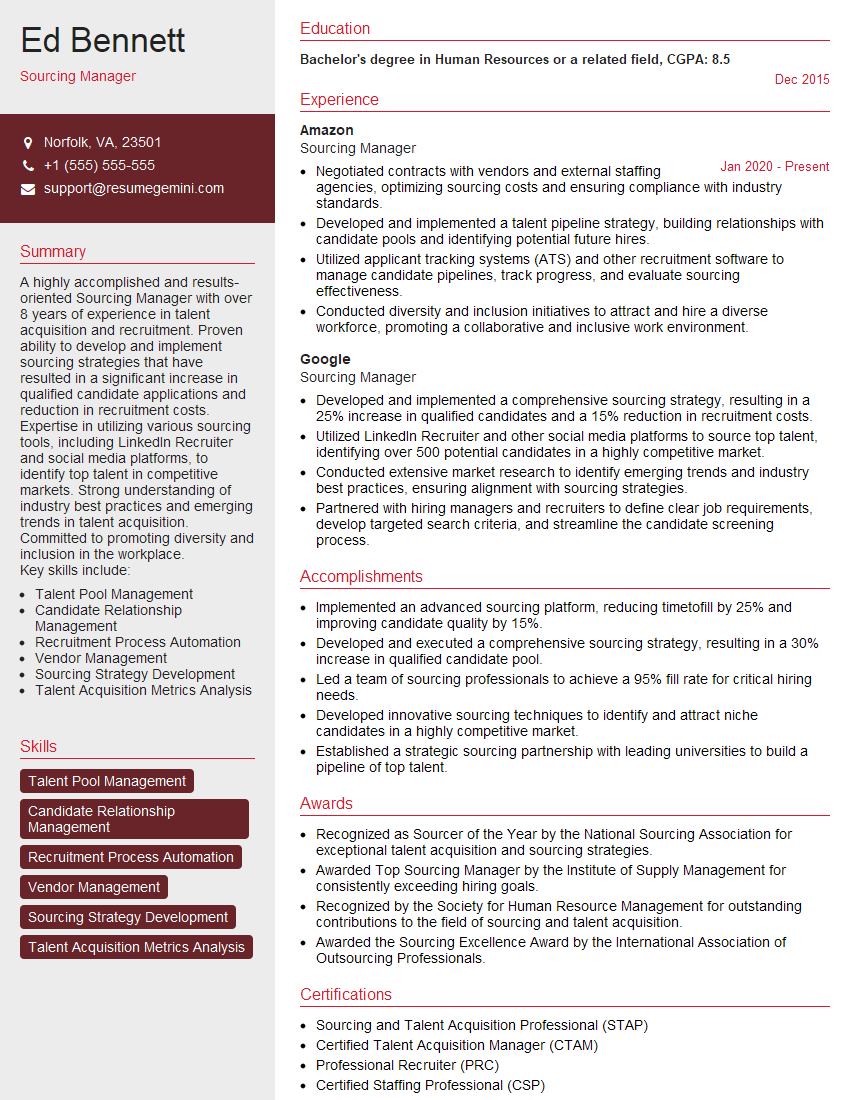
Sourcing Manager Resume Sample

Sourcing Specialist Resume Sample
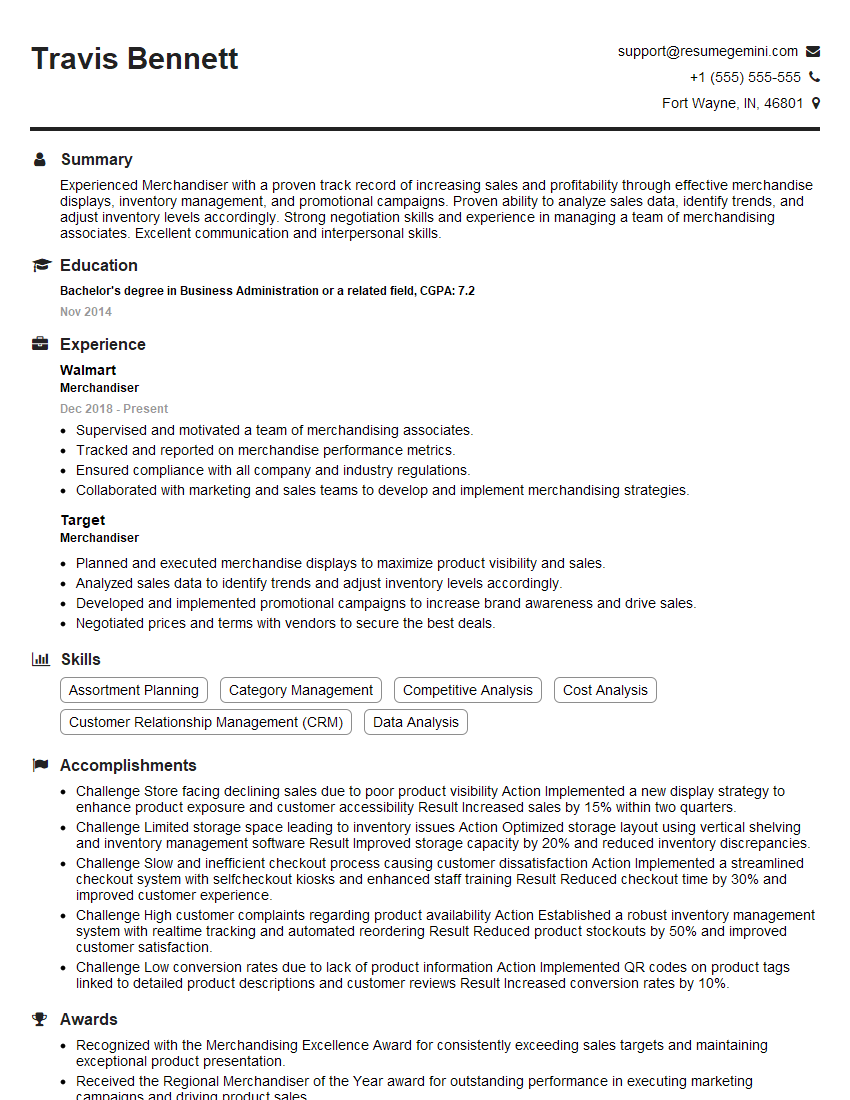
Merchandiser Resume Sample
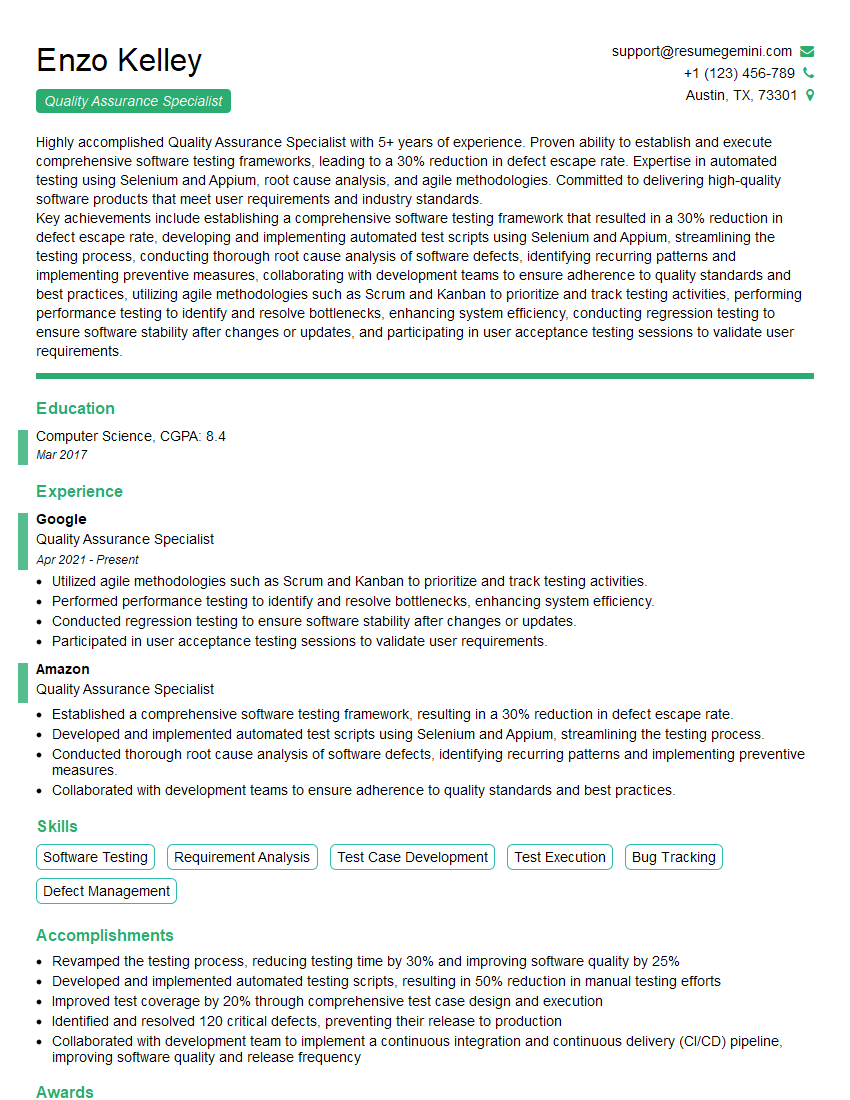
Quality Assurance Specialist Resume Sample
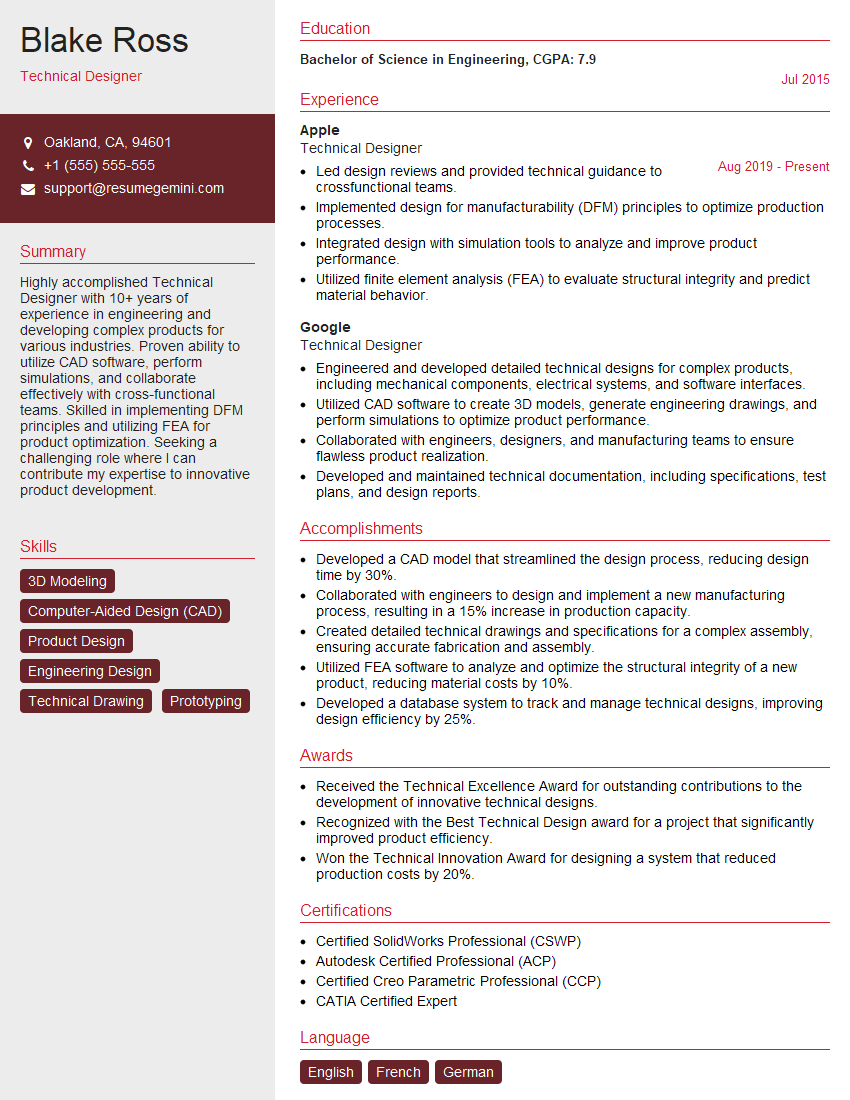
Technical Designer Resume Sample
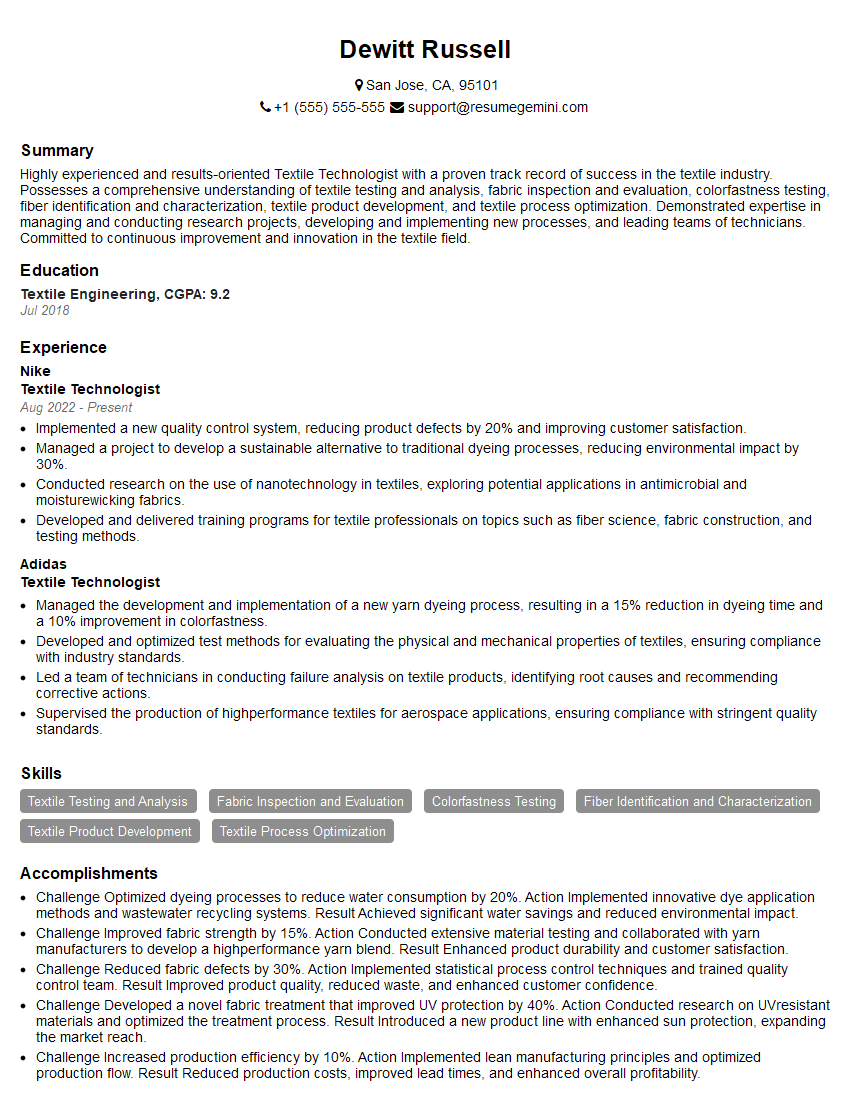
Textile Technologist Resume Sample
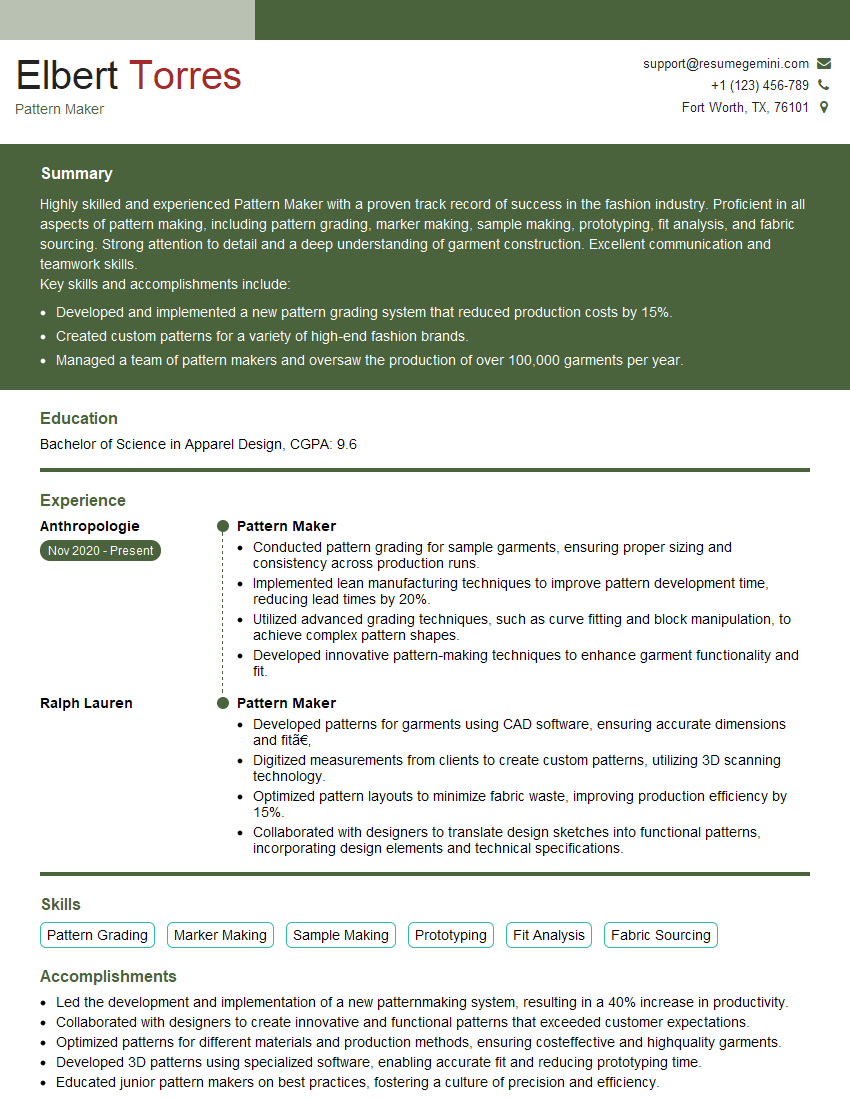
Pattern Maker Resume Sample
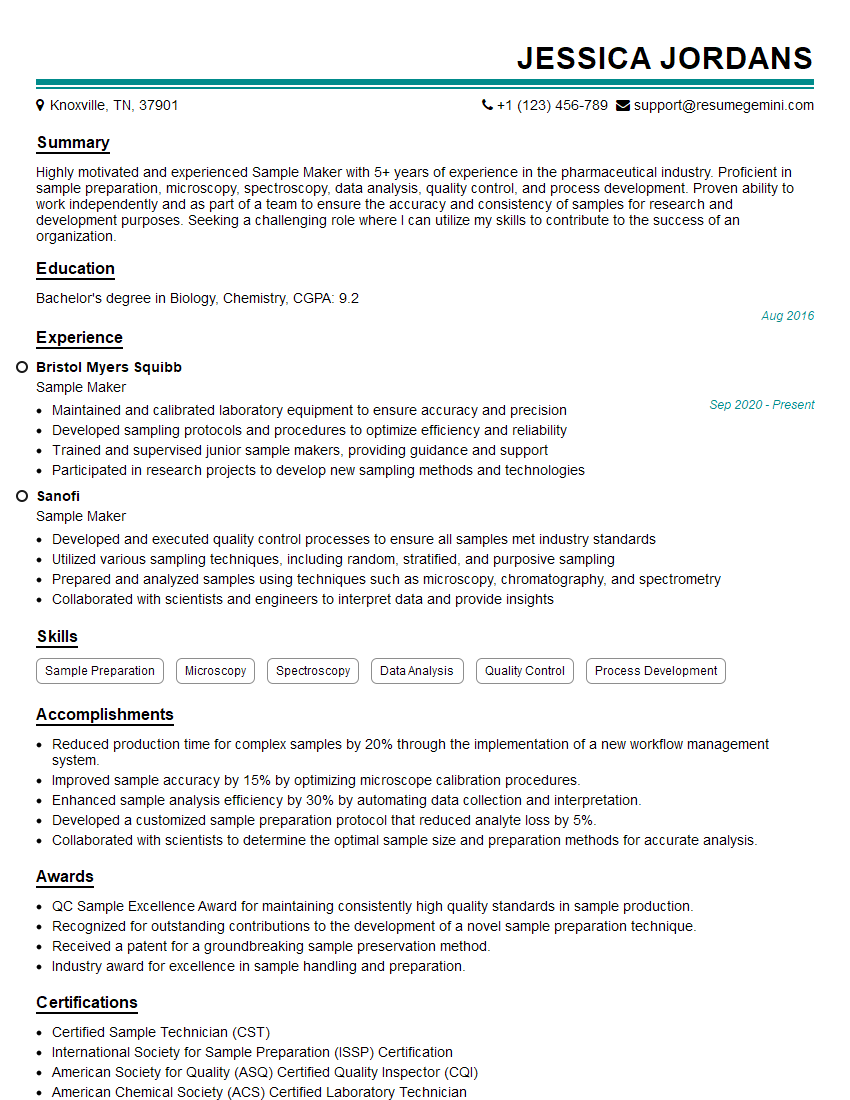
Sample Maker Resume Sample
Explore more articles
Users Rating of Our Blogs
Share Your Experience
We value your feedback! Please rate our content and share your thoughts (optional).
What Readers Say About Our Blog
Very informative content, great job.
good