The right preparation can turn an interview into an opportunity to showcase your expertise. This guide to Harvesting Machine Operation interview questions is your ultimate resource, providing key insights and tips to help you ace your responses and stand out as a top candidate.
Questions Asked in Harvesting Machine Operation Interview
Q 1. Describe your experience operating different types of harvesting machinery.
My experience encompasses a wide range of harvesting machinery, from traditional forage harvesters and self-propelled combines to advanced, GPS-guided systems. I’ve operated various makes and models, including John Deere, Case IH, and Claas, adapting my techniques to each machine’s unique features and capabilities. For example, operating a forage harvester requires a keen understanding of crop flow and drum speed to optimize chopping length and minimize losses. With combines, precise header adjustments are crucial for efficient grain harvesting while minimizing damage. My experience also includes working with specialized equipment like cotton pickers and potato harvesters, requiring specialized knowledge of their unique processes.
I’ve gained valuable experience in different field conditions, from flat, expansive fields to hilly, challenging terrain. This diverse experience has allowed me to develop a comprehensive understanding of how to optimize machine performance across varied environments and crop types.
Q 2. Explain the process of calibrating a combine harvester for optimal performance.
Calibrating a combine harvester is crucial for optimal performance and minimizing losses. Think of it like fine-tuning a high-precision instrument. The process involves several key steps, starting with setting the header height to match the crop height – too low and you risk damage, too high and you lose yield. Next, I adjust the concave clearance, which impacts how aggressively the grain is threshed. Too tight, and you risk cracked grain; too loose, and unthreshed grain escapes. Then comes the rotor speed (in rotor combines) or cylinder speed (in conventional combines). This affects the aggressiveness of threshing, and must be balanced with the crop’s moisture content.
I also calibrate the sieves, adjusting the air flow and sieve settings to optimize the separation of grain from chaff and other materials. This step is vital for minimizing grain loss and ensuring clean grain quality. Finally, I use the combine’s onboard computer to monitor grain loss sensors, which provide real-time feedback on the efficiency of the various separation processes. Based on these readings, I make any necessary fine adjustments to ensure peak performance. It’s an iterative process, requiring constant monitoring and adjustment throughout the harvest.
Q 3. How do you maintain the efficiency of harvesting machinery throughout a long workday?
Maintaining efficiency throughout a long workday requires proactive management. This begins with pre-harvest checks, ensuring all components are properly lubricated and functioning correctly. Regular cleaning is essential – clogged sieves or a choked feeder house can significantly reduce throughput. I also monitor fuel levels and engine temperature closely, avoiding overworking the machine. Taking short breaks for maintenance tasks, like cleaning out debris, or refueling, is more efficient than a major breakdown later in the day. This proactive approach is far more productive than constantly dealing with minor issues that accumulate and become major problems.
Hydration and breaks for the operator are also crucial. Fatigue impairs judgment and increases the risk of error. Regular pauses for rest and hydration help maintain focus and performance throughout the day. Effective communication with support crews for timely assistance with any issues also contributes to maximizing daily efficiency.
Q 4. What are the common safety procedures when operating harvesting equipment?
Safety is paramount in harvesting operations. Before starting any machine, I perform a thorough pre-operational check, looking for any potential hazards such as loose parts, leaks, or damaged components. I always wear appropriate personal protective equipment (PPE), including safety glasses, hearing protection, and sturdy work boots. Visibility is essential, so I ensure all lights are working and I’m aware of my surroundings. This also means communicating with other workers in the field to avoid accidents.
I carefully follow all manufacturer’s safety guidelines and regulations. This includes maintaining safe speeds, especially during turning or maneuvering. I’m extremely cautious around moving parts of the machinery and never reach into moving machinery while it is operational. Regular maintenance is key to safety; a well-maintained machine is a safer machine.
Q 5. How do you troubleshoot common mechanical issues that arise during harvesting?
Troubleshooting is a critical skill for efficient harvesting. I typically follow a systematic approach. First, I identify the symptom – for instance, a reduction in output or a noticeable increase in grain loss. Then, I systematically check potential causes. A reduction in output could indicate a clogged auger, a malfunctioning feeder house, or a problem with the threshing mechanism. Increased grain loss might point to issues with the sieves, the cleaning system, or the grain tank.
I start with the most likely causes and then work through the potential issues. My experience allows me to quickly identify the problem area. I use diagnostic tools, like onboard computer systems, to gather data that helps pinpoint the problem. If I’m unable to resolve the issue using my knowledge and available tools, I don’t hesitate to contact a mechanic or service technician for assistance. Timely resolution is essential to minimize downtime and lost yield.
Q 6. Describe your experience with yield monitoring systems.
My experience with yield monitoring systems is extensive. These systems provide real-time data on crop yield, moisture content, and other key parameters. This allows for data-driven decision-making. For example, I can use yield maps to identify areas with lower yields and adjust harvesting parameters accordingly or to optimize fertilizer application for future plantings. I’m comfortable using various yield monitoring systems, understanding their data outputs, and integrating this information into management strategies. Data collected is also vital for assessing harvesting efficiency and identifying areas for improvement.
The data provided by yield monitoring systems are also invaluable for record-keeping and compliance with industry standards. The detailed information gives insight into factors influencing yields such as variations in soil quality or differences in planting dates. This data can be used for future planning and improved yields in subsequent seasons. Accurate data collection aids in minimizing losses and maximizes profitability.
Q 7. How do you adjust harvesting parameters based on changing crop conditions?
Adjusting harvesting parameters based on changing crop conditions is crucial for optimal performance. For instance, if the crop is wetter than expected, I might slow down the combine’s speed to allow for more efficient threshing and separation to avoid damage. Similarly, if the crop is unusually dry and brittle, I will adjust the threshing and separation components to prevent losses due to shattering. I might reduce the rotor speed or cylinder speed and alter concave clearance to minimize grain breakage.
Changes in crop density also require adjustments. A denser crop might require a slower forward speed and potentially adjustments to the feeder house to avoid overloading the combine. Conversely, a less dense crop could require an increase in speed. This adaptability ensures efficient harvesting, minimizes losses, and maintains consistent grain quality, regardless of fluctuating field conditions. I constantly monitor crop conditions and adjust machine settings in real-time to maximize efficiency and maintain optimal performance.
Q 8. Explain your understanding of GPS-guided harvesting systems.
GPS-guided harvesting systems are revolutionizing agriculture by significantly improving efficiency and reducing waste. They utilize GPS technology to precisely control the path of the harvesting machine, ensuring that every part of the field is covered and harvested only once. This is done through a combination of GPS receivers, control systems, and automated steering. The system creates a map of the field and uses this to guide the combine along pre-programmed lines, optimizing the harvesting process.
Imagine a farmer needing to harvest a large field with uneven terrain. A conventional method might leave areas unharvested or result in overlapping passes. GPS guidance eliminates this problem. The combine automatically follows the prescribed path, avoiding overlaps and maximizing yield. Furthermore, it allows for section control, meaning individual header sections can be turned on or off based on the presence of crop, further reducing waste and fuel consumption.
Real-world applications include reducing fuel consumption, improving yields by minimizing overlaps and skips, increasing operator comfort, and ultimately leading to greater profitability.
Q 9. What is your experience with preventative maintenance on harvesting equipment?
Preventative maintenance is crucial for maintaining the longevity and efficiency of harvesting equipment. My experience involves a robust, scheduled maintenance program encompassing daily, weekly, and seasonal checks. Daily checks involve inspecting fluid levels (oil, coolant, fuel), tire pressure, belts, and chains. Weekly tasks include greasing components, tightening bolts, and visually inspecting for wear and tear. Seasonal maintenance is more extensive, encompassing things like replacing filters, sharpening blades, and performing more thorough inspections of hydraulic and electrical systems.
I utilize a digital maintenance log to meticulously track all services, repairs, and component replacements. This log allows for easy identification of potential issues and facilitates the predictive maintenance of parts prone to wear. For instance, regular monitoring of combine engine oil indicates potential issues such as wear or leaks, allowing for timely intervention before significant damage occurs.
I firmly believe that a proactive maintenance approach is far more cost-effective than reactive repairs, minimizing downtime during the critical harvesting season.
Q 10. How do you ensure the quality of the harvested crop?
Ensuring the quality of the harvested crop involves a multi-faceted approach starting with proper machine setup and continuing through the entire harvesting process. This begins with calibrating the combine’s threshing and separating mechanisms to match the crop’s specific characteristics, ensuring minimal losses and damage. The speed of the combine is crucial; going too fast can lead to excessive losses, while going too slow can decrease efficiency. Optimal moisture content is another key factor; harvesting too wet can lead to spoilage, while harvesting too dry can cause excessive shattering and losses.
Regular monitoring of the crop during harvesting is crucial, with frequent checks on the quality of the grain being collected. This might involve visually inspecting the grain for damage, foreign material, and moisture content. Also, utilizing loss monitors mounted on the combine provides real-time feedback on harvesting efficiency, allowing immediate adjustments if necessary.
Furthermore, post-harvest quality control is equally critical. This could include cleaning the grain, grading it by quality, and storing it in appropriate conditions to maintain its integrity and market value.
Q 11. Describe your experience with different types of headers and their applications.
Different crops require different headers, and my experience covers a range of them. For example, a corn header is specialized for harvesting corn, equipped with rows of rollers and knives to efficiently remove the ears from the stalk. A draper header is ideal for small grains like wheat and barley, its gentle design minimizing losses and damage. A bean header is designed for harvesting soybeans and other legumes; it has a unique design that effectively collects beans from the plants.
The choice of header depends on several factors including the crop type, crop maturity, field conditions, and harvesting goals. A poorly chosen header can significantly impact yield and crop quality. For instance, using a corn header for wheat would lead to high losses, and vice versa. Adaptability is also a crucial consideration; modern combines often allow for quick changes between different header types to maximize their utilization across different crops during the harvesting season.
Q 12. How do you manage fuel consumption efficiently during harvesting operations?
Efficient fuel management is critical for minimizing harvesting costs. My approach involves optimizing combine settings to match field conditions and crop density. Avoiding excessive idling and maintaining appropriate ground speed are essential. Proper tire inflation reduces rolling resistance, while regular engine maintenance (such as air filter replacements) ensures optimal combustion and fuel efficiency.
Modern combines often feature fuel consumption monitoring systems providing real-time feedback, allowing for immediate adjustments to optimize performance. Additionally, techniques like using auto-guidance systems reduce overlaps and unnecessary travel, leading to further fuel savings. Finally, operator training and awareness play a crucial role; experienced operators know how to utilize the machine’s capabilities to maximize fuel efficiency without compromising harvesting quality.
Q 13. What are the different types of grain tanks and their capacities?
Grain tanks in combines vary significantly in capacity, depending on the combine’s size and intended use. Smaller combines might have tanks ranging from 150 to 300 bushels, while larger machines can hold upwards of 500 bushels or more. The tank’s shape and design also impact efficiency; some are designed for easier unloading and reduced grain bridging (the formation of grain clumps that prevent proper unloading). Materials used in construction vary as well; common options include steel and aluminum, offering differing weights and durability characteristics.
The capacity selection depends on field size, crop yield, and the availability of unloading facilities. Larger tanks allow for fewer unloading stops, increasing harvesting speed and efficiency, but they also increase the overall machine weight and size. Choosing the right grain tank size is a balance between capacity and operational considerations.
Q 14. Explain the process of unloading harvested grain from a combine.
Unloading harvested grain from a combine typically involves a system of augers and conveyors that move the grain from the main tank to a designated location. The unloading process often begins by raising the unloading auger, then activating the unloading mechanism. This mechanism typically involves a powerful auger system that moves the grain from the grain tank to an external discharge spout. The spout is then rotated to direct the grain into a waiting truck, grain cart, or other storage facility.
The speed of unloading varies depending on the size and type of combine, as well as the efficiency of the unloading system. It’s crucial to ensure the unloading spout is properly positioned to avoid spillage and to maintain a consistent flow of grain into the storage unit. After unloading, the auger is lowered and the process is complete. Safety considerations, including being aware of moving parts and ensuring appropriate distances from the unloading spout, are paramount throughout the unloading procedure.
Q 15. How do you handle unexpected equipment breakdowns during harvesting?
Unexpected equipment breakdowns are unfortunately a common occurrence in harvesting. My approach is proactive and systematic. First, safety is paramount. I immediately secure the area, ensuring no one is in danger around the malfunctioning machinery. Then, I conduct a thorough assessment of the problem, trying to identify the cause. This might involve checking fluid levels, inspecting belts and chains, or even performing a quick diagnostic test if the machine has onboard diagnostics.
Depending on the severity, I might attempt minor repairs myself if I’m equipped and qualified to do so – for instance, changing a blown fuse or tightening a loose connection. However, I know my limitations. If the breakdown is beyond my immediate capabilities, I don’t hesitate to call in a qualified mechanic or contact the equipment supplier for assistance. Time is of the essence during harvest, so I prioritize a quick resolution, even if it means expedited repair services. For instance, during a particularly wet harvest season, our combine suffered a major hydraulic leak. Instead of trying a risky field repair, I immediately contacted our service provider, who dispatched a mobile repair unit within hours, minimizing downtime and crop loss. Documentation of the breakdown and repairs are meticulously maintained for future maintenance planning and potential warranty claims.
Career Expert Tips:
- Ace those interviews! Prepare effectively by reviewing the Top 50 Most Common Interview Questions on ResumeGemini.
- Navigate your job search with confidence! Explore a wide range of Career Tips on ResumeGemini. Learn about common challenges and recommendations to overcome them.
- Craft the perfect resume! Master the Art of Resume Writing with ResumeGemini’s guide. Showcase your unique qualifications and achievements effectively.
- Don’t miss out on holiday savings! Build your dream resume with ResumeGemini’s ATS optimized templates.
Q 16. What are the environmental considerations during harvesting operations?
Environmental considerations are critical during harvesting and should be integrated into every aspect of the operation. Minimizing soil compaction is a key focus. We use techniques like using wider tires on equipment and adjusting operating pressures to reduce ground pressure. This is particularly important in fields with sensitive soils that are prone to erosion. Fuel efficiency is another important aspect, as fuel combustion contributes to greenhouse gas emissions. We carefully monitor fuel consumption, optimize machine settings, and choose appropriate harvest timing to minimize fuel waste. We also meticulously manage crop residue, ensuring that sufficient cover remains to protect the soil from erosion and to support beneficial soil organisms. For instance, we might adjust the combine’s header to leave a designated amount of stubble depending on the soil type and environmental conditions. Additionally, we comply with all relevant environmental regulations and guidelines regarding pesticide and fertilizer applications.
Q 17. How do you ensure the efficient use of labor during harvesting?
Efficient labor utilization is crucial for maximizing harvest yields and minimizing costs. Careful planning is key, starting with accurate assessments of the workload and available personnel. We assign tasks based on individual skill sets and experience, creating teams with complementary abilities. For instance, one team might focus on operating harvesting machinery, while another concentrates on transportation and storage. Clear communication and well-defined roles help to streamline operations and minimize overlaps. We also leverage technology where appropriate. GPS-guided machinery and yield monitors allow for precision farming, optimizing the use of labor and resources. Furthermore, regular training sessions are conducted to improve operator skill and safety. I believe in creating a positive and collaborative work environment that motivates employees and increases overall efficiency. During peak harvest periods, we often adjust schedules to accommodate longer working hours but always prioritize safety and worker well-being.
Q 18. Describe your experience with different types of forage harvesters.
My experience encompasses a wide range of forage harvesters, including self-propelled and pull-type models. I’m proficient in operating various brands and models, each with its unique features and capabilities. I have extensive experience with drum-type harvesters, which are particularly well-suited for chopping various forages, from corn silage to alfalfa. I am also adept at operating kernel processors, which are used to enhance the nutritional value of corn silage. I understand the importance of correctly adjusting the cutter head speed, roller speed, and knife settings to achieve optimal chop length and efficiency. My experience also extends to the maintenance and troubleshooting of these harvesters, including understanding the impact of different cutting configurations on overall harvesting efficiency. For example, I’ve found that using a higher knife count can improve chopping quality, but it might require adjustments to the machine’s settings to avoid excessive power consumption.
Q 19. How do you manage crop losses during harvesting?
Crop losses during harvesting can significantly impact profitability. My strategy focuses on minimizing losses at every stage, starting with pre-harvest planning. This involves selecting appropriate harvesting equipment and techniques based on the crop type and field conditions. Regular maintenance of equipment is crucial to ensure optimal performance. During the harvesting process, careful adjustments to the harvester’s settings are made to minimize losses due to header losses, shattering, or uneven cutting. We also use technologies such as yield monitors to track harvesting efficiency and identify areas where losses are occurring. For example, if we detect higher-than-average losses in a particular section, we might investigate for issues like ground speed or machine settings. Post-harvest evaluation also plays a role. We analyze harvested yields against expected yields and investigate any significant discrepancies to identify areas for improvement in future harvesting operations.
Q 20. Explain your experience with post-harvest handling of crops.
Post-harvest handling is just as critical as the harvesting process itself. It involves the efficient and safe movement, cleaning, and storage of harvested crops to maintain quality and prevent spoilage. My experience includes handling a variety of crops, including grains, forages, and fruits. I am familiar with different storage methods, from grain bins to silage piles, and understand the importance of proper aeration and temperature control. I have hands-on experience with various handling equipment, including conveyors, augers, and trucks, and I am proficient in using them efficiently and safely. Furthermore, I understand the importance of maintaining crop cleanliness to prevent contamination and spoilage. For instance, I’ve managed the unloading and storage of several thousand tons of grain during a harvest season, ensuring that the grain remained free from moisture damage and contamination. Careful record keeping is maintained throughout the post-harvest process to track quality and manage inventory.
Q 21. What are the regulations and safety standards you follow during harvesting?
Safety and compliance with regulations are non-negotiable aspects of harvesting. I strictly adhere to all relevant Occupational Safety and Health Administration (OSHA) standards and other applicable regulations related to agricultural machinery operation. This includes regular equipment inspections, ensuring all safety devices are functioning correctly, and using appropriate personal protective equipment (PPE) like hearing protection, safety glasses, and high-visibility clothing. I am familiar with the regulations concerning transportation of agricultural products and ensure compliance with weight limits and other transportation regulations. I also undergo regular safety training to stay updated on best practices and emerging regulations. I enforce strict safety protocols within my team, conducting regular safety briefings and emphasizing the importance of safe work practices. For instance, I regularly perform pre-operational checks on all equipment, following a standardized checklist and ensuring any potential hazards are addressed before beginning operations. Maintaining accurate records of safety training and equipment inspections is essential for ensuring compliance and reducing the risks associated with harvesting operations.
Q 22. How do you adapt to different field conditions during harvesting?
Adapting to varying field conditions is crucial for efficient harvesting. It involves a multi-faceted approach that begins with pre-harvest planning and extends to real-time adjustments during operation.
Before heading into the field, I thoroughly analyze field maps, soil reports, and weather forecasts to anticipate potential challenges. This allows me to choose appropriate machinery settings and plan routes that minimize risks. For instance, if the field has significant slopes, I’d adjust the harvester’s speed and ground pressure to prevent tipping or soil compaction. If the crop is unevenly matured, I may need to modify the header height and cutting settings to avoid losses or damage.
During operation, I constantly monitor the machine’s performance indicators such as engine RPM, fuel consumption, and header engagement. Any deviations from the norm trigger immediate investigation. For example, if I notice a sudden increase in engine load, I check for blockages or other mechanical issues. If the ground is unusually soft, I’ll reduce speed and adjust tire pressure accordingly. This continuous monitoring and adaptation ensures consistent harvesting quality and machine longevity.
In short, adapting means proactive planning, using available data effectively, and maintaining constant awareness to make real-time decisions that optimize efficiency and prevent costly mistakes.
Q 23. Describe your experience with data logging and reporting in harvesting operations.
Data logging and reporting are essential for optimizing harvesting operations and improving profitability. My experience encompasses a wide range of data acquisition and analysis methods. I’m proficient in operating harvesters equipped with GPS and yield monitoring systems, which automatically record data such as yield, moisture content, GPS coordinates, and machine performance metrics.
This data is then downloaded and analyzed using dedicated software. I can use this information to generate yield maps, identify areas with low productivity, assess the effectiveness of different harvesting strategies and pinpoint areas needing improvements in agronomic practices. For example, a yield map might reveal low-yielding sections due to insufficient fertilizer application in a particular area, allowing for corrective measures in future seasons.
Furthermore, I’m experienced in generating comprehensive reports that detail harvesting efficiency, fuel consumption, and machine downtime. These reports are vital for making informed decisions about equipment maintenance, optimizing operational strategies and justify capital investments. The data-driven approach helps to increase overall harvesting efficiency and reduce waste.
Q 24. How do you ensure the accuracy of yield maps?
Ensuring the accuracy of yield maps is crucial for precision agriculture. Accuracy depends on several factors, starting with proper calibration of the yield monitor. I meticulously calibrate the sensors before each harvesting session, following manufacturer instructions and using standardized procedures. This includes checking the sensor’s cleanliness and functionality and verifying the accuracy of flow measurement devices.
Secondly, GPS accuracy is paramount. Using a high-precision GPS system (RTK) minimizes positional errors which can lead to inaccurate yield mapping. I also ensure proper overlap between adjacent swaths to prevent gaps in the data collection process and to ensure smooth transitions between machine passes.
Post-harvest, I validate the data by comparing yield maps with ground-truth measurements (e.g., by physically weighing harvested materials from specific areas). Any significant discrepancies prompt a thorough investigation to identify potential sources of error—be it sensor malfunction, inaccurate GPS data, or even operator error. This rigorous approach allows for a correction of data for improved future accuracy and reliable decision-making.
Q 25. Explain your knowledge of different harvesting techniques for various crops.
My knowledge of harvesting techniques spans a variety of crops and methodologies. For example, harvesting grain crops like wheat, barley, or corn often involves the use of combine harvesters equipped with appropriate headers (e.g., corn heads, draper heads). The choice of header is crucial as it dictates the efficiency of crop gathering. Cutting height, threshing speed, and separation settings are all adjusted based on the crop’s maturity and moisture content.
Harvesting fruit crops, such as apples or oranges, differs significantly. Mechanical harvesters with specialized shaking mechanisms or hand-picking may be employed, depending on the crop type, scale, and desired quality. The harvesting approach takes into account factors like fruit ripeness, fragility, and potential for damage during the process.
Vegetable harvesting is highly diverse, with methods ranging from hand harvesting to automated machines that utilize robotic arms and computer vision. For example, lettuce may be harvested with mechanical harvesters that cut the plants at the base. Potatoes are often harvested using specialized machinery that uproots, cleans, and sorts the tubers. Each crop presents unique challenges, requiring adaptability and specialized knowledge of the best harvesting practices to minimize crop losses and maintain product quality.
Q 26. What is your experience with autonomous or robotic harvesting systems?
While widespread adoption is still emerging, I have practical experience with the principles and operation of autonomous and robotic harvesting systems. I understand the underlying technologies, including GPS, computer vision, machine learning, and sensor fusion, all of which contribute to their decision-making and navigational capabilities.
My experience involves assisting in the setup, monitoring, and troubleshooting of such systems. This includes tasks like programming pre-defined routes, calibrating sensors, and interpreting data generated by the systems. I’ve observed firsthand the advantages they provide, like increased efficiency, reduced labor costs, and enhanced precision, especially in repetitive tasks.
However, I also recognize that these systems aren’t without limitations. Environmental factors, crop variations, and unexpected events can impact their performance. A skilled operator’s ability to oversee, monitor, and intervene when necessary remains essential for a seamless and efficient harvesting process, even with autonomous systems. I see my role as adapting and utilizing technology to augment my existing skills, not to replace them entirely.
Q 27. How do you prioritize tasks during peak harvesting season?
Peak harvesting season demands meticulous task prioritization to maximize efficiency and minimize losses. My approach is based on a combination of planning and dynamic adjustments throughout the process. Before the season begins, I create a detailed harvesting plan that factors in field sizes, crop maturity, weather forecasts, and available resources (machinery, personnel). This plan assigns priorities to different fields based on factors such as crop ripeness and susceptibility to weather damage.
During the season, I continuously monitor the progress against this plan, adjusting priorities as needed. For example, if an unexpected rain shower threatens a particularly susceptible field, that field immediately becomes top priority. Real-time data from yield monitors and other sensors are used to gauge efficiency and identify bottlenecks. Communication with other team members – drivers, maintenance crews, and management – is vital to keep everyone informed about changing priorities and challenges.
The key here is flexibility and adaptability. A rigid plan can become ineffective when faced with unforeseen circumstances. Successful prioritization lies in the ability to react effectively to changing conditions while maintaining a clear focus on the overall goal – completing the harvest efficiently and minimizing losses.
Q 28. Describe your experience with teamwork and communication during harvesting operations.
Effective teamwork and clear communication are fundamental to successful harvesting operations. Harvesting is a complex and time-sensitive operation, requiring coordinated effort from multiple individuals with specialized roles. My experience emphasizes open and respectful communication. I believe in fostering a collaborative environment where everyone feels comfortable sharing information, raising concerns, and offering suggestions.
I actively participate in pre-harvest meetings to discuss strategies, assign responsibilities, and ensure that everyone understands their role. During the operation, I maintain constant communication with other operators, maintenance personnel, and logistics teams using radios and other communication tools. This enables efficient problem-solving and prompt response to unexpected issues.
For example, if a machine malfunctions, I immediately communicate the problem to the maintenance team, providing clear and detailed information to facilitate rapid repairs and minimize downtime. I believe in a culture of mutual support; everyone’s input is valuable, and proactive communication prevents minor issues from escalating into significant delays or losses.
Key Topics to Learn for Harvesting Machine Operation Interview
- Machine Operation & Maintenance: Understanding the mechanics, controls, and preventative maintenance procedures for various harvesting machines (e.g., combines, harvesters, header types). This includes daily checks, troubleshooting common issues, and knowing when to call for professional assistance.
- Yield Optimization Techniques: Learn strategies to maximize harvest yields while minimizing losses. This includes understanding factors affecting yield like crop maturity, harvesting speed, and machine settings. Practical application involves adjusting machine settings based on field conditions and crop characteristics.
- Safety Procedures & Regulations: Mastering safety protocols is paramount. This includes proper machine operation, pre-harvest checks, safe handling of equipment, and adherence to all relevant health and safety regulations. Understanding emergency procedures is critical.
- GPS Technology & Precision Agriculture: Familiarity with GPS-guided harvesting systems, yield mapping, and data analysis for improved efficiency and precision. Practical application involves interpreting yield maps to optimize future harvesting strategies.
- Harvesting Techniques for Different Crops: Understanding the specific techniques and adjustments required for various crops (e.g., grains, fruits, vegetables). This involves knowing the optimal harvesting time, methods for minimizing damage, and handling post-harvest procedures.
- Troubleshooting & Problem Solving: Developing the ability to quickly diagnose and solve problems encountered during harvesting. This includes understanding common malfunctions, using diagnostic tools, and performing basic repairs.
- Data Management & Reporting: Understanding how to collect, record, and report harvest data accurately. This might involve using onboard computer systems or manual data logging and reporting methods.
Next Steps
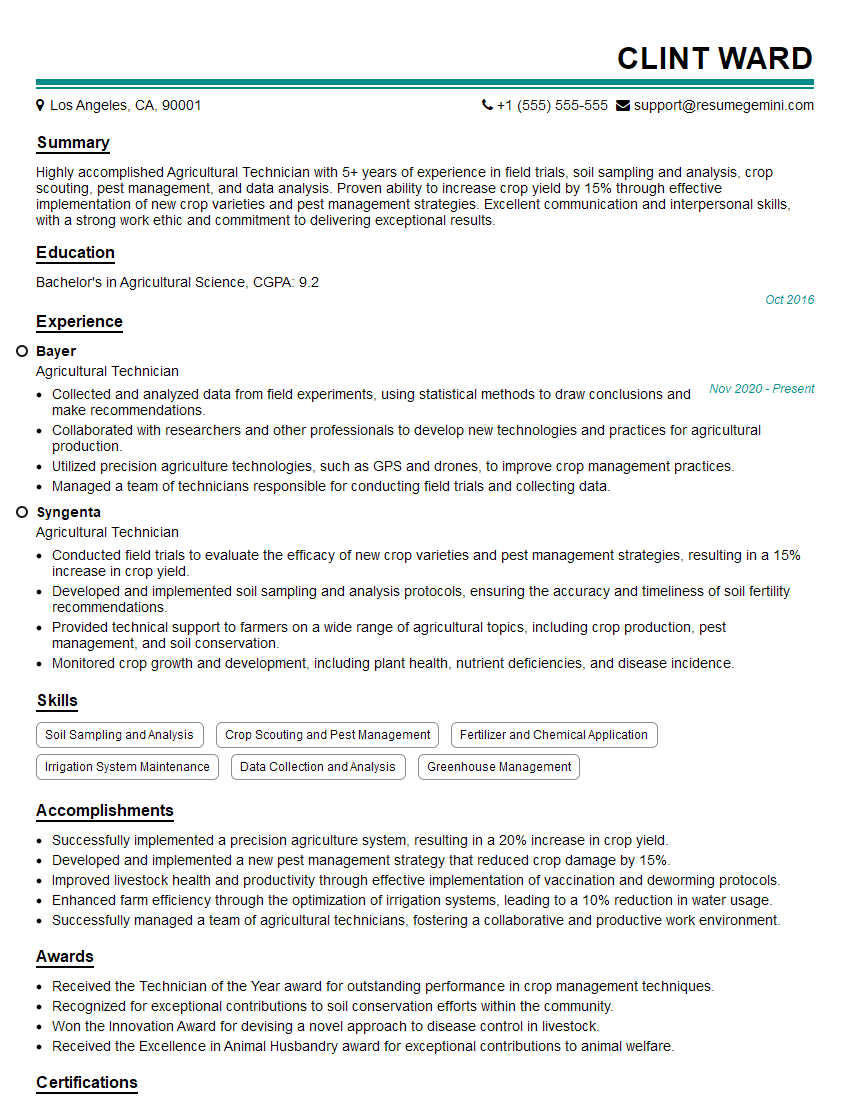
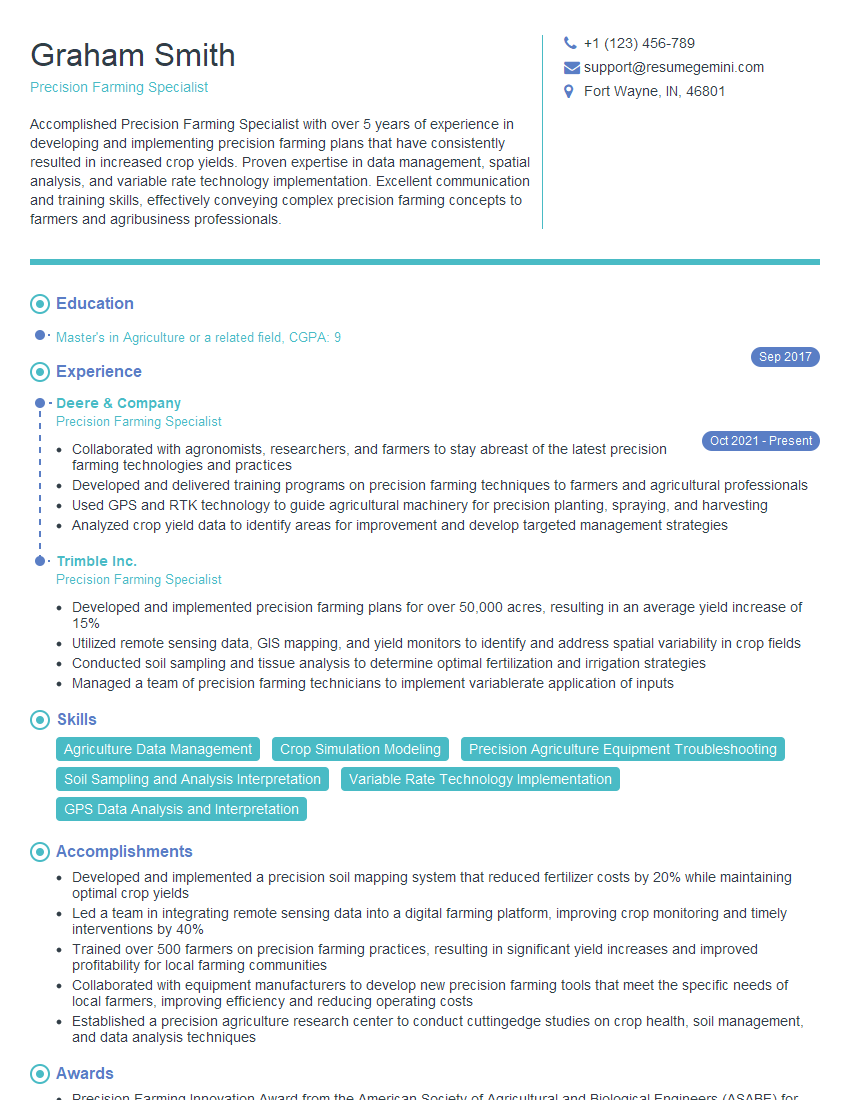
Mastering Harvesting Machine Operation is key to a successful and rewarding career in agriculture, offering opportunities for advancement and specialization. To stand out to potential employers, a strong, ATS-friendly resume is essential. This is where ResumeGemini can help! ResumeGemini offers a user-friendly platform to create a professional resume that showcases your skills and experience effectively. We even provide examples of resumes tailored to Harvesting Machine Operation to guide you. Take the next step in your career journey – build a winning resume with ResumeGemini.




Explore more articles
Users Rating of Our Blogs
Share Your Experience
We value your feedback! Please rate our content and share your thoughts (optional).
What Readers Say About Our Blog
Very informative content, great job.
good