Unlock your full potential by mastering the most common Fashion Show Preparation interview questions. This blog offers a deep dive into the critical topics, ensuring you’re not only prepared to answer but to excel. With these insights, you’ll approach your interview with clarity and confidence.
Questions Asked in Fashion Show Preparation Interview
Q 1. Describe your experience managing backstage operations during a fashion show.
Managing backstage operations during a fashion show is akin to orchestrating a complex ballet. It requires meticulous planning, seamless execution, and the ability to adapt to the unexpected. My experience encompasses all aspects, from scheduling and communication to managing the flow of models, hair and makeup artists, dressers, and other support staff. This includes creating detailed run-of-show schedules, assigning specific responsibilities to team members, ensuring the smooth transition of models between changes, and maintaining a calm and organized atmosphere amidst the inherent pressure of a live show. For example, during a recent show featuring intricate, flowing gowns, I implemented a colour-coded system for garments to streamline quick changes and prevent mix-ups. Each garment was tagged with its corresponding model’s number and outfit sequence, minimizing delays and ensuring the right dress reached the right model at the right time.
- Pre-Show Preparation: This involved creating a detailed backstage layout, assigning dressing rooms, organizing hair and makeup stations, and establishing clear communication channels.
- During the Show: My role focused on monitoring the schedule, resolving any issues that arose (e.g., a broken zipper, a missing accessory), ensuring models were prepped and ready in the correct order, and maintaining a positive and supportive environment.
- Post-Show Wrap-up: This included overseeing the safe return of garments to the designers, ensuring all backstage areas were clean and organized, and conducting a post-show debrief with the team to identify areas for improvement.
Q 2. How do you handle last-minute changes or unexpected problems during a show?
Handling last-minute changes and unexpected problems requires a calm, decisive approach and strong problem-solving skills. Think of it as firefighting with elegance! My strategy involves a three-pronged approach: assessing the situation quickly, finding creative solutions, and communicating effectively with the team. For instance, if a model falls ill just before the show, I’d immediately identify a suitable replacement from the casting pool, communicate the change to the styling team to ensure quick outfit adjustments, and update the run-of-show schedule. If a crucial accessory goes missing, I’d explore alternative options (e.g., substituting with a similar item) or work with the designer to improvise a solution. Open and transparent communication is key; keeping the entire team informed minimizes confusion and fosters collaboration during stressful moments.
- Quick Assessment: Immediately identify the nature and severity of the problem.
- Creative Solutions: Explore all viable options, prioritize solutions with minimal disruption to the show’s flow.
- Effective Communication: Communicate the issue and proposed solution to all affected parties promptly and clearly.
Q 3. What is your experience with casting models for a fashion show?
My experience in casting models for fashion shows involves a multi-stage process focused on finding the right fit for the designer’s vision. It’s not just about physical attributes; it’s about finding models who embody the brand’s aesthetic and can confidently present the collection. I begin by reviewing the designer’s mood board and collection to understand the desired style, body type, and overall look. Then, I collaborate with agencies to source a diverse range of models who align with the criteria. I conduct castings, assessing not only their physical appearance but also their walk, expressiveness, and professionalism. Finally, I select the final lineup, ensuring a cohesive and impactful presentation. For a recent show focusing on sustainable fashion, I specifically sought models who actively promote environmental awareness, aligning their personal brand with the designer’s message.
- Understanding the Brand: Carefully review the designer’s collection and brand identity.
- Model Sourcing: Collaborate with agencies and explore various options.
- Casting Sessions: Evaluate models based on appearance, walk, and overall presentation.
- Final Selection: Choose a diverse and cohesive lineup that aligns with the designer’s vision.
Q 4. Explain your process for coordinating wardrobe and styling for a fashion show.
Coordinating wardrobe and styling for a fashion show is a meticulous process involving careful planning and close collaboration with the designer and styling team. It’s like putting together a jigsaw puzzle, where each piece must fit perfectly. I start by obtaining a detailed list of the garments from the designer and creating a comprehensive inventory. I then work with the stylists to determine accessories, shoes, and hair and makeup looks that complement each outfit. We create detailed look books, assigning each outfit to a specific model. Fittings are crucial to ensure the garments fit perfectly and any necessary alterations are made before the show. This involves close monitoring of garment condition and meticulous organization of all clothing and accessories to avoid any chaos during the show. For a high-profile show with numerous outfits, we implemented a digital tracking system that linked each garment to a specific model and allowed us to monitor its status in real-time.
- Inventory Management: Create a detailed inventory of all garments and accessories.
- Styling Collaboration: Work closely with stylists to define the complete look for each outfit.
- Look Book Creation: Develop a detailed look book showing the complete outfits and accessories.
- Fittings and Alterations: Ensure all garments fit correctly and are ready for the show.
Q 5. How do you ensure the smooth flow of models and backstage personnel during a show?
Ensuring the smooth flow of models and backstage personnel requires precise timing and clear communication. It’s like directing traffic in a busy city, but with much higher stakes! I use a combination of strategies: a meticulously planned run-of-show schedule, clear signage and designated areas backstage, and effective communication with both models and the backstage team. We use a system of cues and signals to guide the models to the correct positions and timings. For instance, we assign specific personnel to escort models to and from the runway and monitor their timing and positioning. Regular briefings and rehearsals are essential to ensure everyone understands their roles and responsibilities. Clear communication is maintained throughout the entire process, from the initial briefing to the post-show debrief, to ensure everyone is aligned and understands the plan. For a show with complex quick changes, we utilized a dedicated team of dressers and implemented a color-coded system for the garments.
- Detailed Schedule: Develop a precise run-of-show schedule with clear timings for each model.
- Backstage Organization: Designate specific areas for hair/makeup, dressing, and model waiting.
- Clear Communication: Establish a clear communication system, using cues, signals, and clear instructions.
- Rehearsals and Briefings: Conduct regular rehearsals to prepare the team for the show.
Q 6. Describe your experience working with various creative teams (designers, stylists, etc.).
Working with diverse creative teams – designers, stylists, hair and makeup artists, and other professionals – demands strong interpersonal skills and the ability to foster collaboration. It’s a team sport, and success hinges on effective communication and shared vision. I approach each collaboration by actively listening to everyone’s ideas, encouraging open dialogue, and facilitating a supportive environment where everyone feels valued. I create opportunities for team meetings and brainstorming sessions to discuss the show’s concept, creative direction, and logistical aspects. For a recent show, I facilitated regular meetings between the designer, stylist, and hair and makeup artists to ensure consistency and a unified vision. This included sharing inspiration boards, creating a shared mood board, and establishing clear communication channels. By encouraging teamwork and establishing respectful communication, I build strong relationships that are essential for a successful and creatively fulfilling show.
- Active Listening: Carefully listen to and understand the vision of each creative team member.
- Open Communication: Encourage open dialogue and collaboration among team members.
- Shared Vision: Facilitate a shared understanding of the show’s concept and creative direction.
- Collaborative Environment: Create a supportive and inclusive environment where everyone feels valued.
Q 7. How do you manage budgets and resources effectively in fashion show production?
Managing budgets and resources effectively in fashion show production requires careful planning and meticulous tracking. Think of it as financial choreography – every step counts! I start by developing a detailed budget that encompasses all aspects of the show, from venue rental and model fees to wardrobe, hair and makeup, and marketing. I then actively seek sponsorships and negotiate favorable rates with vendors. Throughout the production, I meticulously track all expenses and ensure that we adhere to the budget. Regular budget reviews are conducted to identify any potential overspending and implement corrective measures. For instance, instead of hiring expensive lighting equipment, we leveraged creative lighting techniques that minimized costs without compromising the show’s aesthetic quality. Efficient resource management also includes utilizing available assets, optimizing the use of staff and volunteers, and ensuring that all materials are acquired cost-effectively. By carefully monitoring expenses and finding creative solutions, we successfully delivered a high-quality show while remaining within budget.
- Detailed Budgeting: Create a comprehensive budget outlining all potential expenses.
- Resource Acquisition: Secure sponsorships and negotiate favorable rates with vendors.
- Expense Tracking: Meticulously track all expenses and ensure adherence to the budget.
- Regular Reviews: Conduct regular budget reviews to identify potential overspending and implement corrective measures.
Q 8. What software or tools do you utilize for fashion show planning and scheduling?
For fashion show planning and scheduling, I rely on a combination of software and tools tailored to different aspects of the process. My go-to tools include project management software like Asana or Monday.com for task assignment, deadline tracking, and team collaboration. These platforms are invaluable for managing the numerous moving parts of a fashion show, from assigning tasks to designers and vendors to tracking the progress of rehearsals and fittings. For detailed scheduling, I use specialized calendar applications that allow for multiple calendars and visual representations of timelines. Finally, I often use spreadsheet software like Google Sheets or Microsoft Excel for detailed budgeting, vendor contact information, and model availability tracking. This multifaceted approach ensures efficiency and transparency across all aspects of the show.
For example, in a recent show, we used Asana to create separate projects for each aspect – casting, styling, venue, and PR. Each project contained sub-tasks assigned to relevant team members. This enabled real-time tracking of progress, quick identification of potential delays, and collaborative problem-solving. The spreadsheet housed our detailed budget, allowing us to effectively monitor expenses against projections.
Q 9. How familiar are you with different runway formats and staging techniques?
My familiarity with runway formats and staging techniques is extensive. I’m proficient in various formats, including the classic linear runway, circular runway, and more innovative approaches like runway-in-the-round or presentations in unconventional spaces. I understand the impact of different staging techniques on the overall show’s aesthetic and narrative. For example, lighting plays a crucial role in setting the mood and highlighting the clothing, while music selection can enhance the emotion and rhythm of the show. I consider the use of props, set design, and even the choreography of the models in shaping the visual story.
I’ve worked on shows featuring a traditional linear runway with a single backdrop to emphasize the garments, as well as more avant-garde shows using a circular runway with dynamic lighting and multiple levels to create a sense of movement and energy. I also have experience creating shows within unusual spaces, adapting the layout to maximize visual appeal and create an immersive experience for the audience. Understanding the different approaches allows me to tailor the staging to best suit the designer’s vision and the show’s overall concept.
Q 10. Describe your experience in sourcing and managing vendors for a fashion show (lighting, sound, etc.).
Sourcing and managing vendors is a critical part of fashion show production. My process involves a thorough vetting procedure, starting with creating a detailed list of required vendors – lighting, sound, catering, photography, videography, hair and makeup artists, etc. I then research and solicit bids from multiple vendors, comparing not only price but also experience, reputation, and portfolio. This ensures that I select the best vendors for the specific needs of the show. Once selected, I maintain clear communication channels, establish detailed contracts outlining responsibilities, payment schedules, and expectations to ensure seamless collaboration and avoid potential conflicts. Effective project management software is crucial here, as it tracks all vendor communication, payments and ensures all elements are delivered on time.
For instance, in a past project, I managed 10 different vendors. Using a spreadsheet, I kept track of each vendor’s contract, payment schedule, and contact details. Regular communication via email and phone ensured that everything ran smoothly from initial consultation to the final post-show analysis.
Q 11. How do you maintain communication and coordination with designers and brands?
Maintaining open and consistent communication with designers and brands is paramount. I establish regular meetings and calls, using a variety of tools including video conferencing, email, and project management software, to keep everyone updated on progress and address any concerns promptly. I provide designers with detailed schedules and briefs, clarifying expectations regarding fittings, rehearsals, and the overall show flow. This proactive approach avoids misunderstandings and ensures that everyone is on the same page, resulting in a smoother and more collaborative process.
For example, I schedule weekly check-in calls with designers to review the progress on garment production, discuss any design changes, and address any potential issues related to the models and their styling. This regular dialogue fosters trust and allows for proactive problem-solving.
Q 12. How do you handle model conflicts or scheduling issues?
Model conflicts or scheduling issues are inevitable. My approach involves proactive planning and contingency measures. This begins with securing a robust roster of models with sufficient back-up options. I maintain open communication with model agencies and models themselves, keeping track of their availability and potential conflicts. If conflicts arise, I leverage my relationships with agencies to find suitable replacements or adjust the show schedule to accommodate model limitations. Flexibility and quick decision-making are key in resolving these issues efficiently.
In one instance, a key model became unexpectedly ill a week before the show. Because I had a list of suitable replacements and I had communicated well with the agency, I was able to quickly find a suitable stand-in without disrupting the entire schedule. This demonstrated the value of proactive planning and maintaining strong industry contacts.
Q 13. What is your experience with post-show analysis and reporting?
Post-show analysis and reporting are vital for evaluating success and informing future projects. My process involves collecting data from various sources such as attendance figures, media coverage, social media engagement, and vendor feedback. I use this data to create comprehensive reports that assess the show’s strengths and weaknesses. These reports include detailed financial analysis, audience feedback summaries, and suggestions for improvement in future productions. This data-driven approach enhances learning, informs decisions, and helps refine processes for improved efficiency and success in future projects.
For instance, after one show, we analyzed social media engagement to understand which aspects of the show resonated most with the audience. This feedback directly informed our design and marketing strategy for subsequent shows, maximizing reach and engagement.
Q 14. How do you ensure the safety and well-being of models and crew members?
Ensuring the safety and well-being of models and crew members is my top priority. This involves creating a safe and comfortable working environment, providing adequate breaks, access to water and refreshments, and ensuring all working areas are safe and well-lit. I also implement clear protocols for emergencies, such as having first aid on hand and a designated contact for emergencies. Models are briefed on safety protocols, rehearsal guidelines, and post-show procedures. Open communication is vital, ensuring concerns are addressed promptly and fostering a supportive environment. Additionally, I carefully screen vendors to ensure they adhere to safety standards and ethical labor practices.
For example, I always provide a detailed schedule to models outlining rehearsal times, show times, and break periods. A designated representative is available to address any model concerns. We also maintain a first aid kit on-site and contact information for emergency services readily available.
Q 15. Describe your approach to risk management in fashion show production.
Risk management in fashion show production is paramount. My approach is proactive, focusing on identifying potential issues before they escalate. This involves a multi-stage process. First, I conduct a thorough risk assessment, categorizing potential problems by likelihood and impact. This might include things like model cancellations, technical malfunctions (lighting, sound), late deliveries of clothing or accessories, or even unforeseen venue issues.
Secondly, I develop mitigation strategies for each identified risk. For example, if a key model is unavailable, I’d have a backup model ready and briefed. For technical glitches, I’d ensure we have backup equipment and a skilled technician on standby. For late deliveries, I maintain close communication with suppliers and build contingency time into the schedule.
Thirdly, I implement a robust monitoring system throughout the production. This includes regular check-ins with all teams (styling, technical, production) and frequent reviews of the schedule to ensure everything is on track. Finally, I create a comprehensive contingency plan detailing how to handle various crises, enabling a swift and effective response to any unexpected event. Think of it like building a safety net; the more layers you have, the less likely a fall is, and the softer the landing if one does occur.
Career Expert Tips:
- Ace those interviews! Prepare effectively by reviewing the Top 50 Most Common Interview Questions on ResumeGemini.
- Navigate your job search with confidence! Explore a wide range of Career Tips on ResumeGemini. Learn about common challenges and recommendations to overcome them.
- Craft the perfect resume! Master the Art of Resume Writing with ResumeGemini’s guide. Showcase your unique qualifications and achievements effectively.
- Don’t miss out on holiday savings! Build your dream resume with ResumeGemini’s ATS optimized templates.
Q 16. What is your preferred method for creating and managing a fashion show schedule?
My preferred method for scheduling is a combination of digital tools and traditional methods. I use project management software like Asana or Monday.com to create a master schedule that includes every aspect of the show, from initial planning to post-show wrap-up. This allows for task assignment, deadline setting, and progress tracking. It also fosters collaboration amongst the team. Each task is broken down into smaller, manageable sub-tasks with assigned responsibilities and deadlines.
Alongside this digital approach, I find a detailed physical run-of-show document is essential. This document serves as a visual aid and quick reference during the actual show, eliminating any reliance on technology during the crucial moments. This document includes specific timings, model names, outfit changes, and cues for lighting and sound. Having both a digital and physical system allows for efficient planning and quick access to critical information during the show itself. Think of it like having a backup – if one system fails, you have another ready to take over.
Q 17. How familiar are you with different lighting techniques used in fashion shows?
I’m very familiar with various lighting techniques employed in fashion shows. Lighting is crucial for setting the mood, enhancing the garments, and showcasing the models. We use a variety of techniques depending on the collection and the overall theme. For example, runway lighting often utilizes a combination of spotlights to highlight the models as they walk, and wash lighting to set the overall atmosphere. This includes front lighting to illuminate the models’ faces and features, side lighting to add drama and dimension to the garments, and backlighting to create silhouettes and depth.
Furthermore, I’m experienced with the use of color temperature in lighting to change the mood. Warmer tones can create a more intimate setting, while cooler tones might convey a modern or futuristic feel. Special effects like gobos (projected images) and moving lights are also frequently used to add visual interest and create a dynamic environment. I have hands-on experience with both traditional lighting equipment and computer-controlled systems, making sure every lighting element harmonizes perfectly with the fashion and the music.
Q 18. Describe your experience with sound design and mixing for a fashion show.
Sound design and mixing are equally important elements contributing to a successful fashion show. My approach is collaborative. I work closely with the show’s music director or DJ to curate a playlist that complements the collection’s aesthetic and complements the pace of the show. The music should enhance the visual experience without overpowering it. The sound system needs to be powerful enough to fill the venue, but also clear and crisp to avoid distortion.
I pay close attention to the transitions between songs and ensure a smooth, seamless flow. The sound system’s placement, mixing, and equalization is carefully planned to give an optimal sound experience throughout the venue. I also have experience integrating other sound elements, such as voiceovers for announcements or special sound effects to accentuate key moments in the show. For a memorable show, the sound must enhance and complement the visuals and overall ambiance, providing a complete sensory experience for the audience.
Q 19. How do you ensure the timely and accurate delivery of show materials?
Timely and accurate delivery of show materials is crucial. My process begins with meticulous planning and organization. I create detailed checklists for each material, assigning responsibilities and deadlines. I then use a combination of digital and physical tracking methods. A digital spreadsheet helps track all the materials, their status (ordered, in transit, received), and any potential issues. Physical checklists are used at each step of the process to prevent any miscommunication.
I maintain open communication with all suppliers, designers, and the production team, regularly checking on the progress of deliveries. I build in buffer time to accommodate potential delays. For important items, I have backup arrangements ready. In essence, it’s about anticipating potential problems and implementing solutions before they impact the show. This proactive approach has consistently ensured we are ready for showtime, even with tight deadlines.
Q 20. What is your process for creating a detailed run-of-show document?
Creating a detailed run-of-show document is a systematic process. It starts with the overall show concept, followed by the detailed sequencing of the collection’s outfits. Once the sequence is finalized, I break the show down into segments, assigning timings to each segment. The document lists each outfit, model’s name, and any special notes (e.g., specific poses, props, or lighting cues).
This document is further enhanced with precise timings for each look on the runway, including transitions between looks and any scheduled intermissions. It incorporates cues for the lighting and sound teams, specifying the changes needed for each outfit or segment. I also include contingency plans to manage unexpected delays, ensuring the show can adapt if needed. The final document is a collaborative effort, reviewed and approved by all key members of the production team. It’s the master plan, ensuring everyone understands their roles and timing, preventing last-minute chaos and mistakes.
Q 21. How do you handle the logistics of transportation and accommodation for models?
Handling model transportation and accommodation requires careful planning and execution. I start by identifying the number of models needed, their locations, and the show’s venue. I then work with a reputable agency or casting director who handles the logistical aspects – arranging transport from the agency to the venue, and the return journey. For models traveling from outside the city, I coordinate their flights and accommodation.
This includes booking hotels near the venue and confirming their check-in and check-out times. I maintain close communication with the models and the agency to ensure all travel arrangements are confirmed and any issues are promptly addressed. This includes providing detailed itineraries to the models for easy reference. It’s all about streamlining the process to minimize stress for the models, allowing them to focus on delivering their best performance on the runway.
Q 22. How familiar are you with various contracts and legal aspects of fashion show production?
Navigating the legal landscape of fashion show production is crucial. My familiarity extends to a wide range of contracts, including those with models (covering usage rights, compensation, and liability), venues (regarding rental agreements, insurance, and potential damages), designers (for intellectual property rights and show participation), sponsors (for promotional rights and obligations), and vendors (for services rendered, such as catering, lighting, and sound). I understand the importance of clear, comprehensive contracts that protect all parties involved and address potential disputes. For instance, I’ve personally negotiated contracts that included clauses specifying model exclusivity periods, intellectual property ownership for runway photos, and detailed payment schedules for vendors. This experience includes handling copyright permissions for music and ensuring compliance with local regulations like fire safety codes and licensing requirements.
Beyond individual contracts, I’m adept at managing the overall legal framework of a fashion show, including obtaining necessary permits and licenses, securing insurance coverage for the event, and addressing any potential liability issues. This involves proactively identifying and mitigating risks to prevent legal complications.
Q 23. Explain your experience with securing sponsorships or funding for a fashion show.
Securing sponsorships and funding is a vital aspect of successful fashion show production. My approach involves developing a compelling sponsorship proposal highlighting the event’s potential reach, target audience, and branding opportunities. This proposal showcases the value proposition for each potential sponsor, tailored to their specific marketing objectives. For example, I’ve successfully secured sponsorships by offering exclusive branding visibility through prominent placement of logos on marketing materials, backstage access for VIP sponsors, and opportunities for product placement within the show itself.
I’ve utilized various strategies for funding acquisition, including direct outreach to potential sponsors (companies aligned with the show’s theme and target market), grant applications to relevant arts organizations, and crowdfunding campaigns. The key is building a strong narrative about the fashion show, highlighting its artistic value and commercial potential. A successful campaign often involves showcasing strong projections for attendance, media coverage, and social media engagement.
Q 24. How do you evaluate the success of a fashion show after it concludes?
Evaluating the success of a fashion show goes beyond simply counting attendees. I employ a multi-faceted approach encompassing quantitative and qualitative data. Quantitative metrics include:
- Attendance figures: Comparing actual attendance to projected attendance to assess the accuracy of predictions and marketing effectiveness.
- Media coverage: Tracking mentions in print, online, and social media platforms to gauge the show’s visibility.
- Social media engagement: Analyzing likes, shares, comments, and reach to assess audience response and brand interaction.
- Sales data (if applicable): Monitoring sales of featured designs to assess the show’s commercial impact.
- Sponsor feedback: Gathering feedback from sponsors regarding their satisfaction with the exposure and return on investment.
Qualitative metrics include:
- Audience feedback: Gathering audience reviews and testimonials to understand their overall experience.
- Designer satisfaction: Assessing the designers’ satisfaction with the show’s organization, presentation, and overall outcome.
- Stakeholder feedback: Gathering feedback from all key stakeholders (models, vendors, venue staff) to gain a comprehensive perspective.
By combining quantitative and qualitative data, I can gain a holistic understanding of the show’s success, identify areas for improvement in future events, and demonstrate the value of the investment to sponsors.
Q 25. Describe your experience with using project management methodologies in fashion show production.
Project management methodologies are indispensable in fashion show production, where numerous moving parts must be coordinated effectively. I primarily utilize agile methodologies, adapting them to the specific requirements of each project. This approach involves breaking down the project into smaller, manageable tasks, assigning responsibilities to team members, and establishing clear deadlines for each phase. Tools such as Trello or Asana are integral for task management and progress tracking.
For example, I use Kanban boards to visualize the workflow, ensuring that tasks are completed on time and bottlenecks are quickly addressed. Regular team meetings facilitate communication, problem-solving, and progress updates. Risk management is also a critical aspect, where I identify potential challenges, such as model cancellations or technical malfunctions, and create contingency plans to mitigate their impact.
My experience includes implementing Gantt charts to illustrate timelines, dependencies between tasks, and resource allocation. This aids in scheduling rehearsals, fittings, and the show itself, ensuring efficient utilization of time and resources. Post-production, I use similar methods for evaluating the overall success of the project and identifying areas for improvement in future projects.
Q 26. How do you build and maintain strong working relationships with all stakeholders?
Building and maintaining strong working relationships with all stakeholders—designers, models, sponsors, vendors, venue staff, and the internal team—is paramount. I prioritize open communication, active listening, and mutual respect. I believe in fostering a collaborative environment where everyone feels valued and their contributions are recognized. Regular communication through emails, meetings, and instant messaging helps in keeping everyone informed about project updates and addresses any emerging issues promptly.
I create a clear chain of command and well-defined roles to avoid confusion. Regular feedback sessions and one-on-one meetings are essential in understanding individual needs and addressing concerns. Transparency in decision-making processes helps build trust. Finally, celebrating successes both large and small strengthens team morale and fosters a positive working environment.
For example, I’ve organized informal team-building activities to encourage camaraderie and create a more relaxed work environment. This has proven beneficial in resolving conflicts and ensuring collaborative problem-solving.
Q 27. What strategies do you employ to manage stress and maintain productivity during high-pressure situations?
Fashion show production is inherently high-pressure. I manage stress and maintain productivity through a combination of strategies:
- Detailed planning and organization: This minimizes unexpected issues and reduces last-minute scrambling.
- Effective time management: Prioritizing tasks and delegating responsibilities efficiently helps prevent feeling overwhelmed.
- Proactive problem-solving: Identifying potential problems in advance allows for the development of solutions before they escalate.
- Delegation: Trusting and empowering team members to manage their tasks relieves individual pressure.
- Self-care: Prioritizing rest, healthy eating, and exercise helps maintain both physical and mental well-being. This includes setting boundaries between work and personal life to avoid burnout.
- Mindfulness techniques: Practicing mindfulness, deep breathing, or meditation can help manage stress in the moment.
I’ve found that a calm and collected demeanor is contagious and helps maintain a productive and positive atmosphere for the entire team even under pressure. A well-defined contingency plan is invaluable for handling unexpected challenges, enabling swift and efficient responses.
Q 28. How do you adapt your approach to managing different types of fashion shows (e.g., runway, presentation)?
My approach to managing different types of fashion shows adapts to their unique characteristics. A runway show requires meticulous choreography, precise timing, and coordination between models, music, and lighting. Presentation-style shows, on the other hand, often prioritize intimate settings, allowing for more detailed showcasing of individual pieces and greater interaction between designers and viewers.
For runway shows, I focus on creating a captivating visual narrative through careful selection of music, lighting, and staging. The emphasis is on efficient transitions between models and maintaining a smooth, professional flow. For presentation-style shows, I prioritize the creation of an atmospheric and engaging environment, possibly incorporating interactive elements to enhance audience participation. This could involve curated displays, personalized presentations, or opportunities for one-on-one interactions with designers. In both cases, I focus on delivering a unique experience aligning with the show’s overall theme and the designers’ visions.
Ultimately, regardless of format, my focus remains on crafting a memorable and impactful experience for both attendees and participants, achieving the event’s primary objectives, be it brand awareness, sales generation, or artistic expression.
Key Topics to Learn for Fashion Show Preparation Interview
- Show Concept & Theme Development: Understanding the creative vision, translating it into a cohesive narrative, and identifying key elements like target audience and overall aesthetic.
- Casting & Model Selection: Knowledge of diverse body types and styles, effective casting calls, and managing model contracts and schedules.
- Styling & Wardrobe Management: Selecting appropriate garments, accessories, and styling techniques; managing garment alterations, fittings, and overall wardrobe organization for the show.
- Run-of-Show & Production Planning: Creating detailed timelines, coordinating with various teams (designers, hair & makeup, tech), and managing potential logistical challenges.
- Venue & Logistics: Selecting and securing appropriate venues, coordinating set design, backstage management, and overseeing technical aspects such as lighting and sound.
- Budgeting & Financial Management: Developing a realistic budget, tracking expenses, and managing resources effectively.
- Marketing & Promotion: Developing strategies to generate pre-show excitement and promote the event through various channels.
- Post-Show Analysis & Evaluation: Assessing the success of the show, identifying areas for improvement, and documenting learnings for future events.
- Problem-Solving & Crisis Management: Developing strategies to address potential issues such as last-minute changes, model absences, or technical difficulties.
- Teamwork & Collaboration: Understanding the importance of effective communication and collaboration with designers, models, stylists, and other key personnel.
Next Steps
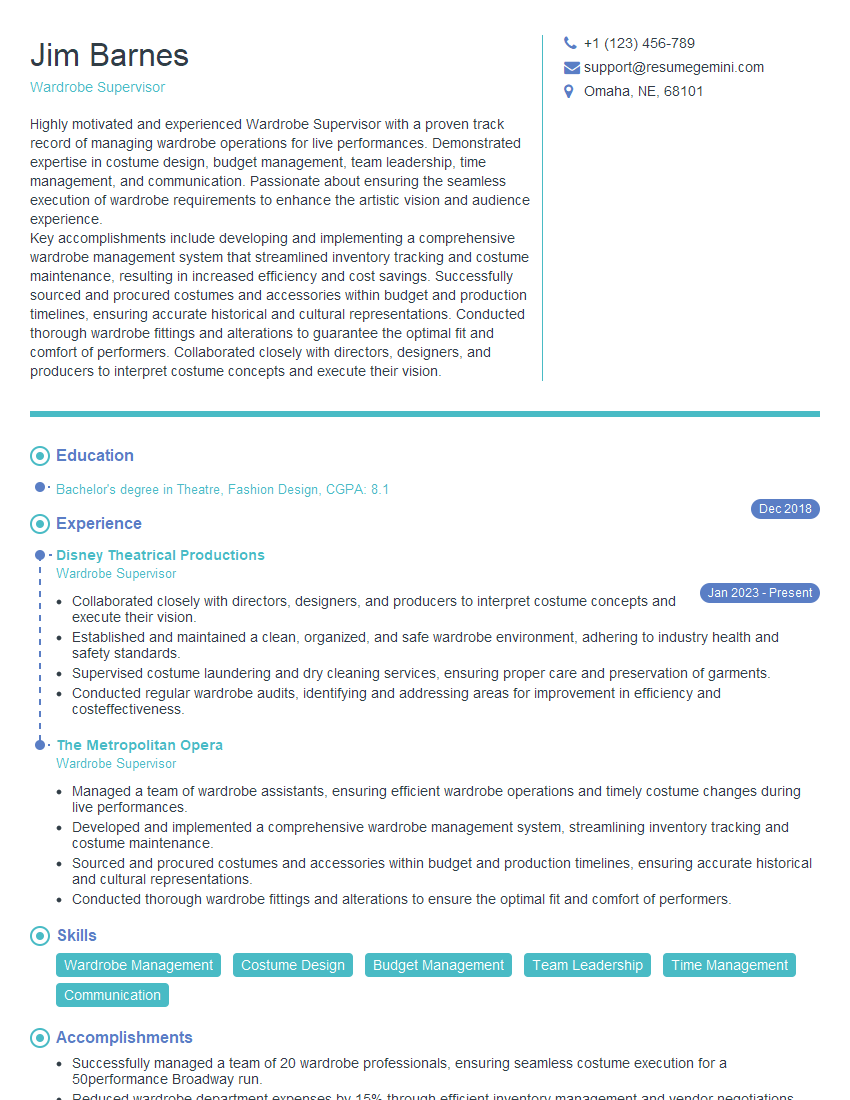
Mastering Fashion Show Preparation is crucial for career advancement in the fashion industry, opening doors to exciting opportunities and showcasing your organizational skills, creative vision, and ability to manage complex projects. To increase your chances of landing your dream role, crafting an ATS-friendly resume is essential. ResumeGemini can help you build a professional and impactful resume that highlights your key skills and experience. They offer examples of resumes tailored to Fashion Show Preparation, making the process easier and more efficient. Invest time in crafting a compelling resume – it’s your first impression on potential employers.
Explore more articles
Users Rating of Our Blogs
Share Your Experience
We value your feedback! Please rate our content and share your thoughts (optional).
What Readers Say About Our Blog
Very informative content, great job.
good